











Branches of Geology
Main Fields of Earth Science Explained
Geology is the science that tries to understand how our planet works — how rocks form, how landscapes evolve, how the crust breaks, shifts, melts, or lifts, and what these changes mean for life on Earth.
Physical Geology
Physical geology focuses on the materials that make up Earth and the processes that shape the surface: erosion, weathering, plate tectonics, volcanism, earthquakes, and the rock cycle. It forms the foundation of all Earth science.


Mineralogy
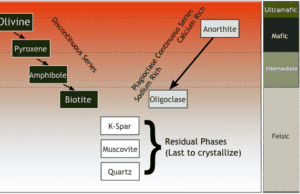
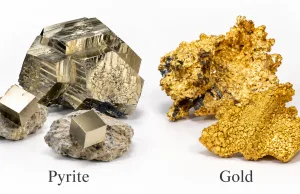
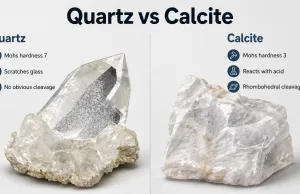
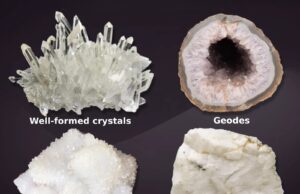
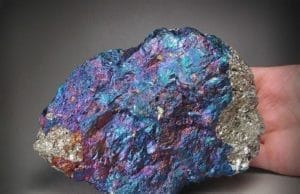
Mineralogy studies minerals — their chemical composition, crystal forms, optical properties, and how they form under different temperature-pressure conditions. Lab tools like microscopy, XRD, and Raman spectroscopy are central to this field.

Petrology
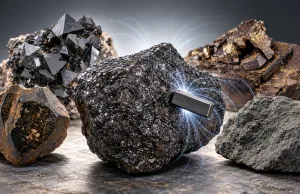
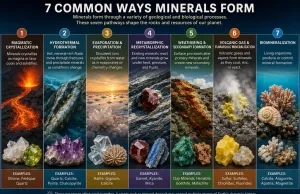
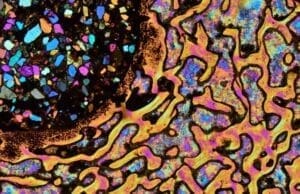
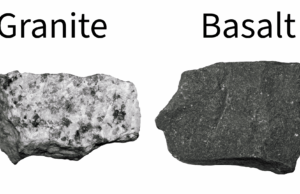
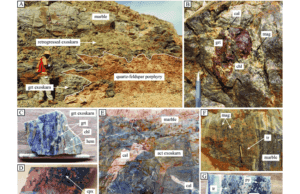
Petrology explains how igneous, sedimentary, and metamorphic rocks form, transform, and interact. By studying texture, mineral assemblages, and chemical signatures, petrologists can trace a rock’s origin and geological history.

Structural Geology
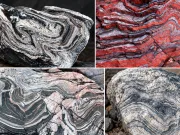
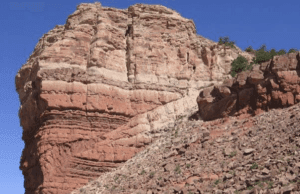
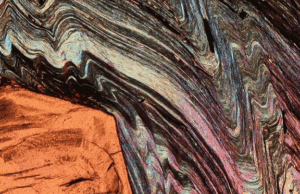
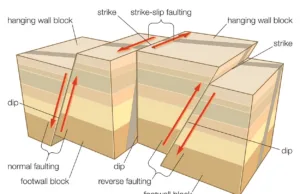
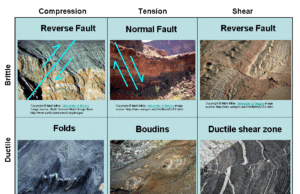
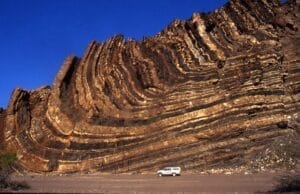
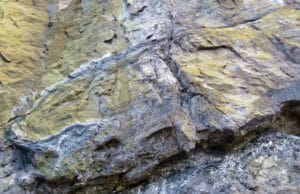
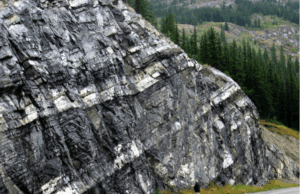
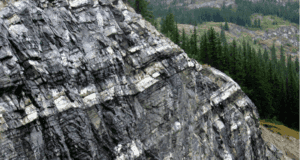
This branch investigates deformations in Earth’s crust — folds, faults, fractures, shear zones, and large-scale tectonic movements. It helps us understand mountain building, crustal stress, and how rocks behave under pressure.
Geophysics
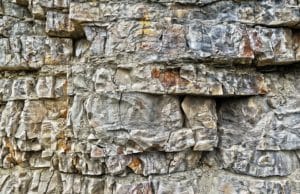
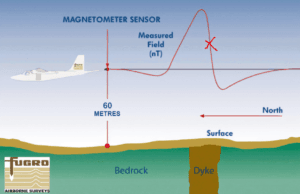
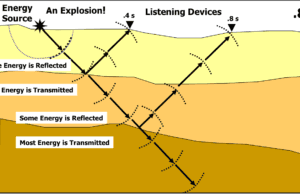
Geophysics uses physics to explore Earth’s interior. Seismic waves, gravity variations, magnetism, and electrical conductivity reveal what lies beneath the surface. It’s essential for earthquake research and subsurface imaging.




Historical geology
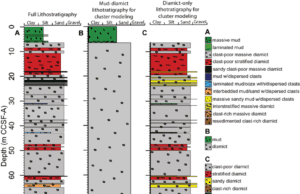
Historical geology interprets Earth’s 4.6-billion-year timeline using stratigraphy, fossils, and radiometric dating. It reconstructs ancient continents, oceans, climates, and major events that shaped the planet.



Volcanology
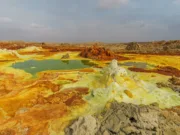
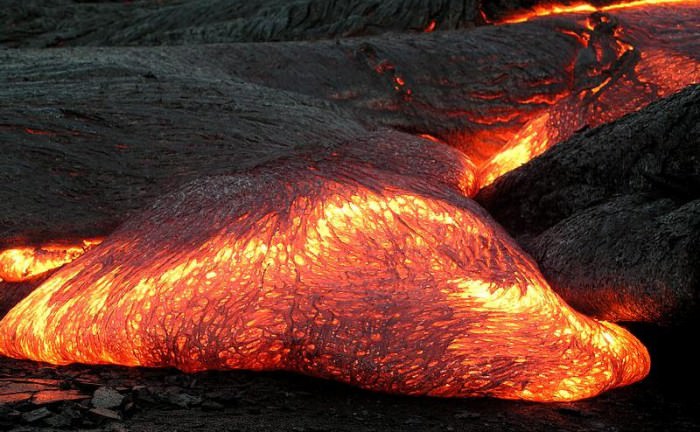
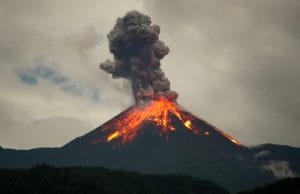
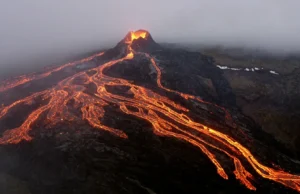
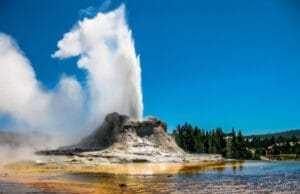
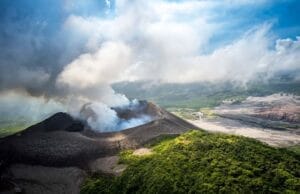
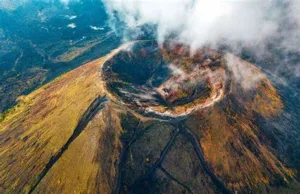
Volcanology examines magma systems, eruption styles, lava flows, ash deposits, calderas, and volcanic hazards. It helps predict eruptions and understand how volcanoes reshape landscapes and influence climate.

Engineering geology
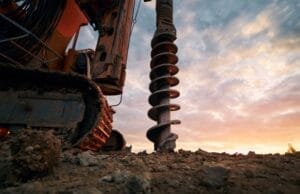
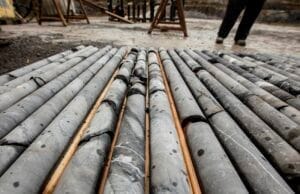
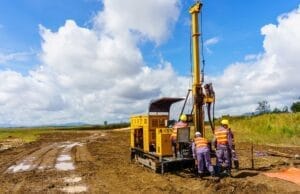
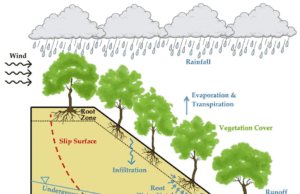
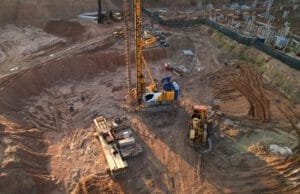
Engineering geology applies geological principles to civil engineering projects. It evaluates soil and rock stability for tunnels, dams, slopes, roads, foundations, and other major structures — ensuring safety and long-term performance.

PALEONTOLOGY
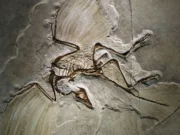
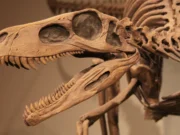
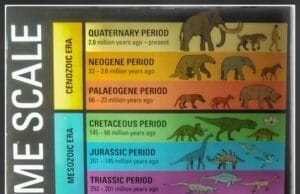
Paleontology reconstructs past life using fossils. From dinosaurs to tiny microfossils, it reveals ancient ecosystems, evolution, climate change, and how life responded to mass extinction events across Earth’s history.


Economic Geology
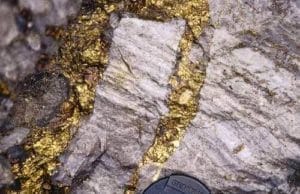
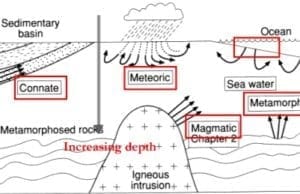
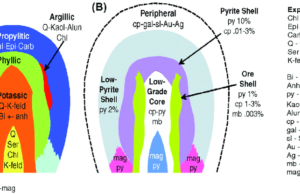
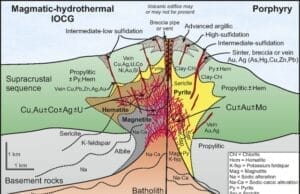
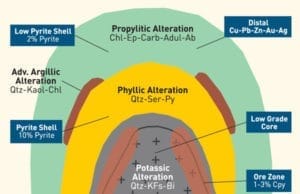
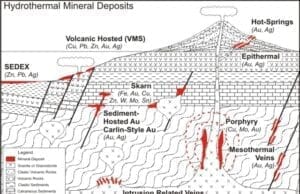
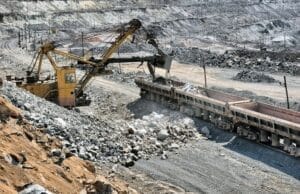
Economic geology investigates how valuable mineral deposits form: gold, copper, iron, rare earth elements, lithium, gemstones, and more. It connects ore processes with exploration, mining, and resource sustainability.
Environmental Geology
This field focuses on the interaction between humans and the geologic environment: soil contamination, groundwater pollution, land-use planning, waste management, and hazard assessment. It sits at the center of modern sustainability science.



Hydrogeology
Hydrogeology studies groundwater: how water moves through soil, sediment, and rock; how aquifers store and release water; and how contamination spreads. It is vital for drinking-water management and environmental protection.
Sedimentology
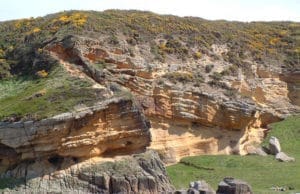
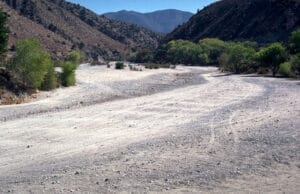
Sedimentology focuses on sediments — how they are transported by wind, water, ice, and gravity, and how they accumulate to form sedimentary rocks. Rivers, deltas, deserts, and shorelines are key environments for this discipline.
Geochemistry
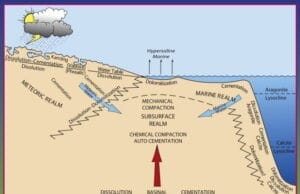
Geochemistry examines the chemical composition of rocks, minerals, fluids, and gases. It tracks how elements move through Earth’s systems, from mantle processes to weathering and ore formation. Mining, petroleum, and environmental studies rely heavily on it.
Seismology
Seismology studies earthquakes and seismic waves. It analyzes how faults break, how energy travels through the crust, and how to build early-warning systems. It is one of the most critical tools for natural hazard assessment.
Geomorphology
Geomorphology explores Earth’s surface features — mountains, valleys, plateaus, cliffs, dunes, and coastlines — and explains how they evolve over time through erosion, weathering, tectonics, and climate.
Marine Geology
Marine geology studies the ocean floor — mid-ocean ridges, underwater volcanoes, hydrothermal vents, deep-sea sediments, and continental margins. Most of Earth’s volcanic activity occurs beneath the oceans.
These branches together form the core of Earth science. Each one looks at the planet from a different angle — chemical, physical, biological, structural — but all share the same goal: understanding how Earth works, why it changes, and how we can live safely on it.

Natural Resources
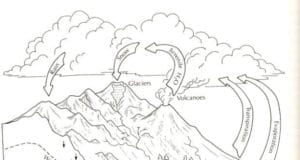
Hydrogeology
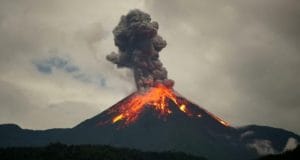
Volcanoes: Types, Formation and Eruption Styles
Rare Earth Minerals: The Geology Behind Them

Index Minerals and Metamorphic Grades

Textures of Igneous Rocks
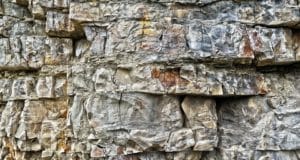
Structural Geology: Deformation, Faults, Folds & Earth’s Crust

The Museo Geologico e delle Frane, Italy
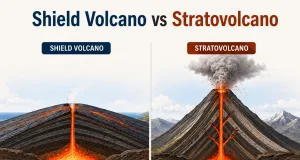
Shield Volcano vs Stratovolcano: What’s the Difference?
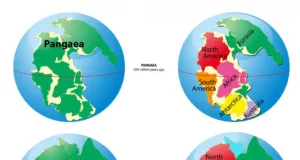
The Geological Evolution of Continents
Mineralogical Diversity of Meteorites

Stress and Strain

Crystal Systems: The 7 Fundamental Structures That Shape All Crystals

9 Famous Fossil Discoveries and What They Tell Us About Earth’s...
Unraveling the Mysteries of Pegmatite Veins
Electromagnetic (EM) Methods
Geophysics
Why Is My Rock Magnetic? 8 Common Magnetic Rocks and Minerals

Volcanic Eruptions in 2025: Nature’s Power and New Developments

Paraíba Tourmaline
Mineral Hardness and the Mohs Scale
Sedimentary Structures and Textures

Ore Bearing Hydrothermal Fluids

Types of Volcanic Eruptions
