





















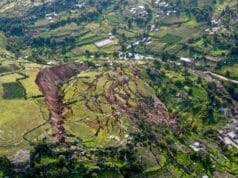
Landslides
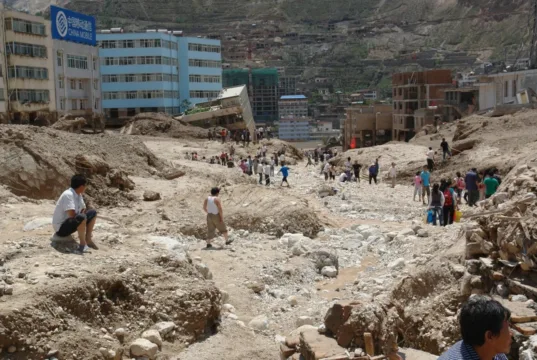
Landslides happen when the balance of forces on a slope tips in favour of movement — gravity pulling down and resisting forces weakened — and the result can be a sudden collapse or slow drift of earth, rock, debris or a mix of these. They’re triggered by heavy rainfall saturating the ground, earthquakes shaking unstable slopes, volcanic activity, or human changes like deforestation or slope modification. USGS+2British Geological Survey+2 Because they affect both natural and engineered slopes — hillsides, cut slopes along roads, embankments, mine walls — they’re a crucial concern in geotechnics, civil engineering and site-planning. In this category you’ll explore how landslides form, what physical and environmental conditions make them more likely (steep terrain, altered ground, water infiltration), how to recognise warning signs and how mitigation measures (drainage, slope reinforcement, land-use zoning) come into play. Knowing about landslides means being able to read the terrain, anticipate risk and plan accordingly whether you’re a geologist sampling a slope, a construction engineer designing a cut, or a project manager working on site in a hilly or unstable area.