





















Engineering Geology
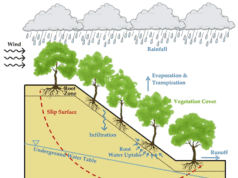
Engineering geology bridges the gap between Earth science and infrastructure design. It involves applying geological knowledge to civil engineering challenges — from assessing foundation suitability and slope stability to evaluating rock mass behavior for tunneling, mining, and large-scale construction. Unlike traditional geology, which focuses on understanding Earth’s past and its materials, engineering geology focuses on how those materials behave under load, water pressure, seismic shaking and human intervention.
This category brings comprehensive guides and case studies for professionals, students and site engineers. You’ll find articles covering site investigation methods, classification of soils and rocks, risk assessments for landslides and earthquakes, foundation design considerations, and geotechnical monitoring techniques. Whether you are working in infrastructure, planning an underground excavation, or designing resilient structures in seismic zones, these resources provide practical geological insight and applied science.
Understanding engineering geology helps engineers design safe and effective projects, avoid costly failures, and build sustainably within complex geological settings. From urban skyscrapers to mountain tunnels, the engineered environment depends on solid geological foundations — and this section of GeologyScience is dedicated to exploring exactly how.
In-Situ Testing

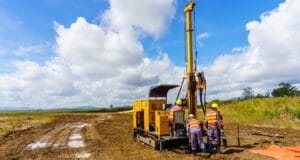
Site Investigation Techniques