




Volcanology
Volcanoes, Eruptions, Hazards and the Science Behind Earth’s Most Powerful Forces
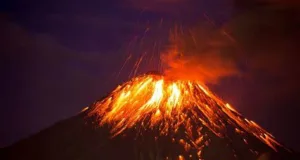
Volcanology is the branch of geology that studies volcanoes — how they form, how magma moves, how eruptions happen, and how these powerful events reshape the planet. It also examines volcanic gases, ash clouds, lava flows, calderas, geothermal systems and the risks volcanoes pose to life, climate and landscapes.
Volcanoes are not random mountains. Each one is a natural pressure valve connected to Earth’s interior. When magma rises, it creates heat, chemical reactions and explosive power that can transform entire regions within minutes. A volcanologist’s job is to understand these systems and forecast how they evolve.
1. What Is Volcanology?
Volcanology combines geology, geophysics, chemistry, and hazard science.
Volcanologists study:
- Magma chambers
- Volcanic gases
- Lava chemistry
- Eruption styles
- Pyroclastic flows
- Caldera formation
- Hotspots
- Rift volcanism
- Subduction zone volcanoes
- Volcanic hazards & risk maps
Volcanoes are windows into Earth’s interior. By understanding their behavior, scientists reveal how the mantle moves, how continents evolve, and how atmospheres change.
2. How Volcanoes Form
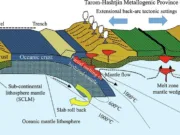
Volcanoes form where magma rises through the crust. Magma generation depends on:
A) Subduction Zones
Water lowers the melting temperature → magma rises.
Examples: Andes, Japan, Cascades.
B) Rift Zones
Crust stretches → pressure drops → mantle melts.
Examples: East African Rift, Iceland.
C) Hotspots
Mantle plumes rise from deep Earth.
Examples: Hawaii, Yellowstone.
Each tectonic setting produces different magma chemistry and eruption styles.
3. Types of Volcanoes
1. Shield Volcanoes
- Broad, gently sloping
- Basaltic, fluid lava
- Long-lasting eruptions
Example: Mauna Loa (Hawaii)
2. Stratovolcanoes
- Steep, layered
- Andesitic or rhyolitic magma
- Explosive
Example: Mount Fuji, Mount St. Helens
3. Cinder Cones
- Small, short-lived
- Built from volcanic fragments
Example: Paricutin (Mexico)
4. Calderas
- Huge collapse depressions
- Form after massive eruptions
Example: Yellowstone, Toba
5. Lava Domes
- Viscous, slow extrusions
- Rhyolitic magma
Example: Soufrière Hills
Each type reflects the chemistry, viscosity, and gas content of magma.
4. Magma and Lava: Composition & Behavior
Magma differs based on:
- Silica content
- Gas content
- Temperature
- Viscosity
Basaltic Magma
- Hot, fluid
- Low silica
- Non-explosive
- Produces long lava flows
Andesitic Magma
- Moderate silica
- Variable explosivity
- Found at subduction zones
Rhyolitic Magma
- High silica
- Very viscous
- Traps gas
- Extremely explosive
This explains why Hawaii’s lava flows like honey but Yellowstone eruptions can be catastrophic.
5. Types of Volcanic Eruptions
1. Hawaiian Eruptions
- Gentle lava fountains
- Long flows
- Basaltic magma
2. Strombolian Eruptions
- Regular small explosions
- Gas bubbles bursting
3. Vulcanian Eruptions
- Short, violent ash blasts
- Thick magma
4. Plinian Eruptions
- Extremely explosive
- Tall ash columns (40 km)
- Pumice, pyroclastic flows
- VEI 5–7
Example: Vesuvius, Pinatubo
5. Ultra-Plinian
- Rare, catastrophic
- Global climate effects
Examples: Toba, Taupo
6. Surtseyan / Phreatomagmatic
- Water + magma interaction
- Steam explosions
Example: Icelandic eruptions
7. Icelandic Fissure Eruptions
- Curtain-like lava
- Large basaltic floods
Example: Laki 1783
8. Hydrothermal Explosions
- No magma involved
- Steam-driven
- Yellowstone geyser basins
6. Volcanic Hazards
Volcanoes produce many dangerous phenomena:
A) Lava Flows
Slow but destructive.
B) Pyroclastic Flows
Fast, deadly clouds of ash & gas (1000°C, 200 km/h).
C) Ash Fall
Can ground planes, collapse roofs, contaminate water.
D) Lahars
Mudflows triggered by rain or melting snow.
E) Volcanic Gas
SO₂, CO₂, H₂S → toxic and climate-altering.
F) Ballistic Bombs
Large projectiles ejected during explosions.
G) Global Cooling
Big eruptions reduce sunlight → years of cooling.
Examples:
- Tambora 1815 → “Year Without a Summer”
- Pinatubo 1991 → global temp drop 0.5°C
7. Monitoring & Prediction
Volcanologists use:
- Seismic monitoring
- Ground deformation (GPS, InSAR)
- Gas analysis
- Thermal cameras
- Lava dome growth measurement
- Gravity & magnetic surveys
- Satellite observations
These tools help issue warnings before eruptions.
8. Famous Volcanoes & Case Studies
Mount St. Helens (1980)
Lateral blast, landslide, giant ash column.
Pompeii – Vesuvius (79 AD)
Plinian eruption, preserved Roman city.
Eyjafjallajökull (2010)
Ash cloud → global flight disruption.
Yellowstone
Supervolcano with massive caldera.
Mt. Pinatubo (1991)
Global cooling event.
9. Volcanology in Real Life
Volcanology supports:
- hazard mapping
- risk planning
- geothermal energy
- mining (volcanogenic deposits)
- climate modeling
- natural disaster management
- planetary geology (Mars, Io, Venus)
Volcanoes are not just hazards — they create fertile soils, new land, geothermal power and valuable mineral deposits.
Conclusion
Volcanology unites the explosive world of volcanic eruptions with the deep geological processes that produce them. From magma rising thousands of meters below the crust to ash clouds reaching the stratosphere, volcanoes express Earth’s internal energy more dramatically than any other process. Understanding their behavior helps protect communities, decode planetary history and reveal how Earth continues to evolve.
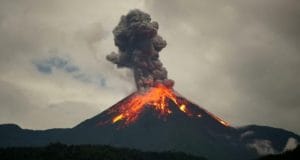
Volcanoes: Types, Formation and Eruption Styles
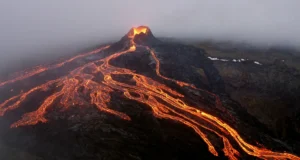
World’s Most Active Volcanoes
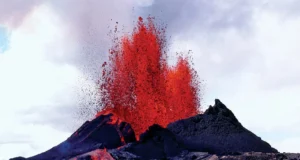
Kilauea Volcano, Hawaii, USA
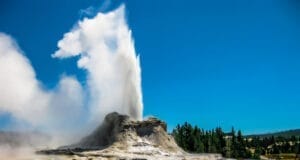
Geysers
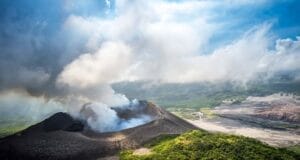
Mount Yasur, Vanuatu
Volcanic Eruptions
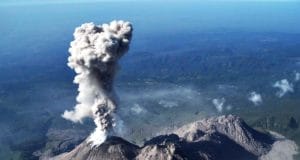
The history of volcanic eruptions
Biggest Volcanic Eruptions in History
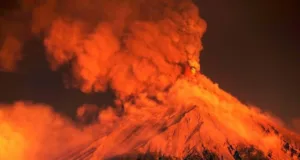
Volcán de Fuego
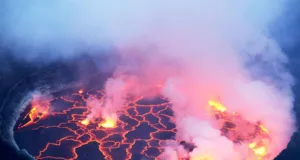
Mount Nyiragongo, Congo
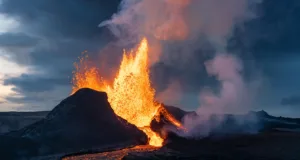
Fagradalsfjall Volcano, Iceland

Mount Merapi
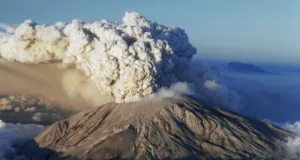
Mount St. Helens Volcano, Washington, USA