










Metamorphic Rocks
Metamorphic rocks represent one of the most fascinating transformations in the entire rock cycle. They begin their story as ordinary igneous or sedimentary rocks, but once they are buried deep inside the Earth’s crust, everything changes. Under intense heat, powerful pressure, and chemically active fluids, the original minerals start to reorganize, new minerals grow, and the overall texture becomes completely reshaped. What makes metamorphic rocks unique is that this transformation happens without melting—they are essentially “rebuilt” in solid state.
These changes are not random. Every mineral alignment, every foliation, every new crystal that forms records the exact environmental conditions the rock experienced. For geologists, this makes metamorphic rocks incredibly valuable archives of tectonic forces, mountain-building episodes, crustal thickening, subduction, fault zones, and even deep-Earth fluid circulation.
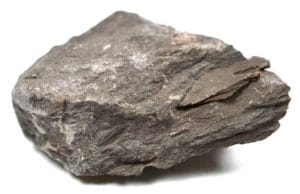
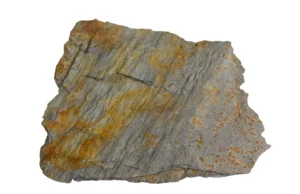
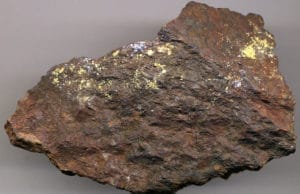
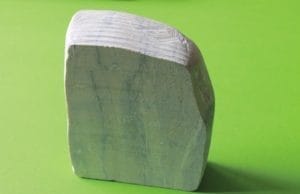
From the shimmering layers of schist, to the tightly folded structures of gneiss, to the pressure-sealed compaction of slate, metamorphic rocks help us reconstruct ancient geological events that shaped continents and mountain belts. They also play an important role in engineering geology, mining geology, and natural resources because their physical properties—hardness, density, cleavage, foliation, permeability—directly affect how landscapes behave and how humans interact with them.
Understanding metamorphic rocks means understanding how the Earth recycles its crust. Their textures, mineral assemblages, and metamorphic grades provide a clear window into the dynamic, constantly changing nature of our planet.

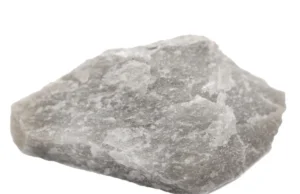
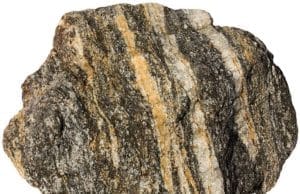
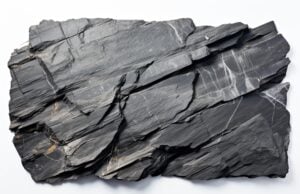
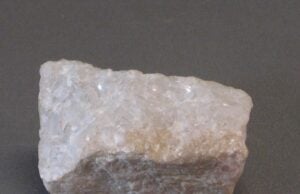
Importance and Significance in Geology
Metamorphic rocks are of great importance in geology for several reasons:
- Geological History: Metamorphic rocks provide valuable insights into the geological history of a region. They record the conditions and events that shaped the Earth’s crust over millions of years, helping geologists unravel the complex history of a specific area.
- Tectonic Processes: Many metamorphic rocks are associated with tectonic plate boundaries and mountain-building events. The study of these rocks helps scientists understand the dynamics of plate tectonics, including processes like subduction, collision, and regional deformation.
- Mineral Resources: Some metamorphic rocks are sources of valuable minerals. For example, talc is extracted from talc schist, while graphite is mined from graphite schist. Understanding the formation and distribution of these rocks is crucial for resource exploration.
- Practical Applications: Metamorphic rocks often possess desirable properties for construction and industry. Marble, prized for its beauty and durability, is used in sculpture and building materials. Slate is used for roofing and flooring due to its resistance to moisture and splitting into thin sheets.
- Climate History: Certain types of metamorphic rocks, such as eclogite, can provide information about past climate conditions and the movement of Earth’s tectonic plates through time.
Geological Processes Leading to Metamorphism:
Metamorphism is a complex geological process influenced by changes in temperature, pressure, and the presence of chemically active fluids. The key geological processes leading to metamorphism include:
- Heat: Elevated temperatures, often caused by the Earth’s internal heat or proximity to molten magma, can drive metamorphic reactions by altering mineral structures and causing recrystallization.
- Pressure: Increased pressure, stemming from burial depth or tectonic forces, can compress minerals and create new mineral arrangements. High-pressure conditions can lead to the formation of minerals not commonly found at the Earth’s surface.
- Fluids: The presence of chemically active fluids, typically groundwater or hydrothermal fluids, can facilitate mineral reactions and the exchange of elements, leading to changes in mineral composition.
- Time: Metamorphic processes occur over extended periods, allowing for the slow transformation of rocks and minerals.
- Rock Composition: The composition and mineral content of the protolith influence the type of metamorphic rock that forms. Different parent rocks yield distinct metamorphic products.
In summary, metamorphic rocks are a crucial component of the Earth’s geology, formed through complex processes driven by changes in temperature, pressure, and fluid activity. They offer insights into Earth’s history, tectonic processes, and provide valuable resources while also being used in various practical applications.
Types of Metamorphism
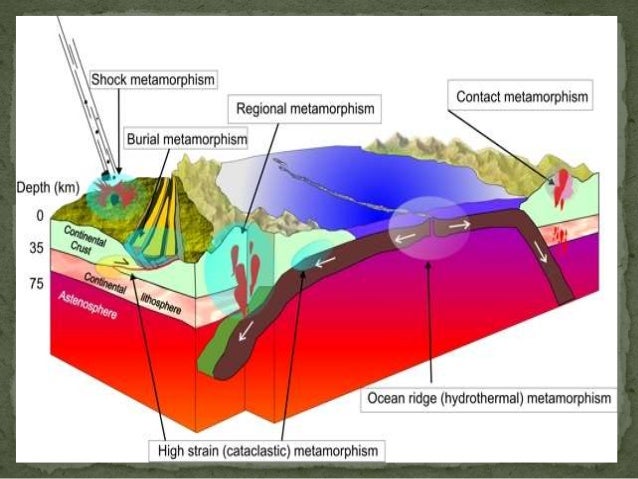
Metamorphism is a geological process that can occur in various settings and under different conditions, leading to the formation of different types of metamorphic rocks. The primary types of metamorphism are:
Contact Metamorphism (Thermal Metamorphism):
- Definition: Contact metamorphism occurs when rocks are subjected to high temperatures due to their proximity to molten magma or lava. The heat from the molten material causes the surrounding rocks to undergo metamorphism without a significant increase in pressure.
- Characteristics: Contact metamorphism often results in non-foliated rocks, meaning they lack the layered or banded appearance found in foliated rocks. Common contact metamorphic rocks include hornfels and marble.
- Location: It typically occurs in the vicinity of igneous intrusions like plutons and dikes.
Regional Metamorphism:
- Definition: Regional metamorphism is the most widespread type of metamorphism and occurs over large areas due to tectonic forces associated with mountain-building events and the collision of tectonic plates. It involves both high pressure and temperature.
- Characteristics: Regional metamorphism commonly produces foliated rocks, where mineral grains align and form parallel layers or bands. Examples include schist and gneiss.
- Location: It can be found in regions with intense tectonic activity, such as convergent plate boundaries and mountain ranges.
Dynamic Metamorphism (Cataclastic Metamorphism):
- Definition: Dynamic metamorphism occurs when rocks are subjected to extreme pressure without a significant increase in temperature. This pressure is typically associated with fault zones and shear zones, where rocks are deformed and crushed.
- Characteristics: Dynamic metamorphism often results in highly fragmented and crushed rocks, which lack the well-developed mineral grains found in some other types of metamorphic rocks.
- Location: It is commonly associated with fault zones and areas of intense tectonic stress.
Hydrothermal Metamorphism:
- Definition: Hydrothermal metamorphism involves the alteration of rocks by hot, chemically active fluids, typically groundwater or hydrothermal solutions rich in dissolved minerals. These fluids can react with the surrounding rock, changing its mineral composition.
- Characteristics: Hydrothermal metamorphism can produce a variety of rock types, depending on the chemical composition of the fluid and the host rock. Examples include skarns, greenschists, and episyenites.
- Location: It can occur near volcanic or hydrothermal activity, as well as in regions with deep-seated fluids.
Burial Metamorphism:
- Definition: Burial metamorphism occurs as rocks are buried deep within the Earth’s crust due to sediment deposition or subsidence. The increased pressure and temperature at depth can lead to mineral changes.
- Characteristics: It often results in the formation of non-foliated rocks, such as quartzite and marble, but can also produce foliated rocks if the conditions are right.
- Location: Burial metamorphism is widespread in sedimentary basins and subsiding areas.
Shock Metamorphism:
- Definition: Shock metamorphism is a rare type of metamorphism that occurs when rocks are subjected to the extreme pressures and temperatures associated with meteorite impacts or nuclear explosions. This can lead to the formation of high-pressure minerals like stishovite.
- Characteristics: Shock metamorphism leaves distinctive features in rocks, such as shatter cones and high-pressure minerals.
- Location: It is found at impact craters or near nuclear test sites.
These types of metamorphism demonstrate the diverse geological processes that can lead to the transformation of rocks under varying temperature, pressure, and fluid conditions, resulting in a wide range of metamorphic rock types.
Factors Influencing Metamorphism
Metamorphism, the process by which existing rocks undergo changes in mineral composition, texture, and sometimes even chemical structure, is influenced by several key factors. These factors collectively determine the specific type and degree of metamorphism a rock will undergo. The primary factors influencing metamorphism include:
- Temperature: Temperature plays a crucial role in metamorphism. As temperature increases, mineral reactions and recrystallization become more likely. Different minerals have specific temperature ranges within which they are stable. Elevated temperatures facilitate the growth of new minerals and the rearrangement of existing ones. The source of heat in metamorphism can be magmatic intrusions (contact metamorphism), deep burial (burial metamorphism), or tectonic forces (regional metamorphism).
- Pressure: Pressure, or the force applied to rocks, affects the density and arrangement of minerals. Higher pressures, typically associated with depth in the Earth’s crust, can lead to the formation of new mineral structures and the development of foliation in metamorphic rocks. Confining pressure is uniform in all directions, while differential pressure is greater in one direction, causing the alignment of minerals perpendicular to the direction of greatest stress.
- Time: The duration of exposure to metamorphic conditions is another critical factor. Slow, long-term metamorphism allows for more extensive mineral changes and recrystallization. Rapid metamorphism, on the other hand, may result in less pronounced alterations.
- Mineral Composition of Protolith: The composition and mineral content of the original rock, known as the protolith, strongly influence the type of metamorphism that will occur. Different minerals have distinct stability ranges, so the presence of certain minerals in the protolith can dictate which minerals will form during metamorphism. For example, shale may transform into slate, while limestone can become marble.
- Fluids: The presence of chemically active fluids, typically groundwater or hydrothermal solutions, can enhance metamorphism. These fluids can promote mineral reactions, alter mineral compositions, and facilitate the exchange of elements. Hydrothermal fluids, in particular, can play a significant role in hydrothermal metamorphism.
- Tectonic Forces: Tectonic forces, resulting from the movement of Earth’s tectonic plates, can exert pressure and create stress on rocks, leading to regional metamorphism. Convergent plate boundaries, where plates collide and are subjected to intense pressure, are common locations for regional metamorphism. Tectonic forces can also cause shearing and dynamic metamorphism along fault zones.
- Rock Texture and Structure: The texture and structure of the protolith, including its grain size, orientation of mineral grains, and presence of foliation, can influence how metamorphism proceeds. Rocks with pre-existing foliation or alignment of minerals are more likely to develop foliated textures during metamorphism.
- Chemical Composition of Fluids: The composition of the fluids that come into contact with the rock can impact metamorphism. Fluids can introduce new elements or ions into the rock, leading to the formation of new minerals or the alteration of existing ones.
These factors interact and vary in different geological settings, resulting in a wide range of metamorphic rock types and textures. The specific combination of these factors determines the unique characteristics of each metamorphic rock and provides valuable insights into the Earth’s geological history and processes.
Metamorphic Texture and Structures
Metamorphic rocks exhibit a diverse range of textures and structures, which are the result of the mineral changes and deformation processes they undergo during metamorphism. These textures and structures provide valuable information about the conditions and history of the rocks. Here are some common metamorphic textures and structures:

- Foliation:
- Description: Foliation is the most characteristic texture of many metamorphic rocks. It involves the alignment of mineral grains in parallel layers or bands, giving the rock a layered or banded appearance. Foliation results from the directed pressure or shear stress during metamorphism.
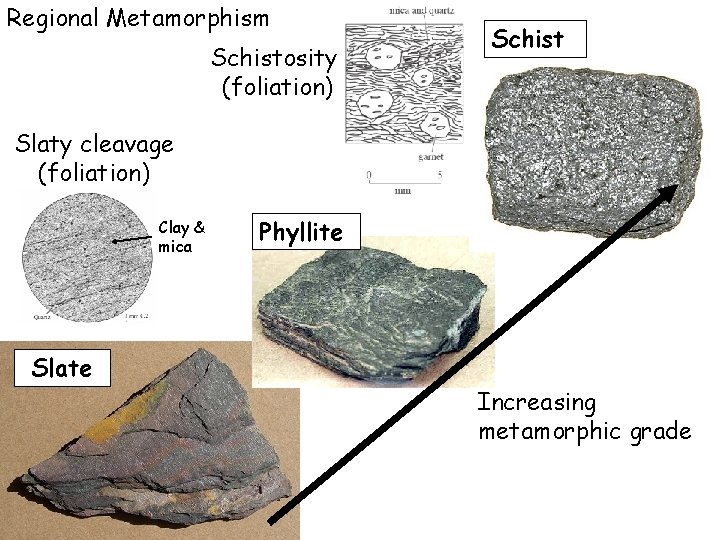
- Examples: Schistosity (coarser-grained than slate), slate cleavage (very fine-grained), and gneissic banding (distinct light and dark layers in gneiss) are examples of foliated textures.
- Non-Foliated:
- Description: Non-foliated metamorphic rocks lack the layered appearance of foliated rocks. Instead, the mineral grains in these rocks are either equidimensional (similar in all dimensions) or display a random orientation.
- Examples: Marble, quartzite, and hornfels are common non-foliated metamorphic rocks. These rocks often result from contact metamorphism or high-pressure conditions where directed pressure is minimal.
- Schistosity:
- Description: Schistosity is a type of foliation characterized by medium to coarse-grained minerals, typically micas (such as biotite and muscovite), that have aligned to form distinct layers or folia. The rock often splits along these planes.
- Examples: Schist is the classic example of a rock with schistosity. It often has a shiny appearance due to the alignment of mica minerals.
- Cleavage:
- Description: Cleavage in metamorphic rocks refers to the tendency of the rock to break along planes of weakness or foliation. Cleavage planes are typically parallel to the alignment of mineral grains.
- Examples: Slate is known for its excellent cleavage, breaking into thin, flat sheets along the planes of alignment. This makes it suitable for roofing and writing tablets.
- Granular and Equidimensional:
- Description: Some metamorphic rocks have a granular or equidimensional texture, where mineral grains are roughly the same size and lack significant alignment. This texture is often seen in non-foliated rocks.
- Examples: Marble is an equidimensional metamorphic rock composed of recrystallized calcite or dolomite grains. Quartzite is another example, consisting of recrystallized quartz grains.
- Porphyroblastic Texture:
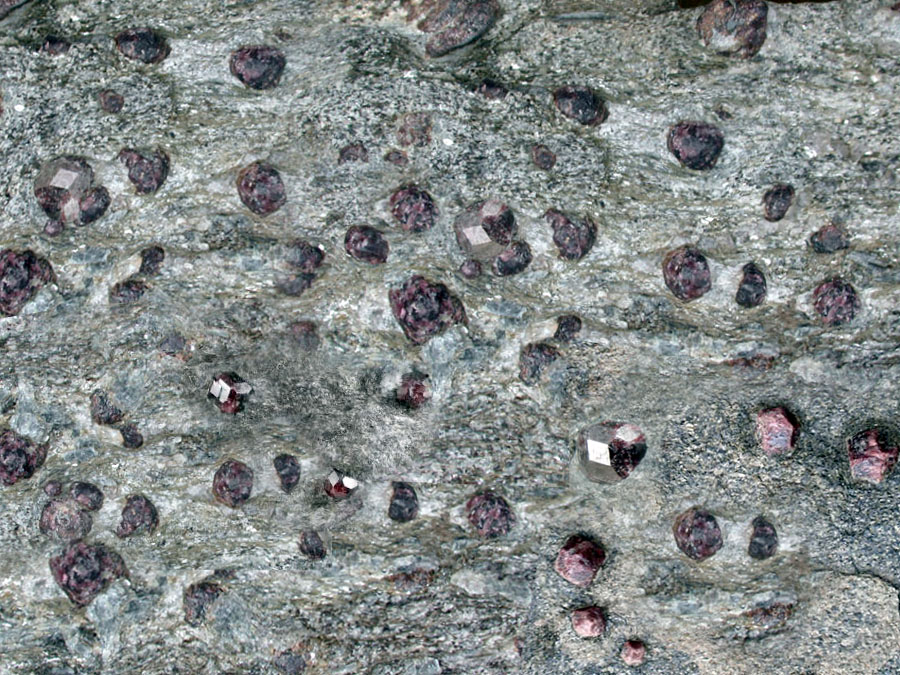
- Description: Porphyroblastic texture occurs when large crystals, known as porphyroblasts, grow within a finer-grained matrix of minerals. These porphyroblasts are often indicative of specific metamorphic conditions.
- Examples: Garnet, staurolite, and kyanite porphyroblasts can be found in various metamorphic rocks, such as garnet schist and kyanite schist.

- Lineation:
- Description: Lineation refers to linear features within metamorphic rocks, such as the alignment of elongated minerals or the stretching of mineral grains along a specific direction due to tectonic forces.
- Examples: Lineation can be observed in some schists and gneisses, where minerals like mica or elongated minerals align parallel to the direction of tectonic stress.

- Folded Structures:
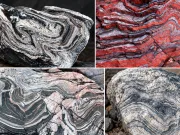
- Description: In regions subjected to intense tectonic forces, metamorphic rocks may display folded structures, where layers or bands of rock have been bent and folded into complex patterns.
- Examples: Folded structures are common in many regional metamorphic rocks found in mountain ranges and tectonically active areas.
These various textures and structures in metamorphic rocks provide geologists with valuable clues about the geological history and conditions under which the rocks formed, including the temperature, pressure, deformation, and fluid interactions involved in the metamorphic process.
Minerals and Mineralogical Changes in Metamorphic Rocks
Metamorphic rocks undergo mineralogical changes as a result of the physical and chemical processes that occur during metamorphism. The changes in mineral composition and the formation of new minerals are central to the transformation of pre-existing rocks into metamorphic rocks. Here are some common minerals found in metamorphic rocks and the mineralogical changes that occur:
1. Quartz: Quartz is a common mineral found in many metamorphic rocks. It is stable over a wide range of temperatures and pressures, making it a resilient component of many metamorphic assemblages. Quartz can also recrystallize and grow during metamorphism.
2. Feldspar: Feldspar minerals, including plagioclase and potassium feldspar, are often present in metamorphic rocks. They can undergo changes in composition and texture during metamorphism, with plagioclase feldspar showing more variation due to its sensitivity to changes in pressure and temperature.
3. Mica Minerals: Micas, such as muscovite and biotite, are common in metamorphic rocks, particularly those with a foliated texture. These minerals can align parallel to the foliation planes, contributing to the development of foliated textures like schistosity.
4. Garnet: Garnet is a common mineral in metamorphic rocks, especially in medium- to high-grade metamorphic environments. It often forms as porphyroblasts (large crystals) and can indicate specific metamorphic conditions. Garnet can also grow at the expense of other minerals during metamorphism.
5. Amphibole and Pyroxene: These minerals are often found in metamorphic rocks, particularly in mafic or basaltic protoliths. Amphiboles like hornblende can replace other minerals during metamorphism, and pyroxenes can undergo transformations depending on the metamorphic grade.
6. Chlorite and Serpentine: These minerals can form from the alteration of mafic minerals like pyroxenes and amphiboles during metamorphism. Chlorite and serpentine are common in low-grade metamorphic rocks and are associated with the breakdown of ferromagnesian minerals.
7. Epidote: Epidote is a metamorphic mineral that can form under a range of metamorphic conditions. It often occurs in rocks subjected to regional metamorphism and can be associated with the alteration of feldspars and the growth of garnet.
8. Staurolite and Kyanite: These minerals are indicators of specific metamorphic conditions. Staurolite is stable at moderate temperatures and high pressures, while kyanite forms at high pressures and lower temperatures. They are often associated with medium- to high-grade metamorphic rocks.
9. Talc and Chloritoid: These minerals can form during low-temperature and low-pressure metamorphism of rocks rich in magnesium and iron, such as shale. Talc is a soft mineral, and chloritoid often occurs in foliated rocks.
10. Calcite and Dolomite: These carbonate minerals can be present in metamorphic rocks that formed from limestone or dolostone protoliths. They may recrystallize during metamorphism, resulting in marbles composed of calcite or dolomite crystals.
The specific mineralogical changes that occur during metamorphism depend on factors such as temperature, pressure, the presence of chemically active fluids, and the composition of the protolith. As rocks undergo metamorphism, minerals may recrystallize, grow, dissolve, or react to form new minerals in response to changing conditions. These mineralogical changes are essential for geologists to understand the history and conditions of metamorphic rock formation.
Metamorphic Zones and Grade
Metamorphic zones and grade are concepts used by geologists to describe and classify the degree of metamorphism a rock has undergone. They provide a way to understand and categorize the changes in mineralogy, texture, and mineral alignment within metamorphic rocks as they experience different temperature and pressure conditions. Let’s explore these concepts in more detail:

Metamorphic Zones:
Metamorphic zones are geographic or geological regions where rocks have been subjected to similar metamorphic conditions, resulting in the formation of specific metamorphic mineral assemblages. These zones are often identified based on the presence of specific index minerals, which are minerals that form only within specific temperature and pressure ranges. As one moves from the center of a zone to its periphery, the temperature and pressure conditions gradually change, leading to variations in the mineral assemblages found in the rocks.
The concept of metamorphic zones helps geologists understand the thermal and pressure history of an area and how it has evolved over time. Some common index minerals used to define metamorphic zones include garnet, staurolite, kyanite, and sillimanite. Each of these minerals forms at different temperature and pressure conditions, allowing geologists to infer the metamorphic history of a rock based on the presence or absence of these minerals.
Metamorphic Grade:
Metamorphic grade refers to the intensity or degree of metamorphism that a rock has experienced. It is typically categorized into low-grade, intermediate-grade, and high-grade based on the temperature and pressure conditions that the rock has been subjected to during metamorphism. Metamorphic grade is often correlated with the degree of mineralogical and textural changes in the rock.
- Low-Grade Metamorphism: Low-grade metamorphism occurs at relatively low temperatures and pressures. Rocks undergoing low-grade metamorphism typically exhibit minimal textural changes, and the original mineralogy of the protolith may remain relatively unchanged. Common minerals found in low-grade rocks include chlorite, muscovite, and biotite. Slate and phyllite are examples of low-grade metamorphic rocks.
- Intermediate-Grade Metamorphism: Intermediate-grade metamorphism occurs at moderate temperatures and pressures. Rocks in this category typically show more pronounced changes in texture and mineralogy. Index minerals like garnet and staurolite may begin to appear. Schist is an example of an intermediate-grade metamorphic rock.
- High-Grade Metamorphism: High-grade metamorphism occurs at high temperatures and pressures. Rocks undergoing high-grade metamorphism experience significant mineralogical changes and recrystallization. Index minerals like kyanite and sillimanite are common in high-grade rocks. Gneiss is an example of a high-grade metamorphic rock.
Metamorphic grade provides insights into the history and tectonic setting of an area. High-grade metamorphism is often associated with deep burial or tectonic events like continental collision, while low-grade metamorphism may occur in shallower crustal settings or during burial in sedimentary basins.
Both metamorphic zones and grade are valuable tools for geologists to understand the geological processes that have shaped the Earth’s crust and the evolution of rock formations over geological time scales. These concepts help geologists interpret the complex history of rocks and the conditions under which they have undergone metamorphism.
Geological Features Associated with Metamorphic Rocks
Metamorphic rocks are often associated with distinct geological features and settings due to the processes and conditions under which they form. These features provide valuable clues about the history and tectonic environments in which metamorphic rocks have been subjected to metamorphism. Here are some common geological features associated with metamorphic rocks:
- Mountain Ranges and Plate Boundaries: Many major mountain ranges on Earth are composed primarily of metamorphic rocks. These rocks form in regions of intense tectonic activity, such as convergent plate boundaries, where continents collide or oceanic plates are subducted beneath continental plates. Examples include the Alps in Europe and the Himalayas in Asia.
- Fault Zones and Shear Zones: Metamorphic rocks are often found along fault zones and shear zones, where tectonic forces have caused rocks to deform and fracture. These zones can exhibit various textures, including mylonites and cataclasites, reflecting the intense deformation and pressure associated with faulting.
- Regional Metamorphic Belts: Large-scale regions of metamorphism, known as regional metamorphic belts, are characterized by specific metamorphic zones and assemblages. These belts often extend over hundreds of kilometers and are associated with the tectonic history of the region. Examples include the Appalachian Mountains in North America and the Scottish Highlands.
- Metamorphic Aureoles: In regions where molten magma intrudes into the Earth’s crust, contact metamorphism occurs, leading to the formation of metamorphic aureoles around the igneous intrusion. These aureoles consist of rocks that have undergone thermal metamorphism due to the heat from the magma. The classic example is the formation of hornfels around a granite pluton.
- Marble Quarries: Metamorphosed limestone or dolostone, known as marble, is often quarried for its use in sculpture and building materials. Marble quarries are common features in regions where carbonate rocks have undergone metamorphism. Carrara in Italy is famous for its high-quality marble.
- Slate Quarries: Slate, a foliated metamorphic rock derived from shale or mudstone, is quarried for its use in roofing, flooring, and decorative purposes. Slate quarries are found in regions where shale has experienced low-grade metamorphism and cleavage development.
- Schist Outcrops: Schist is a foliated metamorphic rock characterized by a well-developed schistosity texture. Schist outcrops often occur in regions with medium-grade metamorphism, and they can be visually striking due to their banded appearance.
- Gneiss Domes: Gneiss, a high-grade foliated metamorphic rock, can form large domes or outcrops. These gneiss domes are common in regions where deep-seated tectonic forces have caused the rock to recrystallize and undergo extensive mineralogical changes.
- Mineral Deposits: Certain types of metamorphic rocks are associated with valuable mineral deposits. For example, talc is mined from talc schist, while garnet can be found in garnet-bearing metamorphic rocks.
- Metamorphic Facies Boundaries: In some geological maps, boundaries between different metamorphic facies (zones with specific mineral assemblages) are marked. These boundaries represent transitions between different temperature and pressure conditions and provide insights into the metamorphic history of an area.
Understanding the geological features associated with metamorphic rocks is essential for unraveling Earth’s tectonic history, interpreting the conditions under which rocks have been metamorphosed, and locating valuable mineral resources. These features serve as valuable indicators for geologists studying the Earth’s crust and its dynamic processes.
Notable Metamorphic Rock Formations
Metamorphic rock formations are found worldwide and often create stunning geological landscapes. Here are some notable metamorphic rock formations from various parts of the world:
- Yosemite National Park, USA: The iconic Yosemite Valley in California features dramatic granitic rocks that have undergone extensive metamorphism. El Capitan and Half Dome are famous granite formations that have been sculpted by glacial and erosional processes, revealing the underlying metamorphic history.
- Fiordland National Park, New Zealand: Fiordland, located on the southwestern tip of New Zealand’s South Island, showcases breathtaking fiords, cliffs, and mountains composed of schist and gneiss, which have been sculpted by glacial and erosional processes.
- The Scottish Highlands, UK: Scotland’s Highlands are known for their rugged landscapes, which include the Lewisian Gneiss Complex, some of the Earth’s oldest rocks, dating back over 2.5 billion years. These gneiss rocks display distinctive banding and have played a significant role in understanding the Earth’s geological history.
- The Swiss Alps, Switzerland: The Swiss Alps are composed of various metamorphic rocks, including schist, gneiss, and marble. The region’s stunning landscapes are shaped by tectonic forces, glacial activity, and erosion.
- The Southern Alps, New Zealand: Comprising rocks primarily of schist, gneiss, and marble, the Southern Alps run the length of New Zealand’s South Island. The towering peaks, deep valleys, and glacially carved landscapes make this region a geological wonder.
- The Italian Alps, Italy: Italy’s Alps feature a diverse range of metamorphic rocks, including gneiss, schist, and marble. The Carrara marble quarries in Tuscany are renowned for their high-quality marble extraction and have supplied material for famous sculptures and buildings.
- Lofoten Islands, Norway: These Norwegian islands are characterized by towering granite peaks and cliffs, remnants of ancient magma intrusions that have been subjected to metamorphism. The rugged landscapes and pristine fjords are a testament to the geological history of the region.
- The Adirondack Mountains, USA: Located in upstate New York, the Adirondacks are composed of a variety of metamorphic rocks, including gneiss and schist. They are part of the Adirondack Mountains and represent some of the oldest rocks in North America.
- The Drakensberg Mountains, South Africa: Also known as the “Dragon Mountains,” this range is composed of a diverse array of metamorphic rocks, including sandstone, shale, and basalt. The striking escarpment formations and the dramatic amphitheaters have made this region a UNESCO World Heritage Site.
- The Himalayas, Asia: The Himalayan mountain range spans several countries, and its geology is complex, with various metamorphic rocks involved. The collision of the Indian and Eurasian tectonic plates has resulted in the uplift and deformation of rocks, creating some of the world’s highest peaks, including Mount Everest.
These remarkable metamorphic rock formations not only provide insights into the Earth’s geological history but also offer breathtaking natural landscapes and opportunities for scientific study and outdoor exploration.