










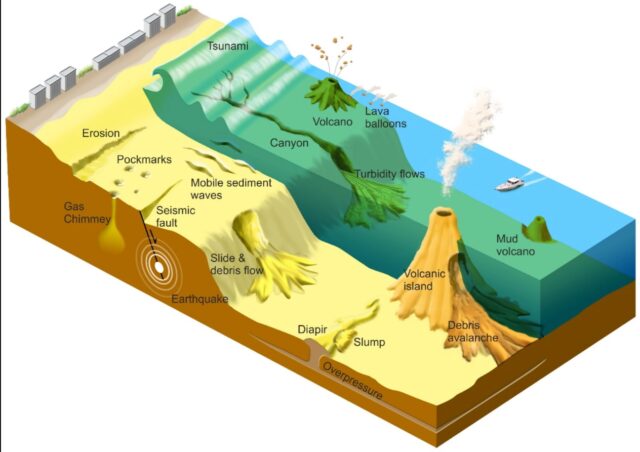
At first glance this question seems bit exaggerated. Earthquake is separate event, volcanic eruption is separate, landslide or tsunami are completely different things. Most people think about them one by one; one happens, ends, then life continues. But geology doesn’t work like this. Earth is not a machine where independent buttons are pressed. It’s a system. And in this system when one thing moves, it’s very normal for another thing to react.
Real question is not this: “Do disasters happen?” Real question is this: Does one disaster prepare ground for another disaster?
Short answer: Yes. Long answer: Depends on how, when, to what extent and under which conditions.
Geology works in chain, not singular
Earth’s crust, mantle and core are not separate layers from each other. Everything we see on surface is reflection of what’s happening in depths. Same way, big events happening on surface can also affect deep systems. That’s why handling geological disasters one by one is mostly misleading.
An earthquake is not just ground shaking. A volcanic eruption is not just lava spewing. A landslide is not just soil sliding.
Each of these is related to concepts of stress, energy and balance. And when these concepts are shared, events also start sharing.
Earthquakes: Most common trigger
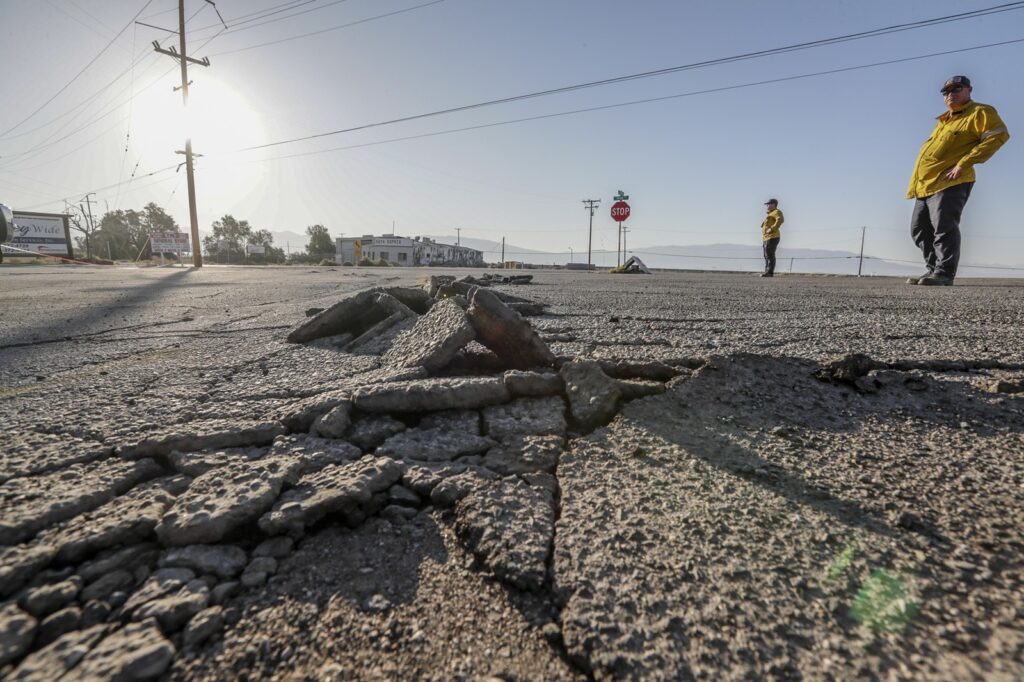
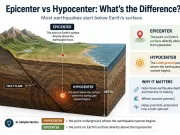
Among geological disasters, earthquakes are the ones playing “trigger” role most. Because earthquake is release of large amount of energy in very short time. This energy doesn’t stay only at fault line; it reaches surrounding rocks, underground waters and even surface shapes.
After a big earthquake we often see these:
Landslides
Rock falls
Ground liquefaction
Tsunamis
This is not coincidence. Earthquake is like force pushing systems already standing at border. A slope already cracked, a ground already saturated, a fault already under stress… All of them say “okay” together with earthquake.
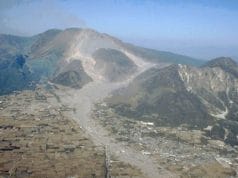
Earthquake–landslide relationship: Clearest example
A mountain’s slope seems stable when looked from outside. But in reality it’s in constant balance. Gravity pulls down, rock resistance holds up. What breaks this balance is sometimes rain, sometimes freeze-thaw, sometimes earthquake.
Shaking occurring during earthquake:
Reduces friction between rock blocks
Increases water pressure inside ground
Makes sliding of weak layers easier
That’s why after many big earthquakes we see main casualties come from landslides. Earthquake is trigger, landslide is result. But they’re not separate separate, they’re like different faces of same event.
Earthquake and tsunami: Chain under sea
In most people’s eyes tsunamis are “giant waves”. But real event is not wave, it’s water mass that displaces. When big earthquake occurring at sea floor suddenly moves floor up or down, millions of tons of water above it also react to this.
There’s important point here: Not every undersea earthquake creates tsunami. But earthquakes containing big vertical movement do create.
So earthquake alone is not sufficient; direction of movement is determinant. This also shows us this: Geological disasters are not random, they’re mechanically connected.
Can volcanoes be triggered by earthquakes?
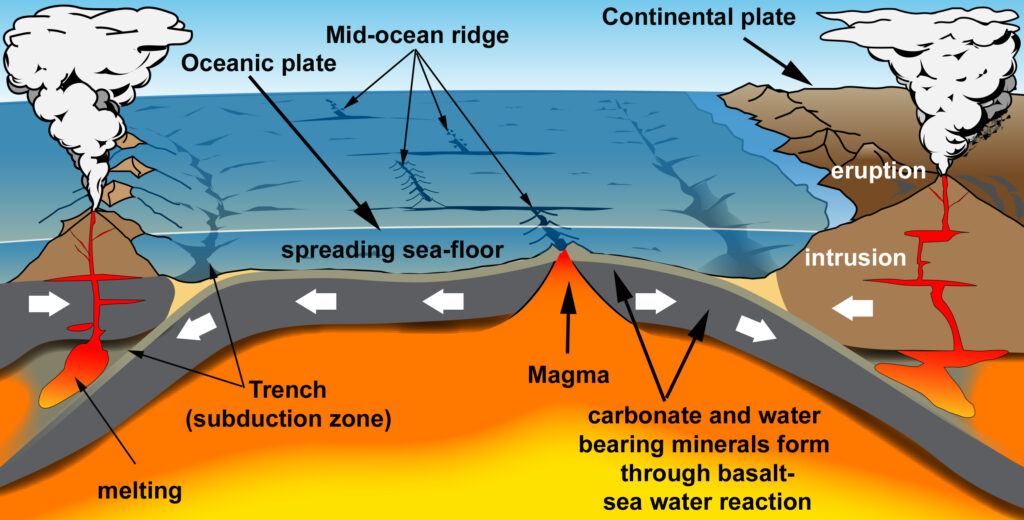
This question is asked a lot and answer is bit uncomfortable: Sometimes yes, mostly no.
Volcanoes work with their own magmatic systems. If volcano is not ready to erupt, even biggest earthquake may not make it erupt. But if system is already at critical point, meaning magma is close to surface and pressure balance is sensitive, big earthquake can break this balance.
Earthquakes can:
Redistribute pressure in magma chamber
Open crack systems
Accelerate gas release
That’s why after some big earthquakes increase in volcanic activity has been observed. But important thing here is timing and readiness state. Earthquake is not culprit alone; it can only be final touch.
Do volcanoes trigger other disasters?
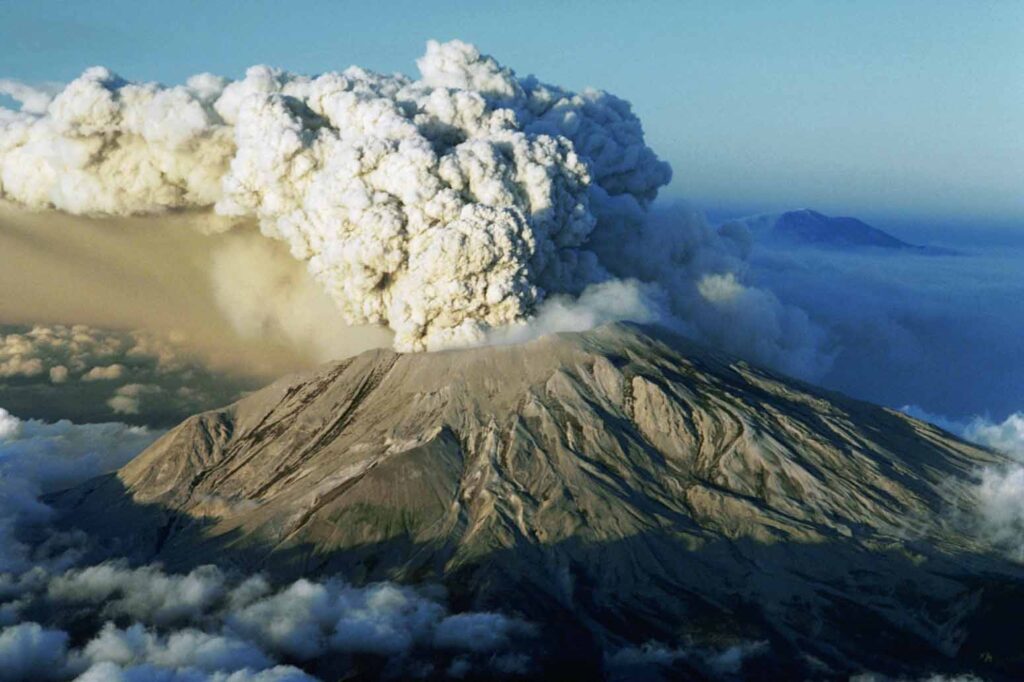
Definitely yes. Volcanoes don’t just produce lava; at same time they create multi-directional disaster chains.
When volcano erupts:
Ash fall loads weight on roofs
Ash mixing with rain turns into mud flows we call lahar
Lava contacting glaciers creates sudden floods
Gases released to atmosphere can affect climate
In history after big volcanic eruptions:
Short-term global coolings
Agricultural crises
Famines and migrations
have been seen. At this point geological disasters turn directly into social disasters.
Climate and geological disasters: Silent connection
Climate is generally thought separate from geology but this is big mistake. In long term climate is product of geology; in short term it shapes geological risks.
Intense rainfalls:
Increase landslide risk
Raise ground saturation
Magnify damage after earthquake
Melting of glaciers:
Breaks balance on mountain slopes
Reduces pressure on volcanoes
Can increase volcanic activity in some regions
So sometimes trigger is not earthquake or volcano, it’s climatic change.
Chain disasters: Single event, multiple results
Most dangerous scenarios are situations where single event triggers more than one disaster. For example:
Big earthquake
Then tsunami
Then industrial accidents on coast
Long-term environmental pollution
These kind of chains take “disaster” concept out of being just natural and make it complex. Geological event grows with its social, economic and environmental results.
So does everything trigger each other?
No. At this point it’s necessary not to go into exaggeration.
Geological systems are connected but every event doesn’t automatically start another event. Most of time it just increases probability. There’s threshold. If that threshold is exceeded chain starts, if not nothing happens.
Geology is like probability science, not “certainty”.
Conclusion: Geological disasters are not alone
Thinking geological disasters as separate, isolated events is comforting. But reality is not this. Earth is giant system consisting of interconnected processes. In this system when something changes, it’s inevitable for other things to be affected.
But this doesn’t have to be scary. On contrary, understanding these connections:
Lets us manage risks better
Lets us develop early warning systems
Makes us more prepared for disasters
Geological disasters sometimes trigger each other. But knowledge is only thing that can break this chain.