Home Blog Page 102

Quartz

Quartz is one of the most common and important minerals on Earth. It exists inside mountains, beaches, granite cliffs, sand, gemstones, electronic devices, and even microscopic industrial components used in modern technology.

Its exceptional hardness, chemical stability, crystal beauty, and resistance to weathering allowed quartz to survive geological processes that destroy many other minerals. Because of this, quartz became one of the dominant minerals found in Earth’s crust and sediments.

Some quartz varieties form famous gemstones such as amethyst, citrine, rose quartz, and smoky quartz, while extremely pure quartz is essential in glass manufacturing, electronics, watches, optics, and solar technology.

From giant underground crystal formations to tiny grains of sand along coastlines, quartz is almost everywhere around us.


WHAT IS QUARTZ?
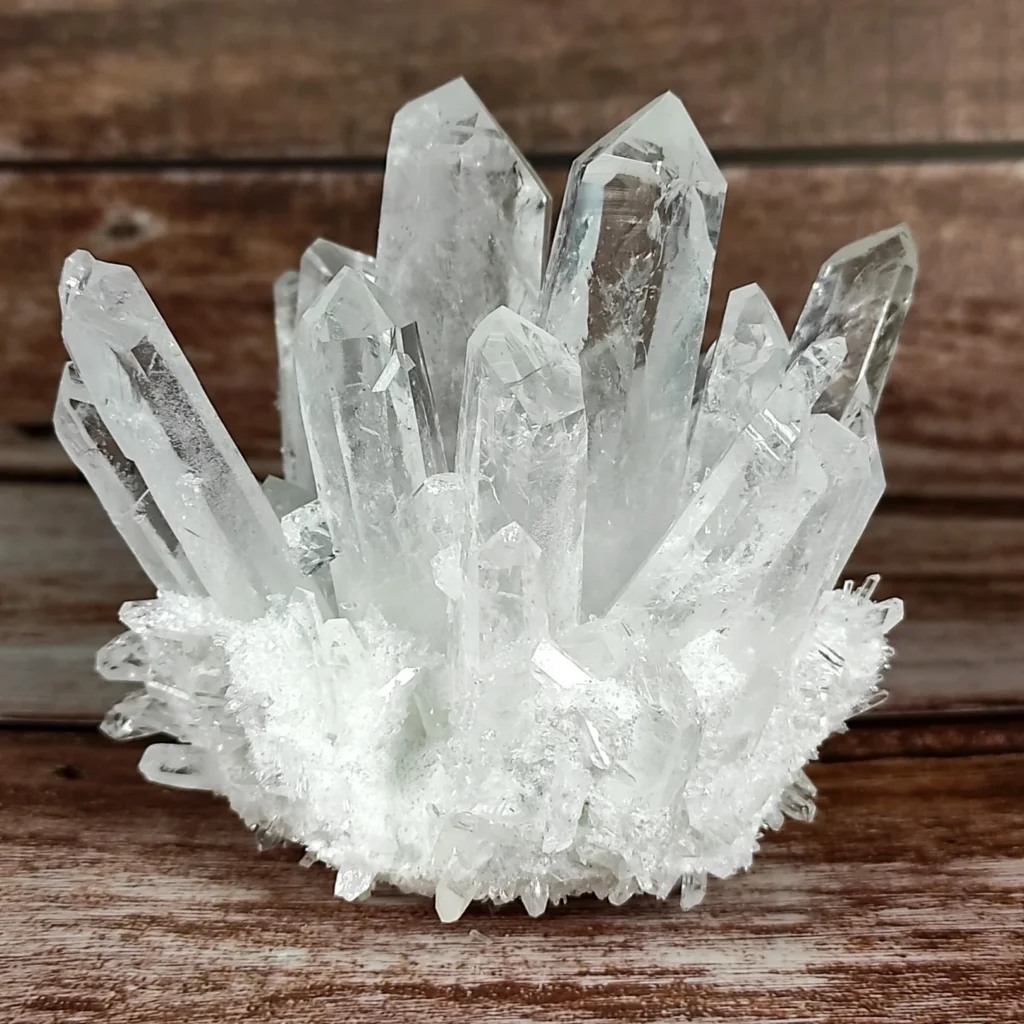
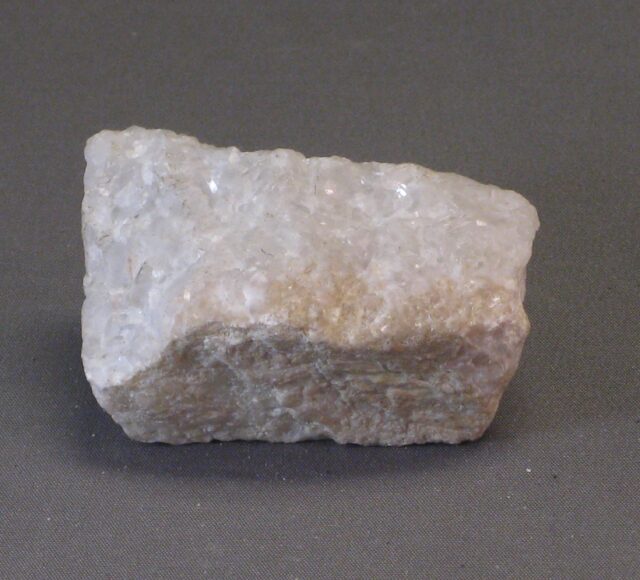
Quartz is a hard crystalline mineral composed of silicon and oxygen atoms. Its chemical formula is SiO₂ (silicon dioxide), making it one of the simplest and most stable mineral compositions found in nature.

Quartz belongs to the silicate mineral group and forms in a wide variety of geological environments. It can develop in igneous, metamorphic, and sedimentary rocks, making it one of the most widespread minerals on Earth.

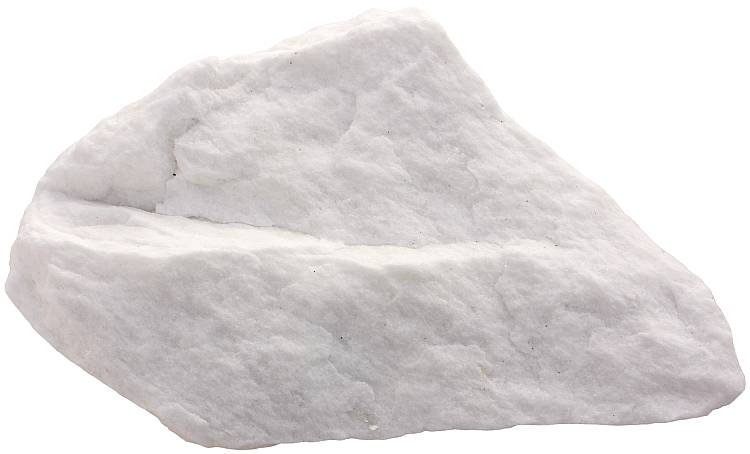
Pure quartz is usually transparent or white, but trace elements and structural variations can produce many different colors and crystal varieties.


HOW QUARTZ FORMS

Quartz forms through several geological processes depending on temperature, pressure, and the surrounding chemical environment.

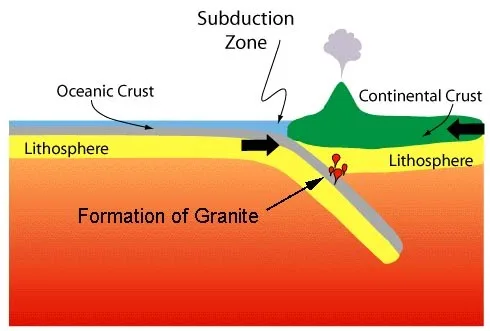
One of the most common formation methods occurs when silica-rich magma cools slowly underground. As the magma crystallizes, quartz begins forming during the later stages of cooling because silica remains concentrated in the remaining melt.

Quartz also forms from hydrothermal fluids. Hot water rich in dissolved silica moves through cracks and cavities inside rocks. As temperatures decrease, quartz crystals gradually grow within these open spaces.

Large quartz crystals may develop inside:

  • hydrothermal veins
  • geodes
  • pegmatites
  • volcanic cavities

Some crystals grow for thousands of years underground before becoming exposed through erosion.


WHY QUARTZ IS FOUND ALMOST EVERYWHERE

Quartz is extremely abundant because silicon and oxygen are two of the most common elements in Earth’s crust.

Another major reason is durability.

Many minerals break down relatively quickly during weathering, but quartz is highly resistant to physical and chemical destruction. Rivers, glaciers, wind, and ocean waves may transport quartz grains for enormous distances without completely destroying them.

This is why quartz commonly accumulates in:

  • beaches
  • deserts
  • river sediments
  • sandstone formations

Much of the sand found around the world contains quartz grains.


QUARTZ IN IGNEOUS, METAMORPHIC, AND SEDIMENTARY ROCKS
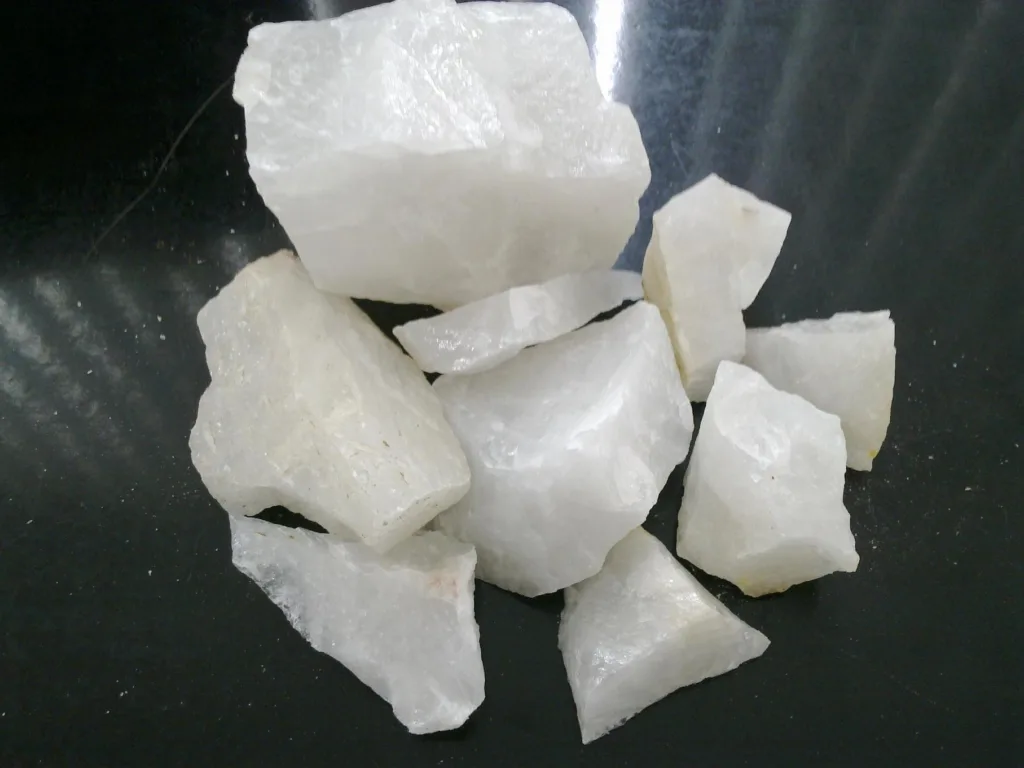
Quartz occurs in all major rock groups.

Igneous Rocks

Quartz commonly forms in silica-rich igneous rocks such as:

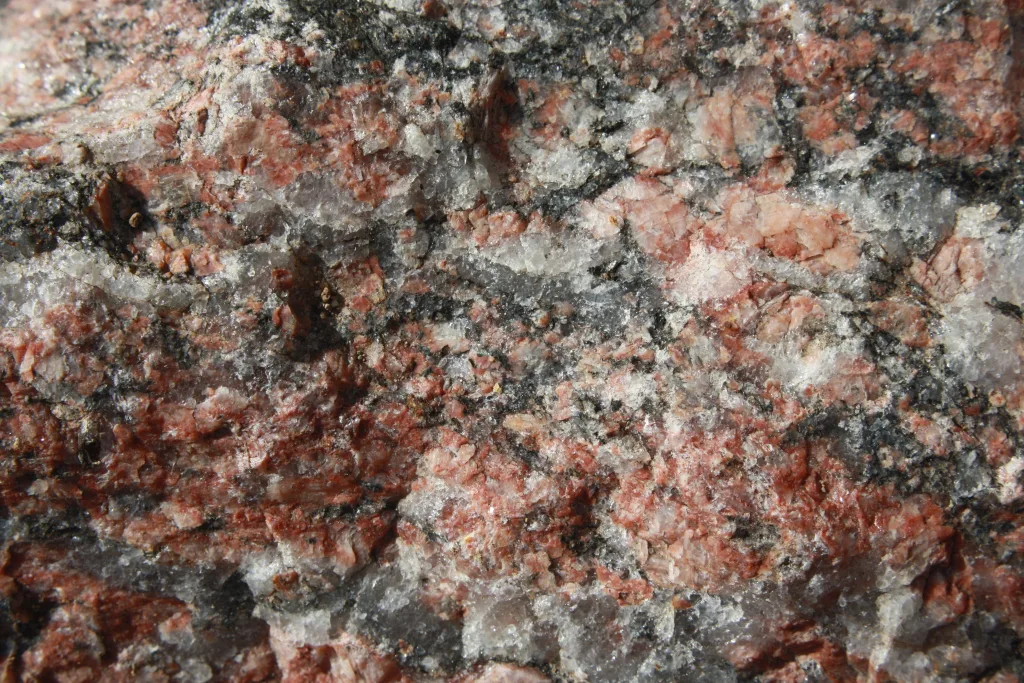
  • granite
  • rhyolite
  • pegmatite

Metamorphic Rocks

Quartz may recrystallize during metamorphism and form rocks such as:

  • quartzite
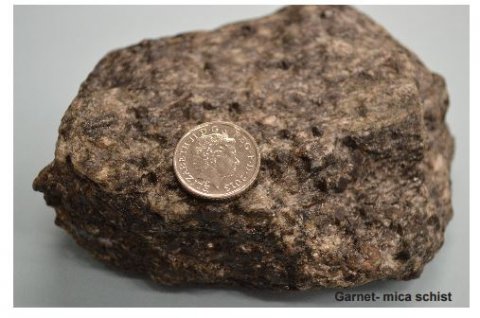
  • schist
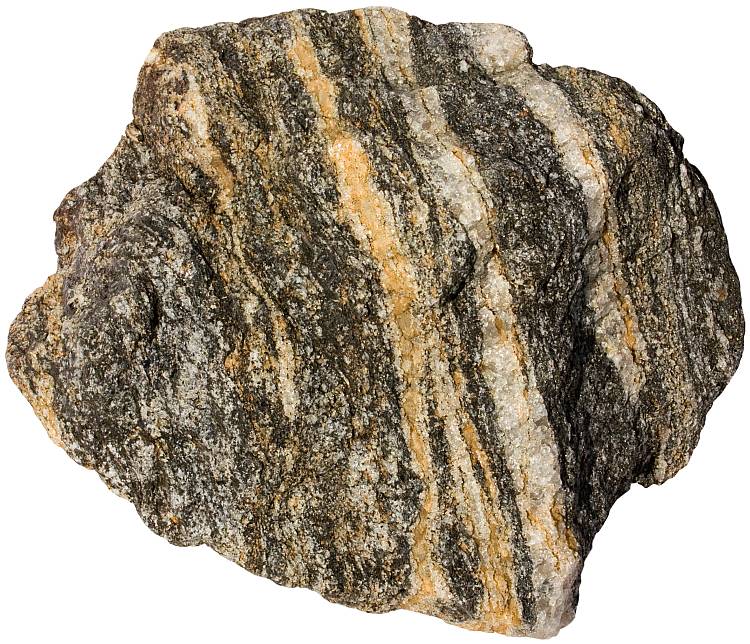
  • gneiss

Sedimentary Rocks

Weathered quartz grains accumulate to create:

  • sandstone
  • quartz arenite
  • sedimentary sands

Quartz often survives multiple geological cycles because of its resistance to weathering.


PHYSICAL, CHEMICAL, AND OPTICAL PROPERTIES OF QUARTZ

Quartz is one of the most studied minerals in geology because of its stability, abundance, crystal structure, and wide range of physical and optical properties. These characteristics make quartz important not only in mineralogy, but also in electronics, optics, industrial manufacturing, and gemstone identification.

Its combination of hardness, transparency, chemical resistance, and piezoelectric behavior helped quartz become one of the most useful natural minerals ever discovered.


Physical Properties of Quartz

Quartz is a hard and durable mineral that can survive weathering processes which destroy many other minerals. Its tightly bonded crystal structure gives it excellent resistance to scratching, pressure, and chemical alteration.

PropertyValue
Chemical FormulaSiO₂
Mineral GroupSilicate
Crystal SystemHexagonal
Hardness7 on Mohs Scale
Specific Gravity2.65
CleavageNone
FractureConchoidal
LusterVitreous
TransparencyTransparent to Opaque
StreakWhite
TenacityBrittle

Hardness

Quartz has a Mohs hardness of 7, making it significantly harder than common materials such as steel and glass. Because of this hardness, quartz grains can survive transport in rivers, deserts, beaches, and glaciers for extremely long periods of time.

This resistance to abrasion is one reason quartz becomes concentrated in sedimentary environments.


Fracture and Cleavage

Quartz has no cleavage, meaning it does not break along smooth crystal planes like minerals such as mica or calcite.

Instead, quartz breaks with a conchoidal fracture, producing curved glass-like surfaces. This fracture pattern is very similar to broken glass and is commonly seen in quartz-rich rocks and crystal specimens.


Luster

Fresh quartz usually displays a vitreous or glassy luster. Polished quartz crystals may strongly reflect light, especially transparent varieties such as rock crystal.

Massive quartz varieties can appear more waxy or dull depending on grain size and impurities.


Transparency

Quartz ranges from completely transparent to fully opaque.

Transparency depends on:

  • inclusions
  • microscopic fractures
  • impurities
  • crystal defects

Clear quartz, also called rock crystal, can become highly transparent, while milky quartz appears cloudy because of microscopic fluid inclusions trapped inside the crystal.


Chemical Properties of Quartz

Quartz is composed entirely of silicon and oxygen atoms arranged in a continuous three-dimensional framework.

Its chemical formula is:

SiO₂ (Silicon Dioxide)

The strong silicon-oxygen bonds make quartz chemically stable under many environmental conditions.


Chemical Stability

Quartz is highly resistant to chemical weathering compared to many other minerals.

Minerals such as feldspar may alter into clay relatively quickly, but quartz often survives multiple geological cycles with little change.

Because of this stability, quartz becomes extremely common in:

  • sand
  • sandstone
  • river sediments
  • beach deposits

Resistance to Weathering

Quartz remains stable under:

  • normal atmospheric conditions
  • moderate acids
  • surface weathering environments

However, quartz may dissolve slowly under high-temperature hydrothermal conditions or highly alkaline fluids.

This durability is one reason quartz is one of the most abundant minerals in Earth’s crust.


Optical Properties of Quartz

Quartz has important optical characteristics that make it valuable in mineralogy, gemology, and industrial optics.

Its interaction with light contributes to the beauty of quartz crystals and their usefulness in scientific equipment.

Optical PropertyValue
Optical CharacterUniaxial Positive
Refractive Index1.544 – 1.553
Birefringence0.009
PleochroismUsually absent
DispersionWeak
TransparencyTransparent to Opaque

Refractive Index

Quartz bends light as it passes through the crystal. Its refractive index ranges from approximately 1.544 to 1.553.

This moderate refractive index contributes to the bright appearance of polished quartz gemstones and transparent crystal specimens.


Birefringence

Quartz is birefringent, meaning light entering the crystal splits into two rays traveling at different speeds.

This optical behavior is caused by the internal crystal structure and can be observed under polarized light in petrographic microscopes.

Birefringence is extremely important in geology because quartz is one of the main minerals used in thin-section microscopy for rock identification.


Optical Character

Quartz is classified as a uniaxial positive mineral.

Under polarized light, quartz displays characteristic interference colors and optical behaviors that help geologists identify it in microscopic rock samples.


Transparency and Light Effects

Transparent quartz crystals can transmit light extremely well, especially high-purity varieties.

Some quartz specimens produce beautiful optical effects such as:

  • chatoyancy
  • asterism
  • color zoning
  • phantom crystal structures

Impurities and inclusions often influence these visual effects.


Piezoelectric Properties of Quartz

One of the most remarkable properties of quartz is piezoelectricity.

When mechanical pressure is applied to quartz crystals, they generate electrical charges. Quartz can also vibrate at highly stable frequencies when electricity passes through it.

Because of this property, quartz became essential in:

  • watches
  • clocks
  • radios
  • computers
  • smartphones
  • oscillators
  • scientific instruments

Quartz crystals help regulate highly accurate timing systems used in modern electronics.


Thermal Properties

Quartz expands and contracts with temperature changes.

At approximately 573°C, quartz undergoes a structural transition called the alpha-beta quartz transition.

This transformation slightly changes the crystal structure and physical behavior of the mineral.

Thermal stability is important in industrial applications involving ceramics, glass, and high-temperature materials.


Why Quartz Properties Matter in Geology

The physical, chemical, and optical properties of quartz explain why the mineral is so widespread and scientifically important.

Its durability allows quartz to survive erosion and sediment transport, while its optical behavior makes it essential in microscopic rock analysis.

At the same time, its piezoelectric properties transformed quartz into one of the most technologically important minerals in modern civilization.


QUARTZ CRYSTAL VARIETIES

Quartz exists in many different forms and colors. Some varieties became highly valued gemstones and decorative stones.
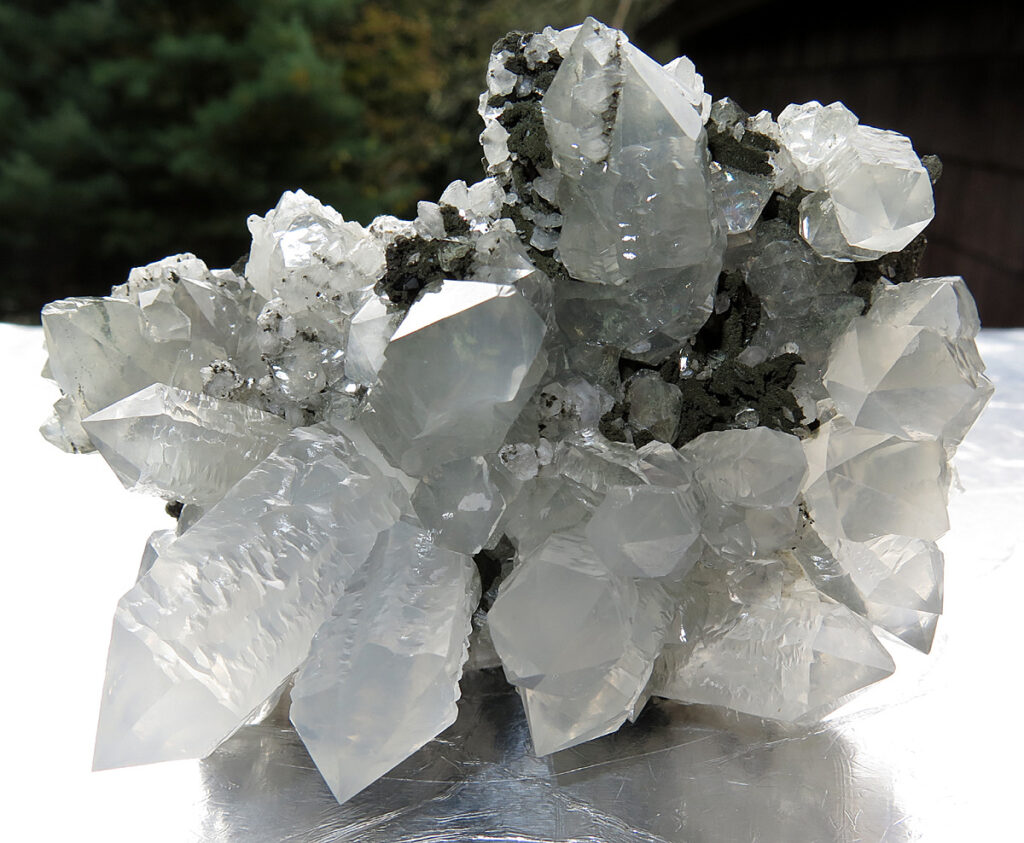
Common Quartz Varieties

  • Amethyst – purple quartz
  • Citrine – yellow to orange quartz
  • Rose Quartz – pink quartz
  • Smoky Quartz – brown to black quartz
  • Milky Quartz – cloudy white quartz
  • Rock Crystal – transparent quartz

Microcrystalline quartz varieties include:

  • Agate
  • Chalcedony
  • Jasper
  • Onyx

Trace elements, inclusions, radiation exposure, and crystal defects influence the final colors of quartz.


QUARTZ VS QUARTZITE

Quartz and quartzite are often confused, but they are not the same thing.

  • Quartz is a mineral.
  • Quartzite is a metamorphic rock composed mainly of quartz grains.

Quartzite forms when sandstone experiences heat and pressure during metamorphism.


GEOLOGICAL IMPORTANCE OF QUARTZ

Quartz plays a major role in understanding geological processes.

Geologists study quartz to analyze:

  • magma evolution
  • hydrothermal systems
  • metamorphism
  • sediment transport
  • tectonic activity

Quartz crystals may preserve fluid inclusions and chemical signatures that reveal ancient geological environments.

Because quartz survives weathering so effectively, it also records long-term sedimentary and tectonic history.


Industrial and Technological Uses

Quartz is far more than a decorative mineral — it is a critical raw material in countless industries. Its unique properties — hardness, transparency, piezoelectricity, and chemical purity — make it indispensable.
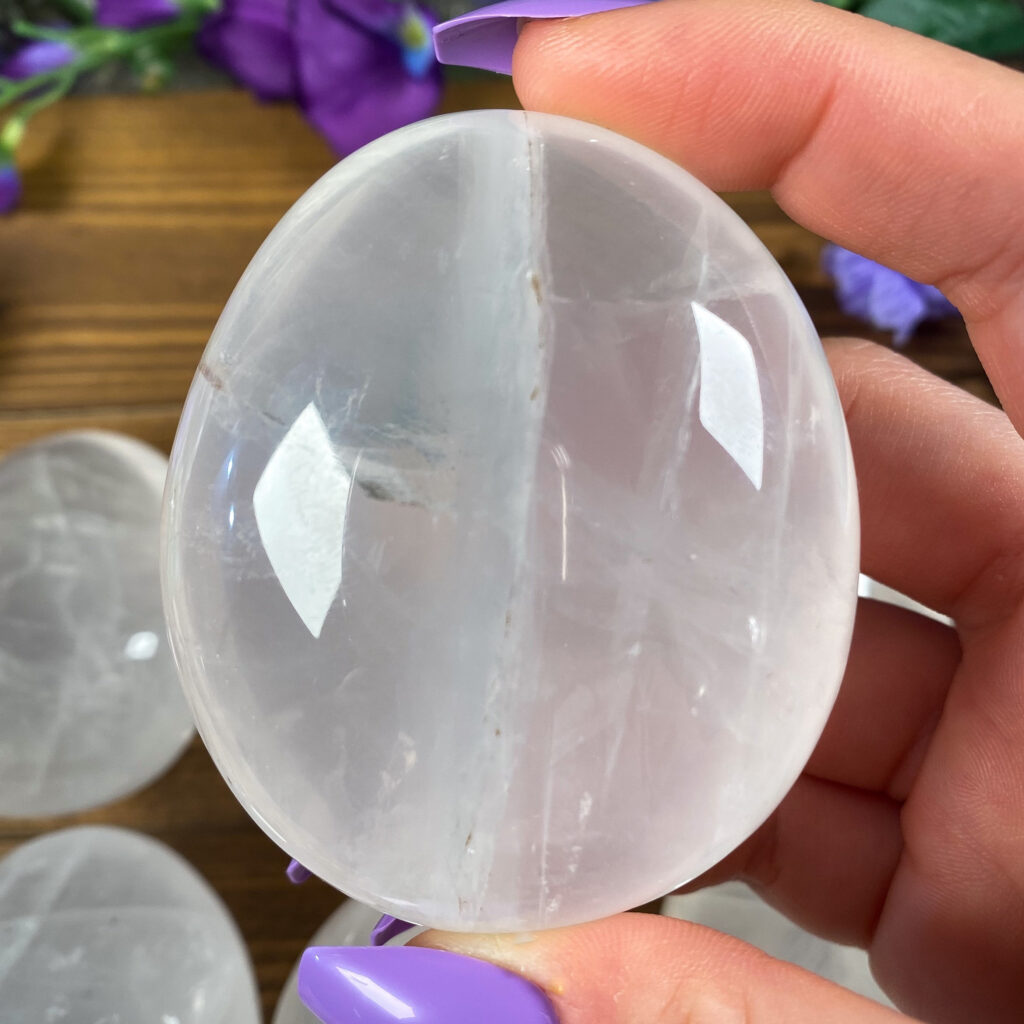
1. Industrial Applications

  • Glass Production: Silica sand (quartz) is the primary ingredient in glass manufacturing.
  • Ceramics & Refractories: Quartz is used in porcelain, brick, and cement.
  • Metallurgy: Acts as a flux to lower melting temperatures in metal production.
  • Abrasives: Quartz sand and crushed quartz are used in sandpaper and cutting tools.
  • Construction: Essential in concrete, mortar, and engineered stone surfaces.

2. Electronics and Optics

Quartz has the remarkable ability to vibrate at precise frequencies when subjected to an electric field — a property known as piezoelectricity.

  • Used in clocks, radios, and smartphones for accurate timekeeping.
  • Synthetic quartz crystals grown in laboratories ensure purity and consistent performance.
  • Optical-grade quartz transmits ultraviolet and infrared light, making it ideal for scientific instruments and fiber optics.

3. Jewelry and Decorative Use

Amethyst, citrine, rose quartz, and smoky quartz are widely used as gemstones. Their relative affordability and beauty make them favorites in both fine and costume jewelry. Large crystals and geodes are popular as interior décor pieces.

4. Scientific and Medical Instruments

High-purity quartz glass is used in laboratory ware, UV lamps, and laser optics.
Its transparency to ultraviolet light allows applications in semiconductor production and sterilization technologies.


Weathering Resistance and Geological Significance

Quartz is often called the “ultimate survivor” of the rock cycle. Its resistance to both mechanical and chemical weathering ensures it remains intact even when other minerals decay.

As rocks break down, quartz grains accumulate in riverbeds, beaches, and deserts, forming iconic landscapes such as the Sahara’s golden dunes or Florida’s white sands.

Because quartz is stable over wide pressure-temperature ranges, it serves as an indicator mineral in sedimentary provenance studies, helping geologists trace the origin of detrital materials.


Environmental and Health Aspects

Quartz is chemically inert and safe in its solid form. However, respirable silica dust — created during mining, grinding, or sandblasting — can pose serious health risks. Long-term inhalation may cause silicosis, a lung disease that can lead to chronic respiratory issues.

Modern safety regulations require dust suppression, protective masks, and ventilation in workplaces handling quartz powders.

On the environmental side, quartz extraction from sand quarries and riverbeds should be carefully managed to avoid habitat destruction and erosion.


Global Distribution and Famous Deposits

Quartz is found virtually everywhere on Earth, but some localities are renowned for exceptional specimens:

  • Brazil: World’s leading source of amethyst, clear quartz, and rutilated quartz.
  • Madagascar: Known for rose quartz and large crystal clusters.
  • United States (Arkansas): Produces some of the clearest rock crystals.
  • Alps (Switzerland and France): Alpine quartz veins with perfect prismatic crystals.
  • India and Sri Lanka: Citrine, cat’s eye, and smoky quartz.
  • Namibia and Zambia: Deep purple amethyst geodes of gem quality.

These regions not only supply the gem trade but also industrial quartz for electronics and optics.


Quartz and Human Culture

Quartz has fascinated humans for thousands of years. Ancient civilizations used quartz for tools, talismans, and ornaments, believing it held mystical energy.
The word “crystal” comes from the Greek krystallos, meaning “frozen ice,” reflecting the ancient belief that quartz was eternal ice sent from the heavens.

Today, quartz continues to bridge science and spirituality — a mineral that symbolizes clarity, energy, and endurance.


Conclusion

Quartz stands as one of nature’s most versatile and enduring creations. With its simple chemical formula yet endless structural variations, it embodies both the beauty and complexity of Earth’s geology.

From mountain peaks to microchips, quartz connects deep time with modern innovation. Its presence in rocks, rivers, jewelry, and technology is a constant reminder that even the most common minerals can shape the extraordinary story of our planet.

In every grain of sand and every crystal prism, quartz preserves a fragment of Earth’s memory — a record of transformation, resilience, and the endless cycle of creation.

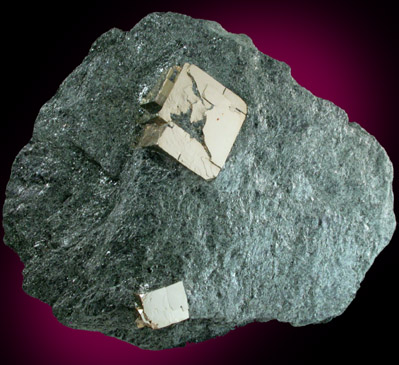
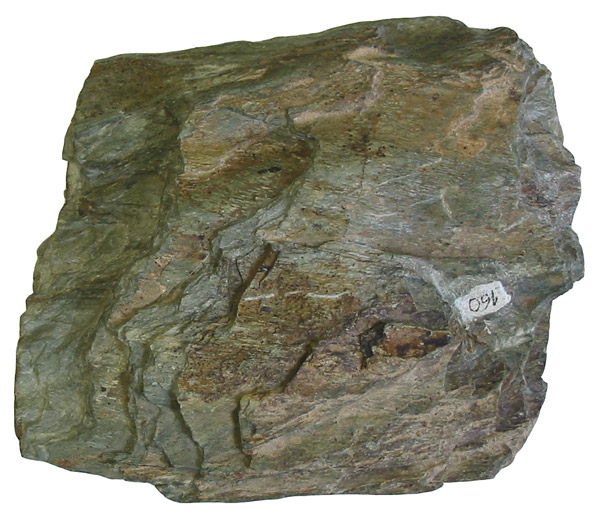
Chlorite

Chlorite is a mineral and chemical compound with several different meanings and applications in various fields, including geology, chemistry, and industrial processes. This introduction will provide an overview of chlorite from both geological and chemical perspectives.

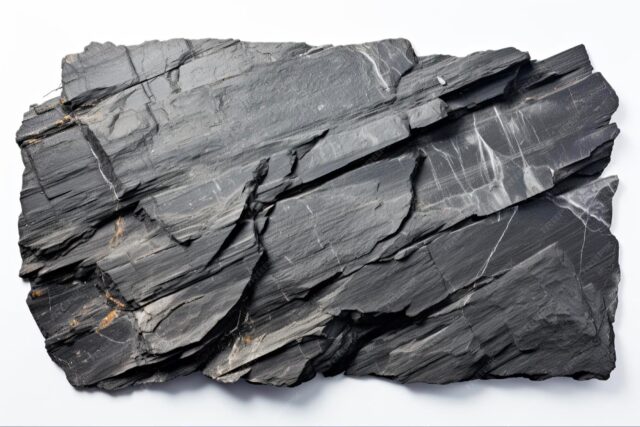
1. Geological Perspective: Chlorite as a mineral is part of the phyllosilicate group, which includes minerals with a layered structure. It is characterized by its greenish color, foliated appearance, and relatively low hardness. Chlorite minerals are commonly found in metamorphic rocks, where they form as a result of the alteration of other minerals, such as biotite, amphibole, and pyroxene, under conditions of low to moderate temperature and pressure.

Key characteristics of chlorite minerals include their platy or micaceous texture and a tendency to occur in thin, flexible flakes. They are often associated with rocks like schist, slate, and phyllite. Chlorite minerals can vary in composition, but they typically contain silicon, aluminum, oxygen, hydrogen, and various metallic elements like iron and magnesium.

2. Chemical Perspective: From a chemical standpoint, chlorite can also refer to a specific chemical compound known as chlorite ion (ClO2-), which is a polyatomic anion. Chlorite ions are made up of one chlorine atom (Cl) bonded to two oxygen atoms (O) and one additional electron, giving them a negative charge. Chlorite ions are the building blocks of various chlorite salts and compounds.

One notable chlorite compound is sodium chlorite (NaClO2), which is used in various industrial processes, including water treatment and as a precursor in the production of chlorine dioxide (ClO2). Chlorine dioxide is a powerful disinfectant and bleaching agent, and it has applications in the paper and pulp industry, as well as in the treatment of drinking water and wastewater.

In summary, chlorite can refer to both a group of greenish minerals found in metamorphic rocks and a chemical compound involving chlorite ions. Its geological presence is significant in understanding rock formations and metamorphism, while its chemical properties have practical applications in various industries.

Name: Chlorite is derived from a Greek word meaning green, in allusion to the common color of the mineral.

Diagnostic Features: Characterized by its green color, micaceous habit and cleavage, and by the fact that the folia are not elastic.

Chlorite Occurrence and Formation

Chlorite formation and occurrence are closely tied to geological processes, and understanding how chlorite is formed and where it is found can provide valuable insights into the Earth’s history and the characteristics of specific rock formations. Here’s an overview of chlorite formation and its occurrence:

Formation of Chlorite: Chlorite minerals typically form through a process called metamorphism, which involves the alteration of pre-existing rocks under specific temperature and pressure conditions. The formation of chlorite is associated with low to moderate metamorphic conditions, often occurring in the greenschist facies of metamorphism. Here’s how chlorite is formed:

  1. Parent Minerals: Chlorite minerals commonly originate from the alteration of other minerals, such as biotite (a mica mineral), amphibole, or pyroxene. These parent minerals contain elements like iron, magnesium, silicon, and aluminum.
  2. Metamorphic Conditions: Chlorite formation usually takes place at temperatures between 200°C and 400°C and at relatively low to moderate pressures. These conditions are commonly found in regions undergoing regional metamorphism, where tectonic forces cause rocks to be subjected to heat and pressure.
  3. Hydrothermal Activity: Chlorite can also form as a result of hydrothermal activity, where hot fluids percolate through rocks, altering their mineral composition. This process can occur in a variety of geological settings, including near hydrothermal vents on the ocean floor and in mineral veins.

Occurrence of Chlorite: Chlorite minerals are commonly found in various geological settings and rock types. Here are some of the common occurrences:

  1. Metamorphic Rocks: Chlorite is often associated with metamorphic rocks, especially those formed under greenschist facies conditions. These rocks include chlorite schist, chlorite slate, and phyllite. Chlorite’s greenish color can give these rocks their distinctive appearance.
  2. Hydrothermal Deposits: In hydrothermal systems, chlorite can be present in the alteration zones surrounding ore deposits. It may be associated with minerals like quartz, sulfides, and carbonate minerals.
  3. Sedimentary Rocks: While less common, chlorite can also be found in some sedimentary rocks, such as shale and mudstone. In these cases, it may have formed during diagenesis, which is the chemical and physical alteration of sediments into sedimentary rocks.
  4. Soil and Weathering Products: Weathering of rocks containing chlorite can release chlorite minerals into the soil, where they contribute to the mineral composition of the Earth’s crust.
  5. Geothermal Springs: In geothermal environments, chlorite can be found in the precipitates that form around hot springs and geysers.

Overall, chlorite is a mineral that occurs in a wide range of geological settings, with its formation primarily tied to metamorphic processes and hydrothermal activity. Its presence in rocks provides important clues about the history and conditions under which those rocks formed, making it a valuable mineral for geologists and researchers studying Earth’s history and processes.

Types of Chlorite

Chlorite is a mineral group with several different species and varieties, each with its own unique characteristics. Here are some of the common types of chlorite, their varieties, and notable localities where they are found:

Clinochlore with Calcite

1. Clinochlore: Clinochlore is one of the most well-known chlorite minerals and is often used as a generic term for chlorite in its mineralogical sense. It has a monoclinic crystal structure and is typically green to blackish-green in color. Varieties of clinochlore include:

  • Cookeite: A variety of clinochlore that occurs as fine, scaly aggregates. It is commonly found in clay-rich environments.
  • Kämmererite: A chromium-rich variety of clinochlore that exhibits a striking violet-red to pink color. It is a rare variety often found in metamorphic rocks.

Notable Localities: Clinochlore can be found in various metamorphic rocks worldwide. Specific localities include Switzerland, Italy, the United States (especially in New Jersey and Pennsylvania), and Norway.

Chamosite
Chamosite

2. Chamosite: Chamosite is another chlorite variety that has a monoclinic crystal structure. It is typically green to dark green in color and often occurs as fine-grained aggregates.

Notable Localities: Chamosite is found in various metamorphic and sedimentary rocks. It is known from localities in France, Germany, the United Kingdom, and the United States.

3. Orthochamosite: Orthochamosite is a rare orthorhombic variety of chlorite. It is typically dark green to blackish-green and can be found in metamorphic rocks.

Notable Localities: Orthochamosite has been reported from localities in Austria, Switzerland, and the United States.

4. Pennine: Pennine is a chlorite variety that is often associated with Alpine-type fissures and hydrothermal veins. It is known for its striking green color.

Notable Localities: Pennine chlorite is found in the Swiss and Italian Alps, as well as in the Pennines of England, from which it derives its name.

5. Thuringite: Thuringite is a chlorite variety that contains significant amounts of manganese. It is typically dark green to blackish-green and is commonly found in manganese deposits.

Notable Localities: Thuringite is known from Thuringia, Germany, and other manganese ore deposits around the world.

6. Ripidolite: Ripidolite is a variety of chlorite that is often associated with talc deposits. It is typically light green to grayish-green and is known for its soft, platy texture.

Notable Localities: Ripidolite can be found in talc deposits in countries such as Italy, the United States (Vermont), and Canada.

7. Kammererite: As mentioned earlier, kammererite is a variety of clinochlore that is notable for its violet-red to pink color. It is often found in association with chromite deposits.

Notable Localities: Kammererite is known from localities in Turkey, Russia, and South Africa.

These varieties of chlorite are found in a range of geological settings, including metamorphic rocks, hydrothermal veins, and ore deposits. Their unique properties and colors make them of interest to mineral collectors and researchers studying the Earth’s crust and geological history.

chlorite under the microscope

Physical, Chemical and Optical Properties

Chlorite is a group of phyllosilicate minerals with varying physical, chemical, and optical properties, depending on the specific species and composition within the group. Here are some general characteristics and properties associated with chlorite:

Physical Properties:

  1. Color: Chlorite minerals can exhibit a range of colors, but they are most commonly green, varying from pale green to dark green. The green color is due to the presence of iron and other elements within the crystal structure.
  2. Luster: Chlorite minerals typically have a pearly or vitreous (glassy) luster when viewed in thin flakes.
  3. Streak: The streak of chlorite minerals is usually white to pale green.
  4. Transparency: Chlorite minerals are often translucent to nearly opaque. Their thin flakes can be somewhat transparent when backlit.
  5. Crystal Habit: Chlorite minerals have a platy or foliated crystal habit, forming thin, flexible flakes or sheets. They can also occur as fine-grained aggregates.
  6. Cleavage: Chlorite minerals exhibit one perfect cleavage plane parallel to the basal plane of their crystal structure. This cleavage produces thin, flat flakes.
  7. Hardness: The hardness of chlorite minerals on the Mohs scale typically ranges from 2 to 2.5, making them relatively soft.
  8. Specific Gravity: The specific gravity of chlorite minerals varies depending on their composition, but it generally falls in the range of 2.6 to 3.3.

Chemical Properties:

  1. Chemical Composition: Chlorite minerals are complex silicate minerals that contain silicon (Si), oxygen (O), aluminum (Al), iron (Fe), magnesium (Mg), and hydrogen (H). The exact chemical composition can vary between different chlorite species and varieties.
  2. Formula: The general formula for chlorite is (Mg,Fe)3(Si,Al)4O10(OH)2(O,OH)2·(Mg,Fe)3(OH)6.
  3. Stability: Chlorite is stable under low to moderate temperature and pressure conditions, making it a common alteration mineral in metamorphic rocks.

Optical Properties:

  1. Refractive Index: Chlorite minerals have a refractive index that falls in the range of 1.56 to 1.64, depending on the specific composition and variety.
  2. Birefringence: Chlorite minerals typically exhibit low birefringence, which means that they do not produce significant interference colors when viewed under a polarizing microscope.
  3. Pleochroism: Some chlorite varieties may show weak pleochroism, meaning they can exhibit subtle color variations when viewed from different angles.
  4. Transparency: Chlorite minerals are usually translucent to nearly opaque, with thin flakes being more transparent than thicker sections.

In summary, chlorite is a group of phyllosilicate minerals with a distinct green color, platy or foliated crystal habit, and relatively low hardness. Their chemical composition can vary, but they typically contain elements such as silicon, aluminum, iron, magnesium, and hydrogen. Chlorite minerals have specific optical properties, including refractive indices, birefringence, and pleochroism, that can vary depending on their specific species and composition. These properties make chlorite minerals important in both geological and mineralogical studies.

Uses and Application of Chlorite

Chlorite, both in its mineral form and as a chemical compound, has several uses and applications across various industries and scientific fields. Here are some of the key uses and applications of chlorite:

1. Industrial Water Treatment:

  • Chlorite compounds, particularly sodium chlorite (NaClO2), are used in industrial water treatment processes. When activated with an acid, sodium chlorite generates chlorine dioxide (ClO2), a powerful disinfectant and oxidizing agent. Chlorine dioxide is effective in treating water for bacteria, viruses, and other microorganisms. It is also used to control taste and odor issues in drinking water.

2. Pulp and Paper Industry:

  • Chlorine dioxide (ClO2), produced from sodium chlorite, is a crucial bleaching agent used in the pulp and paper industry. It helps whiten and brighten paper products while minimizing the environmental impact compared to traditional chlorine-based bleaching processes.

3. Oil and Gas Industry:

  • Chlorite-based solutions are used in the oil and gas industry for drilling mud applications. These solutions can help control the viscosity and stabilize the drilling mud during drilling operations.

4. Disinfection and Sanitization:

  • Chlorine dioxide (ClO2), derived from chlorite compounds, is employed for disinfection and sanitization purposes in various settings, including hospitals, food processing facilities, and municipal water treatment plants.

5. Food Industry:

  • Chlorine dioxide is approved for use as a food disinfectant and preservative by regulatory agencies in some countries. It can be used to sanitize food contact surfaces, equipment, and to treat food products directly.

6. Remediation of Mold and Mildew:

  • Chlorine dioxide can be used to remediate mold and mildew problems in buildings. It is effective in killing mold spores and preventing their regrowth.

7. Agricultural Applications:

  • Chlorine dioxide can be used in agriculture to disinfect irrigation water, sanitize equipment, and control bacterial and fungal diseases in crops.

8. Biomedical Research:

  • Chlorite compounds are sometimes used in laboratory research, particularly in studies involving oxidative stress and cellular responses to oxidative damage.

9. Geological Studies:

  • Chlorite minerals are valuable to geologists and mineralogists for understanding the metamorphic history of rocks and studying geological processes. They can provide insights into temperature and pressure conditions during rock formation.

10. Art and Gemology:

  • Chlorite-included quartz crystals are prized by mineral collectors and are used in jewelry making. These quartz crystals, known as “chlorite phantom quartz” or “chlorite inclusions,” have intriguing green chlorite inclusions that add beauty and value to the gemstone.

It’s important to note that the use of chlorite compounds should be handled with care, as they can be hazardous in concentrated forms. Safety protocols and regulations should be followed when using chlorite-based chemicals, particularly in industrial and water treatment applications. Additionally, regulations regarding the use of chlorine dioxide in food processing and water treatment can vary by region and should be adhered to accordingly.

Notable Deposits and Locations

Chlorite minerals and chlorite deposits can be found in various geological settings around the world. These deposits are associated with specific rock types and geological processes. Here are some notable deposits and locations where chlorite minerals can be found:

  1. Swiss Alps (Switzerland): The Swiss Alps are known for their rich chlorite deposits, particularly in regions like the Engadin Window. Chlorite minerals, including clinochlore and pennine, can be found in metamorphic rocks within these mountainous areas.
  2. Italian Alps (Italy): Similar to the Swiss Alps, the Italian Alps also host chlorite-rich metamorphic rocks. The Val Malenco region in northern Italy is known for its chlorite schists and other chlorite-bearing rocks.
  3. Austrian Alps (Austria): Chlorite minerals, including clinochlore and orthochamosite, are found in various metamorphic rocks in the Austrian Alps, especially in regions like Tyrol.
  4. New Jersey (USA): New Jersey is renowned for its extensive chlorite deposits, particularly in the Highlands region. The state’s geology features numerous chlorite-rich schist and slate formations.
  5. Pennsylvania (USA): Pennsylvania is another state in the United States known for its chlorite-rich metamorphic rocks. Chlorite minerals can be found in various regions, including the Reading Prong and the Appalachian Mountains.
  6. Scotland (United Kingdom): The Scottish Highlands contain chlorite schist and phyllite formations, where chlorite minerals are commonly associated with metamorphic rocks.
  7. Norway: Norway is home to chlorite deposits found in metamorphic rocks within the Scandinavian mountain ranges, including the Caledonides.
  8. Grenville Province (Canada): The Grenville Province in eastern Canada contains chlorite-rich metamorphic rocks, particularly in regions like the Adirondack Mountains of New York and the Grenville Front in Quebec.
  9. Oman: In Oman, chlorite minerals can be found in ophiolitic rocks, which are part of the Oman Ophiolite Complex. These rocks have been uplifted and exposed due to tectonic processes.
  10. South Africa: South Africa hosts chlorite deposits associated with various geological formations, including metamorphic rocks and hydrothermal veins. Notable localities include the Barberton Greenstone Belt.
  11. Brazil: Chlorite minerals can be found in several Brazilian states, often associated with metamorphic rocks. Regions like Minas Gerais are known for their chlorite-bearing geological formations.
  12. Antarctica: Chlorite minerals have been discovered in Antarctic rocks, particularly in the mountain ranges of the continent. These rocks provide insights into Antarctica’s geological history.

These locations represent just a portion of the global distribution of chlorite deposits. Chlorite minerals are widespread and can be found in a variety of geological environments, including metamorphic rocks, hydrothermal deposits, and ophiolitic complexes. They are valuable to geologists and mineral enthusiasts for understanding Earth’s geological history and processes.

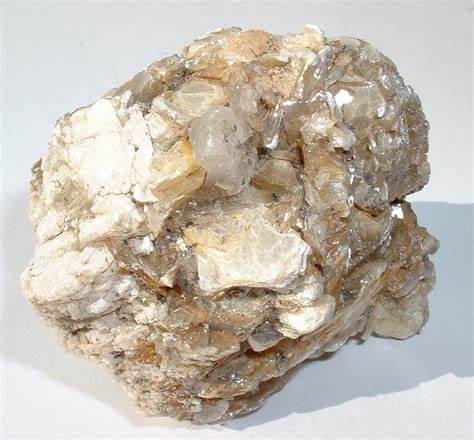
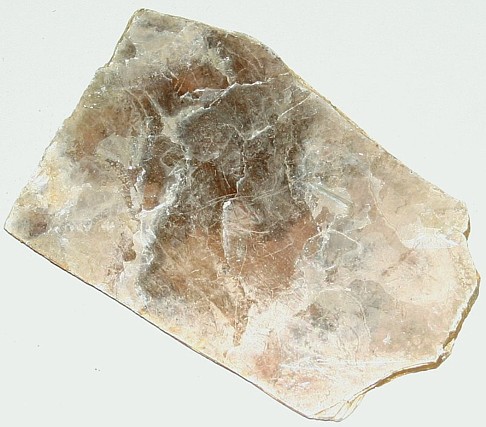
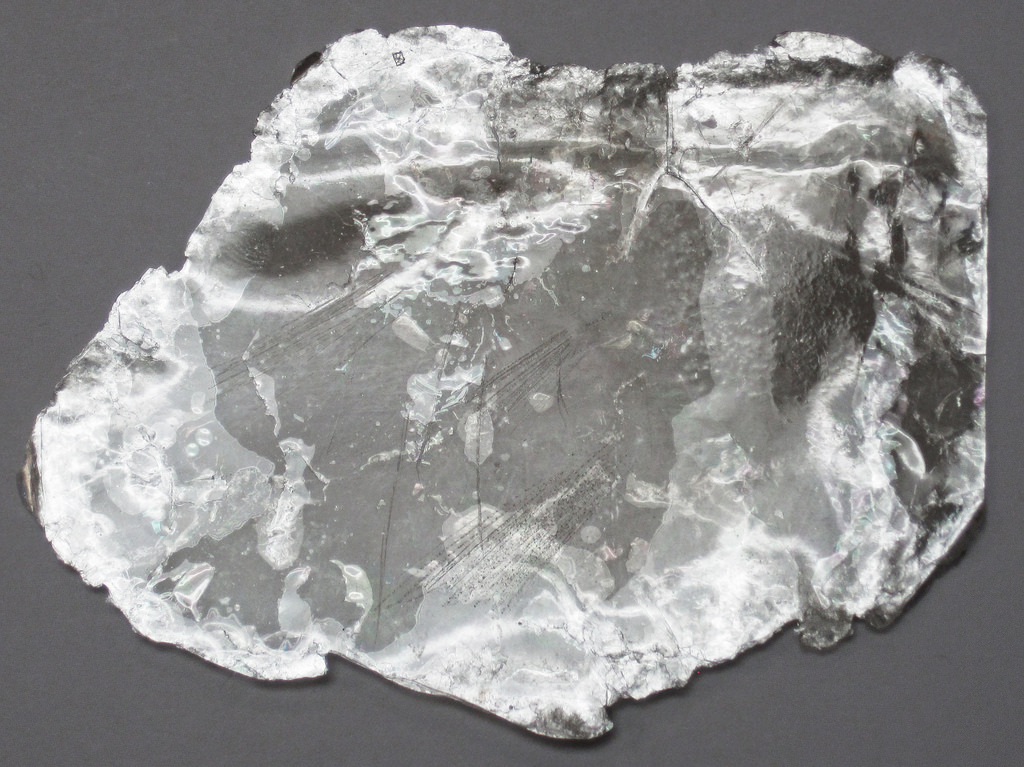
Muscovite

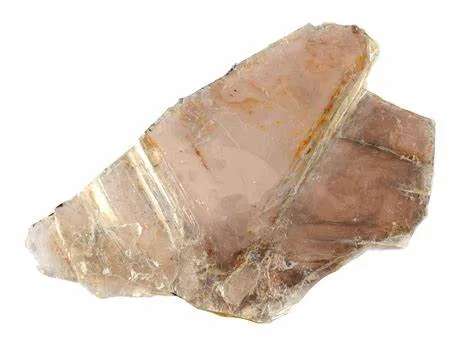
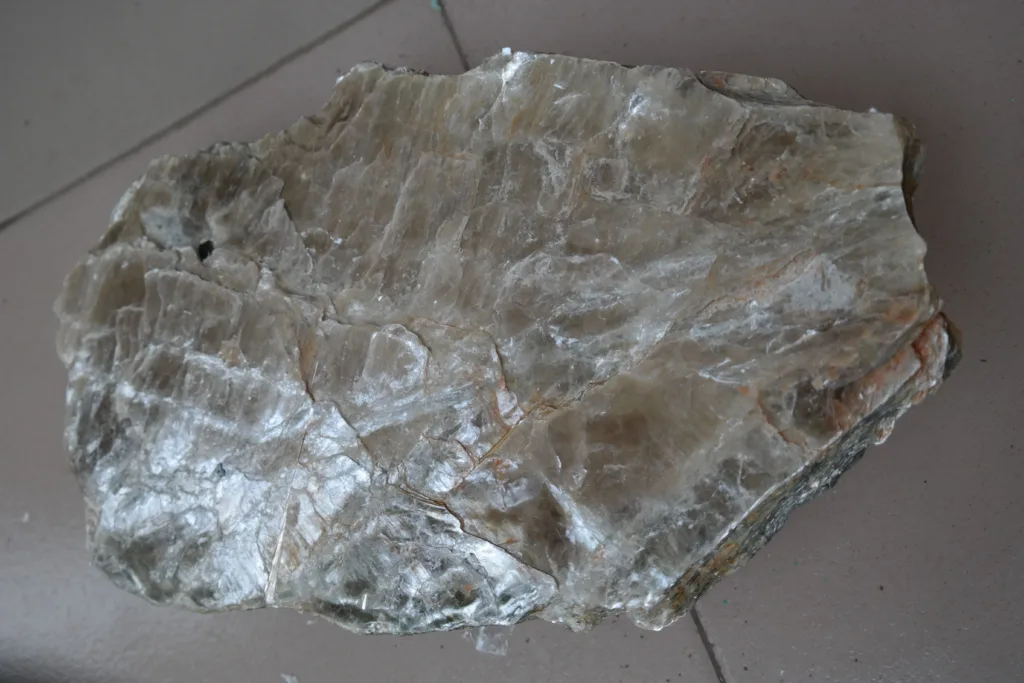
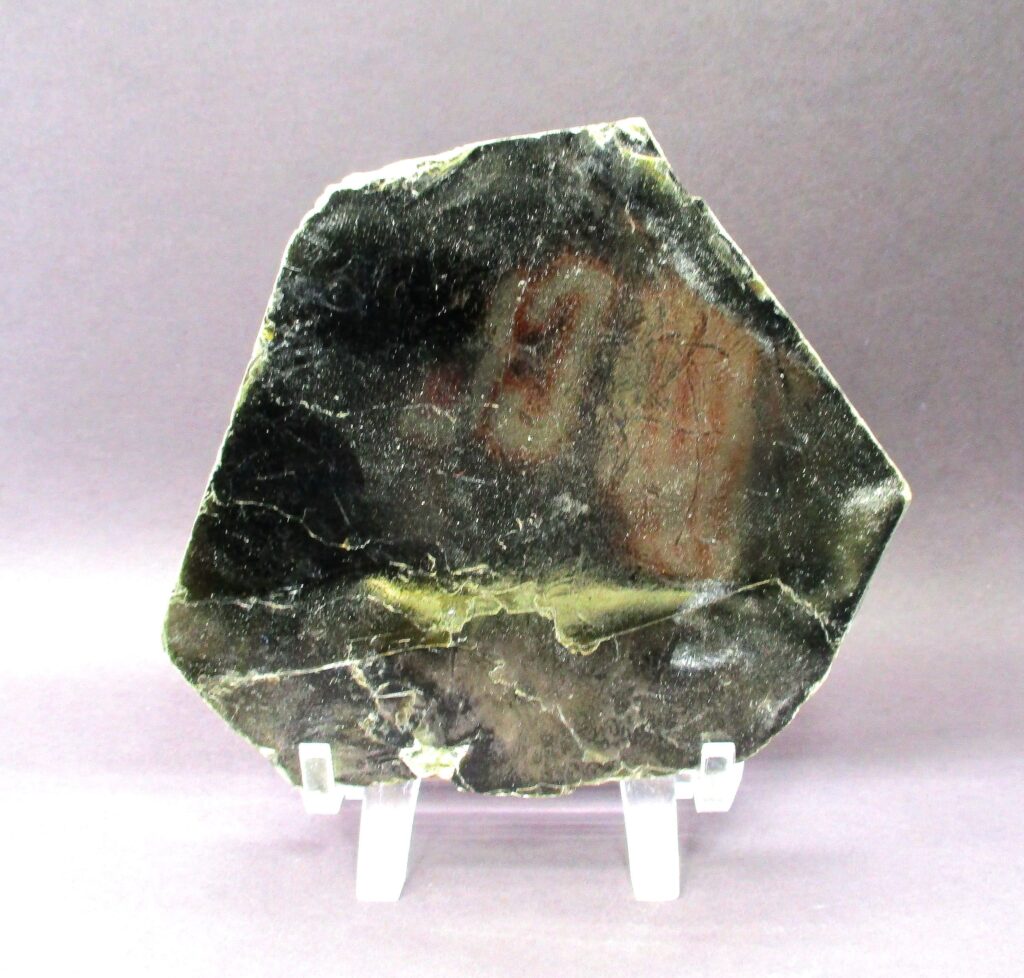
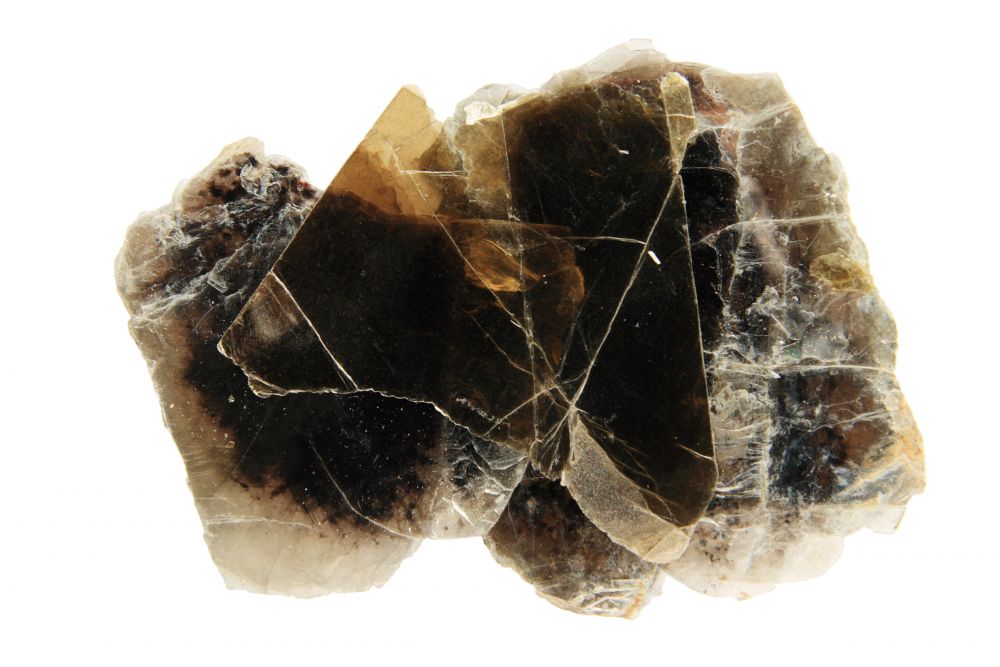
Muscovite is a common mineral that belongs to the mica group. It is a silicate mineral that is characterized by its thin, sheet-like structure. Muscovite is composed of potassium (K), aluminum (Al), silicon (Si), and oxygen (O) atoms arranged in sheets, and it is known for its excellent cleavage, which allows it to be easily split into thin, flexible sheets. These sheets are often transparent to translucent and have a pearly luster.

Name: From \Muscovy glass,” for an occurrence in the old province of Muscovy, Russia.

Polymorphism & Series: 2M1 ; 1M, 3A polytypes; interstrati¯es with vermiculite, paragonite, montmorillonite.

Mineral Group: Mica group

Association: Quartz, plagioclase, potassic feldspar, biotite, tourmaline, topaz

Diagnostic Features: Characterized by its highly perfect cleavage and light color. Distinguished from phlogopite by not being decomposed in sulfuric acid and from lepidolite by not giving a crimson flame.

Properties of Muscovite

Muscovite is a mineral with distinctive chemical, physical, and optical properties. Here are the key characteristics in each of these categories:

Chemical Properties:

  1. Chemical Formula: Muscovite is a potassium aluminum silicate mineral. Its chemical formula is typically written as KAl2(AlSi3O10)(OH)2. This formula represents the arrangement of potassium (K), aluminum (Al), silicon (Si), oxygen (O), and hydroxyl (OH) ions in its crystal structure.
  2. Composition: Muscovite is composed of sheets of aluminum-oxygen tetrahedra bonded to sheets of silicon-oxygen tetrahedra, with potassium ions located between the layers. The presence of aluminum in its structure is a characteristic feature distinguishing muscovite from other mica minerals like biotite.

Physical Properties:

  1. Crystal System: Muscovite crystallizes in the monoclinic crystal system. Its crystals are often tabular or sheet-like due to its perfect basal cleavage.
  2. Cleavage: Muscovite exhibits perfect basal cleavage, which means it can be easily split into very thin, flexible sheets along one direction. This property is responsible for its characteristic sheet-like appearance.
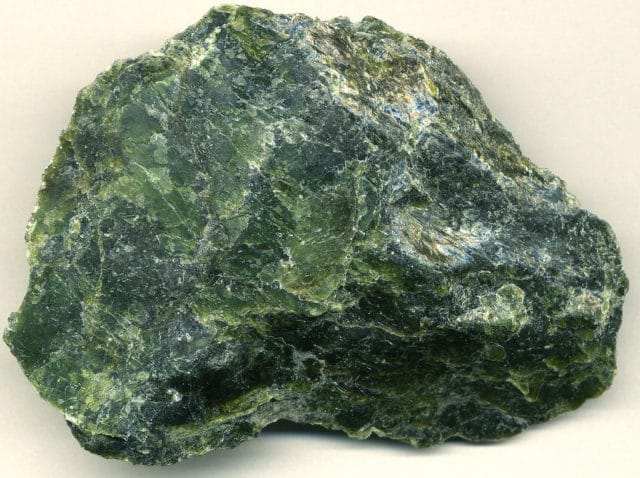
  3. Hardness: Muscovite has a Mohs hardness of approximately 2.5 to 3. This relatively low hardness makes it a relatively soft mineral.
  4. Luster: Muscovite has a pearly to vitreous (glassy) luster when its sheets are separated.
  5. Color: Muscovite can be colorless, white, or pale shades of pink, brown, green, or yellow. It can also display pleochroism, meaning it may exhibit different colors when viewed from different angles.

Optical Properties:

  1. Transparency: Muscovite is transparent to translucent, allowing light to pass through its thin sheets. This property is exploited in certain optical and electronic applications.
  2. Refractive Index: The refractive index of muscovite ranges from approximately 1.559 to 1.597, depending on the wavelength of light and the specific composition of the mineral sample.
  3. Birefringence: Muscovite is typically birefringent, meaning it can split light into two polarized rays that travel at different speeds through the mineral, resulting in interference patterns when viewed under a polarizing microscope.
  4. Pleochroism: In some cases, muscovite may exhibit pleochroism, where it appears to have different colors when viewed from different angles due to variations in light absorption.
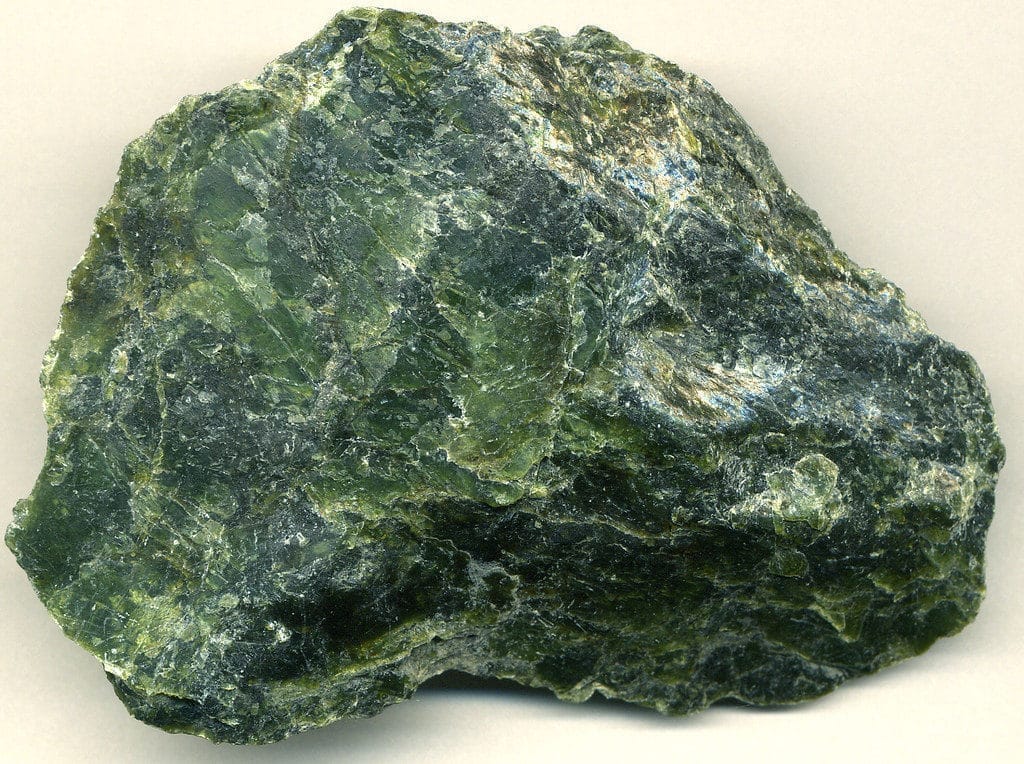
These chemical, physical, and optical properties make muscovite a unique and valuable mineral, both in geological studies and various industrial applications, including as an insulator, in cosmetics, and as a decorative mineral. Its sheet-like structure and transparency are particularly noteworthy features.

Occurrence and Formation of Muscovite

Muscovite is a common mineral found in a variety of geological settings. Its occurrence and formation can be attributed to specific geological processes and environments. Here’s a summary of how muscovite forms and where it can be found:

Occurrence:

  1. Igneous Rocks: Muscovite can form in igneous rocks, particularly in granites and pegmatites. In these rocks, muscovite crystals often occur as large, well-formed sheets. Pegmatites, which are coarse-grained igneous rocks with exceptionally large crystals, are particularly known for yielding high-quality muscovite crystals.
  2. Metamorphic Rocks: Muscovite is a common mineral in certain types of metamorphic rocks, including schist and gneiss. It forms through the metamorphism of pre-existing rocks, such as shale or sedimentary rocks rich in clay minerals. The heat and pressure during metamorphism cause these minerals to recrystallize into muscovite, resulting in the characteristic sheet-like appearance.
  3. Hydrothermal Veins: Muscovite can also occur in hydrothermal vein deposits. These are formed when hot, mineral-rich fluids move through fractures in rocks and deposit minerals as they cool. Muscovite in hydrothermal veins may be associated with other minerals like quartz and feldspar.

Formation: The formation of muscovite involves the interaction of various geological processes:

  1. Crystallization: In igneous rocks, muscovite forms during the crystallization of molten magma. As the magma cools, it undergoes fractional crystallization, with minerals like muscovite crystallizing early due to their lower melting points compared to other minerals in the rock.
  2. Metamorphism: In metamorphic rocks, muscovite forms as a result of the metamorphic process, which involves high temperature and pressure conditions. During metamorphism, existing minerals are transformed into muscovite as they recrystallize and align along foliation planes.
  3. Hydrothermal Activity: In hydrothermal vein deposits, muscovite forms when hot, hydrothermal fluids rich in dissolved minerals migrate through rocks. As these fluids cool and lose their dissolved minerals, muscovite crystals precipitate from the solution and accumulate in fractures and cavities.

The formation of muscovite is influenced by factors such as temperature, pressure, chemical composition of the parent rock, and the presence of other minerals and fluids. Variations in these factors can lead to differences in the quality and appearance of muscovite crystals.

Muscovite’s distinctive sheet-like structure, perfect basal cleavage, and transparency make it a valuable mineral in various applications, ranging from electrical insulation to cosmetics and geological research. Its widespread occurrence in different geological settings makes it an important mineral for understanding the Earth’s geological history.

Application and Uses Areas of Muscovite

Muscovite, with its unique physical and chemical properties, finds applications in various fields. Here are some of the primary application areas and uses of muscovite:

  1. Electrical Insulation: Muscovite’s excellent electrical insulating properties make it valuable in the electrical and electronics industry. It is used in the manufacturing of insulators, capacitors, and other electrical components to prevent the flow of electric current.
  2. Paints and Coatings: Ground muscovite can be used as a white pigment in paints, coatings, and cosmetics due to its natural pearly luster. It adds brightness and opacity to these products.
  3. Cosmetics: Muscovite, when finely ground, is used in cosmetics such as eyeshadows, lipsticks, and nail polishes to provide shimmer and sparkle. Its natural luster makes it a popular choice for cosmetic formulations.
  4. Lubricants: Muscovite’s sheet-like structure and lubricating properties have led to its use as a lubricant in some industrial applications.
  5. Building Materials: In the past, muscovite sheets were used as a replacement for glass in antique woodstoves and lanterns due to its heat resistance and transparency. However, this use is less common today.
  6. Geological Studies: Muscovite is an important mineral for geologists. Its presence and characteristics in rock formations can provide insights into the geological history and metamorphic processes of an area.
  7. Radiation Shielding: Due to its ability to block certain types of radiation, muscovite has been used in specialized applications for radiation shielding.
  8. Metallurgy: Muscovite can be added to some metallurgical processes to act as a flux, which helps reduce the melting point of minerals and facilitate their separation during ore smelting.
  9. Spiritual and Healing Practices: In some alternative medicine and spiritual practices, muscovite is believed to have healing properties and is used for meditation, energy balancing, and metaphysical purposes.
  10. Decorative Uses: High-quality muscovite specimens with attractive crystal forms and colors are collected and used for decorative purposes, including in jewelry and as mineral specimens for display.
  11. Water Filtration: In some water purification systems, muscovite can be used as a filter medium to remove impurities and particles from water.
  12. Sound Absorption: Muscovite has been explored for its potential use in sound-absorbing materials due to its mineral structure, which can trap sound waves.

It’s important to note that muscovite’s applications vary depending on its quality, purity, and physical properties. While it has many practical uses, it is most widely recognized for its electrical insulating properties and its role in the cosmetics and paint industries.

Location and Deposits

Muscovite deposits can be found in various geological settings around the world. These deposits are associated with specific rock types and geological processes. Here are some notable locations and types of deposits where muscovite can be found:

  1. Granite and Pegmatite Deposits: Muscovite is commonly found in granitic rocks and pegmatites. Pegmatites are coarse-grained igneous rocks with exceptionally large crystals, and they often contain high-quality muscovite crystals. Notable locations for muscovite-bearing granites and pegmatites include:
    • Brazil: The Minas Gerais region of Brazil is famous for its pegmatite deposits, including the well-known pegmatite mines of Governador Valadares and Galiléia.
    • Russia: Muscovite deposits are found in the Urals region of Russia, particularly in the Malyshevskoye deposit in the Urals Mountains.
    • India: The Indian state of Jharkhand has significant muscovite-bearing pegmatite deposits.
    • United States: Muscovite is found in various locations in the United States, including North Carolina, South Dakota, and Colorado.
  2. Metamorphic Rocks: Muscovite is a common mineral in certain types of metamorphic rocks, such as schist and gneiss. These rocks form through the metamorphism of pre-existing rocks rich in clay minerals. Notable regions with muscovite-bearing metamorphic rocks include:
    • Scandinavian Peninsula: Muscovite is found in metamorphic rocks in countries like Sweden and Finland.
    • Norwegian Fjords: The fjords of Norway are known for their muscovite-bearing metamorphic rocks.
  3. Hydrothermal Vein Deposits: Muscovite can also be found in hydrothermal vein deposits, where hot, mineral-rich fluids migrate through fractures in rocks and deposit minerals as they cool. These deposits are scattered worldwide and can occur in various geological settings.
  4. Sedimentary Deposits: In some cases, muscovite can be found in sedimentary rocks, particularly in areas where sediments rich in clay minerals have undergone diagenesis and compaction.
  5. Mineral Occurrence in Granite: Muscovite can also occur as part of the mineral assemblage in granite rocks, which are common components of the Earth’s crust. It often forms alongside other minerals like quartz, feldspar, and biotite within these granitic rocks.

The specific location and characteristics of muscovite deposits can vary widely, and commercial mining operations are typically established in regions with significant muscovite resources. Extraction methods may involve both underground and open-pit mining, depending on the depth and accessibility of the deposits. The quality and size of muscovite crystals can also vary from one location to another, influencing their commercial value.

Biotite

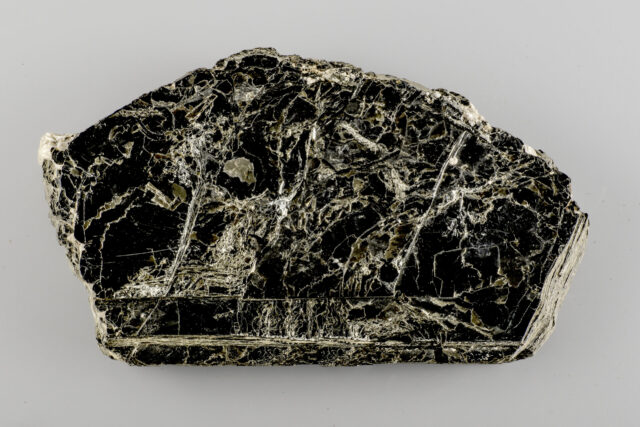
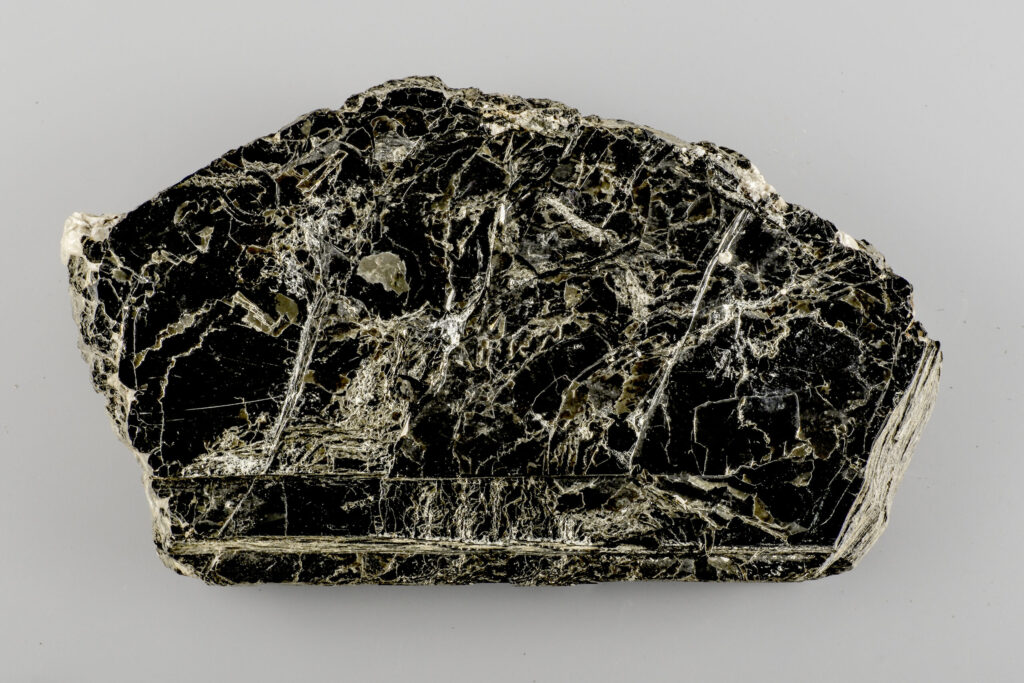
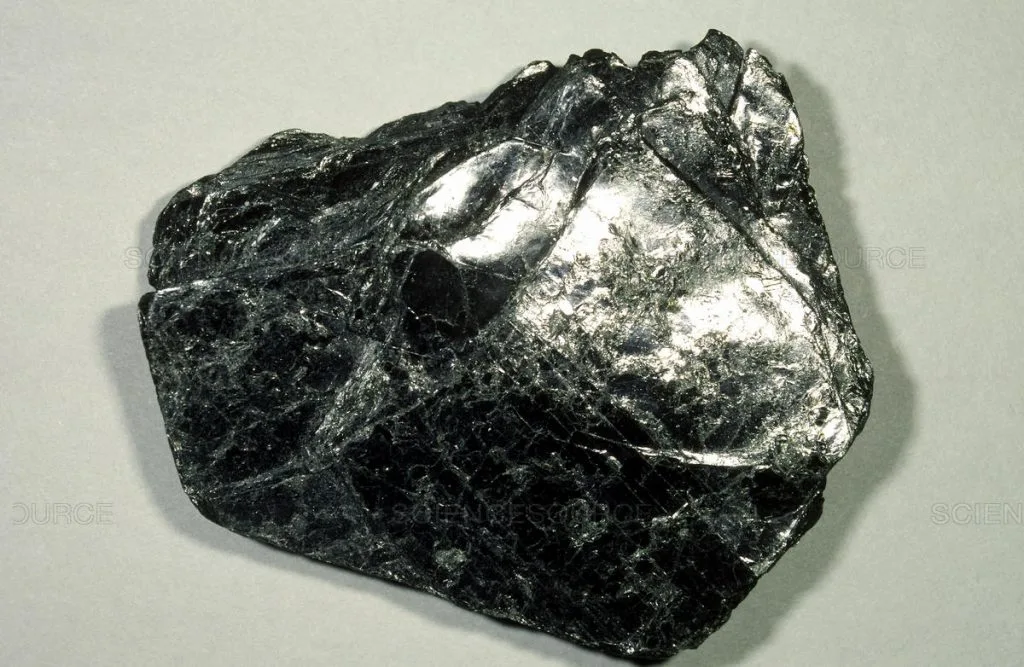
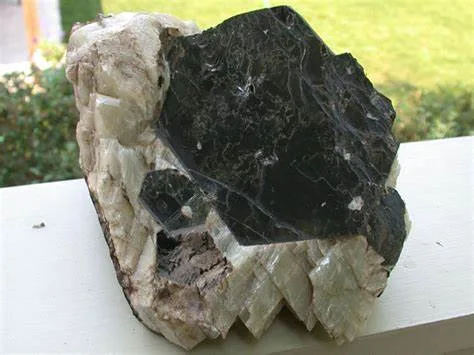
Biotite is the most common mica mineral and also known as black mica, a silicate mineral in the common mica group. Approximate chemical formula K (Mg, Fe). It can be found in massive crystal layers weighing several hundred pounds. It is abundant in metamorphic rocks (both regional and contact), pegmatites, and also in granites and other invasive magmatic rocks. Biotite usually occurs in brown to black, dark green variety.

It is a name used for a range of black mica minerals with different chemical compositions but with very similar physical properties. These minerals are usually indistinguishable from each other without laboratory analysis. There is a small list of biotite minerals that were down.
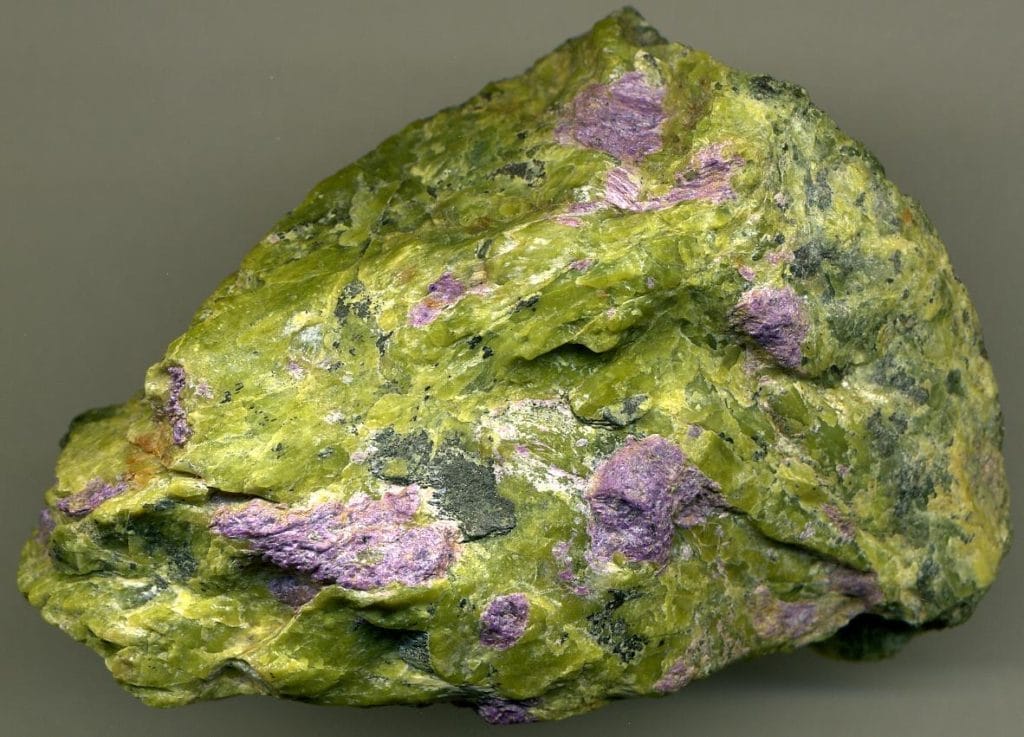
Crystallography: Monoclinic; prismatic. In tabular or short prismatic crystals with prominent basal planes. Crystals rare, frequently pseudorhombohedral. Usually in irregular foliated masses; often in disseminated scales or in scaly aggregates.

Chemical Composition: Biotite is a complex mineral with a chemical formula primarily represented as K(Mg,Fe)_3AlSi_3O_10(OH)_2. This composition reflects the fact that biotite contains potassium (K), magnesium (Mg), iron (Fe), aluminum (Al), silicon (Si), and oxygen (O) atoms, along with hydroxide (OH) ions.

Crystal Structure: Biotite belongs to the phyllosilicate class of minerals, characterized by its sheet-like structure. Its crystal structure consists of layers of silicon-oxygen (Si-O) tetrahedra, bonded together with sheets of aluminum-oxygen (Al-O) octahedra. These layers create the characteristic cleavage planes that allow biotite to split into thin, flexible sheets.

Diagnostic Features: Characterized by its micaceous cleavage and dark color

Name: In honor of the French physicist, J. B. Biot.

Similar Species: Glauconite, commonly found in green pellets in sedimentary deposits, is similar in composition to biotite.

MineralChemical Composition
AnniteKFe3(AlSi3)O10(OH)2
PhlogopiteKMg3(AlSi3)O10(OH)2
SiderophylliteKFe2Al(Al2Si2)O10(F,OH)2
EastoniteKMg2Al(Al2Si3)O10(OH)2
FluoranniteKFe3(AlSi3)O10F2
FluorophlogopiteKMg3(AlSi3)O10F2

Occurrence and Formation

Biotite occurs in a wide range of geological settings and is commonly found in different types of rocks. Its formation is closely linked to the processes of magma cooling and metamorphism:

1. Igneous Rocks: Biotite commonly forms in igneous rocks, particularly in the following settings:

  • Granite: Biotite can be a significant component of granite, where it crystallizes from the cooling magma. The presence of biotite in granite contributes to its characteristic dark color.
  • Diorite: It also occurs in diorite, a coarse-grained igneous rock.
  • Gabbro: Biotite may be found in gabbro, a mafic intrusive rock.

2. Metamorphic Rocks: Biotite can be present in a variety of metamorphic rocks, including schist, gneiss, and phyllite. It often forms through the metamorphism of pre-existing minerals, such as clay minerals, during high-pressure and high-temperature conditions. This transformation leads to the growth of biotite crystals within the rock.

Formation Processes:

The formation of biotite primarily depends on the geological processes mentioned above. The key processes involved in biotite formation are:

  1. Magmatic Crystallization: In igneous rocks, biotite crystals form from magma as it cools and solidifies. Biotite is one of the minerals that crystallizes early in the cooling process due to its relatively low melting point compared to other minerals like quartz or feldspar.
  2. Metamorphism: Biotite can also form during regional or contact metamorphism. In this process, pre-existing minerals undergo recrystallization and reorientation of mineral grains under high temperature and pressure conditions. Biotite can grow and replace other minerals during metamorphism, leading to its presence in various metamorphic rocks.

Associated Minerals:

Biotite is often found alongside other minerals, depending on the geological context. Common minerals associated with biotite include:

  1. Feldspars: Biotite is frequently found in association with feldspar minerals like orthoclase and plagioclase in many igneous and metamorphic rocks.
  2. Quartz: In igneous and metamorphic rocks, quartz is often present alongside biotite.
  3. Hornblende: Biotite and hornblende are often found together in many igneous rocks, such as diorite and gabbro.
  4. Muscovite: Muscovite is another mica mineral that can sometimes be found in the same geological settings as biotite. However, they have different compositions and properties.
  5. Garnet: In some high-pressure metamorphic rocks like schist and gneiss, biotite may be associated with minerals like garnet, forming distinctive mineral assemblages.
  6. Calcite and Dolomite: In certain carbonate-rich rocks that undergo metamorphism, biotite can coexist with calcite or dolomite.

The specific mineral associations can provide important clues to geologists about the geological history and conditions under which the rock formed. Biotite’s presence, along with these associated minerals, contributes to the overall mineralogical composition and character of rocks in various geological settings.

Biotite Physical Properties

Chemical ClassificationDark mica
ColorBlack, dark green, dark brown
StreakWhite to gray, flakes often produced
LusterVitreous
DiaphaneityThin sheets are transparent to translucent, books are opaque.
CleavageBasal, perfect
Mohs Hardness2.5 to 3
Specific Gravity2.7 to 3.4
Diagnostic PropertiesDark color, perfect cleavage
Chemical CompositionK(Mg,Fe)2-3Al1-2Si2-3O10(OH,F)2
Crystal SystemMonoclinic
UsesVery little industrial use

Biotite Optical Properties

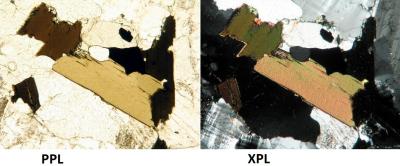
Biotite under the microscope PPL and XPL
PropertyValue
FormulaK(Mg,Fe)3AlSi3O10(OH,O,F)2
Crystal SystemMonoclinic (2/m)
Crystal HabitPseudo-hexagonal prisms or lamellar plates without crystal outline.
Physical PropertiesH = 2.5 – 3
G = 2.7 – 3.3The color of biotite in hand sample is brown to black (sometimes greenish). Its streak is white or gray, and it has a vitreous luster.
Cleavage(001) perfect
Color/PleochroismTypically brown, brownish green or reddish brown
Optic SignBiaxial (-)
2V0-25o
TwinningNone
Optic OrientationY=b
Z^a = 0 – 9o
X^c = 0 – 9o
optic plane (010)
Refractive Indices
alpha =
beta =
gamma =
1.522-1.625
1.548-1.672
1.549-1.696
Max Birefringence0.03-0.07
ElongationYes
Extinction Parallel or close to parallel
Dispersionv > r (weak)

Uses and Applications

Biotite has several important uses and applications in various fields due to its unique properties and characteristics:

  1. Geological and Mineralogical Studies:
    • Indicator of Rock Composition: Biotite is a valuable mineral for geologists and mineralogists as its presence in rocks provides insights into the mineralogical composition and history of the rock.
    • Geochronology: Biotite can be used in radiometric dating techniques like potassium-argon dating to determine the age of rocks and geological events. This is especially important for understanding the timing of geological processes and events.
  2. Industrial Applications:
    • Filler Material: Biotite, although less common than muscovite, can be used as a filler material in various industrial products. It is sometimes added to paints, plastics, and other materials to improve their properties.
    • Insulating Material: In some specialized applications, thin sheets of biotite can be used as insulating material due to its electrical insulating properties.
  3. Gemstone and Ornamental Use:
    • Rare Gemstone: Transparent varieties of biotite with good clarity and attractive colors, such as green or reddish-brown, can be cut and used as gemstones. However, biotite gemstones are relatively rare compared to other minerals used in jewelry.
  4. Scientific Research:
    • Mineralogical Research: Biotite is often studied in laboratories and research settings to better understand its crystallography, physical properties, and behavior under different conditions. This research contributes to our knowledge of minerals and their properties.
  5. Education:
    • Teaching and Learning: Biotite is used as an educational tool in geology and mineralogy courses. It helps students learn about mineral identification, cleavage, and other geological concepts.
  6. Historical Significance:
    • Historical Documentation: Biotite has been used in the past for documenting geological formations and rock samples. It played a role in early geological studies and remains important for historical reference.

It’s important to note that while biotite has these applications, it is not as widely used or commercially valuable as some other minerals. Its significance lies primarily in its contribution to geological research, particularly in dating rocks and understanding their composition and formation processes. In industrial and ornamental applications, it is often overshadowed by other minerals with more desirable properties.

Biotite vs. Muscovite

Biotite and muscovite are two closely related minerals that belong to the mica group of sheet silicate minerals. While they share some similarities, they also have distinct differences in terms of their chemical composition, physical properties, and geological occurrences. Here’s a comparison between biotite and muscovite:

Chemical Composition:

  1. Biotite: Biotite has a more complex chemical composition compared to muscovite. Its general formula is K(Mg,Fe)_3AlSi_3O_10(OH)_2, which means it contains potassium (K), magnesium (Mg), iron (Fe), aluminum (Al), silicon (Si), and oxygen (O) atoms, along with hydroxide (OH) ions.
  2. Muscovite: Muscovite, on the other hand, has a simpler chemical composition with a formula of KAl2(AlSi3O10)(OH)2. It contains potassium (K), aluminum (Al), silicon (Si), oxygen (O), and hydroxide (OH) ions.

Color and Appearance:

  1. Biotite: Biotite is typically dark brown to black, although it can also appear green, red-brown, or even colorless in some cases. It has a darker color due to the presence of iron (Fe) in its structure.
  2. Muscovite: Muscovite is usually light-colored, ranging from silvery-white to pale brown. Its light color is due to the absence of iron (Fe) in its composition.

Transparency:

  1. Biotite: Biotite is usually translucent to opaque, which means light does not pass through it easily.
  2. Muscovite: Muscovite is generally transparent or translucent, and it has a characteristic pearly luster, making it valuable as a decorative and ornamental mineral.

Cleavage:

  1. Biotite: Biotite exhibits excellent basal cleavage, meaning it can be easily split into thin, flexible sheets along its cleavage planes.
  2. Muscovite: Muscovite also has excellent basal cleavage, and this property is one of the reasons it is commonly used in the manufacture of thin, transparent sheets known as mica.

Common Geological Occurrences:

  1. Biotite: Biotite is commonly found in a wide range of geological settings, including igneous rocks like granite, diorite, and gabbro, as well as in various metamorphic rocks. It is associated with the cooling of magma and metamorphic processes.
  2. Muscovite: Muscovite is often associated with pegmatite rocks and can also be found in schist and gneiss, which are metamorphic rocks. It is a primary mineral in some pegmatites and is mined for its use in electrical insulation and as a decorative material.

In summary, biotite and muscovite are both mica minerals with sheet-like structures and excellent basal cleavage, but they differ in terms of chemical composition, color, transparency, and geological occurrences. Biotite tends to be darker in color and is more commonly found in a broader range of rock types, while muscovite is known for its light color, transparency, and specific uses in electrical insulation and ornamental applications.

References

• Bonewitz, R. (2012). Rocks and minerals. 2nd ed. London: DK Publishing.
• Dana, J. D. (1864). Manual of Mineralogy… Wiley.
• Mindat.org. (2019): Mineral information, data and localities.. [online] Available at: https://www.mindat.org/ [Accessed. 2019].
• Smith.edu. (2019). Geosciences | Smith College. [online] Available at: https://www.smith.edu/academics/geosciences [Accessed 15 Mar. 2019].

Mica Group Minerals

Mica Minerals

Mica Group Minerals

Mica, any of a collection of hydrous potassium, aluminum silicate minerals. It is a kind of phyllosilicate, showing a -dimensional sheet or layer structure. Among the most important rock-forming minerals, micas are located in all 3 foremost rock types—igneous, sedimentary, and metamorphic.

Classification of Mica Group Minerals

Chemically, micas can be given the general formula

X2Y4–6Z8O20(OH, F)4, in which

X is K, Na, or Ca or less commonly Ba, Rb, or Cs;
Y is Al, Mg, or Fe or less commonly Mn, Cr, Ti, Li, etc.;
Z is chiefly Si or Al, but also may include Fe3+ or Ti.
Structurally, micas can be classed as dioctahedral (Y = 4) and trioctahedral (Y = 6). If the X ion is K or Na, the mica is a common mica, whereas if the X ion is Ca, the mica is classed as a brittle mica.

Dioctahedral micas

Trioctahedral micas

Common micas:

Brittle micas:

  • Clintonite

Occurrence of Mica Group Minerals

Micas may additionally originate as the result of diverse procedures under several specific situations. Their occurrences, listed underneath, encompass crystallization from consolidating magmas, deposition by fluids derived from or immediately related to magmatic sports, deposition by means of fluids circulating at some point of both contact and nearby metamorphism, and formation because the result of alteration techniques—possibly even those caused by weathering—that involve minerals which include feldspars. The balance ranges of micas were investigated within the laboratory, and in a few institutions their presence (instead of absence) or some issue of their chemical composition may additionally function geothermometers or geobarometers.

Production

Scrap and flake mica is produced all over the world. In 2010, the major producers were Russia (100,000 tonnes), Finland (68,000 t), United States (53,000 t), South Korea (50,000 t), France (20,000 t) and Canada (15,000 t). The total global production was 350,000 t, although no reliable data were available for China. Most sheet mica was produced in India (3,500 t) and Russia (1,500 t).Flake mica comes from several sources: the metamorphic rock called schist as a byproduct of processing feldspar and kaolin resources, from placer deposits, and from pegmatites. Sheet mica is considerably less abundant than flake and scrap mica, and is occasionally recovered from mining scrap and flake mica. The most important sources of sheet mica are pegmatite deposits. Sheet mica prices vary with grade and can range from less than $1 per kilogram for low-quality mica to more than $2,000 per kilogram for the highest quality.

Crystal Structure

Micas have sheet structures whose primary gadgets include two polymerized sheets of silica (SiO4) tetrahedrons. Two such sheets are juxtaposed with the vertices in their tetrahedrons pointing towards each different; the sheets are go-linked with cations—as an example, aluminum in muscovite—and hydroxyl pairs entire the coordination of those cations (see parent). Thus, the go-related double layer is certain firmly, has the bases of silica tetrahedrons on each of its outer aspects, and has a terrible charge. The fee is balanced by means of singly charged massive cations—for example, potassium in muscovite—that join the go-linked double layers to shape the complete shape. The variations among mica species rely upon differences within the X and Y cations.

Properties of Mica Group Minerals

The rock-forming micas (other than glauconite) can be divided into two groups:

  • those that are light-coloured (muscovite, paragonite, and lepidolite) and
  • those that are dark-coloured (biotite and phlogopite).

Most of the properties of the mica group of minerals, other than those of glauconite, can be described together; here they are described as pertaining simply to micas, meaning the micas other than glauconite. Properties of the latter are described separately later in the discussion.

  • The perfect cleavage into thin elastic sheets is probably the most widely recognized characteristic of the micas.
  • The luster of the micas is usually described as splendent, but some cleavage faces appear pearly.
  • Mohs hardness of the micas is approximately 21/2 on cleavage flakes and 4 across cleavage.
  • Specific gravity for the micas varies with composition. The overall range is from 2.76 for muscovite to 3.2 for iron-rich biotite.
ColorPurple, rosy, silver, gray (lepidolite)
Dark green, brown, black (biotite)
Yellowish-brown, green-white (phlogopite)
Colorless, transparent (muscovite)
Cleavage Perfect
Fracture Flaky
Mohs scale hardness2.5–4 (lepidolite)
2.5–3 biotite
2.5–3 phlogopite
2–2.5 muscovite
Luster Pearly, vitreous
Streak White, colorless
Specific gravity 2.8–3.0
Diagnostic features Cleavage

Uses of Mica Group Minerals

Their perfect cleavage, flexibility and elasticity, infusibility, low thermal and electrical conductivity, and high dielectric power, muscovite and phlogopite have found large software. Most “sheet mica” with those compositions has been used as electrical condensers, as insulation sheets between commutator segments, or in heating factors. Sheets of muscovite of particular thicknesses are applied in optical instruments. Ground mica is used in many approaches which includes a dusting medium to prevent, as an instance, asphalt tiles from sticking to each other and also as a filler, absorbent, and lubricant. It is likewise used inside the manufacture of wallpaper to provide it a glittery lustre. Lepidolite has been mined as an ore of lithium, with rubidium generally recovered as a by-product. It is used inside the manufacture of warmth-resistant glass. Glauconite-rich greensands have found use inside the United States as fertilizer—e.G., on the coastal undeniable of New Jersey—and a few glauconite has been employed as a water softener because it has a excessive base-change capability and has a tendency to regenerate instead hastily.

Clay Minerals

Clay minerals are a group of minerals that are typically found in soils, sediments, and rocks. They are characterized by their small particle size, which is typically less than 2 micrometers, and their high surface area. Some of the most common clay minerals include kaolinite, smectite, illite, and chlorite.

One of the unique properties of clay minerals is their ability to adsorb and exchange ions, which makes them important for various industrial and environmental applications. For example, they are used as adsorbents for removing contaminants from water and as catalysts in chemical reactions.

Clay minerals also play an important role in soil chemistry and fertility, as they can help retain nutrients and water in the soil. They can also influence the physical properties of soils, such as their porosity and permeability.

Overall, clay minerals are an important component of the earth’s crust and play a vital role in various natural and industrial processes.

Chemical Composition and Structure Clay Minerals

Clay minerals are a group of hydrous aluminosilicates that are formed from the weathering and alteration of silicate minerals. The chemical composition of clay minerals consists mainly of silica, alumina, and water. These minerals are characterized by their sheet-like structure, which is composed of layers of tetrahedrons and octahedrons.

The tetrahedral layer consists of silicon and oxygen atoms arranged in a tetrahedron shape. Each tetrahedron shares three oxygen atoms with neighboring tetrahedrons, forming a three-dimensional network. The octahedral layer consists of aluminum (or magnesium) and oxygen atoms arranged in an octahedron shape. The aluminum (or magnesium) atoms occupy the center of the octahedron, surrounded by six oxygen atoms.

The tetrahedral and octahedral layers are combined to form the basic building block of clay minerals, which is called a 2:1 layer. The 2:1 layer consists of one octahedral layer sandwiched between two tetrahedral layers. The layers are held together by weak electrostatic forces, allowing the layers to slide over one another. The layers can also absorb and exchange cations, making clay minerals important in soil chemistry.

There are several types of clay minerals, including kaolinite, smectite, illite, chlorite, and vermiculite. Each type has a different chemical composition and structure, resulting in unique physical and chemical properties. Understanding the chemical composition and structure of clay minerals is important for predicting their behavior and applications in various fields.

Kaolinite

Types of Clay Minerals

There are several types of clay minerals, each with a unique chemical composition and structure. The most common types of clay minerals are:

  1. Kaolinite: Kaolinite is a 1:1 type of clay mineral, meaning that it has one tetrahedral sheet and one octahedral sheet in its structure. It is composed of silica, alumina, and water, and has a low cation exchange capacity. Kaolinite is commonly used in the paper, ceramics, and cosmetics industries.
  2. Smectite: Smectite is a 2:1 type of clay mineral, meaning that it has two tetrahedral sheets and one octahedral sheet in its structure. It has a high cation exchange capacity and can expand when hydrated. Smectite is commonly used in drilling muds, as a binder in foundry sands, and in the construction industry.
  3. Illite: Illite is also a 2:1 type of clay mineral, but it has a higher proportion of potassium ions in its structure than other clay minerals. It is commonly found in shales and is used as a drilling mud additive.
  4. Chlorite: Chlorite is a 2:1 type of clay mineral that contains magnesium and iron ions in its octahedral layer. It is commonly found in volcanic rocks and is used as a drilling mud additive.
  5. Vermiculite: Vermiculite is a 2:1 type of clay mineral that can expand when heated. It has a high cation exchange capacity and is commonly used as a soil amendment, as a filler in construction materials, and in the horticulture industry.

Understanding the properties and applications of each type of clay mineral is important for their use in various fields.

Sample of Illite from the USGS

Formation of Clay Minerals

Clay minerals are formed by the weathering and alteration of other minerals. The formation of clay minerals can occur through several processes, including chemical weathering, hydrothermal alteration, and sedimentation. The specific process that leads to the formation of clay minerals depends on the parent rock and the environmental conditions.

Chemical weathering is a common process that leads to the formation of clay minerals. This process involves the breakdown of silicate minerals through chemical reactions with water and atmospheric gases. As the parent rock is weathered, the minerals in the rock are broken down into smaller particles, including clay minerals. The chemical reactions involved in chemical weathering can also alter the chemical composition of the minerals, resulting in the formation of new minerals.

Hydrothermal alteration is another process that can lead to the formation of clay minerals. This process occurs when hot fluids, such as groundwater or hydrothermal fluids, react with the parent rock. As the fluids circulate through the rock, they can alter the mineral composition of the rock, resulting in the formation of clay minerals.

Sedimentation is a process that involves the deposition of particles, including clay minerals, in a body of water. As sediment accumulates, the particles are compacted and cemented together, forming sedimentary rocks. Clay minerals can also form in the sedimentary rocks as a result of chemical reactions with the surrounding water and minerals.

The formation of clay minerals is a complex process that can occur over long periods of time. Understanding the factors that contribute to the formation of clay minerals is important for predicting their behavior and applications in various fields.

Genesis of Clay Minerals

Properties of Clay Minerals

Clay minerals have a unique set of physical and chemical properties that make them useful in a variety of applications. Some of the key properties of clay minerals include:

  1. Small particle size: Clay minerals have a very small particle size, typically less than 2 microns. This small size gives them a large surface area per unit weight, which makes them effective at adsorbing and exchanging ions.
  2. High surface area: The large surface area of clay minerals makes them effective at adsorbing and exchanging ions, as well as adsorbing organic compounds.
  3. Cation exchange capacity (CEC): Clay minerals have a high cation exchange capacity, which allows them to absorb and exchange positively charged ions, such as calcium, magnesium, and potassium. This property makes them useful in soil chemistry, as they can help retain nutrients for plant growth.
  4. Plasticity: Clay minerals have the ability to be molded and shaped when mixed with water, due to their small particle size and high surface area.
  5. Cohesion: The plate-like structure of clay minerals allows them to bond together, creating a cohesive mass that can be molded and shaped.
  6. Absorption and desorption: Clay minerals have the ability to absorb and hold water molecules, as well as adsorb other molecules such as organic compounds, heavy metals, and pollutants.
  7. Swelling: Some types of clay minerals, such as smectites, have the ability to swell when hydrated, which can be useful in a variety of applications, such as drilling muds.
  8. Chemical reactivity: Clay minerals have the ability to undergo chemical reactions with other substances, which can result in the formation of new minerals or the alteration of existing ones.

Understanding the properties of clay minerals is important for their use in various fields, such as agriculture, construction, and environmental remediation.

Uses of Clay Minerals

Clay minerals have a wide range of uses due to their unique physical and chemical properties. Some of the most common uses of clay minerals include:

  1. Soil amendments: Clay minerals, particularly those with a high cation exchange capacity, such as smectites and vermiculites, are used as soil amendments to improve soil fertility and water retention.
  2. Ceramics: Kaolinite is a key ingredient in the production of ceramics, including porcelain, tiles, and sanitaryware.
  3. Construction materials: Clay minerals, such as illite and kaolinite, are used in the production of construction materials, including bricks, cement, and plaster.
  4. Drilling muds: Smectite clay minerals are commonly used in the oil and gas industry as a key component of drilling muds, which are used to lubricate and cool drill bits and to remove drilling cuttings.
  5. Environmental remediation: Clay minerals, such as bentonite, can be used to contain and immobilize hazardous waste in landfills and to remediate contaminated soils and groundwater.
  6. Cosmetics: Kaolinite and other clay minerals are used in the production of cosmetics, including face masks and body scrubs, due to their ability to absorb oils and impurities from the skin.
  7. Pharmaceuticals: Clay minerals are used in pharmaceuticals as excipients, which are substances used as binders, fillers, and disintegrants in tablets and capsules.
  8. Agriculture: Clay minerals, particularly those with a high cation exchange capacity, are used as fertilizer carriers, as well as in animal feed to improve digestion and absorption of nutrients.

These are just a few of the many uses of clay minerals. As new applications for clay minerals are discovered, their importance in various fields will continue to grow.

Classification and usage of clay minerals.

Chapter Multifunctional Clay in Pharmaceuticals – Scientific Figure on ResearchGate. Available from: https://www.researchgate.net/figure/Classification-and-usage-of-clay-minerals_fig1_346080086 [accessed 1 May, 2023]

Important Clay Minerals

There are several important clay minerals, each with their own unique properties and uses. Some of the most important clay minerals include:

  1. Kaolinite: Kaolinite is a white, clay mineral that is commonly found in soils and sedimentary rocks. It has a low cation exchange capacity and a high alumina content, which makes it useful in ceramics, paper production, and as a filler in plastics and rubber.
  2. Montmorillonite: Montmorillonite is a smectite clay mineral that is commonly used in drilling muds, as well as in environmental remediation and as a binder in animal feed. It has a high cation exchange capacity and a high swelling capacity when hydrated.
  3. Illite: Illite is a non-swelling clay mineral that is commonly found in sedimentary rocks. It is used in the production of bricks, cement, and as a filler in paints and coatings.
  4. Bentonite: Bentonite is a clay mineral that is used in environmental remediation and as a binder in animal feed. It has a high cation exchange capacity and a high swelling capacity when hydrated.
  5. Halloysite: Halloysite is a clay mineral that has a unique tubular structure. It is used in ceramics, as a filler in polymers and composites, and in drug delivery applications.
  6. Vermiculite: Vermiculite is a clay mineral that is commonly used as a soil amendment to improve water retention and soil fertility. It is also used as a filler in insulation, fireproofing, and in horticultural applications.
  7. Smectite: Smectite is a group of clay minerals that includes montmorillonite and bentonite. They have a high cation exchange capacity and a high swelling capacity when hydrated, which makes them useful in drilling muds, environmental remediation, and as binders in animal feed.

These are just a few of the most important clay minerals, but there are many other types of clay minerals that have important uses in various fields.

Bentonite

Importance of Clay Minerals in Soil Science

Clay minerals play a crucial role in soil science, as they have a significant impact on soil properties and fertility. Here are some of the ways in which clay minerals are important in soil science:

  1. Cation exchange capacity: Clay minerals have a high cation exchange capacity, which means they can hold onto and release positively charged ions, such as calcium, magnesium, and potassium. This plays a crucial role in soil fertility, as these nutrients are essential for plant growth.
  2. Water retention: Clay minerals have a high surface area and can hold onto water molecules, which helps to improve water retention in soils. This is particularly important in dry regions or during periods of drought, as it can help to sustain plant growth.
  3. Soil structure: Clay minerals also play a role in soil structure, as they can form aggregates that help to improve soil porosity and aeration. This can help to improve root growth and nutrient uptake.
  4. Nutrient availability: Clay minerals can also impact nutrient availability in soils, as they can hold onto nutrients and release them slowly over time. This can help to prevent nutrient leaching and improve plant uptake.
  5. Soil pH: Clay minerals can also affect soil pH, as they can exchange hydrogen ions for other cations. This can impact soil fertility, as some plants prefer acidic soils, while others prefer alkaline soils.

Overall, the properties of clay minerals make them an important component of soil, impacting soil fertility, water retention, structure, nutrient availability, and pH. Understanding the role of clay minerals in soil science is crucial for maintaining healthy soils and sustainable agriculture.

Clay Minerals in Industrial Applications

Clay minerals have many industrial applications due to their unique physical and chemical properties. Here are some of the ways in which clay minerals are used in industry:

  1. Ceramics: Clay minerals, such as kaolinite and halloysite, are commonly used in the production of ceramics due to their ability to form strong, heat-resistant materials.
  2. Paints and coatings: Illite and kaolinite are used as fillers and pigments in paints and coatings due to their ability to improve the texture, gloss, and durability of the final product.
  3. Paper production: Kaolinite is also used in the production of paper, where it acts as a filler and coating to improve the paper’s strength and brightness.
  4. Construction materials: Clay minerals, such as illite and smectite, are used in the production of bricks, cement, and other construction materials due to their ability to improve the strength and durability of the final product.
  5. Environmental remediation: Clay minerals, such as bentonite and montmorillonite, are used in environmental remediation to absorb and remove pollutants from contaminated soils and water.
  6. Pharmaceuticals: Halloysite is being studied as a potential drug delivery system due to its unique tubular structure, which could help to improve drug solubility and bioavailability.
  7. Oil and gas drilling: Clay minerals, such as bentonite and montmorillonite, are used in drilling muds to lubricate and cool the drill bit, as well as to control the pressure and viscosity of the drilling fluid.

Overall, the unique physical and chemical properties of clay minerals make them useful in a wide range of industrial applications, from construction materials to environmental remediation and pharmaceuticals.

Bentonite. Source: Panic Attack

Environmental Applications of Clay Minerals

Clay minerals have a wide range of environmental applications due to their unique physical and chemical properties. Here are some of the ways in which clay minerals are used in environmental applications:

  1. Soil remediation: Clay minerals, such as bentonite and montmorillonite, are used in soil remediation to absorb and remove pollutants from contaminated soils. The high surface area and cation exchange capacity of these minerals make them effective in removing heavy metals, organic compounds, and other pollutants.
  2. Wastewater treatment: Clay minerals are used in wastewater treatment to remove suspended solids, organic matter, and nutrients from the water. The high surface area and adsorption properties of these minerals make them effective in removing pollutants from wastewater.
  3. Landfill liners: Clay minerals, such as bentonite, are used in the construction of landfill liners to prevent the leaching of pollutants into the surrounding soil and water. The swelling properties of these minerals also help to create a tight seal around the landfill.
  4. Geotechnical engineering: Clay minerals are used in geotechnical engineering to stabilize soil and prevent erosion. The high plasticity and swelling properties of these minerals make them effective in improving soil stability and preventing landslides.
  5. Carbon sequestration: Clay minerals have the potential to be used in carbon sequestration, where carbon dioxide is captured and stored underground to reduce greenhouse gas emissions. The high surface area and adsorption properties of these minerals make them effective in capturing carbon dioxide from the atmosphere.

Overall, the unique physical and chemical properties of clay minerals make them useful in a wide range of environmental applications, from soil remediation to carbon sequestration.

Clay Minerals in Geology

Clay minerals play a significant role in geology, as they are a major component of many rocks and sediments. Here are some of the ways in which clay minerals are important in geology:

  1. Sedimentology: Clay minerals are important components of many sedimentary rocks, including shales and mudstones. The size, shape, and composition of clay minerals can provide clues about the depositional environment and the history of the sediment.
  2. Diagenesis: Clay minerals can undergo diagenesis, which refers to the changes that occur to sedimentary rocks after they are deposited. Diagenesis can cause clay minerals to undergo changes in their crystal structure, mineralogy, and chemistry.
  3. Petroleum geology: Clay minerals play an important role in petroleum geology, as they can act as source rocks, reservoir rocks, and seals for petroleum deposits. The organic matter in clay minerals can also be a source of petroleum and natural gas.
  4. Geotechnical engineering: Clay minerals are important components of many soils and rocks, and can affect their engineering properties. The swelling and shrinking properties of clay minerals can cause soil and rock to undergo volume changes, which can affect slope stability and foundation design.
  5. Environmental geology: Clay minerals can play a role in environmental geology, as they can act as adsorbents for contaminants in groundwater and soil. The ability of clay minerals to adsorb contaminants can help to prevent their migration and reduce their impact on the environment.

Overall, clay minerals are an important component of many geological materials, and their properties and behavior can provide important insights into the history, behavior, and properties of rocks and sediments.

Analytical Techniques Used for Clay Mineral Characterization

There are several analytical techniques used for the characterization of clay minerals. Here are some of the most commonly used techniques:

  1. X-ray diffraction (XRD): XRD is a powerful technique used for the identification and quantification of clay minerals. It provides information about the crystal structure, mineralogy, and chemical composition of the clay minerals.
  2. Scanning electron microscopy (SEM): SEM is used for the morphological characterization of clay minerals. It provides information about the surface features, shape, size, and distribution of the clay particles.
  3. Transmission electron microscopy (TEM): TEM is used for the high-resolution imaging of clay minerals. It provides information about the crystal structure, morphology, and chemical composition of individual clay particles.
  4. Fourier transform infrared spectroscopy (FTIR): FTIR is used for the identification of clay minerals and the characterization of their surface chemistry. It provides information about the functional groups and chemical bonds present on the surface of the clay particles.
  5. Thermo-gravimetric analysis (TGA): TGA is used for the determination of the thermal stability of clay minerals. It provides information about the thermal decomposition behavior and the mineralogical changes that occur upon heating.
  6. Cation exchange capacity (CEC): CEC is used for the determination of the ion exchange properties of clay minerals. It provides information about the amount and type of exchangeable ions present on the surface of the clay particles.
  7. Specific surface area (SSA): SSA is used for the determination of the surface area of clay minerals. It provides information about the adsorption and reactivity of the clay particles.

Overall, the combination of different analytical techniques is often necessary to fully characterize the properties and behavior of clay minerals.

Occurrence of clay minerals

Clay minerals occur naturally in a wide range of environments, including soils, sediments, rocks, and water. Here are some of the most common occurrences of clay minerals:

  1. Soils: Clay minerals are an important component of many soils, and can make up a significant proportion of the fine-grained fraction. The type and amount of clay minerals present in soil can affect its fertility, structure, and water-holding capacity.
  2. Sediments: Clay minerals are a major component of many sedimentary rocks, including shales, mudstones, and siltstones. They can also occur as loose sediment, such as clay and silt.
  3. Rocks: Clay minerals can occur in a variety of rock types, including volcanic rocks, metamorphic rocks, and sedimentary rocks. They can form through the alteration of primary minerals by weathering or hydrothermal activity.
  4. Water: Clay minerals can occur in water, both as suspended particles and as components of sediment. They can affect the quality of water by adsorbing contaminants and nutrients.

Overall, clay minerals are widely distributed in the Earth’s crust and are important components of many geological materials. Their occurrence and properties can provide important insights into the geology, ecology, and environmental processes of different regions.

Clay minerals Distrubition

Clay minerals are widely distributed around the world and can be found in a variety of environments. However, their distribution can vary depending on factors such as climate, geology, and topography. Here are some examples of the distribution of clay minerals in different regions:

  1. Tropics and subtropics: In tropical and subtropical regions, clay minerals are typically dominated by kaolinite and smectite. This is because these minerals are more stable in warm, humid environments with high rainfall.
  2. Temperate regions: In temperate regions, illite is often the dominant clay mineral. This is because it is more stable in cooler, drier environments.
  3. Arid regions: In arid regions, clay minerals may be less abundant due to the lack of moisture. However, when present, they are often dominated by smectite.
  4. Coastal regions: In coastal regions, clay minerals can be found in marine sediments and can be influenced by the local geology and oceanography.
  5. Volcanic regions: In volcanic regions, clay minerals can be found in volcanic ash deposits and can be dominated by smectite.

Overall, the distribution of clay minerals can provide important information about the geology, climate, and environmental conditions of different regions. The type and abundance of clay minerals can affect the physical and chemical properties of soils, sediments, and rocks, and can influence a wide range of processes such as weathering, erosion, and nutrient cycling.

Summary of key points

Clay minerals are naturally occurring minerals that are important components of many geological materials, including rocks, soils, and sediments. They have a layered structure and a high surface area, which makes them useful for a wide range of applications. Here are the key points to summarize:

  • Clay minerals have a complex chemical composition and a layered crystal structure.
  • The most common types of clay minerals are kaolinite, smectite, and illite.
  • Clay minerals form through the weathering and alteration of rocks and minerals over long periods of time.
  • Clay minerals have unique properties, including high surface area, cation exchange capacity, and swelling behavior.
  • Clay minerals are used in a wide range of applications, including ceramics, construction materials, environmental remediation, and pharmaceuticals.
  • In geology, clay minerals are important components of many rocks and sediments, and can provide information about their depositional environment and history.
  • Analytical techniques used for the characterization of clay minerals include X-ray diffraction, scanning electron microscopy, transmission electron microscopy, Fourier transform infrared spectroscopy, thermo-gravimetric analysis, cation exchange capacity, and specific surface area.

FAQ

What are clay minerals?

Clay minerals are naturally occurring minerals with a layered structure and a high surface area. They are important components of many geological materials, including rocks, soils, and sediments.

What are the most common types of clay minerals?

The most common types of clay minerals are kaolinite, smectite, and illite.

How do clay minerals form?

Clay minerals form through the weathering and alteration of rocks and minerals over long periods of time. The type of clay mineral that forms depends on the original mineral, the climate, and other environmental factors.

What are the properties of clay minerals?

Clay minerals have unique properties, including high surface area, cation exchange capacity, and swelling behavior. These properties make them useful for a wide range of applications.

What are some uses of clay minerals?

Clay minerals are used in a wide range of applications, including ceramics, construction materials, environmental remediation, and pharmaceuticals.

How are clay minerals characterized?

Analytical techniques used for the characterization of clay minerals include X-ray diffraction, scanning electron microscopy, transmission electron microscopy, Fourier transform infrared spectroscopy, thermo-gravimetric analysis, cation exchange capacity, and specific surface area.

Where are clay minerals found?

Clay minerals are widely distributed in the Earth’s crust and can be found in a variety of environments, including soils, sediments, rocks, and water.

What is the importance of clay minerals in soil science?

Clay minerals are an important component of many soils and can affect their fertility, structure, and water-holding capacity.

What is the role of clay minerals in geology?

Clay minerals can provide important information about the depositional environment and history of many rocks and sediments.

What are some environmental applications of clay minerals?

Clay minerals can be used for environmental remediation, such as the removal of contaminants from soil and water. They can also be used for the storage and disposal of hazardous waste.

What is the difference between primary and secondary clay minerals?

Primary clay minerals form directly from the weathering of parent rocks or minerals, while secondary clay minerals form from the alteration of primary clay minerals or other secondary minerals.

How are clay minerals used in the ceramics industry?

Clay minerals are used to make ceramics because of their unique properties, such as plasticity and the ability to harden when fired. Different types of clay minerals are used for different applications, such as porcelain, earthenware, and stoneware.

What is the role of clay minerals in oil and gas exploration?

Clay minerals can affect the porosity and permeability of rocks, which can impact the flow of oil and gas through reservoirs. They can also interact with drilling fluids and impact drilling efficiency.

What are some challenges associated with the use of clay minerals?

Some challenges associated with the use of clay minerals include their variability, sensitivity to environmental conditions, and potential for shrink-swell behavior. These factors can impact their performance in different applications.

What is the role of clay minerals in agriculture?

Clay minerals can affect soil fertility, nutrient cycling, and water-holding capacity, which can impact plant growth and crop yields. They can also be used to improve soil structure and prevent soil erosion.

How do clay minerals impact the environment?

Clay minerals can have both positive and negative impacts on the environment. For example, they can be used to remove contaminants from soil and water, but they can also contribute to soil erosion and sedimentation in water bodies.

What is the role of clay minerals in mineral exploration?

Clay minerals can be used as indicators of mineral deposits, as they can form around ore deposits or be altered by mineralization.

What is the impact of climate change on clay minerals?

Climate change can impact the distribution and properties of clay minerals by altering environmental conditions such as temperature, moisture, and vegetation cover. This can impact soil fertility, water availability, and ecosystem functioning.

References

  1. Velde, B. (1995). Origin and mineralogy of clay minerals. Springer Science & Business Media.
  2. Murray, H. H. (2007). Applied clay mineralogy: occurrences, processing and applications of kaolins, bentonites, palygorskitesepiolite, and common clays. Elsevier.
  3. Bergaya, F., Theng, B. K. G., & Lagaly, G. (Eds.). (2006). Handbook of clay science (Vol. 1). Elsevier.
  4. Meunier, A. (2005). Clays. Springer Science & Business Media.
  5. Sing, K. S. W. (Ed.). (2002). Adsorption science and technology: Proceedings of the 3rd Pacific Basin Conference Kyongju, Korea May 25–29 2002. World Scientific.
  6. Stucki, J. W., & Goodman, B. A. (Eds.). (1991). Developments in soil science: Inorganic contaminants in the vadose zone (Vol. 19). Elsevier.
  7. Blatt, H., Tracy, R. J., & Owens, B. E. (2006). Petrology: igneous, sedimentary, and metamorphic. W. H. Freeman.
  8. Weaver, C. E. (1989). Clays, muds, and shales. Elsevier.
  9. Dixon, J. B., & Schulze, D. G. (2002). Soil mineralogy with environmental applications. Soil Science Society of America.
  10. Sposito, G. (1989). The chemistry of soils. Oxford University Press.

Serpentine

Serpentine is the common name of a group of minerals. Apart from the main members of Antigorite and Chrysotile, there is usually no distinction between individual members except for scientific study and classification. Antigorite generally represents more solid forms, and Chrysotile often represents fibrous forms, especially asbestos. Chrysotile divides the four-membered mineral into its subclass with its crystallization, and the clinocotylot is the most common form of Chrysotile to date.

In this formula, X will be one of the following metals: magnesium, iron, nickel, aluminum, zinc, or manganese; and, Y will be silicon, aluminum, or iron. The appropriate generalized formula is thus
(Mg,Fe,Ni, Mn,Zn)2-3(Si,Al,Fe)2O5(OH)4.

Serpentine Formation

Serpentine minerals, peridotite, dunite and different ultramafic rocks are exposed to hydrothermal metamorphism. Ultramafic rocks are rare on the Earth level, but abundant in the ocean mohounda, at the boundary between the bottom of the ocean crust and the upper mantle.

They are metamorphosed in convergent restrictions where the ocean plate is inserted into the mantle. This is their exposure to hydrothermal metamorphism. The water source for this method is the sea water in the rocks and sediments of the ocean plate.

Serpentine Physical Properties 

The most obvious physical properties of serpentine are its green color, patterned appearance, and slippery feel. These remind the observer of a snake and that is where the name “serpentine” was derived.

Chemical ClassificationSilicate
ColorUsually various shades of green, but can be yellow, black, white, and other colors.
StreakWhite
LusterGreasy or waxy
DiaphaneityTranslucent to opaque, rarely transparent
CleavagePoor to perfect
Mohs HardnessVariable between 3 and 6
Specific Gravity2.5 to 2.6
Diagnostic PropertiesColor, luster, fibrous habit, hardness, slippery feel
Chemical Composition(Mg,Fe,Ni,Al,Zn,Mn)2-3(Si,Al,Fe)2O5(OH)4
Crystal SystemMost serpentine minerals are monoclinic.
UsesA source of asbestos, architectural stone, ornamental stone, gem material.
partial alteration to serpentine group minerals of olivine, the crystal above in crossed polars. XPL

Serpentine Optical Properties

partial alteration to serpentine group minerals of olivine. PPL
Property
Value
FormulaMg3Si2O5(OH)4 Very minor substitution of Al for Si, and of Fe and Al for Mg.
Crystal SystemMonoclinic
Crystal HabitCrysotile: Fibrous, elongated, and parallel to  crystallographic axis a Lizardite and antigorite: flat, tabular crystals
CleavageChrysotile: fibrous
Lizardite: basal cleavage
Antigortie: perfect {001}
Color/PleochroismGreen in thin section
Optic SignBiaxial (-)
2Vhighly variable, may be sensibly uniaxial
Optic OrientationSlow ray vibration direction is typically parallel to the length of fibers in chrysotile giving it parallel extinction.
For antigorite – Optic plane is perp to (010).  X=c, Y=b, Z=a
Refractive Indices
alpha =
beta =
gamma =
1.538-1.567
~1.566
1.545-1.574
Max Birefringence.001-.010
ElongationChrysotile is length-slow
ExtinctionParallel to fibres, cleavage or crystal edge.
Dispersion r > v for antigorite
Distinguishing FeaturesWith the exception of cross-fibers of chrystolite in veins, the varietites of serpentine cannot be distinguished without X-ray diffraction or other techniques.
Associated Mineralstalc, calcite, brucite, chlorite, and chromite.
EditorsEmilie Flemer (’01), Jennifer Unis (’01), Rebecca-Ellen Farrell (’03), Liz Hogan (’04), Sofia Johnson (’19)

Serpentine Uses

  • Serpentine has been used as an architectural stone for lots of years. It is available in a huge type of inexperienced and greenish shades, often has an attractive sample, works without difficulty, and polishes to a pleasant luster. It has a Mohs hardness of three to six that’s softer than granite, and usually harder than most marble. This low hardness limits its appropriate use to surfaces so that it will not get hold of abrasion or put on, such as facing stone, wall tiles, mantles, and window sills.
  • Some varieties of serpentine have a fibrous habit. These fibers resist the transfer of heat, do not burn, and serve as excellent insulators. The serpentine mineral chrysotile is common, found in many parts of the world, is easily mined, and can be processed to recover the heat-resistant fibers.
  • Attractive serpentine can be cut into a wide variety of gemstones. It is most often cut into cabochons
  • Some varieties of serpentine can be carved into beautiful stone sculptures. Fine-grained, translucent material with a uniform texture and without voids and fractures is preferred. Serpentine is relatively soft and carves easily. It also accepts a nice polish.
  • They usually display a range of green, yellow, and black colors and often have magnetite, chromite, or other minerals as interesting inclusions. The lower left side of the green and black cabochon in the center of the photo on this page contains enough included magnetite that the cab can be moved with a small hand magnet.
  • Serpentinite rock units have been considered as repositories for the disposal of waste carbon dioxide produced when fossil fuels are burned. Injecting carbon dioxide into subsurface rock units in the presence of water can produce magnesium carbonate and quartz in an exothermic reaction similar to the one shown below.

Amphibole

Amphibole is an crucial institution of usually darkish-colored, inosilicate minerals, forming prism or needlelike crystals,composed of double chain SiO4 tetrahedra, connected at the vertices and normally containing ions of iron and/or magnesium in their systems. Amphiboles may be inexperienced, black, colorless, white, yellow, blue, or brown. The International Mineralogical association presently classifies amphiboles as a mineral supergroup, inside which might be businesses and several subgroups.

The minerals of the amphibole group crystallize in the orthorhombic, monoclinic, and triclinic systems, but the crystals of the different species are closely similar in many respects. Chemically they form a group parallel to the pyroxene group, being silicates with calcium, magnesium, and ferrous iron as important bases, and also with manganese and the alkalis. The amphiboles, however, contain hydroxyl. Certain molecules that are present in some varieties contain aluminum and ferric iron. The amphiboles and pyroxenes closely resemble one another and are distinguished by cleavage. The prismatic cleavage angle of amphiboles is about 56° and 124°, while the pyroxene cleavage angle is about 87° and 93°.

Amphibole Origin and Occurrence

Exhibiting an extensive range of possible cation substitutions, amphiboles crystallize in both igneous and metamorphic rocks with a broad range of bulk chemical compositions. Because of their relative instability to chemical weathering at the Earth’s surface, amphiboles make up only a minor constituent in most sedimentary rocks.

Types of Amphibole

Amphibole group

  • Anthophyllite – (Mg,Fe)7Si8O22(OH)2
  • Cummingtonite series
  • Cummingtonite – Fe2Mg5Si8O22(OH)2
  • Grunerite – Fe7Si8O22(OH)2

Tremolite series

  • Tremolite – Ca2Mg5Si8O22(OH)2
  • Actinolite – Ca2(Mg,Fe)5Si8O22(OH)2
  • Hornblende – (Ca,Na)2–3(Mg,Fe,Al)5Si6(Al,Si)2O22(OH)2

Sodium amphibole group

  • Glaucophane – Na2Mg3Al2Si8O22(OH)2
  • Riebeckite (asbestos) – Na2FeII3FeIII2Si8O22(OH)2
  • Arfvedsonite – Na3(Fe,Mg)4FeSi8O22(OH)2

Physical Properties for Hornblende

Chemical ClassificationSilicate
ColorUsually black, dark green, dark brown
StreakWhite, colorless – (brittle, often leaves cleavage debris behind instead of a streak)
LusterVitreous
DiaphaneityTranslucent to nearly opaque
CleavageTwo directions intersecting at 124 and 56 degrees
Mohs Hardness5 to 6
Specific Gravity2.9 to 3.5 (varies depending upon composition)
Diagnostic PropertiesCleavage, color, elongate habit
Chemical Composition(Ca,Na)2–3(Mg,Fe,Al)5(Al,Si)8O22(OH,F)2
Crystal SystemMonoclinic
UsesVery little industrial use

Physical Properties of Glaucophane

Color Grey to lavender-blue.
Streak Pale grey to bluish-grey.
Luster Vitreous
Cleavage Good on [110] and on [001]
Diaphaneity Translucent
Mohs Hardness 5 – 6 on Mohs scale
Diagnostic Properties Distinguished from other amphiboles by distinct blue color in hand sample. Blue pleochroism in thin section/grain mount distinguishes from other amphiboles. Glaucophane has length slow, riebeckite length fast. Darkest when c-axis parallel to vibration direction of lower polarizer (blue tourmaline is darkest w/ c-axis perpendicular to vibration direction of polarizer). There is no twinning in glaucophane. Glaucophane also has a parallel extinction when viewed under cross polars.
Crystal System Monoclinic
Fracture Brittle – conchoidal
Density 3 – 3.15

Optical Properties of Hornblende

Photomicrograph in thin section of hornblende
Property
Value
Formula(Ca,Na)2-3(Mg,Fe+2,Fe+3,Al)5Si6(Si,Al)2O22(OH)2
Crystal SystemMonoclinic, inosilicate, 2/m
Crystal HabitMay be columnar or fibrous; coarse to fine grained.
Cleavage{110} perfect – intersect at 56 and 124 degrees. Also partings on {100} and {001}.
Color/PleochroismPleochroic in various shades of green and brown.  In PPL a thin section of Hornblende ranges from yellow -green to dark brown. Green varieties usually have X= light yellow green, Y=green or grey-green and Z=dark green. Brownish varieties have X=greenish-yelow/brown, Y=yellowish to reddish brown and Z=grey to dark brown.
Optic SignBiaxial (-)
2V52-85°
Optic OrientationY=b
Z^c
Refractive Indices
alpha =
beta =
gamma =
delta =
1.614-1.675
1.618-1.691
1.633-1.701
0.019-0.026
Max Birefringence2nd to 4th order with highest interference colors in thin section in upper first or lower second order.
ElongationPrismatic crystal that can be, but is not necessarily, elongated.  Crystals are often hexagonal.
ExtinctionSymmetrical to cleavages
Dispersionn/a
Distinguishing FeatureCleavages at 56 and 124 degrees which form a distinctive diamond shape in cross section.  Hornblende is easly confused with biotite.  Distiguishing factors are the lack of birds eye extinction and the two distinct cleavages.  Simple twinning is relatively common. Crystal habit and cleavage distinguish hornblende from dark-colored pyroxenes.

Optical Properties of Glaucophane

Glaucophane under the microscope
Color / Pleochroism Lavender blue, blue, dark blue, gray or black. Distinct pleochroism: X= colorless, pale blue, yellow; Y= lavender-blue, bluish green; Z= blue, greenish blue, violet
Optical Extinction  
2V: Measured: 10° to 80°, Calculated: 62° to 84°
RI values: nα = 1.606 – 1.637 nβ = 1.615 – 1.650 nγ = 1.627 – 1.655
Optic Sign Biaxial (-)
Birefringence δ = 0.021
Relief Moderate
Dispersion: strong

Amphibole Uses

The mineral hornblende has only a few makes use of. Its primary use might be as a mineral specimen. However, hornblende is the most plentiful mineral in a rock known as amphibolite which has a huge number of uses. It is overwhelmed and used for dual carriageway construction and as railroad ballast. It is reduce for use as size stone. The highest excellent pieces are reduce, polished, and sold under the name “black granite” for use as building going through, ground tiles, counter tops, and other architectural makes use of.

Distribution

Very widespread, but many locality references lack qualifying chemical analyses. A few historic localities for well-crystallized material include:

  • At Monte Somma and Vesuvius, Campania, Italy.
  • From Pargas, Finland. At KragerÄo, Arendal, and around the Langesundsfjord, Norway.
  • In the USA, from Franklin and Sterling Hill, Ogdensburg, Sussex Co., New Jersey; from Edwards, Pierrepont, and Gouverneur, St. Lawrence Co., New York.
  • From Bancroft, Pakenham, and Eganville,
  • Ontario, Canada.
  • From Broken Hill, New South Wales, Australia.

References

  • Dana, J. D. (1864). Manual of Mineralogy… Wiley.
  • Smith.edu. (2019). Geosciences | Smith College. [online] Available at: https://www.smith.edu/academics/geosciences [Accessed 15 Mar. 2019].

Pyroxene

Pyroxene is a set of essential rock-forming inosilicate minerals discovered in many igneous and metamorphic rocks. Pyroxenes have the general components is XY(Si,Al)2O6. Although aluminium substitutes extensively for silicon in silicates consisting of feldspars and amphiboles, the substitution occurs only to a confined extent in most pyroxenes. They proportion a not unusual structure which include single chains of silica tetrahedra. Pyroxenes that crystallize in the monoclinic gadget are called clinopyroxenes and those that cystallize within the orthorhombic machine are known as orthopyroxenes.

Nomenclature

The nomenclature of the calcium, magnesium, iron pyroxenes.

The chain silicate structure of the pyroxenes offers a good deal flexibility inside the incorporation of various cations and the names of the pyroxene minerals are ordinarily described by means of their chemical composition. Pyroxene minerals are named in keeping with the chemical species occupying the X (or M2) web page, the Y (or M1) web site, and the tetrahedral T site. Cations in Y (M1) web site are intently bound to 6 oxygens in octahedral coordination. Cations within the X (M2) web site can be coordinated with 6 to eight oxygen atoms, depending at the cation length. Twenty mineral names are recognized with the aid of the International Mineralogical Association’s Commission on New Minerals and Mineral Names and a hundred and five formerly used names had been discarded (Morimoto et al., 1989).

The nomenclature of the sodium pyroxenes

In assigning ions to sites, the simple rule is to work from left to proper in this desk, first assigning all silicon to the T web page after which filling the web site with the ultimate aluminium and ultimately iron(III); extra aluminium or iron can be accommodated in the Y web site and bulkier ions at the X website. Not all the resulting mechanisms to achieve charge neutrality comply with the sodium instance above, and there are numerous alternative schemes:

  • Coupled substitutions of 1+ and three+ ions on the X and Y websites respectively. For instance, Na and Al give the jadeite (NaAlSi2O6) composition.
  • Coupled substitution of a 1+ ion at the X site and a combination of same numbers of two+ and 4+ ions at the Y web page. This results in e.G. NaFe2+zero.5Ti4+0.5Si2O6.
  • The Tschermak substitution where a 3+ ion occupies the Y web site and a T site leading to e.G. CaAlAlSiO6.

Pyroxene Group Minerals

Clinopyroxenes (monoclinic; abbreviated CPx)
Aegirine, NaFe3+Si2O6
Augite, (Ca,Na)(Mg,Fe,Al,Ti)(Si,Al)2O6
Clinoenstatite, MgSiO3
Diopside, CaMgSi2O6
Esseneite, CaFe3+[AlSiO6]
Hedenbergite, CaFe2+Si2O6
Jadeite, Na(Al,Fe3+)Si2O6
Jervisite, (Na,Ca,Fe2+)(Sc,Mg,Fe2+)Si2O6
Johannsenite, CaMn2+Si2O6
Kanoite, Mn2+(Mg,Mn2+)Si2O6
Kosmochlor, NaCrSi2O6
Namansilite, NaMn3+Si2O6
Natalyite, NaV3+Si2O6
Omphacite, (Ca,Na)(Mg,Fe2+,Al)Si2O6
Petedunnite, Ca(Zn,Mn2+,Mg,Fe2+)Si2O6
Pigeonite, (Ca,Mg,Fe)(Mg,Fe)Si2O6
Spodumene, LiAl(SiO3)2

Orthopyroxenes (orthorhombic; abbreviated OPx)
Hypersthene, (Mg,Fe)SiO3
Donpeacorite, (MgMn)MgSi2O6
Enstatite, Mg2Si2O6
Ferrosilite, Fe2Si2O6
Nchwaningite, Mn2+2SiO3(OH)2•(H2O)

Physical Properties of Pyroxene Minerals

Within hand specimens, pyroxene can commonly be diagnosed by using the subsequent traits: two guidelines of cleavage intersecting at kind of proper angles (approximately 87° and 93°), stubby prismatic crystal addiction with nearly square cross sections perpendicular to cleavage guidelines, and a Mohs hardness among five and seven. Specific gravity values of the pyroxenes variety from about three.0 to four.Zero. Unlike amphiboles, pyroxenes do not yield water when heated in a closed tube. Characteristically, pyroxenes are darkish green to black in colour, however they can range from darkish inexperienced to apple-green and from lilac to colourless, depending at the chemical composition. Diopside stages from white to mild inexperienced, darkening in color because the iron content increases. Hedenbergite and augite are generally black. Pigeonite is greenish brown to black. Jadeite (see photograph) is white to apple-inexperienced to emerald-green or mottled white and inexperienced. Aegirine (acmite) bureaucracy lengthy, slender prismatic crystals which are brown to green in color. Enstatite is yellowish or greenish brown and sometimes has a submetallic bronzelike lustre. Iron-wealthy ferrosilite orthopyroxenes range from brown to black. Spodumene is colourless, white, grey, purple, yellow, or green. The gem types are a clear lilac-coloured type called kunzite, whilst the clean emerald-green type is called hiddenite.

Physical Properties of Augite

Chemical ClassificationA single chain inosilicate
ColorDark green, black, brown
StreakWhite to gray to very pale green. Augite is often brittle, breaking into splintery fragments on the streak plate. These can be observed with a hand lens. Rubbing the debris with a finger produces a gritty feel with a fine white powder beneath.
LusterVitreous on cleavage and crystal faces. Dull on other surfaces.
DiaphaneityUsually translucent to opaque. Rarely transparent.
CleavagePrismatic in two directions that intersect at slightly less than 90 degrees.
Mohs Hardness5.5 to 6
Specific Gravity3.2 to 3.6
Diagnostic PropertiesTwo cleavage directions intersecting at slightly less than 90 degrees. Green to black color. Specific gravity.
Chemical CompositionA complex silicate.
(Ca,Na)(Mg,Fe,Al)(Si,Al)2O6
Crystal SystemMonoclinic
UsesNo significant commercial use.

Optical Properties of Augite

Augite under the microscope
Type Anisotropic
Crystal Habit Grains often anhedral; May be granular, massive, columnar or lamellar
Color / Pleochroism x=pale green or bluish green y=pale greenish, brown, green or bluish green z=pale brownish green, green or yellow-green
Optical Extinction Z : c = 35°-48°
2V: Measured: 40° to 52°, Calculated: 48° to 68°
RI values: nα = 1.680 – 1.735 nβ = 1.684 – 1.741 nγ = 1.706 – 1.774
Twinning Commonly displays simple and lamellar twinning on {100} and {001}; They may combine to form a herringbone pattern. Exsolution lamellae may be present.
Optic Sign Biaxial (+)
Birefringence δ = 0.026 – 0.039
Relief High
Dispersion: r > v weak to distinct

Optical Properties of
Orthopyroxene (Opx) Mineral

PropertyValue
FormulaEnstatite (Mg end member): MgSiO3

Ferrosilite (Fe end member): FeSiO3

Crystal SystemOrthorhombic
Crystal HabitMassive, irregular, stubby prismatic. Longitudial sections typically rectangular.
Hardness5-6
Specific Gravity3.20-4.00
CleavageGood cleavage on (210)
Parting on (100) and (010)
Hand Sample ColorBrown to green/brown to green/black.
StreakWhite to gray.
Color/PleochroismGrayish, yellowish or greenish white to olive green/brown. Pale pink to green pleochroism
Optic SignBiaxial (+ or -)
2V50-132º
Optic OrientationX = b, Y = a, Z = c
Refractive Indices

alpha =beta =

gamma =
delta =
1.649-1.768
1.653-1.770
1.657-1.788
0.007-0.020
Max Birefringence0.020
Elongationparallel to c axis
ExtinctionParallel in longitudinal sections and symmetrical in basal sections.
Dispersionr > v
Distinguishing FeatureLow birefringence, first order colors. Parallel extinction in longitudinal sections, pale pink to green pleochroism. Approximatly 90º cleavage planes. Thin irregular and wavy lamellae common.
Associated MineralsFeldspars, clinopyroxene, garnet, biotite and hornblende.
EditorsElizabeth Thomas (2003), Andrea Gohl (2007) and Emma Hall (2013).
ReferencesIntroduction to Mineralogy, William D. Nesse, 2000. Introduction to Optical Mineralogy, William D. Nesse, 1991. Minerals in Thin Section, Dexter Perkins and Kevin R. Henke.

Origin and Occurrence

Minerals in the pyroxene institution are plentiful in each igneous and metamorphic rocks. Their susceptibility to both chemical and mechanical weathering makes them a unprecedented constituent of sedimentary rocks. Pyroxenes are labeled as ferromagnesian minerals in allusion to their excessive content of magnesium and iron. Their conditions of formation are almost completely constrained to environments of high temperature, high pressure, or each. Characteristically the extra not unusual pyroxenes are found in mafic and ultramafic igneous rocks wherein they’re related to olivine and calcium-wealthy plagioclase and in high-grade metamorphic rocks consisting of granulites and eclogites. Enstatite, clinoenstatite, and kosmochlor arise in meteorites.

Distribution of Augite

Widespread; only a few classic localities, much studied or providing ¯ne examples, are listed.

  • From Arendal, Norway.
  • In Italy, from Vesuvius, Campania; around Frascati, Alban Hills, Lazio; on Mt. Monzoni, Val di Fassa, Trentino-Alto Adige; at Traversella, Piedmont; and on Mt. Etna, Sicily.
  • Around the Laacher See, Eifel district, Germany.
  • On the Azores and Cape Verde Islands. In Canada, from Renfrew and Haliburton Cos., Ontario; at Otter Lake, Pontiac Co., Quebec; and many other localities.
  • In the USA, from Franklin and Sterling Hill, Ogdensburg, Sussex Co., New Jersey; and at Diana, Lewis Co., and Fine, St. Lawrence Co., New York. From Tomik, Gilgit district, Pakistan. At Kangan, Andhra Pradesh, India.

References

Marble

A Rock Born from Heat, Pressure, and Time

Marble is one of the most beautiful and enduring metamorphic rocks on Earth. Once a simple limestone deposit formed under shallow seas, it transforms deep within the crust through immense heat and pressure — becoming a crystalline masterpiece.

From the sculptures of ancient Greece to the polished floors of modern architecture, marble tells a story of transformation, endurance, and artistic elegance.


What Is Marble?

Marble is a metamorphic rock composed primarily of recrystallized calcium carbonate (CaCO₃) — mainly in the mineral form of calcite or dolomite (CaMg(CO₃)₂).

It forms when limestone or dolostone undergoes metamorphism, where heat and pressure cause the original carbonate minerals to recrystallize into a denser, interlocking mosaic of calcite crystals.

Unlike limestone, marble has a crystalline texture with no visible fossils or layering, and it typically reacts vigorously with dilute hydrochloric acid — a key diagnostic test for carbonate rocks.

Taj Mahal, India The Taj Mahal is built of Makrana—a white marble that changes hue with the angle of the light.

Name origin: The word “marble” derives from the Ancient Greek mármaros, “crystalline rock, shining stone”

Physical Properties of Marble

Color:
Typically white or light-colored; impurities such as iron oxides, clay minerals, or bituminous matter can produce pink, gray, green, yellow, or black shades.

Parent Rocks (Derived From):
Limestone and dolomite — both composed primarily of calcium carbonate that recrystallizes during metamorphism.

Grain Size:
Medium-grained. Individual interlocking calcite crystals are usually visible to the naked eye, giving marble its characteristic sugary texture.

Hardness:
Although composed mainly of calcite, which rates 3 on the Mohs hardness scale, marble is relatively durable as a rock. Its softness compared to silicate minerals makes it easy to carve — one reason it has been prized for sculptures and decorative architecture for thousands of years.

Structure:
Massive, typically without any foliation or banding.

Rock Group:
Metamorphic Rocks.

Texture:
Granoblastic and granular — a mosaic of equidimensional calcite or dolomite crystals formed by recrystallization.

Formation:
Produced through regional or contact metamorphism of limestone or dolostone, under heat and pressure conditions that cause the carbonate minerals to recrystallize into denser, interlocking structures.

Reaction to Acid:
Being composed primarily of calcium carbonate, marble reacts readily with acids. When in contact with hydrochloric or other weak acids, it effervesces (fizzes) as carbon dioxide gas is released. Because of this, crushed marble is often used as an acid-neutralizing material in streams, lakes, and soils.

Hardness and Workability:
Marble’s relative softness makes it ideal for carving. Its translucency allows light to penetrate a few millimeters below the surface, giving sculptures a lifelike glow highly valued by artists.

Ability to Accept a Polish:
When sanded with progressively finer abrasives, marble can be polished to a high, reflective luster. This property makes it ideal for use in flooring, countertops, wall panels, columns, stairs, and other decorative architectural applications.

Major Mineral:
Calcite (CaCO₃).

Accessory Minerals:
Diopside, tremolite, actinolite, dolomite, and occasionally graphite, pyrite, or mica — responsible for variations in color and veining.

How Marble Forms

The transformation from limestone to marble occurs through two main metamorphic processes:

  1. Regional Metamorphism
    When tectonic plates collide, limestone beds buried deep underground are subjected to intense pressure and heat. Over millions of years, this stress causes the calcite crystals to grow and reorient, producing solid marble masses with characteristic veining and luster.
  2. Contact Metamorphism
    When magma intrudes near limestone formations, the surrounding rocks are heated, triggering localized recrystallization. This process forms fine-grained, high-purity marbles often found around igneous intrusions.

During metamorphism, the fossils, sedimentary textures, and bedding structures of the original limestone are destroyed — replaced by a dense crystalline fabric.


Composition and Mineralogy

The main mineral in marble is calcite (CaCO₃), but the rock may also contain:

  • Dolomite (CaMg(CO₃)₂) – in dolomitic marbles.
  • Graphite, clay minerals, pyrite, iron oxides, or quartz – as impurities or accessory minerals that influence color and veining.
  • Mica or serpentine – occasionally appear in impure marbles, producing green or gray shades.

The purity of the parent limestone determines the color of the marble — pure calcite yields white marble, while iron, clay, or bituminous material create patterns in red, pink, gray, or black.

Texture and Structure

Marble is typically non-foliated, meaning it lacks the layered structure common in other metamorphic rocks.
Under magnification, its texture appears as interlocking calcite grains — often described as “sugar-like” due to the crystal sparkle.

Other notable features:

  • Veins: Created by mineral-rich fluids penetrating cracks during metamorphism.
  • Luster: Ranges from dull to highly polished, depending on purity and finish.
  • Hardness: Around 3–4 on the Mohs scale — softer than quartzite but polishable to a mirror finish.

Types of Marble

transparent emerald, the green variety of beryl on calcite (marble) matrix.

1. White Marble

Composed of nearly pure calcite, this type is prized for its brightness and fine grain.
?️ Example: Carrara Marble (Italy), Yule Marble (USA).

2. Colored and Veined Marble

Impurities during metamorphism create striking veins and color variations — from deep green (serpentine) to gold and brown tones (iron oxides).
? Example: Calacatta Marble, Verde Alpi Marble.

3. Dolomitic Marble

Derived from dolostone, these marbles have higher magnesium content, making them slightly harder and less reactive to acid.
? Example: Dolomitic marbles from Vermont (USA).

4. Brecciated Marble

Formed when tectonic forces shatter the rock before recrystallization, producing a distinctive broken pattern that’s later cemented together by calcite.
? Example: Breccia Oniciata (Italy).

5. Statuary Marble

Fine-grained and homogeneous, ideal for sculpture because it transmits light slightly below the surface — giving a lifelike glow.
? Example: Parian Marble and Carrara Marble used by Michelangelo.

Formation process

The formation of marble begins with the deposition of calcium carbonate-rich sediments on the ocean floor. Over time, these sediments may be buried and subjected to increasing levels of heat and pressure, causing them to undergo a process called metamorphism.

https://qph.fs.quoracdn.net/main-qimg-c5d7c39130bf906ca5278bdbdfad8c21-c
Convergent boundary

During metamorphism, the sedimentary rocks are heated and compressed, causing them to undergo a series of physical and chemical changes. As the rocks are subjected to increasing heat and pressure, the minerals within them begin to recrystallize, forming new mineral structures and textures. In the case of marble, the primary mineral that forms is calcium carbonate, which recrystallizes into interlocking grains that give the rock its characteristic texture and appearance.

The exact conditions necessary for the formation of marble can vary depending on the specific geological setting, such as the depth and duration of burial, the type of sedimentary rock, and the degree of deformation. In general, marble forms under high temperatures and pressures that are found deep within the Earth’s crust, typically at depths of several kilometers.

Marble can also form through the metamorphism of other rock types, such as limestone or dolomite. When these rocks are subjected to heat and pressure, they can undergo chemical and mineralogical changes that transform them into marble. The exact nature of these changes depends on a variety of factors, including the original composition of the rock, the temperature and pressure conditions, and the presence of other minerals and fluids.

Overall, the formation of marble is a complex process that involves a combination of geological factors and physical and chemical changes. The resulting rock is prized for its beauty, durability, and versatility, and has been used for a wide range of applications throughout human history.

At the beginning, the metamorphism of the limestone and 1200-1,500 bar and between 125-180 degrees Celsius remote exposure to high pressure and temperature of the marble there.

The metamorphism of the limestone is required by marble, extra iron and graphite (in smaller quantities). As the metamorphism progresses, the crystals grow and the interlocking calcite Changing colors are the result of the duration of the impurity function and metamorphosis

Where it’s Found

Marble is found in many parts of the world, including Europe, Asia, Africa, and North America. Some of the most famous and productive marble quarries are located in Italy, Greece, Turkey, Spain, China, and the United States.

Italy is known for producing some of the world’s highest quality marble, particularly from the Carrara region in Tuscany. Carrara marble has been used for centuries for everything from sculpture to architecture to interior design.

Greece is another major producer of marble, with high-quality deposits located in regions such as Thessaly, Macedonia, and the Peloponnese. The ancient Greeks were known for their extensive use of marble in sculpture and architecture, and Greek marble remains highly prized today.

Turkey is also a major producer of marble, with a rich tradition of marble quarrying and processing that dates back thousands of years. Turkish marble is known for its quality, variety, and unique patterns and colors.

In the United States, marble is found in several states, including Vermont, Colorado, and Georgia. Vermont marble, in particular, is known for its high quality and has been used in many iconic buildings and monuments, including the US Supreme Court and the Lincoln Memorial.

Overall, the location and quality of marble deposits can vary widely depending on geological factors such as the type of rock, the age and depth of the deposit, and the presence of other minerals and impurities. Quarries and processing facilities are often located near the source of the marble, but the finished product may be transported and used in many different parts of the world.

Uses of Marble

1. Architecture and Monuments

Marble has symbolized luxury and permanence for millennia. Ancient temples, palaces, and cathedrals used it extensively for walls, columns, and flooring. Today, it remains a favorite material for countertops, tiles, and facades.

2. Sculpture and Art

Because of its softness and translucency, marble has been the preferred medium for artists from antiquity to the Renaissance and beyond.

3. Industrial and Construction Uses

Crushed marble is used as aggregate in construction, as a flux in steelmaking, and in the production of lime (CaO). It also serves as a filler in paints, plastics, and paper.

4. Environmental and Sustainable Uses

Marble powder and waste are now repurposed in eco-construction materials, carbon-neutral cements, and CO₂-absorbing composites — linking ancient geology with modern sustainability.


Marble and Weathering

While durable, marble is sensitive to acidic environments. Acid rain reacts with calcium carbonate, slowly dissolving the surface and dulling its polish.
This makes conservation of marble monuments a challenge in urban areas.

Protective coatings and microbially induced carbonate restoration are modern methods used to preserve historic marble structures like the Parthenon and the Taj Mahal.

Famous Marble Deposits

Marble occurs worldwide, but certain regions are famous for their exceptional quality and color variations:

LocationTypeCharacteristics
Carrara, ItalyWhite marbleRenowned since Roman times for sculpture and architecture.
Makrana, IndiaWhite marbleUsed to build the Taj Mahal.
Vermont, USADolomitic marbleDurable and fine-grained.
Proconnesus, TurkeyGray-white marbleExtensively used in Byzantine architecture.
Greece (Paros, Naxos)Statuary marblePreferred by ancient Greek sculptors.

Marble in the Modern World

In 2025, marble continues to symbolize sophistication — but it also reflects a balance between heritage and innovation. Architects now blend traditional marble aesthetics with digital design, while geologists study marble’s microstructures to understand Earth’s metamorphic processes.

The global marble industry is evolving toward sustainable mining, recycling of stone waste, and carbon-neutral processing — showing that even ancient rocks can adapt to the needs of a changing planet.


Conclusion: Nature’s Masterpiece of Transformation

Marble is more than a decorative stone. It’s a record of heat, pressure, and time — the transformation of ordinary limestone into a rock of timeless beauty.

From the heart of the Earth to the hands of artists, marble embodies both geological power and human creativity — a true masterpiece born from metamorphosis.

References

  • Bonewitz, R. (2012). Rocks and minerals. 2nd ed. London: DK Publishing.https://www.amazon.com/Nat-Gd-Minerals-Nature-Guides/dp/0756690420

Granite

Granite is a coarse-grained intrusive igneous rock composed mainly of quartz, feldspar, and mica, formed by the slow cooling of magma deep within Earth’s crust.

Granite is one of the most recognizable and widely used igneous rocks on Earth. Known for its coarse-grained texture, durability, and distinctive mixture of light and dark minerals, granite forms deep beneath the surface when magma cools slowly over long periods of time. This slow crystallization allows visible grains of quartz, feldspar, mica, and other minerals to develop, giving granite its characteristic speckled appearance.

Beyond its familiar use in buildings, countertops, monuments, and decorative stone, granite is also an important rock for understanding the geology of continental crust. Its mineral composition, texture, and formation history can reveal valuable information about magma evolution, tectonic environments, and the processes that shape Earth’s interior. In this guide, we’ll explore how granite forms, what it is made of, its different types, properties, uses, and where it is commonly found.

Granite: The Rock That Built Continents

Entire mountain ranges, giant cliffs, famous monuments, and even modern cities are connected to this ancient igneous rock.

massive granite cliff in Yosemite National Park

From the towering granite walls of Yosemite to polished kitchen countertops found in homes around the world, granite appears almost everywhere in human life. Yet its real story begins far below the surface of Earth, deep underground where massive bodies of magma cool slowly over millions of years.

That incredibly slow cooling process allows large mineral crystals to form. Quartz, feldspar, and mica gradually grow inside the magma chamber, creating the speckled texture granite is famous for.

To geologists, granite is much more than a construction material. It is one of the key rocks for understanding continental crust, mountain building, tectonic activity, and the long geological evolution of Earth itself.


What is Granite?

Granite rock surface with visible quartz feldspar and mica crystals

Granite is a coarse-grained intrusive igneous rock composed mainly of quartz, feldspar, and mica. It forms when silica-rich magma cools slowly beneath Earth’s surface.

Because the magma cools very slowly underground, mineral crystals have enough time to grow large enough to be visible with the naked eye. This gives granite its characteristic crystalline appearance.

Most granite contains:

  • Quartz
  • Feldspar
  • Biotite mica
  • Muscovite mica
  • Amphibole minerals

The exact mineral proportions can vary depending on the magma composition and geological environment where the granite formed.

Granite is usually light-colored compared to darker igneous rocks such as basalt because it contains higher amounts of silica and feldspar minerals.


Why is Granite So Important in the Earth’s Crust?

Granite is one of the dominant rock types of the continental crust. While basalt represents oceanic crust, granite represents continents. This distinction is not a coincidence.

Continental crust tends to be:

  • More light
  • More silica-rich
  • More thick

Granite fits exactly these characteristics. For this reason, many geologists see granite not just as a rock, but as the identity of the continental crust.

Another important point is this: Granite is usually found in very large masses. These are called pluton or if much larger, batholith. These masses sometimes extend over hundreds of square kilometers.


How Granite Forms Deep Underground

granite batholith formation diagram

Granite forms deep within Earth’s crust from slowly cooling magma chambers. These underground bodies of magma are often associated with tectonic plate collisions, continental crust melting, and mountain-building events.

As magma rises upward through the crust, it may become trapped beneath the surface instead of erupting as lava. Over extremely long periods of time, sometimes millions of years, the magma slowly loses heat and begins to crystallize.

This slow cooling process is one of the most important reasons granite looks the way it does.

Small crystals form quickly. Large crystals require time.

Because granite cools underground at a very slow rate, minerals like quartz and feldspar have enough time to grow into visible crystals. This is why granite has a rough, grainy texture instead of the smooth appearance seen in volcanic rocks like obsidian.

Some granite bodies are enormous. Giant underground masses called batholiths can extend for hundreds of kilometers beneath mountain ranges.


Why Granite Has Visible Crystals

granite close up showing quartz feldspar and mica

One of the easiest ways to identify granite is by its visible mineral grains.

Unlike volcanic rocks that cool rapidly on the surface, granite forms underground where cooling happens slowly. The slower the cooling process, the larger the crystals can become.

The main visible minerals are usually:

  • Glassy gray quartz
  • White or pink feldspar
  • Black mica flakes

Each crystal grows separately inside the cooling magma chamber. Over time, the minerals lock together into a strong interlocking structure.

This crystal texture is one reason granite is highly durable and resistant to weathering.


Granite and Continental Crust

Granite is deeply connected to Earth’s continents.

Much of the continental crust is composed of granitic rocks or rocks with similar compositions. In many ways, granite helps define the structure of continents themselves.

Oceanic crust is dominated by darker basaltic rocks, while continental crust contains more silica-rich rocks like granite.

This difference is extremely important in geology because granitic continental crust is generally:

  • thicker
  • less dense
  • older
  • more chemically evolved

Without granite and related rocks, Earth’s continents would look completely different.


Granite vs Basalt

Granite and basalt are both igneous rocks, but they form in very different environments.

GraniteBasalt
Intrusive igneous rockExtrusive igneous rock
Forms undergroundForms at the surface
Slow coolingRapid cooling
Large visible crystalsVery small crystals
Light-coloredDark-colored
High silica contentLower silica content

Granite is associated mainly with continental crust, while basalt dominates the ocean floor and volcanic islands.

This contrast is one of the fundamental concepts in igneous petrology.


Colors and Appearance of Granite

Granite can appear in many different colors depending on its mineral composition.

Common colors include:

  • white
  • gray
  • pink
  • black
  • red
  • green

Pink granite usually contains potassium feldspar, while darker varieties may contain larger amounts of biotite or amphibole minerals.

Some granites display striking crystal patterns that become especially visible when polished.

Because every granite body forms under slightly different geological conditions, no two granite slabs look exactly the same.


Why Granite Is So Durable

Granite is famous for its hardness and durability.

Its interlocking crystal structure makes it highly resistant to:

  • scratching
  • weathering
  • heat
  • pressure

This is why granite has been used for thousands of years in monuments, buildings, bridges, and sculptures.

Ancient civilizations used granite in temples, statues, and tombs because it could survive erosion for very long periods of time.

Even today, many modern cities continue using granite for construction and decorative stone.


Granite and Time

Perhaps the most impressive aspect of granite is this: When you touch a granite surface, you are actually touching a magma that froze millions of years ago.

That surface:

  • Was once fluid
  • Then slowly cooled
  • Then was buried
  • Then rose again
  • And finally was exposed on the Earth’s surface

This journey is incomparably longer than a human lifetime.


Physical and Mechanical Properties of Granite

The fundamental reason granite is so valuable both geologically and from an engineering perspective is its predictable and balanced physical behavior. The crystal structure developed with slow cooling largely prevents the formation of weak planes within the rock.

Basic Physical and Mechanical Properties

PropertyTypical Value RangeGeological / Engineering Importance
Density2.60 – 2.75 g/cm³High load-bearing and stability
Mohs Hardness6 – 7Resistance to wear and scratching
Compressive Strength100 – 250 MPa (300 MPa in some types)Ideal for foundations and heavy structural elements
Flexural Strength10 – 25 MPaSafe in slabs and cladding stones
Porosity0.4% – 2%Long-lasting exterior facade performance
Water Absorption<0.5%Freeze-thaw resistance
Heat ResistanceHighThermal stability

Thanks to its low porosity, granite largely prevents water, salt and frost effects from penetrating into the rock. This is why granite bridges, monuments and historic structures can stand for centuries.


Chemical Properties of Granite

Granite is a chemically quite stable rock. The main reason for this is that most of its main components consist of resistant minerals such as quartz and feldspar.

  • High resistance to acids
  • Does not react chemically in daily use
  • Maintains its structure even at high temperatures
  • Slowly weathers in the long term

These properties enable granite to have a wide range of uses from kitchen countertops to exterior cladding.


Mineralogical Composition and Variations

Granite is not a uniform rock. Mineral ratios, crystal sizes and accessory minerals determine the character of granite.

Main Minerals

  • Feldspar (50–60%) Potassium feldspar and plagioclase form the main skeleton of granite.
  • Quartz (20–35%) Provides hardness and chemical resistance.
  • Mica (5–10%) Biotite and/or muscovite give dark-colored contrast to the rock texture.

Accessory Minerals

  • Zircon
  • Apatite
  • Magnetite
  • Titanite
  • Pyrite

These minerals are usually found in small amounts but are extremely valuable for geological interpretation.


Texture and Grain Size

Granite’s texture is phaneritic; that is, crystals are visible to the naked eye. Grain size is a direct indicator of the magma’s cooling rate.

  • Very slow cooling → large crystals
  • Relatively faster cooling → finer grains

In some granites:

  • Porphyritic texture (large feldspar crystals)
  • Holocrystalline structure
  • Massive structure

can be observed.


Color Diversity in Granite and Their Causes

Granite’s color carries geological information as much as it is aesthetic.

  • Pink / Red: Potassium feldspar abundance
  • Light gray / White: Quartz + plagioclase dominance
  • Dark gray / Black: Biotite and hornblende excess
  • Greenish tones: Chlorite, epidote
  • Blue tones: Rare minerals like sodalite

These colors give clues about the chemistry of the magma from which granite formed.


Classification of Granite: QAPF Diagram

QAPF diagram showing granite classification field

The geological definition of granite contains clear boundaries. These boundaries are determined by the QAPF diagram.

  • Quartz (Q): 20–60%
  • P/(P + A): 10–65%

Rocks that fall within this area are defined as granite.

Subtypes:

  • Syenogranite
  • Monzogranite

Old terms like “adamellite” are no longer used in geological literature. This distinction also clarifies the difference between commercial use and scientific definition.


Granite – Gabbro – Diorite Comparison

PropertyGraniteDioriteGabbro
Magma TypeFelsicIntermediateMafic
ColorLightIntermediateDark
QuartzPresentLittle / noneNone
DensityMediumMedium–highHigh
Commercial ConfusionVery commonMediumVery common

Most of the stones sold commercially as “black granite” are gabbro.


Famous Granite Landscapes Around the World

Some of the world’s most iconic geological landscapes are made of granite.

Examples include:

  • Yosemite National Park, USA
  • Half Dome, California
  • Mount Rushmore, USA
  • The Sierra Nevada Batholith
  • Pink granite coastlines in Europe

These landscapes formed through a combination of tectonic uplift, erosion, and glacial activity that gradually exposed massive granite bodies once buried deep underground.

Many granite cliffs seen today were once part of ancient magma chambers hidden beneath mountains.


Granite in Engineering and Architecture

Granite is used for:

  • Foundations
  • Bridge piers
  • Facade cladding
  • Monuments
  • Interior design

Compared to marble, granite is:

  • Harder
  • More scratch resistant
  • More resistant to acids

For this reason, in modern architecture, granite stands out as both an aesthetic and functional material.


Weathering of Granite

Although granite is durable, it still slowly breaks down over time through weathering.

Water, temperature changes, plant roots, and chemical reactions gradually weaken the minerals inside the rock.

Feldspar minerals often alter into clay minerals during chemical weathering, while quartz tends to remain more resistant.

Over millions of years, weathering can transform granite mountains into rounded hills, sandy sediments, and soil-rich landscapes.

Granite weathering also plays an important role in Earth’s long-term geochemical cycles.


Granite in Human History

Granite has played a major role in architecture and engineering for thousands of years.

Ancient Egyptians used granite to build monuments and obelisks. Modern cities use it in:

  • buildings
  • flooring
  • bridges
  • monuments
  • kitchen countertops
  • decorative stonework

Its combination of strength, beauty, and resistance to erosion makes it one of the most valued natural stones in the world.

Polished granite also became popular because the crystal patterns create visually striking surfaces.


Scientific Importance of Granite

For geologists, granite is more than just a rock.

Granite preserves evidence of:

  • magma evolution
  • tectonic activity
  • crustal melting
  • continental growth
  • mountain formation

Studying granite helps scientists reconstruct the geological history of continents and understand how Earth’s crust evolved through time.

Some granite bodies are hundreds of millions of years old, preserving ancient tectonic events that shaped modern continents.

In many ways, granite records the deep magmatic history of Earth itself.


Conclusion: The Power of Slowness

Granite is the product of slowness, not fast processes. A magma that cooled over millions of years eventually becomes one of the most durable building blocks of human civilization.

When you look at a granite surface, you are actually seeing frozen time from the depths of the Earth’s crust.

Slate

Fine-grained texture of natural slate rock showing smooth, planar slaty cleavage.

Slate is a fine-grained, foliated metamorphic rock formed from shale or mudstone through low-grade metamorphism. Its most famous trait—slaty cleavage—allows the rock to split into thin, durable sheets. This property made slate one of the earliest natural stones used in architecture, roofing, flooring, and even writing surfaces in schools centuries ago.

What sets slate apart from other metamorphic rocks is not high temperature or visible minerals, but rather its subtle transformation. The rock retains its dense, fine texture while gaining extraordinary durability and weather resistance. Because slate forms under mild metamorphic conditions, it preserves many fine structural features from the original sediment, giving it a unique geological signature.

The combination of strength, water resistance, natural beauty, and longevity makes slate one of the most practical and aesthetically pleasing rocks used by human civilizations.

PropertyDescription
ColourVariable: black, dark gray, blue, green, red, brown, buff
TextureFoliated metamorphic rock with slaty cleavage on a millimeter scale
Grain SizeVery fine-grained; crystals not visible to the naked eye
HardnessHard and brittle; breaks cleanly along cleavage planes
Surface FeelSmooth to the touch
Major MineralsQuartz, muscovite or illite; commonly includes biotite, chlorite, hematite, pyrite
Accessory MineralsApatite, graphite, kaolinite, magnetite, tourmaline, zircon, feldspar

Geological Formation: How Slate Comes to Life

Geological diagram illustrating shale transforming into slate through low-grade metamorphism and directed pressure.

Slate begins its story as water-laid clay and silt. Over time, this sediment compacts into shale—a soft, layered sedimentary rock. When shale is subjected to directional pressure, mild heat, and tectonic compression, its clay minerals realign and recrystallize, transforming into slate.

1. Protolith: Shale or Mudstone

Shale contains:

  • Clay minerals (illite, kaolinite)
  • Quartz
  • Organic matter
  • Iron oxides

These fine-grained materials determine the final texture and color of slate.

2. Conditions Required for Metamorphism

Slate forms at very low metamorphic grade:

  • Temperature: 200–300°C
  • Pressure: Low to moderate, usually from tectonic compression
  • Environment: Mountain-building zones, convergent plate boundaries
  • Tectonic stress: Produces strong directional pressure that aligns minerals

This environment is common in areas undergoing regional metamorphism, where entire crustal blocks are compressed and altered slowly over millions of years.

3. Development of Slaty Cleavage

Slaty cleavage—one of the defining features of slate—is formed when:

  1. Pressure forces clay minerals to reorient perpendicular to stress.
  2. New mica minerals (mainly muscovite and chlorite) form microscopic layers.
  3. These layers create planes of weakness along which slate splits cleanly.

This process gives slate its smooth, matte surfaces and strong natural layering.


Mineral Composition: What Is Slate Made Of?

Slate is composed of extremely fine-grained minerals, many of which cannot be seen without a microscope.

1. Major Minerals

  • Quartz – gives hardness and strength
  • Muscovite or Illite – responsible for cleavage
  • Chlorite – common in green slate
  • Sericite – contributes to the silky surface

2. Accessory Minerals

These minerals appear in trace amounts but influence color and characteristics:

  • Hematite
  • Graphite
  • Biotite
  • Pyrite
  • Feldspar
  • Tourmaline
  • Zircon

The specific mineral combination depends on the chemistry of the original shale and metamorphic conditions, which is why slate varies dramatically by region.


Physical Properties of Slate

Slate is admired for its strength, durability, and unique aesthetic. The following properties make it one of the highest-quality natural stones used in construction.

Phyllite Rock from flickr.com by James St. John

1. Texture and Grain Size

  • Ultra-fine grain
  • Smooth, matte surface
  • Crystals rarely visible
  • Very dense and compact

The lack of visible grains gives slate its clean and modern appearance.

2. Cleavage

The most defining feature:

  • Splits into thin, even layers
  • Reliable and predictable
  • Ideal for roofing and tiling

3. Hardness & Strength

  • Mohs hardness: 2.5–4
  • Excellent break resistance
  • Performs extremely well in freeze–thaw cycles
  • Highly resistant to scratching (depending on mineral mix)

4. Weather Resistance

Slate’s resistance to moisture is remarkable:

  • Very low porosity
  • Withstands frost, humidity, and rain
  • Resistant to temperature fluctuations
  • Fire-resistant

High-quality slate roofs can last 100–200 years.

5. Slate Color Variations

Slate’s color depends on mineral impurities:

ColorMineral Cause
Gray / BlackCarbon, organic matter
GreenChlorite
Red / PurpleHematite
BlueLow iron + carbon
BrownGoethite, limonite

This natural variety makes slate suitable for both rustic and modern designs.


Slate Deposits Around the World

Different natural slate colors.

Slate is found globally, but certain regions produce uniquely high-quality or historically significant varieties.

1. Europe (Largest Historical Source)

  • Wales (UK): Famous for purple and blue roofing slate
  • Spain – Galicia: World’s largest slate exporter
  • France – Angers, Ardennes: Dark, durable slates
  • Italy – Liguria: Smooth graphite-colored slate
  • Portugal: Distinct black slates widely used in architecture

2. North America

  • Vermont
  • New York
  • Pennsylvania
  • Newfoundland

These regions supply premium slates with excellent cleavage and consistent color.

3. Asia, South America & Others

  • Brazil
  • China
  • India
  • Australia
  • Argentina

Global slate production continues to grow due to high demand in architecture and landscaping


Uses of Slate Rock

Slate is one of the most versatile natural stones. Its uses span architecture, interior design, education, landscaping, and even technology.

1. Roofing

Slate roofing is known for:

  • Longevity (up to 200 years)
  • Low water absorption
  • Fire resistance
  • Aesthetic appeal
  • Natural insulation properties

Historic European buildings often still retain their original slate roofs.

2. Flooring & Wall Tiles

Slate tiles offer:

  • Slip resistance
  • Durability
  • Textured beauty
  • Easy maintenance

Used in:

  • Kitchens
  • Bathrooms
  • Patios
  • Entrances
  • Commercial buildings

3. Architectural & Decorative Uses

  • Fireplace surrounds
  • Tabletops
  • Countertops
  • Interior wall panels
  • Artistic stonework

4. Chalkboards & Lab Surfaces (Historical)

Before modern materials, slate was the preferred material for:

  • School chalkboards
  • Laboratory benches
  • Chemical-resistant surfaces

5. Landscaping

Crushed slate is used for:

  • Garden paths
  • Ground cover
  • Mulch
  • Decorative borders

6. Tools and Traditional Crafts

In some regions, slate is carved into:

  • Tableware
  • House signs
  • Coasters
  • Ornaments
Close view of natural slate roofing tiles showing layered structure.

Slate vs. Other Metamorphic Rocks

Understanding how slate fits into the metamorphic sequence helps avoid confusion with phyllite, schist, or gneiss.

Rock TypeGradeTextureCleavage / Foliation
ShaleSedimentaryVery fineNone
SlateLowVery fineExcellent slaty cleavage
PhylliteLow–MediumSilky sheenWavy foliation
SchistMediumVisible micasSchistosity
GneissHighBandedNo cleavage

Slate is unique because it retains extremely fine grain while beginning to show metamorphic alignment.

Comparison of slate, phyllite, and schist textures and foliation.

Durability and Weathering Behavior

Slate excels in harsh climates:

  • Resistant to acid rain
  • Performs exceptionally in freeze–thaw cycles
  • Does not warp or swell
  • Resistant to UV light
  • Long-term color stability

This durability explains its widespread use in historical buildings that remain intact centuries later.


How to Identify Slate in the Field

Geologists recognize slate by observing:

1. Grain Size

Extremely fine; surface feels smooth.

2. Cleavage

Splits into thin sheets along parallel planes.

3. Sound

When tapped, high-quality slate produces a clear, ringing sound.

4. Flexibility

Thin slate sheets are slightly elastic before breaking.

5. Hardness

Softer than quartzite but harder than shale.

Small hand specimen of slate rock showing fine slaty cleavage.

Conclusion

Slate is a remarkable metamorphic rock that blends natural beauty with exceptional durability. Born from simple clay sediments, transformed slowly under mild metamorphism, slate has become one of the most valued stones in human history. Its durability, weather resistance, and natural textures make it timeless—whether used in ancient architecture or modern design.

From its geological origins to its practical uses, slate remains an essential part of Earth’s metamorphic story and continues to be a preferred natural material across the world.

How to Identify a Meteorite: 7 Tests You Can Do at...

You find an unusually heavy, dark-colored rock in your backyard, in a field, or while hiking. The moment you pick it up, one question...

Trapiche Sapphire

When people see a six-rayed pattern inside a sapphire, the first thing that usually comes to mind is a star sapphire. But the pattern...

Trapiche Emerald

Emerald is already one of the most recognizable gemstones in the world, but some emeralds look unlike anything most people expect to see. Inside...