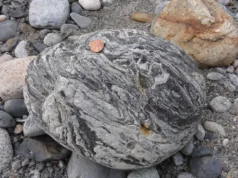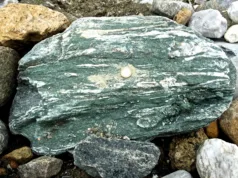









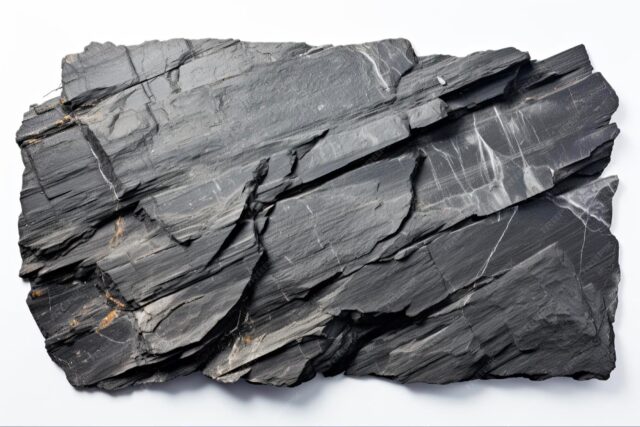
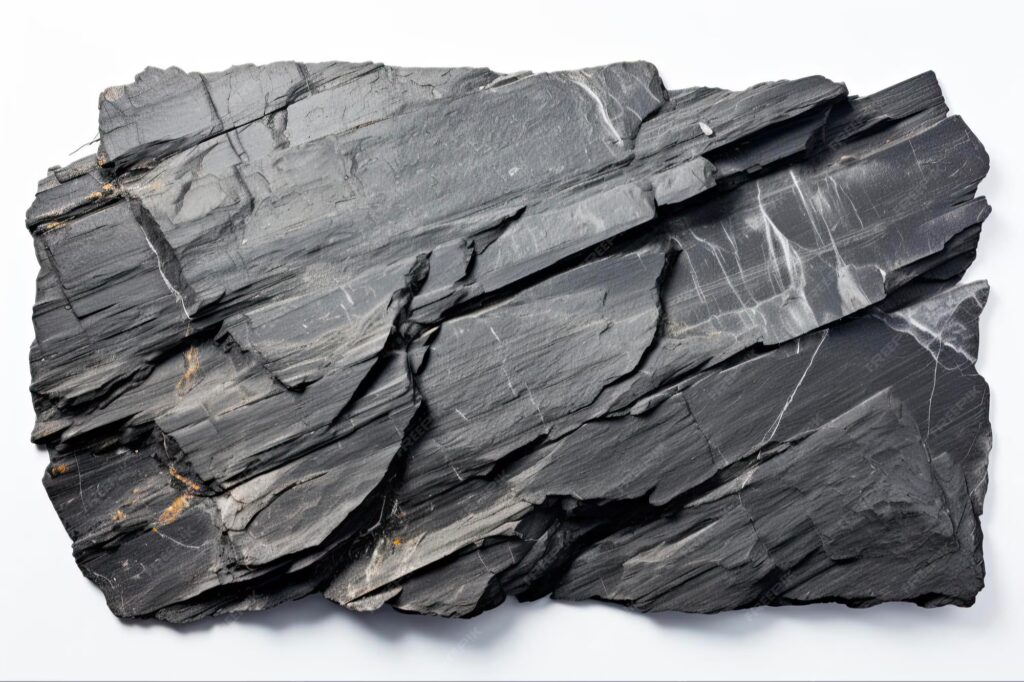
Slate is a fine-grained, foliated metamorphic rock formed from shale or mudstone through low-grade metamorphism. Its most famous trait—slaty cleavage—allows the rock to split into thin, durable sheets. This property made slate one of the earliest natural stones used in architecture, roofing, flooring, and even writing surfaces in schools centuries ago.
What sets slate apart from other metamorphic rocks is not high temperature or visible minerals, but rather its subtle transformation. The rock retains its dense, fine texture while gaining extraordinary durability and weather resistance. Because slate forms under mild metamorphic conditions, it preserves many fine structural features from the original sediment, giving it a unique geological signature.
The combination of strength, water resistance, natural beauty, and longevity makes slate one of the most practical and aesthetically pleasing rocks used by human civilizations.
| Property | Description |
|---|---|
| Colour | Variable: black, dark gray, blue, green, red, brown, buff |
| Texture | Foliated metamorphic rock with slaty cleavage on a millimeter scale |
| Grain Size | Very fine-grained; crystals not visible to the naked eye |
| Hardness | Hard and brittle; breaks cleanly along cleavage planes |
| Surface Feel | Smooth to the touch |
| Major Minerals | Quartz, muscovite or illite; commonly includes biotite, chlorite, hematite, pyrite |
| Accessory Minerals | Apatite, graphite, kaolinite, magnetite, tourmaline, zircon, feldspar |
Geological Formation: How Slate Comes to Life
Slate begins its story as water-laid clay and silt. Over time, this sediment compacts into shale—a soft, layered sedimentary rock. When shale is subjected to directional pressure, mild heat, and tectonic compression, its clay minerals realign and recrystallize, transforming into slate.
1. Protolith: Shale or Mudstone
Shale contains:
- Clay minerals (illite, kaolinite)
- Quartz
- Organic matter
- Iron oxides
These fine-grained materials determine the final texture and color of slate.
2. Conditions Required for Metamorphism
Slate forms at very low metamorphic grade:
- Temperature: 200–300°C
- Pressure: Low to moderate, usually from tectonic compression
- Environment: Mountain-building zones, convergent plate boundaries
- Tectonic stress: Produces strong directional pressure that aligns minerals
This environment is common in areas undergoing regional metamorphism, where entire crustal blocks are compressed and altered slowly over millions of years.
3. Development of Slaty Cleavage
Slaty cleavage—one of the defining features of slate—is formed when:
- Pressure forces clay minerals to reorient perpendicular to stress.
- New mica minerals (mainly muscovite and chlorite) form microscopic layers.
- These layers create planes of weakness along which slate splits cleanly.
This process gives slate its smooth, matte surfaces and strong natural layering.
Mineral Composition: What Is Slate Made Of?
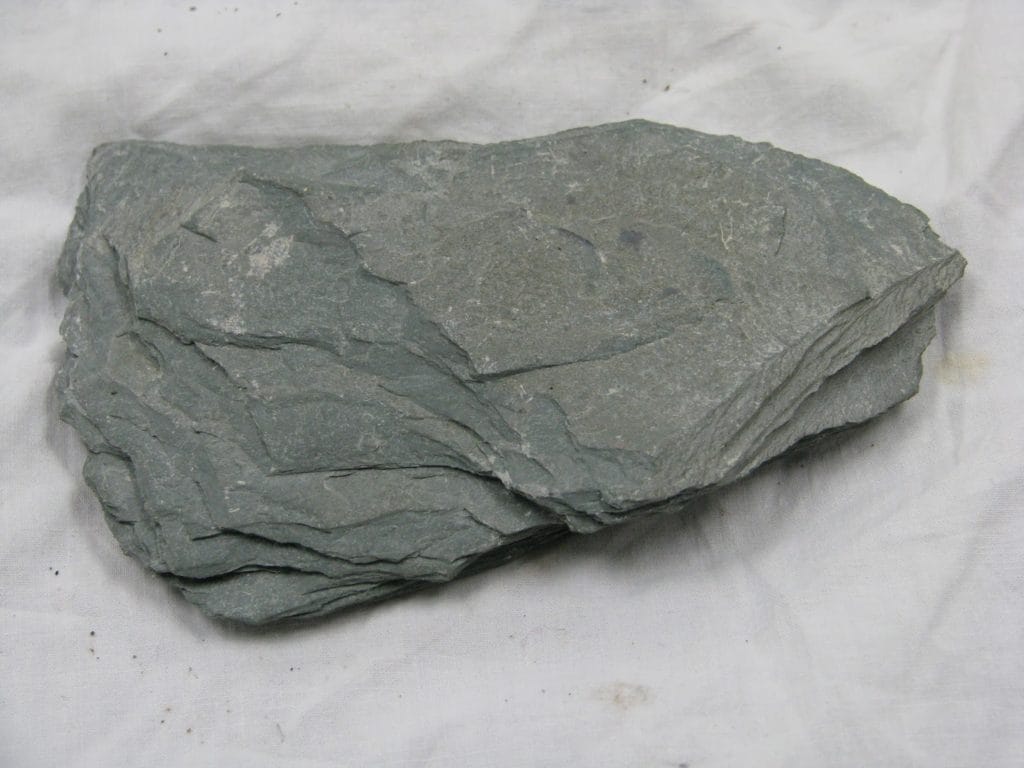
Slate is composed of extremely fine-grained minerals, many of which cannot be seen without a microscope.
1. Major Minerals
- Quartz – gives hardness and strength
- Muscovite or Illite – responsible for cleavage
- Chlorite – common in green slate
- Sericite – contributes to the silky surface
2. Accessory Minerals
These minerals appear in trace amounts but influence color and characteristics:
- Hematite
- Graphite
- Biotite
- Pyrite
- Feldspar
- Tourmaline
- Zircon
The specific mineral combination depends on the chemistry of the original shale and metamorphic conditions, which is why slate varies dramatically by region.
Physical Properties of Slate
Slate is admired for its strength, durability, and unique aesthetic. The following properties make it one of the highest-quality natural stones used in construction.
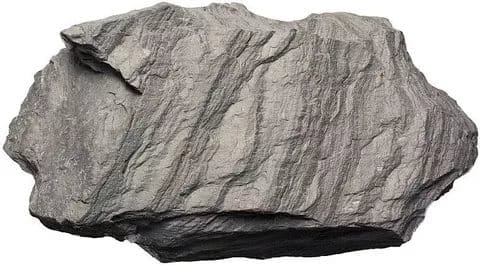
1. Texture and Grain Size
- Ultra-fine grain
- Smooth, matte surface
- Crystals rarely visible
- Very dense and compact
The lack of visible grains gives slate its clean and modern appearance.
2. Cleavage
The most defining feature:
- Splits into thin, even layers
- Reliable and predictable
- Ideal for roofing and tiling
3. Hardness & Strength
- Mohs hardness: 2.5–4
- Excellent break resistance
- Performs extremely well in freeze–thaw cycles
- Highly resistant to scratching (depending on mineral mix)
4. Weather Resistance
Slate’s resistance to moisture is remarkable:
- Very low porosity
- Withstands frost, humidity, and rain
- Resistant to temperature fluctuations
- Fire-resistant
High-quality slate roofs can last 100–200 years.
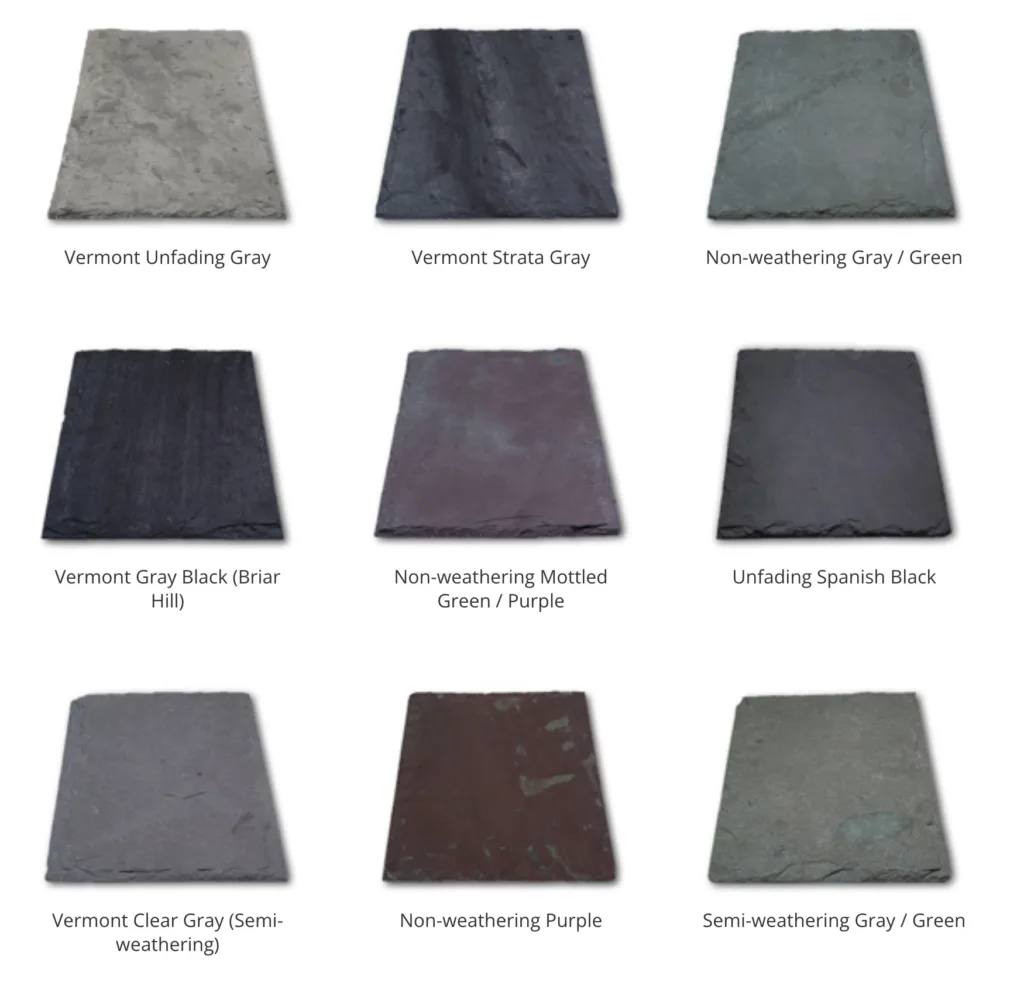
5. Slate Color Variations
Slate’s color depends on mineral impurities:
| Color | Mineral Cause |
|---|---|
| Gray / Black | Carbon, organic matter |
| Green | Chlorite |
| Red / Purple | Hematite |
| Blue | Low iron + carbon |
| Brown | Goethite, limonite |
This natural variety makes slate suitable for both rustic and modern designs.
Slate Deposits Around the World
Slate is found globally, but certain regions produce uniquely high-quality or historically significant varieties.
1. Europe (Largest Historical Source)
- Wales (UK): Famous for purple and blue roofing slate
- Spain – Galicia: World’s largest slate exporter
- France – Angers, Ardennes: Dark, durable slates
- Italy – Liguria: Smooth graphite-colored slate
- Portugal: Distinct black slates widely used in architecture
2. North America
- Vermont
- New York
- Pennsylvania
- Newfoundland
These regions supply premium slates with excellent cleavage and consistent color.
3. Asia, South America & Others
- Brazil
- China
- India
- Australia
- Argentina
Global slate production continues to grow due to high demand in architecture and landscaping
Uses of Slate Rock
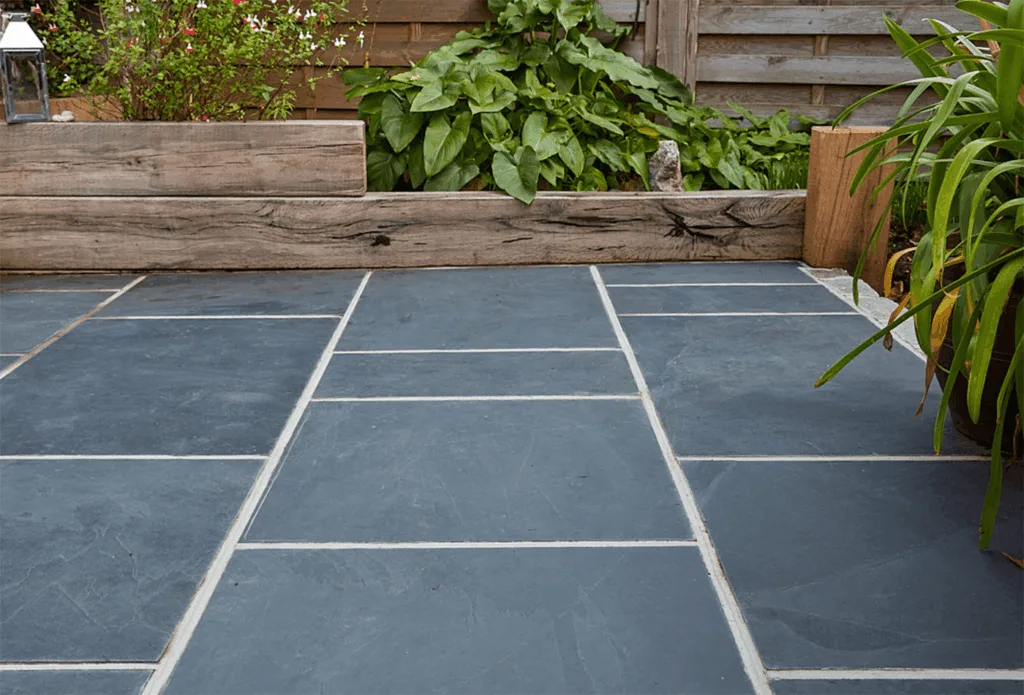
Slate is one of the most versatile natural stones. Its uses span architecture, interior design, education, landscaping, and even technology.
1. Roofing
Slate roofing is known for:
- Longevity (up to 200 years)
- Low water absorption
- Fire resistance
- Aesthetic appeal
- Natural insulation properties
Historic European buildings often still retain their original slate roofs.
2. Flooring & Wall Tiles
Slate tiles offer:
- Slip resistance
- Durability
- Textured beauty
- Easy maintenance
Used in:
- Kitchens
- Bathrooms
- Patios
- Entrances
- Commercial buildings
3. Architectural & Decorative Uses
- Fireplace surrounds
- Tabletops
- Countertops
- Interior wall panels
- Artistic stonework
4. Chalkboards & Lab Surfaces (Historical)
Before modern materials, slate was the preferred material for:
- School chalkboards
- Laboratory benches
- Chemical-resistant surfaces
5. Landscaping
Crushed slate is used for:
- Garden paths
- Ground cover
- Mulch
- Decorative borders
6. Tools and Traditional Crafts
In some regions, slate is carved into:
- Tableware
- House signs
- Coasters
- Ornaments

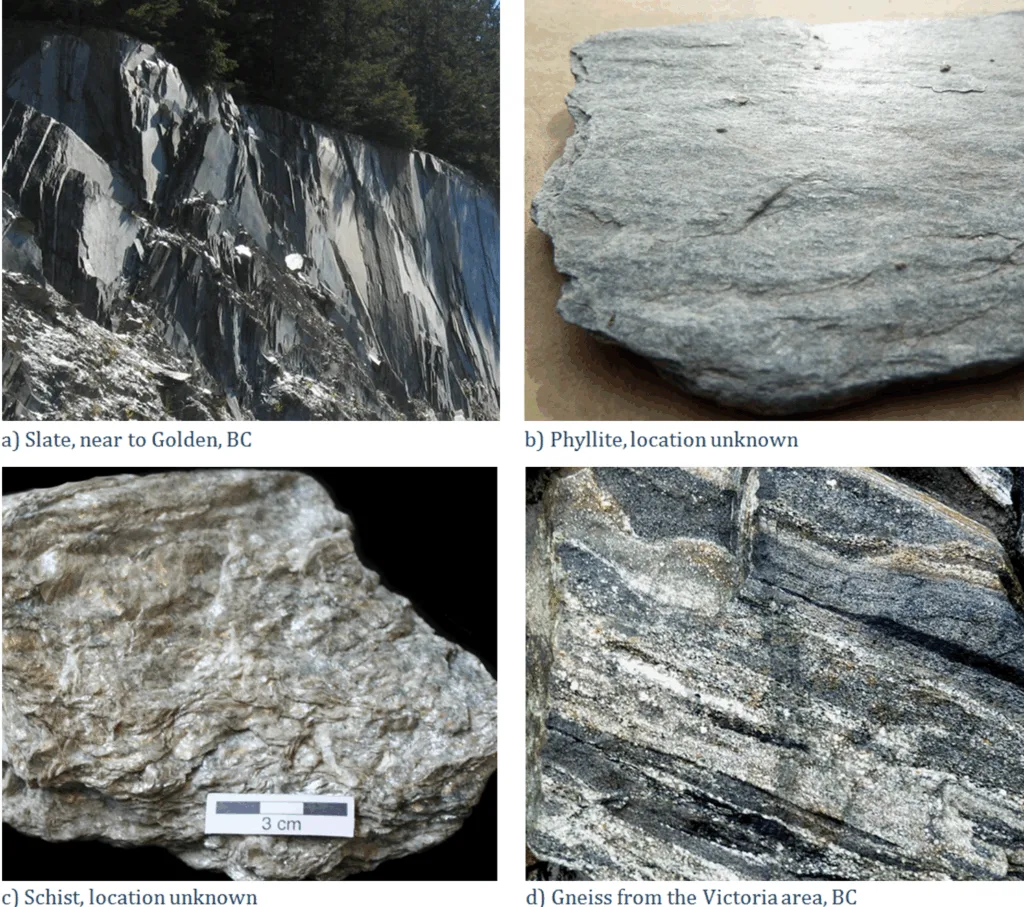
Slate vs. Other Metamorphic Rocks
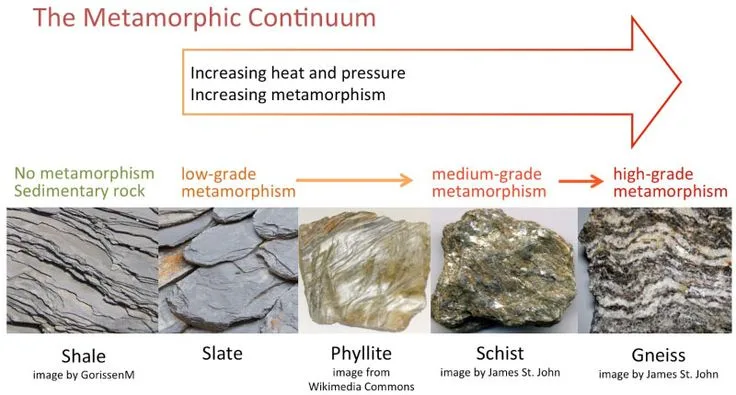
Understanding how slate fits into the metamorphic sequence helps avoid confusion with phyllite, schist, or gneiss.
| Rock Type | Grade | Texture | Cleavage / Foliation |
|---|---|---|---|
| Shale | Sedimentary | Very fine | None |
| Slate | Low | Very fine | Excellent slaty cleavage |
| Phyllite | Low–Medium | Silky sheen | Wavy foliation |
| Schist | Medium | Visible micas | Schistosity |
| Gneiss | High | Banded | No cleavage |
Slate is unique because it retains extremely fine grain while beginning to show metamorphic alignment.
Durability and Weathering Behavior
Slate excels in harsh climates:
- Resistant to acid rain
- Performs exceptionally in freeze–thaw cycles
- Does not warp or swell
- Resistant to UV light
- Long-term color stability
This durability explains its widespread use in historical buildings that remain intact centuries later.
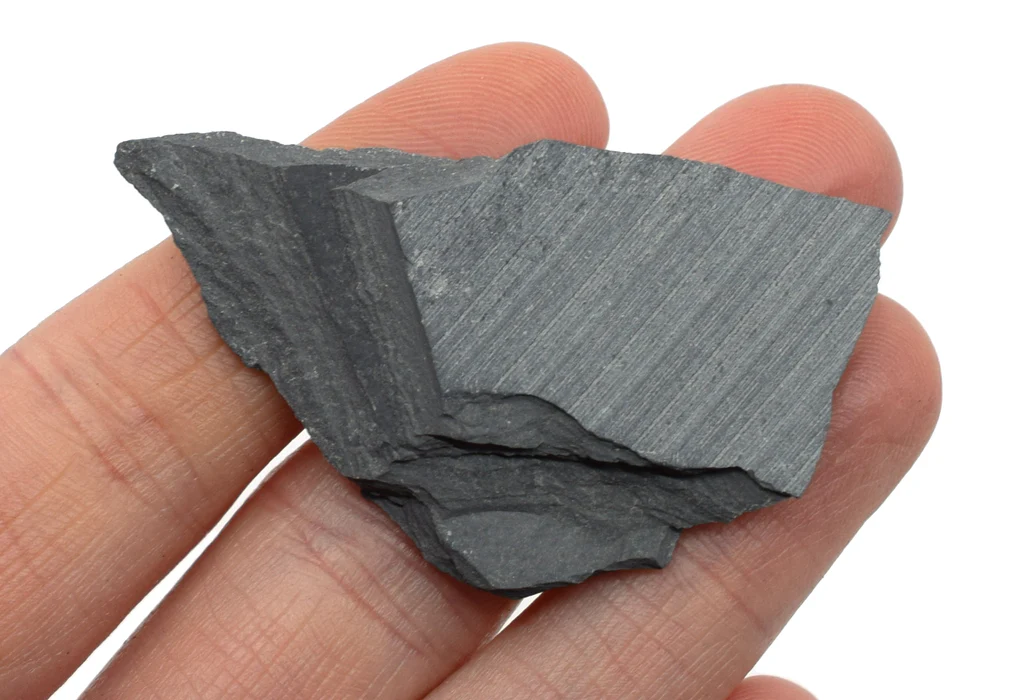
How to Identify Slate in the Field
Geologists recognize slate by observing:
1. Grain Size
Extremely fine; surface feels smooth.
2. Cleavage
Splits into thin sheets along parallel planes.
3. Sound
When tapped, high-quality slate produces a clear, ringing sound.
4. Flexibility
Thin slate sheets are slightly elastic before breaking.
5. Hardness
Softer than quartzite but harder than shale.
Conclusion
Slate is a remarkable metamorphic rock that blends natural beauty with exceptional durability. Born from simple clay sediments, transformed slowly under mild metamorphism, slate has become one of the most valued stones in human history. Its durability, weather resistance, and natural textures make it timeless—whether used in ancient architecture or modern design.
From its geological origins to its practical uses, slate remains an essential part of Earth’s metamorphic story and continues to be a preferred natural material across the world.