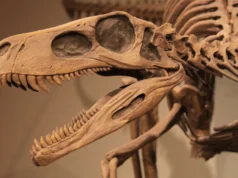



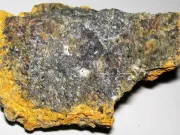



















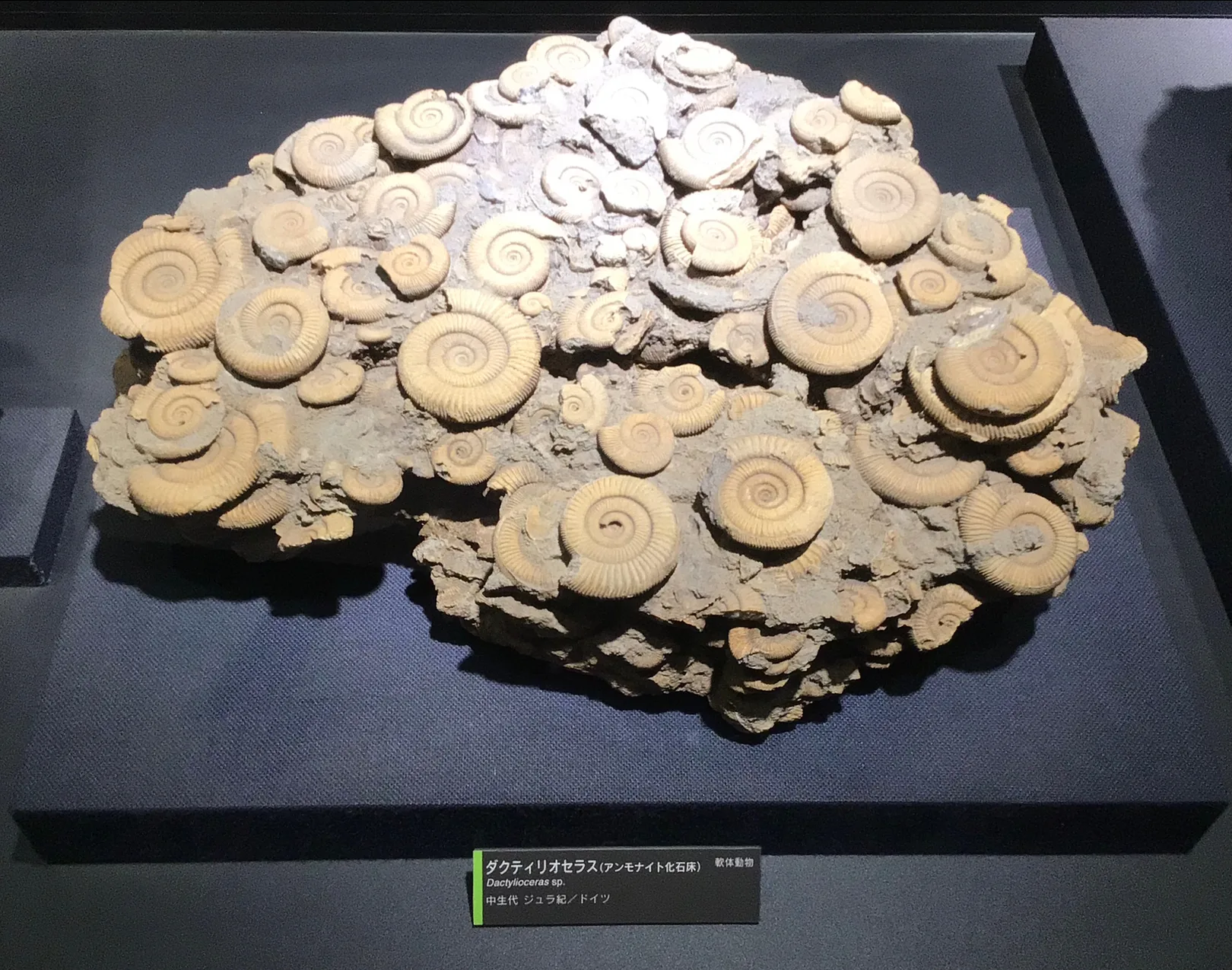
Fossils are naturally preserved remains, impressions or traces of organisms from the geological past. They include mineralized bones, shells, plant impressions, microscopic skeletons, footprints and burrows. Most occur in sedimentary deposits, although exceptional preservation in amber, ice and volcanic ash is also possible. Fossils provide direct evidence of past life and help geologists reconstruct ancient environments, correlate rock layers and investigate evolution.
What Are Fossils?
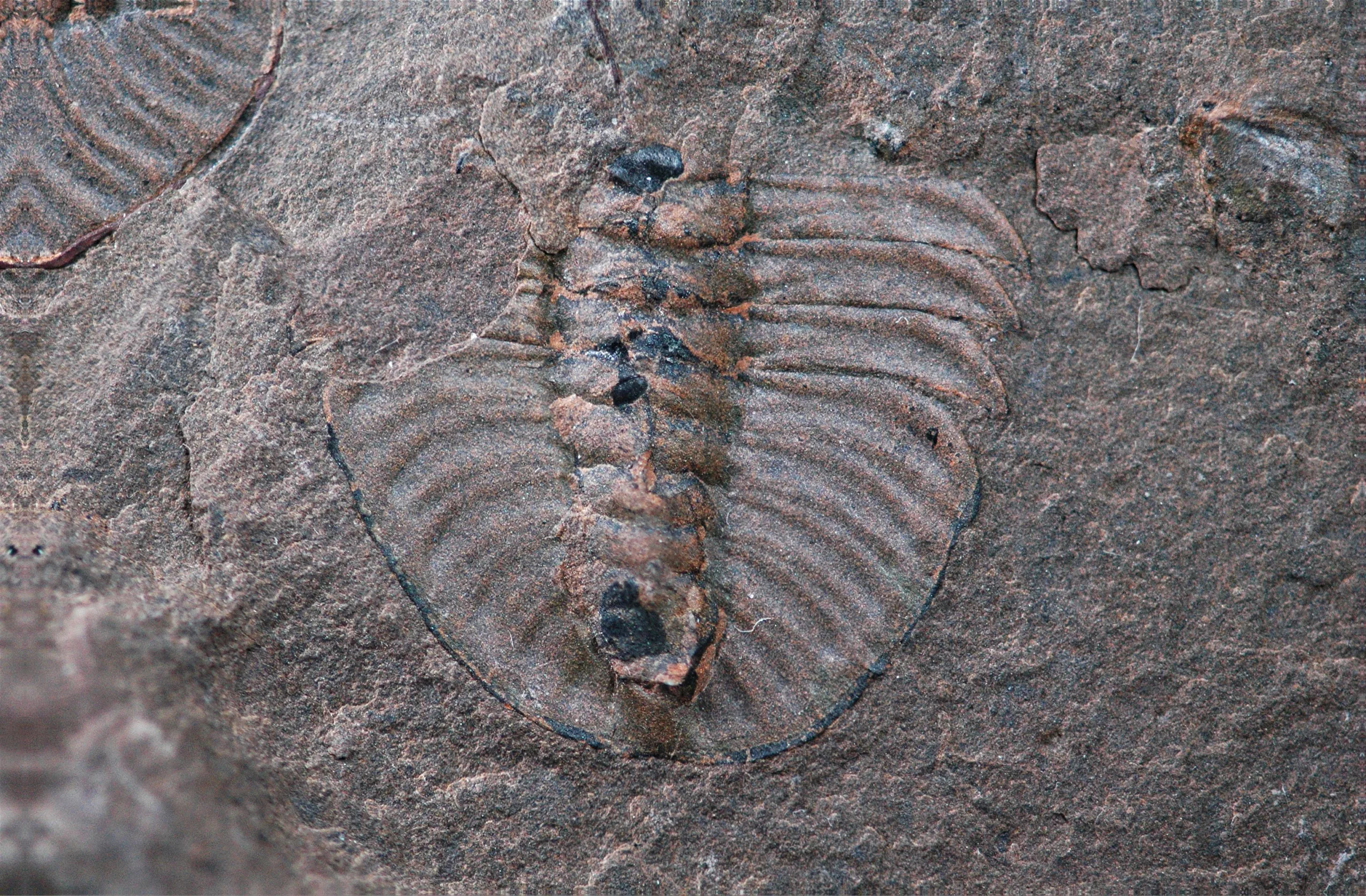
In paleontology, a fossil may represent a whole organism, a fragment of its body or evidence of its activity. Fossils are not necessarily made entirely of minerals: original shell material, organic films and other biological substances sometimes survive. There is no universal minimum age that separates every fossil from a modern remain; geological context and the nature of the material matter.
The fossil record is selective. Organisms with durable skeletons and those buried in favorable settings are generally better represented than soft-bodied organisms or inhabitants of erosional landscapes. The study of processes between death, burial and discovery is called taphonomy.
Types of Fossils
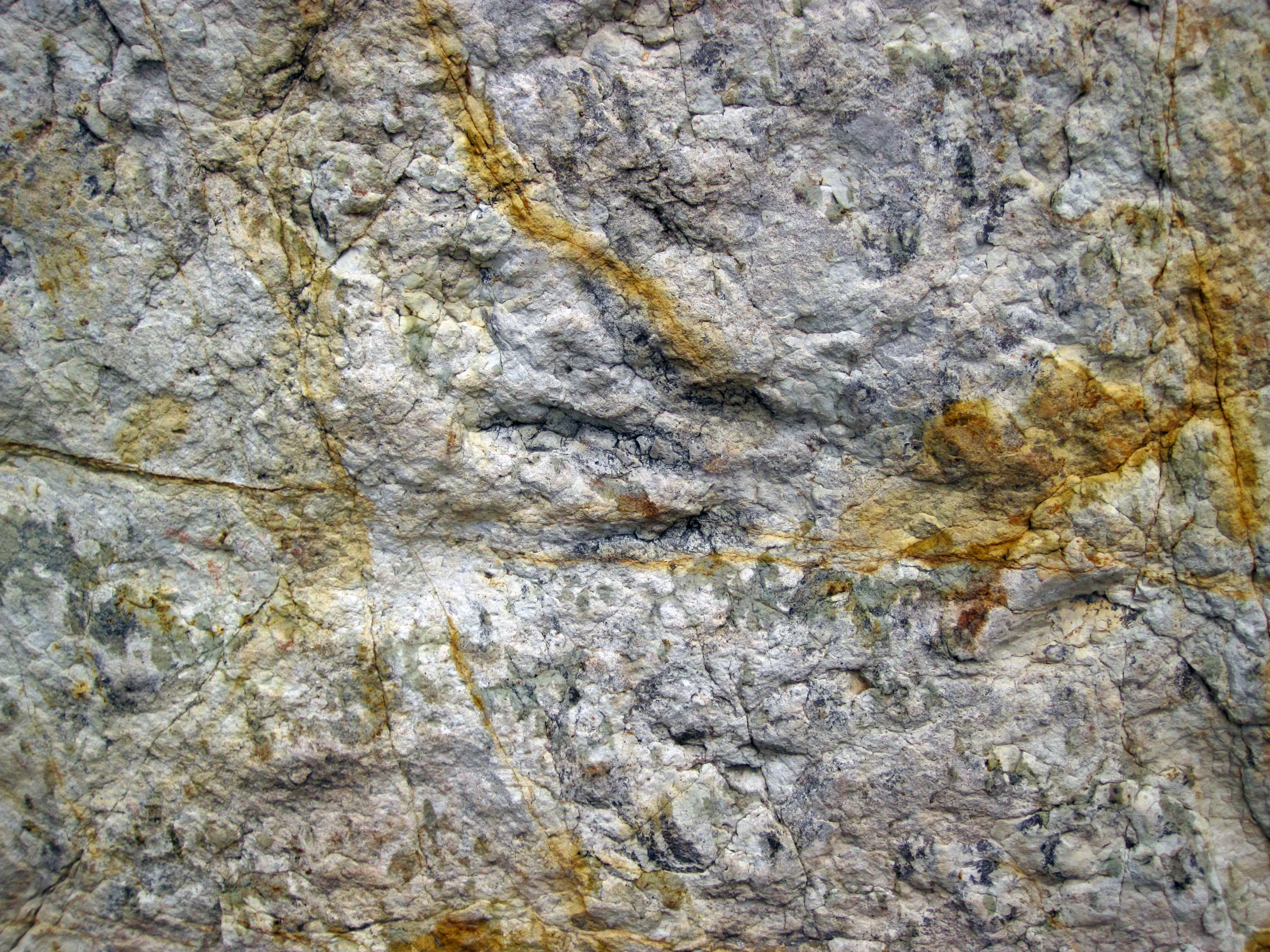
Body fossils
Body fossils preserve anatomical evidence, such as teeth, bones, shells, wood, leaves and microscopic tests. Preservation can retain original material or reproduce anatomy through mineral replacement, impressions or casts. A trilobite shell and an ammonite mold are examples.
Trace fossils (ichnofossils)
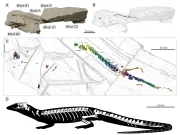
Trace fossils record biological activity, including trackways, feeding trails, burrows, borings and coprolites. They can reveal locomotion, feeding habits and substrate conditions even when the organism itself is absent. A single trace shape may have been produced by different animals.
| Fossil type | Typical examples | Information preserved |
|---|---|---|
| Body fossils | Bones, teeth, shells, leaves | Anatomy and taxonomy |
| Trace fossils | Tracks, burrows, coprolites | Behavior and sediment conditions |
| Molds and casts | Shell impressions and internal casts | External or internal shape |
| Microfossils | Foraminifera, diatoms, pollen | Age, climate and environment |
How Do Fossils Form?
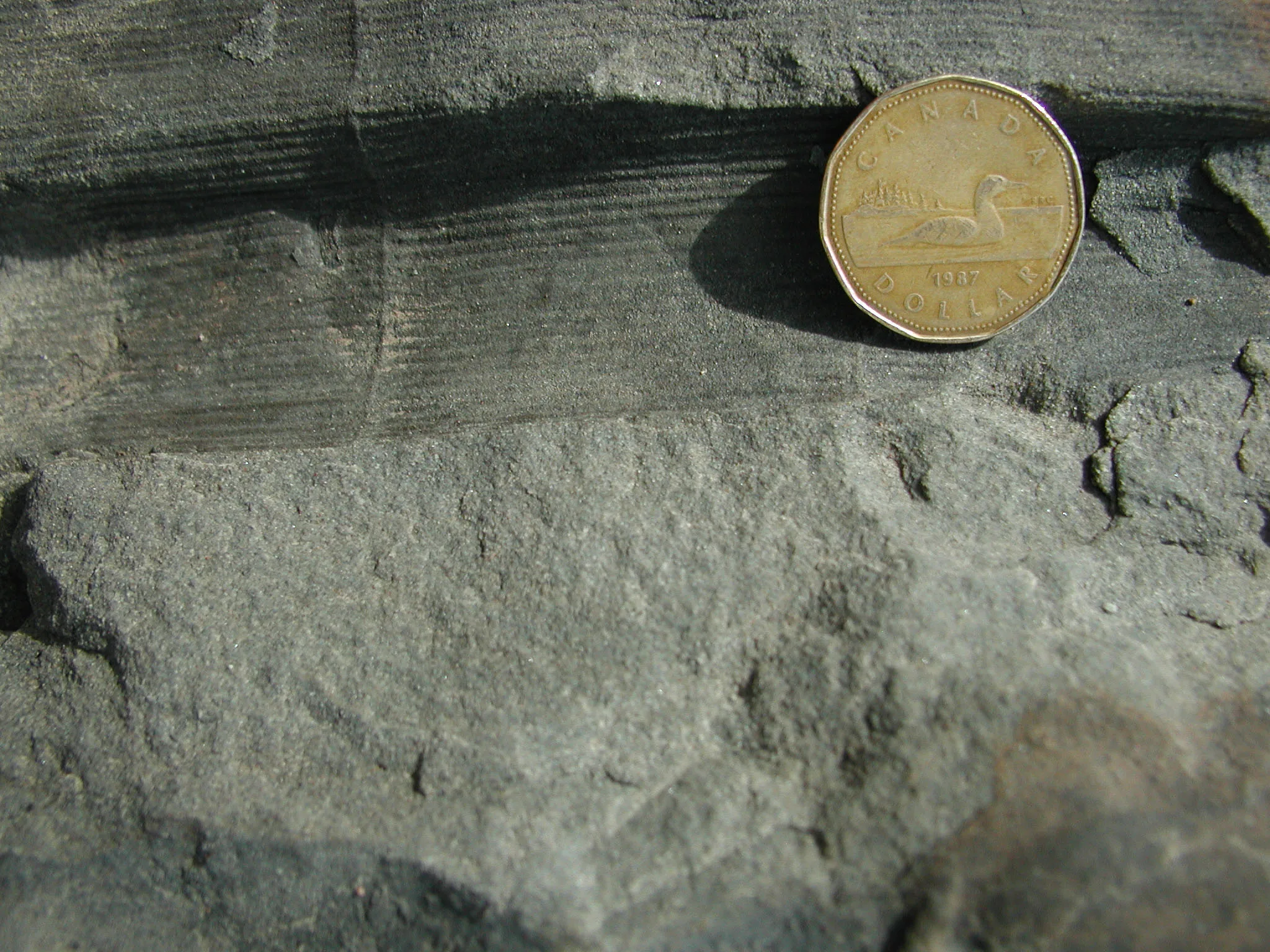
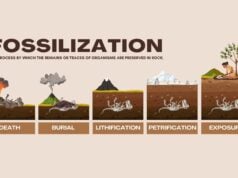
Fossilization involves a combination of biological, chemical and physical processes. Rapid burial can protect remains from scavenging, abrasion and decay. Water chemistry, sediment permeability, microbial activity and oxygen availability influence whether structures survive. Burial alone does not guarantee preservation; many remains dissolve or disintegrate before they enter the geological record.
| Preservation process | Mechanism | Example |
|---|---|---|
| Permineralization | Minerals precipitate in pores and cavities | Petrified wood, porous bone |
| Replacement | Original material dissolves and another mineral takes its place | Silicified shell |
| Recrystallization | Crystal size or structure changes | Recrystallized carbonate shell |
| Carbonization and compression | Burial and chemical alteration concentrate carbon and flatten remains | Leaf films |
| Molds and casts | Dissolution leaves a cavity; subsequent filling reproduces its shape | Ammonite internal cast |
| Original material | Some original hard or organic material survives | Shell, tooth, amber inclusion |
| Freezing and desiccation | Cold or drying slows decomposition | Frozen mammoth remains |
Multiple mechanisms can operate in a single specimen. For example, a buried bone may experience pore filling, chemical alteration and later weathering. A fossil exposed at the surface today has survived not only burial but also uplift, erosion and subsequent alteration.
What Rocks Contain Fossils?
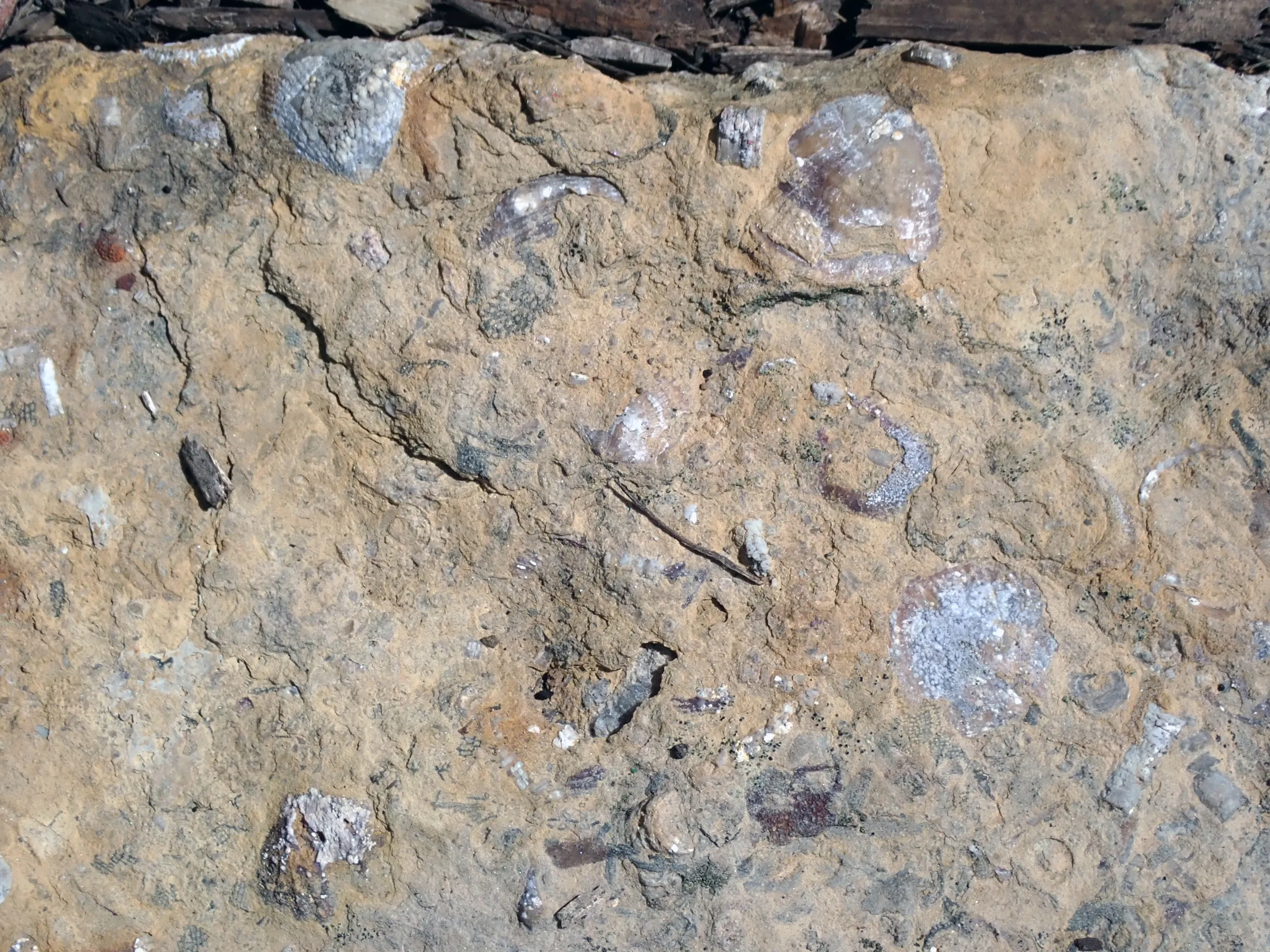
Fossils are particularly common in sedimentary rocks. Fine-grained sediment can retain delicate impressions, while carbonate deposits frequently accumulate skeletal debris. Sandstones may preserve footprints, burrows and transported shells. The original depositional environment is more informative than rock color alone.
| Rock or material | Common fossil evidence | Preservation considerations |
|---|---|---|
| Limestone | Brachiopods, corals, crinoids, ammonites | Shells may dissolve or recrystallize |
| Shale and mudstone | Plants, graptolites, trilobites, microfossils | Fine bedding may preserve delicate details |
| Sandstone | Footprints, burrows, shell molds | Grain size limits fine detail |
| Chert | Silicified shells and microorganisms | Silica may preserve microscopic structure |
| Coal and associated shale | Plant fragments, spores, roots | Compression and organic alteration |
| Volcanic ash deposits | Buried bones, plants and tracks | Rapid deposition may protect remains |
Most igneous rocks crystallize at temperatures incompatible with preservation of ordinary fossils. Metamorphism can also erase structures through recrystallization and deformation; low-grade metamorphic rocks occasionally retain recognizable fossils.
Common Fossil Examples
| Group | Diagnostic features | Geological significance |
|---|---|---|
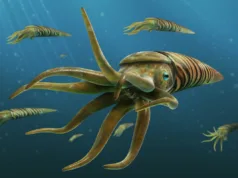
| Ammonites | Chambered shells, commonly coiled | Mesozoic marine biostratigraphy |
| Trilobites | Segmented exoskeleton with three longitudinal lobes | Paleozoic marine ecosystems |
| Brachiopods | Two valves, typically each with bilateral symmetry | Marine environments, especially Paleozoic |
| Bivalves | Two lateral shell valves; hinge and muscle scars | Marine and freshwater habitats |
| Crinoids | Columnals and calcareous skeletal plates | Ancient marine communities |
| Foraminifera | Microscopic tests, often chambered | Biostratigraphy and paleoclimate |
| Plant fossils | Veins, wood tissues, spores and leaf outlines | Terrestrial vegetation and climate |
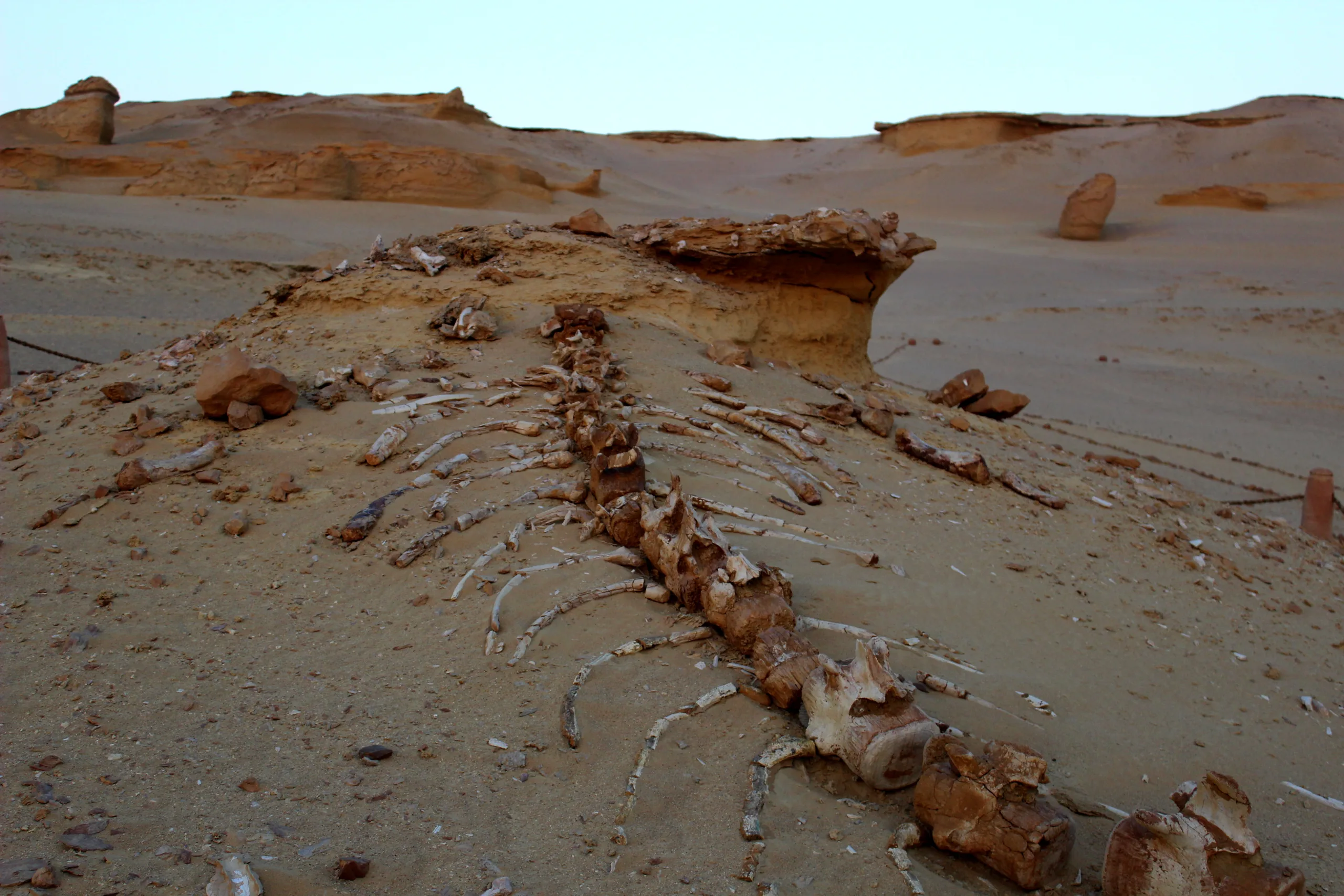
| Vertebrate remains | Bone, teeth and other diagnostic anatomy | Evolution and terrestrial or aquatic ecosystems |
Brachiopods belong to the phylum Brachiopoda, not Mollusca. They are distinct from bivalve mollusks despite their superficial resemblance. Read more about brachiopods, trilobites and ammonites.
Index Fossils and Relative Dating
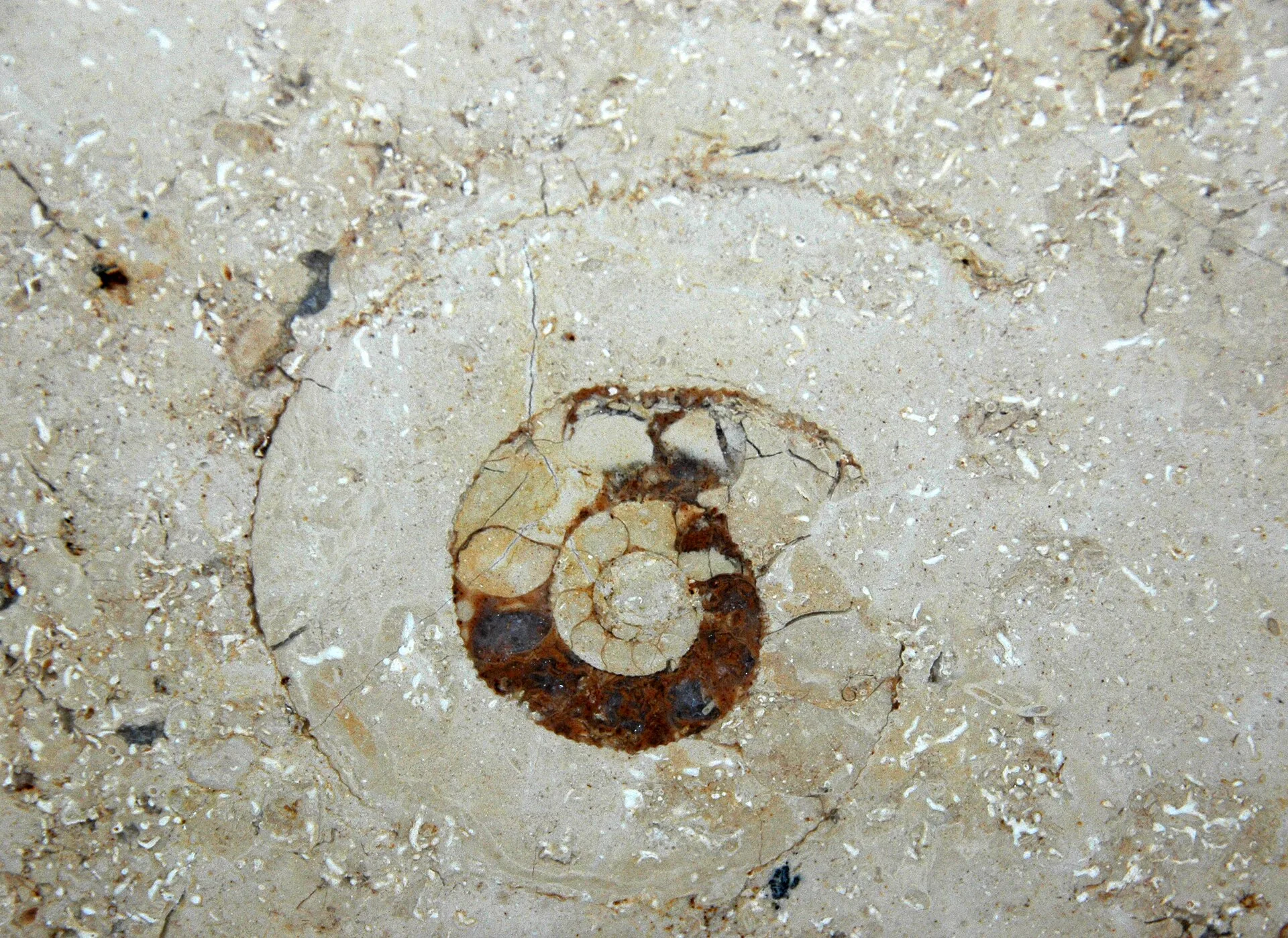
An index fossil belongs to a taxon useful for recognizing and correlating a restricted interval of geological time. The most useful taxa are widespread, recognizable, sufficiently abundant and have short stratigraphic ranges. The presence of just any ammonite or trilobite does not assign a precise age: identification at an appropriate taxonomic level and knowledge of the local stratigraphic succession are essential.
Biostratigraphy uses fossil distributions, first and last appearances and assemblages to divide and correlate strata. Reworking can transport older fossils into younger sediments, while environmental restrictions and incomplete sampling can obscure true ranges. Radiometric ages from datable minerals, such as those in volcanic ash layers, help calibrate the relative sequence. Radiocarbon dating is limited to comparatively recent carbon-bearing material, not dinosaur-age fossils.
Fossils Through Geological Time
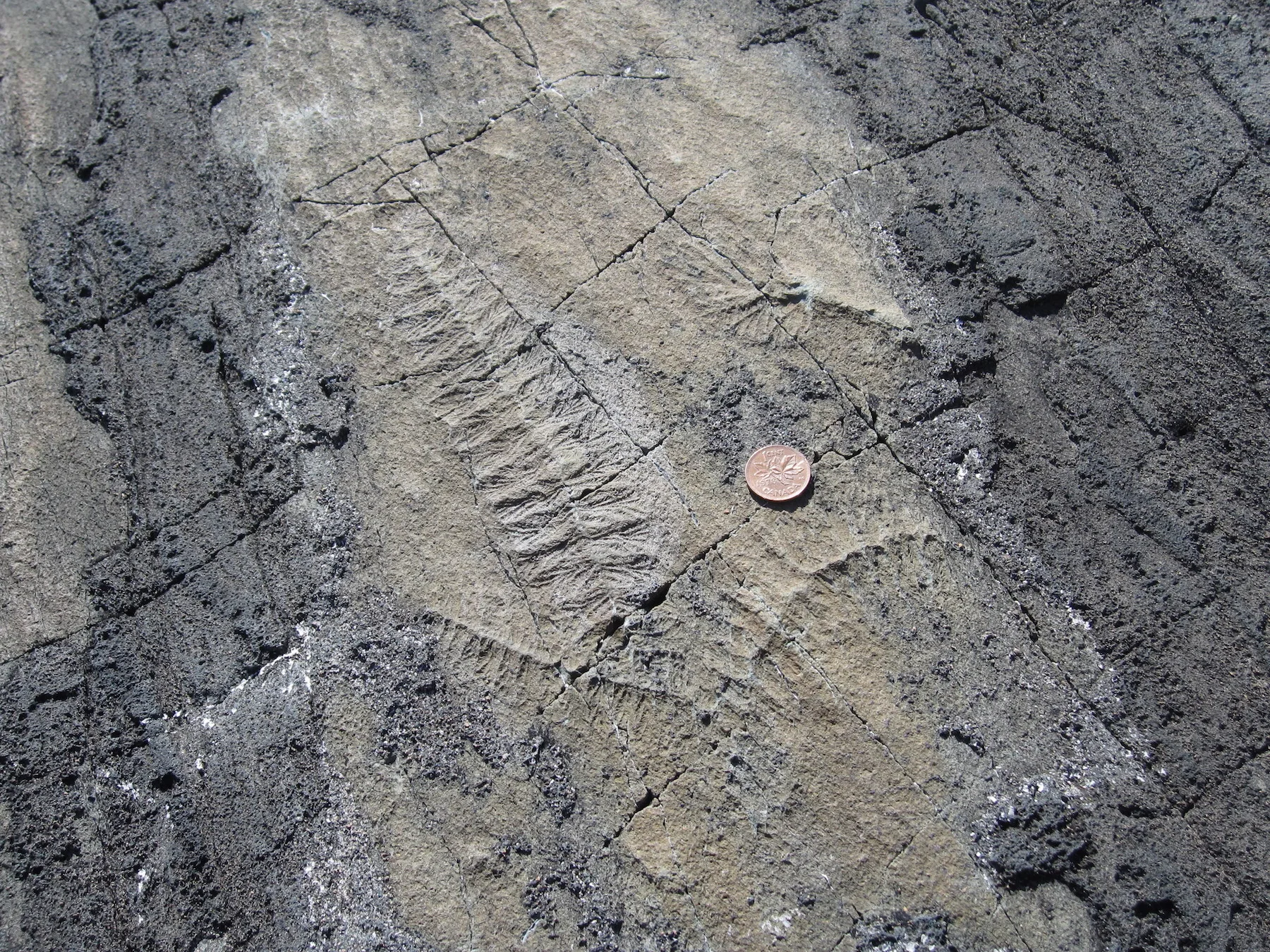
The geologic time scale places fossil assemblages in chronological context. The following ages are approximate, in millions of years before present (Ma), based on the International Commission on Stratigraphy’s 2026 chart. Examples indicate characteristic occurrences, not exclusive ranges.
| Interval | Approximate age (Ma) | Representative fossils |
|---|---|---|
| Archean and Proterozoic | 4,000–539 | Microbial structures, microfossils; later Ediacaran organisms |
| Cambrian | 539–487 | Trilobites, early animal skeletons |
| Ordovician–Silurian | 487–419 | Graptolites, brachiopods, corals |
| Devonian | 419–359 | Armored fish, early tetrapods, reef fossils |
| Carboniferous–Permian | 359–252 | Coal-swamp plants, fusulinids, early amniotes |
| Triassic–Jurassic | 252–143 | Ammonites, early dinosaurs, marine reptiles |
| Cretaceous | 143–66 | Ammonites, dinosaurs, flowering plants |
| Paleogene–Neogene | 66–2.58 | Mammals, whales, planktonic microfossils |
| Quaternary | 2.58–present | Mammoths, hominins, pollen |
The earliest evidence of life is not identical to the earliest unambiguous animal fossils. Claims about very ancient biosignatures require careful evaluation because inorganic structures can resemble biological ones. The end-Cretaceous extinction eliminated non-avian dinosaurs and ammonites, but birds survived.
How to Identify a Fossil in the Field
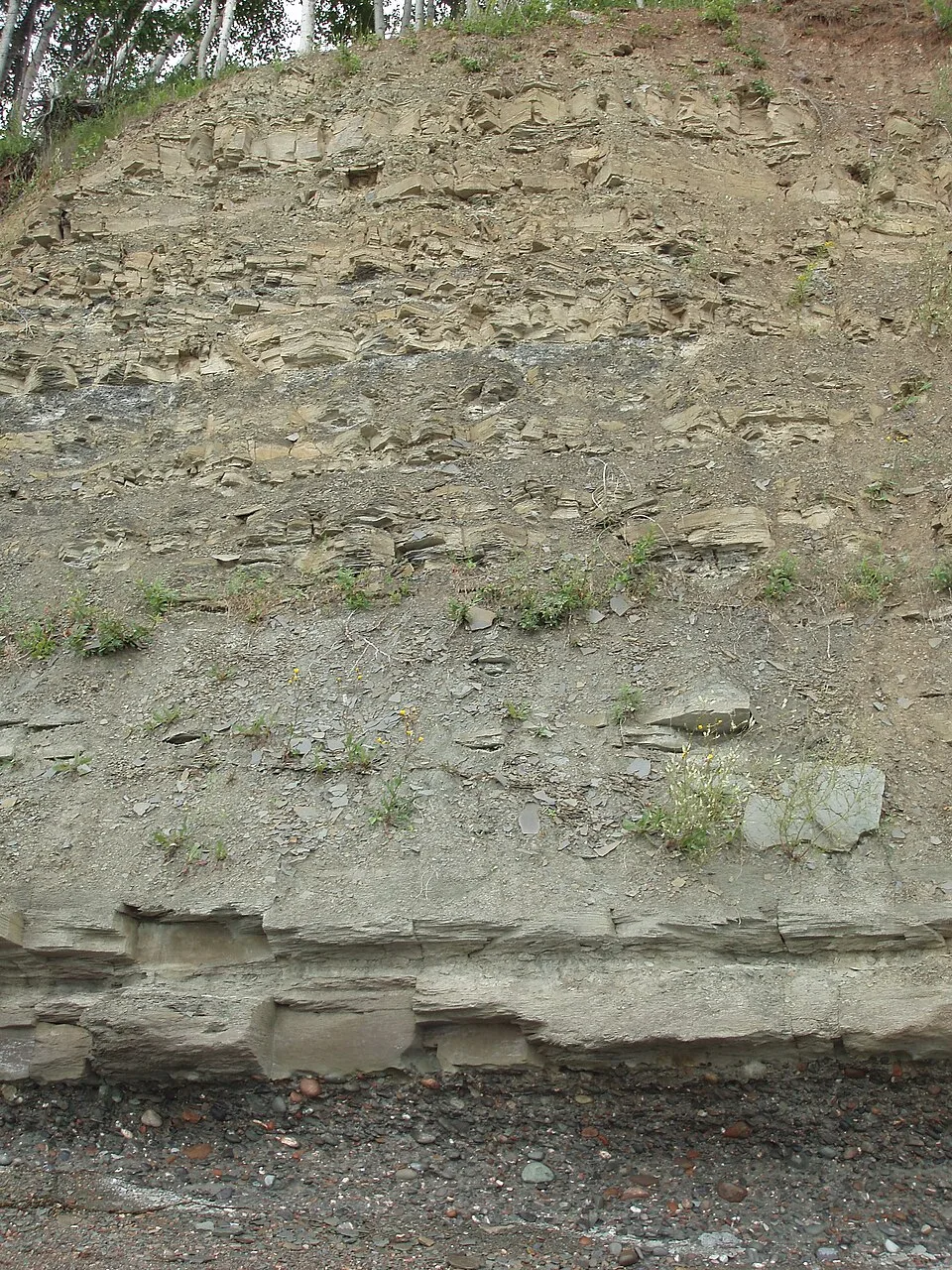
Start with the rock and its geological context rather than the apparent resemblance to an animal or plant. Examine repeated anatomical patterns, symmetry, segmentation, growth lines and surface texture. Use a hand lens and a scale in photographs; inspect the surrounding bedding and associated fossils.
| Observation | Possible interpretation | What to check |
|---|---|---|
| Regular ribs on a coiled shape | Ammonite or gastropod | Chambers, sutures, aperture |
| Repeated segments | Trilobite or skeletal fragments | Head shield, axial lobe, articulation |
| Branching pattern | Plant fossil or mineral dendrite | Veins, tissue, relief, mineral staining |
| Circular disk with central hole | Crinoid columnal | Repeated disks and radial symmetry |
| Linear depression on bedding | Burrow or track | Repeated geometry, infill and cross-section |
Record the exact location, bed, orientation, host rock and scale before disturbing a specimen. Do not use acid, grinding or aggressive cleaning on an unidentified fossil. Follow landowner permissions and local collecting rules, and leave scientifically significant or protected specimens in place for qualified specialists.
Fossils vs. Pseudofossils
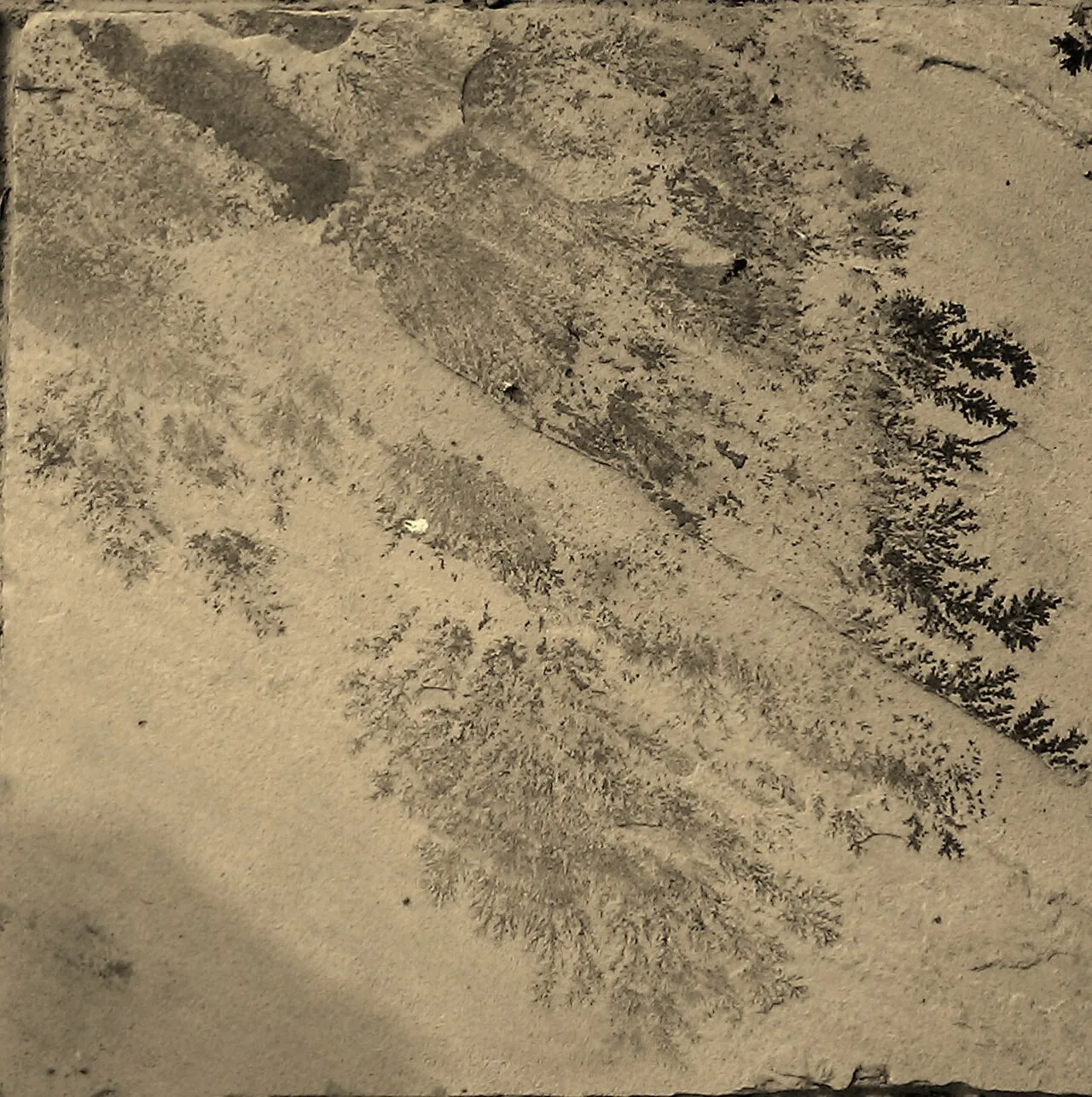
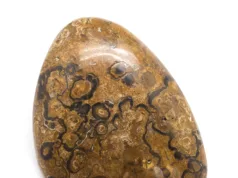
Pseudofossils are inorganic structures that imitate biological shapes. Manganese or iron oxide dendrites, concretions, mineral veins and some weathering patterns can resemble leaves, eggs or bones. Concretions may also contain genuine fossils, so their rounded shape alone is neither proof nor disproof of biological origin.
Look for anatomical organization, consistent internal structure and a plausible stratigraphic setting. When visual inspection is inconclusive, thin sections, microscopy, imaging or chemical analysis may be required. A photograph can suggest candidates but cannot always establish a fossil identity.
Why Fossils Matter in Geology
Fossils connect sedimentary rocks with the history of life. They help establish relative ages, reconstruct ancient water depth and salinity, trace changes in biodiversity and reveal extinction and recovery events. Microscopic fossils can provide quantitative environmental evidence when combined with calibrated geochemical and ecological methods.
Fossil assemblages are influenced by preservation and sampling biases. A missing species in a particular layer is not automatically evidence of global extinction. Paleontologists combine multiple localities, stratigraphic observations and independent dating methods to test interpretations.
Frequently Asked Questions
Are all fossils made of stone?
No. Some retain original shell material, organic carbon or soft tissue preserved under exceptional conditions.
How long does fossilization take?
There is no fixed duration. Early mineral precipitation can begin quickly, while burial, alteration and long-term preservation occur over variable timescales.
Are fossils only found in sedimentary rocks?
Most are associated with sedimentary deposits, but volcanic ash, amber, permafrost and some low-grade metamorphic rocks can also preserve evidence of past life.
Can fossils be dated directly?
Some relatively young remains can be radiocarbon dated. Older fossils are usually dated through stratigraphic correlation and radiometric dating of suitable associated geological materials.
How can I tell whether a rock contains a real fossil?
Look for diagnostic biological features and geological context, compare with reference specimens and seek expert identification when necessary.
References
National Park Service — How Fossils Form.
National Park Service — Body Fossils and Trace Fossils.
International Commission on Stratigraphy — International Chronostratigraphic Chart (2026/06).
National Park Service — Significance of Fossils.