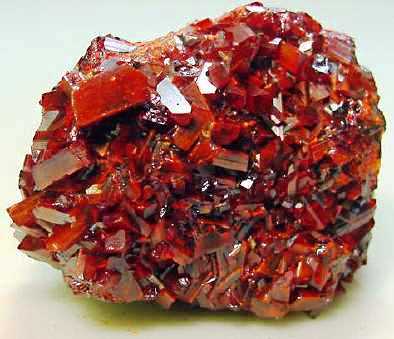
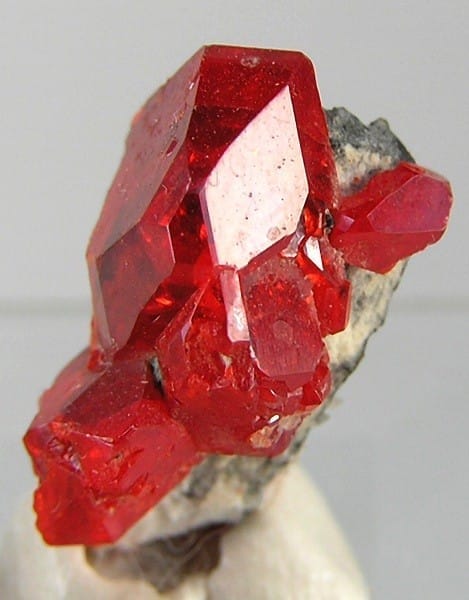
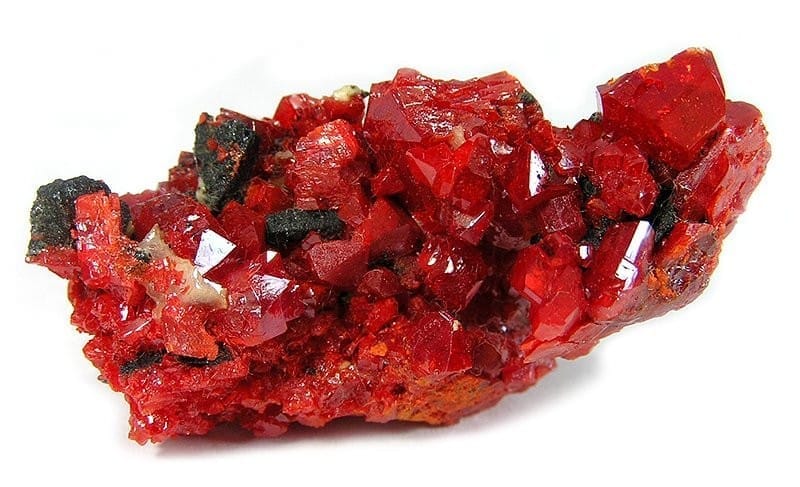
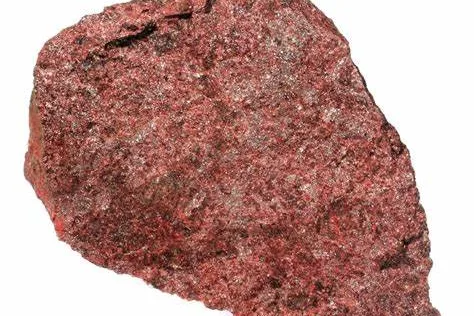
Realgar, also known as “ruby sulfur” or “arsenic sulfide,” is a naturally occurring mineral composed of arsenic and sulfur with the chemical formula As₄S₄. It is classified as an arsenic sulfide mineral and is typically found in association with other minerals in hydrothermal veins and volcanic deposits. Realgar is known for its striking red to orange-red color and has been used historically as a pigment in dyes, as well as in traditional Chinese medicine.
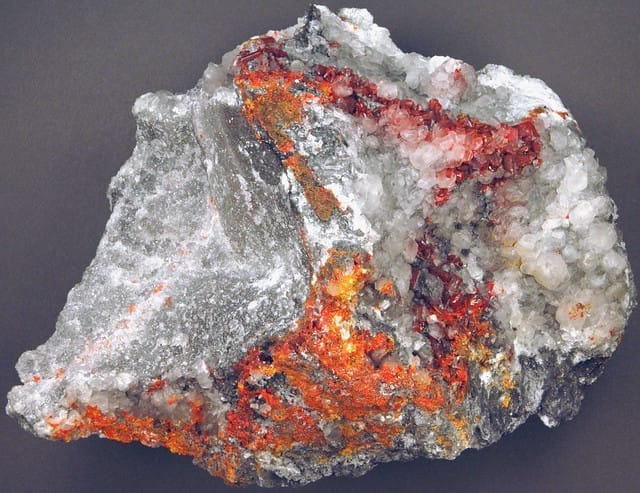
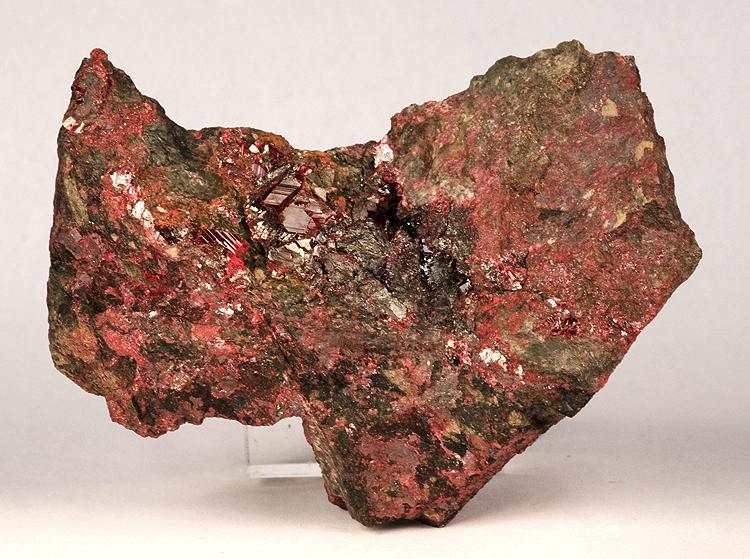
Realgar & pararealgar & calcite on marbleRealgar, Royal Reward Mine, Green River Gorge, Franklin, King County, Washington, USARealgar, Royal Reward Mine, Green River Gorge, Franklin, King County, Washington, USA
Appearance: Realgar is transparent to translucent and typically occurs as tabular or prismatic crystals. It can also be found in grainy or massive forms.
Color: Its most distinctive feature is its bright red to orange-red color. This coloration is due to its arsenic content.
Uses: Realgar has been used for various purposes throughout history. In ancient times, it was used as a red pigment in paints and dyes, particularly in Chinese and Persian artworks. It was also employed in traditional Chinese medicine for its supposed therapeutic properties, although it is toxic and has limited medicinal use today.
Toxicity: Realgar is highly toxic due to its arsenic content. Ingesting or inhaling realgar can lead to arsenic poisoning, which can have severe health consequences. For this reason, its use in art and medicine has largely been replaced by safer alternatives.
Occurrence: Realgar is found in various locations around the world, including China, Russia, Romania, Peru, and the United States. It often forms in hydrothermal veins associated with other minerals like orpiment (another arsenic sulfide mineral), quartz, and cinnabar.
Safety: Handling realgar requires precautions due to its toxicity. It should not be ingested, inhaled, or placed in contact with the skin without adequate protection.
Historical Significance: Realgar has a long history of use in art and culture. In ancient China, it was used in paintings and as an ingredient in the production of fireworks. It was also associated with alchemy and was believed to have mystical properties.
Polymorphism & Series: Trimorphous with alacr´anite and pararealgar
Name: From the Arabic rahj al ghar for powder of the mine
Crystallography: Monoclinic; prismatic. Found in short, vertically striated, prismatic crystals. Frequently coarse to fine granular and often earthy and as an incrustation.
Composition: Arsenic monosulfide, AsS. As = 70.1 percent, S = 29.9 percent.
Diagnostic Features: Realgar can be distinguished by its red color, resinous luster, and almost invariable association with orpiment. Its orange-red streak serves to distinguish it from other red minerals
While realgar has historical significance and interesting properties, its toxic nature has limited its use in contemporary applications. It is primarily of interest to mineral collectors and researchers studying mineralogical specimens.
Chemical Properties of Realgar
Chemical Classification
Sulfide mineral
Chemical Composition
As4S4 or AsS
Physical Properties of Realgar
Color
Red to yellow-orange; in polished section, pale gray, with abundant
yellow to red internal reflections
Streak
Red-orange to red
Luster
Resinous to greasy
Cleavage
Good on {010}; less so on {101}, {100}, {120}, and {110}
Diaphaneity
Transparent
Mohs Hardness
1.5–2
Specific Gravity
3.56
Diagnostic Properties
Toxic and carcinogenic.
Disintegrates on long exposure to light to a powder composed of
pararealgar or arsenolite and orpiment.
Crystal System
Monoclinic
Tenacity
Sectile
Density
3.56 g/cm3 (Measured) 3.59 g/cm3 (Calculated)
Optical Properties of Realgar
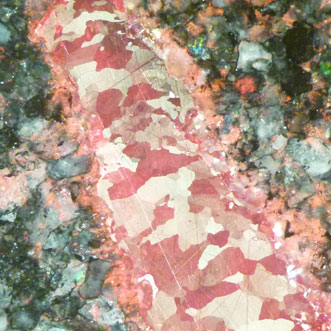
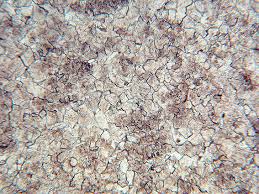
Realgar optical PPL and XPL
Type
Anisotropic
Color / Pleochroism
Nearly colorless to pale golden
yellow
Twinning
Contact twins on {100}
Optic Sign
Biaxial (-)
Birefringence
δ = 0.166
Relief
Very High
Realgar Occurrence and Formation
Realgar, also known as “ruby sulfur” or “arsenic sulfide,” occurs naturally in various geological settings. Its formation is closely tied to specific geological processes and environments. Here’s a closer look at the occurrence and formation of realgar:
Occurrence:
Hydrothermal Veins: Realgar is commonly found in hydrothermal vein deposits. These veins are created when hot, mineral-rich fluids circulate through fractures in rocks and then cool and deposit minerals as they come into contact with the surrounding rock. Realgar can precipitate from such hydrothermal fluids when conditions are right.
Volcanic Environments: It can also be found in volcanic environments, often associated with fumaroles and hot springs. In these settings, realgar can form as a result of volcanic gases and hydrothermal activity.
Sedimentary Rocks: Realgar may occasionally occur in sedimentary rocks, typically as a result of secondary processes. It can form as a result of the alteration of other arsenic minerals or the deposition of arsenic-bearing fluids.
Associated Minerals: Realgar is often found in association with other minerals, including orpiment (another arsenic sulfide mineral), cinnabar (mercury sulfide), pyrite (iron sulfide), and various sulfides and sulfosalts.
Formation: The formation of realgar is a result of the interaction of arsenic and sulfur under specific geological conditions. Here’s a simplified explanation of how realgar forms:
Source of Arsenic and Sulfur: Arsenic and sulfur must be present in the geological environment. These elements can be sourced from magmatic processes deep within the Earth’s crust or from other minerals containing arsenic and sulfur.
Hydrothermal Activity: Hydrothermal fluids, which are typically hot, mineral-rich solutions, play a significant role. These fluids often originate from magma chambers deep underground and migrate through fractures and fissures in rocks.
Precipitation: When these hydrothermal fluids encounter conditions that promote precipitation, such as a decrease in temperature or a change in pressure or chemical composition, the arsenic and sulfur components can combine to form realgar crystals.
Cooling and Solidification: As the fluids cool and solidify, realgar crystals can grow within the fractures and cavities of the surrounding rock.
Crystalline Growth: Realgar crystals can exhibit various habits, including tabular or prismatic forms, depending on the specific conditions during their growth.
It’s important to note that realgar formation is intricately tied to the geological history and local conditions of a given area. As a result, realgar can be found in diverse geological settings around the world, often in association with other minerals. However, its toxicity means that it should be handled with caution and not ingested, inhaled, or placed in contact with the skin without proper safety precautions.
Realgar Mining Sources and Distribution
Realgar, a mineral composed of arsenic and sulfur, is found in various locations around the world. Its mining sources and distribution are influenced by geological processes and the presence of specific mineral deposits. Here’s an overview of some of the regions where realgar is mined or has been found:
China: China has historically been one of the most significant sources of realgar. It is particularly associated with regions such as Hunan, Guizhou, and Inner Mongolia. The Hunan province, in particular, has been a major producer of realgar for centuries. Realgar from China has been highly valued for its use in traditional Chinese medicine, as well as in art and cultural practices.
Russia: Realgar deposits are also found in Russia, with notable occurrences in regions such as the Altai Mountains and the Far East. Russian realgar has been used in traditional medicine and occasionally in mineral collections.
Peru: Peru has been another location where realgar has been mined. It is often associated with other minerals such as orpiment, cinnabar, and pyrite in mineral deposits. The occurrence of realgar in Peru has been of interest to mineral collectors.
Romania: Romania has had occurrences of realgar, often found in association with other sulfide minerals. Mining activities in Romania have targeted various minerals, including realgar.
United States: In the United States, realgar can be found in certain regions, although its occurrences are relatively limited compared to some other countries. There have been reports of realgar deposits in places like Nevada and Utah.
Other Occurrences: Realgar can also be found in other countries, including Mexico, Morocco, Japan, and Italy, among others. However, its distribution is not widespread, and occurrences are often localized.
It’s important to note that realgar mining has declined over the years due to several factors:
Environmental Concerns: Realgar mining can have environmental impacts, and the toxicity of arsenic makes its handling and disposal a concern.
Health Risks: The health risks associated with handling realgar, as it contains toxic arsenic compounds, have led to a decrease in its use in traditional medicine and art.
Availability of Alternatives: Safer alternatives for pigments and medicinal purposes have largely replaced realgar in modern applications.
As a result of these factors, realgar mining is not as prevalent as it once was, and its use has become more limited and specialized. However, it remains of interest to mineral collectors and researchers studying mineralogical specimens.
Application and Uses Areas
The use of realgar (arsenic sulfide) has evolved over time, and its applications and uses have become more limited due to its toxic nature. Historically, realgar had various applications, but today, its uses are primarily restricted to niche areas. Here are some of the application and use areas of realgar:
Traditional Chinese Medicine (TCM): Realgar has a long history of use in traditional Chinese medicine, where it is known as “Xionghuang” or “red arsenic.” It was used in small quantities in TCM formulations for its purported therapeutic properties, including its use in treating skin conditions, parasites, and as an antiseptic. However, due to its high toxicity, its use in TCM has decreased significantly, and safer alternatives are preferred.
Art and Pigments: In ancient times, realgar was used as a red pigment in art and in the production of paints and dyes. It was particularly used in Chinese and Persian artworks for its vivid red color. However, its toxic nature and fading over time have led to the use of alternative, non-toxic pigments in modern art.
Pyrotechnics: Realgar was used in the production of fireworks and pyrotechnics due to its ability to produce bright red flames when burned. However, safety concerns and the availability of safer chemicals have reduced its use in modern fireworks production.
Mineral Collecting: Realgar, with its distinctive red color and crystalline forms, is of interest to mineral collectors and enthusiasts. Specimens of realgar are collected for display and study purposes.
Research and Laboratory Use: Realgar can be used in laboratory research for its chemical properties. However, strict safety precautions are necessary when handling it due to its toxicity.
It’s important to emphasize that the toxic nature of realgar (arsenic compounds) poses significant health risks, and its use in many traditional and industrial applications has been largely replaced by safer alternatives. In many cases, the use of realgar has been discouraged or even prohibited due to health and environmental concerns.
Overall, while realgar has historical significance and certain niche applications, its use has diminished over time in favor of safer and more environmentally friendly alternatives. Users and collectors of realgar should exercise caution and follow safety guidelines to minimize exposure to its toxic properties.
References
Bonewitz, R. (2012). Rocks and minerals. 2nd ed. London: DK Publishing.
Handbookofmineralogy.org. (2019). Handbook of Mineralogy. [online] Available at: http://www.handbookofmineralogy.org [Accessed 4 Mar. 2019].
Mindat.org. (2019). Realgar: Mineral information, data and localities.. [online] Available at: https://www.mindat.org/min-727.html [Accessed 4 Mar. 2019].
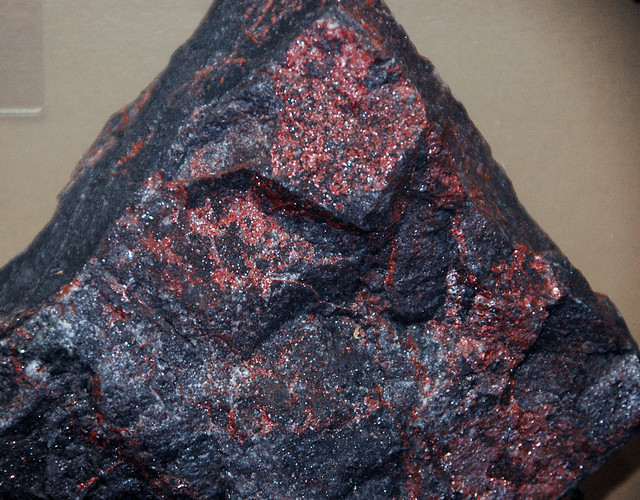
Cinnabar is a naturally occurring mercury sulfide mineral with the chemical formula HgS. It is one of the most common and well-known sources of mercury. Cinnabar typically exhibits a striking red to reddish-brown color, which is often associated with its historical use as a pigment for creating red pigments, including vermilion.
Cinnabar (Almaden, Ciudad Real, Spain)Cinnabar and Realgar
Color: Cinnabar is renowned for its deep red color, making it visually distinctive. This vibrant hue has made it a sought-after material for various artistic and decorative purposes.
Occurrence: Cinnabar is typically found in hydrothermal vein deposits, often associated with other ore minerals. It forms under high-temperature and pressure conditions.
Mercury Source: Mercury, a toxic heavy metal, is obtained from cinnabar through a process called roasting. When cinnabar is heated, it decomposes, releasing mercury vapor. This vapor can be condensed and collected for various industrial purposes.
Historical Uses: Cinnabar has a long history of use as a red pigment in art, particularly in ancient China and Mesoamerica. It was used to create the bright red color known as vermilion. However, because of the toxicity of mercury, its use in this context has largely been replaced by safer pigments.
Symbolism: Cinnabar has cultural and symbolic significance in various traditions. In Chinese culture, it has been associated with immortality and used in ancient burial rituals. In alchemy, mercury was often represented by cinnabar.
Health Concerns: Cinnabar is highly toxic due to its mercury content. Inhaling or ingesting mercury vapor or dust from cinnabar can lead to severe health issues, including neurological damage. As a result, its use as a pigment has largely been abandoned in favor of safer alternatives.
Mineralogy: Cinnabar crystallizes in the trigonal system, typically forming prismatic or tabular crystals. It has a relatively low hardness on the Mohs scale, making it relatively easy to scratch.
Due to its striking color and historical significance, cinnabar continues to be of interest to mineral collectors, even though its use as a pigment and a source of mercury has declined due to health and environmental concerns.
Name: From the Medieval Latin cinnabaris, traceable to the Persian
zinjifrah, apparently meaning dragon’s blood, for the red color.
Polymorphism & Series: Trimorphous with metacinnabar and hypercinnabar.
Crystallography: Rhombohedral; trigonal-trapezohedral. Crystals usually rhombohedral, often in penetration twins. Trapezohedral faces rare. Usually fine granular massive; also earthy, as incrustations and disseminations through the rock.
Diagnostic Features: Recognized by its red color and scarlet streak, high specific gravity, and cleavage.
Cinnabar, Mercury
Chemical Properties of Cinnabar
Chemical Classification
Sulfide mineral
Chemical Composition
HgS
Physical Properties of Cinnabar
Color
Cochineal-red, towards brownish
red and lead-gray
Streak
Scarlet
Luster
Adamantine to dull
Cleavage
Perfect
Perfect {1010}
Diaphaneity
Transparent in thin pieces
Mohs Hardness
2.0–2.5
Specific Gravity
8.176
Diagnostic Properties
Association with volcanic activity.
Crystal System
Trigonal
Tenacity
Sectile
Fracture
Irregular/Uneven, Sub-Conchoidal
Density
8.176 g/cm3 (Measured) 8.20 g/cm3 (Calculated)
Optical Properties of Cinnabar
Cinnabar-vein-50x-XPLCinnabar vein, 50x, PPL
Type
Anisotropic
Anisotropism
High
Optic Sign
Uniaxial (+)
Birefringence
δ = 0.351
Relief
Very High
Cinnabar Occurrence and Formation
Cinnabar occurs and forms primarily in hydrothermal vein deposits, where it develops under specific geological conditions. Here’s a more detailed explanation of the occurrence and formation of cinnabar:
Geological Setting: Cinnabar is commonly found in regions with volcanic activity and hydrothermal systems. These geological settings provide the necessary conditions for the formation of cinnabar deposits.
Hydrothermal Veins: Cinnabar typically forms in hydrothermal veins, which are fissures or fractures in rocks that have been filled with mineral-rich hot fluids. These hot fluids are often composed of water containing dissolved minerals and are heated deep within the Earth’s crust.
Source of Mercury: Mercury is a key component in the formation of cinnabar. Mercury can be sourced from various geological processes, including volcanic activity and the alteration of pre-existing rocks containing mercury-bearing minerals.
Precipitation: The process of cinnabar formation begins when hot hydrothermal fluids carrying dissolved mercury come into contact with host rocks that contain sulfur-rich minerals. The sulfur can be derived from various sources, including the surrounding rocks or from the volcanic environment.
Temperature and Pressure: The formation of cinnabar is favored by high-temperature and high-pressure conditions. These conditions cause the mercury and sulfur to react, forming mercury sulfide (HgS) crystals, which make up cinnabar.
Crystallization: As the hydrothermal fluids cool and lose pressure, the cinnabar crystals precipitate and grow within the fissures and fractures of the host rocks. The distinctive red color of cinnabar is a result of the specific arrangement of its mercury and sulfur atoms.
Associations: Cinnabar is often found alongside other minerals, such as quartz, calcite, and various sulfide minerals. These associated minerals are often indicative of the specific geological conditions and can vary depending on the locality.
Secondary Deposits: In some cases, cinnabar can also be found in secondary deposits, such as in alluvial (river) deposits or as a result of weathering and erosion of primary cinnabar-bearing rocks. These secondary deposits are usually the result of the transportation and concentration of cinnabar by natural processes.
Cinnabar deposits are distributed worldwide, with notable occurrences in regions with active or ancient volcanic activity, as well as areas associated with hydrothermal systems. While cinnabar is visually striking and historically significant, its extraction and use have been curtailed due to the toxic nature of mercury, which is released during the processing of cinnabar. Additionally, environmental concerns related to mercury pollution have led to stricter regulations regarding its mining and processing.
Cinnabar Mining Sources and Distribution
Cinnabar mining sources and distribution have been historically significant due to cinnabar’s use as a source of mercury and its vivid red pigment. Here is information on cinnabar mining sources and its distribution:
Sources of Cinnabar Mining:
Primary Cinnabar Deposits: The primary source of cinnabar mining is from hydrothermal vein deposits, as explained earlier. These deposits are found in specific geological settings associated with volcanic activity and hydrothermal systems.
Mercury Mining: Cinnabar is primarily mined for its mercury content. Mercury has been used in various industrial applications, including in the production of thermometers, fluorescent lights, batteries, and as a catalyst in chemical processes.
Artistic and Pigment Use: Cinnabar was historically mined for its use as a red pigment, particularly in art. However, its use in pigments has declined significantly due to its toxicity, and safer alternatives have replaced it in art and decorative applications.
Distribution of Cinnabar:
Historical Sources: Cinnabar mining has a long history, with notable historical sources including:
China: Ancient China was a major source of cinnabar for its use in traditional Chinese art and cultural practices. Chinese cinnabar deposits are well-known and have been worked for centuries.
Mesoamerica: Pre-Columbian cultures in Mesoamerica, such as the Aztecs and Maya, also mined cinnabar for its use as a pigment. Cinnabar was used in the creation of vivid red murals and artifacts.
Spain: Spain was another historic source of cinnabar, and it played a role in the global cinnabar trade during the colonial period.
Modern Mining: While cinnabar mining for artistic and pigment use has diminished, modern mercury mining still occurs in various parts of the world. Some notable regions with cinnabar deposits and mercury mining operations include:
China: China continues to be a significant producer of mercury from cinnabar deposits. It has modern mining operations and is one of the largest mercury producers globally.
Kyrgyzstan: Kyrgyzstan is known for its cinnabar deposits and mercury mining activities.
Algeria: Algeria has cinnabar deposits, and it has been involved in mercury mining.
Spain: Spain still has cinnabar deposits, although the mining of cinnabar for mercury has significantly decreased due to environmental and health concerns.
Secondary Deposits: In addition to primary cinnabar deposits, secondary deposits may contain cinnabar. These secondary deposits can result from erosion and weathering processes that concentrate cinnabar in riverbeds and alluvial deposits.
It’s important to note that the mining of cinnabar for mercury production has faced increased scrutiny and regulation due to environmental and health concerns associated with mercury pollution. Many countries have implemented strict regulations to mitigate the environmental impact of mercury mining and processing. As a result, the production and use of mercury, derived from cinnabar, have declined over the years, with efforts to find safer alternatives and reduce mercury emissions.
Application and Uses Areas
Cinnabar and its derived products, particularly mercury, have historically found various applications and uses across different areas. However, it’s important to note that many of these uses have declined or been replaced due to health and environmental concerns associated with mercury. Here are some of the application and use areas of cinnabar and its products:
Mercury Production:
Cinnabar is primarily mined for its mercury content. When cinnabar is heated, it decomposes, releasing mercury vapor. This vapor can be collected and condensed into liquid mercury, which has been used in numerous applications.
Thermometers:
Liquid mercury has been a common component in glass thermometers. However, the use of mercury in thermometers has been reduced due to environmental concerns and the availability of alternative temperature measurement methods.
Fluorescent Lights:
Mercury vapor is used in fluorescent lighting. When an electric current is passed through mercury vapor, it emits ultraviolet light, which then interacts with phosphor coatings to produce visible light. Efforts have been made to reduce mercury content in newer energy-efficient bulbs.
Batteries:
Mercury oxide batteries have been used in various applications, such as hearing aids, cameras, and electronic devices. However, these batteries are being phased out in favor of more environmentally friendly alternatives.
Electrical Switches and Relays:
Mercury-wetted switches and relays were once common in electrical applications due to their reliable performance. These have largely been replaced with solid-state devices due to environmental concerns.
Chemical Processes:
Mercury has been used as a catalyst in various chemical processes, particularly in the production of chlorine and caustic soda. Alternatives have been developed to reduce the use of mercury in these processes.
Mercury has been used in small-scale gold and silver mining operations to extract precious metals from ore. This practice, known as amalgamation, poses serious environmental and health risks and is being discouraged or banned in many regions.
Art and Pigments:
Historically, cinnabar was used as a red pigment in art, creating a vivid red color known as vermilion. However, this use has declined significantly due to the toxicity of mercury, and safer pigments are now favored in art and restoration.
Traditional Medicine:
In some traditional medicines, cinnabar was used, but its use has been largely discontinued due to concerns about mercury poisoning.
Cultural and Spiritual Practices:
Cinnabar has been used in various cultural and spiritual practices, particularly in Chinese traditions, where it was associated with immortality and used in burial rituals.
It’s important to emphasize that the use of mercury and cinnabar in many of these applications has come under scrutiny and regulation due to the toxicity of mercury and its environmental impact. Efforts have been made to reduce mercury usage and emissions, promote safe handling, and develop alternatives in various industries.
References
Bonewitz, R. (2012). Rocks and minerals. 2nd ed. London: DK Publishing.
Handbookofmineralogy.org. (2019). Handbook of Mineralogy. [online] Available at: http://www.handbookofmineralogy.org [Accessed 4 Mar. 2019].
Mindat.org. (2019). Cinnabar: Mineral information, data and localities.. [online] Available at: https://www.mindat.org/min-727.html [Accessed 4 Mar. 2019].
Chalcopyrite is a mineral and ore of copper. Its chemical composition is CuFeS2, meaning it contains copper (Cu), iron (Fe), and sulfur (S). Chalcopyrite is one of the most important copper ores and is widely distributed in various geological environments. It is often found in association with other sulfide minerals.
Color: Chalcopyrite typically has a brassy yellow to golden-yellow color, although it can tarnish to various shades of blue, purple, or green due to the oxidation of its surface.
Crystal Structure: Chalcopyrite crystallizes in the tetragonal system, forming distinctive tetrahedral-shaped crystals. These crystals often have a metallic luster.
Hardness: It has a hardness of approximately 3.5 to 4 on the Mohs scale, which makes it relatively soft compared to some other minerals.
Streak: When scratched on a streak plate, chalcopyrite leaves a greenish-black streak.
Cleavage: Chalcopyrite exhibits poor cleavage, meaning it doesn’t break along well-defined planes like some other minerals.
Magnetism: Chalcopyrite is weakly magnetic, and it can exhibit some magnetic properties due to its iron content.
Economic Importance: Chalcopyrite is an essential source of copper. Copper is a valuable metal used in various industries, including electronics, construction, and plumbing. Extracting copper from chalcopyrite involves complex metallurgical processes.
Occurrence: Chalcopyrite can be found in various geological settings, including porphyry copper deposits, hydrothermal veins, sedimentary rocks, and skarn deposits. It can occur in a wide range of environments and is a common mineral in many parts of the world.
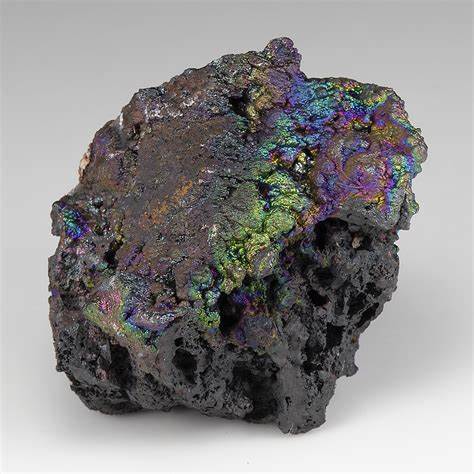
Tarnish: Over time, chalcopyrite can develop a tarnish or iridescent coating on its surface due to exposure to air and moisture. This tarnish is often referred to as “peacock ore” because of its colorful and iridescent appearance.
Chalcopyrite is of significant economic and scientific interest due to its copper content and its role in understanding ore formation processes. It is also a popular mineral specimen among collectors for its striking appearance when it exhibits colorful tarnish.
Chemical Composition and Crystal Structure
Chalcopyrite has a chemical composition of CuFeS2, which indicates that it is composed of copper (Cu), iron (Fe), and sulfur (S) atoms. It is a sulfide mineral, with copper and iron being the main cations and sulfur as the anion.
Crystal Structure: Chalcopyrite has a unique crystal structure that belongs to the tetragonal system. It has a complex structure consisting of copper and iron atoms bonded with sulfur atoms in a crystal lattice. The crystal structure of chalcopyrite can be described as follows:
Unit Cell: The unit cell of chalcopyrite is a parallelepiped shape with four sides of unequal length and four right angles.
Coordination Geometry: Each copper atom in chalcopyrite is coordinated by six sulfur atoms in an octahedral arrangement, while each iron atom is coordinated by four sulfur atoms in a tetrahedral arrangement. The sulfur atoms are arranged in a close-packed manner.
Sulfur Sublattice: The sulfur atoms in chalcopyrite form a close-packed sublattice, with copper and iron atoms occupying the interstitial sites between the sulfur atoms.
Crystal Symmetry: Chalcopyrite has a tetragonal symmetry, with the space group I-42d or I-42m, depending on the temperature and pressure conditions.
The crystal structure of chalcopyrite gives it unique physical and chemical properties, including its metallic luster, opaque appearance, and characteristic brassy-yellow color. Chalcopyrite is known for its good electrical conductivity, which makes it an important mineral for copper extraction and various industrial applications.
Physical Properties of Chalcopyrite
Color
Brass yellow, may have iridescent purplish
tarnish.
Streak
Greenish black
Luster
Metallic
Diaphaneity
Opaque
Mohs Hardness
3.5
Specific Gravity
4.1 – 4.3
Diagnostic Properties
Color, greenish streak, softer than pyrite,
brittle.
Crystal System
Predominantly the disphenoid and resembles a
tetrahedron, commonly massive, and sometimes botryoidal.
Twinned on {112} and {012},
penetration or cyclic.
Geology and Mineralogy
Geology of Chalcopyrite: Chalcopyrite is commonly found in a variety of geological settings, and its occurrence is often associated with copper-rich ore deposits. Chalcopyrite can form through various geological processes, including:
Magmatic processes: Chalcopyrite can crystallize from a magma during the formation of igneous rocks, particularly in association with copper-rich intrusions. As the magma cools and solidifies, chalcopyrite can precipitate from the magma and accumulate in veins or disseminated throughout the rock.
Hydrothermal processes: Chalcopyrite can also form through hydrothermal processes, where hot, metal-rich fluids percolate through rocks and deposit chalcopyrite along fractures, faults, or other structural features. Hydrothermal chalcopyrite deposits are often associated with volcanic or geothermal activity.
Metamorphic processes: Chalcopyrite can also form during metamorphism, which is the process of rock transformation due to high temperature and pressure conditions. Chalcopyrite can occur as a primary mineral in metamorphosed sedimentary rocks or as a result of metasomatic replacement of pre-existing minerals.
Occurrence and Distribution
Chalcopyrite is a naturally occurring mineral that is widely distributed in nature. It is a copper iron sulfide mineral with the chemical formula CuFeS2. Chalcopyrite is often found in ore deposits associated with other copper minerals, as well as with other sulfide minerals.
Occurrence: Chalcopyrite is commonly found in a variety of geological environments, including:
Vein deposits: Chalcopyrite can occur in veins, which are narrow, mineralized fractures in rocks. These veins can form in a variety of rock types, including igneous, metamorphic, and sedimentary rocks.
Porphyry deposits: Chalcopyrite is often associated with porphyry copper deposits, which are large, low-grade ore deposits typically found in association with intrusive igneous rocks. Porphyry deposits are an important source of copper worldwide.
Volcanogenic massive sulfide (VMS) deposits: Chalcopyrite can also occur in VMS deposits, which are formed by the precipitation of sulfide minerals from hot, metal-rich fluids associated with volcanic activity.
Sedimentary deposits: Chalcopyrite can be found in sedimentary deposits, including sediment-hosted copper deposits, where copper minerals are deposited in sedimentary rocks, often in association with organic-rich layers.
Distribution: Chalcopyrite is found in many countries around the world. Some of the major chalcopyrite-producing countries include:
Chile: Chile is one of the world’s largest producers of chalcopyrite, with significant deposits located in the Andes Mountains.
Peru: Peru is another major producer of chalcopyrite, with deposits found in the Andes Mountains.
USA: Chalcopyrite deposits are also found in several states in the USA, including Arizona, Montana, and New Mexico.
Canada: Canada has significant chalcopyrite deposits, particularly in British Columbia and Ontario.
Australia: Chalcopyrite is found in various parts of Australia, including Queensland, New South Wales, and South Australia.
China: China also has significant chalcopyrite deposits, with production mainly concentrated in regions such as Inner Mongolia, Xinjiang, and Tibet.
Other countries: Chalcopyrite is also found in many other countries, including Mexico, Russia, Zambia, and Kazakhstan, among others.
Overall, chalcopyrite has a widespread occurrence in nature and is an important source of copper, which is used in various industrial applications.
Mineralogical characteristics and identification methods
Mineralogical characteristics and identification methods of chalcopyrite:
Color: Chalcopyrite typically exhibits a brassy-yellow color, although it can also appear as a tarnished or iridescent surface due to weathering. The color can vary depending on impurities and weathering conditions.
Luster: Chalcopyrite has a metallic luster, resembling the luster of polished brass or gold. The reflective, shiny surface is a characteristic feature of chalcopyrite.
Crystal habit: Chalcopyrite commonly occurs as well-formed crystals with a tetragonal shape, often in the form of tetrahedrons or pyritohedrons. It can also be found as massive, granular, or disseminated aggregates.
Hardness: Chalcopyrite has a hardness of 3.5 to 4 on the Mohs scale, which indicates that it is relatively soft and can be easily scratched by harder minerals.
Streak: The streak of chalcopyrite is usually greenish-black to black, which is different from its brassy-yellow color. This streak can be observed by rubbing the mineral against an unglazed porcelain plate and examining the color left behind.
Cleavage and fracture: Chalcopyrite has poor cleavage along the {001} plane, meaning that it does not break along well-defined planes. Instead, it exhibits a conchoidal or uneven fracture, which means that it breaks with a curved, shell-like surface.
Specific gravity: The specific gravity of chalcopyrite typically ranges from 4.1 to 4.3, which is relatively high and can help in distinguishing it from other minerals with similar appearances.
Chemical tests: Chalcopyrite is a copper-bearing mineral, and its copper content can be confirmed through various chemical tests, such as the use of a copper flame test or chemical reactions with acid, which can produce characteristic greenish-blue color or effervescence.
X-ray diffraction (XRD): XRD is a common method used to identify chalcopyrite, as it can provide information about the crystal structure and mineral composition of the sample. Chalcopyrite has a unique tetragonal crystal structure, which can be detected by XRD analysis.
Microscopic examination: Microscopic examination using a polarizing microscope can reveal the mineralogical characteristics of chalcopyrite, such as its crystal morphology, optical properties, and associations with other minerals.
Overall, a combination of various mineralogical characteristics and identification methods, such as color, luster, crystal habit, hardness, streak, cleavage and fracture, specific gravity, chemical tests, XRD, and microscopic examination, can be used to identify chalcopyrite accurately.
Application and Uses Areas
Chalcopyrite has several industrial uses due to its copper content and other properties. Some of the major industrial uses of chalcopyrite include:
Copper production: Chalcopyrite is the most important source of copper ore, and it is primarily used for the extraction of copper. It is usually processed through crushing, grinding, and flotation to separate the copper minerals from the gangue minerals. The extracted copper can then be used in various applications, including electrical wiring, plumbing, electronics, and construction materials.
Metal alloy production: Chalcopyrite is sometimes used as a source of copper in the production of metal alloys. Copper is alloyed with other metals, such as zinc, nickel, and tin, to create alloys with desired properties, such as improved strength, corrosion resistance, and heat resistance. These alloys are used in various industries, including automotive, aerospace, and electronics.
Sulfuric acid production: Chalcopyrite contains sulfur, and it can be used as a source of sulfur for the production of sulfuric acid, which is a widely used chemical in various industrial processes. Sulfuric acid is used in the production of fertilizers, dyes, detergents, and other chemicals, as well as in the mining industry for leaching metals from ores.
Gemstone and jewelry: Although chalcopyrite is not a common gemstone, it is sometimes cut and polished for use in jewelry and ornamental objects. Chalcopyrite’s metallic luster and distinctive brassy-yellow color can make it an attractive gemstone for collectors or for use in unique jewelry designs.
Research and scientific purposes: Chalcopyrite is also used in research and scientific studies, particularly in the fields of mineralogy, geochemistry, and materials science. Its unique crystal structure, properties, and behavior under different conditions make it a valuable mineral for studying various geological and chemical processes.
Overall, chalcopyrite is an important industrial mineral due to its copper content and other properties, and it finds various applications in industries ranging from metallurgy to chemicals, gemstones, and scientific research.
Summary of key points
Chalcopyrite is a mineral that is the most important source of copper ore.
It has a brassy-yellow color, metallic luster, and typically occurs as well-formed crystals with a tetragonal shape.
Chalcopyrite has a hardness of 3.5 to 4 on the Mohs scale, a streak that is greenish-black to black, and a specific gravity ranging from 4.1 to 4.3.
Chalcopyrite is used primarily for copper production, as it contains copper as a major component and is processed to extract copper for various industrial applications, including electrical wiring, plumbing, electronics, and construction materials.
Chalcopyrite is also used as a source of sulfur for sulfuric acid production, in metal alloy production, as gemstones and jewelry, in metaphysical and healing practices, and in research and scientific studies.
Identification methods for chalcopyrite include color, luster, crystal habit, hardness, streak, cleavage and fracture, specific gravity, chemical tests, X-ray diffraction (XRD), and microscopic examination.
References
Mindat.org. (2019). Bornite: Mineral information, data and localities.. [online] Available at: https://www.mindat.org/min-727.html [Accessed 4 Mar. 2019].
Handbookofmineralogy.org. (2019). Handbook of Mineralogy. [online] Available at: http://www.handbookofmineralogy.org [Accessed 4 Mar. 2019].
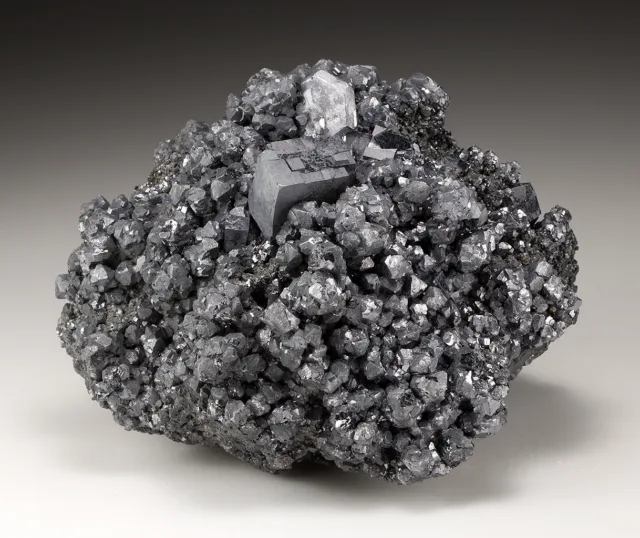
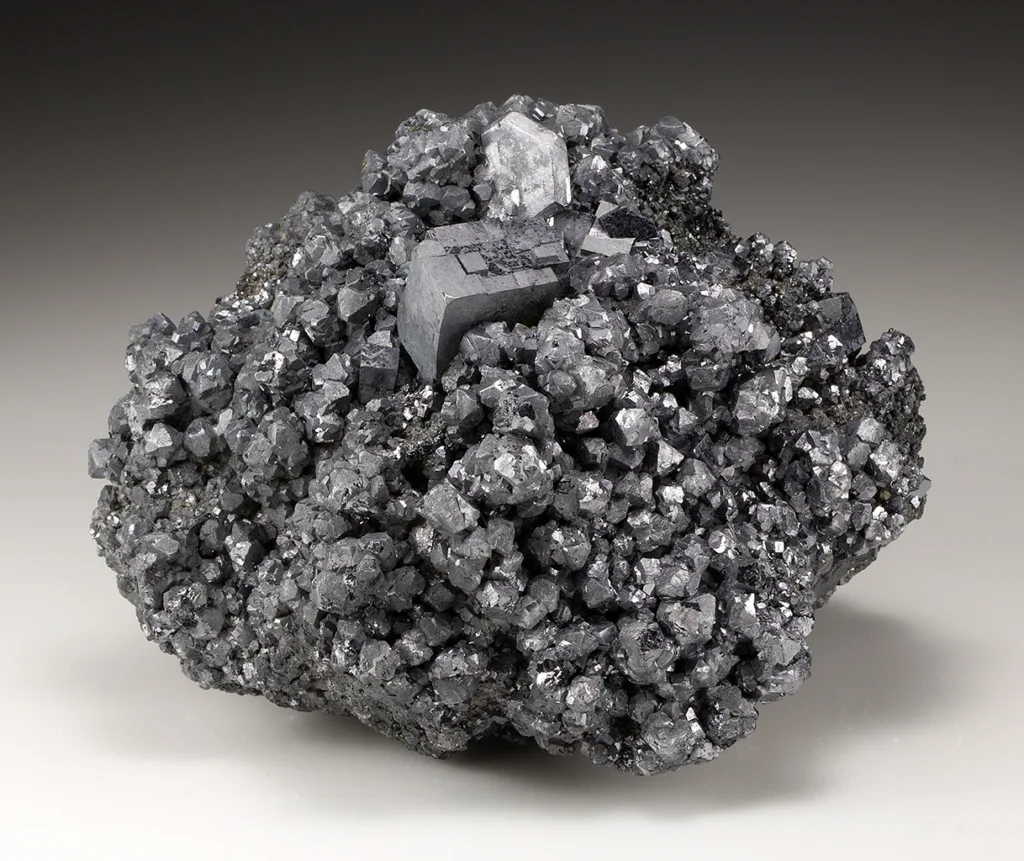
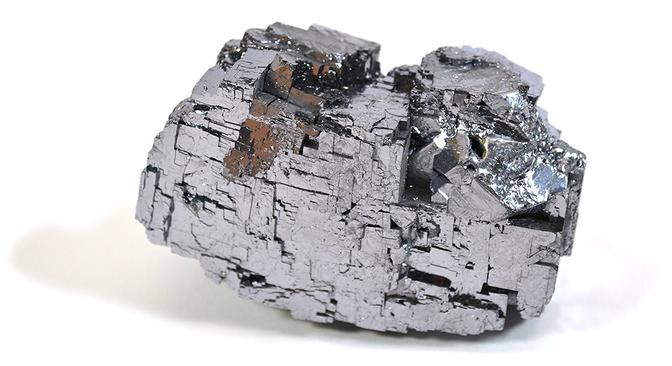
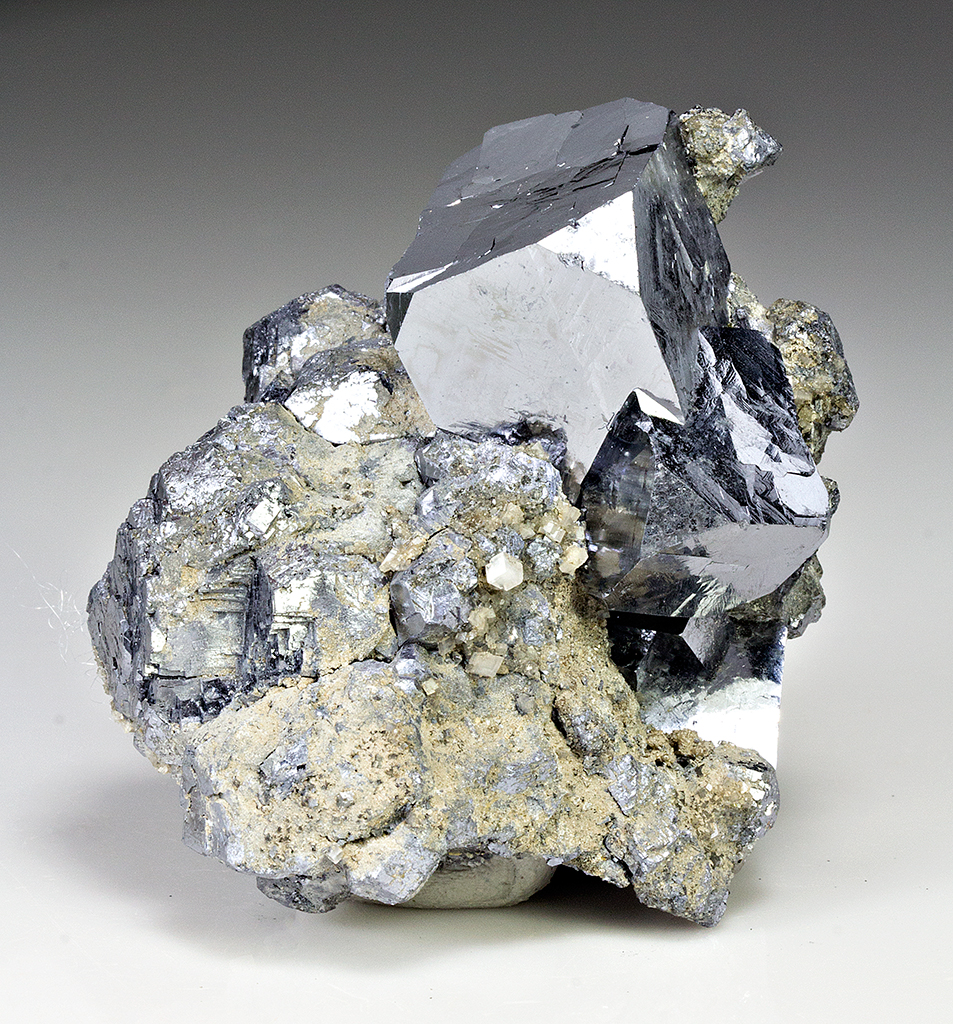
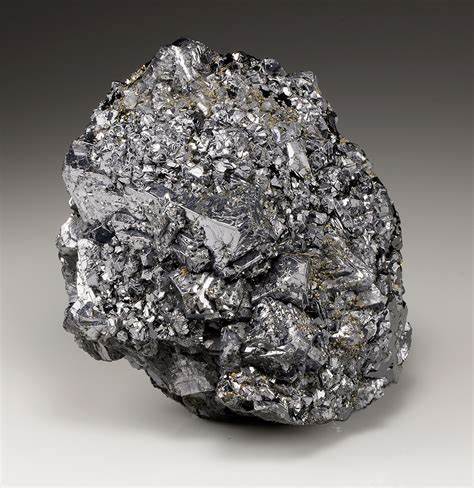
Galena, a mineral of both historical and geological significance, is a lead sulfide mineral with the chemical formula PbS. It stands out with its distinctive metallic luster and cubic crystal structure, often appearing as shiny, cubic or octahedral crystals. Galena has played a crucial role in human history as a primary source of lead, which was employed in various applications ranging from pipes and bullets to pigments and lead-acid batteries. While its applications have evolved over time, galena remains a fascinating mineral, admired for its crystalline beauty and contributions to our understanding of mineralogy and geology.
Name: The name is derived from the Latin galena, a name originally given to lead ore.
Crystallography. Isometric; hexoctahedral. The most common form is the cube. The octahedron sometimes is present as truncations to the cube.. Dodecahedron and trisoctahedron rare.
Composition. Lead sulfide, PbS. Pb = 8 6 . 6 per cent, S = 13.4 per cent. Analyses almost always show the presence of silver. It may also contain small amounts of selenium, zinc , cadmium, antimony, bismuth , and copper.
Diagnostic Features: It can be easily recognized b y its good cleavage, high specific gravity , softness, and black streak
Alteration: By oxidation galena is converted into the sulfate anglesite, and the carbo nate cerussite
Galena Chemical, Physical and Optical Properties
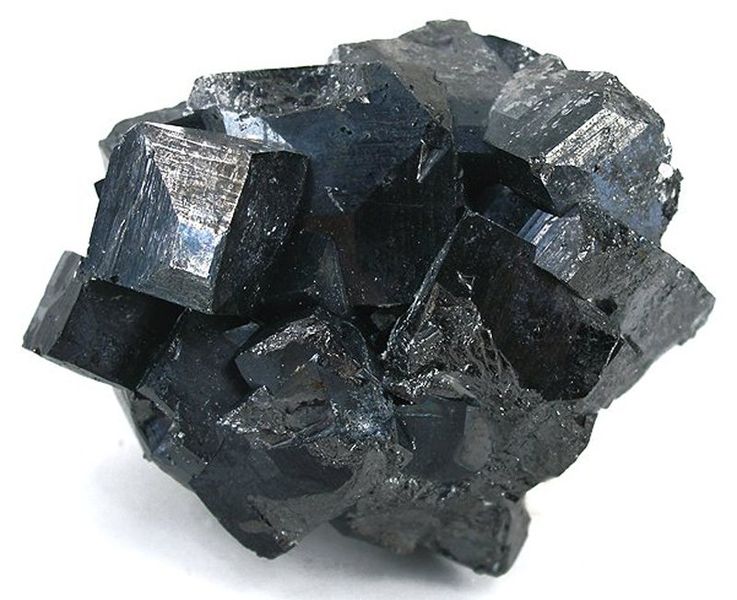
Galena, Cubic, Approximately 2.5″-3″ Length, 1 1/4lbs., Single Piece
Galena is a mineral composed primarily of lead(II) sulfide (PbS). It has been used for thousands of years as a source of lead, silver, and sometimes as a semiprecious stone. Here are some of the chemical, physical, and optical properties of galena:
Chemical Properties:
Chemical Formula: PbS (Lead Sulfide)
Molecular Weight: 239.27 g/mol
Crystal System: Cubic
Hardness: 2.5 on the Mohs scale, which means it is relatively soft and can be easily scratched.
Color: Galena is typically bluish-gray to silver in color but can tarnish to a dull gray.
Streak: The streak of galena is gray-black.
Cleavage: Galena exhibits perfect cubic cleavage in three directions, which means it breaks along smooth, flat surfaces that are perpendicular to each other.
Luster: The mineral has a metallic luster, which means it appears shiny and reflective like metal.
Transparency: It is opaque, meaning light does not pass through it.
Physical Properties:
Density: The density of galena is approximately 7.4 to 7.6 g/cm³, making it notably dense.
Specific Gravity: Galena has a specific gravity (relative density) of around 7.2 to 7.6, depending on impurities.
Melting Point: Galena has a relatively low melting point of around 1,114°C (2,037°F).
Boiling Point: It does not have a distinct boiling point, as it decomposes before reaching the boiling point of lead.
Solubility: Galena is insoluble in water, but it can be dissolved by nitric acid (HNO3) to form lead(II) nitrate and sulfur dioxide.
Optical Properties:
Refractive Index: Galena is opaque, so it does not have a refractive index.
Birefringence: It does not exhibit birefringence because it is isotropic (meaning it has the same properties in all directions).
Dispersion: Galena does not show dispersion, which is the separation of light into its constituent colors as seen in some gemstones.
Pleochroism: It is not pleochroic because it does not show different colors when viewed from different angles.
Galena is primarily known for its historical significance as a source of lead and silver. It has been used in various applications, including as a source of pigments, as a material for making lead shot and bullets, and as a semiprecious stone in jewelry. However, due to the toxic nature of lead, its use has declined in modern times, and it is no longer widely used in these applications.
Occurrence and Formation of Galena
Galena (PbS) is a common mineral that forms in a variety of geological environments. Its occurrence and formation are influenced by specific conditions and processes. Here’s an overview of how and where galena is commonly found:
Occurrence:
Hydrothermal Deposits: The most common and significant source of galena is hydrothermal deposits. These deposits form when hot, mineral-rich fluids, often associated with volcanic or magmatic activity, circulate through rocks and deposit minerals as they cool. Galena can precipitate from these hydrothermal fluids when they come into contact with rocks containing sulfur.
Sedimentary Rocks: Galena can also be found in sedimentary rocks, often as a result of the weathering and erosion of primary hydrothermal deposits. Over time, galena-bearing minerals can be transported by water and deposited in sedimentary basins.
Metamorphic Rocks: In some cases, galena can form during the metamorphism of lead-rich rocks or minerals. High temperatures and pressure can cause chemical reactions that result in the formation of galena.
Secondary Enrichment: Secondary enrichment processes can concentrate galena in certain areas. This occurs when water leaches lead from primary ore bodies and then transports and deposits it in secondary locations under different chemical conditions.
Formation:
The formation of galena involves a combination of factors, including the presence of lead, sulfur, and suitable geological conditions. Here’s a simplified overview of how galena forms:
Presence of Lead: Galena formation requires a source of lead. This can come from various sources, including magmatic intrusions that bring lead-bearing minerals into the Earth’s crust or the presence of lead-rich rocks.
Sulfur: Sulfur is another critical component. Sulfur can be sourced from various geological processes, such as volcanic activity, which releases sulfur dioxide (SO2) into the atmosphere. This sulfur can then combine with lead to form galena under specific conditions.
Hydrothermal Activity: The circulation of hot, hydrothermal fluids is a common mechanism for galena formation. These fluids often originate from deep within the Earth and carry dissolved minerals, including lead and sulfur. When these fluids encounter suitable host rocks, they cool and deposit galena and other minerals.
Chemical Reactions: Within the hydrothermal system, chemical reactions occur between the lead, sulfur, and other elements present in the surrounding rocks. These reactions lead to the precipitation of galena as the fluid cools and conditions change.
Crystallization: As galena precipitates from the hydrothermal fluid, it forms distinct crystals. Galena crystals typically exhibit cubic cleavage and are often found as distinct, shiny cubes.
The specific geological setting and conditions greatly influence the size and quality of galena deposits. Galena can occur as the primary ore in lead mines or as a byproduct in the mining of other minerals. Additionally, it is associated with various other minerals, including sphalerite (zinc sulfide) and chalcopyrite (copper iron sulfide), in polymetallic ore deposits.
Mining Sources
Mining sources for galena primarily involve locations where lead ores are found. Galena is the most common and important lead ore, and it often serves as the primary source of lead production. These mining sources can be categorized into the following types:
Primary Lead Mines: These mines are dedicated to the extraction of lead ore, with galena as the primary target. They are often located in regions where geological conditions are conducive to the formation of lead deposits, such as hydrothermal or sedimentary environments. Some well-known primary lead mines include:
Lucky Friday Mine, USA: Located in Idaho, this mine has been a significant producer of lead and silver, with galena as the primary ore mineral.
Broken Hill Mine, Australia: Historically one of the world’s largest lead-zinc mines, it is known for its high-grade galena deposits.
Laisvall Mine, Sweden: This mine has been a source of lead and silver from galena-rich ores.
Polymetallic Mines: Galena is often found alongside other valuable minerals like zinc (sphalerite), copper, and silver in polymetallic ore deposits. These mines target multiple metals, with galena as one of the ore minerals. Some notable polymetallic mines where galena is extracted include:
Sullivan Mine, Canada: This mine in British Columbia is renowned for its rich polymetallic deposits, including galena (lead), sphalerite (zinc), and other minerals.
Kidd Creek Mine, Canada: Another Canadian mine that produces a variety of metals, including lead (from galena) and zinc.
Historical Mining Districts: Many regions around the world have a history of lead mining, with galena being the primary source. While some of these mines have ceased operations, they remain important historical sources of lead. Examples include:
Peak District, United Kingdom: This region has a long history of lead mining dating back to Roman times, with galena being the primary ore.
Missouri, USA: The state of Missouri, particularly the Viburnum Trend, has been a significant historical source of lead ore, predominantly galena.
Secondary Sources: In some cases, galena is recovered as a byproduct of mining operations targeting other minerals. For example, when mining for zinc, copper, or silver, galena may be present as a secondary ore mineral, and it can be extracted along with the primary target minerals.
It’s important to note that mining activities and locations can change over time due to market demand, economic factors, and technological advancements. Additionally, environmental regulations and sustainability concerns have influenced the mining industry, leading to changes in mining practices and the exploration of new sources of lead and other metals. Therefore, the specific mining sources for galena can vary by region and time period.
Application and Uses Area
The applications and uses of galena (lead sulfide, PbS) have evolved over time, and they can be categorized into historical and modern applications. It’s essential to note that due to health and environmental concerns related to lead, many traditional uses of galena have diminished, and its applications are now limited. Here are some of the historical and modern application areas of galena:
Historical Applications:
Metal Smelting: Galena has been a crucial source of lead since ancient times. It was primarily used to extract lead through the process of smelting. Lead was essential for making pipes, coins, and various other metal products.
Lead-Acid Batteries: Historically, galena was used in the production of lead-acid batteries, commonly found in vehicles and industrial applications. However, modern lead-acid batteries are typically produced using lead dioxide and sponge lead instead of galena due to improved technology.
Pigments: Lead-based pigments, such as lead white (basic lead carbonate) and lead-tin yellow, were made from lead derived from galena. These pigments were used in paintings, ceramics, and cosmetics. However, their use has declined due to lead toxicity concerns.
Ammunition: In the past, lead obtained from galena was used to make bullets and shot for firearms and ammunition.
Modern Applications:
Semiconductor Material: Galena is a naturally occurring semiconductor material, although it has limited use in modern electronics due to the development of more efficient synthetic semiconductor materials. Historically, it was used in early crystal radio receivers.
Mineral Specimens: Galena’s distinctive cubic crystals and metallic luster make it a popular mineral specimen for collectors and educational purposes.
Radiation Shielding: Lead, including lead derived from galena, is still used in the construction of shielding materials for protection against ionizing radiation in applications such as medical facilities, nuclear reactors, and industrial radiography.
Historical Artifacts: Galena may still be found in historical artifacts and objects like antique jewelry, lead figurines, and decorative items. However, these artifacts are usually considered collectibles or historical curiosities rather than everyday items.
It’s important to highlight that the use of galena in many traditional applications has declined significantly due to the well-documented health risks associated with lead exposure. Lead is toxic to humans and the environment, and its use in products like paints, gasoline, and water pipes has been heavily regulated or phased out in many parts of the world.
While galena itself has limited modern industrial applications, it remains a subject of scientific interest and mineralogical study. Researchers study galena for its crystallographic properties, which have significance in materials science and mineralogy. Additionally, some regions with historical lead mining activities may still have galena as a part of their geological and cultural heritage.
References
• Bonewitz, R. (2012). Rocks and minerals. 2nd ed. London: DK Publishing. • Dana, J. D. (1864). Manual of Mineralogy… Wiley. • Handbookofmineralogy.org. (2019). Handbook of Mineralogy. [online] Available at: http://www.handbookofmineralogy.org [Accessed 4 Mar. 2019]. • Mindat.org. (2019): Mineral information, data and localities.. [online] Available at: https://www.mindat.org/ [Accessed. 2019].
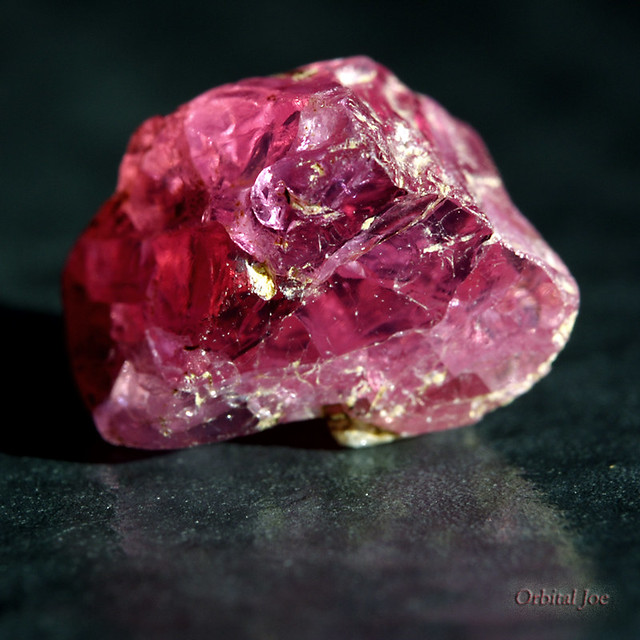
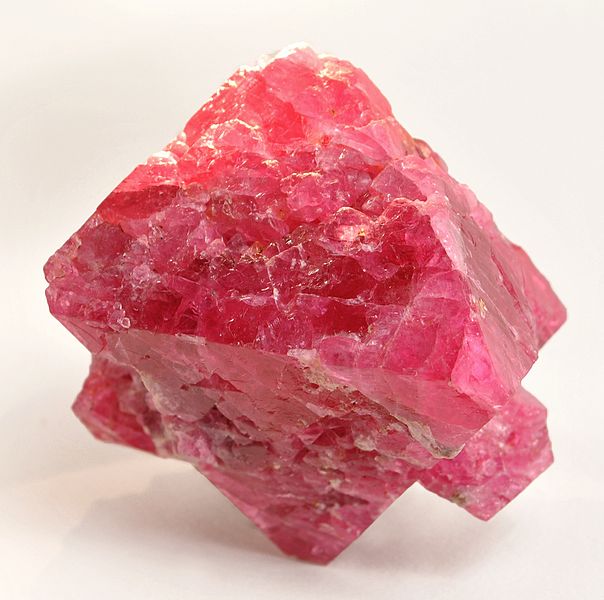
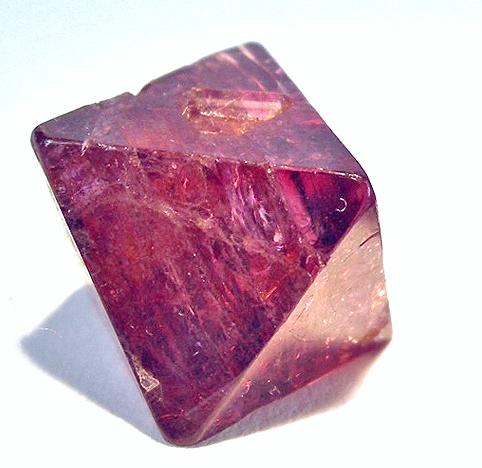
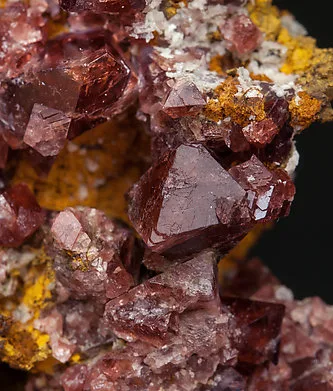
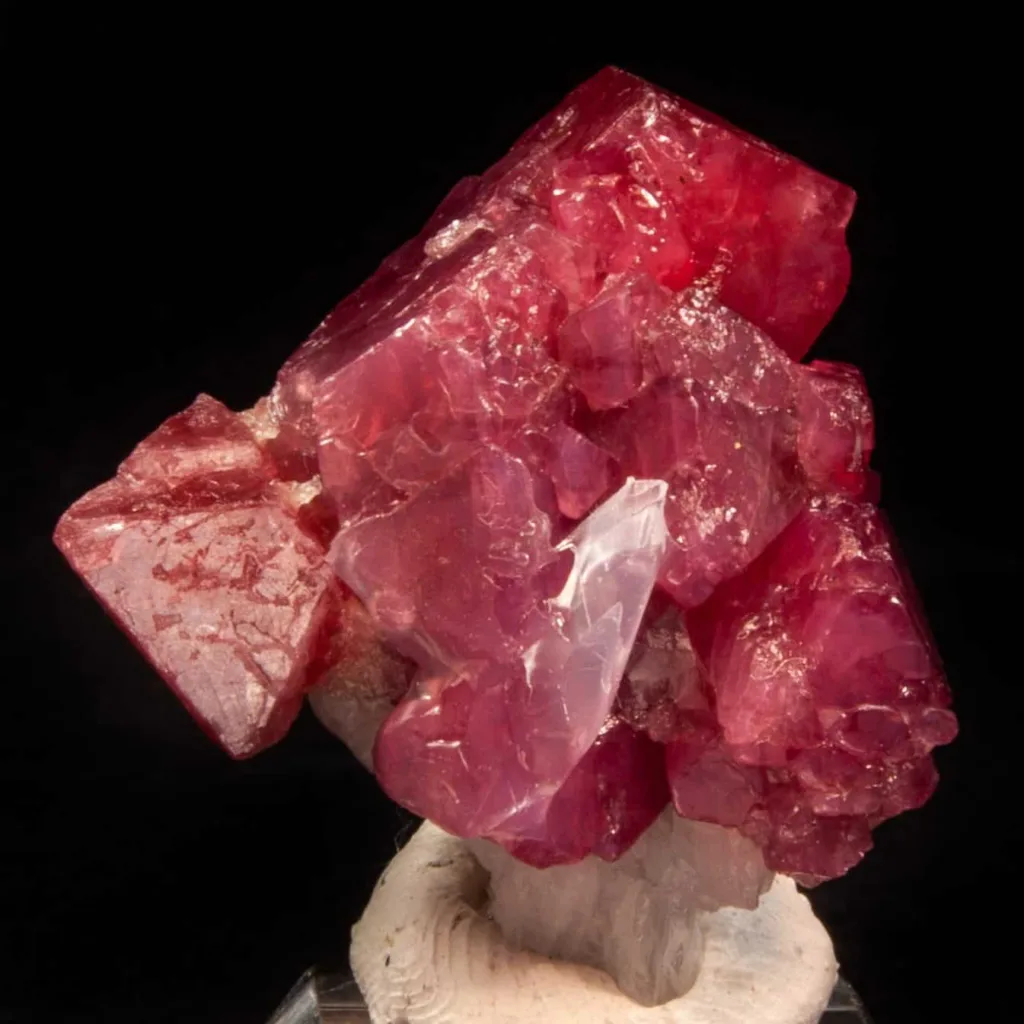
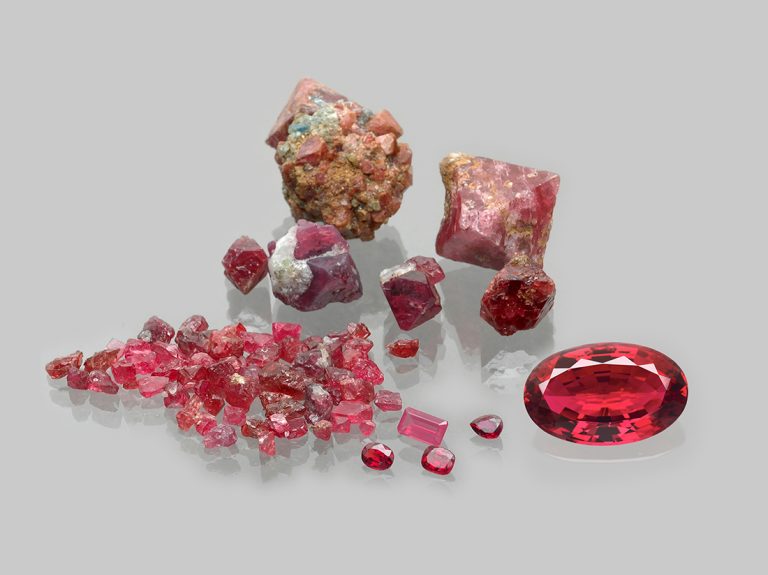
Spinel is a mineral that belongs to the group of oxides and forms in various colors, making it a popular gemstone. Its chemical composition is magnesium aluminum oxide (MgAl2O4). Spinel crystals have an octahedral crystal structure and are often found as octahedral, rounded grains or as single crystals.
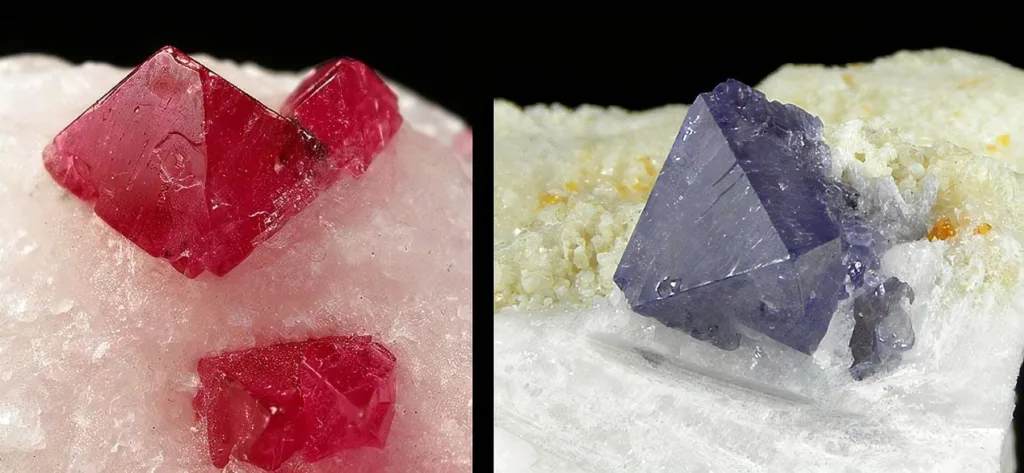
Spinel octahedron from Morogoro, Tanzania. This red crystal is fully translucent.Spinel, Mahenge, Morogoro Region, TanzaniaSpinel, Pein Pyit (Painpyit), Mogok, Sagaing District, Mandalay Division, Burma (Myanmar)
Name: Perhaps from the Latin spinella, for little thorn, in allusion to
the spine-shaped octahedral crystals.
Polymorphism & Series: Forms three series, with magnesiochromite, with gahnite, and with hercynite.
One of the distinctive features of spinel is its wide range of colors, which include red, pink, orange, blue, purple, and even black. This color variation is due to trace elements present in the crystal lattice. The most famous color for spinel is red, which often resembles the red hues of ruby. In fact, historical confusion between red spinel and ruby has led to some spinels being misidentified as rubies in the past.
Historical Significance:
Spinel has a rich historical significance, closely tied to its resemblance to other gemstones, most notably ruby. Here are a few notable points in its history:
Historical Confusion with Ruby: Some of the most famous “rubies” in royal collections, such as the “Black Prince’s Ruby” in the British Imperial State Crown and the “Timur Ruby” in the British Crown Jewels, are actually spinels. Due to its similar appearance to ruby, spinel has often been mistaken for the more valuable gem.
Ancient Trade and Use: Spinel has been used in jewelry and decorative arts for centuries. It was highly valued in ancient civilizations like the Roman Empire and was traded along the Silk Road.
Famous Gemstones: The “Black Prince’s Ruby,” which adorns the Imperial State Crown of England, is a large red spinel. It is rumored to have been in the possession of various historical figures, including Edward, the Black Prince.
Historical Literature and Records: Historical accounts, including writings from Pliny the Elder, mention gemstones that were likely spinels. These writings offer insights into the perceived beauty and value of spinel in ancient times.
Significance in Eastern Culture: Spinels have also held significance in Eastern cultures. For instance, some spinels from Sri Lanka were considered to be among the most treasured gems in ancient Sinhalese culture.
Gemstone Lore and Beliefs: Spinels were attributed with various mystical and healing properties throughout history. They were believed to protect the wearer from harm, boost energy, and bring wisdom.
While spinel might have once lived in the shadow of other gemstones due to its mistaken identity, it is now recognized and appreciated for its unique beauty and historical significance. In recent times, spinel has gained renewed attention and popularity as a desirable gemstone in its own right, especially for its range of colors and its potential use in jewelry.
Chemical Composition
The chemical composition of spinel is magnesium aluminum oxide (MgAl2O4). It consists of equal proportions of magnesium oxide (MgO) and aluminum oxide (Al2O3). Trace amounts of other elements can also be present in spinel, which contribute to its color variations.
Crystal Structure:
Spinel has a cubic crystal structure, specifically an octahedral crystal system. Each corner of the cubic unit cell contains an oxygen atom, and the aluminum and magnesium atoms alternate between the octahedral positions within the unit cell. This arrangement gives spinel its characteristic octahedral crystal habit and often leads to well-formed octahedral crystals.
Physical Properties
Hardness: Spinel is relatively hard and has a hardness of 7.5 to 8 on the Mohs scale. This makes it durable enough for use in jewelry.
Density: The density of spinel ranges from 3.5 to 4.1 g/cm³, depending on its composition and impurities.
Color: Spinel exhibits a wide range of colors, including red, pink, orange, blue, purple, and black. These colors are due to the presence of various transition metal ions as impurities in the crystal lattice.
Luster: Spinel has a vitreous to subadamantine luster, which means it has a glass-like or slightly greasy shine when polished.
Transparency: Spinel is transparent to translucent, allowing light to pass through the gemstone to varying degrees.
Optical Properties
Refractive Index: The refractive index of spinel varies depending on its composition and color. Generally, it falls between 1.712 and 1.736 for red to orange spinels and slightly higher for blue spinels.
Dispersion: Spinel exhibits relatively low dispersion, which refers to the separation of white light into its spectral colors. This property is responsible for the “fire” seen in some gemstones.
Birefringence: Spinel is an isotropic material, meaning it doesn’t exhibit birefringence. This characteristic sets it apart from anisotropic minerals that can split light into two rays.
Pleochroism: Since spinel is isotropic, it doesn’t show pleochroism, which is the ability of a mineral to display different colors when viewed from different angles.
Fluorescence: In some cases, spinel can exhibit fluorescence under ultraviolet (UV) light. The color and intensity of fluorescence can vary.
Overall, spinel’s optical properties contribute to its appeal as a gemstone, with its wide range of colors and luster making it a sought-after choice for jewelry and ornamental purposes.
Types and Colors of Spinel
Spinel is known for its diverse range of colors, each of which is associated with specific trace elements present in the crystal structure. Here are some of the most prominent types and colors of spinel:
Red Spinel: Red spinel is perhaps the most famous and historically significant color. It is often mistaken for ruby due to its vibrant red hue. The red color is caused by traces of chromium in the crystal lattice. Some famous red spinels have been misidentified as rubies, contributing to their historical importance.
Pink Spinel: Pink spinel ranges from pale to intense pink shades. It is also caused by the presence of chromium, but in lower concentrations compared to red spinel. Pink spinels are highly valued for their delicate and romantic color.
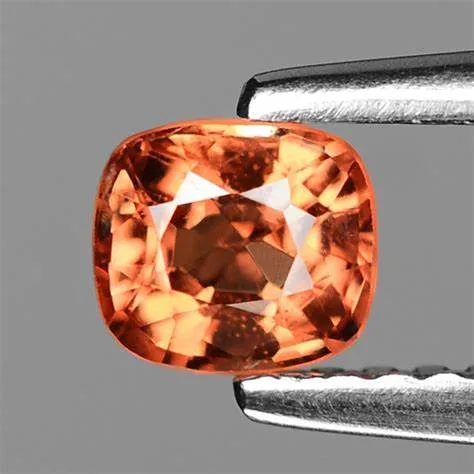
Orange Spinel: The orange color in spinel comes from a combination of iron and chromium. Orange spinels can vary from subtle apricot tones to deeper, more vibrant oranges.
Blue Spinel: Blue spinel is a rare and prized variety. It gets its blue color from traces of cobalt within the crystal structure. The shades of blue can range from light to intense, and they are often reminiscent of sapphire’s blue.
Purple Spinel: Purple spinel is caused by a mix of iron and trace elements such as chromium and zinc. It can display a range of purple shades, from soft lavender to rich violet.
Black Spinel: Black spinel is a unique variety known for its deep black color. Despite its darkness, it often has a good luster and can be used as an alternative to other black gemstones like onyx.
Colorless Spinel: Colorless spinel is highly transparent and lacks significant coloration. It is relatively rare and can be used as a diamond substitute in jewelry.
Other Colors: Spinel can also occur in other less common colors, including yellow, green, and brown, although these colors are less frequently encountered compared to the ones mentioned above.
It’s important to note that the specific colors of spinel can sometimes overlap or exhibit variations depending on the concentration of trace elements and the overall chemical composition. The beauty and desirability of spinel are derived from this spectrum of colors, making it a versatile gemstone for various jewelry designs and preferences.
Formation and Occurrence
Spinel is formed through various geological processes, primarily as a result of metamorphism and magmatic activities. It can be found in different types of rock formations, such as marble, metamorphic rocks, and igneous rocks. The formation of spinel is influenced by the availability of its constituent elements, primarily magnesium and aluminum, along with trace elements that give rise to its diverse colors.
Geographical Sources:
Spinel is found in various locations around the world. Some of the notable sources include:
Myanmar (Burma): Myanmar has been a historically significant source of high-quality spinel, including the famous “Mogok” region. This region is known for producing exceptional red and pink spinels.
Sri Lanka: Sri Lanka has been a source of various gemstones, including spinel. It has yielded a range of colors, from pink and red to blue and purple.
Tajikistan: The Pamir Mountains in Tajikistan are known for producing blue spinels, often referred to as “Badrak” spinels. These blue spinels can rival the richness of sapphire’s blue.
Vietnam: Vietnam has become a notable source of spinel, especially for red and pink varieties. Some of its spinels are sought after for their intense colors.
Madagascar: Madagascar is known for producing spinels in various colors, including red, pink, and blue. The Mahenge region, in particular, has gained attention for its vivid pink spinels.
Tanzania: The Mahenge region in Tanzania has also become famous for its vibrant pink to reddish-orange spinels.
Afghanistan: Afghanistan is known for producing various gemstones, including spinel in colors ranging from red and pink to purple and blue.
Geological Conditions:
Spinel forms under specific geological conditions, often in association with high-pressure and high-temperature environments. It can occur in metamorphic rocks like marble and schist, where intense heat and pressure cause minerals to recrystallize and form new compounds. Spinel can also be found in certain types of igneous rocks, such as basalt and kimberlite pipes, which are formed by volcanic activity and can carry gem-rich materials from deep within the Earth’s mantle.
Associations with Other Minerals:
Spinel can be found alongside various other minerals due to its occurrence in different types of rocks. Some minerals that can be associated with spinel include:
Garnet: Spinel and garnet can sometimes be found together in metamorphic rocks. Both minerals have similar hardness and stability under heat and pressure.
Corundum (Ruby and Sapphire): In some regions, spinel and corundum can occur together. In fact, historical confusion between red spinel and ruby led to some spinels being mistaken for rubies.
Zircon: Zircon and spinel can coexist in certain types of igneous rocks, particularly in alluvial deposits where these minerals are eroded and transported by water.
Quartz: Spinel can occasionally be found in association with quartz, especially in pegmatite veins and other geological formations.
The occurrence of spinel alongside these minerals depends on the specific geological processes and conditions of each region.
Uses of Spinel
Spinel has a range of applications due to its aesthetic appeal, durability, and unique properties. Its uses span from jewelry and ornaments to industrial and technological applications.
Jewelry and Ornaments:
Gemstone Jewelry: Spinel is highly valued as a gemstone for its vivid colors and durability. It is often used in various types of jewelry, including rings, necklaces, earrings, and bracelets. The most sought-after colors are red, pink, blue, and violet.
Engagement Rings and Fine Jewelry: Spinel’s hardness and variety of colors make it suitable for engagement rings and other fine jewelry pieces. It offers an alternative to traditional gemstones like diamond, ruby, and sapphire.
Collectible Gemstones: Rare and high-quality spinels, especially those with exceptional color and clarity, are sought after by gem collectors and enthusiasts.
Industrial Applications:
Abrasive Material: Spinel’s hardness makes it suitable for use as an abrasive material in cutting and grinding tools. It can be used in manufacturing processes that require precision shaping of materials.
Ceramics: Spinel is used in the production of advanced ceramics due to its thermal and chemical stability. It can be found in ceramic components for industries such as electronics and aerospace.
Refractories: Spinel’s resistance to high temperatures and chemical corrosion makes it valuable in refractory applications. Refractories are materials used to line furnaces, kilns, and other high-temperature environments.
Coatings and Pigments: Spinel can be used as a coating material for various surfaces, providing protection against wear, heat, and corrosion. Additionally, spinel pigments can be used in the production of colored paints and coatings.
Scientific and Technological Uses:
Laser Crystals: Spinel can be used as a host material for certain types of lasers. It has gained attention in laser technology due to its ability to emit laser light at various wavelengths.
Electronics: In recent years, spinel has been investigated for its potential use in electronics, particularly as a material for transparent conductive coatings, which have applications in displays and solar cells.
Research and Experimentation: Spinel’s unique properties, such as its wide color range and resistance to high temperatures, make it valuable for scientific research, experimentation, and testing in various fields of study.
Optics and Lenses: Some spinels, particularly those with high clarity and transparency, can be used in optical applications, including lenses, windows, and optical instruments.
Overall, spinel’s versatility in terms of color, hardness, and properties makes it valuable in a range of applications, from traditional gemstone jewelry to cutting-edge technological advancements.
Summary of Key Points
Definition and Overview: Spinel is magnesium aluminum oxide (MgAl2O4) with a cubic crystal structure. Its various colors arise from trace elements in its composition, and its luster is vitreous to subadamantine.
Historical Significance: Spinel has been historically mistaken for ruby, leading to gemological confusion. Notable instances include the “Black Prince’s Ruby” and “Timur Ruby.” It was cherished in ancient civilizations, with writings by Pliny the Elder mentioning spinel’s beauty.
Types and Colors: Spinel comes in a spectrum of colors due to trace elements:
Red spinel, resembling ruby, contains chromium.
Pink spinel gets its hue from less chromium than red spinel.
Orange spinel results from a blend of iron and chromium.
Blue spinel’s cobalt content imparts its color.
Purple spinel’s iron and trace elements create varying violet shades.
Black spinel is a dark, lustrous variety.
Other types include colorless, yellow, green, and brown spinels.
Formation and Occurrence: Spinel forms via metamorphic and magmatic processes. It’s found in various rocks, such as marble and igneous formations. Geographical sources include Myanmar, Sri Lanka, Tajikistan, Vietnam, Madagascar, Tanzania, and Afghanistan.
Geological Conditions: Spinel forms under high pressure and temperature conditions in metamorphic rocks and igneous formations.
Associations with Other Minerals: Spinel can occur alongside garnet, corundum, zircon, and quartz due to geological processes.
Uses:
Jewelry and Ornaments: Spinel is used in gemstone jewelry, engagement rings, and collectible pieces for its durability and vibrant colors.
Industrial Applications: Its hardness lends itself to abrasives, ceramics, refractories, coatings, and pigments.
Scientific and Technological Uses: Spinel finds applications in laser crystals, electronics, research, experimentation, optics, and lenses.
Spinel’s beauty, historical significance, and versatile properties have led to its popularity in various fields, from the world of gemstones and jewelry to cutting-edge scientific and industrial applications.
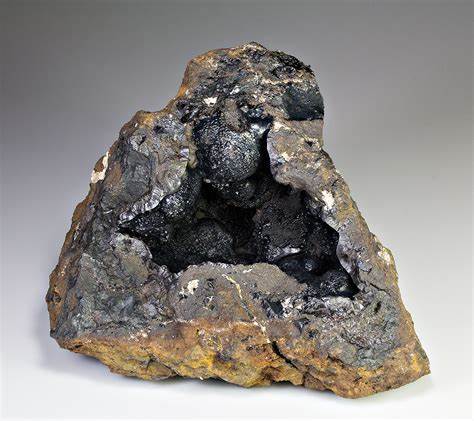
Goethite is a common iron oxide mineral that has a chemical formula of FeO(OH). It is often referred to as “limonite” although that term is used more broadly to describe a mixture of various iron oxides and hydroxides. Goethite is an important mineral in various geological and environmental contexts due to its widespread occurrence and its significant role in processes like iron cycling and mineral formation.
Goethite
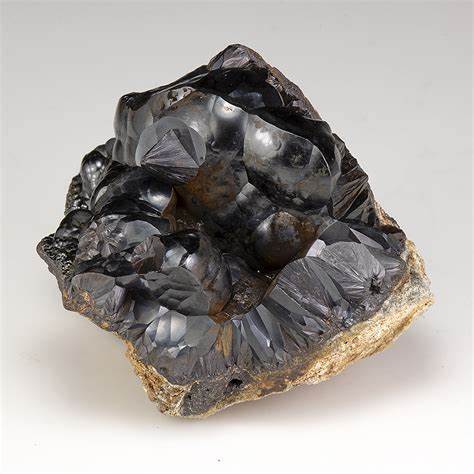
Goethite typically crystallizes in the orthorhombic crystal system, forming prismatic or needle-like crystals, as well as in massive, botryoidal (globular), stalactitic, or earthy forms. Its color can range from yellow-brown to dark brown, and it often exhibits a characteristic dull or earthy luster. Goethite is a common component of soils, sediments, and various types of rock formations, and it can also be found as a weathering product of other iron-rich minerals.
Historical Context and Naming
The mineral goethite gets its name from Johann Wolfgang von Goethe, a German polymath who made significant contributions to various fields including literature, philosophy, and science. The mineral was named in honor of Goethe in 1806 by the German mineralogist Johann Georg Christian Lehmann.
Goethe never directly studied or contributed to mineralogy, but his multidisciplinary interests and influence were such that Lehmann chose to name the mineral after him. This practice of naming minerals after prominent individuals was fairly common in the history of mineralogy, as a way to pay homage to their contributions or simply to gain attention for newly discovered minerals.
The mineral goethite has been known since ancient times, and its distinct appearance and properties were noted by various cultures. However, it was the 18th and 19th centuries that marked a period of systematic mineralogical classification and naming, leading to the formal recognition of minerals like goethite as distinct species.
In summary, goethite is an iron oxide mineral with a significant presence in various geological settings. Its name is linked to the German writer Johann Wolfgang von Goethe due to his broader contributions to human knowledge and culture, even though he was not directly involved in the study of minerals.
Polymorphism & Series: Trimorphous with feroxyhyte and lepidocrocite.
Association: Lepidocrocite, hematite, pyrite, siderite, pyrolusite, manganite, many other ironand manganese-bearing species.
Chemical Properties of Goethite
Goethite (FeO(OH)) is a complex iron oxide mineral with a variety of chemical properties that contribute to its behavior in different geological and environmental contexts. Here are some key chemical properties of goethite:
Chemical Formula: The chemical formula of goethite is FeO(OH), indicating its composition of iron (Fe), oxygen (O), and hydroxyl groups (OH). It can also contain minor impurities and trace elements depending on its formation environment.
Hydroxyl Groups: Goethite contains hydroxyl groups (OH) in its chemical structure. These hydroxyl groups contribute to its ability to adsorb water and other molecules onto its surface, which can affect its properties like color, stability, and reactivity.
Iron Oxidation State: The oxidation state of iron in goethite is primarily +3. This oxidation state contributes to its reddish-brown to yellow-brown color. The presence of iron in the +3 oxidation state also makes goethite an important component of iron oredeposits.
Structure and Crystallography: Goethite crystallizes in the orthorhombic crystal system and typically forms needle-like or prismatic crystals. Its crystal structure consists of layers of octahedral iron hydroxide units interleaved with layers of oxygen atoms.
Water Content and Hydration: Goethite is hydrous, meaning it contains water molecules within its structure. The water content can vary, affecting the mineral’s physical and chemical properties. Hydration and dehydration reactions can occur under certain conditions, influencing the mineral’s stability.
Adsorption and Surface Chemistry: The hydroxyl-rich surface of goethite allows it to adsorb various ions and molecules from surrounding solutions. This property makes goethite an important component of soils and sediments, as it can adsorb contaminants, nutrients, and metals.
Reactivity and Transformation: Goethite can undergo various transformations and reactions depending on its environment. For instance, it can transform into other iron oxides, such as hematite, under specific conditions like heating. It also participates in redox reactions involving iron and oxygen.
Weathering and Environmental Impact: Goethite is a common weathering product of other iron-bearing minerals, forming as a result of the alteration of precursor minerals in the presence of water and oxygen. Its stability and interactions with water and other compounds play a role in soil formation and the cycling of iron in terrestrial environments.
Mineral Associations: Goethite is often found in association with other iron minerals, such as hematite, magnetite, and siderite. It can also occur alongside other minerals like quartz, clay minerals, and various metal sulfides.
In summary, goethite’s chemical properties make it a versatile mineral that plays a significant role in various geological and environmental processes. Its interactions with water, other minerals, and chemical compounds contribute to its unique characteristics and its importance in fields such as geology, mineralogy, soil science, and environmental science.
Physical Properties of Goethite
Goethite is an iron oxide mineral with distinct physical properties that contribute to its identification and characterization. These properties are useful for mineralogists, geologists, and scientists working in various fields. Here are the key physical properties of goethite:
Color: Goethite exhibits a range of colors, including yellow-brown, reddish-brown, and dark brown. The color is influenced by impurities, hydration, and the presence of other minerals associated with it.
Luster: Goethite typically has a dull or earthy luster, often appearing somewhat matte rather than shiny. This luster is a result of its fine-grained or fibrous structure.
Streak: The streak of goethite is typically yellow-brown, which is the color of the mineral when it’s powdered. This property can be helpful in distinguishing goethite from other minerals with similar colors.
Hardness: Goethite has a hardness of about 5.0 to 5.5 on the Mohs scale. It can scratch materials with a lower hardness but can be scratched by materials with higher hardness.
Crystal Structure: Goethite crystallizes in the orthorhombic crystal system. Its crystals are often prismatic or needle-like in shape. It can also form botryoidal (globular), stalactitic, and earthy masses.
Cleavage: Goethite does not have distinct cleavage planes, which means it doesn’t break along specific flat surfaces like minerals with perfect cleavage do.
Fracture: The mineral’s fracture is typically uneven or subconchoidal, producing irregular or curved surfaces when broken.
Density: The density of goethite varies depending on factors like water content and impurities, but it generally ranges from about 3.3 to 4.3 g/cm³.
Transparency: Goethite is usually opaque, meaning that light does not pass through it. Thin fragments or sections might be translucent.
Habit: The habit of goethite refers to its overall appearance and form. It can occur in various habits including prismatic, acicular (needle-like), reniform (kidney-shaped), and stalactitic (forming icicle-like structures).
Specific Gravity: The specific gravity of goethite ranges from approximately 3.3 to 4.3, indicating its density relative to water.
Magnetism: Goethite is weakly magnetic, meaning it can be attracted by a strong magnet but does not exhibit strong magnetic properties like magnetite.
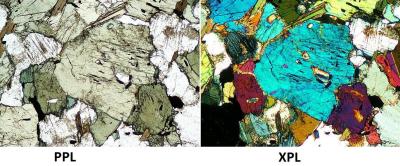
Optical Properties: Under a petrographic microscope, goethite may exhibit a variety of optical properties including birefringence and pleochroism, which can provide additional information about its crystal structure.
In summary, the physical properties of goethite encompass a range of characteristics that aid in its identification and differentiation from other minerals. These properties are influenced by factors such as its crystal structure, chemical composition, and formation conditions.
Optical Properties of Goethite
Goethite
The optical properties of minerals, including goethite, provide valuable information about their crystal structure, composition, and behavior when interacting with light. Here are the key optical properties of goethite:
Color: Goethite’s color can vary widely, ranging from yellow-brown to reddish-brown and dark brown. Impurities, crystal defects, and the presence of other minerals can influence its color.
Transparency and Opacity: Goethite is typically opaque, meaning that light cannot pass through it. Thin fragments might exhibit some translucency, but for the most part, goethite is not transparent.
Luster: Goethite generally has a dull or earthy luster, which means it appears somewhat matte rather than shiny when observed under reflected light.
Refractive Index: The refractive index is a measure of how much light is bent (refracted) as it passes from air into a mineral. Goethite’s refractive index is relatively low, contributing to its dull appearance.
Birefringence: Goethite is weakly birefringent, which means that it can exhibit a small difference in refractive indices when observed under crossed polarizers in a petrographic microscope. This property is often used to distinguish goethite from other minerals with similar colors.
Pleochroism: Pleochroism is the property of minerals to exhibit different colors when viewed from different crystallographic directions. Goethite may show weak pleochroism, with slightly different colors when observed along different crystal axes.
Interference Colors: When observed between crossed polarizers under a petrographic microscope, goethite may display interference colors due to its birefringence. These colors can provide information about the thickness of mineral sections and their optical properties.
Twinning: Goethite can exhibit polysynthetic twinning, which occurs when multiple crystal sections of the mineral appear to be repeated along certain directions. This can affect its optical properties.
Extinction: Extinction refers to the phenomenon where the mineral’s color or brightness fades as it is rotated under crossed polarizers. The angle at which this occurs can be used to determine the orientation of the mineral’s crystal structure.
Pleochroic Halos: In some cases, pleochroic halos—concentric rings of different colors around radioactive mineral inclusions—can form around goethite crystals due to radiation damage. This phenomenon is mainly associated with the mineral zircon.
Fluorescence: While goethite itself is not known for strong fluorescence, certain impurities or associated minerals might exhibit fluorescence under specific lighting conditions.
In summary, the optical properties of goethite are essential for identifying and characterizing the mineral, especially when using techniques like polarized light microscopy. These properties can offer insights into goethite’s crystallography, composition, and potential alteration history.
Occurrence and Formation
Goethite is a widespread iron oxide mineral that occurs in a variety of geological and environmental settings. Its formation is closely tied to processes involving the weathering, alteration, and precipitation of iron-rich materials. Here are some common occurrences and formation processes of goethite:
Weathering of Iron-Rich Minerals: Goethite often forms as a weathering product of other iron-bearing minerals, such as pyrite (iron sulfide), magnetite (iron oxide), and siderite (iron carbonate). These minerals can undergo oxidation and hydrolysis in the presence of water and oxygen, leading to the formation of goethite.
Hydrothermal Deposits: Goethite can precipitate from hydrothermal solutions in veins and fractures within rocks. Hydrothermal fluids rich in iron and other elements can deposit goethite as they cool and interact with host rocks.
Bog Iron Ore: In swampy or marshy environments, goethite can accumulate in the form of “bog iron ore.” Iron-rich waters react with organic matter, and when the iron precipitates, it forms goethite deposits. Over time, these deposits can build up and be economically significant sources of iron.
Lateritic Soils: In tropical and subtropical regions with high rainfall, goethite can accumulate in lateritic soils. These soils are formed through the leaching of other minerals and the concentration of iron and aluminum oxides, including goethite. Lateritic soils are often red or reddish-brown due to the presence of iron oxides.
Sedimentary Rocks: Goethite can be present in sedimentary rocks, including iron-rich formations such as banded iron formations (BIFs). These rocks consist of alternating layers of iron-rich minerals and chert, and they provide important clues about ancient environments and the Earth’s history.
Oxidation of Iron Minerals: The oxidation of iron minerals in various geological settings, such as oxidizing groundwater interacting with iron-bearing rocks, can lead to the formation of goethite. This process is often accompanied by changes in pH and the availability of oxygen.
Mine Tailings and Waste: Goethite can form in mine tailings and waste materials from mining activities where iron-bearing minerals are present. These secondary formations can impact the local environment and water quality due to their potential to release metals and other substances.
Biogenic Precipitation: Microbial activity, especially that of iron-oxidizing bacteria, can play a role in promoting the precipitation of goethite. These bacteria catalyze the oxidation of iron, leading to the formation of iron oxides, including goethite.
Cave Deposits: In certain cave environments, goethite can precipitate from mineral-rich water as it drips or flows through the cave. This can result in unique formations like stalactites and stalagmites made of goethite.
In summary, goethite forms through a variety of weathering, alteration, and precipitation processes involving iron-rich minerals and solutions. Its occurrence spans a wide range of geological environments, from weathered soils and sedimentary rocks to hydrothermal veins and cave formations. Understanding the formation of goethite contributes to our knowledge of Earth’s geology and the processes that shape its surface.
Uses and Applications of Goethite
Goethite, as an iron oxide mineral, has various practical applications and uses in different fields due to its unique properties. While it might not be as widely utilized as some other minerals, its characteristics make it valuable in several contexts:
Pigments and Colorants: Goethite’s natural color range, which includes yellow-brown, reddish-brown, and dark brown hues, has made it historically important as a natural pigment and colorant in art and ceramics. Its use dates back centuries for coloring pottery, paintings, and other artworks.
Iron Ore and Steel Production: Although not a primary source of iron, goethite can be present in iron ore deposits and contributes to the overall iron content. Iron ore with significant goethite content can be processed to extract iron and used in the production of steel and other iron-based products.
Catalysis: Goethite nanoparticles have shown promise as catalysts in various chemical reactions. Their high surface area and reactivity make them useful for catalyzing oxidation and reduction reactions in industrial processes.
Environmental Remediation: The adsorption properties of goethite can be used to remove contaminants from water and soil. Goethite’s surface can adsorb heavy metals, organic compounds, and other pollutants, making it potentially useful in environmental cleanup efforts.
Archaeology and Geochronology: Goethite can form on artifacts and geological formations over time. Its presence on archaeological artifacts can provide insights into the age and history of those artifacts. In geology, goethite coatings on rocks and minerals can be used for relative dating purposes.
Crystallography and Mineralogy Studies: Goethite’s crystalline structure and optical properties make it valuable for scientific studies of crystallography, mineralogy, and Earth sciences. Researchers use its characteristics to learn about the conditions under which it forms and its role in various geological processes.
Gem and Mineral Collecting: While not a traditional gemstone, goethite’s unique crystal habits and colors make it an attractive mineral for collectors and enthusiasts interested in mineral specimens and lapidary arts.
Education and Research: Goethite is commonly used in educational settings to demonstrate mineral identification and optical properties to students. It serves as a practical example for teaching mineralogy concepts.
Materials Science: The study of goethite’s properties contributes to the broader understanding of materials science, including the behavior of iron oxides and the interactions between minerals and their environment.
Scientific Research: Goethite’s occurrence in natural settings provides scientists with insights into Earth’s geological history, past environmental conditions, and mineral formation processes.
While goethite may not have as wide-ranging industrial applications as some other minerals, its characteristics and behavior make it valuable in specific contexts, particularly in the fields of art, science, and industry where its unique properties can be leveraged for various purposes.
Distribution and Mining Locations
Goethite, being a common iron oxide mineral, is found in various geological environments around the world. Its widespread occurrence makes it a significant component of soils, sediments, and some iron ore deposits. Here are some notable regions and countries where goethite is found:
Australia: Australia is a major producer of iron ore, and goethite is often found as a component of iron ore deposits in various states, including Western Australia, Queensland, and South Australia.
Brazil: Brazil is another prominent iron ore producer, and goethite is present in some of the country’s iron ore deposits, particularly in the Carajás region.
United States: Goethite is found in various states across the U.S., including Michigan, Minnesota, and Missouri. These regions are known for their iron ore deposits and mining activities.
India: India is one of the world’s largest iron ore producers, and goethite can be found in its iron ore deposits in states like Odisha, Karnataka, and Goa.
Russia: Goethite is present in various iron ore deposits in Russia, contributing to the country’s significant iron ore production.
China: China is a major consumer and producer of iron ore, and goethite can be found in iron ore deposits in various provinces across the country.
South Africa: Goethite occurs in some iron ore deposits in South Africa, which is also a significant iron ore producer.
Canada: Goethite can be found in iron ore deposits in Canada, particularly in regions like Labrador and Quebec.
Sweden: Sweden is known for its iron ore production, and goethite is present in some of the country’s iron ore deposits.
Chile: Goethite can be found in iron ore deposits in Chile, which is a notable producer of copper as well.
United Kingdom: Goethite has been found in various locations in the United Kingdom, often associated with iron ore mining activities in the past.
Other Countries: Goethite can be found in iron ore deposits and other geological settings in many other countries around the world, contributing to its global distribution.
It’s important to note that goethite is often present alongside other iron oxide minerals, such as hematite and magnetite, in iron ore deposits. The specific distribution and mining of goethite can vary based on the geological characteristics of each region and the nature of the iron ore deposits present.
Widespread; some localities for good crystals include:
from Siegen, North Rhine-Westphalia, and near Giessen, Hesse, Germany. AtPrıbram, Czech Republic.
Exceptional crystals from the Restormel mine, Lanlivery; the Botallack mine, St. Just; and elsewhere in Cornwall, England.
From Chaillac, Indre-et-Loire, France.
In the USA, from the Pikes Peak district and Florissant, El Paso Co., Colorado; an ore mineral in the Lake Superior district, as at the Jackson mine, Negaunee, and the Superior mine, Marquette, Marquette Co., Michigan.
References
Bonewitz, R. (2012). Rocks and minerals. 2nd ed. London: DK Publishing.
Handbookofmineralogy.org. (2019). Handbook of Mineralogy. [online] Available at: http://www.handbookofmineralogy.org [Accessed 4 Mar. 2019].
Mindat.org. (2019). Goethite: Mineral information, data and localities.. [online] Available at: https://www.mindat.org/min-727.html [Accessed 4 Mar. 2019].
Magnetite is rock mineral and one of the most important iron ore minerals with chemical formula is iron(II,III) oxide, Fe2+Fe3+2O4 .It also as the name magnetic minerals to attracted to a magnet. It is the most magnetic natural occuring minerals in the World. Small grains of magnetite occur in almost all igneous and metamorphic rocks.
Magnetite, Balmat, Balmat-Edwards Zinc District, St Lawrence County, New York, USAMagnetite, Cerro Huañaquino, Potosí Department, BoliviaMagnetite crystals from Bolivia, 10 cm wide.
Name: An ancient term, possibly an allusion to the locality, Magnesia, Greece.
Cell Data: Space Group: Fd3m (synthetic). a == 8.3970(1) Z == 8
Polymorphism & Series: Forms two series, with jacobsite, and with magnesioferrite.
Crystallography. Isometric; hexoctahcdral. Frequently in crystals of octahedral habit, occasionally twinned. More rarely in dodecahedrons. Dodecahedrons may be striated parallel to the intersection with the octahedrons. Other forms rare. Usually granular massive, coarse or fine grained.
Composition: Fe3 0 4 or FeFe20 4. Fe = 72.4 percent, 0 = 27.6 percent
Diagnostic Features: Characterized chiefly by its strong magnetism, its black color, and its hardness (6). Can be distinguished from magnetic franklinite by streak.
Chemical Properties of Magnetite
Chemical Classification
Oxide minerals
Chemical Composition
iron(II,III) oxide, Fe2+Fe3+2O4
Physical Properties of Magnetite
Color
Black, gray with brownish tint in reflected
sun
Streak
Black
Luster
Metallic
Diaphaneity
Opaque
Mohs Hardness
5.5–6.5
Specific Gravity
5.17–5.18
Diagnostic Properties
Dissolves slowly in hydrochloric acid
Crystal System
Isometric
Optical Properties of Magnetite
Type
Isotropic
RI values
n = 2.42
Twinning
as both twin and composition plane, the spinel law, as contact twins
Birefringence
Isotropic minerals have no birefringence
Relief
Very High
Colour in reflected light
Grey with brownish tint
Magnetite Occurrence and Formation
Magnetite is a naturally occurring mineral that is one of the most common iron ores and is widely distributed throughout the world. It is a black, metallic-looking mineral with a distinctive magnetic property, hence its name. Magnetite has the chemical formula Fe3O4, which means it is composed of two iron (Fe) ions combined with three oxygen (O) ions.
Here is some information on the occurrence and formation of magnetite:
Magnetite is commonly found in igneous rocks, particularly in mafic and ultramafic rocks. It can be a primary mineral crystallized from molten magma during the cooling and solidification of these rocks. Some examples of igneous rocks that contain magnetite include basalt, gabbro, and diorite.
Hydrothermal Veins:
Hydrothermal processes can also lead to the formation of magnetite. Hot fluids rich in iron can deposit magnetite in fractures and fissures within rocks. This often occurs in association with other ore minerals, such as sulfides.
Sedimentary Rocks:
Magnetite can be a significant component of certain sedimentary rocks, including iron formations. Iron formations are sedimentary rocks that contain a high concentration of iron minerals. These rocks are typically found in ancient marine environments and can be a valuable source of iron ore.
Detrital Grains:
Magnetite grains can also be found as detrital particles in sedimentary rocks, such as sandstones and conglomerates. These grains are often rounded and weathered due to their transportation by water or wind.
Biological Processes:
Magnetite can also be produced biogenically by some organisms, such as magnetotactic bacteria, which use magnetite crystals to navigate in magnetic fields. These biogenic magnetite crystals are often found in sedimentary environments, including lake and marine sediments.
In summary, magnetite is a versatile mineral that can form in a wide range of geological settings, including igneous rocks, hydrothermal veins, sedimentary rocks, and through biological processes. Its magnetic properties make it a valuable mineral in various industrial applications, including as a source of iron ore and in the production of magnetic materials.
Magnetite Application and Uses
Magnetite has a wide range of applications and uses in various industries due to its unique magnetic properties and high iron content. Here are some of the most common applications and uses of magnetite:
Iron Ore Production: Magnetite is a significant source of iron ore. It is mined and processed to extract iron for the production of steel. The high iron content (approximately 72%) makes it a valuable resource for the steel industry. Magnetite-rich iron ore deposits are often found in countries like Australia, Brazil, and Russia.
Magnetic Recording Media: In the past, magnetite was used in magnetic recording media, such as audio and video tapes. While modern technology has largely replaced these applications with other materials, magnetite played a crucial role in early magnetic storage devices.
Heavy Media Separation: Magnetite is used in dense medium separation processes in the mining and mineral processing industries. It is mixed with water to form a dense medium, and its magnetic properties are employed to separate valuable minerals (e.g., coal, copper, gold) from waste rock in ore beneficiation.
Water Treatment: In water treatment and purification, magnetite can be used as a filtration medium. It helps remove impurities, such as arsenic, lead, and other heavy metals, from water due to its magnetic properties.
Catalysis: Magnetite nanoparticles have shown promise in catalytic applications. They can be used as catalysts in chemical reactions, particularly in the field of environmental remediation for the removal of pollutants from wastewater and gases.
Magnetic Nanoparticles: Magnetite nanoparticles are used in various biomedical applications, including magnetic resonance imaging (MRI), drug delivery systems, and hyperthermia therapy for cancer treatment. Their magnetic properties enable them to be directed to specific targets within the body.
Electromagnetic Shielding: Magnetite-containing materials can be used for electromagnetic interference (EMI) shielding, which is important in the electronics industry to protect sensitive equipment from external electromagnetic radiation.
Concrete Additive: In the construction industry, finely ground magnetite can be added to concrete to improve its density and radiation shielding properties. This is especially useful in applications where radiation protection is required, such as nuclear power plants and medical facilities.
Ferrofluids: Ferrofluids are colloidal suspensions of tiny magnetic particles, often made with magnetite. They have a wide range of applications, including in seals, bearings, and as a cooling medium in electronic devices.
Geological Studies: Magnetite is used in geophysical surveys and geological studies to detect variations in the Earth’s magnetic field. It can help identify subsurface structures, mineral deposits, and geological anomalies.
Art and Pigments: Magnetite has been used historically as a black pigment in art and paint. It is also used in the manufacture of magnetic inks and toners.
These are just some of the many applications and uses of magnetite across various industries. Its magnetic properties, along with its abunda
Notable Magnetite Deposits Worldwide
Magnetite deposits are found in various parts of the world, and some of these deposits are especially noteworthy due to their size, quality, or economic significance. Here are some notable magnetite deposits worldwide:
Kiruna, Sweden:
The Kiruna mine in northern Sweden is one of the largest and most famous magnetite deposits in the world.
It is part of the Kiruna-Loke ore province and contains vast amounts of magnetite and hematite.
The ore from this mine is a major source of high-quality iron ore for the steel industry.
Kursk Magnetic Anomaly, Russia:
Located in western Russia, the Kursk Magnetic Anomaly is one of the largest iron ore regions globally.
It contains extensive magnetite deposits and is a significant source of iron ore for Russia and export markets.
Hamersley Basin, Australia:
The Hamersley Basin in Western Australia is known for its rich iron ore deposits, including substantial magnetite reserves.
Major mining operations, such as those by Rio Tinto and BHP Billiton, extract magnetite and hematite ores from this region.
Quadrilátero Ferrífero, Brazil:
In Brazil’s Minas Gerais state, the Quadrilátero Ferrífero (Iron Quadrangle) is a historic region for iron ore mining.
It contains numerous magnetite and hematite deposits and has been a significant source of iron ore for many decades.
Chilean Iron Belt, Chile:
Northern Chile is home to the Chilean Iron Belt, which hosts substantial magnetite and hematite deposits.
These deposits are a key source of iron ore for Chile’s domestic and international markets.
Adirondack Mountains, USA:
The Adirondack Mountains in New York State, USA, contain magnetite-rich iron ore deposits.
These deposits have historical significance and were mined extensively during the 19th and early 20th centuries.
South African Iron Ore Fields, South Africa:
South Africa has several iron ore fields, including the Sishen mine, which is known for its magnetite-rich ores.
These deposits contribute significantly to South Africa’s iron ore production.
Malmberget, Sweden:
Malmberget, located in northern Sweden, is another important magnetite mining area.
It supplies high-quality iron ore to the steel industry and is an integral part of Sweden’s mining sector.
Peru’s Iron Ore Deposits, Peru:
Peru has magnetite and hematite deposits, particularly in the south-central region.
These deposits contribute to Peru’s iron ore production and export activities.
Lodestone Deposits, Various Locations:
Lodestone is a naturally occurring magnetite with natural magnetic properties.
Lodestone deposits can be found in different parts of the world and have historical significance as natural magnets.
These notable magnetite deposits play a vital role in meeting global demand for iron ore, which is a crucial raw material in the production of steel and various industrial applications. Mining and processing operations in these regions contribute significantly to their respective economies and the global steel industry.
Economic and Geopolitical Significance
The economic and geopolitical significance of magnetite and its associated mining activities are substantial, primarily due to its role as a key source of iron ore and its importance in the steel industry. Here are some key points highlighting its economic and geopolitical significance:
Economic Significance:
Steel Production: Magnetite is a major source of iron ore, and iron ore is a primary raw material for the production of steel. Steel is a critical material used in various industries, including construction, automotive, machinery, and infrastructure development.
Employment and Economic Growth: Magnetite mining and the iron and steel industry create significant employment opportunities. These sectors provide jobs for miners, steelworkers, engineers, and support staff, contributing to local and national economies.
Export Revenue: Countries with large magnetite deposits often export iron ore to international markets, generating substantial export revenue. This revenue can be a crucial source of foreign exchange earnings for nations with significant mining operations.
Investment and Infrastructure: Magnetite mining requires significant investments in infrastructure, including railways, ports, and processing facilities. These investments stimulate economic development and support related industries and services.
Global Commodity Trade: Iron ore is one of the most traded commodities globally. The international trade in iron ore involves a complex network of buyers, sellers, and transportation logistics, contributing to the global economy.
Geopolitical Significance:
Resource Security: Countries with abundant magnetite deposits have a strategic advantage in terms of resource security. They can ensure a stable supply of iron ore for domestic consumption and export, reducing dependence on imports.
Trade and Diplomacy: The global iron ore trade can influence diplomatic relations and trade negotiations between nations. Exporting countries have bargaining power, and importing countries seek to secure stable and affordable iron ore supplies.
Infrastructure Development: The development of infrastructure for magnetite mining, such as ports and railways, can enhance a nation’s geopolitical influence and connectivity, making it an attractive partner in trade and investment.
Resource Exploration and Geopolitical Rivalries: The quest for new magnetite deposits can lead to territorial disputes and geopolitical rivalries. Competing claims over mining rights and resource-rich regions have the potential to escalate international tensions.
Market Dynamics: Changes in the supply and demand of iron ore can impact global steel prices and trade balances, influencing economic stability and geopolitical relationships among nations.
Environmental and Sustainability Considerations: Geopolitical discussions may also revolve around environmental regulations and sustainability practices related to magnetite mining, as nations seek to balance economic interests with environmental concerns.
Infrastructure Investments: Countries that invest in the infrastructure required for magnetite mining and steel production can exert influence over supply chains and pricing, affecting the global steel market and trade dynamics.
In summary, magnetite’s economic and geopolitical significance is closely tied to its role as a primary source of iron ore, which is integral to steel production and industrial development. The competition for access to magnetite deposits, trade negotiations, and infrastructure investments related to mining can shape international relations and have far-reaching economic and geopolitical implications.
References
Dana, J. D. (1864). Manual of Mineralogy… Wiley.
Handbookofmineralogy.org. (2019). Handbook of Mineralogy. [online] Available at: http://www.handbookofmineralogy.org [Accessed 4 Mar. 2019].
Mindat.org. (2019): Mineral information, data and localities.. [online] Available at: https://www.mindat.org/ [Accessed. 2019].
Hematite is one of the most defining minerals in Earth’s geological and industrial history. Known for its striking metallic luster, its surprising weight, and its unmistakable deep red streak, hematite stands as the most stable and widespread iron oxide on the planet. It appears in volcanic terrains, sedimentary basins, hydrothermal veins, metamorphic environments, and even in atmospheric oxidation crusts on the surface of basalt. Few minerals occur in such diversity, and even fewer have had as much impact on both planetary evolution and human civilization.
Beyond its scientific relevance, hematite has been used for tens of thousands of years as pigment, ornament, symbolic material, and today as the main source of iron for steel production. Although its outward appearance varies dramatically—from mirror-like silver plates to earthy red powders—its internal physical and optical properties remain consistent and diagnostic.
This article provides a comprehensive and global overview of hematite, including its formation, mineralogical characteristics, optical behavior, varieties, geological significance, and modern industrial uses.
1. Definition and Mineral Identity
Botryoidal hematite with smooth, rounded grape-like formations and dark metallic surface.
Hematite is an iron oxide mineral with the chemical formula Fe₂O₃. It belongs to the oxide mineral group and crystallizes in the trigonal system. Its name originates from the Greek word haima, meaning “blood,” referring to the red coloration produced when hematite is scratched or powdered.
Although hematite frequently appears metallic-gray or black, it is chemically identical to the red ochre used in prehistoric art. Its streak—always red—remains the single most definitive diagnostic feature.
2. Geological Formation of Hematite
Hematite forms through a wide range of processes, all of which involve the oxidation of iron. Because oxygen is abundant in the atmosphere and hydrosphere, hematite naturally develops in environments spanning deep-sea sediments, continental basins, volcanic terrains, and hydrothermal systems.
2.1. Sedimentary Formation
Sedimentary hematite forms through:
chemical precipitation of iron from seawater
oxidation of dissolved iron during diagenesis
weathering and oxidation of iron-rich minerals
Much of the red color found in sandstones, shales, and ironstones is due to fine-grained hematite coating sediment grains.
2.2. Banded Iron Formations (BIFs)
The world’s largest hematite deposits occur within Precambrian banded iron formations. These ancient layers record a dramatic shift in Earth’s atmospheric composition during the Great Oxygenation Event, when oxygen produced by microbial life reacted with iron in the oceans. The resulting hematite and magnetite precipitated into alternating iron-rich and silica-rich layers, forming deposits now mined globally.
2.3. Hydrothermal Hematite
In hydrothermal systems, hot aqueous solutions dissolve iron from surrounding rocks. As these fluids cool or mix with oxygenated water, iron precipitates as hematite. Hydrothermal hematite often forms metallic, specular, or massive aggregates.
2.4. Metamorphic Hematite
Metamorphic hematite forms through:
oxidation of magnetite
recrystallization of sedimentary iron minerals
high-pressure alteration of iron-rich layers
Metamorphic hematite often displays platy, reflective crystals.
2.5. Surface and Volcanic Hematite
Volcanic rocks such as basalt and andesite weather rapidly when exposed to oxygen. Iron within the rock oxidizes into hematite, forming reddish coatings or alteration rinds on rock surfaces.
3. Varieties of Hematite
Despite having a single chemical composition, hematite exhibits remarkable diversity in appearance.
3.1. Specular Hematite (Specularite)
Mirror-like metallic luster
Shiny, reflective plates
Common in metamorphic and hydrothermal deposits
3.2. Metallic Hematite
Silver-gray surface
Strong metallic reflection
Dense, massive habit
Commonly polished for jewelry
3.3. Botryoidal Hematite
Rounded, grape-like structures
Smooth and glossy surfaces
Often formed in low-temperature aqueous environments
3.4. Oolitic Hematite
Small spherical grains (oolites) cemented together
Usually reddish-brown
Common in sedimentary ironstones
3.5. Earthy Red Hematite (Red Ochre)
Fine-grained, powdery
Deep red color
Used for pigment since prehistoric times
3.6. Martite
Hematite pseudomorph after magnetite
Crystal shape preserved but composition altered to Fe₂O₃
4. Physical and Optical Properties of Hematite
Hematite’s internal properties are consistent across all forms, regardless of external color or habit.
4.1. Physical Behavior
Hematite is unusually dense due to its high iron content. It is moderately hard, brittle, and exhibits a range of surface lusters. Although many samples look metallic, others appear dull, earthy, or red.
4.2. Optical Characteristics
Hematite has distinctive optical behavior, including:
Opaque transparency in nearly all forms
Strong metallic reflection in specular varieties
Submetallic to earthy luster in red or massive forms
Red internal coloration observable when powdered
High refractive index, giving hematite its characteristic dark, glassy appearance
Anisotropic optical response in platy or lamellar crystals
No pleochroism, as hematite is opaque
Under reflected light microscopy, hematite shows:
brilliant metallic reflectance
high polish
distinct red internal reflections in thin edges
These optical traits are crucial in ore petrography for distinguishing hematite from magnetite, goethite, and ilmenite.
5. Physical Properties Table
Hematite under the microscope of xpl
Below is a globally standardized reference table for hematite’s physical and optical properties.
Property
Value / Description
Chemical Formula
Fe₂O₃
Mineral Class
Oxide
Crystal System
Trigonal
Color
Silver-gray, black, red, reddish-brown
Streak
Red to reddish-brown (diagnostic)
Luster
Metallic, semi-metallic, earthy
Transparency
Opaque
Hardness (Mohs)
5.5 – 6.5
Density / Specific Gravity
~5.26 g/cm³
Cleavage
None
Fracture
Subconchoidal to uneven
Magnetic Behavior
Nonmagnetic (pure hematite)
Optical Reflectivity
Strong metallic in specular varieties
Refractive Index (n)
Very high; variable due to opacity
Common Habits
Botryoidal, tabular, massive, specular
Internal Color
Deep red in powdered form
Iron Content
Up to 70% Fe
6. Geological and Planetary Significance
Hematite is a key indicator mineral in geological studies. Because it forms under oxidizing conditions, its presence in ancient rocks marks the evolution of Earth’s atmosphere and hydrosphere.
In planetary science, hematite is also notable because Mars has abundant hematite deposits, contributing to its red coloration. NASA rover analyses have confirmed both fine-grained red hematite and crystalline specular hematite on the Martian surface.
7. Economic Importance: The Foundation of Global Iron Production
Hematite is the world’s primary iron ore. High-grade ores often contain between 60% and 68% Fe, making them highly efficient for steelmaking. Major global mining regions include:
Western Australia (Pilbara)
Brazil (Carajás)
South Africa
India
Canada
Russia
The global steel industry — construction, transportation, manufacturing, energy infrastructure — depends heavily on hematite deposits formed billions of years ago.
8. Hematite in Jewelry and Design
Polished hematite is widely used in jewelry due to its:
mirror-like metallic finish
high density and weight
smooth polish
sleek modern appearance
However, many products marketed as “hematite” or “magnetic hematite” are actually synthetic ferrite ceramics, not natural Fe₂O₃.
9. Cultural and Symbolic Uses
Hematite has been used for symbolic and artistic purposes for tens of thousands of years. Red ochre from hematite was used in cave paintings, rituals, burials, and early cosmetics. Today it remains popular in metaphysical communities as a “grounding” stone, though such claims are not scientifically supported.
10. Identification Guide
Hematite is easy to identify using simple field tests:
Streak: Always red
Density: Very heavy for its size
Magnetism: Not magnetic
Appearance: Metallic or earthy, depending on variety
Specular hematite will reflect light sharply, while earthy forms appear dull.
Conclusion
Hematite is a mineral that bridges planetary evolution, human history, and modern industry. Its formation records the oxygenation of ancient oceans. Its durability and abundance fuel global steel production. Its pigment has colored human culture for tens of thousands of years. And its physical and optical properties continue to make it one of the most studied and recognized minerals in geology.
Whether found as shimmering metallic plates or as red ochre dust, hematite remains one of the most important minerals on Earth.
Malachite is a carbonate mineral with chemical composition of Cu2CO3(OH)2. Possibly the earliest ore of copper, malachite is believed to have been mined in the Sinai and eastern deserts of ancient Egypt from as early as 3000 BCE. Single crystals are uncommon; when found, they are short to long prisms. Malachite is usually found as botryoidal or encrusting masses, often with a radiating fibrous structure and banded in various shades of green. It also occurs as delicate fibrous aggregates and as concentrically banded stalactites. Malachite occurs in the altered zones of copper deposits, where it is usually accompanied by lesser amounts of azurite. It is primarily valued as an ornamental material and gemstone. Single masses that weighed up to 51 tons were found in the Ural Mountains of Russia in the 19th century
Malachite(Green) and Azurite(Blue)Malachite xpl
Name: Derived from the Greek word for mallows, in allusion to its green color.
Crystallography: Monoclinic; prismatic. Crystals usually slender prismatic but seldom distinct. Crystals may be pseudomorphous after azurite. Usually in radiating fibers forming botryoidal or stalactitic masses. Often granular or earthy.
Diagnostic Features: Recognized by its bright green color and botryoidal forms, and distinguished from other green copper minerals by its effervescence in acid
Chemical Properties of Malachite
Malachite is a copper carbonate mineral that has the chemical formula Cu2CO3(OH)2. It is known for its distinctive green color and has a Mohs hardness of 3.5-4. Here are some of the chemical properties of malachite:
Solubility: Malachite is insoluble in water and most organic solvents. However, it can dissolve in acids such as hydrochloric acid, producing copper chloride, carbon dioxide, and water.
Stability: Malachite is relatively stable under normal conditions. However, it can decompose at high temperatures to form copper oxide and carbon dioxide.
Reactivity: Malachite is reactive with acids, such as hydrochloric acid, producing carbon dioxide and copper chloride. It is also reactive with ammonia, forming a deep blue color.
Conductivity: Malachite is a good conductor of electricity due to its high copper content.
Oxidation: Malachite is susceptible to oxidation, which can cause its green color to fade over time.
Overall, malachite is a relatively stable mineral with some reactivity towards acids and ammonia. Its conductivity and susceptibility to oxidation are also important chemical properties.
Physical Properties of Malachite
Color
Bright green, dark green, blackish
green, commonly banded in masses; green to yellowish green in transmitted
light
Streak
Light green
Luster
Adamantine to vitreous; silky if
fibrous; dull to earthy if massive
Cleavage
Perfect on {201}, fair on {010}.
Diaphaneity
Translucent to opaque
Mohs Hardness
3.5–4.0
Specific Gravity
3.6–4
Diagnostic Properties
Green color, soft, effervesces
with dilute HCl to produce a green liquid.
Crystal System
Monoclinic
Tenacity
Brittle
Fracture
Irregular/Uneven, Sub-Conchoidal,
Fibrous
Density
3.6 – 4.05 g/cm3 (Measured) 4 g/cm3 (Calculated)
Optical Properties of Malachite
Type
Anisotropic
Color / Pleochroism
Visible
Twinning
Common as contact or penetration
twins on {100} and {201}. Polysynthetic twinning also present.
Optic Sign
Biaxial (-)
Birefringence
δ = 0.254
Relief
Very High
Occurrence and Formation
Malachite is a popular green mineral known for its distinctive color and unique banded patterns. It is primarily composed of copper carbonate hydroxide [Cu2CO3(OH)2]. Malachite forms under specific geological conditions and is often associated with copper deposits. Here’s an overview of its occurrence and formation:
Geological Setting: Malachite typically occurs in copper-rich environments, especially in regions where copper minerals are concentrated. It is often found alongside other copper minerals like azurite, chrysocolla, and cuprite.
Primary Formation: Malachite forms through the weathering and oxidation of primary copper minerals, such as chalcopyrite (copper iron sulfide) and bornite (copper iron sulfide). These primary minerals are exposed to oxygen, carbon dioxide, and water, leading to chemical reactions that convert them into secondary copper minerals, including malachite.
Chemical Reactions: The formation of malachite involves several chemical reactions. Initially, the primary copper minerals react with oxygen and water to form copper ions (Cu2+). These copper ions then combine with carbonate ions (CO3^2-) from sources like groundwater or rainwater to create copper carbonate compounds, including malachite.The reactions can be summarized as follows:
Hydrothermal Activity: Malachite can also form in hydrothermal environments where hot, mineral-rich fluids flow through fractures in rocks. In these settings, copper minerals dissolved in the hydrothermal fluids can precipitate out and form malachite deposits.
Secondary Alteration: Malachite is often associated with secondary alteration zones near the surface, where copper minerals in rocks have been leached, oxidized, and transformed into secondary copper minerals. These alteration zones can be found in various geological settings, such as sedimentary rocks, igneous rocks, and hydrothermal veins.
Vein Deposits: In some cases, malachite can be found in veins or fractures within rocks, where it forms as a result of the interaction between copper-rich fluids and host rocks.
Associations: Malachite can be associated with other secondary copper minerals like azurite (another copper carbonate mineral) and chrysocolla (a hydrous copper silicate), which often share similar formation conditions.
It’s important to note that malachite can also be found as a secondary mineral in oxidized copper ore deposits, often occurring as crusts, coatings, or botryoidal (grape-like) masses on the surface of rocks. Its beautiful green color and unique patterns make it a popular mineral for lapidary purposes, jewelry, and ornamental objects.
Malachite Application and Uses
Malachite has been used for various purposes throughout history due to its attractive green color and unique banded patterns. Its applications and uses include:
Ornamental and Decorative Use: Malachite is highly prized as a gemstone and ornamental material. It is often carved into beads, cabochons, figurines, and decorative items. Its intricate green patterns make it a popular choice for jewelry, such as necklaces, pendants, rings, and earrings.
Inlay and Mosaic Work: Malachite’s vibrant green color and swirling patterns make it an excellent choice for inlay work and mosaics in architectural and artistic applications. It has been used to decorate furniture, walls, and architectural details.
Healing and Metaphysical Properties: Some people believe that malachite possesses healing and metaphysical properties. It is associated with protection, emotional balance, and spiritual growth. Malachite is often used in crystal healing and as a talisman or amulet.
Pigments: Historically, malachite has been ground into a fine powder to create green pigments for painting and dyeing. The pigment was used in ancient civilizations for artistic and decorative purposes.
Collectibles: Collectors often seek out high-quality malachite specimens and carvings due to their beauty and rarity. Unique patterns and large specimens can be valuable collectibles.
Historical and Cultural Significance: Malachite has played a role in various cultures throughout history. It has been used in the creation of religious artifacts, jewelry, and decorative objects in ancient civilizations such as Egypt, Greece, and Rome.
Lapidary Art: Malachite is a popular choice among lapidary artists who shape and polish stones to create intricate and unique designs. It is used in lapidary arts to make gemstones and cabochons.
Mineral Specimen: Malachite is highly regarded as a mineral specimen for educational and display purposes. Museums and collectors often showcase malachite specimens to illustrate mineralogy and geology.
Scientific Research: Malachite is of interest to geologists and mineralogists for its crystal structure and formation. Its study can provide insights into geological processes, especially those related to the weathering and alteration of copper minerals.
Metallurgy: In some cases, malachite can be a source of copper ore. Historically, it has been used as an ore for copper extraction, although it is not a primary source due to the relatively low copper content.
It’s important to note that while malachite has been historically used for some of these purposes, its use in modern pigments, for example, has largely been replaced by synthetic alternatives due to environmental and toxicity concerns. Additionally, when handling malachite, it’s important to be aware that it contains copper, which can be toxic if ingested or inhaled, so proper precautions should be taken.
Malachite Notable Deposits
Malachite is found in various locations around the world, often associated with copper deposits and secondary copper minerals. Here are some notable deposits and regions where malachite is commonly found:
Democratic Republic of the Congo (DRC): The DRC, particularly the Katanga Province, is known for its rich copper deposits, and malachite is frequently found alongside other copper minerals like azurite and cuprite.
Australia: Malachite deposits are found in several Australian states, including Queensland, New South Wales, South Australia, and Western Australia. Prominent locations include the Mount Isa region in Queensland and the Broken Hill area in New South Wales.
Russia: Malachite is found in various regions of Russia, with notable deposits in the Ural Mountains and the Siberian region. The Ural Mountains are particularly famous for malachite mining.
United States: Malachite can be found in various states across the U.S., including Arizona, New Mexico, Nevada, and Utah. The southwestern United States is known for its copper deposits and associated copper minerals, including malachite.
Namibia: Malachite deposits are found in the Tsumeb Mine, which is renowned for its diverse mineral specimens. The mine has produced exceptionally well-preserved malachite specimens.
Zambia: Zambia is a significant copper-producing country in Africa, and malachite can be found in copper mines and associated deposits.
Chile: Malachite is associated with copper deposits in Chile, which is one of the world’s largest copper producers.
China: China has malachite deposits in various regions, including Yunnan and Guangdong provinces. Chinese malachite is often used for carving and ornamental purposes.
Morocco: Malachite is found in Morocco, especially in the Atlas Mountains and the Tazalarht region.
Mexico: Mexican malachite is known for its vivid green color and is found in various locations, including Sonora, Chihuahua, and Durango.
Kazakhstan: Malachite can be found in some copper mining areas in Kazakhstan.
Australia: Malachite deposits are found in several Australian states, including Queensland, New South Wales, South Australia, and Western Australia. Prominent locations include the Mount Isa region in Queensland and the Broken Hill area in New South Wales.
United States: Malachite can be found in various states across the U.S., including Arizona, New Mexico, Nevada, and Utah. The southwestern United States is known for its copper deposits and associated copper minerals, including malachite.
These are just a few notable locations where malachite can be found, but it can also be encountered in other parts of the world where copper-rich environments exist. Mineral collectors and enthusiasts often seek out malachite specimens from these regions due to their beauty and unique patterns.
References
Bonewitz, R. (2012). Rocks and minerals. 2nd ed. London: DK Publishing.
Handbookofmineralogy.org. (2019). Handbook of Mineralogy. [online] Available at: http://www.handbookofmineralogy.org [Accessed 4 Mar. 2019].
Mindat.org. (2019). Malachite: Mineral information, data and localities.. [online] Available at: https://www.mindat.org/min-727.html [Accessed 4 Mar. 2019].
Dolomite - Large specimen with thick tabular white, glossy crystals to 2cm. . This and many more mineral specimens are available for sale at Dakota Matrix Minerals.
Dolomite is a mineral and a rock-forming mineral that is composed of calcium magnesium carbonate (CaMg(CO3)2). It is named after the French mineralogist Déodat Gratet de Dolomieu, who first described its properties in the late 18th century. Dolomite is often found in sedimentary rock formations and can occur in a variety of colors, ranging from white to gray, pink, green, or even brown.
Composition: Dolomite is chemically similar to limestone, as both are primarily composed of calcium carbonate (CaCO3). However, dolomite has an additional magnesium component (MgCO3), which makes it a double carbonate. This magnesium content distinguishes dolomite from limestone.
Formation: Dolomite forms in various geological settings, typically through a process called dolomitization. This process involves the alteration of limestone by magnesium-rich fluids. The magnesium ions replace some of the calcium ions in the mineral structure, leading to the formation of dolomite.
Crystal Structure: Dolomite crystallizes in the trigonal crystal system. Its crystal structure is similar to that of calcite (a common form of calcium carbonate), but it has alternating layers of calcium and magnesium ions.
Physical Properties: Dolomite is often recognized by its distinctive pinkish or gray color and its relatively high hardness on the Mohs scale, usually ranging from 3.5 to 4. It also often exhibits a pearly to vitreous luster.
Uses: Dolomite has various practical applications in industry and construction. It is used as a source of magnesium and calcium in the production of metals and alloys. It is also crushed and used as a construction material, particularly as a base material for roads, as an aggregate in concrete, and as a filler in various products like paints, plastics, and ceramics.
Geological Importance: Dolomite-bearing rocks can be important indicators for understanding the geological history of an area. Their presence can provide insights into past environmental conditions, such as the composition of ancient seas and the processes that led to their formation.
Health Considerations: While naturally occurring dolomite is generally safe, certain products containing finely ground dolomite, such as dietary supplements and antacids, have raised concerns about potential health risks due to the presence of trace amounts of heavy metals like lead. It’s important to use such products cautiously and follow health guidelines.
In summary, dolomite is a mineral with distinctive characteristics, often formed through geological processes involving the alteration of limestone. Its unique composition and physical properties make it valuable in various industrial applications and as a geological indicator.
Polymorphism
& Series: Forms two series, with ankerite and
with kutnohorite.
Mineral
Group: Dolomite group.
Name: Honors Dieudonne (D´eodat) Sylvain Guy Tancr`ede de Gratet de
Dolomieu (1750–1801), French geologist and naturalist, who contributed to early
descriptions of the species in dolostone.
Dolomite forms through a geological process known as dolomitization, which involves the alteration of pre-existing limestone or lime-rich sedimentary rocks. This process occurs over millions of years and typically involves the interaction of fluids rich in magnesium with the calcium carbonate minerals in the rock. Here’s a more detailed explanation of the geological formation and occurrence of dolomite:
Source of Magnesium-Rich Fluids: The process of dolomitization requires a source of magnesium-rich fluids. These fluids can come from a variety of sources, including seawater, groundwater, or hydrothermal solutions. As these magnesium-rich fluids circulate through the rock, they interact with the calcium carbonate minerals.
Replacement of Calcium with Magnesium: In dolomitization, magnesium ions (Mg2+) replace some of the calcium ions (Ca2+) within the calcium carbonate mineral structure. This substitution alters the mineral composition from pure calcium carbonate (calcite) to a combination of calcium magnesium carbonate (dolomite). The process of ion substitution takes place over long periods of time.
Crystal Structure Changes: The replacement of calcium with magnesium affects the crystal structure of the rock. Dolomite crystals have a distinct rhombohedral shape and consist of layers of alternating calcium and magnesium ions. This crystal structure is different from the simple hexagonal structure of calcite.
Sedimentary Environments: Dolomite can form in a variety of sedimentary environments, including marine, lacustrine (lake), and evaporitic settings. In marine environments, for example, magnesium-rich seawater interacts with limestone sediments, leading to dolomitization. Evaporitic settings, where water evaporation concentrates minerals, can also facilitate dolomite formation.
Dolomite Rock Types: The result of dolomitization is the formation of dolomite-rich rocks. These rocks can include dolostone, which is the equivalent of limestone but composed primarily of dolomite. Dolostones can vary in texture from fine-grained to coarse-grained, and their color can range from pale gray to various shades of pink, green, or brown.
Geological History: The occurrence of dolomite-bearing rocks can provide valuable insights into the geological history of an area. For example, the presence of dolomite can indicate past changes in sea chemistry, such as shifts in magnesium and calcium concentrations. These rocks can also reflect the processes that occurred during diagenesis, which is the transformation of sediments into solid rock.
Regional Variations: Dolomite occurrence can vary by region and geological context. Some areas have extensive dolomite formations, while in others, it may be relatively scarce. The conditions required for dolomitization to occur, such as the availability of magnesium-rich fluids, influence its distribution.
In summary, dolomite forms through the process of dolomitization, where magnesium-rich fluids interact with calcium carbonate minerals in sedimentary rocks, leading to the substitution of magnesium for calcium. This process occurs over long geological timescales and can result in the formation of dolomite-rich rocks with distinct physical and chemical properties. Dolomite occurrence provides valuable clues about the Earth’s history and the geological processes that have shaped its surface.
Chemical Properties of Dolomite
Dolomite Lumps, Packaging Type Loose
Dolomite is a calcium magnesium carbonate mineral with the chemical formula CaMg(CO3)2. Its chemical properties stem from its composition, which includes both calcium carbonate (CaCO3) and magnesium carbonate (MgCO3). Here are the key chemical properties of dolomite:
Composition: The chemical formula of dolomite reflects its composition, which consists of one calcium atom (Ca), one magnesium atom (Mg), and two carbonate ions (CO3) in the mineral structure. The arrangement of these atoms gives rise to the distinct properties of dolomite.
Solid Solution: Dolomite can form a solid solution series with the mineral ankerite, which is an iron-rich member of the same mineral group. In this solid solution, varying proportions of iron (Fe) can substitute for the magnesium in the dolomite structure.
Crystal Structure: Dolomite has a trigonal crystal structure, similar to calcite (another common calcium carbonate mineral). However, the presence of magnesium in dolomite leads to distinct differences in its crystal lattice. The crystal structure of dolomite consists of alternating layers of calcium and magnesium ions held together by carbonate ions.
Dolomitization: The process of dolomitization involves the substitution of magnesium for some of the calcium in calcium carbonate minerals. This ion substitution alters the properties of the mineral and leads to the formation of dolomite. The extent of dolomitization can influence the mineral’s properties and appearance.
Solubility: Dolomite is less soluble in water than calcite. While both minerals react with weak acids to release carbon dioxide (effervescence), dolomite’s reaction is generally slower due to its magnesium content. This property is often used as a diagnostic test to distinguish between dolomite and calcite.
Color: The presence of trace elements and impurities can give dolomite a range of colors, including white, gray, pink, green, and brown. The specific coloration depends on the type and concentration of impurities present.
Luster: Dolomite typically exhibits a vitreous to pearly luster on its cleavage surfaces. This luster is a result of the way light interacts with the crystal surfaces.
Hardness: Dolomite has a hardness of around 3.5 to 4 on the Mohs scale, making it relatively harder than most sedimentary rocks but still softer than minerals like quartz.
Specific Gravity: The specific gravity of dolomite varies depending on its composition and impurities but generally falls between 2.8 and 2.9.
Reactivity: Dolomite’s reactivity with acids is a distinguishing feature. When exposed to weak acids like hydrochloric acid, dolomite will react and release carbon dioxide gas, resulting in effervescence. This reaction is a useful test for identifying dolomite in the field.
In summary, dolomite’s chemical properties are defined by its composition as a calcium magnesium carbonate mineral. Its crystal structure, solubility, color, luster, and other characteristics stem from the arrangement of its atoms and the presence of magnesium within its mineral lattice.
Physical Properties of Dolomite
SONY DSC
Dolomite is a mineral with distinctive physical properties that stem from its crystal structure and chemical composition. Here are the key physical properties of dolomite:
Color: Dolomite can exhibit a wide range of colors, including white, gray, pink, green, and brown. The specific color depends on the presence of impurities and trace elements in the mineral. Different colors are often due to variations in the mineral’s crystal lattice caused by these impurities.
Luster: Dolomite typically displays a vitreous (glassy) to pearly luster on its cleavage surfaces. The luster results from the way light interacts with the mineral’s smooth surfaces, giving it a characteristic sheen.
Transparency: Dolomite is usually translucent to opaque. Light can pass through thin sections of the mineral, but thicker pieces tend to be opaque.
Crystal System: Dolomite crystallizes in the trigonal crystal system, forming rhombohedral crystals. This crystal system gives dolomite its distinct crystal shapes and symmetry.
Crystal Habit: Dolomite crystals often form rhombohedral (diamond-shaped) crystals with flat faces and angles that resemble equilateral triangles. These crystals can also occur in aggregates or granular masses.
Cleavage: Dolomite exhibits three perfect cleavage directions that intersect at angles close to 60 and 120 degrees. Cleavage planes are often seen as flat surfaces on dolomite crystals.
Hardness: Dolomite has a Mohs hardness of around 3.5 to 4, which means it is relatively soft compared to minerals like quartz. It can be scratched with a knife blade or a copper penny.
Density: The density of dolomite varies depending on its composition and impurities but generally falls within the range of 2.8 to 2.9 grams per cubic centimeter.
Specific Gravity: Dolomite’s specific gravity, a measure of its density compared to the density of water, typically ranges from 2.85 to 2.95.
Fracture: Dolomite has a conchoidal to uneven fracture, meaning it breaks with curved or irregular surfaces. The nature of the fracture can vary based on the specific conditions of the mineral sample.
Effervescence: One of the characteristic tests for dolomite is its reaction with weak acids, such as hydrochloric acid. When dolomite is exposed to these acids, it produces carbon dioxide gas, resulting in effervescence. This reaction distinguishes dolomite from minerals like calcite.
Streak: The streak of dolomite, which is the color of the mineral’s powdered form, is often white. However, it can vary depending on impurities present in the sample.
In summary, dolomite’s physical properties are defined by its crystal structure, cleavage, hardness, color, luster, and other characteristics. These properties make dolomite easily distinguishable from other minerals and contribute to its various uses in industries such as construction, agriculture, and manufacturing.
Optical Properties of Dolomite
Dolomite PPLDolomite XPL
The optical properties of dolomite describe how the mineral interacts with light and how it appears when viewed under various lighting conditions. These properties are important for identifying and characterizing minerals in both geological and laboratory settings. Here are the key optical properties of dolomite:
Refractive Index: Dolomite has a refractive index that varies depending on its composition and impurities. The refractive index is a measure of how much light is bent or refracted when it enters the mineral. The index can be used to calculate the critical angle for total internal reflection, which is important for understanding the behavior of light within the mineral.
Birefringence: Dolomite exhibits birefringence, which is the difference between the refractive indices in different crystallographic directions. This property causes light to split into two rays as it passes through the mineral, resulting in interference patterns when viewed under a polarizing microscope.
Pleochroism: Pleochroism is the property of some minerals to display different colors when viewed from different crystallographic directions. In the case of dolomite, pleochroism is typically weak, and the mineral may show slight color variations when rotated.
Polarization: When viewed under a polarizing microscope, dolomite can display a range of interference colors due to its birefringence. These colors are indicative of the mineral’s crystal structure and orientation.
Extinction: Extinction refers to the phenomenon where the interference colors in a mineral disappear when it is rotated under crossed polarizers in a microscope. The angle at which this occurs can provide information about the orientation of the mineral’s crystals.
Twinning: Dolomite crystals can sometimes exhibit twinning, where two or more crystals grow together with a specific orientation relationship. Twinning can result in repeating patterns or symmetrical arrangements of crystal faces, and it may affect the interference colors observed under a polarizing microscope.
Transparency and Opacity: Dolomite is usually translucent to opaque, meaning that light can pass through thin sections of the mineral but not through thicker portions.
Pleochroic Halos: In some cases, the radioactive decay of uranium in the surrounding rock can produce pleochroic halos around minerals like dolomite. These halos result from the radiation-induced coloration of adjacent mineral material.
Fluorescence: Dolomite does not typically exhibit strong fluorescence under ultraviolet (UV) light. However, some dolomite samples might show weak fluorescence responses, depending on their impurity content.
Overall, the optical properties of dolomite, such as birefringence, pleochroism, and interference colors, are valuable tools for mineral identification and characterization. These properties, when observed under a polarizing microscope, can help geologists and researchers gain insights into the mineral’s crystal structure, composition, and formation history.
Importance and Uses
Dolomite has several important uses across various industries due to its unique chemical and physical properties. Here are some of the key applications and significance of dolomite:
Construction and Building Materials: Dolomite is commonly used as a construction and building material. Crushed dolomite is often used as a base material for roads, driveways, and pathways. It provides a stable foundation and helps to prevent erosion and settling. Dolomite aggregates are also used in concrete and asphalt production to enhance the strength and durability of these materials.
Magnesium Production: Dolomite is a significant source of magnesium, an essential element used in a wide range of applications. It serves as a raw material in the production of magnesium metal and alloys. Dolomite can be calcined (heated at high temperatures) to extract magnesium oxide (MgO), which can then be used in various industrial processes.
Agricultural Applications: Dolomite is used as a soil conditioner in agriculture to improve the pH balance of acidic soils. It contains both calcium and magnesium, which are beneficial for plant growth. Dolomite can help neutralize soil acidity, promote nutrient absorption, and enhance overall soil fertility.
Fertilizer Additive: Dolomite is sometimes used as an additive in fertilizers to provide a source of calcium and magnesium. These nutrients are important for plant health and growth. Dolomite-based fertilizers are particularly useful for crops that require higher levels of magnesium, such as tomatoes and peppers.
Refractory Materials: Dolomite’s high melting point and resistance to heat and fire make it suitable for use in refractory materials. These materials are used in industrial furnaces, kilns, and other high-temperature applications where heat resistance is crucial.
Ceramics and Glass Production: Dolomite is used in the production of ceramics and glass as a source of magnesium and calcium. It can improve the properties of ceramic glazes and increase the durability of glass products.
Water Treatment: Dolomite is sometimes used in water treatment processes to help remove impurities from drinking water and wastewater. It can aid in the removal of heavy metals and provide alkalinity to neutralize acidic water.
Metal Smelting: Dolomite can be used as a fluxing agent in metal smelting processes. It helps to lower the melting point of the materials being processed, which can improve the efficiency of metal extraction.
Dimension Stone: Certain varieties of dolomite with attractive colors and patterns are used as ornamental and decorative stones in architecture and landscaping. These stones are often polished and used for countertops, flooring, and other interior and exterior design elements.
Geological and Paleontological Studies: Dolomite-bearing rocks play a role in understanding the Earth’s geological history and can provide valuable insights into past environmental conditions and changes. Fossils and sedimentary structures within dolomitic rocks offer clues about ancient ecosystems and past marine environments.
Overall, the diverse range of uses for dolomite underscores its significance in various industries, from construction and agriculture to industrial manufacturing and environmental applications. Its properties as a source of magnesium and calcium, as well as its unique physical characteristics, make it a versatile and valuable mineral resource.
Dolomite vs. Limestone: Differences and Comparisons
Dolomite and limestone are both carbonate minerals that are often found in sedimentary rock formations. While they share some similarities, they also have distinct differences in terms of their composition, properties, and formation. Here’s a comparison of dolomite and limestone:
Composition:
Dolomite: Dolomite is a calcium magnesium carbonate mineral with the chemical formula CaMg(CO3)2. It contains both calcium (Ca) and magnesium (Mg) ions in its crystal structure, which gives it a double carbonate composition.
Limestone: Limestone is primarily composed of calcium carbonate (CaCO3). It lacks the magnesium component found in dolomite.
Formation:
Dolomite: Dolomite forms through the process of dolomitization, where magnesium-rich fluids interact with pre-existing limestone or lime-rich sediments. Magnesium ions replace some of the calcium ions in the mineral structure, resulting in the formation of dolomite.
Limestone: Limestone forms through the accumulation and lithification (compaction and cementation) of calcium carbonate sediments. It can originate from the accumulation of shells, coral fragments, and other calcium carbonate-rich materials.
Crystal Structure:
Dolomite: Dolomite crystallizes in the trigonal crystal system. Its crystal structure consists of alternating layers of calcium and magnesium ions held together by carbonate ions.
Limestone: Limestone can consist of various crystal forms of calcium carbonate, including calcite (rhombic crystals) and aragonite (orthorhombic crystals).
Hardness:
Dolomite: Dolomite has a hardness of around 3.5 to 4 on the Mohs scale.
Limestone: Limestone’s hardness can vary, but it generally falls within the range of 3 to 4 on the Mohs scale.
Acid Reaction:
Dolomite: Dolomite reacts with weak acids like hydrochloric acid to release carbon dioxide gas with effervescence, although the reaction is generally slower than that of calcite.
Limestone: Limestone reacts more readily with weak acids, such as hydrochloric acid, producing a more vigorous effervescence.
Appearance:
Dolomite: Dolomite can exhibit a range of colors, including white, gray, pink, green, and brown, depending on impurities.
Limestone: Limestone is often light in color, with shades of white, cream, beige, and gray being common.
Uses:
Both dolomite and limestone have various industrial and commercial uses, including construction materials, agricultural supplements, and manufacturing additives. However, dolomite’s magnesium content makes it particularly valuable as a source of magnesium in various applications.
In summary, while dolomite and limestone are both carbonate minerals and are often found together, they have differences in their composition, formation, crystal structure, physical properties, and reactivity with acids. These differences contribute to their distinct roles in geological processes and various industrial applications.
Distribution
Dolomite is distributed worldwide and can be found in a variety of geological settings and environments. Its distribution is closely tied to the processes of dolomitization and the availability of magnesium-rich fluids. Here are some notable regions and geological settings where dolomite is commonly found:
Sedimentary Basins: Dolomite is often associated with sedimentary basins, where it forms in marine, lacustrine, and evaporitic settings. Sedimentary basins around the world, both ancient and modern, can host dolomite-bearing rocks.
Ancient Sea Deposits: Many ancient marine environments, such as those from the Paleozoic and Mesozoic eras, have preserved dolomite-rich formations. These ancient seas contained the necessary conditions for dolomitization to occur.
Carbonate Platforms: Dolomite is often found in carbonate platform environments, where warm, shallow seas provide the ideal conditions for the accumulation of carbonate sediments. These platforms can range from modern reefs to ancient platforms from various geological epochs.
Evaporitic Environments: In evaporitic basins, where water evaporates and leaves behind concentrated minerals, dolomite can form in association with other evaporite minerals like gypsum and halite.
Hydrothermal Veins: Dolomite can also occur in hydrothermal veins formed by hot, mineral-rich fluids that have interacted with pre-existing rocks.
Mountain Belts: In certain mountain belts, dolomite can be found in contact metamorphic zones, where it forms through the interaction of hot fluids from intrusive igneous rocks with carbonate rocks.
Caves and Karst Landscapes: Dolomite can be associated with caves and karst landscapes, where dissolution processes create underground voids and mineral deposits.
Notable regions where dolomite-bearing rocks are found include:
Dolomites, Italy: The Dolomite Mountains in northern Italy are famous for their extensive dolomite rock formations, where the mineral was first described. These mountains are part of the Southern Limestone Alps.
Midwestern United States: The Midwestern region of the United States, including parts of the states of Indiana, Ohio, and Michigan, contains significant dolomite deposits that have been quarried for construction materials.
Spain: The Iberian Peninsula, including areas of Spain, has well-known dolomite formations.
China: China is another country with extensive dolomite deposits, and the mineral is often used for various industrial purposes.
South Africa: Dolomite formations can be found in parts of South Africa, particularly in regions with carbonate-rich sediments.
It’s important to note that while dolomite is widespread, its distribution can vary significantly based on geological history, tectonic activity, sedimentary environments, and local geological conditions. As a result, dolomite can be found in diverse locations around the world, contributing to its geological and economic significance.
References
Bonewitz, R. (2012). Rocks and minerals. 2nd ed. London: DK Publishing.
Handbookofmineralogy.org. (2019). Handbook of Mineralogy. [online] Available at: http://www.handbookofmineralogy.org [Accessed 4 Mar. 2019].
Mindat.org. (2019). Orpiment: Mineral information, data and localities.. [online] Available at: https://www.mindat.org/ [Accessed. 2019].
Smith.edu. (2019). Geosciences | Smith College. [online] Available at: https://www.smith.edu/academics/geosciences [Accessed 15 Mar. 2019].
Calcite is a mineral that holds a significant place in the world of geology, mineralogy, and various industries due to its distinctive properties and widespread occurrence. It is a calcium carbonate mineral with the chemical formula CaCO3. Let’s delve into its definition, composition, chemical formula, and crystal structure.
Definition and Composition: Calcite is a carbonate mineral, which means it contains the carbonate ion (CO3^2-) as a fundamental building block. It is one of the most common minerals on Earth and can be found in various geological settings. Its name is derived from the Latin word “calx,” which means lime, highlighting its close association with limestone and other calcium-rich rocks.
Chemical Formula: The chemical formula of calcite is CaCO3. This formula indicates that each unit of calcite consists of one calcium (Ca) atom, one carbon (C) atom, and three oxygen (O) atoms arranged in a specific pattern.
Crystal Structure: Calcite has a trigonal crystal structure, belonging to the hexagonal crystal system. Its crystal lattice is composed of calcium ions (Ca^2+) bonded to carbonate ions (CO3^2-) in a repeating pattern. This arrangement gives rise to calcite’s unique optical properties, including double refraction and birefringence.
In its crystal lattice, the carbonate ions form triangular units with one carbon atom at the center and three oxygen atoms at the corners. These carbonate units are stacked and interconnected with calcium ions in between. The symmetry and arrangement of these units give calcite its characteristic rhombohedral cleavage and a wide range of crystal shapes.
Calcite’s crystal lattice arrangement also contributes to its ability to exhibit double refraction, where light passing through the crystal is split into two rays that follow slightly different paths due to the varying velocities of light in different directions within the crystal.
Some geologists consider it to be a “ubiquitous
mineral” – one that is found everywhere.
Calcite is the principal constituent of
limestone and marble. These rocks are extremely common and make up a
significant portion of Earth’s crust.
The properties of calcite make it one of the
most widely used minerals. It is used as a construction material, abrasive,
agricultural soil treatment, construction aggregate, pigment, pharmaceutical
and more.
Polymorphism &
Series: Trimorphous with aragonite and vaterite; forms a series with
rhodochrosite.
Mineral Group: Calcite group
Diagnostic Features: Distinguished by its softness (3), its perfect cleavage, light color, vitreous luster. Distinguished from dolomite by the fact that fragments of calcite effervesce freely in cold hydrochloric acid, whereas those of dolomite do not. Distinguished from aragonite by having lower specific gravity and rhombohedral cleavage.
Physical Properties of Calcite
Calcite is known for its distinct physical properties, which contribute to its identification and utility in various applications. Here are some of the key physical properties of calcite:
1. Color and Transparency: Calcite can occur in a wide range of colors, including colorless, white, gray, yellow, green, blue, and even shades of pink and red. It often exhibits a translucent to transparent appearance, allowing light to pass through its crystals.
2. Luster: The luster of calcite is typically vitreous to resinous. When polished, it can display a shiny or glassy appearance, contributing to its use in decorative items.
3. Cleavage and Fracture: Calcite has perfect rhombohedral cleavage, meaning it can be easily broken along specific planes that correspond to the angles of a rhombus. This cleavage is a defining characteristic of calcite crystals. When subjected to stress, calcite can exhibit conchoidal fracture, producing curved, shell-like fractures.
4. Hardness: Calcite has a relatively low hardness on the Mohs scale, with a rating of 3. This means that it can be scratched by a copper coin or a steel knife, but it cannot scratch glass.
5. Specific Gravity: The specific gravity of calcite ranges from 2.71 to 2.94, indicating that it is relatively lightweight compared to some other minerals. This property contributes to its use in various applications, including in the production of cement and lime.
6. Crystal Forms and Habit: Calcite crystals can take various forms, including rhombohedra, scalenohedra, prisms, and combinations of these shapes. The rhombohedron, with its angles of 78° and 102°, is the most common crystal form for calcite. The combination of crystal forms often leads to complex and interesting habits.
7. Optical Properties: Calcite exhibits remarkable optical properties due to its crystal structure. It is birefringent, meaning that it can split a single incident light ray into two rays, each with a different polarization. This property is used in various optical instruments.
8. Fluorescence: Certain varieties of calcite can exhibit fluorescence under ultraviolet (UV) light. They may emit visible light in different colors, depending on impurities present in the crystal lattice.
9. Taste and Reaction to Acid: Calcite is slightly soluble in water, and if powdered calcite is placed on the tongue, it will produce a mild taste. Additionally, calcite effervesces or fizzes when exposed to weak acids due to the release of carbon dioxide gas.
These physical properties collectively make calcite a distinctive and valuable mineral in both scientific and practical contexts, from geological studies to industrial applications and ornamental uses.
Chemical Properties of Calcite
Calcite’s chemical properties are closely tied to its composition, which is primarily calcium carbonate (CaCO3). These properties play a crucial role in various geological, industrial, and biological processes. Here are some key chemical properties of calcite:
1. Composition: The chemical formula of calcite is CaCO3, indicating that it consists of one calcium (Ca) atom, one carbon (C) atom, and three oxygen (O) atoms. This composition is fundamental to understanding its behavior and reactivity.
2. Reaction with Acid: Calcite reacts readily with weak acids, such as hydrochloric acid (HCl), due to its carbonate content. The reaction produces carbon dioxide gas (CO2), water (H2O), and calcium chloride (CaCl2). This effervescence or fizzing is a distinctive property of calcite and is often used to identify it in the field.
3. Solubility in Water: Calcite is slightly soluble in water, especially when compared to other carbonate minerals. This solubility is influenced by factors such as temperature, pressure, and the presence of dissolved carbon dioxide. Over long periods, water containing dissolved carbon dioxide can dissolve calcite, leading to the formation of cave systems and karst landscapes.
4. Role in Carbon Cycle: Calcite plays a significant role in the carbon cycle, a vital natural process that involves the cycling of carbon compounds between the atmosphere, oceans, soil, and living organisms. Calcite is involved in the carbon cycle through processes like weathering, sedimentation, and carbon dioxide exchange between the atmosphere and oceans.
5. Weathering and Dissolution: Calcite-rich rocks, such as limestone and marble, are susceptible to weathering and dissolution when exposed to acidic water and atmospheric gases. This process, known as chemical weathering, leads to the breakdown of calcite minerals and the release of calcium ions and bicarbonate ions into solution.
6. Industrial Applications: Calcite’s chemical properties make it valuable in various industrial applications. It is a key ingredient in the production of cement, where it acts as a flux to lower the melting temperature of the raw materials. Calcite is also used in the production of lime (calcium oxide) through the process of calcination.
7. Acid Neutralization: Due to its reactivity with acids, calcite is used to neutralize acidic substances. In industries like agriculture and wastewater treatment, calcite is added to balance pH levels and reduce the acidity of solutions.
8. Biological Calcium Carbonate Mineralization: Calcite is essential in the formation of shells, skeletons, and other hard structures in various marine organisms, including mollusks, corals, and certain types of algae. These organisms extract dissolved calcium and carbonate ions from seawater to build their protective structures.
9. Isotopic Signatures: Calcite can contain isotopic signatures that provide valuable information about past environmental conditions. Isotopic ratios of elements like carbon and oxygen in calcite can reveal details about ancient climates, ocean temperatures, and even the sources of carbon dioxide in the atmosphere.In summary, calcite’s chemical properties are crucial to its role in geological processes, industrial applications, and biological systems. Its interaction with acids, solubility in water, and role in the carbon cycle make it a mineral of immense importance in understanding Earth’s history and shaping various aspects of our world.
Optical Properties of Calcite
Calcite under the microscope
Calcite is renowned for its unique optical properties, which set it apart from many other minerals. These properties are a result of its crystal structure and interactions with light. Here are some key optical properties of calcite:
1. Birefringence: Perhaps the most notable optical property of calcite is birefringence, also known as double refraction. Birefringence occurs when a mineral has different refractive indices for light vibrating in different directions. In calcite, light passing through the crystal is split into two rays, each following a different path and experiencing different velocities. This results in a double image when looking through a calcite crystal. This property is used in various optical instruments, such as polarizing microscopes.
2. Pleochroism: Pleochroism is the property of minerals to exhibit different colors when viewed from different angles. While calcite itself is not strongly pleochroic, some varieties, especially those containing trace impurities, can show pleochroic effects.
3. Interference Colors: When viewed under cross-polarized light, calcite crystals display a vibrant array of interference colors. These colors are a result of the interaction between polarized light and the birefringent crystal lattice of calcite. The thickness of the crystal section, combined with its birefringence, determines the colors seen.
4. Tactile Property: Calcite’s birefringence can sometimes be sensed by touch. When a transparent, thin piece of calcite is placed on a printed page, the text appears doubled due to the birefringent effect. This tactile property is often used as a simple demonstration of calcite’s optical characteristics.
5. Polarization Filters: Calcite crystals are often used to produce polarizing filters. A piece of calcite cut at a specific angle can be used to polarize light. When light passes through such a crystal, only one of the two refracted rays is allowed to pass, effectively polarizing the light.
6. Optical Calcite or Iceland Spar: A special variety of calcite called optical calcite or Iceland spar is particularly famous for its optical properties. This variety exhibits exceptional birefringence and clear transparency, allowing it to be used as a polarizing material in optical instruments. Iceland spar was historically used for navigation and scientific purposes.
7. Thin Section Analysis: In geology, thin sections of rocks containing calcite can be studied under polarizing microscopes. The interaction between polarized light and calcite’s birefringent properties helps geologists identify and characterize minerals and their crystallographic orientations in rocks.
In summary, calcite’s optical properties, especially its birefringence, make it an essential mineral in various fields, including mineralogy, geology, optics, and materials science. Its ability to split light into two rays with different velocities has practical applications in technology and scientific research.
Formation and Geology of Calcite
Calcite forms through a variety of processes in different geological environments. It is a key mineral in sedimentary rocks like limestone and marble, and its formation is influenced by factors such as temperature, pressure, and the composition of fluids involved. Let’s explore these aspects in more detail:
1. Formation Processes in Sedimentary Environments: Calcite commonly forms in sedimentary environments where the accumulation of minerals and organic material occurs over time. In marine environments, for example, microscopic marine organisms like plankton extract dissolved calcium and carbonate ions from seawater to build shells and skeletons. When these organisms die, their remains accumulate on the ocean floor, eventually forming sedimentary rocks rich in calcite.
2. Role in the Formation of Limestone and Marble: Limestone is a sedimentary rock primarily composed of calcite. It forms from the accumulation of calcite-rich shells, coral fragments, and other organic debris. Over time, the pressure from overlying sediments compacts these materials, and the minerals cement together to form solid limestone.
Marble, on the other hand, is a metamorphic rock that forms from the recrystallization of limestone due to high temperature and pressure. During this process, the calcite crystals in the limestone undergo changes in their crystal structure and orientation, resulting in the distinctive texture and appearance of marble.
3. Influence of Temperature, Pressure, and Fluid Composition: Calcite formation can be influenced by temperature, pressure, and the composition of fluids present in the geological environment:
Temperature: Higher temperatures can enhance the rate of chemical reactions, including the precipitation of calcite. In hydrothermal systems, where hot fluids interact with rocks, calcite can precipitate as veins and deposits.
Pressure: Pressure affects the solubility of minerals, including calcite. In deep sedimentary basins, increased pressure can lead to the precipitation of calcite from fluids, contributing to the formation of calcite-rich rocks.
Fluid Composition: The composition of fluids in contact with calcite-bearing rocks can influence calcite formation. When fluids rich in dissolved calcium and carbonate ions interact with rocks, calcite can precipitate. Conversely, in certain acidic conditions, calcite dissolution can occur.
4. Other Environments: Calcite can also form in other geological settings. For instance, it can precipitate from groundwater in caves, forming stalactites and stalagmites. Additionally, calcite can be found in hydrothermal veins, as well as in association with other minerals in ore deposits.
In summary, calcite formation is a complex process influenced by geological conditions such as temperature, pressure, and fluid composition. Its role in the formation of limestone, marble, and various mineral deposits showcases its significance in understanding Earth’s history and the processes that shape the planet’s crust.
Occurrence and Geological Significance of Calcite
Calcite is a widely distributed mineral found in a variety of geological settings, and its presence has significant implications for understanding Earth’s history, processes, and even certain economic activities. Here’s a look at its occurrence and geological significance:
1. Sedimentary Rocks: Calcite is a major component of various sedimentary rocks, most notably limestone and its metamorphic counterpart, marble. Limestone formations can be massive and extensive, representing ancient marine environments where calcite-rich shells and skeletons accumulated. These rocks provide valuable insights into past climates, environments, and ecosystems.
2. Karst Landscapes: Calcite’s solubility in water leads to the formation of unique geological landscapes called karst landscapes. Over time, as rainwater containing dissolved carbon dioxide interacts with calcite-rich rocks, it forms underground cavities, sinkholes, caves, and other features. These landscapes play a role in water storage, groundwater movement, and often feature stunning formations like stalactites and stalagmites.
3. Mineral Deposits: Calcite can be associated with various types of mineral deposits. In hydrothermal veins, where hot fluids circulate through fractures in rocks, calcite can precipitate along with other minerals. Calcite can also be present in ore deposits, especially those related to metallic ores like lead, zinc, and copper. Its presence can indicate specific conditions of mineral formation.
4. Economic Uses: Calcite has significant economic importance in various industries. It is a key ingredient in the production of cement, acting as a flux during the process. The process of calcination, where limestone (calcium carbonate) is heated, produces quicklime (calcium oxide), which is used in industries such as steelmaking, paper production, and more.
5. Paleoclimate and Environmental Studies: The isotopic composition of carbon and oxygen in calcite can provide valuable information about past climates and environmental conditions. By analyzing the stable isotopes in calcite, researchers can reconstruct ancient temperatures, atmospheric conditions, and even changes in ocean chemistry.
6. Fossilization and Paleontology: Calcite plays a crucial role in the preservation of fossils. When an organism’s hard parts, such as bones or shells, are buried and surrounded by sediment rich in calcite, the mineral can slowly replace the organic material while maintaining the original structure. This process, known as mineralization, can lead to the formation of well-preserved fossils.
7. Carbon Cycling: Calcite is an integral part of the carbon cycle, where carbon compounds circulate between the atmosphere, oceans, soil, and living organisms. The precipitation and dissolution of calcite in oceanic environments contribute to the regulation of atmospheric carbon dioxide levels.
In summary, calcite’s widespread occurrence and geological significance make it a mineral of great importance in understanding Earth’s past and present. Its presence in various rock types, its role in forming unique landscapes, and its involvement in industrial processes and environmental studies all highlight its impact on the planet’s geology and natural systems.
Industrial and Practical Uses of Calcite
Calcite’s unique properties and widespread occurrence make it valuable in a variety of industrial and practical applications. Its versatility is evident in fields ranging from construction to manufacturing to environmental protection. Here are some of the key industrial and practical uses of calcite:
1. Construction and Building Materials:
Limestone: Calcite is a major component of limestone, a common construction material used for buildings, roads, and monuments. Limestone’s durability, workability, and aesthetic qualities make it a favored choice in construction.
2. Cement Production:
Calcite as a Flux: Calcite is used as a flux in the production of cement. During the calcination process, limestone (calcium carbonate) is heated to produce lime (calcium oxide), which combines with other materials to form cement.
3. Lime Production:
Quicklime Production: Calcite-rich limestone is subjected to high temperatures in a process known as calcination. This results in the production of quicklime (calcium oxide), which is used in various industrial applications, including in steelmaking, water treatment, and the manufacturing of chemicals.
4. Acid Neutralization:
pH Adjustment: Calcite’s reactivity with acids makes it useful for neutralizing acidic substances in various industries. It is used to balance pH levels in wastewater treatment, agricultural soils, and industrial processes.
5. Agriculture and Soil Enhancement:
Calcium Source: Calcite is added to agricultural soils as a source of calcium, an essential nutrient for plant growth. It also helps to regulate soil pH, improving nutrient availability to plants.
6. Environmental Protection:
Carbon Capture and Storage (CCS): Calcite’s ability to absorb carbon dioxide from the atmosphere has led to discussions about its potential role in carbon capture and storage technologies. In theory, calcite-rich materials could be used to capture and sequester carbon dioxide emissions from industrial processes.
7. Optical and Electronic Applications:
Optics: Optical calcite (Iceland spar) is used in polarizing filters and optical instruments due to its birefringent properties. It can also be used to demonstrate the principles of polarized light in educational settings.
Electronics: In the field of electronics, calcite can be used as a substrate for certain types of optical coatings and semiconductor materials.
8. Decorative Objects and Gemstones:
Ornamental Use: Highly transparent calcite crystals are sometimes used as decorative objects and even as gemstones. These crystals can be faceted and polished to showcase their optical properties.
9. Fossil Preservation:
Fossilization: Calcite plays a role in the preservation of fossils by replacing organic materials with mineralized replicas. This process helps create detailed and well-preserved fossils that provide valuable insights into Earth’s history.
10. Dietary Supplements and Pharmaceuticals:
Calcium Supplements: Calcite is a natural source of calcium, and calcium carbonate derived from calcite is used in dietary supplements and antacids to provide calcium to the body.
In summary, calcite’s wide range of industrial and practical uses highlights its importance in various fields, from construction and manufacturing to environmental protection and scientific applications. Its properties, such as reactivity with acids and optical characteristics, contribute to its versatility and value in modern industries.
Mineral Associations and Varieties of Calcite
Calcite is often found in association with other minerals, and it can exhibit a variety of crystal forms and habits. Its interactions with different minerals and conditions can lead to the formation of unique varieties. Let’s explore the mineral associations and some notable varieties of calcite:
1. Mineral Associations: Calcite is commonly found alongside other minerals in various rock formations. Some common associations include:
Quartz: Calcite and quartz can be found together in sedimentary rocks and hydrothermal veins.
Dolomite: Calcite and dolomite often coexist in sedimentary rocks known as dolostones.
Siderite: Calcite can be found in association with siderite in sedimentary iron ore deposits.
Gypsum: In caves, calcite and gypsum can form in close proximity, creating unique formations.
2. Notable Varieties:
– Optical Calcite (Iceland Spar): Iceland spar is a transparent variety of calcite known for its remarkable optical properties. It exhibits strong birefringence, causing double refraction of light. This property made it historically important in navigation and as a tool for understanding the polarization of light. Iceland spar is also used in scientific demonstrations and educational settings.
– Dogtooth Calcite: Dogtooth calcite, also known as nailhead spar, is characterized by its scalenohedral crystal habit, resembling dog’s teeth or nailheads. It often forms in cavities and fractures of rocks and can occur in a range of colors. Dogtooth calcite crystals can be quite large and impressive, making them desirable for collectors.
– Manganoan Calcite: This variety of calcite contains significant amounts of manganese, which can give it a pink to reddish color. Manganoan calcite is often associated with other manganese-rich minerals and can be found in various geological settings.
– Cobaltoan Calcite: Cobaltoan calcite is a pink to purple variety containing cobalt. It’s valued for its vibrant color and is commonly associated with other cobalt-bearing minerals. It’s often found in oxidized ore deposits.
– Honey Calcite: Honey calcite is a variety with a golden to honey-yellow color. It’s often found as coatings on other minerals or in sedimentary rock layers. Its warm color makes it a popular choice for lapidary use and as a decorative stone.
– Calcite Twinning: Calcite can exhibit various types of twinning, where two or more individual crystals grow together in specific orientations. One of the most famous twinning patterns is the “Roman Sword” twin, characterized by two calcite crystals crossing each other at a specific angle.
These varieties and associations demonstrate calcite’s versatility and its ability to form under different conditions and alongside various minerals. The diverse appearances and properties of these calcite varieties make them intriguing and valuable to both mineral enthusiasts and scientists.
Calcite in Everyday Life
Calcite’s properties and wide availability make it useful in various everyday applications, ranging from dietary supplements to decorative objects. Here are two specific ways in which calcite is used in everyday life:
1. Use in Dietary Supplements and Antacids: Calcium is an essential mineral for the human body, playing a vital role in bone health, muscle function, nerve transmission, and more. Since calcite is composed of calcium carbonate (CaCO3), it is a natural source of calcium. As a result, calcite-derived calcium carbonate is used in dietary supplements to provide individuals with a supplementary source of calcium. These supplements are particularly important for individuals who have dietary restrictions or inadequate calcium intake.
Calcium carbonate derived from calcite is also used in antacids. Antacids are medications that help neutralize excess stomach acid, providing relief from symptoms like heartburn and indigestion. Calcium carbonate in antacids reacts with stomach acid to form calcium chloride, water, and carbon dioxide, thus reducing the acidity of the stomach contents.
2. Calcite in Decorative Objects and Gemstones: Certain varieties of calcite, especially those with attractive colors and transparency, are used in decorative objects and even as gemstones. Here’s how calcite is used in this context:
Ornamental Items: Calcite crystals and polished stones are used in the creation of decorative items. Their vibrant colors, interesting crystal habits, and optical properties make them appealing for decorative purposes. Calcite is sometimes carved into figurines, spheres, and other shapes.
Lapidary Use: Lapidary artists work with calcite to cut, shape, and polish it into cabochons, beads, and faceted gemstones. Depending on the variety and quality, calcite can exhibit a range of colors, from clear to yellow, pink, blue, and more. These gemstones are used in jewelry-making and adornment.
Optical Crystals: The transparent and birefringent properties of optical calcite, also known as Iceland spar, have historically made it valuable for scientific and optical purposes. While its use in advanced optical instruments has diminished with the advent of modern technology, optical calcite is still used in educational demonstrations to illustrate the principles of birefringence and polarization.
In summary, calcite’s presence in dietary supplements, antacids, decorative items, and gemstones reflects its versatility and value in enhancing human health and aesthetic experiences. Its various forms and applications contribute to its role in our daily lives.
Environmental Impact and Concerns
Calcite, like many minerals, can have both positive and negative environmental impacts depending on how it is utilized and how its interactions with the environment are managed. Here are three environmental concerns related to calcite:
1. Acid Rain and Calcite Dissolution: Calcite is sensitive to acidic conditions. When exposed to acidic rainwater or acidic fluids in the environment, calcite can dissolve over time. This process can contribute to the phenomenon of acid rain, where rainwater becomes acidic due to the presence of pollutants like sulfur dioxide and nitrogen oxides from industrial activities. Acid rain can accelerate the weathering and erosion of calcite-rich rocks, leading to the degradation of landscapes and aquatic ecosystems.
2. Impact of Calcite Mining on Local Ecosystems: Calcite mining, like any mining activity, can have environmental consequences. Open-pit mining or quarrying of calcite-rich rocks can result in habitat destruction, alteration of local landscapes, and disruption of ecosystems. Mining operations might also involve the use of heavy machinery and produce dust, noise, and sediment runoff that can negatively impact nearby water bodies and wildlife habitats.
3. Role in Carbon Capture and Storage (CCS) Discussions: Calcite’s ability to absorb carbon dioxide from the atmosphere has led to discussions about its potential role in carbon capture and storage (CCS) strategies. The idea is to use calcite-rich materials to capture and sequester carbon dioxide emissions from industrial sources or directly from the atmosphere. However, the feasibility and environmental impact of large-scale calcite-enhanced CCS methods are still being studied and debated. Potential concerns include the energy required to process and distribute calcite materials, as well as the potential for unintended environmental consequences.
It’s important to approach these concerns with a balanced perspective, considering both the benefits and potential negative impacts. Proper management, responsible mining practices, and sustainable approaches to mineral use can help mitigate many of these environmental issues associated with calcite and other minerals.
References
Bonewitz, R. (2012). Rocks and minerals. 2nd ed. London: DK Publishing.
Dana, J. D. (1864). Manual of Mineralogy… Wiley.
Handbookofmineralogy.org. (2019). Handbook of Mineralogy. [online] Available at: http://www.handbookofmineralogy.org [Accessed 4 Mar. 2019].
Mindat.org. (2019): Mineral information, data and localities.. [online] Available at: https://www.mindat.org/ [Accessed. 2019].
Kauwenbergh, S. J. Van (2010). World Phosphate Rock Reserves and Resources. Muscle Scholas, Alabama 35662. U.S.A. IDFC.
Palache, C., H. Berman, and C. Frondel (1951). Dana’s system of mineralogy, (7th edition).
Şahin, N., (1999). ‘Endüstriyel Hammadde Olarak Kalsit (CaCO3) ve Cevher Hazırlaması’. MTA Genel Müdürlüğü Derleme Rap No:10294, Ankara.
Yavuz, A.B. ; Türk, N. ; Koca, M.Y. (2002). The Mineralogical, Chemical, Physical and Mechanical Properties Of Muğla Region Marbles. Geological Engineering Research Article. 28(1).
Feldspar is the name of a large organization of rock-forming silicate minerals that make up over 50% of Earth’s crust. They are discovered in igneous, metamorphic, and sedimentary rocks in all components of the sector. Feldspar minerals have very comparable structures, chemical compositions, and bodily properties. Common feldspars consist of orthoclase (KAlSi3O8), albite (NaAlSi3O8), and anorthite (CaAl2Si2O8).
Compositions of Feldspar Group Minerals
This group of minerals includes tectosilicates. Compositions of foremost elements in commonplace feldspars may be expressed in terms of 3 endmembers: potassium feldspar (K-spar) endmember KAlSi3O8, albite endmember NaAlSi3O8, anorthite endmember CaAl2Si2O8. Solid answers between K-feldspar and albite are referred to as “alkali feldspar”. Solid solutions among albite and anorthite are called “plagioclase”,or greater nicely “plagioclase feldspar”. Only constrained solid answer happens between K-feldspar and anorthite, and inside the two different stable answers, immiscibility occurs at temperatures commonplace in the crust of the Earth. Albite is taken into consideration both a plagioclase and alkali feldspar.
Physical Properties of Feldspar Minerals
Chemical Classification
Silicate
Color
Usually white, pink, gray or brown. Also colorless, yellow, orange, red, black, blue, green.
Streak
White
Luster
Vitreous. Pearly on some cleavage faces.
Diaphaneity
Usually translucent to opaque. Rarely transparent.
Cleavage
Perfect in two directions. Cleavage planes usually intersect at or close to a 90 degree angle.
Mohs Hardness
6 to 6.5
Specific Gravity
2.5 to 2.8
Diagnostic Properties
Perfect cleavage, with cleavage faces usually intersecting at or close to 90 degrees. Consistent hardness, specific gravity and pearly luster on cleavage faces.
Chemical Composition
A generalized chemical composition of X(Al,Si)4O8, where X is usually potassium, sodium, or calcium, but rarely can be barium, rubidium, or strontium.
Crystal System
Triclinic, monoclinic
Uses
Crushed and powdered feldspar are important raw materials for the manufacture of plate glass, container glass, ceramic products, paints, plastics and many other products. Varieties of orthoclase, labradorite, oligoclase, microcline and other feldspar minerals have been cut and used as faceted and cabochon gems.
Sanidine is stable at the highest temperatures, and microcline at the lowest. Perthite is a typical texture in alkali feldspar, due to exsolution of contrasting alkali feldspar compositions during cooling of an intermediate composition. The perthitic textures in the alkali feldspars of many granites can be seen with the naked eye.Microperthitic textures in crystals are visible using a light microscope, whereas cryptoperthitic textures can be seen only with an electron microscope.
Barium feldspars are also considered alkali feldspars. Barium feldspars form as the result of the substitution of barium for potassium in the mineral structure. The barium feldspars are monoclinic and include the following:
Celsian BaAl2Si2O8,
Hyalophane (K,Ba)(Al,Si)4O8.
Plagioclase feldspars
Plagioclase Mineral Name
Percent NaAlSi3O8
Percent CaAl2Si2O8
Albite
100-90% albite
0-10% anorthite
Oligoclase
90-70% albite
10-30% anorthite
Andesine
70-50% albite
30-50% anorthite
Labradorite
50-30% albite
50-70% anorthite
Bytownite
30-10% albite
70-90% anorthite
Anorthite
10-0% albite
90-100% anorthite
The plagioclase feldspars are triclinic. The plagioclase series follows (with percent anorthite in parentheses):
Albite (0 to 10) NaAlSi3O8, Oligoclase (10 to 30) (Na,Ca)(Al,Si)AlSi2O8, Andesine (30 to 50) NaAlSi3O8—CaAl2Si2O8, Labradorite (50 to 70) (Ca,Na)Al(Al,Si)Si2O8, Bytownite (70 to 90) (NaSi,CaAl)AlSi2O8, Anorthite (90 to 100) CaAl2Si2O8.
Production and Uses of Feldspar Minerals
About 20 million tonnes of feldspar have been produced in 2010, primarily by three countries: Italy (four.7 Mt), Turkey (4.Five Mt), and China (2 Mt)
Feldspar is a common uncooked fabric utilized in glassmaking, ceramics, and to a point as a filler and extender in paint, plastics, and rubber. In glassmaking, alumina from feldspar improves product hardness, sturdiness, and resistance to chemical corrosion. In ceramics, the alkalis in feldspar (calcium oxide, potassium oxide, and sodium oxide) act as a flux, decreasing the melting temperature of a combination. Fluxes melt at an early stage in the firing method, forming a glassy matrix that bonds the opposite additives of the gadget collectively. In the US, approximately sixty six% of feldspar is consumed in glassmaking, including glass containers and glass fiber. Ceramics (inclusive of electric insulators, sanitaryware, pottery, tableware, and tile) and different uses, which includes fillers, accounted for the remainder.