






























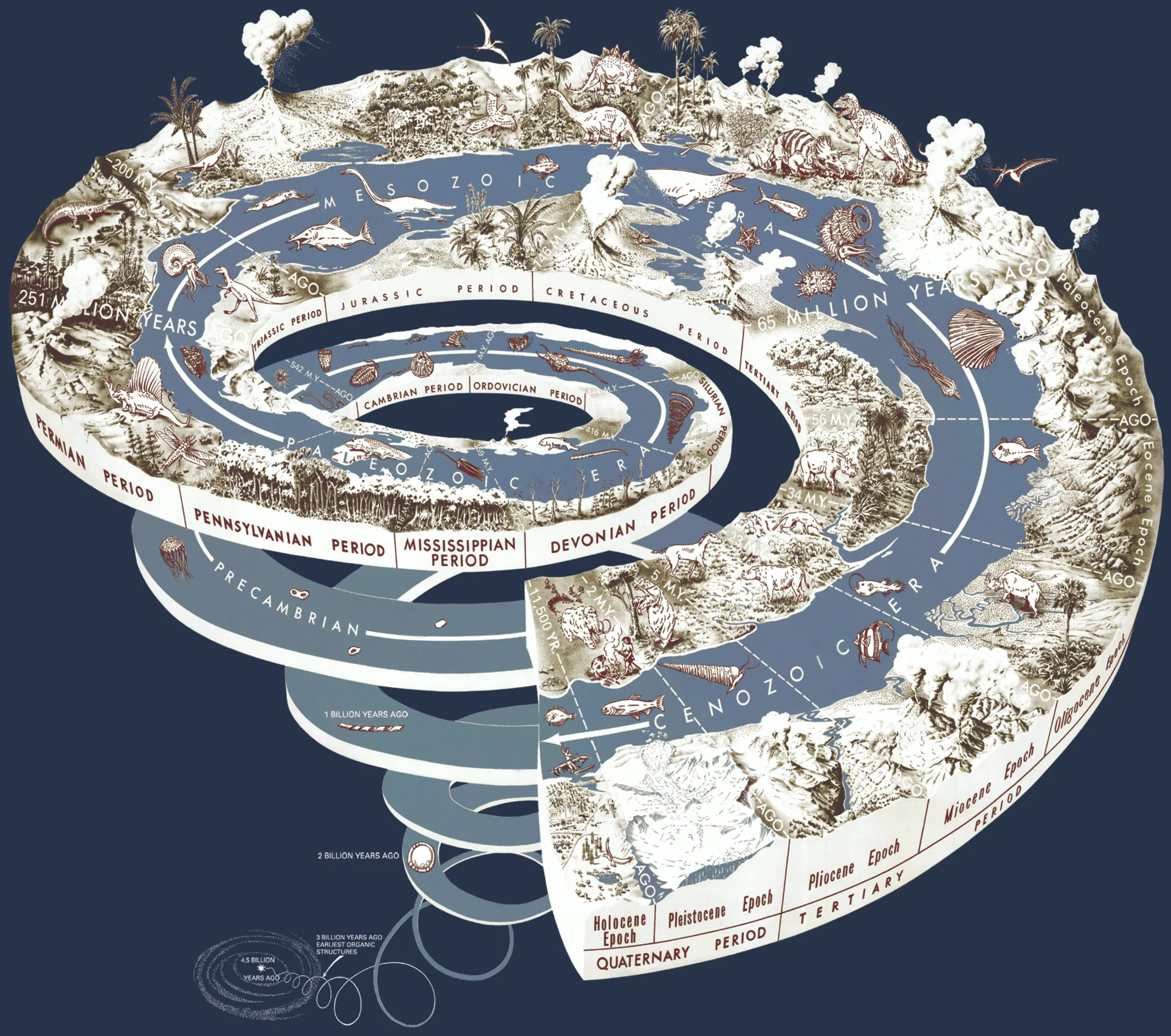
The geologic time scale organizes Earth’s history into formally defined eons, eras, periods, epochs and ages. It combines correlations between rock strata and fossils with numerical ages from geochronology. Earth formed approximately 4.54 billion years ago; the interactive timeline uses 4,567 million years as a rounded reference for the beginning of Solar System history. Geological boundaries follow the International Commission on Stratigraphy’s 2026/06 chart, with selected ages rounded for teaching.
Interactive Geological Time Scale
Move the timeline slider or select a geological interval to see its age, major events and position in Earth’s history. Switch between the full timescale and the Phanerozoic for more detail. The panel shows a geological example, continental setting, climate and life for each interval. The colored bar uses proportional time, so recent periods appear narrow at full scale.
Select an event to move the timeline to its approximate age. The Big Five extinctions are grouped separately.
Ages are approximate; events may span millions of years. Sources: NPS mass extinctions and ICS time chart.
Ma = million years ago. Simplified educational intervals; some Paleozoic boundaries are rounded to the nearest million years. Adapted from the International Chronostratigraphic Chart, ICS v2026/06 (CC BY 4.0). Numerical ages are estimates subject to revision. See the official chart for stages and uncertainties.
Geologic Time Scale Chart
Ma means million years ago and Ga means billion years ago. Larger numbers represent older ages. The table uses the same simplified intervals as the interactive explorer. Precise numerical ages and uncertainties should be checked against the official chart; not all boundaries have equal precision.
| Eon, era or period | Age (Ma) | Major developments |
|---|---|---|
| Hadean | 4567–4031 | Earth forms, differentiates and develops an early crust. The oldest surviving minerals provide clues to this early history. |
| Archean | 4031–2500 | Early continents grow; microbial ecosystems and stromatolites appear in the geological record. |
| Paleoproterozoic | 2500–1600 | Atmospheric oxygen increases during the Great Oxidation Event; continents evolve. |
| Mesoproterozoic | 1600–1000 | Large continental assemblies develop; diverse eukaryotes inhabit ancient seas. |
| Tonian | 1000–720 | Rodinia evolves and begins to break apart; eukaryotic life diversifies. |
| Cryogenian | 720–635 | Major glaciations associated with Snowball Earth occur. |
| Ediacaran | 635–538.8 | Macroscopic soft-bodied organisms become prominent in the fossil record. |
| Cambrian | 538.8–486.85 | Marine animal groups diversify; trilobites and many shelled invertebrates flourish. |
| Ordovician | 486.85–443 | Marine biodiversity expands; early land plants are recorded, followed by a major extinction. |
| Silurian | 443–420 | Jawed fishes diversify and vascular plants become established on land. |
| Devonian | 420–359 | Fishes diversify, forests spread and early tetrapods evolve. |
| Carboniferous | 359–298.9 | Extensive coal-forming wetlands develop; early amniotes diversify. |
| Permian | 298.9–251.902 | Pangaea dominates; the period ends with the largest known mass extinction. |
| Triassic | 251.902–201.4 | Ecosystems recover; the first dinosaurs and mammals evolve. |
| Jurassic | 201.4–143.1 | Dinosaurs diversify; early birds evolve and ammonites inhabit marine environments. |
| Cretaceous | 143.1–66 | Flowering plants diversify; non-avian dinosaurs disappear at the end of the period. |
| Paleogene | 66–23.03 | Mammals and birds diversify after the end-Cretaceous extinction. |
| Neogene | 23.03–2.58 | Grasslands expand; early hominins evolve. |
| Quaternary | 2.58–0 | Glacial cycles shape landscapes; Homo sapiens appears during the Pleistocene. |
Eons, Eras, Periods, Epochs and Ages
Eons are the largest formal time units; the Hadean, Archean, Proterozoic and Phanerozoic divide Earth’s geological history. Eras subdivide eons; periods subdivide eras; epochs subdivide periods; ages subdivide epochs. The corresponding rock units are eonothems, erathems, systems, series and stages. Precambrian is an informal collective name for the Hadean, Archean and Proterozoic, not a fifth eon.
Precambrian: Early Earth and the Origin of Life
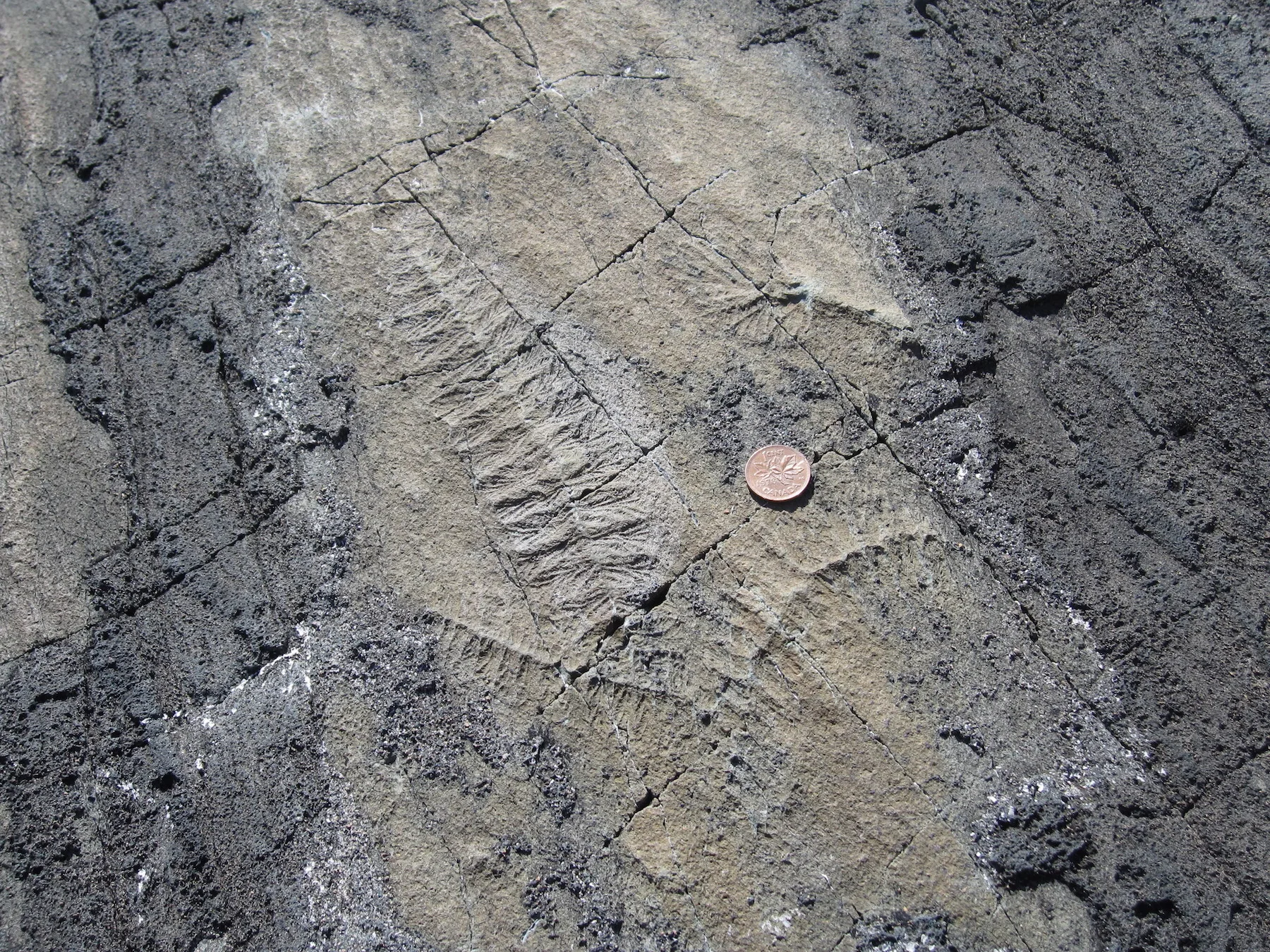
The Hadean includes Earth’s accretion, early differentiation and crust formation; the oldest surviving zircon grains provide evidence of ancient crustal processes. Archean rocks preserve evidence of early continents and microbial ecosystems, although the biological identity of very ancient microstructures can be uncertain. The Proterozoic includes major atmospheric oxygenation, the emergence and diversification of eukaryotes, extensive glaciations and the Ediacaran fossil record. Oxygenic photosynthesis developed before the Great Oxidation Event, but its exact timing remains debated.
Paleozoic Era: Marine Life and the Colonization of Land
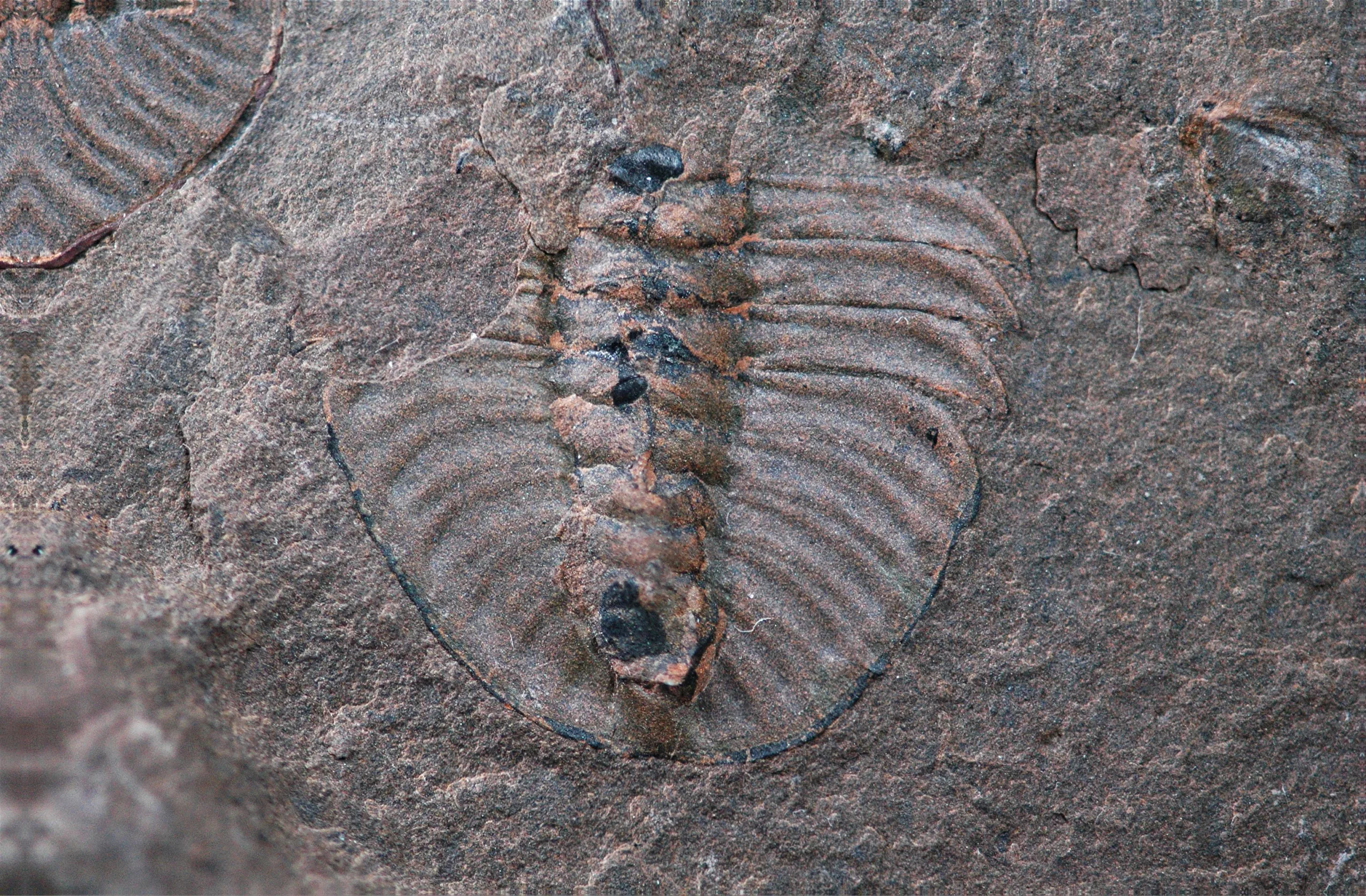
During the Cambrian, animal diversity and ecological complexity increased substantially over millions of years. Some skeletonized organisms already existed in the Ediacaran. The Ordovician records major marine diversification and a late extinction; the Silurian and Devonian record expanding terrestrial ecosystems and vertebrate diversification. Carboniferous wetlands produced important coal deposits, while the Permian saw the development of Pangaea and ended with a major mass extinction.
Mesozoic Era: Dinosaurs and Changing Oceans
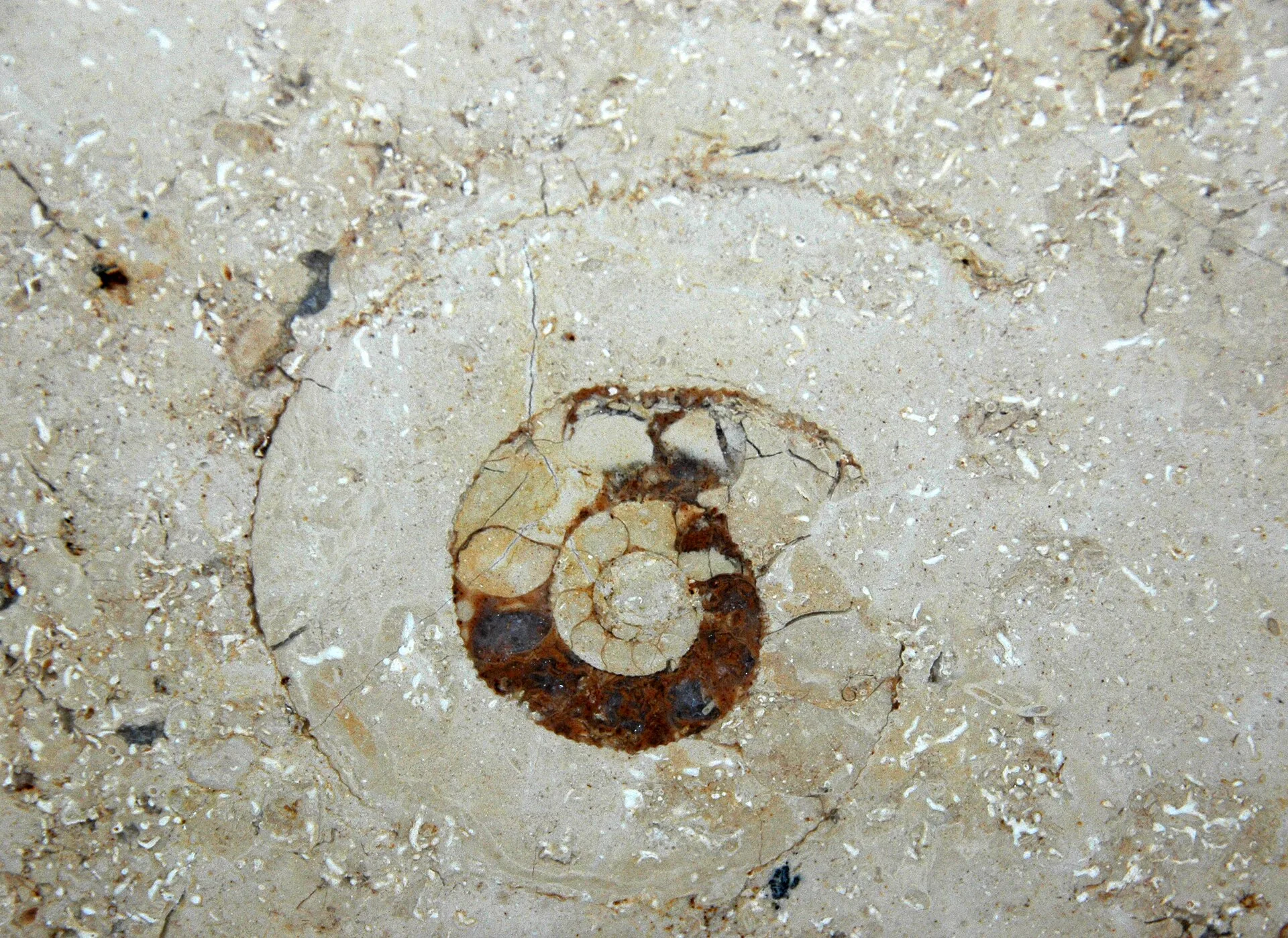
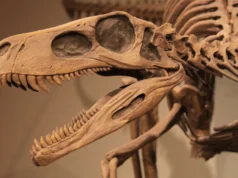
The Triassic followed the end-Permian extinction and saw the emergence of early dinosaurs and mammals. Dinosaurs diversified during the Jurassic; birds evolved from theropod dinosaurs. Flowering plants diversified during the Cretaceous. The end-Cretaceous extinction approximately 66 Ma eliminated non-avian dinosaurs, ammonites and many other groups; birds survived.
Cenozoic Era: Mammals, Climate and Humans
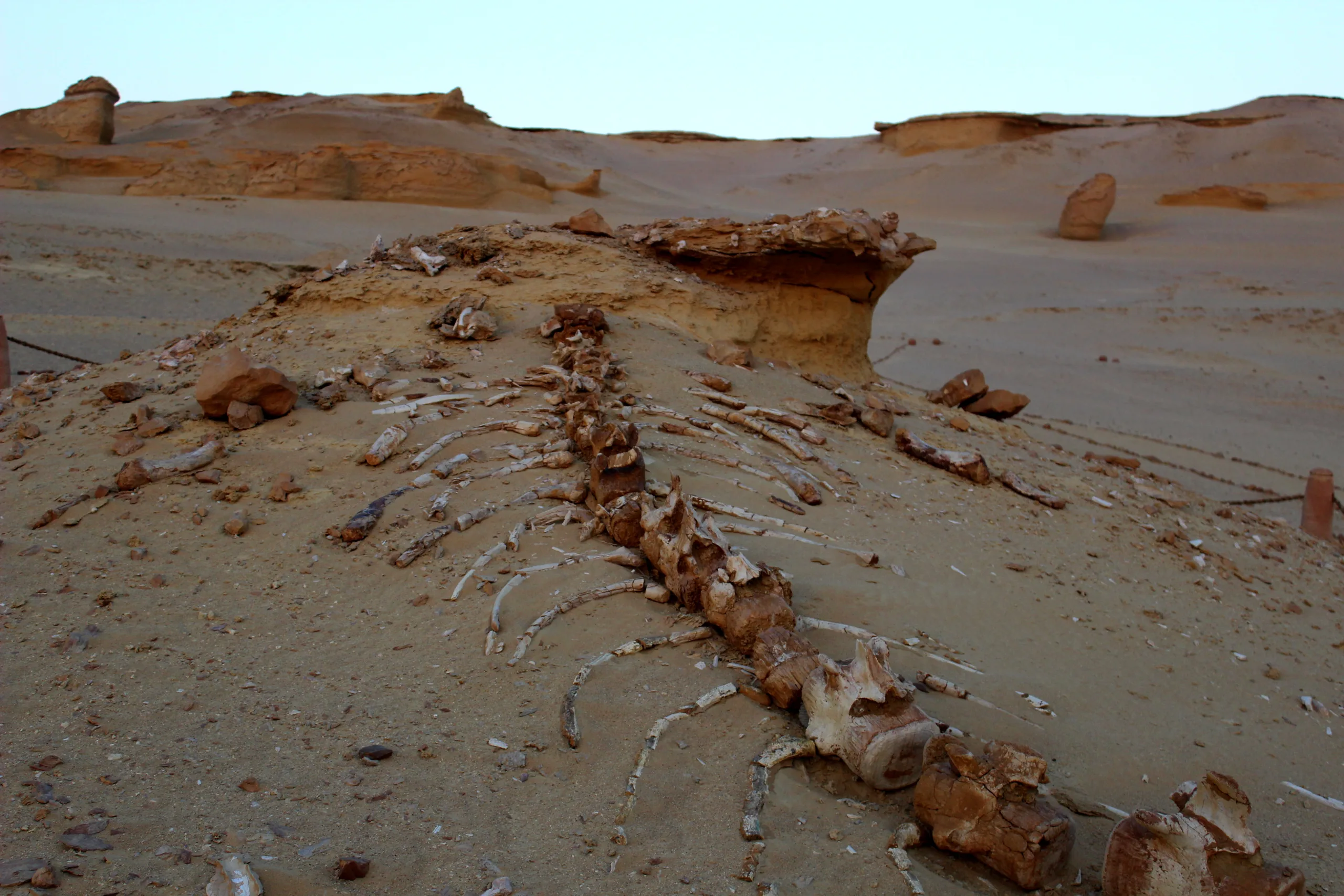
Mammals and birds diversified through the Paleogene. Long-term cooling and changing environments characterized much of the Neogene. The Quaternary began about 2.58 Ma and includes the Pleistocene and Holocene, marked by repeated glacial cycles and human evolution. The Holocene began approximately 11,700 years ago and remains the current formal epoch. The proposed Anthropocene Epoch was rejected in 2024; Anthropocene remains widely used as an informal term for human impacts.
How Geologists Establish Geological Boundaries
Many Phanerozoic boundaries are fixed by Global Boundary Stratotype Sections and Points (GSSPs), internationally agreed reference horizons in rock sections. Some older boundaries are defined by numerical ages. Fossils, magnetic reversals, isotope records and radiometric dates help correlate strata across regions. Uranium–lead and argon–argon methods can date suitable minerals; radiocarbon is mainly useful for comparatively recent organic material. Precision varies with sample, method and geological history.
Frequently Asked Questions
What is the current geological period? The Quaternary Period of the Cenozoic Era, within the Holocene Epoch.
Why do geological dates change? Improved radiometric dating and stratigraphic correlation refine estimated boundary ages. The formal reference horizon may remain unchanged.
What is the difference between relative and numerical age? Relative dating establishes the order of events; numerical dating estimates when they occurred.
When did dinosaurs live? Non-avian dinosaurs appeared in the Triassic and disappeared at the end of the Cretaceous. Birds are surviving dinosaurs.
Scientific References
International Commission on Stratigraphy — International Chronostratigraphic Chart (2026/06); ICS 2026/06 update; ICS — Anthropocene decision; Fossils and relative dating.
Featured illustration: Geological time spiral, Graham, Newman and Stacy, USGS (2008), public domain. Historical illustration; use the current ICS chart in the article for numerical ages.