























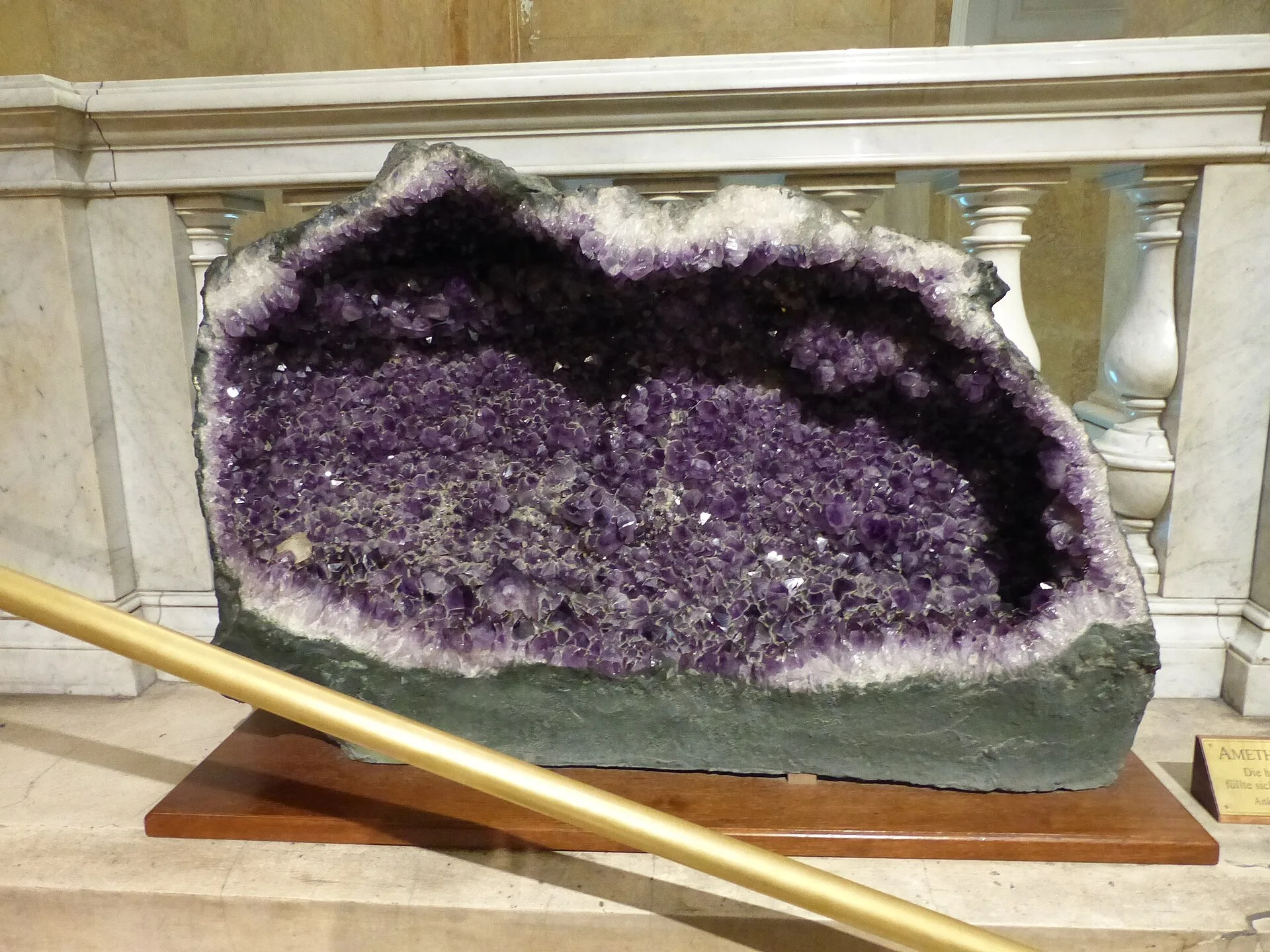
Minerals form when atoms or ions become organized into stable crystalline structures under particular physical and chemical conditions. This can happen as magma cools, dissolved substances precipitate from water, existing rocks undergo metamorphism, or minerals react with the atmosphere and groundwater. Some mineral crystals also grow through the activity of living organisms.
The setting determines which minerals are stable, how quickly crystals grow, and whether they form microscopic grains, interlocking rock textures, or large crystals in open cavities. Seven useful mineral-forming pathways are described below. They overlap: for example, evaporation is one cause of precipitation, and volcanic gases may produce minerals through gas reactions or condensation.
What Is Required for a Mineral to Form?
In geology, a mineral is a naturally occurring crystalline solid with a characteristic chemical composition or compositional range. Most are inorganic, although organisms can produce genuine mineral phases. A rock is an aggregate of minerals or other natural geological material; a crystal is a solid with an ordered internal atomic arrangement, whether it has a perfect external shape or not.
Mineral formation requires more than the presence of the necessary chemical elements. Conditions must favor the mineral relative to competing phases. When a suitable microscopic nucleus develops, more atoms or ions can attach and the crystal grows. Whether nucleation and growth occur depends on:
- Temperature and pressure: they govern mineral stability and the solubility of many chemical substances.
- Composition: a basaltic melt, granitic melt, salt brine, and metamorphic shale supply very different chemical ingredients.
- Fluids and gases: water transports dissolved components; carbon dioxide, oxygen, and sulfur-bearing gases can drive mineral reactions.
- Supersaturation and reaction progress: precipitation often begins when a fluid can no longer keep all its dissolved material in solution.
- Nucleation, growth space, and time: these influence whether minerals appear as small grains, interlocking crystals, coatings, or well-shaped crystals.
A mineral may also replace another mineral, retaining an older external outline while changing its chemical composition. Not every mineral forms by straightforward growth into open space.
1. Crystallization from Magma
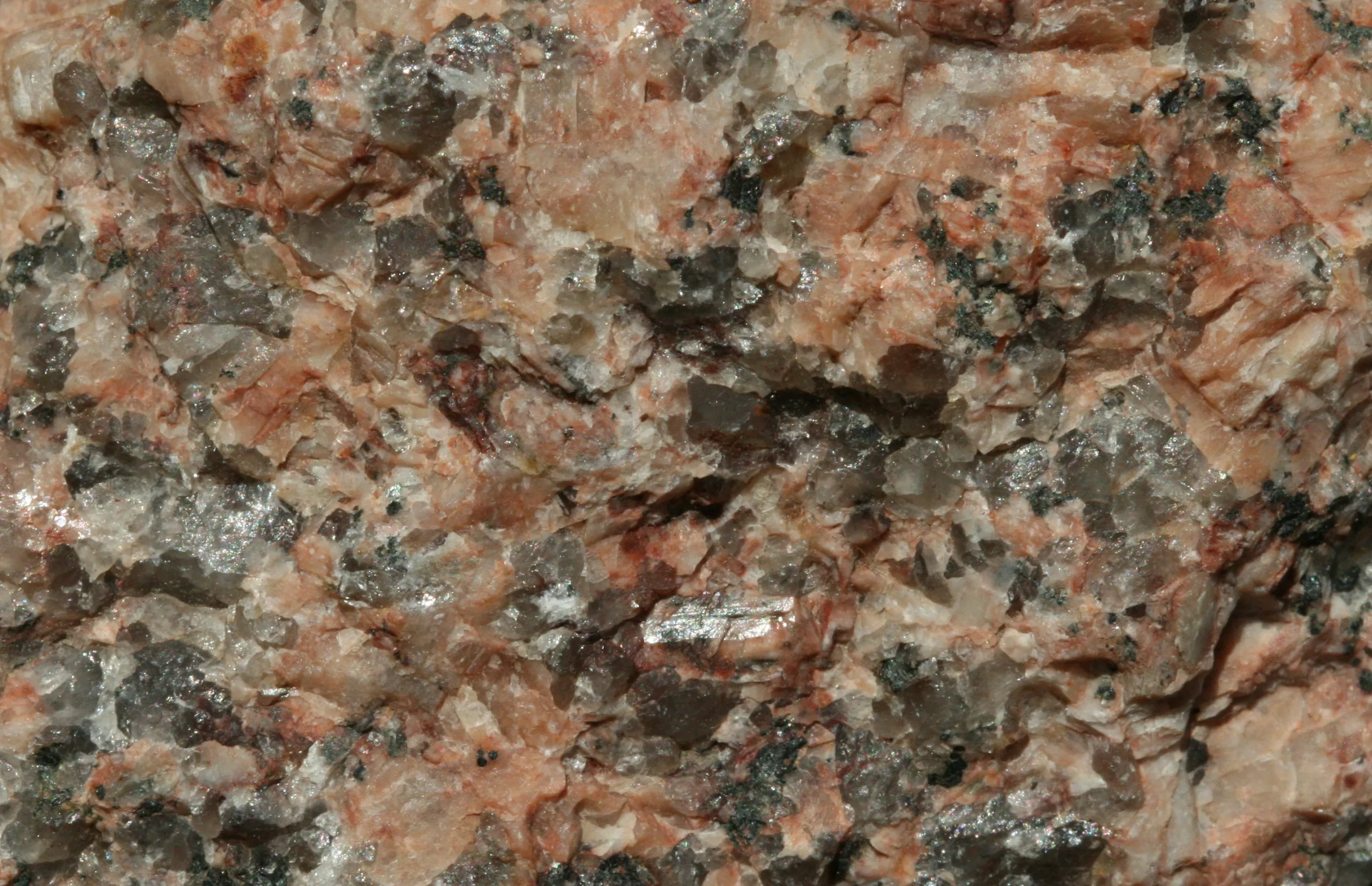
Magmatic crystallization occurs when minerals become stable within cooling molten rock. Magma contains dissolved chemical components that assemble into solid mineral phases as temperature, pressure, and melt composition change. The minerals that crystallize depend on the type of magma: mafic magmas commonly produce olivine, pyroxene, and calcium-rich plagioclase, while evolved silica-rich magmas can produce quartz and potassium feldspar.
Crystallization is rarely a single step. Early-forming crystals remove elements from the melt and can change the chemistry of the liquid that remains. Bowen’s reaction series summarizes common crystallization relationships, but real magmas are influenced by mixing, water content, pressure changes, and interactions with surrounding rocks.
Why Are Some Igneous Crystals Larger?
Slow cooling often permits crystals to grow larger, which helps explain the coarse texture of many intrusive rocks. Rapidly cooled lava tends to produce fine-grained volcanic rocks such as basalt. Very rapid cooling can preserve glass instead of developing a fully crystalline texture, as in obsidian. However, crystal size also depends on nucleation rates, undercooling, diffusion, fluid content, and the available space.
Pegmatites and Unusually Large Crystals
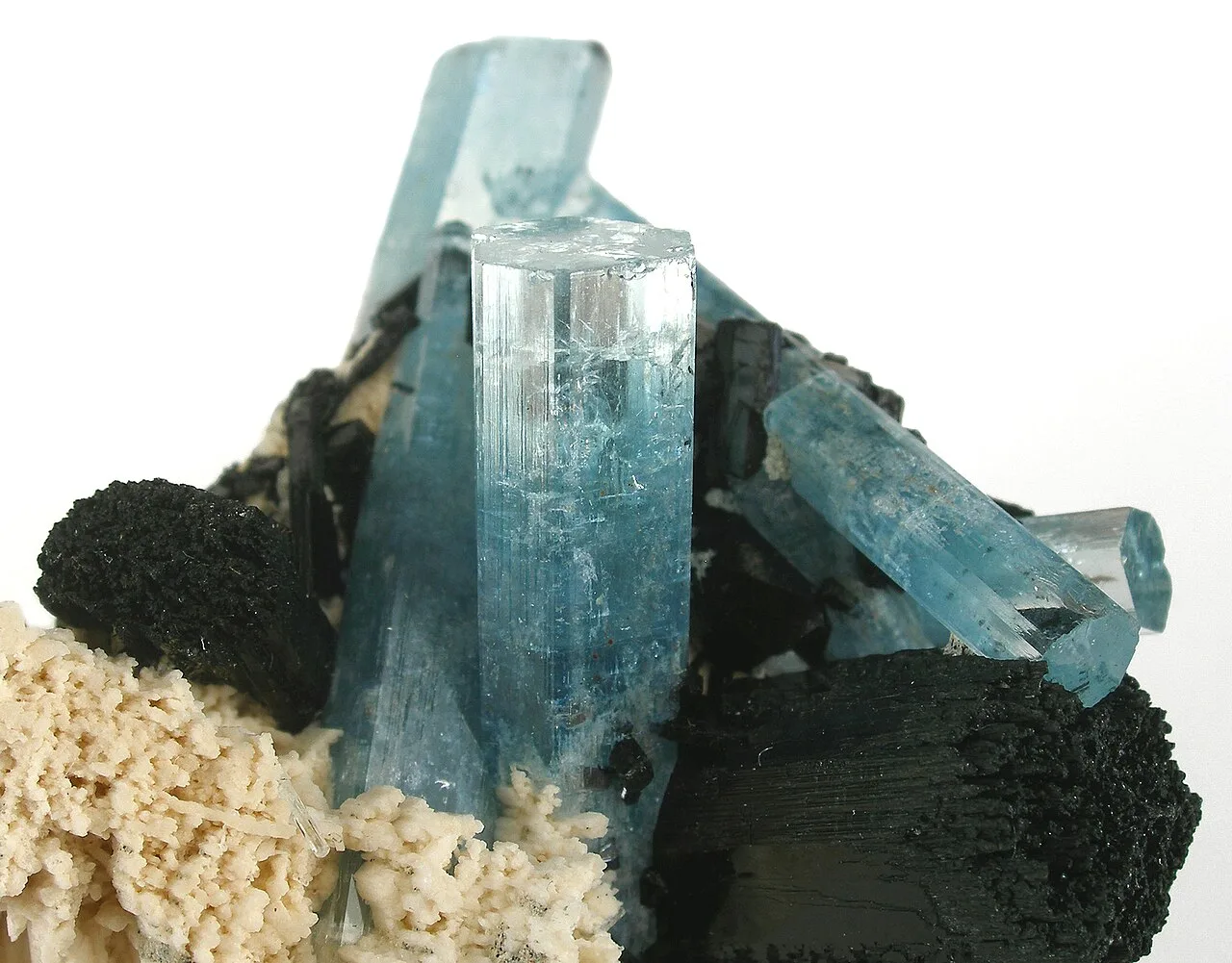
Pegmatites are exceptionally coarse-grained igneous rocks that commonly form in specialized, evolved magmatic systems. Their large crystals are not simply evidence of an extraordinarily long cooling time. The chemistry of late-stage melts, water and other volatile components, rapid transport of dissolved elements, and low nucleation density can favor growth of large feldspar, quartz, mica, tourmaline, and beryl crystals. Some pegmatites concentrate economically important lithium, beryllium, tantalum, and cesium minerals.
For related specimens, see Quartz and Amethyst Geodes.
2. Hydrothermal Mineral Formation
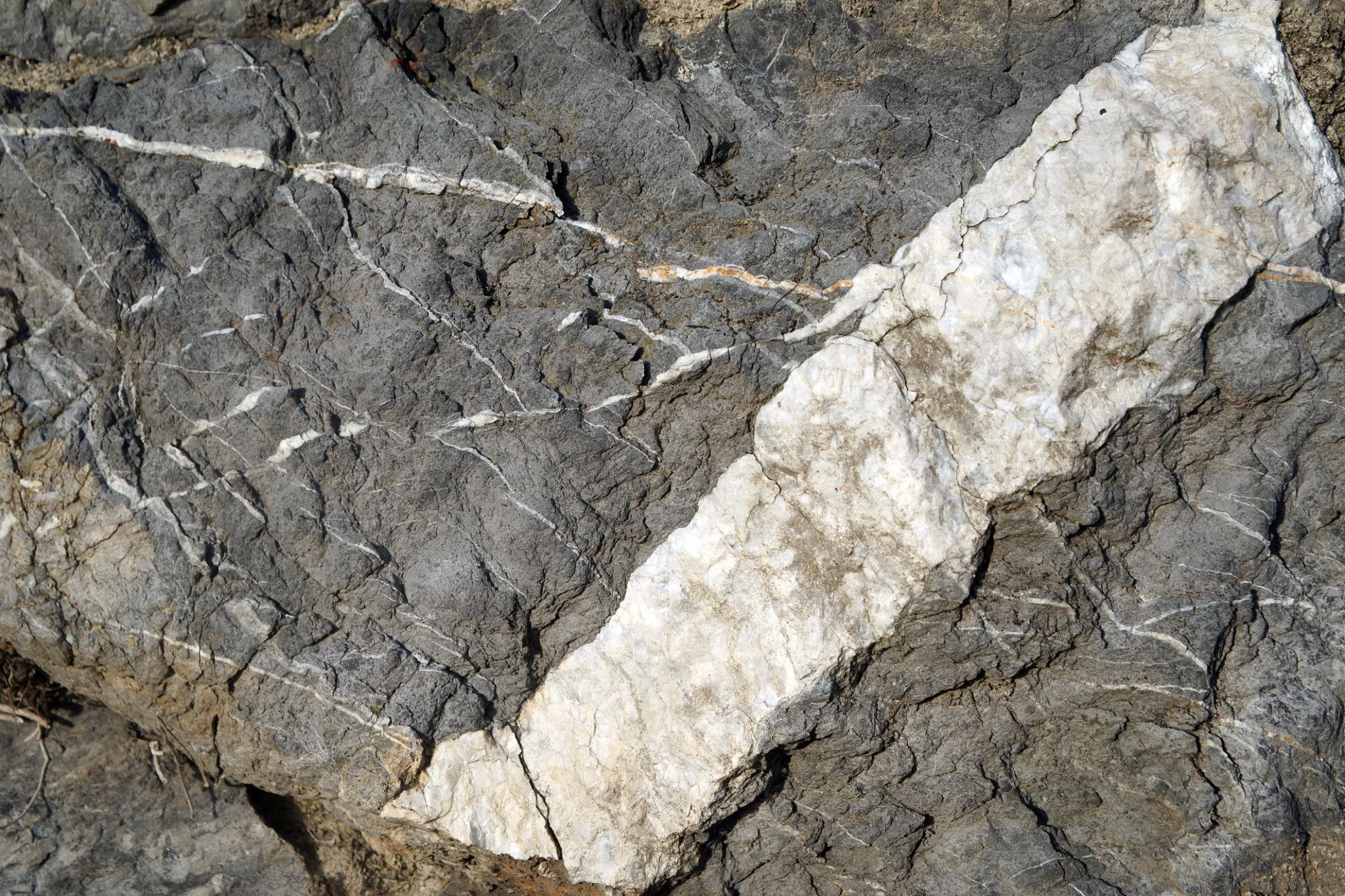
Hydrothermal minerals form through reactions involving hot water-rich fluids moving within Earth’s crust. The water may come from magma, circulating groundwater, seawater, metamorphic reactions, or sedimentary basin brines. Such fluids transport dissolved silica, sulfur, metals, and other components through cracks, pores, and permeable rocks.
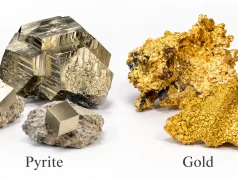
As a fluid cools, mixes with another fluid, boils, changes pressure, changes acidity, or reacts with its host rock, dissolved substances may precipitate as minerals. Repeated mineral deposition can fill a fracture and build a vein. Hydrothermal systems can produce quartz, calcite, fluorite, and sulfide minerals such as pyrite, chalcopyrite, galena, and sphalerite. Particular deposits may also contain native gold or silver.
Not every mineral-filled fracture is hydrothermal, and the presence of quartz or pyrite does not by itself indicate valuable ore. Geologists assess vein textures, fluid inclusions, mineral associations, wall-rock alteration, and geological context. For example, quartz crystals lining a geode cavity record growth into open space, but the exact fluid source requires additional evidence.
3. Mineral Precipitation and Evaporation from Water
Aqueous precipitation occurs when dissolved chemical components form a solid mineral because conditions favor that phase. Changes in temperature, evaporation, acidity, dissolved carbon dioxide, fluid mixing, and water–rock reactions can all trigger deposition. Evaporation is therefore one important pathway within the wider process of precipitation, not an entirely separate fundamental mechanism.
Evaporite Minerals: Halite and Gypsum
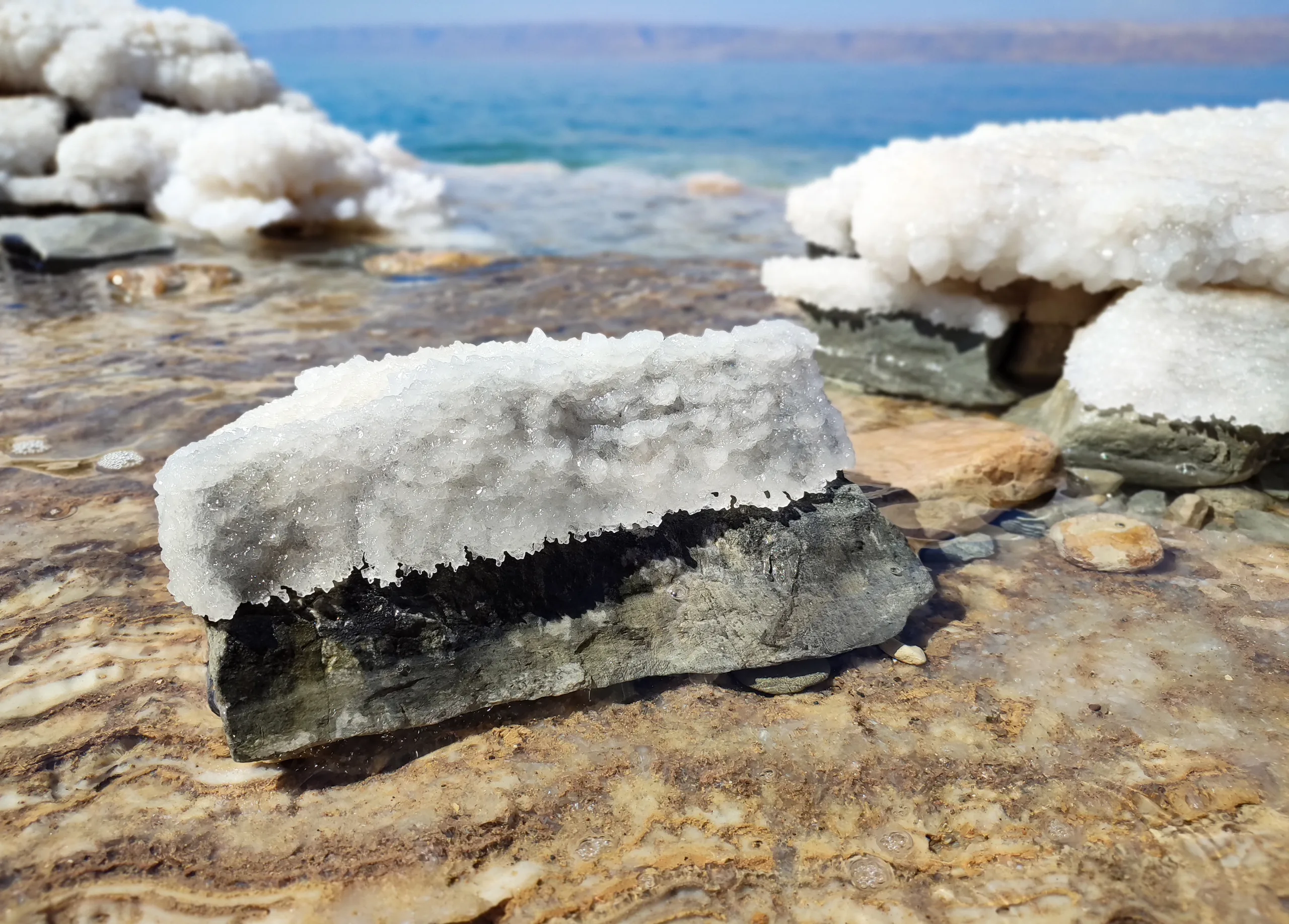
In arid salt lakes, coastal lagoons, and other saline basins, evaporation removes water and concentrates dissolved ions. Different minerals precipitate as the brine composition changes. Common evaporites include gypsum (CaSO₄·2H₂O), anhydrite (CaSO₄), and halite (NaCl). In sufficiently evolved brines, potassium- and magnesium-bearing salts may also form.
The precise order depends on brine chemistry and the basin’s exchange of water with its surroundings. A salt flat is not a single mineral: it may include several evaporite phases, mud, and sedimentary material.
Precipitation Without Evaporation: Calcite Deposits
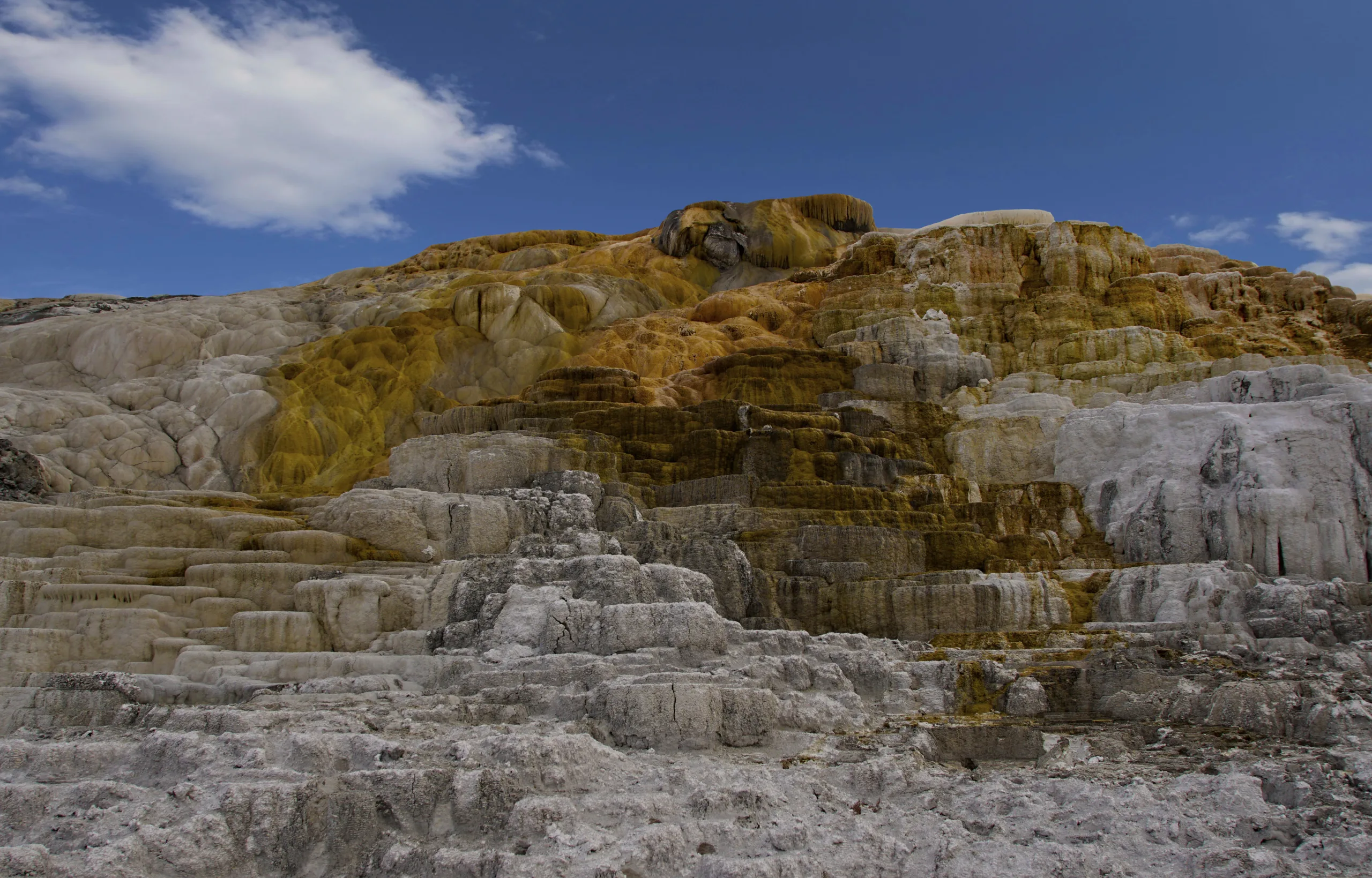
Water can deposit minerals even without substantial evaporation. For example, groundwater that has dissolved carbonate rock may release carbon dioxide when it enters a cave or emerges at a spring. This shift in carbonate chemistry can cause calcite (CaCO₃) to precipitate. Over time, the deposits form stalactites, stalagmites, flowstone, or travertine terraces.
Both the salt-crust and hot-spring examples involve precipitation, but their chemical drivers differ. The surrounding environment matters as much as the mineral’s name.
4. Metamorphic Recrystallization and Mineral Reactions
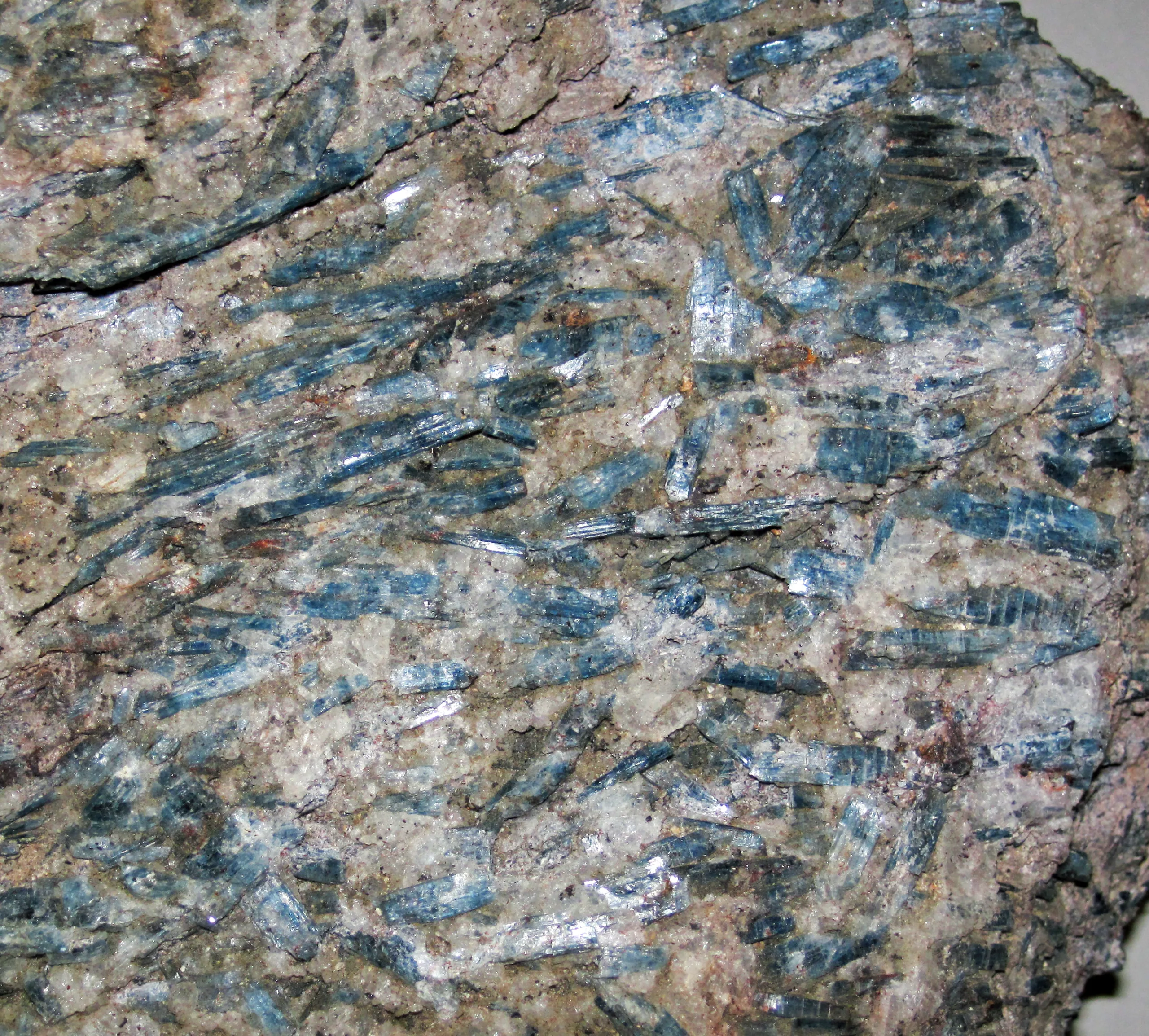
Metamorphism changes existing rocks when temperature, pressure, fluid activity, or deformation alters mineral stability without wholesale melting of the rock. Some grains recrystallize into larger or differently shaped crystals without changing mineral species; in other cases, chemical reactions consume earlier minerals and produce entirely new ones.
For example, clay-rich sedimentary rocks can develop chlorite, mica, garnet, staurolite, kyanite, or sillimanite depending on composition and metamorphic conditions. These minerals do not all grow together or at the same grade. Their associations can help geologists reconstruct the pressure–temperature history of a rock.
Contact and Regional Metamorphism
Contact metamorphism occurs when surrounding rocks are heated near an intrusion; it may create minerals such as andalusite or cordierite in suitable compositions. Regional metamorphism operates over broader areas during burial, tectonic thickening, and mountain building. Mineral alignment and recrystallization can help produce the foliated textures of schist and gneiss. Marble commonly develops through recrystallization of carbonate rock.
A metamorphic crystal does not always indicate a specific temperature by itself. Mineral identification, bulk-rock chemistry, and coexisting phases are all needed for robust interpretation.
5. Chemical Weathering and Secondary Mineral Growth
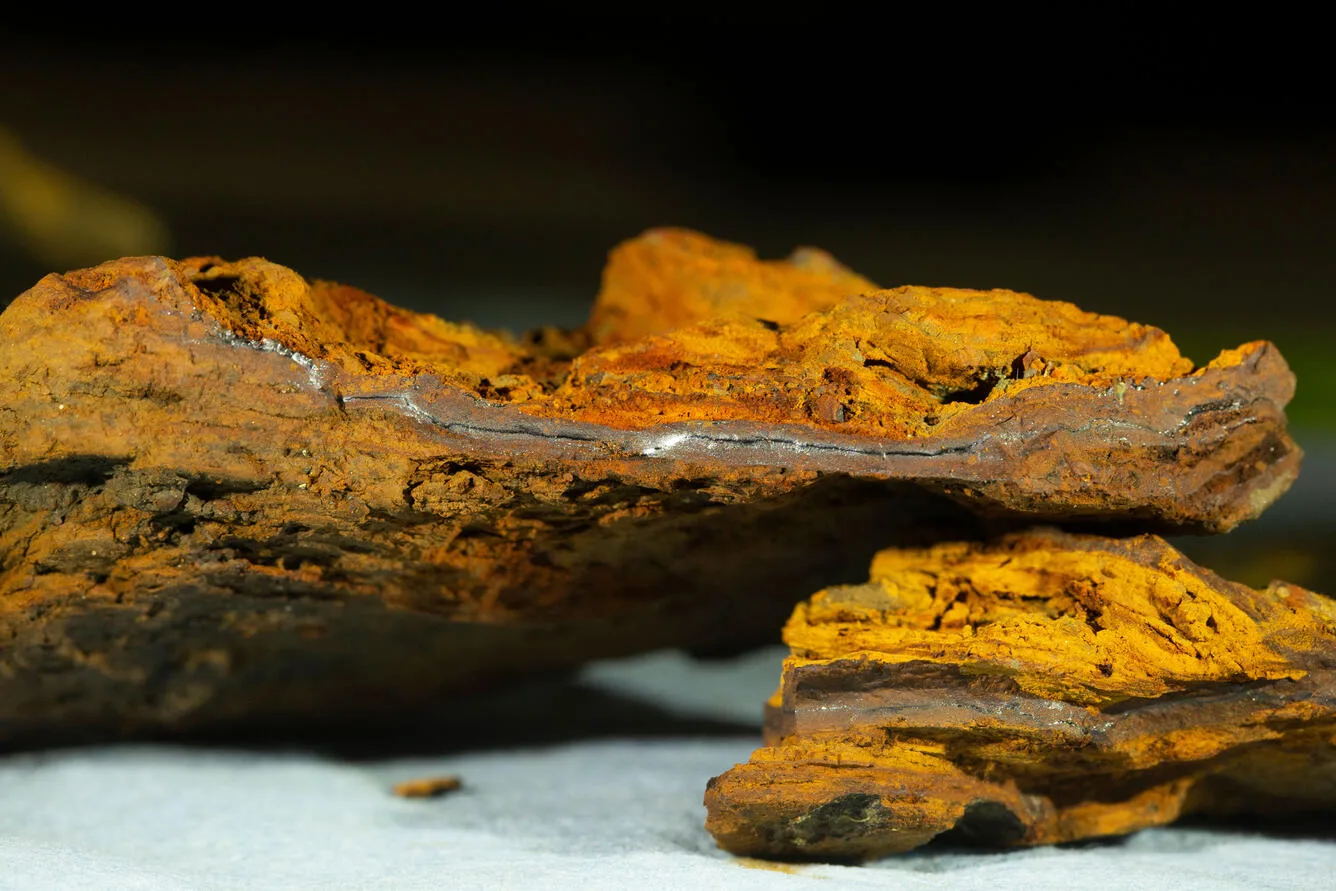
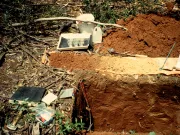
At or near Earth’s surface, many minerals that formed at depth become unstable in the presence of oxygen-rich water, carbon dioxide, and biological activity. Chemical weathering can dissolve original minerals and release ions that subsequently form secondary minerals. Weathering therefore destroys some minerals while creating others.
Feldspars may alter to kaolinite and other clay minerals under suitable conditions. Oxidation and hydration of iron can produce goethite and other iron oxides or oxyhydroxides. Oxidized copper deposits may develop secondary minerals such as malachite or azurite where the necessary chemical components are available.
These new minerals occur in soil, saprolite, weathered bedrock, and altered mineral deposits. A red, yellow, or green weathering zone is a clue to chemistry, but color alone cannot uniquely identify its minerals.
6. Mineral Deposition from Volcanic Gases
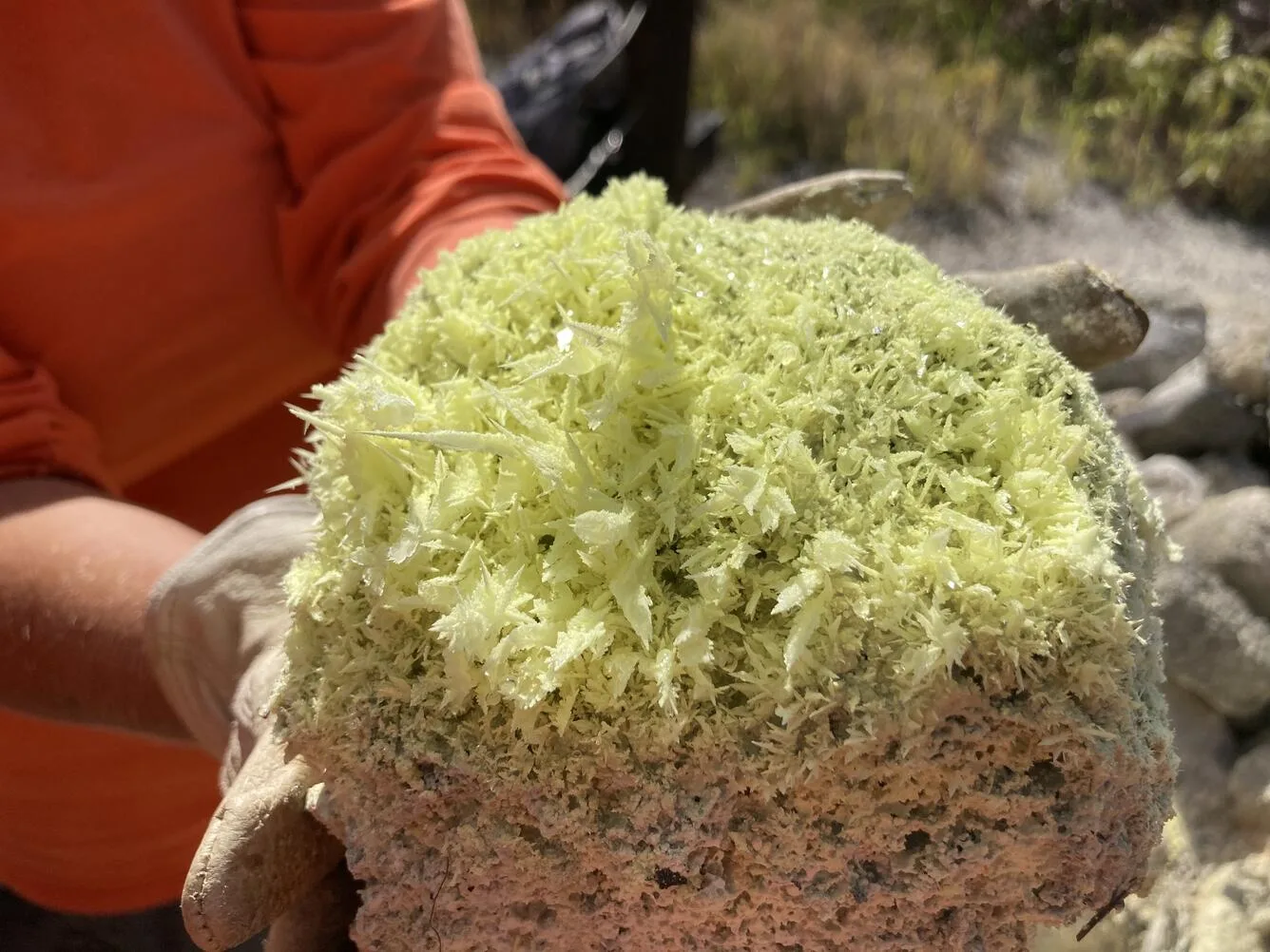
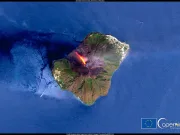
Fumaroles are openings that release volcanic gases and vapor. Gas mixtures may include water vapor, sulfur dioxide (SO₂), and hydrogen sulfide (H₂S). As the gases cool, interact with each other, and contact nearby rock, minerals may precipitate or develop from chemical reactions.
Native sulfur is an important example. At volcanic fumaroles, sulfur dioxide and hydrogen sulfide can react to deposit elemental sulfur. Other sulfate or chloride minerals may form under appropriate conditions. The deposits are sometimes fragile, short-lived, and altered by rain or shifting gas chemistry.
This setting is distinguished by the direct role of gases, but it is related to broader hydrothermal and chemical precipitation processes. The same volcanic system can create minerals in hot groundwater, fractures, and gas vents.
7. Biomineralization by Living Organisms
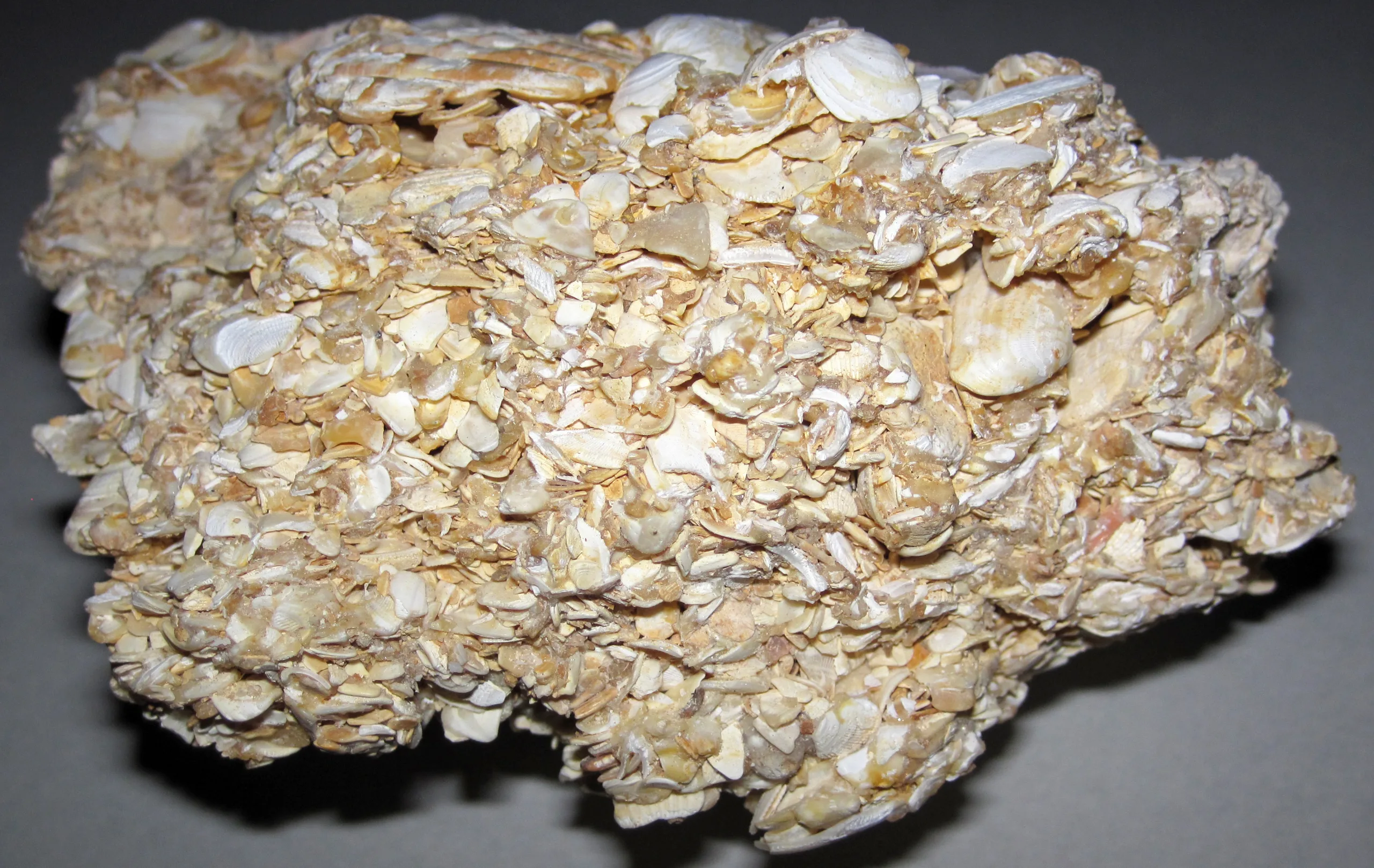
Biomineralization occurs when organisms produce or influence the growth of mineral phases. Many corals construct skeletons composed predominantly of aragonite (CaCO₃), while numerous mollusks form shells of aragonite, calcite, or both. Vertebrate bones and teeth contain a biologically produced calcium phosphate closely related to apatite.
Living organisms affect mineral growth by controlling local chemistry, supplying organic templates, and regulating where crystals nucleate. Some bacteria can produce magnetite particles, and microbial activity may also promote mineral precipitation indirectly through changes to the surrounding water.
When carbonate shells and skeletons accumulate, they can contribute to bioclastic limestone and reef deposits. Later burial and diagenesis may dissolve, replace, or recrystallize their original minerals. Thus, fossil shells may not preserve their initial mineralogy unchanged.
Seven Mineral-Forming Processes Compared
| Process or setting | Main driver | Mineral examples | Typical geological context |
|---|---|---|---|
| Magmatic crystallization | Cooling and evolution of melt | Olivine, feldspar, quartz | Basalt, granite, pegmatite |
| Hydrothermal deposition | Changes in hot fluid chemistry or conditions | Quartz, pyrite, fluorite | Veins and altered rock |
| Precipitation and evaporation | Supersaturation of water | Calcite, gypsum, halite | Caves, springs, saline basins |
| Metamorphic reactions | Changing pressure, temperature, and fluids | Garnet, kyanite, mica | Schist, gneiss, marble |
| Weathering and alteration | Reactions with near-surface water and oxygen | Kaolinite, goethite, malachite | Soils and oxidation zones |
| Volcanic gas deposition | Gas reactions and cooling | Native sulfur and some sulfates | Fumaroles |
| Biomineralization | Organism-controlled or assisted mineral growth | Aragonite, calcite, apatite | Shells, reefs, skeletons |
These categories are explanatory, not mutually exclusive. A particular mineral may develop in more than one environment.
Can the Same Mineral Form by Different Processes?
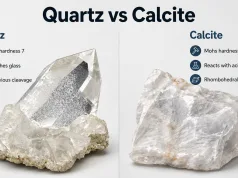
Yes. Mineral identity does not reveal origin on its own. Quartz can crystallize from silica-rich magma, precipitate in hydrothermal veins, or grow as a cement in sedimentary pores. Calcite can form in marine settings, caves, hot springs, and during the alteration or recrystallization of carbonate rocks. Even when the final mineral is the same, accompanying minerals, crystal textures, trace elements, and geological setting may be different.
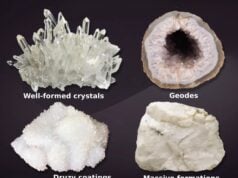
For example, a clear quartz crystal in an open cavity can develop well-defined external faces because it grew without being crowded by neighboring minerals. Quartz in granite typically forms interlocking grains because numerous crystals share the same space. Both are crystalline quartz.
Why Are Some Mineral Crystals Tiny and Others Large?
Crystal size depends on the balance between nucleation (new crystals beginning) and growth (material added to existing crystals). A system that produces many nuclei can end up with numerous small crystals. A system with fewer nuclei and sustained chemical supply can produce large ones. The cooling rate is important in many igneous settings, but there is no simple universal rule that crystals must grow slowly to become large.
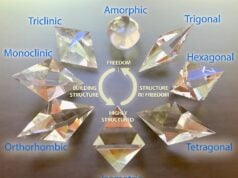
Crystal shape reflects crystal symmetry, rates of growth on different faces, impurities, available space, and surrounding conditions. Visible geometric faces are common in cavities; tightly packed crystals often lack recognizable external faces. The site’s Crystal Systems guide explains the internal structural basis of crystal symmetry.
How Do Geologists Determine How a Mineral Formed?
Field and laboratory evidence are considered together rather than assuming an origin from appearance alone. Useful evidence includes:
- Geological context: the type of host rock and its position in a vein, layer, cavity, soil, or intrusion.
- Textures: grain boundaries, crystal zoning, replacement rims, crosscutting relationships, and foliation.
- Mineral associations: stable mineral assemblages provide clues to temperature, pressure, and chemistry.
- Fluid and melt inclusions: small trapped pockets can preserve information about the conditions of formation.
- Microscopy and analytical chemistry: thin sections, X-ray diffraction, electron microscopy, and mineral chemical analyses can verify the phases present.
- Geochemistry and geochronology: isotopes, trace elements, and suitable datable minerals can help establish fluid sources, process histories, or timing.
These observations are especially important when visually similar minerals have different origins or when a mineral formed in several stages.
Frequently Asked Questions
How do minerals form naturally?
Minerals form by crystallization from magma, precipitation from water, reactions during metamorphism, weathering and alteration, volcanic gas reactions, and biological mineral production.
Do all minerals form from cooling magma?
No. Many minerals form from aqueous fluids, during solid-state reactions, at Earth’s surface, or through biomineralization without any magma involved.
Can minerals form at room temperature?
Yes. Examples include salt crystallizing from evaporating water and some secondary minerals growing during chemical weathering. The exact conditions depend on the mineral.
Can quartz form both in magma and in water?
Yes. Quartz commonly crystallizes in silica-rich magmas and can also precipitate from silica-bearing hydrothermal fluids or grow as sedimentary cement.
Why are some crystals perfectly shaped?
Well-developed crystal faces can grow when a crystal has sufficient space and favorable chemistry. An irregular grain in a rock can still possess the same ordered internal structure.
Is a geode a mineral?
No. A geode is a geological cavity or rounded rock body lined or filled with minerals such as quartz, amethyst, chalcedony, or calcite.
Does mineral formation always take millions of years?
No. Some minerals can precipitate rapidly under favorable conditions, while other crystals or mineral assemblages develop over much longer geological timescales.
Conclusion
The origin of a mineral reflects the chemical composition, temperature, pressure, fluids, gases, and physical environment present during its growth. Magmatic crystallization, hydrothermal deposition, precipitation from water, metamorphism, weathering, fumarolic reactions, and biomineralization provide a useful framework for recognizing those environments. Mineral textures and associations, however, are needed to reconstruct the actual formation history of an individual specimen.
Scientific Sources and Further Reading
- U.S. Geological Survey — Difference Between a Rock and a Mineral
- U.S. Geological Survey — What Are Igneous Rocks?
- U.S. Geological Survey — What Are Metamorphic Rocks?
- U.S. Geological Survey — Hydrogeologic Processes in Saline Systems
- National Park Service — Speleothems and Mineral Precipitation
- U.S. Geological Survey — Native Sulfur at Fumaroles
- Smithsonian Institution — Exploring Biominerals