Home Blog Page 38

Crackle Quartz

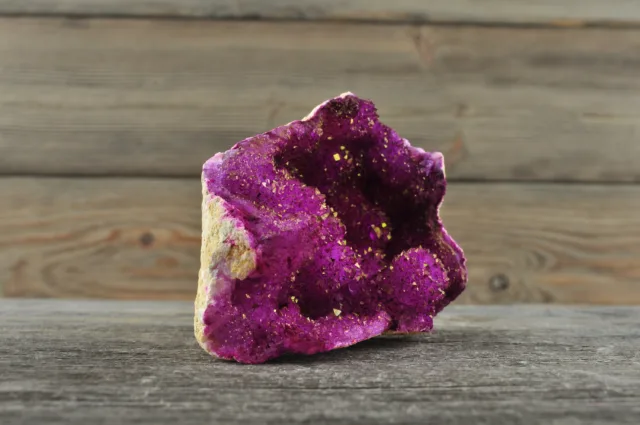
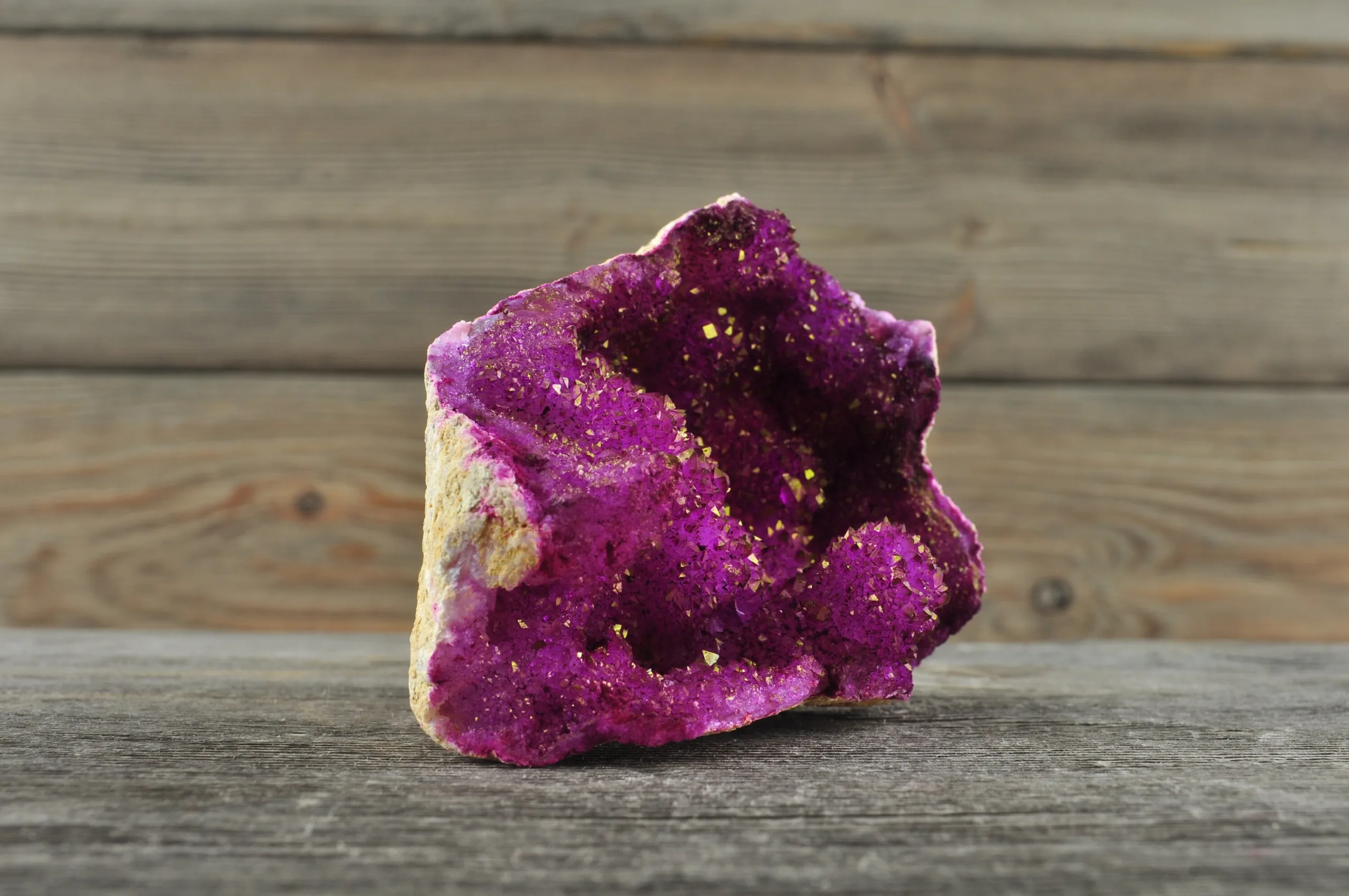
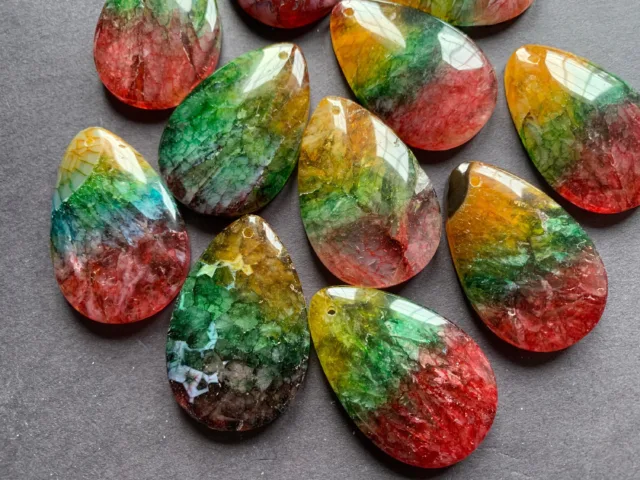
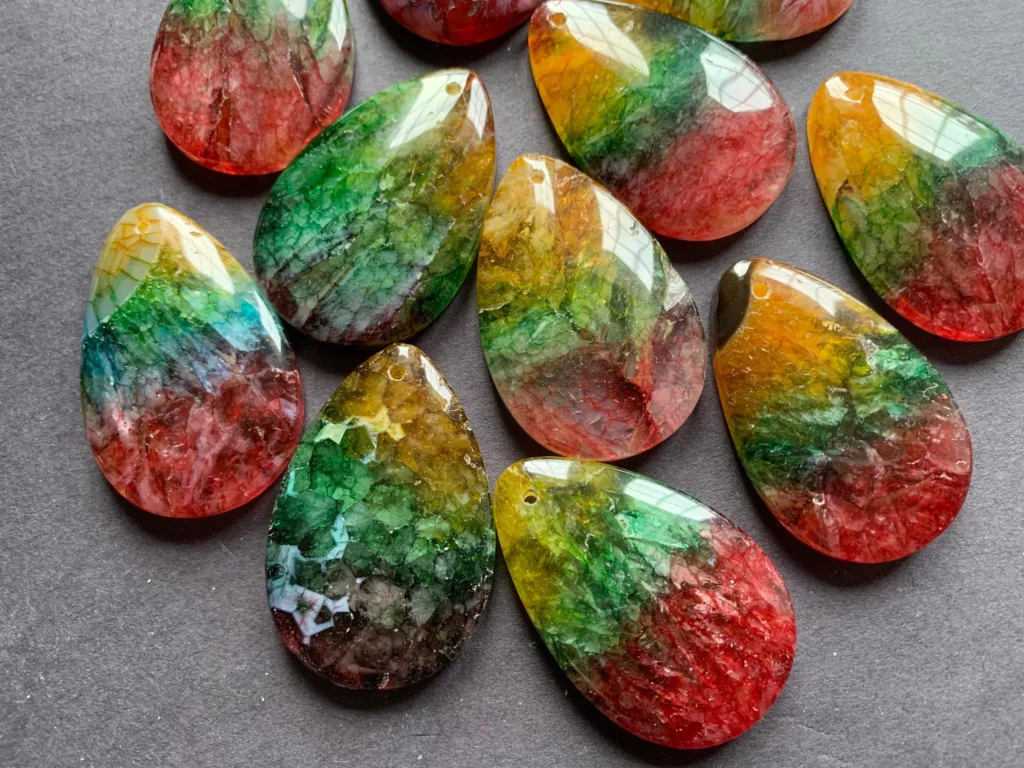
Crackle Quartz is a unique variety of quartz crystal that has a distinctive cracked or shattered appearance within the crystal structure. This distinctive crackled effect gives the quartz a captivating and visually striking appearance, making it a popular choice in the world of gemstones and crystal healing.
Crackle Quartz

Definition and Brief Description: Crackle Quartz is a type of quartz crystal characterized by the presence of numerous internal fractures or cracks that create a beautiful, intricate network of lines throughout the stone. These cracks can vary in size and pattern, resulting in a range of unique and eye-catching designs within the crystal. The cracks are often filled with other minerals, creating colorful and visually appealing inclusions.

Crackle Quartz is usually transparent to translucent and can occur in various colors, including clear, white, smoky gray, or even in vibrant shades like blue, green, and pink. This stunning appearance is primarily a result of heat treatment and enhanced by the infusion of other minerals or dyes during the process.

Crackle Quartz

Significance and Uses:

  1. Aesthetic Appeal: Crackle Quartz is highly prized for its aesthetic beauty and unique appearance. Its shattered patterns and vibrant colors make it a popular choice for jewelry and decorative purposes, such as in pendants, earrings, and ornamental carvings.
  2. Energy and Healing: In the world of crystal healing and metaphysical beliefs, Crackle Quartz is thought to possess various healing properties and energies. It is often associated with enhancing clarity of thought, concentration, and focus. It’s believed to help release emotional blockages and promote emotional healing by breaking through barriers, much like the cracks in the crystal itself. Additionally, its different colors may be associated with specific chakras and energy centers in the body, allowing for targeted healing work.
  3. Meditation and Spirituality: Crackle Quartz is used by some individuals during meditation practices to enhance spiritual growth and self-discovery. Its unique appearance is thought to symbolize the breaking of old patterns and the emergence of new perspectives and insights.
  4. Decorative Purposes: Apart from jewelry, Crackle Quartz is also used in home decor, where its vibrant colors and intricate patterns add a touch of elegance and mystique to interior design.
  5. Gifts and Collectibles: Crackle Quartz items make for thoughtful and visually appealing gifts, especially for those interested in crystals, gemstones, or spiritual practices.

It’s essential to note that the significance and uses of Crackle Quartz are primarily based on belief systems related to crystal healing and metaphysics. Scientifically, it’s considered a visually appealing variety of quartz with unique patterns caused by internal fractures and heat treatment.

How Crackle Quartz is formed

Crackle Quartz

Crackle Quartz, also known as Fire Quartz or Crackled Quartz, is formed through a specific process that involves heat treatment and sometimes the infusion of other materials. Here’s a step-by-step explanation of how Crackle Quartz is typically formed:

  1. Selection of Quartz Crystal: The process begins with the selection of high-quality natural quartz crystals. These crystals can come in various colors and varieties, including clear quartz, smoky quartz, or even amethyst.
  2. Heat Treatment: The selected quartz crystals are subjected to heat treatment. During this process, the crystals are exposed to high temperatures, usually in the range of 800 to 1600 degrees Celsius (1472 to 2912 degrees Fahrenheit). The exact temperature and duration of heating can vary depending on the desired outcome and the type of quartz being treated.
  3. Rapid Cooling: After the crystals have been heated to the desired temperature, they are rapidly cooled. This rapid cooling process causes the internal fractures or cracks to form within the crystal. The cracks are typically caused by the differential expansion and contraction of the crystal’s components during heating and cooling.
  4. Infusion of Other Materials (Optional): In some cases, additional materials may be infused into the cracks or fractures during the heat treatment process. These materials can include dyes, minerals, or metals, which add color and sometimes metallic luster to the cracks. This step is optional and is used to create Crackle Quartz with vibrant and varied colors.
  5. Cutting and Polishing: Once the heat treatment and crack formation process is complete, the treated quartz crystals are cut into various shapes and sizes, depending on their intended use. They are then carefully polished to enhance their visual appeal and shine.
  6. Final Inspection: The finished Crackle Quartz gemstones or crystals undergo a final inspection to ensure their quality and appearance meet the desired standards. Stones with the most visually striking and intricate crackled patterns are often considered the most valuable.

The result of this process is a Crackle Quartz crystal with a stunning and distinctive appearance characterized by a network of internal fractures and cracks. These cracks can vary in size, density, and pattern, making each Crackle Quartz specimen unique.

It’s important to note that the heat treatment and infusion of other materials are not natural processes but are carried out intentionally to create the desired visual effects in the quartz crystals. While Crackle Quartz may have metaphysical and decorative significance, it is not a naturally occurring form of quartz but rather a treated and enhanced variety valued for its aesthetic appeal.

Geological locations where Crackle Quartz is found

Crackle Quartz

Crackle Quartz, also known as Fire Quartz or Crackled Quartz, is not a naturally occurring geological variety of quartz. Instead, it is a treated and enhanced form of quartz that is created through a specific process involving heat treatment and sometimes the infusion of other materials. As a result, it is not found in geological locations in its natural state like many other minerals and gemstones.

The primary source of Crackle Quartz is not a geological deposit but rather the result of treatment carried out on natural quartz crystals that are mined from various locations worldwide. The natural quartz crystals used for creating Crackle Quartz can come from various quartz-rich regions, including but not limited to:

  1. Brazil: Brazil is known for its abundant deposits of clear quartz crystals, and it is a common source for the raw material used to create Crackle Quartz.
  2. Madagascar: Madagascar is another significant producer of natural quartz crystals, including amethyst, smoky quartz, and clear quartz, which can be used to make Crackle Quartz.
  3. Arkansas, USA: Arkansas is famous for its clear quartz crystals, and these crystals are often used as the starting material for various quartz treatments, including crackling.
  4. Other quartz-rich regions: Quartz crystals are found in many other regions around the world, including India, Namibia, Tibet, and more. These locations can also be potential sources of quartz crystals used for creating Crackle Quartz.

Once natural quartz crystals are extracted from these geological locations, they are then subjected to the heat treatment and, if desired, the infusion of additional materials to create the characteristic cracked appearance of Crackle Quartz. Therefore, the production of Crackle Quartz depends on the availability of high-quality natural quartz crystals rather than specific geological deposits of Crackle Quartz itself.

Physical Characteristics

Crackle Quartz

Crackle Quartz, also known as Fire Quartz or Crackled Quartz, exhibits several physical characteristics that make it visually distinctive and appealing. Here are the primary physical characteristics of Crackle Quartz:

  1. Appearance: Crackle Quartz is known for its unique and striking appearance, characterized by a network of internal fractures and cracks that resemble shattered glass or ice. These cracks create intricate patterns within the crystal, giving it a captivating and eye-catching look.
  2. Color: Crackle Quartz can come in a variety of colors, including clear, white, smoky gray, and even vibrant shades of blue, green, pink, or other colors. The colors can result from natural impurities in the quartz or may be enhanced through the infusion of dyes or minerals during the treatment process.
  3. Transparency: Crackle Quartz is typically transparent to translucent, allowing light to pass through and creating a beautiful play of light within the cracks and fractures. The degree of transparency can vary, with some specimens being clearer than others.
  4. Luster: Crackle Quartz has a glassy to vitreous luster, which adds to its overall shine and visual appeal when it is polished.
  5. Hardness: Like all varieties of quartz, Crackle Quartz has a Mohs hardness of 7 on the Mohs scale. This means it is relatively durable and can resist scratching by most common household objects.
  6. Fracture and Cleavage: Crackle Quartz exhibits conchoidal fracture, which means it breaks with smooth, curved surfaces. It does not have distinct cleavage planes.
  7. Texture: The texture of Crackle Quartz can vary from smooth to slightly rough, depending on how it is cut and finished.
  8. Inclusions: In some instances, Crackle Quartz may contain inclusions of other minerals or metals within the cracks and fractures, which can add to its visual interest and diversity of colors.
  9. Density: The density of Crackle Quartz is similar to that of natural quartz, with a specific gravity around 2.65.
  10. Size and Shape: Crackle Quartz can be cut and shaped into various forms, including faceted gemstones, cabochons, beads, and decorative carvings, making it versatile for use in jewelry and decorative items.

It’s important to note that the unique cracked appearance of Crackle Quartz is a result of intentional heat treatment and, in some cases, the infusion of other materials. While Crackle Quartz has a distinct and captivating appearance, it is not a naturally occurring variety of quartz but rather a modified and enhanced form valued for its aesthetic appeal.

Mineral Composition and Trace elements and their effects on color

Crackle Quartz

The mineral composition of Crackle Quartz is primarily quartz (silicon dioxide, SiO2), which is the same mineral that makes up natural quartz crystals. However, the distinctive appearance of Crackle Quartz is achieved through a combination of heat treatment and, in some cases, the infusion of trace elements or other materials. These trace elements and treatment processes can have a significant impact on the coloration of Crackle Quartz. Here’s a breakdown of how trace elements and treatment affect its color:

  1. Natural Quartz Color Variations: Natural quartz crystals can occur in a range of colors due to the presence of trace elements or impurities within the crystal lattice. For example:
    • Clear Quartz: Pure quartz with no significant impurities is usually colorless or transparent.
    • Amethyst: Contains trace amounts of iron and aluminum, resulting in purple to violet hues.
    • Smoky Quartz: Coloration is caused by natural radiation or exposure to aluminum impurities, resulting in various shades of brown or gray.
    • Rose Quartz: Typically pale pink due to trace amounts of titanium, iron, or manganese.
  2. Heat Treatment: The primary factor in the creation of Crackle Quartz is heat treatment. The application of high temperatures (typically between 800 to 1600 degrees Celsius or 1472 to 2912 degrees Fahrenheit) causes internal fractures or cracks to form within the quartz crystal. The exact temperature and duration of heating can affect the intensity of the cracks and may influence the final color of the Crackle Quartz.
  3. Infusion of Materials: In some cases, during or after the heat treatment process, additional materials may be infused into the cracks or fractures. These materials can include dyes, minerals, or metals. The choice of infused materials can greatly impact the color of the Crackle Quartz. For example:
    • Dyes: Infusing colorful dyes can create vibrant hues like blue, green, pink, or red.
    • Metallic Inclusions: Infusing metallic materials can result in metallic or iridescent colors.
    • Mineral Inclusions: Certain minerals, when infused, can introduce various colors to the cracks.
  4. Natural Inclusions: While not as common, natural mineral inclusions within the quartz may also contribute to the overall coloration of Crackle Quartz. These inclusions can include trace minerals that impart specific colors or patterns within the crystal.

It’s essential to understand that the coloration of Crackle Quartz is a product of treatment and enhancement processes rather than its natural state. The intentional introduction of heat, infusion of materials, and control over these factors allow for a wide range of visually appealing and colorful variations of Crackle Quartz. As a result, the appearance of Crackle Quartz can be quite diverse, making it a popular choice for jewelry and decorative purposes.

Uses of Crackle Quartz

Crackle Quartz

Crackle Quartz, also known as Fire Quartz or Crackled Quartz, is a unique and visually striking variety of quartz that finds various uses and applications due to its distinctive appearance and perceived metaphysical properties. Here are some common uses of Crackle Quartz:

  1. Jewelry: Crackle Quartz is often used in jewelry making, where it is cut and polished into various shapes, such as beads, cabochons, or faceted gemstones. Its cracked and vibrant appearance makes it an eye-catching choice for necklaces, bracelets, earrings, and rings.
  2. Decorative Items: Crackle Quartz is used in the creation of decorative items such as figurines, sculptures, and ornamental carvings. Its unique patterns and colors add a touch of elegance and mystique to interior design.
  3. Crystal Healing and Metaphysical Practices: In the realm of alternative healing and metaphysical beliefs, Crackle Quartz is believed to have various properties and uses, including:
    • Emotional Healing: It is thought to help release emotional blockages and promote emotional healing by breaking through barriers, much like the cracks within the crystal.
    • Clarity and Focus: Crackle Quartz is associated with enhancing clarity of thought, concentration, and mental focus.
    • Spiritual Growth: Some people use Crackle Quartz in meditation and spiritual practices, believing it can aid in personal growth and self-discovery.
    • Chakra Work: Different colors of Crackle Quartz may be associated with specific chakras (energy centers) in the body, allowing for targeted healing work.
  4. Gifts and Collectibles: Crackle Quartz items make for thoughtful and visually appealing gifts, especially for individuals interested in crystals, gemstones, or spiritual practices. Collectors also value Crackle Quartz for its unique appearance and variations.
  5. Feng Shui: In Feng Shui, a practice that focuses on the arrangement of objects to harmonize with the environment, Crackle Quartz may be used to enhance specific areas of the home or office for purposes such as promoting clarity, balance, and positive energy flow.
  6. Meditation Aids: Some people use Crackle Quartz during meditation sessions as a focal point for their practice. The unique patterns and colors can enhance the meditative experience and symbolize breaking through old patterns.
  7. Fashion Accessories: Beyond traditional jewelry, Crackle Quartz can be incorporated into fashion accessories such as brooches, hairpins, and belt buckles, adding a touch of glamour and uniqueness to one’s style.

It’s important to note that the significance and uses of Crackle Quartz in crystal healing and metaphysical practices are based on belief systems and may vary among individuals. While some people ascribe specific properties to Crackle Quartz, others primarily appreciate it for its aesthetic appeal and decorative value. Whether for its visual allure or its potential energetic properties, Crackle Quartz continues to be a sought-after gemstone in various domains.
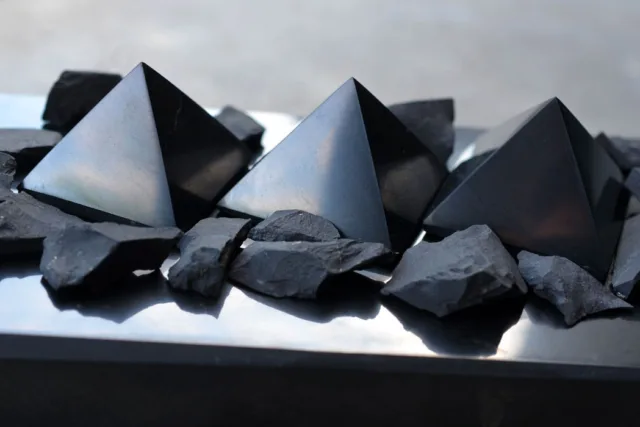
Shungite

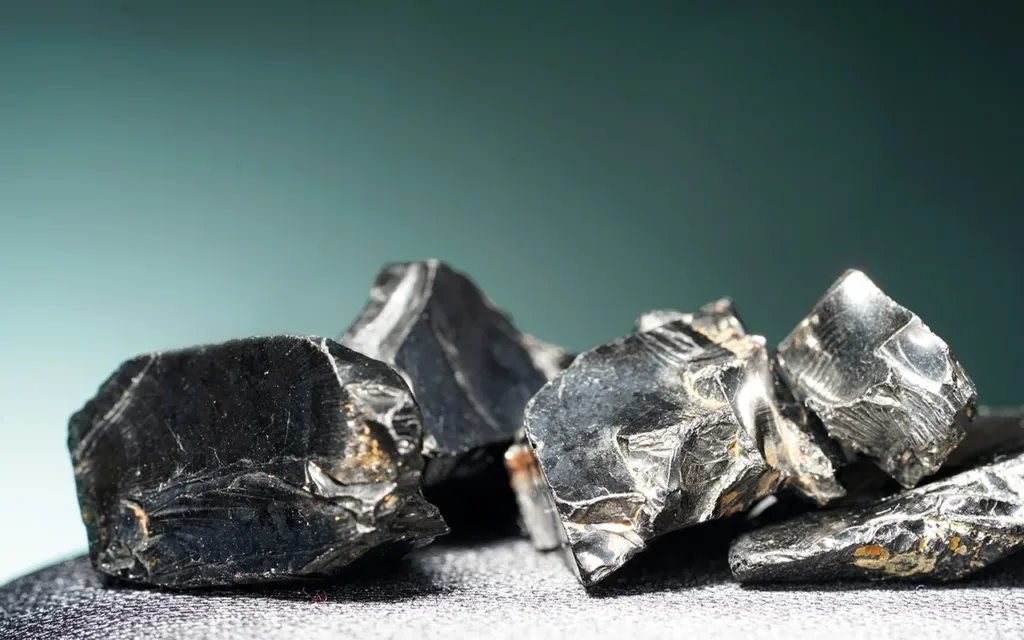
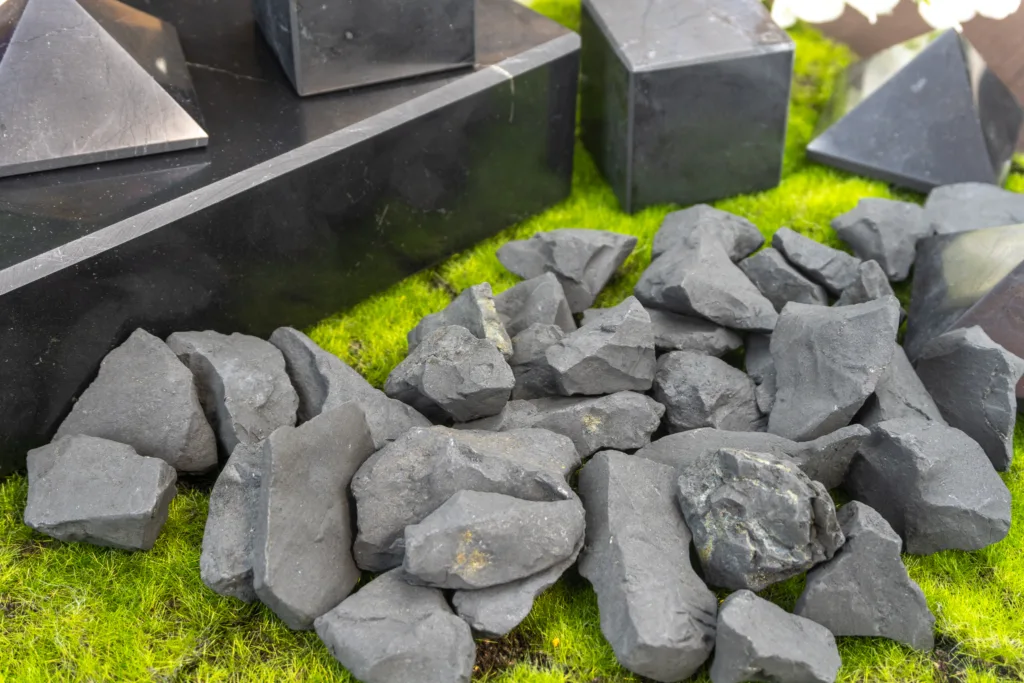
Shungite is a rare carbon-based mineral primarily found in Russia, known for its black, lustrous appearance and unique properties, including electrical conductivity and the presence of fullerenes. It has various applications, such as water purification, alleged electromagnetic radiation protection, and holistic healing practices.

Shungite

Origin and Geological Formation: Shungite is primarily found in Russia, particularly in the Karelia region near Lake Onega. Its formation is closely associated with the Precambrian period, which dates back billions of years. Shungite’s origin is still a subject of scientific debate, but one theory suggests that it formed through the metamorphism of ancient organic material, such as ancient underwater sediments and microorganisms. This organic material underwent a complex transformation process over geological ages, leading to the formation of shungite deposits.

Shungite

Shungite is classified into three main types, based on its carbon content:

  1. Type I Shungite: This type has the highest carbon content, often exceeding 98%, and contains a significant amount of fullerenes, making it the most sought-after for its potential health benefits.
  2. Type II Shungite: Type II contains a lower carbon content, typically ranging from 35% to 70%. It is still considered shungite but has fewer fullerenes and may not exhibit the same properties as Type I.
  3. Type III Shungite: This type has the lowest carbon content, usually less than 35%. It is often used in industrial applications, such as water purification and construction materials, due to its lower carbon concentration.

Historical Significance: Shungite has a long history in Russia, where it has been used for various purposes for centuries. Its documented use dates back to the 18th century when Peter the Great established the first Russian spa, known as “Marcial Waters,” in Karelia. The spa utilized the water from Lake Onega, which was believed to have healing properties due to its contact with shungite rocks. Peter the Great even ordered shungite to be used in the construction of his palaces.

Shungite

In the 20th century, Russian researchers began to study shungite’s unique properties more intensively, leading to the discovery of fullerenes in the mineral. Fullerenes are carbon molecules arranged in a unique cage-like structure, and their discovery in shungite contributed to the material’s growing scientific and industrial significance.

Today, shungite continues to be used in various applications, including water purification, energy protection, and healing practices. It has gained popularity in alternative and holistic medicine for its purported ability to shield against electromagnetic radiation and its potential health benefits. While the scientific community continues to explore these claims, shungite remains an intriguing and historically significant mineral with a wide range of potential uses.

Composition and Physcial Properties

Shungite

Composition: Shungite is primarily composed of carbon, and its unique properties are attributed to the presence of fullerenes, a specific arrangement of carbon atoms. The exact chemical composition of shungite can vary, but it typically contains a mixture of carbon and various minerals and trace elements. The carbon content in shungite can range from about 30% to over 98%, depending on the type of shungite (Type I, II, or III).

Physical Properties: Shungite exhibits several distinctive physical properties that set it apart from other minerals:

  1. Color: Shungite is usually black, with a deep, lustrous black color. Its surface can be polished to a shiny finish, enhancing its visual appeal.
  2. Luster: Shungite has a shiny or semi-metallic luster, giving it a unique and attractive appearance when polished.
  3. Hardness: Shungite is relatively soft on the Mohs scale of mineral hardness, with a hardness ranging from 3.5 to 4. However, it can be easily carved, shaped, and polished.
  4. Conductivity: One of the most remarkable properties of shungite is its electrical conductivity. It is a natural conductor of electricity due to its carbon-rich composition. Some people use shungite to make electrical devices and EMF (electromagnetic field) protection products.
  5. Density: Shungite is relatively dense, with a specific gravity ranging from 1.9 to 2.3, depending on its carbon content and mineral impurities.
  6. Cleavage: Shungite does not have a distinct cleavage, meaning it does not break along well-defined planes like some other minerals.
  7. Fracture: Shungite typically exhibits a conchoidal fracture, meaning it breaks with curved, shell-like surfaces.
  8. Streak: The streak of shungite is black, matching its external color.
  9. Magnetism: Some shungite samples can exhibit weak magnetic properties, although this is not a universal characteristic of the mineral.
  10. Fullerenes: Shungite is known for containing fullerenes, which are unique carbon molecules with a cage-like structure. These fullerenes are responsible for many of the mineral’s purported health benefits and unique properties.

It’s important to note that the physical properties of shungite can vary depending on its type (Type I, II, or III) and the specific location from which it is sourced. Type I shungite, with its higher carbon content and fullerene concentration, is considered the most valuable and sought-after for its potential healing and protective properties.

Uses and Applications

Shungite

Shungite has a variety of uses and applications due to its unique properties and potential benefits. While some of these uses are based on traditional practices and anecdotal evidence, others are supported by scientific research. Here are some of the common uses and applications of shungite:

  1. Water Purification: Shungite is widely known for its ability to purify water. It is used in water filtration systems to remove impurities, including chlorine, heavy metals, bacteria, and organic compounds. Shungite filters are considered effective and are used for both drinking water and aquariums.
  2. EMF Protection: Some people believe that shungite can absorb and neutralize electromagnetic radiation (EMF) from electronic devices like computers, Wi-Fi routers, and cell phones. Shungite plates, stickers, or pyramids are often used for this purpose, although scientific evidence supporting its effectiveness is limited.
  3. Healing and Metaphysical Practices: Shungite is used in alternative and holistic healing practices. It is believed by some to have healing properties that can help alleviate physical and emotional ailments. It may be worn as jewelry, placed near the body, or used in meditation practices.
  4. Protection and Energy Balancing: Shungite is thought to have protective properties against negative energies and influences. Some people use shungite to create energetic shields around their homes or workplaces, promoting a sense of balance and well-being.
  5. Skin Care: Shungite-infused cosmetics and skincare products are available on the market. These products may claim to improve skin health, reduce inflammation, and promote a youthful appearance.
  6. Antioxidant Properties: Fullerenes found in shungite are known for their antioxidant properties. Some studies suggest that fullerenes can help neutralize free radicals, potentially contributing to overall health.
  7. Grounding and Spiritual Connection: Shungite is associated with the root chakra and is believed to help ground individuals, providing a sense of stability and connection to the Earth. It is used by some in spiritual and energy work.
  8. Craftsmanship and Jewelry: Shungite’s attractive appearance and unique properties make it a popular choice for crafting jewelry, sculptures, and decorative items. Shungite jewelry is believed by some to offer protection and healing benefits when worn.
  9. Construction and Building Materials: Type III shungite, with lower carbon content, is sometimes used in construction materials, including concrete and coatings, for its antimicrobial and protective properties.
  10. Scientific Research: Shungite’s carbon-rich composition and the presence of fullerenes have attracted interest from scientists. Research into the potential applications of fullerenes in nanotechnology, medicine, and materials science continues.

While shungite has gained popularity for its potential benefits in various applications, it’s important to approach its uses with a critical and balanced perspective. Scientific studies on shungite’s effects are ongoing, and some claims may lack robust scientific support. Users should exercise caution and consult with healthcare professionals for specific health-related concerns.

Occurrence and Locations

Shungite

Shungite is a relatively rare mineral, and it is primarily found in specific regions of Russia, particularly in the Karelia region. Here are some key locations and occurrences of shungite:

  1. Lake Onega, Karelia, Russia: Lake Onega and its surrounding areas, located in the Republic of Karelia in northwestern Russia, are the primary and most famous source of shungite. The villages of Shunga and Zazhoginskoye, near Lake Onega, are known for their shungite deposits. The shores of Lake Onega are where significant shungite deposits are extracted.
  2. Zazhoginsky Deposit: This deposit, located near Lake Onega, is one of the largest and most important sources of shungite. It produces various grades of shungite, including Type I, Type II, and Type III shungite, depending on the carbon content and quality.
  3. Petrozavodsk, Karelia, Russia: The city of Petrozavodsk, the capital of the Republic of Karelia, is another area where shungite is found. The city has a history of using shungite in construction, and shungite products are widely available in Petrozavodsk and the surrounding regions.
  4. Other Russian Locations: While Karelia is the primary source, shungite has also been found in other regions of Russia, albeit in smaller quantities. These include areas in the Leningrad Oblast, Tver Oblast, and Vologda Oblast, among others.
  5. Global Availability: Shungite is primarily associated with Russia, but there have been reports of similar carbon-rich rocks in other parts of the world, such as Canada, the United States, and Kazakhstan. However, these deposits are not as extensive or well-known as those in Karelia, Russia.

It’s important to note that shungite quality and purity can vary significantly depending on the location and deposit. The shungite found in Karelia, especially near Lake Onega, is considered the highest quality and is known for its rich carbon content and fullerene concentrations. This high-quality shungite is typically referred to as Type I shungite and is the most sought-after for various applications.

Due to its unique properties and potential benefits, shungite has become a popular export from Russia, and products made from shungite, such as jewelry, water filters, and decorative items, are available worldwide. However, when seeking high-quality shungite, it’s important to ensure its authenticity and origin, as there are sometimes imitations or lower-quality materials marketed as genuine shungite.

Tibetan Quartz

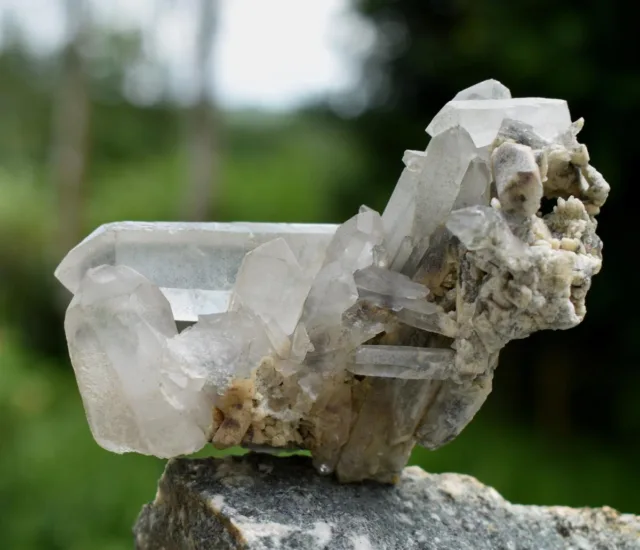
Tibetan Quartz is a unique and revered variety of quartz crystal that is found in the high-altitude regions of Tibet and the surrounding areas in the Himalayas. It is highly regarded for its exceptional clarity and purity.

Tibetan Quartz

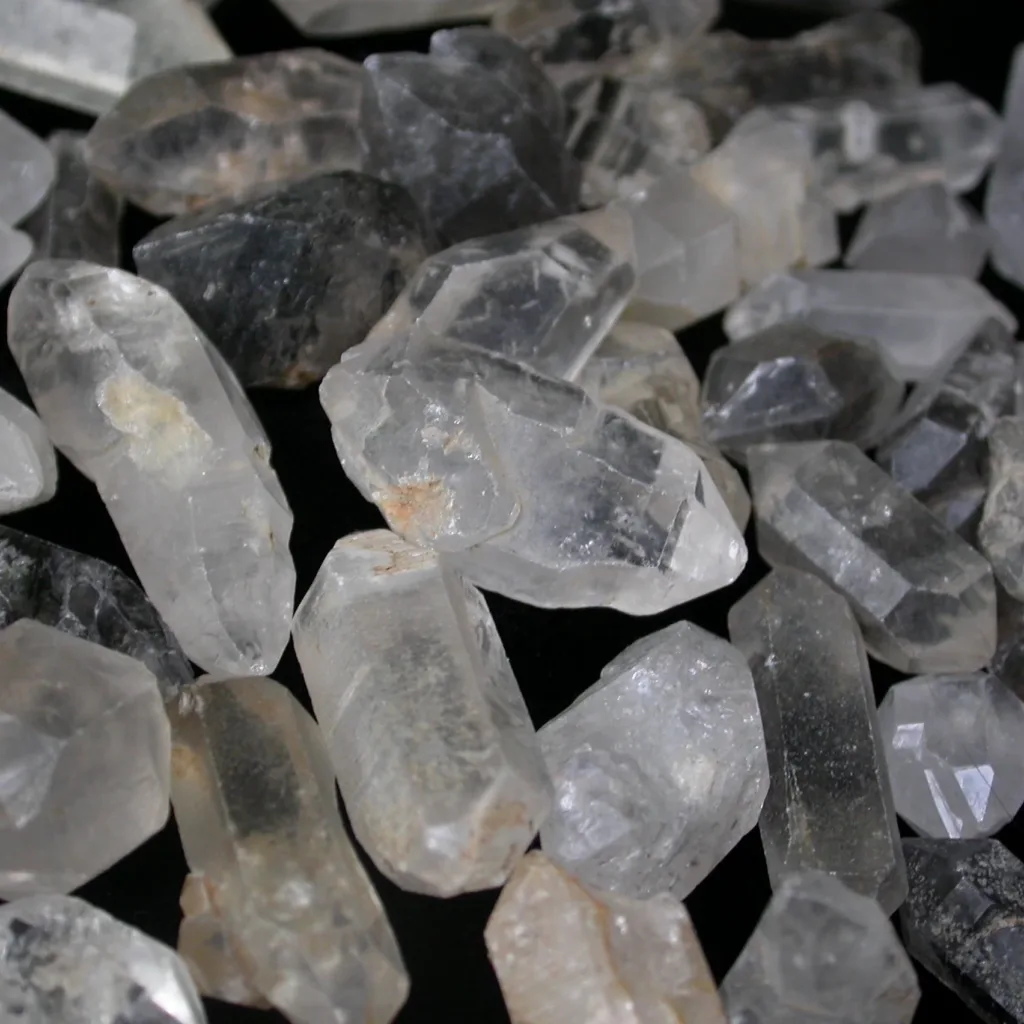
Definition: Tibetan Quartz, often referred to as Tibetan Singing Quartz or Himalayan Quartz, is a type of quartz crystal known for its clarity, transparency, and often its unique inclusions. It is a subset of clear quartz, which is a silicon dioxide mineral. What sets Tibetan Quartz apart is its association with the Himalayan mountain range and the high-altitude regions of Tibet. This quartz variety is characterized by its natural double-terminated points, with one end being broader and the other end tapering to a point. These crystals are renowned for their high vibrational frequencies and are believed to have unique metaphysical properties.

Tibetan Quartz

Geological Formation and Distribution: Tibetan Quartz is formed deep within the Earth’s crust under immense pressure and heat. It is typically found in pegmatite formations, which are coarse-grained igneous rocks that often contain a variety of minerals. These pegmatites are abundant in the Himalayan region, which spans across countries such as Tibet, Nepal, Bhutan, and northern India. Tibetan Quartz crystals are often extracted from these rugged, high-altitude terrains.

The geological conditions in this region are believed to contribute to the crystal’s exceptional clarity and energy. The extreme environment, combined with geological activity, has given rise to unique formations and inclusions within Tibetan Quartz crystals, making them highly sought after by collectors and enthusiasts.

Tibetan Quartz

Cultural and Spiritual Significance: Tibetan Quartz holds significant cultural and spiritual importance, particularly in Tibetan and Himalayan traditions. Here are some key aspects of its significance:

  1. Healing and Meditation: Tibetan Quartz is believed to have powerful healing properties and is often used in energy work, meditation, and chakra balancing. Its high vibration is thought to facilitate spiritual growth and deep inner reflection.
  2. Protection: In Tibetan culture, these crystals are considered protective talismans. They are believed to ward off negative energies, evil spirits, and other malevolent forces.
  3. Connection to the Divine: Tibetan Quartz is associated with the crown chakra, which is linked to our connection with the divine and higher consciousness. It is believed to aid in spiritual enlightenment and communication with higher realms.
  4. Sound Healing: Some Tibetan Quartz crystals emit a melodious, high-pitched sound when tapped, which is why they are sometimes called “Singing Quartz.” This unique property is used in sound healing practices to promote relaxation and healing.
  5. Cultural Practices: Tibetan Buddhists often incorporate crystals like Tibetan Quartz into rituals and ceremonies, using them as offerings or in sacred objects.
  6. Amplification: Tibetan Quartz is thought to amplify the energies and intentions of the user, making it a valuable tool in various metaphysical practices.

In summary, Tibetan Quartz is a special variety of quartz crystal with exceptional clarity and unique energy properties. Its geological formation in the Himalayan region gives it cultural and spiritual significance, making it a cherished gemstone for those seeking healing, protection, and spiritual growth.

Physical Properties of Tibetan Quartz

Tibetan Quartz

Tibetan Quartz possesses several physical properties that distinguish it from other types of quartz crystals. These properties contribute to its unique appearance and desirability among crystal enthusiasts. Here are some of the key physical properties of Tibetan Quartz:

  1. Clarity: Tibetan Quartz is known for its exceptional clarity and transparency. It often appears water-clear, with minimal internal inclusions or flaws. This high level of clarity allows light to pass through the crystal beautifully.
  2. Double-Terminated Points: One of the most distinctive features of Tibetan Quartz is its natural double-terminated points. These crystals have two terminated ends, with one end being broader and the other tapering to a point. This unique shape makes them highly sought after for energy work and metaphysical purposes.
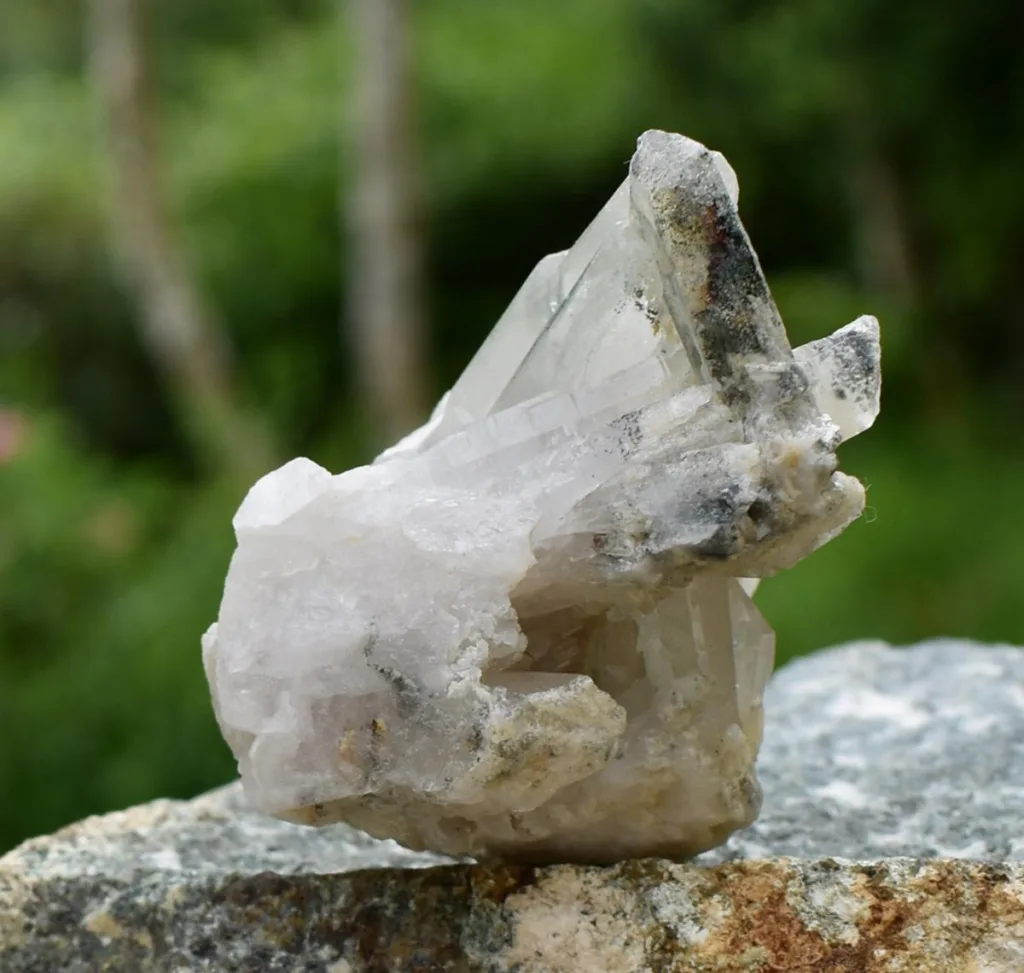
  3. Inclusions: While Tibetan Quartz is generally clear, it can also contain various types of inclusions. These inclusions can include mineral deposits, carbon deposits, and other impurities. Some Tibetan Quartz specimens may display interesting inclusions that add to their visual appeal.
  4. Color: Tibetan Quartz is typically colorless or appears in shades of white and clear, but it can occasionally exhibit a pale smoky or slightly milky appearance. The coloration is usually very subtle, allowing the crystal’s clarity to shine through.
  5. Luster: Tibetan Quartz has a vitreous to glassy luster, which means it has a shiny and reflective surface when polished. This luster enhances its overall beauty.
  6. Hardness: Like all quartz varieties, Tibetan Quartz has a Mohs hardness of 7, which makes it relatively durable and resistant to scratching. This hardness makes it suitable for various uses, including jewelry and crystal healing tools.
  7. Size and Growth Patterns: Tibetan Quartz crystals can vary in size from small points to large clusters. They often display interesting growth patterns, with natural facets and terminations that reflect their development in the earth’s crust.
  8. Singing Quartz: Some Tibetan Quartz crystals are known for their unique property of emitting a melodious, high-pitched sound when struck or tapped. This characteristic has earned them the nickname “Singing Quartz” and is highly valued in sound healing practices.
  9. Weight: Tibetan Quartz crystals can range in weight from a few grams to several kilograms, depending on their size and density. Larger specimens are often used as display pieces or in meditation and energy work.

These physical properties, particularly the clarity, double-terminated points, and occasional inclusions, make Tibetan Quartz a highly prized and versatile crystal for both collectors and those who use crystals for metaphysical and healing purposes. Its beauty, combined with its unique energy qualities, makes it a valuable addition to any crystal collection.

Types and Varieties of Tibetan Quartz

Tibetan Quartz

Tibetan Quartz is a diverse category of quartz crystals, and within this classification, there are several types and varieties, each with its unique characteristics and properties. Here are some of the notable types and varieties of Tibetan Quartz:

  1. Clear Tibetan Quartz: This is the most common variety of Tibetan Quartz. It is characterized by its exceptional clarity and transparency. Clear Tibetan Quartz crystals are highly sought after for their purity and are often used in meditation, energy work, and crystal healing practices.
  2. Smoky Tibetan Quartz: Smoky Tibetan Quartz crystals have a pale to medium smoky coloration due to the presence of natural irradiation. The smoky color ranges from light gray to brownish-gray. These crystals are valued for their grounding and protective qualities in addition to their meditative properties.
  3. Milky Tibetan Quartz: Milky Tibetan Quartz, as the name suggests, has a milky or cloudy appearance. This milky effect is caused by tiny fluid or gas inclusions within the crystal. Despite its lack of clarity, Milky Tibetan Quartz still carries energetic properties and is often used for inner reflection and spiritual work.
  4. Singing Tibetan Quartz: Singing Tibetan Quartz is a rare and highly prized variety that produces a melodious, high-pitched sound when tapped or lightly struck. These crystals are used in sound healing practices, meditation, and to facilitate vibrational shifts and clearing of energies.
  5. Druzy Tibetan Quartz: Druzy Tibetan Quartz crystals have a coating of small sparkling quartz crystals on their surface, creating a textured and glittering appearance. This variety adds an extra layer of beauty and vibrational energy to the crystal.
  6. Elestial Tibetan Quartz: Elestial Quartz crystals are characterized by complex and geometric formations of terminations. They are known for their deep spiritual and transformative energies. When Elestial formations occur in Tibetan Quartz, they are highly prized for their metaphysical significance.
  7. Phantom Tibetan Quartz: Phantom Quartz crystals contain a ghost-like image or “phantom” of another crystal within them. These phantoms represent the crystal’s growth stages and are often used for personal growth, transformation, and connecting with past experiences.
  8. Enhydro Tibetan Quartz: Enhydro Quartz crystals have water or fluid inclusions trapped within them. This water can move or bubble when the crystal is tilted or heated. Enhydro Tibetan Quartz is associated with emotional healing and fluidity in life situations.
  9. Rutilated Tibetan Quartz: Rutilated Quartz contains needle-like inclusions of other minerals, such as rutile, within the crystal. These inclusions can create intricate patterns and enhance the crystal’s metaphysical properties. Rutilated Tibetan Quartz combines the energy of both quartz and rutile.
  10. Included Tibetan Quartz: Tibetan Quartz can contain a variety of inclusions, including minerals like hematite, chlorite, and carbon deposits. These inclusions can add interesting colors and patterns to the crystals and may have specific metaphysical properties.
  11. Record Keeper Tibetan Quartz: These crystals have triangular or diamond-shaped markings on their faces, which are believed to hold ancient knowledge or records. They are used for accessing information from higher realms and past-life exploration.

Each type and variety of Tibetan Quartz carries its own unique energetic properties and is used for specific purposes in spiritual and metaphysical practices. Collectors and enthusiasts often seek out these varieties to enhance their crystal collections and deepen their understanding of crystal energy work.

Uses of Tibetan Quartz

Tibetan Quartz

Tibetan Quartz, with its unique energy and properties, is highly regarded in various metaphysical and spiritual practices. Its uses are diverse and encompass both personal and healing applications. Here are some common uses of Tibetan Quartz:

  1. Meditation: Tibetan Quartz is often used as a meditation tool. Its high vibrational frequency is believed to facilitate deep meditation and connection to higher states of consciousness. Meditators may hold or place the crystal nearby to enhance their meditation experience.
  2. Energy Clearing: Many people use Tibetan Quartz for energy clearing and purification. The crystal is believed to help remove negative energies, blockages, and emotional baggage from one’s aura and environment. It can be waved around the body or placed in a room to clear stagnant or negative energy.
  3. Chakra Balancing: Tibetan Quartz is associated with the crown chakra, which is the center of spiritual connection and enlightenment. Meditating with Tibetan Quartz on the crown chakra is thought to help balance and align this energy center, promoting a sense of higher consciousness and spiritual awareness.
  4. Sound Healing: Tibetan Quartz, especially the variety known as Singing Quartz, is used in sound healing practices. When gently tapped or struck, these crystals produce a harmonious and resonant sound that can have a soothing and balancing effect on the body and mind.
  5. Protection: Tibetan Quartz is considered a protective crystal in Tibetan and Himalayan cultures. It is believed to ward off negative energies, entities, and malevolent spirits. People may carry or place Tibetan Quartz near entrances or sacred spaces for protection.
  6. Enhancing Intuition: Some individuals use Tibetan Quartz to enhance their intuitive abilities and psychic awareness. It is believed to stimulate the third eye chakra, promoting clarity of thought and intuitive insights.
  7. Healing: Tibetan Quartz is employed in crystal healing and energy work to address physical, emotional, and spiritual imbalances. Healers may use it in layouts, grids, or by placing it on specific areas of the body to channel its healing energy.
  8. Past-Life Exploration: Crystals with record keeper markings or phantoms, common in Tibetan Quartz, are often used for past-life regression and exploration. They are believed to hold ancient knowledge and memories that can be accessed during meditation or energy work.
  9. Enhancing Other Crystals: Tibetan Quartz is sometimes used to amplify the energies of other crystals. When placed in proximity to other stones, it can enhance their vibrational frequencies and overall effectiveness.
  10. Spiritual Growth: Tibetan Quartz is considered a crystal of spiritual growth and enlightenment. It is used by those on a spiritual path to deepen their connection with higher realms, guides, and spiritual teachers.
  11. Communication with Higher Beings: Some practitioners believe that Tibetan Quartz can aid in communication with angels, ascended masters, and other spiritual beings. It is used in rituals and meditations to facilitate such connections.
  12. Divination and Scrying: Tibetan Quartz crystals with clear, reflective surfaces are occasionally used for divination and scrying practices. They may be used in combination with other divination tools for insight and guidance.

Tibetan Quartz is a versatile crystal with a wide range of applications in the realm of personal and spiritual development. Its purity, clarity, and unique energy make it a valuable tool for those seeking healing, enlightenment, and higher states of consciousness.

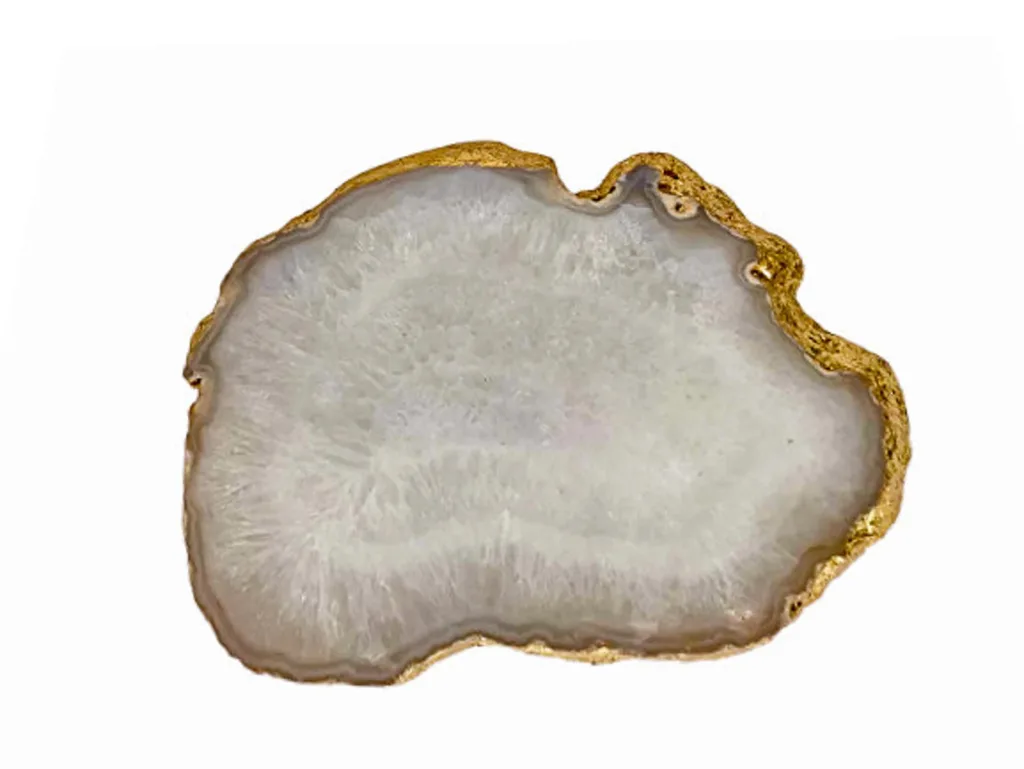
White Agate

White Agate is a type of chalcedony, which is a cryptocrystalline form of silica, known for its beautiful, translucent appearance and various colors. Agate itself is a variety of quartz, and it is often characterized by its banded or layered structure. White Agate, as the name suggests, is predominantly white or creamy in color, although it may have subtle variations and markings.

White Agate

Definition and Description: White Agate is a semi-precious gemstone renowned for its purity and elegance. It is a variety of chalcedony that exhibits a predominantly white to off-white coloration. This gemstone is characterized by its fine-grained and often translucent appearance, which allows light to pass through it, creating a soft glow. White Agate is often used in jewelry making, as well as for decorative purposes due to its aesthetic appeal.

The most striking feature of White Agate is its smooth, banded or layered structure. These bands can vary in thickness and may display subtle shades of white, gray, or even light blue. The banding gives White Agate a distinctive and visually appealing pattern that enhances its overall allure.

Geological Formation: White Agate, like other types of agate, forms through a process of precipitation from silica-rich solutions. It typically develops within cavities and fissures in volcanic or sedimentary rocks. Over time, as water carrying dissolved silica seeps into these cavities, the silica precipitates and crystallizes, forming the bands and layers that are characteristic of agate.

The formation of White Agate is influenced by various factors, including the presence of impurities and mineral inclusions, which can affect its coloration and patterns. The slow, gradual growth of agate layers often results in the unique and beautiful patterns seen in this gemstone.

White Agate

Varieties and Colors: White Agate primarily appears in various shades of white, cream, or pale gray. However, it is essential to note that White Agate can display subtle variations and even take on a translucent appearance. These variations make it a versatile gemstone that can be used in both traditional and contemporary jewelry designs.

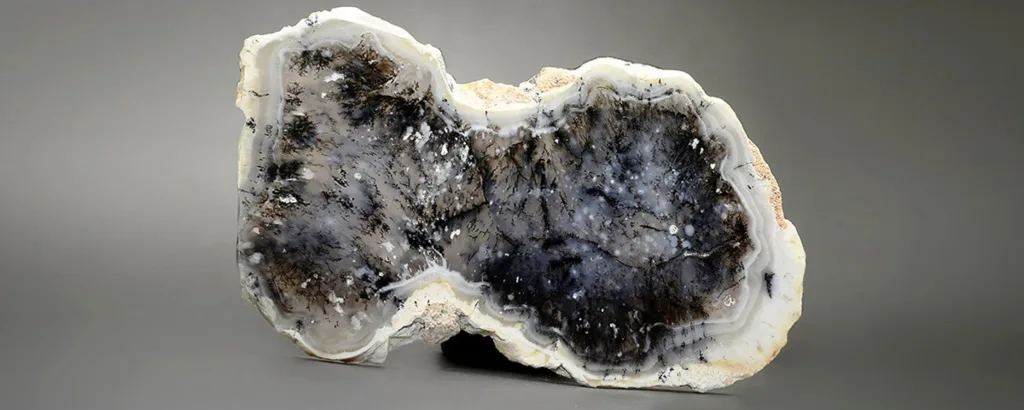
While White Agate is predominantly white, it may also feature faint hints of other colors due to the presence of impurities or mineral inclusions. These additional colors can include soft shades of blue, pink, brown, or green, adding to the stone’s charm and uniqueness. Some varieties of White Agate may also exhibit dendritic inclusions or moss-like patterns, which further enhance their visual appeal.

In summary, White Agate is a captivating gemstone known for its predominantly white or creamy appearance, banded structure, and potential for subtle variations in color. Its geological formation involves the slow precipitation of silica within cavities, resulting in its distinctive appearance. White Agate’s versatility and timeless beauty make it a popular choice for jewelry and decorative purposes.

Physical and Chemical Properties of White Agate

White Agate

White Agate, like other varieties of agate, possesses specific physical and chemical properties that help distinguish it as a unique gemstone. Here are some of its notable physical and chemical properties:

Physical Properties:

  1. Hardness: White Agate has a hardness of approximately 6.5-7 on the Mohs scale, making it relatively durable and suitable for use in various types of jewelry and decorative items.
  2. Luster: It exhibits a waxy to vitreous (glass-like) luster when polished, enhancing its aesthetic appeal.
  3. Transparency: White Agate is typically translucent, allowing light to pass through it to some extent. However, the degree of transparency can vary from stone to stone.
  4. Color: As the name suggests, White Agate is primarily white or off-white in color. It may also have subtle variations and bands of gray, blue, or other pale hues. The presence of impurities or mineral inclusions can introduce faint hints of other colors.
  5. Streak: The streak of White Agate is usually white, matching its overall coloration.
  6. Cleavage and Fracture: White Agate does not exhibit cleavage, but it tends to fracture conchoidally, producing curved, shell-like fractures when broken.
  7. Density: The density of White Agate typically ranges from 2.58 to 2.64 grams per cubic centimeter (g/cm³), which is relatively low compared to some other gemstones.

Chemical Properties:

  1. Composition: White Agate, like all agates, is primarily composed of silicon dioxide (SiO2), which is a form of crystalline quartz. Its chemical composition is quite stable and consists mainly of silicon and oxygen atoms arranged in a repeating lattice structure.
  2. Impurities: The characteristic bands and patterns seen in White Agate are often the result of impurities or trace elements present during its formation. These impurities can introduce subtle variations in color and may include elements like iron, manganese, and titanium.
  3. Mineral Inclusions: Some White Agate specimens may contain mineral inclusions or dendritic formations, which are the result of minerals or organic materials becoming trapped within the stone during its formation.
  4. Mohs Scale: White Agate’s hardness, as mentioned earlier, falls within the range of 6.5 to 7 on the Mohs scale, indicating its resistance to scratching and abrasion.
  5. Chemical Stability: White Agate is relatively chemically stable and does not react with most common chemicals. However, it can be affected by strong acids, so it should be protected from exposure to acidic substances.

These physical and chemical properties collectively contribute to White Agate’s unique appearance and suitability for various applications, particularly in jewelry and ornamental items. Its durability, coupled with its aesthetic qualities, makes it a popular choice among gemstone enthusiasts and jewelry designers.

Types of White Agate

White Agate

White Agate is a variety of chalcedony, and within this category, there are several types and variations of White Agate based on their appearance and characteristics. Here are some notable types of White Agate:

  1. Banded White Agate: This is the most common type of White Agate and is characterized by its distinctive banding or layering of white, gray, and sometimes other pale colors. The bands can vary in thickness and create visually appealing patterns, making it a popular choice for jewelry and decorative items.
  2. Blue Lace Agate: Blue Lace Agate is a variety of White Agate that features delicate, light blue bands or patterns within its predominantly white or gray matrix. It is highly sought after for its soothing colors and intricate patterns, often used in jewelry.
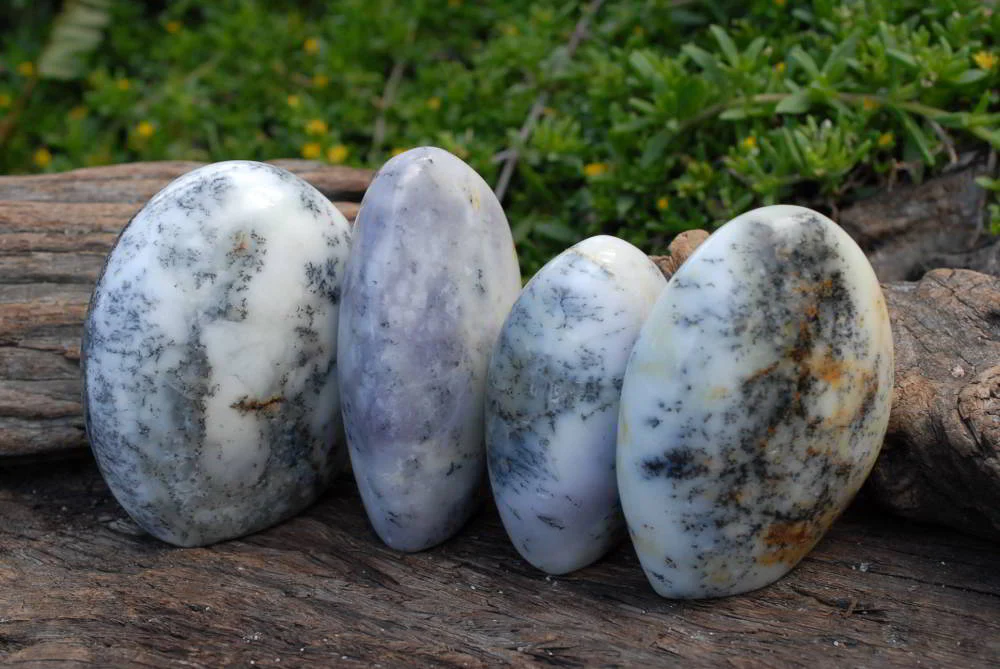
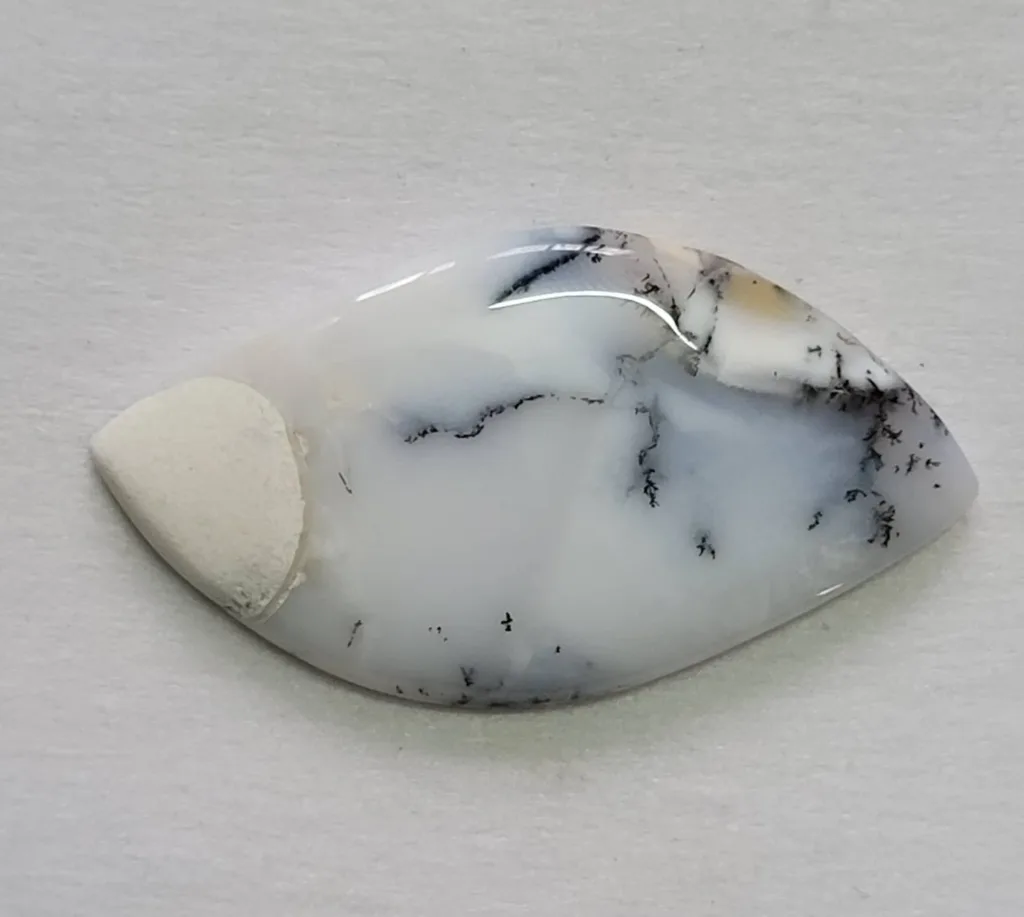
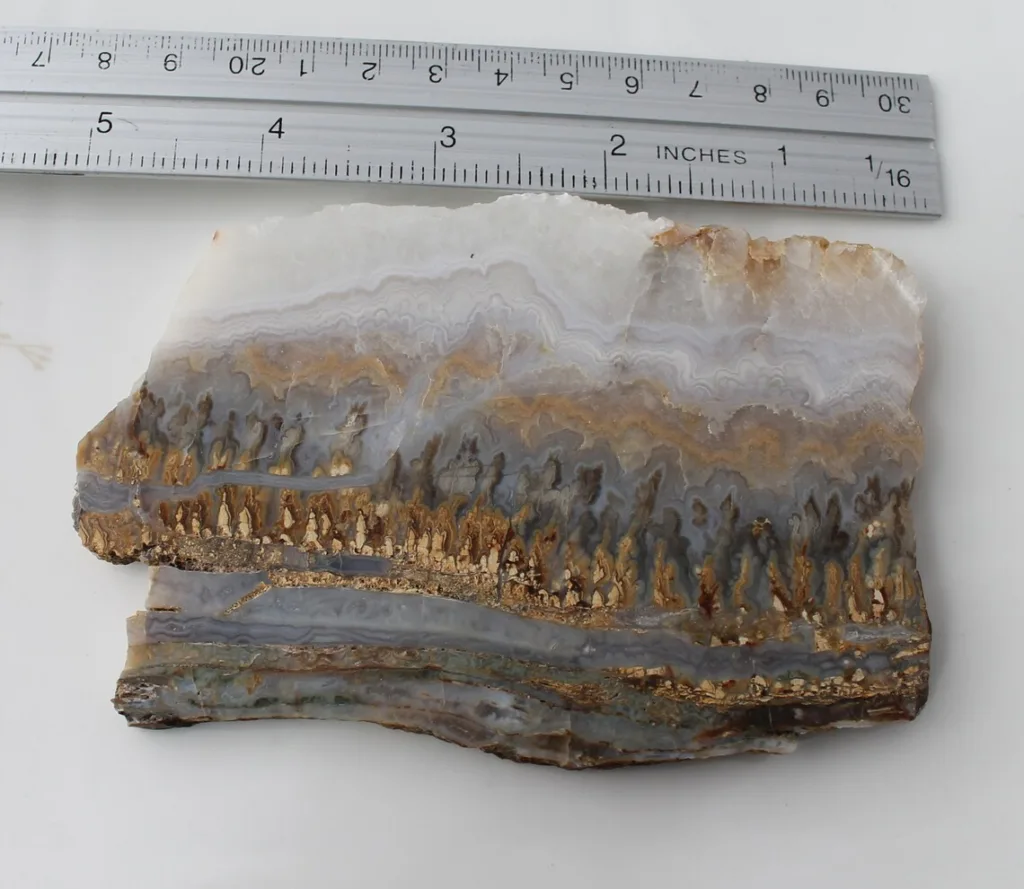
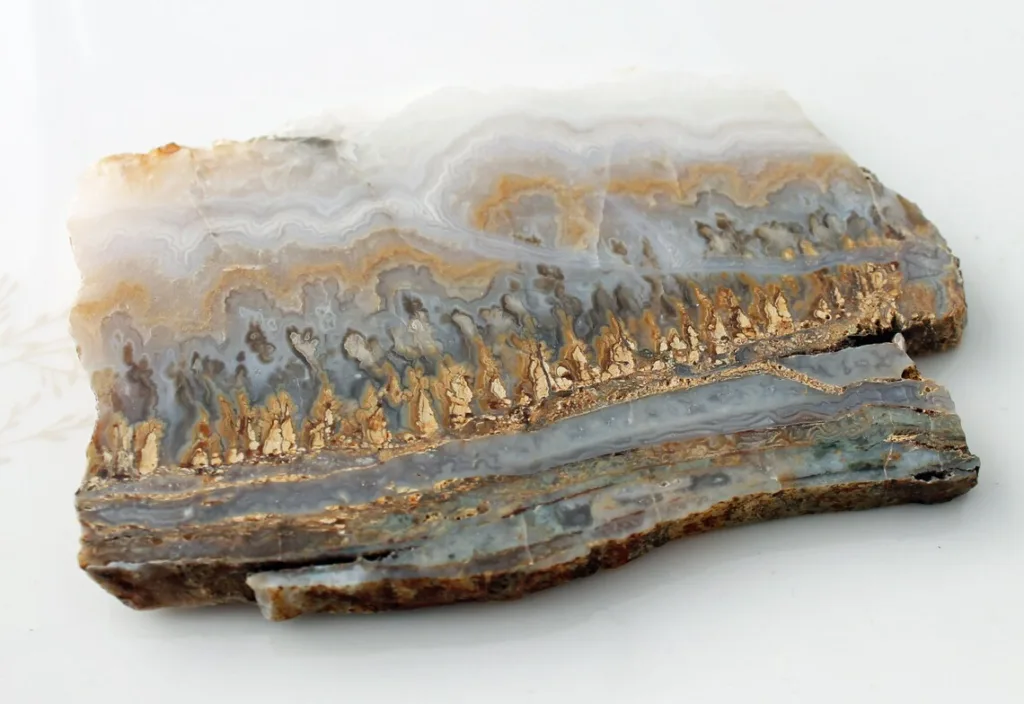
  3. Dendritic White Agate: Dendritic Agate, including White Agate, is known for its tree-like or fern-like inclusions that resemble natural landscapes or plant formations. These inclusions are usually dark-colored, such as black or brown, contrasting against the white background of the agate.
  4. Moss Agate: Moss Agate is a type of White Agate that contains green mineral inclusions that resemble moss or foliage. These green inclusions can vary in intensity and pattern, creating the appearance of a miniature garden within the stone.
  5. White Onyx: While not technically a variety of agate, White Onyx is a closely related mineral that shares similarities with White Agate. White Onyx is known for its translucency and often features parallel bands, which can resemble those found in White Agate. It is frequently used in jewelry and carving.
  6. Milky Agate: Milky Agate, as the name suggests, has a milky or cloudy appearance due to its lack of translucency. It is predominantly white but lacks the transparency seen in typical White Agate.
  7. White Sardonyx: White Sardonyx is a type of banded chalcedony that features alternating bands of white and brown or black. While it’s not entirely white, it has prominent white bands that make it worth mentioning.
  8. Solid White Agate: Some White Agate specimens may not exhibit distinct banding or patterns and may appear as a solid, opaque white stone. These are valued for their simplicity and purity.

It’s important to note that the appearance and characteristics of White Agate can vary from one specimen to another due to differences in mineral composition, impurities, and geological conditions during formation. As a result, you may find a wide range of White Agate types and variations, each with its unique charm and aesthetic qualities. These variations make White Agate a versatile gemstone for various jewelry and ornamental applications.

Uses of White Agate

White Agate

White Agate is a versatile and beautiful gemstone that has been used for various purposes throughout history. Its elegant appearance and unique properties make it a popular choice for a range of applications. Here are some of the common uses of White Agate:

  1. Jewelry: White Agate is frequently used in jewelry design. It is carved into beads, cabochons, and pendants for necklaces, earrings, bracelets, and rings. Its soft and elegant appearance complements both casual and formal attire. Blue Lace Agate, a type of White Agate with light blue patterns, is especially popular in jewelry.
  2. Carvings and Cameos: White Agate’s fine-grained texture and ability to hold intricate details make it a favored choice for carving into intricate designs, including cameos and figurines. The layering and banding of White Agate can be creatively utilized in these carvings.
  3. Beads and Rosaries: White Agate beads are used in making beaded jewelry, including necklaces and rosaries. Their soothing and pure appearance makes them suitable for spiritual and meditative jewelry.
  4. Home Decor: Polished White Agate slices or coasters are used as decorative items and conversation pieces. They can be displayed on tabletops or used as coasters, enhancing the aesthetics of living spaces.
  5. Tumbled Stones: White Agate is often tumbled to create smooth, rounded stones that are used as pocket stones, worry stones, or for energy healing practices. They are believed to have calming and grounding properties.
  6. Healing and Metaphysical Practices: In metaphysical beliefs, White Agate is associated with balance, clarity, and protection. It is thought to bring about peace and serenity, making it a popular choice for crystal healing, meditation, and chakra balancing.
  7. Lapidary Arts: White Agate is used by lapidaries to create a wide range of ornamental objects, including bowls, vases, and sculptures. Its bands and patterns can be creatively incorporated into these artistic pieces.
  8. Talisman and Amulets: White Agate is sometimes worn or carried as a protective talisman or amulet believed to ward off negative energies and promote harmony and well-being.
  9. Gifts and Souvenirs: Due to its aesthetic appeal and symbolism, White Agate items are often given as gifts for various occasions, such as weddings, anniversaries, and birthdays.
  10. Interior Design: White Agate is used in interior design to create elegant and luxurious spaces. It can be incorporated into countertops, backsplashes, and decorative elements in homes and commercial spaces.
  11. Collector’s Items: Unique and rare White Agate specimens, especially those with exceptional patterns or inclusions, are collected by enthusiasts and gemstone collectors.

White Agate’s versatility and timeless beauty make it a sought-after material in the world of jewelry, art, and interior design. Its use extends beyond aesthetics, as it is also valued for its perceived metaphysical and healing properties, adding to its popularity in various cultural and spiritual practices.

Sources and Mining Locations

White Agate

White Agate can be found in various parts of the world, and its mining locations are spread across different continents. These mining locations are known for producing high-quality White Agate specimens. Here are some notable sources and mining locations of White Agate:

  1. India: India is one of the prominent sources of White Agate. The state of Gujarat, in western India, is particularly known for its deposits of White Agate. It is often found in the form of nodules or geodes in the region’s sedimentary rocks.
  2. Brazil: Brazil is a significant producer of White Agate, including varieties like Blue Lace Agate. The state of Rio Grande do Sul, in southern Brazil, is famous for its agate mines, and White Agate is one of the varieties extracted there.
  3. Uruguay: Uruguay is renowned for its high-quality White Agate, often featuring beautiful banding and patterns. The country’s agate deposits, located in the Artigas Department, are a primary source of this gemstone.
  4. Madagascar: Madagascar is another country with notable White Agate deposits. The gemstone is found in various regions across the island, and Madagascar is known for producing White Agate with vibrant colors and unique patterns.
  5. Botswana: White Agate is also found in some parts of Botswana, a country in southern Africa. The gemstone is mined in the southeastern region and is known for its striking banding patterns.
  6. Mexico: Mexico is known for its diverse range of agate varieties, including White Agate. The state of Chihuahua, in northern Mexico, has agate deposits where White Agate can be found.
  7. United States: Several states in the U.S. have agate deposits, and White Agate can be found in locations such as Oregon, Washington, and Montana. Oregon, in particular, is known for its White Agate with distinctive banding.
  8. Germany: The region of Idar-Oberstein in Germany has a long history of gemstone cutting and trading, including White Agate. While not a mining location, it has been a significant center for processing and crafting White Agate into jewelry and ornamental items.
  9. China: China also produces White Agate, and it can be found in various regions of the country, including Inner Mongolia and Xinjiang. Chinese White Agate is often used in jewelry and carvings.
  10. Australia: Some areas in Australia, such as Queensland and New South Wales, have agate deposits, where White Agate can occasionally be found.

It’s important to note that the availability and quality of White Agate can vary from one location to another, and not all mining sites yield gem-grade material. Additionally, the demand for White Agate in the jewelry and decorative industries has led to the exploration of new sources and the development of mining operations in various countries.

Applications and Uses

White Agate

White Agate has a wide range of applications and uses due to its beautiful appearance, versatility, and potential metaphysical properties. Here are some of the common applications and uses of White Agate:

  1. Jewelry: White Agate is a popular choice for jewelry design. It is often cut into cabochons, beads, and pendants to create necklaces, bracelets, earrings, and rings. Its elegant and soothing appearance makes it suitable for both casual and formal jewelry pieces.
  2. Carvings: White Agate’s fine-grained texture and ability to hold intricate details make it a favored choice for carving into figurines, cameos, and ornamental objects. Artists and artisans often use it to create sculptures and carvings with intricate designs.
  3. Beads and Rosaries: White Agate beads are commonly used in making beaded jewelry, including necklaces and bracelets. It is also used in the creation of prayer beads, including rosaries, due to its calming and spiritual properties.
  4. Home Decor: Polished White Agate slices, coasters, and decorative pieces are used in home decor to enhance the aesthetics of living spaces. These pieces can be displayed on tabletops, shelves, or used as coasters.
  5. Tumbled Stones: White Agate is tumbled to create smooth, rounded stones that are used as pocket stones, worry stones, or for energy healing practices. It is believed to have calming and grounding properties and is used in meditation and chakra balancing.
  6. Metaphysical Healing: In metaphysical and holistic practices, White Agate is associated with properties like balance, clarity, and protection. It is believed to promote harmony and inner peace, making it a valuable tool for energy healing, meditation, and spiritual growth.
  7. Talisman and Amulets: Some individuals wear or carry White Agate as a protective talisman or amulet believed to ward off negative energies and bring positive influences into their lives.
  8. Interior Design: White Agate is used in interior design to create elegant and luxurious spaces. It can be incorporated into countertops, backsplashes, decorative tiles, and even lighting fixtures.
  9. Gifts: White Agate items, such as jewelry and decorative pieces, are often given as gifts for various occasions, including weddings, anniversaries, and birthdays.
  10. Lapidary Arts: White Agate is utilized by lapidaries and artisans to create a wide range of ornamental objects, including bowls, vases, and sculptures. Its bands and patterns can be creatively incorporated into these artistic pieces.
  11. Collector’s Items: Unique and rare White Agate specimens, especially those with exceptional patterns or inclusions, are sought after by gemstone collectors.
  12. Spiritual and Meditation Practices: White Agate is often used as a meditation stone to enhance one’s spiritual practice, promote tranquility, and aid in self-reflection.

White Agate’s versatility and timeless beauty have made it a valuable gemstone in various cultural, artistic, and spiritual contexts. Its applications extend beyond aesthetics, as it is also appreciated for its potential healing and balancing qualities, making it a multifaceted and cherished gemstone.

Dendritic Opal

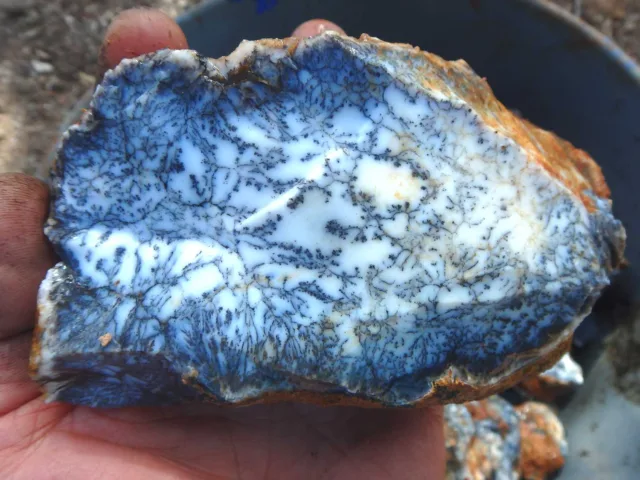
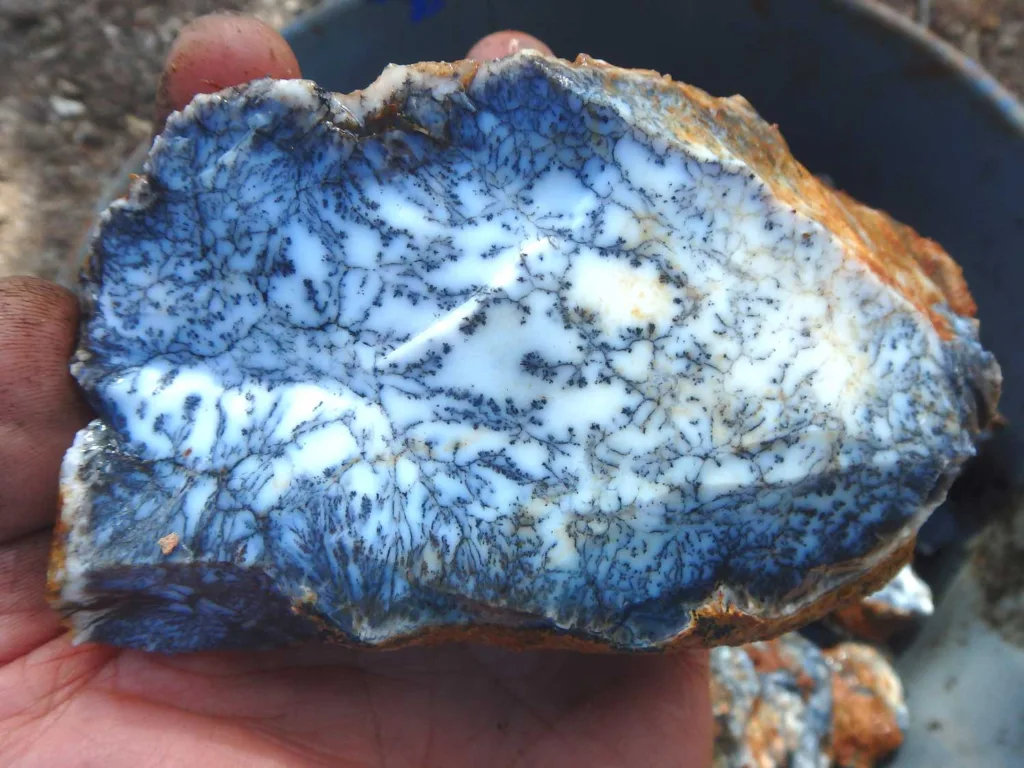
Dendritic opal is a fascinating and visually striking form of opal that is known for its unique and intricate dendritic or tree-like patterns within its translucent or opaque matrix.

Dendritic Opal

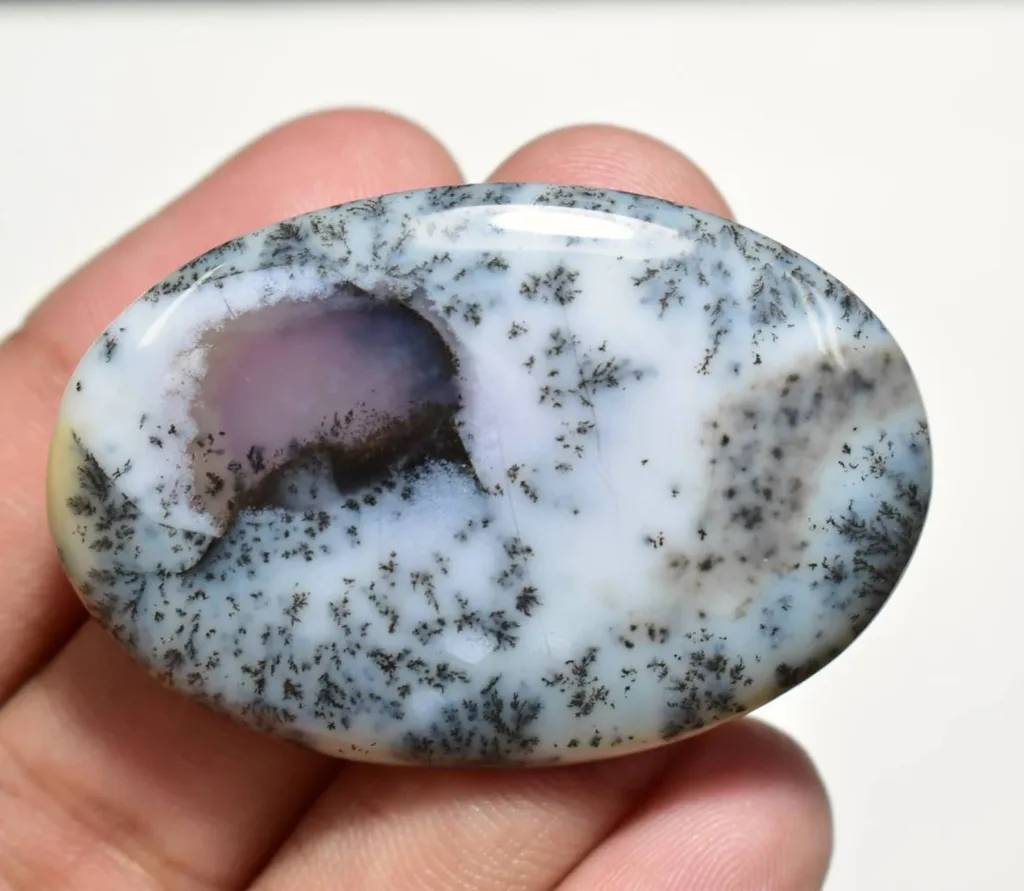
Definition and Overview: Dendritic opal, sometimes simply referred to as dendritic or moss opal, is a type of common opal, which means it lacks the fiery play of colors, known as “fire,” often associated with precious opals. Instead, it captivates with its mesmerizing dendritic inclusions, which resemble delicate fern-like or tree-like growths. These inclusions are typically black, brown, or green, and they form intricate and often captivating patterns within the opal matrix. Dendritic opal is prized for its aesthetic appeal and the unique, natural artistry it showcases.

Formation and Geological Background: Dendritic opal forms in sedimentary rocks, particularly in areas where silica-rich solutions have infiltrated crevices and voids in host rocks, such as sandstone, shale, or limestone. The dendritic patterns themselves are not plant or mineral fossils, as the name might suggest, but rather they are manganese or iron oxide dendrites that have grown in a branching, treelike manner within the opal.

The formation process generally begins when water carrying dissolved silica seeps into these rock crevices. Over time, as the silica-rich water evaporates or undergoes chemical changes, it deposits silica spheres, layer by layer, creating the opal matrix. Simultaneously, manganese or iron compounds may precipitate from the solution, forming the dendritic structures.

The precise conditions and geological factors responsible for dendritic opal’s formation contribute to its unique appearance. Variations in mineral composition, temperature, and pressure can result in a wide range of colors and patterns, making each dendritic opal specimen distinct.

Dendritic Opal

Significance: Dendritic opal is highly regarded in the world of gemstones and lapidary arts for several reasons:

  1. Aesthetic Beauty: The captivating dendritic patterns and contrasting colors make dendritic opal a popular choice for jewelry and ornamental pieces. The intricate inclusions create one-of-a-kind natural designs that are cherished by collectors and artisans.
  2. Metaphysical and Healing Properties: Some people believe that dendritic opal possesses metaphysical properties and healing energies. It is often associated with grounding, growth, and transformation, making it a popular choice for those interested in crystal healing and spiritual practices.
  3. Collectibility: Unique and high-quality dendritic opal specimens are highly collectible. Collectors seek out exceptional pieces for their rarity, beauty, and the story they tell about the Earth’s geological processes.

In conclusion, dendritic opal is a captivating variety of opal celebrated for its mesmerizing dendritic patterns, formed through intricate geological processes. Its aesthetic beauty, metaphysical properties, and collectibility make it a valuable and cherished gemstone in various artistic and spiritual contexts.

Physical Properties of Dendritic Opal

Dendritic Opal

Dendritic opal, like other varieties of opal, possesses a range of physical properties that define its characteristics. Here are the key physical properties of dendritic opal:

  1. Chemical Composition: Dendritic opal is primarily composed of hydrated silica (SiO2·nH2O), similar to other types of opal. It also contains varying amounts of water, which can significantly affect its appearance.
  2. Hardness: Dendritic opal has a hardness of approximately 5.5 to 6.5 on the Mohs scale, making it relatively soft compared to many other gemstones. This means it is susceptible to scratches and should be handled with care to avoid damage.
  3. Color: Dendritic opal comes in a range of colors, but it is typically colorless, white, gray, or translucent with a milky appearance. The distinctive feature of dendritic opal is the presence of black, brown, or greenish dendritic or tree-like inclusions that form intricate patterns within the opal matrix. The base color of the opal can vary, which influences the overall appearance of the gem.
  4. Luster: Dendritic opal typically exhibits a vitreous (glassy) to waxy luster, depending on the specific composition and the quality of the material. The dendritic inclusions may have a different luster, often appearing matte or silky.
  5. Transparency: Dendritic opal can be either translucent or opaque. The degree of transparency depends on the quality and thickness of the opal matrix and the density of the dendritic inclusions. Some specimens may have a play of color or iridescence, but this is less common in dendritic opal compared to precious opal.
  6. Density: The density of dendritic opal varies depending on its water content and the specific minerals present in the dendritic inclusions. It typically falls within the range of 1.9 to 2.3 grams per cubic centimeter (g/cm³).
  7. Cleavage and Fracture: Dendritic opal does not exhibit cleavage, but it has a conchoidal fracture, which means it breaks with smooth, curved surfaces, similar to glass.
  8. Optical Properties: Dendritic opal is amorphous in structure, and it lacks the regular crystal lattice of most minerals. As a result, it does not display the phenomenon of double refraction. Instead, it often exhibits a milky or pearly play of light due to its microstructure.
  9. Specific Gravity: The specific gravity of dendritic opal ranges from approximately 1.9 to 2.3, depending on its composition. This property can help gemologists and mineralogists identify and distinguish dendritic opal from other materials.
  10. Refractive Index: Dendritic opal typically has a refractive index (RI) ranging from approximately 1.44 to 1.46. This modest RI contributes to its characteristic appearance.

Overall, dendritic opal’s physical properties, particularly its unique dendritic inclusions, set it apart from other gemstones and make it a distinct and aesthetically appealing choice for jewelry and lapidary purposes.

Occurrence and Sources

Dendritic Opal

Dendritic opal can be found in various locations around the world, and its occurrence is associated with specific geological conditions. Here are some notable occurrences and sources of dendritic opal:

  1. Australia: Australia is known for producing a significant amount of dendritic opal, particularly in the state of Queensland. The opal fields of Queensland, such as those in the Winton and Quilpie areas, yield dendritic opal specimens with intricate and beautiful dendritic patterns.
  2. United States: Dendritic opal is found in several locations in the United States. Nevada, particularly the Virgin Valley area, is known for its dendritic opal specimens. Additionally, dendritic opal has been discovered in regions of Idaho and Oregon.
  3. Peru: Peru is another notable source of dendritic opal. The Andes Mountains in Peru have produced dendritic opal with striking patterns and various colors.
  4. Mexico: Mexico is known for dendritic opal deposits, and it is often used for lapidary purposes, including making cabochons and carvings. The state of Jalisco is a well-known source.
  5. Madagascar: Madagascar is a rich source of various types of opal, including dendritic opal. The opal deposits in Madagascar are known for their diversity in color and pattern.
  6. Turkey: Turkey has also been a source of dendritic opal, particularly in areas such as the Anatolian region.
  7. Other Localities: Dendritic opal can also be found in smaller quantities in other countries, including Brazil, Ethiopia, Indonesia, and Slovakia, among others.

It’s important to note that the quality and appearance of dendritic opal can vary significantly depending on the specific locality. The geological conditions, mineral composition, and environmental factors in each region can lead to variations in color, pattern, and overall aesthetic appeal of the dendritic opal specimens.

Dendritic opal is often sought after by collectors, lapidary artists, and jewelry designers for its unique and captivating dendritic inclusions. Due to its rarity and the intricate patterns it exhibits, dendritic opal is highly valued in the world of gemstones and can command a premium price, especially for high-quality specimens.

Dendritic Opal Varieties

Dendritic Opal

Dendritic opal is a fascinating gemstone known for its intricate and captivating dendritic or tree-like inclusions. While the fundamental characteristic of dendritic opal is the presence of these unique inclusions within an opal matrix, there are variations in appearance and color that lead to different varieties of dendritic opal. Here are some notable dendritic opal varieties:

  1. Black Dendritic Opal: This variety of dendritic opal features prominent black dendritic or tree-like inclusions that contrast against a white or colorless opal matrix. The stark black patterns create a striking visual effect and are highly sought after for their bold appearance.
  2. Brown Dendritic Opal: Brown dendritic opal showcases dendritic inclusions in shades of brown or dark brown against a lighter background. The earthy tones in this variety give it a warm and natural look.
  3. Green Dendritic Opal: Green dendritic opal is characterized by greenish-colored dendritic inclusions set within the opal matrix. The green hues can vary in intensity, and this variety often exudes a sense of nature and tranquility.
  4. Gray Dendritic Opal: Gray dendritic opal features dendritic patterns in shades of gray, which can range from light gray to deep charcoal gray. The monochromatic appearance of this variety can be quite elegant and sophisticated.
  5. Blue Dendritic Opal: Blue dendritic opal is less common but highly prized for its blue to bluish-gray dendritic patterns. The blue hues can add a serene and calming aspect to the gemstone’s aesthetics.
  6. Red Dendritic Opal: While relatively rare, some dendritic opal specimens may have reddish or rust-colored dendritic inclusions. Red dendritic opal is particularly unique and captivating due to its warm and vibrant hues.
  7. Purple Dendritic Opal: Purple dendritic opal is another less common variety that features purple or violet-colored dendritic patterns within the opal matrix. This variety is prized for its regal and distinctive appearance.
  8. Yellow Dendritic Opal: Yellow dendritic opal exhibits dendritic inclusions in shades of yellow or golden yellow. The sunny and cheerful coloration of this variety can make it a popular choice for jewelry.
  9. Multicolored Dendritic Opal: Some dendritic opal specimens may display a mix of colors within their dendritic inclusions. These multicolored dendritic opals can be exceptionally captivating, as they offer a wide range of colors and patterns.

It’s important to note that the specific color and pattern of dendritic opal can vary widely from one specimen to another, even within the same variety. Factors such as the mineral composition, geological conditions, and environmental influences during formation contribute to the diversity of dendritic opal appearances. Collectors and jewelry enthusiasts often value dendritic opals for their individuality and the artistic beauty of their dendritic inclusions.

Geological Formation of Dendritic Opal

Dendritic Opal

Dendritic opal, like other forms of opal, forms through a combination of geological processes involving the deposition of silica and the growth of dendritic inclusions. Here’s an overview of the geological formation of dendritic opal:

  1. Host Rock Formation: Dendritic opal typically originates in sedimentary rocks, such as sandstone, shale, or limestone. These host rocks provide the initial environment for the formation of opal.
  2. Silica-Rich Solutions: The formation of dendritic opal begins when silica-rich solutions infiltrate the host rock. These solutions often contain dissolved silica (SiO2) derived from various sources, such as volcanic activity, groundwater, or hydrothermal fluids. The presence of silica is crucial for opal formation.
  3. Migration of Silica: Over time, the silica-rich solutions migrate through cracks, fractures, and pore spaces within the host rock. The movement of these solutions can be driven by geological forces, such as tectonic activity, or by changes in temperature, pressure, or chemical composition.
  4. Deposition of Silica Spheres: As the silica-rich solutions move through the host rock, they gradually deposit microscopic silica spheres (hydrated silicon dioxide) within the cavities, fractures, and voids. These spheres accumulate layer by layer, forming an opal matrix.
  5. Formation of Dendritic Inclusions: Simultaneously, other minerals or elements, such as manganese or iron compounds, may be present in the solution. When these elements precipitate from the solution, they form dendritic or tree-like structures within the growing opal matrix. These dendrites grow in a branching pattern, creating the distinctive dendritic opal inclusions.
  6. Coloration: The colors of dendritic opal and its dendritic inclusions depend on the types and amounts of minerals present in the solution. For example, manganese dendrites often appear black or brown, while iron dendrites can be greenish. The base color of the opal matrix can also vary, contributing to the overall appearance of the gem.
  7. Evaporation and Solidification: As the silica-rich solutions continue to infiltrate and solidify within the host rock, the opal matrix and dendritic inclusions take shape. The formation process can be influenced by changes in environmental conditions, such as temperature and pressure, as well as the composition of the surrounding rock.
  8. Erosion and Exposure: Over geological time scales, the host rock may erode or weather away, exposing the dendritic opal deposits. This allows for the discovery and extraction of dendritic opal specimens by miners, lapidaries, and collectors.

It’s important to note that the precise conditions and mineral composition during the formation of dendritic opal can vary from one location to another. As a result, dendritic opals from different regions may exhibit variations in color, pattern, and quality, making each specimen unique and highly valued for its distinct appearance.

Dendritic Opal Uses and Applications

Dendritic Opal

Dendritic opal is a captivating and visually striking gemstone that has a range of uses and applications in jewelry, lapidary arts, and metaphysical practices. Here are some of the primary uses and applications of dendritic opal:

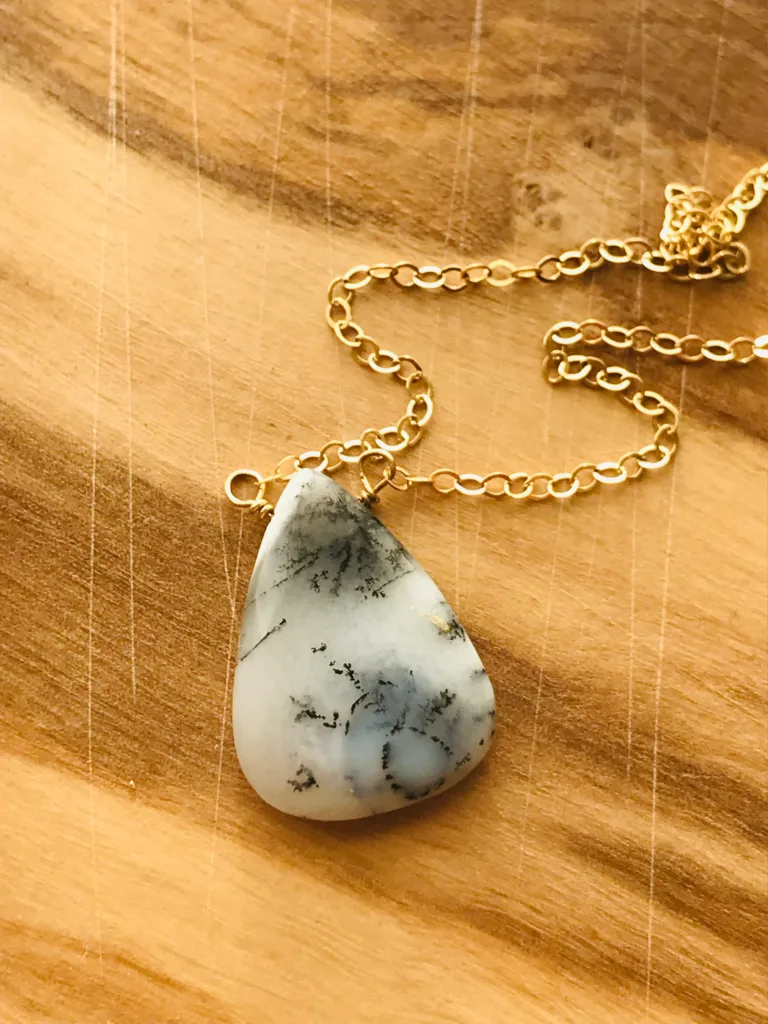
  1. Jewelry: Dendritic opal is a popular choice for jewelry designers and enthusiasts due to its unique and intricate dendritic inclusions. It is commonly used to create cabochons, pendants, earrings, rings, and other pieces of jewelry. Dendritic opal’s natural, tree-like patterns make each piece one-of-a-kind, adding a touch of elegance and individuality to jewelry designs.
  2. Carvings and Sculptures: Lapidary artists often use dendritic opal to create intricate carvings and sculptures. The dendritic patterns can be carefully shaped into various forms, allowing for artistic expression and the creation of decorative objects.
  3. Collector’s Items: Exceptional dendritic opal specimens with high-quality dendritic inclusions are highly sought after by gemstone collectors. Collectors value dendritic opal for its rarity, aesthetic appeal, and the diverse range of patterns and colors it can exhibit.
  4. Metaphysical and Healing: In metaphysical and spiritual practices, dendritic opal is believed to have various healing and metaphysical properties. It is associated with grounding, growth, and transformation. Some people use dendritic opal as a meditation aid or wear it as jewelry to benefit from its perceived energies.
  5. Ornamental Decor: Dendritic opal specimens are often used as decorative pieces in homes and offices. Their unique and natural dendritic patterns make them appealing as ornamental objects or paperweights.
  6. Gifts and Souvenirs: Dendritic opal jewelry or small carvings make thoughtful and unique gifts for special occasions. They are often purchased as souvenirs from regions known for their dendritic opal deposits.
  7. Educational and Scientific Purposes: Dendritic opal, along with other forms of opal, is studied by geologists and mineralogists for its formation processes and geological significance. It can serve as an educational tool for those interested in earth sciences.
  8. Lapidary and Craft Projects: Dendritic opal cabochons and small specimens are popular among hobbyists and craft enthusiasts for use in various projects, such as beadwork, wire wrapping, and mosaic art.
  9. Historical and Cultural Significance: In some cultures and indigenous communities, dendritic opal may have historical or cultural significance. It may be used in traditional jewelry or ceremonies.

Overall, dendritic opal’s striking appearance, metaphysical properties, and collectible nature contribute to its wide range of uses and applications in various fields, making it a versatile and cherished gemstone.

Moroccan Geodes

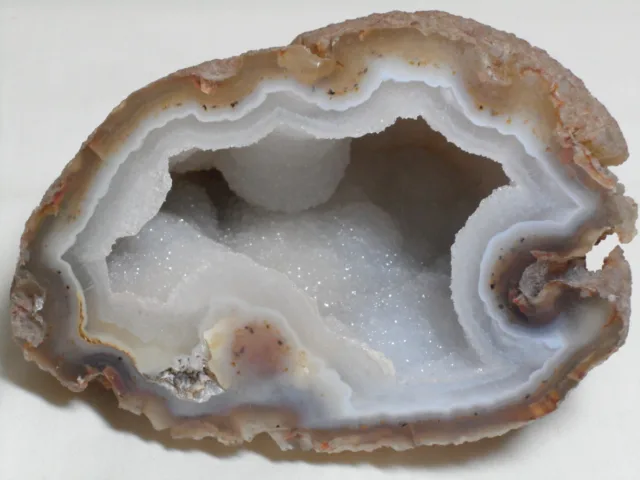
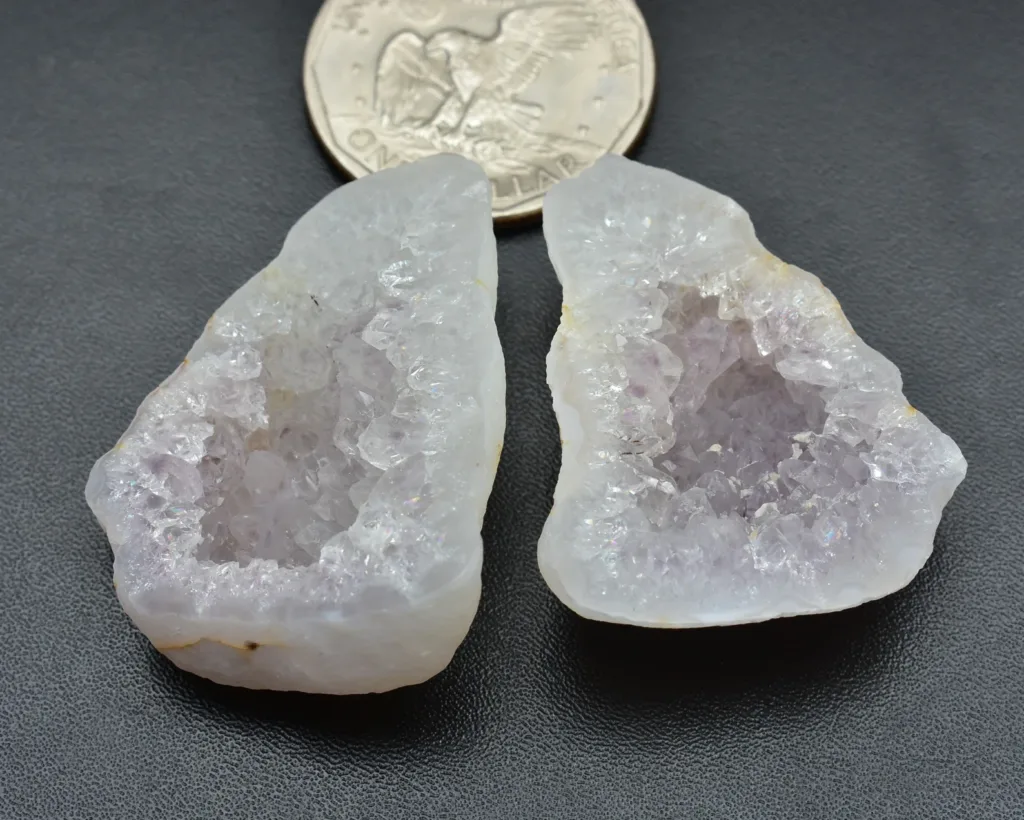
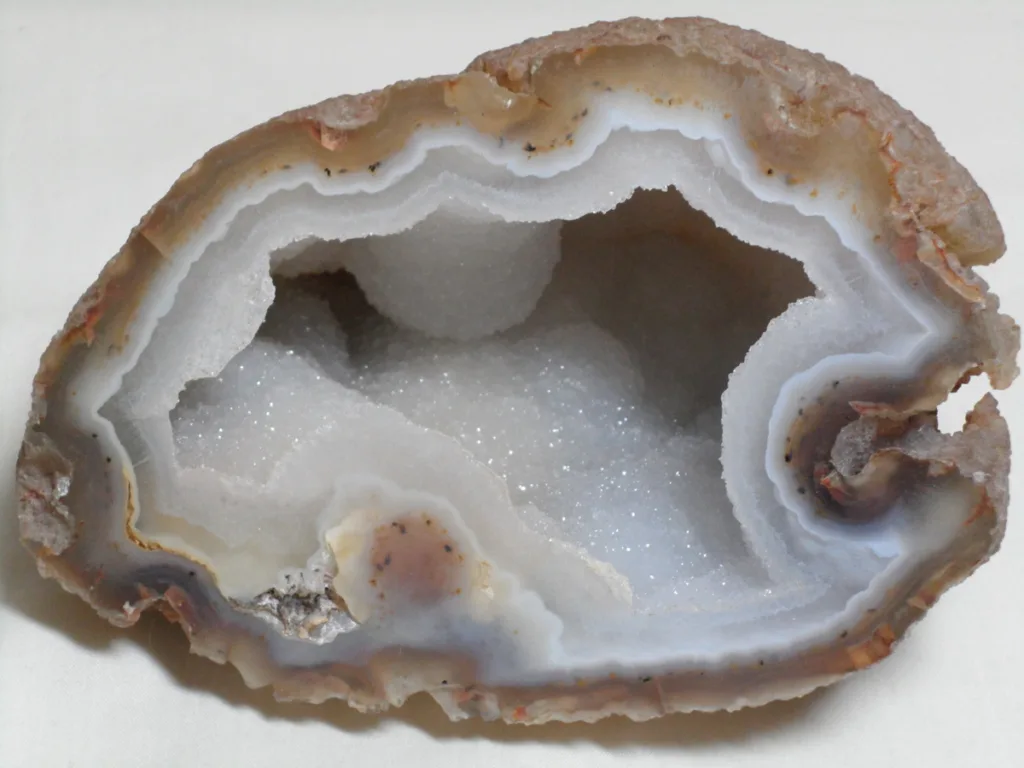
Moroccan geodes are hollow, spherical or oblong rock formations that contain sparkling crystals inside. These geodes are found in various regions of Morocco, particularly in the Atlas Mountains and surrounding areas. They are created through a geological process that involves the gradual formation of mineral deposits within the cavities of rocks over millions of years.

Moroccan Geodes

Significance:

  1. Natural Beauty: Moroccan geodes are celebrated for their stunning and unique aesthetic appeal. The crystals inside these geodes can range in color and type, with common varieties including amethyst, quartz, calcite, and agate. The vibrant and contrasting colors of the crystals make these geodes highly sought after by collectors, jewelers, and crystal enthusiasts.
  2. Spiritual and Metaphysical Beliefs: Many individuals believe that Moroccan geodes possess metaphysical properties and healing energies. Depending on the type of crystals inside, they may be associated with various benefits such as enhanced intuition, relaxation, and emotional healing. As a result, Moroccan geodes are used in meditation, crystal healing, and other spiritual practices.
  3. Decorative and Ornamental Use: Moroccan geodes are often used as decorative pieces in homes and offices. Their unique appearance adds a touch of natural elegance to interior decor. Some geodes are also cut and polished to create stunning gemstone slices or bookends, further increasing their decorative value.
  4. Collectibles: Moroccan geodes are highly collectible, and enthusiasts often seek out geodes with specific crystal types or exceptional crystal formations. The rarity and quality of the crystals within a geode can significantly impact its value to collectors.
Moroccan Geodes

Popularity: Moroccan geodes have gained popularity both within and outside of Morocco for their natural beauty and metaphysical attributes. Their global appeal has led to increased demand and availability in the market. The internet and social media have also played a significant role in spreading awareness about these geodes, making them accessible to a wider audience of collectors and enthusiasts.

In recent years, Moroccan geodes have become a popular item in the world of holistic and New Age spirituality, with many people incorporating them into their practices for meditation, energy healing, and chakra balancing.

In summary, Moroccan geodes are prized for their natural beauty, spiritual significance, and decorative value. They have captured the fascination of individuals worldwide, making them a sought-after geological wonder and a cherished addition to collections and homes.

Geographical Context

Moroccan Geodes

Geographical Context: Moroccan geodes are primarily found in the country of Morocco, which is located in North Africa. Morocco is known for its diverse and rich geological landscape, including the Atlas Mountains, the Sahara Desert, and various other geological formations. The specific locations where Moroccan geode deposits are commonly found include areas within and around the Atlas Mountains and adjacent regions.

Location of Moroccan Geode Deposits:

  1. Atlas Mountains: The Atlas Mountains, a vast mountain range that stretches across Morocco, are a prominent location for the discovery of Moroccan geodes. Within the Atlas Mountains, different regions, such as the High Atlas, Middle Atlas, and Anti-Atlas, have been known to yield geodes. These mountains are rich in various geological formations, including sedimentary and volcanic rocks, which provide the ideal conditions for the formation of geodes.
  2. Agate and Quartz Sites: Specific areas within Morocco, such as the regions around cities like Ouarzazate and Erfoud, are renowned for their agate and quartz geode deposits. These regions are known for producing geodes with a wide range of colors and crystal types, including amethyst, citrine, and various agate varieties.
  3. Sedimentary Rock Layers: Moroccan geodes are often found in sedimentary rock layers, typically in areas that were once seabeds or lakebeds. The gradual deposition of minerals and the formation of cavities within these rocks over millions of years create the perfect environment for geodes to develop.

Geological Formation Process: Moroccan geodes form through a complex geological process that spans millions of years. The key steps in the formation process include:

  1. Cavity Formation: It begins with the creation of cavities or voids within sedimentary rocks. These cavities can result from a variety of geological processes, such as dissolution of minerals, gas bubbles, or the decay of organic material.
  2. Mineral Deposition: Over time, mineral-rich fluids seep into these cavities from surrounding rock layers or geological sources. These fluids contain dissolved minerals such as quartz, calcite, or amethyst.
  3. Crystal Growth: As the mineral-rich solutions fill the cavities, the dissolved minerals start to precipitate out and form crystals. The specific type of crystals that develop depends on the composition of the mineral-bearing solutions. This process can take millions of years as crystals slowly grow, layer by layer, within the cavity.
  4. Geological Changes: Geological processes, including tectonic activity and erosion, can expose these geodes to the surface over time. Weathering and erosion play a role in breaking open the geodes, revealing the stunning crystals inside.

The unique combination of geological conditions in Morocco, including the presence of mineral-rich solutions and suitable rock formations, contributes to the creation of the exquisite Moroccan geodes that are highly prized for their beauty and metaphysical properties.

Types of Moroccan Geodes

Moroccan Geodes

Moroccan geodes come in a variety of types, and their classification is often based on the type of crystals they contain, their colors, and their specific mineral compositions. Some of the common types of Moroccan geodes include:

  1. Amethyst Geodes: These geodes are known for their stunning purple crystals. Amethyst is a variety of quartz, and Moroccan amethyst geodes often display deep purple hues. They are highly sought after for their spiritual and healing properties, as well as their aesthetic appeal.
  2. Quartz Geodes: Quartz geodes in Morocco can come in various colors, including clear (rock crystal), smoky quartz (grayish-brown), and citrine (yellow to golden). Clear quartz geodes are prized for their clarity and purity, while smoky quartz geodes have a smoky or translucent appearance. Citrine geodes are valued for their warm, sunny color.
  3. Agate Geodes: Agate geodes are characterized by their banded or layered appearance and can come in a range of colors and patterns. Moroccan agate geodes can exhibit various shades of brown, red, gray, blue, and even green. The concentric bands of different colors make them visually appealing.
  4. Calcite Geodes: Calcite geodes are known for their vibrant colors, including orange, pink, blue, and green. The crystals inside these geodes are often translucent and can display a variety of formations. The striking colors of calcite geodes make them popular among collectors and decorators.
  5. Celestite Geodes: Celestite geodes contain delicate, pale blue crystals of the mineral celestite. These geodes are prized for their calming and soothing energy. The crystals often form in clusters, creating a visually captivating display.
  6. Geode Pairs: Some Moroccan geodes are found in pairs or halves, where the two halves fit together to create a complete spherical shape. These geode pairs are often cut and polished to reveal the interior crystals, and they are popular for display and decorative purposes.
  7. Mixed Crystal Geodes: In some cases, Moroccan geodes can contain a mix of different crystals, combining amethyst, quartz, calcite, and other minerals in the same cavity. These geodes offer a unique and diverse display of colors and crystal types.

It’s important to note that the specific appearance and mineral composition of Moroccan geodes can vary widely depending on the location within Morocco where they are found. Each type of geode has its own unique beauty and metaphysical properties, making them a popular choice among collectors, crystal enthusiasts, and those interested in spiritual and holistic practices.

Physical and Chemical Properties

Moroccan Geodes

The physical and chemical properties of Moroccan geodes can vary depending on the type of minerals and crystals they contain. However, there are some general properties commonly associated with geodes:

Physical Properties:

  1. Shape and Size: Moroccan geodes typically have a spherical or oblong shape, although they can vary in size from a few centimeters to several meters in diameter.
  2. Outer Appearance: The outer surface of a geode is often rough and nondescript, making it difficult to discern the beauty within. They are commonly covered in a layer of dull, weathered rock or sediment.
  3. Interior Crystals: The most striking feature of Moroccan geodes is their interior, which is lined with sparkling crystals. The size, color, and type of crystals can vary widely depending on the minerals present. Common interior crystals include quartz, amethyst, calcite, agate, and celestite.
  4. Color: Moroccan geodes can come in a wide range of colors, depending on the minerals present. For example, amethyst geodes display shades of purple, while quartz geodes can be clear, smoky gray, or citrine yellow. Agate geodes exhibit bands of different colors.
  5. Transparency: Some crystals within geodes can be transparent, while others are translucent or opaque. Quartz crystals, for instance, can be transparent and clear, or they can have inclusions that make them opaque.
  6. Luster: The crystals inside Moroccan geodes often exhibit a vitreous or glassy luster, which contributes to their sparkling appearance.
  7. Hardness: The hardness of the crystals within geodes varies depending on the mineral. Quartz, for example, has a hardness of 7 on the Mohs scale, making it relatively hard and durable.

Chemical Properties:

  1. Mineral Composition: Moroccan geodes can contain a variety of minerals, including quartz, amethyst, calcite, agate, celestite, and more. The specific mineral composition determines the chemical properties of the geode.
  2. Crystal Structure: The crystals inside geodes have specific crystal structures dictated by their mineral type. For example, quartz crystals have a hexagonal crystal structure, while calcite crystals have a rhombohedral structure.
  3. Chemical Composition: Each mineral within a geode has its own chemical formula. For instance, quartz is composed of silicon dioxide (SiO2), while calcite is composed of calcium carbonate (CaCO3). The chemical composition of the minerals gives them their distinct properties.
  4. Metaphysical Properties: Some people believe that Moroccan geodes possess metaphysical or healing properties, which are often associated with their chemical composition and the energy they are believed to emit. For example, amethyst geodes are thought to promote relaxation and spiritual growth due to the presence of amethyst crystals.

Overall, Moroccan geodes are prized for their unique combination of physical and chemical properties, including their stunning appearance, wide range of colors, and the diverse array of minerals they can contain. These properties contribute to their appeal as collectibles, decorative items, and tools for spiritual and holistic practices.

Applications and Uses

Moroccan Geodes

Moroccan geodes have a variety of applications and uses, ranging from decorative and ornamental purposes to spiritual and metaphysical practices. Here are some of the common applications and uses of Moroccan geodes:

  1. Decorative and Ornamental: Moroccan geodes are often used as decorative pieces in homes, offices, and public spaces. Their stunning and unique interior crystals make them attractive centerpieces, conversation starters, and focal points in interior decor. They can be displayed in their natural, uncut form or polished to enhance their beauty.
  2. Collectibles: Moroccan geodes are highly collectible due to their rarity, diversity, and aesthetic appeal. Collectors seek out geodes with specific crystal types, colors, and formations to add to their collections. Geodes are often graded and valued based on factors like the quality and size of the crystals they contain.
  3. Jewelry and Accessories: Some geode enthusiasts and jewelry designers use small crystals or slices of geodes to create one-of-a-kind jewelry pieces, such as pendants, earrings, and rings. The vibrant colors and sparkling crystals make for eye-catching and unique jewelry designs.
  4. Metaphysical and Healing Practices: Many people believe that Moroccan geodes possess metaphysical properties and healing energies associated with the crystals they contain. For example, amethyst geodes are thought to promote relaxation and enhance spiritual growth. Individuals may use geodes in meditation, energy healing, chakra balancing, and other spiritual practices.
  5. Education and Science: Geodes can be valuable educational tools for teaching students and enthusiasts about geology, mineralogy, and crystal formation. They provide tangible examples of geological processes, including mineral deposition and crystal growth. Geodes are also studied by geologists and mineralogists to understand the Earth’s history and mineral formations.
  6. Gifts and Souvenirs: Moroccan geodes are popular choices for gifts and souvenirs. They are often purchased by travelers visiting Morocco as mementos of their trip or as unique gifts for friends and family. Geodes’ natural beauty and spiritual significance make them thoughtful presents.
  7. Geological Research: Geodes are of interest to geologists and researchers studying mineral formation and the Earth’s geological history. They are examined to gain insights into the conditions and processes that led to the creation of these unique geological formations.
  8. Lapidary and Craft Projects: Crafters and lapidary enthusiasts may use slices of geodes in various artistic projects, such as creating mosaic patterns, inlays, and decorative elements for sculptures or furniture.
  9. Interior Design: Interior designers and decorators often incorporate Moroccan geodes into their design schemes to add a touch of natural beauty and luxury to spaces. Geodes can be placed in various settings, including living rooms, offices, spas, and boutique hotels.
  10. Feng Shui: In Feng Shui practices, geodes are sometimes used to harmonize and balance the energy within a space. They are placed strategically to promote positive energy flow and enhance the overall atmosphere.

In summary, Moroccan geodes have a wide range of applications and uses, from aesthetics and decoration to spirituality and education. Their versatility and natural beauty make them versatile additions to various aspects of people’s lives and interests.

Prudent Man Agate

Prudent Man Agate is a remarkable and highly sought-after variety of agate known for its striking and distinctive appearance. This unique gemstone is famous among collectors and enthusiasts due to its geological significance and remarkable beauty.

Prudent Man Agate

Brief Overview: Prudent Man Agate is a type of banded chalcedony, which is a variety of quartz. What sets it apart from other agates is its intricate and eye-catching banding patterns. These bands often display a combination of vivid colors, including red, orange, yellow, brown, and white, arranged in intricate and striking designs. The patterns within Prudent Man Agate can be likened to landscapes, intricate abstract art, or even miniature natural scenes, making each piece truly unique.

Geological Significance: The geological significance of Prudent Man Agate lies in its formation process. Agates, including Prudent Man Agate, are typically created within the cavities of volcanic rocks or in sedimentary rocks. Over millions of years, groundwater rich in silica deposits minerals layer by layer within these cavities, resulting in the intricate banding patterns seen in the gemstone.

What makes Prudent Man Agate particularly special is the presence of highly detailed scenic and landscape-like patterns. These patterns are a result of various minerals, such as iron and manganese, seeping into the silica-rich solutions during the agate’s formation. The specific conditions and minerals present during its creation contribute to the unique and captivating visual aspects of Prudent Man Agate.

Uniqueness: Prudent Man Agate’s uniqueness lies in its exquisite and often highly detailed scenic designs. It is often described as a natural work of art due to the intricate and picturesque landscapes, shapes, and forms that can be found within its bands. Each piece of Prudent Man Agate is one-of-a-kind, and collectors value them not only for their geological rarity but also for their aesthetic beauty.

In addition to its appearance, the rarity of Prudent Man Agate contributes to its uniqueness. Quality specimens can be quite challenging to find, making them highly prized among collectors of gemstones and lapidary enthusiasts.

In summary, Prudent Man Agate is a fascinating and geologically significant variety of agate known for its stunning, landscape-like banding patterns. Its uniqueness lies in its intricate designs and the rarity of quality specimens, making it a highly prized gemstone among collectors and enthusiasts.

Formation of Prudent Man Agate

Prudent Man Agate

Prudent Man Agate, like other agates, forms through a process called silicification within cavities or voids in rocks. The formation of Prudent Man Agate involves several geological processes that occur over an extended period of time. Here’s a step-by-step explanation of how Prudent Man Agate is formed:

  1. Cavity Formation: The initial step in Prudent Man Agate formation involves the creation of a cavity or void within a host rock. These cavities can result from a variety of geological processes, including volcanic activity, erosion, or dissolution of minerals. Volcanic rocks like basalt are common host rocks for agate formation.
  2. Presence of Silica-Rich Solutions: Groundwater containing dissolved silica (SiO2) and various other minerals, such as iron and manganese, percolates through the host rock. Silica-rich solutions are crucial for the formation of agate.
  3. Layered Deposition: As the silica-rich solutions flow through the cavity, they deposit layers of silica on the inner walls of the cavity. The silica precipitates from the solution and forms concentric layers. The color and banding patterns in Prudent Man Agate are a result of impurities and trace elements present in the silica-rich solutions. These impurities can introduce various colors and create the distinctive patterns.
  4. Agate Banding Formation: Over time, as the silica layers continue to accumulate, the agate develops its characteristic banded structure. These bands are created by variations in the composition of the silica-rich solutions, which can include changes in mineral content and impurities. The bands often exhibit intricate and scenic patterns, which are one of the hallmarks of Prudent Man Agate.
  5. Mineral Inclusions: During the formation process, minerals like iron and manganese may also become trapped within the silica layers. These minerals can contribute to the colors and patterns within the agate, adding to its unique appearance.
  6. Slow and Gradual Process: The formation of Prudent Man Agate is a slow and gradual process that can take millions of years to complete. The layers of silica build up slowly, resulting in the intricate and detailed banding patterns for which Prudent Man Agate is renowned.
  7. Solidification: Eventually, the entire cavity becomes filled with layered silica, and the agate solidifies within the host rock.
  8. Exposure and Collection: Prudent Man Agate, like other agates, becomes accessible for collection when geological forces, erosion, or human activities expose it. Collectors and lapidary enthusiasts then retrieve these unique gemstones for their aesthetic and geological value.
  9. In summary, Prudent Man Agate forms through a process of silicification within cavities in rocks, with the slow deposition of silica-rich solutions creating its distinctive banded patterns and scenic designs. The presence of impurities and minerals during this process contributes to the gemstone’s colors and unique characteristics.

Characteristics of Prudent Man Agate

Prudent Man Agate

Prudent Man Agate is known for its distinct characteristics that make it a highly sought-after and prized gemstone. These characteristics set it apart from other agates and contribute to its uniqueness and beauty. Here are some key characteristics of Prudent Man Agate:

  1. Banded Patterns: Prudent Man Agate is renowned for its intricate and eye-catching banding patterns. These bands often display a wide range of vivid colors, including red, orange, yellow, brown, and white. The bands can vary in thickness and arrangement, creating captivating and picturesque designs that resemble landscapes, natural scenes, or abstract art.
  2. Scenic and Landscape-Like Designs: What makes Prudent Man Agate truly unique is the presence of highly detailed scenic and landscape-like patterns within its bands. These patterns can resemble miniature natural landscapes, complete with hills, valleys, trees, and other features. The scenic designs within Prudent Man Agate are often considered a work of natural art.
  3. Translucency: Prudent Man Agate is typically translucent to semi-translucent, allowing light to pass through it to varying degrees. This translucency enhances the play of colors and adds depth to the gemstone’s appearance.
  4. Variability: Each piece of Prudent Man Agate is one-of-a-kind. The banding patterns and scenic designs within the agate can vary significantly from one specimen to another, making it a favorite among collectors who appreciate the diversity and uniqueness of each gem.
  5. Mineral Inclusions: Prudent Man Agate often contains mineral inclusions, such as iron and manganese, which can contribute to the gemstone’s colors and add depth to its patterns. These inclusions may appear as dots, streaks, or speckles within the bands.
  6. Lapidary and Jewelry Use: Prudent Man Agate is commonly cut and polished to showcase its stunning patterns and colors. It is a popular choice for lapidary enthusiasts who create cabochons, beads, and other jewelry items from this gemstone.
  7. Rarity: High-quality specimens of Prudent Man Agate are relatively rare, adding to its desirability among collectors. The intricate scenic patterns and unique color combinations make it a prized gemstone in the world of agates.
  8. Origin: Prudent Man Agate is primarily found in the Prudent Man Mine in Oregon, USA, which is the source of its name. The mine is known for producing some of the most beautiful and sought-after Prudent Man Agates.

In summary, Prudent Man Agate is characterized by its stunning and intricate banded patterns, scenic designs, vivid colors, translucency, mineral inclusions, and rarity. These features combine to make it a remarkable and highly prized gemstone among collectors and lapidary enthusiasts.

Geological Location and Occurrence

Prudent Man Agate

Prudent Man Agate is primarily found in the Prudent Man Mine, located in eastern Oregon, USA. The name of the agate is derived from the name of the mine where it was first discovered. This mine is known for producing some of the most beautiful and sought-after Prudent Man Agates in the world.

The geological occurrence of Prudent Man Agate is associated with its host rock, which is typically basalt or other volcanic rocks. Here’s how it generally occurs:

  1. Volcanic Origins: Prudent Man Agate is formed within cavities or voids in volcanic rocks, particularly basalt. These cavities can result from the cooling and solidification of volcanic lava, which can trap gas bubbles, or vesicles, within the rock.
  2. Silica-Rich Solutions: Over time, groundwater containing dissolved silica (SiO2) and various impurities, including minerals like iron and manganese, percolates through the volcanic rock. These silica-rich solutions are crucial for the formation of agate.
  3. Layered Deposition: As the silica-rich solutions flow through the cavities, they deposit layers of silica on the inner walls of the void. The silica precipitates from the solution and forms concentric layers. The distinct banding patterns and colors in Prudent Man Agate are a result of the impurities and minerals present in the silica-rich solutions.
  4. Mineral Inclusions: During the formation process, minerals like iron and manganese may also become trapped within the silica layers. These mineral inclusions contribute to the gemstone’s colors and unique characteristics.
  5. Solidification: Eventually, the entire cavity becomes filled with layered silica, and the agate solidifies within the volcanic rock.
  6. Exposure and Mining: Geological forces, erosion, or human activities can expose Prudent Man Agate-bearing rocks at the surface. Miners and collectors then extract these agates for their aesthetic and geological value.

It’s worth noting that while the Prudent Man Mine in Oregon is renowned for its production of Prudent Man Agate, similar agate formations can be found in other locations with similar geological conditions, such as cavities in volcanic rocks and the presence of silica-rich solutions. However, the unique scenic and landscape-like patterns found in Prudent Man Agate from this specific region make it particularly prized among gemstone collectors and lapidary enthusiasts.

Prudent Man Agate Uses

Prudent Man Agate

Prudent Man Agate is primarily valued for its aesthetic beauty and unique characteristics. As a gemstone with stunning banding patterns and scenic designs, it is highly sought after by collectors and lapidary enthusiasts. While it is not as commonly used in commercial jewelry as some other gemstones, Prudent Man Agate finds several uses and applications:

  1. Lapidary Art: Prudent Man Agate is a favorite among lapidary artists and gemstone cutters due to its intricate patterns and vivid colors. Lapidarists often cut and polish Prudent Man Agate to create cabochons, beads, and other decorative items. These pieces can be used in various jewelry designs or crafted into ornamental objects.
  2. Collector’s Items: Prudent Man Agate’s rarity and uniqueness make it highly desirable among gem and mineral collectors. Collectors often seek out exceptional specimens to add to their collections, appreciating the diversity of scenic patterns and color combinations found in each piece.
  3. Ornamental Objects: Prudent Man Agate is sometimes used to create ornamental objects, such as paperweights, bookends, and sculptures. Its scenic designs and artistic appearance make it a natural choice for crafting decorative items that can adorn homes and offices.
  4. Display Pieces: High-quality Prudent Man Agate specimens are often displayed in museums, galleries, and mineral shows due to their geological significance and aesthetic appeal. They serve as educational tools and sources of inspiration for the general public and enthusiasts alike.
  5. Metaphysical and Healing Uses: Some individuals believe in the metaphysical properties of gemstones, including Prudent Man Agate. It may be used as a healing stone or for spiritual purposes, although these beliefs are not scientifically proven.
  6. Gifts and Souvenirs: Smaller pieces of Prudent Man Agate, such as tumbled stones or small cabochons, may be sold as gifts or souvenirs for tourists and those looking for unique and beautiful mementos.
  7. Custom Jewelry: While not as common as other gemstones, Prudent Man Agate can be used in custom jewelry designs. Jewelers and artisans may create one-of-a-kind pieces featuring Prudent Man Agate as a centerpiece, appreciating its artistic value and individuality.

It’s important to note that Prudent Man Agate, being a collector’s gem and valued for its scenic patterns, is not as widely used in mass-produced commercial jewelry as more traditional gemstones like diamonds, sapphires, or rubies. Instead, its appeal lies in its rarity, geological significance, and artistic qualities, making it a cherished gemstone among those who appreciate its unique beauty.

Pink Chalcedony

Pink Chalcedony is a beautiful and popular variety of chalcedony, which is a type of microcrystalline quartz. It is known for its delicate pink to pale pink coloration, which can range from soft pastel shades to deeper hues. This gemstone has gained popularity in the world of jewelry and is often used in various accessories, such as necklaces, bracelets, and earrings, due to its appealing color and soothing appearance.

Pink Chalcedony

Formation: Pink Chalcedony, like other chalcedony varieties, forms through a combination of processes involving the deposition of silica-rich solutions in cavities or fractures of rocks. The following steps typically contribute to the formation of Pink Chalcedony:

  1. Precipitation: Silica-rich fluids, often derived from the dissolution of surrounding rocks, infiltrate into open spaces within host rocks. These spaces can be found in volcanic rocks, sedimentary rocks, or other geological formations.
  2. Microcrystalline Growth: As the silica-rich solutions cool and solidify, tiny quartz crystals start to grow within the cavities or fractures. These crystals are too small to be seen with the naked eye, resulting in a microcrystalline structure.
  3. Coloration: The pink coloration in Pink Chalcedony is usually attributed to the presence of trace amounts of iron or manganese within the quartz structure. These impurities give the gemstone its characteristic pink or rose-colored appearance.
  4. Agate Banding: In some cases, Pink Chalcedony can exhibit banding patterns, which are created by the alternating deposition of different mineral phases. When these bands are present, the gemstone is often referred to as Pink Agate Chalcedony.
Pink Chalcedony

Pink Chalcedony is valued not only for its attractive appearance but also for its reputed metaphysical properties. It is believed to promote emotional balance, kindness, and compassion, making it a popular choice for those interested in crystal healing and holistic practices. Whether appreciated for its aesthetics or its metaphysical qualities, Pink Chalcedony continues to be a sought-after gemstone in the world of jewelry and gem enthusiasts.

Physical Characteristics

Pink Chalcedony

Pink Chalcedony, like other chalcedony varieties, possesses distinct physical characteristics that make it unique and visually appealing. Here are some of its key physical properties:

  1. Color: Pink Chalcedony is known for its delicate pink to pale pink coloration. The color can vary from soft pastel shades to deeper, more vibrant pinks. This gemstone’s hue is typically attributed to trace impurities of iron or manganese within the quartz structure.
  2. Transparency: Pink Chalcedony is typically translucent to semi-translucent, allowing light to pass through it. This transparency enhances its appeal and gives it a subtle glow when properly cut and polished.
  3. Luster: It exhibits a waxy or vitreous (glass-like) luster when polished, which contributes to its overall shine and attractiveness as a gemstone.
  4. Hardness: Pink Chalcedony has a Mohs hardness rating of 6.5 to 7 on the Mohs scale, indicating good durability. It is reasonably resistant to scratching and abrasion, making it suitable for use in jewelry.
  5. Crystal Structure: Like all chalcedony varieties, Pink Chalcedony has a microcrystalline structure, meaning its crystals are too small to be seen with the naked eye. It forms in cryptocrystalline aggregates, giving it a smooth and even texture.
  6. Fracture: It has a conchoidal fracture, meaning it breaks with smooth, curved surfaces that resemble the inside of a seashell. This fracture type is a characteristic feature of chalcedony.
  7. Transparency: Pink Chalcedony typically lacks visible cleavage planes, which means it doesn’t break along specific flat planes like some other minerals.
  8. Streak: Its streak, the color left behind when scratched on a porcelain streak plate, is typically white.

These physical characteristics collectively contribute to Pink Chalcedony’s appeal and desirability as a gemstone in the world of jewelry and adornment. Its lovely pink color, along with its durability and translucent quality, makes it a popular choice for crafting various jewelry pieces, from pendants and earrings to rings and bracelets.

Mineral Composition

Pink Chalcedony

The mineral composition of Pink Chalcedony is primarily made up of silicon dioxide (SiO2), which is the chemical compound for quartz. Chalcedony is a type of microcrystalline or cryptocrystalline quartz, meaning that its crystal structure consists of extremely small, tightly packed quartz crystals that are not individually visible to the naked eye. Pink Chalcedony gets its unique pink or rose-colored appearance from trace impurities within this quartz matrix, particularly iron or manganese.

In addition to silicon dioxide, Pink Chalcedony may also contain minor amounts of other elements and minerals, depending on its specific geological environment. These impurities can contribute to variations in color and appearance within different specimens of Pink Chalcedony.

It’s important to note that chalcedony is a broad term that encompasses various cryptocrystalline forms of quartz, and Pink Chalcedony is just one of the color variations within this category. The pink coloration distinguishes it from other chalcedony varieties like blue chalcedony, agate, carnelian, and others, which have their unique mineral compositions and colors.

Sources and Locations

Pink Chalcedony

Pink Chalcedony can be found in various locations around the world, often in regions with geological conditions conducive to the formation of chalcedony. Here are some notable sources and locations where Pink Chalcedony is known to be found:

  1. Brazil: Brazil is one of the most well-known sources of Pink Chalcedony. The state of Minas Gerais, in particular, is famous for producing high-quality Pink Chalcedony specimens. Brazilian Pink Chalcedony is often highly regarded for its color and clarity.
  2. Madagascar: Madagascar is another significant producer of Pink Chalcedony. The gemstone is commonly found in different regions of Madagascar, including areas around Antsirabe and Ilakaka. Madagascar is known for its diverse range of gem-quality chalcedony.
  3. United States: Pink Chalcedony can also be found in the United States, primarily in the states of Oregon and California. The Pink Chalcedony from these regions is often associated with lapidary art and is used in jewelry-making.
  4. India: India is known for its rich deposits of various gemstones, including Pink Chalcedony. Rajasthan, in particular, has been a source of Pink Chalcedony.
  5. Namibia: The African nation of Namibia is home to some Pink Chalcedony deposits, notably in the Goboboseb Mountains region.
  6. Mexico: Mexico has also produced Pink Chalcedony, primarily in the state of Chihuahua. Mexican Pink Chalcedony is known for its attractive colors.
  7. Other Locations: Pink Chalcedony can be found in various other countries, such as Russia, Uruguay, and Tanzania, although it may not be as commonly mined or as widely available as in the previously mentioned sources.

These locations are just some of the known sources of Pink Chalcedony, and the gemstone’s availability may vary in terms of quantity, quality, and color intensity from one location to another. Gemstone enthusiasts and collectors often seek Pink Chalcedony specimens from these regions for their distinctive beauty and metaphysical properties.

Uses of Pink Chalcedony

Pink Chalcedony

Pink Chalcedony is a versatile gemstone that has various uses, both in the world of jewelry and in metaphysical and holistic practices. Here are some common uses of Pink Chalcedony:

  1. Jewelry: Pink Chalcedony is highly valued in the jewelry industry for its attractive pink color and smooth, polished appearance. It is commonly used to create a wide range of jewelry pieces, including necklaces, earrings, rings, bracelets, and pendants. Jewelry designers and enthusiasts appreciate its soft and soothing appearance, making it suitable for both casual and formal wear.
  2. Healing and Metaphysical Properties: Pink Chalcedony is believed to possess metaphysical and healing properties. It is often associated with promoting emotional balance, inner peace, and compassion. Some people use Pink Chalcedony in meditation or energy healing practices to enhance feelings of love and kindness, reduce stress, and encourage positive energy flow.
  3. Crystal Grids: Pink Chalcedony can be incorporated into crystal grids, which are arrangements of crystals used for various intentions, such as love, healing, or protection. It is commonly chosen for grids related to matters of the heart and emotional well-being.
  4. Decorative Items: Pink Chalcedony’s pleasing color and texture make it suitable for decorative items such as figurines, carvings, and ornamental objects. These items can be placed around the home or workspace for aesthetic purposes or to promote a sense of tranquility and harmony.
  5. Gifts and Collectibles: Pink Chalcedony jewelry and decorative pieces are often given as gifts, especially for occasions related to love, friendship, or relaxation. Collectors also seek out unique Pink Chalcedony specimens for their beauty and rarity.
  6. Chakra Balancing: In some belief systems, Pink Chalcedony is associated with the heart chakra, which is believed to govern matters of love, compassion, and emotional well-being. It may be used in chakra healing and balancing practices to promote harmony and emotional healing.
  7. Lapidary Art: Pink Chalcedony is a favorite among lapidaries and gemstone cutters. Its attractive color and waxy luster allow lapidary artists to create intricate cabochons, beads, and other gemstone creations.
  8. Feng Shui: Pink Chalcedony is sometimes used in Feng Shui practices to enhance the energy of love, harmony, and balance in living spaces. It can be placed strategically to promote these qualities in specific areas of a home or office.

It’s important to note that while Pink Chalcedony is associated with various metaphysical and healing properties, these beliefs are based on spiritual and alternative healing traditions and are not scientifically proven. Nevertheless, its aesthetic beauty and soothing appearance make it a popular choice for jewelry and decorative purposes.

Yellow Moonstone

Yellow Moonstone, also known simply as “Moonstone,” is a captivating gemstone renowned for its ethereal and luminous appearance. It is a variety of the mineral feldspar, specifically belonging to the orthoclase and albite groups. Yellow Moonstone gets its name from its characteristic play of colors, resembling the soft, glowing radiance of the moonlight. This unique optical effect, known as adularescence or schiller, sets Moonstone apart from other gemstones and makes it highly sought after in the world of jewelry and gem collecting.

Yellow Moonstone

Geological Formation and Composition: Yellow Moonstone is formed within igneous rocks, such as granite and pegmatite, as a result of the slow cooling and solidification of molten rock deep within the Earth’s crust. As the rock cools, the feldspar minerals present in it, primarily orthoclase and albite, undergo a unique structural arrangement that creates microscopic layers or inclusions. These alternating layers of different feldspar compositions scatter light, causing the captivating play of colors that characterize Moonstone. The most common colors for Moonstone include yellow, peach, blue, and white, but it can also exhibit shades of gray and brown.

One of the most distinctive features of Yellow Moonstone is its opalescent or milky appearance, which is a result of the scattering of light by the internal layers and inclusions. This is what gives Moonstone its mesmerizing glow, which seems to move and shimmer as the stone is viewed from different angles.

Yellow Moonstone

Historical Significance and Folklore: Moonstone has a rich history and is steeped in folklore and mythology from various cultures:

  1. Ancient Rome and Greece: Moonstone was believed to be formed from the rays of the moon. Both ancient Romans and Greeks associated it with their lunar deities and believed that wearing Moonstone would bring good fortune and protection.
  2. Hinduism: In Hindu mythology, Moonstone is associated with the sacred deity Chandra, who is believed to be the moon god. It is considered a powerful talisman that enhances spiritual growth and wisdom.
  3. Arabian Folklore: Arabian legends held that Moonstone was created from the tears of the moon, and it was thought to possess the power to bring love and reconciliation between estranged lovers.
  4. Victorian Era: Moonstone enjoyed a resurgence in popularity during the Victorian era. It was often used in jewelry design during this period, symbolizing femininity and intuition.
  5. Modern Beliefs: Today, Moonstone is still regarded as a stone of intuition, balance, and emotional healing. It is often associated with the crown chakra, believed to enhance psychic abilities and promote inner peace.

In addition to its historical and mystical significance, Moonstone is a popular choice for jewelry, particularly in rings, earrings, and pendants, due to its mesmerizing and iridescent appearance. It is also used in meditation and holistic practices for its perceived spiritual and healing properties. Whether appreciated for its geological uniqueness, cultural significance, or aesthetic beauty, Yellow Moonstone continues to captivate and enchant people around the world.

Physical Properties of Yellow Moonstone

Yellow Moonstone

Yellow Moonstone, like other varieties of Moonstone, exhibits a range of physical properties that contribute to its unique appearance and characteristics. Here are some of the key physical properties of Yellow Moonstone:

  1. Color: As the name suggests, Yellow Moonstone is primarily yellow in color. However, it can display a wide spectrum of colors, including yellow, peach, blue, white, gray, and brown. The most desirable Yellow Moonstones often exhibit a warm, golden-yellow hue.
  2. Adularescence: The most distinctive feature of Moonstone is its adularescence or schiller, which is an optical effect that creates a soft, glowing sheen on the surface of the stone. This schiller effect is caused by the scattering of light by the microscopic layers and inclusions within the stone. It gives Moonstone its characteristic moonlight-like appearance, which seems to move and shimmer when the stone is viewed from different angles.
  3. Transparency: Yellow Moonstone is typically translucent to semi-translucent. Its opalescent appearance is a result of the scattering of light within the stone, giving it a milky or hazy appearance.
  4. Luster: Moonstone has a vitreous to pearly luster. The schiller effect enhances its pearly sheen and contributes to its unique visual appeal.
  5. Hardness: Yellow Moonstone has a Mohs hardness scale rating of 6 to 6.5, making it relatively soft compared to some other gemstones. This means it is susceptible to scratching and should be handled and stored with care to avoid damage.
  6. Cleavage: Moonstone exhibits two distinct cleavage directions, which means it can cleave or break along certain planes. This characteristic influences how the stone is cut and shaped during the gemstone cutting process.
  7. Specific Gravity: The specific gravity of Moonstone typically ranges from 2.56 to 2.59, which is relatively low compared to many other gemstones. This lower specific gravity contributes to its lightweight feel when worn as jewelry.
  8. Chemical Composition: Yellow Moonstone is primarily composed of two types of feldspar minerals: orthoclase and albite. These minerals belong to the group of silicate minerals and have a chemical formula that includes aluminum, potassium, sodium, and silicon.
  9. Crystal System: Moonstone belongs to the monoclinic crystal system, which means its internal atomic structure is characterized by unequal lengths and angles of its crystal axes.
  10. Durability: Due to its moderate hardness, Yellow Moonstone is suitable for jewelry wear but should be protected from rough handling and contact with other harder materials to prevent scratching or chipping.

These physical properties collectively contribute to the unique allure and beauty of Yellow Moonstone, making it a popular choice for jewelry and a stone with distinct optical and aesthetic characteristics.

Occurrence and Sources

Yellow Moonstone

Yellow Moonstone, like other varieties of Moonstone, is primarily found in specific geological settings and regions around the world. Here are some of the notable occurrences and sources of Yellow Moonstone:

  1. Sri Lanka: Sri Lanka is one of the most famous and significant sources of Yellow Moonstone. The country has a long history of producing high-quality Moonstones, including those with a warm yellow or peachy hue. The city of Meetiyagoda in Sri Lanka is particularly renowned for its Moonstone mines.
  2. India: India is another major producer of Moonstone, including the yellow variety. The state of Orissa (Odisha) in India is known for its deposits of Yellow Moonstone, often referred to as “Chandrakant Mani” in Indian gemological terms. Indian Yellow Moonstones are highly regarded for their color and quality.
  3. Madagascar: Madagascar is becoming an increasingly important source of Moonstone, including Yellow Moonstone. The deposits in Madagascar have gained recognition for their vibrant and attractive colors.
  4. Myanmar (Burma): Myanmar has been known to produce Moonstone, although it is not as widely recognized as some other sources. Burmese Yellow Moonstones are appreciated for their unique characteristics.
  5. Tanzania: Tanzania is also emerging as a source of Yellow Moonstone. The country’s deposits are known for their interesting colors and adularescence.
  6. Other Locations: In addition to the mentioned regions, Yellow Moonstone can be found in smaller quantities in various other locations, including parts of the United States, Brazil, Australia, and Europe.

It’s important to note that Moonstone deposits can vary in quality, and not all stones from a particular source will exhibit the desirable characteristics, such as strong adularescence or an attractive yellow hue. Gemstone mining and exploration continue to uncover new sources, and the availability of Yellow Moonstone can change over time.

Gemstone enthusiasts and collectors often seek out Yellow Moonstone from reputable dealers who can provide information about the stone’s origin and quality. Due to its unique appearance and mystical charm, Yellow Moonstone remains a popular choice for jewelry, especially in the form of rings, pendants, and earrings, where its play of colors can be most prominently displayed.

Uses and Applications

Yellow Moonstone

Yellow Moonstone, with its captivating appearance and mystical properties, has various uses and applications, primarily in the realm of jewelry and spiritual practices. Here are some of the main uses and applications of Yellow Moonstone:

  1. Jewelry: Yellow Moonstone is a popular choice for jewelry due to its unique adularescence and captivating play of colors. It is commonly used in rings, earrings, necklaces, pendants, and bracelets. Jewelry designers appreciate its versatility and ability to complement both casual and formal attire.
  2. Healing and Metaphysical Practices: Yellow Moonstone is often associated with spiritual and healing properties in metaphysical traditions. It is believed to have the following benefits:
    • Enhancing intuition and psychic abilities.
    • Promoting emotional balance and harmony.
    • Aiding in meditation and inner reflection.
    • Providing protection against negative energies.
    • Encouraging personal growth and self-discovery.
  3. Chakra Work: In chakra healing and balancing, Yellow Moonstone is associated with the crown chakra, which is believed to be the center of spirituality and enlightenment. Practitioners use Yellow Moonstone to open and align this energy center, facilitating a deeper connection with higher consciousness.
  4. Astrology: Some individuals choose Yellow Moonstone as a birthstone or talisman based on their astrological sign. It is often associated with the zodiac signs Cancer, Libra, and Scorpio.
  5. Collectibles: Yellow Moonstone, especially high-quality specimens with exceptional play of colors, is sought after by gemstone collectors and enthusiasts. Collectors appreciate the rarity and beauty of unique Yellow Moonstone pieces.
  6. Gifts and Keepsakes: Moonstone, in general, is considered a thoughtful and meaningful gift. Yellow Moonstone, with its warm and enchanting colors, can make a cherished present for special occasions such as birthdays, anniversaries, and weddings.
  7. Home Decor: Some people use Yellow Moonstone as decorative elements in their homes. It can be incorporated into sculptures, candle holders, and other ornamental items, adding a touch of elegance and mystique to living spaces.
  8. Lapidary Arts: Lapidarists and gemstone cutters may use Yellow Moonstone for their craft, creating custom-cut gemstones and cabochons for use in jewelry-making or other artistic projects.

It’s essential to note that while Yellow Moonstone is valued for its aesthetic and metaphysical qualities, its effectiveness in spiritual and healing practices can vary from person to person. Many individuals find personal significance and connection to Yellow Moonstone, using it as a tool for self-improvement and spiritual growth. However, its use in such contexts is often subjective and based on personal beliefs and experiences.

Green Agate

Green agate is a semi-precious gemstone known for its stunning green hues and distinctive banding patterns. It is a variety of chalcedony, which is a type of cryptocrystalline quartz, and is highly prized for its aesthetic appeal and spiritual significance.

Green Agate

Definition and Description: Green agate is a type of agate that primarily exhibits shades of green, ranging from pale and translucent to deep and vibrant. Its coloration is often due to the presence of various minerals, such as iron, chromium, or nickel, which can give it a wide range of green tones. Green agate is typically characterized by its distinctive banding patterns, which appear as concentric or parallel lines of different colors and intensities. These bands can add a unique and visually appealing aspect to jewelry and decorative items crafted from this gemstone.

Geological Formation: The formation of green agate, like all agates, is a result of the slow deposition of microscopic quartz crystals within cavities or fissures in host rocks. Over millions of years, silica-rich solutions percolate through these cavities, depositing layers of quartz that form the characteristic banding patterns. The presence of various impurities or trace elements in the solution contributes to the gem’s coloration. The precise color and patterns of green agate can vary widely depending on the specific geological conditions and the impurities present during its formation.

Green agate can be found in a variety of geological settings, including volcanic rocks, sedimentary formations, and even in the cavities of geodes. It is often discovered alongside other types of agates, jaspers, and quartz crystals.

Green Agate

Historical Significance: Agates, including green agate, have been revered and used for various purposes throughout history and across different cultures. Here are some historical significances of green agate:

  1. Healing and Protective Properties: In ancient times, agates were believed to possess healing and protective properties. Green agate was thought to bring balance and harmony to one’s life, promoting physical and emotional well-being. It was often used as an amulet or talisman to ward off negative energies.
  2. Decorative and Ornamental Use: Green agate has been used for centuries in jewelry, cameos, and decorative items due to its exquisite colors and patterns. It was highly valued in ancient civilizations such as Egypt, Greece, and Rome for crafting intricate ornaments and signet rings.
  3. Spiritual and Metaphysical Beliefs: In various spiritual and metaphysical traditions, green agate is associated with the heart chakra and is believed to promote love, compassion, and emotional healing. It is often used in meditation and energy work to enhance these qualities.
  4. Cultural Symbolism: In some cultures, green agate is associated with fertility, growth, and abundance. It has also been linked to the natural world and the cycles of renewal and rebirth.

Today, green agate remains a popular choice for jewelry, gem collectors, and those interested in holistic and metaphysical practices. Its enduring appeal and historical significance continue to make it a sought-after gemstone in both the world of fashion and spirituality.

Locations of Green Agate Deposits

Green Agate

Green agate deposits can be found in various parts of the world, and the gemstone is often associated with regions known for their rich geological diversity. While green agate is not as commonly found as some other varieties of agate, there are several notable locations where it can be mined or collected. Here are some regions known for their green agate deposits:

  1. Brazil: Brazil is a significant source of green agate, particularly in the southern state of Rio Grande do Sul. The city of Soledade in this region is famous for its agate mines. Brazilian green agate is often characterized by its vibrant and varied shades of green and can feature intricate banding patterns.
  2. India: India is another notable producer of green agate. The state of Gujarat, in western India, is known for its agate deposits. Green agate from India can exhibit a range of green colors and is often used for jewelry and ornamental purposes.
  3. Uruguay: Uruguay is renowned for its high-quality agate, including green agate. The country’s northern regions, particularly around Artigas, are known for producing fine specimens of green agate. Uruguayan green agate is highly prized for its deep and vivid green colors.
  4. Madagascar: Madagascar is a diverse source of agates, including green varieties. The agate deposits in Madagascar often yield striking green agate specimens with unique banding and patterns. Madagascar green agate is used in jewelry and lapidary work.
  5. Mexico: Mexico is known for its various agate deposits, and green agate can be found in some regions, such as Chihuahua and Durango. Mexican green agate can exhibit different shades of green, from pale to intense, and is used for both ornamental and spiritual purposes.
  6. United States: Green agate can also be found in the United States, with some states having deposits of this gemstone. Oregon, in particular, is known for its green agate, including varieties like Moss Agate, which features green inclusions resembling moss or vegetation.
  7. Botswana: Botswana is another African country where green agate deposits have been identified. The green agate from this region often displays attractive banding patterns and is used in jewelry and carvings.
  8. Australia: Australia has agate deposits in several states, and green agate can be found in some of these locations. Western Australia, in particular, is known for its agate occurrences.

It’s important to note that while these regions are known for green agate deposits, the availability and quality of green agate can vary within each location. Additionally, green agate can be found in other parts of the world, albeit less commonly. When collecting or purchasing green agate, it’s essential to consider the source and the specific characteristics of the gemstone to ensure its authenticity and quality.

Properties of Green Agate

Green Agate

Green agate, like other varieties of agate, possesses a range of properties that make it a unique and valuable gemstone. These properties encompass both physical attributes and metaphysical or spiritual qualities. Here are some of the key properties of green agate:

Physical Properties:

  1. Color: Green agate, as the name suggests, primarily exhibits shades of green, which can range from pale and translucent to deep and vibrant. The specific coloration can vary based on the presence of different minerals and impurities during its formation.
  2. Banding Patterns: One of the most distinctive features of agate, including green agate, is its banding or concentric layering. These bands can appear in various colors and intensities and add to the gemstone’s visual appeal.
  3. Transparency: Green agate can be translucent to opaque, with some specimens allowing light to pass through, creating a captivating play of colors and patterns.
  4. Hardness: Green agate has a hardness of approximately 6.5-7 on the Mohs scale, making it relatively durable and suitable for use in jewelry and other decorative items.

Metaphysical and Healing Properties (It is not scientific):

  1. Balancing and Harmonizing: Green agate is often associated with balance and harmony. It is believed to help balance emotions, promote inner peace, and harmonize the mind, body, and spirit. This makes it a popular choice for meditation and energy work.
  2. Heart Chakra Activation: In metaphysical practices, green agate is associated with the heart chakra, which is linked to love, compassion, and emotional healing. It is thought to open and activate this energy center, fostering feelings of love and empathy.
  3. Protection: Agates, including green agate, have historically been used as protective talismans. They are believed to ward off negative energies and provide a shield against psychic attacks or negative influences.
  4. Stress Relief: Green agate is said to have a calming and soothing effect on the mind. It can help reduce stress, anxiety, and feelings of restlessness, promoting a sense of tranquility and well-being.
  5. Enhanced Creativity: Some individuals use green agate to stimulate creativity and artistic expression. It is thought to encourage a flow of creative ideas and inspiration.
  6. Fertility and Growth: In certain cultures, green agate is associated with fertility, growth, and abundance. It is sometimes used in rituals or as a symbol to attract prosperity and new beginnings.
  7. Physical Healing: While not a substitute for medical treatment, green agate is believed to have some physical healing properties. It is thought to support the immune system, aid digestion, and promote overall vitality.
  8. Chakra Alignment: In addition to its association with the heart chakra, green agate is sometimes used to align and balance other chakras in the body, depending on its specific coloration and energy properties.

It’s important to note that the metaphysical properties of gemstones like green agate are based on belief systems and traditions, and they may vary among different cultures and spiritual practices. As with any gemstone, individual experiences and interpretations of its properties can also differ. While many people appreciate green agate for its aesthetic appeal and metaphysical qualities, it’s essential to approach its use with an open mind and a healthy dose of personal discernment.

Uses and Applications of Green Agate

Green Agate

Green agate, with its unique beauty and metaphysical properties, finds a variety of uses and applications. From jewelry to spiritual practices, home decor, and even industrial applications, here are some of the common uses and applications of green agate:

1. Jewelry: One of the primary uses of green agate is in jewelry making. Its attractive green colors and distinctive banding patterns make it a popular choice for necklaces, earrings, bracelets, rings, and pendants. Green agate jewelry can be both stylish and meaningful, as wearers often appreciate its metaphysical properties.

2. Home Decor: Green agate slices and polished pieces are used as decorative elements in homes and offices. They are often displayed as coasters, table centerpieces, wall art, and bookends. These pieces can add a touch of elegance and natural beauty to interior spaces.

3. Lapidary and Carvings: Green agate, like other varieties of agate, is a favored material for lapidary work. It can be cut and polished into various shapes, such as cabochons and beads, for use in crafting, jewelry making, and sculpture. Skilled artisans may also carve intricate designs and figurines from green agate.

4. Metaphysical and Spiritual Practices: Green agate is used in various metaphysical and spiritual practices. It is believed to have properties that promote emotional healing, balance, and harmony. Many people use green agate during meditation, energy work, and chakra alignment to connect with its calming and heart-centered energies.

5. Crystal Healing: In crystal healing, green agate is thought to support physical and emotional well-being. It may be placed on specific areas of the body or worn as jewelry to harness its healing energies. Some practitioners also use it for relaxation and stress relief.

6. Talismans and Amulets: Green agate has a historical association with protection against negative energies and enhancing one’s luck. It is often worn as a talisman or amulet to ward off harm and negativity.

7. Interior Design: Interior designers often incorporate green agate elements into their projects to add a touch of luxury and natural beauty. Agate slabs, tabletops, and wall tiles are used to create visually stunning and functional spaces.

8. Industrial Applications: Agate is known for its hardness and resistance to wear and abrasion. In some industrial settings, green agate is used as a material for bearings, grinding media, and cutting tools due to its durability and ability to maintain a smooth surface.

9. Collection and Display: Green agate, especially specimens with exceptional patterns or colors, is sought after by collectors of gemstones and minerals. Many collectors appreciate the uniqueness and rarity of green agate specimens and display them in collections or curio cabinets.

10. Gifts and Souvenirs: Green agate products, such as jewelry, small decorative items, and carvings, are often purchased as gifts and souvenirs due to their aesthetic appeal and symbolism.

It’s important to note that the uses and applications of green agate can vary depending on personal preferences, cultural beliefs, and trends in the gem and mineral industry. Whether used for its visual beauty, metaphysical properties, or practical applications, green agate continues to be a versatile and cherished gemstone in various aspects of human life.

Picture Jasper

Picture Jasper is a unique and fascinating type of jasper, a form of chalcedony, known for its distinctive and intricate patterns that often resemble landscapes, scenes, or images, hence the name “picture” jasper. This variety of jasper is highly valued for its aesthetic appeal and is often used in jewelry making, lapidary arts, and as a decorative stone in various applications.

Picture Jasper

Formation and Composition: Picture Jasper forms through a complex geological process that takes millions of years. It begins as silica-rich sediment or volcanic ash that settles on the ocean floor or in sedimentary basins. Over time, mineral-rich groundwater percolates through the sediment, depositing various minerals and trace elements in the tiny spaces between the grains. These minerals, including iron oxides, manganese, and other compounds, create the diverse colors and patterns that make each piece of Picture Jasper unique.

The intricate patterns and images found in Picture Jasper are created by the impurities and mineral deposits that infiltrate the layers of sediment during its formation. These deposits can resemble natural scenes like deserts, forests, mountains, or even abstract designs. The various colors, ranging from earthy reds and browns to blues and greens, result from the specific minerals present in the area where the jasper forms.
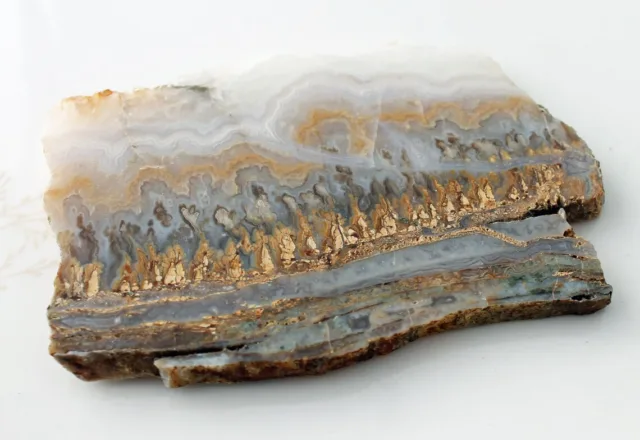
Picture Jasper

Geographic Locations of Deposits: Picture Jasper deposits are found in several locations around the world, each with its own distinct characteristics. Some notable locations include:

  1. Oregon, USA: One of the most famous sources of Picture Jasper is the state of Oregon, particularly the Biggs Jasper found in the Biggs Junction area. This variety of Picture Jasper is known for its desert landscapes and scenic depictions.
  2. Idaho, USA: The Bruneau Jasper, found in the Bruneau River Canyon in southwestern Idaho, is another well-known variety. It often displays scenic images of rivers, forests, and mountainous terrain.
  3. Madagascar: Madagascar is another significant source of Picture Jasper, offering a wide range of colors and patterns. The jasper from this region is highly prized for its vibrant and intricate designs.
  4. Mexico: Mexico is known for its Ocean Jasper, a type of Picture Jasper that often features circular or orb-like patterns. This variety is especially popular among collectors and jewelry enthusiasts.
  5. Other Locations: Picture Jasper can also be found in various other regions, such as Australia, Venezuela, and China, each offering its unique characteristics and patterns.

Due to its aesthetic appeal and the wide variety of patterns and colors it can exhibit, Picture Jasper remains a sought-after gemstone for both its decorative and metaphysical properties. It is often used in jewelry, sculpture, and as a collectible item for its natural beauty and the stories it seems to tell through its intricate designs.

Characteristics of Picture Jasper

Picture Jasper

Picture Jasper is a distinctive and visually captivating variety of jasper, known for its unique characteristics and appearance. Here are some of the key characteristics of Picture Jasper:

  1. Intricate Patterns: The most prominent characteristic of Picture Jasper is its intricate and often picturesque patterns. These patterns can resemble landscapes, scenes, or abstract images. They are created by the presence of various minerals and impurities that infiltrate the layers of the stone during its formation.
  2. Color Range: Picture Jasper comes in a wide range of colors, primarily earthy tones such as browns, reds, yellows, and greens. These colors are a result of the different mineral deposits within the stone and contribute to the overall aesthetic appeal.
  3. Opacity: Picture Jasper typically has an opaque to translucent appearance. It allows some light to pass through but is not transparent. The level of opacity can vary depending on the specific type of Picture Jasper.
  4. Smooth Texture: When polished, Picture Jasper has a smooth and often glossy texture. This makes it a popular choice for use in jewelry and lapidary arts.
  5. Hardness: Picture Jasper has a hardness of approximately 6.5 to 7 on the Mohs scale, making it relatively durable and suitable for various applications. However, it should still be treated with care to avoid scratches or damage.
  6. Variety: Picture Jasper is not a single type but a category of jasper that includes various subtypes, each with its distinct patterns and colors. Some well-known varieties include Biggs Jasper from Oregon, Bruneau Jasper from Idaho, and Ocean Jasper from Madagascar, among others.
  7. Metaphysical Properties: Picture Jasper is believed by some to have metaphysical properties that promote grounding, creativity, and connection to the Earth. It is often used in crystal healing and meditation practices for its purported ability to enhance visualization and imagination.
  8. Lapidary Use: Due to its striking patterns and colors, Picture Jasper is commonly used in the creation of jewelry, cabochons, beads, and other ornamental items. Lapidarists often shape and polish it into various forms to highlight its natural beauty.
  9. Collector’s Item: Picture Jasper is highly sought after by collectors and enthusiasts who appreciate its unique and intricate designs. Each piece of Picture Jasper is one-of-a-kind, making it a popular choice for those interested in gemstone collecting.
  10. Scenic Depictions: Many varieties of Picture Jasper are known for their ability to resemble natural scenes, such as desert landscapes, forests, mountains, and bodies of water. This scenic quality adds to its appeal for both artisans and collectors.

Overall, Picture Jasper’s captivating patterns and wide range of colors, combined with its metaphysical attributes, make it a popular and valued gemstone in the world of lapidary arts, jewelry making, and crystal healing.

Uses of Picture Jasper

Picture Jasper

Picture Jasper is a versatile and aesthetically appealing gemstone, and it finds various uses in both decorative and metaphysical applications. Here are some common uses of Picture Jasper:

  1. Jewelry: Picture Jasper is often used in jewelry making to create unique and eye-catching pieces. It can be cut into cabochons, beads, pendants, and other jewelry components. The intricate patterns and earthy colors make it a popular choice for necklaces, bracelets, earrings, and rings.
  2. Lapidary Arts: Lapidarists and artisans frequently work with Picture Jasper to create decorative items such as sculptures, carvings, and ornaments. Its smooth texture and intricate patterns make it a valuable material for artistic creations.
  3. Home Decor: Picture Jasper is used as a decorative stone in interior design. It can be incorporated into countertops, tabletops, tiles, and other surfaces to add a touch of natural beauty and sophistication to homes, offices, and public spaces.
  4. Collectibles: Due to the uniqueness of each piece of Picture Jasper, it is highly sought after by collectors. Collectors often acquire specimens that display particularly appealing patterns, scenes, or images.
  5. Metaphysical and Healing: In metaphysical and holistic practices, Picture Jasper is believed to have grounding and nurturing properties. It is thought to enhance creativity, imagination, and visualization. Many people use it during meditation or wear it as a talisman to promote a connection with the Earth and balance the mind.
  6. Lapidary Workshops: Picture Jasper is used as a teaching tool in lapidary workshops and classes. Its diverse colors and patterns provide students with the opportunity to learn various cutting, shaping, and polishing techniques.
  7. Gifts and Souvenirs: Picture Jasper jewelry and small decorative items made from this stone are often purchased as unique and meaningful gifts or souvenirs, particularly for those who appreciate nature-inspired designs.
  8. Crafts and DIY Projects: Crafters and DIY enthusiasts use Picture Jasper beads and cabochons to incorporate into their own handmade creations, including necklaces, bracelets, and other crafts.
  9. Scenic Artwork: Some artists use Picture Jasper as a medium for creating scenic artwork and miniaturized landscapes. They take advantage of the stone’s natural landscape-like patterns to craft visually stunning pieces.
  10. Interior Feng Shui: In Feng Shui practices, Picture Jasper is sometimes used to enhance the earth element within a space. It is placed strategically to promote stability, grounding, and harmony.
  11. Educational Purposes: Picture Jasper is used in educational settings to teach students about geology, mineralogy, and the formation of gemstones. Its unique patterns and composition can be used to engage students in earth science lessons.

Overall, Picture Jasper’s aesthetic appeal, diverse patterns, and perceived metaphysical properties make it a versatile and highly valued gemstone that serves both decorative and spiritual purposes. Its distinctive look and individualized patterns continue to attract enthusiasts, artisans, and collectors alike.

Picture Jasper

Foraminifera

A variety of Foraminifera from the ocean floor of the Mediterranean Sea, light micrograph.

Foraminifera, often simply referred to as “forams,” are a diverse and fascinating group of marine microorganisms with an extensive history dating back hundreds of millions of years. These single-celled protists are characterized by their distinctive shells, known as tests, which are typically made of calcium carbonate or organic material. Foraminifera play a crucial role in both modern marine ecosystems and paleontology, providing valuable insights into Earth’s geological and environmental history.

A variety of Foraminifera from the ocean floor of the Mediterranean Sea, light micrograph.

Definition and Overview: Foraminifera are unicellular eukaryotic organisms belonging to the phylum Granuloreticulosa. They are typically found in marine environments, although some species can inhabit brackish water or even freshwater habitats. Foraminifera are characterized by their intricate, multi-chambered shells, which come in various shapes and sizes, ranging from minute microfossils to larger forms.

These shells serve several purposes for forams, including protection, buoyancy control, and the capture of food particles. They are often found as fossils in sedimentary rocks, providing valuable records of past environmental conditions and the evolution of life on Earth.

Classification and Taxonomy: Foraminifera are a diverse group with a wide range of morphological and genetic diversity. They are typically classified into two main suborders based on the presence or absence of a “pseudopodia” structure:

  1. Astrorhizina (or Reticulomyxida): These foraminifera possess branching pseudopodia, which are used for capturing prey. They are typically found in deeper marine environments.
  2. Textulariina (or Monothalamids): Members of this suborder have simple, tube-like pseudopodia. They are often found in shallower marine environments and are known for their calcium carbonate tests.

Within these suborders, foraminifera are further classified into families, genera, and species based on their shell characteristics, including shape, size, and ornamentation. The taxonomic classification of foraminifera can be complex due to their wide diversity.

Historical Significance in Paleontology: Foraminifera are of immense historical significance in paleontology for several reasons:

  1. Stratigraphic Dating: Foraminifera are excellent index fossils. Different species of forams have existed at various points in Earth’s history, and their fossils can be used to date rock layers in stratigraphy, helping geologists establish the relative age of sedimentary deposits.
  2. Paleoenvironmental Reconstruction: Foraminiferal assemblages found in sedimentary rocks provide valuable information about past environmental conditions, such as water depth, temperature, salinity, and nutrient availability. This data helps scientists reconstruct past climates and ecosystems.
  3. Biostratigraphy: Foraminifera are essential in biostratigraphy, a subfield of paleontology that uses the fossil record to correlate and date rock layers across different geographic regions. By studying the distribution of foraminiferal species, researchers can create precise stratigraphic charts.
  4. Evolutionary Studies: Foraminifera have a long evolutionary history, and their fossil record documents the development of their complex shell structures over geological time. Studying these evolutionary changes contributes to our understanding of the history of life on Earth.

In conclusion, foraminifera are remarkable microorganisms with an intricate fossil record that has greatly contributed to our understanding of Earth’s history and its ancient environments. Their use in stratigraphy, paleoenvironmental reconstruction, biostratigraphy, and evolutionary studies has made them indispensable to the fields of geology and paleontology.

Morphology and Anatomy

The morphology and anatomy of foraminifera are unique and fascinating, reflecting the diversity of this group of microorganisms. While there is considerable variation among different species, there are some common features and structures that characterize foraminifera:

  1. Test: The most distinctive feature of foraminifera is their shell, known as the test. The test is typically made of calcium carbonate (CaCO3), but in some species, it can also be composed of organic material. The test can vary in shape, size, and complexity, ranging from simple, single-chambered tests to highly intricate multi-chambered ones. The test provides protection for the cell and can serve as a buoyancy aid.
  2. Aperture: Foraminiferal tests have one or more apertures, which are openings through which the pseudopodia (feeding and locomotion structures) extend. The shape and position of the apertures can be important for taxonomic classification.
  3. Chambers: Multi-chambered foraminifera have a series of interconnected chambers within their test. These chambers are separated by septa, which are walls made of calcium carbonate. As the foraminifer grows, it adds new chambers, often in a spiral or planispiral arrangement. The chambers can vary in size and shape and are typically filled with cytoplasm.
  4. Pseudopodia: Pseudopodia are retractable, thread-like extensions that protrude through the apertures of the test. Foraminifera use pseudopodia for a variety of functions, including capturing and engulfing prey, locomotion, and building and repairing the test. The structure and arrangement of pseudopodia can vary among species.
  5. Nucleus and Organelles: Foraminifera, like other eukaryotic cells, contain a nucleus that houses their genetic material (DNA). They also possess various organelles, including mitochondria for energy production and other cellular structures for functions like digestion and waste elimination.
  6. Cytoplasm: The cytoplasm of foraminifera contains the cell’s organelles and is responsible for various metabolic processes, including the synthesis of proteins and other molecules necessary for cellular function.
  7. Symbionts: Some foraminifera have symbiotic relationships with photosynthetic algae called dinoflagellates or other microorganisms. These symbionts live within the foraminiferal test and provide the host with nutrients through photosynthesis.
  8. Size: Foraminifera exhibit a wide size range, from microscopic forms measuring a fraction of a millimeter to larger species that can be several centimeters in size.
  9. Coloration: The color of the test can vary and is sometimes used as a diagnostic feature in identifying foraminiferal species. The color may be white, pink, brown, or other hues, depending on the type of material that makes up the test.
  10. Reproduction: Foraminifera reproduce both sexually and asexually. Sexual reproduction involves the fusion of gametes (sex cells), while asexual reproduction typically involves the division of the cell to produce offspring.

It’s important to note that the morphology and anatomy of foraminifera can vary significantly between different species and even within the same species in response to environmental conditions. This diversity is one of the reasons foraminifera are valuable tools for paleontologists and marine biologists in studying past and present marine ecosystems and environments.

Ecology and Distribution

The ecology and distribution of foraminifera are closely tied to their role as marine microorganisms with a wide range of adaptations to various environmental conditions. Here is an overview of the ecology and distribution of foraminifera:

Ecology:

  1. Habitat: Foraminifera primarily inhabit marine environments, from shallow coastal waters to the deep ocean. Some species can also be found in brackish water and even freshwater habitats, although marine environments are the most common. The specific habitat preferences of foraminifera can vary widely among different species.
  2. Benthic and Planktonic: Foraminifera can be divided into two broad ecological categories: benthic and planktonic. Benthic foraminifera live on or within the seafloor sediments, where they move and feed using their pseudopodia. Planktonic foraminifera, on the other hand, are free-floating in the water column, where they drift with ocean currents and feed on plankton.
  3. Feeding: Foraminifera are heterotrophic organisms, meaning they obtain their food by ingesting other organic matter, including bacteria, algae, small planktonic organisms, and detritus. Benthic foraminifera typically use their pseudopodia to capture and engulf food particles, while planktonic foraminifera may have specialized adaptations for filter-feeding.
  4. Symbiosis: Some foraminifera engage in symbiotic relationships with photosynthetic algae known as dinoflagellates or other microorganisms. These symbionts reside within the foraminiferal test and provide the host with nutrients through photosynthesis. This relationship allows foraminifera to thrive in nutrient-poor environments.

Distribution:

  1. Global Distribution: Foraminifera are found in oceans and seas worldwide, and their distribution is not limited to specific geographic regions. They are abundant in both temperate and tropical waters, as well as in polar regions and deep-sea environments.
  2. Depth Zones: Foraminifera are distributed across various depth zones within the ocean. Some species are restricted to shallow coastal waters and coral reefs, while others are adapted to deeper marine environments, including the abyssal plains of the deep sea.
  3. Sedimentary Environments: Foraminifera play a crucial role in sedimentary environments. Their shells, when they die, accumulate on the seafloor, contributing to the formation of marine sediments. The composition and distribution of foraminiferal assemblages within sediments provide important information for paleoecological and paleoenvironmental studies.
  4. Paleoenvironmental Indicators: Foraminiferal assemblages found in sedimentary rocks provide valuable data for reconstructing past environmental conditions. By analyzing the types and abundance of foraminifera in ancient sediments, scientists can infer past sea-level changes, water temperatures, salinity, and nutrient availability, among other factors.
  5. Oceanographic Significance: Planktonic foraminifera are particularly important for oceanography and climate studies. The shells of these planktonic species accumulate in ocean sediments, preserving a record of past climate conditions. The oxygen and carbon isotopic composition of their shells can be used to reconstruct past temperature and climate variations.

In summary, foraminifera are highly adaptable microorganisms that are widely distributed throughout the world’s oceans and play a significant role in marine ecosystems and the geological record. Their ecological diversity and the information they provide about past environments make them valuable subjects of study for marine biologists, paleontologists, and climate scientists.

Paleontological Significance

Foraminifera have immense paleontological significance due to their widespread presence, rapid evolutionary rates, and their utility as biostratigraphic and paleoenvironmental indicators. Paleontologists and geologists use foraminiferal fossils to gain insights into Earth’s geological history, environmental changes, and evolutionary processes. Here are some key aspects of the paleontological significance of foraminifera:

  1. Stratigraphy and Geochronology: Foraminifera serve as excellent index fossils because many species have relatively short-lived existence and are highly sensitive to environmental changes. Their fossils can be used to correlate and date sedimentary rock layers in various geological formations. By identifying specific foraminiferal species within a sedimentary sequence, paleontologists can establish the relative age of rocks, helping to create detailed stratigraphic charts.
  2. Biostratigraphy: Foraminiferal biostratigraphy is a valuable tool in deciphering the relative ages of sedimentary rocks across different geographic regions. The distribution and succession of foraminiferal species can be used to correlate rock layers and establish chronostratigraphic boundaries, aiding in the classification of geological time periods.
  3. Environmental Reconstructions: The assemblages of foraminifera found in sedimentary rocks provide critical information about ancient environmental conditions. Different species have specific ecological preferences, so the presence or absence of particular foraminiferal taxa can indicate past water depths, temperatures, salinities, and nutrient levels. This data is essential for reconstructing paleoenvironments, such as ancient oceans, seas, and coastal areas.
  4. Climate History: Foraminifera, especially planktonic species, are used to reconstruct past climate conditions. By analyzing the isotopic composition and geochemistry of foraminiferal shells, researchers can infer historical sea surface temperatures, ocean circulation patterns, and variations in atmospheric carbon dioxide levels. This information contributes to our understanding of climate change over geological time scales.
  5. Evolutionary Studies: Foraminifera have an extensive and well-preserved fossil record that spans hundreds of millions of years. This makes them valuable subjects for studying the evolutionary processes and adaptations of microorganisms over geological time. Paleontologists can trace the development of foraminiferal shell structures, size, and other characteristics through time, shedding light on the evolution of this group and its response to changing environments.
  6. Extinction Events: Foraminifera have played a role in identifying and understanding mass extinction events in Earth’s history. Their rapid evolutionary rates and sensitivity to environmental changes make them useful for pinpointing the timing and extent of extinction events, such as the end-Cretaceous mass extinction that wiped out the dinosaurs.
  7. Oil and Gas Exploration: In addition to their use in understanding Earth’s history, foraminifera are important in the field of petroleum geology. The presence of specific foraminiferal assemblages in sedimentary rocks can provide clues about the source and reservoir rocks for oil and natural gas deposits.

In summary, foraminifera are invaluable tools for paleontologists and geologists seeking to unravel the geological and environmental history of our planet. Their fossils help establish chronological frameworks, reconstruct past environments, track climate changes, and contribute to our understanding of evolutionary processes and extinction events, making them essential for understanding Earth’s past and its potential future.

Garnet crystal with a dark fibrous kelyphite reaction rim in a petrographic thin section.

Reaction Rims in Minerals: Formation, Corona Textures, and Geological Significance

A mineral crystal may appear stable and unchanged on the outside, yet a thin section can reveal an entirely different story. Under a petrographic...
Dark pseudotachylyte veins cutting through lighter host rock in an ancient fault zone.

Pseudotachylyte: The Rock That Records Ancient Earthquakes

Deep within the Earth's crust, a fault can suddenly slip during an earthquake, releasing enormous amounts of stored energy. Some of this energy is...