





Home Blog Page 63

Sigiriya, or Lion Rock, Sri Lanka

Sigiriya, also known as the Lion Rock, is a remarkable ancient rock fortress and palace located in the central Matale District of Sri Lanka. It stands as a UNESCO World Heritage Site and is one of the most iconic landmarks in the country. The site is renowned for its stunning architecture, breathtaking frescoes, and extensive landscaped gardens. Sigiriya’s historical, cultural, and architectural significance makes it a popular destination for tourists and historians alike.

Historical and Cultural Significance:

Sigiriya’s history dates back to the 5th century AD when it was built by King Kasyapa I, who sought to establish an impregnable fortress as well as a luxurious palace on the summit of a massive rock. The site’s historical importance is tied to the complex political intrigues of ancient Sri Lanka. After King Kasyapa’s death, Sigiriya was abandoned and eventually used as a Buddhist monastery until the 14th century.

The rock fortress is not only significant for its military and defensive features but also for its cultural and artistic elements. The Sigiriya Frescoes, located on a sheltered rock face, depict graceful and beautifully detailed female figures. These frescoes provide valuable insights into the art and aesthetics of the time and shed light on the lives of people who lived there centuries ago.

Geological Understanding for Preservation and Interpretation:

Understanding the geology of Sigiriya is crucial for its preservation and interpretation for several reasons:

  1. Structural Stability: The geological composition of the rock itself, including its layers, faults, and stability, has a direct impact on the structural integrity of the site. A comprehensive understanding of the rock’s geology helps in identifying potential weaknesses, erosion patterns, and areas prone to natural disasters. This information is vital for ensuring the long-term preservation of the site.
  2. Conservation Efforts: A deep understanding of the geology assists conservationists in developing appropriate strategies to mitigate the effects of weathering, erosion, and human impact. This might involve installing protective measures, such as barriers, drainage systems, and vegetation management.
  3. Site Interpretation: The geology of Sigiriya can also provide valuable insights into the cultural practices and technological capabilities of the time. The choice of building on a massive rock, the use of natural features for defense, and the integration of architectural elements with the rock’s features all reflect the ingenuity of the builders and their understanding of geology.
  4. Visitor Experience: A geological understanding enhances the visitor experience by enabling interpreters and guides to explain how the natural environment influenced the construction and purpose of Sigiriya. This adds depth to the narrative and allows visitors to appreciate the site from a multidisciplinary perspective.

In conclusion, Sigiriya’s historical and cultural significance as an ancient fortress and palace, combined with its geological context, makes it a unique and valuable site. Understanding its geology is essential for its preservation, interpretation, and continued appreciation for generations to come.

Geological Formation of Sigiriya Rock

Sigiriya Rock is a massive column of rock that stands out prominently in the surrounding landscape. Its geological formation is the result of intricate natural processes that have occurred over millions of years. The rock is an erosional remnant of an ancient magma intrusion that has been exposed through the processes of weathering and erosion.

Geological Processes:

  1. Magma Intrusion: The formation of Sigiriya Rock began deep within the Earth’s crust during the Precambrian geological period, around 550 million years ago. Molten magma, rich in minerals and gases, intruded into existing rock layers. This intrusion slowly cooled and solidified over a long period of time.
  2. Uplift and Erosion: Subsequent geological processes, such as tectonic uplift and erosion, gradually exposed the ancient magma intrusion at the surface. The surrounding rock layers were weathered and eroded away, leaving behind the resistant column of rock that we see as Sigiriya today.
  3. Chemical Weathering: Over millions of years, chemical weathering processes, including the dissolution of minerals and the action of acidic rainwater, contributed to the shaping of the rock. The soluble minerals within the rock matrix were gradually dissolved, leading to the formation of distinctive features and shapes.

Rock Type and Characteristics:

The rock that comprises Sigiriya is primarily a type of granite known as syenite. Syenite is a coarse-grained intrusive igneous rock that is composed primarily of feldspar minerals, including orthoclase and plagioclase feldspar, as well as smaller amounts of dark minerals such as hornblende and mica. This composition gives syenite its characteristic appearance, which often features light-colored feldspar crystals embedded in a darker matrix.

Time Frame and Geological Periods:

The geological formation of Sigiriya Rock spans a vast timeframe and is associated with multiple geological periods:

  1. Precambrian Period: The initial formation of the magma intrusion that eventually became Sigiriya Rock occurred during the Precambrian period, which lasted from approximately 4.6 billion to 541 million years ago. The specific timeframe of Sigiriya’s formation falls within this period.
  2. Paleozoic and Mesozoic Eras: The subsequent geological processes of uplift and erosion that exposed the rock formation occurred over the Paleozoic and Mesozoic eras, which spanned from about 541 million to 66 million years ago. These processes gradually shaped the landscape and revealed the distinct rock formation.

It’s important to note that the geological history of Sigiriya Rock spans millions of years and is a testament to the dynamic and ever-changing nature of the Earth’s crust. The rock’s unique formation and the rich geological history it embodies contribute to its significance as both a natural wonder and a cultural treasure.

Rock Composition and Mineralogy of Sigiriya Rock

Sigiriya Rock is primarily composed of a type of granite known as syenite. Syenite is an intrusive igneous rock that is rich in feldspar minerals and typically contains lesser amounts of darker minerals like hornblende and mica. The specific mineral composition of Sigiriya syenite contributes to its distinct appearance and properties.

The key minerals present in Sigiriya syenite include:

  1. Orthoclase Feldspar: This is one of the dominant minerals in syenite. Orthoclase feldspar is typically pale in color and gives the rock its light-colored appearance. It also contributes to the rock’s overall hardness and durability.
  2. Plagioclase Feldspar: Another type of feldspar present, plagioclase is usually white or gray and forms part of the lighter matrix of the rock.
  3. Quartz: While not as abundant as feldspar, quartz is an essential component of syenite. It is a hard and resistant mineral that contributes to the rock’s durability.
  4. Hornblende: This dark-colored mineral adds contrast to the rock’s appearance. It is part of the amphibole group of minerals and can appear as elongated crystals or grains.
  5. Biotite Mica: Biotite is another dark mineral that belongs to the mica group. It forms thin, sheet-like layers and contributes to the rock’s texture.
  6. Accessory Minerals: Small amounts of other minerals may also be present, including magnetite, apatite, and zircon.

Influence on Fortress Construction and Artwork:

  1. Durability and Strength: The composition of syenite, particularly the presence of hard and resistant minerals like quartz and feldspar, made Sigiriya Rock an ideal choice for construction. The rock’s durability and strength provided a solid foundation for the construction of the fortress and palace complex.
  2. Defense and Architecture: The natural features of Sigiriya Rock, including its steep sides and prominent elevation, combined with the durable rock composition, contributed to the defensive capabilities of the fortress. The hard rock surface made it difficult for invaders to breach the walls. Additionally, the syenite’s unique appearance may have influenced the architectural decisions, as the builders could have incorporated the natural rock formations into their construction plans.
  3. Frescoes and Artwork: The smooth and relatively stable surfaces of Sigiriya Rock allowed for the creation of intricate frescoes and artwork. The presence of orthoclase and plagioclase feldspar, which can weather more slowly than some other minerals, contributed to the preservation of these artworks over time. The artists could create detailed and vibrant paintings on the rock surface, showcasing the cultural and artistic achievements of the time.
  4. Integration with Natural Features: The mineral composition and the rock’s unique textures may have influenced the selection of locations for construction and artwork. The natural contours and color variations of the rock could have been incorporated into the overall design, enhancing the aesthetic appeal of the site.

In summary, the specific mineral composition of Sigiriya syenite played a significant role in shaping the fortress construction and artwork. Its durability, strength, and suitability for carving and painting allowed for the creation of an impressive fortress complex and intricate frescoes that continue to captivate visitors and researchers to this day.

Structural Geology of Sigiriya

Sigiriya Rock’s structural geology refers to the arrangement and characteristics of internal features such as bedding planes, fractures, and faults within the rock mass. These geological elements can significantly impact the construction, stability, and overall design of the fortress and palace complex.

Bedding Planes: Bedding planes are horizontal layers or stratifications within a rock mass, resulting from the deposition of sediments or lava flows over time. In Sigiriya Rock’s case, the presence of bedding planes in the syenite can influence how the rock weathers and erodes. If these bedding planes are well-defined and continuous, they may create planes of weakness along which the rock is more susceptible to splitting or breaking apart. The builders of Sigiriya would have needed to consider the orientation of these bedding planes when selecting construction sites and carving chambers and passageways within the rock.

Fractures: Fractures are cracks or breaks in the rock that can occur due to various geological processes, including tectonic forces, temperature changes, and weathering. Fractures can have a significant impact on the stability of the rock mass. In the case of Sigiriya, fractures could have provided natural crevices that could be incorporated into the construction of the fortress. However, they also have the potential to weaken the rock and make it more susceptible to weathering and erosion.

Faults: Faults are larger-scale fractures along which significant displacement has occurred. While it’s not clear if major faults are present within Sigiriya Rock itself, the broader geological setting of the region could have influenced the formation of fractures and faults in the vicinity. These geological features can affect the overall stability of the rock mass and impact the safety and longevity of the fortress.

Impact on Construction and Stability:

  1. Site Selection: The presence of bedding planes, fractures, and faults would have influenced where and how the builders constructed various elements of the fortress. They may have chosen locations with more stable and continuous rock for critical structures like the palace, while utilizing natural crevices and fractures for passageways, chambers, or defensive features.
  2. Stability Considerations: Understanding the orientation and characteristics of these geological features is essential for ensuring the stability of the constructed structures. Builders would have needed to avoid areas prone to structural weakness and focus on areas with more intact and stable rock.
  3. Weathering and Erosion: Bedding planes, fractures, and faults can create pathways for water infiltration, which can accelerate weathering and erosion. The builders may have had to implement strategies to divert water away from critical areas and prevent excessive degradation of the rock.
  4. Defensive Features: Natural fractures and faults could have been integrated into the design of defensive features, such as walls and barriers. These geological features could have been utilized to enhance the natural defenses of the fortress.

In summary, the structural geology of Sigiriya Rock, including bedding planes, fractures, and faults, played a significant role in shaping the construction and stability of the fortress and palace complex. The builders would have needed to carefully consider these geological features to ensure the longevity and effectiveness of their architectural endeavors.

Cultural Significance of Sigiriya

Sigiriya holds immense cultural significance in Sri Lanka and is deeply woven into the country’s literature, art, and folklore. It has inspired poets, writers, and artists for centuries, becoming a symbol of artistic and architectural excellence.

Sri Lankan Literature: Sigiriya is often referenced in Sri Lankan literature, both ancient and modern. It is mentioned in classical Sinhalese texts, including the “Mahavamsa” and “Culavamsa,” which chronicle the island’s history. The rock fortress has been praised in poetry for its grandeur and beauty.

Sri Lankan Art: Sigiriya’s influence is evident in various forms of traditional Sri Lankan art. The iconic Sigiriya Frescoes, which depict elegant female figures, showcase the artistic skill of the time. The motifs and themes from Sigiriya have also been incorporated into traditional art forms such as paintings, sculptures, and woodwork.

Folklore and Legends: Over time, myths and legends have developed around Sigiriya, adding to its cultural mystique. Stories of its creation, its transformation into a fortress, and its abandonment have become part of Sri Lanka’s folklore.

UNESCO Recognition and Preservation:

Sigiriya’s exceptional cultural and historical value led to its designation as a UNESCO World Heritage Site in 1982. The UNESCO recognition highlights the importance of preserving this remarkable site for future generations.

Preservation Efforts:

UNESCO’s designation has spurred significant efforts toward the preservation and conservation of Sigiriya. Several initiatives have been undertaken to protect the site from environmental degradation, erosion, and the impact of tourism. These efforts include:

  1. Structural Stabilization: Measures have been taken to reinforce and stabilize the rock, ensuring the safety of visitors and the long-term preservation of the ancient structures.
  2. Vegetation Management: Proper management of vegetation helps prevent root systems from causing damage to the rock’s surface and structures.
  3. Visitor Management: Strategies are in place to manage the number of visitors and their impact on the site. Walkways and paths have been constructed to guide visitors and prevent erosion.
  4. Conservation of Artifacts: The frescoes and other artifacts at Sigiriya are carefully monitored and conserved to protect them from deterioration.
  5. Educational Initiatives: Educational programs and guided tours are conducted to raise awareness about the historical and cultural significance of Sigiriya and the importance of its preservation.
  6. Research and Documentation: Ongoing research, documentation, and monitoring of the site contribute to a deeper understanding of its history and geology, which in turn aids preservation efforts.

In conclusion, Sigiriya’s cultural significance is deeply ingrained in Sri Lankan heritage, inspiring literature, art, and folklore. Its UNESCO status has spurred dedicated efforts to preserve and protect the site, ensuring that its historical and architectural treasures continue to be appreciated by present and future generations.

Tourism and Visitor Experience at Sigiriya

Sigiriya is a renowned tourist destination in Sri Lanka, attracting visitors from around the world who come to experience its rich history, stunning architecture, and breathtaking natural beauty. The site offers a unique blend of cultural and natural attractions, providing an immersive and educational experience for tourists.

Visitor Activities and Experiences:

  1. Climbing the Rock: One of the main attractions at Sigiriya is the opportunity to climb the rock fortress. The ascent involves ascending a series of staircases, pathways, and terraces while enjoying panoramic views of the surrounding landscape. The climb is a rewarding experience and allows visitors to explore the ancient ruins at the summit.
  2. Exploring the Palace Complex: At the top of the rock, visitors can explore the remains of King Kasyapa’s palace complex, including foundations, walls, and pools. This offers insights into the architectural and engineering prowess of the time.
  3. Sigiriya Frescoes: The well-preserved frescoes on a sheltered rock face are a highlight for many visitors. These vibrant paintings of elegant female figures provide a glimpse into ancient Sri Lankan art and culture.
  4. Landscape Gardens: The beautifully landscaped gardens at the base of the rock are a peaceful retreat for visitors. The symmetrical water gardens, fountains, and boulder gardens showcase the advanced engineering and design aesthetics of the ancient builders.
  5. Museum and Interpretive Center: Sigiriya has an on-site museum that provides historical context and artifacts related to the site. The interpretive center offers insights into the cultural and historical significance of Sigiriya.

Visitor Facilities:

Sigiriya is equipped with facilities to enhance the visitor experience:

  1. Guided Tours: Knowledgeable guides offer guided tours, sharing historical, cultural, and geological insights about the site.
  2. Information Centers: Information centers provide educational materials, maps, and guides to help visitors navigate and understand the site.
  3. Rest Areas: Rest areas and benches are strategically placed along pathways for visitors to take breaks and enjoy the surroundings.
  4. Restaurants and Shops: There are restaurants and shops near the entrance, providing food, beverages, and souvenirs for visitors.
  5. Safety Measures: Safety measures, such as railings and designated pathways, ensure that visitors can explore the site securely.

Sustainability and Responsible Tourism:

Efforts are made to promote sustainable and responsible tourism at Sigiriya, including:

  1. Visitor Limits: To minimize the impact on the site, there may be restrictions on the number of visitors allowed per day.
  2. Environmental Conservation: Measures are taken to protect the natural environment and manage waste.
  3. Cultural Respect: Visitors are encouraged to respect the cultural heritage of the site and follow guidelines to preserve its integrity.

In conclusion, the tourism experience at Sigiriya offers a fascinating journey through history, art, and nature. Its combination of historical significance and breathtaking landscapes creates a memorable and enriching experience for tourists while striving to ensure the long-term preservation of this exceptional site.

Recap of the key geological aspects of Sigiriya

  1. Formation and Composition: Sigiriya Rock is primarily composed of syenite, a type of intrusive igneous rock. It contains minerals such as orthoclase and plagioclase feldspar, quartz, hornblende, and biotite mica.
  2. Structural Features: Sigiriya exhibits bedding planes, which are horizontal layers or stratifications within the rock, fractures, which are cracks in the rock, and potentially faults, which are larger-scale fractures with significant displacement.
  3. Influence on Construction: The rock’s composition, including its durability, strength, and texture, influenced the construction of the fortress and palace complex. Builders selected stable areas for construction while incorporating natural crevices and fractures.
  4. Stability Considerations: Understanding the orientation of bedding planes, fractures, and faults was crucial to ensure the stability of constructed structures, helping to avoid areas of potential weakness.
  5. Weathering and Erosion: Geological features affected how the rock weathers and erodes. Proper management of these features was necessary to prevent degradation of the rock and structures.
  6. Defensive and Artistic Integration: Fractures and natural features might have been integrated into defensive structures and artwork, showcasing the ingenious use of geological formations in construction and artistic expression.

Overall, the geological aspects of Sigiriya played a significant role in shaping its construction, stability, and cultural significance. Understanding these geological features is essential for both preserving the site and appreciating its historical and architectural marvels.

Jeremejevite

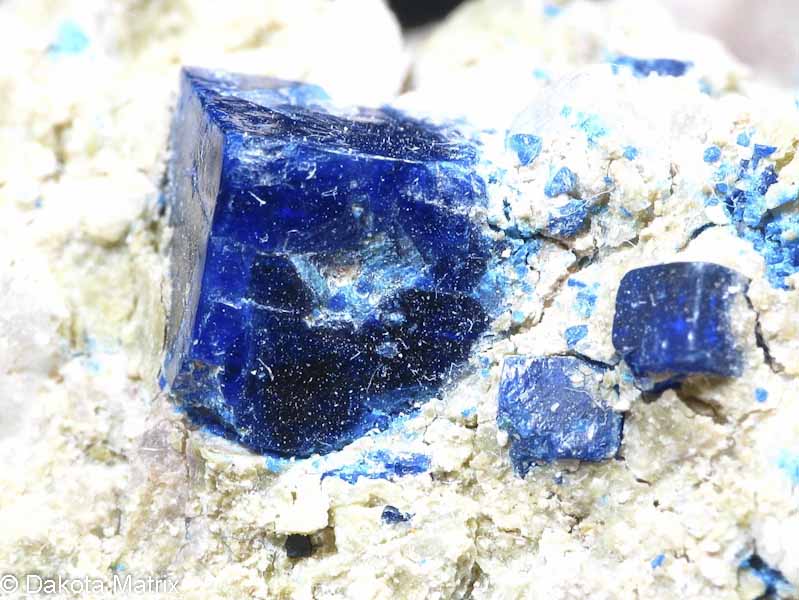
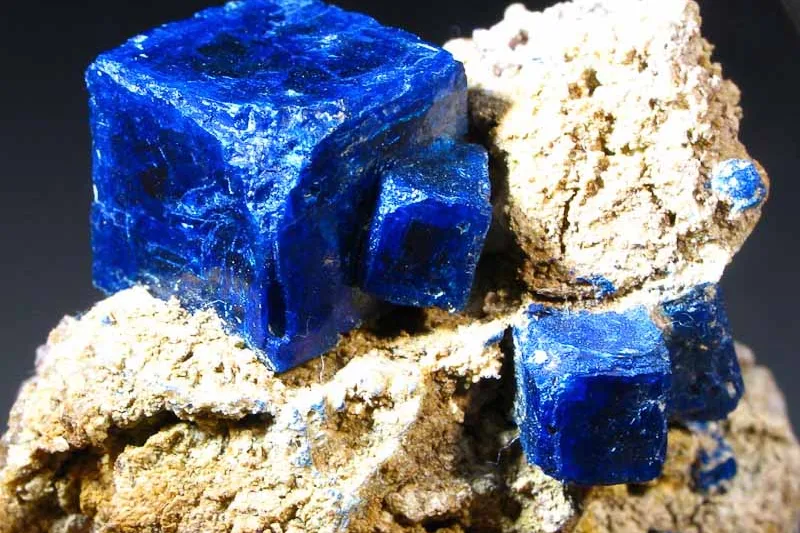
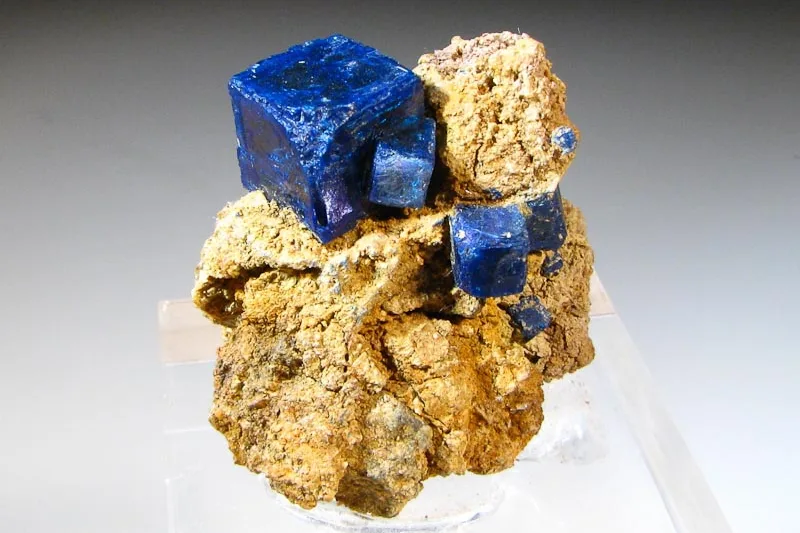
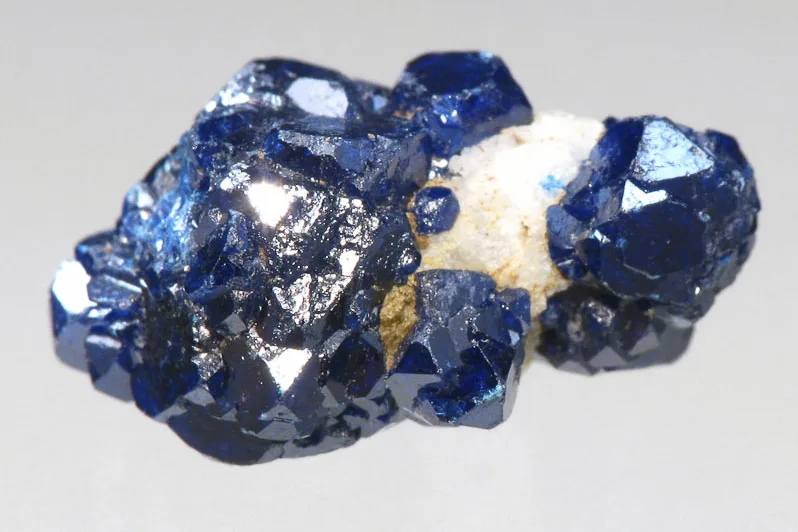
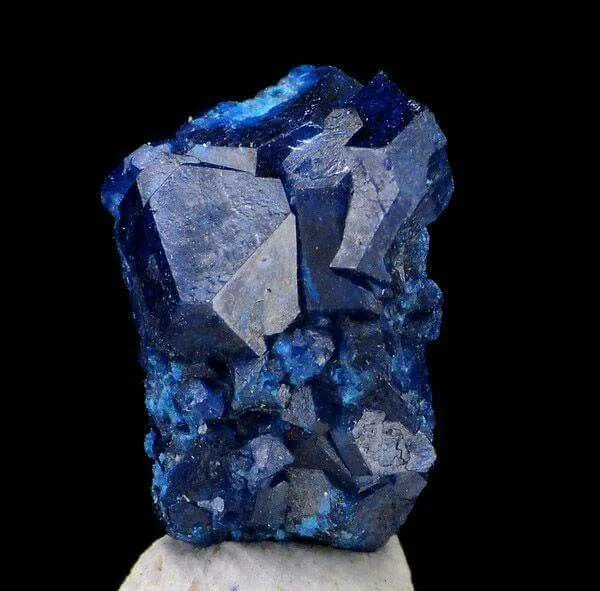
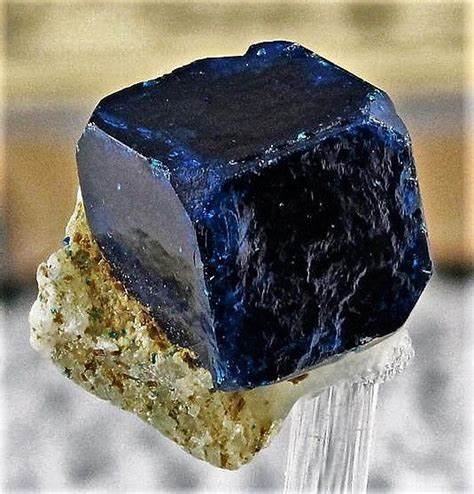
Jeremejevite is a rare and beautiful mineral that is known for its striking blue to colorless or pale yellow crystals. It belongs to the cyclosilicate mineral group and has a chemical formula Al6B5O15(F,OH)3. The mineral’s name is derived from the Russian mineralogist Pavel Vladimirovich Eremeev (Jeremejev), who discovered the mineral in the late 19th century.

Jeremejevite crystallizes in the orthorhombic crystal system and typically forms prismatic crystals with well-defined faces. Its color can vary from deep blue, which is the most sought after, to colorless or pale yellow. The mineral is prized for its exceptional clarity and high transparency. Jeremejevite is often found in granite and pegmatite formations and is associated with other minerals such as quartz, feldspar, and mica.

Historical Background and Discovery:

Jeremejevite was first discovered in 1883 by the Russian mineralogist Pavel Vladimirovich Eremeev (also spelled Jeremejev), after whom the mineral was named. The discovery took place in the Adun-Chilon Mountains in Siberia, Russia. Eremeev initially thought the mineral was aquamarine due to its blue color, but subsequent analysis revealed it to be a new and distinct mineral species.

Importance and Relevance of Jeremejevite:

Jeremejevite is highly valued by collectors and enthusiasts due to its rarity, exceptional clarity, and beautiful blue color. It is considered one of the most sought-after collector’s minerals. While jeremejevite is not commonly used for industrial purposes due to its scarcity, its significance lies in its contribution to the field of mineralogy and its role in showcasing the incredible diversity of minerals that the Earth can produce.

The mineral world benefits from the discovery and study of rare minerals like jeremejevite as it expands our understanding of mineral formation processes, crystallography, and geological conditions. Jeremejevite’s scarcity and unique properties also make it a subject of scientific research to better comprehend its formation mechanisms and potential geological indicators.

In summary, jeremejevite’s rarity, captivating blue color, and historical significance contribute to its importance and relevance in the mineral world. Its discovery continues to inspire mineral enthusiasts and scientists alike, shedding light on the Earth’s remarkable mineralogical diversity.

Jeremejevite Physical and Chemical Properties

Physical Properties of Jeremejevite:

  1. Color: Jeremejevite can range in color from deep blue, which is the most prized and sought after, to colorless, pale yellow, or even brown.
  2. Luster: The mineral has a vitreous (glassy) luster when freshly fractured surfaces are exposed.
  3. Transparency: Jeremejevite is typically transparent to translucent, allowing light to pass through its crystal structures.
  4. Crystal Habit: It commonly occurs as prismatic crystals with well-defined faces and edges. These crystals can be elongated or stubby, depending on the growth conditions.
  5. Cleavage: Jeremejevite exhibits poor to indistinct cleavage along different crystallographic directions.
  6. Hardness: It has a hardness of about 6.5 to 7.5 on the Mohs scale, making it moderately hard and suitable for use in jewelry.
  7. Density: The density of jeremejevite varies, but it generally falls within the range of 3.3 to 3.5 g/cm³.

Chemical Properties of Jeremejevite:

  1. Chemical Formula: The chemical formula of jeremejevite is Al6B5O15(F,OH)3. This formula reflects its composition, which includes aluminum, boron, oxygen, fluorine, and hydroxide ions.
  2. Composition: Jeremejevite is a cyclosilicate mineral, which means that its crystal structure consists of rings of silicate tetrahedra. Aluminum and boron are the main cations present in the structure, with oxygen, fluorine, and hydroxide anions.
  3. Fluorine and Hydroxide Content: The presence of both fluorine (F) and hydroxide (OH) ions in its chemical formula contributes to the mineral’s color and overall crystal structure. The relative amounts of these ions influence the color variation of jeremejevite, from blue to colorless.
  4. Crystal Structure: Jeremejevite crystallizes in the orthorhombic crystal system. Its unique crystal structure is characterized by chains of interconnected rings of boron and silicate tetrahedra.
  5. Solubility: Jeremejevite is not readily soluble in common acids, which is a characteristic shared by many silicate minerals.
  6. Optical Properties: The mineral’s optical properties, such as refractive index and birefringence, contribute to its distinctive appearance under polarized light.

Overall, the physical and chemical properties of jeremejevite contribute to its rarity, beauty, and unique characteristics. These properties play a significant role in its identification, classification, and appreciation within the field of mineralogy and among collectors of fine minerals.

Jeremejevite Occurrence and Geological Formation

Occurrence of Jeremejevite:

Jeremejevite is a relatively rare mineral, and its occurrences are limited and widely scattered around the world. It is typically found in association with granitic pegmatites, which are coarse-grained igneous rocks that often contain large crystals of various minerals. Pegmatites form under special geological conditions that allow for the concentration and growth of these larger crystals.

Geological Formation:

The exact geological conditions required for the formation of jeremejevite are not fully understood, but it is generally believed to form in pegmatite environments under specific circumstances. The following factors are thought to contribute to the formation of jeremejevite:

  1. Boron-Rich Environment: The presence of boron-rich fluids or sources of boron within the geological system is a key factor in the formation of jeremejevite. Boron is an essential component of jeremejevite’s chemical composition.
  2. Hydrothermal Processes: Jeremejevite is often associated with hydrothermal activity, where hot fluids rich in mineral components circulate through fractures and cavities in the Earth’s crust. These hydrothermal fluids can introduce the necessary elements for jeremejevite formation.
  3. Pegmatite Formation: Pegmatites are formed during the later stages of magma crystallization, when the remaining fluids are rich in dissolved minerals. The slow cooling and the high water content of these fluids provide favorable conditions for the growth of large and rare minerals, including jeremejevite.
  4. Exotic Elements: Pegmatites can concentrate a variety of elements that are relatively rare in the Earth’s crust. These exotic elements, including boron, aluminum, and fluorine, may be involved in the formation of jeremejevite.
  5. Pressure and Temperature: The specific pressure and temperature conditions during the formation of the pegmatite and the subsequent cooling of hydrothermal fluids can influence the crystallization of jeremejevite.
  6. Secondary Alteration: Jeremejevite crystals may also form as secondary minerals due to the alteration of pre-existing minerals under certain geological conditions.

Notably, jeremejevite is often found in association with other minerals, such as quartz, feldspar, mica, and tourmaline, within the same pegmatite deposits. Its rarity, coupled with the specific geological circumstances required for its formation, contributes to the limited number of known jeremejevite occurrences worldwide.

Notable Localities

Exploration of Significant Jeremejevite Occurrences Worldwide:

Jeremejevite is a rare mineral, and its occurrences are limited. Some of the notable localities where jeremejevite has been found include:

  1. Namibia: The Erongo Mountains and vicinity in Namibia have yielded some of the finest and most well-known jeremejevite crystals. These crystals often exhibit the characteristic blue color and excellent transparency.
  2. Namib Desert, Namibia: Jeremejevite crystals have been discovered in the Namib Desert, where they are associated with other minerals like quartz, fluorite, and topaz.
  3. Austria: A few jeremejevite specimens have been found in Austria, particularly in the Styria region. The mineral is usually colorless or pale blue in these occurrences.
  4. Myanmar (Burma): Myanmar has also produced jeremejevite crystals, typically showing a pale blue color. The Mogok region is known for its mineral diversity, including jeremejevite.
  5. Afghanistan: Some jeremejevite crystals with light blue coloration have been found in Afghanistan. The country is renowned for its diverse mineral deposits.
  6. Zimbabwe: In Zimbabwe, jeremejevite has been discovered in the Sandawana Mine along with other gem minerals like emerald and aquamarine.

Detailed Examination of Specific Localities and Their Geological Context:

  1. Erongo Mountains, Namibia:
    • Jeremejevite crystals from the Erongo Mountains are highly regarded for their quality and color.
    • Geological Context: The Erongo Mountains are known for granitic pegmatites that formed during the late stages of magmatic activity. The pegmatites are rich in boron and other elements necessary for jeremejevite formation. Hydrothermal fluids carrying these elements likely played a role in the mineral’s crystallization.
  2. Mogok, Myanmar (Burma):
    • Geological Context: The Mogok region is famous for its gem-rich pegmatites and metamorphic rocks. Jeremejevite is found in pegmatites along with minerals like spinel, topaz, and beryl. The presence of boron-rich fluids during pegmatite formation could have contributed to jeremejevite’s occurrence.
  3. Sandawana Mine, Zimbabwe:
    • Geological Context: The Sandawana emerald mine is known for its gem minerals. Jeremejevite occurs alongside emerald and aquamarine in pegmatites. The complex geological history of the region, involving tectonic activity and hydrothermal processes, likely contributed to the formation of these minerals.
  4. Austria (Styria Region):
    • Geological Context: Jeremejevite in Austria is often colorless or pale blue. These crystals are associated with quartz veins in crystalline rocks. The geological processes involved in the formation of these quartz veins may have led to the incorporation of boron and other elements necessary for jeremejevite formation.
  5. Namib Desert, Namibia:
    • Geological Context: Jeremejevite occurrences in the Namib Desert are associated with desert varnish deposits, which form through slow mineral precipitation from atmospheric fluids. The specific mechanisms leading to jeremejevite formation in this desert environment are not fully understood.
  6. Afghanistan:
    • Geological Context: Afghanistan is a mineral-rich region with diverse geological settings. Jeremejevite occurrences are likely associated with pegmatites and hydrothermal systems similar to other regions where the mineral is found.

In each of these localities, the formation of jeremejevite is linked to specific geological processes involving the availability of boron, hydrothermal activity, pegmatite formation, and other mineralogical factors. Further research and exploration are needed to fully understand the geological context of jeremejevite occurrences and its formation mechanisms.

Crystal Growth and Formation Mechanisms

While there isn’t an extensive body of research specifically focused on jeremejevite’s crystal growth and formation mechanisms, we can draw from general principles of mineral formation and crystal growth to discuss potential theoretical models:

  1. Nucleation and Growth: Jeremejevite crystals likely form through nucleation and growth processes. Nucleation involves the initial formation of tiny crystal seeds (nuclei) in a supersaturated solution of mineral components. These nuclei then grow by attracting and incorporating additional ions from the surrounding solution.
  2. Pegmatite Formation: Jeremejevite is often associated with pegmatites, which are igneous rock formations with exceptionally large crystals. In pegmatites, the slow cooling of mineral-rich fluids allows for the growth of large and well-formed crystals, including jeremejevite.
  3. Hydrothermal Activity: Hydrothermal fluids, which are hot, mineral-rich solutions that circulate through fractures in the Earth’s crust, can play a significant role in mineral formation. Jeremejevite may precipitate from such fluids as they cool and lose solubility, depositing mineral components onto available surfaces.
  4. Solid-State Diffusion: In some cases, jeremejevite crystals might form through the diffusion of elements within a solid matrix, such as within rocks undergoing metamorphism. This process involves the migration of ions over time, leading to crystal growth.

Factors Influencing the Formation of Jeremejevite Crystals:

Several factors can influence the formation of jeremejevite crystals:

  1. Chemical Composition: The availability of boron, aluminum, and other essential elements in the geological environment is a crucial factor in the formation of jeremejevite.
  2. Temperature and Pressure: The specific temperature and pressure conditions during mineral formation can affect crystal growth rates and the stability of jeremejevite.
  3. Hydrothermal Fluids: The composition, temperature, and pressure of hydrothermal fluids can influence whether jeremejevite forms and the characteristics of the resulting crystals.
  4. Pegmatite Formation: The slow cooling and mineral-rich nature of pegmatite-forming fluids provide an ideal environment for jeremejevite crystal growth.
  5. Presence of Other Minerals: Jeremejevite often forms in association with other minerals, and their presence can influence the availability of necessary elements and the overall mineralogical context.

Comparison with Other Minerals and Their Formation Processes:

Jeremejevite’s formation mechanisms and factors influencing its growth are comparable to those of other minerals, especially those found in pegmatite and hydrothermal environments. For example:

  1. Quartz: Quartz crystals can form through nucleation and growth in hydrothermal veins and pegmatites. Silicon and oxygen availability, temperature, and pressure play key roles in quartz formation.
  2. Beryl (Emerald and Aquamarine): Like jeremejevite, beryl forms in pegmatites. The presence of beryllium, aluminum, and other elements, as well as specific temperature and pressure conditions, influence beryl’s growth.
  3. Tourmaline: Tourmaline crystals form in pegmatites and hydrothermal veins. Boron availability, along with the presence of other elements like aluminum, iron, and lithium, affects tourmaline’s color and crystal structure.
  4. Fluorite: Fluorite can precipitate from hydrothermal fluids and is often associated with metallic ore deposits. The availability of calcium, fluorine, and other elements contributes to its crystal growth.
  5. Topaz: Topaz forms in granitic pegmatites and hydrothermal systems. Aluminum, fluorine, and water content in the environment influence topaz growth and color.

In summary, jeremejevite’s crystal growth and formation mechanisms share similarities with other minerals found in pegmatites and hydrothermal settings. The availability of specific elements, temperature, pressure, and the presence of appropriate geological conditions are common factors influencing the formation of these minerals.

Jeremejevite Uses and Applications

Historical and Cultural Uses of Jeremejevite:

Jeremejevite is primarily valued for its beauty and rarity, making it a sought-after collector’s mineral. Its historical and cultural uses are limited due to its scarcity, but it has been treasured by mineral enthusiasts, gem collectors, and jewelry designers for its exquisite blue color and exceptional clarity.

Modern Applications in Science, Industry, or Technology:

Jeremejevite doesn’t have widespread applications in modern science, industry, or technology due to its rarity. However, it has been studied for its unique crystallography, mineralogical significance, and role in understanding geological processes. Scientists use jeremejevite, along with other rare minerals, as indicators of specific geological conditions and processes.

Potential Future Uses and Research Possibilities:

While not extensively explored, there are several potential areas of research and future uses for jeremejevite:

  1. Advanced Materials: Jeremejevite’s unique crystal structure and chemical composition could lead to potential applications in advanced materials, such as in optics, electronics, or even nanotechnology. Its transparency and refractive properties might be harnessed for specialized optical devices.
  2. Gemology and Jewelry: Jeremejevite’s scarcity and beauty make it a prime candidate for high-end jewelry and gemstone collections. If new sources of quality jeremejevite are discovered, it could gain more prominence in the gemstone market.
  3. Geological Indicators: Continued study of jeremejevite and its geological context can provide insights into the processes and conditions under which such rare minerals form. This information could have implications for mineral exploration and resource assessment.
  4. Mineralogical Research: Jeremejevite’s crystal growth mechanisms, formation conditions, and crystallography could offer insights into general mineralogical principles and contribute to our understanding of crystal growth and mineral formation.
  5. Technology and Innovation: As technology advances and our understanding of materials deepens, new and unexpected applications for rare minerals like jeremejevite may emerge.

Recap of Key Points and Findings

Jeremejevite is a rare and beautiful mineral known for its striking blue to colorless or pale yellow crystals. It belongs to the cyclosilicate mineral group with a chemical formula Al6B5O15(F,OH)3. It was named after the Russian mineralogist Pavel Vladimirovich Eremeev who discovered it in the late 19th century. Jeremejevite is valued for its exceptional clarity, transparency, and unique crystal structure. It is commonly found in pegmatite formations associated with minerals like quartz, feldspar, and mica.

Significance of Jeremejevite in the Broader Mineralogical Context:

Jeremejevite’s significance extends beyond its individual beauty and rarity. It serves as a testament to the incredible diversity of minerals that our planet can produce under specific geological conditions. Its discovery and study contribute to our understanding of crystal growth, mineral formation, and the intricate processes that shape the Earth’s crust. Jeremejevite also highlights the role of boron-rich environments and hydrothermal activity in the creation of unique mineral specimens.

Areas for Future Research and Exploration Related to Jeremejevite:

  1. Crystal Growth Mechanisms: Further research into the specific crystal growth mechanisms of jeremejevite, including nucleation, growth rates, and the influence of temperature and pressure, could provide insights into its formation process.
  2. Geochemical Context: Exploring the geochemical conditions that lead to jeremejevite formation, including the role of boron-rich fluids, can enhance our understanding of its occurrence and potentially lead to the discovery of new localities.
  3. Potential Applications: Continued investigation into potential practical applications of jeremejevite, especially in fields like materials science, advanced optics, and electronics, could unveil previously unexplored uses.
  4. Mineralogical Diversity: Jeremejevite exemplifies the importance of studying rare minerals in expanding our knowledge of mineral diversity. Ongoing exploration could yield insights into other undiscovered and unusual mineral species.
  5. Geological Significance: Studying jeremejevite in its geological context can contribute to broader geological studies, such as pegmatite formation, hydrothermal processes, and metamorphic conditions.

In conclusion, jeremejevite’s rarity, captivating appearance, and unique formation history make it a fascinating subject of study in the field of mineralogy. Its significance goes beyond its aesthetic appeal, offering insights into Earth’s geological processes and inspiring further research to unlock its potential applications and expand our understanding of the mineral world.

The Quebrada de Humahuaca, Argentina

The Quebrada de Humahuaca is a breathtaking and historically rich mountainous gorge located in the northwest of Argentina, in the province of Jujuy. This stunning landscape stretches for approximately 155 kilometers (96 miles) along the Rio Grande and is flanked by towering, multicolored rock formations that have been shaped by millions of years of geological processes.

The significance of the Quebrada de Humahuaca lies in its historical, cultural, and natural importance. For thousands of years, this region has been a vital corridor for trade, communication, and cultural exchange between the Andean highlands and the lowlands of Argentina. Its strategic location has made it a melting pot of diverse cultures, including indigenous peoples such as the Quechua and the Aymara, as well as Spanish colonizers.

The Quebrada de Humahuaca has witnessed the rise and fall of numerous civilizations, and its history is etched into the landscape through archaeological sites, traditional villages, and centuries-old traditions that continue to thrive today. The region’s unique blend of indigenous and colonial influences is reflected in its architecture, art, crafts, music, and cuisine.

In recognition of its outstanding cultural and natural value, the Quebrada de Humahuaca was designated as a UNESCO World Heritage Site in 2003. This prestigious status is a testament to its significance as a living testament to the historical and cultural interactions between different societies. The UNESCO designation aims to ensure the preservation and sustainable development of the area, safeguarding its heritage for future generations to appreciate and learn from.

Visitors to the Quebrada de Humahuaca are captivated not only by its stunning geological formations but also by the tangible connection to its rich past. The gorge’s unique blend of history, culture, and natural beauty makes it a must-visit destination for travelers seeking an immersive experience in the heart of Argentina’s vibrant heritage.

Geological Formation and History

The geological formation of the Quebrada de Humahuaca is a result of a complex interplay of various geological processes that have occurred over millions of years. The gorge’s distinctive features and unique landscape can be attributed to tectonic activity, erosion, and sedimentation.

  1. Tectonic Activity: The Quebrada de Humahuaca lies within the broader context of the Andes mountain range, which is the result of the convergence between the South American Plate and the Nazca Plate. The ongoing tectonic collision and subduction processes have led to the uplift of the Andes and the creation of numerous mountain ranges, valleys, and gorges, including the Quebrada de Humahuaca. The tectonic forces at play have caused the Earth’s crust to deform, fold, and fault, resulting in the creation of the rugged terrain that characterizes the region.
  2. Erosion: Erosion has played a significant role in shaping the Quebrada de Humahuaca. Over millions of years, the combined effects of wind, water, and ice have carved out the deep gorge and sculpted the intricate rock formations. The Rio Grande, flowing through the gorge, has been a powerful agent of erosion, gradually wearing away the rock layers and widening the valley. The force of the river’s flow, especially during times of heavy rainfall and flooding, has helped to excavate the underlying rock and contribute to the deepening of the gorge.
  3. Sedimentation: Sedimentation, the process of deposition of eroded material, has also played a role in the formation of the Quebrada de Humahuaca. As water carries sediment downstream, it often gets deposited along the riverbanks and in the lower-lying areas. Over time, these accumulated sediments contribute to the filling of valleys and the creation of flatter areas within the gorge. The contrast between the eroded rock formations and the sediment-filled valleys adds to the visual allure of the landscape.

Throughout its geological history, the Quebrada de Humahuaca has been a dynamic environment where tectonic forces, erosion, and sedimentation have interacted to shape its distinct features. The resulting landscape showcases the intricate interplay between natural forces and the passage of time, creating a visually stunning and culturally significant setting. The geological processes that have contributed to the formation of the Quebrada de Humahuaca continue to shape the region today, albeit at a much slower pace, and serve as a reminder of the Earth’s ever-changing nature.

Stratigraphy and Rock Types

The Quebrada de Humahuaca is characterized by a diverse range of rock formations that provide insight into its geological history and the processes that have shaped the landscape. These rock formations can be broadly categorized into three main types: sedimentary, igneous, and metamorphic rocks.

  1. Sedimentary Rocks: Sedimentary rocks are formed through the accumulation and compaction of sediments over time. In the Quebrada de Humahuaca, sedimentary rocks are prominent and often showcase layers that represent different periods of deposition. These rocks offer valuable clues about the ancient environments and conditions that existed in the region. Examples of sedimentary rocks found in the Quebrada de Humahuaca include:
    • Sandstone: Sandstone is a common sedimentary rock composed primarily of sand-sized mineral particles. It often appears as distinct layers in the rock formations of the gorge.
    • Shale: Shale is a fine-grained sedimentary rock composed of clay and silt-sized particles. It can exhibit layers that are rich in fossils and provide insights into past ecosystems.
    • Limestone: Limestone is a sedimentary rock composed mainly of calcium carbonate. It can form in marine environments and may contain fossils of marine organisms.
  2. Igneous Rocks: Igneous rocks are formed from the solidification of molten material, either beneath the Earth’s surface (intrusive) or on the surface (extrusive). While sedimentary rocks dominate the Quebrada de Humahuaca’s landscape, igneous rocks also play a role. Examples include:
    • Andesite: Andesite is an extrusive igneous rock that is commonly associated with volcanic activity. It often has a fine-grained texture and can form as lava flows or volcanic ash deposits.
    • Granite: Granite is an intrusive igneous rock characterized by its coarse-grained texture. It forms when magma cools and solidifies deep within the Earth’s crust. Granite may be exposed through erosion and contribute to the geological diversity of the region.
  3. Metamorphic Rocks: Metamorphic rocks are formed from the alteration of existing rocks due to changes in temperature, pressure, or mineral composition. While not as abundant as sedimentary rocks in the Quebrada de Humahuaca, some metamorphic rocks can be found. Examples include:
    • Schist: Schist is a metamorphic rock with a well-developed foliation (layering) due to the alignment of mineral grains. It often forms from the metamorphism of pre-existing shale or other sedimentary rocks.
    • Gneiss: Gneiss is a high-grade metamorphic rock characterized by distinct light and dark layers. It forms from the metamorphism of rocks like granite or sedimentary rocks.

The presence of these diverse rock types in the Quebrada de Humahuaca reflects the complex geological history of the region, involving processes such as sediment deposition, volcanic activity, and tectonic forces. The intricate layering, colors, and textures of the rock formations contribute to the gorge’s stunning visual appeal and provide geologists and researchers with valuable information about the Earth’s past.

Sedimentary Layers and Fossil Record

The sedimentary layers within the Quebrada de Humahuaca provide a valuable record of the region’s geological history and past environments. These layers, often visible in the exposed rock formations, offer insights into the changing landscapes, climate conditions, and ecosystems that have existed over millions of years. The study of these sedimentary layers, combined with the fossil record found within them, allows scientists to reconstruct the history of the area.

  1. Sedimentary Layers: The sedimentary layers in the Quebrada de Humahuaca represent different periods of deposition and can be observed in the distinct horizontal bands or strata within the rock formations. These layers are a result of the accumulation of sediment, such as sand, silt, clay, and organic material, over time. As new sediment is deposited, it forms a new layer on top of the older ones, creating a chronological record of geological events.
  2. Fossil Record: The fossil record found within the sedimentary layers of the Quebrada de Humahuaca provides a window into the past ecosystems and the organisms that inhabited the region. Fossils preserved in these rocks include the remains of plants, animals, and even microorganisms. These fossils can include bones, shells, teeth, plant fragments, and tracks left behind by ancient creatures.The significance of the fossil record in the Quebrada de Humahuaca lies in its ability to:
    • Reconstruct Environments: By analyzing the types of organisms and their characteristics, scientists can infer the types of environments that existed in the past. For example, the presence of marine fossils in certain layers suggests that the region was once covered by seas or oceans.
    • Track Evolutionary Changes: Fossils provide evidence of the evolution and adaptation of species over time. Studying changes in the morphology of fossilized organisms can help researchers understand how life has evolved in response to changing conditions.
    • Climate Reconstruction: Certain fossils, such as plant types that are indicative of specific climatic conditions, can provide information about past climates. This data is crucial for understanding how climates have changed over geological time scales.
    • Biodiversity and Extinctions: The fossil record can reveal periods of high biodiversity and mass extinctions, shedding light on the complex interactions between species and environmental changes.
    The Quebrada de Humahuaca’s fossil record has contributed to our understanding of the region’s ancient ecosystems, including the types of plants and animals that once inhabited the area. This knowledge helps piece together the puzzle of the region’s geological and biological history, enhancing our understanding of the dynamic processes that have shaped both the landscape and the life that once thrived there.

Landforms and Geological Features

The Quebrada de Humahuaca is renowned for its spectacular and iconic landforms that showcase the intricate interplay of geological processes over millions of years. Some of the notable features include colorful mountains, dramatic canyons, and unique rock formations. These landforms are a testament to the region’s geological history and the forces that have shaped its breathtaking landscape.

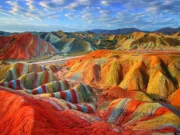
  1. Colorful Mountains and Canyons: One of the most striking features of the Quebrada de Humahuaca is the vibrant array of colors that adorn its mountains and canyons. The rich palette of reds, yellows, oranges, and purples creates a mesmerizing visual spectacle. These colors are primarily attributed to the diverse composition of sedimentary rocks found in the area, particularly sandstone and shale. The varying mineral content, along with the effects of weathering and oxidation, contribute to the vivid hues that adorn the landscape.
  2. Rock Formations: The Quebrada de Humahuaca is characterized by a variety of unique and intricate rock formations that captivate visitors with their distinct shapes and textures. These formations are the result of a combination of tectonic activity, erosion, and sedimentation. Some notable rock formations include:
    • Folded Rocks: The region’s complex geological history has led to the folding of sedimentary rock layers, creating undulating patterns and ridges. These folds are a result of the immense pressure and deformation caused by tectonic forces over time.
    • Eroded Sandstone Pillars: The erosion of softer rock layers over harder ones has given rise to fascinating formations such as sandstone pillars, which jut out from the landscape like natural sculptures. These pillars are the product of differential weathering and erosion rates among the various rock layers.
    • Cuestas and Hogbacks: Cuestas are elongated, asymmetrical ridges formed by the erosion of alternating layers of resistant and less resistant rocks. Hogbacks are similar but have steeply inclined sides. Both cuestas and hogbacks contribute to the region’s distinctive topography.
    The unique geological processes responsible for these formations have been active over millions of years, shaping the landscape and creating the awe-inspiring scenery that defines the Quebrada de Humahuaca.

Overall, the Quebrada de Humahuaca’s iconic landforms are a result of the ongoing interplay between tectonic forces, erosion by wind and water, and the deposition of sediments. The region’s geological history is recorded in the layers of rock and the sculpted formations, offering a fascinating glimpse into the dynamic processes that have shaped this remarkable landscape.

Mineral Deposits and Resources

The Quebrada de Humahuaca has a history of mineral deposits that have attracted human activity for centuries. While the region is not particularly known for large-scale mining, it has hosted various minerals of economic and cultural significance. These minerals have played a role in the development of local communities and have contributed to the region’s historical and contemporary mining activities.

  1. Minerals of Economic Importance:
    • Salt: Salt deposits have been historically important in the Quebrada de Humahuaca. The salt flats in the area, such as the Salinas Grandes, have provided a source of salt for both consumption and preservation of food.
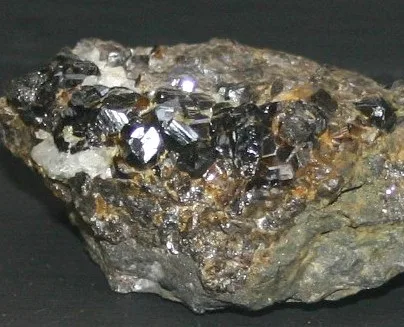
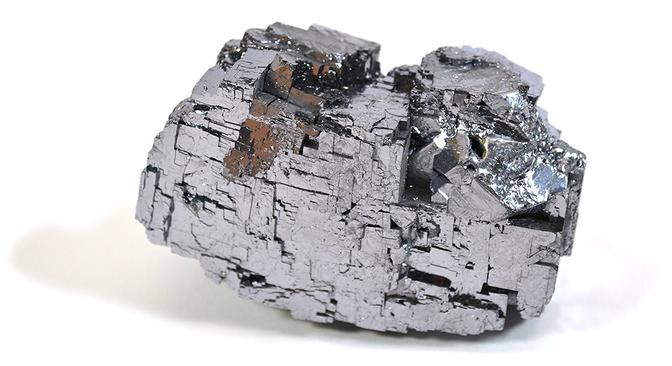
    • Lead and Zinc: The region has also seen mining activities for lead and zinc, primarily in the form of galena (lead sulfide) and sphalerite (zinc sulfide) minerals. These minerals have been extracted for their metal content.
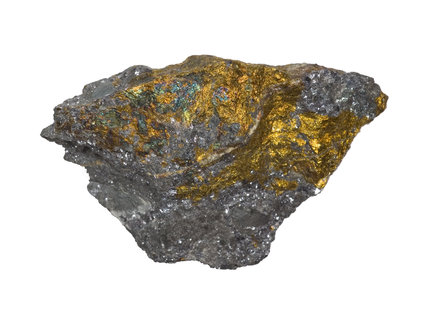
    • Copper: While not as prominent as other minerals, copper deposits have been found in the Quebrada de Humahuaca. Copper has been used for various purposes, including tools, ornaments, and decorative items.
  2. Historical and Contemporary Mining Activities:
    • Pre-Columbian Mining: Indigenous peoples in the region engaged in small-scale mining of minerals for local use. They extracted salt from salt flats and used mineral resources for crafting tools, ornaments, and ritual items.
    • Colonial and Post-Colonial Periods: During the Spanish colonial era, mining activities in the Quebrada de Humahuaca focused on extracting precious metals, such as silver and gold. The Spanish established mines and exploited mineral resources to support their colonial interests.
    • Modern Times: In more recent times, the mining activities in the Quebrada de Humahuaca have been limited in scale and scope. While some small-scale mining operations for minerals like lead, zinc, and copper have continued, the emphasis has shifted towards preserving the region’s cultural and natural heritage.

It’s important to note that the Quebrada de Humahuaca is now a UNESCO World Heritage Site, and efforts have been made to balance the preservation of its unique cultural and natural features with sustainable development and tourism. As a result, mining activities are generally subject to regulations to ensure minimal environmental impact and the protection of the region’s historical and cultural heritage.

In summary, while mineral deposits have played a role in the history and development of the Quebrada de Humahuaca, contemporary mining activities are limited and often regulated to maintain the integrity of the UNESCO World Heritage Site. The region’s mineral resources continue to contribute to local culture and traditions, but the focus has shifted towards preserving the area’s exceptional natural and cultural value.

Geological Evolution and Environmental Changes

The geological evolution of the Quebrada de Humahuaca spans millions of years and has been shaped by a complex interplay of geological processes. This evolution has had a profound impact on the region’s ecosystems and habitats, influencing the types of plants, animals, and environments that have thrived in the area.

  1. Ancient Marine Environments: The geological history of the Quebrada de Humahuaca dates back to a time when the region was covered by ancient seas. Sedimentary rocks, including limestone and shale, found in the gorge are evidence of these past marine environments. Fossilized marine organisms preserved in these rocks provide insights into the prehistoric life that inhabited the area.
  2. Tectonic Uplift and Mountain Building: The uplift of the Andes, driven by tectonic forces and the collision of the South American and Nazca plates, has played a pivotal role in shaping the landscape of the Quebrada de Humahuaca. Mountain-building processes have led to the formation of rugged terrain, elevated plateaus, and deep valleys, creating diverse habitats and ecological niches.
  3. Climate Fluctuations: The region’s geological history has been marked by shifts in climate over millions of years. These climatic changes have influenced vegetation patterns, water availability, and the distribution of species. Fluctuations between wetter and drier periods have likely shaped the types of ecosystems that have developed in the Quebrada de Humahuaca.
  4. Erosion and Sedimentation: The erosional forces of water, wind, and ice have sculpted the Quebrada de Humahuaca’s distinct landforms, including canyons, colorful mountains, and rock formations. Erosion has exposed different rock layers, each representing a specific time period in the region’s geological history. This dynamic process has created a mosaic of habitats and microhabitats that support a variety of plant and animal species.
  5. Biodiversity and Adaptation: The geological changes in the Quebrada de Humahuaca have contributed to the region’s rich biodiversity. As the landscape evolved, plant and animal species adapted to the changing conditions, leading to the development of unique ecosystems. The juxtaposition of different rock types, elevation gradients, and microclimates has contributed to the creation of diverse habitats that support a wide range of species.
  6. Human Influence: Human activities, including prehistoric and historic settlements, agriculture, and more recently, tourism, have interacted with the geological and environmental processes in the Quebrada de Humahuaca. These activities have shaped the landscape, altered habitats, and influenced the distribution of species.

In summary, the geological evolution of the Quebrada de Humahuaca has been a dynamic and multifaceted process that has shaped the region’s landscapes, habitats, and ecosystems over millions of years. The interplay of tectonic activity, erosion, sedimentation, and climatic fluctuations has contributed to the diverse array of geological features and ecological niches found within the gorge. Understanding this geological history is crucial for appreciating the complex interactions between the Earth’s physical processes and the natural world.

Cultural Significance and Geology

The unique geology of the Quebrada de Humahuaca has had a profound influence on the cultural identity, traditions, and art of the local communities that have inhabited the region for centuries. The geological features and landscapes of the gorge have played a pivotal role in shaping human settlement patterns, inspiring artistic expressions, and fostering a strong connection between the people and their environment.

  1. Settlement Patterns and Land Use: The geological formations of the Quebrada de Humahuaca have influenced where and how human communities settled in the region. The availability of fertile soils, water sources, and natural shelters provided by rock formations often determined the location of villages and agricultural activities. The towering cliffs and canyons also served as natural defenses, contributing to the strategic placement of settlements.
  2. Cultural Practices and Traditions: The distinctive geology of the region has become intertwined with local cultural practices and traditions. Indigenous communities have attributed spiritual and symbolic significance to certain rock formations, mountains, and natural landmarks. These features often have mythological or ceremonial importance, reflecting the deep connection between the people and the land.
  3. Art and Craftsmanship: The vibrant colors, textures, and shapes of the geological formations have inspired local artisans to incorporate these elements into their artwork and crafts. Traditional textiles, ceramics, and other crafts often reflect the natural beauty of the landscape. Geometric patterns and motifs found in indigenous art may draw inspiration from the layered rock formations or the play of light and shadow on the mountains.
  4. Storytelling and Oral Traditions: The geological features of the Quebrada de Humahuaca have been woven into local storytelling and oral traditions. These stories, passed down through generations, often involve natural landmarks and geological events, further cementing the connection between the people and their surroundings.
  5. Tourism and Cultural Identity: The unique geology of the Quebrada de Humahuaca has also attracted tourists and researchers interested in its cultural and natural heritage. The presence of UNESCO World Heritage status highlights the global recognition of the region’s significance. Tourism has both economic and cultural implications, allowing local communities to share their traditions and stories with visitors while also fostering a sense of pride in their heritage.

Overall, the geological features of the Quebrada de Humahuaca have not only provided practical resources for human communities but have also contributed to a deep cultural and spiritual connection between the people and their environment. The interaction between geology and culture in the Quebrada de Humahuaca exemplifies how the natural world can shape and enrich the human experience, fostering a unique and vibrant cultural identity that is inseparable from the landscape itself.

Tourism and Sustainable Development

Tourism plays a significant role in the local economy of the Quebrada de Humahuaca, providing opportunities for economic growth, job creation, and cultural exchange. However, striking a balance between tourism and the preservation of the region’s cultural and environmental heritage is crucial to ensure sustainable development and long-term well-being for both the local communities and the natural landscape.

Importance of Tourism for the Local Economy:

  1. Economic Growth: Tourism generates revenue and stimulates economic growth by creating employment opportunities in various sectors, including hospitality, transportation, food services, and crafts. It contributes to increased income levels and economic diversification.
  2. Cultural Exchange: Tourism fosters cultural exchange between visitors and local communities, allowing for the sharing of traditions, crafts, and stories. This exchange can contribute to cultural preservation, pride, and a deeper understanding of heritage.
  3. Infrastructure Development: Tourism often leads to improvements in local infrastructure, such as transportation, accommodations, and public services, which can benefit both residents and visitors.

Balancing Tourism with Preservation:

  1. Cultural Preservation: It’s essential to manage tourism in a way that respects and preserves the cultural heritage of the local communities. This can involve promoting responsible tourism practices that prioritize authentic cultural experiences, support local traditions, and engage the community in tourism development decisions.
  2. Environmental Conservation: Sustainable tourism practices should minimize negative impacts on the environment. This includes measures to reduce pollution, waste, and resource consumption. Protecting ecologically sensitive areas and promoting responsible outdoor activities are crucial for preserving the natural beauty and biodiversity of the region.
  3. Community Involvement: Engaging local communities in the planning and management of tourism activities empowers them to take an active role in shaping their own development. Their input can help ensure that tourism initiatives align with their cultural values and aspirations.
  4. Carrying Capacity: Establishing and enforcing limits on the number of tourists or activities in certain areas can prevent overcrowding and environmental degradation. Monitoring visitor numbers and setting appropriate limits based on the capacity of the environment is a key strategy.
  5. Education and Awareness: Promoting responsible tourism behaviors among visitors, such as respecting local customs, minimizing waste, and supporting local businesses, can contribute to a positive and sustainable tourism experience.
  6. Regulation and Enforcement: Implementing regulations and guidelines for tourism operators and visitors can help ensure that activities are conducted in a manner that respects cultural heritage and minimizes negative environmental impacts.

In essence, the Quebrada de Humahuaca can benefit from well-managed and sustainable tourism that respects and enhances its cultural and environmental assets. By considering the needs and aspirations of local communities and implementing responsible tourism practices, the region can achieve a harmonious balance between economic growth, cultural preservation, and environmental conservation.

Seraphinite

Seraphinite is a unique and captivating gemstone known for its stunning green color, intricate patterns, and spiritual significance. It is a relatively rare variety of the mineral clinochlore, which belongs to the chlorite group. Seraphinite is admired not only for its aesthetic beauty but also for its purported metaphysical properties.

Seraphinite derives its name from the word “seraph,” which refers to a type of celestial being often depicted as a fiery angel in various religious traditions. This name is fitting due to the stone’s lustrous appearance and the patterns reminiscent of angelic wings that can be observed on its surface. Seraphinite is primarily valued as a decorative and ornamental gemstone, frequently used in jewelry pieces like pendants, necklaces, and cabochons.

Geological Formation and Composition:

Seraphinite forms as a result of the metamorphism of magnesium-rich rocks, usually occurring in regions with abundant chlorite and other minerals. It is commonly found in association with other minerals like quartz, feldspar, and talc. The green color of seraphinite is attributed to the presence of iron and other trace elements within its chemical composition.

What sets seraphinite apart is its distinctive feather-like or wing-like patterns that display an intriguing chatoyancy (cat’s eye effect) when polished. These patterns, referred to as “feathers” or “plumes,” resemble the intricate wings of angels and contribute to the stone’s captivating visual appeal.

Historical and Cultural Significance:

Seraphinite has not been deeply intertwined with historical or cultural significance to the same extent as some other gemstones. However, its aesthetic qualities and the resemblance of its patterns to angelic wings have led to spiritual and metaphysical associations.

In the world of metaphysical beliefs and alternative healing practices, seraphinite is often considered a stone of spiritual enlightenment and transformation. It is believed to promote self-healing, purification, and a connection to higher spiritual realms. Some individuals use seraphinite for meditation, believing that it can help facilitate communication with angels or spirit guides.

While seraphinite may not have a long history of cultural use or lore, its visual allure and the sense of connection to the ethereal have contributed to its popularity among those interested in crystals, energy work, and holistic well-being.

In summary, seraphinite is a captivating gemstone with a unique appearance reminiscent of angelic wings. Its geological formation involves metamorphism of magnesium-rich rocks, resulting in its distinct green color and feather-like patterns. While it may lack extensive historical or cultural significance, seraphinite has gained attention in spiritual and metaphysical circles for its potential to enhance spiritual experiences and healing practices.

Physical Characteristics of Seraphinite

Seraphinite is a distinctive gemstone with a range of physical characteristics that contribute to its unique beauty and appeal. Here are some of the key physical attributes of seraphinite:

  1. Color: Seraphinite is most commonly recognized for its rich green color. The green hue can vary from light to dark shades, often exhibiting a lush, deep green with undertones of silver or gray. The coloration is due to the presence of minerals such as iron within its composition.
  2. Lustre: The lustre of seraphinite is typically vitreous to pearly. When polished, the surface of the stone can display a natural sheen that adds to its overall attractiveness.
  3. Patterns and Inclusions: One of the most striking features of seraphinite is its intricate and feather-like patterns that resemble angel wings or plumes. These patterns, known as chatoyant or iridescent formations, create a captivating visual effect when the stone is moved under light. The patterns are caused by the orientation of mineral inclusions within the gem.
  4. Transparency: Seraphinite is typically opaque, meaning that light does not pass through the stone. The intricate patterns and chatoyancy are best appreciated when the stone is cut and polished as cabochons or beads.
  5. Hardness: Seraphinite falls within the range of 2.5 to 3 on the Mohs scale of mineral hardness. This places it on the softer side of the scale, which makes it more susceptible to scratching and damage compared to harder gemstones.
  6. Cleavage: Seraphinite has good cleavage in one direction, which means that it can be easily split or cleaved along certain planes. This characteristic affects the stone’s durability and how it can be cut and shaped.
  7. Density and Specific Gravity: Seraphinite has a relatively moderate density and specific gravity. These properties contribute to its overall weight and feel when held.
  8. Origin: The primary sources of seraphinite are found in the Lake Baikal region of Siberia, Russia. This area is known for producing some of the finest quality seraphinite with the most intricate and desirable patterns.
  9. Cut and Shape: Seraphinite is often cut into cabochons to highlight its chatoyant patterns. Cabochons are smoothly polished, convex-cut gemstones without facets. This cutting style allows the unique patterns to be showcased effectively.

In summary, seraphinite’s physical characteristics include its distinctive green color, chatoyant feather-like patterns, relatively low hardness, and association with the Lake Baikal region of Siberia. Its visual allure and unique appearance make it a sought-after gemstone for jewelry and decorative purposes, particularly among those who appreciate its spiritual and metaphysical qualities.

Mining and Sources of Seraphinite

Seraphinite is primarily sourced from the Lake Baikal region in Siberia, Russia. This area is renowned for producing some of the finest quality seraphinite specimens, known for their exceptional chatoyant patterns resembling angel wings or feathers. The specific mining and sourcing details for seraphinite are as follows:

1. Location: The Lake Baikal region is located in Siberia, Russia. This area is known for its stunning natural landscapes and abundant mineral resources.

2. Mining Process: Seraphinite is typically extracted through open-pit or underground mining methods. The mining process involves the following steps:

  • Exploration: Geologists identify potential seraphinite deposits through geological surveys and mineralogical studies.
  • Extraction: Miners use heavy machinery to extract seraphinite-bearing rocks from the earth.
  • Processing: Once extracted, the raw material undergoes crushing, grinding, and sorting to separate seraphinite from other minerals.
  • Cutting and Polishing: Seraphinite is then cut and polished into cabochons or beads to showcase its unique chatoyant patterns.
  • Grading: Gemstone experts assess the quality of seraphinite based on factors such as color, clarity, patterns, and overall appearance.

3. Lake Baikal Region: The seraphinite deposits in the Lake Baikal region are associated with metamorphic rocks, particularly schists and gneisses. These rocks undergo geological processes that contribute to the formation of seraphinite, including the alteration of minerals like chlorite.

4. Characteristics of Russian Seraphinite: Seraphinite from the Lake Baikal region is often highly sought after due to its remarkable chatoyancy and intricate patterns. The feather-like formations and vibrant green color are distinctive features of Russian seraphinite. The unique patterns are caused by the orientation of fibrous mineral inclusions within the stone.

5. Availability and Rarity: Seraphinite is considered a relatively rare gemstone, and the most notable and prized specimens come from the Lake Baikal area. Its limited availability and distinct appearance contribute to its desirability among collectors, jewelry designers, and enthusiasts.

Due to its specific geological origins and the rarity of high-quality specimens, seraphinite from the Lake Baikal region is considered a treasured and valuable gemstone in the world of jewelry and mineral collecting. Its captivating patterns and connection to the natural beauty of Siberia make it a unique and sought-after choice for those who appreciate its aesthetic and metaphysical qualities.

Uses of Seraphinite

Seraphinite is a versatile gemstone that is prized for its unique appearance and potential metaphysical properties. Its distinctive green color, feather-like patterns, and spiritual significance have led to various uses, including both decorative and holistic purposes. Here are some of the common uses of seraphinite:

1. Jewelry: Seraphinite is frequently used in jewelry creation, particularly in pieces that emphasize its chatoyant patterns. Jewelry designers use seraphinite to create pendants, necklaces, rings, earrings, and bracelets. The stone’s captivating appearance makes it a popular choice for both casual and formal jewelry designs.

2. Cabochons and Beads: Seraphinite is often cut and polished into cabochons, which are smoothly rounded, non-faceted gemstones. These cabochons highlight the stone’s unique patterns and iridescence. Seraphinite beads are also popular for creating beaded jewelry.

3. Meditation and Energy Work: In the realm of metaphysics, seraphinite is believed to possess spiritual and energetic properties. Some individuals use seraphinite during meditation to enhance their spiritual experiences, promote self-awareness, and connect with higher realms. It is thought to help clear blockages and facilitate a sense of balance and harmony.

4. Healing and Wellness: Seraphinite is associated with healing and wellness in alternative and holistic practices. It is believed to have a purifying and detoxifying effect on the body, mind, and spirit. Some practitioners use seraphinite to aid in self-healing, emotional growth, and inner transformation.

5. Collecting and Display: Collectors of gemstones and minerals value seraphinite for its unique aesthetic and rarity. High-quality specimens with exceptional patterns are often sought after by mineral enthusiasts and collectors. Seraphinite can be displayed as part of a mineral collection or used as decorative pieces in homes and offices.

6. Spiritual and Metaphysical Decor: Some people incorporate seraphinite into their living spaces as a form of spiritual or metaphysical decor. Displaying seraphinite in a prominent place is believed to enhance the energy of the environment and promote a sense of tranquility and connection.

7. Gift Giving: Due to its beautiful appearance and potential spiritual significance, seraphinite is sometimes given as a thoughtful gift. It can be a meaningful present for individuals interested in crystals, meditation, and holistic well-being.

It’s important to note that the uses of seraphinite in metaphysical and holistic practices are based on belief systems and spiritual traditions. While many people find value and meaning in these uses, they are not scientifically proven effects of the gemstone.

Whether appreciated for its aesthetic appeal, believed metaphysical properties, or as part of a collection, seraphinite continues to captivate and inspire individuals across various contexts.

Recap of Key Points

  • Seraphinite is a gemstone known for its distinctive green color, intricate feather-like patterns, and spiritual symbolism.
  • It belongs to the chlorite group of minerals and is primarily composed of clinochlore.
  • The name “seraphinite” is derived from “seraph,” referencing the stone’s angelic and luminous appearance.
  • The gemstone is primarily sourced from the Lake Baikal region in Siberia, Russia, where it forms in association with metamorphic rocks.
  • Seraphinite’s patterns, resembling angel wings, are caused by fibrous mineral inclusions that create a chatoyant effect.
  • The Lake Baikal seraphinite is highly valued for its exceptional patterns and quality.
  • Seraphinite has a hardness of 2.5 to 3 on the Mohs scale, making it relatively soft and susceptible to scratching.
  • It is commonly cut into cabochons to showcase its chatoyant patterns and used in jewelry, including pendants, necklaces, and rings.
  • Seraphinite is believed to have metaphysical properties, including promoting spiritual connection, self-healing, and purification.
  • It is used for meditation, energy work, and holistic wellness practices.
  • Seraphinite has been incorporated into spiritual decor, collections, and given as meaningful gifts.
  • While its metaphysical effects are not scientifically proven, seraphinite continues to be admired for its beauty and perceived spiritual attributes.

Seraphinite’s unique appearance and potential significance make it a cherished gemstone among those interested in gemology, metaphysics, and personal adornment.

El Peñón de Guatapé, Colombia

El Peñón de Guatapé, commonly referred to as “El Peñol” or “La Piedra del Peñol,” is a massive rock formation located in Guatapé, a town in the Antioquia department of Colombia. It is one of the most iconic and recognizable natural landmarks in the country. El Peñón de Guatapé is not only a geological wonder but also a popular tourist attraction and a symbol of local pride.

Geological Formation: El Peñón de Guatapé is a monolithic rock formation that rises approximately 220 meters (721 feet) above the surrounding landscape. It is composed of granite and was formed millions of years ago through volcanic activity and the slow erosion of the surrounding softer rock layers. The unique patterns and textures on the rock’s surface are a result of this natural geological process.

Climbing El Peñón: Visitors to El Peñón de Guatapé have the opportunity to climb a staircase of 740 steps that has been built into a crevice on the side of the rock. The climb offers breathtaking panoramic views of the surrounding countryside and the nearby Guatapé Reservoir, also known as Embalse Peñol-Guatapé. At the top of the rock, there is a viewing platform where visitors can take in the spectacular scenery and capture memorable photographs.

La Piedra del Peñol: At the peak of El Peñón de Guatapé, there is a large painted letter “G” that stands for Guatapé, marking the town’s ownership and pride in the landmark. Additionally, the rock is also known as “La Piedra del Peñol,” which translates to “The Rock of Guatapé.” The local community considers it a symbol of their identity and has taken steps to preserve and promote its significance.

Tourism and Recreation: El Peñón de Guatapé has become a major tourist attraction, drawing visitors from Colombia and around the world. The area surrounding the rock offers various recreational activities, including boat rides on the Guatapé Reservoir, water sports, hiking, and exploring the charming town of Guatapé itself. The town is famous for its colorful and intricately decorated buildings, known as “zócalos,” which add to the unique character of the area.

Cultural and Historical Significance: Beyond its geological beauty, El Peñón de Guatapé holds cultural and historical significance for the local community. It has been a gathering place for centuries and has witnessed various events and celebrations. The rock has also been a subject of local folklore and legends, enriching its cultural importance.

Overall, El Peñón de Guatapé is a remarkable natural wonder that captivates visitors with its stunning views, geological history, and cultural relevance. It stands as a testament to the intricate relationship between nature and human appreciation, making it a must-visit destination for anyone exploring the beauty of Colombia.

El Peñón de Guatapé Geological Formation

The geological formation of El Peñón de Guatapé is a fascinating story of volcanic activity and erosion that spans millions of years. This monolithic rock formation is composed primarily of granite and is situated in the region of Guatapé in the Antioquia department of Colombia.

Volcanic Activity: The story begins with volcanic activity that occurred over 70 million years ago during the Cretaceous period. At that time, the area was characterized by intense geological processes, including the movement of tectonic plates and the formation of magma chambers deep within the Earth’s crust.

Intrusion of Granite: Over time, magma from these chambers began to cool and solidify beneath the Earth’s surface. The molten rock, or magma, that eventually formed the granite of El Peñón de Guatapé was part of this process. Granite is an igneous rock that crystallizes from magma and is composed mainly of quartz, feldspar, and mica minerals.

Uplift and Erosion: As the Earth’s crust continued to shift and change, the region that is now Guatapé was uplifted, exposing the once-buried granite beneath the surface. This uplift was likely due to the movement of tectonic plates and the forces of erosion gradually wearing away the overlying sedimentary rock layers.

Exfoliation and Unique Shape: The distinctive shape of El Peñón de Guatapé is the result of exfoliation, a geological process in which layers of rock peel away from the main formation due to temperature changes, erosion, and other natural factors. The process of exfoliation created the vertical and slightly rounded appearance of the rock, making it stand out prominently from its surroundings.

Human Interaction: While the geological forces shaped the initial form of the rock, human interaction later played a role in its current state. The construction of the staircase with its 740 steps that allows visitors to ascend to the top of El Peñón was a significant human intervention. It provides access to the panoramic views that make the site such a popular attraction today.

Overall, the geological formation of El Peñón de Guatapé showcases the intricate interplay between volcanic activity, tectonic forces, erosion, and human engagement. It stands as a testament to the dynamic and ever-changing nature of the Earth’s surface and the remarkable landscapes that result from these processes.

Cultural and Historical Significance

El Peñón de Guatapé holds significant cultural and historical importance for the local community and the broader region of Guatapé in Colombia. Beyond its geological marvel, the rock formation has become a symbol of identity, heritage, and resilience. Here are some aspects of its cultural and historical significance:

1. Indigenous Connection: Before European colonization, the indigenous people of the region held spiritual and cultural beliefs associated with the natural landscape, including El Peñón. The rock may have served as a ceremonial site or a point of reference in their daily lives.

2. Cultural Landmark: El Peñón de Guatapé has become an iconic cultural landmark for the town and its residents. It is a source of local pride and identity, serving as a recognizable symbol of Guatapé both within Colombia and beyond.

3. Legends and Folklore: The rock has inspired various local legends and folklore. One popular legend tells of a local woman who fell in love with a man from a rival village. According to the tale, she bewitched him, and he ended up falling off the rock. These stories add to the cultural richness and oral traditions of the area.

4. Art and Expression: The town of Guatapé itself is known for its vibrant and intricately decorated buildings, known as “zócalos.” These artistic designs often reflect local culture, history, and daily life. El Peñón, as a backdrop, contributes to the overall aesthetic and creative atmosphere of the town.

5. Resilience and Unity: In the 20th century, a dispute arose over the ownership of El Peñón between Guatapé and a neighboring town, El Peñol. The conflict was eventually resolved in favor of Guatapé, and to celebrate their victory, the town of Guatapé painted a large “G” on the rock, symbolizing their unity and strength.

6. Tourism and Economy: The rock’s cultural significance has contributed to the growth of tourism in the region. Visitors are drawn not only to the geological wonder but also to the local culture, traditions, and hospitality. The income generated from tourism has had a positive impact on the local economy and community development.

7. Events and Celebrations: El Peñón de Guatapé has been a gathering place for various events, celebrations, and festivals. Local and regional festivities often take place in its vicinity, reinforcing its role as a communal space and focal point for cultural activities.

In summary, El Peñón de Guatapé is much more than a geological formation; it embodies the intersection of nature, culture, history, and human interaction. Its cultural and historical significance underscores the deep connection between the local community and the remarkable landscape that defines their sense of place and identity.

Panoramic Views and Natural Beauty

The panoramic views and natural beauty offered by El Peñón de Guatapé are truly awe-inspiring and are a significant part of what makes this rock formation such a popular tourist destination and cultural landmark. Here’s a closer look at the breathtaking vistas and natural splendor that El Peñón de Guatapé has to offer:

1. Spectacular Views: The main attraction of El Peñón de Guatapé is undoubtedly the panoramic views it provides from its summit. After ascending the staircase with its 740 steps, visitors are rewarded with a mesmerizing 360-degree view of the surrounding landscape. From the top, you can see the sprawling Guatapé Reservoir with its intricate network of islands, peninsulas, and waterways, all set against the backdrop of lush green hills and mountains.

2. Guatapé Reservoir: The Guatapé Reservoir, also known as Embalse Peñol-Guatapé, is a man-made lake that was created by the construction of a hydroelectric dam on the Guatapé River. The reservoir’s calm waters contrast beautifully with the rugged terrain, making it a stunning sight from the top of El Peñón. The islands dotting the reservoir’s surface only add to the scenic allure.

3. Natural Surroundings: The rock itself is surrounded by the verdant Colombian countryside, rich with forests, farmland, and rolling hills. The natural beauty of the region serves as a picturesque backdrop for the massive rock formation, creating a harmonious blend of geological marvel and lush landscape.

4. Sunset and Sunrise Views: The changing light of sunrise and sunset casts a magical glow over the entire area. Many visitors choose to climb El Peñón during these times to witness the landscape bathed in warm, golden hues, which creates a serene and unforgettable experience.

5. Photography and Inspiration: The stunning vistas from the top of El Peñón de Guatapé provide a perfect setting for photography enthusiasts, artists, and nature lovers. The unique perspectives and breathtaking scenes inspire creativity and offer a chance to capture the beauty of the Colombian countryside.

6. Tranquility and Serenity: Standing atop El Peñón, you can experience a sense of tranquility and serenity as you take in the vastness of the natural world around you. The stillness of the reservoir and the quietude of the rural landscape offer a peaceful retreat from the hustle and bustle of daily life.

7. Connection with Nature: The opportunity to immerse oneself in the natural beauty of El Peñón de Guatapé fosters a sense of connection with the Earth and a deeper appreciation for the wonders of the natural world. It serves as a reminder of the intricate relationship between humans and the environment.

In conclusion, the panoramic views and natural beauty offered by El Peñón de Guatapé create a captivating experience that transcends the physical ascent of the rock. It’s a place where visitors can be transported by the sheer magnificence of the scenery, fostering a sense of wonder and appreciation for the natural splendor of Colombia.

Summarizing the unique blend of natural beauty, cultural heritage, and tourism at El Peñón de Guatapé

El Peñón de Guatapé, a colossal monolithic rock formation in Colombia, seamlessly weaves together the threads of natural beauty, cultural heritage, and tourism, creating a captivating destination that resonates on multiple levels.

Geologically, El Peñón’s towering presence is a result of millions of years of volcanic activity and erosion, its granite surface bearing witness to the Earth’s dynamic forces. This geological wonder, with its intricate exfoliated patterns, sets the stage for an awe-inspiring experience.

Culturally, El Peñón stands as a symbol of identity for Guatapé, woven into the town’s fabric through indigenous connections, local legends, and a spirited dispute resolved by painting the victorious “G” atop the rock. The nearby town, bedecked with vibrant zócalos, extends the creative and artistic spirit, reflecting the fusion of heritage and modern expression.

Tourism amplifies these elements, drawing visitors to its mesmerizing panoramic views. Ascending the stairs to its zenith, one is rewarded with an enchanting 360-degree vista, where the tranquil Guatapé Reservoir intersects with lush hills, creating a scene of serene beauty. The changing hues of sunrise and sunset add a touch of magic, a canvas that photographers and artists embrace.

This blend of nature and culture makes El Peñón a sanctuary of tranquility, fostering a profound connection between humanity and the environment. As tourists venture to this landmark, they not only appreciate the geological marvel but also immerse themselves in the rich tapestry of stories, artistry, and traditions, all while contributing to the economic growth of the region.

In essence, El Peñón de Guatapé is a living testament to the harmonious interplay of nature’s splendor, cultural narratives, and the transformative power of tourism, offering a truly unique and enriching experience for all who seek its heights.

Zuma Rock, Nigeria

Zuma Rock is a prominent geological feature located in Nigeria, West Africa. It holds significant cultural, historical, and spiritual importance for the people of Nigeria.

Geological Significance: Zuma Rock is a large monolith, which is essentially a solitary rock formation rising abruptly from the surrounding plains. It is composed of granite and stands about 725 meters (2379 feet) tall. This imposing rock is characterized by its distinctive appearance, with a flat top and vertical sides, giving it a unique and awe-inspiring profile.

Location: Zuma Rock is situated in the Madalla region of Niger State in central Nigeria. It is approximately 40 kilometers (25 miles) from Nigeria’s capital city, Abuja, making it a popular destination for both locals and tourists.

Cultural and Historical Significance: Zuma Rock holds immense cultural and historical significance for various Nigerian ethnic groups, particularly the Gwari people who inhabit the surrounding region. It is considered a symbol of strength, resilience, and national pride.

The rock has been the subject of numerous myths, legends, and folklore. In Gwari tradition, Zuma Rock is believed to have protective and spiritual powers, and it is often associated with various stories of gods and ancestral spirits.

Tourism and Recreation: Zuma Rock has become a prominent tourist attraction in Nigeria, drawing visitors from within the country and abroad. Its unique geological formation and cultural significance make it a popular destination for sightseeing, photography, and exploration.

The area around Zuma Rock offers opportunities for outdoor activities such as hiking and rock climbing, allowing adventurers to get closer to this natural wonder and enjoy panoramic views of the surrounding landscape.

Modern Influence: In addition to its cultural and historical significance, Zuma Rock has also been featured on Nigerian currency and postage stamps, further solidifying its status as a national symbol. Its iconic image has also been incorporated into various forms of art and media, showcasing its enduring impact on Nigerian society.

In conclusion, Zuma Rock is a remarkable geological and cultural landmark in Nigeria that continues to captivate the imagination of people from all walks of life. Its towering presence, rich history, and spiritual importance make it a site of great importance and interest within the country and beyond.

Formation and Composition of Zuma Rock

Formation of Zuma Rock: Zuma Rock is a type of geological formation known as an inselberg, which is a prominent isolated hill or mountain that rises abruptly from a surrounding plain. The formation of Zuma Rock is attributed to a combination of geological processes over millions of years. While the specific details of its formation might vary, the general process involves several key stages:

  1. Igneous Intrusion: Zuma Rock is primarily composed of granite, which is an igneous rock formed from the cooling and solidification of molten magma beneath the Earth’s surface. During the early stages of its formation, molten magma intruded into the Earth’s crust and slowly cooled and crystallized, forming the granite rock that makes up the core of Zuma Rock.
  2. Uplift and Erosion: Over time, geological forces, such as tectonic movements and uplift, gradually pushed the granite rock upward, exposing it to the surface. Erosion, caused by wind, water, and other natural processes, then began to wear away the surrounding softer rocks, gradually exposing the more resistant granite core of Zuma Rock.
  3. Weathering and Shaping: The exposed granite underwent further weathering and erosion, which shaped the rock into its distinctive flat-topped and vertical-sided structure. The combination of physical weathering, such as freeze-thaw cycles and the expansion and contraction of minerals, along with chemical weathering, contributed to the formation of the rock’s unique features.

Composition of Zuma Rock: Zuma Rock is primarily composed of granite, a type of igneous rock that consists of three main minerals: quartz, feldspar, and mica. Here’s a breakdown of these minerals and their contributions to Zuma Rock’s composition:

  1. Quartz: Quartz is a hard and durable mineral that is often translucent or transparent. It contributes to the overall strength and resilience of the rock. It also gives the granite its characteristic appearance and contributes to its crystalline structure.
  2. Feldspar: Feldspar is another essential component of granite. It can vary in color, with shades of pink, white, or gray being common. Feldspar provides stability and strength to the rock and is responsible for some of its unique textures and patterns.
  3. Mica: Mica is a mineral that adds a shimmering quality to granite. It occurs in thin, flat sheets and contributes to the rock’s visual appeal. Mica’s presence can create a sparkling effect when light reflects off its surface.

In addition to these primary minerals, granite can also contain smaller amounts of other minerals and accessory minerals that contribute to its overall composition.

Zuma Rock’s unique appearance, including its flat top and vertical sides, is a result of the interplay between the composition of the granite and the processes of erosion and weathering that have shaped it over millions of years.

Structural Geology of Zuma Rock

Aerial view of the Zuma Rock in Nigeria. Abudja area, Nigeria.

Zuma Rock, as a geological feature, exhibits interesting structural characteristics that have developed over millions of years due to various geological processes. While detailed geological studies might provide more precise insights, here is an overview of the structural geology of Zuma Rock:

1. Igneous Intrusion: Zuma Rock’s core is composed of granite, which is an intrusive igneous rock. The formation of this granite can be attributed to the intrusion of molten magma into the Earth’s crust. As the magma slowly cooled and solidified beneath the surface, it formed a massive pluton of granite. This intrusion likely occurred during a period of geological activity in the region.

2. Folded and Faulted Layers: The surrounding rocks and formations have been subjected to tectonic forces over geological time scales. These forces have led to the folding and faulting of rock layers in the vicinity of Zuma Rock. The deformation of these rocks has contributed to the geological complexity of the area and might have influenced the exposure and erosion of the granite core.

3. Uplift and Erosion: Tectonic uplift and other geological processes have gradually exposed Zuma Rock’s granite core to the surface. Over time, erosion, driven by factors such as wind, water, temperature fluctuations, and chemical weathering, has sculpted the granite into its distinct flat-topped and vertical-sided shape. The more resistant granite has withstood erosion better than the surrounding rock, creating the isolated hill-like structure of Zuma Rock.

4. Jointing and Fracturing: Like many other granite formations, Zuma Rock likely exhibits jointing and fracturing. Joints are natural fractures that occur in rock due to stress or other geological processes. These joints can influence the way the rock weathers and can create distinct patterns on the rock surface. Fractures and joints might also provide pathways for water infiltration and influence the rock’s overall stability.

5. Geological Setting: Zuma Rock is situated within the Nigerian Shield, an ancient geological region characterized by a complex history of tectonic events and geological processes. The Nigerian Shield is part of the larger West African Craton, which represents a stable continental nucleus that has experienced various geological events over billions of years.

In summary, Zuma Rock’s structural geology is a result of the interplay between igneous intrusion, tectonic forces, erosion, and other geological processes that have shaped the region over geological time scales. The unique combination of these processes has led to the formation of Zuma Rock’s distinctive features, making it a prominent and captivating geological landmark in Nigeria.

Geological History

The geological history of Zuma Rock is intertwined with the broader geological evolution of the region it is located in, known as the Nigerian Shield. The Nigerian Shield is a geological province within the West African Craton, an ancient and stable continental nucleus. While the following overview provides a general understanding of the geological history, it’s important to note that the details may vary due to ongoing geological research.

Archean Eon: During the Archean Eon, which began around 4 billion years ago and lasted until about 2.5 billion years ago, the rocks that would later form Zuma Rock’s core were likely part of the early Earth’s crust. It is during this time that the initial igneous processes leading to the formation of granite plutons, like the one in Zuma Rock, occurred. These processes involved the intrusion of molten magma into the Earth’s crust, which gradually cooled and solidified to form granitic rock.

Proterozoic Eon: The Proterozoic Eon, spanning from around 2.5 billion to 541 million years ago, saw significant geological activity. During this time, the rocks that now make up Zuma Rock were buried beneath layers of sedimentary rocks and subjected to tectonic forces. Mountain-building events, known as orogenies, and subsequent erosion likely exposed the granitic rocks at the surface, setting the stage for the formation of inselbergs like Zuma Rock.

Phanerozoic Eon: The Phanerozoic Eon began around 541 million years ago and continues to the present day. During this time, the region underwent various geological processes, including the deposition of sedimentary layers, further tectonic activities, and periods of glaciation. The ongoing forces of erosion shaped the landscape and contributed to the unique features of Zuma Rock, such as its flat top and vertical sides.

Modern Era: In more recent geological history, Zuma Rock has been shaped by ongoing weathering and erosion processes, which have exposed its granite core and created the distinct inselberg structure seen today. The indigenous people of the region, particularly the Gwari people, have developed cultural and spiritual connections with Zuma Rock over the centuries, adding to its significance.

It’s important to note that geological history is complex and can involve a myriad of geological events and processes over vast time scales. While this overview provides a general timeline, the specific details of Zuma Rock’s geological history might become clearer with further geological research and studies in the future.

Geological Features and Landforms

The geological features and landforms of the Zuma Rock area are a result of the intricate interplay of geological processes over millions of years. These features have contributed to the formation of the iconic Zuma Rock itself and the surrounding landscape. Here are some notable geological features and landforms in the Zuma Rock region:

  1. Zuma Rock: Zuma Rock is the most prominent geological feature in the area. It is a large monolithic granite inselberg with a flat top and vertical sides. The rock stands out dramatically from the surrounding plains and is a result of the slower erosion of the more resistant granite compared to the surrounding rocks.
  2. Inselbergs and Hills: In addition to Zuma Rock, the area is characterized by several smaller inselbergs and hills. These landforms are remnants of erosion-resistant rocks that have withstood the forces of weathering and erosion, while the surrounding softer rocks have been worn away.
  3. Valleys and Drainage Patterns: The region features various valleys and drainage patterns formed by the flow of water over time. Erosion caused by rivers and streams has carved out valleys and shaped the landscape. The pattern of drainage can reveal the underlying geological structures and influences the distribution of vegetation and human settlements.
  4. Sedimentary Deposits: Surrounding Zuma Rock and the adjacent areas, you may find sedimentary rock formations. These rocks might include sandstones, shales, and conglomerates, which were formed from the accumulation of sediment over long periods of time. These deposits hold valuable clues about the region’s geological history and past environments.
  5. Jointing and Weathering Patterns: The exposed rock surfaces, including those of Zuma Rock itself, display jointing and weathering patterns. Joints are fractures in the rock caused by tectonic stresses, and weathering has created unique textures, patterns, and formations on the rock surfaces. These features often contribute to the aesthetic appeal of the landscape.
  6. Residual Soils: The process of weathering has led to the development of residual soils, which are derived from the weathering and breakdown of rocks in place. These soils contribute to the local ecosystem and influence vegetation patterns and land use.
  7. Erosional Landforms: Erosional landforms such as gullies, ravines, and badlands might also be present in the region. These features are the result of ongoing erosion by water and wind, which sculpt the landscape over time.
  8. Caves and Rock Shelters: In some areas, erosion has created caves, rock shelters, and overhangs within the granite formations. These features might have been used by humans or animals for shelter and provide valuable archaeological and ecological insights.

Overall, the geological features and landforms of the Zuma Rock area are a testament to the complex geological history and ongoing processes that have shaped the region over millions of years. These features not only contribute to the physical landscape but also hold cultural, ecological, and scientific significance.

Summary of Zuma Rock’s geological significance

Zuma Rock’s geological significance lies in its formation, composition, and the insights it offers into the geological history of the region. Here’s a summary of its geological importance:

Distinctive Formation: Zuma Rock is a striking inselberg, a solitary rock formation rising abruptly from the surrounding plains. Its flat top and vertical sides make it an iconic and unique geological feature.

Granitic Composition: Composed primarily of granite, Zuma Rock provides valuable insights into the geological processes of igneous intrusion and cooling that occurred deep within the Earth’s crust.

Tectonic and Erosional Forces: The rock’s shape and isolation stem from the interplay of tectonic forces that uplifted the granite and erosional processes that shaped it over millions of years.

Geological History: Zuma Rock is a living record of the Earth’s geological history, reflecting events from the Archean Eon to the present day. Its formation, exposure, and erosion offer a tangible link to the past.

Cultural and Spiritual Significance: Beyond its geological aspects, Zuma Rock holds deep cultural and spiritual importance for the local Gwari people and Nigerians in general. Its presence in myths, legends, and folklore further highlights its role in shaping cultural narratives.

Tourism and Education: Zuma Rock’s distinct appearance and accessibility contribute to its popularity as a tourist attraction, offering visitors a chance to appreciate both its geological and cultural significance. It also provides a natural educational resource for understanding geological concepts.

Geological Exploration: Studying Zuma Rock’s composition, jointing, weathering patterns, and surrounding sedimentary deposits can yield insights into regional geological processes, sedimentation, and tectonics.

Symbol of Resilience: Zuma Rock stands as a symbol of strength and endurance, representing the enduring nature of geological processes and the geological heritage of Nigeria.

In essence, Zuma Rock’s geological significance lies not only in its physical characteristics but also in its ability to connect us with the Earth’s past, culture, and the dynamic processes that have shaped our planet over millennia.

The Blue Moon Diamond

The Blue Moon Diamond is a truly remarkable gemstone that has captivated the world with its exceptional beauty, rarity, and unique characteristics. This exquisite diamond holds great significance in the realm of fine jewelry and gemology, making it a highly sought-after and prized gem.

What sets the Blue Moon Diamond apart is its extraordinary blue color, which is both vivid and enchanting. Blue diamonds are among the rarest of all colored diamonds, and the Blue Moon Diamond’s vivid hue places it in an elite category of truly exceptional gems. The mesmerizing blue color is often attributed to trace amounts of boron present within the diamond’s carbon structure during its formation process.

Equally remarkable is the diamond’s high clarity, which adds to its allure. Clarity refers to the presence or absence of internal flaws (inclusions) and surface imperfections (blemishes) within a diamond. The Blue Moon Diamond boasts an impeccable clarity grade, meaning it is nearly devoid of any visible inclusions or blemishes when viewed under magnification. This remarkable clarity further enhances the diamond’s visual appeal, allowing its exquisite blue color to shine through with unparalleled brilliance.

Due to its extraordinary combination of rarity, intense blue color, and exceptional clarity, the Blue Moon Diamond has become a symbol of luxury, prestige, and elegance. Its scarcity and unique features have contributed to its reputation as one of the world’s most valuable and covetable gemstones, making it a true masterpiece of nature and a treasured addition to the world of haute joaillerie.

Diamond Formation and Properties

Diamonds are formed deep within the Earth’s mantle through a complex and fascinating geological process that takes millions of years. The journey begins with carbon atoms, which are subjected to high temperatures and pressures, transforming them into the dazzling gems we know as diamonds.

Geological Processes in Diamond Formation:

  1. Carbon-Rich Source: The primary source of carbon for diamond formation is organic material that is buried and subjected to immense pressure over time. This carbon can come from various sources, including plant and animal remains, which are compressed and carbonized deep within the Earth.
  2. Subduction and Plate Tectonics: Subduction occurs when one tectonic plate is forced beneath another into the Earth’s mantle. As the subducting plate descends into the mantle, it carries with it carbon-rich materials. The intense pressure and heat in the mantle cause these carbon materials to crystallize into diamonds.
  3. High Pressure and Temperature: Diamonds form under extremely high pressure and temperature conditions, typically at depths of around 100 to 150 miles (150-250 kilometers) below the Earth’s surface. The pressure can reach several gigapascals, and the temperature can exceed 2,000 degrees Celsius (3,600 degrees Fahrenheit).
  4. Kimberlite and Lamproite Eruptions: The diamonds that form deep within the Earth are brought closer to the surface through volcanic eruptions. Kimberlite and lamproite are types of volcanic rocks that carry diamonds from the mantle to the surface in narrow, pipe-like structures called kimberlite pipes or volcanic vents.

Formation of Colored Diamonds: Colored diamonds, including the Blue Moon Diamond, gain their distinct hues from trace elements present during their formation. The specific conditions necessary for the formation of colored diamonds can vary depending on the element involved. In the case of blue diamonds like the Blue Moon Diamond, the blue coloration is attributed to the presence of boron.

Boron, which is a chemical element, can substitute for carbon atoms within the diamond’s crystal lattice. This substitution introduces unique color centers that absorb certain wavelengths of light, resulting in the blue color. The intensity and shade of blue can vary based on the concentration and arrangement of boron atoms.

It’s important to note that the formation of colored diamonds requires precise and relatively rare conditions. Even minor variations in the composition and conditions during diamond growth can lead to different colors or no color at all. This rarity and the intricate geological processes involved contribute to the exceptional beauty and desirability of colored diamonds, making them some of the most prized and valuable gemstones in the world.

Origin of Color in Diamonds

The captivating colors exhibited by diamonds are often the result of impurities or structural defects within the diamond’s crystal lattice. These imperfections interact with light, causing it to be absorbed or scattered in ways that create the stunning array of colors we see in colored diamonds. The coloration of a diamond can be influenced by a variety of factors, including the type and concentration of impurities present.

In the case of blue diamonds, like the Blue Moon Diamond, the presence of boron is a key factor in creating the distinct blue color. Boron is a trace element that can replace carbon atoms within the diamond’s lattice structure. This substitution introduces color centers, also known as “trapped electrons,” which are responsible for absorbing specific wavelengths of light in the visible spectrum. The absorbed light energy promotes electrons to higher energy states within the lattice, resulting in the diamond’s characteristic blue color when certain wavelengths are absorbed and the complementary blue wavelengths are transmitted.

The exact shade of blue in a boron-infused diamond can vary based on factors such as the concentration of boron, its arrangement within the lattice, and the presence of other impurities. Blue diamonds can range from pale or light blue to deep and vivid hues, with intensity often determining their value and desirability.

Aside from boron, other trace elements can also influence diamond color:

  1. Nitrogen: Nitrogen is one of the most common impurities found in diamonds and is responsible for creating a range of colors, including yellow and brown. The presence of nitrogen atoms can absorb blue light, allowing yellow and brown wavelengths to dominate, resulting in the diamond’s perceived color.
  2. Hydrogen: Hydrogen impurities can lead to the creation of violet or purple hues in diamonds. These colors are often seen in conjunction with other impurities, such as nitrogen.
  3. Vacancies and Dislocations: Structural defects in the diamond lattice, such as vacancies (missing atoms) or dislocations (imperfect arrangements of atoms), can also influence color. These defects can alter the way light interacts with the diamond, leading to various colors.
  4. Radiation and Pressure: External factors like radiation and high pressure can also introduce color changes in diamonds by altering the arrangement of atoms and lattice structure.

It’s important to note that the interplay of these factors is incredibly intricate and can lead to a wide spectrum of colors, each with its own unique beauty and rarity. The precise conditions and impurities that contribute to a diamond’s color are a testament to the complex geological and chemical processes that occur deep within the Earth, resulting in the breathtaking and diverse world of colored diamonds.

Geological Source of the Blue Moon Diamond

The geological source of the Blue Moon Diamond, like all natural diamonds, can be traced back to specific diamond-producing regions or geological formations. While it’s challenging to pinpoint the exact origin of a specific diamond, there are certain regions and geological contexts where diamonds, including rare colored diamonds like the Blue Moon Diamond, are typically found.

Diamond-Producing Regions and Geological Formations:

  1. Kimberlite Pipes: Kimberlite pipes are one of the primary sources of diamonds. These volcanic pipes are formed as molten rock, known as kimberlite magma, rises from the mantle to the Earth’s surface, bringing with it diamonds and other minerals from deep within the Earth. Kimberlite pipes are often found in regions of ancient continental crust and are associated with tectonic activity and subduction zones.
  2. Lamproite: Lamproite is another type of volcanic rock that can host diamonds. Like kimberlite, lamproite eruptions can bring diamonds closer to the surface. Lamproite pipes are typically found in areas with relatively thin continental crust.
  3. Secondary Deposits: Diamonds erode from their primary sources (kimberlite or lamproite pipes) and can be transported by rivers and other geological processes, creating secondary deposits such as alluvial or placer deposits. These deposits can be found in riverbeds, beaches, and other sedimentary environments.

The Blue Moon Diamond, being a rare and exquisite blue diamond, likely originated from a kimberlite or lamproite pipe in a diamond-producing region. Colored diamonds, including blue diamonds, are particularly valued for their unique hues, which are often influenced by trace elements present during their formation. The presence of boron, as discussed earlier, is a key factor in creating the blue color of diamonds like the Blue Moon Diamond.

Primary and Secondary Diamond Deposits:

  1. Primary Deposits: Primary diamond deposits are the original sources of diamonds and are typically associated with kimberlite and lamproite pipes. These deposits form as a result of volcanic activity, with magma carrying diamonds and other minerals from deep within the Earth to the surface. The diamonds found in primary deposits are often less weathered and retain their original octahedral or dodecahedral crystal shapes.
  2. Secondary Deposits: Secondary diamond deposits result from the erosion and weathering of primary deposits. Over time, the diamonds are released from the kimberlite or lamproite rock and transported by natural processes like rivers and glaciers. These diamonds can accumulate in alluvial deposits, riverbeds, and coastal areas. Secondary deposits may contain rounded or worn diamonds that have lost some of their original crystal shape due to the effects of erosion.

The Blue Moon Diamond could have originated from a primary kimberlite or lamproite deposit and, through geological processes, ended up in a secondary deposit before being discovered. The specific journey and geological history of this remarkable diamond are a testament to the intricate processes that shape our planet’s geological landscape and produce these stunning natural treasures.

Mining and Discovery

Diamond mining methods have evolved over time, from traditional techniques to modern technologies that are more efficient and environmentally conscious. Here’s an overview of both traditional and modern diamond mining methods:

Traditional Diamond Mining Methods:

  1. Alluvial Mining: This method involves extracting diamonds from riverbeds, beaches, and other sedimentary deposits. Miners use simple tools like sieves, pans, and shovels to sift through gravel and sand, searching for diamond crystals that have been transported by water.
  2. Open-Pit Mining: In regions where diamond-bearing kimberlite or lamproite pipes are near the surface, open-pit mining is employed. Large open pits are dug to access the diamond-bearing rock, and the ore is extracted using heavy machinery. This method is used for both primary and secondary deposits.
  3. Tunnelling and Underground Mining: For deeper diamond deposits, tunnels or shafts are dug to access the ore. Underground mining involves the use of drilling, blasting, and tunneling equipment to extract diamonds from hard rock formations.

Modern Diamond Mining Methods:

  1. Strip Mining: Similar to open-pit mining, strip mining involves removing layers of soil and rock to access the diamond-bearing ore. This method is used when the deposit is spread over a large area and is more efficient than traditional open-pit mining.
  2. Automated and Remote Technologies: Modern diamond mines incorporate advanced technologies such as autonomous mining equipment and remote monitoring systems. These technologies improve safety, efficiency, and environmental sustainability.
  3. Marine Mining: In coastal areas, marine diamond mining involves extracting diamonds from the ocean floor. Specialized vessels equipped with tools like suction tubes and crawler systems are used to gather diamond-rich sediments.

Significant Diamond Mines and Similar Discoveries: Diamonds have been mined in various regions around the world, with some of the most significant diamond-producing countries including Botswana, Russia, Canada, South Africa, and Australia. Notable diamond mines include the Jwaneng Mine in Botswana, the Mir Mine in Russia, and the Ekati Mine in Canada.

The discovery of the Blue Moon Diamond: The Blue Moon Diamond, also known as the “Blue Moon of Josephine,” was discovered in the Cullinan Mine in South Africa. The Cullinan Mine is famous for producing several large and valuable diamonds, including the Cullinan Diamond, which is the largest rough diamond ever found.

The Blue Moon Diamond was unearthed in January 2014. It weighed a remarkable 29.6 carats in its rough form. The diamond’s stunning blue color and exceptional clarity were immediately evident, making it a rare and extraordinary find. The diamond was later cut and polished to a stunning cushion-cut shape, weighing 12.03 carats, and was graded as internally flawless.

The circumstances of the discovery and the diamond’s exceptional attributes contributed to its reputation as one of the world’s most remarkable blue diamonds, showcasing the immense beauty and rarity that can result from the geological processes that shape these precious gems over millions of years.

Gemological Characteristics

The Blue Moon Diamond, a breathtaking gem of rare beauty, possesses a range of gemological characteristics that contribute to its exceptional value and allure. Let’s delve into its physical and chemical properties, as well as its size, cut, clarity, and other significant features:

  1. Size and Weight: The Blue Moon Diamond was originally discovered in its rough form, weighing approximately 29.6 carats. After being cut and polished, it resulted in a stunning cushion-cut diamond weighing 12.03 carats. Carat weight is a crucial factor in a diamond’s value, with larger diamonds generally being more valuable.
  2. Color: As the name suggests, the Blue Moon Diamond exhibits a captivating blue color, making it one of the rarest and most sought-after colored diamonds. The intensity, hue, and saturation of the blue color play a significant role in determining its value. In the case of the Blue Moon Diamond, the presence of trace boron impurities is responsible for its striking blue hue.
  3. Cut: The cut of a diamond refers to its proportions, facets, and overall shape. The Blue Moon Diamond was cut into a cushion shape, which combines rounded corners with larger facets to enhance brilliance and fire. The precision of the cut directly impacts a diamond’s ability to reflect and refract light, creating its captivating sparkle.
  4. Clarity: The Blue Moon Diamond boasts an extraordinary level of clarity, being graded as internally flawless (IF). Clarity refers to the absence of internal inclusions and external blemishes. An internally flawless diamond like the Blue Moon Diamond is exceptionally rare, as it contains no visible imperfections even under magnification.
  5. Brilliance and Fire: The combination of a well-executed cut, high clarity, and the blue color of the Blue Moon Diamond contribute to its exceptional brilliance and fire. Brilliance refers to the white light reflected by a diamond, while fire refers to the dispersion of spectral colors. These optical properties are vital in showcasing a diamond’s visual splendor.
  6. Hardness: Diamonds are renowned for their exceptional hardness, ranking as the hardest naturally occurring material on Earth. Their hardness is measured on the Mohs scale, where diamond receives a perfect score of 10. This remarkable hardness ensures durability and resistance to scratches, making diamonds ideal for use in jewelry.
  7. Luster: Luster refers to the quality and intensity of light reflected from a diamond’s surface. The Blue Moon Diamond’s luster contributes to its dazzling appearance, enhancing its visual appeal and radiance.

Gemologists evaluate and grade diamonds based on standardized criteria known as the “Four Cs”: carat weight, color, cut, and clarity. These factors are assessed using various gemological instruments, such as microscopes and spectrometers, to provide an objective assessment of a diamond’s quality and characteristics. The rarity and uniqueness of a diamond’s combination of these features significantly influence its desirability and value, making the Blue Moon Diamond a truly exceptional gemstone that exemplifies the pinnacle of gemological artistry and nature’s beauty.

Geological Rarity and Significance

The Blue Moon Diamond’s geological rarity and significance stem from a combination of factors that make it a truly exceptional gemstone. From a geological perspective, the Blue Moon Diamond stands out due to its extraordinary color, exceptional clarity, and the specific conditions under which it was formed. Let’s explore these aspects and compare the Blue Moon Diamond with other famous diamonds or colored diamonds in terms of their geological uniqueness.

  1. Color and Boron Presence: The Blue Moon Diamond’s vivid blue color is a result of the presence of boron impurities within its crystal lattice. While boron is responsible for other blue diamonds as well, the distinct hue and intensity of the Blue Moon Diamond’s blue color contribute to its rarity. The specific arrangement of boron atoms and the conditions required for such a striking blue color are exceptionally uncommon, making blue diamonds like the Blue Moon Diamond truly geological anomalies.
  2. Exceptional Clarity: The Blue Moon Diamond’s internal flawlessness (internally flawless grade) adds to its geological rarity. The absence of visible inclusions under magnification indicates a pristine formation process and minimizes any disruptions to its crystal lattice. Diamonds with such impeccable clarity are exceedingly rare in nature, highlighting the exceptional circumstances that led to the creation of the Blue Moon Diamond.
  3. Size and Carat Weight: While not the largest diamond ever discovered, the Blue Moon Diamond’s size and carat weight, especially after its cutting and polishing, contribute to its geological rarity. Larger diamonds with exceptional color, clarity, and overall quality are far less common, making the Blue Moon Diamond a remarkable find from a geological standpoint.

Comparison with Other Famous Diamonds: When comparing the geological uniqueness of the Blue Moon Diamond with other famous diamonds or colored diamonds, we can consider diamonds like the Hope Diamond and the Pink Star Diamond:

  1. Hope Diamond: The Hope Diamond, known for its deep blue color, is famous for its historical significance and legendary curse. While both the Hope Diamond and the Blue Moon Diamond are blue, the Hope Diamond’s color is attributed to trace boron impurities as well, though the specific geological and chemical conditions that led to its color are distinct. The Hope Diamond’s rich history and size (45.52 carats) contribute to its geological significance.
  2. Pink Star Diamond: The Pink Star Diamond, formerly known as the Steinmetz Pink, is one of the world’s largest and finest pink diamonds. Its exceptional color, combined with its large size (59.60 carats), contributes to its geological rarity. Pink diamonds are also extremely rare, and the Pink Star Diamond’s unique attributes make it a geological marvel.

In summary, the Blue Moon Diamond’s geological rarity and significance lie in its combination of factors: its vivid blue color attributed to boron, its exceptional clarity, its size, and the specific geological processes that led to its formation. While other famous diamonds share certain geological characteristics, each gem stands out due to its distinct combination of attributes, making the Blue Moon Diamond a remarkable and highly treasured geological wonder in the world of colored diamonds.

Distribution and Mining Locations

The distribution of diamonds, including rare and valuable ones like the Blue Moon Diamond, is influenced by specific geological conditions and regions that are conducive to their formation. While diamonds can be found on almost every continent, the majority of diamond production comes from a few key mining locations around the world. Let’s explore some of these important diamond mining regions:

  1. Africa:
    • Botswana: Botswana is one of the world’s leading diamond producers, with significant deposits found in areas like the Orapa and Jwaneng Mines. The country is known for producing high-quality diamonds, and the Letlhakane Mine is one of the sources of fancy colored diamonds, including blues and pinks.
    • South Africa: South Africa has a rich history of diamond mining and is famous for its diamond deposits in the Kimberley region. The Cullinan Mine, where the Blue Moon Diamond was discovered, is also located in South Africa.
  2. Russia:
    • Russia is a major diamond-producing country, with mines such as the Mir Mine and the Udachnaya Mine. Russia’s diamond production includes both industrial-grade and gem-quality diamonds.
  3. Canada:
    • Canada is known for its high-quality diamonds, particularly from mines like the Ekati Mine and the Diavik Mine in the Northwest Territories. The country is known for producing large, transparent, and high-clarity diamonds.
  4. Australia:
    • The Argyle Diamond Mine in Australia, particularly known for its pink diamonds, has been a significant source of colored diamonds. However, the Argyle Mine ceased operations in 2020, which has contributed to the rarity of pink diamonds.
  5. Other Regions:
    • Diamonds have also been mined in various other regions, including Brazil, India, and some parts of Asia. These regions have contributed to global diamond production, albeit to a lesser extent.

It’s important to note that the geological processes that lead to diamond formation are complex and require specific conditions, such as the presence of diamond-bearing kimberlite and lamproite pipes. As a result, diamond mining is concentrated in regions where these geological conditions are present.

While the Blue Moon Diamond specifically originated from the Cullinan Mine in South Africa, its rarity and value are enhanced by its exceptional color and clarity, which are unique even among other notable diamonds from different mining locations. Each diamond-producing region has its own geological characteristics, and the discovery of remarkable diamonds like the Blue Moon Diamond highlights the diversity and wonder of Earth’s geological processes.

Kyaiktiyo Pagoda (Golden Rock), Myanmar

The Kyaiktiyo Pagoda, also known as the Golden Rock, is a renowned Buddhist pilgrimage site located in Mon State, Myanmar. Perched precariously on the edge of a granite boulder atop Mount Kyaiktiyo, the pagoda is an iconic symbol of both spiritual devotion and natural wonder. It is considered one of the most sacred sites in Myanmar and draws thousands of pilgrims and tourists every year.

The pagoda is known for its unique construction and religious significance. It is believed to enshrine a hair relic of the Buddha, making it a place of deep veneration for Buddhists. The striking sight of the Golden Rock seemingly defying gravity as it balances on the edge of a cliff has contributed to its popularity and mystique. Pilgrims often visit to pay their respects, make offerings, and perform rituals, believing that these acts will bring them blessings and good fortune.

The geological feature that makes the Kyaiktiyo Pagoda so extraordinary is the natural rock formation upon which it sits. The Golden Rock itself is a large boulder that appears to be precariously balanced on the edge of a cliff. What makes this geological phenomenon even more intriguing is that the boulder is covered in gold leaf applied by devotees over the centuries, giving it a shimmering golden appearance.

Geologically, the Kyaiktiyo Pagoda is situated on the Eastern Yoma mountain range in Myanmar. The rock that the pagoda rests on is a massive granite boulder, which is not native to the immediate area. It is believed that the boulder was transported to its current location by a combination of natural geological processes and ancient tectonic activity. The exact mechanism of how the boulder came to rest on the edge of the cliff remains a subject of geological speculation and study.

Over time, the boulder has become a symbol of resilience and devotion, seemingly defying the laws of physics as it balances on the cliff. The pagoda complex around the Golden Rock includes various structures and platforms where visitors can circumambulate and pay their respects. The natural beauty of the surrounding landscape and the awe-inspiring sight of the Golden Rock have made it a must-visit destination for both spiritual seekers and travelers interested in unique geological wonders.

The Kyaiktiyo Pagoda, or Golden Rock, is not only a remarkable religious site but also a geological marvel that continues to captivate people from around the world. Its combination of spiritual significance and unique natural setting makes it a truly special and enchanting destination.

Geological Formation and Composition

Description of the Golden Rock’s composition: The Golden Rock, upon which the Kyaiktiyo Pagoda rests, is primarily composed of granite, a coarse-grained igneous rock. Granite is made up of three essential minerals: feldspar, quartz, and mica. These minerals give granite its characteristic speckled appearance and varying colors, often ranging from pink and gray to black.

Explanation of the geological processes that led to the formation of the rock: The formation of the Golden Rock and its granite composition can be attributed to the process of igneous intrusion. This geological process begins deep within the Earth’s crust, where molten magma slowly cools and solidifies over an extended period of time. As the magma cools, it crystallizes, and the individual mineral crystals grow. Eventually, this solidified magma forms large masses of igneous rock, like granite.

The granite that makes up the Golden Rock likely formed millions of years ago through the cooling and solidification of molten material deep within the Earth’s crust. Over time, the surrounding rocks eroded and weathered away, gradually exposing the granite beneath the surface. Erosion and tectonic forces then played a role in shaping the landscape and revealing the unique geological feature of the Golden Rock.

Discussion of the geological forces that contribute to the rock’s balanced position: The balanced position of the Golden Rock atop the cliff is a result of a combination of geological factors, including weathering, erosion, and tectonic activity. While the exact mechanism of how the boulder came to rest in its precarious position is not fully understood, the following processes likely played a role:

  1. Weathering and Erosion: Over millions of years, the surrounding rocks and soil were eroded away by natural weathering processes, gradually exposing the granite boulder. Erosion from wind, water, and other environmental factors would have contributed to shaping the landscape and creating the cliff edge upon which the Golden Rock sits.
  2. Tectonic Activity: The region around the Kyaiktiyo Pagoda is geologically active, with ongoing tectonic forces shaping the landscape. Earthquakes, uplift, and other tectonic movements could have contributed to the tilting and positioning of the boulder over time.
  3. Frost Wedging: Freeze-thaw cycles, where water enters cracks in the rock and expands upon freezing, can exert significant pressure and potentially contribute to the rock’s movement and balance.

It’s important to note that the Golden Rock’s precarious position is not a result of a single, isolated event, but rather the culmination of geological processes occurring over an immense span of time. The natural balance of the rock has become a symbol of wonder and spiritual significance, drawing pilgrims and tourists alike to witness this remarkable geological phenomenon.

Stability and Engineering Considerations

Stability of the Golden Rock and Factors Preventing Movement: The stability of the Golden Rock atop the cliff is a fascinating geological and engineering phenomenon. Despite its seemingly precarious position, several factors contribute to its resistance to movement:

  1. Interlocking Geology: The granitic composition of the Golden Rock often includes minerals with irregular shapes that can interlock, creating friction and mechanical stability. This interlocking structure helps prevent the boulder from easily sliding or rolling off the cliff.
  2. Natural Base: The base of the Golden Rock likely has a broader, stable contact area with the underlying rock, distributing the weight and minimizing the risk of tipping.
  3. Ancient Foundation: The rock’s position has been relatively stable for centuries, suggesting that its balance has been maintained over a long period. This long-term stability implies that it has successfully resisted significant geological and environmental forces.

Engineering Challenges and Considerations for Maintaining Stability: While the Golden Rock has maintained its balance naturally for a long time, the construction of the Kyaiktiyo Pagoda atop it introduces engineering challenges that require careful consideration:

  1. Structural Load: The weight of the pagoda and the pilgrims who visit it places a load on the Golden Rock. Engineers must ensure that this load is distributed evenly to prevent undue stress on any specific point.
  2. Seismic Activity: The region is prone to earthquakes, which can potentially disrupt the balance of the rock. Engineers need to design the pagoda to withstand seismic forces and evaluate the impact of earthquakes on the stability of the rock.
  3. Weathering and Erosion: Ongoing weathering and erosion processes could weaken the structural integrity of the rock. Monitoring and maintenance are crucial to address any signs of deterioration.
  4. Human Activity: The movement of pilgrims, tourists, and maintenance personnel on the rock can impact its stability. Managing foot traffic and ensuring that any interventions don’t compromise the rock’s natural balance are important considerations.

Human Interventions and Structural Modifications: To enhance the stability of the Kyaiktiyo Pagoda and ensure the safety of visitors, some human interventions and structural modifications have likely been implemented over time:

  1. Foundation Reinforcement: The base of the pagoda may have been reinforced with structural elements to distribute the load evenly and enhance stability.
  2. Maintenance and Repair: Regular inspection and maintenance efforts are likely in place to address any signs of deterioration, erosion, or other potential threats to the rock’s stability.
  3. Retaining Walls: Retaining walls or other support structures may have been strategically placed around the cliff’s edge to mitigate the risk of rockfalls or erosion.
  4. Monitoring Systems: Modern technology such as sensors and monitoring systems could be used to track any changes in the rock’s position, structural stability, or environmental conditions.

The Golden Rock’s stability is a remarkable combination of geological factors and engineering considerations. While the natural interlocking structure of the rock contributes to its balance, careful engineering measures are necessary to ensure the safety of the pagoda and visitors. Ongoing monitoring, maintenance, and structural enhancements play a vital role in preserving this iconic geological and spiritual marvel.

Geological and Cultural Significance

  1. Cultural and Religious Importance: The Golden Rock holds immense cultural and religious significance for the people of Myanmar. It is one of the country’s most revered Buddhist pilgrimage sites and is central to the spiritual beliefs and practices of the local population. The pagoda enshrines a hair relic of the Buddha, making it a sacred place of worship and veneration. Devotees visit to offer prayers, light candles, and make offerings, believing that their acts of devotion will bring them blessings and spiritual merit.
  2. Interwoven Beliefs: The local population’s beliefs are deeply intertwined with the geological features of the Golden Rock. The rock’s precarious balance is seen as a testament to the power of faith and devotion. The idea that the rock remains in its position due to the collective prayers and spiritual energy of the people creates a powerful connection between the natural world and the realm of the divine. This connection reinforces the people’s faith and strengthens their cultural identity.
  3. Pilgrimage and Rituals: The geological uniqueness of the Golden Rock enhances its allure as a pilgrimage site. Pilgrims often undertake arduous journeys to reach the pagoda, traversing rugged terrain and challenging conditions. This physical effort reflects their commitment to their faith and adds an element of sacrifice to their spiritual journey. The act of circumambulating the Golden Rock, offering gold leaf, and participating in rituals fosters a sense of unity among pilgrims and reinforces the cultural and religious significance of the site.
  4. Tourist Attraction: The Golden Rock’s geological distinctiveness also contributes to its popularity as a tourist attraction. Its position on the edge of a cliff and its shimmering golden appearance create a visually captivating and awe-inspiring sight. Tourists are drawn not only by the natural wonder of the rock itself but also by the opportunity to witness the devotion and rituals of the local population. This interaction between tourists and pilgrims fosters cultural exchange and an appreciation for the spiritual traditions of the region.
  5. Cultural Identity and Heritage: The Golden Rock is a source of pride for the people of Myanmar, representing their rich cultural heritage and spiritual heritage. It is a symbol of resilience and endurance, mirroring the history of the country itself. The geological marvel of the Golden Rock reinforces a sense of connection to the land and its geological history, intertwining the natural world with cultural identity.

Golden Rock’s geological uniqueness is intricately woven into the cultural and religious fabric of Myanmar. Its significance extends beyond its physical presence to encompass the beliefs, rituals, and cultural identity of the local population. The blend of geological marvel and spiritual devotion makes the Golden Rock a place of profound cultural and religious importance, attracting both pilgrims and tourists seeking to experience its awe-inspiring beauty and spiritual resonance.

Conclusion

The Kyaiktiyo Pagoda, often referred to as the Golden Rock, stands as a remarkable fusion of geology, culture, and tourism that captivates both the eye and the soul. Perched delicately on the edge of a granite cliff atop Mount Kyaiktiyo in Myanmar, this iconic site holds a profound significance that resonates on multiple levels.

Geologically, the Golden Rock is a product of ancient processes, formed through the slow cooling and crystallization of molten magma deep within the Earth’s crust. Composed primarily of granite with interlocking minerals, its natural balance defies gravity and stands as a testament to millions of years of geological transformation.

Culturally and spiritually, the Golden Rock is a spiritual beacon for Buddhists. Enshrining a hair relic of the Buddha, it draws pilgrims who undertake arduous journeys to pay homage, offer prayers, and partake in rituals. The local population’s beliefs are intertwined with the rock’s geological features, where faith is seen as the force that keeps the boulder in its precarious position. This synergy between devotion and geology creates a profound connection between the human and divine realms.

As a tourist attraction, the Golden Rock’s geological uniqueness is a spectacle that appeals to visitors from around the world. Its golden sheen against the rugged backdrop of the cliff is a visual marvel that leaves a lasting impression. Tourists are not only drawn to its natural wonder but also have the opportunity to witness and engage with the cultural practices of the local people, fostering cross-cultural understanding and appreciation.

In summation, the Kyaiktiyo Pagoda and its Golden Rock encapsulate a harmonious blend of geology, culture, and tourism. It stands as a living testament to the enduring power of faith, the beauty of geological marvels, and the interplay between nature and human spirituality. The site’s geological, cultural, and tourist significance weaves a rich tapestry that continues to inspire, uplift, and unite people from all walks of life.

Pink Star Diamond

The Pink Star Diamond is a truly remarkable and exceedingly rare gemstone that has captured the attention of collectors, investors, and enthusiasts around the world. Renowned for its exceptional color and size, this diamond stands as a testament to the Earth’s geological forces and the incredible beauty that can result from millions of years of natural processes.

The Pink Star Diamond’s significance lies not only in its extraordinary aesthetic qualities but also in its rarity. Colored diamonds, also known as fancy colored diamonds, are already quite uncommon in comparison to their colorless counterparts. Among these colored diamonds, pink diamonds are among the rarest, making the Pink Star Diamond a true treasure of the gem world.

What sets the Pink Star Diamond apart is its unparalleled color saturation and vibrancy. The diamond exhibits an exquisite pink hue that is incredibly vivid and intense, captivating anyone who gazes upon it. This remarkable coloration is a result of specific conditions and trace elements present during the diamond’s formation, which we’ll delve into shortly.

Furthermore, the Pink Star Diamond boasts an impressive size, adding to its allure. Its substantial carat weight is a testament to the diamond’s unique combination of size and color, creating a mesmerizing gemstone that is unparalleled in its beauty.

The geological factors that contributed to the formation of the Pink Star Diamond are a fascinating aspect of its story. Diamonds are formed deep within the Earth’s mantle under immense heat and pressure. The presence of certain elements, such as boron, during this formation process can lead to the creation of pink diamonds. The precise combination of these geological conditions is what gives rise to the Pink Star Diamond’s stunning color and rarity.

In essence, the Pink Star Diamond is a product of the Earth’s intricate and dynamic geological processes, a rare masterpiece that showcases the harmonious interplay of natural forces resulting in a breathtaking gem of unparalleled beauty, size, and color.

Diamond Formation and Origin

Diamonds, including the Pink Star Diamond, are formed through a remarkable natural process that takes place deep within the Earth’s mantle under conditions of high pressure and temperature. This process involves the crystallization of carbon atoms into the well-known diamond structure.

Under immense pressure and heat, carbon atoms arrange themselves into a tight, three-dimensional lattice structure, which gives diamonds their exceptional hardness and brilliance. This process takes place at depths of around 150 to 200 kilometers (about 93 to 124 miles) below the Earth’s surface.

One of the key geological features associated with diamond formation is kimberlite. Kimberlite is a type of volcanic rock that originates from even deeper within the Earth’s mantle. It is believed that diamonds form within these kimberlite-rich regions and are brought to the surface during volcanic eruptions.

Kimberlite pipes are vertical columns of kimberlite rock that have erupted from the Earth’s mantle to the surface. These eruptions are incredibly powerful and can carry diamonds and other minerals from deep within the Earth to the surface in a relatively short period of time. As the kimberlite material cools and solidifies, it forms distinct geological formations known as kimberlite pipes.

The Pink Star Diamond’s geological origin is likely associated with a specific kimberlite pipe and the surrounding geological region. While the exact location of its origin might not be publicly disclosed, pink diamonds, in general, have been known to come from several regions around the world, including Australia, Africa (notably the Argyle mine in Australia and various mines in southern Africa), and Brazil, among others.

If the Pink Star Diamond’s origin were known, it could potentially be traced back to a specific mine or kimberlite pipe within one of these regions. The formation of the Pink Star Diamond and its subsequent journey to the Earth’s surface provide a fascinating glimpse into the dynamic processes that shape our planet and give rise to some of its most precious and captivating treasures.

Geological Factors Affecting Color

The color of diamonds, including the Pink Star Diamond, is influenced by a range of geological factors that occur during their formation deep within the Earth’s mantle. These factors play a crucial role in determining the unique and vibrant hues that diamonds can exhibit. Here are some of the key geological factors that affect a diamond’s color:

  1. Presence of Trace Elements: One of the primary contributors to a diamond’s color is the presence of trace elements within the carbon lattice structure. Different elements can impart various colors to the diamond. For instance, nitrogen can cause a diamond to appear yellow or brown, while boron can give rise to blue hues. In the case of pink diamonds like the Pink Star, it is believed that the presence of a specific type of defect, known as a “plastic deformation,” within the crystal lattice causes the absorption of certain wavelengths of light, resulting in the pink coloration.
  2. Pressure and Depth of Formation: Diamonds that form deeper within the Earth’s mantle under higher pressures can exhibit different colors due to variations in crystal structure and the way light interacts with the carbon lattice. The intense pressures at these depths can lead to unique color outcomes.
  3. Geological Surroundings: The geological environment in which diamonds form can impact their color. Different minerals and conditions in the surrounding rock can influence the growth and coloration of diamonds. Kimberlite, the volcanic rock that often hosts diamond-bearing pipes, can contribute to color through interactions between the diamond and the kimberlite material.
  4. Tectonic and Geological Events: The movement of tectonic plates and geological events can affect a diamond’s color by exposing it to different conditions as it moves towards the Earth’s surface. These events can influence the diamond’s growth and the incorporation of trace elements, ultimately influencing its color.
  5. Crystal Growth and Strain: The way a diamond crystal grows and any internal strain it experiences during its formation can impact its color. Distortions in the crystal lattice caused by growth anomalies or pressure can lead to color variations.
  6. Radiation Exposure: In some cases, diamonds can be exposed to natural radiation from nearby radioactive minerals during their formation. This radiation can alter the color of the diamond over time.

The interplay of these geological factors creates a spectrum of colors in diamonds, ranging from colorless to various shades of yellow, brown, pink, blue, and more. The Pink Star Diamond’s exquisite pink color, for instance, is a result of specific geological conditions and trace elements that influenced its formation. This captivating interplay between geology and chemistry gives each diamond its unique and stunning appearance, making them some of the most treasured gems on Earth.

Gemological Characteristics of Pink Star Diamond

  1. Color: Pink diamonds are known for their exceptional and vibrant pink color. The intensity and hue of the pink can vary widely, ranging from pale and delicate pastel pinks to vivid and saturated shades. The Pink Star Diamond, as a notable pink diamond, would likely exhibit a highly prized and intense pink color.
  2. Clarity: Clarity refers to the presence of internal or external imperfections, known as inclusions and blemishes, within a diamond. Pink diamonds, like all diamonds, can have varying degrees of clarity. Some pink diamonds might have minimal inclusions, while others could have visible internal characteristics. Clarity does impact a diamond’s value, but in the case of colored diamonds like the Pink Star, the color often takes precedence.
  3. Cut and Shape: The cut of a pink diamond, or any diamond, plays a significant role in its overall appearance and brilliance. Pink diamonds are cut to maximize their color and potential for light dispersion, creating a balance between color saturation and brilliance.
  4. Carat Weight: Carat weight measures the size of a diamond and is a significant factor in determining its value. The Pink Star Diamond, being a prominent and highly prized gem, would likely have a substantial carat weight.
  5. Fluorescence: Fluorescence refers to a diamond’s reaction to ultraviolet (UV) light. Some pink diamonds may exhibit fluorescence, which can influence their appearance under different lighting conditions.
  6. Origin: The origin of a pink diamond can influence its value and rarity. Pink diamonds have been found in various locations, with notable sources being the Argyle mine in Australia and some mines in Africa and Brazil. The Pink Star Diamond’s specific origin would contribute to its unique story and characteristics.
  7. Treatment: Some pink diamonds, like other colored diamonds, may undergo treatments to enhance their color or clarity. Disclosure of any treatments is important for transparency in the gem trade.
  8. Inclusions and Unique Features: Pink diamonds can exhibit distinctive inclusions, growth patterns, or features that make each stone unique. These characteristics contribute to the diamond’s individuality and beauty.

It’s important to note that each pink diamond is unique, and gemological characteristics can vary widely even within the same color category. The Pink Star Diamond, as a rare and renowned pink diamond, would likely possess exceptional qualities that make it a truly remarkable and highly coveted gemstone.

Distribution and Mining Locations

The Pink Star Diamond was originally mined in South Africa. It weighed 132.5 carats in its rough form when it was discovered in the early 1990s. The diamond’s remarkable size and exquisite pink color immediately made it a highly sought-after and unique gemstone.

In 2013, the Pink Star Diamond was cut and polished into its current oval shape, weighing 59.60 carats. It was auctioned by Sotheby’s in Geneva, Switzerland, in April 2017. The auction marked a historic moment in the diamond industry, as the Pink Star Diamond became the most expensive gemstone ever sold at auction, fetching a record-breaking price of over $71 million.

The buyer of the Pink Star Diamond was Hong Kong-based jewelry retailer Chow Tai Fook, a company known for its significant investments in rare and valuable diamonds.

  1. Argyle Diamond Mine (Australia): The Argyle mine in Western Australia has been one of the most significant sources of pink diamonds. It has produced a substantial portion of the world’s pink diamonds, including many of the most famous and valuable pink diamonds. The mine has been known for its unique and intense pink diamonds, often referred to as “Argyle Pink Diamonds.”
  2. Mines in Africa: Various mines in Africa, particularly in countries like South Africa and Tanzania, have also yielded pink diamonds. While not as prolific as the Argyle mine, these African mines have produced some noteworthy pink diamonds.
  3. Brazil: Pink diamonds have been found in Brazil, where the country’s rich geological history has contributed to the formation of colored diamonds, including pinks.
  4. Other Sources: Pink diamonds have been found in smaller quantities in other locations around the world, but these sources are generally less significant compared to the aforementioned regions.

It’s important to note that pink diamonds are extremely rare regardless of their source, and their availability can fluctuate over time. The Argyle Diamond Mine, which was one of the primary sources of pink diamonds, ceased its operations in late 2020, further emphasizing the rarity of these gemstones.

Painite

Painite; Kyauk-Pyat-That, Mogok Township, Burma (Myanmar); Crystal size 6mm; https://www.mineralienatlas.de/lexikon/index.php/Bildanzeige?pict=1350241042

Painite is a rare and highly prized mineral that has garnered attention for its exceptional rarity and captivating beauty. It belongs to the borate mineral group and is known for its unique chemical composition, vibrant colors, and remarkable hardness. Painite is often considered one of the rarest gemstones on Earth, making it a coveted treasure among collectors and enthusiasts.

Definition and Overview

Painite is a borate mineral composed of calcium, zirconium, aluminum, boron, oxygen, and chlorine. Its chemical formula is typically represented as CaZrAl_9(BO_3)_3O_15Cl. This mineral exhibits a distinct hexagonal crystal structure and displays strong pleochroism, meaning it can appear different colors when viewed from different angles.

Historical Discovery and Naming

Painite’s story begins with its serendipitous discovery in the early 1950s. British gemologist and mineralogist Arthur Charles Davy Pain first encountered this mineral while examining gemstone samples from Myanmar (Burma). In 1957, he received a brownish crystal, which he initially identified as brown spinel due to its resemblance to that gemstone.

However, subsequent analysis revealed that this mineral was unlike anything previously documented. In 1958, Pain sent samples to the Laboratory of the British Museum, where mineralogist and crystallographer Victor F. Anderson confirmed its unique properties. Anderson realized that this mineral was an entirely new and distinct species. In honor of Pain’s contributions to mineralogy and his role in its discovery, the new mineral was named “Painite.”

The initial scarcity of painite specimens led to its classification as one of the rarest minerals on Earth. For many years, only a handful of crystals were known to exist, adding to its mystique and desirability. The scarcity and uniqueness of painite made it a prized possession for collectors and gem enthusiasts.

In 1979, additional painite samples were discovered in Myanmar, broadening the understanding of its distribution. However, even with these new finds, painite remains extremely rare, and its supply remains limited.

Physical Characteristics of Painite

Painite is a unique and fascinating mineral known for its distinct physical characteristics. Here are some of its notable features:

  1. Color: Painite can exhibit a range of colors, including brown, reddish-brown, and orange-brown. Its coloration is often rich and earthy, with variations in intensity and hue. The gem’s pleochroism causes it to display different colors when viewed from different angles.
  2. Transparency: Painite is typically transparent to translucent, allowing light to pass through its crystalline structure. This property contributes to its vibrant appearance and potential use in jewelry.
  3. Luster: The mineral possesses a vitreous to subadamantine (greasy) luster. This luster enhances its visual appeal and contributes to its gem-like quality.
  4. Crystal Structure: Painite crystallizes in the hexagonal crystal system. Its crystals are usually prismatic and elongated, with well-defined faces and edges. These crystals can be aesthetically pleasing and can be cut into gemstones.
  5. Hardness: One of painite’s most remarkable physical characteristics is its exceptional hardness. It ranks around 8.0 on the Mohs scale of mineral hardness, which means it is highly resistant to scratching and abrasion. This hardness contributes to its durability and suitability for jewelry use.
  6. Cleavage and Fracture: Painite exhibits basal cleavage, which means it can break along planes parallel to its hexagonal basal faces. Its fracture is typically conchoidal, resulting in smooth, curved surfaces when it breaks.
  7. Density: The density of painite varies depending on its chemical composition and crystal structure. It generally has a higher density compared to most other minerals, which is another factor contributing to its durability and value.
  8. Pleochroism: Painite is known for its strong pleochroism, meaning it can display different colors when viewed from different angles. This optical property adds depth and complexity to the gem’s appearance.
  9. Fluorescence: In some cases, painite can exhibit fluorescence under ultraviolet (UV) light. This fluorescence can range from weak to moderate and may appear in colors such as blue, yellow, or violet.

It’s important to note that the physical characteristics of painite can vary depending on factors such as its composition, crystal size, and geographic origin. Due to its rarity and limited availability, painite remains a highly sought-after mineral among collectors and enthusiasts who appreciate its unique and captivating features.

Chemical Composition

Painite has a complex chemical composition that reflects its status as a borate mineral. Its chemical formula is generally represented as:

CaZrAl9(BO3)3O15OH

This formula breaks down as follows:

  • Ca: Calcium
  • Zr: Zirconium
  • Al: Aluminum
  • BO3: Borate ion (composed of boron and oxygen)
  • O: Oxygen
  • OH: Hydroxide ion

In addition to these elements, painite can also contain minor trace elements or impurities, which can influence its color and overall appearance.

The presence of zirconium in painite’s composition contributes to its distinct physical and optical properties, including its hardness and pleochroism. The borate groups in the mineral’s structure are responsible for its unique crystal lattice arrangement.

It’s worth noting that painite’s chemical composition and crystal structure play a crucial role in determining its rarity, optical properties, and desirability as a gemstone. The intricate interplay of these elements contributes to painite’s exceptional beauty and value.

Geological Occurrence and Formation

Painit; 6 mm; Fundort: Kyauk-Pyat-Thet, Mogok, Sagaing, Mandalay Division, Myanmar; https://www.mineralienatlas.de/lexikon/index.php/Bildanzeige?pict=1245617473

Painite is primarily found in alluvial deposits, which are sedimentary accumulations of minerals and rocks transported by water. Its occurrence is closely tied to specific geological settings in Myanmar (Burma), where it was first discovered. The mineral is believed to have formed under unique geological conditions involving the interaction of specific elements and compounds over long periods of time.

Geological Settings

Painite is associated with metamorphic and pegmatitic rocks, as well as in veins within the host rocks. These geological settings provide the necessary conditions for the formation of the mineral. It is commonly found in secondary deposits, particularly in areas where the weathering and erosion of primary sources have led to the concentration of heavy minerals in alluvial sediments.

Formation Process

The exact process of painite formation is not fully understood, but it is believed to involve the interaction of elements such as boron, zirconium, aluminum, calcium, and oxygen under specific temperature and pressure conditions. Boron-rich fluids or solutions may have played a role in transporting the necessary components to the site of painite formation.

The mineral is thought to have crystallized from hydrothermal fluids within veins or fractures in the Earth’s crust. Over time, geological processes like tectonic activity, heat, and pressure would have contributed to the formation and transformation of these minerals, eventually leading to the creation of painite crystals.

Associated Minerals

Painite is often found associated with other minerals that are indicative of its geological origin and the specific mineral assemblage in its host rocks. Some minerals commonly found alongside painite in its geological settings include:

  1. Spinel: Painite’s initial discovery was mistaken for spinel due to their visual similarities. Spinel is a magnesium aluminum oxide mineral that can occur in a range of colors, including red, blue, and black.
  2. Zircon: Zirconium is a major component of painite, and zircon minerals may be present in the same geological formations.
  3. Garnet: Garnets are silicate minerals that come in various colors and are often associated with metamorphic rocks.
  4. Graphite: Graphite is a form of carbon and can be found in association with painite in certain geological settings.
  5. Corundum: Corundum is the mineral family to which both sapphires and rubies belong. It can also be present in the same environments as painite.
  6. Diopside: Diopside is a calcium magnesium silicate mineral that is occasionally found alongside painite.

These associated minerals provide valuable clues about the geological processes and conditions that led to the formation of painite. The complex interplay of these elements and minerals contributes to the unique and rare nature of painite deposits.

Rarity and Value

Painite is renowned for its exceptional rarity and consequent high value in the world of gemology and mineral collecting. Several factors contribute to its rarity, which in turn enhances its desirability and market value.

Rarity Factors:

  1. Limited Occurrence: Painite is found in only a few locations, primarily in Myanmar (Burma), and its occurrence is restricted to specific geological settings. This scarcity of sources contributes significantly to its rarity.
  2. Unique Chemical Composition: The specific combination of elements and compounds required for painite’s formation is relatively rare in nature. This contributes to the infrequent occurrence of this mineral.
  3. Small Crystal Sizes: Painite crystals are often small, and larger specimens are particularly rare. This adds to the challenge of obtaining sizable and high-quality painite gemstones.
  4. Historical Discovery: For many years after its initial discovery in the 1950s, painite was considered one of the rarest minerals known to science. Its scarcity led to its reputation as an exceedingly rare gemstone.

Historical Significance in Gemology:

Painite holds a significant place in the history of gemology and mineralogy. Its discovery in the 1950s by British gemologist Arthur Charles Davy Pain marked a remarkable addition to the world of minerals. Initially misidentified as spinel, painite eventually gained recognition as a unique and distinct mineral species. This historical context, along with its scarcity, has contributed to its mystique and allure.

Market Value and Pricing:

Painite’s rarity and aesthetic appeal have made it highly sought after by collectors, gem enthusiasts, and investors. Its market value is influenced by several factors, including:

  1. Size and Quality: Larger, well-formed painite crystals with vibrant color and minimal inclusions command higher prices.
  2. Color and Appearance: Intense and attractive colors, coupled with well-defined crystal faces, contribute to higher value.
  3. Cut and Clarity: Painite gemstones that are well-cut and exhibit good clarity and transparency are more valuable.
  4. Certification and Documentation: Authenticity and certification from reputable gemological laboratories play a crucial role in establishing a painite’s value.
  5. Demand and Rarity: The rarity of painite contributes significantly to its market value, as collectors and enthusiasts are willing to pay a premium for such a scarce gem.

It’s important to note that the market value of painite can vary over time due to factors such as supply, demand, economic conditions, and fluctuations in the gemstone and mineral market. Painite has consistently ranked among the most valuable gemstones per carat weight. However, I recommend consulting current gemstone market sources for the most up-to-date information on painite’s market value and pricing.

Locations and Mining

Painite is primarily found in a specific region of Myanmar (Burma), making this area the primary source of the mineral. The Mogok region, often referred to as the “Valley of Rubies and Sapphires,” is the main geological setting where painite is discovered. This region is renowned for its rich deposits of various gemstones, and painite’s occurrence there has contributed to its reputation as one of the rarest and most valuable minerals.

The painite-bearing deposits in the Mogok region are typically alluvial in nature, meaning they are the result of weathering, erosion, and transportation of minerals from their original source rocks to sedimentary accumulations. The gems are often extracted from gravel beds or river sediments through mining and panning methods.

While the Mogok region remains the primary source of painite, it’s important to note that additional deposits have been discovered in other parts of Myanmar and even in neighboring countries. However, the Mogok Valley’s significance as the original and most well-known location for painite mining has cemented its association with this precious and rare mineral.

Due to the limited availability and challenging conditions of the mining sites, painite remains a highly sought-after and valued gemstone, attracting collectors, enthusiasts, and investors from around the world.

Uses and Applications

Paintitie Gemstone

Painite, due to its rarity and aesthetic qualities, is primarily sought after for use in jewelry and as a collector’s gemstone. Its captivating appearance, remarkable hardness, and limited availability make it a prized possession among gem enthusiasts. Here are some key uses and applications of painite:

Jewelry and Gemstone Use:

  • Gemstone Jewelry: Painite is often used in high-end jewelry pieces, especially in settings such as rings, necklaces, earrings, and bracelets. Its attractive colors, unique crystal forms, and exceptional hardness make it suitable for a variety of jewelry designs.
  • Collector’s Items: Painite’s scarcity and historical significance contribute to its appeal as a collector’s item. Gem connoisseurs and collectors seek painite specimens for their rarity and unique characteristics.

Industrial Applications:

  • While painite is primarily valued for its gemological qualities, it does not have significant industrial applications. Its exceptional hardness and durability might make it suitable for some specialized uses, but due to its rarity and high value, it is not commonly employed in industrial settings.

Collectors and Specimens:

  • Mineral Collectors: Painite is a prized mineral among collectors who appreciate its rarity, unique crystal forms, and historical significance. Collectors often seek well-formed, high-quality painite crystals to add to their mineral collections.
  • Museums and Exhibitions: Some museums and exhibitions feature painite specimens in their mineral displays, showcasing its beauty and rarity to the public and educating visitors about this unique mineral.
  • Investment: Painite has gained attention from investors who recognize its limited supply and potential for appreciation in value over time. However, investing in gemstones, including painite, requires careful consideration and research.

It’s important to note that while painite is often used in jewelry, it is not as widely available or well-known as other gemstones. As a result, pieces featuring painite are relatively rare and may be more exclusive and sought after by a niche market.

Summary of Painite’s Significance

Painite holds a unique and captivating significance in the world of minerals and gemology, owing to its exceptional rarity, aesthetic beauty, and historical discovery. Here’s a summary of painite’s significance:

  1. Rarity and Rarity Factors: Painite is renowned for its extreme rarity, stemming from its limited occurrence, unique chemical composition, and small crystal sizes. These factors make painite one of the rarest minerals on Earth, contributing to its allure and high market value.
  2. Historical Discovery: Painite’s discovery in the 1950s by British gemologist Arthur Charles Davy Pain marked a significant addition to mineralogy. Initially misidentified, painite’s subsequent recognition as a distinct mineral species underscores its historical significance in the field.
  3. Gemological Appeal: Painite’s vibrant colors, strong pleochroism, and exceptional hardness make it a sought-after gemstone for use in high-end jewelry. Its unique crystal structure and appearance contribute to its appeal among collectors and gem enthusiasts.
  4. Association with Mogok Region: The Mogok region in Myanmar (Burma) is the primary source of painite, adding to the mineral’s mystique and making it an iconic representation of this renowned gem-bearing area.
  5. Collector’s Treasure: Painite has earned a special place in the collections of mineral enthusiasts and gemstone collectors due to its rarity and the challenges associated with acquiring high-quality specimens.
  6. Market Value: Painite’s limited availability and high demand contribute to its substantial market value, making it one of the most valuable gemstones per carat weight.
  7. Educational and Museum Interest: Painite specimens are featured in mineral displays and exhibitions, providing educational opportunities for the public to learn about its unique properties and geological significance.
  8. Investment Potential: The scarcity of painite has attracted the attention of investors looking to acquire and potentially benefit from the appreciation of this rare gemstone’s value.

In essence, painite’s significance lies in its rarity, its contribution to mineralogical knowledge, and its role as a highly prized and sought-after gemstone among collectors, enthusiasts, and those who appreciate the extraordinary beauty and scarcity of Earth’s natural treasures.

Grandidierite

Grandidierite; Grandidierite specimen, from Vohibola phlogopite deposit, Behara, Amboasary Sud, Anosy, Madagascar; Dimensions: 48 mm x 36 mm x 27 mm; https://www.mineralienatlas.de/lexikon/index.php/Bildanzeige?pict=1570217636

Grandidierite is a rare and valuable mineral that belongs to the cyclosilicate group. It is prized for its stunning blue to bluish-green color and is known for its exceptional rarity in both mineral and gemstone collections. Grandidierite’s unique combination of beauty and scarcity has made it a sought-after gemstone among collectors and jewelry enthusiasts.

Physical and Chemical Properties: Grandidierite has a complex chemical composition, with its basic structure consisting of silicate tetrahedra linked together in rings. Its chemical formula is (Mg,Fe)Al3(SiO4)(Si2O7)O(OH), reflecting its composition of magnesium, iron, aluminum, silicon, and oxygen. The mineral is usually translucent to transparent and exhibits pleochroism, displaying different colors when viewed from different angles.

Color and Appearance: The most captivating feature of grandidierite is its vivid blue to bluish-green color, which can be attributed to traces of iron and magnesium within its crystal structure. The gemstone’s color is reminiscent of other well-known blue minerals like aquamarine and blue topaz.

Hardness and Occurrence: Grandidierite has a hardness of around 7 to 7.5 on the Mohs scale, making it relatively durable and suitable for use in jewelry. However, due to its scarcity, it is not commonly found in commercial jewelry pieces. The mineral is typically found in metamorphic rocks, often associated with other rare minerals such as serendibite, spinel, and kornerupine.

Discovery and Historical Background: Grandidierite was first discovered in 1902 by French mineralogist Alfred Lacroix, who named the mineral in honor of Alfred Grandidier, a notable French explorer and naturalist with a passion for Madagascar, where the mineral was found. The original specimens of grandidierite were discovered in the cliffs of Andrahomana in southern Madagascar. The mineral remained relatively obscure for many years, with only a few specimens existing in mineral collections.

In recent years, grandidierite has gained increased attention due to its scarcity and captivating color. The limited availability of this gemstone has led to a surge in demand from collectors and jewelry designers seeking unique and exceptional stones to incorporate into their creations.

In conclusion, grandidierite is a remarkable mineral prized for its stunning blue to bluish-green color, rarity, and intricate crystal structure. Its historical background includes a discovery by Alfred Lacroix in Madagascar in the early 20th century, and its allure continues to captivate the world of mineralogy, gemology, and jewelry design.

Chemical Composition and Formula: Grandidierite has a chemical formula of (Mg,Fe)Al3(SiO4)(Si2O7)O(OH), reflecting its composition of magnesium, iron, aluminum, silicon, and oxygen. The presence of iron and magnesium contributes to the mineral’s distinctive coloration.

Crystal Structure and Symmetry: Grandidierite belongs to the cyclosilicate group, which is characterized by ring-like structures formed by linked silicate tetrahedra. The crystal structure of grandidierite is monoclinic, meaning it has three unequal axes and an oblique angle between two axes. The symmetry of its crystal structure falls under the monoclinic system.

Color, Transparency, and Luster: Grandidierite is renowned for its captivating blue to bluish-green color, which is often compared to the hues of the ocean. The color is typically attributed to trace amounts of iron and magnesium within the crystal lattice. The mineral can exhibit pleochroism, displaying different colors when viewed from different angles. Grandidierite is usually translucent to transparent, allowing light to pass through its structure. It has a vitreous to pearly luster, which enhances its visual appeal.

Hardness, Cleavage, and Other Physical Characteristics:

  • Hardness: Grandidierite has a hardness of around 7 to 7.5 on the Mohs scale, indicating moderate to relatively high durability. This makes it suitable for use in various jewelry applications, although care should still be taken to prevent scratches and damage.
  • Cleavage: Grandidierite exhibits imperfect cleavage along distinct planes. Cleavage refers to the tendency of a mineral to break along specific planes of weakness. The cleavage in grandidierite is not as prominent as in some other minerals but can still influence how the mineral fractures.
  • Fracture: In addition to cleavage, grandidierite may also display conchoidal fracture, which results in smooth, curved surfaces when the mineral is broken.
  • Specific Gravity: The specific gravity of grandidierite ranges from approximately 2.84 to 2.98, which indicates that it is heavier than an average mineral of similar size.
  • Optical Properties: Grandidierite has biaxial positive optical properties, meaning it exhibits double refraction. This optical phenomenon causes the mineral to split a single light ray into two separate rays as it passes through, resulting in a visible doubling of images.

Overall, the physical properties of grandidierite contribute to its allure as a gemstone and mineral specimen. Its combination of color, transparency, hardness, and unique crystal structure make it a highly desirable and prized mineral in the world of gemology and mineralogy.

Occurrence and Geological Settings: Grandidierite is a rare mineral that is typically found in metamorphic rocks, particularly those subjected to high-pressure and high-temperature conditions. It often forms as a result of the regional metamorphism of aluminous rocks, such as schists and gneisses. These geological settings provide the necessary conditions for the formation and stabilization of grandidierite crystals.

Notable geological environments where grandidierite can be found include:

  • Metamorphic terrains: Grandidierite is commonly associated with high-grade metamorphic terrains, where intense heat and pressure lead to the recrystallization and transformation of pre-existing minerals into new ones.

Notable Localities and Deposits: Grandidierite is an exceptionally rare mineral, and its occurrences are limited. Some of the notable localities and deposits around the world where grandidierite has been found include:

  • Madagascar: The mineral was first discovered in Madagascar, specifically in the cliffs of Andrahomana in the southern part of the island. Madagascar remains the primary source of grandidierite, and most of the gem-quality material comes from this location.
  • Sri Lanka: Grandidierite has also been found in Sri Lanka, although its occurrence there is considerably less common than in Madagascar.

Mining Methods and Challenges: Mining grandidierite can be challenging due to its rarity and the specific geological conditions required for its formation. The mining methods employed for grandidierite are similar to those used for other gemstones and minerals found in metamorphic rocks.

The primary methods for extracting grandidierite include:

  • Open-pit Mining: In regions where grandidierite is found near the surface, open-pit mining may be employed. This involves removing overlying material to access the mineral-bearing rock layers.
  • Underground Mining: In cases where grandidierite deposits are deeper below the surface, underground mining techniques may be used. This involves creating tunnels and shafts to access and extract the mineral.

Challenges associated with grandidierite mining include:

  • Limited Occurrences: Grandidierite is extremely rare, and viable deposits are few and far between. This scarcity makes it challenging to find suitable mining sites that yield sufficient quantities of gem-quality material.
  • Environmental Considerations: Like all mining activities, grandidierite mining must be conducted with careful consideration for environmental impact, including habitat disruption and potential water pollution.
  • Economic Viability: Due to its rarity, grandidierite mining can be economically challenging. The costs associated with exploration, extraction, and processing may outweigh the potential profits, especially considering the niche market for this gemstone.

In conclusion, grandidierite is primarily found in metamorphic terrains, with Madagascar being the most significant source of this rare mineral. The mining of grandidierite involves various methods, such as open-pit and underground mining, but its scarcity and the specific geological conditions required pose challenges to its extraction.

Gemological Significance

Grandidierite as a Gemstone: Grandidierite is a highly coveted gemstone known for its exceptional rarity and stunning blue to bluish-green color. Its unique combination of color, transparency, and scarcity makes it a prized collector’s gemstone and a sought-after choice for high-end jewelry.

Factors Influencing Value and Rarity: Several factors contribute to the value and rarity of grandidierite as a gemstone:

  • Color: The intensity and saturation of the blue to bluish-green color significantly influence the gemstone’s value. Rich, vibrant hues with minimal color zoning or variations are highly desirable.
  • Transparency: Gem-quality grandidierite is valued for its high transparency, allowing light to pass through the stone without significant obstruction.
  • Clarity: Gems with fewer inclusions or visible flaws are more valuable. However, due to the rarity of grandidierite, some level of inclusions may be tolerated, especially if they do not affect the overall beauty and durability of the stone.
  • Size: Larger, well-cut grandidierite gemstones are rarer than smaller ones and can command higher prices.
  • Cut: The cut of the gemstone can greatly influence its visual appeal and play of color. Expertly cut stones that maximize the beauty of the material while minimizing wastage can be more valuable.
  • Origin: Grandidierite from certain well-known and reputable sources, such as Madagascar, may carry a premium due to its historical significance and quality.

Use in Jewelry and Lapidary Work: Grandidierite’s striking color and rarity make it an excellent choice for unique and high-end jewelry pieces. It is often used in various types of jewelry, including rings, pendants, earrings, and necklaces. Designers appreciate its vibrant color and the elegance it adds to their creations.

In lapidary work, skilled artisans carefully cut and polish grandidierite to maximize its brilliance and play of color. The stone’s exceptional hardness makes it suitable for a wide range of jewelry settings, allowing it to withstand the rigors of everyday wear.

Cutting and Shaping Techniques: The cutting and shaping of grandidierite require expertise and precision to bring out the best qualities of the gemstone. Gem cutters consider factors such as color distribution, pleochroism, and clarity when deciding on the appropriate cut. The most common cuts for grandidierite include faceted cuts (such as round, oval, emerald, and cushion) and cabochon cuts.

Gem cutters may also take advantage of grandidierite’s pleochroism, cutting the stone to showcase different colors when viewed from different angles. This technique adds depth and interest to the gemstone’s appearance.

Due to grandidierite’s rarity, lapidaries may strive to minimize material loss during the cutting process while still achieving the desired shape and facets. Precision cutting techniques ensure that the final gemstone retains its value and showcases its unique beauty to its fullest extent.

In summary, grandidierite’s gemological significance lies in its rarity, captivating color, and suitability for jewelry and lapidary work. Factors such as color, transparency, clarity, size, and cut influence its value, and its use in jewelry design allows for creative expression and unique, high-quality pieces. Expert cutting techniques are employed to maximize the gemstone’s beauty and uniqueness while preserving its precious material.

Identification and Differentiation

Distinguishing grandidierite from other similar minerals requires a combination of gemological tests and observations. While the unique blue to bluish-green color of grandidierite is a key identifying feature, conducting specific tests can help confirm its identity and differentiate it from other minerals. Some minerals that grandidierite might be confused with include aquamarine, blue topaz, and certain varieties of beryl. Here are some gemological tests and techniques that can aid in the identification of grandidierite:

  1. Color and Pleochroism: Grandidierite’s distinctive blue to bluish-green color, along with its potential pleochroism (displaying different colors from different angles), is one of the primary identifying features. Observe the color under different lighting conditions and angles to look for any color shifts.
  2. Refractive Index (RI) Measurement: Using a refractometer, measure the refractive index of the gemstone. Grandidierite typically has an RI range of about 1.586 to 1.603. Compare the measured value to known values for grandidierite and other potential minerals.
  3. Specific Gravity (SG) Determination: Measure the specific gravity of the gemstone using a hydrostatic method or a specific gravity balance. Grandidierite’s SG ranges from approximately 2.84 to 2.98. This value can help differentiate it from other minerals with similar appearances.
  4. Birefringence Examination: Observe the gemstone under a polarizing microscope to assess its birefringence, which is the difference between the two refractive indices in a doubly refractive mineral. Grandidierite exhibits birefringence due to its crystal structure.
  5. Dichroscope Testing: Using a dichroscope, examine the gemstone for pleochroism. Grandidierite may show varying colors when viewed through the dichroscope at different crystallographic orientations.
  6. UV-Visible Spectroscopy: Perform UV-Vis spectroscopy to analyze the gemstone’s absorption and reflection of ultraviolet and visible light. This can provide additional information about its color and potential trace elements.
  7. Infrared Spectroscopy (FTIR): FTIR spectroscopy can help identify the mineral’s molecular structure by detecting characteristic vibrational frequencies of its chemical bonds.
  8. Loupe Examination: Examine the gemstone under a loupe or microscope for inclusions, growth patterns, and other features that may help confirm its identity.
  9. X-ray Diffraction (XRD): For advanced identification, XRD analysis can be used to determine the crystal structure of the gemstone, confirming its identity as grandidierite.
  10. Expert Consultation: If there is uncertainty, consult with a certified gemologist or mineralogist who specializes in rare gemstones. Their expertise can be invaluable in correctly identifying grandidierite.

It’s important to note that the above tests may require specialized equipment and expertise. Due to the rarity of grandidierite and its potential confusion with other gemstones, a combination of several tests and observations is recommended to ensure accurate identification.

Uses and Applications

Jewelry and Ornamental Use: Grandidierite’s exceptional beauty, rarity, and captivating color make it a prized choice for jewelry and ornamental purposes. While its primary use is in the creation of fine jewelry, its scarcity also lends it a sense of exclusivity and luxury. Some ways grandidierite is used in the realm of jewelry and ornamentation include:

  1. Gemstone Jewelry: Grandidierite is often cut and polished into faceted gemstones or cabochons and set into various types of jewelry, including rings, necklaces, pendants, earrings, and bracelets. Its vibrant blue to bluish-green color adds a touch of elegance and uniqueness to jewelry designs.
  2. Collector’s Items: Due to its rarity, grandidierite is highly sought after by gem and mineral collectors. High-quality specimens, especially those with exceptional color and clarity, are valued collector’s items and can command premium prices.
  3. Custom and Designer Jewelry: Jewelry designers and artisans may incorporate grandidierite into their custom creations, resulting in one-of-a-kind pieces that showcase the gemstone’s beauty and uniqueness.

Industrial and Technological Uses: Unlike some other minerals, grandidierite does not have significant industrial applications due to its scarcity and the focus on its use in the jewelry market. However, there are a few potential industrial and technological uses:

  1. Scientific Research: Grandidierite, along with other rare minerals, may be used in scientific research and studies to understand geological processes, crystallography, and mineral formation.
  2. Lapidary and Gemology Education: Grandidierite can serve as a valuable educational tool for lapidary and gemology students. Its unique crystal structure, properties, and identification challenges can help aspiring gemologists learn about gemstone diversity.
  3. Gemstone Testing Equipment Calibration: Grandidierite’s unique optical and physical properties could potentially be used for calibration and quality control of gemological testing equipment, although this is not a primary application.

It’s important to note that grandidierite’s primary value lies in its use as a gemstone for jewelry and ornamental purposes. While it may have limited industrial or technological applications, its scarcity and aesthetic appeal continue to make it a highly coveted and cherished gemstone in the world of fine jewelry and collecting.

Rarity and Conservation

Rarity of Grandidierite: Grandidierite is one of the rarest and most sought-after gemstones in the world. Its scarcity is due to several factors, including its limited occurrence in nature, the specific geological conditions required for its formation, and the challenges associated with mining and extraction. The rarity of grandidierite contributes significantly to its high value and desirability among collectors, jewelry enthusiasts, and gem connoisseurs.

Conservation Considerations: Conservation plays a crucial role in ensuring the responsible and sustainable use of grandidierite and other natural resources. Here are some conservation considerations related to grandidierite:

  1. Habitat Protection: Grandidierite is primarily found in metamorphic terrains, often associated with unique ecosystems. Protecting these habitats from deforestation, mining, and other forms of habitat destruction is essential for preserving the natural environments where grandidierite is found.
  2. Ethical Sourcing: Responsible sourcing practices are important to ensure that grandidierite is extracted in an ethical and sustainable manner. This includes adhering to fair labor practices, minimizing environmental impact, and supporting local communities where mining activities take place.
  3. Mineralogical Research: Studying rare minerals like grandidierite contributes to a better understanding of Earth’s geological processes and history. Conservation efforts should include support for mineralogical research that enhances our knowledge of these minerals and their significance.
  4. Cultural and Local Significance: Grandidierite may hold cultural and local significance in regions where it is found. Engaging with local communities and respecting their perspectives and traditions is important for promoting conservation and sustainable use.
  5. Artisanal Mining: In some cases, artisanal and small-scale mining (ASM) may be the primary means of grandidierite extraction. Efforts to promote responsible ASM practices, including safety standards, fair wages, and environmental protection, can contribute to both conservation and local livelihoods.
  6. Consumer Awareness: Educating consumers about the rarity and conservation considerations related to grandidierite can foster a greater appreciation for the gemstone and encourage demand for responsibly sourced materials.
  7. Certification and Traceability: Establishing transparent supply chains and certification processes can help ensure that grandidierite and other gemstones are sourced sustainably and ethically.

In summary, the rarity of grandidierite underscores the importance of conservation efforts to protect its natural habitats and promote responsible sourcing practices. By considering environmental, social, and cultural factors, conservation initiatives can contribute to the preservation of this precious and unique gemstone for future generations.

Summarize the key points about grandidierite

Grandidierite is a rare and prized mineral known for its stunning blue to bluish-green color and exceptional rarity. Here are the key points about grandidierite:

  1. Chemical Composition and Structure: Grandidierite belongs to the cyclosilicate group and has a chemical formula of (Mg,Fe)Al3(SiO4)(Si2O7)O(OH). Its crystal structure is monoclinic, with distinct axes and angles.
  2. Color and Appearance: Grandidierite’s captivating color ranges from vivid blue to bluish-green, often compared to the hues of the ocean. It is translucent to transparent, exhibiting pleochroism and displaying different colors from different angles.
  3. Hardness and Durability: With a Mohs hardness of 7 to 7.5, grandidierite is relatively durable and suitable for jewelry use, though care is still needed to prevent scratches.
  4. Occurrence: Grandidierite is found in metamorphic rocks, particularly under high-pressure and high-temperature conditions. It is primarily located in Madagascar, with limited occurrences in other regions.
  5. Discovery and History: Grandidierite was discovered in Madagascar in 1902 by French mineralogist Alfred Lacroix and named after French explorer Alfred Grandidier.
  6. Gemological Significance: Grandidierite is used as a gemstone in jewelry, appreciated for its rarity and beauty. Factors influencing its value include color, transparency, clarity, size, cut, and origin.
  7. Identification: Gemological tests, including color observation, refractive index measurement, specific gravity determination, birefringence examination, and dichroscope testing, are used to distinguish grandidierite from other minerals.
  8. Uses and Applications: Grandidierite is primarily used in jewelry, including rings, necklaces, and earrings. It is also valued by collectors and may have limited applications in research, education, and gemology.
  9. Conservation: Due to its rarity, conservation efforts are important to protect grandidierite’s natural habitats and promote responsible sourcing practices.
  10. Market Trends and Pricing: Grandidierite has gained attention in the collector’s market and among jewelry designers. Pricing is influenced by factors such as color intensity, clarity, size, origin, and craftsmanship.

Overall, grandidierite’s scarcity, unique color, and gemological properties contribute to its allure and desirability in the world of minerals, gemology, and fine jewelry.

Black Opal

Black Opal is a stunning and highly valued gemstone known for its captivating play-of-color, which sets it apart from other opals. It is a type of precious opal that displays a dark or black body color with vibrant flashes of iridescent colors that appear to move and change as the gem is viewed from different angles. The play-of-color in Black Opal can include hues such as blue, green, red, orange, and purple, making it one of the most sought-after opals in the world.

Characteristics of Black Opal:

  1. Play-of-color: The most distinguishing feature of Black Opal is its play-of-color, which is the result of diffraction and interference of light as it passes through the gem’s microscopic silica spheres.
  2. Body color: Unlike other types of opals that may have a milky or white base, Black Opal displays a dark body color, often ranging from dark gray to jet black. The dark background enhances the play-of-color, making it more vivid and striking.
  3. Transparency: Black Opal can be transparent to translucent, allowing light to penetrate and interact with the internal structure, creating its unique optical effects.
  4. Hardness: On the Mohs scale of mineral hardness, opals score around 5.5 to 6.5, which makes them relatively soft compared to other gemstones like diamonds or sapphires. This softness requires special care to prevent damage or scratching.

Origins and Geological Formation of Black Opal: Black Opals are primarily found in Australia, with the most famous source being the Lightning Ridge area in New South Wales. The Lightning Ridge region is renowned for producing some of the finest Black Opals in the world.

The formation of Black Opal dates back millions of years and involves a specific set of geological conditions. It begins with the presence of a natural cavity or void in the earth, often created by the decomposition of ancient fossils or organic material. Over time, groundwater carrying dissolved silica from nearby rocks seeps into these voids. As the water evaporates, it leaves behind a silica gel that solidifies and forms the opal.

The unique play-of-color in Black Opal is a result of the way the silica spheres are arranged within the gemstone. The size and regularity of the spheres, as well as the angles between them, determine the colors and patterns seen in the opal when light interacts with them.

It’s important to note that the geological processes required for the formation of high-quality Black Opals are relatively rare, which contributes to their scarcity and high value in the gemstone market. Additionally, opal mining can be a challenging and labor-intensive process, further contributing to the exclusivity of these magnificent gems.

Types and Varieties

Opals come in various types, and each type is known for its unique characteristics and appearance. Black Opal is one of the types of opals and is highly regarded for its dark body color and vibrant play-of-color. Here are the different types of opals and where Black Opal fits in:

  1. White Opal: White Opal is the most common and widely available type of opal. It displays a light to white body color, and its play-of-color is often more subdued compared to Black Opal. White Opals can be quite beautiful but are generally considered less valuable than the more vividly colored opals.
  2. Black Opal: As mentioned earlier, Black Opal is a type of opal that features a dark to black body color. The dark background enhances the play-of-color, resulting in striking flashes of vibrant hues. Black Opals are among the most prized and valuable opals due to their captivating beauty.
  3. Boulder Opal: Boulder Opal is a unique type of opal that forms within ironstone or sandstone boulders. The opal fills the cavities and cracks in the host rock, and as a result, the opal and the host rock are often found together. Boulder Opals usually have a dark body color similar to Black Opals and can display remarkable play-of-color.
  4. Crystal Opal: Crystal Opal is characterized by its transparent to translucent appearance, allowing the play-of-color to be highly visible. The body color of crystal opals can vary, ranging from clear to pale and even dark tones. Crystal Opals often have intense and vibrant play-of-color, making them highly desirable.
  5. Fire Opal: Fire Opal is distinct from other opals due to its fiery orange, red, or yellow body color. Unlike opals with play-of-color, fire opals display a uniform and consistent hue throughout the gemstone. They are not as highly valued as opals with play-of-color but are still prized for their rich color.

Varieties of Black Opal based on color, patterns, and locality: Within the category of Black Opal, there are various varieties distinguished by their body color, play-of-color patterns, and the locality in which they are found. Some of the notable varieties include:

  1. Black Crystal Opal: This variety of Black Opal is transparent to translucent, revealing a play-of-color that appears to float within the gemstone. The transparency enhances the brilliance of the colors, making it highly sought after by collectors and gem enthusiasts.
  2. Black Harlequin Opal: Black Harlequin Opals are incredibly rare and prized for their exceptional play-of-color pattern, which forms a distinctive and intricate harlequin pattern. The harlequin pattern features a precise arrangement of square or diamond-shaped color patches.
  3. Lightning Ridge Black Opal: Black Opals from the Lightning Ridge region in New South Wales, Australia, are known for their exceptional quality and intense play-of-color. These opals are highly valued for their rarity and beauty.
  4. Mintabie Black Opal: Mintabie Opals are found in the Mintabie region of South Australia. They often display pastel shades and a captivating play-of-color, making them unique and attractive.
  5. Black Boulder Opal: This variety of Black Opal forms within ironstone or sandstone boulders, creating an interesting contrast between the dark opal and the host rock. Black Boulder Opals can exhibit stunning patterns and colors.

Each variety of Black Opal offers a distinct and mesmerizing beauty, making them cherished by gemstone enthusiasts and collectors worldwide.

Mining and Sources

The majority of Black Opals are mined in Australia, and there are several significant opal mining locations around the world. However, the most renowned and important source of Black Opal is Lightning Ridge, Australia. Here are some major Black Opal mining locations and the significance of Lightning Ridge:

  1. Lightning Ridge, Australia: Lightning Ridge, located in New South Wales, Australia, is considered the world’s primary source of Black Opal. It is renowned for producing some of the most exquisite and valuable Black Opals with intense play-of-color. The opal fields in Lightning Ridge were discovered in the late 19th century, and the town has since become synonymous with opal mining and trading. The unique geological conditions in Lightning Ridge have led to the formation of high-quality Black Opals, making it the most significant source for this precious gemstone.

The significance of Lightning Ridge as a primary source of Black Opal lies in several factors:

  • Rich Deposits: The Lightning Ridge region has rich deposits of opal-bearing rock, which has enabled miners to extract a considerable amount of opal over the years. The opals from this region are known for their exceptional play-of-color and captivating patterns.
  • High-Quality Gems: The opals found in Lightning Ridge often display deep and vibrant colors, making them highly sought after by collectors and jewelry designers. The dark or black body color of these opals provides a stunning contrast to the brilliant play-of-color, making them particularly desirable.
  • Varied Patterns: Lightning Ridge Black Opals exhibit a wide range of patterns, including harlequin, pinfire, and rolling flash, among others. These intricate patterns add to the gemstone’s allure and uniqueness.
  • Rarity: While opals can be found in various parts of the world, high-quality Black Opals with remarkable play-of-color are relatively rare. Lightning Ridge is one of the few places where these exceptional opals are mined in significant quantities, contributing to their scarcity and value.
  1. Mintabie, Australia: Mintabie, located in South Australia, is another important opal mining location known for producing Black Opals. Opals from Mintabie often exhibit pastel shades and can be of exceptional quality.
  2. Welo, Ethiopia: Welo, located in Ethiopia, has emerged as a significant source of Black Opals in recent years. The opals from this region have gained popularity for their vivid play-of-color and transparent to translucent appearance.

Despite the presence of opals in various parts of the world, Lightning Ridge’s significance as the primary source of Black Opal remains unparalleled due to the exceptional quality, diversity of patterns, and sheer volume of opals it produces. The gemstones from this region have captured the fascination of gem enthusiasts and collectors worldwide, making Lightning Ridge a crucial hub for opal mining and trade.

The scientific composition of Black Opal

The scientific composition of Black Opal is primarily based on its mineralogical makeup and the presence of water within its structure. Black Opal is a variety of hydrated amorphous silica, which means it is composed of small spheres of silica arranged in a random, non-crystalline structure. The key components of Black Opal are:

  1. Silica (SiO2): Silica is the primary component of Black Opal, constituting a significant portion of its composition. It forms the fundamental structure of the gemstone and is responsible for its hardness and durability.
  2. Water (H2O): Black Opal is a hydrous variety of opal, meaning it contains water molecules within its structure. The water content can vary, and the presence of water is crucial in the formation of the opal and the play-of-color phenomenon.

Optical Phenomena in Black Opal:

  1. Play-of-Color: The most captivating optical phenomenon exhibited by Black Opal is its play-of-color. This phenomenon is a result of the interaction of light with the opal’s internal structure, particularly the microscopic silica spheres. These spheres are arranged in a way that causes light to diffract and scatter as it passes through the gemstone. This diffraction results in the separation of white light into its spectral colors, creating vibrant flashes of various hues. As the gemstone is viewed from different angles, the play-of-color seems to move and dance across the opal’s surface, giving it a mesmerizing and ever-changing appearance.
  2. Opalescence: Opalescence is a general term used to describe the milky or pearly luster exhibited by opals and certain other gemstones. In the case of Black Opal, the opalescence can be observed when viewing the gemstone from different angles under diffuse light. The opalescence is caused by the presence of microscopic silica spheres within the opal, which scatter and diffract light, giving the gemstone its characteristic iridescence.

It’s important to note that the play-of-color and opalescence in Black Opal are not the result of pigmentation or chemical impurities, as seen in other gemstones. Instead, they are optical effects caused by the unique internal structure of the opal and the way light interacts with it. The beauty and value of Black Opal are derived from the brilliance and intensity of its play-of-color, making it one of the most sought-after and treasured gemstones in the world of fine jewelry and gem collecting.

Physical Properties

  1. Color: Black Opal, as the name suggests, displays a dark to black body color. The play-of-color exhibited by the gemstone appears as vibrant flashes of various colors against the dark background.
  2. Hardness: On the Mohs scale of mineral hardness, Black Opal has a hardness of about 5.5 to 6.5. While this makes it relatively soft compared to some other gemstones, it is still suitable for jewelry use if handled with care.
  3. Specific Gravity: The specific gravity of Black Opal typically ranges from 1.98 to 2.20. This property helps gemologists in distinguishing opals from imitations or other gemstones.
  4. Refractive Index: The refractive index of Black Opal ranges from 1.44 to 1.47. This property relates to how light bends as it passes through the gem, contributing to the gem’s brilliance and play-of-color.
  5. Cleavage: Black Opal does not exhibit cleavage, which means it does not have any preferred planes of weakness along which it may break.
  6. Luster: The luster of Black Opal is typically vitreous to resinous, giving it a shiny and reflective appearance when polished.
  7. Transparency: Black Opal can be transparent to translucent, allowing light to penetrate the gem and interact with its internal structure, resulting in its play-of-color.
  8. Fracture: When Black Opal does break, it usually exhibits a conchoidal fracture, which means the broken surface is curved and smooth, similar to the shape of a clamshell.
  9. Optical Phenomena: The most significant optical phenomenon of Black Opal is its play-of-color, as explained in the previous response. This phenomenon sets Black Opal apart from other opals and gemstones.
  10. Crystal System: Unlike some other gemstones, Black Opal does not have a crystal system because it is amorphous and lacks a regular internal crystal lattice.

These physical properties contribute to the unique beauty and allure of Black Opal, making it one of the most prized and admired gemstones in the world of jewelry and gem collecting.

Grading and Evaluation

The value and quality of Black Opals are determined by several factors that are evaluated by gemologists and experts. These factors play a crucial role in assessing the overall desirability and market worth of the gemstone. Here are the key factors affecting the value of Black Opals:

  1. Play-of-Color: The play-of-color is the most important factor influencing the value of Black Opal. The intensity, vibrancy, and distribution of colors across the gemstone significantly impact its appeal. Opals with bright, vivid colors and large areas of play-of-color are generally more valuable.
  2. Body Color: The darkness and tone of the opal’s body color also play a significant role. Black Opals with deep and dark body colors provide a better contrast to the play-of-color, enhancing the gem’s overall visual impact.
  3. Transparency: Transparency affects how well the play-of-color can be seen. Opals with higher transparency, allowing more light to pass through, are generally more prized.
  4. Pattern: The pattern of the play-of-color is another crucial aspect. Opals with rare and unique patterns, such as harlequin, are highly sought after and command higher prices.
  5. Brilliance: The brilliance or brightness of the play-of-color is essential. Opals that display vibrant and sharp flashes of color are considered more valuable.
  6. Size and Shape: Larger Black Opals are rarer and, therefore, more valuable than smaller ones. Additionally, certain shapes, such as oval or cushion, can maximize the display of the play-of-color, enhancing the gem’s attractiveness.
  7. Origin: The locality where the Black Opal was mined can also influence its value. Opals from well-known sources with a history of producing high-quality gems, such as Lightning Ridge, are often more prized.

Grading Criteria Used by Gemologists and Experts:

Gemologists and experts use a grading system to assess and categorize Black Opals based on their quality and desirability. The specific grading criteria may vary slightly among different professionals and laboratories, but the following are some general factors considered:

  1. Play-of-Color: Grading the intensity, brightness, and distribution of the play-of-color patterns.
  2. Body Color: Evaluating the darkness, tone, and consistency of the opal’s body color.
  3. Transparency: Assessing the level of transparency, ranging from transparent to translucent.
  4. Pattern: Identifying and classifying the type of play-of-color pattern present in the opal.
  5. Brilliance: Grading the overall brightness and brilliance of the play-of-color.
  6. Shape and Size: Evaluating the opal’s shape and size, with a focus on maximizing the play-of-color display.
  7. Origin: Considering the opal’s source or locality and its impact on desirability and rarity.

Gemologists may use different scales or terminology to describe each of these factors, and the final grading is usually represented by a combination of these characteristics. The highest-quality Black Opals, with exceptional play-of-color, intense body color, and rare patterns, are considered investment-grade gemstones and can command premium prices in the market.

Black Opal in Jewelry

Black Opal is a highly prized and sought-after gemstone for use in jewelry due to its captivating play-of-color and striking appearance. It adds a touch of brilliance and uniqueness to any jewelry piece. Here are some common ways Black Opal is used in jewelry:

  1. Rings: Black Opal is often set as the centerpiece in rings, especially in statement or cocktail rings. Its dark body color and vibrant play-of-color make it a stunning focal point for eye-catching designs.
  2. Pendants and Necklaces: Black Opals are frequently used in pendants and necklaces, where they can dangle freely or be surrounded by accent stones like diamonds or other colored gemstones. These pieces highlight the opal’s beauty and allow the play-of-color to be prominently displayed.
  3. Earrings: Black Opals can be set as studs or dangle earrings, providing an elegant and sophisticated look. The earrings can be designed to showcase the opal’s play-of-color when they catch the light.
  4. Bracelets: Black Opals can be incorporated into bracelet designs, adding a touch of opalescence and color to the wrist.
  5. Brooches and Pins: Black Opals are used in brooches and pins to create unique and artistic designs. These pieces can be real works of art, combining the opal’s play-of-color with intricate metalwork.
  6. Opal Doublets and Triplets: To enhance the durability and appearance of Black Opals, some jewelry pieces feature opal doublets or triplets. These are composed of thin layers of opal combined with other materials, such as black onyx or clear quartz. This technique can result in more affordable and sturdy opal jewelry while still showcasing the gem’s play-of-color.
  7. Opal Inlays: Black Opals are sometimes used as inlays in jewelry, such as in rings or bracelets. The opal is cut and set into a groove or depression in the metal, creating a seamless and stunning display of color.

When wearing Black Opal jewelry, it’s essential to handle it with care, as opals can be sensitive to rapid temperature changes and impact. They should also be protected from exposure to chemicals and harsh conditions. With proper care, Black Opal jewelry can be treasured and enjoyed for generations, showcasing the gem’s natural beauty and enchanting play-of-color.

Synthetics and Imitations

Identifying synthetic and imitation Black Opals can be challenging, but there are some characteristics and tests that can help distinguish them from natural Black Opals. Here are some methods to identify natural Black Opals from lab-created ones:

  1. Visual Inspection: Natural Black Opals typically display unique and vibrant play-of-color patterns that are difficult to replicate in synthetics or imitations. Look for sharp and intense flashes of color against the dark body color.
  2. Magnification: Examine the gemstone under a jeweler’s loupe or microscope. Natural Black Opals may reveal intricate patterns of play-of-color that are not as precise or sharp in synthetic or imitation opals.
  3. Body Color: Natural Black Opals usually have a deep and dark body color, while lab-created ones might have a more uniform and artificial appearance.
  4. Inclusions: Natural opals often contain internal inclusions and impurities that are not present in synthetic or imitation opals. However, this method alone may not be conclusive, as some lab-created opals can also have inclusions.
  5. Spectroscope: Using a spectroscope can help identify natural opals based on their characteristic absorption and emission spectra. Synthetic opals may display different spectra due to the specific manufacturing process.
  6. Polarizing Filters: When viewed through polarizing filters, natural opals may show a “rotating” play-of-color effect, which is not typically seen in synthetic or imitation opals.
  7. Water Absorption Test: Natural opals are porous and can absorb water. Placing a drop of water on the surface of the opal and observing if it is absorbed or forms droplets can provide a clue to its natural origin. However, some lab-created opals can also be made porous, so this test is not foolproof.
  8. X-ray Diffraction (XRD): XRD analysis can determine the crystal structure and composition of the opal, helping to differentiate between natural and synthetic varieties.

It’s important to note that modern lab-created opals, such as those produced through the Gilson or Kyocera processes, can closely resemble natural opals, including Black Opals. These synthetic opals have become increasingly sophisticated and difficult to identify without specialized equipment and expertise. If you are unsure about the authenticity of a Black Opal, it’s best to consult with a reputable gemologist or bring the gemstone to a certified gem testing laboratory for a thorough analysis.