

Home Blog Page 62

Chicken-Blood Stone


Chicken-Blood Stone, also known as “Ji Xue Shi” in Chinese, is a unique and highly prized gemstone that holds cultural and aesthetic significance, particularly in Chinese culture. It is renowned for its vivid red and maroon hues, which are reminiscent of the color of fresh chicken blood, hence its name. This gemstone is revered for its intricate patterns and striking colors, making it a popular choice for both ornamental and spiritual purposes.

Appearance and Color: Chicken-Blood Stone is a type of jasper, a form of microcrystalline quartz, and is characterized by its distinct and captivating appearance. It is typically found in shades of deep red, maroon, and burgundy, often with intricate veins and patterns that resemble the splattering or flowing of blood. The stone’s surface may also display contrasting areas of lighter and darker tones, enhancing its visual appeal.

Distinctive Features: Several distinctive features set Chicken-Blood Stone apart from other gemstones:

  1. Color Variations: The stone’s primary characteristic is its rich and intense red color, which is believed to symbolize vitality, courage, and inner strength. The color variations within the stone contribute to its unique allure.
  2. Patterns and Veins: Chicken-Blood Stone often exhibits intricate patterns and veins that resemble the fluid and dynamic flow of blood. These patterns can take on various shapes, from small specks to sweeping lines, making each piece one-of-a-kind.
  3. Cultural Significance: In Chinese culture, Chicken-Blood Stone holds profound significance. It is associated with notions of power, protection, and life force. This gemstone has been used for centuries in traditional Chinese carving, sculpture, and jewelry, often carved into intricate figurines and amulets.
  4. Spiritual Beliefs: Chicken-Blood Stone is sometimes believed to have metaphysical properties that can bring positive energy, enhance personal strength, and provide protection against negative influences. As with many gemstones, these spiritual beliefs contribute to its popularity.
  5. Artistic Applications: Due to its captivating appearance, Chicken-Blood Stone is frequently used in ornamental carvings, sculptures, and jewelry. Skilled artisans carve the stone into various shapes, often depicting symbolic figures or scenes from nature.

In summary, Chicken-Blood Stone is a visually striking and culturally significant gemstone that has captured the admiration of people for centuries. Its deep red color, intricate patterns, and cultural symbolism make it a cherished and sought-after material for both artistic and spiritual purposes.

Geological Formation and Occurrence

Geological Formation: Chicken-Blood Stone, also known as Chicken-Blood Jasper or Ji Xue Shi, is a type of jasper, which is a microcrystalline variety of quartz. Its formation is primarily a result of hydrothermal processes within the Earth’s crust. The process of Chicken-Blood Stone formation involves the following steps:

  1. Mineral Precipitation: Under specific geological conditions, mineral-rich fluids (often containing silica and iron oxides) are transported through fractures and faults within the Earth’s crust. These fluids can also be associated with volcanic activity or hot springs.
  2. Deposition and Crystallization: As the mineral-rich fluids migrate through the rock, they begin to cool and lose their solubility. This leads to the precipitation and crystallization of silica (quartz) and other minerals, which gradually build up and create the microcrystalline structure characteristic of jasper.
  3. Coloration: The distinct red color of Chicken-Blood Stone is attributed to the presence of iron oxides and other trace elements within the silica matrix. The interaction between these elements during the crystallization process gives rise to the vivid red and maroon hues.

Types of Geological Environments: Chicken-Blood Stone is typically found in sedimentary rocks or within fractures and cavities of igneous or metamorphic rocks. It often occurs in areas with hydrothermal activity, where hot fluids have interacted with existing rock formations. Some common geological environments where Chicken-Blood Stone is found include:

  1. Metamorphic Zones: Chicken-Blood Stone can form as a result of metamorphism, which involves the alteration of existing rocks due to high temperature and pressure. During this process, the minerals in the rock can recrystallize, leading to the formation of jasper-like materials.
  2. Hydrothermal Deposits: Hydrothermal systems, which involve the movement of hot fluids through fractures in the Earth’s crust, can facilitate the deposition of minerals like quartz and iron oxides. These fluids can carry the necessary components for Chicken-Blood Stone formation and contribute to its distinct coloration.
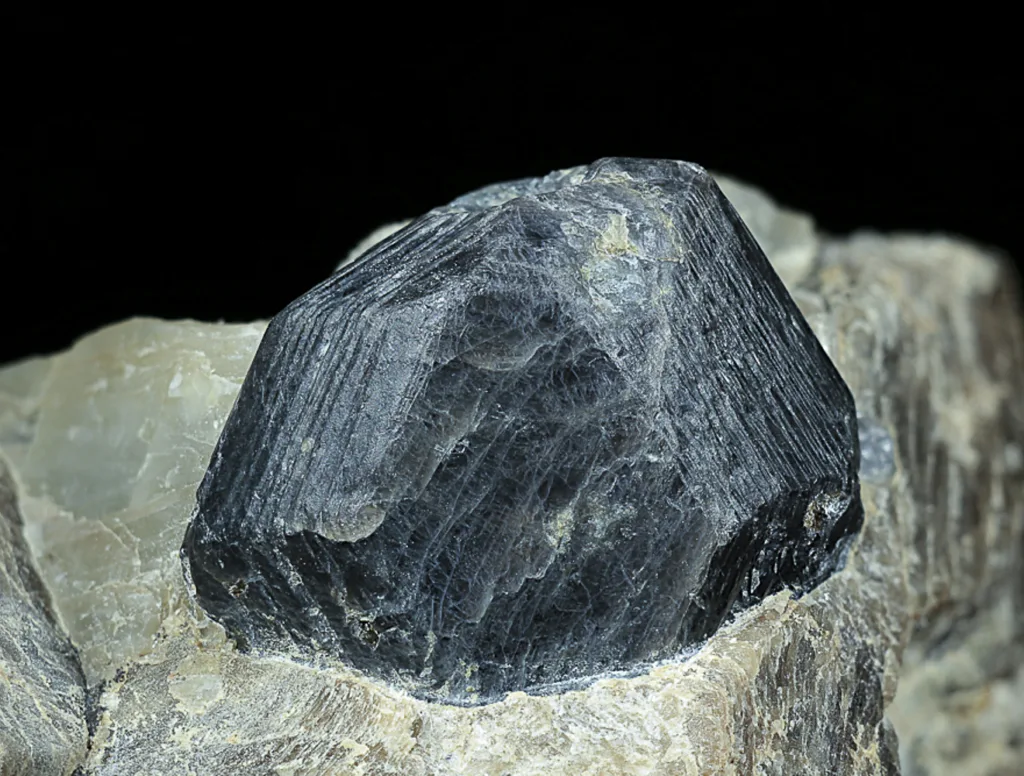
  3. Volcanic Environments: Chicken-Blood Stone can sometimes be associated with volcanic activity, where mineral-rich fluids are expelled during volcanic eruptions or are released through hot springs and geysers.

Locations of Deposits: Chicken-Blood Stone is particularly associated with regions in China, where it has been highly valued for centuries due to its cultural and spiritual significance. Some notable locations for Chicken-Blood Stone deposits include:

  1. Liaoning Province, China: The most famous source of Chicken-Blood Stone is found in the Panshi City area of Liaoning Province. This region has been a traditional center for the mining and carving of Chicken-Blood Stone.
  2. Inner Mongolia, China: Another significant source of Chicken-Blood Stone is located in Inner Mongolia, China. This region also produces high-quality specimens of the stone.

While China is the primary source of Chicken-Blood Stone, small quantities of similar jasper-like materials with red coloration can also be found in other parts of the world, often associated with hydrothermal and volcanic environments.

Mineral Composition and Properties

Mineral Composition: Chicken-Blood Stone, as a type of jasper, is composed primarily of microcrystalline quartz along with various mineral inclusions and impurities. The specific mineral composition can vary, but it typically includes:

  1. Quartz: The main component of Chicken-Blood Stone is quartz (silicon dioxide, SiO2), which forms the microcrystalline structure of the stone.
  2. Hematite and Iron Oxides: The vivid red color of Chicken-Blood Stone is attributed to the presence of hematite (iron oxide, Fe2O3) and other iron minerals. These impurities are responsible for the stone’s distinctive hue.
  3. Other Inclusions: Chicken-Blood Stone may contain other mineral inclusions, such as calcite, chalcedony, and jasper varieties, which can contribute to its patterns and textures.

Physical Properties: Chicken-Blood Stone exhibits a range of physical properties that contribute to its appearance and handling:

  • Hardness: Chicken-Blood Stone has a hardness of approximately 6.5 to 7 on the Mohs scale, making it relatively durable and suitable for carving and jewelry use.
  • Density: The density of Chicken-Blood Stone ranges between 2.65 to 2.66 g/cm³, which is similar to that of other quartz-based gemstones.
  • Luster: The luster of Chicken-Blood Stone is typically vitreous (glass-like) to waxy, contributing to its attractive appearance when polished.
  • Cleavage: Chicken-Blood Stone does not exhibit distinct cleavage due to its microcrystalline nature. Instead, it tends to fracture conchoidally, producing curved and smooth fracture surfaces.

Optical Properties: The optical properties of Chicken-Blood Stone influence its visual appeal and are important factors in gemstone identification:

  • Color: The most notable feature of Chicken-Blood Stone is its deep red and maroon color, reminiscent of fresh chicken blood. The coloration is a result of the presence of iron oxides, particularly hematite, within the quartz matrix.
  • Transparency: Chicken-Blood Stone is typically opaque, meaning that light does not pass through the stone. This opacity is due to its dense composition and the presence of mineral inclusions.
  • Fluorescence: Some specimens of Chicken-Blood Stone may exhibit weak fluorescence when exposed to ultraviolet (UV) light. Fluorescence can vary from stone to stone and may include colors like yellow, orange, or greenish fluorescence.

In summary, Chicken-Blood Stone is characterized by its mineral composition, physical properties, and unique optical features. Its combination of red coloration, microcrystalline structure, and vivid patterns make it a sought-after gemstone for various artistic and ornamental purposes.

Varieties and Classification

While Chicken-Blood Stone is primarily known for its deep red color and intricate patterns resembling flowing blood, there can be variations in color, patterns, and origin that contribute to the diversity of this gemstone. Here are some notable varieties and characteristics:

Varieties based on Color and Patterns:

  1. Classic Chicken-Blood Stone: This is the most recognized variety, featuring a rich and intense red color resembling fresh chicken blood. It often displays patterns and veins that mimic the fluid dynamics of blood, creating a visually captivating appearance.
  2. Chicken-Blood Stone with White Inclusions: Some specimens of Chicken-Blood Stone may contain white or light-colored inclusions, which create a striking contrast against the red background. These inclusions can form unique patterns, adding depth and visual interest to the stone.
  3. Chicken-Blood Stone with Black Inclusions: In contrast to the white inclusion variety, this type of Chicken-Blood Stone contains dark or black inclusions. These inclusions can create a dramatic and bold contrast against the red base, giving the stone a distinct character.

Varieties based on Origin:

  1. Liaoning Chicken-Blood Stone: The classic source of Chicken-Blood Stone is from the Panshi City area in Liaoning Province, China. Stones from this region are known for their vibrant red color, intricate patterns, and historical significance.
  2. Inner Mongolian Chicken-Blood Stone: Another significant source of Chicken-Blood Stone is Inner Mongolia, China. Stones from this region may exhibit variations in color intensity and patterns, adding to the overall diversity of the gemstone.

Comparative Analysis of Variations:

When comparing different varieties of Chicken-Blood Stone, several unique characteristics and visual attributes stand out:

  1. Color Intensity: The classic Chicken-Blood Stone variety is characterized by its deep and intense red color, which is its most distinctive feature. Varieties with contrasting white or black inclusions offer different visual dynamics and can create striking patterns.
  2. Pattern Diversity: The patterns and veining in Chicken-Blood Stone can vary significantly between different specimens and sources. Some stones may have fine and intricate patterns, while others may exhibit broader and more dramatic veins.
  3. Contrast and Depth: Varieties with contrasting inclusions, such as white or black, create a sense of depth and visual intrigue within the stone. These inclusions enhance the overall appearance and may influence the choice of design when using the gemstone for artistic purposes.
  4. Origin Influence: Stones from different sources, such as Liaoning and Inner Mongolia, may display subtle variations in color, pattern, and overall character. Collectors and enthusiasts may have preferences for stones from specific regions based on these differences.

In conclusion, the varieties of Chicken-Blood Stone offer a range of color, pattern, and origin options for those interested in this unique gemstone. Each variety brings its own set of characteristics, allowing for artistic creativity and personal preferences to shine through in the use of this captivating and culturally significant gemstone.

Mineral Identification and Testing

Identifying Chicken-Blood Stone in both field and laboratory settings involves a combination of visual examination, physical tests, and analytical techniques. Here’s a guide to methods used for identification and testing:

Field Identification:

  1. Color and Appearance: The distinctive red color and patterns resembling flowing blood are key features of Chicken-Blood Stone. Observing these characteristics can provide a preliminary indication of the stone’s identity.
  2. Hardness Test: Chicken-Blood Stone has a hardness of 6.5 to 7 on the Mohs scale. Conducting a scratch test with materials of known hardness can help determine if the specimen matches this range.
  3. Luster and Texture: Chicken-Blood Stone typically has a vitreous to waxy luster and a smooth texture when polished. Feel the surface of the stone and examine its shine to assess its luster.

Laboratory Analysis:

  1. X-Ray Diffraction (XRD): XRD can be used to analyze the crystal structure of the stone’s minerals, confirming the presence of quartz and potentially identifying other crystalline phases.
  2. Spectroscopy (FTIR, Raman): Fourier Transform Infrared Spectroscopy (FTIR) and Raman spectroscopy can provide information about the molecular vibrations and chemical bonds present in the stone. These techniques can help identify specific mineral components and impurities.
  3. Microscopic Examination: Microscopy, including polarized light microscopy, can reveal details of the stone’s mineral composition, textures, and inclusions. This can aid in identifying characteristic patterns and features.
  4. UV-Visible Spectroscopy: This technique can help identify absorption bands and color-producing elements within the stone, shedding light on the origin of its coloration.
Tests to Distinguish from Other Minerals:

  1. Streak Test: Chicken-Blood Stone will produce a red or reddish-brown streak when scratched on an unglazed porcelain streak plate.
  2. Specific Gravity: Measure the stone’s weight in air and water to calculate its specific gravity. Chicken-Blood Stone typically has a specific gravity around 2.65 to 2.66.
  3. Fluorescence: Observe the stone’s fluorescence under ultraviolet (UV) light. Chicken-Blood Stone may exhibit weak fluorescence in colors like yellow, orange, or greenish.
  4. Chemical Tests: Acid testing (with caution) can be performed using diluted hydrochloric acid. Chicken-Blood Stone should not react to acid, as it primarily consists of quartz and iron oxides.
  5. Heat Test: Exposing a small sample of Chicken-Blood Stone to a flame or heat source can help identify its resistance to heat and potential changes in color.

Remember that accurate mineral identification often requires a combination of these methods. It’s important to exercise caution and use appropriate safety measures, especially when conducting chemical and heat tests. If you’re unsure about the identification of a specific specimen, consulting a professional gemologist or mineralogist is recommended.

Uses in Jewelry and Art

Chicken-Blood Stone’s captivating appearance, cultural significance, and unique patterns make it a sought-after material for various jewelry and artistic applications. Here are some of its prominent uses in jewelry and art:

Jewelry:

  1. Gemstone Cabochons: Chicken-Blood Stone is often cut into cabochons, which are polished, domed gemstones with a flat back. These cabochons can be set into rings, pendants, earrings, and bracelets, showcasing the stone’s vibrant red color and distinctive patterns.
  2. Carved Gemstone Jewelry: Skilled artisans create intricate carvings and engravings from Chicken-Blood Stone. These carvings can depict symbols, animals, mythical creatures, and other designs, making each piece of jewelry a unique work of art.
  3. Beads and Necklaces: Chicken-Blood Stone beads are used to create necklaces and bracelets. The beads can be combined with other gemstones or materials to create visually appealing and meaningful jewelry pieces.
  4. Amulets and Talismans: In Chinese culture, Chicken-Blood Stone is believed to possess protective and positive energy. As a result, it is often used to create amulets and talismans that are worn for spiritual and symbolic purposes.

Artistic Applications:

  1. Sculptures and Figurines: Chicken-Blood Stone’s rich color and intricate patterns lend themselves well to the creation of sculptures and figurines. Skilled artists carve the stone into detailed sculptures of animals, mythical creatures, and other forms, highlighting the stone’s natural beauty.
  2. Decorative Objects: Chicken-Blood Stone can be used to craft decorative objects such as vases, bowls, and decorative tiles. These objects showcase the stone’s colors and patterns, adding an artistic touch to interior spaces.
  3. Inlays and Mosaics: The stone’s vibrant red color can be used as inlays in various materials, such as wood or metal, to create intricate designs and mosaics. This technique adds a touch of luxury and uniqueness to furniture and other decorative items.
  4. Lapidary Art: Lapidarists use Chicken-Blood Stone to create a wide range of lapidary art, including cameos, intaglios, and engraved gemstones. These pieces often feature detailed designs and scenes carved into the surface of the stone.
  5. Cultural and Spiritual Artifacts: Chicken-Blood Stone holds cultural and spiritual significance in Chinese culture, making it a valuable material for crafting artifacts such as incense burners, prayer beads, and ritual objects.

Chicken-Blood Stone’s visual allure, coupled with its cultural and spiritual symbolism, allows it to be integrated into a variety of creative expressions. Whether used in jewelry or artistic creations, Chicken-Blood Stone adds a unique and captivating element that appeals to both aesthetic and cultural sensibilities.

Cultural and Symbolic Significance

Chicken-Blood Stone holds significant cultural and symbolic meaning, particularly in Chinese culture, where it has been revered for centuries. Its name “Ji Xue Shi” in Chinese directly translates to “Chicken-Blood Stone,” reflecting its vivid red color and its association with powerful symbolism. Here are some aspects of its cultural and symbolic significance:

1. Vitality and Energy: The rich red color of Chicken-Blood Stone is often associated with vitality, life force, and energy. In traditional Chinese beliefs, wearing or possessing Chicken-Blood Stone is thought to enhance one’s inner strength and physical well-being.

2. Protection and Warding Off Negative Energy: Chicken-Blood Stone is considered to have protective properties, serving as a shield against negative influences, ill intentions, and harmful energies. It is believed to create a barrier of positive energy around the wearer, helping to ward off malevolent forces.

3. Courage and Determination: The deep red color of Chicken-Blood Stone is seen as a symbol of courage, bravery, and determination. It is believed to instill confidence and empower individuals to face challenges and obstacles with strength and resilience.
4. Prosperity and Luck: Chicken-Blood Stone is often associated with luck and good fortune. In Chinese culture, wearing or displaying this stone is believed to attract positive opportunities, success, and prosperity.

5. Spiritual Balance: Chicken-Blood Stone is thought to promote harmony and balance between the physical and spiritual aspects of life. It is believed to help align one’s energies and promote a sense of grounding and stability.

6. Artistic and Craftsmanship: In addition to its spiritual significance, Chicken-Blood Stone is highly valued for its aesthetic appeal and is often used as a medium for intricate carvings, sculptures, and ornamental objects. Artisans create detailed figures, scenes, and decorative pieces that showcase the stone’s beauty and cultural importance.

7. Yin and Yang: In traditional Chinese philosophy, Chicken-Blood Stone’s contrasting red and white patterns can be interpreted as a representation of the yin and yang, symbolizing the balance between opposing forces and the interconnectedness of all things.

8. Feng Shui: Chicken-Blood Stone is used in Feng Shui practices to enhance the flow of positive energy (qi) and to create a harmonious and balanced environment. It may be placed strategically in homes or workplaces to promote well-being and prosperity.

Overall, Chicken-Blood Stone’s cultural and symbolic significance underscores its role as a talismanic gemstone that is believed to bring positive energies, protection, and a sense of connection to ancient traditions. Its use in jewelry, art, and spiritual practices reflects its enduring importance in Chinese culture and its ability to convey meaningful messages and beliefs.

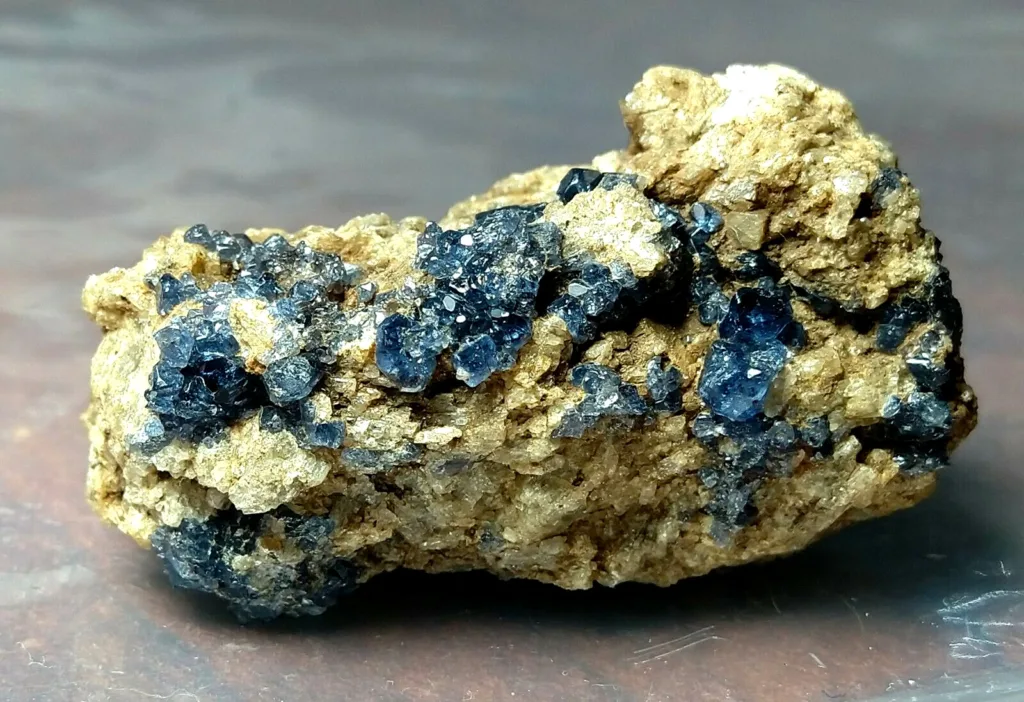
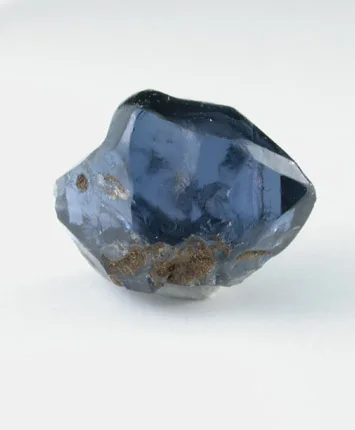
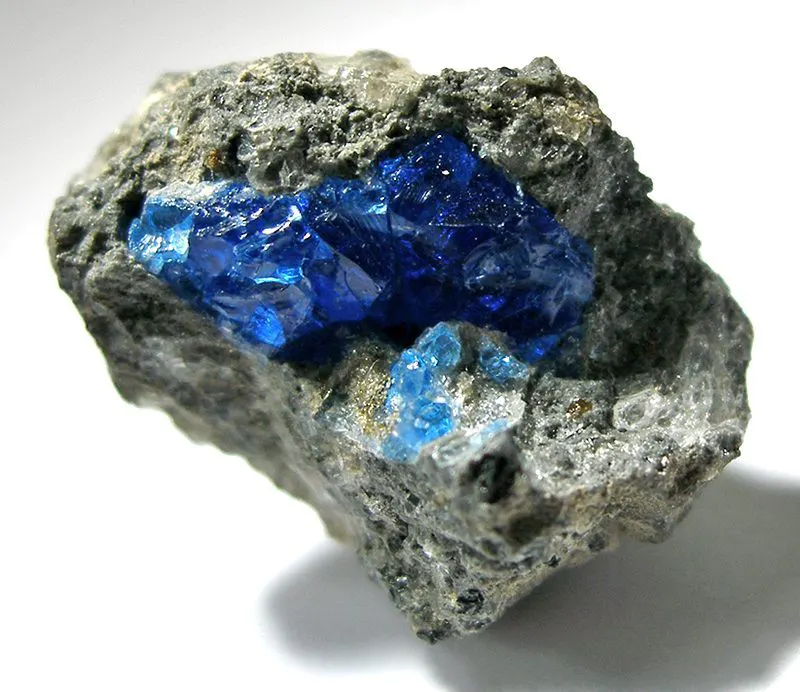
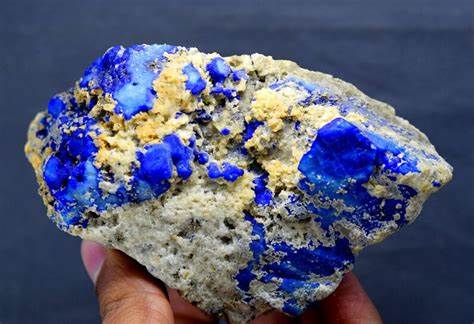
Boleite

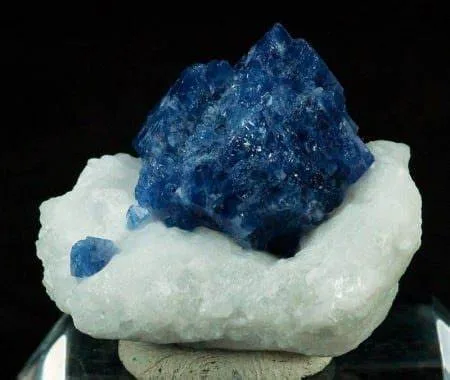
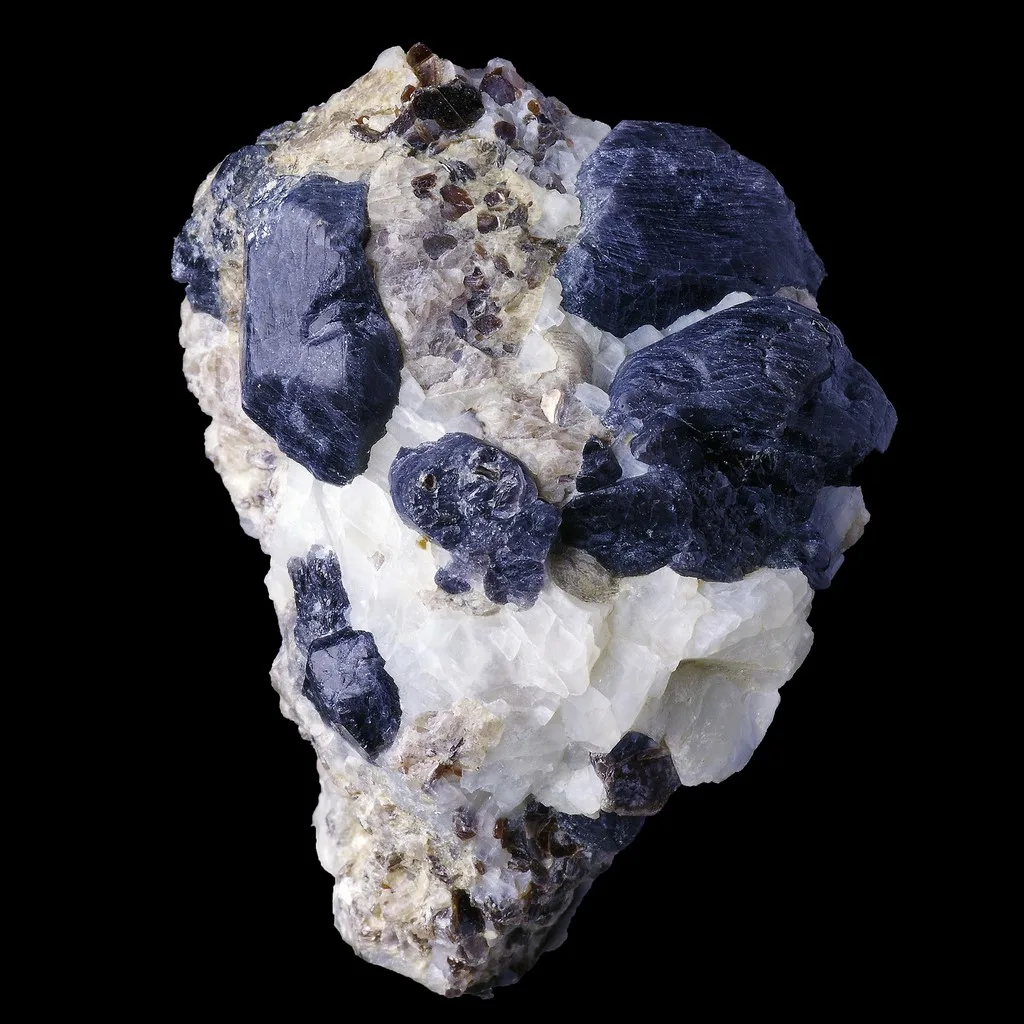
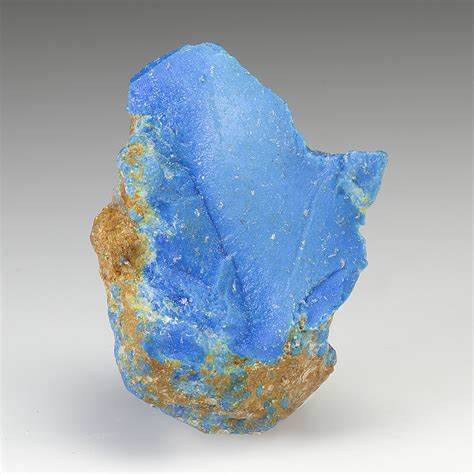
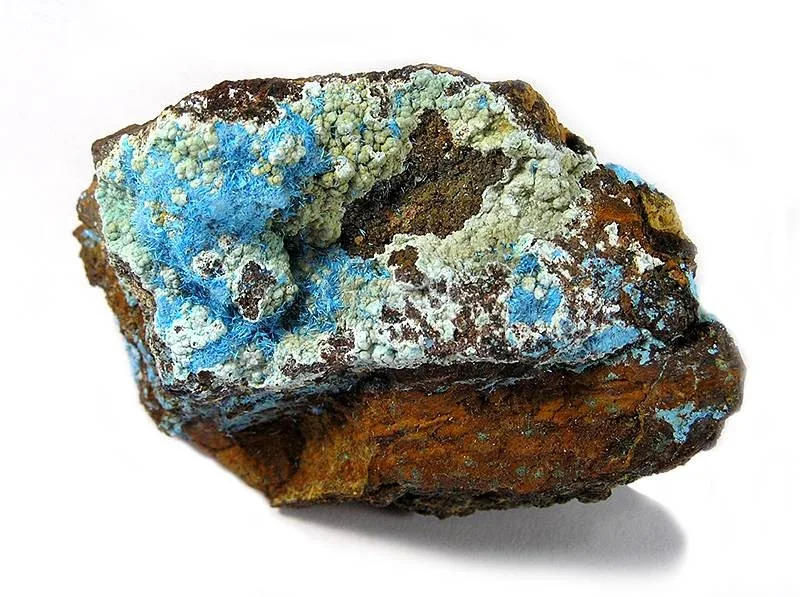
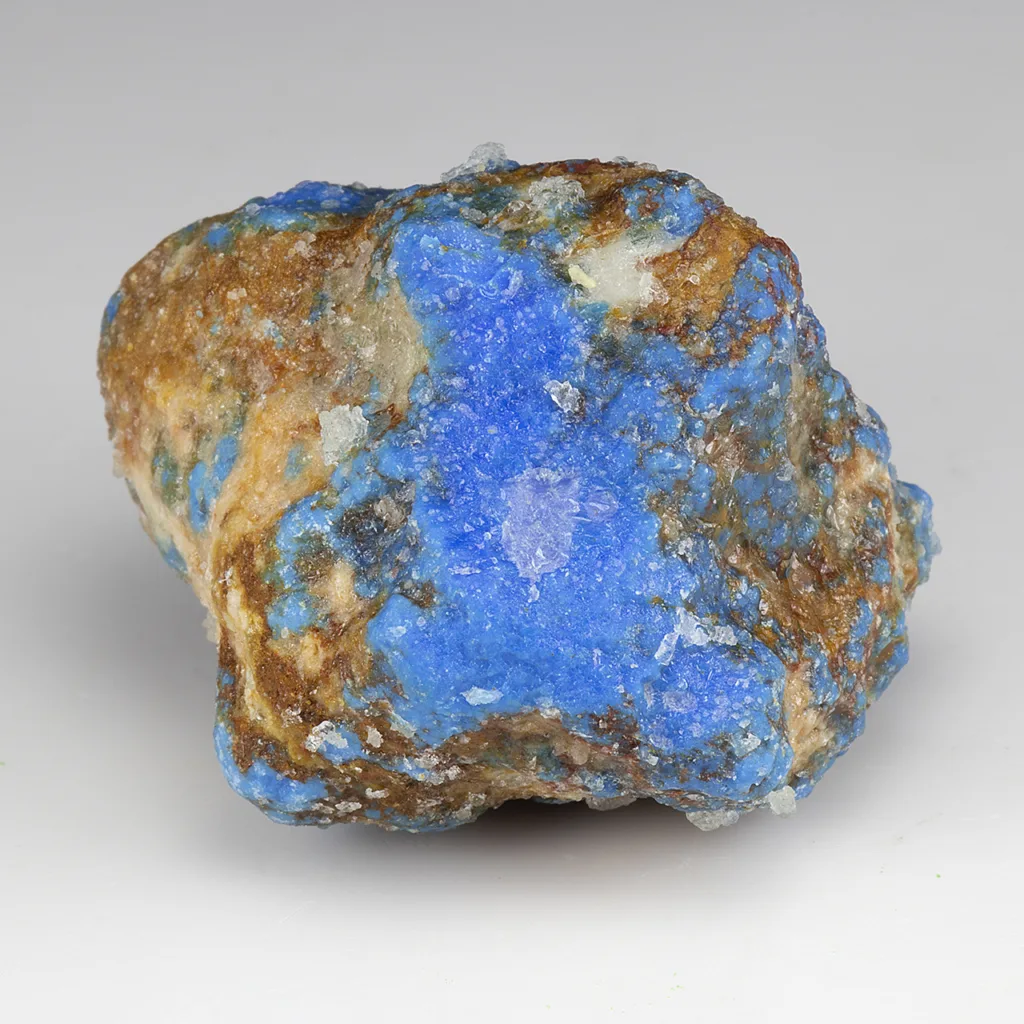
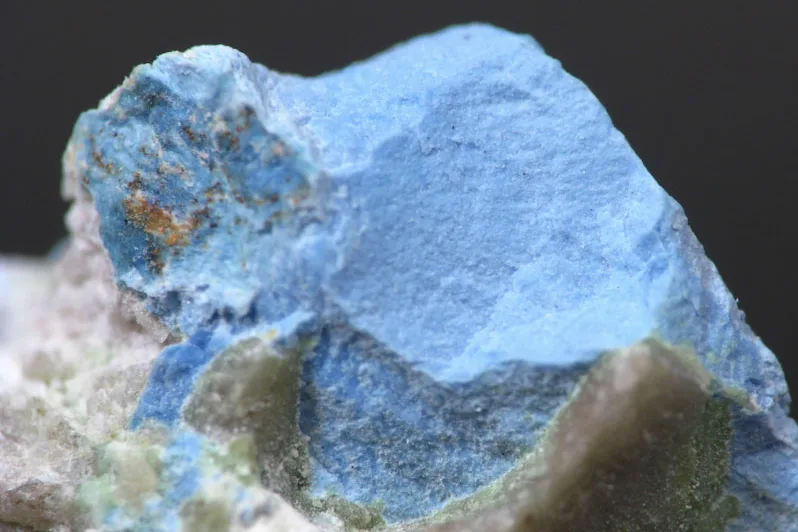
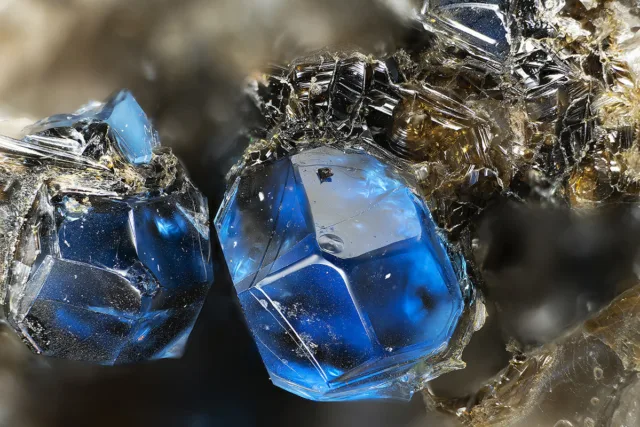
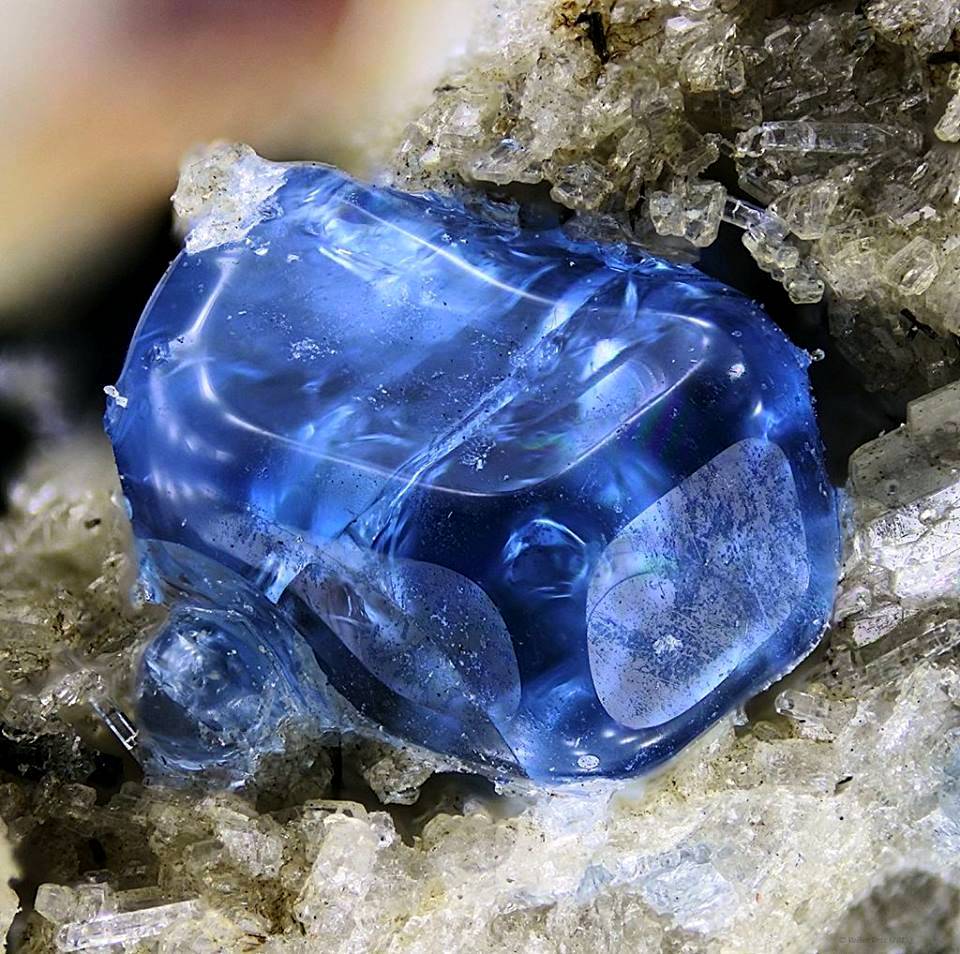
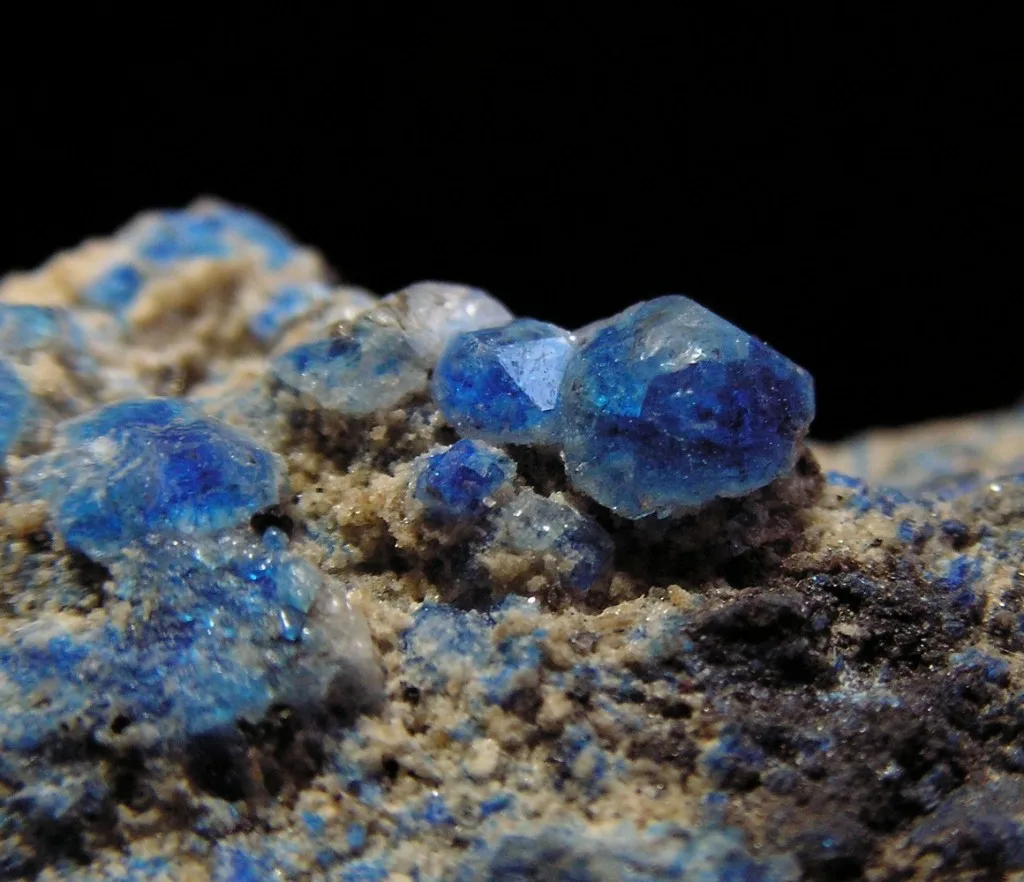
Boleite is a rare and stunning mineral that belongs to the halide class. It is renowned for its striking blue coloration and distinct cubic crystal structure. Boleite is often found in association with other minerals like cumengeite and pseudoboleite. The mineral’s unique properties and scarcity have made it a sought-after collector’s item and a subject of scientific interest.

Characteristics of Boleite:

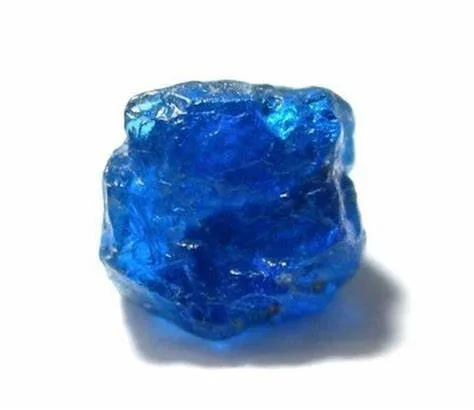
  • Color: Boleite is known for its intense blue color, ranging from deep azure to a bluish-green shade. This vivid hue is one of its most captivating features.
  • Crystal Structure: Boleite forms in a cubic crystal system, typically occurring as well-defined, elongated cubic or tabular crystals. These crystals are often intergrown, creating fascinating patterns and textures.
  • Transparency: Boleite crystals are usually opaque, which means they don’t allow light to pass through them. This characteristic contributes to the unique way they interact with light.
  • Luster: The mineral’s luster is vitreous to slightly greasy, giving it a somewhat shiny appearance.
  • Hardness: Boleite has a Mohs hardness of around 3 to 3.5, which makes it relatively soft compared to other minerals. This means it can be easily scratched by harder materials.

Discovery and Historical Background: Boleite was first discovered in 1891 in the Boleo district of Baja California Sur, Mexico. The Boleo district is renowned for its rich deposits of copper, silver, and zinc minerals. The initial discovery of boleite was significant not only due to its captivating color and unique crystal structure but also because it was a new mineral type within the halide class.

The mineral’s name, “boleite,” is derived from its locality, the Boleo district, where it was first identified. Over the years, boleite has gained attention from mineral collectors and researchers alike. Its scarcity and aesthetic appeal have made it a sought-after item in the world of mineral collecting, often commanding high prices due to its limited availability.

In addition to its visual allure, boleite has also intrigued scientists due to its unusual crystal structure and the potential insights it could provide into the geological processes that led to its formation. Researchers have studied boleite and related minerals to better understand their origins and the conditions under which they crystallized.
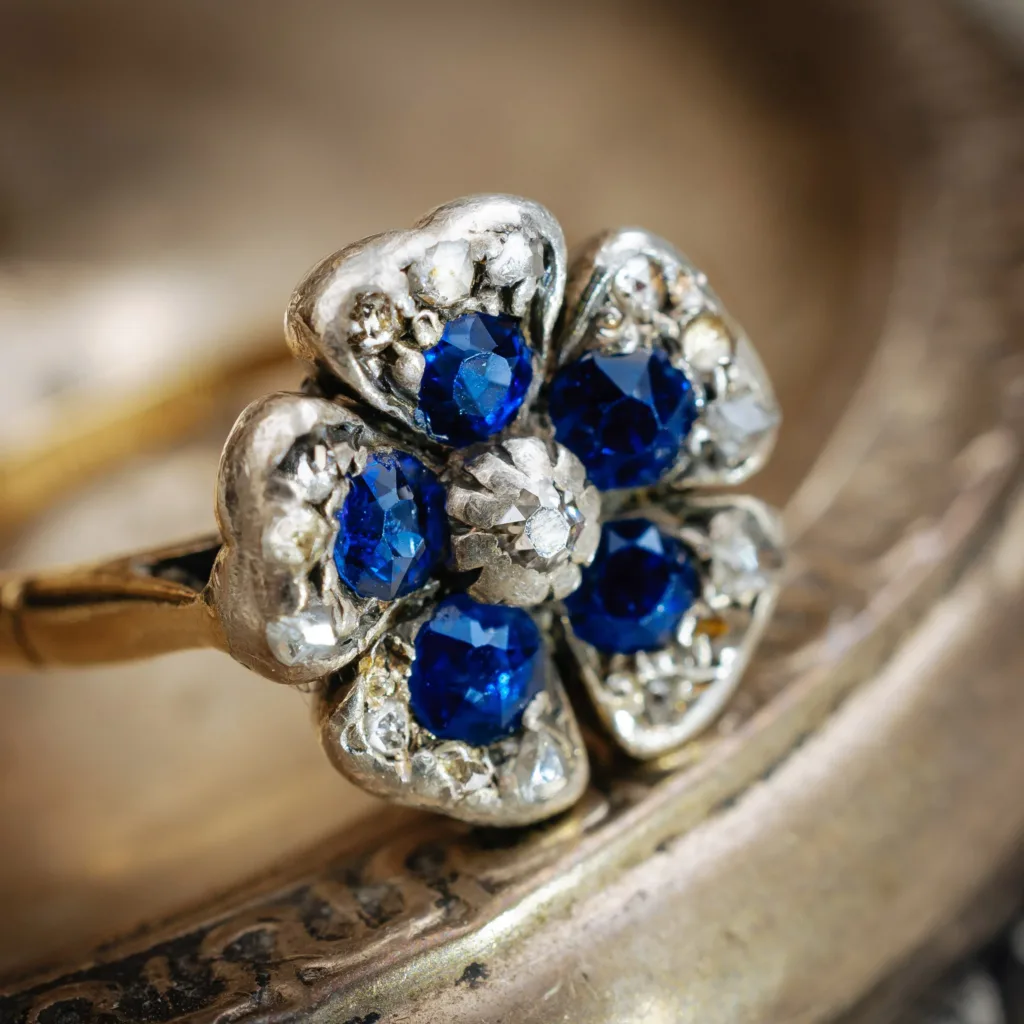
In recent years, advancements in mineral analysis and technology have allowed for a deeper understanding of boleite’s composition and characteristics. However, its rarity and limited occurrence mean that specimens of this mineral remain highly prized by collectors and researchers alike.

Chemical Composition and Structure

Chemical Composition: The chemical formula of boleite is quite complex and can be expressed as follows:

(Pb,Cu)26Ag25(VO4)10(CrO4)10(OH)24Cl26·31H2O

This formula represents the elements present in boleite, including:

The presence of these elements contributes to the mineral’s unique color, crystal structure, and overall properties.

Crystal Structure and Arrangement: Boleite is part of a group of minerals known as the “boleite group,” which also includes cumengeite and pseudoboleite. These minerals share similar crystal structures and often occur together in mineral deposits.

Boleite crystallizes in the cubic crystal system, forming well-defined, elongated cubic or tabular crystals. The crystals can be quite large and are often intergrown, creating intricate and fascinating patterns. The crystal lattice of boleite is characterized by layers of alternating lead, copper, and silver atoms, along with vanadium and chromium atoms. These layers are connected by oxygen and hydroxyl (OH) groups, and chlorine atoms are located between the layers.

The arrangement of atoms and ions within the crystal structure gives rise to boleite’s distinctive blue color. The presence of copper and silver in particular contributes to the vibrant blue hues that are characteristic of this mineral. The interaction of light with the crystal lattice results in the absorption and reflection of specific wavelengths, giving rise to the observed color.

Boleite’s crystal structure is not only aesthetically captivating but also scientifically significant. It provides insights into the mineral’s formation under specific geological conditions, including the availability of certain elements and the environmental factors that influenced its growth. Researchers continue to study boleite and its related minerals to gain a deeper understanding of their crystal structures and origins.

Physical Properties of Boleite

  1. Color: Boleite is renowned for its vivid blue color, ranging from deep azure to bluish-green. This striking hue is one of its most distinctive features.
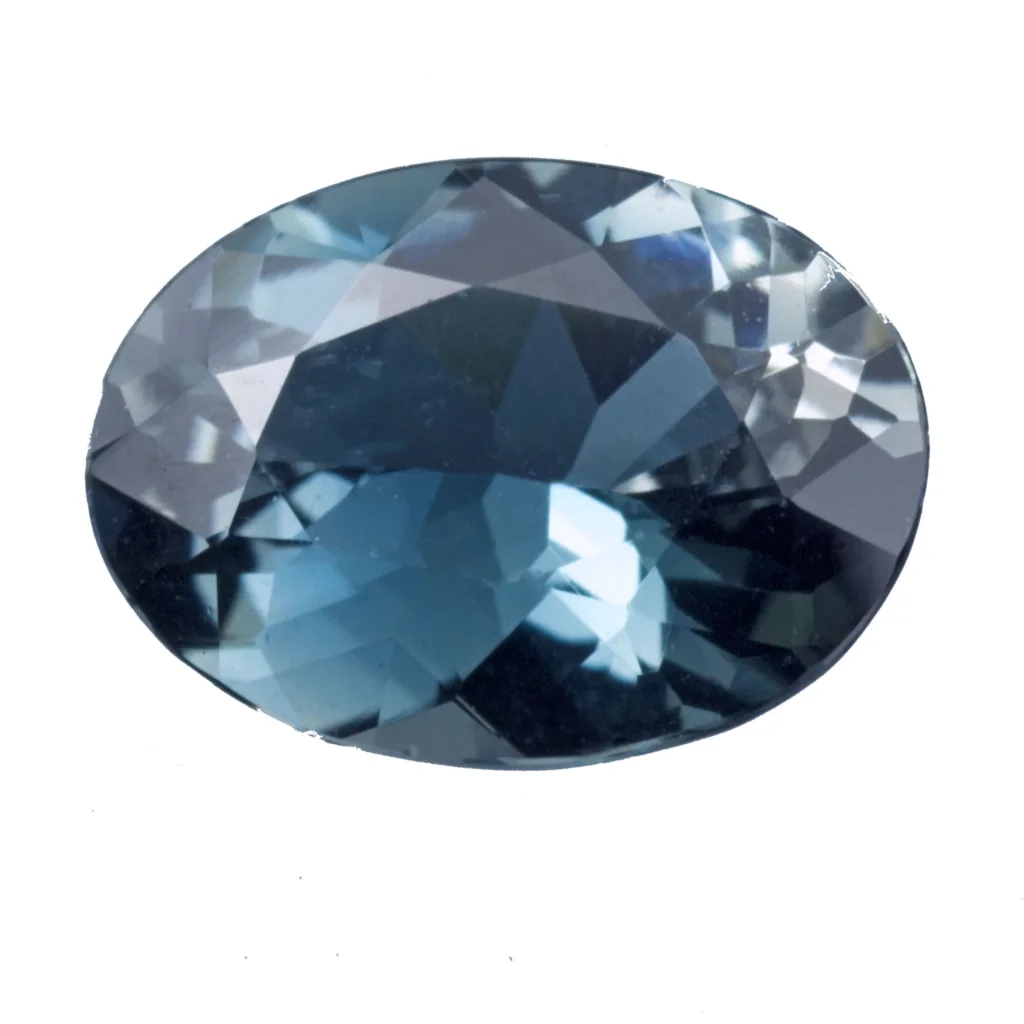
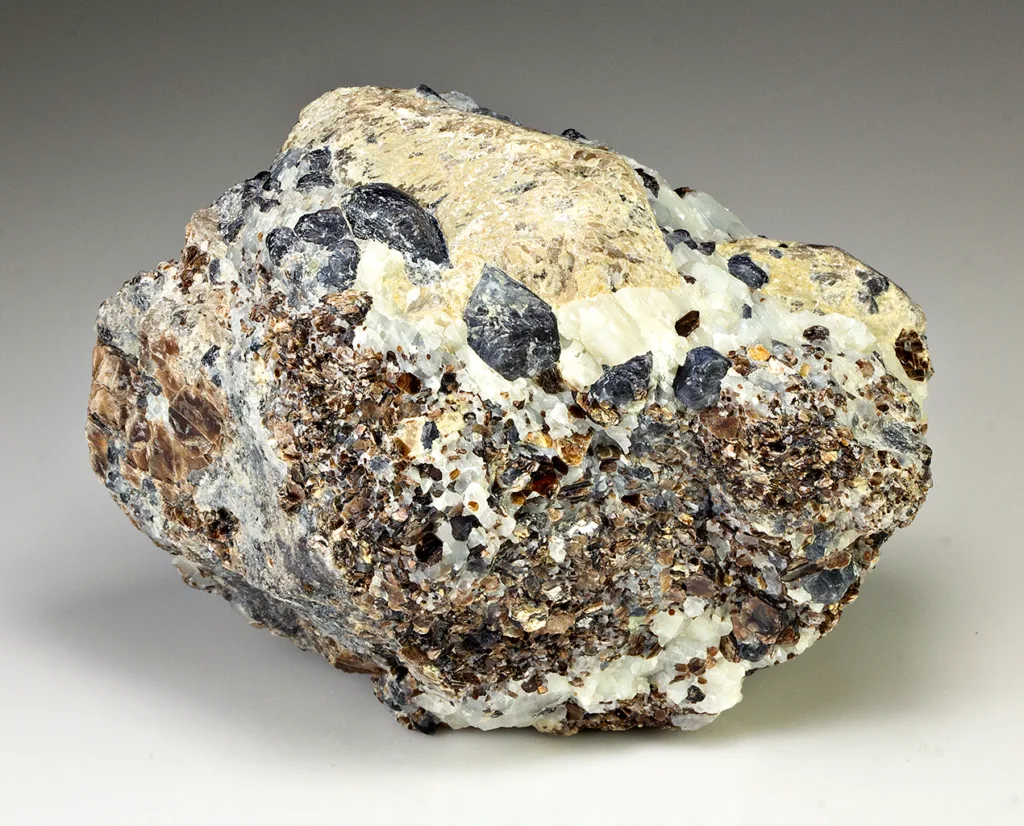
  2. Luster: The mineral’s luster is vitreous to slightly greasy, giving it a somewhat shiny appearance when light reflects off its surfaces.
  3. Transparency: Boleite crystals are typically opaque, which means they do not allow light to pass through. This property contributes to the rich, intense coloration of the mineral.
  4. Crystal System: Boleite crystallizes in the cubic crystal system. Its crystals are often well-defined and elongated cubes or tabular forms.
  5. Hardness: Boleite has a Mohs hardness of approximately 3 to 3.5. This places it on the lower end of the hardness scale, making it relatively soft compared to many other minerals. It can be scratched by harder materials.
  6. Cleavage: Boleite does not exhibit distinct cleavage planes. Instead, it tends to fracture in an irregular or subconchoidal manner, producing uneven and sometimes jagged surfaces.
  7. Density: The density of boleite varies, but it is generally quite heavy due to its composition of dense elements such as lead, copper, and silver.
  8. Streak: The streak of boleite is pale blue to light blue, similar to its overall color. The streak is the color of a mineral when it is powdered on an unglazed porcelain plate.
  9. Optical Properties: Boleite is not transparent, and it does not display significant optical properties such as birefringence or pleochroism.
  10. Fluorescence: Under certain lighting conditions, some boleite specimens may exhibit fluorescence or phosphorescence, emitting visible light after being exposed to ultraviolet light.
  11. Associations: Boleite is often found in association with other minerals like cumengeite and pseudoboleite. These minerals can form intergrown aggregates, contributing to the visual complexity of specimens.
  12. Environment: Boleite is typically found in the oxidized zone of mineral deposits, often occurring in cavities or vugs within ore veins. It is associated with lead, copper, and silver deposits and forms as a secondary mineral resulting from the alteration of primary minerals.

These physical properties collectively contribute to the unique appearance and behavior of boleite. Its vibrant blue color, distinctive crystal structure, and interesting associations with other minerals make boleite a fascinating and sought-after specimen among mineral collectors and researchers.

Occurrence and Formation of Boleite

Boleite is a relatively rare mineral that is typically found in specific geological settings where certain elements and conditions are present. It is most commonly associated with lead, copper, and silver deposits in the oxidized zones of mineral veins. Here’s a closer look at its occurrence and formation:

Geological Settings: Boleite is often found in regions where hydrothermal processes have taken place. Hydrothermal activity involves the circulation of hot fluids rich in minerals through cracks, fractures, and voids in the Earth’s crust. These fluids can cause the alteration and replacement of existing minerals, leading to the formation of new minerals like boleite.

Specifically, boleite is commonly associated with the following types of deposits:

  • Lead-Copper-Silver Veins: Boleite is often found in the upper, oxidized portions of lead, copper, and silver ore veins. These veins are formed by hydrothermal fluids that have percolated through rocks, dissolving and transporting minerals before depositing them as the fluids cool and react with the surrounding rock.

Formation Processes and Conditions: The formation of boleite involves a series of complex chemical reactions that occur under specific conditions. Here are the key processes and conditions involved:

  1. Presence of Precursor Minerals: The formation of boleite is often linked to the presence of precursor minerals, such as galena (lead sulfide), which is commonly found in lead ore deposits. These precursor minerals release lead and other elements during their alteration.
  2. Hydrothermal Activity: As hydrothermal fluids rich in metal ions circulate through fractures and voids in the host rock, they encounter the precursor minerals. These fluids carry dissolved metals like lead, copper, and silver.
  3. Oxidation Zone: Boleite tends to form in the oxidation zone of the mineral deposit, which is near the Earth’s surface. In this zone, the hydrothermal fluids come into contact with oxygen from the atmosphere, causing the metal ions to react with oxygen and other compounds.
  4. Complex Chemical Reactions: Under the influence of oxygen-rich conditions, chemical reactions occur between the metal ions in the hydrothermal fluids and the surrounding minerals. These reactions result in the precipitation of new minerals, including boleite.
  5. Temperature and Pressure: The specific temperature and pressure conditions at which these reactions occur play a crucial role in determining the composition and crystal structure of the resulting minerals. Boleite’s cubic crystal structure and distinctive blue color are influenced by these conditions.
  6. Presence of Halides: The presence of halide ions (such as chloride) in the hydrothermal fluids is also important for the formation of boleite. These halides can react with metal ions to form complex mineral structures, including the cubic framework seen in boleite.

Overall, the formation of boleite is a result of a combination of geological, chemical, and physical processes that take place over extended periods of time. Its unique crystal structure, blue coloration, and occurrence in specific mineral deposits make it a captivating and scientifically valuable mineral specimen.

Notable Localities

Boleite is a rare mineral, and its occurrences are limited. It is primarily found in a few notable localities around the world, often associated with specific geological settings. Here are some of the significant localities where boleite has been discovered and their geological significance:

  1. Baja California, Mexico: This is the type locality for boleite, where the mineral was first discovered in the Boleo district of Baja California Sur. The district is known for its extensive copper, silver, and zinc deposits, and the unique combination of elements and conditions in this region led to the formation of boleite. The discovery of boleite in this area marked its initial recognition by the scientific community.
  2. California, USA: Boleite has been found in limited quantities in the United States, particularly in the Mammoth District of Mono County, California. The mineral is associated with oxidized copper-silver ores in this region. The presence of boleite here is significant in terms of its occurrence outside of its type locality and its contribution to mineralogical knowledge.
  3. Chile: Boleite has been reported from the El Dragón mine in the Atacama Region of Chile. This locality is known for producing a variety of minerals, including those associated with silver and copper deposits. The presence of boleite in Chile adds to the global understanding of its formation and distribution.
  4. Democratic Republic of Congo: Boleite has been found in the Kolwezi mining district, known for its rich deposits of copper and cobalt minerals. The occurrence of boleite here underscores its association with hydrothermal systems related to copper-rich mineralization.
  5. Australia: Boleite has been reported from the Broken Hill region in New South Wales, Australia. The Broken Hill area is renowned for its extensive lead-zinc-silver deposits, and the presence of boleite contributes to the mineralogical diversity of the region.

Geological Significance: The notable localities where boleite has been discovered provide insights into the specific geological conditions under which the mineral forms. These localities are often associated with hydrothermal ore-forming processes, where hot fluids interact with rocks to create new minerals. Boleite’s occurrence in conjunction with lead, copper, and silver deposits highlights its affinity for metals commonly found in hydrothermal systems.

Studying the distribution of boleite across different localities contributes to our understanding of the mineral’s formation mechanisms, the role of specific elements and compounds in its creation, and the temperature and pressure conditions under which it crystallizes. Additionally, boleite’s presence in diverse geographic regions highlights the widespread occurrence of hydrothermal mineralization processes and provides valuable information for geological and mineralogical research.

In summary, the notable localities where boleite has been discovered offer valuable insights into the mineral’s formation and its association with specific geological environments rich in certain metals.

Uses and Applications

Boleite is a mineral that is primarily valued for its aesthetic qualities rather than its practical applications. Its vibrant blue color, distinct crystal structure, and rarity make it a sought-after collector’s item among mineral enthusiasts and collectors. As such, its uses and applications are mainly related to its role in the field of mineralogy, geology, and the appreciation of natural beauty:

  1. Mineral Collecting: Boleite is highly prized by mineral collectors and enthusiasts. Its unique color, crystal form, and scarcity make it a desirable addition to mineral collections, and collectors often seek out fine specimens to display and appreciate.
  2. Scientific Research: Boleite, along with other minerals in its group (such as cumengeite and pseudoboleite), is studied by mineralogists and geologists to better understand the processes and conditions of its formation. Studying boleite and its associated minerals contributes to our knowledge of hydrothermal mineralization and the interactions between fluids and rocks in the Earth’s crust.
  3. Education and Museum Displays: Boleite specimens are often featured in museum exhibits and educational displays. They serve as visually appealing examples of the diversity of minerals found in the Earth’s crust and can help educate the public about mineralogy, geology, and the natural world.
  4. Artistic and Jewelry Use: In some cases, particularly when boleite specimens are exceptionally beautiful, they might find their way into artistic creations or even jewelry designs. However, due to its relative softness and fragility, boleite is not commonly used for jewelry compared to harder and more durable gemstones.
  5. Scientific Curiosity: Boleite’s unusual color and crystal structure contribute to its role as an object of scientific curiosity. Researchers may study its optical properties, crystallography, and formation mechanisms to gain insights into the processes that shape minerals and the Earth’s crust.

It’s important to note that boleite is not used for industrial or commercial purposes due to its rarity and the presence of toxic elements in its composition, such as lead and copper. Instead, its value lies in its contribution to scientific knowledge, its appeal to collectors, and its ability to inspire a sense of wonder and appreciation for the natural world’s beauty and complexity.

Moss Agate

Moss Agate

Moss Agate is a unique and captivating variety of chalcedony, which is a form of quartz mineral. It is characterized by its translucent to semi-translucent appearance, featuring various shades of green, often resembling moss or fern-like inclusions. These inclusions are actually minerals, most commonly hornblende or other manganese and iron-based minerals, which give the stone its distinctive appearance. Moss Agate is typically cut and polished into cabochons, beads, and other jewelry pieces, as well as ornamental objects.

Historical Significance and Cultural Uses

Moss Agate has a rich history and has been treasured by various cultures for its aesthetic appeal and perceived metaphysical properties. Here are some historical and cultural uses of Moss Agate:

  1. Ancient Civilizations: Moss Agate has been used by ancient civilizations for its believed healing and protective properties. It was often worn as an amulet or talisman to ward off negative energies and bring good fortune.
  2. Medieval Europe: During the Middle Ages, Moss Agate was used in Europe to promote agricultural prosperity. It was placed in fields and gardens to encourage healthy plant growth and bountiful harvests.
  3. Native American and Indigenous Cultures: Native American cultures revered Moss Agate for its connection to nature and the earth. It was used in rituals and ceremonies to communicate with spirits and enhance the connection between humans and the natural world.
  4. Lapidary and Jewelry: Throughout history, Moss Agate has been used to create intricate and beautiful jewelry pieces, including pendants, rings, and beads. Its distinctive appearance and calming colors make it a popular choice for both casual and more elaborate jewelry designs.
  5. Metaphysical and Spiritual Uses: In the realm of metaphysical and alternative healing practices, Moss Agate is often considered a stone of abundance, growth, and stability. It is believed to bring balance and harmony to the emotional and physical aspects of life. Moss Agate is also thought to enhance one’s connection with nature and aid in grounding and centering.
  6. Art and Craftsmanship: Moss Agate’s intricate patterns and colors have inspired artisans and craftsmen to create unique and intricate works of art, such as sculptures, mosaics, and decorative objects.

Moss Agate’s historical significance and cultural uses showcase its enduring appeal and connection to various aspects of human life. Whether appreciated for its aesthetic beauty, spiritual qualities, or historical symbolism, Moss Agate continues to captivate and inspire people around the world.

Geological Formation of Moss Agate

Moss Agate is a variety of chalcedony, which is a type of microcrystalline quartz. It is formed through a combination of mineral processes that occur in the Earth’s crust. The key factors contributing to the formation of Moss Agate are silica-rich solutions and the presence of various minerals during the crystallization process.

  1. Silica Solution: The primary component of Moss Agate is silica (SiO2), which is a common mineral found in abundance in the Earth’s crust. Silica-rich solutions permeate porous rocks, such as volcanic rocks or other sedimentary materials, and slowly deposit microscopic layers of silica over time.
  2. Mineral Inclusions: The distinctive moss or fern-like inclusions in Moss Agate are typically minerals like hornblende, chlorite, iron oxides, or manganese oxides. These minerals become trapped within the growing layers of chalcedony during the crystallization process. As the layers of silica solution and mineral inclusions alternate, they create the characteristic patterns and colors seen in Moss Agate.
  3. Slow Crystallization: Moss Agate forms through a relatively slow crystallization process, allowing the minerals to grow and accumulate over time. This gradual growth results in the unique and intricate patterns visible in the stone.

Composition and Mineralogy

Moss Agate’s composition is primarily made up of silicon dioxide (SiO2), the chemical formula for quartz. However, it is the presence of various trace minerals that gives Moss Agate its characteristic appearance. The most common mineral inclusions found in Moss Agate include:

  1. Hornblende: This dark green to black mineral is rich in iron and magnesium. It forms the “moss” or dendritic inclusions that resemble ferns, trees, or other natural forms.
  2. Chlorite: Chlorite is a group of minerals that are often green in color due to their iron and magnesium content. It can create moss-like patterns and enhance the green coloration in Moss Agate.
  3. Iron and Manganese Oxides: These minerals contribute to the range of colors seen in Moss Agate, including shades of green, red, brown, and black.

The specific composition and appearance of Moss Agate can vary widely based on the types and amounts of inclusions present during its formation. The intricate interplay of silica and these mineral inclusions results in the captivating and diverse patterns that make Moss Agate a sought-after gemstone for jewelry and ornamental use.

Physical Characteristics of Moss Agate

Moss Agate is a captivating and visually appealing gemstone known for its distinct appearance and unique patterns. Here are some of its key physical characteristics:

  1. Color: Moss Agate is primarily known for its shades of green, which range from light and translucent to deeper and more vibrant hues. These green colors are created by the presence of minerals like hornblende, chlorite, and others. Moss Agate can also exhibit additional colors, including white, gray, brown, and red, depending on the types of inclusions present.
  2. Inclusions: The most defining feature of Moss Agate is its intricate and moss-like inclusions, which are often dendritic in nature. These inclusions create patterns that resemble foliage, trees, or ferns. The inclusions can be dark green, black, or brown, contrasting against the lighter background of the chalcedony.
  3. Transparency: Moss Agate is usually translucent to semi-translucent, allowing some light to pass through but not as much as fully transparent gemstones. This quality contributes to its unique play of colors and patterns.
  4. Luster: Moss Agate has a vitreous (glassy) luster when polished, adding to its visual appeal and shine. The luster may vary depending on the quality of the stone and the specific type of inclusions present.
  5. Hardness: Moss Agate has a hardness of 6.5 to 7 on the Mohs scale, which makes it relatively durable and suitable for use in jewelry. However, it is still important to handle it with care to prevent scratching or damage.
  6. Cut and Shape: Moss Agate is often cut into cabochons, beads, and carved objects to showcase its intricate patterns and inclusions. Cabochons are polished, domed stones without facets, which enhance the play of colors and designs within the stone.
  7. Size: Moss Agate can occur in a variety of sizes, from small beads and cabochons to larger ornamental pieces. The size of the stone can influence the visibility and intricacy of its inclusions.
  8. Origin: Moss Agate is found in various parts of the world, including the United States, India, Australia, Russia, and parts of Europe. Different regions may produce Moss Agate with unique colors and patterns based on the local mineral content.
  9. Density and Refractive Index: The specific gravity of Moss Agate ranges from approximately 2.58 to 2.64, and its refractive index is typically around 1.54 to 1.55.
  10. Treatments: Moss Agate is generally untreated, as its unique patterns and inclusions are formed naturally. Polishing and cutting are the primary processes used to enhance its appearance.

Overall, the physical characteristics of Moss Agate contribute to its appeal as a gemstone that showcases the beauty of nature’s patterns and colors within a translucent quartz matrix.

Uses and Applications of Moss Agate

  1. Jewelry: Moss Agate is often used to create stunning and unique jewelry pieces, such as pendants, rings, earrings, and bracelets. Its intricate patterns and earthy colors make it a popular choice for both casual and more formal jewelry designs.
  2. Ornamental Objects: Moss Agate is carved into decorative objects such as figurines, bookends, paperweights, and vases. Its captivating patterns and colors add a touch of nature-inspired elegance to interior decor.
  3. Cabochons and Beads: Moss Agate cabochons (smooth, polished stones without facets) are used in jewelry making and beadwork. Beads made from Moss Agate can be incorporated into necklaces, bracelets, and other accessories.
  4. Healing and Metaphysical Practices: In alternative healing and metaphysical practices, Moss Agate is believed to have various beneficial properties. It is often used for grounding, stability, emotional balance, and promoting growth and abundance.
  5. Meditation and Spiritual Work: Moss Agate is considered a stone of connection to nature and the Earth. It can be used during meditation and spiritual practices to enhance feelings of tranquility, harmony, and a deeper connection to the natural world.
  6. Crystal Grids and Layouts: Moss Agate can be incorporated into crystal grids or layouts, where multiple stones are arranged in specific patterns to enhance their collective energies for a particular intention or purpose.
  7. Gardening and Plant Growth: Due to its historical association with growth and abundance, Moss Agate has been used by some gardeners and horticulturists to enhance plant growth and encourage healthy gardens.
  8. Gifts and Keepsakes: Moss Agate is often given as a gift or keepsake due to its unique appearance and the symbolism it carries. It can hold personal meaning and be a thoughtful present for various occasions.
  9. Lapidary and Artistic Creations: Moss Agate’s intricate patterns inspire lapidaries, artists, and craftsmen to create intricate pieces of art, including sculptures, mosaics, and decorative objects.
  10. Personal Accessories: Moss Agate can be fashioned into accessories such as keychains, zipper pulls, and worry stones, providing a tactile and visually appealing way to carry its energy and beauty.

It’s important to note that while Moss Agate is associated with various metaphysical and healing properties, these beliefs are part of alternative and holistic practices and are not scientifically proven. Whether chosen for its aesthetic qualities or spiritual significance, Moss Agate continues to be cherished and utilized for its unique and captivating attributes.

Locations and Mining of Moss Agate

Moss Agate is found in various regions around the world, often occurring in areas with geological conditions conducive to its formation. Here are some notable locations where Moss Agate is mined:

  1. United States: Moss Agate can be found in several states across the U.S., including Montana, Wyoming, Oregon, Washington, and Idaho. Montana, in particular, is known for producing high-quality Moss Agate with intricate patterns and vibrant colors.
  2. India: Moss Agate is also found in India, particularly in the state of Gujarat. Indian Moss Agate often displays rich green inclusions that resemble moss or vegetation.
  3. Australia: Western Australia is another significant source of Moss Agate. The Australian Moss Agate may exhibit a range of colors, including greens, browns, and reds.
  4. Russia: The Urals region of Russia is known for its diverse range of minerals, and Moss Agate can be found there as well. Russian Moss Agate may feature distinctive patterns and inclusions.
  5. Europe: Moss Agate deposits are also found in certain European countries, including Germany, Romania, and the Czech Republic.
  6. Other Locations: Moss Agate can also be found in smaller quantities in various other countries, including Brazil, China, Madagascar, and South Africa.

The mining of Moss Agate typically involves the following steps:

  1. Exploration and Prospecting: Geologists and mineral experts identify potential areas where Moss Agate deposits may occur based on the local geology and mineral composition.
  2. Extraction: Once a promising deposit is identified, mining operations are initiated. Depending on the location and geological conditions, mining techniques such as open-pit mining, quarrying, or underground mining may be employed.
  3. Processing: After extraction, the raw material is transported to processing facilities where it is sorted, cleaned, and prepared for cutting and polishing.
  4. Cutting and Polishing: Moss Agate is cut into various shapes, such as cabochons, beads, and decorative objects. Skilled lapidaries work to highlight the unique patterns and inclusions within the stone.
  5. Distribution and Sale: Once cut and polished, Moss Agate is distributed to jewelry designers, artisans, collectors, and retailers for use in jewelry-making, artistic creations, and decorative objects.

It’s important to note that mining practices and regulations vary by location, and responsible and sustainable mining practices are increasingly emphasized to minimize environmental impact and promote ethical sourcing. Additionally, the availability and quality of Moss Agate can vary from one location to another, influencing its market value and desirability.

Identifying Moss Agate and Differentiating from Similar Stones

Identifying Moss Agate involves closely examining its physical characteristics, such as color, inclusions, and patterns. Here’s how to differentiate Moss Agate from similar stones and compare it to other agate varieties:

  1. Color and Inclusions: Moss Agate is characterized by its green color and intricate moss or fern-like inclusions, which are often darker in color. These inclusions can resemble branching patterns or organic shapes. Be cautious of stones that claim to be Moss Agate but lack these specific green inclusions.
  2. Transparency and Luster: Moss Agate is typically translucent to semi-translucent and has a glassy luster. This sets it apart from other agate varieties that may have different levels of transparency or a different type of luster.
  3. Patterns: The distinctive patterns of Moss Agate are key identifiers. Look for inclusions that resemble natural landscapes, trees, or foliage. These patterns should be consistent and appear as if they are growing within the stone.
  4. Hardness: Moss Agate has a hardness of 6.5 to 7 on the Mohs scale, which is comparable to other varieties of quartz, such as most agates and amethyst.
  5. Density and Specific Gravity: The specific gravity of Moss Agate is around 2.58 to 2.64, which is similar to other quartz varieties. This can be a helpful factor in identifying it.
  6. Visual Comparison: Examine Moss Agate alongside other agate varieties. This can help you observe the unique characteristics of Moss Agate’s inclusions and patterns that differentiate it from other stones.

Comparisons with Other Agate Varieties:

Moss Agate is one of many agate varieties, each with its own distinct characteristics. Here are a few agate varieties that are often compared to Moss Agate:

  1. Tree Agate: Tree Agate is a type of chalcedony that also features dendritic inclusions resembling tree branches. However, the color of Tree Agate is typically white or gray, and the inclusions often have a more pronounced and contrasting appearance compared to Moss Agate.
  2. Dendritic Agate: Dendritic Agate shares similarities with Moss Agate, as both feature dendritic or tree-like inclusions. Dendritic Agate can have a wider range of background colors and patterns, including black, brown, and white.
  3. Plume Agate: Plume Agate contains wispy or feathery inclusions that can resemble plumes of smoke or cloud formations. The inclusions in Plume Agate differ from the branching patterns found in Moss Agate.
  4. Blue Lace Agate: Blue Lace Agate is known for its delicate blue and white bands. While it may contain some white or light-colored inclusions, they are not the same as the green moss-like inclusions in Moss Agate.
  5. Fire Agate: Fire Agate displays iridescent colors and play of light. Its inclusions are often more iridescent and reflective than the organic patterns in Moss Agate.

To accurately identify and differentiate Moss Agate from other stones, it’s best to rely on a combination of visual examination, knowledge of the stone’s characteristics, and, if possible, consultation with experts or professionals in the field of gemology.

Recap of key points

Moss Agate is a variety of chalcedony, a type of quartz mineral, known for its translucent to semi-translucent appearance with moss or fern-like inclusions. These inclusions are minerals such as hornblende or manganese-based substances. Moss Agate is often used in jewelry and ornamental objects.

  • Ancient civilizations used Moss Agate for protection and good fortune.
  • Medieval Europe associated it with agricultural prosperity.
  • Native American cultures used it for spiritual and nature-related rituals.
  • Moss Agate forms through the gradual deposition of silica-rich solutions and mineral inclusions.
  • Mineral inclusions like hornblende, chlorite, and iron oxides give Moss Agate its characteristic appearance.
  • Colors range from various shades of green to additional colors like white, gray, brown, and red.
  • Moss-like inclusions create intricate patterns resembling foliage, trees, or ferns.
  • Translucent to semi-translucent with a glassy luster.
  • Hardness of 6.5 to 7 on the Mohs scale.
  • Often cut into cabochons, beads, and ornamental objects.
  • Jewelry making, including pendants, rings, and beads.
  • Ornamental objects like figurines and bookends.
  • Crystal grids, gardening, and artistic creations.
  • Found in the United States, India, Australia, Russia, Europe, and other countries.
  • Mining involves exploration, extraction, processing, cutting, and distribution.
  • Identified by its green color, moss-like inclusions, and patterns.
  • Differentiated from other stones by examining color, transparency, patterns, and inclusions.
  • Compared to other agate varieties like Tree Agate, Dendritic Agate, Plume Agate, Blue Lace Agate, and Fire Agate.

Moss Agate’s beauty, historical significance, and unique characteristics make it a captivating and sought-after gemstone with a variety of uses in both practical and spiritual contexts.

Pink Star Sapphire

Pink star sapphires are a captivating variety of sapphire known for their stunning pink hues. Sapphires are a type of corundum mineral, with their color primarily arising from trace elements present in the crystal lattice. While blue is the most common color associated with sapphires, they can also come in a range of other colors, including pink. Pink star sapphires are particularly notable for their unique optical phenomenon called asterism, which creates a star-like pattern on the surface of the gem when exposed to a direct source of light.

Characteristics of Pink Star Sapphires:

  1. Color: Pink star sapphires exhibit a range of pink shades, from delicate pastels to vivid magentas. The intensity and hue of the pink color can vary, contributing to the gem’s individuality and allure.
  2. Asterism: One of the most distinguishing features of pink star sapphires is their asterism. This phenomenon is caused by needle-like inclusions of the mineral rutile, which intersect at specific angles within the sapphire. When these inclusions are properly oriented, they create a star-shaped pattern on the surface of the gem when illuminated.
  3. Cut: To enhance the star effect, pink star sapphires are often cut into cabochons. This rounded, polished shape with a smooth, domed surface allows the asterism to be prominently displayed.
  4. Clarity: While some inclusions are necessary to create the star effect, higher clarity pink star sapphires are more valuable. Inclusions that do not align with the star’s rays can reduce the quality of the asterism.
  5. Origin: Pink star sapphires are found in various parts of the world, including Sri Lanka, Madagascar, Myanmar (Burma), and certain regions of Africa.

Rarity and Value:

Pink star sapphires are relatively rare and command significant value due to their unique combination of color and asterism. The rarity of a well-defined and centered six-ray star can greatly affect the gem’s price. Factors influencing value include the intensity of the pink color, the clarity of the stone, the prominence of the star effect, and the overall size of the gem.

Historical Significance:

While pink star sapphires might not carry the same historical significance as some other gemstones, they have been treasured for their aesthetic appeal and symbolic meanings. Throughout history, sapphires in various colors have been associated with attributes such as wisdom, loyalty, and nobility. The pink color adds a sense of romance and femininity to these symbolic qualities. As with many gemstones, pink star sapphires have likely been used in jewelry and ornaments for centuries, often being passed down through generations.

One notable example of a pink star sapphire is the “Star of India,” a 563-carat grayish-blue star sapphire that is one of the largest and most famous star sapphires in the world. It is currently part of the American Museum of Natural History’s collection in New York City.

In conclusion, pink star sapphires are a captivating and rare variety of sapphire known for their pink color and distinctive star-like optical phenomenon. Their unique beauty, combined with their rarity, contributes to their value and desirability in the world of gemstones and jewelry.

Formation and Composition of Pink Star Sapphires

Origin and Geological Formation:

Pink star sapphires, like other sapphires, are formed deep within the Earth’s crust under high temperatures and pressures. They are typically found in metamorphic rocks, where the right conditions for their formation exist. The process involves the crystallization of corundum (aluminum oxide) from mineral-rich solutions over long periods of time.

Sapphires, including pink star sapphires, can be found in various locations around the world, each with unique geological conditions. For example, pink sapphires from Sri Lanka are often found in alluvial deposits, while those from Madagascar can be found in basaltic rocks. These different geological settings contribute to the variations in color and quality of pink star sapphires.

Crystal Structure and Chemistry:

Pink star sapphires have the same crystal structure as other sapphires and rubies, which is hexagonal (trigonal) in nature. They belong to the corundum mineral family and have the chemical composition Al₂O₃ (aluminum oxide). The pink coloration is primarily attributed to trace elements and impurities present in the crystal lattice.

Coloration Mechanisms:

The pink color of star sapphires, as well as other colored sapphires, is influenced by the presence of certain trace elements within the crystal lattice. The exact coloration mechanisms for pink sapphires can involve different elements and their interactions. Some of the key elements responsible for the pink color include:

  1. Chromium: Trace amounts of chromium can lead to a pink or reddish color in corundum. This element is also responsible for the red color in rubies. The presence of chromium ions in the crystal lattice causes absorption of certain wavelengths of light, resulting in the pink coloration.
  2. Iron and Titanium: These elements can also contribute to the pink color in sapphires. Their presence can interact with other elements and crystal defects to create the desired color.

It’s worth noting that the asterism phenomenon in star sapphires, including the pink variety, is not directly related to their coloration. Asterism is caused by needle-like inclusions of the mineral rutile (titanium dioxide) that intersect to form a star pattern when properly oriented within the crystal. The color and asterism are separate but combined factors that contribute to the unique and captivating appearance of pink star sapphires.

In summary, pink star sapphires are formed through geological processes involving the crystallization of corundum under specific temperature and pressure conditions. The pink coloration is primarily the result of trace elements like chromium, iron, and titanium within the crystal lattice. The asterism effect is caused by inclusions of rutile. The combination of color and asterism makes pink star sapphires a rare and visually striking gemstone.

Properties and Features of Pink Star Sapphires

Pink star sapphires are a unique and captivating variety of sapphire known for their distinct optical phenomenon and beautiful coloration. Here are some of their key properties and features:

  1. Color: The most prominent feature of pink star sapphires is their pink color. The color can range from pale pink to intense magenta, and its quality greatly influences the gem’s value. The presence of trace elements, such as chromium and iron, contributes to the pink coloration.
  2. Asterism: Pink star sapphires are characterized by their asterism, which is the phenomenon of a star-like pattern appearing on the surface of the gem when illuminated. This effect is caused by needle-like inclusions of rutile (titanium dioxide) that intersect within the sapphire at specific angles. The cabochon cut is often used to enhance the star effect.
  3. Clarity: While some inclusions are necessary to create the asterism, higher clarity sapphires are more valuable. Inclusions that do not align with the star’s rays can affect the quality of the star effect.
  4. Cut: Pink star sapphires are commonly cut into cabochon shapes, which are smooth and rounded with a domed top. This cut maximizes the display of the asterism, allowing the star pattern to be easily visible on the surface.
  5. Durability: Sapphires, including pink star sapphires, are highly durable gemstones, ranking 9 on the Mohs scale of mineral hardness. This hardness makes them resistant to scratching and suitable for everyday wear.
  6. Transparency: Pink star sapphires can exhibit varying degrees of transparency, from translucent to transparent. This transparency contributes to the gem’s overall visual appeal.
  7. Size and Carat Weight: Pink star sapphires can be found in a range of sizes, from small to large. Larger specimens with well-defined asterism and intense color are particularly prized.
  8. Origin: Pink star sapphires are found in different parts of the world, including Sri Lanka, Madagascar, Myanmar (Burma), and certain regions of Africa. The origin can influence the gem’s color and overall quality.
  9. Symbolism and Meaning: Sapphires, in general, have been associated with qualities such as wisdom, loyalty, and nobility. The pink color adds an element of romance and femininity to these symbolic meanings.
  10. Jewelry and Collectibility: Pink star sapphires are highly sought after by collectors and jewelry enthusiasts due to their rarity, unique optical effect, and aesthetic beauty. They are often used in various types of jewelry, including rings, necklaces, and earrings.
  11. Treatment: Some pink star sapphires may undergo heat treatment to enhance their color and clarity. However, natural, untreated specimens are generally considered more valuable.

In conclusion, pink star sapphires are characterized by their pink color, distinct asterism, durability, and symbolic significance. Their unique combination of properties makes them a fascinating and desirable gemstone for both jewelry and collector’s pieces.

Famous Pink Star Sapphire Gemstones

There are several famous pink star sapphire gemstones that have gained recognition for their beauty, size, and historical significance. Here are a few notable examples:

  1. Star of India: The Star of India is one of the world’s most famous star sapphires. It is a 563.35-carat grayish-blue star sapphire that is known for its well-defined star effect. The gemstone is part of the American Museum of Natural History’s collection in New York City and is considered one of the museum’s most prized exhibits.
  2. The Star of Bombay: The Star of Bombay is another renowned star sapphire. It weighs 182 carats and exhibits a stunning blue color with a prominent star effect. The gem was given as a gift to actress Mary Pickford by her husband, Douglas Fairbanks, in the 1920s. It was later acquired by the jewelry firm Cartier, and it remains one of their notable creations.
  3. Rosser Reeves Star Ruby: While not a pink sapphire, the Rosser Reeves Star Ruby is a famous star gemstone worth mentioning. This 138.7-carat ruby displays a six-ray star and is known for its intense red color. It was named after its former owner, Rosser Reeves, an advertising executive. The ruby is now part of the collection at the Smithsonian National Museum of Natural History.
  4. Black Star of Queensland: This is a unique star sapphire that displays a star effect on a black background. It was discovered in Australia and weighs around 733 carats. The gem is not a traditional pink star sapphire but is significant for its unusual color and striking star phenomenon.
  5. The Star of Asia: The Star of Asia is a pink star sapphire that weighs approximately 330 carats. It is considered one of the largest pink star sapphires in the world. The gem is currently housed in the Smithsonian National Museum of Natural History.
  6. The Logan Sapphire: The Logan Sapphire is a remarkable blue star sapphire that weighs about 423 carats. While not pink, it is a notable example of a star sapphire due to its size and quality. It is part of the collection at the Smithsonian National Museum of Natural History.

While most of these examples are not exclusively pink star sapphires, they demonstrate the significance and allure of star gemstones in general. Pink star sapphires, even though not as widely known as some blue star sapphires, can also hold a special place in the world of gemstones and jewelry due to their unique properties and visual appeal.

Mining and Sources of Pink Star Sapphires

Pink star sapphires, like other sapphire varieties, are typically mined from specific geological environments where the conditions for their formation exist. These gemstones are found in various regions around the world. Here are some of the notable sources of pink star sapphires:

  1. Sri Lanka: Sri Lanka, also known as Ceylon, has historically been a significant source of pink sapphires, including star sapphires. The country’s gem-rich gravel deposits, riverbeds, and alluvial plains have yielded a variety of gemstones, including pink star sapphires. Sri Lanka is renowned for producing high-quality sapphires in a range of colors.
  2. Madagascar: Madagascar is another important source of pink star sapphires. The country has become a major player in the global gemstone market and produces a variety of sapphire colors, including pink. The Ilakaka region in Madagascar is particularly known for its sapphire deposits.
  3. Myanmar (Burma): Myanmar has historically been known for producing high-quality rubies, but it also produces pink sapphires, including star sapphires. The Mogok region in Myanmar is famous for its gemstone mines and has been a source of fine sapphires for centuries.
  4. Tanzania: Tanzania is known for producing pink sapphires, often with unique color variations. The Umba Valley and Tunduru regions are notable sources of these gemstones. While not as widely recognized as some other sources, Tanzania has gained prominence in the colored gemstone trade.
  5. Kenya: Kenya is another African country that produces pink sapphires. The Taita Taveta region is known for its gemstone deposits, including sapphires of various colors.
  6. Other Sources: Pink star sapphires can also be found in smaller quantities in other regions of the world, such as Australia and certain parts of Africa.

It’s important to note that the availability of pink star sapphires can vary, and new sources may emerge as exploration and mining efforts continue. Additionally, the quality, color, and size of pink star sapphires can vary depending on their source, with each region contributing its unique characteristics to these captivating gemstones.

Summarizing the Significance of Pink Star Sapphires

Pink star sapphires hold significant appeal and importance in the world of gemstones and jewelry due to their unique properties and visual allure:

  1. Distinctive Aesthetic Appeal: Pink star sapphires are prized for their captivating pink color, which ranges from delicate pastels to vibrant magentas. This color variation adds a touch of romance and femininity, making them sought after for their aesthetic beauty.
  2. Asterism Phenomenon: The most distinctive feature of pink star sapphires is their asterism, where needle-like inclusions of rutile create a stunning star-like pattern on the gem’s surface when exposed to direct light. This unique optical effect enhances their visual appeal and adds to their rarity.
  3. Symbolism and Meaning: As part of the sapphire family, pink star sapphires are associated with attributes such as wisdom, loyalty, and nobility. The pink color adds an element of romance and love to these symbolic qualities, making them meaningful and sentimental gemstones.
  4. Geological Rarity: Pink star sapphires are relatively rare and are formed through complex geological processes under specific temperature and pressure conditions. Their scarcity contributes to their desirability and value.
  5. Jewelry and Collectibility: Pink star sapphires are highly sought after for use in jewelry pieces, such as rings, necklaces, and earrings. Their uniqueness and visual impact make them prized additions to both contemporary and vintage designs. Collectors also value them for their rarity and individuality.
  6. Historical Legacy: While specific pink star sapphires might not have the same historical prominence as other gemstones, sapphires in general have been treasured throughout history. They have likely been used in jewelry and ornaments for centuries, often passed down through generations.
  7. Diverse Sources: Pink star sapphires are found in various parts of the world, including Sri Lanka, Madagascar, Myanmar (Burma), and Africa. Each source contributes its unique qualities to these gemstones, creating a wide range of colors and characteristics.

In summary, pink star sapphires are valued for their striking appearance, symbolisms, geological rarity, and significance in the world of jewelry and gemstone collecting. Their combination of pink color, asterism, and meaningful attributes makes them a fascinating and cherished gemstone variety.

Top 10 Most Important Minerals for Electronics

The world of modern electronics is powered by a remarkable array of minerals, each contributing its unique properties to the intricate tapestry of technological advancement. These minerals, often hidden beneath the Earth’s surface, play a pivotal role in shaping the devices and innovations that have become indispensable parts of our daily lives. From the heart of semiconductors to the conductive pathways of circuitry, these minerals are the building blocks upon which our electronic age rests.

In this exploration, we unveil the top 10 most crucial minerals for electronics, delving into their geological origins and explaining their significance in powering everything from smartphones to spacecraft. From the ubiquitous silicon that forms the backbone of microprocessors to the lesser-known tantalum that enables portable power storage, these minerals represent the geological treasures that have fueled the digital revolution. Join us as we embark on a journey through the Earth’s crust to uncover the geologic wonders that underpin our interconnected world of electronics.

Quartz (Silicon Dioxide)

Quartz and Hematite Crystals

Quartz is one of the most abundant minerals on Earth’s crust and serves as the primary raw material for silicon, which is the foundation of semiconductors. Silicon wafers are used in the production of integrated circuits, microchips, and other electronic components due to their excellent electrical properties.

Cassiterite (Tin Ore)

Cassiterite is the primary ore of tin, which is a critical element in soldering materials. Solder, made from tin and other metals, is used to join electronic components on circuit boards and ensure proper electrical connections.

Wolframite (Tungsten Ore)

Wolframite

Tungsten is utilized in the production of filaments for incandescent light bulbs and electron emitter sources in vacuum tubes and X-ray tubes, which are important in electronic applications.

Galena (Lead Sulfide)

Galena, Cubic, Approximately 2.5″-3″ Length, 1 1/4lbs., Single Piece

Lead is used in lead-acid batteries, which are commonly employed in uninterruptible power supplies (UPS) and other backup power systems for electronic devices.

Chalcopyrite (Copper Ore)

Copper is a vital conductor of electricity and is extensively used in wiring, circuitry, and connectors for various electronic devices.

Hematite (Iron Ore)

Hematite

Iron is a key component in magnetic materials used in various electronic applications, including transformers, inductors, and magnetic storage devices.

Bauxite (Aluminum Ore)

Aluminum is employed in electronic casings, heat sinks, and wiring due to its light weight, excellent thermal conductivity, and corrosion resistance.

Gypsum (Calcium Sulfate Dihydrate)

Gypsum is utilized in the production of printed circuit boards (PCBs) as a masking agent during the etching process to create circuit patterns.

Fluorite (Fluorspar)

Fluorite is used as a flux in the production of aluminum and other metals. It is also used in the manufacturing of high-performance lenses and optics for electronic devices.

Sphalerite (Zinc Sulfide)

Zinc is employed as a protective coating (galvanization) on steel components to prevent corrosion in electronic devices and infrastructure.


These minerals have varying geological origins. Quartz is formed through the crystallization of silica-rich solutions, often associated with igneous and metamorphic rocks. Cassiterite is commonly found in hydrothermal veins associated with granitic intrusions. Wolframite typically occurs in granite pegmatites and hydrothermal veins. Galena forms in hydrothermal veins and sedimentary environments. Chalcopyrite is found in hydrothermal veins and as disseminations in various rock types. Hematite is often associated with iron-rich sedimentary rocks. Bauxite forms through the weathering of aluminum-rich rocks. Gypsum is deposited from evaporating water in sedimentary basins. Fluorite occurs in hydrothermal veins and carbonate-rich rocks. Sphalerite is commonly found in hydrothermal veins associated with base metal deposits.

In summary, these minerals are integral to the electronics industry due to their unique properties, making them essential components in a wide range of electronic devices and technologies. Their geological origins are diverse, reflecting the complex processes that have shaped Earth’s crust over millions of years.

Red Diamonds

Red diamonds are among the rarest and most coveted gemstones in the world. They are a subset of colored diamonds, which are diamonds that exhibit intense and distinct hues due to the presence of specific trace elements or structural imperfections during their formation. Red diamonds, in particular, are known for their mesmerizing deep red color, which is often described as intense, vivid, and vibrant.

Characteristics of Red Diamonds:

  1. Color: The defining characteristic of red diamonds is their captivating red color. This hue is the result of light interacting with the diamond’s crystal lattice, causing the absorption and reflection of specific wavelengths of light. The intensity of the red color can vary, with the most sought-after diamonds displaying a pure and vivid red hue.
  2. Origin: The exact cause of the red coloration in diamonds is still a subject of scientific research and debate. It is believed to result from a rare distortion of the diamond’s crystal lattice structure during its formation process. This distortion can alter the way light is absorbed and reflected, leading to the distinct red coloration.
  3. Clarity: Like all diamonds, red diamonds are also evaluated for their clarity, which refers to the presence of internal flaws (inclusions) and surface blemishes. Diamonds with higher clarity grades are generally more valuable, but the rarity of red diamonds often trumps clarity considerations.
  4. Carat Weight: Red diamonds, like other diamonds, are also evaluated based on their carat weight. Larger red diamonds are exceptionally rare, and their value increases exponentially as their size grows.

Rarity and Uniqueness:

Red diamonds are exceedingly rare, even among colored diamonds. They belong to a select group of diamonds known as “fancy color diamonds,” which includes hues like blue, green, pink, and yellow. Within this category, red diamonds stand out for their unparalleled scarcity and uniqueness.

The rarity of red diamonds can be attributed to several factors:

  1. Limited Geological Occurrence: The conditions necessary for the formation of red diamonds are extremely rare and specific. These diamonds are believed to originate from a handful of diamond-producing regions, including the Argyle mine in Western Australia, which was one of the primary sources of red diamonds. Since the Argyle mine’s closure in 2020, the supply of red diamonds has become even scarcer.
  2. Color Intensity: Unlike some other colored diamonds, achieving a strong and vibrant red hue is exceptionally challenging. Most red diamonds tend to exhibit secondary colors like purplish or brownish undertones, which can reduce their desirability and value. A pure red hue is extremely rare.
  3. Collector’s Appeal: The rarity of red diamonds and their distinct and captivating color make them highly sought after by collectors, investors, and connoisseurs. As a result, the demand for red diamonds often outstrips the limited supply, further driving up their value.

In the world of diamonds, red diamonds occupy a unique and revered position, symbolizing rarity, luxury, and exclusivity. Their scarcity and captivating beauty have made them coveted treasures that command astronomical prices and hold a special place in the realm of fine gemstones.

Formation and Geology of Red Diamonds

The exact processes and conditions responsible for the formation of red diamonds are still subjects of ongoing scientific research and exploration. However, there are several theories and factors that are believed to contribute to the creation of these exceptionally rare and beautiful gems.

1. Crystal Lattice Distortions: One prominent theory suggests that red diamonds acquire their distinct color due to structural deformations in their crystal lattice during their formation. Diamonds are composed of carbon atoms arranged in a highly organized crystalline structure. When certain external influences, such as intense pressure and temperature, act on the diamond-forming environment, they can lead to lattice defects. These defects, known as “plastic deformations,” cause the diamond’s crystal lattice to distort, altering the way the diamond absorbs and reflects light. This structural alteration can give rise to the red color observed in red diamonds.

2. Presence of Nitrogen: Nitrogen is a common impurity found in diamonds and is responsible for the yellow and brown coloration seen in many diamonds. In the case of red diamonds, it is proposed that the interaction between nitrogen and specific crystal lattice deformations could lead to the red color. The exact mechanisms behind this interaction are complex and not fully understood.

3. Geographical Origin: Certain diamond-producing regions are associated with the occurrence of red diamonds. For instance, the Argyle mine in Western Australia was known for producing a significant portion of the world’s red diamonds. The unique geological conditions and mineral compositions of these regions may play a role in the formation of red diamonds.

Geological Conditions for Red Color Development:

While the exact conditions necessary for the development of red color in diamonds are still being researched, some geological factors are thought to contribute to this phenomenon:

1. Pressure and Temperature: The extreme pressure and temperature conditions required for diamond formation are key factors that may contribute to the development of red color. These conditions are typically found deep within the Earth’s mantle, where diamonds are formed. The specific combination of pressure and temperature that leads to the creation of red diamonds may be different from those for other diamond colors.

2. Diamond-Forming Fluids: The presence of specific fluids or volatile elements during diamond formation could influence the coloration of the diamond. These fluids might interact with the diamond’s crystal lattice and contribute to the creation of the red color.

3. Geological Events: Geologically significant events, such as volcanic activity or tectonic processes, could impact the diamond-forming environment and potentially contribute to the formation of red diamonds. These events might introduce unique conditions that influence the diamond’s coloration.

It’s important to note that red diamonds are extremely rare, and their formation is a complex and intricate process that involves a combination of geological and chemical factors. As research in the field of diamond formation continues to advance, our understanding of the specific conditions and processes behind red diamond creation may become clearer.

Causes of Red Coloration

The red coloration in diamonds is thought to be the result of a combination of factors, including the presence of nitrogen impurities, lattice defects, and the interaction of light with the diamond’s crystal lattice structure. While the exact mechanisms are not fully understood, these factors play a significant role in creating the distinctive red color observed in red diamonds.

1. Presence of Nitrogen Impurities: Nitrogen is one of the most common impurities found in diamonds. It can replace carbon atoms within the diamond’s crystal lattice structure. The presence of nitrogen can influence a diamond’s color, with varying nitrogen concentrations leading to different colors. In the case of red diamonds, it is believed that a specific arrangement of nitrogen atoms, combined with other factors, contributes to the red coloration.

2. Lattice Defects and Distortions: Lattice defects, which are irregularities or disruptions in the diamond’s crystal lattice structure, can alter the way light interacts with the diamond. In red diamonds, these defects are thought to cause distortions in the lattice, leading to a modification of the diamond’s optical properties. These structural deformations can affect the absorption and reflection of light, resulting in the red coloration.

3. Interaction of Light with Crystal Lattice: The interaction of light with a diamond’s crystal lattice structure is a fundamental aspect of its color. When light enters a diamond, it interacts with the lattice, and certain wavelengths of light are absorbed while others are reflected back to our eyes. This selective absorption and reflection of light give diamonds their characteristic colors.

In red diamonds, the specific arrangement of atoms within the crystal lattice, combined with lattice defects and impurities like nitrogen, causes the diamond to absorb and reflect light in a way that results in the perception of a red color. The exact details of how these factors combine to produce the red color are still being studied, and ongoing research continues to deepen our understanding of this complex process.

It’s worth noting that the coloration of diamonds, especially rare and vivid hues like red, is a combination of intricate geological and chemical factors that occur over millions of years during the diamond’s formation deep within the Earth’s mantle. As technology and scientific techniques advance, we may gain further insights into the precise mechanisms behind the formation of red diamonds and their unique coloration.

Famous Red Diamonds

Moussaieff Red Diamond
  • Moussaieff Red Diamond:
    • Origin: The Moussaieff Red Diamond, also known as the “Red Shield Diamond,” was discovered in the 1990s in the Abaetezinho River in Brazil. It is believed to have originated from the Golconda mines in India, historically renowned for producing high-quality diamonds.
    • Size: The diamond weighs 5.11 carats, making it a relatively small but exceptionally rare and valuable gem due to its vivid red color.
    • Significance: The Moussaieff Red is one of the largest known red diamonds in existence. Its rich color and historical significance as a Golconda diamond contribute to its exceptional value. It has been displayed at various exhibitions and is now part of the Moussaieff Jewelers collection.
Hancock Red Diamond
  • Hancock Red Diamond:
    • Origin: The Hancock Red Diamond was discovered in the 20th century in the Premier Mine in South Africa, one of the world’s most renowned diamond mines.
    • Size: Weighing 0.95 carats, the Hancock Red Diamond is relatively small, but its intense red color is extremely rare among diamonds.
    • Significance: The Hancock Red Diamond is known for its remarkable color saturation, which is classified as a deep purplish red. It is part of the Smithsonian National Museum of Natural History’s collection and is considered one of the most stunning red diamonds on display.
Rob Red Diamond
  • Rob Red Diamond:
    • Origin: The Rob Red Diamond, also known as the “Red Diamond of Puncak,” was discovered in the late 1990s in the Puncak region of Indonesia.
    • Size: Weighing 0.59 carats, the Rob Red Diamond is a small but exquisite gem known for its intense red hue.
    • Significance: The Rob Red Diamond is notable for its exceptional color and rarity. Due to its unique origin and vibrant color, it is highly sought after by collectors and enthusiasts.
De Young Red Diamond
  • De Young Red Diamond:
    • Origin: The De Young Red Diamond is believed to have been discovered in the early 20th century in Brazil or India.
    • Size: Weighing 5.03 carats, the De Young Red Diamond is a significant gem in terms of size and color intensity.
    • Significance: This diamond’s intense red color sets it apart and makes it highly desirable. It was previously part of the famous De Young family collection and has been showcased at various exhibitions.

These red diamonds, each with its own unique origin, size, and color intensity, represent the extreme rarity and exceptional beauty of red diamonds in the world of gemstones. Their historical significance and remarkable coloration contribute to their allure and elevated value in the realm of fine jewelry and collectibles.

Red Diamonds Deposits

Red diamonds are incredibly rare, and their deposits are limited to only a few regions around the world. The most notable source of red diamonds historically was the Argyle mine in Western Australia, which has now closed. However, red diamonds have also been found in a few other locations. Here are some of the key sources of red diamonds:

  1. Argyle Mine, Western Australia:
    • The Argyle mine was renowned for producing a significant portion of the world’s red diamonds, including some of the most intense and vibrant ones. The mine was particularly famous for its pink diamonds, but it also yielded a small number of exceptional red diamonds.
    • The exact geological conditions and processes that led to the formation of red diamonds in the Argyle mine were unique and not fully understood. The mine’s closure in 2020 marked the end of a significant source of red diamonds.
  2. Brazil:
    • Brazil has been a source of various colored diamonds, including red diamonds. The Hancock Red Diamond, for example, was discovered in the Premier Mine in South Africa but is believed to have originated from Brazil.
  3. India:
    • India’s Golconda mines have a historical reputation for producing some of the world’s most famous diamonds, including red ones. The origin of the Moussaieff Red Diamond is believed to be from the Golconda region in India.
  4. Indonesia:
    • The Rob Red Diamond, also known as the “Red Diamond of Puncak,” was discovered in Indonesia. While the exact details of its deposit are not widely documented, this region has yielded some red diamonds.
  5. Other Locations:
    • While red diamonds have been found in the locations mentioned above, they are exceedingly rare in all deposits. Some red diamonds have also been discovered in smaller quantities in other diamond-producing regions, but their occurrence is very limited.

It’s important to note that red diamonds are so rare that even in diamond-producing regions, they account for an extremely small percentage of overall diamond production. The closure of the Argyle mine has further reduced the supply of red diamonds, making them even more exclusive and valuable. As a result, red diamonds remain some of the most sought-after and prized gemstones in the world of fine jewelry and collectibles.

10 World’s Most Biggest Gold Mines

Gold mining has been a cornerstone of human economic activity for centuries, with civilizations throughout history coveting this precious metal for its beauty, rarity, and value. As technology and exploration techniques have evolved, massive gold mines have been discovered and developed around the world. These mining operations represent a blend of ingenuity, engineering prowess, and environmental responsibility, often transforming remote landscapes into bustling centers of resource extraction. In this introduction, we’ll delve into the ten largest gold mines on the planet, exploring their geographical locations, ownership, production methods, and broader economic significance.

10. Boddington (Australia)

The Boddington mine is located in the Saddleback Greenstone Belt, which is associated with Archean volcanic and sedimentary rocks. The deposit includes both open-pit and underground mining and involves processing of oxide and refractory gold ores.

9. Lihir (Papua New Guinea)

The Lihir deposit is associated with a large alkaline volcanic caldera. Alkaline volcanic environments can create favorable conditions for gold mineralization due to the presence of magmatic fluids rich in gold and other minerals.

8. Cortez (USA)

The Cortez mine complex in Nevada includes Carlin-type gold deposits. These deposits are often hosted in sedimentary rocks and are renowned for their refractory gold ores, which require specialized processing techniques.

7. Pueblo Viejo (Dominican Republic)

The Pueblo Viejo deposit is a high-sulfidation epithermal gold deposit. These deposits form in volcanic environments and are characterized by the presence of sulfide minerals and alteration assemblages.

6. Olimpiada (Russia)

The Olimpiada mine is situated in the Russian Siberian Craton and is associated with a variety of gold deposit types, including both orogenic and intrusion-related deposits. The Siberian Craton has a long history of geological activity, contributing to the formation of diverse mineral deposits.

5. Super Pit (Australia)

The Super Pit in Western Australia is an example of a large, open-pit gold mine. The deposit is associated with Archean greenstone belts, which are ancient volcanic and sedimentary rock sequences that often host gold mineralization.

4. Yanacocha (Peru)

The Yanacocha mine is located in the Andes and is associated with epithermal gold-silver deposits. Epithermal deposits form near the Earth’s surface and are influenced by hot, mineral-rich fluids that migrate from deeper sources. These deposits often have complex mineral assemblages.

3. Carlin Trend (USA)

The Carlin Trend in Nevada is famous for its Carlin-type gold deposits. These deposits are often found in sedimentary rock formations and are characterized by micron-sized gold particles dispersed throughout the rock. The gold is usually associated with specific minerals like pyrite and arsenopyrite.

2. Muruntau (Uzbekistan)

The Muruntau deposit is a classic example of an orogenic gold deposit, formed through the geological processes of mountain-building. Orogenic gold deposits are often found in ancient, deformed rocks and are characterized by the deposition of gold along faults and fractures as fluids circulate through the Earth’s crust.

1. Grasberg (Indonesia)

Grasberg is a massive copper and gold deposit located in the remote highlands of Papua. The deposit is associated with a porphyry copper-gold system, which typically forms in volcanic environments. These systems result from the intrusion of magma into the Earth’s crust, leading to the formation of mineral-rich fluids that can deposit gold and copper minerals as they cool.

Brimham Rocks, England

Brimham Rocks is a fascinating natural rock formation located in North Yorkshire, England. It is a collection of unique and striking rock formations that have captured the imagination of visitors for centuries. These rocks, characterized by their bizarre shapes and balancing acts, have become a popular tourist attraction and an important geological site.

Brimham Rocks is situated within the Nidderdale Area of Outstanding Natural Beauty, near the village of Summerbridge. The site covers around 50 acres and is managed by the National Trust. Its significance lies in its remarkable and distinctive rock formations, which have been sculpted by natural forces over millions of years. The rocks are not only visually captivating but also hold geological and historical importance.

Geological Origins and Formation Process:

The unique rock formations at Brimham Rocks have their origins in the distant geological past, shaped by a combination of processes including weathering, erosion, and glaciation. Here’s an overview of the formation process:

  1. Sedimentary Deposition: Around 320 million years ago, during the Carboniferous period, the region was covered by a shallow sea. Over time, layers of sediment, including sandstone and shale, were deposited.
  2. Tectonic Activity: Subsequent tectonic activity, including uplift and folding of the Earth’s crust, led to the formation of a range of hills in the area, including Brimham Moor.
  3. Weathering and Erosion: The exposed rocks on Brimham Moor were subjected to various weathering processes, including freeze-thaw cycles, which caused the expansion and contraction of water within cracks, gradually breaking down the rocks. Wind, rain, and other erosional forces also played a role in shaping the rocks.
  4. Glacial Action: During the last Ice Age, which occurred around 18,000 years ago, glaciers covered much of northern England. The movement of these glaciers over the landscape further shaped the rocks through processes like plucking and abrasion. Glacial meltwater also carved out valleys, exposing the unique formations we see today.
  5. Differential Erosion: Different layers of rock have varying resistance to erosion due to differences in hardness and composition. This led to the formation of the distinctive shapes and balancing formations that are characteristic of Brimham Rocks.

The end result of these processes is an array of bizarre and gravity-defying rock formations, including balancing rocks, pinnacles, and arches. The most iconic formations, such as the “Dancing Bear” and the “Eagle,” continue to capture the imagination of visitors and geologists alike.

Brimham Rocks stands as a testament to the enduring power of natural forces to shape and create remarkable features in the landscape. It offers a glimpse into the Earth’s dynamic geological history and provides a unique opportunity for visitors to marvel at the beauty and intricacy of the natural world.

Geological Features of Brimham Rocks

Brimham Rocks is renowned for its extraordinary and diverse rock formations, each exhibiting unique shapes that have captivated visitors for generations. These formations are the result of millions of years of geological processes, including erosion, weathering, and glacial activity. Here are some of the prominent rock formations and their characteristics:

  1. Balancing Rocks and Pinnacles: One of the most striking features of Brimham Rocks is the collection of balancing rocks and towering pinnacles. These formations are the result of differential erosion, where softer rock layers have eroded more quickly than harder layers, creating gravity-defying structures. The rocks seem to delicately balance on top of each other, defying the forces of nature. The “Eagle,” for example, resembles a bird with outstretched wings, while the “Dancing Bear” looks like a bear on its hind legs.
  2. Mushroom Rock: This formation is characterized by a large, flat boulder perched atop a narrower stem, resembling a mushroom. The stem is often eroded at the base, contributing to the distinct shape. It’s a classic example of erosion and differential weathering, where the softer base of the rock has eroded faster than the harder top.
  3. Rock Gorge and Chasms: Brimham Rocks also features narrow rock gorges and chasms carved by glacial meltwater and erosion. These features provide a glimpse into the powerful processes that shaped the landscape during the last Ice Age. Visitors can walk through these chasms and experience the unique formations up close.
  4. Cannon Rock: This formation resembles a cannon, with a large round boulder perched atop a narrow base. Like other formations, Cannon Rock is a product of selective erosion, where the softer rock underneath has worn away faster than the harder rock on top.
  5. Sphinx Rock: Resembling the mythical creature, the Sphinx Rock consists of a large, elongated boulder balanced on a smaller base. Its distinct shape is a result of differential weathering, emphasizing the contrast between the harder and softer rock layers.
  6. Idol Rock: Idol Rock is an impressive pillar-like formation with a more massive upper section balanced on a smaller pedestal. It showcases the dynamic interplay between the forces of erosion and the resilience of the rock layers.

Types of Rocks and Characteristics:

The rock formations at Brimham Rocks are primarily composed of millstone grit, a type of sandstone. Millstone grit is known for its durability and resistance to weathering, making it suitable for forming the intricate and gravity-defying shapes seen at the site. Some key characteristics of millstone grit include:

  • Composition: Millstone grit is composed of sand grains and other minerals cemented together by natural agents like silica. The rock’s coarse texture is due to the relatively large size of its sand grains.
  • Hardness: Millstone grit is a relatively hard rock, which has contributed to the formation of the unique shapes and balanced structures seen at Brimham Rocks. Harder layers erode more slowly than softer layers, resulting in the distinctive formations.
  • Color: Millstone grit typically exhibits earthy tones, ranging from reddish-brown to gray. The variation in color can be attributed to differences in mineral content and oxidation.
  • Resistance to Erosion: The hardness and durability of millstone grit have enabled the formation of Brimham Rocks’ intricate shapes over time. The rock’s resistance to erosion has allowed some portions to stand tall while surrounding areas eroded away.

Brimham Rocks’ geology and its intricate formations offer a remarkable opportunity to study the effects of natural processes on the landscape, showcasing the enduring beauty and complexity of the Earth’s geological history.

Formation and Erosion of Brimham Rocks

The formation of Brimham Rocks is a testament to the gradual yet powerful forces of erosion and weathering that have shaped the landscape over millions of years. The intricate and distinctive shapes of the rock formations are the result of a complex interplay between various natural agents, including wind, water, and ice.

Weathering: Weathering is the process by which rocks are broken down into smaller particles due to exposure to atmospheric conditions. In the case of Brimham Rocks, the process of weathering played a crucial role in shaping the initial rock layers and creating the conditions for further erosion. Over millions of years, cycles of heating and cooling, along with freeze-thaw action, caused cracks to develop in the rock layers.

Erosion: Erosion is the process by which rocks and soil are worn away and transported by natural agents such as wind, water, and ice. At Brimham Rocks, erosion acted in concert with weathering to sculpt the unique formations we see today.

  1. Water Erosion: Rainwater, flowing over the exposed rock surfaces, carried away loose particles and sediment. As water seeped into cracks and pores in the rocks, it froze during colder periods, exerting pressure and causing the rocks to crack further. This freeze-thaw action contributed to the gradual breakdown of the rocks and the formation of crevices and gaps.
  2. Wind Erosion: Wind is another significant agent of erosion. It carried fine sand and dust particles, which, over time, abraded the rock surfaces and contributed to the smoothing of the rocks’ edges. Wind erosion played a role in refining the shapes of the formations and creating the distinct features seen today.
  3. Ice Erosion (Glaciation): The last Ice Age, which occurred around 18,000 years ago, had a profound impact on the landscape of Brimham Rocks. Glaciers advanced and retreated, carving out valleys and shaping the rocks through processes such as plucking and abrasion. Glacial meltwater also contributed to the formation of chasms and gorges, exposing the intricate layers of rock.

Differential Erosion: One of the key factors in the formation of Brimham Rocks’ unique shapes is differential erosion. The rocks consist of alternating layers of harder and softer materials. Harder layers, such as millstone grit, eroded more slowly than the softer layers, leading to the creation of balancing rocks, pinnacles, and other gravity-defying formations. This selective erosion highlighted the contrasts between the various rock layers and emphasized the distinctive shapes.

Over millions of years, these processes of weathering and erosion sculpted the landscape, creating the visually captivating and iconic formations that continue to draw visitors to Brimham Rocks. The delicate dance between the forces of nature shaped the rocks into intricate sculptures, each telling a story of the Earth’s dynamic history and the enduring power of natural processes.

How to Visit

Visiting Brimham Rocks can be a wonderful experience, allowing you to explore the unique rock formations and immerse yourself in the natural beauty of the area. Here’s a guide on how to visit Brimham Rocks:

1. Plan Your Trip:

  • Check the opening hours and admission fees: Before you go, make sure to check the official website or contact the site management to find out the current opening hours and any admission fees that may apply.
  • Weather conditions: Brimham Rocks is an outdoor attraction, so be sure to check the weather forecast before your visit and dress accordingly.
  • Facilities: Take note of the facilities available on-site, such as parking, restrooms, visitor center, and any guided tours or activities.

2. Getting There:

  • By Car: Brimham Rocks is accessible by car. Use GPS or navigation apps to find the best route from your location.
  • Public Transportation: Depending on your location, you might be able to use public transportation to get close to Brimham Rocks, followed by a short taxi or walking trip.

3. Exploring Brimham Rocks:

  • Walking Trails: There are several well-marked walking trails that allow you to explore the rock formations and the surrounding landscape. Trails vary in length and difficulty, so choose one that suits your preferences and fitness level.
  • Photography: Brimham Rocks offers fantastic opportunities for photography, so don’t forget to bring your camera or smartphone to capture the stunning landscapes and unique rock formations.

4. Safety and Respect:

  • Stay on designated paths: To protect the fragile ecosystem and ensure your safety, stick to the designated walking paths and avoid climbing on the rocks.
  • Safety precautions: Some of the formations may require caution when approaching or exploring due to their balance and height. Always follow any posted safety guidelines and be aware of your surroundings.
  • Leave no trace: Respect the environment by not littering and disposing of waste properly. Leave the site as you found it to preserve its natural beauty.

5. Visitor Center:

  • Visitor Information: Stop by the visitor center, if available, to gather information, maps, and learn about the geology and history of Brimham Rocks.
  • Guided Tours: Check if there are any guided tours or educational programs offered by the visitor center. These tours can provide valuable insights into the site’s geological and cultural significance.

6. Nearby Attractions:

  • Explore the surroundings: Brimham Rocks is located in the Nidderdale Area of Outstanding Natural Beauty, so consider exploring nearby attractions, villages, and natural sites.

Remember that conditions and offerings may change, so it’s a good idea to check the official website or contact the site management before your visit to get the most up-to-date information. Enjoy your visit to Brimham Rocks and take the time to appreciate the awe-inspiring geological wonders that have been shaped over millions of years.

Amazonite

Amazonite is one of the most captivating green minerals in the world — a gemstone that bridges the worlds of geology, art, and human culture. Known for its soothing turquoise-green color and its connection to the ancient civilizations, Amazonite belongs to the feldspar mineral group, specifically the microcline variety of potassium aluminum silicate (KAlSi₃O₈).

In this article, we’ll explore what Amazonite is, its physical and chemical properties, how it forms, where it occurs, and the many uses and meanings that make it a favorite among both geologists and collectors.


What Is Amazonite?

Amazonite is a green to blue-green tectosilicate mineral, a potassium feldspar that owes its distinctive color to trace amounts of lead and water in its crystal structure. Despite its name, Amazonite is not found in the Amazon River region — the name likely originated from early explorers who discovered green stones near the Amazon basin and associated them with this beautiful mineral.

Its attractive color and natural polish make Amazonite a popular semi-precious gemstone used in jewelry, carvings, and decorative objects. Scientifically, it provides insight into feldspar mineralogy, crystal chemistry, and the geological processes that shape continental crusts.


Chemical Composition and Physical Properties

Amazonite; Finished all around, with perfect termination and bright colore, Microcline (Amazonite)crystals specimen, from Kenticha mine, Kenticha pegmatite field, Sidamo-Borana Province, Ethiopia; Size 67 x 47 x 40 mm; https://www.mineralienatlas.de/lexikon/index.php/Bildanzeige?pict=1341472740

Amazonite is a variety of microcline feldspar, a member of the tectosilicate group that forms a major component of igneous rocks like granite and pegmatite.

Chemical Formula: KAlSi₃O₈ (Potassium Aluminum Silicate)

PropertyDescription
ColorGreen, blue-green, turquoise, occasionally yellow-green
LusterVitreous to pearly
TransparencyTranslucent to opaque
Crystal SystemTriclinic
Hardness (Mohs)6.0–6.5
CleavagePerfect in two directions at 90°
StreakWhite
Specific Gravity2.56–2.58
FractureUneven to conchoidal

The unique green hue of Amazonite is caused by Pb²⁺ ions and sometimes Cu²⁺ impurities. When exposed to natural or UV light, these ions absorb certain wavelengths, giving the stone its signature blue-green appearance.


Formation of Amazonite

Amazonite forms in igneous rocks, particularly in granitic pegmatites — coarse-grained rocks that crystallize during the final stages of magma cooling.

As magma cools, minerals rich in silica and alkali metals (like potassium) crystallize first, producing feldspar minerals. Under specific conditions — where trace lead ions are present and the crystallization temperature remains stable — microcline feldspar develops its characteristic green color, becoming Amazonite.

Geochemically, Amazonite indicates slow cooling and chemical stability in the late magmatic phase, often associated with quartz, albite, muscovite, and smoky quartz.


Geological Occurrence and Localities

Although the name suggests a South American origin, Amazonite is not found in the Amazon basin. Instead, it occurs in several well-known localities around the world:

  • ?? Russia (Ilmen Mountains, Ural Region): One of the oldest and most famous sources; known for vivid blue-green crystals.
  • ?? United States (Colorado, Virginia): Colorado’s Pikes Peak granite is one of the most productive Amazonite fields, yielding spectacular specimens with smoky quartz.
  • ?? Brazil: Produces gem-quality material in pegmatite veins.
  • ?? India: Small deposits with lighter hues.
  • ?? Madagascar: Known for fine-grained and bright turquoise varieties.
  • ?? Canada & Namibia: Secondary sources of commercial-grade Amazonite.

These occurrences demonstrate Amazonite’s global geological footprint — always linked to granitic pegmatites and felsic rock environments rich in alkali metals.


Uses and Applications

Amazonite’s versatility makes it valuable in several domains:

1. Gemstone and Jewelry

Polished Amazonite gemstones are popular in necklaces, pendants, and beads. Its calming green tones pair beautifully with sterling silver or gold. Although it’s relatively soft compared to quartz, it’s highly valued for its color and smooth polish.

2. Decorative and Ornamental Stone

For thousands of years, Amazonite has been used for carving amulets, statues, and inlay work. Ancient Egyptians crafted amulets and scarabs from Amazonite, associating it with prosperity and protection.

3. Metaphysical and Healing Uses

In crystal healing traditions, Amazonite is often called the “Stone of Courage and Truth.” It is believed to balance emotions, enhance communication, and calm the nervous system. While these claims are not scientifically proven, they contribute to its strong market demand.

4. Geological and Educational Use

In geology, Amazonite is studied as a mineralogical indicator of pegmatitic environments. It helps researchers understand geochemical evolution during the final stages of granite crystallization.


Identification and Color Characteristics

Distinguishing Amazonite from similar green minerals like jade, aventurine, or chrysoprase requires examining its cleavage, luster, and structure. Under a microscope, its cross-hatched twinning pattern (grid-like lines) — typical of microcline — is a key diagnostic feature.

When viewed in polarized light, this twinning produces a shimmering effect known as “Schiller”, which enhances the gem’s beauty.

  • Amazonite vs Jade: Jade is tougher and denser.
  • Amazonite vs Aventurine: Aventurine’s sparkle comes from mica inclusions, while Amazonite is smooth and opaque.
  • Amazonite vs Chrysoprase: Chrysoprase has a brighter apple-green color and is a variety of chalcedony, not feldspar.

Cultural and Historical Significance

Amazonite has been admired since antiquity. In Mesopotamia and ancient Egypt, it symbolized fertility, harmony, and hope. Amazonite jewelry was discovered in King Tutankhamun’s tomb, highlighting its historical prestige.

Its name is linked to the legendary Amazon warrior women of Greek mythology, believed to have adorned themselves with green stones symbolizing strength and independence.

Today, Amazonite continues to bridge ancient symbolism with modern aesthetics, cherished both for its natural beauty and cultural depth.


Interesting Facts About Amazonite

  • Amazonite’s name has no direct link to the Amazon River — a common misconception.
  • The mineral can fade if exposed to intense sunlight for extended periods.
  • Under UV light, Amazonite may fluoresce a faint yellow or orange.
  • It is commonly found associated with smoky quartz and albite in mineral clusters.
  • Amazonite is considered a birthstone alternative for those born in December.

Conclusion

Amazonite stands out among feldspar minerals for its elegance, rarity, and deep cultural connections. Scientifically, it represents a fascinating product of magmatic crystallization; artistically, it captures the essence of tranquility and balance.

From the granite cores of mountains to jewelry showcases across the world, Amazonite tells a story that spans geology, art, and human history. Its green glow continues to fascinate geologists, collectors, and admirers alike — a perfect example of nature’s harmony between chemistry and beauty.

Turtle Rock, Mongolia

Turtle Rock stands as a captivating emblem of nature’s artistry, nestled within the heart of Mongolia. With its unique geological formation and cultural significance, Turtle Rock has earned its place as a cherished landmark that beckons travelers and researchers alike. This distinctive rock formation not only boasts an intriguing connection to the Earth’s ancient processes but also holds a special place in the narratives of Mongolian folklore. In this exploration, we delve into the multifaceted nature of Turtle Rock, unraveling its geological mysteries and uncovering the rich cultural tapestry that surrounds it.

Turtle Rock, known locally as “Mongol Urtyn Khad,” emerges as a striking geological wonder, reminiscent of a colossal turtle that has emerged from the earth’s depths to bask in the Mongolian sunlight. Its shape, intricately molded by the forces of erosion over millennia, has captured the imagination of both locals and global adventurers. Beyond its remarkable appearance, Turtle Rock holds cultural and historical importance in Mongolian heritage. It has become a symbol of protection and resilience, deeply interwoven into the fabric of traditional stories and legends.

Location and Geographical Context:

Turtle Rock is perched gracefully within the vast expanse of the Gorkhi-Terelj National Park, situated in the Töv Province of Mongolia. The national park, renowned for its rugged beauty and pristine landscapes, encompasses Turtle Rock as one of its most celebrated features. This iconic rock formation is positioned approximately 55 kilometers (34 miles) northeast of Mongolia’s capital, Ulaanbaatar.

Surrounded by rolling hills, meandering rivers, and a panorama of untouched wilderness, Turtle Rock’s location lends it an air of mystique and tranquility. Its geological origins are rooted in the complex geological history of the region, shaped by ancient tectonic events and the patient craftsmanship of natural erosional forces.

As the sun casts shifting shadows upon the undulating terrain, Turtle Rock remains steadfast, a sentinel of the past and a testament to the geological forces that have shaped Mongolia’s landscape. In the following sections, we embark on a journey to unravel the geological intricacies of Turtle Rock and explore the profound cultural resonance it holds within Mongolian society.

Geological Formation of Turtle Rock

Turtle Rock, with its captivating resemblance to a massive turtle poised for movement, stands as a testament to the sculpting power of geological processes over eons. This extraordinary rock formation is a product of both ancient geological events and the patient artistry of erosion, creating a symphony of shapes that beckon admiration and curiosity.

Explanation of the Rock’s Unique Turtle-Like Shape:

The most striking feature of Turtle Rock is its uncanny likeness to a turtle, complete with a domed carapace and tapering head. This remarkable semblance is not a result of human intervention or artistic design, but rather the outcome of natural processes meticulously shaping the rock over millions of years. Erosion, the primary architect, has chiseled away at the rock’s layers, revealing the captivating form that captures the imagination of those who behold it.

Formation Process and Geological History:

Turtle Rock’s origins trace back to a complex interplay of geological events spanning millennia. The rock’s foundation lies in the region’s ancient geological history, characterized by tectonic upheavals, sediment deposition, and the passage of time. During periods of uplift and subsidence, layers of sedimentary rocks were laid down, each stratum capturing a unique snapshot of the Earth’s evolution.

Over countless epochs, forces like wind, water, and ice collaborated to sculpt Turtle Rock’s distinctive shape. The rock’s layers, composed of varying materials with differing resistance to erosion, were gradually eroded away at different rates. This differential erosion resulted in the turtle-like form we marvel at today, where the hardier layers form the turtle’s shell, while softer layers gave rise to its neck and head.

Composition and Distinctive Features:

Turtle Rock’s composition mirrors the layers of Mongolia’s geological past. It is primarily composed of sedimentary rocks, such as sandstone and shale, each layer encapsulating a specific moment in time. The contrasting hues and textures of these layers create a visual spectacle, with colors ranging from warm ochres to cool grays.

What sets Turtle Rock apart are the finer details etched into its surface. Fossilized remnants, such as ancient marine life and prehistoric flora, can sometimes be found within the layers, providing tantalizing glimpses into the ecosystems of the past. The surface texture, shaped by wind and water, adds depth and character to the rock’s appearance, enhancing its turtle-like resemblance.

In the tapestry of Mongolia’s geological history, Turtle Rock stands as a geological masterpiece, an embodiment of the Earth’s creative forces and the artistic prowess of nature itself. As we delve deeper into the intricacies of Turtle Rock’s cultural significance, we uncover the threads that tie this geological wonder to the heart of Mongolian heritage.

Rock Composition and Structure of Turtle Rock

Turtle Rock’s captivating exterior belies a complex composition of rocks, a testament to the diverse geological forces that have shaped its form. Through an exploration of the rock’s constituent materials and the intricate textures that adorn its surface, we unveil the geological tapestry that contributes to this iconic natural wonder.

Description of the Types of Rocks Comprising Turtle Rock:

Turtle Rock is a composite formation, amalgamating distinct layers of sedimentary rocks that were laid down over epochs. These sedimentary layers are an archive of Earth’s ancient landscapes, reflecting changing environmental conditions and the evolution of life. The layers, akin to chapters in a geologic history book, reveal a chronicle of the region’s geological past.

Sandstone, a prevalent component, forms the resilient “shell” of Turtle Rock. This sturdy rock type, born from the compression and cementation of sand grains, endows Turtle Rock with its enduring form. Beneath the sandstone lie layers of shale, a finer-grained rock that bears witness to periods of quiet deposition in ancient waters. Together, these rocks create a harmonious marriage of colors and textures that lend Turtle Rock its distinctive appearance.

Examination of the Rock’s Mineral Composition and Texture:

Turtle Rock’s mineral composition is a mosaic that mirrors the varied landscapes of Mongolia’s past. Sandstone, predominantly composed of quartz grains, imparts strength and resilience to the rock. The interplay of iron-bearing minerals within the sandstone contributes to the rich spectrum of red and orange hues that grace the surface.

Shale, characterized by its finer grain size, offers a stark contrast to the sandstone. Within its layers, minerals like clay and mica are interspersed, bestowing a softer texture and contributing to the rock’s captivating color palette. These minerals, remnants of ancient sediments, bear silent witness to the processes of sedimentation that once shaped the region’s ancient seas and riverbeds.

Upon close inspection, Turtle Rock’s surface reveals the intricate signatures of wind, water, and time. Erosional patterns etched into the rock’s facade narrate the stories of elemental forces that have left their mark. The juxtaposition of smooth and weathered surfaces imparts a tactile dimension to the rock, inviting explorers to trace the contours carved by millennia of natural artistry.

In the grand symphony of Turtle Rock’s geological composition and structure, we find not only a visual masterpiece but also a gateway to understanding the Earth’s transformative history. As we journey further into the heart of Turtle Rock’s significance, we uncover the cultural significance that has woven this geological marvel into the tapestry of Mongolia’s heritage.

Recap of Turtle Rock’s Geological Characteristics and Significance

Turtle Rock, nestled within the enchanting landscapes of Mongolia, stands as a geological marvel that captures both the eye and the imagination. Its unique formation, a result of intricate geological processes and the patient hand of erosion, tells a story of the Earth’s evolution and the artistry of nature. As we reflect on its geological characteristics and significance, we are drawn into a world where time, forces, and culture intertwine.

Geological Characteristics: Turtle Rock’s distinctive turtle-like shape is a testament to the sculpting prowess of natural forces. Erosion, over countless ages, has carefully etched away layers of sedimentary rocks, revealing a stunning form that echoes ancient landscapes. The rock’s composition is a symphony of sandstone and shale, each layer a chapter in Mongolia’s geological history. Fossil remnants provide glimpses into bygone ecosystems, while the intricate textures on the surface bear the marks of wind, water, and the passage of time.

Significance:

  1. Geological Window: Turtle Rock serves as a geological window into Mongolia’s ancient past, offering insights into the region’s tectonic activity, sediment deposition, and erosional history. Its layers hold clues to the changing environments that shaped the land over millions of years.
  2. Cultural Symbolism: Beyond its geological allure, Turtle Rock holds profound cultural significance. It has become a revered symbol in Mongolian folklore, embodying concepts of protection, resilience, and harmony with nature. Tales and legends connect the rock to the heritage and traditions of local communities.
  3. Tourist Attraction: Turtle Rock’s awe-inspiring presence has made it a sought-after destination for adventurers and curious minds. Tourists flock to witness its remarkable form and to immerse themselves in the breathtaking surroundings of Gorkhi-Terelj National Park.
  4. Conservation and Research: Turtle Rock’s geological and cultural importance has spurred efforts for conservation and research. Scientists and geologists study its layers to unravel the Earth’s history, while conservationists strive to protect its natural integrity for generations to come.
  5. Gateway to Exploration: As a living testament to the Earth’s dynamic processes, Turtle Rock invites us to explore and appreciate the intricate interplay of geological elements. It sparks curiosity, fosters understanding, and encourages a deeper connection to the natural world.

In the heart of Turtle Rock’s geological contours lies a bridge between the distant past and the present, a canvas upon which nature’s creative forces are painted. Its significance goes beyond the physical; it is a touchstone of culture, a monument to time, and a testament to the enduring beauty of our planet’s geologic heritage. As we continue our journey, we uncover the threads of tradition and heritage that enshroud Turtle Rock, cementing its place as a cherished cornerstone of Mongolia’s natural and cultural legacy.

Sardonyx

Sardonyx is a gemstone that belongs to the chalcedony family, which is a type of microcrystalline quartz. It is a variety of onyx, which itself is a type of chalcedony known for its banded appearance. Sardonyx is characterized by its distinctive layers of reddish-brown or orange-brown sard (a type of chalcedony with a reddish-brown color) and white or black onyx. These bands can create beautiful and intricate patterns within the stone.

The name “sardonyx” is derived from the Greek words “sard” (referring to the reddish-brown color) and “onyx” (meaning “claw” or “fingernail” in Greek), possibly due to its traditional use in carving cameos and intaglios.

Sardonyx has been valued for its aesthetic appeal and has been used in jewelry and ornamental objects for centuries. It has a long history of being used in engraved gems and seals, often bearing intricate designs or symbols. The contrasting colors of sardonyx make it a popular choice for creating striking jewelry pieces, and it has been used in various cultures throughout history.

In addition to its decorative use, sardonyx has also been associated with certain beliefs and properties. It is believed to have metaphysical properties that promote strength, courage, and protection. In some traditions, sardonyx is thought to bring stability, enhance self-control, and provide a sense of grounding. As with many gemstones, these metaphysical properties are based on cultural beliefs and should be approached with an open mind.

Sardonyx can be found in various parts of the world, including Brazil, India, Uruguay, and the United States. It is often cut into cabochons (smooth, rounded, and polished shapes) to showcase its distinct bands and colors. The gemstone’s appearance can vary widely, with some stones displaying more prominent bands and others having a more subtle layering effect.

Whether appreciated for its beauty, cultural significance, or potential metaphysical properties, sardonyx remains a captivating gemstone that continues to be cherished by collectors, jewelry enthusiasts, and individuals seeking meaningful connections to history and nature.

Geological Formation and Occurrence

Sardonyx is a variety of chalcedony, which is a type of microcrystalline quartz. It forms through a combination of geological processes that involve the deposition of silica-rich solutions and the subsequent growth of quartz crystals. The distinctive banding of sardonyx is a result of alternating layers of different colors of chalcedony.

The exact geological formation of sardonyx involves the following processes:

  1. Silica Deposition: Silica-rich solutions, often containing dissolved quartz, flow through rock cavities and fractures. These solutions may be sourced from hydrothermal fluids, which are hot water solutions carrying minerals in suspension.
  2. Layer Formation: As the silica-rich solutions flow through cavities and fractures in the host rock, they start to deposit layers of chalcedony. The color of the chalcedony layers depends on the presence of various mineral impurities. In the case of sardonyx, the reddish-brown or orange-brown color comes from iron oxide (hematite) or iron hydroxide, while the white or black layers are typically caused by the presence of organic matter, manganese, or other minerals.
  3. Crystallization: Over time, the silica in the solutions starts to crystallize and form microcrystals of quartz. These crystals gradually grow within the deposited chalcedony layers, creating the characteristic banded pattern.
  4. Mineralization and Replacement: In some cases, sardonyx forms as a result of mineral replacement. The silica-rich solutions can replace existing minerals in the host rock, gradually transforming it into layers of chalcedony.

Sardonyx can be found in various geological settings, including:

  • Veins and Fractures: Sardonyx often forms within veins and fractures in other rocks. These veins can cut through a variety of host rocks, such as limestone, basalt, and granite.
  • Agate Geodes: Sardonyx can also form within the hollow cavities of geodes, which are spherical rock formations lined with crystals. The banding in sardonyx geodes can create stunning and intricate patterns when they are cut and polished.
  • Sedimentary Rocks: Sardonyx may be found within certain sedimentary rock formations where chalcedony deposits have accumulated over time.
  • Hydrothermal Deposits: In some cases, sardonyx can form as a result of hydrothermal activity, where hot mineral-rich fluids circulate through the Earth’s crust and deposit minerals as they cool.

Sardonyx is distributed worldwide, with notable sources including Brazil, India, Uruguay, Madagascar, Germany, and the United States. The specific appearance and coloration of sardonyx can vary depending on the mineral impurities present and the local geological conditions in which it forms.

Physical and Optical Properties

Sardonyx is a variety of chalcedony, which is a type of microcrystalline quartz. It shares many physical and optical properties with other forms of chalcedony, while also having its own unique characteristics due to its distinctive banded appearance. Here are some of the key physical and optical properties of sardonyx:

  1. Hardness: Sardonyx has a hardness of 6.5 to 7 on the Mohs scale, making it relatively durable and suitable for use in jewelry and ornamental objects.
  2. Luster: It has a vitreous to waxy luster when polished.
  3. Transparency and Color: Sardonyx is typically translucent to opaque, with alternating bands of reddish-brown or orange-brown (sard) and white or black (onyx). The color of the bands can vary widely, ranging from very distinct and contrasting to more subtle and blended.
  4. Banding: The most distinguishing feature of sardonyx is its characteristic banding pattern. These bands are composed of layers of different colors of chalcedony. The banding can be straight, curved, or irregular, creating unique and intricate designs within the stone.
  5. Refractive Index: The refractive index of sardonyx is around 1.530 to 1.540, similar to other forms of chalcedony.
  6. Specific Gravity: The specific gravity of sardonyx typically ranges from 2.58 to 2.64, which is slightly higher than that of water.
  7. Cleavage and Fracture: Sardonyx does not exhibit cleavage. It has a conchoidal fracture, which means it breaks with smooth, curved surfaces similar to the way glass breaks.
  8. Optical Effects: Sardonyx can exhibit various optical phenomena such as chatoyancy (cat’s eye effect) or asterism (star effect) when cut and polished in cabochon shapes with appropriate orientation of the bands.
  9. Uses: Due to its attractive appearance and durability, sardonyx has been historically used for cameos, intaglios, beads, cabochons, and other forms of jewelry and ornamentation. It has been a popular material for carving due to its layered structure, which allows for intricate designs to be created.
  10. Care and Maintenance: Sardonyx, like other gemstones, should be treated with care to avoid scratches and damage. It can be cleaned using mild soap and warm water, followed by gentle brushing with a soft toothbrush. It’s advisable to avoid exposing sardonyx to harsh chemicals and extreme temperature changes.

It’s important to note that the specific properties of individual sardonyx specimens can vary based on factors such as mineral impurities, crystal size, and geological conditions during formation. As with any gemstone, the beauty and value of sardonyx are influenced by its unique visual characteristics and its significance in cultural and historical contexts.

Types and Varieties of Sardonyx

Sardonyx is a variety of chalcedony characterized by its distinctive banded appearance, with alternating layers of reddish-brown or orange-brown (sard) and white or black (onyx). Within the category of sardonyx, there are several types and varieties based on the color and pattern of the bands, as well as other factors. Here are some notable types and varieties of sardonyx:

  • Black Sardonyx: This type of sardonyx features black onyx bands alternating with white or pale layers. The contrast between the dark onyx and the lighter background creates a striking and visually appealing pattern.
Red Sardonyx
  • Red Sardonyx: Red sardonyx displays reddish-brown or orange-brown bands (sard) alternating with white or pale layers. The warm tones of red sardonyx can be quite captivating.
  • White Sardonyx: White sardonyx consists of white or pale bands of chalcedony alternating with black onyx layers. This type emphasizes the light-colored bands against a dark background.
  • Carnelian Sardonyx: Carnelian sardonyx features reddish-brown or orange-brown bands (carnelian) alternating with white or pale layers. The term “carnelian” specifically refers to the reddish-brown variety of chalcedony.
  • Botswana Sardonyx: Botswana sardonyx is a type of banded chalcedony known for its subtle, delicate bands of varying shades of pink, gray, and brown. It is often cut into cabochons and used in jewelry.
  • Indian Sardonyx: Indian sardonyx is characterized by its vivid reddish-brown bands alternating with white or light-colored layers. It has been historically used for carved gemstones and cameos.
  • Uruguayan Sardonyx: Sardonyx from Uruguay can exhibit a range of banding patterns and colors, including combinations of red, brown, white, and black. It is known for its quality and variety.
  • Lace Sardonyx: Lace sardonyx features intricate, lace-like banding patterns that create a delicate and ethereal appearance. The bands can be of various colors, adding to the visual appeal.
  • Moss Agate Sardonyx: Moss agate sardonyx incorporates greenish or brownish inclusions that resemble moss or plant-like formations within the stone, adding a unique and organic touch to the banding.
  • Imperial Sardonyx: Imperial sardonyx is characterized by its rich and vibrant red and brown bands, often accompanied by white or cream-colored layers. The term “imperial” suggests a premium quality and appearance.
  • Sardonyx Cameos: Sardonyx has been historically favored for carving cameos and intaglios due to its layered structure, allowing for intricate designs. These carvings often feature contrasting colors and may depict mythological, historical, or artistic motifs.

It’s important to note that the names and categorizations of sardonyx varieties can vary within the gem and jewelry industry, and different sources may use slightly different terms to describe similar stones. Additionally, the specific appearance of sardonyx can vary widely based on the locality of its source and the unique patterns within each individual specimen.

Notable Sources of Sardonyx

Sardonyx is found in various parts of the world, with certain locations being particularly notable for their production of high-quality or unique varieties of this banded chalcedony. Here are some of the notable sources of sardonyx:

  1. India: India has a long history of producing sardonyx, particularly in the Rajasthan region. Indian sardonyx is often characterized by its rich reddish-brown or orange-brown bands alternating with white or pale layers. This material has been used for carved gemstones, cameos, and jewelry.
  2. Uruguay: Uruguay is known for producing high-quality sardonyx with a variety of banding patterns and colors. The country’s sardonyx deposits yield stones with combinations of red, brown, white, and black bands. Uruguayan sardonyx is often used for jewelry and ornamental objects.
  3. Brazil: Brazil is a significant source of sardonyx, particularly from the southern state of Rio Grande do Sul. Brazilian sardonyx can exhibit a range of colors and patterns, including red, brown, white, and black bands. It is used for both cabochons and carved gemstones.
  4. Madagascar: Madagascar produces a variety of chalcedony, including sardonyx. The country’s sardonyx may display bands of different colors, often with shades of brown, black, and white. Madagascar is also known for producing unique lace sardonyx with intricate banding patterns.
  5. Germany: The Idar-Oberstein region in Germany has a history of gemstone cutting and carving. It has been a notable source of sardonyx for use in cameos and intaglios. German sardonyx may feature traditional motifs and craftsmanship.
  6. United States: Sardonyx can be found in various locations across the United States. Oregon, for example, has been a source of black sardonyx with white bands. California and Arizona have also produced sardonyx.
  7. Botswana: Botswana is known for its botswana sardonyx, which features delicate and subtle bands of pink, gray, and brown. This type of sardonyx is often cut into cabochons and used in jewelry.
  8. Mexico: Mexico has produced sardonyx with a variety of color combinations, including red and white bands. Mexican sardonyx has been used for ornamental objects and jewelry.

It’s worth noting that sardonyx can be found in other countries as well, and its availability can vary over time due to mining conditions and market demand. The specific appearance and quality of sardonyx from different sources can also vary based on factors such as mineral content, banding patterns, and the expertise of local lapidaries and artisans.

Historical Significance and Cultural Uses

Sardonyx has a rich historical significance and has been used for various cultural and symbolic purposes throughout human history. Its unique banded appearance and relative durability have contributed to its popularity in a wide range of applications. Here are some of the historical and cultural uses of sardonyx:

  1. Cameos and Intaglios: Sardonyx has been a favored material for carving cameos and intaglios (engraved images) due to its layered structure. In ancient times, skilled artisans carved intricate designs, portraits, mythological scenes, and symbols onto sardonyx gemstones. These carved gems were used as personal seals, jewelry, and decorative items.
  2. Protection and Symbolism: In various cultures, sardonyx was believed to possess protective qualities. It was thought to guard against negative energies, enhance courage, and provide strength. The alternating bands of color were sometimes associated with the balance between opposites, such as light and dark or good and evil.
  3. Healing and Metaphysical Beliefs: Sardonyx was believed to have healing properties in ancient cultures. It was thought to aid in physical healing, promote emotional balance, and improve self-control. Sardonyx was also associated with the root chakra, believed to provide grounding and stability.
  4. Talismans and Amulets: Sardonyx was often worn as a talisman or amulet to ward off danger and bring good luck. It was believed to protect the wearer from harm and provide a sense of security.
  5. Religious and Spiritual Use: Sardonyx has been used in religious and spiritual contexts. In ancient Rome, it was associated with Mars, the god of war, and was used to create engraved seals and amulets dedicated to Mars. Sardonyx has also been used in Christian religious art, with some early Christian carvings depicting biblical scenes.
  6. Roman Signet Rings: In ancient Rome, signet rings made from sardonyx were used as seals to stamp wax on documents. These rings were often carved with the owner’s family crest, name, or other identifying symbols.
  7. Historical and Royal Jewelry: Sardonyx was used in royal and historical jewelry pieces, including rings, brooches, necklaces, and pendants. It was favored by both ancient and more recent monarchs for its beauty and symbolism.
  8. Cultural Artifacts: Sardonyx carvings have been found in archaeological sites around the world, offering insights into the art, beliefs, and customs of ancient civilizations. These carvings provide a tangible connection to history and cultural heritage.
  9. Traditional Birthstone: Sardonyx has been considered one of the birthstones for the month of August, along with peridot, symbolizing strength and protection for individuals born in that month.
  10. Decorative Objects: Sardonyx has been used in decorative objects such as vases, bowls, and sculptures, showcasing its aesthetic appeal and artistic value.

Overall, sardonyx’s significance has spanned cultures and eras, reflecting its enduring beauty and the deep cultural meanings attributed to its unique characteristics.

Sardonyx in Jewelry and Ornamental Art

Sardonyx has been a favored material for jewelry and ornamental art for centuries due to its striking appearance, durability, and the artistic possibilities it offers. Its distinctive banded patterns, ranging from subtle to dramatic, make it a versatile gemstone for creating captivating and unique pieces. Here’s how sardonyx has been used in jewelry and ornamental art:

  1. Cameos and Intaglios: Sardonyx is renowned for its use in carving cameos and intaglios. Cameos are relief carvings where the design is raised above the background, often depicting intricate scenes or portraits. Intaglios, on the other hand, are engravings that are carved into the stone, creating a recessed image. These carvings have been used in rings, brooches, pendants, and other jewelry pieces, allowing artisans to create detailed and miniature works of art.
  2. Rings: Sardonyx is commonly used in rings, both as carved gemstones and cabochons. Rings may feature single stones or multiple stones set together, highlighting the banding patterns and creating eye-catching designs.
  3. Necklaces and Pendants: Sardonyx cabochons or carved gems are often used in necklaces and pendants. These pieces can range from simple designs that showcase the stone’s natural beauty to more elaborate settings that incorporate additional gemstones and metalwork.
  4. Brooches and Pins: Sardonyx can be used in brooches and pins to create decorative pieces that can be worn on clothing or accessories. The contrast between the bands adds visual interest to the design.
  5. Earrings: Sardonyx cabochons or beads can be incorporated into earrings, either as standalone stones or combined with other gemstones and metals to create unique earring designs.
  6. Bracelets and Cuffs: Sardonyx cabochons or carved gems are often set into bracelets and cuffs, adding a touch of elegance and sophistication to wristwear.
  7. Beads and Rosaries: Sardonyx beads have been used in rosaries and prayer beads due to their smooth texture and symbolic significance.
  8. Decorative Objects: Sardonyx has been used to create ornamental art beyond traditional jewelry. It has been used in creating decorative objects such as boxes, statuettes, and figurines, allowing artisans to incorporate its aesthetic qualities into various forms.
  9. Antique and Vintage Pieces: Many antique and vintage jewelry pieces feature sardonyx, reflecting the preferences and styles of their respective eras. These pieces offer a glimpse into the craftsmanship and design trends of the past.
  10. Custom Designs: Sardonyx’s unique banding patterns make it a popular choice for custom-designed jewelry. Jewelry designers and artisans can work with clients to create one-of-a-kind pieces that showcase the stone’s individual characteristics.

Sardonyx’s historical significance, cultural symbolism, and visual appeal have contributed to its enduring popularity in jewelry and ornamental art. Whether used in classic designs or modern creations, sardonyx continues to captivate and inspire both artisans and admirers alike.

Cobaltocalcite

Cobaltocalcite is a captivating and visually distinctive mineral that belongs to the calcite group of minerals. It is renowned for its remarkable pink to peach coloration, which sets it apart from the more common white or colorless calcite crystals. This unique hue is a result of the presence of cobalt within its chemical composition.

The mineral cobaltocalcite is essentially a variety of calcite, which is a calcium carbonate mineral with the chemical formula CaCO3. What makes cobaltocalcite special is that it contains traces of cobalt (Co), a transition metal element. The presence of cobalt impurities in the crystal lattice of calcite is responsible for the striking coloration that ranges from soft pink to vibrant peach. This makes cobaltocalcite highly sought after by mineral collectors and enthusiasts for its aesthetic appeal.

Cobaltocalcite’s association with cobalt makes it significant in the fields of mineralogy and geology. Cobalt itself is an essential element with a range of industrial and technological applications. It is used in the production of rechargeable batteries, including those found in mobile phones and electric vehicles. Moreover, cobalt is utilized in various alloys, magnets, and even in the nuclear industry.

From a geological perspective, the presence of cobaltocalcite can provide insights into the mineral-forming processes that occurred within the Earth’s crust. Studying the conditions under which cobaltocalcite and similar minerals formed can help researchers understand the geological history and the complex interactions that took place over millions of years.

In summary, cobaltocalcite is a captivating mineral variety of calcite with a unique pink to peach coloration, attributed to its cobalt content. Its distinct appearance and association with cobalt make it an intriguing subject of study in mineralogy and geology, shedding light on both Earth’s natural processes and the industrial importance of cobalt.

Chemical Composition and Crystal Structure

Cobaltocalcite has a chemical composition and crystal structure that are closely related to the mineral calcite. Its chemical formula is typically written as (Ca,Co)CO3, indicating that it is a solid solution of calcium (Ca) and cobalt (Co) within the calcium carbonate (CO3) structure. In other words, cobaltocalcite is a variety of calcite in which cobalt partially replaces calcium in the crystal lattice.

Crystal Structure: Cobaltocalcite crystallizes in the trigonal crystal system, which is the same as calcite. The crystal structure of both minerals is based on the arrangement of carbonate ions (CO3) in hexagonal layers. Each carbonate ion is composed of one carbon atom bonded to three oxygen atoms. In cobaltocalcite, cobalt and calcium ions occupy the interstitial spaces between these carbonate layers.

The crystal structure of cobaltocalcite is characterized by its rhombohedral cleavage and its trigonal symmetry. Rhombohedral cleavage means that if the mineral is broken, it tends to break along planes that are not at right angles to each other, resulting in a rhombohedral shape.

Coloration: As mentioned earlier, the unique pink to peach color of cobaltocalcite is attributed to the presence of cobalt impurities within the crystal lattice. The exact shade of pink can vary based on the concentration of cobalt and other factors. Different levels of cobalt content can lead to variations in color intensity, ranging from pale pink to more vivid hues.

Formation: Cobaltocalcite typically forms in hydrothermal veins, which are fractures in the Earth’s crust filled with mineral-rich fluids. The cobalt and calcium ions necessary for cobaltocalcite’s formation are often sourced from nearby rocks or minerals. As the hydrothermal fluids cool and the mineral components come together, cobaltocalcite crystals can precipitate out of solution and grow over time.

Overall, the chemical composition and crystal structure of cobaltocalcite showcase its relationship with calcite while also highlighting the role of cobalt in giving the mineral its distinctive color and properties.

Physical properties

Cobaltocalcite, a captivating variety of calcite, possesses a unique set of physical properties that distinguish it from other minerals. Here are some of its notable physical characteristics:

  1. Color: The most distinctive feature of cobaltocalcite is its pink to peach coloration. This color is a result of the presence of cobalt impurities within the crystal lattice of calcite. The specific shade of pink can vary depending on the concentration of cobalt and other factors.
  2. Luster: Cobaltocalcite typically exhibits a vitreous to pearly luster when observed in reflected light. This luster contributes to its visual appeal and can enhance the perception of its color.
  3. Transparency: It is usually transparent to translucent, allowing light to pass through its crystal structure. This property contributes to the vibrant and sometimes delicate appearance of cobaltocalcite crystals.
  4. Crystal Habit: Cobaltocalcite commonly forms rhombohedral crystals with well-developed faces. These crystals can vary in size, from small grains to larger, more intricate formations. The rhombohedral shape contributes to the mineral’s cleavage and overall crystal structure.
  5. Cleavage: Cobaltocalcite exhibits rhombohedral cleavage, meaning that it tends to break along planes that are not at right angles to each other. This cleavage is a result of the mineral’s trigonal crystal structure and is characteristic of both calcite and cobaltocalcite.
  6. Hardness: Cobaltocalcite has a relatively low hardness on the Mohs scale, with a hardness of about 3. This means it can be easily scratched by harder minerals like quartz or even by a steel nail.
  7. Specific Gravity: The specific gravity of cobaltocalcite typically ranges from 2.7 to 2.9. This value indicates that it is moderately dense compared to many other minerals.
  8. Fluorescence: Some specimens of cobaltocalcite may exhibit fluorescence under ultraviolet (UV) light. This property can enhance the visual appeal of the mineral and make it even more captivating to collectors.
  9. Associations: Cobaltocalcite is often found associated with other minerals, including other carbonate minerals like calcite and dolomite. It can also be found in proximity to minerals rich in cobalt, such as cobaltite and erythrite.
  10. Occurrence: This mineral typically forms in hydrothermal veins and is commonly found in regions with cobalt-rich mineral deposits. It has been discovered in various geological settings around the world.

Overall, the distinct pink to peach color, rhombohedral cleavage, and the interplay of cobalt and calcium within its crystal lattice make cobaltocalcite a visually captivating and intriguing mineral with unique physical properties.

Occurrence and Geographical Distribution

Cobaltocalcite is a relatively rare mineral and is found in various geological settings around the world. It typically occurs in hydrothermal vein systems, where mineral-rich fluids have circulated through fractures in the Earth’s crust. Some notable locations where cobaltocalcite has been found include:

  1. Bou Azzer, Morocco: This region is famous for producing vibrant pink cobaltocalcite crystals associated with other cobalt and nickel minerals.
  2. Kutná Hora, Czech Republic: Pink to peach cobaltocalcite crystals are found in association with other carbonate minerals and sulfide ores in hydrothermal veins.
  3. Madagascar: Cobaltocalcite specimens have been discovered in some areas of Madagascar, often associated with other secondary minerals.
  4. Democratic Republic of Congo: Cobalt-rich deposits in this region have yielded cobaltocalcite along with other cobalt minerals.
  5. Sweden: Some mines in Sweden have produced cobaltocalcite, often in association with ores containing cobalt, nickel, and silver.

Formation Processes:

Cobaltocalcite forms through primary and secondary mineralization processes:

  1. Primary Formation: The initial formation of cobaltocalcite typically occurs during hydrothermal mineralization. In this process, hot mineral-rich fluids circulate through fractures in the Earth’s crust. These fluids can carry dissolved cobalt and calcium ions. As the fluids cool and interact with the surrounding rock, the cobaltocalcite minerals can precipitate out of solution and crystallize.
  2. Secondary Alteration: After the initial formation, cobaltocalcite crystals can undergo secondary alteration processes. Over time, the mineral can interact with other fluids, minerals, and geological conditions, leading to changes in its composition, color, and appearance.

Association with Other Minerals and Rocks:

Cobaltocalcite is often found in association with a variety of other minerals and rocks in different geological settings:

  1. Carbonate Minerals: Cobaltocalcite can be associated with other carbonate minerals, such as calcite and dolomite, which are often found in hydrothermal veins.
  2. Sulfide Ores: In some cases, cobaltocalcite may occur alongside sulfide minerals like cobaltite and chalcopyrite, which are common in hydrothermal mineral deposits.
  3. Quartz: Quartz is a mineral frequently found in hydrothermal environments and may be present near cobaltocalcite deposits.
  4. Other Cobalt Minerals: Given its cobalt content, cobaltocalcite can be associated with other cobalt-bearing minerals like erythrite, skutterudite, and cobaltite.

The specific associations of cobaltocalcite with other minerals and rocks can vary depending on the geological setting and the history of mineral formation in a particular region. Studying these associations provides insights into the processes that shaped the Earth’s crust and the conditions under which these minerals were formed.

Mineral Deposits and Mining

Cobaltocalcite is not typically considered a major economic source of cobalt due to its relatively rare occurrence and limited abundance. It is primarily valued for its aesthetic qualities and is sought after by mineral collectors and enthusiasts. However, cobaltocalcite can be found in association with other cobalt-bearing minerals in certain types of mineral deposits. Here are some types of mineral deposits where cobaltocalcite may be present, although not necessarily in significant economic quantities:

  1. Hydrothermal Veins: Cobaltocalcite can form in hydrothermal vein systems, which are fractures in the Earth’s crust filled with mineral-rich fluids. While the primary goal of mining in such deposits might be other valuable minerals like cobaltite or chalcopyrite, cobaltocalcite could be present as a secondary or accessory mineral.
  2. Skarn Deposits: Skarns are contact metamorphic zones where minerals form in the contact area between intruding igneous rocks and surrounding country rocks. Cobaltocalcite could potentially occur as part of the mineral assemblages in these deposits.
  3. Secondary Enrichment Zones: In some cases, cobaltocalcite may be found in secondary enrichment zones, where weathering and leaching processes concentrate certain minerals near the surface.

Exploration Methods:

Identifying cobaltocalcite-bearing ores requires careful exploration and analysis. Exploration methods for identifying such ores may include:

  1. Geological Mapping: Detailed geological mapping of an area can help identify the types of rock formations and mineral associations present. Cobaltocalcite may be observed along with other minerals in specific geological contexts.
  2. Geochemical Analysis: Soil and rock samples can be collected and analyzed for trace element content, including cobalt. Anomalous concentrations of cobalt may indicate the presence of cobalt-bearing minerals like cobaltocalcite.
  3. Geophysical Surveys: Geophysical methods like magnetic and electromagnetic surveys can help identify subsurface mineralization patterns and anomalies.
  4. Remote Sensing: Satellite imagery and remote sensing techniques can be used to identify mineral alteration patterns on the Earth’s surface.

Mining Techniques:

If cobaltocalcite is found in economically viable quantities as part of a larger mineral deposit, it might be extracted using conventional mining techniques. However, cobaltocalcite is often not the primary target of mining operations due to its rarity and limited economic significance. Mining techniques could include:

  1. Open-Pit Mining: In some cases, if the mineral deposit is close to the surface and large enough, open-pit mining may be employed. This involves removing overlying rock and soil to access the ore.
  2. Underground Mining: If the deposit is deeper, underground mining methods, such as shafts and tunnels, might be used to access the ore.
  3. Mineral Processing: Once the ore is extracted, it would undergo mineral processing steps, including crushing, grinding, and sometimes flotation, to separate valuable minerals from the gangue (waste material).
  4. Smelting and Refining: Depending on the specific minerals present, smelting and refining processes could be used to extract cobalt from the ore.

It’s important to note that the extraction of cobaltocalcite for economic purposes is relatively uncommon, and its presence is often of more interest to mineralogists and collectors than to the mining industry.

Industrial and Artistic Applications

Use of Cobaltocalcite in Jewelry and Lapidary Arts:

Cobaltocalcite’s unique pink to peach color and attractive crystal formations make it a sought-after material in the world of jewelry and lapidary arts. While it is not as commonly used as traditional gemstones, it has found a niche in jewelry and decorative pieces. Cobaltocalcite can be cut and polished into cabochons, beads, and faceted stones, which are then set into various types of jewelry, including rings, pendants, earrings, and necklaces. Its soft and delicate hues add a touch of elegance and distinctiveness to jewelry designs.

Pigment and Dye Applications:

The vivid pink to peach color of cobaltocalcite has led to its historical use as a source of pigments and dyes. However, it’s important to note that due to its relative rarity and limited availability, cobaltocalcite has not been a major source of pigments on an industrial scale. In the past, cobaltocalcite and other cobalt-bearing minerals were ground into powders and used as pigments in paintings, ceramics, and textiles to achieve various shades of pink and purple.

Collectibility and Desirability among Mineral Enthusiasts:

Cobaltocalcite’s exceptional color and scarcity contribute to its high collectibility and desirability among mineral enthusiasts, collectors, and hobbyists. Mineral collectors are drawn to cobaltocalcite for its aesthetic beauty, unusual color, and often intricate crystal formations. Specimens of cobaltocalcite are often displayed in private collections, museums, and mineral shows. Collectors appreciate the rarity and uniqueness of cobaltocalcite, and specimens with well-defined crystal structures and vibrant colors are highly valued.

The allure of cobaltocalcite also stems from its association with the mineralogical and geological world. Enthusiasts are often intrigued by the scientific processes that led to its formation, and its presence in various geological settings adds to its charm.

In summary, cobaltocalcite’s applications in jewelry, pigments, and dyes may be limited by its rarity, but its role in the world of mineral collecting and lapidary arts is substantial. Its captivating color, unique crystal formations, and the stories they tell about Earth’s geological history make cobaltocalcite a prized and cherished mineral among collectors and enthusiasts.

Reference Lists

  1. Dunn, P.J. (1991). Cobaltocalcite from Bou Azzer, Morocco. Mineralogical Record, 22(6), 469-471.
  2. Nickel, E.H., & Nichols, M.C. (1991). IMA 1991-017; Cobaltocalcite, a new name for the Co-rich variety of calcite. Neues Jahrbuch für Mineralogie-Monatshefte, 511-513.
  3. Klein, C., & Hurlbut, C.S. (1999). Manual of mineralogy. John Wiley & Sons.
  4. Deer, W.A., Howie, R.A., & Zussman, J. (2013). An introduction to the rock-forming minerals (Vol. 696). Mineralogical Society of America.
  5. Groat, L.A., & Hawthorne, F.C. (2006). Cobaltocalcite, CaCo (sub 3) , andersonite, Na (sub 2) Ca (UO (sub 2) )(CO (sub 3) ) (sub 3) (H (sub 2) O) (sub 12) .6H (sub 2) O, and strontianite, SrCO (sub 3) ; Mn (super 2+) – and Sr (super 2+) – dominant members of the dolomite group from the Eagle Mine, Gilman, Colorado. The Canadian Mineralogist, 44(3), 601-611.
  6. Roberts, A.C., & Groat, L.A. (2008). Geology, mineralogy, and paragenesis of the Dumont and Eyre Peninsula iron ore deposits, Hamersley Basin, Western Australia. Economic Geology, 103(6), 1251-1274.
  7. Hurlbut, C.S., & Kammerling, R.C. (1991). Gemology. John Wiley & Sons.
  8. Nechamkin, H. (1993). The chemistry of the elements. Butterworth-Heinemann.