

Home Blog Page 61

Sapphirine

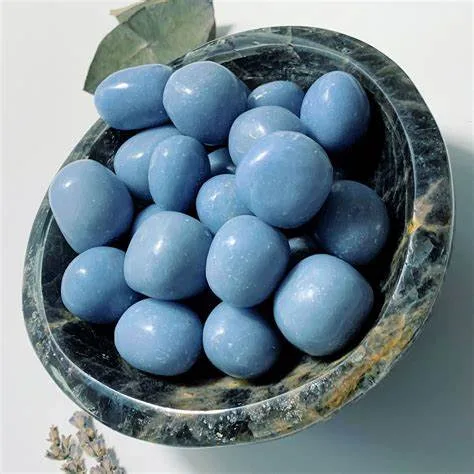
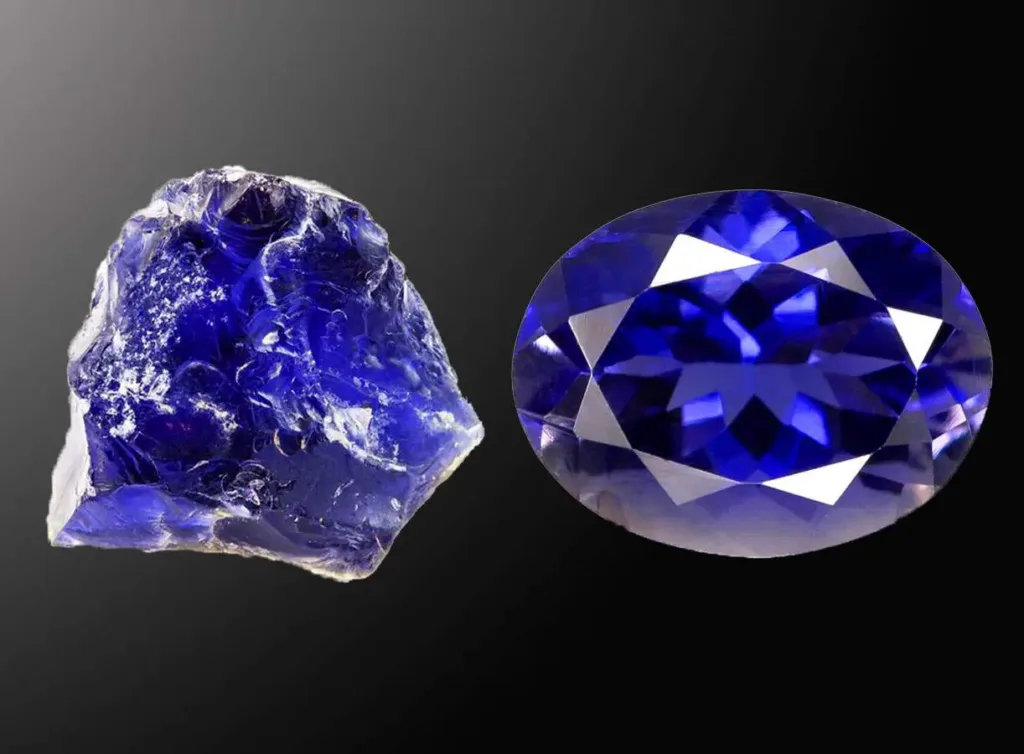
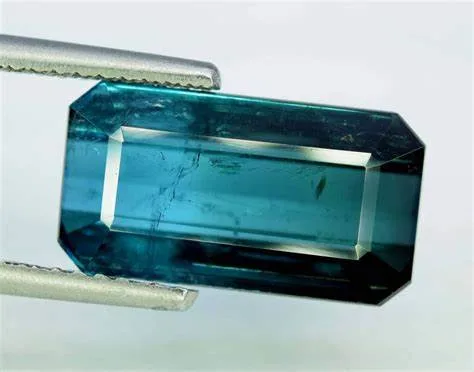
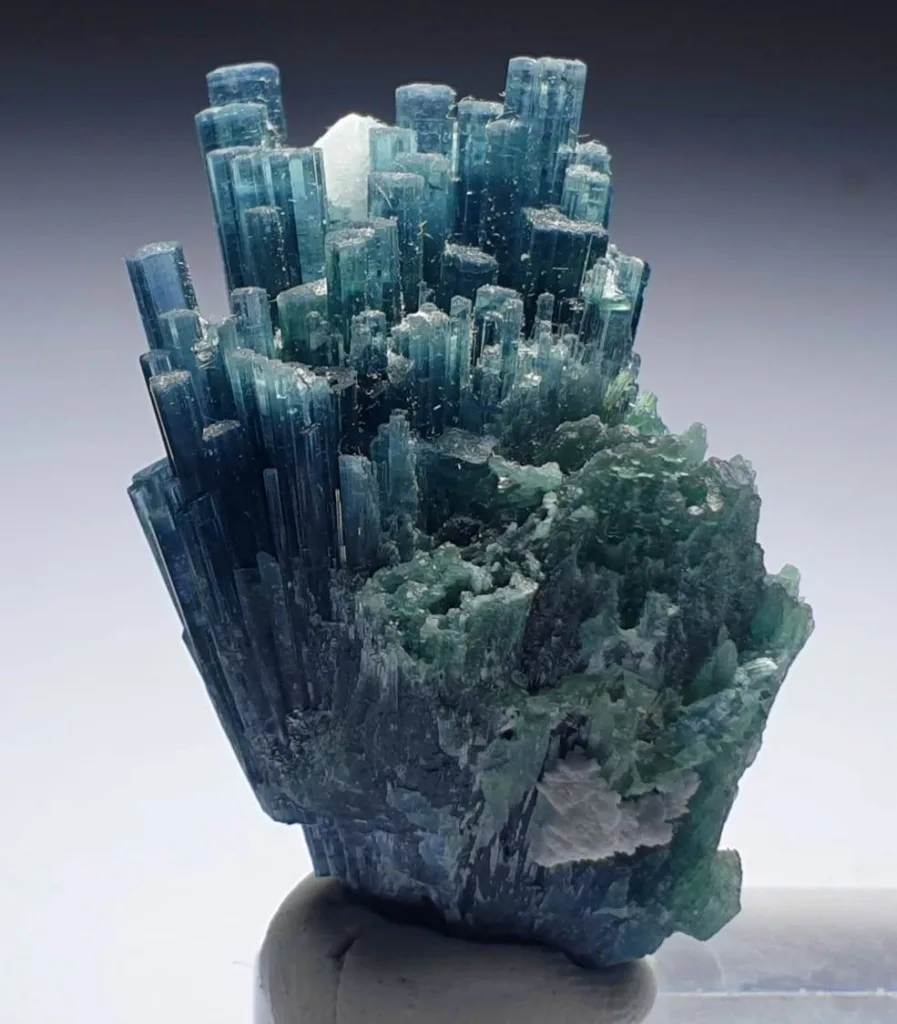
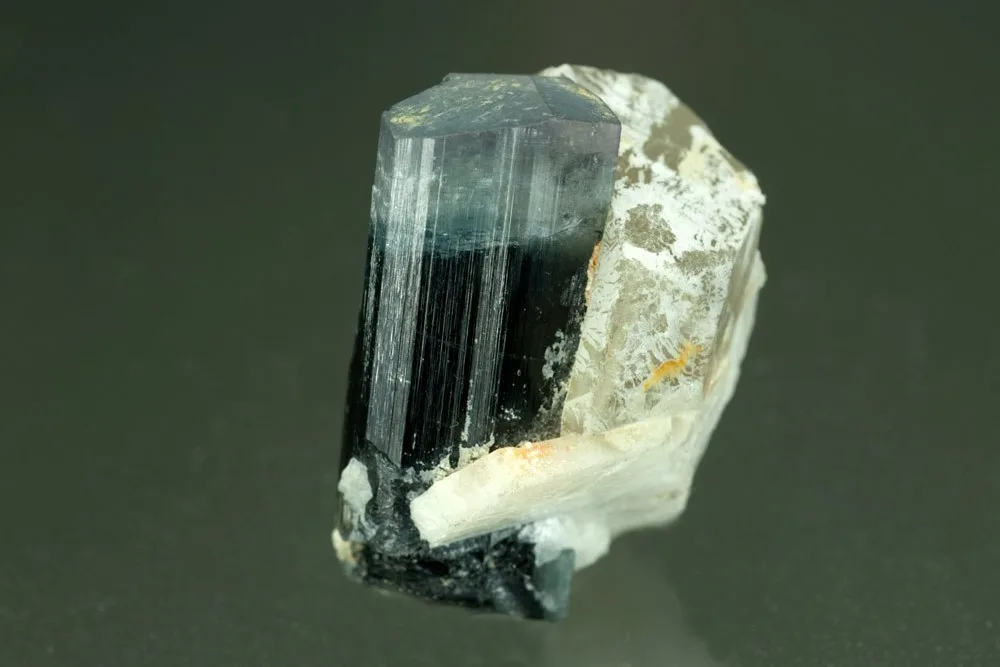
Sapphirine is a relatively rare mineral known for its captivating blue color and distinctive crystal structure. It belongs to the family of silicate minerals and is recognized for its role in providing insights into the geologic history and processes of high-grade metamorphism. Sapphirine is primarily sought after for its use in jewelry due to its exquisite hue, although its scarcity makes it less common in the gemstone market compared to other gem minerals like sapphire.

Sapphirine is a complex aluminum and magnesium-rich silicate mineral with the chemical formula (Mg,Al)_8(Si,Al)_6O_20. It belongs to the group of cyclosilicate minerals, characterized by rings of linked tetrahedral silicate units. These cyclosilicate structures give sapphirine its distinct crystalline appearance. Sapphirine’s name is derived from its vibrant blue color, which often resembles that of sapphire gemstones.

Chemical Composition and Crystal Structure:

The chemical composition of sapphirine can vary due to the substitution of aluminum and magnesium within its crystal structure. The crystal lattice consists of interconnected rings of six-membered silicate tetrahedra, forming a repeating pattern. The aluminum and magnesium ions can replace each other in the structure, leading to variations in color and properties. This complex arrangement of elements contributes to sapphirine’s unique physical and optical characteristics.

Historical Significance and Naming:

Sapphirine’s name is a nod to its resemblance to sapphire, one of the most famous and valuable gemstones. Its history is intertwined with the broader exploration of mineralogy and gemstones. The mineral was first identified in the early 19th century, and its blue coloration led to the association with sapphires. Although sapphirine is not as widely recognized as sapphire, it holds importance in the realm of geological research and in the jewelry market for collectors who appreciate its rarity and beauty.

Throughout history, various cultures have attributed different meanings to blue gemstones, often associating them with calmness, wisdom, and spiritual insight. Sapphirine’s rich blue color has likely contributed to its historical significance, connecting it with these symbolic interpretations.

In summary, sapphirine’s introduction involves understanding its rarity, its connection to sapphire, its complex chemical composition, and its significance in both geological exploration and the world of jewelry. As we delve deeper into its physical properties, occurrence, and applications, a comprehensive picture of sapphirine’s role in the natural world and human culture emerges.

Physical Properties of Sapphirine

Sapphirine possesses a range of physical properties that contribute to its distinctiveness and desirability. These properties make it a unique mineral with applications in both scientific research and the world of gemstones. Here are some of the key physical properties of sapphirine:

1. Color and Variations:

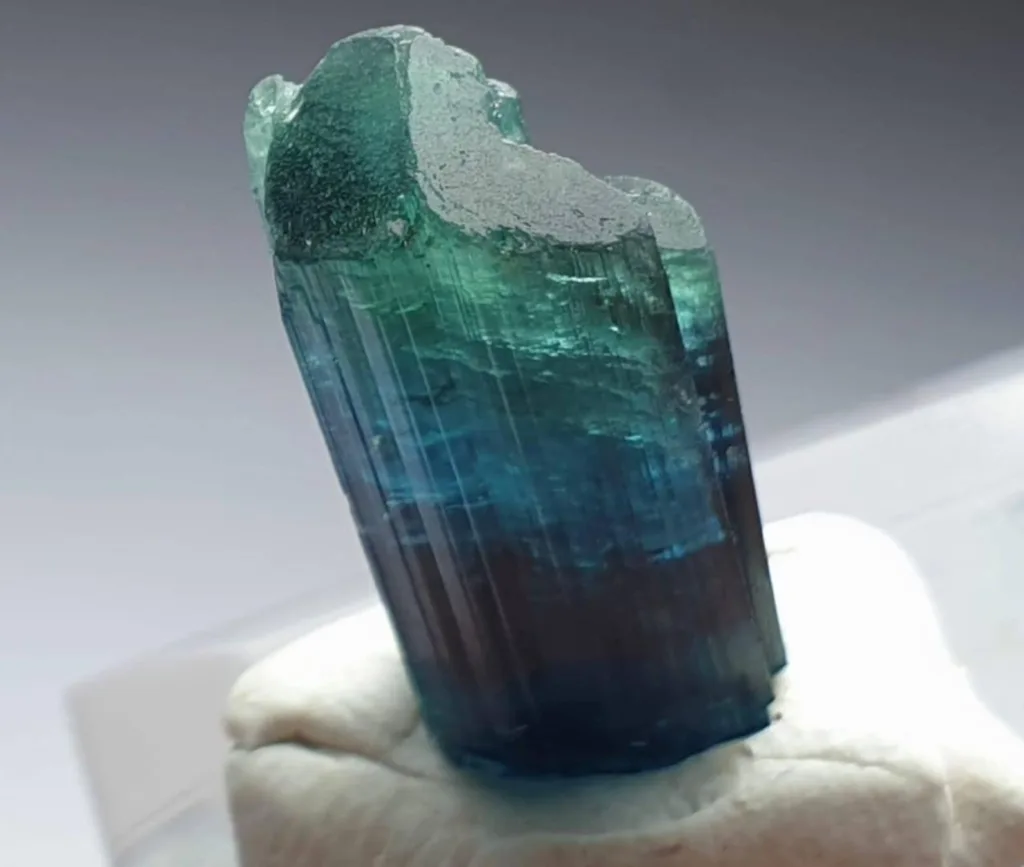
  • Sapphirine is known for its striking blue color, often resembling the hues of sapphires. However, its color can vary, ranging from blue to bluish-green, green, gray, or brown. These color variations are a result of different elemental substitutions within its crystal lattice.

2. Hardness and Durability:

  • Sapphirine has a hardness of 7.5 to 8 on the Mohs scale, which places it in the range of many other gemstones like quartz, topaz, and corundum. This hardness contributes to its durability, making it suitable for jewelry that may be subject to daily wear.

3. Luster and Transparency:

  • Sapphirine typically exhibits a vitreous to sub-adamantine luster, giving it a bright and polished appearance when properly cut and polished. It is generally transparent to translucent, allowing light to pass through its crystal structure and enhancing its color and brilliance.

4. Cleavage and Fracture:

  • Sapphirine has poor to indistinct cleavage, meaning it doesn’t break along specific planes with ease. Instead, it tends to exhibit conchoidal fracture, producing curved, shell-like surfaces when broken.

5. Density and Specific Gravity:

  • The density of sapphirine varies depending on its composition, but it typically has a specific gravity ranging from 3.3 to 3.5. This value indicates that it is denser than water.

6. Refractive Index:

  • Sapphirine’s refractive index is variable due to its chemical composition and color. It usually falls within the range of 1.686 to 1.725. This property influences how light is bent as it passes through the mineral, affecting its brilliance and sparkle.

7. Birefringence:

  • Sapphirine exhibits birefringence, which is the difference in refractive indices between two perpendicular directions within the crystal. This property can cause a doubling of images when viewed through a polarizing microscope.

8. Pleochroism:

  • Pleochroism is the phenomenon where a mineral shows different colors when viewed from different angles. Sapphirine often exhibits weak to moderate pleochroism, with varying shades of blue or greenish-blue, depending on the crystal orientation.

9. Optical Phenomena:

  • Some sapphirine specimens may exhibit asterism, a phenomenon where a star-shaped pattern of reflections appears when the mineral is cut as a cabochon and exposed to direct light. This is caused by the presence of needle-like inclusions.

These physical properties collectively contribute to the overall appearance, durability, and uniqueness of sapphirine as a mineral and a gemstone. Gemologists, mineralogists, and jewelry enthusiasts are fascinated by these properties, and they play a significant role in determining sapphirine’s value and usability.

Occurrence and Formation of Sapphirine

Sapphirine is a mineral that forms under specific geological conditions, primarily in high-grade metamorphic rocks. Its occurrence and formation are closely tied to the processes of regional metamorphism and the presence of suitable precursor rocks. Here’s an overview of how sapphirine is formed and where it is typically found:

1. Geological Settings:

  • Sapphirine is most commonly found in high-grade metamorphic rocks, which have undergone significant temperature and pressure changes deep within the Earth’s crust. It is often associated with granulite facies metamorphism, which occurs at temperatures of 700 to 900°C and pressures of 6 to 12 kbar. These conditions are typically found in the lower continental crust.

2. Precursor Rocks:

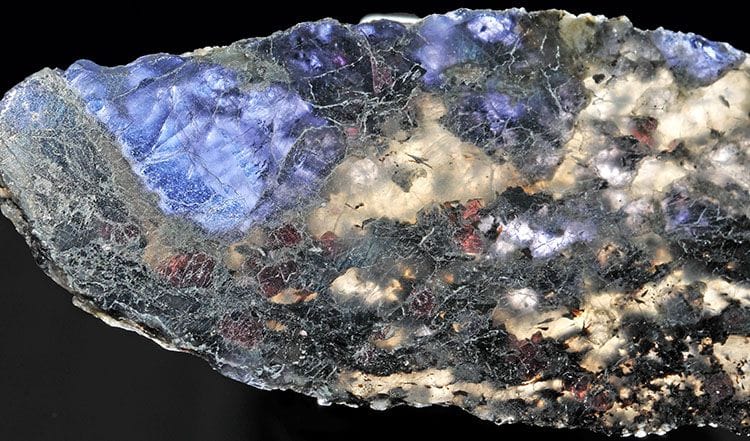
  • Sapphirine forms from the metamorphism of magnesium-rich rocks, such as magnesium-rich gneisses, anorthosites, and mafic igneous rocks. These rocks provide the necessary elements for sapphirine’s composition, including aluminum, magnesium, and silicon.

3. Formation Processes:

  • The formation of sapphirine is a complex process involving the recrystallization of minerals under extreme temperatures and pressures. During high-grade metamorphism, minerals in the precursor rocks undergo phase changes, leading to the growth of new minerals, including sapphirine. The exact mineral assemblages present during sapphirine formation depend on the composition of the precursor rocks and the specific metamorphic conditions.

4. Mineral Assemblages:

  • Sapphirine is often found alongside other minerals that form under high-grade metamorphic conditions. These minerals may include orthopyroxene, clinopyroxene, garnet, plagioclase feldspar, and quartz. The presence of these minerals within the same rock can provide valuable insights into the pressure and temperature conditions during their formation.

5. Geographical Distribution:

  • Sapphirine is relatively rare and is found in a limited number of locations around the world. Some notable deposits can be found in countries such as Madagascar, Sri Lanka, Myanmar (Burma), Australia, India, and parts of Africa. These deposits are often associated with regions that have undergone extensive metamorphism during Earth’s geological history.

6. Metamorphic History:

  • The presence of sapphirine in a specific area can provide information about the geological history of the region. Studying the distribution, composition, and texture of sapphirine-bearing rocks can help geologists understand the tectonic events and processes that shaped the Earth’s crust over time.

In summary, sapphirine’s occurrence and formation are intimately tied to the geological conditions of high-grade metamorphism. It forms from magnesium-rich precursor rocks that undergo recrystallization under extreme temperature and pressure. Its presence in certain regions provides valuable insights into the Earth’s history and the processes that have shaped its crust.

Uses and Applications of Sapphirine

Sapphirine, with its captivating color and unique properties, finds applications both in the scientific field and the world of jewelry. Its scarcity and distinctive appearance contribute to its value and desirability in various contexts. Here are some of the primary uses and applications of sapphirine:

1. Gemstone and Jewelry Use:

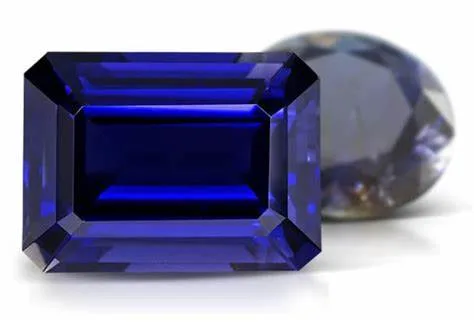
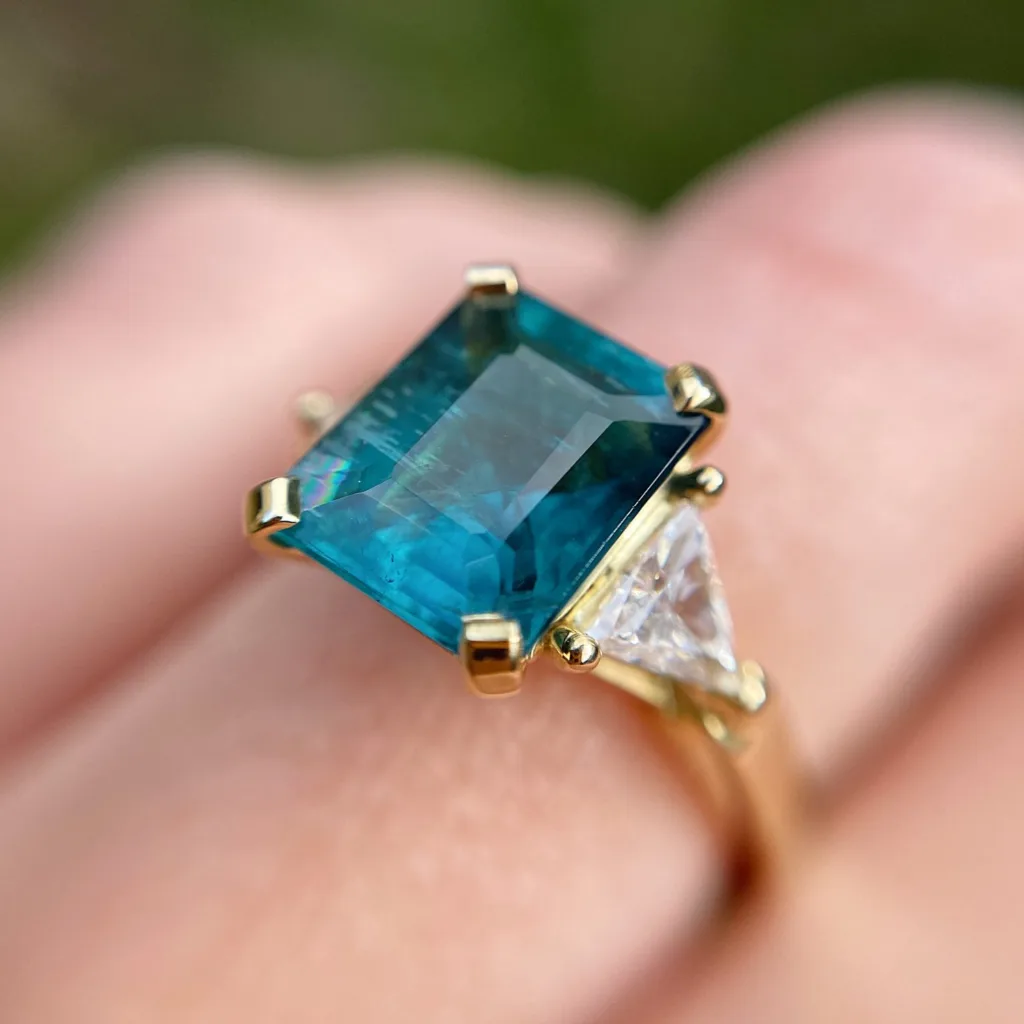
  • Sapphirine’s vibrant blue color and attractive luster make it an appealing choice for jewelry. While not as well-known as other gemstones like sapphire, it is sought after by collectors and enthusiasts who appreciate its rarity and unique appearance. Sapphirine can be faceted into various cuts and shapes, such as cabochons or faceted gemstones, to create stunning jewelry pieces like rings, earrings, pendants, and more.

2. Collector’s Items:

  • Due to its limited occurrence and distinctive features, sapphirine specimens are highly valued by mineral collectors. Specimens that display well-formed crystals, rich color, and unique inclusions can command high prices among collectors who seek exceptional and unusual minerals for their collections.

3. Scientific Research:

  • Sapphirine-bearing rocks provide valuable insights into the geological history and processes of the Earth’s crust. Geologists study the mineral assemblages, textures, and chemical compositions of sapphirine to understand the metamorphic conditions under which it formed. By examining the presence of sapphirine and other minerals, scientists can reconstruct the tectonic and thermal history of specific regions.

4. Academic and Educational Purposes:

  • Sapphirine’s rarity and geological significance make it a subject of interest in academic and educational settings. It is often used as a mineral example to teach students about mineral identification, crystallography, and the conditions required for its formation.

5. Historical and Cultural Significance:

  • Gemstones have held cultural and historical significance in various societies throughout history. While sapphirine may not be as well-known as some other gemstones, it still contributes to the broader tradition of using gemstones for decorative and symbolic purposes.

6. Jewelry Design and Artistry:

  • Jewelry designers and artisans appreciate sapphirine for its unique color and rarity. Its inclusion in jewelry designs can add an element of exclusivity and intrigue, appealing to those who seek unconventional and distinct pieces.

7. Research into Planetary Geology:

  • Some terrestrial minerals, including sapphirine, can provide insights into processes occurring on other planets. Studying the formation and properties of minerals like sapphirine can aid scientists in understanding the geology of other celestial bodies.

In summary, sapphirine’s uses and applications span across the realms of jewelry, science, education, and artistic expression. Its rarity and distinctive qualities contribute to its value and versatility, making it a mineral of interest to a diverse range of individuals and industries.

Gemological Aspects of Sapphirine

Sapphirine, though relatively less known compared to some other gemstones, possesses unique gemological characteristics that make it intriguing to gemologists, collectors, and enthusiasts. These aspects play a crucial role in evaluating sapphirine’s quality, value, and desirability as a gemstone. Here are the key gemological aspects of sapphirine:

1. Color:

  • Color is one of the most important factors influencing a gemstone’s appeal. Sapphirine’s color ranges from blue to bluish-green, green, gray, or brown. Intensity, hue, and uniformity of color significantly impact its value. Deep, vivid blue sapphirine is generally more sought after, closely resembling the color of sapphires.

2. Clarity:

  • Clarity refers to the presence of internal and external imperfections within a gemstone. Sapphirine can exhibit various inclusions like mineral crystals, fractures, and growth features. While some inclusions are expected due to its natural formation, high clarity enhances its visual appeal. Transparent to slightly translucent specimens are preferred for faceted gemstones.

3. Cut:

  • The cut of a gemstone influences its brilliance, sparkle, and overall visual appeal. Sapphirine can be fashioned into various cuts, including faceted gemstones with traditional or custom shapes and cabochons. Faceted sapphirine may exhibit pleasing light dispersion and scintillation when cut to maximize its optical properties.

4. Carat Weight:

  • Carat weight refers to the mass of the gemstone and impacts its size. Large, well-cut sapphirine gemstones are rarer and can command higher prices due to their scarcity.

5. Phenomena:

  • Some sapphirine specimens might exhibit asterism, a star-shaped pattern that appears when a cabochon-cut gemstone is exposed to direct light. This phenomenon is caused by the presence of needle-like inclusions, and asteriated sapphirine can be particularly captivating.

6. Imitations and Treatments:

  • As with many gemstones, sapphirine can potentially be imitated or treated. It’s essential for gemologists and buyers to be aware of any treatments or enhancements that might affect the gemstone’s appearance and value. Natural sapphirine is generally considered more valuable than treated or synthetic alternatives.

7. Luster and Transparency:

  • Sapphirine exhibits a vitreous to sub-adamantine luster, contributing to its visual appeal. The level of transparency influences its brilliance and overall appearance when used in jewelry.

8. Pleochroism and Birefringence:

  • Sapphirine’s pleochroism, displaying different colors from different angles, and its birefringence, causing double images when viewed through a polarizing microscope, are unique optical properties that gemologists consider when analyzing and describing sapphirine.

In summary, sapphirine’s gemological aspects encompass color, clarity, cut, carat weight, and optical phenomena, among others. These factors collectively influence the gemstone’s value and desirability in both the collector’s market and the jewelry industry. Gemologists use their expertise to evaluate these aspects and provide valuable insights into the quality and authenticity of sapphirine gemstones.

Notable Sapphirine Deposits

Notable deposits of sapphirine are found in various parts of the world, each contributing to our understanding of geological processes and the mineral’s unique properties. Here are some notable sapphirine deposits:

  1. Madagascar:
    • Madagascar is known for its rich sapphirine deposits, particularly in the region of Androy. These deposits have yielded high-quality blue and green sapphirine specimens, often associated with other minerals like garnet, kyanite, and spinel.
  2. Sri Lanka:
    • Sapphirine has been found in Sri Lanka, a country renowned for its gemstones. These deposits contribute to the diversity of minerals found on the island and add to Sri Lanka’s status as a gemological hotspot.
  3. Myanmar (Burma):
    • Myanmar is home to various gem deposits, including sapphirine. The Mogok region in Myanmar has produced sapphirine specimens alongside other gemstones like spinel and ruby. These deposits are famous for their exceptional mineral diversity.
  4. Australia:
    • Australia hosts sapphirine deposits in regions like the New England area of New South Wales. These deposits are associated with high-grade metamorphic rocks and contribute to Australia’s rich geological heritage.
  5. India:
    • Sapphirine has been discovered in India, specifically in regions with metamorphic rocks like Tamil Nadu. Indian deposits add to the global understanding of sapphirine’s occurrence in various geological settings.
  6. Africa:
    • Sapphirine has been reported in several African countries, including Malawi, Kenya, and Tanzania. These deposits showcase the mineral’s occurrence across the African continent and provide insights into the region’s geological history.

It’s important to note that sapphirine is relatively rare, and deposits are not as widespread as those of more common gemstones. The exploration and discovery of sapphirine deposits continue to contribute to our understanding of mineral formation, geological processes, and the Earth’s history. Each deposit offers unique insights into the conditions under which sapphirine and associated minerals have formed.

Geological Significance of Sapphirine

Sapphirine holds significant value in the field of geology due to its role as an indicator mineral of high-grade metamorphism. Its presence in specific rock formations provides valuable insights into the geological history, tectonic processes, and conditions that shaped the Earth’s crust. Here’s how sapphirine’s geological significance is tied to high-grade metamorphism:

Indicator of High-Grade Metamorphism:

  • Sapphirine forms under conditions of high temperature and pressure, characteristic of high-grade metamorphic environments. The presence of sapphirine in a rock indicates that the rock has undergone intense metamorphic processes, such as those occurring deep within the Earth’s crust. The specific temperature and pressure conditions required for sapphirine formation provide geologists with information about the depths at which these rocks were buried during their metamorphic history.

Petrological and Geophysical Implications:

  • The discovery of sapphirine-bearing rocks has significant implications for the petrological and geophysical understanding of a region. By analyzing sapphirine and its associated minerals, geologists can deduce the pressure-temperature conditions that prevailed during the rock’s formation. This information helps reconstruct the geological history of the area, including tectonic events, burial depths, and uplift processes.

Insight into Crustal Evolution:

  • Sapphirine’s occurrence provides a window into the geological evolution of a region. Its presence can indicate the presence of ancient continental crust or tectonic movements that subjected the rocks to high-grade metamorphism. Studying sapphirine-bearing rocks contributes to the broader understanding of how continents have evolved over millions of years.

Thermal Gradient and Depth Estimates:

  • The mineral assemblages and textures associated with sapphirine can help estimate the temperature and pressure gradients within the Earth’s crust during metamorphism. This information aids in determining the depth at which the rocks formed and the subsequent uplift and erosion processes that brought them to the surface.

Geodynamic Processes:

  • Sapphirine-bearing rocks are often associated with complex geological processes such as subduction zones, collisional events, and continental rifting. The presence of sapphirine in these contexts can shed light on the geodynamic forces that operated in the Earth’s lithosphere, influencing the formation and transformation of rock formations.

In summary, sapphirine’s geological significance lies in its role as an indicator of high-grade metamorphism and the conditions under which specific rocks have been subjected to extreme temperatures and pressures. Its presence and associated mineral assemblages provide valuable information about the geological history, tectonic processes, and thermal evolution of regions, contributing to a deeper understanding of the Earth’s dynamic crust.

Summary of Sapphirine

Sapphirine is a captivating mineral known for its striking blue color and unique crystal structure. Its significance spans across geological, gemological, and scientific domains. Here’s a concise summary of sapphirine:

1. Composition and Appearance:

  • Sapphirine is a cyclosilicate mineral with a chemical formula (Mg,Al)_8(Si,Al)_6O_20.
  • It comes in various colors, including blue, bluish-green, green, gray, and brown.

2. Geological Importance:

  • Sapphirine’s occurrence in high-grade metamorphic rocks indicates intense geological processes, often associated with deep crustal environments.
  • Its presence provides insights into the Earth’s tectonic history, thermal gradients, and crustal evolution.

3. Gemological Features:

  • Sapphirine is sought after for its use in jewelry due to its color and luster.
  • It has a hardness of 7.5 to 8 on the Mohs scale, making it durable for jewelry.
  • Pleochroism, birefringence, and asterism (star effect) are some of its optical characteristics.

4. Geological and Petrological Research:

  • Sapphirine-bearing rocks contribute to studies of metamorphic processes, pressure-temperature conditions, and tectonic events.
  • Its presence aids in estimating the depth and history of rock formations within the Earth’s crust.

5. Geographic Distribution:

  • Notable sapphirine deposits are found in Madagascar, Sri Lanka, Myanmar, Australia, India, and parts of Africa.

6. Cultural and Historical Significance:

  • While not as well-known as sapphires, sapphirine has historical and cultural significance associated with its color and gemological properties.

7. Gemstone and Collector’s Item:

  • Sapphirine is used in jewelry for its beauty and rarity, and it’s also valued by mineral collectors for its unique characteristics.

8. Scientific Exploration:

  • Sapphirine contributes to scientific understanding of metamorphic processes, rock formation, and crustal dynamics.

9. Responsible Sourcing:

  • As with all gemstones, ethical and sustainable sourcing practices are important when dealing with sapphirine.

In summary, sapphirine is a mineral that bridges the worlds of geology and gemology. Its presence in high-grade metamorphic rocks offers a glimpse into the Earth’s past, while its vibrant color and properties make it a gemstone of interest and beauty. Sapphirine’s rarity and unique qualities ensure its continued exploration and appreciation in both scientific and aesthetic contexts.

Sapphirine and Sapphire Difference

Blue Sapphire Diamond Ring

Sapphirine and sapphire are two different gemstones, both known for their blue color, but they have distinct properties and characteristics.

  1. Sapphire: Sapphire is a precious gemstone belonging to the corundum mineral family. Corundum is an aluminum oxide mineral with the chemical formula Al₂O₃. While sapphires are most commonly known for their deep blue color, they can actually occur in a wide range of colors, except for red. Red corundum is known as ruby, and all other colors are considered sapphires. The blue color is due to the presence of trace amounts of iron and titanium in the crystal structure.

Sapphires are highly valued for their brilliance, durability (second only to diamonds), and vibrant colors. They are often used in jewelry, including rings, necklaces, earrings, and bracelets. Sapphires are also the birthstone for September.

  1. Sapphirine: Sapphirine is a relatively rare mineral that belongs to the silicate mineral group. Its chemical formula is (Mg,Al)₈(Al,Si)₆O₂₄. Sapphirine comes in various colors, including blue, green, gray, brown, and violet. Unlike sapphire, sapphirine is not commonly used in jewelry due to its scarcity and relative obscurity.

Sapphirine is typically found in metamorphic rocks and forms under high-pressure, high-temperature conditions. Its crystal structure is complex, and its distinct colors are often due to the presence of different elements and their variations in the mineral’s composition.

In summary, sapphire is a well-known gemstone with a deep blue color, while sapphirine is a much rarer mineral that comes in various colors and is not widely used in jewelry.

Monzonite

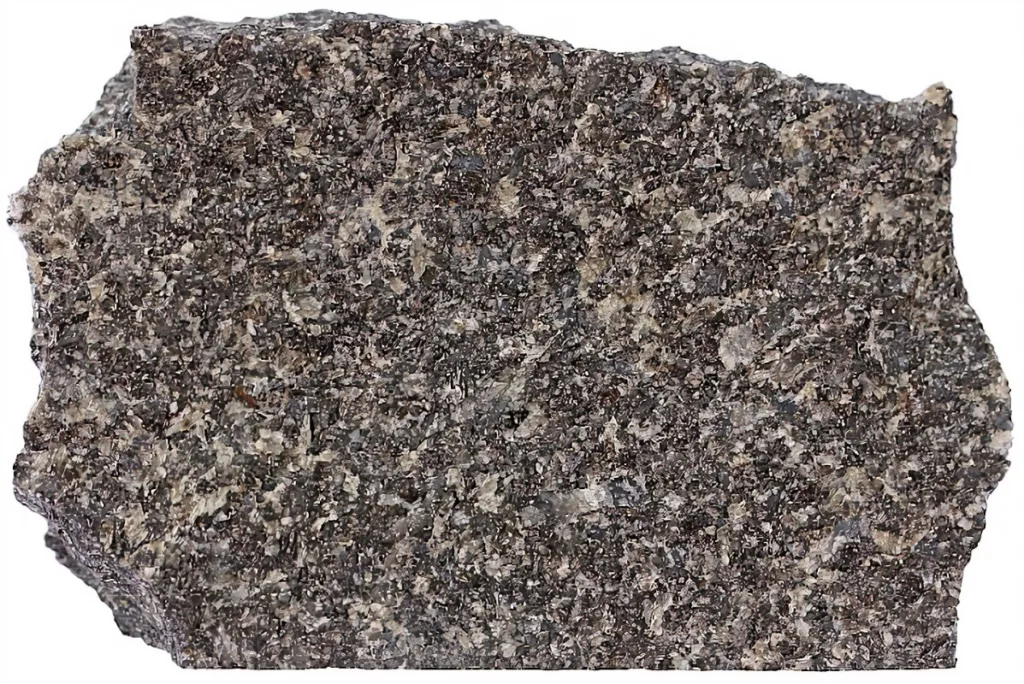
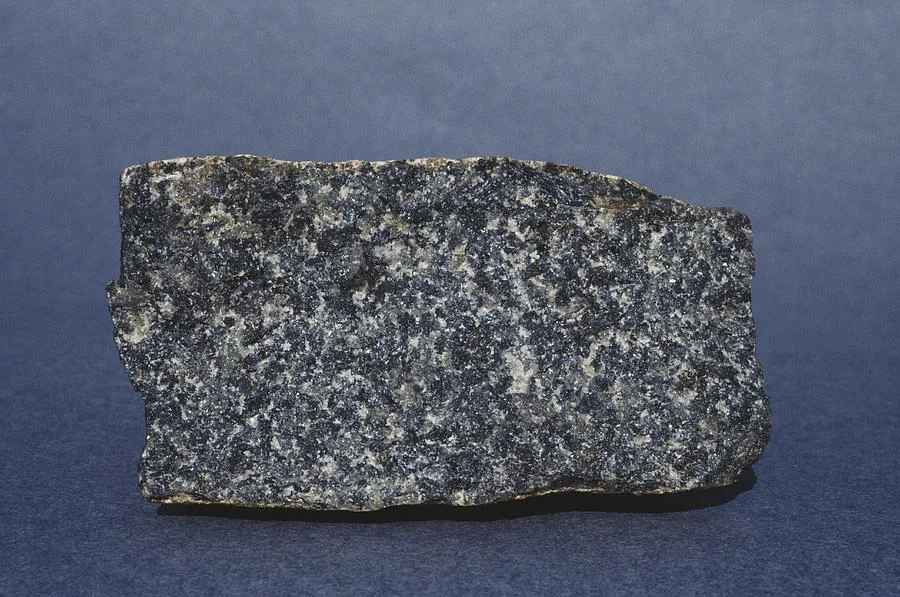
Monzonite is a type of igneous rock that falls within the category of intrusive or plutonic rocks. It is primarily composed of minerals such as plagioclase feldspar, alkali feldspar, and biotite or amphibole. Monzonite is known for its intermediate composition between two other types of rocks: diorite and syenite. It has a distinctive texture and mineral composition that sets it apart from these related rocks.

Key characteristics of monzonite include:

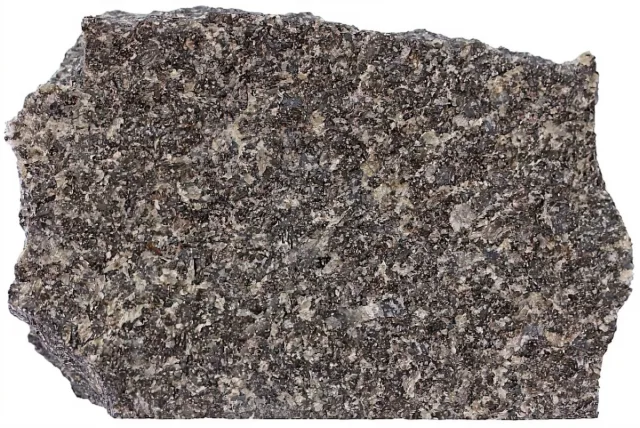
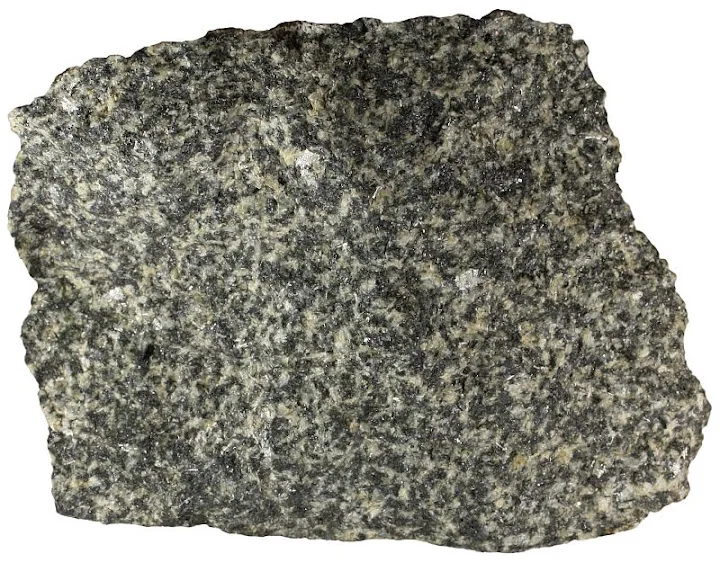
  1. Mineral Composition: Monzonite typically contains about equal amounts of plagioclase and alkali feldspar minerals, which gives it a speckled appearance. Biotite or amphibole minerals are commonly present as well, along with minor amounts of other accessory minerals.
  2. Coloration: Monzonite’s color can vary, but it often appears as a medium- to coarse-grained rock with shades of gray, pink, or reddish-brown. The specific colors depend on the mineral content and can influence the overall appearance of the rock.
  3. Texture: Monzonite usually has a phaneritic texture, meaning its individual mineral grains are visible to the naked eye. This distinguishes it from finer-grained rocks like basalt.
  4. Origin and Formation: Monzonite forms when magma (molten rock beneath the Earth’s surface) cools and solidifies over an extended period of time, allowing larger mineral grains to develop. The exact composition and cooling rate influence the specific type of rock formed, and monzonite is the result of a slower cooling process compared to rocks like basalt.
  5. Geological Settings: Monzonite is often found in subduction zones, continental arcs, and other tectonic environments where magma can intrude into the Earth’s crust and slowly crystallize before reaching the surface. It’s commonly associated with volcanic and plutonic complexes.
  6. Uses: Monzonite, like other igneous rocks, has been used as a building material and for decorative purposes due to its durability and appealing appearance. It’s also used in construction projects requiring durable and visually appealing stone, such as countertops, flooring, and monuments.

Monzonite is an important rock type in the field of geology due to its role in understanding geological processes, such as magma intrusion, crystallization, and tectonic plate interactions. It provides insights into Earth’s history and the conditions under which it formed.

Mineral Composition and Characteristics

The mineral composition and characteristics of monzonite play a crucial role in defining and identifying this type of igneous rock. Here are the key mineral components and characteristics of monzonite:

Mineral Composition:

  1. Plagioclase Feldspar: Plagioclase is a common feldspar mineral found in monzonite. It can range in composition from sodium-rich to calcium-rich varieties. In monzonite, plagioclase feldspar often appears as light-colored grains.
  2. Alkali Feldspar: Alkali feldspar, such as orthoclase or microcline, is another essential mineral in monzonite. This mineral is typically pink, white, or cream-colored and contributes to the speckled appearance of the rock.
  3. Biotite: Biotite is a dark-colored mica mineral commonly present in monzonite. It appears as dark, shiny flakes and contributes to the rock’s overall coloration.
  4. Amphibole: In some instances, amphibole minerals (such as hornblende) can be found in monzonite. These minerals are dark-colored and can add to the rock’s texture and color.
  5. Accessory Minerals: Monzonite may contain smaller amounts of other minerals, such as quartz, pyroxene, and magnetite, as accessory minerals. These minerals can vary depending on the specific composition and geological history of the rock.

Characteristics:

  1. Phaneritic Texture: Monzonite has a phaneritic texture, which means that its individual mineral grains are visible to the naked eye. This distinguishes it from finer-grained rocks like basalt or volcanic rocks.
  2. Medium- to Coarse-Grained: The mineral grains in monzonite are medium- to coarse-grained, indicating a slower cooling and crystallization process beneath the Earth’s surface.
  3. Speckled Appearance: The combination of light-colored feldspar minerals and dark-colored biotite or amphibole gives monzonite its characteristic speckled appearance.
  4. Color Variability: Monzonite can exhibit a range of colors, including shades of gray, pink, reddish-brown, and even green, depending on the mineral composition and impurities present.
  5. Intermediate Composition: Monzonite falls between diorite (which has more plagioclase) and syenite (which has more alkali feldspar) in terms of mineral composition. This intermediate composition contributes to its unique properties.
  6. Igneous Origin: Monzonite is formed through the slow cooling and crystallization of magma beneath the Earth’s surface. It’s classified as an intrusive or plutonic rock, as it forms in the subsurface and not at the surface.
  7. Geological Significance: The presence of monzonite in specific geological settings can provide insights into the tectonic history, magmatic processes, and the evolution of Earth’s crust in various regions.
  8. Uses: Due to its durability and attractive appearance, monzonite has been used in construction and decorative applications, including countertops, flooring, cladding, monuments, and sculptures.

Overall, the mineral composition and characteristics of monzonite make it a distinct and valuable rock type in the field of geology, contributing to our understanding of Earth’s geological history and processes.

Physical Properties

Monzonite, like any other rock, possesses several physical properties that help geologists and other professionals identify, classify, and understand its characteristics. Here are some important physical properties of monzonite:

  1. Color: Monzonite can exhibit a range of colors, often including shades of gray, pink, reddish-brown, or even green, depending on the mineral composition and impurities present.
  2. Texture: Monzonite has a phaneritic texture, which means its individual mineral grains are visible to the naked eye. The grains are typically medium- to coarse-sized and give the rock a granular appearance.
  3. Grain Size: The grain size in monzonite is generally medium- to coarse-grained, indicating that the rock formed through a slow cooling and crystallization process beneath the Earth’s surface.
  4. Mineral Composition: The primary minerals in monzonite include plagioclase feldspar, alkali feldspar, and often biotite or amphibole. The proportions of these minerals contribute to the rock’s color, texture, and overall appearance.
  5. Hardness: Monzonite’s hardness varies depending on the specific mineral composition, but it typically falls within the range of 6 to 7 on the Mohs scale of mineral hardness. This means it is harder than most common materials but can still be scratched by harder substances.
  6. Luster: The luster of monzonite is variable. The feldspar minerals often exhibit a vitreous (glassy) luster, while biotite and amphibole may display a more metallic or dull luster.
  7. Density: The density of monzonite generally ranges between 2.6 to 2.8 grams per cubic centimeter. This density can help differentiate it from other rocks with different mineral compositions.
  8. Porosity: Monzonite is generally a low-porosity rock, meaning it doesn’t have many open spaces or pores within its structure. This characteristic contributes to its durability and suitability for construction.
  9. Weathering Resistance: Monzonite is known for its durability and resistance to weathering, making it suitable for outdoor applications like monuments and buildings.
  10. Cleavage and Fracture: Monzonite typically does not exhibit prominent cleavage planes like some metamorphic rocks, but it tends to fracture along irregular surfaces. The fracture pattern can provide insights into the internal structure of the rock.
  11. Specific Gravity: The specific gravity of monzonite ranges from 2.7 to 2.9. This value is a measure of the rock’s density compared to the density of water.
  12. Thermal Conductivity: Monzonite has moderate thermal conductivity, which means it can transfer heat relatively well. This property can be relevant in applications involving heat exchange or construction.

These physical properties collectively provide valuable information about monzonite’s origin, formation, durability, and potential uses in various industries. Geologists analyze these properties to distinguish monzonite from other rocks, understand its geological context, and assess its suitability for specific applications.

Formation and Geological Context

Monzonite is an intrusive igneous rock, meaning it forms from magma that cools and solidifies within the Earth’s crust, without reaching the surface. The formation of monzonite involves the following steps:

  1. Magma Generation: Magma, which is molten rock containing various minerals and gases, forms in the Earth’s mantle due to heat and pressure. This magma is generated through processes like partial melting of existing rocks.
  2. Intrusion: The magma rises from the mantle towards the Earth’s crust through fractures and weaknesses in the rock. As it moves upward, it can intrude into existing rocks, creating chambers of molten material.
  3. Cooling and Crystallization: Once the magma is within the crust, it begins to cool. As it cools, minerals within the magma start to crystallize and solidify. The cooling process can take a long time, allowing for the development of larger mineral crystals.
  4. Solidification and Formation of Monzonite: During the cooling process, the minerals within the magma crystallize at different temperatures. Monzonite forms when plagioclase feldspar and alkali feldspar crystallize along with other minerals like biotite or amphibole. The composition of monzonite is intermediate between diorite and syenite due to specific crystallization processes.

Magmatic Differentiation and Fractional Crystallization:

Magmatic differentiation is a process that occurs within a magma chamber as different minerals crystallize at different temperatures. This process leads to the formation of various igneous rocks with differing compositions. In the case of monzonite, fractional crystallization is a key factor:

  1. Fractional Crystallization: As magma cools, the minerals with higher melting points solidify first. This leads to the separation of crystals from the remaining melt. As crystals are removed from the magma, the composition of the remaining melt changes, eventually leading to the crystallization of different minerals. Fractional crystallization contributes to the evolution of magma chambers and the formation of rocks with varying compositions.
  2. Intermediate Composition: Monzonite’s intermediate composition results from the specific sequence of crystallization events during fractional crystallization. The combination of plagioclase and alkali feldspar, along with biotite or amphibole, defines monzonite’s mineralogy and appearance.

Tectonic Settings and Locations:

Monzonite is often associated with specific tectonic settings and can be found in various geological locations:

  1. Subduction Zones: Monzonite can form in subduction zones where an oceanic plate is being pushed beneath a continental plate. The melting of the subducting oceanic plate can lead to the formation of magma that rises into the overlying crust and crystallizes as monzonite.
  2. Continental Arcs: Volcanic arcs, which form above subduction zones, can have extensive plutonic bodies beneath them. Monzonite can be a component of these plutonic complexes.
  3. Collision Zones: When continents collide, the intense pressure and heat generated can lead to partial melting of the crust, resulting in the formation of magmas that give rise to monzonite.
  4. Rift Zones: In rift zones where the Earth’s crust is being pulled apart, magma can intrude and crystallize, forming monzonite and other intrusive rocks.
  5. Examples: Monzonite can be found in various places around the world. Examples include parts of the Sierra Nevada mountains in California, USA; the Coast Mountains in British Columbia, Canada; and the Oquirrh Mountains in Utah, USA.

In summary, monzonite forms through the cooling and crystallization of magma beneath the Earth’s surface. It is influenced by processes like magmatic differentiation and fractional crystallization, leading to its distinctive mineral composition. Monzonite’s occurrence is closely tied to specific tectonic settings, contributing to its significance in understanding Earth’s geology and history.

Types of Monzonite

Alkali Feldspar Monzonite

Monzonite is a broad category of igneous rock with an intermediate composition between diorite and syenite. Within this category, there can be variations based on the specific mineral composition and geological context. Some of the variations and related types of monzonite include:

  1. Quartz Monzonite: This type of monzonite contains quartz as one of its major minerals. The presence of quartz can give the rock a slightly different appearance and can affect its physical and chemical properties.
  2. Hornblende Monzonite: When hornblende, a type of amphibole mineral, is a prominent mineral in monzonite, it can be referred to as hornblende monzonite. The presence of hornblende can impact the rock’s color and texture.
  3. Biotite Monzonite: Biotite monzonite contains a significant amount of biotite, a dark-colored mica mineral. Biotite-rich monzonite can have a darker overall appearance compared to other variations.
  4. Alkali Feldspar Monzonite: This type of monzonite is dominated by alkali feldspar minerals (such as orthoclase and microcline) rather than plagioclase feldspar. This composition can result in a distinct color and texture.
  5. Plagioclase Feldspar Monzonite: In contrast to alkali feldspar monzonite, plagioclase feldspar monzonite contains a higher proportion of plagioclase feldspar minerals. This can influence the rock’s appearance and properties.
  6. Biotite-Hornblende Monzonite: When both biotite and hornblende are present as major minerals in the monzonite, it can be called biotite-hornblende monzonite. This type may have a unique combination of colors and textures.

It’s important to note that these variations are not always sharply defined and can often overlap. The specific type of monzonite depends on factors such as the mineral composition, cooling history, and geological context in which the rock formed. Additionally, the naming of rock types can vary based on regional geology and the criteria used for classification.

Overall, these variations in monzonite highlight the complexity and diversity of igneous rocks and provide insights into the different geological conditions under which they form.

Comparison with Related Rocks

Granite vs. Monzonite:

  • Granite: Granite is another common intrusive igneous rock, but it has a higher proportion of alkali feldspar and quartz compared to monzonite. It is generally lighter in color and often has a more visibly crystalline texture due to its large quartz grains. Granite is typically composed of quartz, alkali feldspar, plagioclase feldspar, and often mica minerals (such as biotite or muscovite). It’s widely used in construction and monuments due to its durability and attractive appearance.
  • Monzonite: Monzonite has an intermediate composition between diorite and syenite. It contains roughly equal amounts of plagioclase feldspar and alkali feldspar, along with other minerals like biotite or amphibole. Monzonite’s coloration and appearance can vary, and it often has a speckled texture due to the contrast between its light and dark minerals.

Diorite vs. Monzonite:

  • Diorite: Diorite is an intrusive igneous rock that is similar to monzonite but contains more plagioclase feldspar and less alkali feldspar. This gives diorite a more dominantly dark appearance compared to monzonite. Diorite is often greenish-gray or grayish-black and typically contains minerals like plagioclase feldspar, hornblende, and/or biotite. It’s commonly found in mountain ranges and volcanic arcs.
  • Monzonite: Monzonite, as mentioned earlier, has an intermediate composition with roughly equal proportions of plagioclase and alkali feldspar. This composition makes it distinct from diorite and contributes to its unique appearance and properties.

Gabbro vs. Monzonite:

  • Gabbro: Gabbro is a coarse-grained intrusive igneous rock that is rich in dark-colored minerals like pyroxenes and/or amphiboles. It is generally mafic in composition, meaning it has a higher proportion of dark minerals and a lower proportion of light-colored minerals. Gabbro is the intrusive equivalent of basalt and is often associated with oceanic crust and mid-ocean ridges.
  • Monzonite: Monzonite, on the other hand, is intermediate in composition and typically contains both light and dark minerals, such as plagioclase and alkali feldspar along with biotite or amphibole. This gives it a speckled appearance and an overall composition between felsic and mafic rocks.

In summary, while granite, diorite, gabbro, and monzonite are all intrusive igneous rocks, they have distinct mineral compositions and appearances due to differences in the proportions of their constituent minerals. Monzonite’s intermediate composition and its balanced mixture of plagioclase and alkali feldspar set it apart from these related rocks.

Uses and Application

Monzonite, like many other types of igneous rocks, has various uses and applications due to its durability, aesthetic qualities, and suitability for specific purposes. Some of the common uses and applications of monzonite include:

  1. Construction Material: Monzonite’s durability and resistance to weathering make it suitable for construction purposes. It can be used as a building stone for walls, facades, and exterior cladding, providing both structural integrity and an attractive appearance.
  2. Dimension Stone: Monzonite is often used as a dimension stone for architectural projects, monuments, and sculptures. Its speckled appearance and variety of colors make it a popular choice for creating visually appealing designs.
  3. Countertops and Vanity Tops: Monzonite is used as a material for countertops, kitchen islands, and vanity tops due to its durability and resistance to scratching, staining, and heat. Its natural beauty adds to the aesthetic value of interior spaces.
  4. Flooring Tiles: Monzonite tiles are used for flooring in both residential and commercial settings. Its hardness and resistance to wear make it a suitable option for high-traffic areas.
  5. Monuments and Memorials: Monzonite’s longevity and ability to hold intricate details make it a preferred material for creating monuments, memorials, and gravestones.
  6. Landscaping: Monzonite boulders and stones can be used in landscaping projects, such as retaining walls, garden paths, and decorative features in outdoor spaces.
  7. Architectural Accents: Monzonite can be used to create architectural accents, such as decorative panels, columns, and door and window surrounds, enhancing the aesthetics of buildings.
  8. Paving Stones: Monzonite’s durability makes it suitable for use as paving stones in outdoor areas like walkways, patios, and driveways.
  9. Interior Decor: Monzonite can be used as decorative elements within interior spaces, such as fireplace surrounds, staircases, and wall coverings.
  10. Statues and Artwork: Sculptors and artists may choose monzonite for creating sculptures, statues, and artwork due to its workability and ability to hold fine details.
  11. Industrial Uses: In some cases, monzonite’s hardness and durability may make it suitable for industrial applications such as aggregate in road construction or as ballast for railways.
  12. Historical and Geological Research: Monzonite, like other rocks, is also studied for its geological significance. Analyzing its mineral composition and formation conditions can provide insights into Earth’s history and geological processes.

Overall, monzonite’s combination of strength, durability, and aesthetic appeal makes it a valuable resource for a range of architectural, decorative, and practical applications in construction and design.

Notable Monzonite Formations Worldwide

There are several notable monzonite formations worldwide that have significant geological and historical importance. Here are a few notable examples:

  1. Half Dome, Yosemite National Park, USA: The iconic Half Dome in Yosemite National Park, California, is composed of monzonite. It’s a massive granite dome that attracts climbers and hikers from around the world. The formation of Half Dome has been linked to the slow erosion of surrounding rock, which exposed the more resistant monzonite beneath.
  2. Enchanted Rock, Texas, USA: Enchanted Rock is a large monzonite batholith located in central Texas. It’s a prominent landmark and a popular hiking destination. The rock’s pinkish hue and unique shape contribute to its significance, and it holds cultural and spiritual importance for indigenous communities.
  3. Stone Mountain, Georgia, USA: Stone Mountain is a massive monzonite dome near Atlanta, Georgia. It’s known for its large carving of Confederate leaders on its side. The dome itself has a long history, dating back to prehistoric times, and is composed of a type of monzonite known as a quartz monzonite.
  4. Cerro de Pasco, Peru: Cerro de Pasco is a mining town in the Andes Mountains of Peru, where extensive mineral deposits include monzonite intrusions. These intrusions are associated with the mineral wealth of the region.
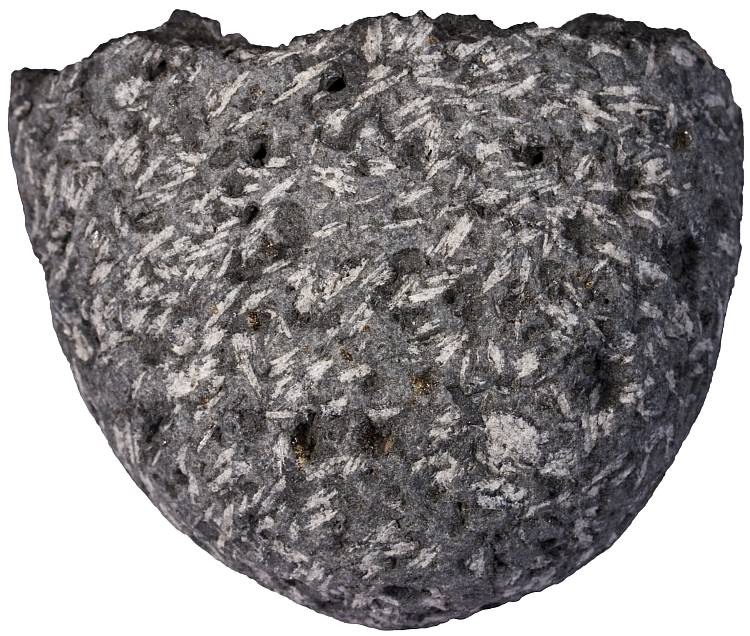
  5. Devils Tower, Wyoming, USA: While not strictly monzonite, Devils Tower is a remarkable igneous intrusion made of phonolite porphyry, a rock with similarities to monzonite. It’s famous for its distinct columnar jointing and cultural significance to Native American tribes.
  6. Mount Coot-tha, Brisbane, Australia: Mount Coot-tha is a monzonite intrusion located in Brisbane, Australia. It’s a significant landmark and offers panoramic views of the city and surrounding areas.
  7. Mount Sicker, Vancouver Island, Canada: Mount Sicker is composed of monzonite and is part of the Coast Mountain Range on Vancouver Island. The rock’s unique pinkish color sets it apart from the surrounding landscape.
  8. Mount Erebus, Antarctica: Mount Erebus, the southernmost active volcano on Earth, is composed of phonolite, a type of volcanic rock with similarities to monzonite. It has ongoing geological and geothermal significance due to its volcanic activity and the insights it provides into Earth’s processes.

These formations showcase the diverse geographical and geological contexts in which monzonite is found, ranging from iconic landmarks to geologically significant sites. Monzonite formations contribute to our understanding of Earth’s history, tectonic processes, and the interactions between magma and the Earth’s crust.

Powellite

Powellite is a mineral that belongs to the broader group of minerals known as molybdates and tungstates. It is specifically classified as a calcium molybdate, with the chemical formula Ca(MoO₄). The name “Powellite” is derived from the mineralogist John Allan Powell, who made significant contributions to the field of mineralogy.

Powellite typically occurs as a secondary mineral in oxidized hydrothermal ore deposits, often associated with other molybdenum-bearing minerals like molybdenite. It is known for its characteristic crystal structure and can exhibit a range of colors, including yellow, orange, brown, and even colorless. Powellite’s vibrant colors and distinct crystal habits make it a popular mineral among collectors and enthusiasts.

One of the noteworthy properties of Powellite is its fluorescence under ultraviolet (UV) light. Depending on the specific elements present as impurities in the crystal lattice, Powellite can fluoresce in various colors, adding to its visual appeal.

Beyond its aesthetic value, Powellite also has some industrial applications. It can be used as a minor source of molybdenum, which is an important element in various industrial processes, including steel production, electronics, and catalysis.

In summary, Powellite is a calcium molybdate mineral that is valued for its colorful appearance, distinctive crystal structure, and fluorescence properties. It has both geological significance in hydrothermal ore deposits and practical applications in certain industrial processes.

Chemical composition and crystal structure

The chemical composition of Powellite is represented by the formula Ca(MoO₄), indicating that it consists of calcium (Ca) cations bonded to molybdate (MoO₄) anions. This composition places Powellite within the broader category of molybdate minerals. The molybdate anion consists of one molybdenum atom (Mo) bonded to four oxygen atoms (O) in a tetrahedral arrangement.

Powellite’s crystal structure is based on a tetragonal system, which means that its crystal lattice is characterized by three axes at right angles to each other, two of which are equal in length while the third is longer or shorter. Within this tetragonal framework, the calcium cations and molybdate anions are arranged in a specific pattern, giving rise to Powellite’s distinctive crystal structure.

The crystal structure of Powellite can be more accurately described as layered. The layers are formed by sheets of interconnected MoO₄ tetrahedra. Calcium cations are located between these sheets, occupying spaces between the tetrahedra. This layered arrangement contributes to the mineral’s unique physical and optical properties.

One of the notable features of Powellite is its tendency to exhibit strong fluorescence under ultraviolet (UV) light. This fluorescence is a result of impurities or trace elements that are present in the crystal lattice. The exact nature of these impurities can vary, leading to different fluorescent colors. This property adds to Powellite’s visual appeal and makes it a sought-after mineral among collectors.

In summary, Powellite’s chemical composition is Ca(MoO₄), indicating the presence of calcium and molybdate ions. Its crystal structure is based on a tetragonal system, with a layered arrangement of MoO₄ tetrahedra and calcium cations. The presence of impurities in the crystal lattice gives rise to its characteristic fluorescence under ultraviolet light.

Formation and Occurrence of Powellite

Powellite typically forms in oxidized hydrothermal environments, which are settings where hot fluids interact with rocks and minerals near the Earth’s surface. It often occurs as a secondary mineral, meaning it forms through processes involving the alteration of pre-existing minerals. The formation of Powellite is closely related to the presence of molybdenum-bearing minerals and the availability of calcium and other necessary elements.

Geological Environments: Powellite is commonly found in various geological settings, including:

  1. Porphyry Copper Deposits: Powellite can be associated with porphyry copper deposits, which are large mineralized zones found in the upper parts of intrusive igneous complexes. These deposits are formed by the interaction of hydrothermal fluids with host rocks, and molybdenum is often present as a minor component in these systems.
  2. Skarn Deposits: Skarns are contact metamorphic zones formed when hot fluids interact with carbonate-rich rocks (such as limestone or marble). Molybdenum-rich fluids can lead to the formation of Powellite in skarn deposits.
  3. Vein and Replacement Deposits: Powellite can also occur in veins and replacement deposits where mineral-rich fluids have infiltrated fractures and voids in rocks, leading to the formation of secondary minerals.
  4. High-Temperature Hydrothermal Systems: In some cases, Powellite can form in high-temperature hydrothermal systems associated with volcanic activity.

Relationship with Ore Deposits and Mineralization Processes: Powellite’s presence is often indicative of molybdenum mineralization within ore deposits. Molybdenum is commonly associated with various metal ore deposits, and Powellite can form as a result of the alteration of primary molybdenum-bearing minerals like molybdenite (MoS₂). As hydrothermal fluids circulate through rocks, they can leach out molybdenum from primary minerals and deposit it in secondary forms like Powellite when conditions such as temperature, pressure, and chemical composition are appropriate.

Factors Influencing Powellite Formation: Several factors influence the formation of Powellite:

  1. Source of Molybdenum: The presence of primary molybdenum minerals in the host rocks or ore deposits serves as a source for the molybdenum needed to form Powellite.
  2. Availability of Calcium: The availability of calcium ions is crucial for the formation of Powellite’s calcium molybdate structure.
  3. Fluid Composition: The chemical composition of hydrothermal fluids, including their pH, temperature, and mineral content, affects the minerals that can form during alteration.
  4. Temperature and Pressure: The temperature and pressure conditions of the hydrothermal system influence the stability of Powellite and other minerals.
  5. Time: The duration of hydrothermal activity plays a role in determining the extent to which mineral alteration can occur.

In summary, Powellite forms in oxidized hydrothermal environments, often in association with molybdenum-bearing minerals. It occurs in a variety of geological settings, including porphyry copper deposits, skarn deposits, vein systems, and high-temperature hydrothermal systems. The formation of Powellite is influenced by factors such as the availability of molybdenum, calcium, fluid composition, temperature, pressure, and the duration of mineralizing processes.

Physical Properties and Identification of Powellite

Color Variations and Appearance: Powellite exhibits a range of colors, including yellow, orange, brown, and even colorless. These color variations are often attributed to the presence of different impurities or trace elements within the crystal lattice. The mineral can occur as prismatic crystals or columnar aggregates, and it may also form crusts or coatings on other minerals. Powellite’s luster is typically adamantine to subadamantine, giving it a shiny and reflective appearance.

Fluorescence and Luminescence Properties: One of the most distinctive characteristics of Powellite is its strong fluorescence under ultraviolet (UV) light. When exposed to UV light, Powellite can emit a visible light that is often different in color from its normal appearance. The exact fluorescent color depends on the specific impurities present in the crystal structure. This property makes Powellite stand out and is a valuable diagnostic feature for its identification.

Mohs Hardness, Cleavage, and Fracture:

  • Mohs Hardness: Powellite has a hardness of around 3.5 to 4 on the Mohs scale. This means that it can be scratched by materials with greater hardness, such as a steel nail or a copper penny.
  • Cleavage: Powellite has a distinct basal cleavage, which means it can be easily split along specific planes to form flat surfaces. The cleavage planes are a result of the layered structure of the mineral’s crystal lattice.
  • Fracture: The mineral’s fracture is typically uneven to conchoidal. Uneven fractures are characterized by irregular and jagged surfaces, while conchoidal fractures exhibit smooth, curved surfaces reminiscent of broken glass.

Other Identifying Features:

  • Density: The density of Powellite can vary, but it generally falls within the range of 4.3 to 4.5 g/cm³.
  • Transparency: Powellite is often transparent to translucent, allowing light to pass through with varying degrees of clarity.
  • Streak: The streak of Powellite is pale yellow to white, which is the color of the mineral when it is powdered. This can be observed by rubbing the mineral against an unglazed porcelain plate to produce a streak.
  • Crystal Habit: Powellite typically forms as prismatic crystals or columnar aggregates. It can also occur in coatings, crusts, and botryoidal (grape-like) formations.

In summary, Powellite’s identification involves observing its color variations, fluorescence under UV light, and physical properties such as hardness, cleavage, and fracture characteristics. Its fluorescence, in particular, is a distinct feature that sets it apart from many other minerals. These identifying features, along with its crystal habits and other properties, help mineralogists and collectors differentiate Powellite from other minerals.

Uses and Applications of Powellite

Industrial Applications:

  1. Minor Molybdenum Source: While not a primary source of molybdenum, Powellite can contribute as a secondary source of this essential element. Molybdenum has significant industrial applications, particularly in the production of steel and other alloys. It enhances the strength, hardness, and corrosion resistance of metals, making them suitable for various industrial uses.
  2. Catalysis: Molybdenum compounds, including those derived from minerals like Powellite, are used as catalysts in various chemical reactions. They play a crucial role in promoting and accelerating chemical processes in industries such as petroleum refining and the production of chemicals.

Collectibility and Gemology:

  1. Mineral Collecting: Powellite’s vibrant color variations, fluorescence properties, and unique crystal structure make it highly sought after by mineral collectors. Collectors value Powellite specimens for their aesthetic appeal and rarity, leading to a thriving market for these minerals.
  2. Gemology: While not commonly used as a gemstone due to its relative softness, attractive Powellite specimens with intense colors and strong fluorescence can be considered collector’s items in the field of gemology. These specimens may be cut and polished to create display pieces rather than traditional jewelry.
  3. Mineral Identification: Gemologists and mineralogists often study Powellite and similar minerals to better understand their properties and characteristics. This knowledge contributes to the broader understanding of mineral formations, crystallography, and geological processes.

In summary, Powellite finds applications in industrial sectors as a minor molybdenum source and as a catalyst. It holds significance in the fields of mineral collecting and gemology due to its aesthetic qualities, vibrant colors, fluorescence, and unique crystal structure. While not a gemstone in the traditional sense, it has collectible value among enthusiasts and contributes to the study of minerals and gemology.

Geographical Distribution Major Deposits

Powellite is a mineral that occurs in various geological settings, often associated with molybdenum-rich environments. While it is not as widespread as some other minerals, it can be found in different parts of the world. Some major deposits and regions known for Powellite occurrences include:

  1. USA: Powellite has been found in several locations in the United States, including Colorado, Nevada, Arizona, and California. These deposits are often associated with porphyry copper systems and other hydrothermal mineralization.
  2. Chile: Chile is known for its significant mineral wealth, and Powellite can be found in various copper and molybdenum-rich deposits within the country. These deposits are commonly associated with the Andes Mountains.
  3. Peru: Like Chile, Peru is another South American country with substantial mineral resources. Powellite can be found in deposits associated with copper and molybdenum mineralization.
  4. Canada: Some occurrences of Powellite have been reported in Canada, particularly in areas with hydrothermal activity and associated mineral deposits.
  5. Russia: Powellite has been found in Russia, including in the Ural Mountains region, which is known for its diverse mineral deposits.
  6. Kazakhstan: This Central Asian country is home to various mineral deposits, and Powellite occurrences have been reported in association with molybdenum and copper mineralization.
  7. Australia: Powellite can be found in parts of Australia, including in mineralized areas associated with copper and molybdenum.
  8. China: Some occurrences of Powellite have been reported in China, particularly in regions with active geological processes.

It’s important to note that the availability of Powellite and its distribution can vary within these regions, and the mineral is often found as a secondary mineral in hydrothermal ore deposits. Additionally, ongoing geological exploration and research might lead to the discovery of new occurrences and deposits in the future.

Importance in Industry and Technology

Role in Ceramic and Glass Industry: Powellite, due to its molybdate and calcium composition, can have applications in the ceramic and glass industries. Molybdenum compounds, including those derived from minerals like Powellite, are used as colorants and opacifiers in ceramic glazes and glass formulations. They can impart a range of colors to ceramics and glasses, from yellow to orange. These compounds are often added in small amounts to achieve specific colors or visual effects in finished products.

In addition to coloration, molybdenum compounds can enhance the physical properties of ceramics and glass. They can improve the stability of pigments at high temperatures, increase the durability of glazes, and influence the refractive properties of glasses. The use of molybdenum compounds like those found in Powellite contributes to the diversity of colors and effects achievable in ceramic and glass products.

Role in Nuclear Applications: Molybdenum, one of the primary components of Powellite, has applications in nuclear technology. Some of these applications include:

  1. Nuclear Reactors: Molybdenum is used in the construction of nuclear reactors due to its ability to withstand high temperatures and corrosive environments. It is used in components such as reactor vessels and control rods.
  2. Radiopharmaceuticals: Certain molybdenum isotopes are used in the production of radiopharmaceuticals for medical imaging and treatments. Technetium-99m, a radioactive isotope of technetium, is generated from molybdenum-99 decay and is widely used in medical procedures like single-photon emission computed tomography (SPECT).
  3. Research Reactors: Molybdenum is used in research reactors to produce isotopes that have various scientific and medical applications.
  4. Nuclear Fusion: Molybdenum materials are being investigated for their use in nuclear fusion reactors, which aim to replicate the energy production of the sun by fusing atomic nuclei. Molybdenum’s high melting point and resistance to radiation make it a potential candidate for plasma-facing materials in fusion devices.

It’s important to note that while molybdenum compounds are used in these nuclear applications, they are often derived from molybdenite or other molybdenum-bearing minerals rather than Powellite specifically. Nonetheless, Powellite’s role in providing molybdenum to these applications highlights its broader significance in technology and industry.

Ceruleite

Ceruleite is a beautiful and relatively rare mineral that belongs to the secondary copper mineral group. It is known for its stunning blue color and is often sought after by collectors and enthusiasts due to its vibrant appearance and unique crystalline structure. The name “ceruleite” is derived from the Latin word “caeruleus,” which means “sky-blue,” aptly describing the mineral’s distinct hue.

Key Points:

  • Definition of ceruleite as a secondary copper mineral.
  • Mention of its vivid blue color and its association with the Latin word “caeruleus.”

Physical and Chemical Properties of Ceruleite

Ceruleite possesses a range of physical and chemical properties that contribute to its distinctive appearance and its classification as a secondary copper mineral. Understanding these properties provides insights into the mineral’s characteristics and behavior.

Physical Properties:

  1. Color: Ceruleite is renowned for its captivating sky-blue color, which ranges from pale blue to deep azure. This unique coloration is a result of copper ions present within the crystal lattice.
  2. Luster: The mineral typically displays a vitreous to silky luster, giving it a somewhat reflective and appealing sheen.
  3. Crystal Habit: Ceruleite commonly forms tabular or prismatic crystals that can be quite small. These crystals often exhibit a bladed or platy habit, with individual plates arranged in layers.
  4. Transparency: Ceruleite crystals are usually transparent to translucent, allowing light to pass through and enhancing the perception of its color.
  5. Cleavage: The mineral has a basal cleavage, which means that it can break along planes parallel to the crystal’s base, resulting in flat, smooth surfaces.
  6. Hardness: Ceruleite has a relatively low hardness of about 2.5 to 3 on the Mohs scale. This means it can be easily scratched by harder minerals.
  7. Density: The density of ceruleite varies, but it generally falls within a range that is consistent with other copper-bearing minerals.

Chemical Properties:

  1. Chemical Composition: Ceruleite is a copper aluminum phosphate mineral with the chemical formula CuAl6(PO4)4(OH)8·4H2O. It contains copper (Cu), aluminum (Al), phosphorus (P), oxygen (O), and hydrogen (H) in its composition.
  2. Copper Content: The presence of copper in ceruleite is responsible for its distinctive blue color. Copper ions within the crystal structure absorb certain wavelengths of light, resulting in the blue coloration observed by the human eye.
  3. Hydration: Ceruleite is a hydrous mineral, meaning it contains water molecules within its crystal structure. The “4H2O” in its formula indicates the presence of four water molecules.
  4. Stability: Ceruleite is often found in oxidized zones of copper deposits, where it forms as a result of the alteration of primary copper minerals. It can form through interactions between copper minerals and oxygen-rich water, leading to the replacement of certain elements and the incorporation of others.
  5. Associations: Ceruleite is commonly found in association with other secondary copper minerals such as malachite (Cu2(CO3)(OH)2) and azurite (Cu3(CO3)2(OH)2).

Understanding these physical and chemical properties helps mineralogists and enthusiasts identify ceruleite and appreciate its unique qualities. Additionally, these properties play a role in how ceruleite interacts with light and its geological formation processes.

Occurrence and Geological Formations of Ceruleite

Ceruleite is typically found in specific geological settings where copper minerals undergo alteration and weathering processes. Its occurrence is closely linked to the oxidation of primary copper deposits and the interaction between copper-bearing minerals and various environmental factors.

Oxidized Zones of Copper Deposits: Ceruleite is commonly found in the oxidized zones of copper deposits. These zones are located near the Earth’s surface and are characterized by exposure to oxygen-rich air and water. As primary copper minerals in these deposits are subjected to weathering, they undergo chemical transformations, resulting in the formation of secondary copper minerals like ceruleite.

Alteration Processes: The formation of ceruleite is a result of alteration processes that involve the replacement of primary copper minerals by secondary minerals in the presence of water and oxygen. Primary copper minerals, such as chalcopyrite (CuFeS2), undergo chemical reactions that release copper ions into solution. These copper ions can then combine with other elements to form secondary copper minerals like ceruleite.

Weathering and Leaching: In oxidized zones, copper-bearing minerals are exposed to atmospheric conditions, including rainwater. Water percolates through the rock layers, leaching out soluble copper ions from primary minerals. These copper ions can subsequently precipitate and combine with other elements, including aluminum and phosphorus, to form secondary minerals like ceruleite.

Associated Minerals: Ceruleite often occurs alongside other secondary copper minerals, such as malachite and azurite. These minerals share similar formation conditions and are commonly found in the same geological settings. Malachite and azurite, with their green and blue colors respectively, complement the blue color of ceruleite, making them a visually appealing combination in mineral specimens.

Geological Environments: Ceruleite is more commonly found in arid or semi-arid regions where the oxidation of copper deposits is more pronounced due to exposure to dry and oxygen-rich air. Desert regions and areas with a history of mining activities are often associated with the discovery of ceruleite specimens.

Mineralogical Significance: Ceruleite’s occurrence and formation provide valuable insights into the geochemical processes that shape the Earth’s crust. The presence of ceruleite and other secondary copper minerals in oxidized zones indicates the complex interplay between geological factors, mineral composition, and environmental conditions over geological time scales.

In summary, ceruleite’s occurrence in the oxidized zones of copper deposits highlights the dynamic nature of geological processes. The interactions between primary copper minerals, water, oxygen, and other elements contribute to the formation of this captivating blue secondary mineral.

Uses and Applications of Ceruleite in Various Industries

Ceruleite is primarily valued for its aesthetic qualities and is sought after by mineral collectors and enthusiasts due to its unique blue color and crystalline structure. While it doesn’t have extensive industrial applications, its visual appeal and rarity make it an important mineral in specific contexts.

Mineral Collecting and Lapidary: Ceruleite’s captivating blue color and distinct crystal habit make it a prized addition to mineral collections. Collectors appreciate the mineral’s beauty and its representation of the rich diversity found in the world of minerals. Lapidarists and gem cutters might also work with ceruleite to create decorative objects, although its relatively low hardness may limit its use in jewelry.

Educational and Research Purposes: Ceruleite, along with other minerals, is used for educational and research purposes in the fields of geology, mineralogy, and earth sciences. Its presence and formation provide insights into geological processes, mineral formation, and the interaction between minerals and the surrounding environment. Researchers study ceruleite to better understand the history and conditions of its formation.

Display and Decoration: Some institutions, museums, and private collectors may use ceruleite specimens for display purposes. The mineral’s vibrant blue color and unique crystal shapes can add visual interest to exhibits or personal collections.

Art and Craft: Ceruleite’s appealing blue color could potentially inspire artists and crafters to incorporate the mineral into their works. While its usage might be limited due to its delicate nature and low hardness, creative individuals may find ways to include ceruleite in decorative pieces, sculptures, or mixed-media art.

Cultural and Spiritual Significance: Certain cultures and belief systems attribute metaphysical or spiritual significance to minerals and gemstones. Ceruleite’s blue color could symbolize qualities like calmness, tranquility, or communication. While such attributions are largely subjective and vary widely, they can contribute to the mineral’s allure.

Scientific Studies and Mineralogical Research: Ceruleite, like other minerals, plays a role in advancing our understanding of the Earth’s processes and history. Researchers may study its crystallography, formation conditions, and relationships with other minerals to contribute to the broader body of mineralogical knowledge.

Gem and Mineral Shows: Ceruleite specimens can be showcased at gem and mineral shows, where collectors, enthusiasts, and the general public gather to appreciate and purchase unique minerals and gemstones.

Conservation and Environmental Awareness: The presence of ceruleite and other minerals can sometimes indicate the presence of specific geological conditions, which might have implications for environmental conservation efforts and land management decisions.

In summary, ceruleite’s main value lies in its aesthetic qualities and its role in enhancing mineral collections, educational exhibits, and scientific research. While it may not have widespread industrial applications, its uniqueness and significance within specific niches make it an important mineral within the world of minerals and geology.

Importance of Ceruleite in Gemology and Jewelry

Ceruleite, with its captivating blue color and distinctive crystal habit, holds a special place in the field of gemology and jewelry, even though its use in jewelry is limited due to certain characteristics. Here’s how ceruleite is recognized in these contexts:

Aesthetic Appeal: Ceruleite’s vibrant blue color is one of its most appealing features. Gemologists and jewelry designers are drawn to this unique shade of blue, which can range from pale to deep azure. The color can evoke feelings of calmness and tranquility, making it an attractive choice for jewelry pieces that convey emotional or spiritual significance.

Collector’s Gem: While ceruleite is not commonly used in mainstream jewelry due to its relatively low hardness and fragile nature, it is highly prized by gem and mineral collectors. Exceptionally well-formed and vivid specimens are sought after by collectors for their rarity and aesthetic value.

Collector’s Jewelry and Art Pieces: Ceruleite, due to its delicate nature, may find its way into collector’s jewelry or art pieces that prioritize aesthetic appeal over practical wearability. Jewelry designers who specialize in unique and artistic creations might incorporate ceruleite into limited-edition or one-of-a-kind pieces.

Lapidary and Artistic Expression: Lapidarists and artisans might work with ceruleite to create custom-cut cabochons, carvings, or decorative pieces. While its low hardness may limit its use in high-wear jewelry, its use in artistic and statement pieces allows for creativity and expression.

Accents and Combinations: Ceruleite’s blue color can serve as an accent or complementary element in jewelry designs. It might be combined with other gemstones that share color similarities or provide contrast, enhancing the overall visual appeal of a piece.

Educational and Display Purposes: Jewelry incorporating ceruleite might be used for educational purposes, showcasing the unique characteristics of the mineral to the public. Such pieces could be part of museum exhibits or gemology-related events.

Symbolism and Personal Meaning: In alternative or spiritual practices, ceruleite’s color and perceived properties might hold personal or symbolic significance. It could be used in custom-made jewelry intended to convey specific emotions, intentions, or connections with natural elements.

Gemological Research and Classification: Ceruleite’s presence in the realm of gemology contributes to the comprehensive understanding of gemstones and minerals. Its study aids gemologists in recognizing unique characteristics and refining classification methods.

In summary, while ceruleite is not widely used in traditional jewelry due to its limitations in hardness and durability, its captivating blue color and aesthetic appeal make it a prized specimen among collectors and can find a place in artistic, limited-edition pieces. Its significance in the world of gemology lies in its contribution to the understanding of mineral diversity and its role in the exploration of creative design possibilities.

Notable localities where ceruleite is found

Ceruleite is a relatively rare mineral, and its occurrence is often associated with specific localities where copper deposits have undergone alteration and weathering processes. While it may not be as well-known as other minerals, there are a few notable places where ceruleite has been found:

  1. Bisbee, Arizona, USA: The Copper Queen Mine in Bisbee, Arizona, has been a significant source of ceruleite specimens. The oxidized zones of copper deposits in this area have produced fine examples of this mineral. Arizona, in general, is known for its copper mineral deposits and secondary mineral formations.
  2. Mashamba West Mine, Democratic Republic of Congo: This African country has yielded ceruleite specimens from the Mashamba West Mine. The mine is known for its copper mineralization, which provides an environment conducive to the formation of secondary copper minerals like ceruleite.
  3. Tsumeb Mine, Namibia: Tsumeb Mine is renowned for its diverse array of minerals, and ceruleite has been found there among other secondary copper minerals. The mine’s history of copper extraction and geological conditions contribute to the formation of such minerals.
  4. Lubietova, Slovakia: Ceruleite specimens have been discovered in the Lubietova area of Slovakia. Copper-rich ore deposits in this region have given rise to various secondary copper minerals, including ceruleite.
  5. Laurion, Greece: Ceruleite has been reported in the Laurion region of Greece, known historically for its mining activities. The Laurion district has been a source of various minerals, and ceruleite’s presence is part of the broader mineralogical diversity.
  6. Kabwe, Zambia: The Kabwe Mine in Zambia has produced ceruleite specimens among other secondary copper minerals. Zambia is a significant producer of copper, and its mining operations have led to the formation of various copper-bearing minerals.

It’s important to note that the availability of ceruleite specimens from these localities may vary over time due to factors such as mining activity, accessibility, and geological conditions. The mineral’s rarity contributes to its desirability among collectors and enthusiasts, and specimens from these notable localities are valued for their unique characteristics.

Anorthosite

Anorthosite is a type of igneous rock that is primarily composed of a mineral called plagioclase feldspar. It is known for its distinctive light-colored appearance, often characterized by a white to light gray coloration. Anorthosites are an important rock type in the field of geology due to their unique composition and geological significance.

Composition of Anorthosite:

The key mineral in anorthosite is plagioclase feldspar, which makes up more than 90% of the rock’s composition. Plagioclase feldspar is a silicate mineral that can vary in composition between sodium-rich and calcium-rich varieties. Anorthosite typically contains calcium-rich plagioclase feldspar, specifically a variety called labradorite. This mineral gives anorthosite its light color.

While plagioclase feldspar dominates anorthosite, other minerals might also be present in smaller amounts. These can include pyroxenes, amphiboles, and even olivine. However, the presence of these accessory minerals is relatively limited compared to the overwhelming dominance of plagioclase feldspar.

Geological Context and Occurrence:

Anorthosites are primarily associated with specific geological settings, particularly those involving the process of magmatic differentiation. Magmatic differentiation refers to the separation and concentration of different minerals within a cooling magma body as it solidifies. Anorthosites are often associated with large plutonic bodies known as anorthosite complexes or massifs.

These anorthosite complexes typically form deep within the Earth’s crust during the early stages of the solidification of a molten magma chamber. As the magma cools and crystallizes, minerals begin to segregate based on their densities and chemical compositions. This can lead to the concentration of plagioclase feldspar, ultimately resulting in the formation of anorthosite.

Anorthosite complexes are commonly found in regions with a history of tectonic activity, such as rift zones or continental collision zones. They can also be associated with certain types of igneous activity, such as the formation of anorthosite plutons within larger intrusive bodies.

One well-known example of anorthosite occurrence is the Adirondack Mountains in New York State, USA, where extensive anorthosite intrusions are found. Additionally, anorthosite complexes have been identified on the Moon, particularly in the lunar highlands. These lunar anorthosites provide valuable insights into the Moon’s early history and magmatic processes.

In summary, anorthosite is an igneous rock primarily composed of calcium-rich plagioclase feldspar. It is commonly associated with magmatic differentiation processes and often forms in the early stages of solidification within the Earth’s crust. Anorthosite complexes are found in various geological settings and offer insights into both terrestrial and lunar geology.

Mineralogy and Composition of Anorthosite

Dominant Minerals: As mentioned earlier, anorthosite is primarily composed of plagioclase feldspar, specifically the calcium-rich variety known as labradorite. This mineral typically makes up more than 90% of the rock’s composition. While plagioclase feldspar is the dominant mineral, other minerals can also be present, though in smaller amounts.

Accessory Minerals: The accessory minerals found in anorthosite can include pyroxenes, amphiboles, and olivine. These minerals are often present in relatively minor proportions compared to plagioclase feldspar. Pyroxenes commonly found in anorthosite include augite and hypersthene, while amphiboles might include hornblende. Olivine, though less common, can also be present in some anorthosite varieties.

Anorthosite Classification Based on Mineral Composition:

Anorthosites can be classified based on their mineral composition and the relative proportions of plagioclase feldspar and other accessory minerals. One common classification scheme is based on the Anorthite (An) content of the plagioclase feldspar, which is a measure of the calcium content within the feldspar. Anorthite content can range from An0 (sodium-rich) to An100 (calcium-rich).

Anorthosite Variations and Their Significance:

The variations in mineral ratios within anorthosites can provide important insights into the geological processes that led to their formation. Here are some significant variations and their implications:

  1. Plagioclase-to-Pyroxene Ratios: In some anorthosites, the plagioclase-to-pyroxene ratio might be relatively high, indicating a more evolved magmatic system. This suggests that significant crystallization and differentiation have occurred, with plagioclase preferentially crystallizing earlier than pyroxenes.
  2. Anorthite Content: The An content of the plagioclase feldspar can reveal information about the composition of the original magma. Higher An contents suggest a more calcium-rich magma source, potentially originating from deeper within the Earth’s crust. Lower An contents suggest a more sodium-rich source.
  3. Olivine Presence: The presence of olivine in anorthosite can be indicative of certain geological processes, such as interaction with mantle-derived magmas. Olivine is not a common mineral in anorthosites, so its presence can imply mixing or contamination of magmas from different sources.
  4. Amphibole Occurrence: The presence of amphiboles in anorthosites can suggest late-stage crystallization or hydrothermal alteration. Amphiboles form under specific temperature and pressure conditions, and their presence might indicate post-magmatic processes.

Overall, variations in mineral ratios and compositions within anorthosites provide valuable clues about the formation history of these rocks. They can help geologists reconstruct the magmatic processes, cooling histories, and potential interactions that shaped these unique igneous rocks.

Formation and Petrogenesis of Anorthosite

Anorthosites form through a combination of magmatic differentiation and the crystallization of magma. These processes take place within the Earth’s crust and are responsible for producing the unique mineral composition and appearance of anorthosite rocks.

Origin Theories: Magmatic Differentiation and Crystallization from Magma:

  1. Magmatic Differentiation: Anorthosites are often associated with the process of magmatic differentiation. This process occurs when a parent magma, which is initially homogeneous in composition, undergoes fractional crystallization. As the magma cools and solidifies, certain minerals (like plagioclase feldspar) crystallize and separate from the melt. This leads to the formation of more evolved magmas with different mineral compositions.
  2. Crystallization from Magma: Anorthosites can also form through the direct crystallization of magma that is enriched in plagioclase feldspar. In this scenario, the magma cools and solidifies, and the plagioclase feldspar crystals begin to grow and accumulate, eventually dominating the rock’s composition.

Role of Anorthosite in the Differentiation of Parent Magmas:

Anorthosites play a significant role in the differentiation of parent magmas. Plagioclase feldspar, the dominant mineral in anorthosites, tends to crystallize early during the cooling of a magma chamber due to its relatively high melting point. As plagioclase crystals settle and accumulate, they can become a major component of the solidified rock. This process removes plagioclase-rich material from the remaining melt, causing the residual magma to become enriched in other minerals and elements. This evolving magma can give rise to other rock types, such as gabbros and peridotites, which have different mineral compositions than anorthosites.

Processes Leading to the Formation of Anorthosite Plutons:

Anorthosite plutons, which are large, intrusive bodies of anorthosite rock, form through a sequence of geological events. Here are the key steps in the formation of anorthosite plutons:

  1. Magma Generation: The initial step involves the generation of a magma within the Earth’s mantle or lower crust. The composition of this magma will determine the eventual mineral content of the anorthosite.
  2. Magma Ascent and Intrusion: The magma begins to ascend through the crust, driven by buoyancy and tectonic forces. As it rises, it can intrude into existing rock formations or create its own intrusion by forcing its way into the crust.
  3. Magma Solidification: As the magma intrudes into the crust, it loses heat to the surrounding rocks. This causes the magma to cool and crystallize. Plagioclase feldspar crystals, being an early-crystallizing mineral, start to form and accumulate.
  4. Separation and Accumulation: Plagioclase crystals, being denser than the remaining melt, tend to settle towards the bottom of the magma chamber. Over time, these crystals accumulate, forming thick layers of plagioclase-rich material.
  5. Continued Differentiation: As plagioclase crystallization progresses, the composition of the remaining melt changes. This can lead to the formation of more evolved magmas and other rock types.
  6. Solidification of Anorthosite: Eventually, the entire magma chamber cools and solidifies. The accumulated plagioclase feldspar dominates the rock’s composition, resulting in the formation of anorthosite.

In summary, anorthosites are formed through magmatic differentiation and the crystallization of magma. They play a crucial role in the differentiation of parent magmas by removing plagioclase-rich material from the remaining melt. The formation of anorthosite plutons involves the ascent, intrusion, and cooling of magma, leading to the accumulation of plagioclase feldspar and the eventual solidification of the rock.

Geologic Occurrence of Anorthosite

Anorthosite intrusions can be found within various rock types and geological settings. These intrusions often have distinctive relationships with their host rocks, providing insights into the geological processes that led to their formation.

Intrusions Within Various Rock Types:

  1. Gneisses and Schists: Anorthosite intrusions can occur within metamorphic rocks such as gneisses and schists. These intrusions often appear as lenses or layers within the foliated texture of the host rock. The contact between the anorthosite intrusion and the surrounding rock can exhibit varying degrees of metamorphism and alteration.
  2. Granites and Syenites: Anorthosite intrusions can be found within larger plutonic bodies like granites and syenites. In such cases, anorthosite layers might appear as distinct bands within the overall composition of the pluton. The contact between anorthosite and these igneous rocks can provide clues about the timing of intrusion and the interactions between magmas of different compositions.
  3. Basaltic Rocks: In some instances, anorthosite intrusions can be found within volcanic and volcaniclastic rocks, including basalts. This association can provide evidence of the complex interactions between different types of magmas during volcanic activity.

Global Distribution of Anorthosite Occurrences:

Anorthosite occurrences are widespread and can be found on multiple continents. Some notable locations include:

  1. Adirondack Mountains, USA: The Adirondack region in New York State is known for extensive anorthosite intrusions. The Marcy Massif, for example, contains layers of anorthosite within its complex geology.
  2. Grenville Province, Canada: The Grenville Province, spanning parts of Canada and the United States, contains various anorthosite complexes. These are associated with the Grenville Orogeny, a significant tectonic event.
  3. Labrador Trough, Canada: This region hosts large anorthosite bodies, including the famous “Labradorite Big Island” which contains extensive anorthosite layers.
  4. Fen Complex, Norway: The Fen Complex in Norway is a well-studied anorthosite intrusion that provides insights into the processes of magmatic differentiation.
  5. Lunar Highlands: Anorthosites are also found on the Moon, particularly in the lunar highlands. These lunar anorthosites offer valuable information about the Moon’s early history and magmatic processes.

Relationship with Other Rock Formations:

Anorthosite intrusions are often part of larger geological contexts and can have significant relationships with other rock formations:

  1. Mafic-Ultramafic Complexes: Anorthosites are sometimes associated with mafic-ultramafic complexes where the cooling of a magma body results in the formation of layered intrusions. In these contexts, anorthosites might be found along with rocks like gabbros and peridotites.
  2. Metamorphic Terranes: Anorthosites can be incorporated into metamorphic terranes through tectonic processes. They might experience metamorphism and deformation along with the surrounding rocks, leading to complex structural relationships.
  3. Tectonic Settings: The occurrence of anorthosites can provide information about the tectonic history of a region. For instance, their presence in rift zones or continental collision zones can indicate specific tectonic processes.

In summary, anorthosite intrusions can be found within various rock types, and they are distributed globally across different continents. These occurrences provide insights into geological processes, tectonic events, and the complex relationships between different rock formations within the Earth’s crust.

Economic Significance of Anorthosite

Anorthosite’s unique composition, appearance, and durability have led to its economic importance in various applications, ranging from building materials to industrial uses.

1. Building Material and Construction:

Anorthosite’s light color, attractive appearance, and durability make it a potential candidate for use in construction and building materials. Its use can add an aesthetic value to architectural projects. The rock’s hardness and resistance to weathering can contribute to the longevity of structures, making it suitable for both indoor and outdoor applications.

2. Decorative Stones:

Anorthosite can be polished to achieve a smooth and lustrous surface, making it desirable for use in decorative stones, countertops, and interior design elements. Its light color and potential for interesting patterns add to its appeal in decorative applications.

3. Industrial Applications:

Anorthosite’s high-temperature resistance and refractory properties make it valuable in various industrial applications:

  • Refractories: Anorthosite’s resistance to heat and chemical corrosion makes it suitable for use in refractory linings in furnaces, kilns, and other high-temperature industrial processes. It can withstand extreme temperatures and harsh conditions.
  • Ceramics: The mineral composition of anorthosite can contribute to the production of ceramics and ceramic materials used in industries such as electronics, aerospace, and manufacturing.
  • Metal Processing: Anorthosite’s refractory properties can be utilized in metal processing industries for lining furnaces and molds used in metal casting.

4. High-Performance Materials:

Anorthosite’s resistance to thermal shock and its ability to maintain its physical properties at high temperatures make it attractive for high-performance material applications, such as in the aerospace and defense industries.

5. Dimension Stone and Monuments:

Anorthosite’s durability and aesthetic qualities also make it suitable for dimension stone and monumental applications. It has been used for statues, monuments, and gravestones due to its ability to retain its appearance over time.

6. Aggregate and Crushed Stone:

Crushed anorthosite can be used as an aggregate material in construction projects, including road construction and concrete production. Its hardness and durability contribute to the quality of construction materials.

It’s important to note that while anorthosite’s properties make it valuable for these applications, its economic viability can be influenced by factors such as transportation costs, availability, market demand, and competition from alternative materials.

In summary, anorthosite’s appearance, durability, and high-temperature properties have led to its economic significance in various industries, including construction, decorative stones, industrial applications (such as refractories and ceramics), and high-performance materials. Its potential use in building materials and industrial processes showcases the rock’s diverse range of applications in the modern economy.

Economic Significance

1. Construction and Building Materials:

  • Anorthosite’s durability and attractive appearance make it suitable for use in construction projects such as flooring, walls, countertops, and decorative facades.
  • Its resistance to weathering, abrasion, and impact contributes to its long lifespan in various structural applications.

2. Decorative Stone and Landscaping:

  • Polished anorthosite can be used as decorative stone in interior design, exterior landscaping, and architectural accents.
  • Its elegant appearance and potential for diverse color variations contribute to its use in both commercial and residential settings.

3. Monuments and Sculptures:

  • Anorthosite’s ability to hold fine detail and resist weathering over time make it a suitable material for monuments, sculptures, and artistic installations.

4. Industrial Applications:

  • Its refractory properties make anorthosite valuable for lining furnaces, kilns, and other high-temperature industrial processes.
  • Anorthosite’s use in ceramics, refractories, and insulation materials contributes to diverse industrial applications.

5. Aerospace and Defense:

  • Anorthosite’s resistance to thermal shock and high-temperature performance make it attractive for aerospace applications, including heat shields and components for spacecraft.

6. High-Performance Materials:

  • Its ability to maintain structural integrity and withstand extreme conditions makes anorthosite relevant for high-performance materials in engineering and technology fields.

7. Aggregates and Crushed Stone:

  • Crushed anorthosite can serve as an aggregate in concrete production, road construction, and other infrastructure projects.
  • Its hardness and durability enhance the quality and longevity of construction materials.

8. Research and Exploration:

  • The study of anorthosite formations on Earth contributes to a better understanding of geological processes and the Earth’s history.
  • Lunar anorthosites have provided insights into the geological evolution of the Moon and its early magmatic activity.

It’s important to consider factors such as mining and extraction costs, environmental regulations, and market demand when evaluating the economic viability of anorthosite-based ventures. Additionally, as technologies and industries evolve, new applications for anorthosite may emerge, further enhancing its economic significance.

Geological Significance of Anorthosite

Anorthosite holds several important geological implications and significance, providing insights into Earth’s history, magmatic processes, and tectonic events:

1. Magmatic Differentiation and Crustal Evolution:

  • Anorthosites are products of magmatic differentiation, shedding light on how different minerals segregate and crystallize during the cooling of magma bodies.
  • Their presence in intrusive complexes helps researchers understand the chemical evolution of magmas and the role of fractional crystallization in generating diverse rock types.

2. Mantle-Crust Interaction:

  • Anorthosites can originate from magmas that interact with the Earth’s mantle, offering clues about the composition and origin of mantle-derived melts.
  • Their occurrence in specific tectonic settings can provide insights into the interaction between mantle plumes and the overlying crust.

3. Tectonic Processes:

  • The distribution of anorthosite complexes can reflect tectonic events and plate movements throughout geological history.
  • Their presence in continental rift zones or collision zones can indicate the type of tectonic activity that shaped a region.

4. Early Earth Conditions:

  • The presence of anorthosites in ancient rocks provides information about the conditions prevailing on the early Earth, including the composition of its magmas and the processes responsible for forming the continental crust.

5. Planetary Geology:

  • Anorthosites found on the Moon offer insights into lunar magmatic history, revealing details about the Moon’s volcanic activity and crustal formation.

6. Mineral Formation and Stability:

  • Anorthosites’ mineral composition and assemblage provide insights into the stability of minerals under different temperature and pressure conditions.
  • Their presence and associations can inform our understanding of mineral stability in various geological environments.

7. Geological Mapping and Exploration:

  • Anorthosite bodies often have distinct geological features that aid in geological mapping and exploration.
  • They can serve as markers for identifying specific geological formations and tectonic boundaries.

8. Geological History Reconstruction:

  • The age of anorthosite intrusions, determined through radiometric dating, contributes to our understanding of the timing of geological events, such as volcanic activity, pluton formation, and tectonic movements.

In summary, anorthosite’s geological significance lies in its role as a product of magmatic differentiation, its implications for crustal and mantle processes, its connection to tectonic events, and its ability to provide insights into planetary geology and Earth’s early history. Studying anorthosites helps geologists piece together the complex puzzle of Earth’s geological evolution and provides valuable information about the processes that have shaped our planet.

Anorthosite: Key Points Summary

Anorthosite is an igneous rock primarily composed of calcium-rich plagioclase feldspar, with other minerals like pyroxenes, amphiboles, and olivine present in smaller amounts.

Formation and Petrogenesis:

  • Anorthosites form through magmatic differentiation and the crystallization of magma within the Earth’s crust.
  • Magmatic differentiation involves the separation of minerals as a magma cools, leading to the enrichment of plagioclase feldspar in anorthosites.
  • Anorthosites can intrude into various rock types, including gneisses, schists, granites, and even volcanic rocks.

Geological Occurrence:

  • Anorthosite occurrences are found globally, including regions like the Adirondack Mountains (USA), Grenville Province (Canada), and the lunar highlands.
  • Anorthosites are associated with different geological settings and tectonic processes, providing insights into Earth’s history and magmatic activity.

Economic Significance:

  • Anorthosite has economic value due to its durability, appearance, and high-temperature properties.
  • It is used in construction, decorative stones, monuments, refractories, ceramics, aerospace, and high-performance materials.
  • Crushed anorthosite serves as aggregate in construction projects.

Geological Significance:

  • Anorthosites reveal information about magmatic differentiation, crustal evolution, and mantle-crust interactions.
  • Their presence contributes to understanding tectonic processes, early Earth conditions, and planetary geology.
  • Anorthosites aid geological mapping, exploration, and reconstruction of Earth’s geological history.

Overall, anorthosite is a significant rock type that offers insights into the complex geological processes that have shaped Earth’s crust, from magmatic differentiation to tectonic events and planetary evolution.

Druzy

Druzy, also spelled as drusy or druse, refers to a particular type of mineral formation that showcases a layer of tiny crystals covering a host material’s surface. These crystals are often found in cavities, fractures, or vugs within rocks or minerals. Druzy formations can occur in a wide range of colors, including white, pink, blue, purple, and various metallic shades, making them popular in jewelry and decorative pieces.

The term “druzy” is derived from the German word “druse,” meaning a cluster of crystals. The process of druzy formation typically involves the following steps:

  1. Cavity Formation: In geological processes, certain rocks or minerals develop voids, cavities, or spaces within them due to various reasons such as gas bubbles, mineral dissolution, or tectonic activity.
  2. Mineral Deposition: Over time, mineral-rich water seeps into these cavities, carrying dissolved minerals. As the water evaporates or cools, the minerals within it start to crystallize and form tiny crystals on the inner surface of the cavity. The crystals continue to grow in size until they cover the entire cavity surface, creating a layer of closely-packed crystals.
  3. Coloration: The color of druzy crystals depends on the type of minerals present. For example, quartz druzy can exhibit a variety of colors depending on impurities and trace elements.
  4. Surface Smoothness: Druzy crystals often have a distinct texture characterized by their small, glittering, and sparkling appearance. The crystals are typically very fine and delicate, creating a unique and captivating visual effect.

Druzy formations are commonly found in a variety of minerals, including quartz, amethyst, agate, garnet, calcite, and more. The popularity of druzy lies in its aesthetic appeal, as the small crystals catch and reflect light, creating a dazzling sparkle. Druzy is often used in jewelry making, particularly in the creation of rings, earrings, pendants, and bracelets. It can also be found in decorative items like geode bookends and coasters.

In recent years, druzy has gained significant popularity in the fashion and jewelry industries due to its unique texture, vibrant colors, and ability to add a touch of natural elegance to various accessories.

Formation Process of Druzy

Druzy Azurite

The formation of druzy involves several steps that occur over a significant period of time:

  1. Cavity Formation: The process begins with the formation of cavities or voids within rocks. These cavities can be the result of various geological processes, such as volcanic activity, erosion, or mineral dissolution.
  2. Mineral-Rich Fluids: Groundwater or mineral-rich fluids containing dissolved minerals infiltrate these cavities. These fluids often contain silica and other dissolved minerals.
  3. Deposition and Crystallization: As the mineral-rich fluids infiltrate the cavities, they start to cool and the solubility of minerals decreases. This leads to the gradual deposition and crystallization of minerals on the cavity’s walls.
  4. Crystal Growth: Over time, the minerals continue to accumulate and grow, forming a layer of small crystals on the cavity’s surface. This process can take thousands or even millions of years, depending on the specific conditions.
  5. Pressure and Heat: The pressure and temperature conditions in the Earth’s crust play a role in the crystallization process. Changes in these conditions can affect the size, shape, and composition of the crystals that form.
  6. Final Appearance: Once the mineral-rich fluids have fully evaporated or the crystallization process is complete, the druzy surface is left behind, characterized by its glittering, sparkling texture.

Types of Druzy

There are several types of druzy, each characterized by the specific mineral that forms the tiny crystals on the surface. Here are some common types of druzy based on the minerals involved:

  1. Quartz Druzy: Quartz is one of the most common minerals associated with druzy formations. It can come in various colors, including white, gray, brown, and even vibrant hues like amethyst and citrine. Quartz druzy formations are often used in jewelry due to their versatility and sparkling appearance.
  2. Amethyst Druzy: Amethyst is a purple variety of quartz. Amethyst druzy formations feature clusters of tiny purple crystals that create a mesmerizing glittering effect. This type of druzy is highly prized for its captivating color and metaphysical properties.
  3. Agate Druzy: Agate is a variety of chalcedony known for its banded appearance. Agate druzy features small crystals that form on the surface of agate, adding an extra layer of sparkle to the distinct banded patterns.
  4. Calcite Druzy: Calcite is a carbonate mineral that can form druzy surfaces in a range of colors, including white, yellow, orange, and green. Calcite druzy formations are often sought after for their vibrant and varied colors.
  5. Garnet Druzy: Certain types of garnets, like almandine and pyrope, can form druzy surfaces. Garnet druzy can exhibit shades of deep red and is used to create unique and eye-catching jewelry pieces.
  6. Malachite Druzy: Malachite is a green copper carbonate mineral that forms stunning druzy surfaces. The vibrant green color and banded patterns of malachite make it a popular choice for jewelry and decorative items.
  7. Azurite Druzy: Azurite is a blue copper carbonate mineral often associated with vibrant blue colors. Azurite druzy formations showcase deep blue crystals that catch the light, creating an alluring sparkle.
  8. Pyrite Druzy: Pyrite, also known as “fool’s gold,” can form druzy surfaces with its metallic, brassy luster. Pyrite druzy formations have a unique and captivating appearance due to the reflective nature of the mineral.
  9. Chrysocolla Druzy: Chrysocolla is a blue-green mineral often found in association with copper deposits. Chrysocolla druzy features a mixture of blue and green hues, creating a serene and soothing aesthetic.
  10. Hematite Druzy: Hematite is an iron oxide mineral that can form druzy surfaces with a metallic silver-gray color. Hematite druzy formations have a reflective and shiny appearance.

These are just a few examples of the many types of druzy formations that exist. Each type of druzy offers unique colors, textures, and visual effects, making them popular choices for jewelry makers, collectors, and individuals seeking decorative pieces with distinctive aesthetics.

Properties of Druzy

  1. Sparkling Texture: One of the most notable properties of druzy is its sparkling and glittering texture. The countless small crystals on the surface catch and reflect light, creating a dazzling visual effect.
  2. Color Variability: Druzy can exhibit a wide range of colors, depending on the type of mineral involved. This variability makes druzy suitable for a diverse array of jewelry and decorative applications.
  3. Jewelry and Decorative Use: Druzy is popularly used in jewelry making due to its unique appearance. It adds a touch of glamour and intrigue to various jewelry pieces, including earrings, necklaces, rings, and bracelets. Additionally, druzy is also used in decorative items, like bookends, sculptures, and home décor.
  4. Texture Contrast: Druzy’s texture stands in contrast to the smooth or rough surfaces of other gemstones. Its delicate yet slightly rough texture adds tactile interest to jewelry and decorative pieces.
  5. Natural Formation: Druzy forms as a result of natural geological processes, which contributes to its uniqueness. No two druzy formations are exactly alike, making each piece distinct.

Appearance of Druzy:

  1. Small Crystals: The most prominent visual characteristic of druzy is the presence of countless small crystals on its surface. These crystals are often very tiny, ranging from fractions of a millimeter to a few millimeters in size.
  2. Glittering Effect: The arrangement of these small crystals creates a sparkling or glittering effect when light strikes the surface. This effect can resemble the shimmer of fine glitter and is particularly striking in well-lit environments.
  3. Texture: Druzy surfaces are slightly rough to the touch due to the presence of the small crystals. This texture adds depth and interest to jewelry and decorative items.
  4. Color Variation: Druzy can display a wide spectrum of colors based on the mineral involved. These colors range from vibrant and saturated hues to more muted and earthy tones.
  5. Clustered Patterns: Druzy formations often exhibit clustered or aggregated patterns of crystals. These clusters create an intricate and captivating visual appeal.
  6. Surface Types: Druzy can be found on various types of host materials, such as the insides of geodes, vugs, or veins in rocks. The underlying material often serves as a backdrop that enhances the appearance of the druzy crystals.
  7. Jewelry Settings: In jewelry, druzy is often set in bezel settings that encircle the druzy surface with a metal rim, allowing the crystals to remain exposed while protecting them.

Overall, druzy’s appearance is characterized by its vibrant colors, sparkling crystals, and intricate patterns. Its unique aesthetics make it a sought-after choice for those looking to add a touch of glamour and natural beauty to their jewelry and decor.

Geological and Environmental Factors

Geological and environmental factors play a crucial role in the formation and occurrence of druzy. The following factors influence how druzy formations develop:

Geological Factors:

  1. Mineral Composition: The type of mineral present in the host rock or cavity influences the type of druzy that forms. Different minerals have distinct crystal structures and colors, resulting in varied appearances of druzy surfaces.
  2. Cavity Formation: The presence of cavities or voids within rocks is essential for druzy formation. Cavities can form due to volcanic activity, erosion, dissolution of minerals, or other geological processes that create empty spaces.
  3. Mineral-Rich Fluids: The availability of mineral-rich fluids is necessary for the deposition of minerals on the cavity walls. Groundwater or hydrothermal fluids carry dissolved minerals, including silica, which precipitate as crystals when the conditions are right.
  4. Temperature and Pressure: The temperature and pressure conditions in the Earth’s crust influence the rate of crystal growth and the types of minerals that can precipitate. Changes in these conditions can lead to variations in crystal size, shape, and color.
  5. Evaporation and Deposition: As the mineral-rich fluids infiltrate the cavities, they can become supersaturated with dissolved minerals. Evaporation of water from these fluids causes minerals to precipitate and form crystals on the cavity surfaces.
  6. Time Scale: The formation of druzy is a slow process that can take thousands to millions of years. The longer the mineral-rich fluids are present and active, the larger and more well-developed the druzy crystals become.

Environmental Factors:

  1. Geographical Location: Certain geological formations and regions are more conducive to druzy formation. Volcanic areas, sedimentary rock formations, and areas with mineral deposits are more likely to contain druzy formations.
  2. Climate: The local climate affects the rate of evaporation of mineral-rich fluids. In arid or semi-arid regions with limited rainfall, the evaporation process is enhanced, leading to mineral deposition and druzy formation.
  3. Water Chemistry: The chemical composition of groundwater or hydrothermal fluids determines which minerals can be dissolved and subsequently deposited as crystals. Different minerals require specific chemical conditions to form.
  4. Rock Porosity and Permeability: The porosity (open spaces within rock) and permeability (ability of fluids to flow through rock) influence the movement and infiltration of mineral-rich fluids into rock cavities.
  5. Tectonic Activity: Tectonic forces and geological activity can create fractures, faults, and openings in rocks, providing pathways for mineral-rich fluids to infiltrate cavities and promote druzy formation.
  6. Presence of Minerals: The overall mineral composition of the area influences the types of minerals that can contribute to druzy formation. Regions rich in silica, calcite, and other druzy-forming minerals are more likely to host druzy formations.

In summary, the formation of druzy is a complex interplay of geological and environmental factors that determine the presence of cavities, the availability of mineral-rich fluids, and the conditions under which crystals precipitate on the cavity surfaces. These factors result in the diverse and captivating range of druzy formations observed in nature.

Uses of Druzy

Druzy has a variety of uses due to its unique and captivating appearance. Its sparkling texture and diverse color range make it a popular choice for various applications, including jewelry, decorative items, and metaphysical practices. Here are some of the common uses of druzy:

  1. Jewelry: Druzy is widely used in jewelry making to create eye-catching and distinctive pieces. It adds a touch of glamour and uniqueness to jewelry designs. Druzy gemstones are often set in earrings, necklaces, bracelets, rings, and pendants. They can be used as focal points or accents in jewelry pieces.
  2. Rings: Druzy rings are especially popular as statement pieces. The sparkling surface of the druzy adds visual interest to the ring and can be complemented by various metal settings and band designs.
  3. Earrings: Druzy earrings come in a range of styles, from small studs to dangling designs. The glittering effect of druzy crystals adds a touch of elegance to both casual and formal attire.
  4. Necklaces: Druzy pendants and necklaces showcase the beauty of the crystals as a central focal point. They can be worn on their own or layered with other necklaces for a trendy look.
  5. Bracelets: Druzy bracelets, whether they feature a single druzy piece or multiple stones, offer a way to adorn the wrist with a touch of sparkle.
  6. Home Decor: Druzy is also used in home decor items such as bookends, coasters, decorative bowls, and sculptures. These items add a natural and luxurious touch to interior spaces.
  7. Crafts and DIY Projects: Druzy cabochons (smooth, polished stones) can be used in various crafts and do-it-yourself (DIY) projects, such as making unique pendants, keychains, or embellishing clothing and accessories.
  8. Gift Items: Druzy jewelry and decor items make excellent gifts due to their dazzling appearance and personal significance. They can be given for special occasions or simply as thoughtful tokens of appreciation.
  9. Fashion Accessories: Druzy can also be incorporated into fashion accessories like brooches, hairpins, and shoe embellishments, adding a touch of elegance and style.
  10. Lapidary Art: Lapidary artists work with druzy to cut and polish the surfaces of the crystals, enhancing their natural sparkle and creating intricate patterns.
  11. Birthstone Jewelry: Depending on the type of druzy and the associated mineral, certain druzy varieties can be used as birthstone alternatives in jewelry designs.

Overall, druzy’s versatility and aesthetic appeal make it a sought-after material for creating stunning pieces of jewelry, decorative items, and metaphysical tools. Its natural sparkle and varied color options provide endless creative possibilities for artisans and enthusiasts alike.

Recap of Druzy’s Beauty and Appeal

Druzy’s beauty and appeal stem from its unique characteristics and captivating visual effects. Here’s a recap of what makes druzy so enchanting:

  1. Sparkling Texture: Druzy is characterized by countless small crystals that create a dazzling and glittering surface. When light strikes the crystals, they reflect and refract the light, producing a mesmerizing sparkle reminiscent of fine glitter.
  2. Color Spectrum: Druzy comes in a wide range of colors, depending on the type of mineral involved. From vibrant purples and blues to earthy browns and greens, the diverse color spectrum adds to its allure and adaptability.
  3. Clustered Patterns: The crystals form in clusters or aggregates, creating intricate patterns and visual depth that enhance the overall aesthetic of druzy surfaces.
  4. Natural Formation: Druzy is a product of natural geological processes, which means each formation is unique and carries the beauty of nature’s artistry.
  5. Jewelry Elegance: Druzy is a popular choice for jewelry designers due to its ability to transform simple designs into elegant and glamorous pieces. Whether set in rings, necklaces, or earrings, druzy adds an element of sophistication.
  6. Decorative Allure: Druzy is used in decorative items like sculptures, bookends, and coasters, elevating interior decor with its natural sparkle and charm.
  7. Texture Contrast: Druzy’s slightly rough yet delicate texture stands in contrast to smooth or rough surfaces, adding tactile interest to jewelry and decor.
  8. Timeless Appeal: The timeless beauty of druzy ensures its continued popularity in various applications, from ancient jewelry to modern design trends.
  9. Individuality: No two druzy formations are exactly alike, which means owning a piece of druzy is to possess a one-of-a-kind creation from nature.
  10. Aesthetic Versatility: Druzy’s ability to be set in various metals, combined with its color range, allows it to adapt to a wide range of design styles, from bohemian to minimalist.

In essence, druzy’s allure lies in its ability to catch the eye, reflect light in captivating ways, and seamlessly blend nature’s elegance with human creativity. Whether as a jewelry piece, decorative item, or metaphysical tool, druzy’s beauty remains timeless and universally appealing.

Haüyne

Hauyn; Bildbreite: 5 mm.; https://www.mineralienatlas.de/lexikon/index.php/Bildanzeige?pict=1604166932

Haüyne is a rare and visually striking mineral that belongs to the group of minerals known as sodalite group feldspathoids. It is characterized by its intense blue color, often described as “Haüyne blue,” and its association with other minerals in various igneous rocks. Let’s delve into its definition, overview, and historical background.

Haüyne is a tectosilicate mineral with the chemical formula Na3Ca(Si3Al3)O12(SO4). It is part of the sodalite group of minerals, which also includes minerals like sodalite and nosean. Haüyne is known for its vibrant blue color, but it can also be found in shades of green, yellow, or white due to the presence of different trace elements. Its crystal system is isometric, and it typically forms dodecahedral or cubic crystals.

This mineral has a relatively high density, ranging from 2.4 to 2.5 g/cm³. It is transparent to translucent and has a vitreous to greasy luster. Haüyne is not only valued for its aesthetic qualities but also for its significance in geological studies, as its presence can provide insights into the formation conditions of certain igneous rocks.

Historical Background and Discovery: Haüyne was discovered by the French mineralogist René-Just Haüy (hence the name) in 1807. René-Just Haüy is renowned for his contributions to the field of crystallography and mineralogy. He is considered one of the founders of the modern science of crystallography.

The discovery of Haüyne took place in volcanic rocks in the Monte Somma region near Vesuvius, Italy. The mineral was initially named “Haüynite” by Haüy himself. The name was later shortened to “Haüyne.” The mineral gained recognition not only for its distinct blue color but also for its unique crystal structure.

Significance and Uses: Haüyne is not commonly used for commercial purposes due to its rarity and relatively small crystal sizes. However, it holds great significance in mineralogy and geological studies. Its presence in volcanic rocks, particularly in certain types of alkaline rocks, can provide valuable information about the geological processes that occurred during the rock’s formation. Analyzing Haüyne can give insights into the pressure and temperature conditions under which the rock crystallized.

In addition to its scientific importance, Haüyne is also valued by collectors and enthusiasts for its vibrant blue color and distinctive crystal forms. Jewelry use is limited due to its relative softness and susceptibility to scratching, but well-formed crystals are highly sought after by mineral collectors.

In conclusion, Haüyne is a fascinating mineral known for its intense blue color, association with certain volcanic rocks, and its role in geological studies. Its historical discovery by René-Just Haüy adds to its significance in the field of mineralogy and crystallography.

Chemical Composition

The chemical composition of Haüyne is as follows:

  • Chemical Formula: Na3Ca(Si3Al3)O12(SO4)

Breaking down the formula:

  • Na: Sodium
  • Ca: Calcium
  • Si: Silicon
  • Al: Aluminum
  • O: Oxygen
  • SO4: Sulfate

The formula represents the arrangement of atoms in the mineral’s crystal lattice. Sodium (Na), calcium (Ca), silicon (Si), and aluminum (Al) are the primary cations present in the crystal structure, while oxygen (O) forms the oxygen atoms in the silicate and aluminate groups. The sulfate (SO4) group is also part of the chemical composition, often replacing some of the silicate and aluminate groups in the structure.

It’s important to note that the chemical composition of Haüyne may vary slightly due to the incorporation of trace elements, which can lead to variations in color and other properties. The presence of these trace elements can cause the mineral to exhibit colors other than the characteristic blue, such as green, yellow, or white.

Crystal Structure

The crystal structure of Haüyne is a key factor in understanding its properties and behavior. Haüyne belongs to the cubic crystal system and has a crystal structure that is part of the sodalite group of minerals. This group is characterized by a framework structure of silicate and aluminate tetrahedra, with large cavities occupied by various cations and anions.

The basic building block of the Haüyne crystal structure is a unit cell containing a cluster of four silicon atoms and one aluminum atom, arranged in a tetrahedral configuration. This unit is repeated in three dimensions to form the complete crystal lattice. The network of interconnected tetrahedra creates channels and voids within the structure.

The chemical composition of Haüyne results in the presence of sodium (Na), calcium (Ca), and sulfate (SO4) ions within these channels and voids. The sulfate ions often replace some of the tetrahedral sites in the structure, leading to charge balance. This incorporation of sulfate contributes to the overall electrical neutrality of the crystal.

The arrangement of these components gives rise to Haüyne’s distinctive physical and optical properties, including its vivid blue color, transparency, and various pleochroic effects (different colors when viewed from different angles).

It’s worth noting that the crystal structure of Haüyne is closely related to other minerals in the sodalite group, such as sodalite and nosean. These minerals share similar structural features but may differ in their specific cation and anion arrangements.

Understanding the crystal structure of Haüyne is essential for interpreting its properties, its role in geological formations, and its behavior under different conditions.

Physical Properties

Haüyne exhibits several distinctive physical properties that contribute to its uniqueness and desirability. Here are some of its notable physical properties:

1. Color: Haüyne is renowned for its vibrant blue color, often referred to as “Haüyne blue.” However, it can also appear in shades of green, yellow, or white due to the presence of various trace elements, such as copper and zinc.

2. Luster: The mineral typically displays a vitreous to greasy luster, giving it a somewhat glossy and reflective appearance when polished.

3. Transparency: Haüyne is generally transparent to translucent, allowing light to pass through its crystal structure to varying degrees.

4. Cleavage: Haüyne has imperfect to distinct cubic cleavage. This means that it may break along planes that are roughly parallel to the faces of a cube. The cleavage can be visible in well-formed crystals.

5. Hardness: On the Mohs scale of mineral hardness, Haüyne has a hardness ranging from 5.5 to 6. This indicates that it is moderately hard and can be scratched by materials with a higher hardness, such as quartz.

6. Density: The density of Haüyne typically ranges from 2.4 to 2.5 g/cm³, making it relatively dense for a mineral.

7. Crystal Habit: Haüyne often forms well-defined dodecahedral or cubic crystals. These crystals can be quite striking and are sought after by mineral collectors.

8. Pleochroism: Haüyne can exhibit pleochroism, meaning it shows different colors when viewed from different angles. This optical phenomenon is a result of variations in absorption of light by the crystal lattice.

9. Fluorescence: Some specimens of Haüyne may exhibit fluorescence under ultraviolet (UV) light. This can add to their visual appeal.

10. Refractive Index: The refractive index of Haüyne varies with color and composition, but generally, it has a refractive index within the range of 1.48 to 1.50.

These physical properties, along with its distinct crystal structure, contribute to Haüyne’s visual appeal and its significance in both mineralogical studies and the world of gem and mineral collecting.

Occurrence and Formation of Haüyne

Haüyne is a relatively rare mineral that is primarily found in certain types of igneous rocks, particularly those of alkaline composition. It occurs in association with other minerals and is often found in volcanic environments. Here are some common occurrences and the geological processes that lead to the formation of Haüyne:

  1. Alkaline Igneous Rocks: Haüyne is commonly found in alkaline igneous rocks, such as nepheline syenites, phonolites, and trachytes. These rocks are rich in alkaline elements like sodium and potassium, as well as aluminum and silicon. Haüyne forms as a result of the crystallization of magma that contains the necessary elements in the appropriate proportions.
  2. Volcanic Environments: Haüyne is often associated with volcanic activity. It can be found in volcanic rocks like lava flows and volcanic necks. The mineral crystallizes from magma that has reached the Earth’s surface or has solidified within volcanic conduits.
  3. Pegmatites: In addition to volcanic settings, Haüyne can also occur in pegmatites, which are coarse-grained igneous rocks with large crystals. Pegmatites form in the later stages of magma crystallization and can sometimes host minerals like Haüyne.
  4. Metamorphic Rocks: While Haüyne is primarily an igneous mineral, it can occasionally be found in metamorphic rocks that have undergone high-temperature and high-pressure changes. These occurrences are less common than its presence in igneous rocks.

Formation Process:

The formation of Haüyne involves the following steps:

  1. Magmatic Process: Haüyne typically forms during the crystallization of magma rich in sodium, calcium, aluminum, and silicon. As the magma cools and solidifies, the elements combine to form the complex crystal structure of Haüyne.
  2. Volcanic Activity: In volcanic environments, as magma rises to the surface, it can encounter changes in pressure and temperature. These conditions influence the crystallization of minerals, including Haüyne. The mineral may crystallize within the volcanic conduits, lava flows, or other volcanic features.
  3. Post-Magmatic Alteration: After initial crystallization, subsequent geological processes such as hydrothermal activity can alter the mineral composition of rocks. Haüyne may be subjected to these changes, leading to modifications in its appearance and properties.

Due to its specific formation conditions, Haüyne is relatively rare compared to more common minerals. Its presence in certain igneous rocks can provide valuable information about the geological history and processes that occurred in the Earth’s crust.

Uses and Applications of Haüyne

While Haüyne is primarily valued for its aesthetic qualities and its significance in geological studies, it has limited practical uses due to its rarity and specific characteristics. Nevertheless, there are a few notable uses and applications of Haüyne:

  1. Gemstone and Jewelry: Haüyne’s vivid blue color and unique crystal forms make it desirable among collectors and enthusiasts of rare minerals. Although it is not commonly used in mainstream jewelry due to its relative softness and susceptibility to scratching, well-formed Haüyne crystals can be cut and polished into attractive gemstones for specialized jewelry pieces.
  2. Mineral Collecting: Haüyne is a sought-after mineral among collectors. Its scarcity, distinctive color, and complex crystal structures make it a prized addition to mineral collections.
  3. Geological Studies: Haüyne’s presence in certain igneous rocks, particularly alkaline volcanic rocks, can provide important insights into the geological history and conditions of their formation. Analyzing the mineral can help geologists understand the processes that occurred during magma crystallization, volcanic activity, and subsequent alterations.
  4. Scientific Research: Haüyne and other minerals in the sodalite group are studied in the field of mineralogy and crystallography. Their crystal structures and optical properties contribute to the advancement of scientific knowledge about mineral formation and behavior.
  5. Education and Museum Displays: Well-preserved Haüyne specimens can be displayed in museums and educational institutions to showcase the diversity of minerals found in the Earth’s crust. Such displays contribute to public understanding and appreciation of geology and Earth sciences.
  6. Lapidary Arts: While not as commonly used as other gemstones, Haüyne’s unique properties and colors make it an intriguing material for lapidary artists who work with rare and exotic minerals.

It’s important to note that due to Haüyne’s rarity and the limited accessibility of quality specimens, its uses are primarily focused on the fields of geology, mineralogy, and collecting. The aesthetic and scientific value of Haüyne contribute to its enduring significance in these domains.

Haüyne Mining and Distribution

Haüyne is not mined on a large commercial scale due to its rarity and limited occurrence. It is primarily collected as a mineral specimen by enthusiasts, researchers, and collectors rather than being extracted for industrial purposes. However, there are certain locations around the world where Haüyne can be found, often in association with specific types of igneous rocks. Here’s a general overview of Haüyne’s distribution and some notable localities:

Distribution: Haüyne is most commonly found in association with alkaline igneous rocks, particularly in volcanic environments. It occurs in specific types of rocks like nepheline syenites, phonolites, and trachytes. These rocks are typically found in regions with past or present volcanic activity.

Notable Localities:

  1. Mont Saint-Hilaire, Canada: This location is one of the most famous sources of Haüyne specimens. Mont Saint-Hilaire, located in Quebec, is a complex alkaline intrusion that has produced a wide variety of rare minerals, including Haüyne.
  2. Eifel Region, Germany: The Eifel volcanic region in Germany has also yielded Haüyne specimens. It’s known for its volcanic activity in the past and is a notable locality for various rare minerals.
  3. Vesuvius, Italy: Haüyne’s discovery occurred near Vesuvius, where it was first identified by René-Just Haüy. The mineral can still be found in certain volcanic rocks in this region.
  4. Rome, Italy: Haüyne has been found in the vicinity of Rome, Italy, in locations like Monte Somma. The mineral was originally named “Haüynite” after René-Just Haüy.
  5. Colorado Plateau, USA: Some Haüyne specimens have been reported from the Colorado Plateau region in the United States. These occurrences are less common than in some other parts of the world.

It’s important to note that while these locations have produced Haüyne specimens, the mineral’s scarcity means that high-quality specimens are relatively rare and valuable. Haüyne’s distribution is limited to specific geological settings, and its extraction for commercial purposes is not a common practice due to its role as a collector’s mineral and its significance in geological studies.

Stolzite

Stolzite is a mineral that belongs to the tungstate mineral group. Its chemical formula is PbWO4, which indicates that it is composed of lead (Pb), tungsten (W), and oxygen (O) atoms. Stolzite is a primary source of tungsten, a metal known for its high density, strength, and heat resistance, making it valuable for various industrial applications.

In terms of its crystal structure, stolzite crystallizes in the tetragonal system, forming prismatic or tabular crystals with square or rectangular cross-sections. It is often found in association with other minerals in ore deposits, especially in hydrothermal veins and mineralized areas rich in tungsten and lead.

Stolzite’s appearance can vary, but it is commonly seen in shades of brown, yellow, or reddish-brown, and it may exhibit a resinous to adamantine luster. Its hardness falls within the range of 2.5 to 3 on the Mohs scale, making it relatively soft compared to other minerals.

Due to its tungsten content, stolzite has applications in the production of tungsten metal, which is utilized in the manufacturing of electrical wires, filaments for light bulbs, various types of machinery, and alloys used in the aerospace and automotive industries. Stolzite itself, though not as widely recognized as other minerals, holds significance as an ore mineral and contributes to the overall supply of tungsten resources.

Crystal Structure and Physical Properties

Stolzite has a tetragonal crystal structure, which means its crystals have four-fold rotational symmetry around a central axis. The arrangement of lead, tungsten, and oxygen atoms in its crystal lattice gives rise to its unique properties. Some of its physical properties include:

  1. Color: Stolzite typically appears in shades of brown, yellow, or reddish-brown.
  2. Luster: It displays a resinous to adamantine luster, meaning it can have a shiny, glass-like appearance.
  3. Hardness: Stolzite has a hardness of around 2.5 to 3 on the Mohs scale, which is relatively soft compared to many other minerals.
  4. Density: It has a high density due to the presence of heavy elements like lead and tungsten.
  5. Cleavage: Stolzite exhibits distinct cleavage in two directions, which means it can break along specific planes.
  6. Transparency: Depending on the specific specimen, stolzite can be transparent to translucent.

Occurrence and Geological Significance

Stolzite is commonly found in hydrothermal veins and mineral deposits associated with both lead and tungsten mineralization. It is often found alongside other minerals like galena (lead sulfide) and scheelite (calcium tungstate), both of which are economically important minerals.

The geological significance of stolzite lies in its role as an ore mineral. Ore minerals are minerals that contain valuable elements or compounds that can be economically extracted for various industrial purposes. In the case of stolzite, its high tungsten content makes it an important source of tungsten, a critical metal used in a wide range of applications.

Tungsten is known for its exceptional strength, high melting point, and density, which make it vital for producing cutting tools, high-temperature alloys, electrical contacts, and other specialized equipment. As a primary source of tungsten, stolzite contributes to the supply chain for this valuable metal, supporting industries that rely on its unique properties.

Overall, stolzite’s occurrence in mineral deposits contributes to the availability of tungsten resources, which play a significant role in modern technology, aerospace, manufacturing, and other industries.

Formation and Occurrence of Stolzite

Stolzite is primarily formed through hydrothermal processes in mineral deposits associated with both lead and tungsten mineralization. These processes involve the movement of hot, mineral-rich fluids through fractures and openings in the Earth’s crust. Here’s a more detailed explanation of its formation and occurrence:

  1. Hydrothermal Deposits: Stolzite commonly occurs in hydrothermal vein deposits, which are formed when hot water or fluids rich in dissolved minerals flow through fractures and faults in rocks. These fluids are often heated by the Earth’s internal heat and carry dissolved metals and compounds.
  2. Mineral Precipitation: As these hot fluids move through the Earth’s crust, they encounter changes in temperature, pressure, and chemistry. When the conditions are right, certain minerals, including stolzite, can no longer remain dissolved in the fluid and begin to precipitate or crystallize out. The minerals form within the openings in the rock, creating veins composed of various minerals, including stolzite.
  3. Associated Minerals: Stolzite is often found in association with other minerals, particularly lead and tungsten minerals. In these hydrothermal systems, lead-rich fluids can deposit minerals like galena (lead sulfide), and tungsten-rich fluids can deposit minerals like scheelite (calcium tungstate) and, of course, stolzite itself.
  4. Geological Settings: Stolzite is typically found in mineral deposits associated with ore bodies, often occurring in veins within host rocks. These veins can be found in various geological settings, including metamorphic and igneous environments, where hydrothermal fluids have circulated and interacted with the surrounding rock formations.
  5. Geological Timeframe: The formation of stolzite, like other minerals, can occur over long geological timeframes. The processes of mineral deposition and hydrothermal activity are gradual and can take place over thousands to millions of years.

Overall, the formation of stolzite is intimately tied to the movement of hydrothermal fluids carrying lead and tungsten compounds through fractures in the Earth’s crust. The deposition of stolzite and other associated minerals within these fluid pathways contributes to the creation of valuable mineral deposits that are important sources of lead and tungsten resources.

Uses and Applications of Stolzite

Stolzite, as an ore mineral containing valuable tungsten and lead elements, has specific uses and applications related to its composition. Here are some potential uses and applications of stolzite:

  1. Tungsten Production: Stolzite is an important source of tungsten, a metal with high melting point, density, and strength. Tungsten is used in the production of various alloys, including those used in the aerospace industry, electrical contacts, and the manufacturing of heavy machinery. Stolzite contributes to the supply of raw materials needed for tungsten production.
  2. Electronics and Technology: Tungsten and its alloys are crucial in the electronics industry. They are used in the production of filaments for incandescent light bulbs, cathodes in electron tubes, and as electrical contacts in devices like switches and relays.
  3. Industrial Applications: Tungsten alloys are used in various industrial applications due to their high density and resistance to wear and corrosion. They are employed in the production of tools, drills, cutting equipment, and parts for machines operating in demanding environments.
  4. Aerospace and Defense: Tungsten alloys are used in aerospace and defense applications due to their ability to withstand high temperatures and maintain structural integrity. They are used in the production of components for aircraft, missiles, and armor-penetrating projectiles.
  5. Medical Instruments: Tungsten is used in the production of medical instruments and devices, such as X-ray tubes, radiation shielding, and collimators due to its high density and radiation-absorption properties.
  6. Jewelry and Ornamental Items: Although less common than other metals in jewelry, tungsten alloys are sometimes used to create stylish and durable pieces, such as rings and bracelets.
  7. Research and Science: Tungsten has applications in scientific research, including in particle accelerators and other high-energy physics experiments, where its high melting point and ability to withstand extreme conditions are crucial.
  8. Nuclear Industry: Tungsten can also be used as a component in radiation shielding and containment systems in nuclear reactors and related facilities.

It’s important to note that while stolzite is an ore mineral containing tungsten and lead, direct applications of stolzite itself might be less common due to the need for extraction and refinement processes to obtain the valuable elements it contains. The extracted tungsten and lead are then used in various industries as outlined above.

Locations of significant stolzite deposits worldwide

Stolzite is not as widely known or extensively documented as some other minerals, so specific information about significant stolzite deposits might be limited. However, stolzite is often found in hydrothermal vein deposits associated with tungsten and lead mineralization. Some regions known for tungsten and lead deposits may also have occurrences of stolzite. Keep in mind that the availability of up-to-date and detailed information about stolzite deposits can vary. Here are a few regions that are historically associated with tungsten and lead deposits where stolzite could potentially be found:

  1. China: China is one of the largest producers of tungsten in the world and has significant deposits of both tungsten and lead minerals. Some of these deposits might contain stolzite, although detailed information about stolzite occurrences in China might be less readily available.
  2. Russia: Russia is another country with substantial tungsten and lead resources. There’s a possibility that stolzite could be found in association with these deposits.
  3. United States: Tungsten and lead deposits are found in various states within the United States, including California, Nevada, Colorado, and Alaska. Some of these deposits might also contain stolzite, although it might not be as commonly documented.
  4. Portugal: The Panasqueira Mine in Portugal is historically known for its tungsten and tin deposits. This region might also have occurrences of stolzite.
  5. Bolivia: Bolivia has been a source of significant lead and zinc deposits. While not as prominent in the historical record, stolzite occurrences could potentially be found in this context.

Remember that the presence and significance of stolzite in these regions can vary, and exploration efforts and scientific studies may uncover more information about its occurrences over time. It’s always a good idea to refer to geological surveys, mining reports, and academic literature for the most up-to-date information on mineral deposits.

Recap of key points about stolzite

  • Stolzite is a mineral belonging to the tungstate group.
  • Its chemical formula is PbWO4, composed of lead (Pb), tungsten (W), and oxygen (O) atoms.
  • It has a tetragonal crystal structure, forming prismatic or tabular crystals with square or rectangular cross-sections.
  • Stolzite is often brown, yellow, or reddish-brown in color and can have a resinous to adamantine luster.
  • It has a hardness of 2.5 to 3 on the Mohs scale, making it relatively soft.
  • Stolzite’s occurrence is associated with hydrothermal veins and mineralized areas rich in tungsten and lead.
  • It is an important source of tungsten, a metal with high density, strength, and heat resistance.
  • Tungsten is used in various industrial applications including electrical wires, light bulb filaments, machinery, and aerospace alloys.
  • Stolzite contributes to the supply of tungsten resources and supports industries that rely on its unique properties.
  • Specific stolzite deposit locations might be associated with regions known for tungsten and lead mineralization, such as China, Russia, the United States, Portugal, and Bolivia.

Rubellite

Rubellite is a captivating and highly prized gemstone that belongs to the tourmaline family. Renowned for its vibrant shades of pink to red, rubellite’s alluring coloration has earned it a place among the most sought-after and cherished gemstones in the world of jewelry and mineral enthusiasts.

Colorful Allure: Rubellite’s defining characteristic is its captivating range of pink and red hues. The spectrum can encompass delicate, soft pinks reminiscent of blooming flowers, to intense and deep reds that evoke passion and warmth. This remarkable coloration is a result of the presence of trace elements, particularly manganese, within the gemstone’s chemical structure.

Natural Beauty: Mined from diverse locations across the globe, rubellites exhibit variations in color saturation, clarity, and size. Each gemstone possesses a unique personality, often characterized by intricate patterns and inclusions that tell the story of its formation deep within the Earth’s crust over millions of years.

Origin’s Influence: While rubellite deposits can be found in numerous countries, certain regions are renowned for producing exceptionally high-quality specimens. Brazil, for instance, boasts a reputation for yielding rubellites of remarkable color and clarity, contributing to their desirability among connoisseurs and collectors.

Gemstone Family: Rubellite is part of the larger tourmaline family, a group of minerals celebrated for their diverse and kaleidoscopic range of colors. This kinship with tourmalines showcases rubellite’s versatility, as it effortlessly complements other gemstones and metals in various jewelry designs.

Beyond Aesthetics: Beyond its aesthetic appeal, rubellite has historically been associated with metaphysical and healing properties. It is believed to inspire feelings of love, passion, and emotional healing, making it a gemstone with not only visual allure but also potential personal significance.

Crafting Masterpieces: Gem cutters and artisans craft rubellite with precision to maximize its brilliance and color display. The gemstone is often fashioned into a variety of shapes, from traditional cuts to innovative designs, allowing jewelry designers to showcase its natural beauty in an array of styles.

Caring for Rubellite: While rubellite is relatively durable with a Mohs hardness rating of 7 to 7.5, care should be taken to protect it from scratches and harsh impacts. Gently cleaning the gemstone with mild soap and water and avoiding exposure to extreme temperatures or chemicals will help maintain its luster and beauty over time.

In conclusion, rubellite’s exquisite shades of pink and red, coupled with its rarity and intrinsic charm, have earned it a special place in the world of gemstones. Whether as a centerpiece in an engagement ring or a statement pendant, rubellite continues to captivate hearts and minds with its natural beauty and unique allure.

Composition and Characteristics

Composition and Characteristics: Rubellite is a specific variety of tourmaline with distinct composition and characteristics that set it apart:

Chemical Composition: The chemical composition of rubellite is similar to other tourmaline varieties, which are complex borosilicate minerals. Rubellite’s chemical formula is often represented as (Na,Ca)(Li,Fe,Mg,Mn,Al)_3Al_6(BO_3)_3Si_6O_18(OH,F)_4. It’s the presence of manganese that gives rubellite its unique pink to red coloration. The concentration of manganese determines the intensity and shade of the color.

Color Range: Rubellite’s color spectrum spans from vivid pink to deep red, encompassing various shades in between. The manganese content interacts with the mineral’s crystal lattice structure, resulting in the wide array of colors seen in rubellite. The finest specimens exhibit a pure and saturated hue with minimal color zoning or variation.

Clarity and Inclusions: Like other gemstones, rubellite can have varying degrees of clarity, from transparent to translucent. Inclusions, such as rutile needles or liquid-filled cavities, are common and can contribute to the gemstone’s character. Some inclusions might create unique visual effects like cat’s-eye or asterism.

Durability: Rubellite is relatively durable with a hardness rating of 7 to 7.5 on the Mohs scale. While it can withstand normal wear, it’s important to avoid exposing it to extreme heat, rapid temperature changes, and strong chemicals to prevent potential damage.

Distinction from Other Tourmaline Varieties: Rubellite stands out from other tourmaline varieties due to its specific coloration and characteristics:

Color Differentiation: Rubellite’s color, ranging from pink to red, distinguishes it from other tourmaline types. For instance, other varieties like green tourmaline (verdelite), blue tourmaline (indicolite), and colorless tourmaline (achroite) exhibit different colors based on their unique trace element compositions.

Manganese Influence: The presence of manganese is a key distinguishing factor. While rubellite contains manganese, other tourmaline types might have other trace elements responsible for their color, such as iron or chromium.

Varietal Names: The tourmaline family encompasses a remarkable variety of colors, leading to the identification of specific varieties based on color or other characteristics. This nomenclature allows gem enthusiasts and professionals to differentiate between the various tourmaline types, including rubellite.

Value and Rarity: Rubellite’s vibrant and intense color, especially in larger, high-quality specimens, contributes to its rarity and desirability. Its value can be on par with or even surpass that of some other gemstones, like certain colored sapphires or even lower-grade rubies.

In summary, rubellite is a distinct variety of tourmaline known for its captivating pink to red color range, which is influenced by manganese. Its composition, color, and rarity set it apart from other tourmaline varieties, making it a prized gemstone among collectors and jewelry enthusiasts.

Geological Formation

Geological Formation: Rubellite, as a variety of tourmaline, forms through intricate geological processes that involve the interaction of heat, pressure, and various mineral-rich fluids within the Earth’s crust. Tourmaline is a silicate mineral that crystallizes in a trigonal system, resulting in its distinctive prismatic shape.

Tourmaline Group Minerals: The tourmaline group encompasses a diverse array of minerals with similar crystal structures but varying chemical compositions. These minerals are categorized based on their color and composition, leading to the formation of different varieties. Rubellite, specifically, belongs to the “elbaite” subgroup within the tourmaline group. Elbaite tourmalines, including rubellite, can exhibit a range of colors due to the presence of elements like manganese, iron, and lithium.

Occurrence and Distribution: Tourmaline, including rubellite, is found in various geological environments and is often associated with granite and pegmatite formations. These formations result from the cooling and crystallization of magma deep within the Earth’s crust. The mineral-rich fluids associated with these processes can deposit minerals like tourmaline as well as other gemstones and minerals.

Geological Processes and Formation Conditions: The formation of rubellite involves complex geological processes and specific conditions:

  1. Magmatic Activity: The initial stage involves magmatic activity where molten rock (magma) forms deep within the Earth’s crust. As the magma cools and solidifies, it can create pegmatite veins within existing rock formations. These pegmatites are characterized by their exceptionally coarse-grained nature and can provide the ideal conditions for large mineral crystals to grow.
  2. Fluid Infiltration: Magma contains various volatile elements and fluids that can carry dissolved minerals. These fluids infiltrate the surrounding rocks, bringing with them essential elements like lithium, manganese, and others. As the fluids move through the rock, they can interact with existing minerals, altering their composition and forming new ones.
  3. Crystal Growth: As the pegmatite cools, the mineral-rich fluids within it begin to crystallize, forming distinct minerals like tourmaline. The growing crystals are influenced by the availability of different elements in the fluids. The incorporation of manganese in the crystal lattice structure results in the vibrant pink to red color of rubellite.
  4. Pressure and Time: The slow cooling process allows tourmaline crystals, including rubellite, to grow to larger sizes compared to other minerals. The growth can take place over millions of years as the pegmatite gradually solidifies.
  5. Secondary Processes: After the initial formation, secondary geological processes like tectonic movements, erosion, and weathering can expose the buried pegmatite veins to the surface. This exposes the rubellite-bearing pegmatites to potential mining and collection.

In summary, rubellite’s formation involves the cooling and crystallization of magmatic fluids within pegmatite formations, with the presence of specific elements like manganese giving rise to its distinctive pink to red color. The geological journey from magma to mineral involves intricate processes that span millions of years and contribute to the gemstone’s rarity and allure.

Physical and Optical Properties

Rubellite, being a variety of tourmaline, possesses distinctive physical and optical properties that contribute to its unique appearance and desirability as a gemstone:

Physical Properties:

  1. Hardness: Rubellite has a hardness of 7 to 7.5 on the Mohs scale, which indicates its relatively good resistance to scratching and abrasion. However, it is important to note that even though rubellite is durable, it can still be susceptible to chipping or fracturing when subjected to strong impacts or pressure.
  2. Luster: The luster of rubellite is typically vitreous to sub-vitreous, giving it a shiny and reflective appearance when well-polished.
  3. Crystal System: Rubellite, like other tourmalines, crystallizes in the trigonal crystal system. Its characteristic prismatic crystals can display a wide range of facets when cut and polished.
  4. Cleavage and Fracture: Rubellite exhibits no true cleavage, meaning it does not break along distinct planes like some minerals. Instead, it shows conchoidal fracture, characterized by curved, shell-like fracture surfaces.
  5. Specific Gravity: The specific gravity of rubellite typically ranges from 3.02 to 3.26, indicating its density compared to an equal volume of water.

Optical Properties:

  1. Color: The most distinguishing optical feature of rubellite is its captivating color range, which spans from pink to red. This coloration is a result of the presence of manganese in the crystal structure. The intensity and shade of the color depend on the concentration of manganese as well as other trace elements.
  2. Pleochroism: Rubellite often displays pleochroism, which means it can exhibit different colors when viewed from different angles. This optical property is more pronounced in certain specimens and can add to the gemstone’s visual complexity.
  3. Refractive Index: The refractive index of rubellite ranges from approximately 1.603 to 1.655, indicating how much light bends when entering and exiting the gemstone. This property contributes to the gemstone’s brilliance and fire.
  4. Birefringence: Rubellite, like other trigonal minerals, exhibits birefringence, which is the difference in the refractive indices for light traveling in different directions within the crystal. This property can be observed when viewing the gem through a polarizing filter.
  5. Dispersion: Dispersion refers to the separation of white light into its spectral colors. While rubellite doesn’t exhibit the same level of dispersion as diamonds, it can still display flashes of color under certain lighting conditions.
  6. Transparency: Rubellite can range from transparent to translucent. Inclusions and imperfections within the gemstone can influence its transparency and overall appearance.

These physical and optical properties collectively contribute to rubellite’s visual allure and its potential for use in exquisite jewelry designs. As with any gemstone, understanding these properties is essential for both appreciating its beauty and assessing its quality and value.

Mining and Sources

Rubellite, as a variety of tourmaline, is found in various geological settings and regions around the world. The mining of rubellite involves locating deposits within specific rock formations and extracting the gemstone from the Earth. Some of the notable sources of rubellite include:

  1. Brazil: Brazil is one of the most renowned sources of high-quality rubellite. The state of Minas Gerais, in particular, is known for producing exceptional rubellite specimens. The rich pegmatite deposits in this region have yielded vibrant and valuable gemstones.
  2. Madagascar: Madagascar is another significant producer of rubellite. The country is known for producing a variety of colored gemstones, including rubellite tourmaline in various shades of pink and red.
  3. Afghanistan: Afghanistan has also been a source of rubellite. The country’s diverse geological landscape includes pegmatite-rich areas where tourmaline, including rubellite, can be found.
  4. United States: Certain regions in the United States, such as California and Maine, have produced rubellite tourmaline. These deposits are often associated with pegmatite formations and have contributed to the availability of the gemstone in the market.
  5. Nigeria: Nigeria is known for producing pink to red tourmaline, including rubellite. The deposits in Nigeria have contributed to the global supply of this gemstone variety.
  6. Mozambique: Mozambique has also emerged as a source of rubellite tourmaline. The country’s gemstone deposits have attracted attention due to their potential for producing high-quality gemstones.
  7. Other Countries: Rubellite tourmaline has been found in other countries as well, including Pakistan, Namibia, and Russia. These sources contribute to the worldwide availability of this valuable gemstone.

Mining rubellite involves identifying and excavating pegmatite deposits, which are rich in mineral-bearing fluids. Miners extract the pegmatite material, often through methods like open-pit mining or underground tunneling. Once the rough material is obtained, it is carefully processed and sorted to extract the gem-quality pieces. The rough stones are then cut, polished, and faceted to enhance their visual appeal and brilliance.

It’s important to note that the availability of rubellite can vary over time, and new sources may emerge as geological surveys and exploration efforts continue. As with any gemstone, ethical and sustainable mining practices are crucial to minimize environmental impact and support local communities.

Application and Uses

Rubellite, with its captivating color and unique properties, finds a variety of applications in the world of jewelry and beyond. Here are some of its key uses:

  1. Fine Jewelry: The primary and most popular use of rubellite is in fine jewelry. It is often used as a center stone in rings, pendants, necklaces, and earrings. Rubellite’s vibrant pink to red color adds a touch of elegance and sophistication to jewelry pieces, making them stand out and attract attention.
  2. Engagement Rings: Rubellite is sometimes used as an alternative to traditional diamond engagement rings. Its romantic and alluring color can make for a striking and meaningful choice for couples seeking something unique.
  3. Statement Pieces: Due to its vivid color, rubellite is often chosen for statement jewelry pieces. Large rubellite gemstones can be set in intricate designs to create visually stunning and conversation-worthy accessories.
  4. Collector’s Items: High-quality rubellite specimens, especially those with intense color and minimal inclusions, are sought after by gemstone collectors. Collectors value rubellite for its rarity, color variation, and the geological processes that create each unique piece.
  5. Metaphysical and Spiritual Use: In some cultures, rubellite is believed to possess metaphysical properties that can promote emotional healing, balance, and love. It is sometimes used as a healing stone or as part of spiritual practices.
  6. Artistic Creations: Beyond traditional jewelry, rubellite can be incorporated into artistic creations such as sculptures, decorative objects, and custom-made items. Its rich color can enhance the visual impact of these pieces.
  7. Fashion and Accessories: Rubellite can also find its way into fashion accessories like brooches, hairpins, and even watch dials. Its color adds a pop of luxury to various fashion items.
  8. Investment: Some individuals purchase high-quality rubellite gemstones as an investment. Gemstones, especially those with exceptional characteristics, can appreciate in value over time, making them an attractive option for investment diversification.

When using rubellite in jewelry and other applications, it’s essential to consider the gemstone’s hardness and durability to ensure it can withstand everyday wear without damage. Careful handling and proper maintenance will help preserve its beauty and value over time.

Summary of Key Points

  • Variety of tourmaline.
  • Pink to red color, resembling ruby.
  • Latin word “rubellus” meaning reddish.
  • Hardness: 7 to 7.5 on Mohs scale.
  • Luster: Vitreous to sub-vitreous.
  • Crystal System: Trigonal.
  • Color: Pink to red due to manganese.
  • Pleochroism: Different colors at different angles.
  • Refractive Index: 1.603 to 1.655.
  • Birefringence: Distinct double refraction.
  • Transparency: Transparent to translucent.
  • Forms in pegmatite formations.
  • Interaction of heat, pressure, and fluids.
  • Manganese imparts color.
  • Brazil, Madagascar, Afghanistan, United States are sources.
  • Fine jewelry: rings, pendants, earrings.
  • Engagement rings: unique alternative.
  • Statement pieces: large, eye-catching designs.
  • Collector’s items: valued by enthusiasts.
  • Metaphysical use: emotional healing.
  • Artistic creations: sculptures, objects.
  • Fashion and accessories: brooches, hairpins.
  • Investment: potential appreciation in value.
  • Found in pegmatite deposits.
  • Brazil, Madagascar, Afghanistan, United States, Nigeria, Mozambique, more.
  • Ethical and sustainable mining practices important.
  • Jewelry: rings, pendants, necklaces, earrings.
  • Engagement rings: unique choice.
  • Statement pieces: large and bold designs.
  • Collector’s items: rarity and uniqueness.
  • Metaphysical use: emotional and spiritual properties.
  • Artistic creations: sculptures, objects.
  • Fashion and accessories: brooches, hairpins, watch dials.
  • Investment: potential for value appreciation.
Tektite

Tektites are unique, glassy objects that have puzzled scientists and intrigued collectors for centuries. These enigmatic formations are thought to have originated from meteorite impacts and are often associated with impact craters on Earth’s surface. Tektites exhibit distinct characteristics that set them apart from other terrestrial rocks and minerals.

Tektites are natural glass objects that form when a high-velocity impact melts the target rock or soil, creating a molten material that is then ejected into the atmosphere. As this molten material cools and solidifies during re-entry, it forms glassy shapes known as tektites. They have a variety of shapes, including spherical, oval, and irregular forms, and they can range in size from a few millimeters to several centimeters.

Key characteristics of tektites:

  1. Glassy Texture: Tektites have a vitreous or glassy texture due to their rapid cooling from a molten state.
  2. Distinct Shapes: They can have a variety of shapes, often resembling droplets or splashes of molten material.
  3. Variable Colors: Tektites come in various colors, including shades of black, brown, green, and even translucent or transparent forms.
  4. Low Water Content: Tektites usually have very low water content compared to terrestrial rocks.
  5. High Silica Content: They are rich in silica, similar to the composition of certain impact glasses found at nuclear test sites.
  6. Lack of Crystal Structure: Unlike minerals, tektites lack a crystalline structure due to their rapid cooling process.
  7. Magnetic Properties: Some tektites possess magnetic properties due to the presence of certain minerals like magnetite.

Historical Background and Discovery: The origin and nature of tektites have been debated for centuries, and various cultures have ascribed different origins and meanings to these mysterious objects. One early belief held by many was that tektites were formed from lightning strikes, earning them names like “thunderstones” in various cultures.

However, the modern understanding of tektite origins began to take shape in the mid-20th century. It became widely accepted that tektites were products of meteorite impacts. The process involves a high-energy impact, where the heat generated during impact melts the local rocks and soil, which then cools and solidifies as it’s ejected into the atmosphere.

Tektites have been found on various continents, including Asia, Australia, North America, Europe, and Africa. Some well-known types of tektites include Moldavites from the Czech Republic, Indochinites from Southeast Asia, and Australites from Australia.

Tektites are fascinating objects for researchers, as their distribution across different continents provides insights into ancient impact events and Earth’s geological history. They also offer valuable information about the extreme conditions created during impact events, including temperatures and pressures.

In conclusion, tektites are intriguing glassy formations with a history rooted in meteorite impacts and the resulting molten ejections. Their distinct characteristics and distribution around the world continue to captivate the interest of scientists and enthusiasts alike.

Formation of Tektites

Tektites are formed through a series of processes that occur during and after a high-velocity meteorite impact. The formation of tektites involves several stages, from the initial impact event to the final cooling of the molten material in Earth’s atmosphere.

1. Impact Origin Theory: Tektites are believed to be the result of meteorite impacts on Earth’s surface. When a meteorite strikes the Earth with high velocity, the immense energy generated by the impact causes the local rocks and soil to heat up and melt. This molten material is then ejected into the atmosphere in the form of droplets, splashes, or even larger fragments.

2. Meteorite Impact Events: The formation of tektites requires a significant meteorite impact event. Such impacts generate enormous amounts of energy, resulting in shock waves, intense heat, and the excavation of target rocks and soil. The impact energy is transferred to the target material, causing it to melt and vaporize.

3. Melting and Ejection Process: During the impact event, the heat generated by the impact causes the target rocks and soil to reach extremely high temperatures. This heat results in the melting of the materials at the impact site. The molten material is then rapidly ejected into the atmosphere due to the force of the impact. The ejected material can take on various forms, including molten droplets, splashes, and larger fragments.

4. Atmospheric Reentry and Cooling: As the molten material is propelled into the atmosphere, it cools rapidly due to the lower temperatures at higher altitudes. This rapid cooling causes the molten material to solidify into glassy forms known as tektites. During reentry into the Earth’s atmosphere, the tektites experience aerodynamic heating due to friction with the air, but the glassy structure prevents them from fully melting again.

The cooling process during atmospheric reentry gives rise to the characteristic glassy texture of tektites. The cooling rate affects the final appearance of the tektites, including their shapes, sizes, and surface features. The exact shapes and sizes of tektites are influenced by factors such as the velocity of ejection, the angle of impact, and the composition of the target rocks.

5. Distribution and Classification: Tektites are found across different continents and are often classified into different types based on their geographic locations and distinctive characteristics. Some of the well-known tektite types include Australites (Australia), Indochinites (Southeast Asia), Moldavites (Czech Republic), and Libyan Desert Glass (Egypt). The distribution of these tektites provides insights into the history of meteorite impact events on Earth.

In summary, tektites are formed through a complex process involving meteorite impacts, intense heat, melting, ejection, and rapid cooling in Earth’s atmosphere. The study of tektites contributes to our understanding of impact events, the behavior of materials under extreme conditions, and the processes that shape our planet’s geological history.

Classification and Types of Tektites

Tektites come in various types and are classified based on their geographic locations, distinctive characteristics, and sometimes their appearance. Here are some of the major types of tektites:

  1. Australites: Australites are found primarily in Australia and Southeast Asia. They are known for their elongated shapes and often have a distinctive “button” or “thumbprint” feature on their surfaces. They range in color from black or dark brown to greenish or even translucent. The Australasian strewn field, which includes these tektites, is one of the largest known impact fields on Earth.
  2. Indochinites: Indochinites are found in Southeast Asia, particularly in Thailand, Cambodia, Vietnam, Laos, and China. They are often spherical or oval in shape and have a smooth, sometimes slightly wrinkled surface. Their color varies from black to shades of brown and green. Indochinites are associated with the impact that created the Boltysh crater in Ukraine.
  3. Moldavites: Moldavites are found in the Czech Republic and surrounding areas of Central Europe. They are renowned for their unique greenish color and are usually characterized by irregular shapes, often resembling drops of molten glass. Moldavites are associated with the Ries impact crater in Germany.
  4. Philippinites: Philippinites are tektites found in the Philippines. They are relatively small and often exhibit spherical or disc-like shapes. Their color ranges from dark brown to black. Philippinites are believed to have originated from a smaller impact event.
  5. Bediasites: Bediasites are tektites found in Texas, USA. They are typically small, with sizes ranging from millimeters to a few centimeters. Their appearance is often described as flattened and irregular.
  6. Georgiaites: Georgiaites are tektites found in Georgia, USA. They are characterized by their black or dark brown color and are often small, spherical, and smooth in texture.
  7. Ivory Coast Tektites: These tektites are found in West Africa, primarily in the Ivory Coast. They are relatively large and can have irregular shapes and rough textures. Their color varies from black to dark brown.
  8. Libyan Desert Glass: While not true tektites, Libyan Desert Glass is often included in discussions of tektites due to its glassy nature. It is found in the Libyan Desert and is believed to have formed from the impact or airburst of a meteorite. Libyan Desert Glass has a translucent to transparent appearance and can be yellow to greenish in color.
  9. Other Lesser-Known Types: There are other types of tektites found in different parts of the world, including North America, Europe, and Africa. These lesser-known tektites may have specific names associated with their respective regions.

Tektite classification is based on their characteristics, geographic distribution, and sometimes their isotopic compositions. The study of different tektite types provides valuable information about ancient impact events, their locations, and the geological history of the Earth.

Distribution and Occurrence

Tektites have been discovered on various continents around the world, suggesting multiple impact events throughout Earth’s history. Their distribution and occurrence provide insights into the geographic extent of past impact events and the dispersal patterns of ejected molten material. Here is an overview of the distribution and occurrence of tektites:

1. Australasia: The Australasian strewn field covers a vast region including parts of Australia, Southeast Asia, and the Indian Ocean. Australites, which are primarily found in Australia, form a significant portion of this strewn field. Indochinites, found in Southeast Asia, are also part of this distribution. This widespread distribution suggests a major impact event in the southern hemisphere.

2. Southeast Asia: Indochinites are found in countries such as Thailand, Cambodia, Vietnam, and Laos. These tektites are often associated with the impact event that created the Boltysh crater in Ukraine. The relatively large number of tektites in this region suggests a significant impact event in the past.

3. Europe: Moldavites are found in the Czech Republic and neighboring countries in Central Europe. They are associated with the Ries impact crater in Germany. The distribution of Moldavites suggests an impact event in the northern hemisphere.

4. North America: Tektites have been found in various parts of North America, including Texas (Bediasites), Georgia (Georgiaites), and other scattered locations. These tektites are generally smaller and less well-preserved compared to those found in other regions.

5. Africa: The Ivory Coast tektites are found in West Africa, primarily in the Ivory Coast. These tektites have a relatively limited distribution compared to some other types but still provide insights into impact events in the region.

6. Other Regions: Tektites with lesser-known distribution are found in other parts of the world as well. These regions include parts of Africa, Europe, and North America. The distribution of tektites in these areas is often less extensive, and their study contributes to understanding localized impact events.

It’s important to note that while tektites are primarily associated with impact events, not all glassy materials found on Earth are tektites. Other glassy materials, such as obsidian, volcanic glass, and impact melt rocks, can be mistaken for tektites if not properly identified.

Overall, the global distribution of tektites suggests multiple impact events throughout Earth’s history. By studying the distribution, composition, and ages of tektites, scientists can gain valuable insights into ancient impact events, the potential sources of the impactors, and the effects of such impacts on Earth’s geological history.

Physical Characteristics of Tektites

Tektites are unique glassy objects with distinctive physical characteristics that set them apart from other rocks and minerals. These characteristics are a result of the specific processes involved in their formation through meteorite impact events. Here are some of the key physical characteristics of tektites:

  1. Glassy Texture: Tektites have a vitreous or glassy texture due to their rapid cooling from a molten state. This glassy nature is a defining feature of tektites and is the result of the rapid solidification of molten material during their ejection and atmospheric reentry.
  2. Shapes and Forms: Tektites come in a variety of shapes and forms. They can be spherical, disc-like, oval, drop-shaped, or irregular. The shapes are influenced by factors such as the velocity of ejection, the angle of impact, and the forces acting on the molten material during its flight through the atmosphere.
  3. Colors: Tektites exhibit a wide range of colors, including shades of black, dark brown, green, and sometimes even translucent or transparent forms. The color variations are often due to the chemical composition of the original target rocks, the degree of oxidation during reentry, and the cooling rate of the molten material.
  4. Surface Features: Tektites often have distinctive surface features that are a result of their rapid cooling and solidification. These features can include wrinkles, ripples, flow lines, and sometimes even small bubbles trapped within the glass. The surfaces of tektites can also show signs of aerodynamic ablation due to friction with the atmosphere during reentry.
  5. Density and Hardness: Tektites are relatively dense and hard compared to many other types of glass. Their densities can vary depending on their composition and degree of porosity. However, they are generally denser than volcanic glass and impact melt rocks.
  6. Lack of Crystal Structure: Unlike minerals, tektites lack a well-defined crystal structure. This is due to their rapid cooling, which prevents the atoms from forming regular crystal lattices. Instead, tektites have an amorphous or non-crystalline structure.
  7. Magnetic Properties: Some tektites possess magnetic properties due to the presence of magnetic minerals like magnetite within their composition. These magnetic properties can be used to study the cooling history and the processes involved in tektite formation.
  8. Conchoidal Fracture: Tektites often exhibit conchoidal fracture patterns, which are curved, shell-like fractures that are characteristic of glass. These fractures result from the way the glass breaks, and they contribute to the sharp edges and distinctive shapes of tektites.
  9. Aerodynamic Shapes: Tektites often have streamlined and aerodynamic shapes due to their flight through the atmosphere during reentry. This is particularly evident in some tektites’ forms, such as button-like or droplet shapes.

Overall, the physical characteristics of tektites provide valuable insights into their formation process, the extreme conditions they experienced during impact and reentry, and the dynamic interactions between meteorite impacts and Earth’s atmosphere.

Geological Significance

Tektites hold significant geological and scientific importance as they provide valuable insights into a range of geological processes, impact events, and Earth’s history. Some of the geological significance of tektites includes:

  1. Impact Events: Tektites are evidence of past impact events, which have played a crucial role in shaping Earth’s surface and history. By studying the distribution, ages, and characteristics of tektites, scientists can identify and understand impact craters and events that might not have been otherwise evident.
  2. Impact Geology: Tektites help researchers better understand the processes that occur during high-velocity impact events. The heat, pressure, and shock waves generated during impacts lead to the melting of rocks and ejection of material, which in turn contributes to the formation of tektites. By studying tektites, scientists can gain insights into the extreme conditions associated with impact events.
  3. Meteorite Composition and Impact Effects: Tektites can provide information about the composition of the impacting meteorites or asteroids, helping scientists characterize the types of objects that have impacted Earth in the past. They also offer insights into the effects of impact-generated heat and pressure on target rocks, including their melting and vaporization.
  4. Dating and Chronology: Tektites can be used for radiometric dating, particularly the isotopic dating of associated impact events. By determining the ages of tektites and their source craters, scientists can establish chronological frameworks for understanding Earth’s geological history.
  5. Atmospheric Reentry and Aerodynamics: The shapes and characteristics of tektites can provide information about their behavior during atmospheric reentry. The aerodynamic features and patterns on tektites’ surfaces offer insights into the conditions and dynamics of objects entering Earth’s atmosphere at high velocities.
  6. Crater Identification: The distribution of tektites can aid in identifying and confirming the locations of impact craters. Tektites often have a well-defined distribution pattern, called a “strewn field,” around the crater. By studying these patterns, scientists can identify potential impact sites and investigate their geological features.
  7. Planetary Processes: Tektites also have implications beyond Earth. The study of tektites can provide insights into impact processes on other planets and celestial bodies with atmospheres. Tektites’ aerodynamic shapes and reentry behavior can shed light on similar events occurring on other planetary surfaces.
  8. Paleoenvironmental Studies: The study of tektites can contribute to paleoenvironmental research. The distribution of tektites can indicate the effects of impact events on Earth’s climate, ecology, and environments in the past.

In summary, tektites offer a unique window into the geological history of Earth and its interactions with extraterrestrial objects. Their study helps scientists understand impact processes, ancient meteorite impacts, the formation of impact craters, and the broader implications of these events on Earth and other celestial bodies.

Recap of key points

Tektite Ring
  • Tektites are natural glassy objects formed from meteorite impacts on Earth’s surface.
  • They have a glassy texture, distinct shapes, colors, and lack a crystalline structure.
  • Tektites are characterized by their rapid cooling during atmospheric reentry.
  • Tektites form through meteorite impacts that generate heat, melting local rocks and soil.
  • The molten material is ejected into the atmosphere, cools, and solidifies as tektites.
  • Impact energy creates shock waves, intense heat, and excavation of target rocks.
  • Molten material solidifies rapidly due to atmospheric cooling during reentry.
  • Tektites are classified based on geography, characteristics, and appearance.
  • Major types include Australites, Indochinites, Moldavites, Philippinites, Bediasites, and more.
  • Each type has distinct shapes, colors, and distribution patterns.
  • Tektites are found on various continents, suggesting multiple impact events.
  • Australasia, Southeast Asia, Europe, North America, and Africa have tektite distributions.
  • Different types of tektites provide insights into different impact events.
  • Tektites have a glassy texture resulting from rapid cooling.
  • They come in various shapes, colors, and surface features.
  • Lack a crystalline structure due to fast cooling.
  • Possess conchoidal fractures and aerodynamic shapes.
  • Tektites provide evidence of past impact events and impact processes.
  • They help identify impact craters and understand the effects of impact-generated heat and pressure.
  • Tektites aid in dating, studying atmospheric reentry, and identifying strewn fields.
  • They have implications for planetary processes and paleoenvironmental research.

Tektites play a vital role in understanding Earth’s geological history, impact events, and the interactions between celestial bodies and our planet.

Smoky Quartz

Smoky quartz is a captivating variety of the mineral quartz, celebrated for its enchanting smoky-gray to brown coloration. This gemstone derives its name from its appearance, resembling the hues of smoke-infused crystal. Composed of silicon dioxide, like other quartz varieties, smoky quartz acquires its distinct color through the presence of natural irradiation and trace elements within its crystalline structure.

Renowned for its visual allure and versatility, smoky quartz is frequently employed in jewelry, from necklaces to rings, as well as in ornamental pieces. Beyond its aesthetic appeal, smoky quartz has also garnered attention in metaphysical and holistic practices, where it is believed to possess grounding and protective properties. This introduction offers a glimpse into the captivating world of smoky quartz, a gemstone cherished for its beauty and perceived energetic qualities.

Formation and Composition

Smoky quartz, a beguiling variation of the mineral quartz, owes its distinctive smoky-gray to brown coloration to its formation and composition. Composed primarily of silicon dioxide (SiO2), the same elemental building blocks as other quartz varieties, smoky quartz boasts a unique appearance due to its formation process and mineral inclusions.

During the crystal’s growth, natural irradiation, typically caused by exposure to radioactive elements in the surrounding environment, imparts the stone’s characteristic smoky hue. This irradiation induces the formation of color centers within the crystal lattice, leading to the absorption and scattering of light that results in the smoky appearance.

Furthermore, the presence of trace elements, such as aluminum or iron, contributes to the coloration. These elements become incorporated into the crystal lattice during the quartz’s crystallization, adding depth and variation to the stone’s color spectrum.

In essence, smoky quartz emerges as a testament to the intricate interplay of geological processes and elemental composition, showcasing nature’s ability to create captivating variations within the quartz family.

Physical Properties

Smoky quartz, a captivating variant of the mineral quartz, possesses a range of physical properties that contribute to its allure and uniqueness. Here are some of its key physical characteristics:

Color: The most distinguishing feature of smoky quartz is its smoky brown to gray color, which can vary from pale and translucent to deep and opaque. This color is a result of natural irradiation and the presence of trace elements within the crystal lattice.

Transparency: Smoky quartz can exhibit varying degrees of transparency, ranging from transparent to translucent. The presence of impurities and inclusions can influence its clarity.

Luster: Smoky quartz typically displays a vitreous (glassy) luster when polished, contributing to its gem-like appearance.

Hardness: On the Mohs scale of mineral hardness, smoky quartz has a rating of 7 out of 10. This makes it relatively durable and resistant to scratches, suitable for various jewelry and decorative applications.

Crystal System: Smoky quartz belongs to the trigonal crystal system. Its crystals are often prismatic and hexagonal in shape, with well-defined terminations.

Cleavage: Smoky quartz has no distinct cleavage, meaning it doesn’t break along specific planes like some minerals. Instead, it exhibits a conchoidal fracture, producing curved and smooth surfaces when broken.

Density: The density of smoky quartz varies, but it typically falls within a range of 2.65 to 2.91 grams per cubic centimeter.

Optical Properties: Smoky quartz is a birefringent mineral, meaning that it can split light into two different rays as it passes through the crystal. This property contributes to its interesting optical effects.

Fluorescence: Some smoky quartz specimens may exhibit fluorescence under ultraviolet (UV) light, emitting a glow in various colors.

In conclusion, smoky quartz’s physical properties encompass its captivating color range, transparency, hardness, crystal structure, and more. These characteristics collectively contribute to its desirability in both the world of gemstones and the realm of metaphysical beliefs.

Crystal Structure: Smoky quartz possesses a trigonal crystal structure, which belongs to the hexagonal crystal system. This structure is characterized by three-fold symmetry, meaning the crystal’s shape repeats every 120 degrees around its central axis. Smoky quartz crystals often form hexagonal prisms with pyramidal terminations, creating the iconic six-sided points commonly associated with quartz crystals. This crystal structure contributes to the stone’s optical properties, including its ability to exhibit birefringence and pleochroism, which result in the splitting and color-shifting of light as it passes through the crystal.

Color Variations and Causes: The color variations in smoky quartz primarily stem from its unique formation process. The smoky brown to gray color results from the presence of aluminum impurities within the quartz crystal lattice. These impurities are introduced during the crystal’s growth, creating color centers that absorb and scatter light, leading to the characteristic smoky appearance. The degree of coloration can vary based on factors such as the concentration of aluminum impurities and the duration and intensity of natural irradiation. Smoky quartz can range from pale and almost transparent to deep and opaque shades, offering a diverse spectrum of colors within its range.

Associations with Other Minerals and Gems: Smoky quartz is often found in association with a variety of other minerals and gems due to its common occurrence in different geological settings. Some common associations include:

  • Feldspar: Smoky quartz is frequently found alongside various types of feldspar, such as orthoclase and microcline, in granite and pegmatite environments.
  • Tourmaline: It can occur alongside tourmaline in pegmatites and other hydrothermal veins. Smoky quartz and tourmaline are sometimes found together in beautiful mineral specimens.
  • Mica: Mica minerals like muscovite and biotite are often found alongside smoky quartz, creating visually striking combinations of minerals.
  • Topaz: In certain locations, smoky quartz and topaz can be found together, creating a contrast of colors and crystal forms.
  • Amethyst and Citrine: Smoky quartz can sometimes form in the same locations as amethyst and citrine. These variations are known as “ametrine” and combine the purple of amethyst with the golden hues of citrine.
  • Garnet: In some geological formations, smoky quartz can coexist with garnet, resulting in intriguing mineral associations.

The presence of these minerals alongside smoky quartz not only adds to the visual appeal of geological specimens but also provides insights into the specific conditions under which these minerals formed.

Mining and Sources

Smoky quartz is found in various locations around the world, and it has been mined for both its aesthetic and metaphysical qualities. Some of the notable sources of smoky quartz include:

Brazil: Brazil is one of the largest and most significant sources of smoky quartz. The state of Minas Gerais, in particular, is known for producing high-quality smoky quartz crystals. The famous “Morro Velho” mine in Brazil has yielded many exceptional specimens.

Colorado, USA: Colorado is renowned for its rich mineral deposits, including smoky quartz. The state’s Crystal Peak area, near Pike’s Peak, is famous for producing large and well-formed smoky quartz crystals. The “Isabel Holmes” crystal, one of the largest smoky quartz crystals ever found, was discovered in this region.

Madagascar: Madagascar is another prominent source of smoky quartz, known for its wide range of smoky quartz specimens, including both individual crystals and clusters.

Switzerland: The Swiss Alps have yielded smoky quartz specimens, often associated with the picturesque alpine landscapes. The gemstone is sometimes referred to as “Swiss smoky quartz.”

Scotland: The Cairngorm Mountains in Scotland have historically been known for producing smoky quartz, which is locally referred to as “cairngorm.”

Africa: Various African countries, such as Namibia and Zambia, have also produced smoky quartz, often in combination with other minerals like tourmaline.

Russia: The Ural Mountains in Russia are known for producing a wide variety of minerals, including smoky quartz.

Pakistan: Pakistan has become a source of various gemstones, including smoky quartz, found in different regions.

India: Smoky quartz can also be found in India, often in combination with other minerals in pegmatites.

These sources have contributed to the availability of smoky quartz in the market for use in jewelry, crystal specimens, and metaphysical applications. The mining of smoky quartz involves extracting the mineral from its host rock, followed by cutting, shaping, and polishing for various commercial purposes. It’s important to note that while smoky quartz is naturally abundant, the quality and size of specimens can vary widely based on the specific geological conditions of each source.

Neptunite

Neptunite is a rare mineral that belongs to the silicate mineral group. Its chemical formula is KNa2Li(Fe2+,Mn2+)2Ti2(Si4O12)2O2(OH)4, which highlights its complex composition. Neptunite is known for its distinctive deep black to reddish-brown color, often occurring in elongated prismatic crystals or granular aggregates. It has a vitreous to resinous luster and can be transparent to translucent. The mineral is recognized for its unique crystal habit and is often found associated with other minerals like benitoite, joaquinite, natrolite, and others in specific geological settings.

Historical Background and Discovery: Neptunite was first discovered in 1893 in the Benitoite Gem Mine (also known as the Dallas Gem Mine) located in San Benito County, California, USA. The mine was primarily known for its production of the blue barium titanium silicate mineral called benitoite, which is the official state gem of California. Neptunite was named after the Roman god of the sea, Neptune, due to its association with benitoite, named after the nearby San Benito River.

The discovery of neptunite occurred in the same mine as benitoite, and these two minerals are often found together in close proximity. Neptunite crystals are commonly intergrown with benitoite, forming visually striking mineral specimens. The initial discovery of neptunite garnered interest among mineral collectors and scientists due to its unique crystal habit, color, and association with benitoite.

Over the years, neptunite has remained a sought-after mineral specimen for collectors and enthusiasts due to its rarity and aesthetic appeal. Its deep black to reddish-brown color contrasts beautifully with the blue hue of benitoite, creating visually appealing mineral combinations. Neptunite’s occurrence is still primarily limited to the Benitoite Gem Mine and a few other localities worldwide.

In addition to its aesthetic value, neptunite’s intricate chemical composition and its geological context have also attracted the attention of mineralogists and researchers studying mineral formation and the processes that lead to the creation of unique mineral assemblages.

In summary, neptunite is a captivating mineral with a captivating history closely tied to the discovery of benitoite in California. Its striking appearance and association with other minerals make it a prized find among mineral collectors and a subject of scientific interest in the field of mineralogy.

Physical Properties of Neptunite

Neptunite is a mineral with distinctive physical properties that contribute to its unique appearance and identification. Here are some of its key physical properties:

  1. Color: Neptunite is typically deep black to reddish-brown in color. This coloration is due to the presence of iron (Fe) and manganese (Mn) ions in its chemical composition.
  2. Crystal Habit: Neptunite commonly occurs as prismatic crystals, often elongated and vertically striated. It can also be found in granular or massive aggregates. Neptunite crystals are often intergrown with other minerals, particularly benitoite and joaquinite.
  3. Luster: The mineral exhibits a vitreous to resinous luster, giving it a shiny or slightly waxy appearance on the surface.
  4. Transparency: Neptunite is usually transparent to translucent, allowing light to pass through the crystal to varying degrees.
  5. Hardness: Neptunite has a relatively moderate hardness of about 5.5 to 6 on the Mohs scale of mineral hardness. This means it can be scratched by harder minerals but can scratch minerals with lower hardness.
  6. Cleavage: Neptunite exhibits perfect cleavage along distinct crystal planes, which means it can easily break or split along these planes to form smooth, flat surfaces.
  7. Density: The mineral has a relatively high density, usually ranging from about 3.5 to 3.6 grams per cubic centimeter.
  8. Streak: The streak of neptunite is usually brownish-red, similar to its color.
  9. Fracture: Neptunite can display uneven to conchoidal fracture, creating irregular or curved surfaces when it breaks.
  10. Fluorescence: Some neptunite specimens may exhibit weak fluorescence under ultraviolet (UV) light, emitting a pale orange glow.
  11. Associations: Neptunite is often found associated with other minerals such as benitoite, natrolite, joaquinite, and others in specific geological settings. The intergrowth of neptunite with benitoite is particularly noteworthy and contributes to the mineral’s aesthetic value.

These physical properties, along with its unique crystal habit and associations, make neptunite a distinctive and sought-after mineral among collectors and mineral enthusiasts.

Occurrence and Geology

Neptunite is a relatively rare mineral and is primarily found in specific geological settings associated with certain types of rock formations. Its occurrence is closely linked to its association with other minerals, particularly benitoite and joaquinite. Here’s a closer look at its occurrence and geology:

Occurrence: Neptunite is most famously associated with the Benitoite Gem Mine (Dallas Gem Mine) located in San Benito County, California, USA. This mine is renowned for producing both neptunite and benitoite in association with other minerals. Neptunite crystals are often found intergrown with benitoite crystals, creating visually striking mineral specimens. The mine’s unique mineral assemblage has made it a popular destination for mineral collectors and enthusiasts.

Apart from the Benitoite Gem Mine, neptunite has been found in a few other localities worldwide, though in much smaller quantities. These localities include:

  1. Russia: Neptunite has been reported from the Kola Peninsula in Russia, where it occurs in association with other minerals such as natrolite and analcime.
  2. Italy: Neptunite has been found in the Vesuvius volcanic complex in Italy, associated with minerals like natrolite and phlogopite.
  3. Japan: Some neptunite specimens have been found in Japan, particularly on the island of Honshu.

Geology: Neptunite is typically found in rocks of alkaline or ultramafic composition, which are rich in potassium (K) and sodium (Na) and low in aluminum (Al). These rocks are often associated with areas of volcanic activity, alkaline intrusions, or metamorphism. Neptunite is believed to form under high-pressure and high-temperature conditions, and its occurrence is closely related to the presence of specific mineralizing fluids that contribute to the formation of its unique crystal habit.

In the Benitoite Gem Mine, neptunite is commonly found in a mineral assemblage that includes benitoite (barium titanium silicate), joaquinite (a complex sodium iron manganese titanium silicate), natrolite (a zeolite mineral), and other associated minerals. The exact geological processes that lead to the formation of this unique mineral association are still a subject of ongoing research.

Overall, neptunite’s occurrence is relatively limited, and its distinctive associations make it a sought-after mineral among collectors. Its presence in specific geological environments provides insight into the complex processes that shape mineral formation and distribution within the Earth’s crust.

Chemical Composition

The chemical composition of neptunite is quite complex, reflecting its unique crystal structure and mineral association. Its chemical formula is: KNa2Li(Fe2+,Mn2+)2Ti2(Si4O12)2O2(OH)4.

Let’s break down the components of its chemical formula:

  1. K: Potassium is represented by the chemical symbol K. It is an alkali metal and is an essential component of the mineral’s structure.
  2. Na: Sodium is represented by the chemical symbol Na. Like potassium, it is also an alkali metal and contributes to the mineral’s composition.
  3. Li: Lithium is represented by the chemical symbol Li. It is a light alkali metal and is present in neptunite’s chemical composition.
  4. Fe2+, Mn2+: These symbols represent the cations (positively charged ions) of iron (Fe) and manganese (Mn) in their divalent (2+) oxidation states. These elements contribute to the mineral’s coloration and are important constituents of neptunite’s crystal structure.
  5. Ti: Titanium is represented by the chemical symbol Ti. It is an important transition metal in the mineral’s composition and contributes to its unique properties.
  6. Si4O12: This part of the formula represents the silicate tetrahedral units, which are the basic building blocks of the mineral’s crystal structure. Silicate tetrahedra consist of one silicon (Si) atom bonded to four oxygen (O) atoms.
  7. O2: This represents oxygen, which is present in the mineral’s structure as part of the silicate tetrahedra and other oxygen-containing groups.
  8. OH4: This part of the formula represents hydroxide (OH) groups, which are also part of the mineral’s structure.

The complex arrangement of these elements and ions in neptunite’s crystal structure contributes to its unique physical and optical properties, including its color, crystal habit, and associations with other minerals like benitoite and joaquinite. Neptunite’s chemical composition is a reflection of the specific geological conditions under which it forms and the interactions between various elements and ions in its environment.

Significance and Uses

Neptunite holds primarily aesthetic and scientific significance due to its unique properties and associations. While it does not have significant commercial or industrial uses, its importance lies in the following areas:

Mineral Collecting and Aesthetics: Neptunite, with its deep black to reddish-brown color and distinctive prismatic crystal habit, is highly prized among mineral collectors and enthusiasts. Its association with other rare and attractive minerals, such as benitoite and joaquinite, adds to its appeal. Collectors value neptunite specimens for their rarity, beauty, and the visual impact they create when displayed alongside other minerals in private collections, museums, and exhibitions.

Geological Research: Neptunite’s occurrence in specific geological settings provides valuable insights into the processes of mineral formation, crystallization, and the interaction of various elements and compounds within Earth’s crust. Studying neptunite and its associated minerals can contribute to a better understanding of the geological history and conditions of the regions where they are found.

Crystallography and Mineralogy: Neptunite’s complex crystal structure, which includes a variety of elements in specific arrangements, makes it of interest to crystallographers and mineralogists. Researchers study neptunite to gain insights into the relationships between different minerals, crystal growth patterns, and the factors influencing mineral formation.

Educational and Academic Purposes: Neptunite serves as a valuable teaching tool in Earth sciences and mineralogy. Its unique crystal habits, associations, and physical properties make it an engaging subject for educational purposes, helping students learn about mineral identification, crystallography, and the geological processes that shape our planet’s crust.

While neptunite does not have widespread practical applications like many industrial minerals, its rarity, aesthetics, and contributions to scientific knowledge make it a sought-after and valuable mineral specimen within the world of mineral collecting, research, and education.

Neptunite in Association with Other Minerals

Neptunite is often found in association with other minerals, particularly in specific geological settings that promote the formation of these mineral combinations. Some of the notable minerals that are commonly found in association with neptunite include:

  1. Benitoite: Neptunite is most famously associated with benitoite, another rare and striking blue mineral. Crystals of neptunite and benitoite are often intergrown, creating visually stunning specimens. The Benitoite Gem Mine in California, USA, is renowned for producing both neptunite and benitoite together.
  2. Joaquinite: Joaquinite is another mineral often found in association with neptunite and benitoite. Like neptunite, joaquinite is a complex silicate mineral and can contribute to the aesthetic appeal of mineral specimens from the Benitoite Gem Mine.
  3. Natrolite: Natrolite is a zeolite mineral that is sometimes found alongside neptunite. It is a colorless to white mineral and can provide a contrasting backdrop for the dark neptunite crystals.
  4. João de Castroite: This mineral is named after João de Castro, a Portuguese mineralogist, and is known for its complex and attractive crystal formations. It is found in some neptunite-bearing localities and can add to the diversity of mineral assemblages.
  5. Tetrahedrite: Tetrahedrite is a copper antimony sulfide mineral that may occur alongside neptunite. It often has a metallic luster and contributes to the mineralogical diversity of the assemblage.
  6. Albite: Albite is a common feldspar mineral that can occur alongside neptunite in some localities. Its presence may be less pronounced, but it adds to the overall mineralogical composition.
  7. Glaucophane: Glaucophane is a blue mineral belonging to the amphibole group. It can occur in association with neptunite in certain geological environments.
  8. Manganese Minerals: Given neptunite’s content of manganese (Mn), other manganese-bearing minerals can also be found in its vicinity, contributing to the mineral assemblage.

It’s important to note that the specific mineral associations can vary depending on the geological context and the particular locality. The presence of these minerals alongside neptunite adds to the complexity and aesthetic appeal of mineral specimens, making them highly sought-after by collectors and researchers alike.

Notable Neptunite Localities

Neptunite is a relatively rare mineral, and its notable occurrences are limited to specific localities around the world. Some of the most notable neptunite localities include:

  1. Benitoite Gem Mine, California, USA: The Benitoite Gem Mine in San Benito County, California, is perhaps the most famous locality for neptunite. It is known for producing exceptional neptunite specimens in association with benitoite and other minerals. The mine has yielded some of the finest neptunite and benitoite specimens ever found.
  2. Vesuvius, Italy: Neptunite has been reported from the Vesuvius volcanic complex in Italy. The mineral has been found associated with other minerals in this volcanic environment.
  3. Kola Peninsula, Russia: Neptunite has been found in the Khibiny and Lovozero alkaline massifs on the Kola Peninsula in Russia. These localities are known for their diverse mineral assemblages.
  4. Japan: Neptunite specimens have been reported from various localities in Japan, particularly on the island of Honshu. Japanese neptunite specimens are often associated with other minerals like natrolite.

These localities are known for producing neptunite specimens that are highly prized by mineral collectors and enthusiasts due to their rarity, aesthetic appeal, and unique associations with other minerals. It’s important to note that neptunite is a rare mineral, and specimens from these localities are sought after for their beauty and scientific significance.

Crystallography and Optics

Crystallography:

Neptunite crystallizes in the monoclinic crystal system, which means its crystals have three unequal axes and one axis that is perpendicular to the others. Its crystal structure is complex and consists of interconnected silicate tetrahedra (SiO4) along with various cations (positively charged ions) and anions (negatively charged ions). The crystal structure of neptunite contributes to its distinctive prismatic habit and other physical properties.

Neptunite crystals are often elongated and prismatic, with vertical striations on their faces. The crystals can be well-formed and exhibit perfect cleavage along distinct crystal planes, which is a characteristic of monoclinic minerals. The mineral commonly occurs as aggregates or intergrown clusters of crystals, particularly in association with benitoite and joaquinite.

Optical Properties:

Neptunite’s optical properties contribute to its distinctive appearance and visual appeal:

  1. Color: Neptunite is known for its deep black to reddish-brown color, which is attributed to the presence of iron (Fe) and manganese (Mn) ions in its crystal structure.
  2. Luster: Neptunite has a vitreous to resinous luster, giving it a shiny or slightly waxy appearance on the surface.
  3. Transparency and Refractive Index: Neptunite is typically transparent to translucent, allowing light to pass through its crystals. The refractive index of neptunite varies with composition and can fall within a range of approximately 1.680 to 1.740.
  4. Birefringence: Neptunite exhibits birefringence, which is the difference in refractive index between light traveling in different crystallographic directions. This property can cause double images when viewing through a neptunite crystal.
  5. Pleochroism: Neptunite may exhibit pleochroism, meaning it can show different colors when viewed from different angles under polarized light.
  6. Fluorescence: Some neptunite specimens may exhibit weak fluorescence under ultraviolet (UV) light, emitting a pale orange glow.

Neptunite’s unique combination of crystallographic and optical properties contributes to its visual appeal and makes it a sought-after mineral specimen among collectors and enthusiasts. Its ability to interact with light and display vibrant colors adds to its overall beauty and allure.

Summary of Neptunite’s Unique Features

Neptunite is a captivating mineral with several unique features that make it distinctive and highly sought-after among collectors and researchers. Here’s a summary of its key unique features:

  1. Color and Luster: Neptunite is known for its deep black to reddish-brown color, often contrasting beautifully with other minerals. It has a vitreous to resinous luster that adds to its visual appeal.
  2. Crystal Habit: Neptunite commonly forms prismatic crystals with vertical striations on their faces. These elongated crystals often occur in aggregates or are intergrown with other minerals, enhancing their aesthetic value.
  3. Association with Benitoite: Neptunite is frequently found in association with the blue mineral benitoite, creating visually striking specimens. The intergrowth of these two minerals is a defining characteristic of neptunite from certain localities.
  4. Monoclinic Crystal System: Neptunite crystallizes in the monoclinic crystal system, giving its crystals a distinct three-unequal-axis geometry with perpendicular axes. Its complex crystal structure contributes to its unique physical and optical properties.
  5. Transparency and Pleochroism: Neptunite is typically transparent to translucent, allowing light to pass through. It may exhibit pleochroism, showing different colors when viewed from different angles under polarized light.
  6. Birefringence: Neptunite displays birefringence, causing double images when viewed through a crystal due to the difference in refractive index along different crystallographic directions.
  7. Perfect Cleavage: Neptunite exhibits perfect cleavage along distinct crystal planes, which can lead to the formation of smooth, flat surfaces when broken.
  8. Chemical Composition: Its complex chemical formula includes elements such as potassium, sodium, lithium, iron, manganese, titanium, silicon, and oxygen, contributing to its unique properties and crystal structure.
  9. Fluorescence: Some neptunite specimens may exhibit weak fluorescence under ultraviolet (UV) light, emitting a pale orange glow.
  10. Geological Significance: Neptunite’s occurrence in specific geological settings provides insights into mineral formation and the interactions of elements and compounds in Earth’s crust.
  11. Collector’s Item: Neptunite’s rarity, aesthetic beauty, and association with other minerals make it a prized specimen for mineral collectors and enthusiasts.

In summary, neptunite’s combination of color, crystal habit, association with benitoite, crystallographic structure, and other unique properties make it a fascinating and valuable mineral specimen for both scientific study and aesthetic appreciation.
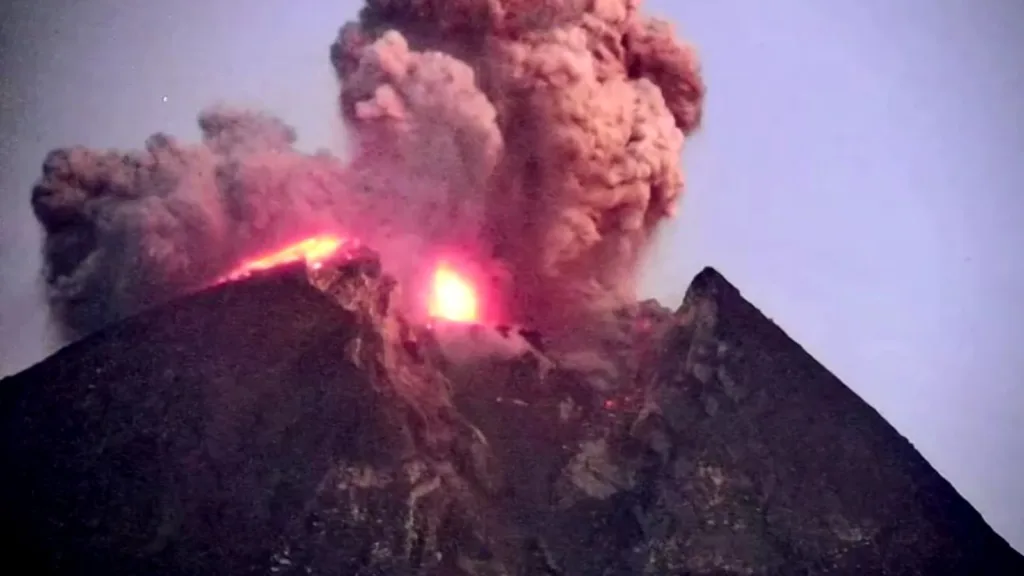
Soapstone