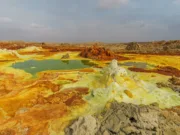
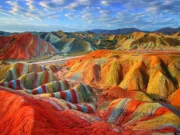
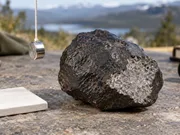
The Earth’s dynamic and ever-changing geology is home to a myriad of extraordinary phenomena that captivate the imagination and challenge our understanding of the natural world. From mysterious rock movements to surreal landscapes, these geological wonders showcase the planet’s capacity for creating awe-inspiring features. In this exploration of “10 Unusual Geologic Phenomena,” we embark on a journey across the globe to uncover some of the most peculiar and fascinating aspects of Earth’s geological tapestry. From the desolate deserts of California to the icy expanses of Antarctica, each location harbors its own enigmatic marvels, inviting us to delve into the mysteries that lie beneath the surface. Join us as we unravel the secrets of sailing stones, delve into the heart of the Door to Hell, and witness the surreal beauty of fairy circles, discovering the extraordinary forces that have shaped these geological wonders and continue to shape our planet in ways both bizarre and breathtaking.
Sailing Stones
Sailing Stones (Death Valley, USA): In Death Valley, California, large rocks appear to move across the flat desert floor, leaving trails behind them. The exact mechanism of this movement is not fully understood, but it is believed to involve a combination of wind and ice.
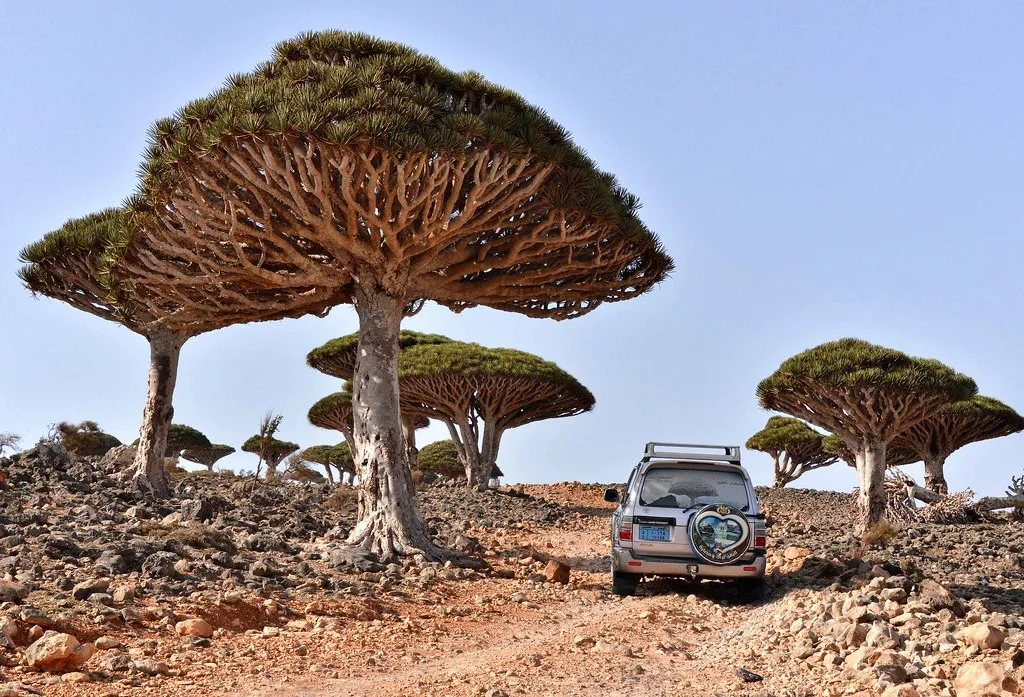
Socotra Island (Yemen)
Socotra Island (Yemen): Known for its otherworldly landscape, Socotra is home to unique plant species found nowhere else on Earth. The iconic Dragon’s Blood Tree and the cucumber tree are among the unusual flora on this remote island.
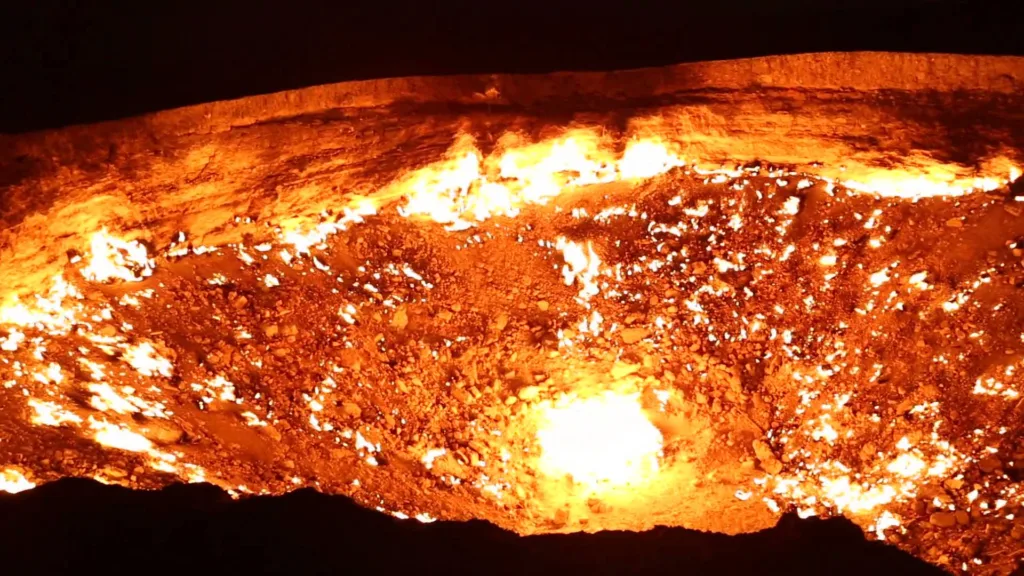
The Door to Hell
The Door to Hell (Derweze, Turkmenistan): A natural gas field collapsed into a large crater, and to prevent the spread of methane gas, it was set on fire in 1971. The crater, known as the “Door to Hell,” has been burning ever since.
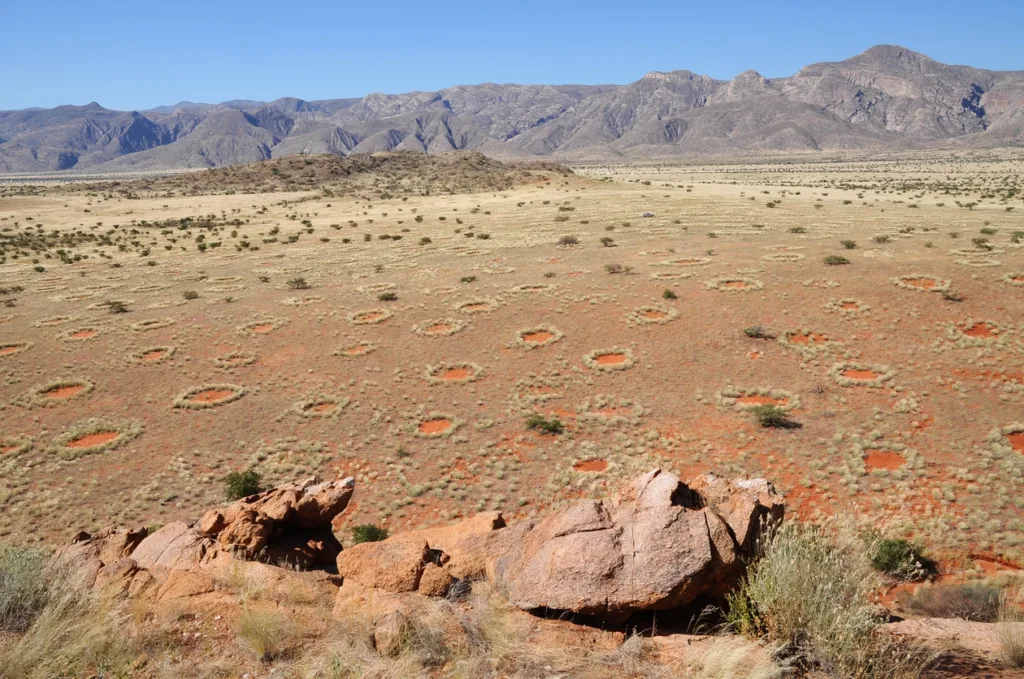
Fairy Circles (Namibia): Circular patches of bare soil, surrounded by a ring of grass, create a distinctive pattern in the Namib Desert. The origin of these circles is still debated, with theories ranging from termite activity to plant competition for water.
Eye of the Sahara (Mauritania): Also known as the Richat Structure, this geological formation resembles a bull’s-eye or a target when viewed from space. Originally thought to be an impact crater, it is now believed to be a result of erosion.
The Great Blue Hole (Belize): A massive underwater sinkhole, the Great Blue Hole is a popular diving site. It’s a circular underwater sinkhole that formed during past ice ages when sea levels were lower.
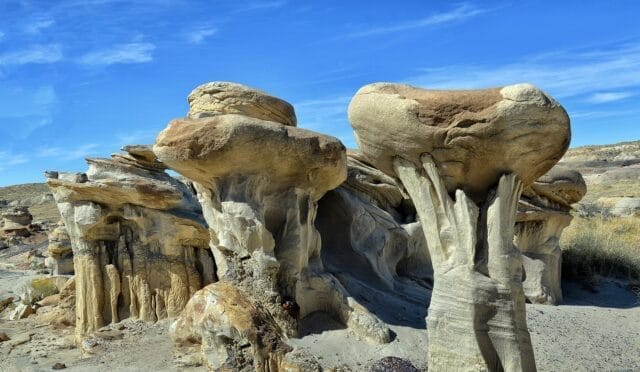
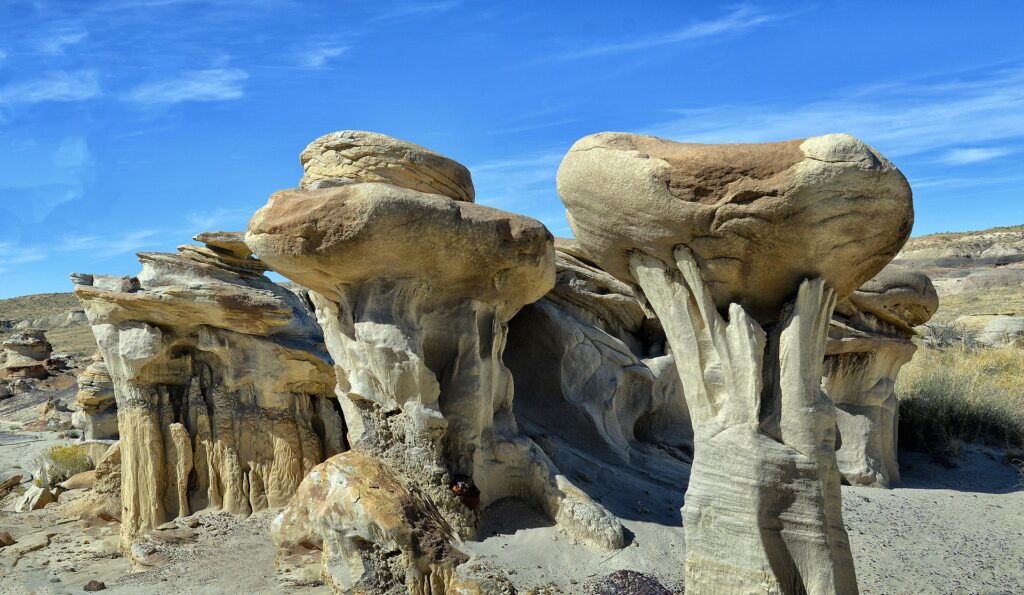
Bisti/De-Na-Zin Wilderness (New Mexico, USA): This area is known for its otherworldly rock formations, hoodoos, and petrified wood. The landscape appears almost alien, making it a popular spot for photographers and hikers.
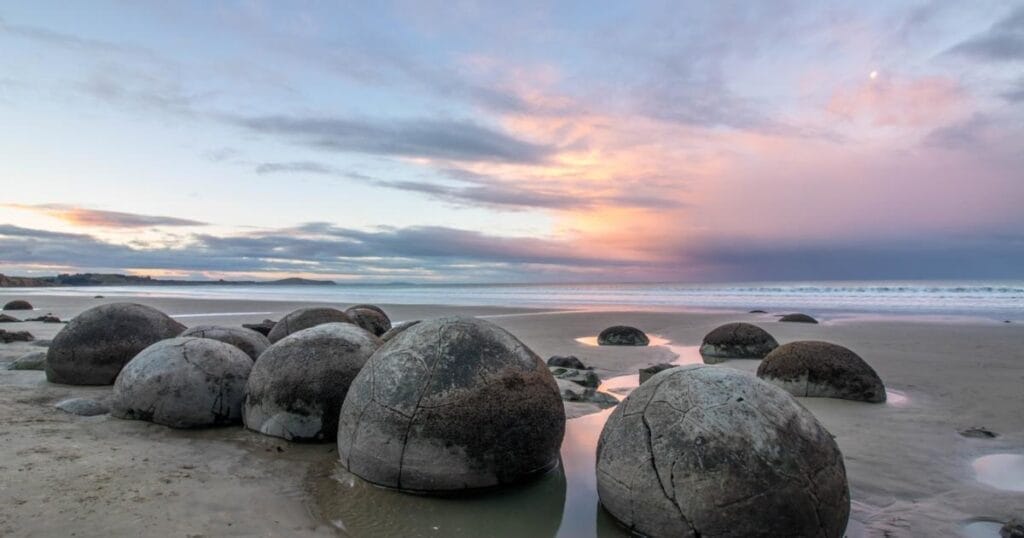
Moeraki Boulders (New Zealand): Large, spherical boulders scattered along Koekohe Beach in New Zealand create an otherworldly sight. These boulders formed through the cementation of mudstone and are gradually being exposed by coastal erosion.
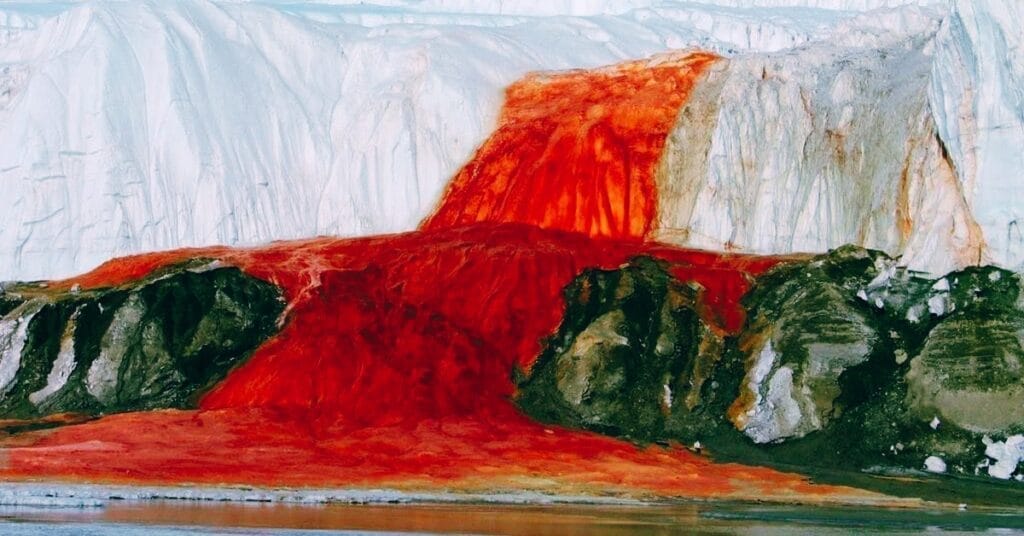
Blood Falls (Antarctica): In the McMurdo Dry Valleys of Antarctica, a waterfall appears to bleed red. The color comes from oxidized iron in the saltwater, which gives the appearance of blood flowing from the ice.
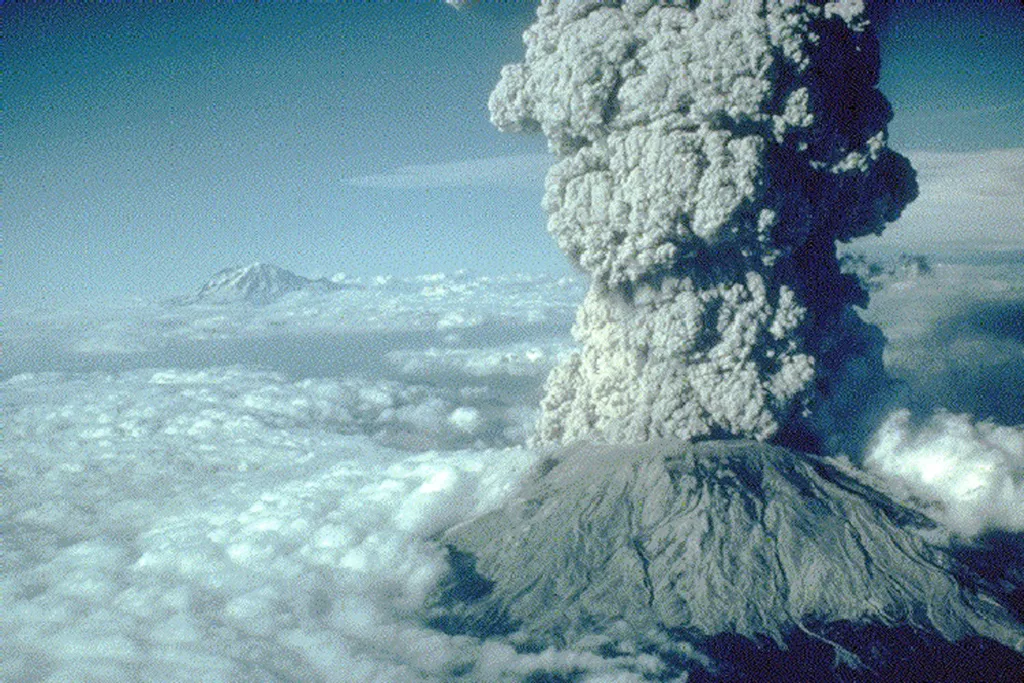
Lenticular Clouds over Mount Rainier (Washington, USA): While not strictly a geological phenomenon, the lenticular clouds that often form over Mount Rainier are visually stunning. These lens-shaped clouds are a result of moist air being forced upward by the mountain, creating a striking and surreal appearance.
As we conclude our exploration of “10 Unusual Geologic Phenomena,” it becomes evident that the Earth is a canvas of wonders, painted with the brushstrokes of time, natural forces, and sheer geological complexity. From the scorched landscapes of Death Valley to the frozen realms of Antarctica, each location has unveiled its own peculiar story, reminding us of the extraordinary processes that shape our planet.
These geological phenomena serve as a testament to the ceaseless creativity of nature, from the mysterious movements of the sailing stones to the mesmerizing formations of the Moeraki Boulders. Whether it’s the fiery spectacle of the Door to Hell or the delicate dance of lenticular clouds over Mount Rainier, these features evoke a sense of awe and wonder, challenging our perceptions of what the Earth is capable of.
As we gaze upon these wonders, we are reminded of the importance of preserving and understanding our planet’s geological heritage. These phenomena not only provide a window into Earth’s past but also offer invaluable insights into the ongoing processes that continue to shape the world around us.
In the grand tapestry of Earth’s geology, these ten unusual phenomena stand as testament to the incredible diversity and beauty that can be found in the natural world. May our curiosity and exploration of such wonders continue, inspiring a deeper appreciation for the forces that have crafted and continue to shape the landscapes we call home.
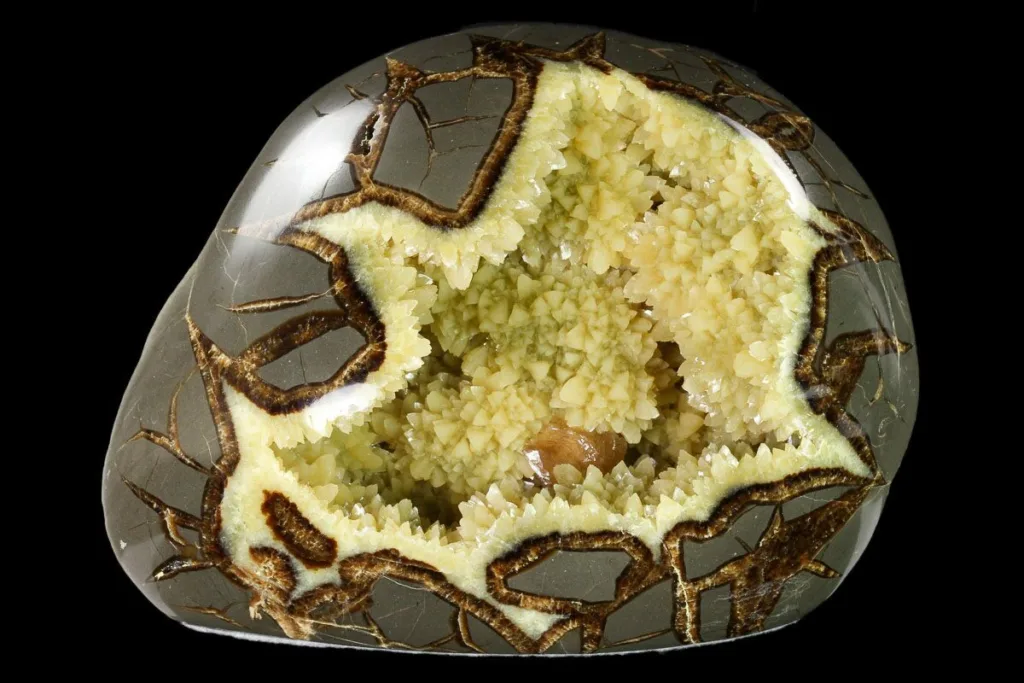
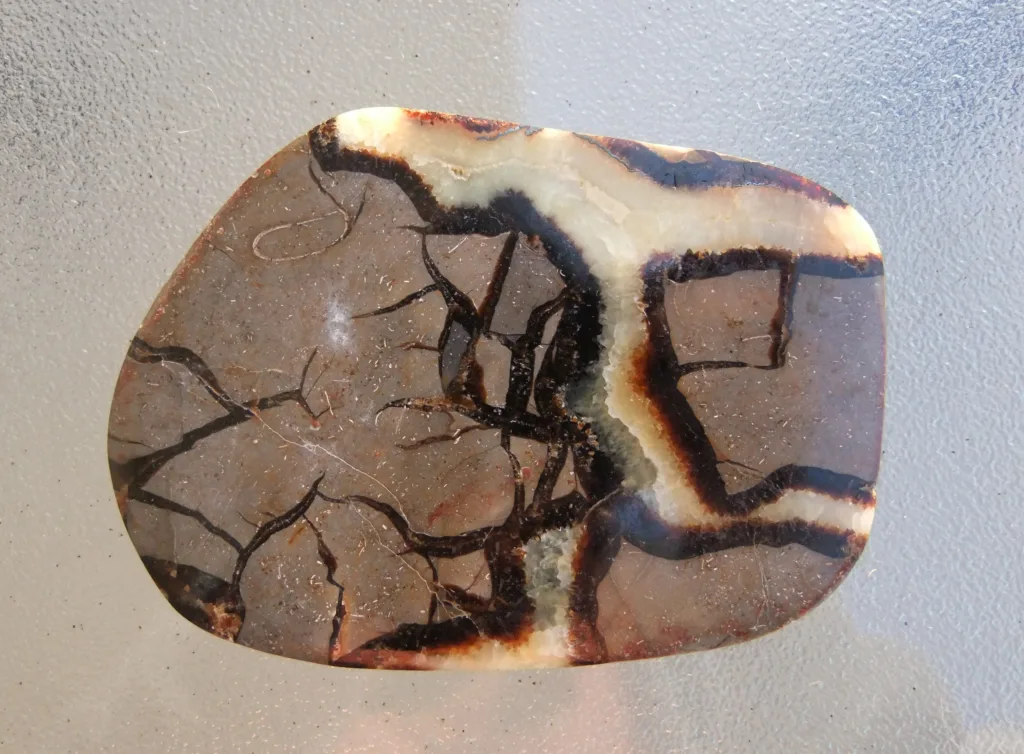
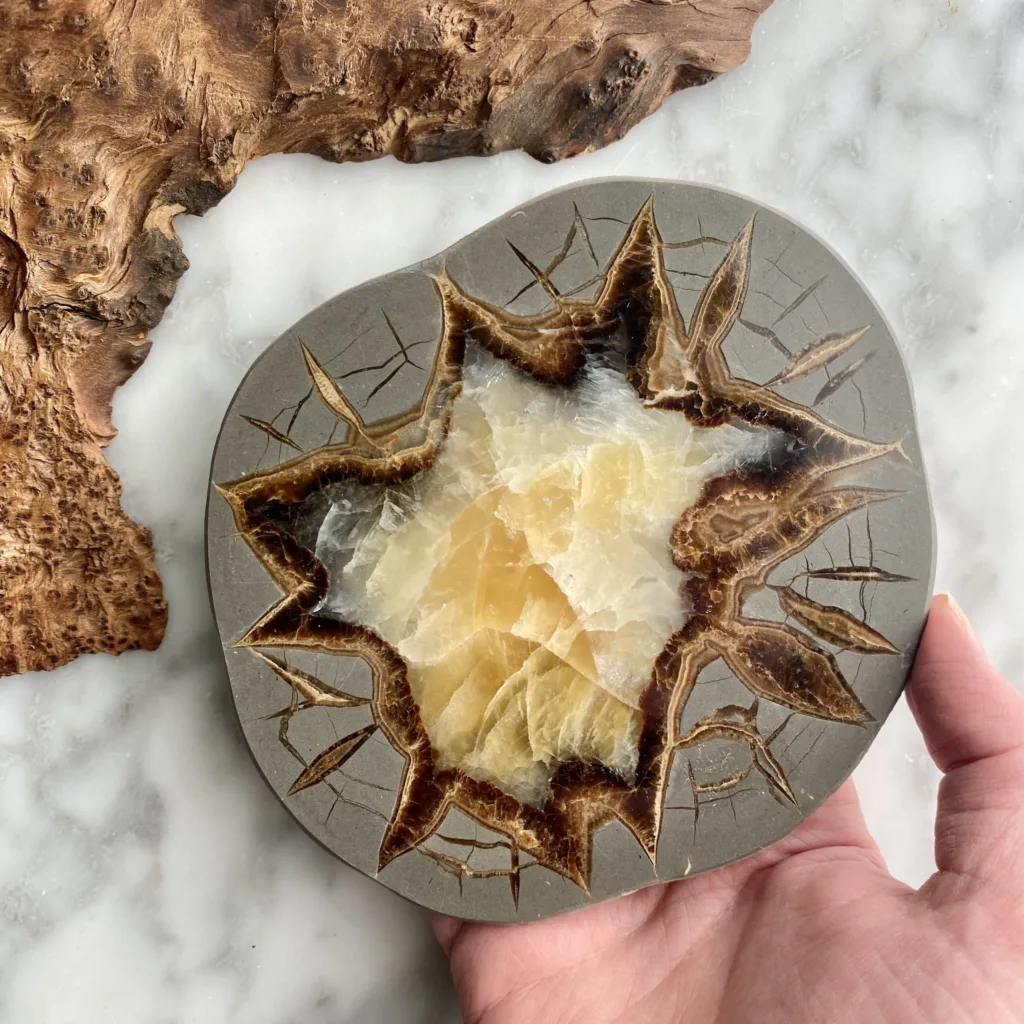
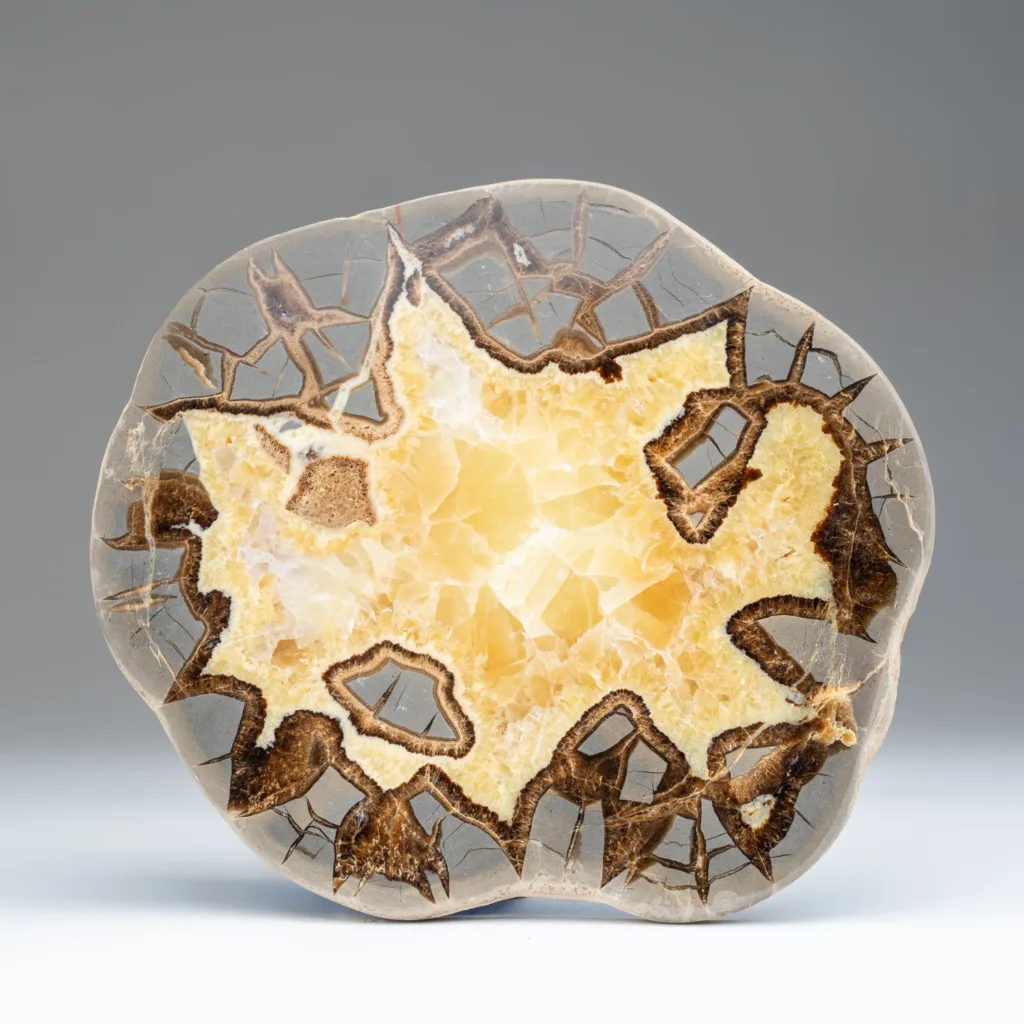
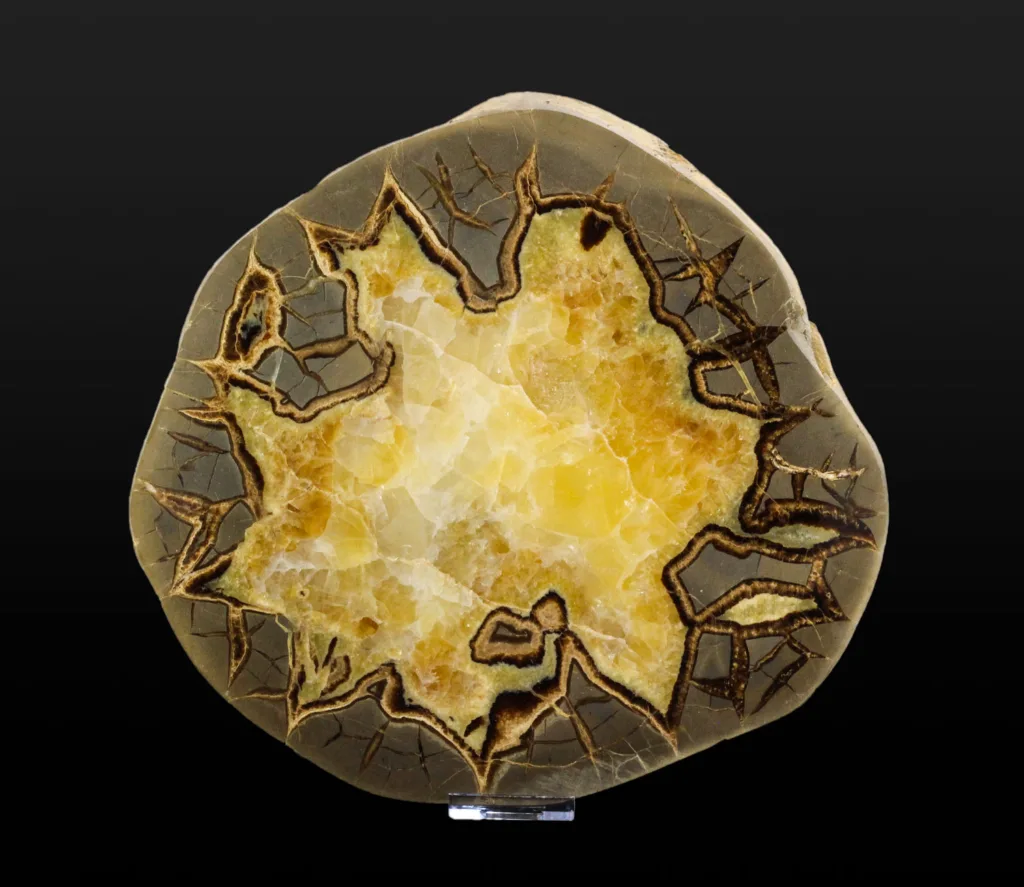
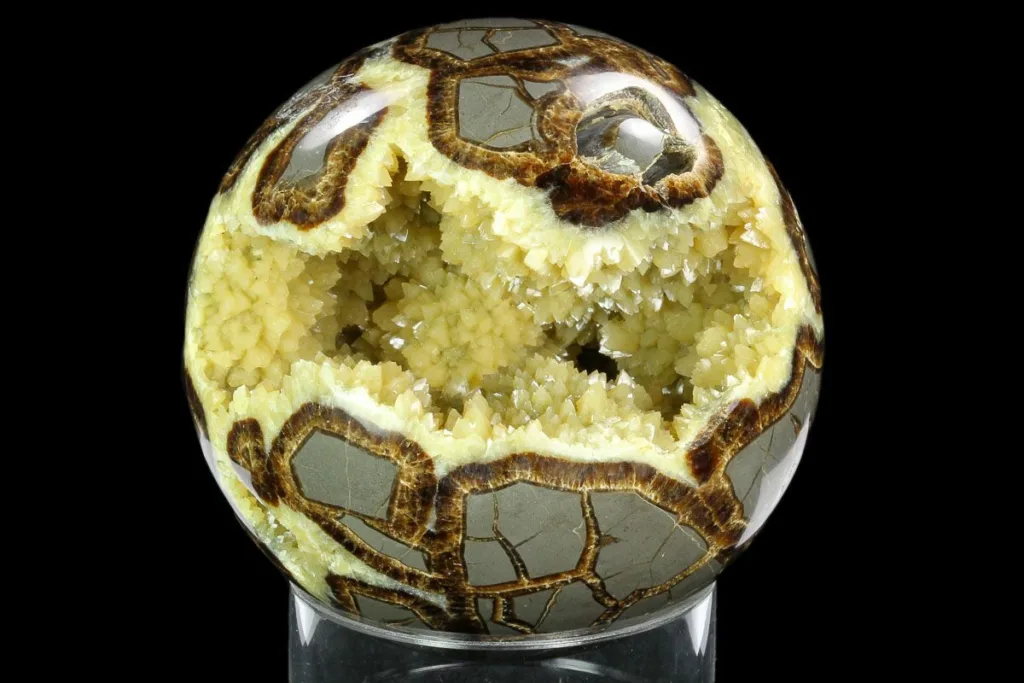
Septarian, also known as Septarian Nodule or Dragon Stone, is a distinctive type of sedimentary rock that is characterized by its unique, striking appearance. It is composed primarily of a combination of minerals, including calcite, aragonite, and limestone, with additional components such as clay minerals, gypsum, and barite. What sets septarian apart from other rocks is its characteristic cracking patterns, which form a network of angular patterns on the surface.
The term “Septarian” is derived from the Latin word “septum,” meaning partition or boundary, and refers to the distinctive cracks or separations that divide the rock into distinct sections or segments. These cracks are typically filled with minerals, creating a fascinating mosaic-like effect.
The formation of septarian nodules is believed to occur through a combination of sedimentation, mineralization, and contraction during the geological processes. The process begins with the accumulation of sediment around a nucleus, often a fossilized shell or other organic material. Over time, minerals in the groundwater infiltrate the sediment, filling the gaps and forming the characteristic cracks. The minerals that fill these cracks can vary, leading to a diverse range of colors and textures within the septarian nodules.
Septarian nodules are commonly found in sedimentary rocks, such as limestone, shale, or mudstone, and are often discovered in areas that were once ancient seabeds. These unique formations have gained popularity not only for their geological significance but also for their aesthetic appeal. When polished and cut, septarian nodules reveal intricate patterns and vibrant colors, making them popular choices for lapidary work and ornamental pieces.
In addition to its visual appeal, septarian is sometimes associated with metaphysical properties in various esoteric belief systems. It is believed by some to possess grounding and protective qualities, fostering a sense of balance and harmony.
Overall, septarian stands out in the world of rocks and minerals due to its captivating appearance, formed through the intricate interplay of geological processes over millions of years.
Physical Characteristics of Septarian
Septarian nodules exhibit several distinct physical characteristics that contribute to their unique appearance and appeal. Here are some of the key physical features associated with septarian:
Cracking Patterns: One of the most prominent features of septarian nodules is their distinctive cracking patterns. These cracks, often referred to as “septaria” or “septarian cracks,” create a network of angular shapes that divide the nodule into separate sections. The cracks are typically filled with minerals, adding to the overall visual complexity.
Mineral Fillings: The cracks within septarian nodules are filled with a variety of minerals, which can include calcite, aragonite, baryte, gypsum, and others. The type and color of these minerals contribute to the diverse and vibrant appearance of septarian specimens. The mineral fillings can create contrasting patterns and colors against the background sediment.
Colors and Textures: Septarian nodules come in a range of colors, including shades of brown, yellow, gray, and sometimes green or blue. The colors are often a result of the presence of different minerals. The textures can vary from smooth to rough, depending on the specific composition and the degree of weathering.
Concretionary Shape: Septarian nodules typically have a rounded or ovoid concretionary shape. This shape is a result of the concentric growth of minerals around a central nucleus, often a fossilized organic material.
Luster: The luster of septarian nodules can range from dull to somewhat shiny, depending on the specific minerals present. When polished, septarian specimens can exhibit a glossy finish that enhances the visibility of the internal patterns.
Hardness: The hardness of septarian nodules varies depending on the minerals present. Calcite, for example, is relatively soft, while other minerals like aragonite or barite may be harder. The overall hardness of septarian makes it suitable for carving and polishing.
Occurrence: Septarian nodules are commonly found in sedimentary rocks, often associated with ancient seabeds. They can be discovered in various geological formations, including limestone, shale, and mudstone.
Size: Septarian nodules come in a range of sizes, from small nodules that fit in the palm of your hand to larger specimens that can be several feet in diameter. The size of the nodules can influence the visibility and scale of the cracking patterns.
These physical characteristics collectively make septarian nodules a captivating and sought-after material for both collectors and those interested in lapidary arts. The intricate patterns and diverse colors contribute to the aesthetic appeal of septarian specimens.
Mineral Composition of Septarian
The mineral composition of septarian nodules can vary, but they typically consist of a combination of minerals that contribute to their unique appearance. The primary minerals found in septarian nodules include:
Calcite: A common mineral that is often found in the form of white, yellow, or brown crystals. Calcite is a carbonate mineral and is frequently a major component of the mineral fillings within the cracks of septarian nodules.
Aragonite: Another carbonate mineral, aragonite is often present in septarian nodules. It can contribute to the nodules’ overall hardness and may appear in various colors, including white, yellow, or brown.
Barite: Barite is a sulfate mineral that can be found in the cracks of septarian nodules. It often appears in the form of tabular crystals and can contribute to the nodules’ weight and density.
Gypsum: Gypsum, a sulfate mineral, is sometimes present in septarian nodules, contributing to their overall mineral diversity. Gypsum crystals may appear as elongated prisms within the cracks.
Limestone: The nodules themselves are often composed of limestone, which is a sedimentary rock primarily made up of calcium carbonate. Limestone provides the initial matrix in which the septarian nodules form.
Celestite (or Celestine): In some instances, celestite, a strontium sulfate mineral, may be present in septarian nodules, contributing to the range of colors and textures.
Kaolinite: A clay mineral, kaolinite, may be found in the nodules and can affect their texture. It is often associated with the initial sedimentation process.
It’s important to note that the specific mineral composition can vary based on the geological conditions of the region where the nodules form. The presence and relative abundance of these minerals contribute to the diverse colors, textures, and patterns seen in septarian nodules. Additionally, the mineral composition may influence the nodules’ hardness, making them suitable for carving and polishing in various lapidary applications.
Formation Process
The formation of septarian nodules involves a complex geological process that occurs over millions of years. The key stages in the formation process include sedimentation, mineralization, and cracking and filling:
Sedimentation:
The process begins with the accumulation of sediment in ancient seabeds or other depositional environments. This sediment is typically composed of organic matter, clay minerals, and other debris.
A nucleus, often a decaying organism or a mineral concretion, serves as the focal point for the formation of the septarian nodule. The nucleus may be a fossilized shell, plant material, or other organic debris.
Mineralization:
Over time, minerals in groundwater percolate through the sediment and accumulate around the nucleus. The minerals commonly involved in the mineralization process include calcite, aragonite, barite, gypsum, and others.
The minerals crystallize and form concentric layers around the nucleus, creating a concretionary structure. The growth of these minerals contributes to the hardening of the nodule.
Cracking and Filling:
As the minerals continue to crystallize and the nodule undergoes compaction, it experiences stress from both internal and external forces.
The nodule develops internal fractures or cracks, known as septaria or septarian cracks. These cracks often radiate from the center of the nodule outward, creating a network of angular patterns.
Groundwater, carrying additional minerals, infiltrates these cracks. The minerals precipitate within the cracks, filling the voids. The filling minerals can include calcite, aragonite, barite, and other secondary minerals.
The minerals that fill the cracks may differ in composition and color from the surrounding matrix, creating the distinct patterns visible on the surface of the septarian nodule.
The cracking and filling process is crucial to the unique appearance of septarian nodules. The combination of mineral-filled cracks and the original sedimentary matrix results in the intricate patterns and contrasting colors that make septarian nodules visually appealing.
It’s worth noting that the specific minerals involved and the environmental conditions during the formation process can vary, leading to a wide diversity of septarian nodules with different colors, textures, and internal structures.
Common Locations of Septarian
Septarian nodules are found in various locations around the world, often in sedimentary rock formations. These nodules tend to occur in areas that were once covered by ancient seas or shallow marine environments. Some common locations where septarian nodules are known to be found include:
United States:
Western states such as Utah, Colorado, and Nevada are known for septarian nodules. In Utah, the region around Bear Lake is particularly famous for its septarian nodules.
Iowa, especially the areas around the Des Moines River, is another location where septarian nodules can be found.
Madagascar:
Madagascar is a significant source of septarian nodules. The nodules from this region often display vibrant colors and intricate patterns, making them highly valued by collectors.
England:
The Kimmeridge Clay Formation in England is known to contain septarian nodules. These nodules are often found along the Jurassic Coast.
Morocco:
Septarian nodules are also found in certain regions of Morocco, and Moroccan septarian specimens are sought after for their unique characteristics.
New Zealand:
Certain regions of New Zealand, such as the Waipara River area in Canterbury, have reported the presence of septarian nodules.
Canada:
In Canada, septarian nodules have been found in various provinces, including Alberta and Saskatchewan.
Germany:
Some regions in Germany, especially those with limestone deposits, have been known to yield septarian nodules.
It’s important to note that the specific geological conditions in each location contribute to the characteristics of the septarian nodules found there. While these locations are known for septarian nodules, collectors and enthusiasts may also find unique specimens in other areas with appropriate geological formations. Local geological surveys, rock and mineral clubs, and academic resources can be valuable for those interested in exploring and collecting septarian nodules.
Importance of Septarian in Geology and Beyond
Septarian nodules hold significance in various fields, including geology, paleontology, lapidary arts, and even metaphysical practices. Here are some aspects highlighting the importance of septarian in different domains:
Geological Significance:
Septarian nodules provide insights into the geological processes that occurred millions of years ago. The formation of these nodules involves sedimentation, mineralization, and cracking, reflecting the conditions of ancient marine environments.
The presence of septarian nodules in certain rock formations can aid geologists in understanding the history and depositional environments of specific regions.
Paleontological Interest:
Septarian nodules often form around organic material, such as fossilized shells or plant matter. As a result, they can contain well-preserved fossils, providing valuable information about the ancient life that existed in the area.
Paleontologists may study septarian nodules to learn more about the fauna and flora of past ecosystems.
Lapidary Arts and Ornamental Use:
Septarian nodules are popular in the field of lapidary arts. When cut and polished, the internal patterns, colors, and textures become highly visible, creating aesthetically appealing gemstone-like specimens.
Craftsmen and artists use septarian nodules to create sculptures, cabochons, beads, and other ornamental pieces. The unique appearance of these nodules makes them desirable for jewelry and artistic creations.
Educational Value:
Septarian nodules serve as educational tools for geology students, amateur geologists, and rock enthusiasts. Studying these nodules provides a hands-on experience in understanding sedimentary processes and mineralization.
Metaphysical and New Age Beliefs:
In metaphysical and holistic practices, septarian is sometimes associated with various spiritual and healing properties. It is believed by some to have grounding and calming effects, fostering a sense of balance and well-being.
While these beliefs are not scientifically substantiated, septarian nodules are used in decorative items and personal accessories within the metaphysical community.
Collecting and Trade:
Collectors value septarian nodules for their unique appearance and geological history. Specimens from specific locations, such as Madagascar, are particularly sought after for their vibrant colors and intricate patterns.
The trade of septarian nodules contributes to the broader market for minerals and gemstones, catering to both collectors and enthusiasts.
Overall, the importance of septarian extends beyond its geological origins, influencing fields such as paleontology, lapidary arts, and metaphysics. Its diverse and captivating characteristics make it a versatile and valued material in various domains.
Applications and Uses Areas
Septarian nodules find applications and uses in several areas due to their unique physical and aesthetic characteristics. Here are some notable applications:
Lapidary Arts and Jewelry:
When cut and polished, septarian nodules reveal intricate patterns and vibrant colors, making them popular choices for lapidary arts. Craftsmen use septarian to create cabochons, beads, and other jewelry pieces.
The polished surfaces of septarian nodules can be incorporated into pendants, earrings, and other ornamental jewelry items.
Sculptures and Decorative Items:
Septarian nodules are used by artists and sculptors to create sculptures, figurines, and decorative items. The unique patterns and textures add visual interest to artistic creations.
Carved septarian pieces are often used as decorative elements in homes and gardens.
Educational Displays:
Septarian nodules serve educational purposes by being featured in displays and exhibits. Their distinctive features make them valuable tools for teaching about sedimentary processes, mineralization, and geology.
Collector’s Items:
Collectors value septarian nodules for their geological uniqueness and aesthetic appeal. Specimens from specific locations, such as Madagascar, are sought after for their vibrant colors and patterns.
Collectors often seek out septarian nodules to add to their mineral and fossil collections.
Metaphysical and Spiritual Practices:
In metaphysical and spiritual practices, septarian is sometimes believed to possess grounding and protective properties. It may be used in meditation or as decorative items in spaces associated with holistic well-being.
Septarian nodules are incorporated into jewelry, talismans, and other items used by individuals who follow certain metaphysical beliefs.
Fossil Exploration:
Septarian nodules, especially those formed around organic material, can contain well-preserved fossils. Paleontologists and fossil enthusiasts may study these nodules to extract and examine the fossils within, gaining insights into ancient ecosystems.
Interior Design:
The visually appealing nature of septarian nodules makes them suitable for interior design. Polished septarian pieces can be used as decorative elements in various settings, including homes, offices, and public spaces.
Healing and Wellness Practices:
In wellness practices, some individuals believe that septarian has healing properties. It may be used as a decorative element in spaces associated with relaxation and well-being.
Architectural Use:
Some architectural projects incorporate septarian nodules for aesthetic purposes. Whether in the form of polished slabs, decorative tiles, or other architectural elements, septarian can contribute to unique and visually striking designs.
These diverse applications showcase the versatility of septarian nodules, which have found their way into various industries, hobbies, and practices due to their geological history and captivating appearance.
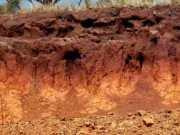
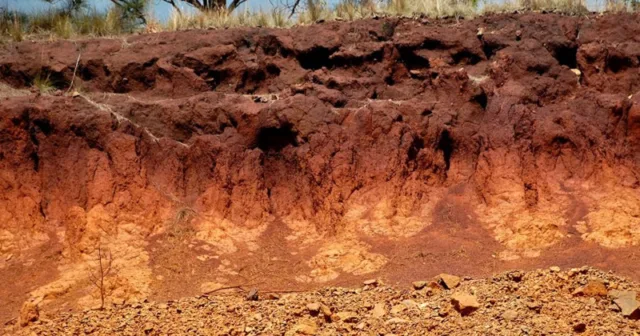
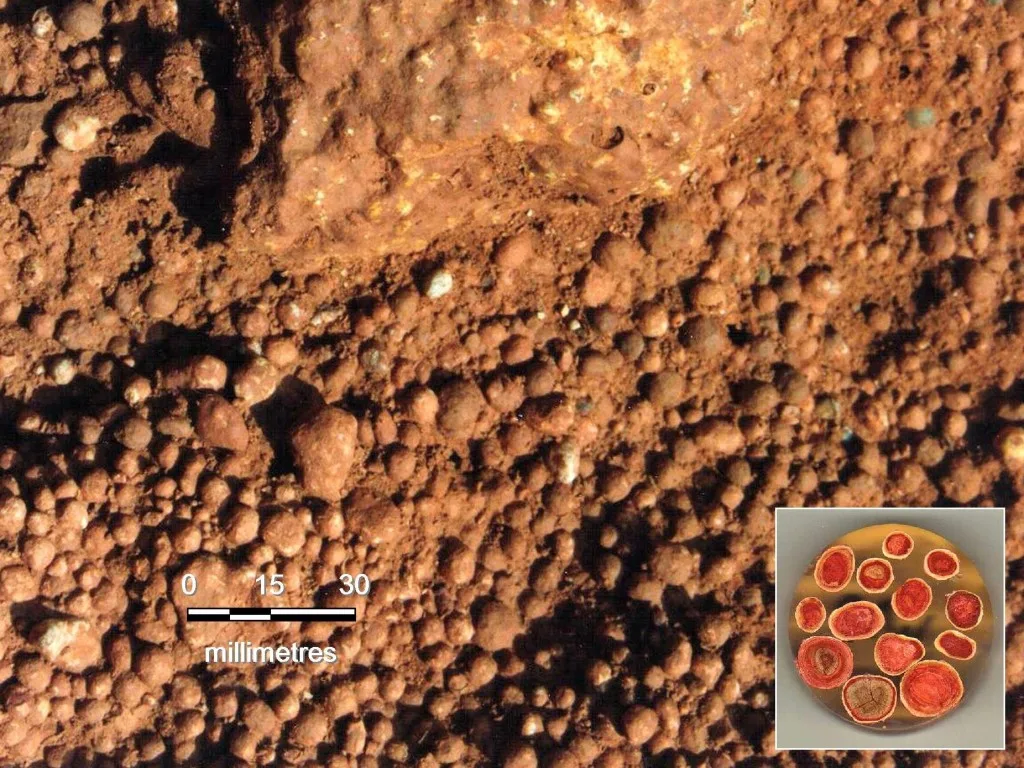
Lateritic deposits are a type of weathering product that forms in tropical and subtropical regions through the process of laterization. Laterization involves the leaching of silica and other soluble materials from rocks, leaving behind a residual concentration of iron and aluminum oxides. The resulting deposits, known as laterites, are characterized by their distinctive red or brown color due to the prevalence of iron oxides, particularly hematite and goethite.
Key characteristics of lateritic deposits include their highly weathered and porous nature, with a tendency to form in regions with high temperatures and heavy rainfall. Laterites often exhibit a layered structure with distinct horizons, such as a topsoil layer rich in organic material and a lower layer dominated by iron and aluminum oxides.
Geological Settings: Lateritic deposits are commonly found in tropical and subtropical regions, where the combination of high temperatures and abundant rainfall promotes rapid weathering of rocks. The process is most pronounced in areas with specific geological and climatic conditions, such as:
Basaltic Parent Rocks: Laterites often develop on basaltic rocks, which are rich in iron and susceptible to weathering. Basaltic parent rocks are prevalent in volcanic regions.
High Rainfall Regions: The leaching and weathering processes that lead to lateritic deposits are enhanced in areas with high annual rainfall, as water plays a crucial role in the chemical reactions involved.
Tropical Climate: The warm temperatures of tropical climates accelerate the weathering of rocks, facilitating the breakdown of minerals and the concentration of iron and aluminum oxides.
Acidic Conditions: Acidic conditions, often resulting from the decomposition of organic matter in the soil, contribute to the leaching of silica and other soluble components.
Importance in the Earth’s Crust: Lateritic deposits are significant in the Earth’s crust for several reasons:
Bauxite Formation: Bauxite, an essential ore for aluminum production, often forms as a result of lateritic weathering processes. Lateritic bauxite deposits are a crucial source of aluminum globally.
Iron Ore: Some lateritic deposits are enriched in iron oxides, contributing to the formation of iron ore deposits. These deposits can be economically important sources of iron.
Nickel and Cobalt: Certain lateritic deposits are associated with the accumulation of nickel and cobalt minerals, making them valuable resources for the production of alloys and batteries.
Soil Formation: Laterites contribute to the formation of tropical soils. While they may not be suitable for agriculture due to their low nutrient content, they play a role in shaping the landscape and influencing ecosystems.
Understanding the formation and characteristics of lateritic deposits is crucial for resource exploration and extraction, particularly in the context of mining for valuable metals and minerals.
Formation Processes of Lateritic Deposits
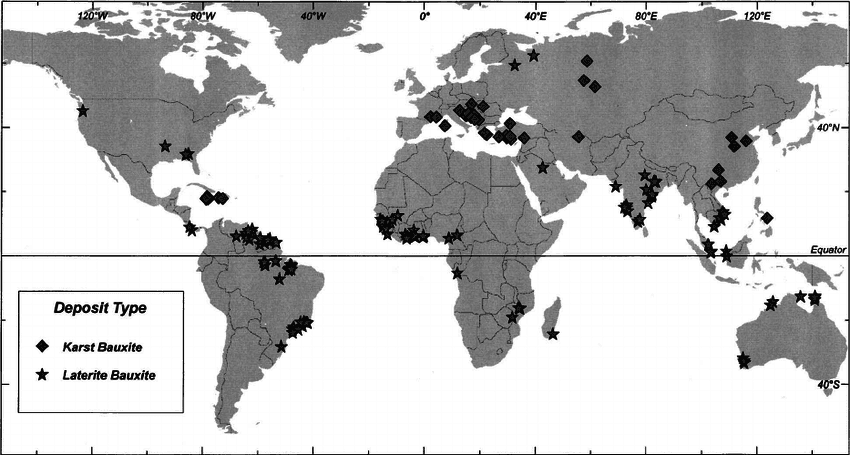
Lateritic Bauxite Deposits
The formation of lateritic deposits is a complex process involving the weathering of rocks and the subsequent development of distinct soil profiles. The key steps in the formation of lateritic deposits include:
Physical Weathering: Mechanical breakdown of rocks into smaller particles through processes such as frost action, expansion and contraction due to temperature changes, and the action of plant roots.
Chemical Weathering: Chemical reactions between minerals in the rocks and water, leading to the dissolution of soluble minerals. Silicate minerals, such as feldspar and olivine, undergo chemical transformations, releasing silica into solution.
Leaching: The removal of soluble elements, especially silica, through the percolation of water. This leaching process results in the enrichment of iron and aluminum oxides in the residual material.
Hydrolysis: The breakdown of minerals in the presence of water, leading to the formation of secondary minerals. For example, the hydrolysis of feldspar can produce kaolinite, a clay mineral.
Oxidation: The reaction of iron-bearing minerals with oxygen, resulting in the formation of iron oxides. This process contributes to the characteristic red or brown color of lateritic deposits.
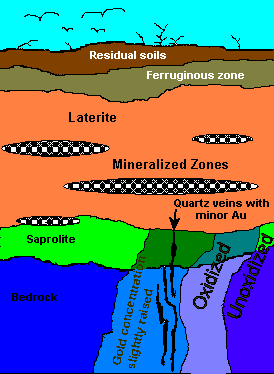
Formation of Lateritic Profile: Over time, distinct soil horizons develop within the lateritic profile. The uppermost layer, known as the topsoil, is often rich in organic matter. Beneath it, the lateritic horizon contains elevated concentrations of iron and aluminum oxides.
Role of Climate, Temperature, and Precipitation:
Climate: Tropical and subtropical climates play a crucial role in the formation of lateritic deposits. The combination of high temperatures and abundant rainfall accelerates the weathering processes. Warm temperatures enhance the chemical reactions involved in weathering, while rainfall provides the water necessary for leaching.
Temperature: Higher temperatures increase the rates of chemical reactions and microbial activity, promoting the breakdown of minerals. The warmth in tropical climates contributes to the rapid weathering of rocks and the formation of laterites.
Precipitation: Adequate rainfall is essential for the leaching and transportation of soluble elements. The movement of water through the soil profile facilitates the removal of silica and the concentration of iron and aluminum oxides in the lateritic horizons.
Factors Influencing the Development of Lateritic Profiles:
Parent Rock Composition: The mineral composition of the parent rock, especially the presence of minerals rich in iron and aluminum, influences the type of lateritic deposit formed. Basaltic rocks are commonly associated with laterites.
Vegetation and Organic Matter: The decomposition of organic matter contributes to soil acidity, facilitating the leaching of silica. Plant roots also play a role in physical weathering, breaking down rocks and enhancing the overall weathering process.
Topography: Slope and drainage patterns influence the movement of water through the soil profile. Steep slopes may result in faster water flow, affecting the leaching and transportation of minerals.
Time: The formation of lateritic deposits is a time-dependent process. The longer the weathering processes are active, the more developed the lateritic profile becomes.
Understanding these factors is crucial for predicting the occurrence and characteristics of lateritic deposits, which, in turn, has implications for resource exploration and land-use planning in regions with such geological features.
Mineralogy of Lateritic Deposits
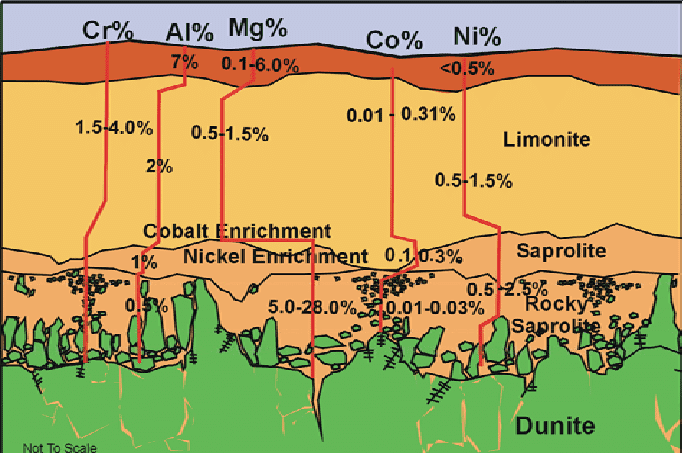
Preliminary evaluation of GPR for nickel laterite exploration – Scientific Figure on ResearchGate. Available from: https://www.researchgate.net/figure/Typical-Laterite-Weathering-Profile-and-Mineral-Concentrations-courtesy-LD-Queen_fig1_241449267 [accessed 18 Nov, 2023]
Minerals Commonly Found in Lateritic Soils and Rocks:
Kaolinite: A clay mineral resulting from the hydrolysis of feldspar during weathering. Kaolinite is often found in the topsoil layer of lateritic profiles.
Gibbsite: An aluminum hydroxide mineral that forms as a product of the weathering of primary minerals like bauxite and feldspar.
Hematite and Goethite: Iron oxides that contribute to the characteristic red or brown color of lateritic deposits. These minerals often form through the oxidation of iron-bearing minerals during weathering.
Quartz: Residual quartz may be present in lateritic deposits if the weathering process selectively removes other minerals.
Bauxite: Lateritic bauxite deposits are rich in aluminum minerals, including gibbsite, boehmite, and diaspore. Bauxite is a major source of aluminum ore.
Clays: Besides kaolinite, other clay minerals such as smectite and illite can be present in lateritic soils.
Transformation of Primary Minerals into Secondary Minerals During Weathering:
The weathering of primary minerals in lateritic deposits involves several processes, leading to the transformation of minerals. Key transformations include:
Feldspar Weathering: Feldspar, a common mineral in many rocks, undergoes hydrolysis to form kaolinite and other clay minerals. The process involves the breakdown of feldspar into soluble ions, with subsequent precipitation of kaolinite.
Bauxite Formation: The weathering of aluminum-rich minerals, such as feldspar and alumino-silicates, can lead to the formation of bauxite. Bauxite typically consists of gibbsite, boehmite, and diaspore.
Iron Oxide Formation: Iron-bearing minerals like olivine and pyroxene undergo oxidation, leading to the formation of hematite and goethite. This contributes to the elevated concentrations of iron oxides in lateritic deposits.
Silica Leaching: The leaching of silica from primary minerals, often facilitated by acidic conditions, results in the removal of soluble silica from the rock matrix.
Significance of Iron and Aluminum in the Mineral Composition:
Coloration: Iron oxides, particularly hematite and goethite, are responsible for the characteristic red or brown color of lateritic deposits. The intensity of coloration is often indicative of the degree of iron oxidation and the age of the laterite.
Economic Significance: The high concentrations of aluminum minerals in lateritic bauxite deposits make them economically valuable as a source of aluminum ore. Aluminum is a crucial metal used in various industries, including aerospace, construction, and transportation.
Role in Soil Development: Iron and aluminum play essential roles in the development of lateritic soils. The accumulation of these minerals influences soil structure, fertility, and nutrient availability.
Metal Extraction: Besides aluminum, lateritic deposits can contain other economically important metals like nickel and cobalt. These metals are often associated with specific minerals within the laterite and can be extracted for industrial use.
Understanding the mineralogy of lateritic deposits is vital for resource exploration and extraction, as it provides insights into the composition and economic potential of these geological formations. The presence of specific minerals also influences the suitability of lateritic soils for various purposes, including agriculture and construction.
Geochemical Characteristics of Lateritic Deposits
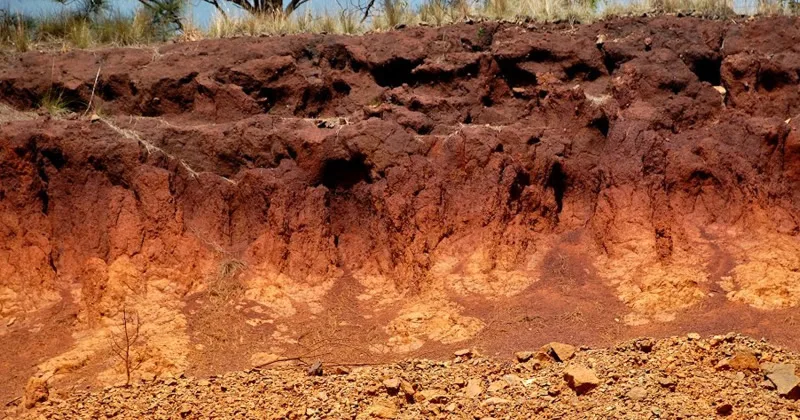
Photographs of lateritic horizons in the Morowali deposit and representative samples from each horizon. Laterite profile (A) and undulatory boundary between limonite and saprolite horizon (B). Rock samples from bottom to top (C) and (D) bedrock (E)–(J) garnierite samples distinguished by its colors. Choi Y, Lee I and Moon I (2021) Geochemical and Mineralogical Characteristics of Garnierite From the Morowali Ni-Laterite Deposit in Sulawesi, Indonesia. Front. Earth Sci. 9:761748. doi: 10.3389/feart.2021.761748
Chemical Composition of Lateritic Soils and Rocks:
Silica (SiO2): Lateritic soils often have reduced silica content due to the leaching of silicate minerals during weathering.
Aluminum (Al): Lateritic deposits are characterized by elevated aluminum content, especially in the form of aluminum oxides like gibbsite, boehmite, and diaspore.
Iron (Fe): Iron is present in significant quantities, primarily as iron oxides, including hematite and goethite. The red or brown color of lateritic deposits is a result of these iron oxides.
Titanium (Ti): Titanium may be present in lateritic deposits, often associated with minerals like ilmenite.
Nickel (Ni) and Cobalt (Co): Certain lateritic deposits are enriched in nickel and cobalt minerals, making them economically important for the production of alloys and batteries.
Phosphorus (P): Phosphorus can accumulate in lateritic soils, often in the form of phosphate minerals.
Manganese (Mn): Manganese can be present in lateritic deposits, forming minerals like birnessite.
Potassium (K), Calcium (Ca), and Magnesium (Mg): These elements are typically leached from the soil profile, leading to low concentrations in the lateritic horizons.
Distribution of Elements Within the Lateritic Profile:
Topsoil (A-Horizon): This upper layer is often rich in organic matter and may contain residual quartz. Aluminum and iron oxides may also be present, but their concentrations are generally lower compared to the underlying lateritic horizons.
Lateritic Horizon (B-Horizon): This layer is characterized by elevated concentrations of iron and aluminum oxides. Gibbsite and goethite are common minerals found here. Nickel and cobalt may be present in certain lateritic deposits.
Saprolite (C-Horizon): The saprolite, or partially disintegrated rock, may contain residual primary minerals, especially in the early stages of lateritic profile development. As weathering progresses, the saprolite transforms into a more weathered and mineralogically altered material.
Processes Influencing the Mobility and Concentration of Elements:
Leaching: The removal of soluble elements, such as silica, potassium, calcium, and magnesium, occurs through leaching. This process is facilitated by the percolation of water through the soil profile.
Hydrolysis: The breakdown of primary minerals by water, leading to the formation of secondary minerals like kaolinite and gibbsite. Hydrolysis can influence the concentration of aluminum and other elements.
Oxidation-Reduction Reactions: The oxidation of iron-bearing minerals, such as olivine and pyroxene, leads to the formation of iron oxides (hematite and goethite). These reactions play a crucial role in the concentration of iron in lateritic deposits.
Acidification: The decomposition of organic matter in the topsoil can lead to soil acidification. Acidic conditions enhance the leaching of silica and the concentration of aluminum and iron oxides.
Microbial Activity: Microorganisms play a role in the breakdown of organic matter and the release of elements into the soil solution. Microbial activity can influence the mobility of elements like phosphorus.
Understanding these geochemical processes is essential for assessing the suitability of lateritic soils for agriculture, as well as for evaluating the economic potential of lateritic deposits as mineral resources. Additionally, the geochemical characteristics of lateritic profiles contribute to our understanding of landscape evolution and weathering processes in tropical and subtropical regions.
Mining and Extraction of Lateritic Deposits
Techniques for Mining Lateritic Deposits:
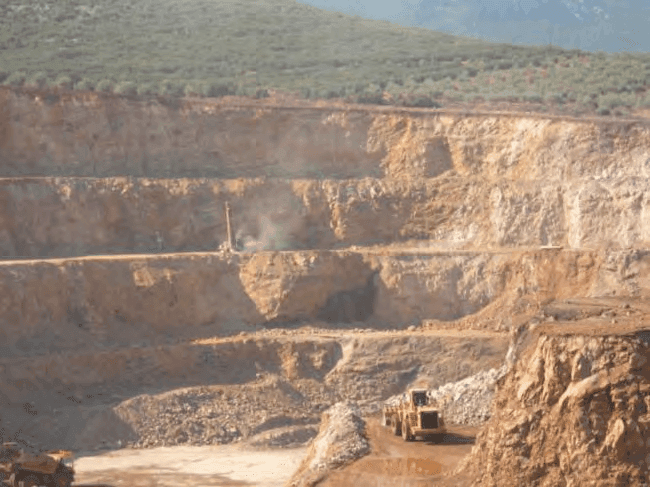
Open-Pit Mining: This is the most common method for mining lateritic deposits. Open-pit mining involves the removal of overburden (vegetation, soil, and rock covering the ore) to expose the lateritic material. Excavators and haul trucks are used to remove and transport the ore for further processing.
Strip Mining: Similar to open-pit mining, strip mining involves the removal of overburden in successive strips to expose the ore. It is often employed when the ore body is extensive but not necessarily deep.
Dredging: In some cases, particularly for offshore lateritic deposits, dredging techniques may be used. This involves the removal of material from the seabed and subsequent processing onshore.
Heap Leaching: For certain lateritic ores, especially those containing nickel, heap leaching may be employed. This involves stacking ore in a heap and then applying a leaching solution to extract the desired metals.
In-situ Leaching: This method involves injecting a leaching solution directly into the ore body, allowing the metals to be dissolved and pumped to the surface for processing.
Challenges and Environmental Considerations in Extraction:
Erosion and Sedimentation: The removal of vegetation and soil during mining can lead to increased erosion and sedimentation of nearby water bodies, impacting aquatic ecosystems.
Water Contamination: The leaching process used to extract metals from lateritic ores may result in the release of acidic and metal-rich water, potentially contaminating local water sources.
Biodiversity Impact: Clearing large areas for mining can result in habitat destruction and fragmentation, affecting local flora and fauna.
Deforestation: Open-pit mining often requires the clearing of large forested areas, contributing to deforestation and loss of biodiversity.
Airborne Dust: The mining and transportation of lateritic ore can generate airborne dust containing metals and minerals, potentially impacting air quality and human health.
Rehabilitation Challenges: Restoring the landscape post-mining can be challenging due to the altered soil structure and the need to reintroduce vegetation.
Social Impacts: Mining activities can lead to social disruptions, such as the displacement of local communities and changes in traditional livelihoods.
Economic Importance of Lateritic Deposits in the Production of Metals:
Aluminum Production: Lateritic bauxite deposits are a primary source of aluminum ore. Aluminum is a lightweight and corrosion-resistant metal used in various industries, including aerospace, construction, and transportation.
Nickel Production: Some lateritic deposits, particularly those rich in nickeliferous ores, are crucial for the production of nickel. Nickel is a key component in stainless steel and is also used in the production of batteries for electric vehicles.
Cobalt Production: Lateritic deposits can be a source of cobalt, a critical component in the production of rechargeable batteries, especially those used in electric vehicles and electronic devices.
Iron Ore Production: Certain lateritic deposits are enriched in iron oxides, contributing to the global production of iron ore.
Phosphate Production: Lateritic soils can accumulate phosphorus in the form of phosphate minerals, contributing to the production of fertilizers.
While the economic importance of lateritic deposits is significant, sustainable and responsible mining practices are crucial to mitigate environmental and social impacts. Advances in technology and environmental management practices are continually being explored to minimize the footprint of lateritic mining operations and improve their overall sustainability.
Lateritic Deposits and Agriculture
Impact of Lateritic Soils on Agricultural Productivity:
Low Nutrient Content: Lateritic soils are often characterized by low fertility due to the leaching of essential nutrients, such as potassium, calcium, and magnesium, during the weathering process. This results in soils with poor nutrient content.
Acidic pH: The weathering of minerals in lateritic soils can lead to soil acidification. Acidic soils can affect nutrient availability and microbial activity, influencing plant growth.
High Iron and Aluminum Content: While iron and aluminum are abundant in lateritic soils, they are not readily available to plants in forms that can be easily absorbed. High concentrations of these elements can also be detrimental to plant growth, affecting root development and nutrient uptake.
Physical Characteristics: Lateritic soils may have a coarse texture and low water-holding capacity, making water and nutrient retention challenging. This can lead to drought stress for plants during dry periods.
Nutrient Content and Availability in Lateritic Soils:
Phosphorus: Some lateritic soils can accumulate phosphorus in the form of phosphate minerals. However, the availability of phosphorus to plants may still be limited due to the presence of iron and aluminum oxides.
Nitrogen: Nitrogen availability in lateritic soils can be influenced by microbial activity. Nitrogen-fixing bacteria can contribute to soil fertility by converting atmospheric nitrogen into forms that plants can use.
Potassium, Calcium, and Magnesium: These essential nutrients are often leached from lateritic soils, resulting in low concentrations. The availability of these nutrients can be a limiting factor for plant growth.
Microelements: While lateritic soils may contain microelements like manganese and zinc, their availability to plants can be affected by soil pH and the presence of competing ions.
Strategies for Sustainable Agriculture in Lateritic Regions:
Soil Amendment: Adding organic matter, such as compost or well-rotted manure, can improve the structure and fertility of lateritic soils. Organic matter enhances water retention, provides essential nutrients, and promotes microbial activity.
Lime Application: Liming can help neutralize acidic soils, improving soil pH. However, the amount of lime required should be carefully calculated to avoid overliming, which can have adverse effects.
Cover Cropping: Growing cover crops can protect the soil from erosion, add organic matter, and contribute nitrogen through biological fixation. Cover crops also help in improving soil structure and preventing nutrient leaching.
Crop Rotation and Diversification: Varying crops planted in lateritic soils can help manage nutrient demands and minimize the risk of soil degradation. Different crops have different nutrient requirements and may contribute to nutrient cycling.
Precision Agriculture: Using precision agriculture techniques, such as variable rate fertilization, can optimize nutrient application based on specific soil conditions. This helps reduce the risk of over-fertilization and minimizes environmental impacts.
Agroforestry: Introducing trees and shrubs in agricultural systems can enhance soil fertility and structure. The roots of these plants contribute organic matter and help in nutrient cycling.
Water Management: Implementing efficient irrigation practices helps address the water-holding capacity limitations of lateritic soils, especially during dry periods.
Conservation Tillage: Reduced or no-till practices can minimize soil disturbance, reduce erosion, and improve water retention in lateritic soils.
Sustainable agricultural practices in lateritic regions require a holistic approach that considers soil health, water management, and biodiversity. Local adaptation and farmer education are crucial components of successful strategies for improving agricultural productivity in areas with lateritic soils.
Lateritic deposits around the world
Lateritic deposits are found in various parts of the world, primarily in tropical and subtropical regions where specific geological and climatic conditions foster their formation. Some notable locations with significant lateritic deposits include:
West Africa:
Guinea: Guinea is one of the world’s leading producers of bauxite, which is derived from lateritic deposits. The Sangarédi and Boke regions are particularly rich in bauxite.
Ghana: Bauxite deposits are also found in Ghana, contributing to the country’s position as a significant player in the global aluminum industry.
South America:
Brazil: Brazil has extensive lateritic deposits, including significant bauxite reserves. The state of Pará is known for its bauxite mines, such as the Juruti and Trombetas mines.
Southeast Asia:
Indonesia: Indonesia is a major producer of nickel, and lateritic nickel deposits are widespread, especially in Sulawesi and Halmahera. The country also has bauxite deposits.
Philippines: The Philippines is another Southeast Asian country with substantial lateritic nickel deposits, particularly in the Surigao region.
Australia:
Western Australia: The Pilbara region in Western Australia hosts extensive lateritic iron ore deposits, contributing to Australia’s overall iron ore production.
India:
Odisha: Lateritic deposits, including bauxite, are found in the state of Odisha. India is a notable producer of bauxite, an important aluminum ore.
Caribbean:
Jamaica: Jamaica has significant bauxite reserves, and mining activities in the island nation have historically played a crucial role in the global aluminum industry.
Africa – Other Regions:
Sierra Leone: Bauxite deposits are present in Sierra Leone, contributing to the country’s mineral wealth.
Madagascar: Lateritic nickel deposits are found in Madagascar, and the Ambatovy mine is a major producer of nickel and cobalt.
Pacific Islands:
New Caledonia: Known for its vast nickel deposits, New Caledonia is a major contributor to global nickel production. Lateritic nickel mines, such as those in the Goro Plateau, are significant economic contributors.
Central Asia:
Kazakhstan: Some regions in Kazakhstan have lateritic deposits, including nickel, which contributes to the country’s mineral wealth.
It’s important to note that the presence and economic viability of lateritic deposits vary across regions. These deposits play a crucial role in the global supply of essential metals such as aluminum and nickel, supporting various industries and economic development in the respective regions.
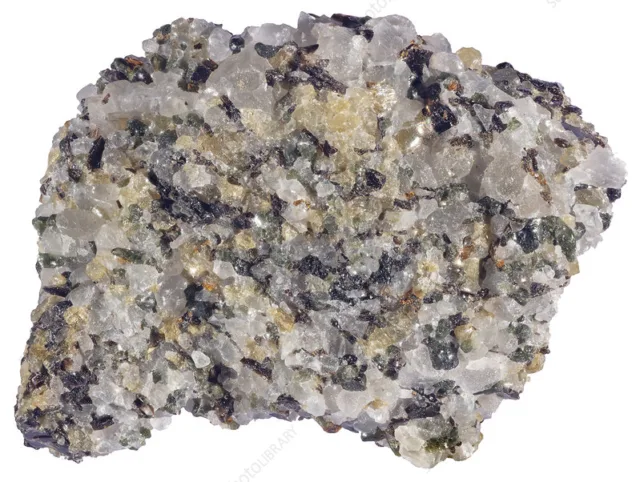
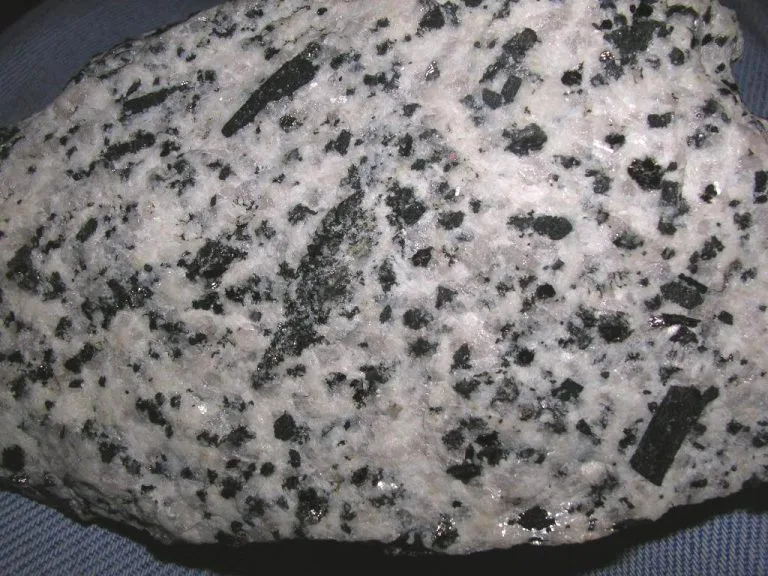
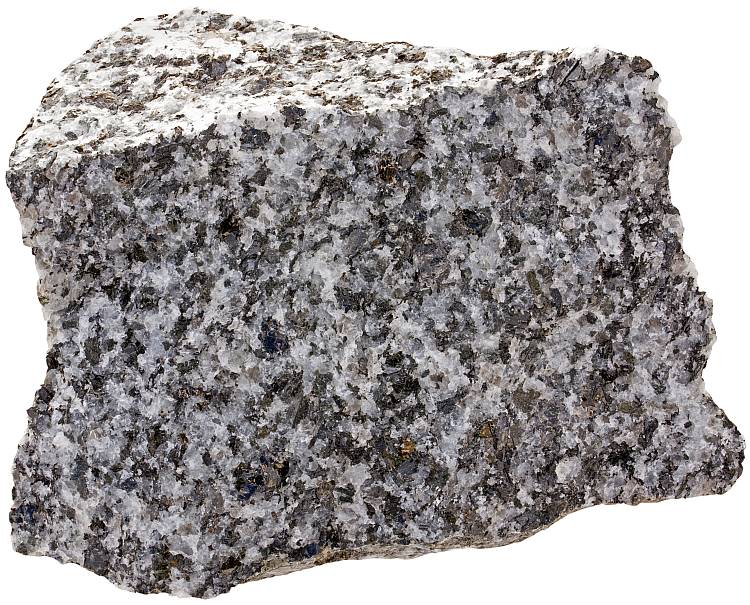
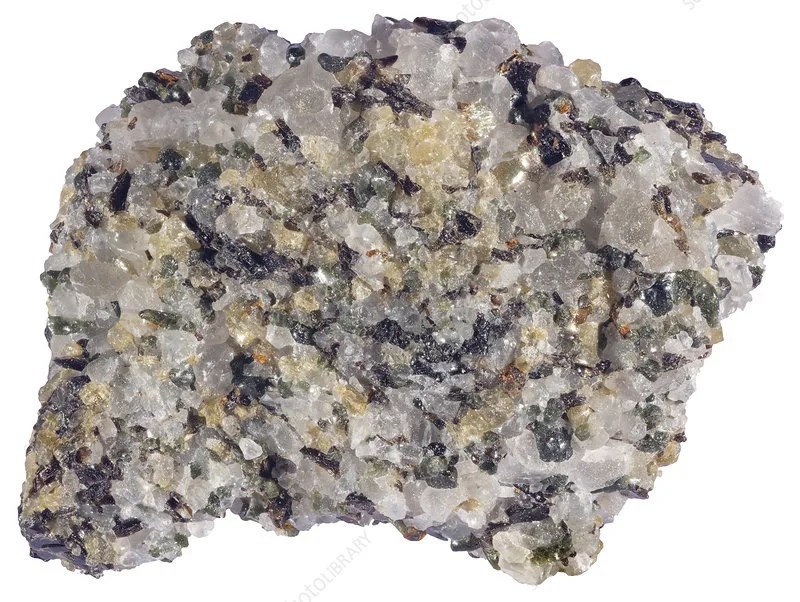
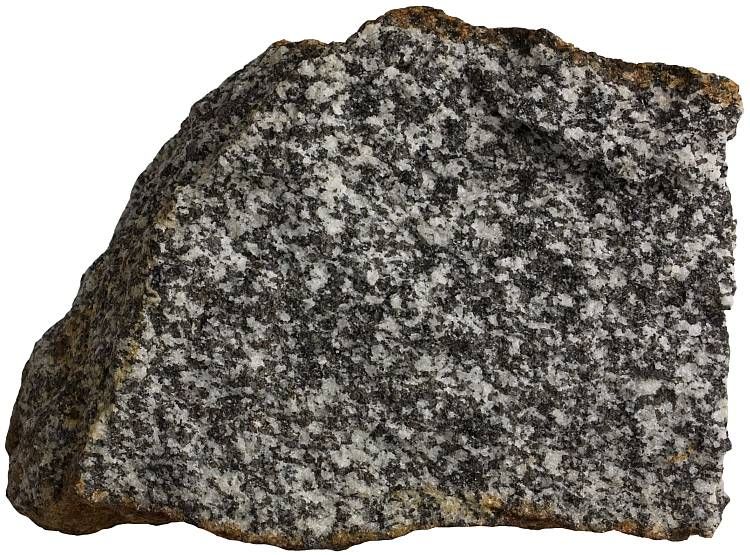
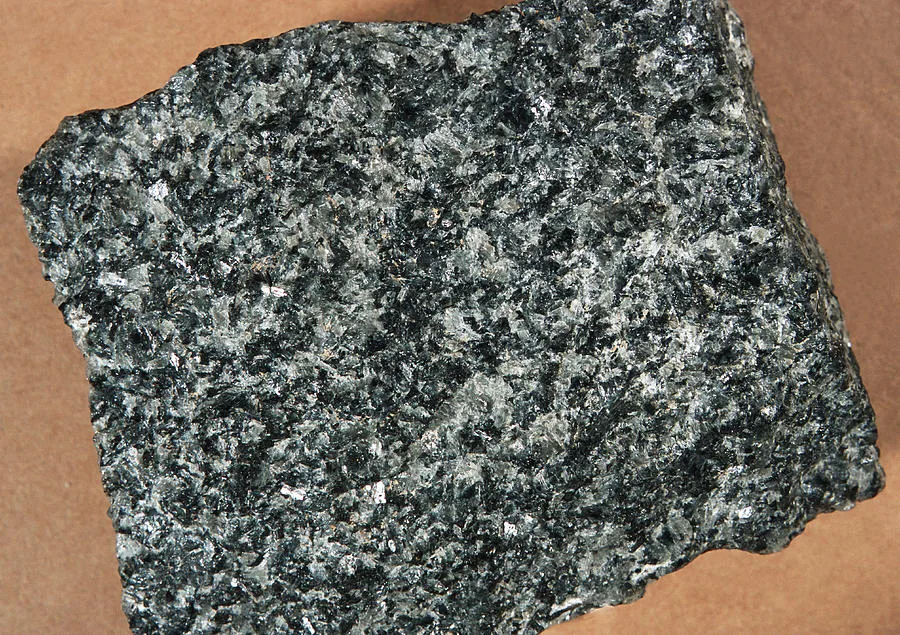
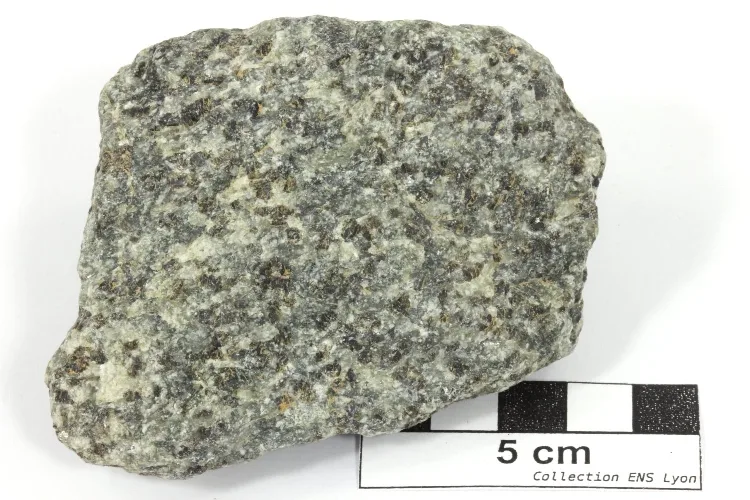
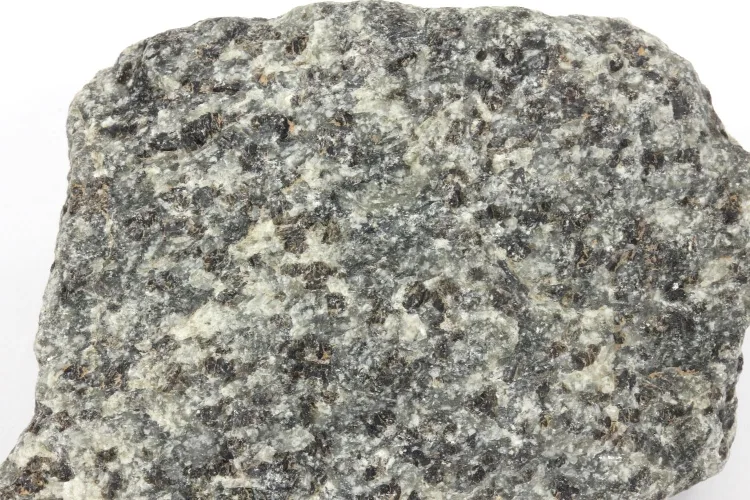
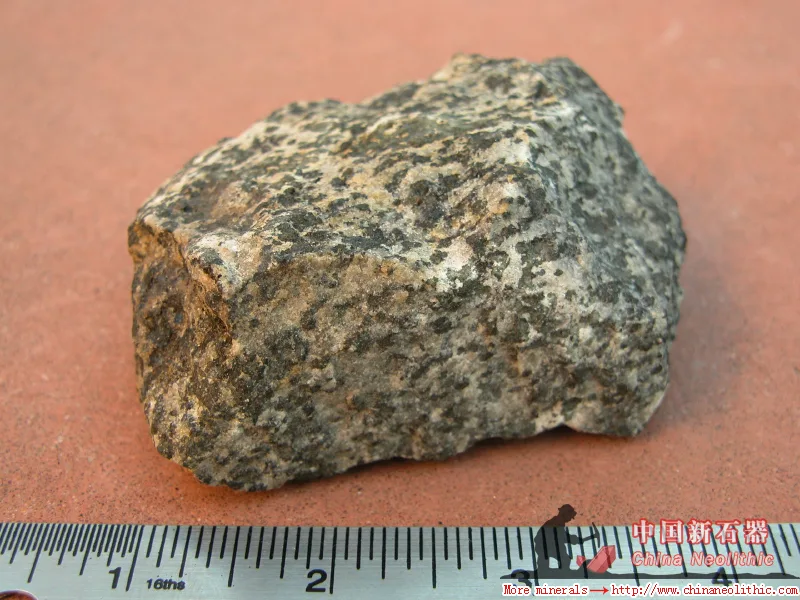
Tonalite, Plutonic, Renfrew, Ontario.Tonalite is an igneous, plutonic (intrusive) rock, of felsic composition, with phaneritic texture.
Tonalite is a type of intrusive igneous rock that belongs to the granodiorite suite of rocks. It is characterized by its composition, which is intermediate between granite and diorite. Tonalite is part of the larger family of plutonic rocks, which means that it forms from the slow cooling and solidification of magma beneath the Earth’s surface.
Composition: Tonalite is primarily composed of the following minerals:
Quartz: A crystalline mineral composed of silicon dioxide (SiO2). It is one of the main components of tonalite and gives the rock its granitic texture.
Plagioclase Feldspar: This is a group of minerals within the feldspar family, and in tonalite, it is typically andesine or oligoclase. Plagioclase feldspar is an essential component and often forms light-colored, rectangular crystals in the rock.
Amphibole: Commonly hornblende, which is a dark-colored mineral belonging to the group of amphibole minerals. Amphibole gives tonalite its characteristic dark appearance.
BiotiteMica: A dark-colored mineral that is part of the mica group. Biotite adds to the dark coloration of tonalite.
Minor Minerals: Tonalite may also contain small amounts of other minerals such as magnetite, apatite, and zircon.
The specific mineral composition and the relative proportions of these minerals determine the overall appearance, color, and texture of tonalite.
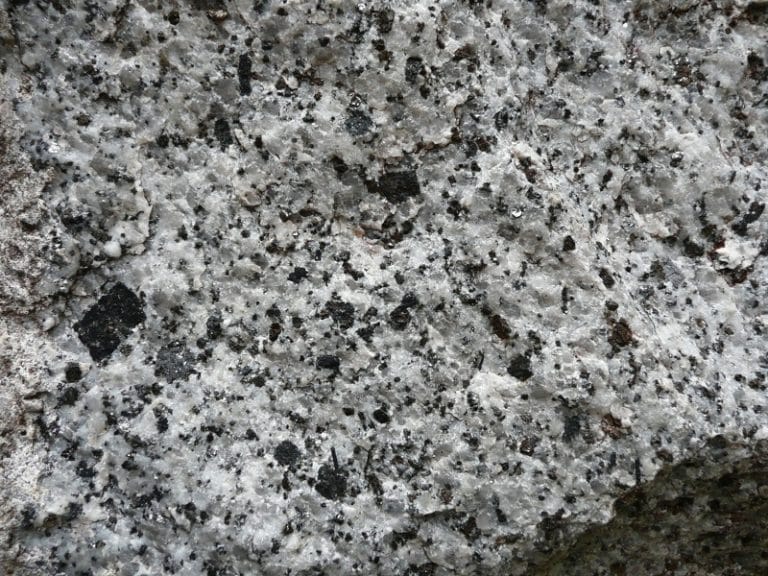
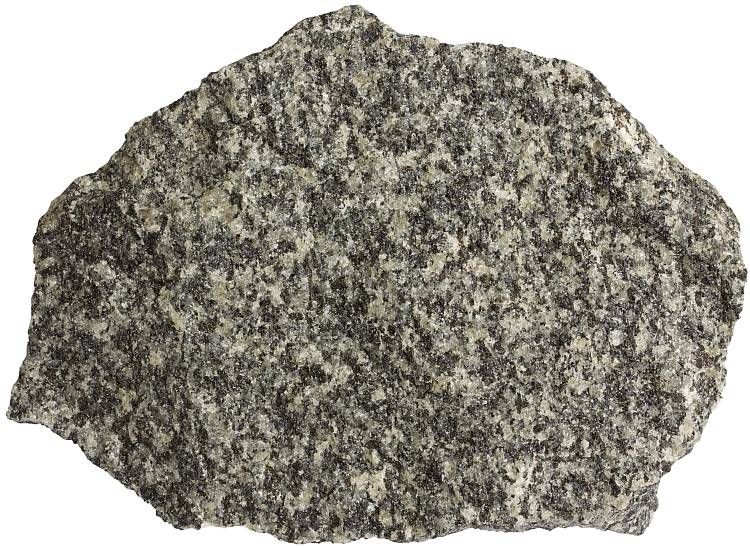
Appearance: Tonalite typically has a salt-and-pepper appearance due to the combination of light-colored quartz and feldspar with dark-colored amphibole and biotite. The rock is coarse-grained, meaning that its individual mineral crystals are visible to the naked eye.
Geological Formation of Tonalite
Tonalite is formed through the process of igneous rock formation, specifically as a result of the slow cooling and solidification of magma beneath the Earth’s surface. Here is a more detailed explanation of the geological formation of tonalite:
Magma Generation: Tonalite begins its formation in the Earth’s mantle, where high temperatures and pressure cause partial melting of the mantle rocks. The molten rock, or magma, is less dense than the surrounding solid rock, so it rises toward the Earth’s crust.
Magma Ascent: As the magma rises, it may assimilate with surrounding rocks, incorporating minerals from the crust. This process is known as assimilation, and it can influence the final composition of the tonalite.
Crystallization in the Subsurface: As the magma reaches the Earth’s crust, it may accumulate in large chambers known as plutons. Within these plutons, the magma begins to cool and solidify. The cooling process is slow, allowing minerals to crystallize and grow over an extended period.
Mineral Crystallization: The minerals in tonalite, including quartz, plagioclase feldspar, amphibole, and biotite mica, crystallize at different temperatures. Quartz and feldspar typically crystallize first, forming the lighter-colored portions of the rock. As the cooling continues, dark-colored minerals like amphibole and biotite crystallize, creating the characteristic salt-and-pepper appearance of tonalite.
Intrusion and Solidification: Tonalite is classified as an intrusive igneous rock because it forms from magma that intrudes into existing rock formations. The magma solidifies below the Earth’s surface before reaching the surface. The slow cooling results in the formation of coarse-grained crystals, which are visible to the naked eye.
Erosion and Exhumation: Over geological time, uplift and erosion expose the tonalite plutons at the Earth’s surface. The surrounding rocks are weathered and eroded away, revealing the tonalite formations. These exposed rocks contribute to the understanding of the Earth’s geological history, and geologists study them to gain insights into the processes that shaped the Earth’s crust.
Tectonic Processes: Tonalite is often associated with tectonic plate boundaries and convergent margins. Subduction zones, where one tectonic plate descends beneath another, are common locations for the formation of tonalite. The subduction process can lead to the partial melting of subducted oceanic crust, resulting in the generation of tonalitic magmas.
In summary, tonalite forms through a series of geological processes involving magma generation, ascent, crystallization, and intrusion into the Earth’s crust. The specific mineral composition and appearance of tonalite are influenced by the conditions under which it solidifies and the geological environment in which it forms.
Physical Characteristics
Tonalite, being an intrusive igneous rock, possesses distinct physical characteristics that are observable and help in its identification. Here are the primary physical characteristics of tonalite:
Color: Tonalite typically has a salt-and-pepper appearance due to the combination of light-colored minerals such as quartz and feldspar with dark-colored minerals like amphibole and biotite. The exact coloration can vary, but the contrasting light and dark minerals give tonalite its characteristic mottled appearance.
Texture: Tonalite exhibits a coarse-grained texture. The individual mineral crystals are large enough to be visible to the naked eye. This coarse-grained nature results from the slow cooling of magma beneath the Earth’s surface, allowing minerals to crystallize and grow over an extended period.
Mineral Composition: The primary minerals in tonalite include quartz, plagioclase feldspar, amphibole (usually hornblende), and biotite mica. The relative proportions of these minerals contribute to the rock’s overall appearance and properties.
Hardness: Tonalite has a relatively high hardness, which makes it a durable rock. The specific hardness can vary depending on the mineral composition, but in general, it falls within the range of hardness typical for igneous rocks.
Density: The density of tonalite is influenced by the minerals it contains. The rock is generally of moderate to high density due to the presence of minerals like feldspar, quartz, and amphibole. The density can be measured in the laboratory and is useful for characterizing the rock.
Fracture and Cleavage: Tonalite typically exhibits a granitic or irregular fracture, breaking along irregular surfaces. Cleavage, the tendency of a mineral to break along specific planes, is not as prominent in tonalite compared to some other rock types. Instead, it often breaks irregularly due to the interlocking nature of its coarse-grained crystals.
Luster: Tonalite has a non-metallic luster. The individual mineral crystals, especially the quartz and feldspar, may display a vitreous (glassy) luster. However, the overall appearance is more subdued compared to rocks with higher proportions of reflective minerals.
Porphyritic Texture (Occasional): In some cases, tonalite may exhibit a porphyritic texture, characterized by larger crystals (phenocrysts) embedded in a finer-grained matrix. The larger crystals are usually feldspar and quartz, and this texture can result from variations in the cooling rate of the magma.
Understanding these physical characteristics is essential for geologists and other earth scientists in identifying and classifying rocks in the field and laboratory.
Mineralogy of Tonalite
Tonalite, Plutonic, Renfrew, Ontario.Tonalite is an igneous, plutonic (intrusive) rock, of felsic composition, with phaneritic texture.
The mineralogy of tonalite is characterized by the presence of several key minerals, each contributing to the rock’s overall composition and physical properties. The primary minerals found in tonalite include:
Quartz (SiO2): Quartz is a common mineral in tonalite, contributing to its granitic nature. It is usually light-colored and forms clear to translucent crystals. Quartz is a key component of many igneous rocks, providing hardness and contributing to the overall durability of tonalite.
Plagioclase Feldspar: Tonalite typically contains plagioclase feldspar, which is a group of feldspar minerals with varying compositions along the albite-anorthite solid solution series. The specific type of plagioclase can vary, but andesine or oligoclase are common in tonalite. Plagioclase feldspar often forms rectangular crystals and gives tonalite its light color.
Amphibole (Hornblende): Amphibole, often in the form of hornblende, is a dark-colored mineral found in tonalite. Hornblende is a member of the amphibole group and contributes to the darker portions of the rock, giving tonalite its characteristic salt-and-pepper appearance.
Biotite Mica: Biotite is another dark-colored mineral found in tonalite. It belongs to the mica group and occurs as thin, sheet-like crystals. Biotite contributes to the overall dark coloration of tonalite and may impart a metallic sheen to the rock.
Minor Minerals: Tonalite may also contain minor amounts of other minerals, including but not limited to:
Magnetite: An iron oxide mineral that can occur in small quantities in tonalite.
Apatite: A phosphate mineral often found as small crystals in igneous rocks.
Zircon: A mineral that may occur as small, accessory crystals in tonalite.
The mineralogy of tonalite is largely determined by the cooling history of the magma from which it crystallizes. The slow cooling process allows these minerals to crystallize and grow, resulting in the coarse-grained texture characteristic of tonalite. The proportions of quartz, plagioclase feldspar, amphibole, and biotite, along with any minor minerals present, collectively define the mineralogical composition of tonalite.
Occurrence and Distribution
Tonalite is a common intrusive igneous rock, and its occurrence is often associated with specific geological settings. It is typically found in continental crust regions and is part of larger batholiths, plutons, or other intrusive formations. Here are some key aspects of the occurrence and distribution of tonalite:
Tectonic Settings: Tonalite is commonly associated with convergent plate boundaries and subduction zones. In these settings, intense heat and pressure lead to the partial melting of the Earth’s crust, giving rise to magma that can eventually solidify into tonalite. Subduction-related magmatism plays a significant role in the formation of tonalite.
Mountain Belts: Tonalite is often found in mountainous regions where tectonic plates collide, resulting in the uplift and exposure of deep-seated rocks. The presence of tonalite in these areas contributes to the geological composition of the mountain belts.
Batholiths and Plutons: Tonalite commonly occurs as part of larger intrusive bodies, such as batholiths or plutons. These are massive formations of igneous rocks that solidify beneath the Earth’s surface. Tonalite can be a major component of these intrusive bodies, and their exposure at the Earth’s surface through erosion contributes to the identification of tonalite.
Geological Age: Tonalite can be found in rocks of various geological ages. While it is often associated with ancient formations dating back hundreds of millions of years, more recent tonalite formations can also occur in areas of active tectonics.
Continental Crust: Tonalite is a common rock type in the continental crust, and its occurrence is widespread in various continental settings. It can be found in diverse terrains, including shields, cratons, and orogenic belts.
Global Distribution: Tonalite is found on all continents, and specific occurrences can be identified in various countries around the world. Notable tonalite formations exist in regions with well-exposed Precambrian rocks, such as parts of North America, Scandinavia, and Australia.
Associated Rock Types: Tonalite is often associated with other granitoid rocks like granite, granodiorite, and diorite. The co-occurrence of these rocks reflects the complex processes of magmatic differentiation and assimilation that take place in the Earth’s crust.
Economic Significance: Tonalite and other granitoid rocks can have economic significance due to their use as dimension stone, which is quarried for construction purposes. Additionally, the mineral deposits associated with tonalite formations can be of economic interest for mining activities.
In summary, tonalite is a widespread rock type with a global distribution, often associated with tectonic plate interactions, mountain-building processes, and the formation of large intrusive bodies in the continental crust. Its occurrence contributes to the geological diversity and history of Earth’s crust.
Uses and Applications of Tonalite
Tonalite, like many other igneous rocks, has several practical uses and applications due to its physical and chemical properties. Here are some of the common uses and applications of tonalite:
Construction Material: Tonalite is often quarried and used as a dimension stone for construction purposes. Its durability, hardness, and resistance to weathering make it suitable for a variety of construction applications, including countertops, flooring, exterior cladding, and decorative elements in buildings.
Monuments and Sculptures: The aesthetic qualities of tonalite, combined with its ability to withstand weathering, make it a choice material for monuments and sculptures. The rock’s coarse-grained texture and salt-and-pepper appearance contribute to its visual appeal.
Landscaping and Paving: Tonalite can be utilized in landscaping projects and for paving walkways or driveways. Its durability ensures that it can withstand the wear and tear associated with outdoor applications.
Crushed Stone Aggregate: Tonalite, when crushed, can be used as an aggregate in concrete and asphalt. The hardness and strength of the rock contribute to the overall strength and durability of the construction materials.
Laboratory Studies: Geologists and researchers often study tonalite and similar rocks to gain insights into the Earth’s geological processes. The mineral composition and texture of tonalite provide valuable information about the conditions under which it formed.
Infrastructure Development: Tonalite, being a durable and strong rock, is used in the construction of infrastructure such as bridges, dams, and retaining walls. Its resistance to weathering and erosion ensures the long-term stability of such structures.
Historical Restoration: Tonalite may be used in the restoration of historical buildings and monuments, as it can be sourced to match the appearance of original construction materials while providing the benefits of modern extraction and processing techniques.
Architectural Cladding: The aesthetically pleasing appearance of tonalite, combined with its durability, makes it a popular choice for architectural cladding on the exteriors of buildings. It adds a natural and distinctive look to architectural designs.
Cemetery Headstones and Markers: Tonalite is used in the production of cemetery headstones and markers due to its durability and ability to retain its appearance over time.
Mining Industry: In some cases, tonalite may host mineral deposits of economic interest. Exploration and mining activities may focus on tonalite formations to extract valuable metals or minerals associated with the rock.
Overall, the uses of tonalite highlight its versatility in various construction and decorative applications, as well as its importance in geological and research studies.
Recap of Key Points Significance of Tonalite in Geology and Industry
Geological Significance:
Formation: Tonalite is an intrusive igneous rock formed through the slow cooling and solidification of magma beneath the Earth’s surface.
Composition: Tonalite is composed of minerals such as quartz, plagioclase feldspar, amphibole (hornblende), and biotite mica.
Texture: It has a coarse-grained texture, with individual mineral crystals visible to the naked eye.
Occurrence: Tonalite is commonly associated with convergent plate boundaries, subduction zones, and mountain belts. It is often found in batholiths, plutons, and other intrusive formations.
Tectonic Settings: Tonalite is linked to tectonic plate interactions, subduction-related magmatism, and the geological processes that shape mountainous regions.
Global Distribution: Tonalite is found on all continents, and its occurrences contribute to the geological diversity of the Earth’s crust.
Industrial Significance:
Construction Material: Tonalite is quarried and used as a dimension stone for construction purposes, including countertops, flooring, and exterior cladding.
Monuments and Sculptures: Its durability and aesthetic qualities make tonalite suitable for monuments and sculptures.
Landscaping and Paving: Tonalite can be used in landscaping projects and for paving due to its durability.
Crushed Stone Aggregate: Crushed tonalite serves as an aggregate in concrete and asphalt, enhancing the strength and durability of these materials.
Infrastructure Development: Tonalite is utilized in the construction of infrastructure such as bridges, dams, and retaining walls.
Historical Restoration: It is used in the restoration of historical buildings and monuments, providing a match to original construction materials.
Architectural Cladding: Tonalite adds a natural and distinctive look to buildings when used as architectural cladding.
Cemetery Headstones: Due to its durability, tonalite is used in the production of cemetery headstones and markers.
Mining Industry: Tonalite may host mineral deposits of economic interest, leading to exploration and mining activities in some cases.
In summary, tonalite’s geological significance lies in its formation processes and contributions to the Earth’s crust, while its industrial significance is evident in its various applications as a durable and aesthetically pleasing construction material.
Brine deposits refer to naturally occurring concentrations of saltwater, commonly known as brine, that accumulate in specific geological formations or reservoirs. These deposits are significant sources of various salts and minerals, and they play a crucial role in several industrial processes, including the production of salt, extraction of minerals, and even in certain energy-related activities.
Definition of Brine Deposits:
Brine deposits are essentially subsurface reservoirs or geological formations where brine, which is a concentrated solution of salt in water, accumulates over time. These deposits can vary in size, depth, and composition, and they often contain a mixture of different salts and minerals dissolved in water.
Composition of Brine:
The composition of brine in these deposits can vary widely depending on the geological and environmental factors. The primary component of brine is sodium chloride (table salt), but it can also contain other salts such as magnesium chloride, calcium chloride, potassium chloride, and various trace minerals. The specific composition depends on factors such as the source of the brine, the geological formations it has passed through, and the conditions under which it has been concentrated.
Natural Occurrence:
Brine deposits naturally occur in a variety of geological settings. Some common sources include:
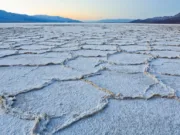
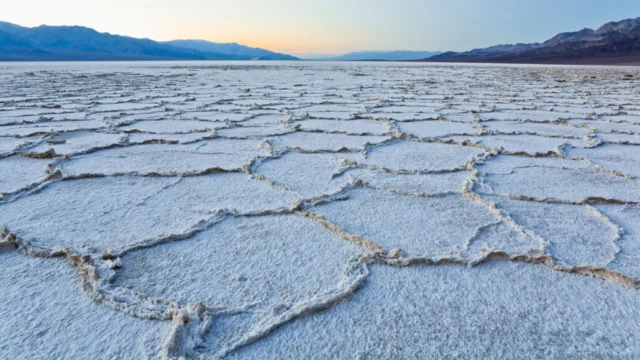
Salt Pans and Playas: These are flat, arid areas where water evaporates, leaving behind concentrated brine. As the water evaporates, salts become more concentrated, and eventually, brine deposits may form.
Subsurface Aquifers: Brine can accumulate in underground aquifers, where groundwater becomes enriched with dissolved salts through interactions with geological formations.
Salt Domes: In certain regions, salt deposits can form large underground domes. These domes can trap and concentrate brine, creating significant reservoirs of saltwater.
Seawater Intrusion: In coastal areas, seawater may infiltrate underground aquifers, creating brine deposits as a result of the mixing of seawater with freshwater.
Oil and Gas Reservoirs: Brine is often co-produced with oil and gas deposits. As oil and gas are extracted, brine that has been trapped in the reservoirs is brought to the surface.
The utilization of brine deposits is diverse, ranging from traditional salt production to the extraction of valuable minerals and metals. Additionally, brine is increasingly important in modern industries, such as energy production through geothermal and solar technologies, where brine is used as a heat transfer fluid.
Types of Brine Deposits
There are several types of brine deposits, each characterized by different geological formations, origins, and compositions. Here are some common types:
Salt Pans and Playas:
Formation: Salt pans and playas are flat, arid areas where water from rivers or other sources evaporates, leaving behind concentrated brine.
Composition: The brine in these deposits is often dominated by sodium chloride (table salt), but it may also contain other salts and minerals.
Subsurface Aquifers:
Formation: Brine can accumulate in underground aquifers when groundwater interacts with geological formations rich in salts.
Composition: The composition varies based on the specific minerals and salts present in the geological formations through which the water passes.
Salt Domes:
Formation: Salt domes are large underground structures formed by the upward movement of salt. Brine can be trapped and concentrated within these domes.
Composition: Brine in salt domes can contain a mixture of salts, including sodium chloride, potassium chloride, magnesium chloride, and others.
Seawater Intrusion:
Formation: In coastal areas, seawater may infiltrate underground aquifers, leading to the formation of brine deposits.
Composition: The brine in these deposits is typically a mix of seawater and freshwater, with a composition reflecting the salts found in seawater.
Oil and Gas Reservoirs:
Formation: Brine is often co-produced with oil and gas. As oil and gas are extracted, brine that has been trapped in the reservoirs is brought to the surface.
Composition: The composition of brine in oil and gas reservoirs can vary but often includes salts and minerals dissolved during the geological formation of the deposits.
Geothermal Brine Deposits:
Formation: In geothermal areas, subsurface water is heated by the Earth’s internal heat, forming brine deposits that can be used for geothermal energy production.
Composition: Geothermal brine may contain a variety of dissolved minerals, depending on the geological characteristics of the region.
Salt Flats:
Formation: Similar to salt pans, salt flats are expansive, flat areas where water evaporates, leaving behind concentrated brine.
Composition: The brine in salt flats can be rich in various salts, including sodium chloride and others.
These types of brine deposits have different implications for various industries, such as salt production, mineral extraction, and energy generation. The specific composition and characteristics of each type of deposit influence its economic and industrial significance.
Formation and Geological Processes
The formation of brine deposits involves complex geological processes that occur over extended periods. Different types of brine deposits can form through various geological mechanisms. Here’s an overview of the formation and geological processes associated with brine deposits:
Salt Pans and Playas:
Formation: In arid regions, salt pans and playas form when water from rivers or other sources accumulates in low-lying areas and then evaporates, leaving behind concentrated brine.
Geological Processes: Evaporation is the key process. As water evaporates, salts and minerals become more concentrated, eventually leading to the formation of brine deposits.
Subsurface Aquifers:
Formation: Brine accumulates in underground aquifers when groundwater interacts with geological formations containing soluble salts. This interaction can occur over long periods as water percolates through the Earth’s crust.
Geological Processes: Dissolution of salts from surrounding rocks into groundwater, followed by the migration and concentration of this brine in aquifers.
Salt Domes:
Formation: Salt domes are large underground structures formed by the upward movement of salt due to tectonic and geological forces. Brine can be trapped within these structures.
Geological Processes: Diapirism, a process where buoyant salt moves upward through overlying rocks, creates salt domes. Over time, brine may accumulate within the dome through interactions with surrounding rocks.
Seawater Intrusion:
Formation: Seawater intrusion occurs when saline water from the ocean infiltrates coastal aquifers. This can happen due to excessive groundwater extraction or changes in sea levels.
Geological Processes: The movement of seawater into coastal aquifers is influenced by factors such as hydraulic gradients, permeability of rocks, and human activities affecting groundwater levels.
Oil and Gas Reservoirs:
Formation: Brine is often co-produced with oil and gas deposits. These deposits form over millions of years through the accumulation of organic matter and subsequent transformation into hydrocarbons.
Geological Processes: The deposition of organic material, sedimentation, burial, and the transformation of organic matter into hydrocarbons create oil and gas reservoirs. Brine may be present in these reservoirs due to the dissolution of salts in the geological formations.
Geothermal Brine Deposits:
Formation: In geothermal areas, subsurface water is heated by the Earth’s internal heat, forming brine deposits that can be used for geothermal energy production.
Geological Processes: The heating of groundwater by the Earth’s mantle generates geothermal brine. This can occur through conduction of heat from deeper layers, or through the circulation of water in fault zones and fractures.
Salt Flats:
Formation: Salt flats form in a manner similar to salt pans, with water accumulating and evaporating in flat areas.
Geological Processes: The primary process is evaporation, which leads to the concentration of salts in the remaining water, forming brine deposits.
These geological processes are dynamic and interconnected, influenced by factors such as climate, tectonics, and hydrology. The resulting brine deposits have economic significance for various industries and provide insights into Earth’s geological history.
Uses of Brine Deposits
Brine deposits have a wide range of uses across various industries due to the diverse composition of salts and minerals they contain. Here are some common uses of brine deposits:
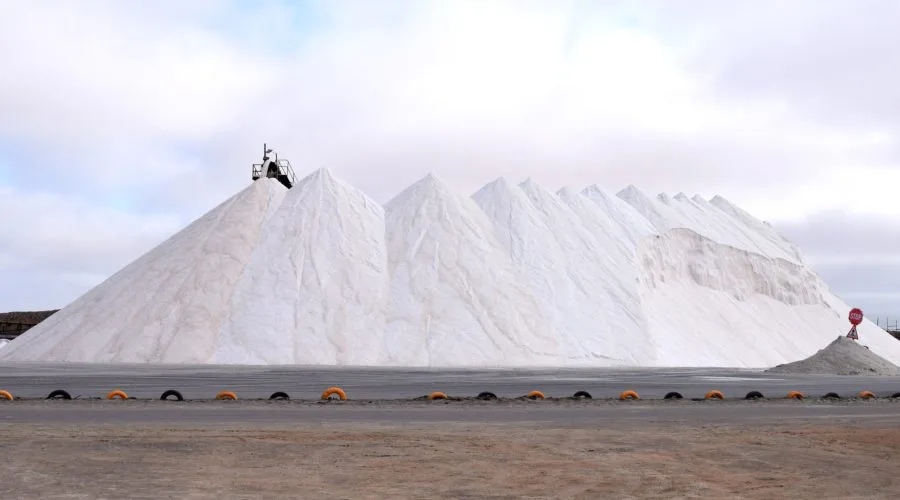
Salt Production:
Primary Use: Brine deposits are a significant source of sodium chloride (table salt). The brine is extracted, and through evaporation, the salt is produced for various industrial and culinary applications.
Chemical Industry:
Use: Brine deposits provide a source of raw materials for the chemical industry. The salts and minerals extracted from brine can be used in the production of chemicals such as chlorine, sodium hydroxide, and other industrial chemicals.
Mineral Extraction:
Use: Brine deposits often contain valuable minerals beyond sodium chloride, such as potassium, magnesium, and lithium. These minerals are extracted for use in fertilizers, industrial processes, and the production of batteries.
Geothermal Energy Production:
Use: Brine from geothermal brine deposits is utilized in geothermal power plants. The high temperatures of the brine are harnessed to generate electricity through steam turbines or to provide direct heating.
Desalination:
Use: Seawater, which can infiltrate coastal aquifers and create brine deposits, is a target for desalination processes. Brine is a byproduct of desalination plants that extract freshwater from seawater.
Oil and Gas Industry:
Use: Brine co-produced with oil and gas is often used in enhanced oil recovery (EOR) processes. Injecting brine into oil reservoirs can help maintain pressure and improve the recovery of oil.
Food Preservation:
Use: Brine is used in food preservation processes such as pickling. Vegetables, fruits, and meats are preserved in brine to extend their shelf life.
Thermal Energy Storage:
Use: Brine is used as a heat transfer fluid in some solar thermal energy systems. It absorbs and transfers heat in concentrated solar power plants.
De-icing and Snow Removal:
Use: Salt obtained from brine deposits is widely used for de-icing roads and sidewalks in winter. The salt helps melt ice and snow, improving safety and transportation.
Health and Wellness:
Use: Brine baths and saltwater therapies are known for their potential health benefits. Some spas and wellness centers use brine derived from natural sources for therapeutic purposes.
Industrial Cooling:
Use: Brine is used as a cooling medium in various industrial processes, particularly in refrigeration systems and some chemical manufacturing processes.
The utilization of brine deposits contributes significantly to the global economy and various sectors. The specific applications depend on the composition of the brine and the minerals it contains, highlighting the importance of understanding the geological and chemical characteristics of each deposit.
Notable Brine Deposits Worldwide
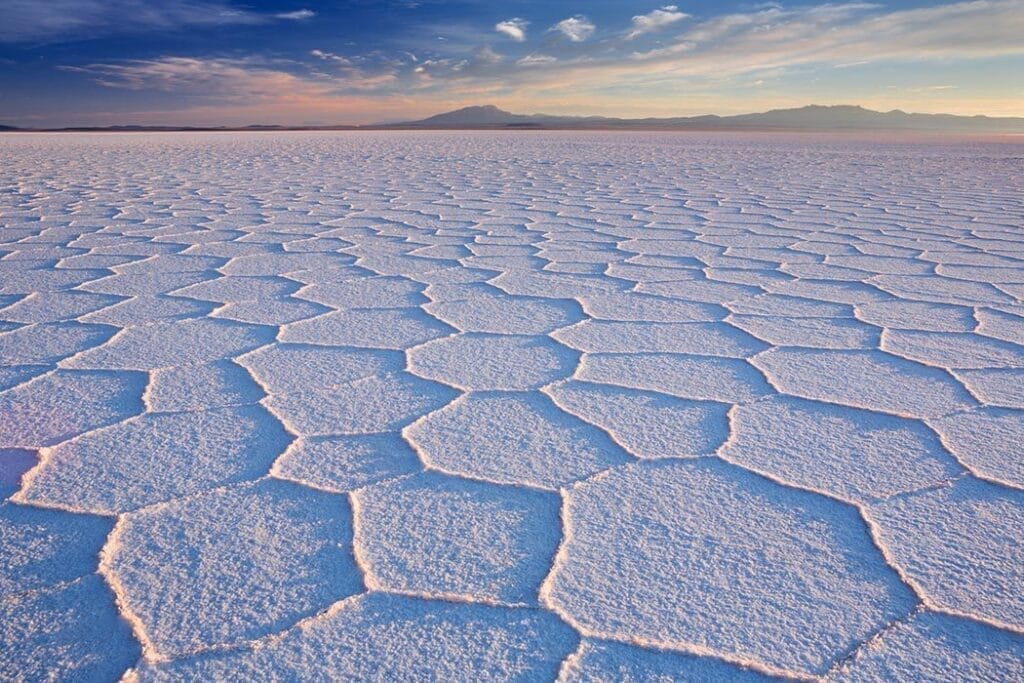
Salar de Uyuni, Bolivia
There are several notable brine deposits around the world, each with its own unique characteristics and economic significance. Here are a few examples:
Salar de Uyuni, Bolivia:
Type: Salt Flat
Significance: Salar de Uyuni is the world’s largest salt flat, located in southwest Bolivia. It is a major source of lithium, containing a significant portion of the world’s known lithium reserves. Lithium is a key component in batteries used in electric vehicles and various electronic devices.
Dead Sea, Jordan and Israel:
Type: Saltwater lake
Significance:The Dead Sea, bordered by Jordan to the east and Israel to the west, is one of the saltiest bodies of water in the world. It contains a high concentration of minerals, including potassium, magnesium, and bromine. The extraction of minerals from the Dead Sea is an important industry in the region.
Significance: The Great Salt Lake, located in the U.S. state of Utah, is the largest saltwater lake in the Western Hemisphere. It is a source of various minerals, including salt, potassium, and magnesium. The lake plays a role in industries such as mineral extraction, brine shrimp harvesting, and recreation.
Atacama Salt Flat, Chile:
Type: Salt Flat
Significance: The Atacama Salt Flat in Chile is another major source of lithium, along with other minerals such as potassium and sodium. Chile is a key player in the global lithium market, and the Atacama Salt Flat is a critical area for lithium production.
Qaidam Basin, China:
Type: Salt Flat
Significance: The Qaidam Basin in China is known for its extensive salt flats and is a significant source of potassium, magnesium, and other minerals. It is also a region where lithium extraction is being explored.
Salar del Hombre Muerto, Argentina:
Type: Salt Flat
Significance: Salar del Hombre Muerto in Argentina is a major lithium-producing area. Argentina, along with Chile, is a key player in the global lithium market, and this salt flat contributes to the country’s lithium production.
Significance: The Danakil Depression is known for its extreme conditions and is one of the hottest and lowest places on Earth. It contains salt flats and is a potential source of minerals such as potash and other salts.
Caribbean Salt Pans, Various Countries:
Type: Salt Pans
Significance: Several countries in the Caribbean, such as the Bahamas and Turks and Caicos Islands, have extensive salt pans. These pans are important for salt production, providing a local source of sodium chloride.
These examples showcase the diversity of brine deposits globally and their significance in the extraction of various minerals, especially lithium, potassium, and magnesium. The economic importance of these deposits extends to multiple industries, including energy, technology, and agriculture.
Cavansite is a relatively rare and striking mineral known for its vibrant blue color. The name “cavansite” is derived from its chemical composition, as it contains calcium (Ca), vanadium (V), and silicon (Si). The mineral is typically found in crystal form, often in association with other minerals such as stilbite or heulandite.
One of the distinctive features of cavansite is its intense azure or deep blue hue, which can range from light blue to a more saturated, darker shade. This vivid coloration makes cavansite highly sought after by mineral collectors and enthusiasts.
Cavansite was first discovered in 1967 in Malheur County, Oregon, USA, but it has since been found in various locations around the world, including India, Brazil, and New Zealand. The most notable deposits are in the Deccan Traps region of India, where cavansite is often found in basaltic rocks within volcanic cavities.
In terms of its crystal structure, cavansite belongs to the zeolite group, which is a family of minerals characterized by a three-dimensional framework of tetrahedra. The crystals typically form in aggregates of small, prismatic or tabular crystals.
Beyond its aesthetic appeal, cavansite does not have significant industrial applications. However, its rarity, unique color, and crystal formations contribute to its popularity among mineral collectors and those with an interest in geological specimens. As with many minerals, cavansite’s value is influenced by factors such as color intensity, crystal size, and overall specimen quality.
Geological Formation of Cavansite
Cavansite is typically associated with volcanic or basaltic environments, and its formation is closely tied to specific geological conditions. The process by which cavansite forms involves a series of mineralogical and chemical interactions within cavities or vesicles in volcanic rocks. Here is an overview of the geological formation of cavansite:
Volcanic Activity: Cavansite is often found in association with volcanic rocks, especially basalt. Basalt is a common volcanic rock that forms from the rapid cooling of lava. The volcanic activity provides the necessary conditions for the initial stages of cavansite formation.
Vesicle Formation: During volcanic eruptions, gases, particularly water vapor and carbon dioxide, are released from the molten lava. As the lava cools and solidifies, these gases get trapped in cavities called vesicles, creating void spaces within the rock.
Hydrothermal Activity: The trapped gases in the vesicles create an environment conducive to hydrothermal activity. Hot water rich in minerals percolates through the rock, carrying dissolved elements and contributing to the alteration of minerals present in the volcanic rocks.
Introduction of Calcium, Vanadium, and Silicon: The mineral-forming process involves the introduction of calcium, vanadium, and silicon into the vesicles. These elements may come from various sources, including groundwater or fluids derived from the volcanic rocks themselves.
Zeolite Formation: Cavansite belongs to the zeolite group of minerals, and its formation is part of a broader process involving the crystallization of zeolites. Zeolites are aluminosilicate minerals with a unique crystal structure. In the case of cavansite, the introduction of calcium, vanadium, and silicon in the vesicles triggers the growth of cavansite crystals.
Cooling and Crystal Growth: As the hydrothermal fluids cool, the elements within them begin to crystallize, forming cavansite crystals. The crystals often appear as aggregates of small, prismatic or tabular crystals. The vibrant blue color of cavansite is thought to result from the presence of vanadium.
Secondary Alterations: Over time, secondary alterations may occur, leading to the association of cavansite with other minerals like stilbite or heulandite.
It’s worth noting that the specific geological conditions, temperature, and composition of the volcanic rocks play a crucial role in determining the characteristics of cavansite specimens found in different locations around the world. The primary occurrences of cavansite are often in cavities or voids within volcanic rocks, where the mineral has had the opportunity to crystallize in its unique and recognizable form.
Physical Properties
Cavansite possesses several distinct physical properties that contribute to its identification and appreciation. Here are some key physical properties of cavansite:
Color: The most striking feature of cavansite is its vibrant blue color. The hue can range from light blue to a more intense, saturated blue, making it one of the most appealing aspects of the mineral.
Crystal System: Cavansite crystallizes in the orthorhombic crystal system. The crystals are typically prismatic or tabular in shape.
Hardness: On the Mohs scale of mineral hardness, cavansite has a hardness of approximately 3. This means it is relatively soft compared to many common minerals and can be easily scratched.
Luster: The mineral exhibits a vitreous (glass-like) luster when its surfaces are fresh and unaltered.
Transparency: Cavansite crystals are often transparent to translucent, allowing light to pass through and contribute to their visual appeal.
Cleavage: Cavansite may display good cleavage in one direction, which means it can break along specific planes. However, it is not always apparent in all specimens.
Specific Gravity: The specific gravity of cavansite ranges from approximately 2.1 to 2.3. This value indicates how dense the mineral is compared to the density of water.
Streak: The streak of cavansite, observed by rubbing the mineral on an unglazed porcelain plate, is typically white.
Fluorescence: Some cavansite specimens exhibit fluorescence under ultraviolet (UV) light. The fluorescence can range from white to blue, adding an additional aspect to its visual allure.
Associations: Cavansite is often found in association with other minerals, such as stilbite, heulandite, calcite, and apophyllite. These associations can influence the overall appearance and appeal of specimens.
These physical properties, especially the distinctive blue color, make cavansite a sought-after mineral for collectors and enthusiasts. The combination of its color, crystal structure, and associated minerals contribute to the uniqueness and beauty of cavansite specimens.
Colors and Varieties
Cavansite is primarily known for its vibrant blue color, which can range from light blue to a more intense, saturated blue. The striking blue hue is a result of the presence of vanadium in its chemical composition. While blue is the predominant color, there can be variations and combinations with other minerals that influence the overall appearance of cavansite specimens. Here are some color variations and associations with other minerals:
Blue: The classic and most common color of cavansite is a vivid blue. The intensity of the blue can vary, and some specimens may exhibit a deeper, more saturated color than others.
White: While the primary color of cavansite is blue, the mineral is often found in association with other minerals that can be colorless or white. For example, cavansite crystals may form alongside white stilbite or heulandite, creating a visually appealing contrast.
Greenish tint: In some cases, cavansite may display a greenish tint, possibly due to the presence of impurities or variations in its chemical composition. However, blue is the dominant and characteristic color of cavansite.
It’s important to note that while cavansite primarily occurs in shades of blue, variations in color can occur based on factors such as mineral associations, impurities, or alterations. Collectors often appreciate the diversity of cavansite specimens, and the mineral’s color, combined with its crystal formations, contributes to its desirability among mineral enthusiasts.
Localities and Deposits
Cavansite has been found in various locations around the world, with some deposits being more significant than others. The mineral is often associated with volcanic or basaltic environments. Here are some notable localities where cavansite has been discovered:
India: The most significant and well-known deposits of cavansite are in the Deccan Traps region of India. Pune, in the state of Maharashtra, is particularly famous for producing high-quality cavansite specimens. The mineral is often found in basaltic rocks within cavities or vesicles.
United States: Cavansite was first discovered in the United States, specifically in Malheur County, Oregon. While not as abundant as in some other locations, Oregon has produced notable cavansite specimens.
Brazil: Cavansite has been found in various locations in Brazil, including the states of Bahia and Rio Grande do Sul. Brazilian cavansite specimens are valued for their quality and color.
New Zealand: The mineral has also been reported from locations in New Zealand, including on the North Island. Cavansite specimens from New Zealand are less common than those from other localities.
Other locations: Cavansite has been reported in smaller quantities from other places, including China, Russia, and Mongolia. However, these occurrences are typically less significant in terms of the abundance and quality of cavansite specimens.
It’s worth noting that cavansite is often found in association with other minerals such as stilbite, heulandite, calcite, and apophyllite. The geological conditions in volcanic or basaltic settings, as well as the presence of specific minerals and elements, contribute to the formation of cavansite crystals. Mineral collectors and enthusiasts value cavansite specimens for their distinctive blue color, crystal formations, and associations with other minerals.
Uses of Cavansite
Cavansite, while visually striking and highly valued by mineral collectors, does not have significant practical uses beyond its aesthetic appeal. Its primary importance lies in its role as a beautiful and rare mineral specimen. Here are some aspects of cavansite’s uses:
Mineral Collecting: Cavansite is highly sought after by mineral collectors and enthusiasts due to its vibrant blue color, distinctive crystal formations, and associations with other minerals. Collectors appreciate cavansite for its rarity and the aesthetic qualities it adds to mineral collections.
Metaphysical and Spiritual Practices: Some individuals believe in the metaphysical and spiritual properties of minerals. Cavansite, with its calming blue color, is sometimes associated with properties such as promoting inner peace, enhancing intuition, and encouraging spiritual growth. These beliefs, however, are not scientifically supported.
Jewelry and Ornamental Use: While cavansite is not commonly used in commercial jewelry due to its relative softness, some lapidaries and artisans may incorporate small cavansite crystals into custom-designed jewelry or ornamental pieces. However, this is more of an exception rather than a common practice.
It’s important to note that cavansite does not have industrial applications, and its use is primarily confined to the world of mineralogy, lapidary arts, and collector markets. The beauty of cavansite lies in its natural form, and its value is largely determined by factors such as color intensity, crystal size, and overall specimen quality.
Conclusion
In conclusion, cavansite is a captivating mineral known for its vibrant blue color, distinctive crystal formations, and associations with other minerals. Here is a summary of key points regarding cavansite and its significance in the mineral world:
Definition: Cavansite is a relatively rare mineral composed of calcium, vanadium, and silicon. It belongs to the zeolite group and is characterized by its striking blue color.
Geological Formation: Cavansite typically forms in volcanic or basaltic environments within cavities or vesicles. The mineralization process involves hydrothermal activity, the introduction of specific elements, and the crystallization of zeolites.
Physical Properties: Cavansite exhibits a vibrant blue color, has a hardness of approximately 3 on the Mohs scale, and crystallizes in the orthorhombic system. It often appears in prismatic or tabular crystal formations and may display fluorescence under UV light.
Colors and Varieties: The primary color of cavansite is blue, ranging from light to intense shades. It may also be associated with colorless or white minerals such as stilbite.
Localities and Deposits: Significant deposits of cavansite have been found in India, particularly in the Deccan Traps region. Other notable occurrences include the United States, Brazil, New Zealand, and sporadically in other countries.
Uses: Cavansite is primarily valued for its aesthetic appeal and is sought after by mineral collectors. It does not have practical industrial applications and is not commonly used in jewelry due to its softness.
Significance in the Mineral World:
Cavansite holds significance in the mineral world for several reasons:
Aesthetic Appeal: The intense blue color and unique crystal formations make cavansite a prized specimen among mineral collectors, contributing to its desirability.
Association with Zeolites: As a member of the zeolite group, cavansite contributes to the understanding of zeolite mineralogy and the geological processes that lead to their formation.
Geological Indicators: The presence of cavansite in certain geological formations can serve as an indicator of specific volcanic or basaltic conditions, providing insights into the Earth’s history and processes.
Closing Remarks:
Cavansite, with its captivating beauty and geological significance, remains a notable and cherished mineral in the world of mineralogy. As collectors continue to appreciate its unique qualities, cavansite stands as a testament to the diversity and wonder of Earth’s mineral treasures.
Water is a fundamental and indispensable component of Earth, playing a crucial role in the sustenance of life and the functioning of various geological and ecological processes. The presence of water on our planet has fascinated scientists and researchers for centuries, leading to numerous studies and theories aimed at unraveling the mysteries of its origin. Understanding the source of Earth’s water is not only a scientific pursuit but also holds implications for our understanding of the broader processes that shaped the early solar system.
Importance of water on Earth:
Water is essential for life as we know it. Its unique properties, such as high heat capacity, excellent solvent capabilities, and the ability to exist in three states (solid, liquid, and gas), make it a key player in various Earthly processes. It is a vital component for biological organisms, serving as a medium for biochemical reactions and a habitat for countless species. Additionally, water regulates temperature, shapes landscapes through erosion and weathering, and influences climate patterns.
The human dependence on water goes beyond basic survival, extending to agriculture, industry, and energy production. The availability of water resources has historically influenced the development and distribution of civilizations. Therefore, the study of the origin of Earth’s water is not only a scientific inquiry but also holds practical implications for managing and sustaining life on our planet.
Historical interest in understanding the origin of water:
The quest to understand the origin of Earth’s water has a long history, with various cultures and scientific traditions contributing to this intellectual pursuit. In ancient times, myths and creation stories often incorporated water as a primordial element, emphasizing its significance in the formation of the world.
In the modern era, scientific curiosity about the origin of water gained momentum as researchers began to explore the composition of celestial bodies and the conditions prevailing in the early solar system. Theories about water delivery mechanisms, such as cometary impacts and contributions from asteroids, emerged as scientists sought to explain the presence of water on Earth.
Advancements in planetary science, astronomy, and geochemistry have allowed researchers to investigate the isotopic composition of Earth’s water and compare it with that of potential extraterrestrial sources. This interdisciplinary approach has provided valuable insights into the likely sources and processes that contributed to the abundance of water on our planet.
In summary, the origin of water on Earth is a topic of enduring scientific interest with implications for our understanding of the planet’s history, the development of life, and the broader processes shaping our solar system. The ongoing quest to unravel the mysteries of Earth’s water continues to drive research and exploration, bringing together diverse fields of study in a collaborative effort to unlock the secrets of our planet’s liquid lifeblood.
The Formation of the Solar System
Overview of the Early Solar System:
The solar system formed approximately 4.6 billion years ago from a vast, rotating cloud of gas and dust known as the solar nebula. This cloud collapsed under the influence of gravity, leading to the formation of the Sun and the surrounding planetary system. The early solar system was a dynamic environment characterized by intense heat, radiation, and the presence of various particles and materials.
Formation of the Sun and Protoplanetary Disk:
As the solar nebula collapsed, the majority of its mass gathered at the center, forming the Sun. The rest of the material flattened into a spinning disk, known as the protoplanetary disk, surrounding the young Sun. This disk consisted of gas and dust particles, including elements like hydrogen, helium, and heavier elements produced by previous generations of stars.
Within the protoplanetary disk, collisions and gravitational interactions between particles led to the formation of larger clumps of matter, known as planetesimals. The intense heat from the young Sun caused the inner regions of the disk to be predominantly composed of rocky materials and metals, while the outer regions contained more volatile compounds in icy form.
Development of Planetesimals and Protoplanets:
Planetesimals are small, solid bodies ranging in size from a few meters to hundreds of kilometers. Over time, these planetesimals continued to collide and merge, forming even larger objects known as protoplanets. The gravitational interactions between protoplanets further facilitated the growth process, leading to the formation of planetary embryos.
As the protoplanets continued to accrete material from the protoplanetary disk, they also began to clear their orbits of debris. This process marked the transition from protoplanets to planets. The planets in our solar system can be broadly categorized into two groups based on their compositions and characteristics:
Terrestrial Planets: The inner planets, including Mercury, Venus, Earth, and Mars, are characterized by their rocky compositions and relatively smaller sizes.
Jovian Planets (Gas Giants): The outer planets, Jupiter, Saturn, Uranus, and Neptune, are significantly larger and primarily composed of lighter elements, such as hydrogen and helium. These planets also have extensive systems of rings and numerous moons.
The formation of the solar system involved intricate processes of gravitational attraction, collisions, and the redistribution of materials within the protoplanetary disk. The remnants of this dynamic era can still be observed in the diverse characteristics of the planets and other celestial bodies that make up our solar system today. The study of these early processes provides crucial insights into the formation and evolution of planetary systems in the universe.
Late Heavy Bombardment Hypothesis
The Late Heavy Bombardment (LHB) is a theoretical event that is believed to have occurred approximately 3.8 to 4.1 billion years ago during the early stages of the solar system’s history. This period was characterized by a sudden increase in the rate of impact events, particularly involving comets and asteroids, on the inner planets, including Earth, Moon, Mars, and Mercury. The Late Heavy Bombardment hypothesis suggests that these celestial bodies experienced a significant influx of impactors, causing widespread cratering and shaping the surfaces of these planets and moons.
Explanation of the Late Heavy Bombardment:
The exact cause of the Late Heavy Bombardment is still a topic of scientific investigation and debate. One leading hypothesis is that gravitational interactions among the giant planets, particularly Jupiter and Saturn, caused a rearrangement of their orbits. This gravitational disturbance led to the scattering of comets and asteroids from the outer regions of the solar system, sending them on trajectories that intersected with the inner planets.
As a result, a barrage of these objects collided with the surfaces of the inner planets, causing intense cratering and altering the topography of these bodies. The Late Heavy Bombardment is considered a crucial phase in the solar system’s history, influencing the evolution of planetary surfaces and potentially impacting the development of early life on Earth.
Role of Comets and Asteroids:
Comets and asteroids played a central role in the Late Heavy Bombardment. Comets are icy bodies composed of water, frozen gases, dust, and other volatile compounds, while asteroids are rocky or metallic bodies. The impact of comets and asteroids during the Late Heavy Bombardment had several significant effects:
Cratering and Surface Modifications: The impacts of these celestial bodies caused widespread cratering on planetary surfaces. The Moon, for example, preserves a record of this intense bombardment in the form of impact craters.
Delivery of Volatiles: Comets are rich in volatile compounds, including water ice. The impacts of comets could have contributed to the delivery of water and other volatile substances to the inner planets, including Earth.
Delivery of Water to Earth During Impacts:
The impact of comets during the Late Heavy Bombardment is believed to have played a crucial role in bringing water to Earth. The early Earth was likely a hot and dry environment, and the delivery of water-rich comets provided a source of water that eventually contributed to the formation of Earth’s oceans.
The water delivered by comets during impact events would have vaporized upon collision but subsequently condensed and accumulated on the planet’s surface as it cooled. This process is thought to be one of the mechanisms by which Earth acquired its water, influencing the development of the conditions necessary for life.
In summary, the Late Heavy Bombardment was a period of intense asteroid and comet impacts that significantly shaped the surfaces of the inner planets, including Earth. The delivery of water by comets during this bombardment is a key aspect of the hypothesis, providing insights into the origin of Earth’s water and the broader dynamics of the early solar system.
Outgassing from the Earth’s Interior
File photo from July 22, 1980 showing the eruption plume from Mount St. Helens, with Mount Rainier in the background. Mount St. Helens again spewed steam and gray ash from a small explosive eruption in its crater on October 1, 2004, as the volcano awoke from its slumber for the first time in nearly two decades. A plume rose in a column from the crater on Friday in the first eruption since 1986, but was well below the scale of the catastrophic 1980 eruption that blew off the top of the mountain and spread ash across North America. REUTERS/Jim Valance/USGS/Cascades Volcano Observatory USGS/GN – RTRCA46
Overview of Volcanic Activity:
Volcanic activity is a geologic process involving the release of magma (molten rock), gases, and other materials from the Earth’s interior to its surface. This process is associated with volcanic eruptions, which can take various forms, including explosive eruptions with ash clouds, lava flows, and more gradual effusive eruptions. Volcanoes are the primary geological features through which volcanic activity is manifested.
Volcanic activity occurs at plate boundaries and hotspots, where tectonic plates interact. There are three main types of plate boundaries where volcanic activity is commonly observed:
Divergent Boundaries: Plates move away from each other, creating gaps in the Earth’s crust. Magma rises to fill these gaps, leading to the formation of new crust.
Convergent Boundaries: Plates collide, with one being forced beneath the other in a process known as subduction. This can lead to the melting of the subducted plate and the generation of magma that rises to the surface, resulting in volcanic arcs.
Hotspots: These are areas where magma rises from deep within the mantle, creating localized volcanic activity. Hotspots can occur away from plate boundaries and often create island chains.
Release of Gases from the Earth’s Mantle:
The Earth’s mantle, located beneath the crust, is a semi-solid layer composed of rock and minerals. Volcanic activity provides a pathway for gases trapped in the mantle to reach the surface. The most common gases released during volcanic eruptions include:
Water Vapor (H2O): Water is a major component of volcanic gases and is released both in the form of steam and as dissolved water in magma.
Carbon Dioxide (CO2): This greenhouse gas is released during volcanic eruptions and contributes to the carbon cycle.
Sulfur Dioxide (SO2): Volcanic emissions of sulfur dioxide can lead to the formation of sulfate aerosols in the atmosphere, affecting climate and air quality.
Other Gases: Volcanic gases may also include nitrogen, methane, hydrogen, and trace amounts of other compounds.
Contribution of Water Vapor to the Atmosphere:
Water vapor released during volcanic eruptions is a significant contributor to the Earth’s atmosphere. The water vapor released from the mantle can have several effects:
Climate Impact: Water vapor is a greenhouse gas, and its release during volcanic activity can contribute to short-term climate effects. However, the overall impact depends on the scale and duration of the eruption.
Formation of Clouds: Water vapor released during volcanic eruptions can condense in the atmosphere, forming clouds. These volcanic clouds may have both local and global effects on weather patterns.
Water Source for Oceans: Over geological timescales, the continuous outgassing of water vapor from volcanic activity has contributed to the formation and replenishment of Earth’s oceans. Water released during volcanic eruptions eventually condenses and falls as precipitation.
While the delivery of water to the Earth’s surface through volcanic outgassing is an ongoing process, the Late Heavy Bombardment, as discussed earlier, is also considered a significant contributor to the Earth’s water content, bringing water-rich comets to the planet. Together, these processes have shaped the Earth’s atmosphere and surface over billions of years.
The Role of Comets and Asteroids
Composition of Comets and Asteroids:
Comets and asteroids are celestial bodies that played a crucial role in the early solar system and continue to influence the dynamics of planets, including Earth.
Comets: Comets are icy bodies composed of volatile compounds, water ice, dust, and other organic molecules. The nucleus of a comet is a solid, icy core that can range in size from a few kilometers to tens of kilometers. As a comet approaches the Sun, solar radiation causes the volatile materials to sublimate, creating a glowing coma (a cloud of gas and dust) and often a tail that points away from the Sun. The composition of comets includes water ice, carbon dioxide, methane, ammonia, and complex organic molecules.
Asteroids: Asteroids are rocky or metallic bodies that vary in size from a few meters to hundreds of kilometers. They are remnants from the early solar system and are primarily composed of minerals, metals, and rocky materials. Asteroids are found in the asteroid belt between Mars and Jupiter, but they can also be present in other regions of the solar system.
Evidence Supporting Their Contribution to Earth’s Water:
Isotopic Composition:
The isotopic composition of Earth’s water, particularly the ratio of deuterium to hydrogen (D/H ratio), has been studied. Cometary water is often found to have a D/H ratio that matches the values observed in Earth’s oceans, supporting the idea that comets could have been a source of Earth’s water.
Dynamics of the Early Solar System:
The late stages of the solar system’s formation involved dynamic processes, such as the migration of giant planets and the Late Heavy Bombardment. These processes could have scattered comets and asteroids towards the inner solar system, leading to impacts on Earth and the delivery of water.
Observations of Water in Comets and Asteroids:
Space missions, such as the European Space Agency’s Rosetta mission to comet 67P/Churyumov–Gerasimenko, have provided direct observations of water ice on comets. Additionally, analysis of meteorites, which are remnants of asteroids, has revealed the presence of hydrated minerals, suggesting that asteroids may contain water.
Models of Water Delivery from Celestial Bodies:
Cometary Impact Model:
This model suggests that during the Late Heavy Bombardment, comets impacted the Earth, delivering water and volatile compounds. The heat generated during impact would have caused the water in the comets to vaporize and contribute to the formation of Earth’s oceans.
Asteroidal Contribution:
Asteroids, particularly carbonaceous chondrites, are known to contain water-bearing minerals. It’s proposed that asteroids, through impacts, released water into the Earth’s atmosphere. The water vapor could have then condensed and formed oceans over time.
Combined Model:
Some models propose a combination of cometary and asteroidal contributions to Earth’s water. The diverse compositions of comets and asteroids could account for variations in isotopic ratios observed in Earth’s water.
The exact contribution of comets and asteroids to Earth’s water is still an active area of research, and ongoing space missions and studies of celestial bodies continue to provide valuable insights into the early history of our solar system and the origin of water on Earth.
Summary of Key Points
Origin of Water on Earth:
Earth’s water likely has multiple sources, including comets and asteroids, as well as outgassing from the Earth’s interior during volcanic activity.
The Late Heavy Bombardment hypothesis suggests that cometary impacts during a specific period significantly contributed to Earth’s water content.
Volcanic Outgassing:
Volcanic activity releases gases, including water vapor, from the Earth’s mantle to the surface.
This process not only shapes the Earth’s landscape but also contributes to the composition of the atmosphere and the formation of oceans.
Composition of Comets and Asteroids:
Comets are icy bodies composed of water ice, volatile compounds, and organic molecules.
Asteroids are rocky or metallic bodies primarily made up of minerals, metals, and rocky materials.
Contribution to Earth’s Water:
The isotopic composition of Earth’s water, as well as observations of comets and asteroids, supports the idea that these celestial bodies played a role in delivering water to Earth.
Cometary impacts and asteroidal contributions, particularly during the Late Heavy Bombardment, are considered significant mechanisms for water delivery.
Models of Water Delivery:
The cometary impact model suggests that comets delivered water to Earth during collisions, while the asteroidal contribution model proposes that asteroids, through impacts, released water into the Earth’s atmosphere.
Some models consider a combination of cometary and asteroidal contributions to explain the diversity in isotopic ratios observed in Earth’s water.
Significance of Understanding the Origin of Water on Earth:
Fundamental for Life: Water is essential for life as we know it. Understanding its origin provides insights into the conditions necessary for life to emerge and thrive on Earth.
Earth’s Geological History: Studying the origin of water contributes to our understanding of Earth’s geological history, including processes like volcanic activity and the Late Heavy Bombardment.
Planetary Formation: Insights into the origin of Earth’s water contribute to our broader understanding of planetary formation and the distribution of water in the solar system.
Implications for the Search for Water on Other Planets:
Habitability Assessment: Understanding the mechanisms of water delivery to Earth informs the search for water on other planets. It helps in assessing the potential habitability of these planets and moons.
Exoplanet Studies: The study of water origins on Earth guides the search for water in exoplanetary systems. It provides criteria for assessing the habitability of exoplanets based on their water content.
Astrobiology: Knowledge of water’s origin is crucial for astrobiology, guiding the search for environments that may support life beyond Earth. Water is a key factor in the habitability of celestial bodies.
In conclusion, unraveling the origin of water on Earth is not only a fascinating scientific inquiry about our planet’s history but also has broader implications for understanding planetary formation, habitability, and the potential for life in the universe. The lessons learned from Earth’s water story contribute to the ongoing exploration of other celestial bodies and the search for life beyond our own planet.
References
Origin of Water on Earth:
Morbidelli, A., et al. (2000). “Source regions and timescales for the delivery of water to the Earth.” Meteoritics & Planetary Science.
Late Heavy Bombardment:
Gomes, R., et al. (2005). “Origin of the cataclysmic Late Heavy Bombardment period of the terrestrial planets.” Nature.
Volcanic Outgassing:
Marty, B., and Tolstikhin, I. N. (1998). “CO2 fluxes from mid-ocean ridges, arcs and plumes.” Chemical Geology.
Composition of Comets and Asteroids:
Cochran, A. L. (2009). “Comets.” Annual Review of Astronomy and Astrophysics.
DeMeo, F. E., and Carry, B. (2014). “The taxonomic distribution of asteroids from multi-filter all-sky photometric surveys.” Icarus.
Models of Water Delivery:
Altwegg, K., et al. (2015). “67P/Churyumov–Gerasimenko, a Jupiter family comet with a high D/H ratio.” Science.
Greenwood, J. P., et al. (2011). “Hydrogen isotope ratios in lunar rocks indicate delivery of cometary water to the Moon.” Nature Geoscience.
Significance of Understanding Water’s Origin:
Lunine, J. I. (2005). “The Atmospheres of Earth and the Planets.” Annual Review of Earth and Planetary Sciences.
Implications for the Search for Water on Other Planets:
Wordsworth, R., and Pierrehumbert, R. T. (2014). “Abiotic oxygen-dominated atmospheres on terrestrial habitable zone planets.” The Astrophysical Journal.
Norite is a type of igneous rock that is primarily composed of the mineral orthopyroxene, along with plagioclase feldspar. It is a mafic rock, meaning it has a high content of dark-colored minerals, such as pyroxene and/or amphibole. The term “norite” is derived from the Norwegian word “nord,” meaning north, as it was first described in Norway.
Here’s a breakdown of the key components:
Orthopyroxene: This mineral is a type of pyroxene that crystallizes in the orthorhombic system. Common orthopyroxenes found in norite include hypersthene and bronzite.
Plagioclase Feldspar: Norite typically contains plagioclase feldspar, which is a group of aluminum silicate minerals. The specific type of plagioclase can vary, but it often falls within the range of labradorite to bytownite.
Mafic Minerals: In addition to orthopyroxene and plagioclase, norite may contain other mafic minerals like olivine and amphibole, depending on the specific geological conditions of its formation.
Norite is part of a larger family of rocks known as plutonic rocks or intrusive rocks. These rocks form from the slow cooling and solidification of molten magma beneath the Earth’s surface. The slow cooling allows larger crystals to form, giving plutonic rocks a coarse-grained texture.
As an igneous rock, norite is classified based on its mineral composition and texture. The classification of norite falls within the broader category of gabbroic rocks. Gabbroic rocks, including norite, are characterized by their high content of dark minerals and are often associated with the deeper parts of the Earth’s crust.
In summary, norite is an igneous rock with a distinctive composition dominated by orthopyroxene and plagioclase feldspar. It is part of the plutonic rock family and is classified as a mafic rock within the gabbroic group.
Formation of Norite
The formation of norite is closely tied to the cooling and solidification of magma beneath the Earth’s surface. Here’s a step-by-step overview of its formation:
Magma Generation: Norite originates from the partial melting of the Earth’s mantle. Magma, which is molten rock, is formed as a result of this process. The composition of the magma is critical to the eventual mineralogy of the rock.
Intrusion into the Earth’s Crust: Once formed, the magma rises towards the Earth’s crust through fractures and conduits. It eventually intrudes into the crust, often at depths ranging from several kilometers to tens of kilometers beneath the Earth’s surface.
Slow Cooling: Norite is classified as a plutonic or intrusive rock because it forms from magma that cools and solidifies beneath the Earth’s surface over an extended period. The cooling process is slow, allowing for the growth of relatively large crystals.
Mineral Crystallization: As the magma cools, minerals within it begin to crystallize. Orthopyroxene, the characteristic mineral in norite, starts forming crystals, along with plagioclase feldspar and potentially other mafic minerals like olivine or amphibole, depending on the specific conditions.
Grain Size Development: The slow cooling process contributes to the coarse-grained texture of norite. Large crystals have more time to grow before the rock solidifies completely. The resulting texture is visible to the naked eye and distinguishes plutonic rocks from their fine-grained counterparts, volcanic or extrusive rocks.
Emplacement: Norite bodies can be found in various geological settings, often as intrusive bodies or plutons within the Earth’s crust. These bodies can range in size from relatively small to large, forming significant portions of the Earth’s crust.
The overall process of norite formation is part of the broader geological cycle that involves the movement and transformation of Earth’s materials. The slow cooling and crystallization beneath the surface contribute to the unique mineral composition and coarse-grained texture characteristic of norite and other plutonic rocks.
Mineral Composition of Norite
The mineral composition of norite is characterized by the presence of specific minerals, with orthopyroxene and plagioclase feldspar being the key constituents. Additionally, norite may contain other minerals depending on the specific conditions of its formation. Here’s a breakdown of the typical mineral composition:
Orthopyroxene: Norite is primarily composed of orthopyroxene minerals, with common examples being hypersthene and bronzite. Orthopyroxenes crystallize in the orthorhombic system and are dark-colored minerals, contributing to the overall mafic (rich in iron and magnesium) nature of the rock.
Plagioclase Feldspar: Another major mineral in norite is plagioclase feldspar. The specific type of plagioclase can vary, but it typically falls within the range of labradorite to bytownite. Plagioclase feldspar is a group of minerals within the feldspar family, and its presence gives norite a lighter color compared to the dark orthopyroxene.
Other Mafic Minerals: In addition to orthopyroxene and plagioclase feldspar, norite may contain other mafic minerals such as olivine and amphibole. The presence of these minerals depends on factors like the composition of the original magma and the specific geological conditions during norite formation.
Accessory Minerals: Norite may also include accessory minerals, which are present in smaller amounts. These can include minerals like magnetite, ilmenite, and apatite, among others.
The exact mineral composition of norite can vary from one occurrence to another, depending on factors like the geological setting, the composition of the original magma, and the cooling history of the rock. The combination of orthopyroxene and plagioclase feldspar, however, remains a consistent feature in norite, distinguishing it as a specific type of plutonic rock within the larger category of gabbroic rocks.
Texture
The texture of norite is characterized by its coarse-grained appearance, which is a result of the slow cooling and solidification of magma beneath the Earth’s surface. The key features of the texture include:
Coarse Grains: Norite exhibits relatively large mineral crystals that are easily visible to the naked eye. The slow cooling process allows these crystals to grow over an extended period, contributing to the coarse-grained texture. In contrast to fine-grained rocks formed from rapid cooling at or near the Earth’s surface (such as volcanic rocks), the coarse-grained texture of norite indicates its plutonic or intrusive origin.
Interlocking Crystals: The mineral crystals in norite typically interlock with one another, forming an interconnected matrix. This interlocking texture is a common characteristic of many plutonic rocks and is a result of the minerals growing in a slow-cooling environment.
Mineral Abundance: The dominant minerals in norite, orthopyroxene, and plagioclase feldspar, are often present in significant quantities, contributing to the overall composition and appearance of the rock. Other mafic minerals, such as olivine or amphibole, may also be present, depending on the specific conditions of formation.
Porphyritic Texture (Optional): In some cases, norite may exhibit a porphyritic texture, where larger crystals (phenocrysts) are embedded in a finer-grained matrix. This can occur if there were variations in the cooling rate or if the rock underwent partial melting and recrystallization.
The coarse-grained texture of norite is a result of the deep-seated, intrusive nature of its formation. It contrasts with the finer-grained textures of volcanic or extrusive rocks, which cool rapidly on or near the Earth’s surface. The specific appearance of norite can vary based on the mineral composition, the rate of cooling, and other geological factors influencing its formation.
Occurrence Geographical Distribution Tectonic Settings of Norite
Occurrence: Norite is a type of plutonic rock and is commonly found in large intrusive bodies or plutons. These bodies are often associated with the deep-seated parts of the Earth’s crust. Norite can occur as individual intrusive masses or as part of larger layered intrusions. Layered intrusions, also known as mafic-ultramafic intrusions, consist of layers of different igneous rocks, and norite is often one of these layers. These intrusions are significant geological features, and examples can be found on various continents.
Geographical Distribution: Norite is found in various regions around the world, and its distribution is often associated with specific geological settings. Some notable occurrences include:
Norway: The rock was first described in Norway, and occurrences can be found in various parts of the country.
South Africa: Norite is associated with layered intrusions in the Bushveld Igneous Complex in South Africa, where it is often found along with other igneous rocks such as anorthosite and gabbro.
Greenland: Norite is also reported in parts of Greenland, where layered intrusions are present.
North America: Occurrences of norite can be found in various locations in North America, including Canada and the United States.
Other Locations: Norite is not limited to these regions and can be found in other parts of the world where suitable geological conditions exist for its formation.
Tectonic Settings: The formation of norite is closely tied to specific tectonic settings where magma is generated and intrudes into the Earth’s crust. Norite is commonly associated with the following tectonic settings:
Convergent Boundaries: Norite can form in areas where tectonic plates converge, leading to subduction zones. The subduction of oceanic plates into the mantle can result in the partial melting of the mantle, giving rise to the magma that eventually intrudes into the crust and forms norite.
Intraplate Settings: Intraplate settings, away from active plate boundaries, can also host norite formations. In these cases, upwelling mantle plumes can generate magma, leading to the formation of large layered intrusions that include norite.
Understanding the geological and tectonic context is crucial for interpreting the occurrence and distribution of norite in different regions around the world.
Geological Significance
Norite, like other igneous rocks, holds geological significance for several reasons:
Indicator of Tectonic Processes: The occurrence of norite is often associated with specific tectonic processes, such as convergent boundaries or intraplate settings. By studying the distribution and characteristics of norite formations, geologists can gain insights into the tectonic history and processes that have shaped a particular region.
Formation of Layered Intrusions: Norite is commonly found in layered intrusions, which are large bodies of igneous rock with distinct layers. The study of layered intrusions, including the norite layers, provides valuable information about the processes of magma emplacement, crystallization, and differentiation in the Earth’s crust.
Understanding Mantle Dynamics: Norite’s formation involves the partial melting of the Earth’s mantle, and its occurrence can provide clues about the composition and dynamics of the mantle. This is particularly relevant in regions where norite is associated with mantle plumes or other mantle processes.
Mineral Resource Potential: Some layered intrusions, including those containing norite, may host valuable mineral resources. For example, these intrusions can be associated with deposits of platinum-group elements (PGEs), chromium, and other economically important minerals. Understanding the geological setting of norite formations can be crucial for mineral exploration.
Dating Geological Events: Radiometric dating of minerals within norite can be used to determine the age of the rock and associated geological events. This helps geologists establish timelines for the formation and cooling of magma, as well as the broader geological history of a region.
Crustal Evolution: The study of norite contributes to our understanding of the evolution of the Earth’s crust. By examining the mineralogy and texture of norite, geologists can infer processes related to crustal growth, differentiation, and magmatic evolution.
Petrological Research: Norite serves as a subject of petrological research, helping scientists understand the conditions under which specific minerals crystallize, the relationships between different minerals, and the factors influencing the overall texture of the rock. This research contributes to our broader understanding of igneous petrology.
In summary, norite is significant in the field of geology for its role in providing insights into tectonic processes, mantle dynamics, mineral resources, and the evolution of the Earth’s crust. It serves as a valuable tool for unraveling the geological history of regions where it is found.
Uses of Norite
Norite, as an igneous rock, has various uses based on its physical and chemical properties. Here are some of the potential applications:
Construction Material: Norite’s durability and strength make it suitable for use as a construction material. It can be quarried and used as crushed stone for road construction, concrete aggregates, and railroad ballast. The hardness and resistance to abrasion of norite contribute to its effectiveness in these applications.
Dimension Stone: Some varieties of norite with attractive textures and colors can be used as dimension stone. Dimension stone is often employed for decorative purposes in buildings, monuments, and landscaping projects. The coarse-grained texture and distinctive mineral composition can enhance the visual appeal of architectural elements.
Monumental Stone: Norite may be used in the creation of monuments and memorials due to its durability and ability to take a polished finish. Its use in this context is similar to other granitic rocks.
Decorative Aggregates: Crushed norite can be used as decorative aggregates in landscaping and hardscaping projects. Its dark color and coarse texture can provide a visually appealing contrast in gardens, pathways, and other outdoor spaces.
As a Source of Minerals: Some norite formations may contain economically valuable minerals such as platinum-group elements (PGEs), chromium, and nickel. Mining operations may target these minerals as valuable resources.
Geological and Petrological Research: Norite is an important subject of geological and petrological research. Studying norite formations provides insights into magmatic processes, the Earth’s mantle, and the evolution of the Earth’s crust.
While norite may not be as widely used as some other types of rocks, its unique characteristics and properties make it valuable in specific applications, particularly in the construction and decorative industries. The uses of norite depend on its location, mineral composition, and the economic considerations of the region where it is found.
Comparison with Related Rocks
Norite belongs to the broader category of gabbroic rocks and is closely related to several other types of igneous rocks. Here’s a comparison with some of the related rocks:
Norite vs. Gabbro:
Norite: Primarily composed of orthopyroxene and plagioclase feldspar. May contain other mafic minerals like olivine and amphibole. Coarse-grained texture due to slow cooling and solidification beneath the Earth’s surface.
Gabbro: Similar to norite but with a greater emphasis on the presence of olivine and/or amphibole. Coarse-grained texture, formed from slow cooling of magma, often in the lower crust or upper mantle.
Norite vs. Anorthosite:
Norite: Contains orthopyroxene and plagioclase feldspar. Dark-colored due to the abundance of mafic minerals. Coarse-grained texture.
Anorthosite: Composed predominantly of plagioclase feldspar, typically with little to no dark-colored minerals. Light-colored and coarse-grained. Often associated with the upper layers of layered intrusions.
Norite vs. Diorite:
Norite: Mafic rock with orthopyroxene and plagioclase feldspar. Coarse-grained texture.
Diorite: Intermediate in composition between felsic and mafic rocks. Contains plagioclase feldspar, amphibole, and/or biotite. Coarse-grained texture. Commonly found in subduction zone settings.
Norite vs. Peridotite:
Norite: Contains orthopyroxene, plagioclase feldspar, and potentially other mafic minerals. Typically found in the middle to lower crust.
Peridotite: Ultramafic rock composed mostly of olivine and pyroxene. Usually associated with the mantle and often brought to the surface through tectonic processes.
Norite vs. Troctolite:
Norite: Contains orthopyroxene and plagioclase feldspar. Coarse-grained texture.
Troctolite: Similar to norite but with a higher proportion of plagioclase feldspar compared to orthopyroxene. Also coarse-grained. Both are often associated with layered intrusions.
These comparisons highlight the distinctions and similarities between norite and related rocks, considering factors such as mineral composition, texture, and geological settings. The variations in these rocks are important for understanding the diverse processes that occur in the Earth’s crust and mantle.
Conclusion
Norite is an igneous rock with a distinctive composition primarily made up of orthopyroxene and plagioclase feldspar. It exhibits a coarse-grained texture, indicative of its slow cooling and solidification beneath the Earth’s surface. Here’s a summary of key points and its significance in geology and industry:
Key Points:
Composition: Norite is primarily composed of orthopyroxene and plagioclase feldspar. It may also contain other mafic minerals like olivine and amphibole.
Texture: The rock has a coarse-grained texture, resulting from slow cooling and solidification in the subsurface. The large crystals are visible to the naked eye.
Formation: Norite forms through the intrusion of magma into the Earth’s crust, followed by slow cooling and crystallization. It is often associated with layered intrusions and certain tectonic settings.
Geographical Distribution: Norite is found in various regions globally, with notable occurrences in Norway, South Africa, Greenland, and North America.
Tectonic Settings: Its formation is linked to specific tectonic settings, such as convergent boundaries and intraplate regions. Norite provides insights into the Earth’s crust and mantle dynamics.
Uses: Norite has practical applications, including:
Construction material for road building, concrete aggregates, and railroad ballast.
Dimension stone and monumental stone for architectural and landscaping purposes.
Decorative aggregates in landscaping projects.
Potential as a source of economically valuable minerals like platinum-group elements.
Significance in Geology and Industry:
Tectonic Insights: Norite occurrences contribute to our understanding of tectonic processes, including plate convergence, subduction, and intraplate magmatism.
Mantle Dynamics: The formation of norite involves partial melting of the mantle, offering insights into mantle composition and dynamics.
Mineral Resources: Some norite formations host valuable minerals, making them important targets for mineral exploration and mining activities.
Crustal Evolution: Studying norite helps in unraveling the geological history of regions, contributing to our understanding of crustal evolution.
Petrological Research: Norite serves as a subject for petrological research, aiding scientists in understanding magmatic processes and rock formation.
In summary, norite’s geological significance lies in its role as a marker of tectonic processes, its contribution to our understanding of mantle dynamics, and its potential as a source of valuable minerals. Its practical applications in construction and landscaping further highlight its significance in various industries.
Rainforest Jasper is a fascinating and visually striking gemstone that belongs to the Rhyolite family. Known for its vibrant patterns and earthy tones, Rainforest Jasper typically features a mix of greens, browns, creams, and even occasional splashes of red. These colors form intricate, almost mosaic-like patterns, resembling the lush, diverse vegetation of a rainforest. The stone is composed of a volcanic rock called rhyolite, which has been shaped and polished into gemstones, making it highly sought after for its unique and natural beauty.
Rainforest Jasper is also commonly referred to by alternative names such as Rhyolite or Australian Rainforest Jasper. The name “Rhyolite” refers to the rock type from which it is derived, a fine-grained volcanic rock composed mainly of quartz and feldspar. The term “Australian Rainforest Jasper” is often used to emphasize its origin, as many of the most striking specimens are found in Australia, particularly in Queensland. Regardless of the name, this gemstone is cherished for its connection to nature and its soothing, grounding energy.
Physical Characteristics of Rainforest Jasper
Rainforest Jasper, or Rainforest Rhyolite, has distinctive physical characteristics that contribute to its unique appearance. Here are some key features:
Color and Patterns:
The stone exhibits a wide range of colors, including various shades of green, brown, yellow, and red.
The colors often form intricate and picturesque patterns that resemble scenes from a tropical rainforest, hence the name.
Composition:
Rainforest Jasper is primarily composed of the mineral quartz, which gives it a glassy or vitreous luster.
It also contains other minerals such as feldspar, biotite, and hornblende, contributing to its varied color palette and patterns.
Texture:
The texture of Rainforest Jasper can be somewhat smooth when polished, showcasing the intricate patterns and colors.
In its natural state, it may have a rough or coarse texture depending on the specific geological conditions under which it formed.
Transparency:
Rainforest Jasper is generally opaque, meaning that light does not pass through it. This is in contrast to transparent or translucent gemstones.
Hardness:
On the Mohs scale of mineral hardness, Rainforest Jasper typically has a hardness ranging from 6.5 to 7. This makes it relatively durable and suitable for various jewelry applications.
Formation:
It is a type of volcanic rock that forms through the cooling and solidification of lava or volcanic ash. The specific conditions during its formation contribute to the unique combination of minerals and colors.
Uses:
Due to its attractive appearance, Rainforest Jasper is commonly used in jewelry, including beads, cabochons, and pendants.
It may also be used for carvings, decorative objects, and as a lapidary material.
It’s important to note that the physical characteristics of Rainforest Jasper can vary, and the stone may exhibit individual variations based on its specific geological origin. When using Rainforest Jasper for jewelry or decorative purposes, it’s advisable to handle it with care to prevent scratches or damage.
Geological Formation of Rainforest Jasper
Rainforest Jasper, like other types of rhyolite, is a volcanic rock that forms through the cooling and solidification of lava or volcanic ash. Here is an overview of the geological processes involved in the formation of Rainforest Jasper:
Volcanic Activity:
Rainforest Jasper is associated with volcanic activity. The process begins when magma, which is molten rock beneath the Earth’s surface, rises towards the surface due to pressure and other geological factors.
Composition of Magma:
The magma that gives rise to Rainforest Jasper is rich in silica, which leads to the formation of rhyolite. Rhyolite is an extrusive igneous rock, meaning it forms on the Earth’s surface as opposed to intruding into other rock layers.
Eruption:
During a volcanic eruption, magma is expelled onto the Earth’s surface. In the case of Rainforest Jasper, the volcanic activity releases lava containing the mineral-rich magma.
Cooling and Solidification:
As the lava flows or is ejected during the eruption, it begins to cool rapidly when exposed to the air or water. The rapid cooling results in the formation of fine-grained crystals, and the specific minerals present in the magma, including quartz, feldspar, biotite, and hornblende, contribute to the overall composition and appearance of Rainforest Jasper.
Mineral Content:
Quartz, which is a common mineral in the Earth’s crust and a major component of Rainforest Jasper, forms as the lava cools. Other minerals, such as feldspar and various ferromagnesian minerals like biotite and hornblende, contribute to the rock’s color variations and patterns.
Intrusions and Alterations:
Over time, the rock may undergo further geological processes, including intrusions of other minerals or alterations due to secondary processes. These processes can influence the final appearance of Rainforest Jasper.
Once the rock is exposed at the Earth’s surface, it can undergo weathering processes, breaking down into smaller particles and contributing to the soil composition.
The unique combination of volcanic activity, mineral content, and the specific conditions during cooling contributes to the vibrant colors and intricate patterns that characterize Rainforest Jasper. Geological variations in the composition and conditions during formation can result in different types and appearances of Rainforest Jasper across various locations.
Common Applications
Rainforest Jasper, with its striking colors and patterns, is utilized in various applications, particularly in the realm of jewelry and decorative arts. Here are some common applications of Rainforest Jasper:
Jewelry:
Beads: Rainforest Jasper is often shaped into beads for bracelets, necklaces, and earrings.
Cabochons: The stone is cut and polished into smooth, rounded cabochons for use in rings, pendants, and earrings.
Pendants: Larger pieces of Rainforest Jasper may be crafted into unique pendant designs.
Carvings:
Sculptures: Skilled artisans may carve Rainforest Jasper into intricate sculptures, capturing the beauty of its natural patterns.
Figurines: Smaller carvings, such as animal figurines or abstract shapes, are also common.
Decorative Objects:
Bowls and Plates: Large, flat pieces of Rainforest Jasper can be used to create decorative bowls or plates.
Tiles: The stone may be cut into tiles for use in mosaic art or as part of architectural designs.
Home Décor:
Bookends: Rainforest Jasper bookends add a touch of natural beauty to bookshelves.
Vases: Crafted vases made from Rainforest Jasper can serve as unique and eye-catching home décor items.
Lapidary Work:
Tumbled Stones: Smaller pieces of Rainforest Jasper may be tumbled to create smooth, polished stones for various decorative purposes.
Inlays: The stone can be used as an inlay material in woodworking or other crafts.
Collectibles:
Due to its unique appearance, Rainforest Jasper is sometimes collected by enthusiasts who appreciate its aesthetic qualities.
Metaphysical and Spiritual Uses:
Some individuals believe in the metaphysical properties of gemstones, and Rainforest Jasper may be used for spiritual or healing purposes.
Gift Items:
Rainforest Jasper items, especially jewelry pieces, are often given as gifts due to their distinct appearance.
When using Rainforest Jasper in jewelry or other applications, it’s important to be mindful of its hardness and take proper care to prevent scratches or damage. Additionally, as with any gemstone or mineral, the metaphysical properties attributed to Rainforest Jasper are subjective and based on personal beliefs and traditions.
Ancient Uses and Cultural Associations of Rainforest Jasper
Rainforest Jasper, like many stones with vibrant and unique patterns, has long been admired and utilized by various cultures throughout history. Although specific records of ancient uses are limited, the stone’s associations with nature and its striking appearance suggest it held symbolic and practical significance in different societies.
Ancient Uses: While direct evidence of Rainforest Jasper’s use in ancient times is sparse, stones similar in composition and appearance, like other jaspers and rhyolites, were often used by early civilizations. These stones were crafted into tools, weapons, and ornaments due to their durability and ability to be polished to a smooth finish. Rainforest Jasper’s association with nature may have made it particularly valued in rituals or ceremonies related to earth, fertility, and growth. It may have also been used as a talisman or amulet, believed to provide protection and grounding energy to its wearer.
Cultural Associations: Rainforest Jasper is often linked to the natural world and is believed to embody the energy of the Earth. In modern metaphysical practices, it is associated with nurturing and healing, thought to bring balance and calmness, much like the serene environment of a rainforest. This stone is also associated with the heart chakra, reflecting its believed ability to foster emotional clarity and a connection to nature.
In some cultural beliefs, Rainforest Jasper is thought to encourage growth and transformation, aligning with the regenerative qualities of a rainforest. It is also sometimes connected to indigenous Australian traditions, given its prevalence in Australia. The stone may symbolize the connection between the land and its people, embodying the spiritual and physical nourishment provided by the Earth.
Mining and Distributionsof Rainforest Jasper
Rainforest Jasper is not mined in the traditional sense, like precious metals or gemstones. Instead, it is typically collected from the surface of the Earth where it has been exposed through natural processes such as weathering, erosion, or volcanic activity. The specific locations where Rainforest Jasper can be found include areas with rhyolitic volcanic activity and deposits.
Distribution: Rainforest Jasper is known to occur in various parts of the world, and its distribution is linked to regions with rhyolitic volcanic rocks. Some notable locations where Rainforest Jasper has been found include:
Australia: Rainforest Jasper is known to be found in certain regions of Australia, where volcanic activity has occurred.
United States: Some varieties of Rainforest Jasper are found in the western United States, particularly in areas with volcanic deposits.
South Africa: There are reports of Rainforest Jasper being found in certain regions of South Africa.
Madagascar: The stone has also been found in Madagascar, known for its rich geological diversity.
India: Rainforest Jasper has been reported in parts of India.
Collection: Collectors, lapidaries, and artisans often gather Rainforest Jasper from the surface, especially in locations where it has been exposed due to erosion or weathering. The stone is then processed and used for various applications, as mentioned earlier.
It’s important to note that the availability and specific characteristics of Rainforest Jasper can vary based on the geological conditions of each location. As with any mineral or gemstone, sustainable and ethical collection practices should be considered to minimize environmental impact and support responsible sourcing.
If you are interested in Rainforest Jasper for specific purposes, it’s advisable to purchase from reputable suppliers who adhere to ethical and sustainable practices. They can provide information about the origin of the stone and ensure that it has been sourced responsibly.
The Apostle Islands Sea Caves are a natural wonder located along the shores of Lake Superior in northern Wisconsin, USA. The caves are part of the Apostle Islands National Lakeshore, which encompasses 21 islands in total. These sea caves are particularly famous for their unique and stunning ice formations during the winter months, drawing visitors from near and far to witness the breathtaking beauty.
Location: The Apostle Islands are situated in Lake Superior, the largest of the Great Lakes, and are located off the Bayfield Peninsula in northern Wisconsin. The town of Bayfield serves as the gateway to the Apostle Islands National Lakeshore. The sea caves are primarily found along the mainland portion of the lakeshore, near Meyers Beach and Cornucopia.
Overview: The Apostle Islands Sea Caves are known for their rugged beauty, sea arches, and intricate rock formations, sculpted by the relentless forces of Lake Superior over thousands of years. While the caves are accessible and offer stunning views throughout the year, they become particularly enchanting during the winter when ice formations adorn the cliffs and caves, creating an otherworldly landscape.
In the warmer months, visitors can explore the sea caves by kayak or take boat tours to appreciate the geological features and the rich biodiversity of the area. During winter, when Lake Superior freezes over, brave adventurers can sometimes walk on the frozen surface to experience the ice formations up close.
It’s important to note that the accessibility of the sea caves can vary depending on weather conditions and the time of year. Safety precautions and up-to-date information about ice conditions should be considered before planning a visit, especially during the winter months. The Apostle Islands Sea Caves are not only a geological marvel but also a testament to the dynamic and ever-changing nature of the Great Lakes region.
Geological Formation
The Apostle Islands Sea Caves owe their formation to a combination of geological processes, primarily the erosive forces of Lake Superior, the world’s largest freshwater lake, and the unique characteristics of the sandstone cliffs along the shores of the Apostle Islands. Here’s an overview of the geological formation of these sea caves:
Formation Process:
Sedimentary Rock Base: The cliffs and caves of the Apostle Islands are primarily composed of a type of sedimentary rock known as sandstone. Over millions of years, layers of sand were deposited and compressed to form this rock.
Erosion by Waves and Ice: The Apostle Islands are exposed to the powerful forces of Lake Superior, which has played a significant role in shaping the landscape. The lake’s waves, driven by wind and storms, constantly pound the sandstone cliffs, leading to erosion. During winter, the waves can contribute to the formation of ice on the cliffs, further intensifying the erosive process.
Freeze-Thaw Cycles: In the colder months, water that seeps into cracks and crevices of the sandstone cliffs can freeze. As water freezes, it expands, exerting pressure on the rock. This freeze-thaw cycle over the years can contribute to the gradual enlargement of cracks and the formation of caves.
Unique Geological Features:
Sea Arches and Caves: The relentless erosion has resulted in the creation of sea caves and natural arches along the shoreline. These formations are characterized by smooth, curved surfaces and intricate passageways.
Rock Pillars and Columns: Some areas of the cliffs feature tall pillars or columns, formed as a result of differential erosion. Softer rock layers erode more quickly than harder layers, creating these striking vertical features.
Ice Formations: In winter, the interaction of freezing temperatures with the spray from the lake creates stunning ice formations. Icicles, curtains of ice, and other intricate shapes adorn the cliffs and caves, turning the area into a winter wonderland.
Role of Lake Superior:
Lake Superior, being the largest and deepest of the Great Lakes, is a dominant force in shaping the Apostle Islands landscape. The lake’s waves, storms, and ice play a crucial role in the ongoing erosion and sculpting of the sandstone cliffs. The constant interaction between the lake’s water and the rock formations contributes to the creation and transformation of sea caves and other geological features.
In summary, the Apostle Islands Sea Caves are a testament to the dynamic interplay between geological processes, water, and weather conditions over an extended period. The result is a captivating and ever-changing landscape along the shores of Lake Superior.
Accessibility and Tourism
Accessibility:
Access to the Apostle Islands Sea Caves varies depending on the season and weather conditions. Here are some points to consider:
Summer Access: During the warmer months, from spring to fall, visitors can explore the sea caves by taking boat tours or kayaking. Several tour operators in the area offer guided excursions, providing visitors with an opportunity to witness the beauty of the caves and the surrounding landscape. Additionally, hiking trails near the cliffs allow for on-foot exploration.
Winter Access: In winter, when Lake Superior freezes over, the sea caves become accessible on foot. Visitors can sometimes walk on the frozen lake to reach the caves, especially during periods of sustained cold weather. However, caution is essential, as ice conditions can be unpredictable and safety is a priority.
Accessibility Considerations: It’s important to note that the terrain around the caves can be rugged, and accessing certain areas may require walking on uneven surfaces. Visitors should be prepared for varying conditions and check for any restrictions or advisories before planning a visit.
Tourism:
The Apostle Islands Sea Caves attract a significant number of tourists each year, drawn by the unique geological features and the opportunity to experience the beauty of Lake Superior. Here are some key points related to tourism:
Boat Tours: Boat tours are a popular way for visitors to experience the sea caves. These tours typically depart from Bayfield and offer guided excursions around the Apostle Islands, providing insights into the geological formations and history of the area.
Kayaking: Adventurous visitors can explore the sea caves by kayak, either through guided tours or by renting kayaks. This allows for a more intimate and up-close experience with the cliffs and caves.
Winter Tourism: The winter season brings a different kind of tourism as people are drawn to witness the mesmerizing ice formations on the sea caves. Guided ice walks and other winter activities are organized, offering a unique perspective on the landscape.
Visitor Centers: The Apostle Islands National Lakeshore has visitor centers, such as the one in Bayfield, where tourists can gather information about the sea caves, safety guidelines, and the best times to visit. Park rangers are often available to provide assistance and answer questions.
Permits and Regulations: Visitors are encouraged to be aware of any permits or regulations in place to protect the fragile environment of the sea caves. Conservation efforts are essential to maintain the natural beauty of the area for future generations.
In summary, the Apostle Islands Sea Caves offer a diverse range of experiences for tourists, from boat tours and kayaking in the warmer months to exploring the frozen landscape in winter. Accessibility is subject to seasonal changes and safety considerations, emphasizing the need for visitors to plan accordingly and respect the natural environment.
Continents are large, continuous landmasses that make up the Earth’s surface. They are primarily composed of continental crust, which is distinct from oceanic crust. The formation of continents is a complex geological process that spans millions of years and involves various tectonic and geological forces.
Continents are defined as vast land areas that are separated by oceans or other large bodies of water. There are seven continents on Earth: Asia, Africa, North America, South America, Antarctica, Europe, and Australia. These landmasses are characterized by diverse geological features, including mountain ranges, plains, plateaus, and various types of landforms.
Composition and Structure of Continental Crust:
Continental crust is one of the two main types of crust found on Earth, the other being oceanic crust. The continental crust is thicker, less dense, and compositionally different from oceanic crust. It is primarily composed of granitic rocks, such as granite and granodiorite, which are rich in silica, aluminum, potassium, and sodium.
The structure of continental crust is layered, with a variety of rocks forming different levels. The uppermost layer is the Earth’s surface, consisting of sedimentary rocks, soils, and other unconsolidated materials. Beneath this is the crystalline basement, which is made up of igneous and metamorphic rocks. The continental crust can extend to depths of about 30-50 kilometers (18-31 miles) and is significantly thicker than oceanic crust.
Contrasting Continental and Oceanic Crust:
Composition:
Continental Crust: Primarily composed of granitic rocks with a higher silica content, making it less dense.
Oceanic Crust: Mainly composed of basaltic rocks with higher density compared to continental crust.
Thickness:
Continental Crust: Thicker, ranging from 30 to 50 kilometers (18-31 miles) in depth.
Oceanic Crust: Thinner, averaging around 7 kilometers (4 miles) in depth.
Density:
Continental Crust: Less dense compared to oceanic crust.
Oceanic Crust: More dense due to the higher density of basaltic rocks.
Age:
Continental Crust: Older on average, with rocks dating back billions of years.
Oceanic Crust: Relatively young, usually less than 200 million years old.
Topography:
Continental Crust: Diverse topography, including mountains, plains, and plateaus.
Oceanic Crust: Generally characterized by deep ocean basins and mid-ocean ridges.
Continental and oceanic crust interact in various ways through plate tectonics, influencing the geological processes that shape the Earth’s surface over geological timescales.
Precambrian Eon:
Formation of the First Continents:
During the Precambrian Eon, around 4.6 billion to 541 million years ago, the Earth’s crust underwent significant changes. The first continents formed through volcanic activity and the accumulation of various rocks, leading to the emergence of land masses.
Archean and Proterozoic Eons:
Archean Eon (4.0 to 2.5 billion years ago): Characterized by the development of stable continental crust and the appearance of early oceans.
Proterozoic Eon (2.5 billion to 541 million years ago): Witnessed the evolution of simple life forms and the gradual increase in atmospheric oxygen.
Evolution of Early Life Forms:
Simple, single-celled organisms like bacteria and cyanobacteria (blue-green algae) evolved during the Precambrian, contributing to the oxygenation of the atmosphere.
Supercontinents (e.g., Vaalbara, Ur):
Supercontinents, such as Vaalbara and Ur, began to assemble during the late Precambrian, setting the stage for the complex geological processes that shaped Earth’s surface.
Paleozoic Era:
Early Paleozoic: Cambrian and Ordovician Periods:
The Cambrian Period (541 to 485 million years ago) witnessed the explosion of diverse marine life, including the appearance of trilobites.
The Ordovician Period (485 to 443 million years ago) saw the continued evolution of marine life and the colonization of land by simple plants.
Middle Paleozoic: Silurian and Devonian Periods:
The Silurian Period (443 to 419 million years ago) marked the diversification of life in oceans, and early plants continued to evolve on land.
The Devonian Period (419 to 359 million years ago) witnessed the development of early forests and the colonization of land by vertebrates.
Late Paleozoic: Carboniferous and Permian Periods:
The Carboniferous Period (359 to 299 million years ago) featured the formation of coal-forming swamps and the evolution of amphibians.
The Permian Period (299 to 252 million years ago) saw the formation of the supercontinent Pangaea.
Mesozoic Era:
Triassic Period:
Pangaea began to break apart during the Triassic Period (252 to 201 million years ago).
The first dinosaurs appeared, and marine reptiles became diverse.
Jurassic Period:
Dinosaurs experienced a significant rise in diversity, and the first mammals appeared.
The evolution of flowering plants began.
Cretaceous Period:
Seaway formations influenced marine life.
The Cretaceous ended with mass extinction events, including the well-known K-T extinction, marking the end of the Mesozoic Era.
Cenozoic Era:
Paleogene Period:
The continents continued to drift.
Mammals experienced significant evolution and diversification.
Neogene Period:
The Himalayas formed due to the collision of the Indian and Asian plates.
Ice Age conditions and glaciations occurred.
Quaternary Period:
Human evolution and migration characterized this period.
Ice ages persisted, impacting global climates.
Case Studies
North American Geological History:
Formation of the Appalachian Mountains:
During the Paleozoic Era, the collision of continents led to the formation of the supercontinent Pangaea. This collision contributed to the creation of the Appalachian Mountains, which once rivaled the height of the present-day Himalayas.
Mid-Continental Rift System:
In the Mesozoic Era, North America experienced rifting, leading to the formation of the Mid-Continental Rift System. Although this rift did not result in the splitting of the continent, it left a distinct geologic feature in the form of the rift valley.
Ice Age Impact:
The Pleistocene epoch of the Cenozoic Era saw extensive glaciation, particularly in the northern parts of North America. The movement of glaciers carved out landscapes, shaped valleys, and deposited sediments, influencing the modern topography.
African Geological History:
Rift Valleys:
Africa is characterized by prominent rift valleys, including the East African Rift. This geological feature indicates the ongoing tectonic activity and the potential future splitting of the African continent.
Formation of the Atlas Mountains:
The collision between the African and Eurasian plates in the Paleogene and Neogene periods led to the formation of the Atlas Mountains in North Africa.
Great Rift Valley:
The East African Rift, part of the larger East African Rift System, is an active continental rift zone. It has played a significant role in shaping the landscape of East Africa and influencing the distribution of flora and fauna.
Australian Geological History:
Gondwanan Heritage:
Australia was part of the supercontinent Gondwana. Its geological history is closely tied to the breakup of Gondwana, leading to the isolation of Australia and the evolution of its unique flora and fauna.
Great Barrier Reef Formation:
The Great Barrier Reef, off the northeast coast of Australia, is the world’s largest coral reef system. It formed over millions of years through the accumulation of coral skeletons and is a testament to Australia’s geological and biological diversity.
Tectonic Stability:
Australia is relatively tectonically stable compared to other continents. The lack of significant tectonic activity has allowed for the preservation of ancient landscapes, such as the vast expanses of the Outback.
European Geological History:
Alpine Orogeny:
The Alpine orogeny, a series of mountain-building events, shaped the European landscape during the Mesozoic and Cenozoic eras. The collision of the African and Eurasian plates led to the formation of the Alps and other mountain ranges.
North Sea Formation:
The North Sea basin, located between the British Isles, Scandinavia, and mainland Europe, was shaped by the interplay of sedimentation, tectonics, and sea-level changes over millions of years.
Glacial Impact:
The Pleistocene glaciations left their mark on Europe, with the carving of fjords in Scandinavia and the deposition of glacial sediments in areas like the British Isles.
These case studies illustrate how geological events have shaped the continents over millions of years, influencing their topography, biodiversity, and geological features. Each continent’s unique geological history contributes to its distinct characteristics and provides insights into Earth’s dynamic processes.
The Earth’s early atmosphere and oceans play a crucial role in shaping the planet’s evolutionary history and creating the conditions necessary for life to emerge and thrive. Understanding the composition and dynamics of the early atmosphere and oceans is a fascinating journey that takes us back billions of years to a time when our planet was vastly different from what we see today.
Approximately 4.6 billion years ago, the Earth formed from the dust and gas surrounding the young Sun. During its early years, the planet underwent intense geological and chemical transformations that laid the foundation for the development of its atmosphere and oceans. The processes that occurred during this period set the stage for the emergence of life and the intricate web of interconnected ecosystems we observe today.
The early atmosphere was vastly different from the one we breathe today. It was primarily composed of gases released during the process of planetary formation, including water vapor, carbon dioxide, methane, ammonia, and traces of other volatile compounds. Over time, complex interactions between the atmosphere and the Earth’s surface led to significant changes in its composition, marking the beginning of a dynamic relationship that continues to shape the planet.
The formation of oceans was a pivotal event in Earth’s history. These vast bodies of water, covering about 70% of the planet’s surface, are integral to the regulation of temperature and climate. The origins of Earth’s oceans are closely linked to processes such as volcanic outgassing and the delivery of water-rich comets and asteroids. The gradual accumulation of water on the surface created a hospitable environment for the development and sustenance of life.
Studying the Earth’s early atmosphere and oceans involves unraveling a complex interplay of geological, chemical, and biological processes. Scientific investigations, including geological evidence, geochemical analyses, and computer simulations, contribute to our understanding of how these early systems evolved and influenced the course of planetary history.
In this exploration, we delve into the various factors that contributed to the transformation of Earth’s early atmosphere, the formation of oceans, and their collective impact on the emergence and evolution of life. As we piece together the puzzle of our planet’s past, we gain valuable insights into the delicate balance that sustains life on Earth and the potential conditions that may foster life on other celestial bodies in the vast expanse of the cosmos.
Importance of understanding Earth’s early conditions
Understanding Earth’s early conditions is crucial for several reasons, particularly in the context of the development of life on our planet. Here are some key aspects of its importance:
Origins of Life:
By studying Earth’s early conditions, scientists aim to unravel the mysteries surrounding the origins of life. Understanding the environmental factors and chemical processes that led to the emergence of the first living organisms provides insights into the conditions necessary for life to arise.
Evolutionary History:
Earth’s early conditions have shaped the course of evolutionary history. The transitions in the atmosphere, the formation of oceans, and geological processes have influenced the development and adaptation of life over billions of years. Studying these early conditions helps us trace the evolutionary paths of different species.
Climate and Environmental Changes:
Earth’s early conditions are instrumental in understanding the planet’s climate evolution. Changes in the atmosphere and oceans over time have influenced climate patterns, and this knowledge is crucial for comprehending contemporary climate change. Insights from the past can inform our understanding of potential future climate scenarios.
Geochemical Cycles:
The study of Earth’s early conditions provides insights into the establishment of geochemical cycles, such as the carbon and nitrogen cycles. These cycles are fundamental to the regulation of essential elements for life and understanding how they operated in the past can enhance our understanding of present-day ecological systems.
Planetary Habitability:
Earth serves as a unique laboratory for understanding planetary habitability. By exploring the conditions that allowed life to thrive here, scientists can identify potential habitable zones on other planets and moons in our solar system and beyond. This has implications for the search for extraterrestrial life.
Impact on Biodiversity:
The early conditions of Earth have influenced the diversity of life forms that have emerged and adapted to various environments. Understanding the historical context of life on Earth provides valuable context for biodiversity studies and conservation efforts.
Resource Exploration:
The geological processes that occurred in Earth’s early history have influenced the distribution of mineral resources. Studying these processes can aid in the exploration and sustainable management of Earth’s resources.
Technological and Scientific Innovation:
Research into Earth’s early conditions often drives technological and scientific innovation. Technologies developed to study ancient rocks, analyze isotopic compositions, and model complex geological and atmospheric processes contribute to advancements in various scientific fields.
In summary, understanding Earth’s early conditions is not only a journey into our planet’s past but also a key to unlocking insights into the broader questions of life’s origins, the evolution of ecosystems, and the interconnectedness of Earth’s geological and biological systems. This knowledge not only informs our understanding of our own planet but also has implications for the search for life beyond Earth and the sustainable management of resources.
Hadean Eon (4.6 to 4 billion years ago)
The Hadean Eon is the earliest geologic eon in Earth’s history, spanning from approximately 4.6 to 4 billion years ago. It represents the interval of time immediately following the planet’s formation and extends to the point when the first reliable evidence of rocks and minerals appears in the geological record. The Hadean Eon is named after Hades, the ancient Greek god of the underworld, reflecting the harsh and inhospitable conditions believed to have prevailed on Earth during this period.
Key characteristics and events of the Hadean Eon include:
The Hadean Eon begins with the formation of the Earth from the accretion of cosmic dust and debris in the early solar system. The collisions of these planetesimals led to the creation of a molten, differentiated planet.
Intense Bombardment (4.5 to 4 billion years ago):
During the Hadean, Earth experienced a period of intense bombardment known as the “Late Heavy Bombardment” or “Lunar Cataclysm.” This involved numerous impacts from large celestial bodies, including asteroids and comets. These impacts caused widespread melting of Earth’s surface and contributed to the formation of the Moon.
Magma Ocean (4.5 to 4 billion years ago):
The early Earth was likely covered by a global magma ocean as a result of the intense heat generated by impacts during the Late Heavy Bombardment. Over time, the surface began to solidify, forming the first crust.
Formation of the Moon (4.5 billion years ago):
The Moon is thought to have formed during a giant impact between the early Earth and a Mars-sized object, leading to the ejection of material that later coalesced to form the Moon.
Atmospheric Formation (4.4 to 4 billion years ago):
The Hadean Eon witnessed the gradual formation of Earth’s atmosphere through processes like volcanic outgassing. The early atmosphere likely consisted of water vapor, carbon dioxide, nitrogen, and other volatile compounds.
Formation of Oceans (4.4 to 4 billion years ago):
As the Earth’s surface cooled, water vapor in the atmosphere condensed and fell as rain, leading to the formation of the first oceans. The exact timing and processes of ocean formation are subjects of ongoing scientific investigation.
Formation of Early Continents (4 to 3.5 billion years ago):
The first continents began to form through processes like volcanic activity and the accumulation of solidified crustal material. These early landmasses were likely small and scattered.
Lack of Geological Record:
One of the challenges in studying the Hadean Eon is the scarcity of rocks and minerals from this time period. Geological processes such as erosion and tectonic activity have largely erased or altered the early rock record.
The Hadean Eon lays the groundwork for the subsequent eons, providing a glimpse into the tumultuous and dynamic early history of our planet. Despite the challenges associated with studying this ancient period, ongoing scientific research and exploration aim to uncover more about the conditions that prevailed during the Hadean and their implications for the origins of Earth and life.
Archean Eon (4 to 2.5 billion years ago)
The Archean Eon spans from approximately 4 to 2.5 billion years ago and represents a critical phase in Earth’s geological history. During this eon, the planet underwent significant changes, including the stabilization of its crust, the emergence of the first continents, and the development of primitive forms of life. Here are key features and events of the Archean Eon:
Continued Crustal Formation (4 to 3 billion years ago):
The early Archean was characterized by the continued cooling and solidification of Earth’s crust. As the surface cooled, volcanic activity played a significant role in shaping the emerging landmasses.
Formation of Proto-Continents (3.6 to 2.7 billion years ago):
During the Archean, the first proto-continents began to form. These early landmasses were smaller and less differentiated than modern continents, and they were likely composed of mafic and ultramafic rocks.
Development of Ocean Basins (3.5 to 2.5 billion years ago):
While oceans had already formed during the Hadean, the Archean witnessed the development of more stable ocean basins. The cooling and solidification of the crust allowed for the accumulation of water, contributing to the establishment of stable marine environments.
Emergence of Life (3.5 to 3.2 billion years ago):
The Archean Eon is significant for the potential emergence of life. While direct evidence is scarce, some geological formations, such as stromatolites (layered structures formed by microbial communities), suggest the presence of primitive forms of life. These early life forms were likely simple, single-celled organisms.
Anaerobic Conditions (4 to 2.5 billion years ago):
During much of the Archean, the atmosphere lacked significant amounts of free oxygen. Instead, it was composed of gases like methane, ammonia, water vapor, and carbon dioxide, creating an anaerobic environment. Oxygenic photosynthesis, which produces oxygen, likely evolved later in the Archean or early Proterozoic.
Formation of Greenstone Belts (3.8 to 2.5 billion years ago):
Greenstone belts are geological formations composed of metamorphosed volcanic and sedimentary rocks. They are common in the Archean rock record and provide valuable insights into the early processes that shaped the Earth’s crust.
Impacts and Tectonic Activity (4 to 2.5 billion years ago):
The Archean experienced continued geological activity, including tectonic processes and impacts from celestial bodies. These processes contributed to the formation and alteration of the Earth’s crust.
Formation of Banded Iron Formations (3.8 to 1.8 billion years ago):
Banded Iron Formations (BIFs) are sedimentary rocks that contain alternating layers of iron-rich minerals. They formed during the Archean and early Proterozoic as a result of the interaction between iron and oxygen in seawater, providing evidence of changing atmospheric conditions.
The Archean Eon laid the groundwork for the development of more stable continents, the evolution of early life forms, and the establishment of Earth’s geological and environmental systems. Despite the challenges associated with studying ancient rocks, ongoing research continues to refine our understanding of this crucial period in Earth’s history.
Evolution of Photosynthetic Organisms
The evolution of photosynthetic organisms is a pivotal aspect of Earth’s history, contributing to the development of the planet’s atmosphere, the establishment of ecosystems, and the emergence of complex life forms. Here is an overview of the key stages in the evolution of photosynthetic organisms:
Anoxygenic Photosynthesis (3.5 to 2.7 billion years ago):
The earliest form of photosynthesis, known as anoxygenic photosynthesis, evolved around 3.5 billion years ago. Anoxygenic photosynthetic organisms, such as certain types of bacteria, utilized molecules other than water as electron donors in the photosynthetic process. These organisms likely played a crucial role in the early enrichment of Earth’s atmosphere with small amounts of oxygen.
Oxygenic Photosynthesis (around 2.5 billion years ago):
Oxygenic photosynthesis, which involves the splitting of water molecules and the release of oxygen as a byproduct, evolved around 2.5 billion years ago. Cyanobacteria, a group of photosynthetic bacteria, were the first organisms capable of oxygenic photosynthesis. The emergence of these cyanobacteria marked a significant turning point in Earth’s history, leading to the gradual accumulation of oxygen in the atmosphere.
The Great Oxygenation Event (around 2.4 billion years ago):
The Great Oxygenation Event (GOE) was a period of dramatic increases in atmospheric oxygen levels, largely attributed to the activities of cyanobacteria. As oxygen levels rose, it had a profound impact on the chemistry of the Earth’s surface and oceans. This event set the stage for the evolution of aerobic respiration and the development of more complex multicellular life forms.
Aerobic Respiration (around 2 billion years ago):
With the increase in atmospheric oxygen, aerobic respiration evolved. This metabolic process allows organisms to extract energy from organic compounds using oxygen as a terminal electron acceptor. Aerobic respiration is more efficient than anaerobic processes, providing a significant advantage to organisms capable of utilizing oxygen.
Endosymbiosis and the Evolution of Eukaryotic Cells (around 2 billion years ago):
The development of eukaryotic cells, which have membrane-bound organelles including a nucleus, is believed to have occurred through a process called endosymbiosis. This theory suggests that a host cell engulfed photosynthetic cyanobacteria, forming a symbiotic relationship. Over time, these engulfed cyanobacteria evolved into chloroplasts, the cellular structures responsible for photosynthesis in eukaryotic cells.
Evolution of Algae and Plants (around 1 billion years ago):
Algae, which include a diverse group of photosynthetic organisms, emerged around 1 billion years ago. Green algae, in particular, share a common ancestry with land plants. The transition of plants from aquatic environments to terrestrial habitats occurred approximately 500 million years ago, marking another significant milestone in the evolution of photosynthetic organisms.
Diversification of Photosynthetic Organisms (throughout the Phanerozoic Eon):
Over the course of the Phanerozoic Eon (the last 542 million years), photosynthetic organisms continued to diversify. Different groups of algae, including red algae and brown algae, evolved, contributing to the complexity and diversity of marine ecosystems. Land plants, including mosses, ferns, and later seed plants, colonized terrestrial environments.
The evolution of photosynthetic organisms has not only shaped the Earth’s environment but also provided the foundation for the development of ecosystems and the sustenance of complex life forms. This process has had profound implications for the planet’s geology, climate, and the intricate web of life that continues to evolve and adapt.
Great Oxygenation Event (2.4 billion years ago)
The Great Oxygenation Event (GOE), also known as the Oxygen Catastrophe or Oxygen Crisis, was a significant period in Earth’s history that occurred around 2.4 billion years ago. It marked a profound change in the composition of the Earth’s atmosphere, with the widespread accumulation of oxygen due to the activities of early photosynthetic organisms, particularly cyanobacteria.
Key features of the Great Oxygenation Event include:
Emergence of Oxygenic Photosynthesis:
The buildup of oxygen during the GOE was primarily a result of the evolution of oxygenic photosynthesis. Cyanobacteria, among the earliest photosynthetic organisms, were capable of using water as an electron donor in photosynthesis, releasing oxygen as a byproduct. This was a transformative development in the history of life on Earth.
Oxygen Accumulation in the Atmosphere:
Prior to the GOE, the Earth’s atmosphere contained little to no free oxygen. The rise of oxygen-producing cyanobacteria led to the gradual accumulation of oxygen in the atmosphere. Initially, much of the oxygen produced was likely absorbed by minerals and dissolved in the oceans.
Chemical Changes in the Earth’s Surface:
The increase in atmospheric oxygen had profound chemical effects on the Earth’s surface. Oxygen is a highly reactive gas, and its release into the environment resulted in the oxidation of minerals and the formation of oxidized rocks. The presence of iron in these rocks led to the creation of banded iron formations (BIFs), which are commonly found in the geological record.
Impact on Anaerobic Organisms:
The rise of atmospheric oxygen had significant consequences for anaerobic organisms that had evolved in an environment devoid of oxygen. Many of these organisms, adapted to anaerobic conditions, found oxygen toxic. The GOE may have led to mass extinctions among anaerobic species, creating ecological niches for oxygen-tolerant organisms.
Evolution of Aerobic Respiration:
The emergence of oxygen in the atmosphere provided an opportunity for the evolution of aerobic respiration, a more efficient metabolic process that uses oxygen as a terminal electron acceptor. Organisms capable of aerobic respiration had a competitive advantage in environments where oxygen was present.
Long-Term Impact on Evolution:
The Great Oxygenation Event is considered one of the most significant events in Earth’s evolutionary history. The rise of oxygen not only influenced the development of aerobic organisms but also set the stage for the evolution of complex, multicellular life forms. Over time, oxygen levels continued to increase, paving the way for the diverse ecosystems we see today.
Ongoing Consequences:
The consequences of the GOE are still evident today. The oxygen-rich atmosphere created by cyanobacteria provided the conditions necessary for the evolution of more complex life forms, including animals. The interplay between oxygen production and consumption continues to shape the Earth’s atmosphere and influence ecological processes.
The Great Oxygenation Event represents a critical juncture in the co-evolution of life and the Earth’s environment. It played a key role in shaping the planet’s atmospheric and geological conditions, ultimately influencing the trajectory of biological evolution over the course of billions of years.
Proterozoic Eon (2.5 billion to 541 million years ago)
The Proterozoic Eon spans a vast period of Earth’s history, lasting from approximately 2.5 billion to 541 million years ago. This eon is characterized by significant geological, climatic, and biological developments, including the emergence of complex multicellular life forms. The Proterozoic is divided into three sub-eons: the Paleoproterozoic, Mesoproterozoic, and Neoproterozoic.
Paleoproterozoic (2.5 to 1.6 billion years ago):
Continued Oxygenation of the Atmosphere:
Following the Great Oxygenation Event, the Paleoproterozoic witnessed further increases in atmospheric oxygen levels. This ongoing oxygenation had profound effects on the evolution of life and Earth’s geology.
Formation of Supercontinents:
During the Paleoproterozoic, there were cycles of supercontinent formation and breakup. Notably, the supercontinent Columbia is believed to have formed during this time, although its exact configuration remains uncertain.
Evolution of Eukaryotic Cells:
Eukaryotic cells, characterized by membrane-bound organelles, including a nucleus, continued to evolve. The fossil record suggests the presence of diverse eukaryotic microorganisms during this period.
Stabilization of Continental Crust:
The stabilization of continental crust continued, leading to the formation of stable landmasses. This process contributed to the development of diverse terrestrial environments.
Mesoproterozoic (1.6 billion to 1 billion years ago):
Rifting and Supercontinent Cycles:
During the Mesoproterozoic, there were episodes of continental rifting and the formation of smaller supercontinents. These dynamic geological processes influenced the distribution of landmasses on Earth.
First Complex Multicellular Life:
Fossils from the Mesoproterozoic suggest the existence of the first complex multicellular life forms, such as algae and possibly early forms of animals. These organisms represented a significant step in the evolution of life’s complexity.
Glaciations:
The Mesoproterozoic experienced several glaciations, leaving evidence in the form of glacial deposits. These glaciations were part of a broader pattern of climatic variability during the Proterozoic Eon.
Neoproterozoic (1 billion to 541 million years ago):
Ediacaran Biota:
The Neoproterozoic is known for the Ediacaran Biota, a diverse assemblage of soft-bodied organisms. These include some of the earliest-known large and complex multicellular organisms, which lived in marine environments.
Snowball Earth Events:
The Neoproterozoic is marked by at least two major “Snowball Earth” events, during which the Earth’s surface may have been largely or entirely covered by ice. These glaciations had profound impacts on the planet’s climate and potentially influenced the evolution of life.
Emergence of Animals:
Towards the end of the Neoproterozoic, there is evidence of the emergence of animals, marking the transition to the Phanerozoic Eon. The first animals were likely simple, soft-bodied forms.
Breakup of Supercontinent Rodinia:
The supercontinent Rodinia, which formed during the Mesoproterozoic, began to break apart during the Neoproterozoic. This breakup had implications for global climate and ocean circulation.
The Proterozoic Eon laid the groundwork for the explosion of life forms and environmental changes that occurred during the subsequent Phanerozoic Eon. The transition from simple unicellular life to complex multicellular organisms, the evolution of eukaryotic cells, and the dynamic geological processes that shaped Earth’s surface characterize this extensive period in Earth’s history.
Conclusion
The transition from an anoxic (low oxygen) to an oxygen-rich atmosphere, primarily marked by the Great Oxygenation Event (GOE) around 2.4 billion years ago, has had profound and far-reaching impacts on the evolution of life on Earth. This atmospheric shift represents a pivotal moment in our planet’s history, influencing the course of biological, geological, and climatic developments. Here are key points summarizing the significance of this transition:
1. Evolutionary Impacts:
The rise of atmospheric oxygen during the GOE opened new ecological niches and fundamentally altered the trajectory of life’s evolution. Organisms capable of utilizing oxygen in processes like aerobic respiration gained a selective advantage, leading to the development of more energy-efficient metabolic pathways.
2. Emergence of Aerobic Metabolism:
The availability of oxygen facilitated the evolution of aerobic metabolism, a more efficient form of energy production compared to anaerobic processes. This innovation allowed organisms to extract more energy from organic compounds, contributing to the complexity and diversity of life forms.
3. Oxygen as a Selective Force:
Oxygen became a potent selective force, influencing the evolution of various life forms. Organisms adapted to thrive in oxygen-rich environments, while others faced challenges or extinction due to the toxic effects of oxygen.
4. Formation of Ozone Layer:
The rise of atmospheric oxygen enabled the formation of an ozone layer in the upper atmosphere. The ozone layer played a crucial role in shielding life on Earth from harmful ultraviolet (UV) radiation, providing a protective environment for surface-dwelling organisms.
5. Geological Consequences:
The interaction of oxygen with minerals on the Earth’s surface resulted in the oxidation of iron and the formation of banded iron formations (BIFs). These distinctive rock formations serve as a geological record of the oxygenation process and are valuable indicators of past environmental conditions.
6. Formation of Complex Life:
The transition to an oxygen-rich atmosphere set the stage for the emergence of complex multicellular life. The increased availability of oxygen provided the energetic resources necessary for the development of larger and more sophisticated organisms.
7. Ongoing Evolutionary Dynamics:
The effects of the Great Oxygenation Event are still evident in the evolutionary dynamics of life on Earth. The interplay between organisms and their oxygen-rich environment continues to shape ecosystems, adaptation strategies, and the overall biodiversity of the planet.
8. Global Climate Dynamics:
The presence of oxygen influenced global climate dynamics, impacting the composition of the atmosphere and contributing to the regulation of Earth’s temperature. This, in turn, influenced the distribution of ecosystems and the evolution of life in different environmental settings.
In conclusion, the transition from an anoxic to an oxygen-rich atmosphere during the Great Oxygenation Event was a transformative episode in Earth’s history. This shift not only altered the chemical composition of the atmosphere but also played a central role in shaping the evolutionary pathways of life on our planet. The ongoing interplay between organisms and their oxygenated environment continues to unfold, contributing to the intricate tapestry of life on Earth.
When you notice bright, yellow, metallic-looking particles inside a rock, it is natural to wonder whether you have found gold. This is especially common...