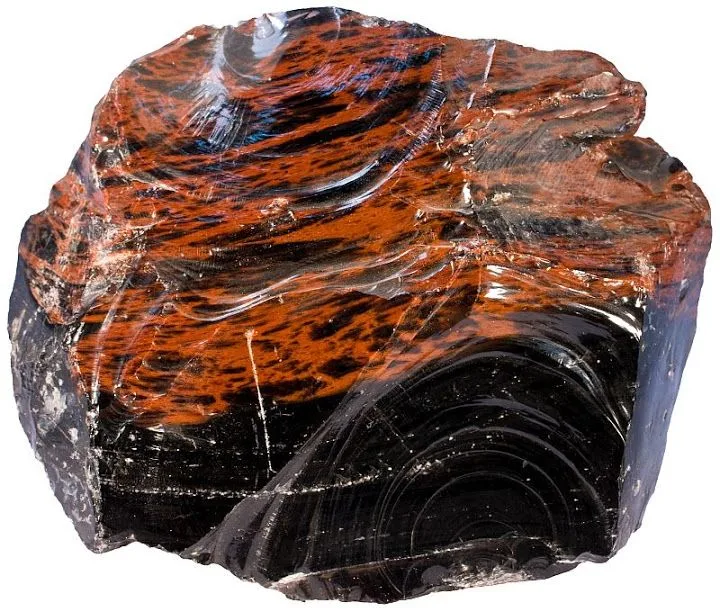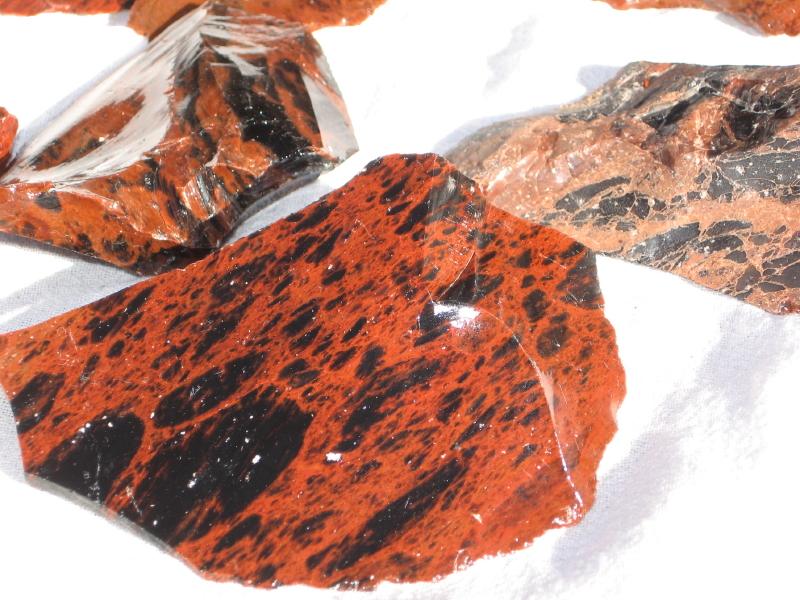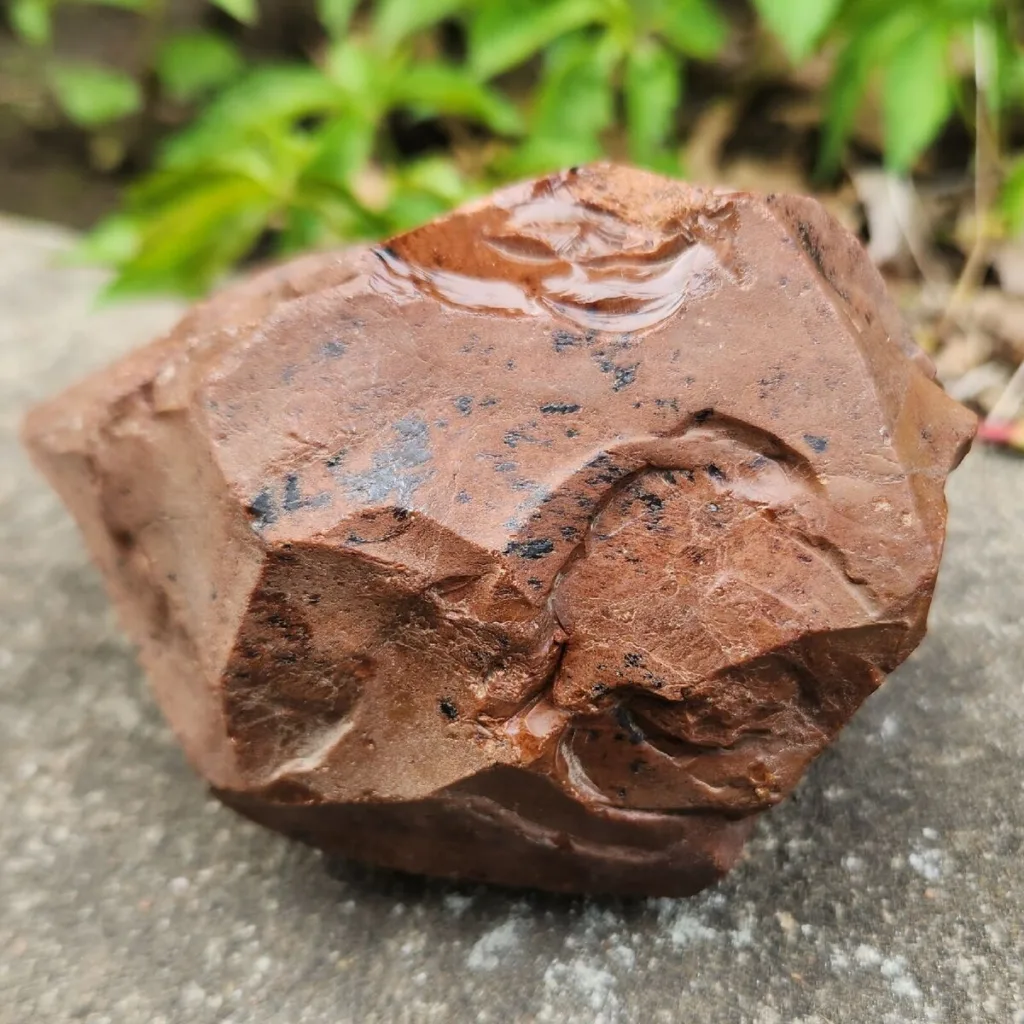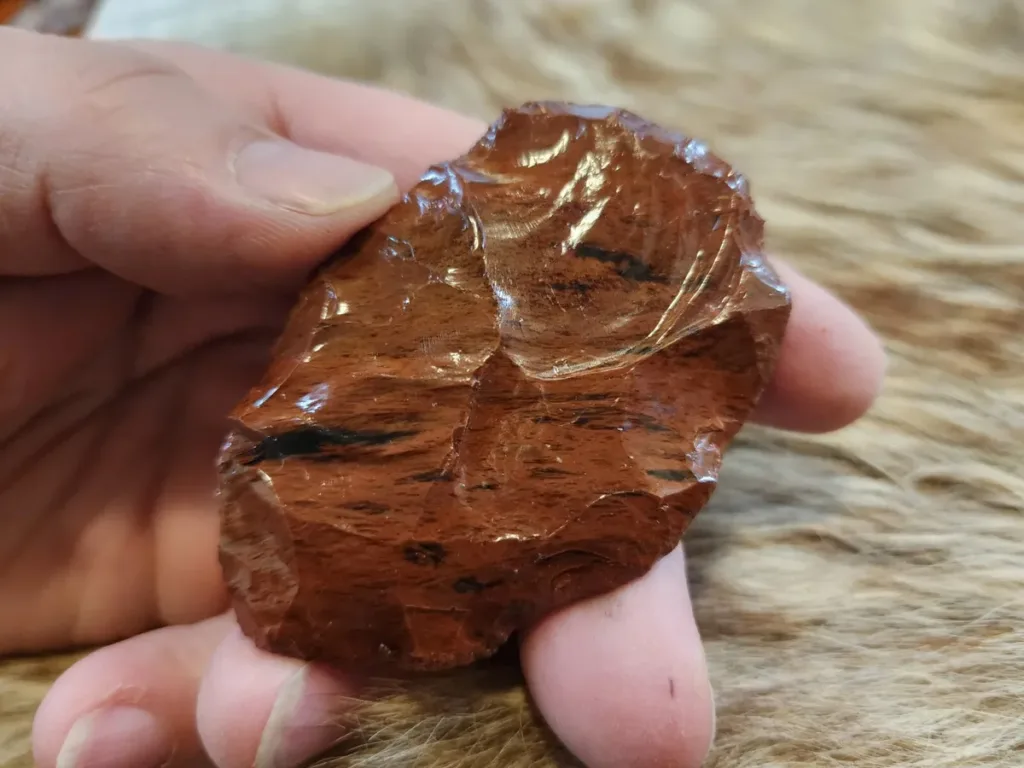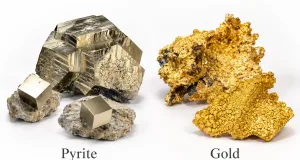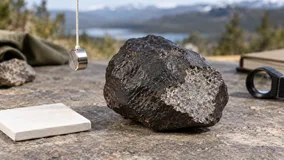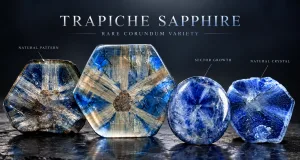
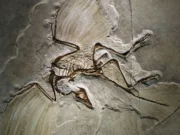










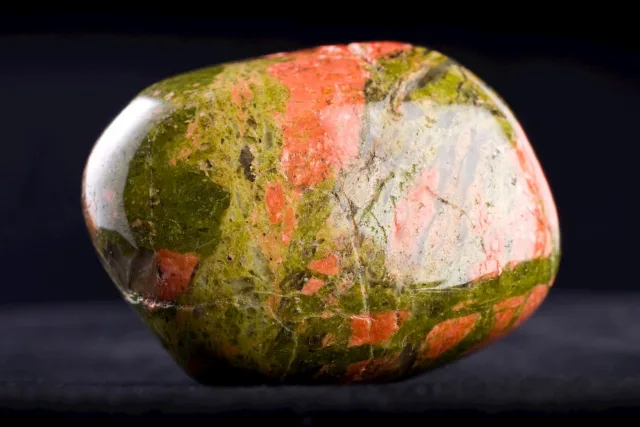
Index fossils are specific fossils that are used to define and identify particular time periods in Earth’s geologic history. These fossils are typically widespread geographically and have a short-lived existence, making them useful for dating and correlating the age of rocks and formations. Keep in mind that new discoveries and research may lead to updates in the list of index fossils. Here are some examples of index fossils associated with different geologic periods:
It’s important to note that this list is not exhaustive, and the use of index fossils can vary depending on the region and specific geological context. Additionally, ongoing scientific research may lead to the discovery of new index fossils or updates to existing classifications.
Index fossils play a crucial role in the field of geology, aiding scientists in dating and correlating rocks. These fossils are valuable indicators of specific time periods and help geologists reconstruct Earth’s history. By studying the distribution of index fossils in different rock layers, scientists can establish relative ages and understand the sequence of events that have shaped the Earth over millions of years.
Definition of Index Fossils:
Index fossils are the remains of once-living organisms that are particularly useful for dating and correlating the age of rocks. These fossils are distinctive, widespread, and existed for a relatively short period in geologic time. The key characteristic of index fossils is that they are associated with a specific time interval, making them reliable markers for dating rocks.
Importance in Geology:
Stratigraphic Correlation: Index fossils help geologists correlate and match rock layers from different locations. When the same index fossil is found in distinct areas, it suggests that the rock layers containing these fossils formed during the same time period. This correlation is crucial for reconstructing the geologic history of a region.
Relative Dating: Index fossils are essential for establishing the relative ages of rock layers. By identifying the presence of specific index fossils in a particular sequence of rock strata, geologists can determine which layers are older or younger relative to one another.
Biostratigraphy: The study of the vertical distribution of fossils in rock layers, known as biostratigraphy, relies heavily on index fossils. This approach helps create a biostratigraphic column, allowing scientists to divide Earth’s history into distinct zones based on the types of fossils present.
Purpose in Dating and Correlating Rocks:
Time Calibration: Index fossils provide a means of calibrating the geologic time scale. By associating certain fossils with specific time periods, scientists can assign numerical ages to rock layers, allowing for a more precise understanding of Earth’s history.
Fossil Assemblages: The presence of specific groups of index fossils, known as fossil assemblages, aids in the identification of certain geologic time periods. Assemblages help geologists recognize the characteristics of different epochs, ages, and eras.
Environmental Reconstruction: Index fossils can also provide insights into past environmental conditions. By studying the types of organisms preserved as index fossils, scientists can infer information about ancient ecosystems, climate, and habitats.
In summary, index fossils are invaluable tools for geologists, facilitating the dating and correlation of rocks and contributing to our understanding of Earth’s geologic history. Their distinctive characteristics and temporal significance make them essential for unraveling the mysteries of our planet’s past.
Criteria for Index Fossils
The criteria for index fossils include characteristics that make them particularly useful for dating and correlating rocks. Here are the key criteria:
Widespread Distribution:
Definition: Index fossils should have a broad geographic distribution. They should be found in different locations around the world.
Importance: A widespread distribution ensures that the fossil is not limited to a specific locality, making it a reliable marker for correlating rock layers on a regional or even global scale.
Short Geologic Range:
Definition: Index fossils should have existed for a relatively brief period in Earth’s history.
Importance: Fossils with a short geologic range are helpful for pinpointing specific time intervals. Their presence in a rock layer can be indicative of a particular age, allowing for accurate dating of the associated rocks.
Abundance:
Definition: Index fossils should be relatively abundant in the rock layers where they are found.
Importance: Abundance increases the likelihood of finding the fossil in various locations and ensures that there are enough specimens to provide a robust basis for correlation. Rare fossils are less reliable as indicators because their scarcity makes it harder to establish correlations.
Distinctive Morphology:
Definition: Index fossils should possess unique and easily recognizable physical characteristics.
Importance: The distinctive morphology of these fossils makes them readily identifiable, reducing the likelihood of confusion with other species. This characteristic is essential for accurate correlation and dating of rocks.
These criteria collectively make index fossils powerful tools for stratigraphic correlation and relative dating. The combination of widespread distribution, a short geologic range, abundance, and distinctive morphology enhances the reliability of these fossils as markers for specific time periods in Earth’s history.
Examples of Index Fossils
Several organisms have been identified as index fossils due to their widespread distribution, short geologic range, abundance, and distinctive morphology. Here are a few examples:
Characteristics: Microscopic marine protists with calcareous or siliceous shells.
Geologic Range: Foraminifera have been present since the Cambrian Period and are still extant today. Different species are associated with specific time intervals.
Belemnites:
Characteristics: Belemnites were squid-like cephalopods with a straight, bullet-shaped shell.
Geologic Range: Abundant in the Jurassic and Cretaceous Periods.
Graptolites:
Characteristics: Colonial marine animals with a distinctive fossilized branching structure.
Geologic Range: Graptolites were abundant from the Ordovician to the Devonian Periods.
Dinosaurs:
Characteristics: Dinosaurs were diverse reptiles with various body shapes and sizes.
Geologic Range: Dinosaurs were predominant during the Mesozoic Era, from the Triassic to the Cretaceous Periods.
Mammoths and Mastodons:
Characteristics: Large, tusked mammals related to modern elephants.
Geologic Range: Mammoths and mastodons were present during the Pleistocene Epoch.
These examples demonstrate the diversity of organisms that have served as index fossils, covering different time periods and environments. The specific choice of index fossils can vary depending on the region and the geological context being studied.
Role in Relative Dating
Index fossils play a crucial role in relative dating, which is a method used by geologists to determine the chronological order of events in Earth’s history without assigning specific numerical ages to the rocks. Here’s how index fossils contribute to relative dating:
Stratigraphic Correlation:
Index fossils are used to correlate rock layers (strata) across different geographic locations. When the same index fossil is found in two or more areas, it indicates that the rock layers containing those fossils were likely deposited during the same time period. This correlation helps geologists create a consistent and interconnected stratigraphic record.
Biostratigraphy:
Biostratigraphy is a branch of stratigraphy that uses the distribution of fossils to establish the relative ages of rock layers. Index fossils are essential in biostratigraphy because they allow geologists to divide the rock record into biozones or biostratigraphic units. These units are characterized by the presence of specific index fossils and help organize the geological timeline.
Relative Age Determination:
By examining the vertical sequence of rock layers, geologists can infer relative ages based on the presence or absence of index fossils. For example, if a layer contains an index fossil known to have a short geologic range, it can be inferred that the rock layer is relatively young. Conversely, if a layer lacks certain index fossils but contains others, it suggests a different relative age.
Fossil Assemblages:
The study of fossil assemblages, which involves analyzing the combination of fossils present in a particular rock layer, helps geologists determine the relative age of that layer. Index fossils, with their distinctive characteristics, aid in identifying specific time periods and constructing a relative chronological sequence.
Zonal Markers:
Index fossils are often used as zonal markers, helping geologists define specific zones or intervals within the rock record. Each zone is characterized by the presence of a particular index fossil or assemblage, allowing for a detailed and nuanced understanding of the relative ages of different parts of the geological column.
In summary, index fossils are invaluable tools in relative dating because they provide recognizable markers tied to specific time intervals. By studying the distribution and characteristics of these fossils, geologists can establish the relative order of rock layers and construct a framework for understanding the sequence of events in Earth’s history.
Methods of Index Fossil Dating
Index fossil dating, a form of relative dating, involves the use of distinctive fossils to establish the relative ages of rock layers and the events they represent. Here are some common methods used in index fossil dating:
Biostratigraphy:
Definition: Biostratigraphy is the primary method of index fossil dating. It involves the study of the vertical distribution of fossils in rock layers.
Procedure: Geologists identify specific index fossils or assemblages within rock layers. These fossils are known to have short geologic ranges, meaning they existed for a specific and relatively brief period. By analyzing the presence, absence, and sequence of these fossils, geologists can establish the relative ages of the rocks.
Zonal Fossil Assemblages:
Definition: Zonal fossil assemblages are groups of fossils associated with specific time intervals. Different zones are defined by the presence of particular index fossils or assemblages.
Procedure: Geologists divide the rock record into zones based on the types of fossils present. Each zone corresponds to a particular time period. The presence of a specific index fossil within a zone helps date the rocks associated with that fossil.
Fossil Range Charts:
Definition: Fossil range charts provide a visual representation of the temporal distribution of various fossils.
Procedure: Geologists create charts that show the known ranges of different fossils over time. Index fossils are highlighted, indicating the time periods during which they were present. By comparing the fossil assemblage in a rock layer to the range chart, geologists can estimate the relative age of the rocks.
Faunal Succession:
Definition: Faunal succession is the concept that fossil assemblages change over time in a predictable manner.
Procedure: Geologists observe the progression of fossil assemblages in rock layers. Certain index fossils are associated with specific stages of evolution or environmental conditions. The relative position of these fossils in the rock sequence helps establish the chronological order of events.
Correlation of Rock Sequences:
Definition: Correlating rock sequences involves matching and aligning similar rock layers from different locations.
Procedure: Geologists identify common index fossils in rock layers from different regions. The presence of the same index fossil in corresponding layers suggests contemporaneous deposition. This correlation helps create a broader understanding of the relative ages of rocks on a regional or global scale.
Principle of Faunal Succession:
Definition: The Principle of Faunal Succession states that fossils succeed each other in a definite and recognizable order over geological time.
Procedure: By applying this principle, geologists can use the distinctive characteristics of index fossils to determine the relative ages of rock layers. The presence of specific fossils in a sequence follows a predictable pattern.
These methods collectively contribute to the accurate dating and correlation of rock layers, allowing geologists to construct a detailed relative chronological framework for Earth’s history.
Applications in Stratigraphy
Stratigraphy, the study of rock layers (strata) and their arrangement, relies heavily on the use of index fossils for dating and interpreting Earth’s history. Index fossils have several applications in stratigraphy, contributing to our understanding of the temporal and spatial relationships within the Earth’s crust. Here are some key applications:
Relative Age Dating:
Index fossils are fundamental for establishing the relative ages of rock layers. By identifying the presence of specific index fossils in different strata, geologists can determine which layers are older or younger relative to one another. This aids in constructing a chronological sequence of events over geological time.
Stratigraphic Correlation:
Index fossils play a crucial role in correlating rock layers across different geographic locations. When the same index fossil is found in separate areas, it suggests contemporaneous deposition. This allows geologists to correlate and link rock formations, creating a comprehensive understanding of regional and global stratigraphy.
Biostratigraphy:
Biostratigraphy involves the use of fossils to subdivide and correlate rock sequences. Index fossils are essential in this process. By identifying and studying the distribution of specific fossils, geologists can establish biozones and create detailed stratigraphic charts that help organize the geological timeline.
Zonal Markers:
Index fossils often serve as zonal markers, defining specific zones or intervals within the rock record. Each zone corresponds to a particular time period characterized by the presence of a distinct index fossil or fossil assemblage. Zonal markers contribute to the precise subdivision of stratigraphic sequences.
Sequence Stratigraphy:
Sequence stratigraphy involves the study of depositional sequences and their bounding surfaces within sedimentary rocks. Index fossils are used to identify key surfaces and transitions between different depositional environments. This helps geologists understand the changing conditions and events that influenced sedimentation over time.
Facies Analysis:
Index fossils aid in facies analysis, the study of lateral changes in sedimentary rock characteristics. By correlating the occurrence of specific fossils with variations in lithology, geologists can discern changes in environmental conditions, such as shifts in sea level or depositional environments, within a stratigraphic sequence.
Event Stratigraphy:
Event stratigraphy involves identifying and correlating specific geologic events recorded in the rock layers. Index fossils can be used to mark significant events, such as mass extinctions or evolutionary radiations. These events serve as important stratigraphic markers and help refine the stratigraphic framework.
Paleoenvironmental Reconstruction:
Index fossils provide valuable information for reconstructing past environments. The types of organisms found in a particular stratum can indicate the environmental conditions prevalent during that time, contributing to the broader understanding of Earth’s paleoenvironments.
In summary, the applications of index fossils in stratigraphy are diverse and multifaceted, ranging from establishing relative ages to correlating rock sequences and understanding past environmental conditions. These applications collectively contribute to the development of a comprehensive and detailed stratigraphic framework.
In conclusion, index fossils play a crucial role in the field of geology, particularly in stratigraphy and relative dating. Key points regarding index fossils include their widespread distribution, short geologic range, abundance, and distinctive morphology. These characteristics make them reliable markers for correlating rock layers, establishing relative ages, and reconstructing Earth’s history.
Summary of Key Points:
Definition: Index fossils are distinctive remains of organisms that are useful for dating and correlating rocks due to their specific characteristics and temporal significance.
Criteria: Index fossils should have a widespread distribution, a short geologic range, abundance, and a distinctive morphology.
Role in Relative Dating: Index fossils are essential for stratigraphic correlation, biostratigraphy, and establishing the relative ages of rock layers without assigning specific numerical ages.
Applications in Stratigraphy: Index fossils contribute to relative age dating, stratigraphic correlation, biostratigraphy, zonal markers, sequence stratigraphy, facies analysis, event stratigraphy, and paleoenvironmental reconstruction.
Significance in Earth Sciences:
Index fossils provide a unique window into Earth’s past, allowing scientists to decipher the chronology of events, changes in ecosystems, and shifts in environmental conditions. They are fundamental tools for understanding the history of life on our planet, the evolution of species, and the geological processes that have shaped the Earth’s surface.
Future Research Directions:
Refinement of Chronostratigraphy: Continued research aims to refine chronostratigraphy by improving the accuracy of dating methods and expanding the database of index fossils. Advances in technology, such as more precise dating techniques, can contribute to a more detailed understanding of Earth’s timeline.
Integration of Multi-disciplinary Approaches: Future research may involve integrating multiple scientific disciplines, such as paleontology, geochronology, and geochemistry, to enhance the reliability and precision of stratigraphic correlations.
Exploration of Extinct Ecosystems: The study of index fossils can provide insights into past ecosystems and biodiversity. Future research may focus on reconstructing and understanding extinct ecosystems using a combination of fossil data and environmental proxies.
Global Correlations: As technology and data-sharing capabilities advance, researchers can work towards establishing more robust global correlations of rock sequences. This could lead to a more comprehensive understanding of Earth’s geological and biological history on a global scale.
Application in Extraterrestrial Stratigraphy: With ongoing exploration of other planets and celestial bodies, the principles of stratigraphy and the concept of index fossils could be applied to understand the geological histories of these extraterrestrial environments.
In essence, the study of index fossils will continue to be a dynamic and evolving field, contributing to our expanding knowledge of Earth’s history and potentially shedding light on the geological histories of other celestial bodies in the future.
The Blue Hole in Gozo is a captivating natural wonder that holds both beauty and ecological significance. Located off the coast of Dwejra Bay on the island of Gozo, which is part of the Maltese archipelago in the Mediterranean Sea, the Blue Hole is renowned for its breathtaking underwater scenery and unique geological formations.
The Blue Hole, Gozo
Location:
Situated near the iconic Azure Window, a natural limestone arch that sadly collapsed in 2017, the Blue Hole is a popular diving and snorkeling site. It is accessible from the shore and offers divers a mesmerizing underwater experience. The hole itself is a vertical chimney-like structure, leading divers through a natural tunnel that opens up to the open sea. The surrounding cliffs and rock formations add to the picturesque setting of this natural attraction.
The Blue Hole, Gozo Map Locations
Significance:
The Blue Hole is not only a favorite among recreational divers but also holds ecological importance. Its crystal-clear waters are home to a diverse range of marine life, including various species of fish, crustaceans, and vibrant coral formations. The hole itself provides a unique habitat for several species adapted to the specific conditions of this underwater environment.
In addition to its ecological significance, the Blue Hole is part of the Dwejra Marine Conservation Area, emphasizing the commitment to preserving the natural beauty and biodiversity of the area. The site’s popularity also contributes to Gozo’s tourism industry, attracting visitors from around the world who are eager to explore its underwater wonders.
Despite the tragic loss of the Azure Window, the Blue Hole remains a testament to the geological and ecological wonders found in this part of the Mediterranean. Its continued allure speaks to the enduring appeal of nature’s marvels and the importance of responsible tourism and conservation efforts to protect such fragile ecosystems.
Geological Formation of The Blue Hole, Gozo
The Blue Hole, Gozo
The Blue Hole in Gozo is a geological marvel formed through a combination of natural processes over an extended period. Its unique structure can be attributed to the dissolution of limestone, a process known as karstification, which is common in areas with soluble bedrock.
Karstification: The bedrock of the Maltese islands, including Gozo, is primarily composed of limestone. Limestone is susceptible to dissolution by slightly acidic rainwater, a process that forms cavities and conduits in the rock over time. As rainwater percolates through the limestone, it dissolves minerals, enlarging fractures and creating underground channels.
Collapse Feature: The Blue Hole is essentially a collapsed cave or sinkhole that formed when the roof of an underground cavern weakened and eventually collapsed. The collapsed portion, now open to the surface, created the circular opening known as the Blue Hole. This process of collapse is a characteristic feature of karst landscapes.
Tunnel Formation: The Blue Hole is connected to the inland sea through a natural tunnel or chimney. This tunnel was also formed through the dissolution of limestone, creating a passage that divers can traverse to access the open sea. The tunnel adds an extra layer of intrigue to the geological features of the Blue Hole.
Geological Features Surrounding the Area:
Cliffs and Coastal Formations: The Blue Hole is surrounded by rugged coastal cliffs, which were once part of the larger limestone formation. These cliffs contribute to the dramatic landscape and provide a stunning backdrop to the Blue Hole. The constant erosive forces of the sea have shaped these cliffs over time.
Inland Sea: The Blue Hole is connected to the Inland Sea, a shallow, saltwater lagoon enclosed by cliffs. The Inland Sea itself is a collapsed cave system, similar to the Blue Hole but on a larger scale. It is a unique coastal lagoon with calm waters, making it a popular spot for boat trips and swimming.
Remnants of the Azure Window: Although the Azure Window, a natural limestone arch, collapsed in 2017, the remnants of its pillars and rocks are still present in the vicinity. These remnants add historical and geological interest to the area, serving as a reminder of the dynamic and ever-changing nature of the landscape.
The geological features surrounding the Blue Hole collectively create a captivating and dynamic environment. The interplay of limestone dissolution, collapse features, and coastal formations contributes to the unique and picturesque nature of this underwater wonder in Gozo.
Underwater Landscape
The Blue Hole, Gozo
The underwater landscape of the Blue Hole in Gozo is a captivating realm, drawing divers and snorkelers from around the world. The crystal-clear waters, coupled with unique geological features, contribute to an awe-inspiring underwater environment.
Blue Hole Arch and Chimney: The Blue Hole is characterized by a distinctive arch and chimney formation. The underwater arch, a natural bridge-like structure, is a stunning feature that divers can swim through. This creates a sense of underwater exploration and adds an element of adventure to the experience. The chimney, or vertical tunnel, provides a passage from the inland sea to the open sea and is a focal point for divers navigating the site.
Corals and Marine Life: The Blue Hole is surrounded by vibrant and diverse marine life. The clear waters allow for excellent visibility, offering a glimpse into a thriving ecosystem. Coral formations adorn the underwater landscape, with colorful soft and hard corals providing a habitat for various marine species. Fish, including damselfish, groupers, and wrasses, can be spotted swimming among the corals.
Sea Grass Beds and Seafloor: The seabed around the Blue Hole often features patches of seagrass, providing a crucial habitat for juvenile fish and other marine organisms. The presence of seagrass beds adds to the overall biodiversity of the area and contributes to the ecological balance of the underwater ecosystem.
Caves and Overhangs: Beyond the arch and chimney, the Blue Hole’s underwater landscape includes caves and overhangs formed by the dissolution of limestone. These geological formations create intricate underwater spaces for exploration. Divers can navigate through these caves, discovering hidden nooks and crannies that harbor marine life and contribute to the area’s mystique.
Biodiversity: The Blue Hole supports a rich diversity of marine species, ranging from smaller invertebrates to larger fish. Sea urchins, nudibranchs, and crustaceans can be found in and around the rocky formations, while schools of fish add movement and vitality to the underwater scene.
Conservation Considerations:
Due to its popularity, the Blue Hole is subject to environmental pressures. Responsible diving practices and conservation efforts are crucial to preserving the delicate balance of the underwater ecosystem. Divers are encouraged to follow guidelines to minimize their impact on the marine environment and contribute to the long-term sustainability of this natural wonder.
In summary, the underwater landscape of the Blue Hole in Gozo is a testament to the beauty and complexity of the Mediterranean marine environment. From the striking arch and chimney formations to the diverse marine life and coral gardens, the Blue Hole offers a truly immersive and unforgettable underwater experience.
Tourism and Accessibility of The Blue Hole, Gozo
The Blue Hole, Gozo
The Blue Hole in Gozo has become a major attraction for tourists, particularly those interested in diving and snorkeling. The site’s accessibility, both from land and sea, contributes to its popularity among visitors seeking to explore the underwater wonders of the Mediterranean.
Access Points: The Blue Hole is easily accessible from the shore, with a designated entry point for divers and snorkelers. A set of stairs leading down to the water provides a convenient access point, allowing visitors to explore the site without the need for a boat. This accessibility enhances the appeal of the Blue Hole for both experienced divers and those looking for a more casual snorkeling experience.
Diving Centers and Services: Surrounding areas, particularly in Dwejra Bay, are equipped with diving centers and services. These facilities cater to divers of all skill levels, offering equipment rental, guided dives, and training for beginners. Divers can explore not only the Blue Hole but also nearby dive sites, contributing to the overall diving tourism in the region.
Boat Trips: Boat trips are another popular way to experience the Blue Hole. Visitors can take boat tours from various points along the Gozo coast, allowing them to reach the Blue Hole and other nearby attractions. Boat trips often include stops at other scenic spots, providing a comprehensive exploration of the coastal beauty of Gozo.
Tourist Infrastructure: The tourism infrastructure in the surrounding areas caters to the needs of visitors. Facilities such as parking, restrooms, and information centers are available to enhance the overall tourist experience. The proximity of the Blue Hole to other attractions, such as the Inland Sea and the remnants of the Azure Window, adds to the appeal for tourists looking to explore the broader natural beauty of the region.
Conservation and Responsible Tourism: With the increase in tourism, there is a growing emphasis on responsible tourism and conservation efforts. Local authorities and environmental organizations work to educate visitors about the importance of preserving the fragile marine ecosystem. Guidelines for responsible diving and snorkeling are often provided to minimize the impact on the underwater environment.
Accessibility for All: The Blue Hole caters to a diverse range of visitors, including those with varying levels of physical abilities. The accessibility from the shore ensures that people of different ages and physical conditions can enjoy the beauty of the site, whether they are diving, snorkeling, or simply admiring the view from the water’s edge.
The combination of accessibility, tourist infrastructure, and the unique underwater landscape makes the Blue Hole a sought-after destination for both local and international visitors. However, it is crucial for the continued preservation of this natural wonder that tourism is managed responsibly, with a focus on conservation and environmental protection.
Petoskey Stone is a type of fossilized coral that holds significance and popularity, particularly in the state of Michigan, USA.
Origin: Petoskey Stone is a fossilized coral, specifically a type of colonial coral known as Hexagonaria percarinata. The stone gets its name from the city of Petoskey in Michigan, where it is commonly found.
Appearance: Petoskey Stones are characterized by a unique pattern of hexagonal shapes on their surface. These hexagon-shaped fossilized coral polyps create a distinctive “honeycomb” or “starburst” pattern.
Composition: The stone is composed of the fossilized remains of ancient coral creatures, and it is primarily made of calcium carbonate. Over time, the coral skeletons were replaced by minerals, resulting in the preservation of the hexagonal pattern.
Petoskey Stone
Geological History: Petoskey Stones are estimated to be around 350 million years old, dating back to the Devonian period. They offer a glimpse into the ancient geological history of the Great Lakes region.
Cultural Symbolism: In Michigan, Petoskey Stones hold cultural significance and are often used in jewelry, crafts, and as decorative items. They are considered the state stone of Michigan.
Collectibility: Collecting Petoskey Stones is a popular hobby among locals and tourists alike. Many people enjoy combing the shores of Lake Michigan, especially in the Petoskey area, in search of these unique and fossilized treasures.
Craftsmanship: Due to its distinctive pattern and hardness, Petoskey Stone is often polished and used in various artistic and decorative applications. It is commonly crafted into jewelry, keychains, and other keepsakes.
Popularity:
1. Tourism: The popularity of Petoskey Stones contributes to tourism in the Great Lakes region, particularly in Michigan. Tourists are drawn to the shores of Lake Michigan for the opportunity to find and collect these distinctive fossils.
2. Souvenirs and Merchandise: Petoskey Stones have become a symbol of Michigan, and various souvenirs and merchandise featuring these stones are widely available. This includes everything from jewelry and home decor to shirts and accessories.
3. Art and Crafts: Artists and craftsmen use Petoskey Stones as raw materials for creating unique and visually appealing pieces. The stone’s natural beauty and historical significance make it a popular choice in various creative projects.
In summary, Petoskey Stone is more than just a fossilized coral; it’s a symbol of Michigan’s geological history and a cherished item for collectors, artisans, and those who appreciate its unique beauty.
Geological Background of Petoskey Stone
Petoskey Stone
1. Location:
Petoskey Stones are primarily found in the northern regions of Michigan, particularly along the shores of Lake Michigan, Lake Huron, and their tributary rivers. The city of Petoskey, Michigan, lends its name to these distinctive fossilized corals.
2. Geological Setting:
The geological setting of the Petoskey Stone formation dates back to the Devonian period, approximately 350 million years ago. During this time, the region that is now Michigan was covered by a warm, shallow sea.
Formation Process:
Petoskey Stone
1. Colonial Coral Formation:
Petoskey Stones are the remains of colonial coral known as Hexagonaria percarinata. These corals lived in large colonies, and over time, their skeletons accumulated on the sea floor.
2. Fossilization:
As the coral colonies died, their skeletons were buried by sediment, preventing immediate decomposition. Over millions of years, the coral skeletons underwent a process of fossilization.
3. Replacement of Minerals:
The fossilization process involved the gradual replacement of the original calcium carbonate skeleton with minerals such as silica. This process helped preserve the intricate hexagonal pattern of the coral polyps.
4. Uplift and Exposure:
Geological forces, including tectonic activity and uplift, exposed the fossilized coral beds to the surface. Erosion gradually wore away the overlying rocks, bringing the Petoskey Stones closer to the surface.
5. Glacial Action:
During the Pleistocene epoch, glacial activity further shaped the landscape of the Great Lakes region. Glacial movements scoured the surface and deposited sediments, bringing Petoskey Stones to areas where they can be easily found today.
Geological History of Petoskey Stone
Petoskey Stone
1. Devonian Period:
The Devonian period, spanning from approximately 419 to 359 million years ago, was marked by the development of complex marine ecosystems. It was during this time that the colonial coral Hexagonaria percarinata thrived in the warm, shallow seas.
2. Glacial Influence:
The geological history of Petoskey Stones involves not only their initial formation but also the impact of glacial activity during the Quaternary period. Glacial movements played a crucial role in shaping the landscape and bringing these fossils closer to the surface.
3. Post-Glacial Landscape:
The post-glacial landscape of the Great Lakes region, shaped by the retreat of glaciers, further exposed the fossilized coral beds. This allowed for the discovery and collection of Petoskey Stones by enthusiasts and researchers alike.
In summary, the geological background of Petoskey Stones is closely tied to the Devonian period when colonial coral colonies thrived in the warm seas of what is now Michigan. The subsequent processes of fossilization, uplift, and glacial activity contributed to the formation and exposure of these unique fossilized corals in the present-day landscape.
Identification and Characteristics of Petoskey Stones
Petoskey Stone
**1. Color and Pattern:
Petoskey Stones are typically light gray or beige in color. The most distinctive feature is the hexagonal pattern on the surface, resembling a honeycomb or starburst. The pattern is a result of the fossilized coral polyps and their interconnected hexagonal shapes.
2. Texture:
The surface of Petoskey Stones is often smooth, and when polished, it can reveal a glossy finish. The stone can have a porous texture, especially in its natural state, and may absorb water, causing it to darken temporarily.
3. Hardness:
Petoskey Stones have a hardness ranging from 4 to 5 on the Mohs scale. This level of hardness makes them suitable for polishing and carving, contributing to their use in jewelry and crafts.
4. Shape:
The overall shape of Petoskey Stones can vary, but they are generally rounded or oval. Their shape is influenced by natural weathering and erosion. Some may be relatively flat, while others can be more three-dimensional.
5. Size:
Petoskey Stones come in various sizes, ranging from small, pebble-sized specimens to larger stones that can fit in the palm of your hand. The size is influenced by factors such as the original size of the coral colony and subsequent geological processes.
6. Fossilized Structures:
On closer inspection, one may observe fossilized structures within the hexagonal patterns. These structures represent the individual polyps of the colonial coral. The fossils can provide insights into the ancient marine life that existed during the Devonian period.
7. Location:
Petoskey Stones are primarily found along the shores of Lake Michigan, Lake Huron, and their tributary rivers in northern Michigan. The stones are often discovered on beaches, riverbanks, or in gravel pits where glacial activity and erosion have exposed them.
8. UV Fluorescence:
Some Petoskey Stones exhibit fluorescence under ultraviolet (UV) light. This characteristic is not present in all specimens, but when it occurs, it adds an interesting visual element to the stones.
9. Craftsmanship:
Due to its unique pattern and hardness, Petoskey Stone is often shaped and polished for use in various crafts. It is commonly incorporated into jewelry, carvings, and decorative items, showcasing the stone’s natural beauty.
10. Buoyancy:
Petoskey Stones are denser than water, so they will sink when placed in water. This can be a helpful characteristic for individuals who enjoy searching for them along shorelines, as they tend to be found in areas where they have settled after being carried by water currents.
In summary, the identification of Petoskey Stones involves recognizing their distinct color, hexagonal pattern, texture, and fossilized structures. These characteristics, along with their geological context and location, contribute to their popularity among collectors and enthusiasts.
Distribution
Petoskey Stone Texture
The distribution of Petoskey Stones is primarily centered around the northern regions of Michigan, USA, and certain areas within the Great Lakes region. Here are key points regarding their distribution:
Michigan:
Petoskey Stones are most commonly found in Michigan, particularly along the shores of Lake Michigan and Lake Huron. The city of Petoskey, after which the stone is named, is located in the northern part of the Lower Peninsula of Michigan. The stones can be found on beaches, riverbanks, and in gravel pits in this region.
Lake Michigan and Lake Huron:
The shores of Lake Michigan and Lake Huron, two of the Great Lakes, are known for being rich sources of Petoskey Stones. The stones are often discovered along the water’s edge, where they have been exposed by the action of waves, currents, and glacial processes.
Tributary Rivers:
Petoskey Stones can also be found in the vicinity of rivers that flow into the Great Lakes. The stones may be carried by water currents from their original locations and deposited along the banks of these rivers.
Glacial Deposits:
The geological history of the region, including glacial activity during the Pleistocene epoch, has influenced the distribution of Petoskey Stones. Glacial movements played a role in transporting and depositing these stones in various locations within the Great Lakes basin.
Other Localities:
While Michigan is the primary source of Petoskey Stones, there have been occasional reports of similar fossils in other regions with comparable geological conditions. However, the stones’ concentration and abundance are highest in the northern parts of Michigan.
Collection Hotspots:
Specific areas along the shores of Lake Michigan, Lake Huron, and popular beaches in the Petoskey region are known as hotspots for collecting Petoskey Stones. Enthusiasts often visit these locations in search of these unique fossilized corals.
It’s important to note that while Petoskey Stones have a concentrated distribution in Michigan, their presence is not limited exclusively to the state. The stones have been carried by glacial and water processes, leading to their occasional discovery in other parts of the Great Lakes region. However, the most prolific and well-known sources are associated with the state of Michigan.
Cultural and Historical Significance
Petoskey Stone
Petoskey Stones hold cultural and historical significance, particularly in the state of Michigan, where they are cherished as both a geological marvel and a symbol of the region’s natural heritage. Here are key points highlighting their cultural and historical importance:
**1. State Stone of Michigan:
Petoskey Stone is officially recognized as the state stone of Michigan. This designation emphasizes its cultural importance and contribution to the identity of the state.
**2. Symbol of Michigan:
Petoskey Stones have become a symbol of Michigan, representing the state’s geological history and unique natural treasures. They are often featured in state-related merchandise, logos, and promotional materials.
**3. Tourism and Souvenirs:
The cultural significance of Petoskey Stones contributes to tourism in the Great Lakes region. Tourists are drawn to Michigan’s shores, particularly around Lake Michigan, to search for and collect these distinctive fossils. The stones are also popular choices for souvenirs and memorabilia.
**4. Native American Influence:
The Native American tribes indigenous to the region, such as the Odawa, Ojibwa, and Potawatomi, have long held cultural connections to the land. While specific historical uses of Petoskey Stones by these tribes may not be well-documented, the stones are a part of the broader natural landscape that has cultural significance for indigenous communities.
Historical Significance:
Petoskey Stones
**1. Devonian Period Fossils:
Petoskey Stones offer a unique window into the geological history of the Great Lakes region. The fossils date back to the Devonian period, around 350 million years ago, providing a tangible link to the ancient marine life that once inhabited the area.
**2. Glacial Legacy:
The distribution of Petoskey Stones is influenced by glacial activity during the Pleistocene epoch. The stones’ presence in specific locations and their exposure due to glacial deposits contribute to the historical narrative of the region’s geological evolution.
**3. Native American Traditions:
While the specific historical use of Petoskey Stones by Native American tribes might not be extensively documented, the stones are part of the broader natural landscape that has historical and cultural significance for these communities.
**4. Cultural Crafts and Art:
The historical significance of Petoskey Stones is also evident in their use in various crafts and art forms. The stones are carved, polished, and incorporated into jewelry, sculptures, and decorative items, showcasing the historical and aesthetic value attributed to them.
In summary, Petoskey Stones are culturally significant as a symbol of Michigan and a popular attraction for tourists. Their historical importance lies in their connection to the Devonian period and the Pleistocene epoch, as well as their use in Native American traditions and contemporary art and crafts.
Application and Uses Areas of Petoskey Stone
Petoskey Stone in Jewelry
Petoskey Stones find applications and uses in various areas, ranging from artistic and decorative endeavors to geological education. Here are some key application areas:
Jewelry and Accessories:
Petoskey Stones are often used in the creation of unique and distinctive jewelry pieces. Craftsmen cut, shape, and polish the stones to highlight their natural beauty, creating earrings, necklaces, bracelets, and other accessories.
Craftsmanship:
Artisans and craftsmen utilize Petoskey Stones for a wide range of artistic and decorative purposes. The stones can be carved into intricate designs, used in mosaics, or integrated into sculptures and decorative items.
Home Decor:
Petoskey Stones are incorporated into home decor items such as coasters, paperweights, and display pieces. Their distinctive hexagonal patterns and natural beauty make them appealing additions to interior design.
Educational Displays:
In educational settings, Petoskey Stones are used to illustrate concepts related to paleontology, geology, and the Devonian period. They can be part of museum displays, teaching aids, or geological exhibits, providing hands-on learning opportunities.
Souvenirs and Gifts:
Due to their cultural significance, Petoskey Stones are popular choices for souvenirs and gifts. Visitors to the Great Lakes region often purchase items crafted from Petoskey Stones as mementos of their experiences.
Lapidary Arts:
Lapidaries, individuals who cut and polish gemstones, use Petoskey Stones in lapidary arts. The stones can be shaped into cabochons, beads, or other forms for use in custom jewelry or ornamental pieces.
Metaphysical and Spiritual Practices:
Some individuals incorporate Petoskey Stones into metaphysical and spiritual practices. The stones are believed by some to possess energy and healing properties, making them sought after in certain holistic and alternative health communities.
Landscaping and Garden Design:
Petoskey Stones are sometimes used in landscaping and garden design to add a unique and natural element to outdoor spaces. They may be embedded in pathways, incorporated into rock gardens, or used as decorative accents.
Geological Collections:
Collectors often include Petoskey Stones in their geological collections. These specimens serve as tangible representations of the ancient marine life from the Devonian period and are valued by enthusiasts interested in paleontology and earth sciences.
Artistic Creations:
Artists use Petoskey Stones as mediums for creative expressions. The unique patterns and textures of the stones inspire various artistic creations, including paintings, sculptures, and mixed-media artwork.
In summary, Petoskey Stones have versatile applications in the realms of art, jewelry, home decor, education, and more. Their unique characteristics make them prized materials for those who appreciate their aesthetic and cultural significance.
Dendritic Agate is a variety of chalcedony, which is a type of microcrystalline quartz. What sets dendritic agate apart is its distinctive inclusions that create branching, tree-like patterns known as dendrites. These dendrites are typically brown to black in color and often resemble the growth of ferns or other plant-like structures, giving the stone its name.
The term “dendritic” itself is derived from the Greek word “dendron,” meaning tree. These dendritic formations are mineral deposits, usually of manganese or iron oxide, that have worked their way into the fine cracks and fissures of the agate during its formation.
It is valued for its unique and visually captivating patterns, making each piece one-of-a-kind. The base color of dendritic agate can vary widely, including shades of white, gray, blue, and even more vibrant hues. The contrast between the translucent or opaque background and the dark dendritic inclusions enhances the overall beauty of the stone.
Beyond its aesthetic appeal, dendritic agate is believed by some to possess metaphysical properties. It is often associated with grounding, stability, and connection with nature. Like other forms of agate, it is also thought to have properties that promote balance and harmony.
In addition to its use in jewelry, it is sometimes utilized in lapidary work, decorative items, and as a collectible gemstone due to its unique and captivating appearance. As with any gemstone, the value of dendritic agate is influenced by factors such as color, clarity, size, and overall aesthetic appeal.
Geological Formation of Dendritic Agate
Dendritic Agate Gemstone
Dendritic Agate, like other agates, forms within the cavities of rocks. The geological process leading to the formation of dendritic agate involves a combination of mineral-rich solutions, sedimentary processes, and the gradual deposition of silica. Here is a simplified explanation of the geological formation of dendritic agate:
Cavity Formation: The process typically begins with the formation of a cavity or hollow space within a host rock. This cavity may result from a variety of geological processes, such as volcanic activity, erosion, or other forms of weathering.
Silica Solution: Silica-rich solutions, often containing dissolved minerals, percolate through the surrounding rock. Silica is the primary component of quartz, and agate is a variety of quartz. These solutions carry the necessary materials for agate formation.
Deposition of Silica: As the silica-rich solutions move through the cavity, they gradually deposit layers of silica on the cavity walls. The deposition occurs in concentric layers, creating the banded structure typical of agates. This process can take a long time, and each layer may have slightly different mineral compositions, leading to the characteristic banding patterns seen in agates.
Inclusion of Dendrites: During the formation of dendritic agate, the silica solutions also carry trace amounts of minerals like manganese or iron oxide. These minerals can crystallize in dendritic patterns within the agate, creating the distinctive branching or tree-like structures.
Coloration: The colors of dendritic agate are influenced by the presence of impurities or other minerals in the silica solutions. The base color of the agate can vary, and the contrasting dendritic inclusions often appear in shades of brown or black.
Solidification and Hardening: Over time, the silica layers solidify and harden, forming a solid mass of agate. This process may take millions of years, depending on the geological conditions and the rate of deposition.
The result is a unique and visually stunning gemstone with dendritic inclusions embedded in a chalcedony matrix. The intricate patterns and colors of dendritic agate are a testament to the geological processes that occurred over vast periods of time.
Physical Characteristics of Dendritic Agate
Dendritic Agate Gemstone
Dendritic Agate exhibits several physical characteristics that contribute to its unique appearance. Here are some key features:
Color: The base color of dendritic agate can vary widely, including shades of white, gray, blue, green, and even more vibrant colors. The coloration is influenced by the presence of impurities and trace minerals.
Dendritic Inclusions: The most distinctive feature of it is its dendritic inclusions. These are branching or tree-like patterns that often appear in brown or black. These inclusions are mineral deposits, typically manganese or iron oxide, that have formed in a branching pattern within the agate.
Transparency and Luster: Dendritic agate is generally translucent to opaque, and it often exhibits a waxy or vitreous luster. The transparency can vary, with some specimens allowing more light to pass through than others.
Hardness: Like all varieties of chalcedony, has a hardness of 6.5-7 on the Mohs scale. This makes it relatively durable and suitable for use in various types of jewelry.
Band Patterns: While dendritic inclusions are a defining characteristic, dendritic agate may also display typical banding patterns common to agate varieties. These bands can be concentric, parallel, or irregular, adding to the overall visual appeal.
Fracture: Typically exhibits a conchoidal fracture, meaning it breaks with smooth, curved surfaces resembling the inside of a clamshell. This is a characteristic fracture pattern of many minerals with a crystalline structure.
Specific Gravity: The specific gravity of dendritic agate ranges from 2.58 to 2.64, which is relatively low compared to some other gemstones.
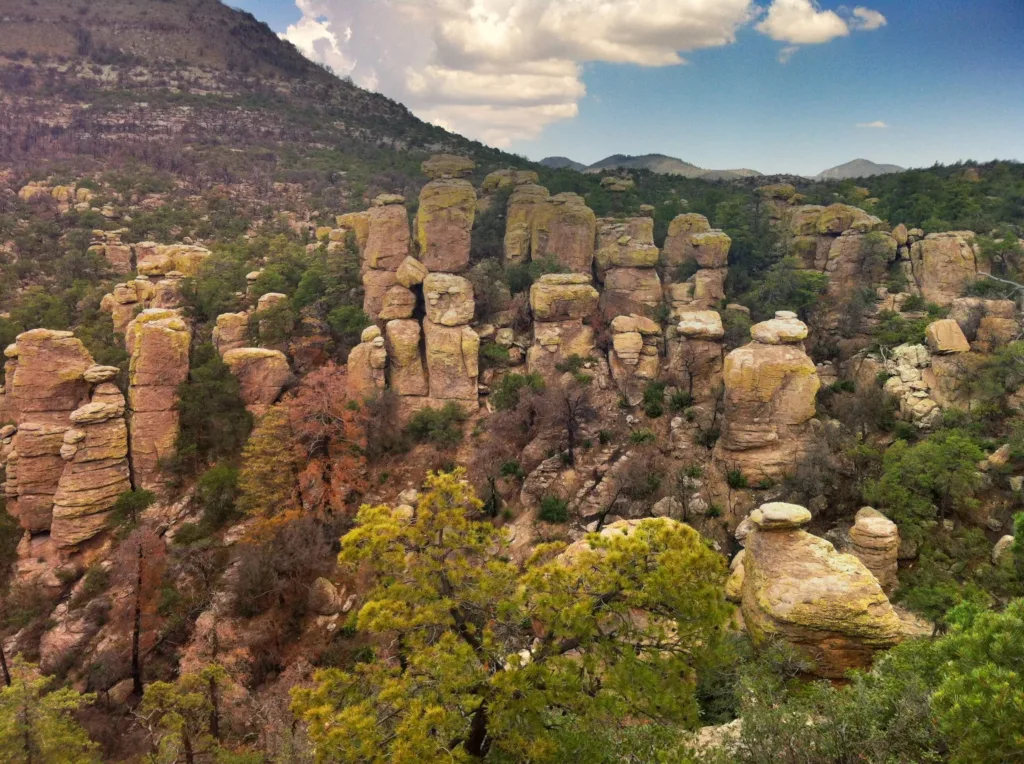
Cleavage: Dendritic agate lacks cleavage, meaning it does not break along distinct planes like minerals with cleavage.
It’s important to note that individual specimens of dendritic agate can vary widely in terms of these physical characteristics. These variations contribute to the uniqueness of each piece, making dendritic agate a sought-after gemstone for both collectors and jewelry enthusiasts.
Occurrence and Distribution of Dendritic Agate
Dendritic Agate Gemstone
Dendritic Agate is found in various locations around the world, and its occurrence is often associated with specific geological conditions. Here are some notable occurrences and distributions of dendritic agate:
Brazil: Brazil is a significant source of dendritic agate, and it is known for producing high-quality specimens with vibrant colors and intricate dendritic formations. Brazilian dendritic agate is often used in jewelry and lapidary work.
United States: It is also found in several locations in the United States, including Montana, Wyoming, and Oregon. In the Yellowstone River area of Montana, dendritic agate with moss-like inclusions is particularly famous.
Mexico: Mexico is another country where dendritic agate is found. The state of Chihuahua is known for producing dendritic agate with striking patterns and colors.
India: Dendritic agate deposits have been reported in India, contributing to the global supply of this gemstone.
Madagascar: Madagascar is a known source of various gemstones, including dendritic agate. The agate from this region can exhibit unique colors and patterns.
Germany: Germany has historically been a source of agate, including dendritic agate. The agate deposits in Germany have been known for centuries.
Other Locations: It is also found in other locations around the world, including Australia, China, Russia, and Uruguay. Each region’s dendritic agate may have distinctive characteristics, including color variations and dendritic formations.
The formation of dendritic agate is closely tied to the geological processes that create agate in general, involving the deposition of silica-rich solutions in cavities within rocks. The presence of manganese or iron oxide in these solutions contributes to the formation of the dendritic patterns within the agate.
Collectors and lapidaries often appreciate dendritic agate not only for its geological origins but also for the variety of patterns and colors it exhibits. As with many gemstones, the specific characteristics of dendritic agate can vary based on its origin.
Dendritic Inclusions
Dendritic Agate Gemstone
Dendritic inclusions are intricate, tree-like or fern-like patterns formed within gemstones, and they are particularly characteristic of dendritic agate. These inclusions are not actual plant matter but mineral deposits that have crystallized in a branching or arborescent pattern. The most common minerals responsible for dendritic inclusions in dendritic agate are manganese or iron oxides.
Cavity Formation: The process begins with the formation of a cavity or void within a host rock. This can occur through various geological processes such as volcanic activity, erosion, or other forms of weathering.
Silica-Rich Solutions: Silica-rich solutions, carrying dissolved minerals such as manganese or iron oxide, permeate the cavity. Silica is the primary component of quartz, and agate is a variety of quartz.
Deposition of Silica and Minerals: As these silica-rich solutions flow through the cavity, they deposit layers of silica on the cavity walls. Simultaneously, the dissolved minerals, in this case, manganese or iron oxides, are also deposited.
Dendritic Crystal Growth: The dendritic patterns form as the manganese or iron oxide minerals crystallize in branching, tree-like structures. These formations grow outward from a central point, creating intricate and delicate patterns resembling plant growth.
Coloration: The color of the dendritic inclusions is often brown or black, providing a stark contrast to the lighter-colored agate matrix. The specific color can depend on the type of minerals present and their oxidation states.
Solidification: Over time, the silica layers and dendritic inclusions solidify, resulting in the hard, compact structure characteristic of agate.
The term “dendritic” is derived from the Greek word “dendron,” meaning tree, reflecting the tree-like appearance of these inclusions. The unique beauty of dendritic agate, with its captivating patterns resembling natural landscapes or organic structures, has made it a popular choice in jewelry and lapidary arts. The individuality of each dendritic agate specimen, with its distinctive dendritic inclusions, adds to its value and appeal.
Uses and Applications
Dendritic Agate Gemstone
Dendritic Agate is valued for its unique appearance and has various uses and applications:
Jewelry: One of the primary uses of dendritic agate is in jewelry. It is often cut and polished into cabochons for use in rings, pendants, earrings, and other forms of jewelry. The distinctive dendritic patterns and a wide range of colors make dendritic agate an attractive and eye-catching gemstone.
Lapidary Art: Dendritic agate is popular among lapidaries and artisans who work with gemstones. It can be carved into decorative items, beads, and cameos, showcasing the intricate dendritic inclusions.
Collectibles: Dendritic agate, especially specimens with unique and striking patterns, is often collected by gemstone enthusiasts and collectors. The individuality of each piece, with its distinct dendritic formations, adds to its appeal as a collectible item.
Metaphysical and Spiritual Uses: Some individuals believe in the metaphysical properties of dendritic agate. It is associated with grounding, stability, connection with nature, and balance. People may use dendritic agate as a gemstone for meditation, energy work, or as a talisman.
Home Décor: Dendritic agate, especially larger specimens, can be used as decorative items in homes or offices. Displaying dendritic agate in its natural form or as polished pieces can add a touch of natural beauty to interior spaces.
Gifts: Dendritic agate jewelry or polished specimens can make unique and thoughtful gifts due to their individuality and visual appeal. The dendritic patterns often evoke a sense of nature and can have personal significance for the recipient.
Art and Craft Projects: Dendritic agate can be incorporated into various art and craft projects. Its unique patterns can inspire creativity, and smaller pieces or beads can be used in a variety of artistic endeavors.
Dendritic Agate Gemstone
It’s important to note that while dendritic agate has cultural and metaphysical associations, its uses are primarily aesthetic and ornamental. As with any gemstone, individual preferences, beliefs, and cultural significance can influence how people choose to use and appreciate dendritic agate.
Gold Sheen Obsidian is a type of volcanic glass that exhibits a stunning golden or metallic sheen on its surface. It is a variety of obsidian, which is a naturally occurring volcanic glass formed during the rapid cooling of lava. The distinctive golden sheen in Gold Sheen Obsidian is caused by the presence of microscopic crystals of minerals such as magnetite or hematite within the glass.
Geology and Formation of Gold Sheen Obsidian
Gold Sheen Obsidian, like other types of obsidian, is a volcanic glass that forms as a result of the rapid cooling of lava.
**1. Volcanic Origin: Originates from volcanic activity. When molten lava erupts from a volcano, it often contains a high amount of silica. As the lava flows and cools rapidly upon contact with the air or water, it solidifies into glass. Obsidian is essentially a type of natural glass.
2. Cooling Process: The key to the formation of obsidian, including Gold Sheen Obsidian, is the rapid cooling process. Unlike many other types of rocks that form through slow cooling and crystallization, obsidian lacks a crystalline structure due to its quick cooling. This results in a glassy texture.
3. Mineral Inclusions: The distinctive golden sheen in Gold Sheen Obsidian is attributed to the presence of microscopic mineral inclusions within the glass. The most common minerals responsible for the sheen are magnetite and hematite. These tiny crystals align themselves within the glass, creating the reflective and metallic appearance.
4. Composition: It is primarily composed of silicon dioxide (SiO2), the same chemical compound found in quartz. However, unlike quartz, obsidian lacks a crystalline structure because it cools too rapidly for crystals to form.
5. Colors and Variations: While Gold Sheen Obsidian is known for its golden sheen, it can also exhibit other colors such as black, brown, or green. The presence of different mineral inclusions and impurities can lead to variations in color within the obsidian.
6. Occurrence: Obsidian is found in areas with recent or ongoing volcanic activity. Deposits can be discovered near volcanic flows or in regions with a history of volcanic eruptions.
7. Use in Ancient Cultures: Throughout history, obsidian has been used by various cultures for tools, weapons, and ornaments due to its sharp edges when fractured. Gold Sheen Obsidian, with its unique appearance, may have been particularly valued for decorative and ritualistic purposes.
In summary, Gold Sheen Obsidian is a captivating variety of volcanic glass with a golden sheen, formed through the rapid cooling of lava and the inclusion of specific minerals that contribute to its unique visual appeal.
Properties and Characteristics of Gold Sheen Obsidian
Gold Sheen Obsidian possesses several properties and characteristics that make it distinct. Here are some key features:
Golden Sheen: The most defining characteristic of Gold Sheen Obsidian is its vibrant golden or metallic sheen. This is caused by the presence of microscopic mineral inclusions, often magnetite or hematite, within the glass.
Color: While the primary color is a glossy black, the golden sheen adds a layer of iridescence to the surface. The combination of black and gold gives Gold Sheen Obsidian its unique and striking appearance.
Transparency: It is generally translucent to opaque. Light can pass through the material, but it is not completely transparent.
Luster: The luster of it is vitreous, meaning it has a glassy or shiny appearance when polished.
Hardness: Like other types of obsidian, Gold Sheen Obsidian has a relatively high hardness. It falls between 5 and 5.5 on the Mohs scale, making it suitable for use in jewelry and carvings.
Fracture: Obsidian, including Gold Sheen Obsidian, has a conchoidal fracture pattern. This means that when it breaks, it forms curved, shell-like fractures with sharp edges. This property has historically made obsidian a valuable material for crafting tools and weapons.
Texture: The texture of it is smooth and glassy due to its rapid cooling process. It lacks the crystalline structure found in many other rocks.
Density: Obsidian has a density ranging from 2.35 to 2.60 g/cm³, which is similar to that of granite.
Formation: Gold Sheen Obsidian forms in volcanic environments when lava cools rapidly. The inclusion of specific minerals during the cooling process gives rise to the golden sheen.
Uses: Gold Sheen Obsidian is often used for decorative purposes, such as in the creation of jewelry, carvings, and sculptures. Its unique appearance makes it a popular choice among collectors and those who appreciate gemstones.
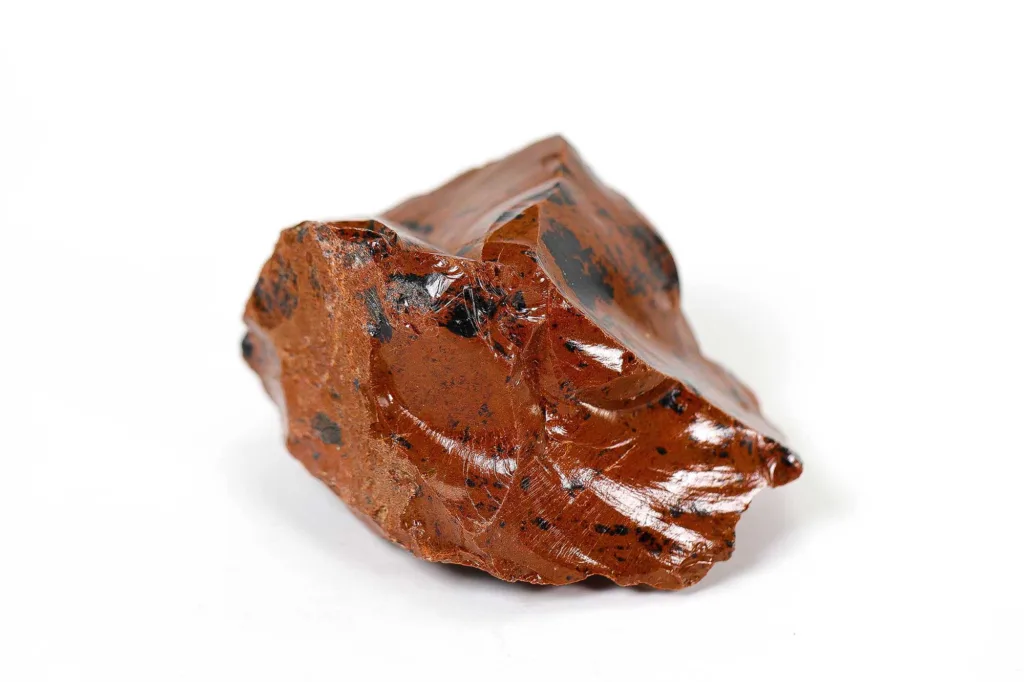
Spiritual Significance: Some people attribute metaphysical or spiritual properties to Gold Sheen Obsidian, believing it has protective and grounding qualities. It is thought to help deflect negative energy and promote balance.
In summary, Gold Sheen Obsidian stands out for its captivating golden sheen, making it a sought-after material for various ornamental and spiritual applications. Its unique combination of color, luster, and hardness contributes to its popularity in the world of gemstones and minerals.
Locations and Mining
Gold Sheen Obsidian is found in regions with volcanic activity where the conditions for the rapid cooling of lava are met. Here are some notable locations where Gold Sheen Obsidian can be mined:
Mexico: Mexico is a significant source of Gold Sheen Obsidian. There are several deposits in different regions of the country, including in the states of Jalisco, Chihuahua, and Michoacán. The region around the Parícutin volcano, which experienced a notable eruption in the 1940s, is known for producing Gold Sheen Obsidian.
United States: It can also be found in the United States. States like Oregon, California, and Arizona have deposits of obsidian, including varieties with a golden sheen. Glass Buttes in Oregon, for example, is known for producing various types of obsidian.
Other Volcanic Regions: It may also be found in other volcanic regions around the world where conditions for the formation of obsidian are present. These areas include parts of Central and South America, as well as other regions with a history of volcanic activity.
Mining Gold Sheen Obsidian involves locating and extracting the material from deposits near volcanic flows. The process typically involves the following steps:
Exploration: Geologists and prospectors survey volcanic regions to identify areas with potential obsidian deposits. Satellite imagery and geological surveys may be used to locate promising sites.
Extraction: Once a deposit is identified, mining operations involve the extraction of obsidian using traditional mining methods. This can include surface mining or digging into volcanic ash layers to reach the obsidian.
Processing: Extracted obsidian is then processed to remove impurities and shape the material into usable forms. This may involve cutting, shaping, and polishing to enhance its aesthetic qualities.
Distribution: Processed Gold Sheen Obsidian is distributed for various purposes, including the creation of jewelry, sculptures, and decorative items. It may also be sold to collectors and retailers specializing in gemstones and minerals.
It’s important to note that mining activities should be conducted responsibly to minimize environmental impact, and collectors should be aware of ethical sourcing practices when acquiring Gold Sheen Obsidian or any other gemstone.
Cultural and Historical Significance
Obsidian, including Gold Sheen Obsidian, has significant cultural and historical importance across various civilizations. Here are some aspects of its cultural and historical significance:
Toolmaking: One of the earliest uses of obsidian by humans was for toolmaking. Due to its sharp edges and conchoidal fracture pattern, obsidian was utilized by prehistoric cultures for crafting cutting tools, arrowheads, and other implements. Its use dates back thousands of years, and archaeological evidence shows that obsidian tools were widespread in regions with access to volcanic deposits.
Ceremonial and Decorative Items: Obsidian has been used for the creation of ceremonial and decorative items in many cultures. Gold Sheen Obsidian, with its unique golden sheen, may have been particularly valued for these purposes. It has been incorporated into jewelry, sculptures, and other ornamental objects.
Spiritual and Metaphysical Beliefs: In some cultures, obsidian is believed to have spiritual and metaphysical properties. It is often associated with protection, grounding, and the warding off of negative energy. Gold Sheen Obsidian, with its distinct appearance, may carry additional symbolic significance in spiritual practices.
Mesoamerican Cultures: Obsidian was highly prized by Mesoamerican cultures such as the Aztecs and the Maya. These civilizations used obsidian extensively for making tools, weapons, and ritual objects. The use of obsidian blades for ceremonial bloodletting was a notable practice in Aztec culture.
Trade and Exchange: Obsidian was an important trade item in ancient times. Due to its sharpness and utility, it was valued and traded over long distances. The movement of obsidian artifacts has been used by archaeologists to trace ancient trade routes and connections between different cultures.
Archaeological Significance: Archaeologists use obsidian artifacts to trace the movements and interactions of ancient peoples. The chemical composition of obsidian is unique to specific volcanic sources, allowing researchers to “fingerprint” artifacts and determine their origin. This helps in understanding ancient trade networks and cultural exchanges.
Artistic Expression: Gold Sheen Obsidian, like other varieties of obsidian, is appreciated for its aesthetic qualities. Artists and craftsmen have used it to create intricate carvings, sculptures, and jewelry, contributing to the artistic heritage of various cultures.
Understanding the cultural and historical significance of Gold Sheen Obsidian provides insights into the ways in which this unique material has been valued and utilized by different societies throughout history.
Uses and Applications of Gold Sheen Obsidian
Gold Sheen Obsidian, with its unique and captivating appearance, has various uses and applications, both practical and ornamental. Here are some common ways in which Gold Sheen Obsidian is utilized:
Jewelry: One of the most popular uses of Gold Sheen Obsidian is in the creation of jewelry. Its golden sheen adds a distinctive and elegant touch to rings, pendants, earrings, and other accessories. Craftsmen often cut and polish Gold Sheen Obsidian into cabochons or beads for use in jewelry design.
Carvings and Sculptures: Artists and craftsmen use Gold Sheen Obsidian for carving intricate sculptures and figurines. The unique coloration and reflective properties of the golden sheen make it a sought-after material for creating decorative and artistic pieces.
Ornamental Items: Gold Sheen Obsidian is often used to make ornamental items such as paperweights, vases, and decorative bowls. Its striking appearance makes it a popular choice for creating aesthetically pleasing objects for display.
Ritual and Spiritual Objects: Some individuals and communities believe in the metaphysical properties of Gold Sheen Obsidian, associating it with protection and grounding. As a result, it is sometimes used for the creation of ritual objects, meditation tools, and spiritual amulets.
Gifts and Collectibles: Due to its unique and visually appealing characteristics, Gold Sheen Obsidian is often chosen as a gift or collected by enthusiasts interested in gemstones and minerals. Collectors may acquire specimens for their beauty and rarity.
Lapidary Art: Lapidaries, or artisans who specialize in working with gemstones and minerals, may incorporate Gold Sheen Obsidian into their creations. This can include custom-cut gemstones, inlays, and other lapidary art forms.
Cabochons: Gold Sheen Obsidian is frequently shaped into smooth, polished cabochons, which are used in a variety of jewelry settings. Cabochons highlight the stone’s unique sheen and are commonly set in rings, earrings, and pendants.
Knife Blades: While not as common as in ancient times, obsidian, including Gold Sheen Obsidian, is still occasionally used for crafting knife blades. The sharp edges created through knapping, a process of shaping by striking with another object, can result in extremely sharp cutting tools.
When using or acquiring Gold Sheen Obsidian, it’s essential to consider its unique properties and take proper care to maintain its appearance over time. Whether for aesthetic, spiritual, or practical purposes, Gold Sheen Obsidian continues to be valued for its distinctive qualities in various applications.
Snowflake Obsidian is a type of volcanic glass that is primarily composed of silicon dioxide, with distinctive white or grayish “snowflake” patterns dispersed throughout its black or dark brown background. This unique appearance is caused by the presence of internal crystallites or phenocrysts, typically made of the mineral cristobalite. These white snowflake-like inclusions create a striking contrast against the dark base color of the obsidian, giving the stone its name.
Obsidian itself is formed when lava cools quickly and solidifies without crystallizing. The addition of these snowflake-like patterns distinguishes Snowflake Obsidian from other types of obsidian. The name “obsidian” is derived from the ancient Roman explorer Obsius, who is said to have discovered a similar volcanic glass in Ethiopia.
Beyond its aesthetic appeal, Snowflake Obsidian has been used for various purposes throughout history. In the realm of metaphysics and spirituality, it is believed to have grounding and protective properties. Some people use it for meditation and spiritual work, associating it with balance and the integration of opposites.
It’s important to note that while Snowflake Obsidian has cultural and spiritual significance for some, its use in these contexts is not universally accepted, and individual experiences with the stone can vary. As with any gemstone or crystal, beliefs and practices associated with Snowflake Obsidian can be subjective and depend on personal perspectives.
Geological Formation of Snowflake Obsidian
Snowflake Obsidian, like other types of obsidian, is formed through volcanic processes. Here’s a brief overview of the geological formation of Snowflake Obsidian:
Volcanic Activity:
Snowflake Obsidian is primarily created through the rapid cooling of lava. Volcanic activity results in the expulsion of molten rock, or lava, from the Earth’s mantle onto the surface.
Composition:
The lava that gives rise to obsidian is rich in silica, which is a key component of many minerals, including quartz. The high silica content of the lava is crucial for the formation of obsidian.
Rapid Cooling:
Unlike many other rocks and minerals that form through slow cooling and crystallization, obsidian forms when lava cools rapidly. The quick cooling inhibits the crystalline structure from developing, resulting in an amorphous (non-crystalline) structure.
Glassy Texture:
The rapid cooling process prevents the formation of large crystals, giving obsidian its glassy texture. The lack of a crystalline structure is a distinguishing feature of obsidian.
Inclusions:
In the case of Snowflake Obsidian, the distinctive white or grayish “snowflake” patterns are caused by the presence of internal crystallites, often composed of the mineral cristobalite. These inclusions form as the lava cools and solidifies.
Phenocrysts:
The snowflake-like patterns are essentially phenocrysts within the obsidian. Phenocrysts are larger crystals that are embedded in a finer-grained matrix.
Formation of Cristobalite:
Cristobalite is a high-temperature polymorph of quartz, and its presence in the obsidian results from specific conditions during the cooling process.
Over time, geological processes such as erosion and weathering expose the obsidian to the surface. This allows for the collection and extraction of Snowflake Obsidian by humans.
The unique combination of volcanic activity, rapid cooling, and the presence of specific minerals like cristobalite contributes to the formation of Snowflake Obsidian with its characteristic appearance. The intricate patterns within the black or dark brown matrix make it a popular and visually striking variety of obsidian used in various applications, including jewelry and spiritual practices.
Physical Properties of Snowflake Obsidian
The physical properties of Snowflake Obsidian are characteristic of volcanic glass and share similarities with other types of obsidian. Here are some key physical properties:
Color:
Snowflake Obsidian has a predominantly black or dark brown color, and its distinctive feature is the presence of white to grayish “snowflake” patterns created by inclusions of cristobalite.
Luster:
The luster of Snowflake Obsidian is typically shiny and glassy due to its amorphous, non-crystalline structure.
Transparency:
Snowflake Obsidian is generally opaque, meaning that light does not pass through it.
Hardness:
It has a hardness of approximately 5 to 5.5 on the Mohs scale. This means it is moderately hard and can be scratched by harder minerals but can scratch softer ones.
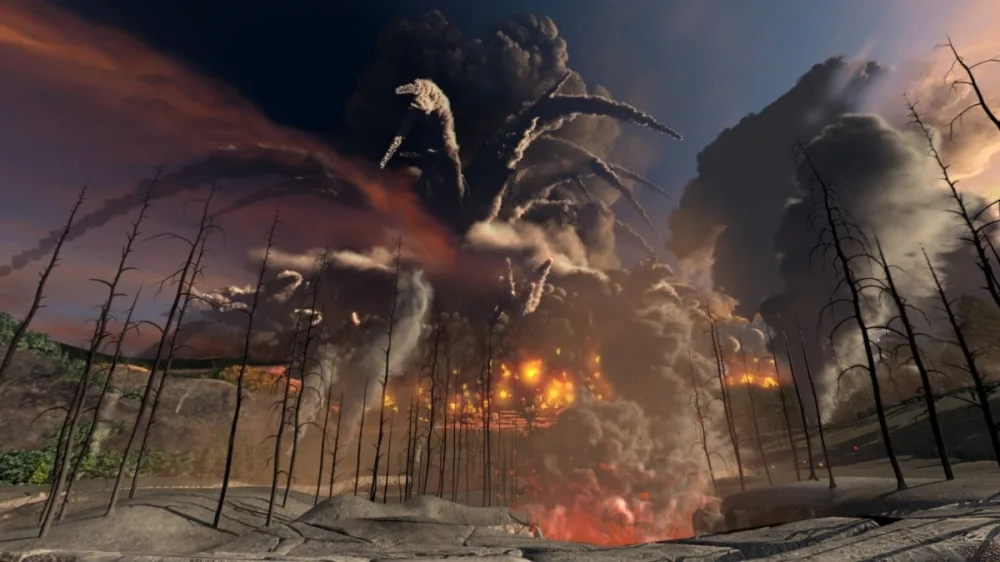
Density:
The density of Snowflake Obsidian varies but is generally around 2.35 to 2.40 grams per cubic centimeter.
Cleavage and Fracture:
Obsidian does not exhibit cleavage because it lacks a crystalline structure. Instead, it typically shows conchoidal fracture, characterized by smooth, curved, shell-like surfaces when broken. This fracture pattern is a result of the way the volcanic glass breaks along curved surfaces.
Specific Gravity:
The specific gravity of Snowflake Obsidian ranges from approximately 2.35 to 2.40, which is slightly higher than the average for most minerals.

Toughness:
Obsidian is known for its toughness. Despite its glassy appearance, it is less brittle than true glass. This toughness is due to its lack of cleavage and its ability to absorb stress before breaking.
Tenacity:
Snowflake Obsidian has a tenacious character, meaning it is resistant to breaking or shattering.
Inclusions:
The distinctive white or grayish “snowflake” patterns in Snowflake Obsidian are caused by inclusions of cristobalite, which is a polymorph of quartz.
These physical properties contribute to the unique appearance and durability of Snowflake Obsidian, making it a popular material for jewelry, carvings, and other ornamental uses. Additionally, its metaphysical properties and symbolism often enhance its desirability in the spiritual and healing communities.
Historical and Cultural Significance
Snowflake Obsidian, like other forms of obsidian, has historical and cultural significance across various ancient cultures. Its use dates back thousands of years, and it has been valued for both practical and symbolic purposes. Here are some aspects of its historical and cultural significance:
Toolmaking:
In ancient times, obsidian, including Snowflake Obsidian, was highly prized for its sharp edges when fractured. It was used by many cultures for toolmaking, such as for crafting arrowheads, blades, and other cutting instruments. The ability of obsidian to fracture into extremely sharp pieces made it a valuable material for practical applications.
Ceremonial and Decorative Use:
Snowflake Obsidian, with its striking contrast of black and white patterns, has been used decoratively in various cultures. It often found its way into ceremonial objects, jewelry, and ornaments. The unique appearance made it aesthetically appealing for both practical and symbolic reasons.
Spiritual and Metaphysical Beliefs:
In metaphysical and spiritual practices, Snowflake Obsidian is often associated with grounding, protection, and balance. Some believe that its black color symbolizes the depth of the subconscious, while the white “snowflake” patterns represent purity and the ability to see things with clarity.
Native American Cultures:
Obsidian, including Snowflake Obsidian, holds particular significance in Native American cultures. It was used for creating tools and weapons, and its use is embedded in the cultural and spiritual practices of various tribes. Additionally, it was sometimes used in ceremonies and rituals.
Aztec Culture:
In ancient Aztec culture, obsidian had ceremonial and symbolic importance. The Aztecs crafted intricate ritual knives, known as “tecpatl,” from obsidian, which were used in sacrifices.
Mayan Culture:
Mayans also used obsidian for tools and weapons. Obsidian blades were highly effective for various tasks, including cutting and piercing.
Protection and Healing:
Across different cultures, Snowflake Obsidian has been considered a stone of protection. Some believe that it can help absorb negative energies and promote emotional healing. It is often used in meditation and spiritual practices to enhance self-awareness and balance.
Modern Metaphysical Practices:
In contemporary metaphysical practices, Snowflake Obsidian continues to be popular for its grounding properties. It is believed to assist in recognizing and releasing harmful thought patterns, promoting clarity, and providing a sense of balance.
It’s important to note that beliefs and practices associated with Snowflake Obsidian can vary widely among individuals and cultural traditions. While some view it through a spiritual or metaphysical lens, others appreciate it for its geological and aesthetic qualities. Regardless of the interpretation, Snowflake Obsidian has maintained a connection with human cultures for its unique combination of visual appeal and perceived metaphysical attributes.
Sources – Where it is Found
As of my last knowledge update in January 2022, Snowflake Obsidian, like other types of obsidian, can be found in various locations around the world. However, the availability of Snowflake Obsidian is not as widespread as some other varieties of obsidian. Here are a few general sources where Snowflake Obsidian can be found:
United States:
Snowflake Obsidian is known to occur in the United States. Specific locations include the western states such as Oregon, California, and Nevada. In these regions, volcanic activity has led to the formation of obsidian, including the snowflake variety.
Mexico:
Mexico is another source of Snowflake Obsidian. Volcanic regions in Mexico have deposits of obsidian, and some of it may display the characteristic snowflake patterns.
Other Locations:
While the primary sources are in North America, Snowflake Obsidian or similar varieties may also be found in other volcanic regions globally.
Mining and extraction of Snowflake Obsidian involve processes similar to those used for other types of obsidian. Here’s a general overview:
Identification of Deposits:
Geological surveys and studies are conducted to identify regions with obsidian deposits, including areas where Snowflake Obsidian may be found. These deposits are often associated with past or present volcanic activity.
Prospecting:
Once potential deposits are identified, prospecting involves on-site exploration to assess the quality and quantity of the obsidian. This may include surface mapping and sampling.
Mining Techniques:
Mining obsidian involves the extraction of the volcanic glass from the earth. Various techniques can be employed, ranging from surface mining to underground mining, depending on the depth and distribution of the deposits.
Extraction:
Obsidian is extracted by breaking and removing the surrounding rock to access the obsidian layers. Hand tools and sometimes machinery are used in this process.
Transportation:
Extracted obsidian is then transported to processing facilities. The transportation methods can vary, and it may involve trucks, conveyor belts, or other means depending on the scale of mining operations.
Processing and Shaping:
Once at the processing facility, the raw obsidian is cleaned, shaped, and prepared for various uses. For Snowflake Obsidian, the distinctive patterns are already present in the raw material, and the stone is often shaped into beads, cabochons, or other forms for jewelry and ornamental purposes.
It’s important to note that the mining and extraction processes must comply with environmental regulations to minimize the impact on ecosystems and surrounding areas. Additionally, the information provided here is a general overview, and specific details may vary based on the location and scale of mining operations. If you are interested in specific sources or current information, it’s advisable to consult geological surveys, mining industry reports, or relevant authorities in the regions where Snowflake Obsidian is known to occur.
Uses and Applications of Snowflake Obsidian
Snowflake Obsidian, with its distinctive appearance and unique properties, finds various uses and applications, both practical and symbolic. Here are some common uses and applications:
Jewelry:
Snowflake Obsidian is a popular choice for jewelry due to its attractive black and white contrast. It is often crafted into beads, cabochons, pendants, and other jewelry pieces. The distinctive snowflake patterns make it particularly eye-catching.
Ornamental Carvings:
The unique appearance of Snowflake Obsidian makes it a sought-after material for ornamental carvings. Sculptors and artisans create intricate carvings, sculptures, and decorative items that showcase the stone’s natural beauty.
Metaphysical and Spiritual Practices:
In metaphysical and spiritual practices, Snowflake Obsidian is believed to have grounding and protective properties. It is often used in meditation and energy work to enhance self-awareness, balance, and clarity of thought.
Healing Stones:
Some individuals believe that Snowflake Obsidian has healing properties and can aid in emotional healing and overcoming negative thought patterns. It is used as a gemstone for holistic well-being.
Ceremonial and Ritual Objects:
Snowflake Obsidian, like other types of obsidian, has been historically used in ceremonial and ritual objects. It may be incorporated into amulets, talismans, or other items with symbolic significance in various cultural and spiritual traditions.
Lapidary Art:
Lapidaries, individuals skilled in the art of cutting and shaping gemstones, often work with Snowflake Obsidian to create custom designs. The stone’s hardness and unique patterns make it suitable for lapidary art.
Decoration and Interior Design:
Snowflake Obsidian may be used for decorative purposes in interior design. Tiles, countertops, and other surfaces made from Snowflake Obsidian can add a touch of natural beauty to spaces.
Educational and Geological Studies:
Obsidian, including Snowflake Obsidian, is of interest to geologists and researchers studying volcanic processes. The study of its formation and composition contributes to a better understanding of Earth’s geological history.
Gifts and Collectibles:
Due to its aesthetic appeal and cultural significance, Snowflake Obsidian is often chosen as a meaningful gift or collected as a unique gemstone.
Personal Accessories:
Beyond jewelry, Snowflake Obsidian may be used in the creation of various personal accessories, such as keychains, amulets, and other items that people carry for their visual appeal or symbolic significance.
It’s important to note that beliefs and practices associated with the metaphysical and healing properties of Snowflake Obsidian can vary widely among individuals and spiritual traditions. Whether used for its aesthetic appeal, cultural significance, or perceived metaphysical properties, Snowflake Obsidian has maintained its popularity across a range of applications.
Greenhouse gases are gases in Earth’s atmosphere that trap heat. They allow sunlight to enter the atmosphere freely but prevent some of the heat that the Earth would otherwise radiate back into space from escaping. This process is often referred to as the greenhouse effect, and it is crucial for maintaining the Earth’s temperature within a range suitable for life. However, human activities, particularly the burning of fossil fuels and deforestation, have significantly increased the concentrations of these gases, leading to enhanced warming and contributing to climate change.
Greenhouse Gases
Carbon Dioxide (CO2):
Natural Sources: Respiration, volcanic activity, decay of organic matter.
Human Activities: Burning of fossil fuels (coal, oil, and natural gas), deforestation.
Human Activities: Livestock digestion, rice paddies, coal mining, oil and gas extraction.
Nitrous Oxide (N2O):
Natural Sources: Soil bacteria, oceans.
Human Activities: Agricultural and industrial activities, burning of fossil fuels.
Water Vapor (H2O):
Natural Sources: Evaporation from oceans, lakes, and rivers.
Human Activities: While human activities don’t directly emit water vapor, they can influence atmospheric water vapor levels through activities that affect other greenhouse gases.
Ozone (O3):
Stratospheric Ozone: Acts as a natural greenhouse gas by preventing some of the sun’s harmful ultraviolet (UV) radiation from reaching the Earth’s surface.
Tropospheric Ozone: A human-made greenhouse gas and air pollutant formed by the reaction of nitrogen oxides (NOx) and volatile organic compounds (VOCs) in the presence of sunlight.
Human-Made Gases: Historically used in refrigeration, air conditioning, and aerosol propellants.
Impact: While they have been phased out due to their role in ozone depletion, they are potent greenhouse gases.
The enhanced greenhouse effect resulting from increased concentrations of these gases is a major driver of contemporary climate change. It leads to global warming, shifts in weather patterns, rising sea levels, and other environmental changes. Monitoring and mitigating the emissions of greenhouse gases are critical components of efforts to address climate change and promote environmental sustainability.
Greenhouse Gases in Geological History
The history of greenhouse gases in Earth’s geological record provides valuable insights into the planet’s climate over millions of years. Here is an overview of key periods and events related to greenhouse gases in geological history:
Archean Eon (4.0 – 2.5 billion years ago):
Early Earth had an atmosphere dominated by methane (CH4) and ammonia (NH3).
Lack of oxygen (O2) in the atmosphere during this time.
Proterozoic Eon (2.5 billion – 541 million years ago):
The rise of photosynthetic cyanobacteria led to the accumulation of oxygen in the atmosphere.
Oxygen levels increased, creating a more oxygen-rich atmosphere.
Evidence suggests episodic methane bursts during this time.
Paleozoic Era (541 – 252 million years ago):
Carboniferous Period (359 – 299 million years ago): High levels of atmospheric oxygen and extensive plant growth.
Formation of vast coal deposits due to abundant plant material.
Late Permian Period (299 – 252 million years ago): Massive volcanic activity may have released large amounts of greenhouse gases, contributing to the Permian-Triassic extinction event.
Mesozoic Era (252 – 66 million years ago):
Jurassic Period (201 – 145 million years ago): Warm temperatures and high CO2 levels.
Cretaceous Period (145 – 66 million years ago): Continued warmth; decline in CO2 levels towards the end.
Cenozoic Era (66 million years ago – Present):
Paleocene-Eocene Thermal Maximum (PETM) (56 million years ago): Rapid global warming, likely triggered by the release of large amounts of carbon dioxide.
Oligocene Epoch (33.9 – 23 million years ago): Cooling and a transition to more icehouse conditions.
Miocene Epoch (23 – 5.3 million years ago): Gradual cooling; expansion of ice sheets in the late Miocene.
Quaternary Period (2.6 million years ago – Present):
Pleistocene Epoch (2.6 million years ago – 11,700 years ago): Cycles of glacial and interglacial periods, influenced by variations in orbital parameters.
Holocene Epoch (11,700 years ago – Present): Relatively stable climate, allowing for the development of human civilizations.
Anthropocene (Proposed Geological Epoch):
The Anthropocene represents a new epoch characterized by significant human influence on Earth’s geology and ecosystems.
Rapid increase in greenhouse gas concentrations, particularly carbon dioxide, due to human activities such as industrialization and fossil fuel combustion.
Understanding the geological history of greenhouse gases provides context for interpreting current and future climate changes. It also highlights the interconnectedness of geological, biological, and atmospheric processes that shape Earth’s climate over vast timescales.
The Eternal Flame Falls is a unique and captivating natural phenomenon located in Chestnut Ridge Park, near Buffalo in Western New York, USA. What makes this waterfall special is the presence of a natural gas leak behind the waterfall, which results in a perpetual flame that appears to burn continuously.
Overview: The Eternal Flame Falls is a small, 30-foot waterfall within the Shale Creek Preserve, a section of Chestnut Ridge Park. The flame is not particularly large, often resembling a flickering candle, but its constant presence behind the waterfall makes it a remarkable and enchanting sight.
Natural Gas Leak: The flame is fueled by methane gas that seeps out through cracks in the rocks behind the waterfall. The methane mixes with air and is ignited, creating the eternal flame effect. This natural occurrence has made the Eternal Flame Falls a popular destination for nature enthusiasts and hikers seeking a unique and memorable experience.
Location: Chestnut Ridge Park is situated in Orchard Park, approximately 25 miles south of Buffalo, New York. The Eternal Flame Falls can be found within the park, and visitors typically need to embark on a moderate hiking trail to reach the waterfall. The trail is approximately 0.5 to 0.75 miles long, leading through a scenic forested area to the base of the falls.
Accessibility: While the hike to the Eternal Flame Falls is relatively short, it involves some moderate to steep sections, so visitors should be prepared for a bit of a workout. The trail is well-maintained, but sturdy footwear is recommended. Visitors should also exercise caution when approaching the flame, as the rocks can be slippery, and the flame itself can be sensitive to external factors like rain.
This natural wonder attracts visitors year-round, with the surrounding park offering additional recreational activities, making the Eternal Flame Falls a popular destination for both nature lovers and those looking for a unique outdoor adventure in Western New York.
Geological and Natural Features of The Eternal Flame Falls
The Eternal Flame phenomenon at Eternal Flame Falls is a captivating interplay of geological and natural features that result in a sustained, perpetual flame behind the waterfall. The key components contributing to this unique occurrence include the presence of methane gas, geological formations, and the dynamics of water flow.
Methane Gas Source: The primary factor behind the Eternal Flame is the presence of methane gas in the rock formations behind the waterfall. Methane is a flammable gas that is odorless and colorless, and it is commonly found in underground rock formations. In this case, the gas likely originates from deeper within the Earth and gradually makes its way to the surface through fractures and faults in the rocks.
Geological Formations: The rocks in the area play a crucial role in trapping and releasing the methane gas. The shale rock formations, prevalent in this region, contain natural fractures and pockets where gas can accumulate. As the methane seeps through these fractures, it becomes trapped in confined spaces within the rocks.
Water Flow: The waterfall itself contributes to the perpetuation of the flame. As water flows over the rocks and down the falls, it comes into contact with the methane-rich rocks behind the waterfall. The flowing water helps release the trapped methane gas, carrying it to the surface. When the methane encounters the open air, it mixes with oxygen, and if the concentration is within the flammable range, it ignites, creating the Eternal Flame.
Sustaining Factors: The continuous flow of water ensures a constant supply of methane to the flame. The flame is sustained because the methane source is ongoing, and the dynamics of water flow continually release and transport the gas to the surface where it can combust.
Environmental Sensitivity: The Eternal Flame phenomenon can be sensitive to external factors. Changes in weather, such as heavy rainfall, can temporarily affect the flame by dampening the rocks and reducing the concentration of methane reaching the surface. Conversely, dry conditions might enhance the flame as more gas is released.
In essence, the Eternal Flame at Eternal Flame Falls is a captivating result of the geological composition of the rocks, the presence of methane gas, and the dynamic interaction between water flow and gas release. It serves as a reminder of the fascinating ways in which nature’s elements can come together to create truly unique and awe-inspiring natural wonders.
Cultural and Historical Significance of The Eternal Flame Falls
While the Eternal Flame Falls is primarily celebrated for its natural and geological marvel, it also holds cultural and historical significance, especially within the context of the Native American heritage and the broader cultural landscape of Western New York.
Native American Heritage: The region surrounding Eternal Flame Falls has a rich Native American history, with several tribes, including the Seneca Nation, having historical ties to the area. The falls and its perpetual flame are believed to have spiritual significance for some Native American communities. The flame itself may have been considered a sacred or symbolic element by indigenous peoples, contributing to the cultural importance of the site.
Cultural Symbolism: The Eternal Flame, with its perpetual and enduring nature, often carries symbolic meaning in various cultures. In many societies, flames symbolize concepts such as eternity, life, and the enduring spirit. Visitors from diverse cultural backgrounds may find personal or spiritual significance in the symbolism of the eternal flame, contributing to the site’s broader cultural relevance.
Local Lore and Folklore: Over time, sites with unique natural phenomena often become the subject of local lore and folklore. The Eternal Flame Falls, with its mysterious and perpetual flame, may have inspired stories and myths within the local community. Such stories can contribute to the cultural identity of the region, adding a layer of intrigue and wonder to the natural attraction.
Tourism and Recreation: As the Eternal Flame Falls gained recognition as a unique natural attraction, it has become a notable destination for tourists and locals alike. The site’s popularity contributes to the cultural and recreational fabric of Western New York. Local businesses, tourism initiatives, and community events may be influenced by the presence of the Eternal Flame, impacting the cultural and economic landscape of the region.
Conservation and Education: The cultural significance of the Eternal Flame Falls also extends to its role in environmental conservation and education. Efforts to preserve the natural integrity of the site, educate visitors on its geological and cultural importance, and promote responsible tourism contribute to the broader cultural ethos of environmental stewardship.
While the Eternal Flame Falls may not have a deep historical record in the conventional sense, its presence, combined with the cultural connections of the Native American heritage and the evolving narratives within the local community, adds layers of cultural and historical significance to this natural wonder. As people continue to visit and engage with the site, its cultural importance may evolve and deepen over time.
Visiting the Eternal Flame Falls
Visiting the Eternal Flame Falls is a unique and rewarding experience. Here are some tips and guidelines to help you make the most of your visit:
Check Trail Conditions: Before planning your visit, check the trail conditions, especially if you are visiting during or after periods of heavy rainfall. The trail can become muddy and slippery, so it’s essential to be prepared for the current weather conditions.
Wear Appropriate Footwear: The trail leading to the Eternal Flame involves some uneven terrain and moderate elevation changes. Wear sturdy hiking shoes or boots with good traction to ensure a comfortable and safe hike.
Pack Essentials: Bring essentials such as water, sunscreen, and insect repellent. Depending on the season, dress appropriately for the weather, and consider bringing a light jacket or rain gear. The Eternal Flame Falls is a natural site, so amenities may be limited.
Respect the Environment: Practice Leave No Trace principles by staying on designated trails, avoiding littering, and respecting the natural surroundings. The Eternal Flame Falls is a sensitive ecosystem, so minimizing your impact helps preserve its beauty for future visitors.
Mind Your Safety: Exercise caution when approaching the flame and navigating the rocks around the waterfall. Rocks can be slippery, especially near the water, so be mindful of your footing. Keep a safe distance from the flame, as the rocks around it can be hot.
Be Prepared for Crowds: The Eternal Flame Falls has become a popular destination, particularly during weekends and peak seasons. If possible, consider visiting during non-peak times to avoid large crowds. Be patient and courteous to fellow visitors, allowing everyone to enjoy the experience.
Photography Tips: Capture the beauty of the Eternal Flame Falls by bringing a camera or smartphone. Consider the lighting conditions, as the flame can be more visible during certain times of the day. Be mindful of other visitors when taking photos.
Learn about the Geological Phenomenon: Before your visit, familiarize yourself with the geological and natural aspects of the Eternal Flame phenomenon. Understanding the science behind the perpetual flame adds depth to your experience.
Respect Local Regulations: Check for any specific regulations or guidelines provided by the park authorities. Some areas may have restricted access, and it’s important to adhere to these rules to ensure the safety of visitors and the preservation of the site.
Enjoy the Surrounding Area: Chestnut Ridge Park offers more than just the Eternal Flame Falls. Take some time to explore the park’s other trails, picnic areas, and recreational facilities to make the most of your visit.
By following these tips, you can have a safe and enjoyable visit to the Eternal Flame Falls, appreciating both the natural wonder and the cultural significance of this unique site.
Similar Natural Phenomena Worldwide
There are several natural phenomena around the world that share similarities with the Eternal Flame Falls, either in terms of perpetual flames or other intriguing geological features. Here are a few examples:
Yanar Dag, Azerbaijan: Located on the Absheron Peninsula, Yanar Dag, or “Burning Mountain,” is a natural gas fire that has been burning for centuries. Like the Eternal Flame Falls, Yanar Dag is fueled by escaping natural gas from beneath the Earth’s surface, creating a continuous flame that is visible day and night.
Yanar Dag, Azerbaijan
Door to Hell, Turkmenistan: The Darvaza Crater, often referred to as the “Door to Hell,” is a natural gas crater in the Karakum Desert. It resulted from a Soviet drilling accident in 1971 and has been burning ever since. The fiery crater is a mesmerizing and somewhat eerie spectacle, reminiscent of perpetual flames seen in other locations.
Door to Hell, Turkmenistan
Chimaera Flames, Turkey: The Chimaera Flames, also known as the “Eternal Flames of Mount Olympos,” are a series of naturally occurring flames on the slopes of Mount Olympos in Turkey. These flames are caused by the combustion of natural gas escaping from the rock formations, creating a similar perpetual flame effect.
Chimaera Flames, Turkey
Mount Chimera, Antarctica: Mount Erebus, an active volcano in Antarctica, is known for its persistent lava lake. The lava lake has been active for decades, creating a constant glow that can be seen at night. While not a flame in the traditional sense, it represents a continuous natural glow caused by molten lava.
Mount Chimera, Antarctica
These natural phenomena showcase the diversity of geological wonders and perpetual flames found in different parts of the world, each contributing to the unique beauty and intrigue of the natural environment.
Conclusion
In conclusion, the Eternal Flame Falls stands as a captivating natural wonder in Chestnut Ridge Park, New York, with unique features and cultural significance. The perpetual flame, fueled by methane gas behind the waterfall, creates a mesmerizing and enduring spectacle. This geological phenomenon is complemented by its cultural ties to Native American heritage and the symbolism of an eternal flame in various cultures.
The Eternal Flame Falls offers visitors not only a glimpse into the fascinating interplay of geological forces but also a connection to the spiritual and historical aspects of the region. Its presence has contributed to local lore and has become a symbol of the enduring spirit of nature.
As visitors embark on the journey to witness this extraordinary phenomenon, it is crucial to approach the site with a sense of responsibility. Responsible tourism involves respecting the natural environment, following designated trails, and adhering to park regulations. By treading lightly and minimizing our impact, we can ensure the preservation of this unique site for future generations to appreciate.
Conservation efforts are equally important in maintaining the integrity of the Eternal Flame Falls. Supporting initiatives that protect the natural habitat, educate visitors on the ecological importance of the area, and promote sustainable practices can contribute to the long-term preservation of this geological marvel.
In experiencing the Eternal Flame Falls, let us not only marvel at its beauty but also take on the responsibility of being stewards of our natural heritage. By fostering a deep respect for the environment and practicing sustainable tourism, we can ensure that sites like the Eternal Flame Falls continue to inspire awe and appreciation for the wonders of the natural world.
The Manpupuner Rock Formations, also known as the Manpupuner Plateau or Seven Strong Men Rock Formations, are a unique and mysterious set of seven towering stone pillars located in the northern part of the Ural Mountains in the Komi Republic, Russia. These rock formations are renowned for their distinctive and otherworldly appearance, making them a popular natural attraction.
Overview: The Manpupuner Rock Formations consist of seven massive stone pillars, each reaching heights of up to 30 meters (98 feet). The rocks are composed of ancient weathered granite and have distinctive shapes that evoke a sense of human or anthropomorphic figures, leading to the nickname “Seven Strong Men.” The geological processes that formed these structures are not entirely understood, adding an element of mystery to their allure.
Geographic Location: The Manpupuner Rock Formations are situated in a remote and pristine wilderness within the Ural Mountains. Specifically, they are located on the Manpupuner Plateau in the Troitsko-Pechorsky District of the Komi Republic, Russia. The precise coordinates are approximately 65.2745° N latitude and 59.2236° E longitude.
Accessibility: Reaching the Manpupuner Rock Formations can be a challenging adventure due to their remote location and the lack of established infrastructure. The journey typically involves a combination of road and hiking, with the nearest settlement being the village of Ivdel. Travelers often hire local guides or join organized tours to navigate the rugged terrain and navigate through the wilderness.
Visitors are advised to plan their trips carefully, considering factors such as weather conditions and the limited availability of amenities in the area. The remote and untouched nature of the Manpupuner Plateau contributes to the sense of adventure and exploration associated with a visit to these enigmatic rock formations.
Origin and Geological History of The Manpupuner Rock Formations
The Manpupuner Rock Formations are believed to have originated through the process of exfoliation, a type of weathering that results in the peeling away of outer layers of rock. This geological phenomenon occurs as a result of various factors, including freeze-thaw cycles, expansion and contraction of minerals, and other weathering processes.
The granite rocks that make up the Manpupuner formations are estimated to be around 200 million years old, dating back to the Upper Permian or Lower Triassic period. The region was once covered by a shallow sea, and the granite likely formed through the slow cooling and solidification of molten rock beneath the Earth’s surface. Over millions of years, geological forces, including uplift and erosion, shaped the landscape, exposing the unique pillars we see today.
Composition and Characteristics:
The rocks are primarily composed of granite, a type of intrusive igneous rock that forms from the slow crystallization of magma beneath the Earth’s surface. Granite is known for its durability and resistance to weathering, making it a common component of many impressive rock formations. The specific geological processes that shaped the Manpupuner pillars into their distinct forms are not fully understood, adding an element of mystery to their origin.
The pillars exhibit striking anthropomorphic shapes, with some formations resembling human figures, hence the nickname “Seven Strong Men.” The tallest pillar reaches approximately 30 meters in height, making them a unique and visually captivating natural wonder.
Theories about the Formation Process:
Several theories attempt to explain the formation of the Manpupuner Rock Formations:
Exfoliation and Erosion: The prevailing theory suggests that exfoliation, combined with erosion caused by wind, water, and ice, played a significant role in shaping the pillars. As outer layers of rock peeled away over time, the pillars assumed their distinctive forms.
Frost Weathering: The harsh climate of the region, characterized by extreme temperature fluctuations, may have contributed to the weathering process. Frost action, where water infiltrates cracks in the rock, freezes, and expands, could have played a role in shaping the pillars.
Differential Weathering: Variations in the composition and mineral content of the granite may have led to uneven weathering, resulting in the formation of distinct shapes and figures.
Despite these theories, the exact sequence of geological events that led to the creation of the Manpupuner Rock Formations remains a subject of scientific interest and study. The unique and mysterious nature of these pillars continues to capture the imagination of geologists and visitors alike.
The Manpupuner Rock Formations’sPhysical Features
The physical features of the Manpupuner Rock Formations contribute to their enigmatic and captivating appearance. Here are some key aspects of their physical characteristics:
Granite Composition: The rocks that make up the Manpupuner Formations are primarily composed of granite. Granite is an intrusive igneous rock known for its durability and resistance to weathering. The specific type of granite in this region contributes to the unique shapes and structures of the pillars.
Distinctive Shapes: The most striking feature of the Manpupuner Rock Formations is their anthropomorphic shapes. The seven pillars resemble giant stone figures, and each has its own distinct form. Some appear to resemble human figures, while others may evoke animal shapes. The combination of these unique shapes adds to the allure and mystery of the site.
Height and Size: The pillars vary in height, with the tallest reaching up to approximately 30 meters (98 feet). The size and scale of these structures contribute to their visual impact and make them a remarkable natural wonder in the remote Ural Mountains.
Exfoliation Patterns: The rocks exhibit patterns of exfoliation, where outer layers of rock have peeled away over time. This process, likely influenced by weathering factors such as freeze-thaw cycles, has contributed to the smooth and rounded appearance of the pillars.
Remote Location: The Manpupuner Rock Formations are situated in a remote and pristine wilderness, surrounded by the vast and untouched landscapes of the Ural Mountains. This remoteness adds to the sense of adventure for those who seek to visit the site.
Natural Surroundings: The formations are set against a backdrop of rugged terrain, dense forests, and tundra, creating a stark and dramatic contrast with the smooth granite pillars. The natural surroundings enhance the overall aesthetic and provide a sense of the harsh, yet beautiful, environment in which these rock formations exist.
Mysterious Atmosphere: The combination of the unique shapes, the remote location, and the lack of a definitive explanation for their formation contributes to the mysterious atmosphere surrounding the Manpupuner Rock Formations. Visitors often describe a sense of awe and wonder when encountering these geological wonders.
Overall, the physical features of the Manpupuner Rock Formations make them a one-of-a-kind natural spectacle, attracting geologists, photographers, and adventure seekers from around the world. The interplay of geological processes and the harsh beauty of the Ural Mountains create an unforgettable and mysterious landscape.
Cultural and Mythological Significance
The Manpupuner Rock Formations hold cultural and mythological significance for the indigenous people of the Komi Republic and have also become a subject of fascination for those beyond the local communities. Here are some aspects of their cultural and mythological importance:
Indigenous Komi Beliefs: The Komi people, who are the indigenous inhabitants of the Komi Republic, have various myths and legends associated with the Manpupuner Rock Formations. These stories often attribute the creation of the pillars to supernatural or mystical forces, and the site is considered sacred in some Komi traditions.
Spiritual and Sacred Site: For some indigenous communities, the Manpupuner Rock Formations are regarded as a sacred site with spiritual significance. The pillars are sometimes associated with deities, spirits, or legendary figures in local mythology.
Cultural Heritage: The rock formations are part of the cultural heritage of the Komi people, and they may be featured in local art, folklore, and traditional practices. The pillars serve as a symbol of the deep connection between the indigenous communities and their natural surroundings.
Tourist Attraction and Folklore: As the Manpupuner Rock Formations gained attention as a tourist attraction, they became a subject of interest in broader Russian and international folklore. The distinctive shapes of the pillars have inspired various stories and interpretations, further contributing to their mythological aura.
Photography and Artistic Inspiration: The visually striking nature of the rock formations has made them a favorite subject for photographers and artists. The pillars often appear in various forms of visual art, further embedding them in cultural representations beyond their geographical location.
Modern Cultural Impact: In addition to their historical and indigenous significance, the Manpupuner Rock Formations have become a symbol of the Ural Mountains and the Komi Republic. They are featured in travel literature, documentaries, and promotional materials, contributing to their cultural impact and recognition on a global scale.
Legends and Folk Stories: Various legends and folk stories have emerged around the Manpupuner Rock Formations, explaining their origin and unique shapes. These stories may vary among different communities and individuals, adding to the rich tapestry of cultural narratives associated with the site.
In summary, the cultural and mythological significance of the Manpupuner Rock Formations is deeply rooted in the beliefs and traditions of the indigenous Komi people. Additionally, as the site gained prominence, it became a source of inspiration and fascination for a broader audience, contributing to its cultural importance beyond the local communities.
Tourism and Visitor Experience of The Manpupuner Rock Formations
The Manpupuner Rock Formations, despite their remote location, have become a popular tourist attraction, drawing visitors from Russia and around the world. Here’s a look at the tourism and visitor experience associated with this unique geological wonder:
Challenges of Accessibility: Getting to the Manpupuner Rock Formations can be challenging due to their remote location in the northern Ural Mountains. Visitors often need to travel by road, and then undertake a hike through the wilderness to reach the site. The journey requires careful planning, and many tourists opt for guided tours to navigate the rugged terrain.
Seasonal Considerations: The site’s accessibility is highly dependent on the season. In winter, the region experiences extreme cold and heavy snowfall, making it difficult to reach the formations. Summer is generally the preferred time for visits when the weather is milder and the landscape is more accessible.
Guided Tours: Many visitors choose to join guided tours led by local experts who are familiar with the terrain. These tours provide not only logistical support but also insights into the geological and cultural aspects of the Manpupuner Rock Formations.
Camping and Accommodation: Given the remote nature of the location, camping is a common way for visitors to experience the area. Camping sites may be set up near the rock formations, allowing tourists to immerse themselves in the wilderness. Some guided tours may also include overnight stays in basic accommodations in nearby villages.
Photography and Observation: The Manpupuner Rock Formations are a haven for photographers and nature enthusiasts. The unique shapes and the stark landscape provide excellent opportunities for capturing breathtaking images. Visitors often spend time observing the formations and exploring the surrounding natural beauty.
Cultural Experiences: Tourists may have the opportunity to learn about the cultural and mythological significance of the site from local guides. This may include stories from indigenous Komi traditions and folklore associated with the rock formations.
Preservation Efforts: Due to the increasing popularity of the site, there is a growing awareness of the need for responsible tourism and environmental preservation. Efforts are made to minimize the impact of visitors on the delicate ecosystem and to ensure that the Manpupuner Rock Formations remain an untouched natural wonder.
Weather Considerations: Visitors should be prepared for varying weather conditions, including rain and sudden temperature changes. The climate in the Ural Mountains can be unpredictable, and proper clothing and equipment are essential for a comfortable experience.
In conclusion, the tourism and visitor experience at the Manpupuner Rock Formations combine adventure, natural beauty, and cultural exploration. While the journey may be challenging, the reward is a chance to witness one of Russia’s most unique and mysterious geological wonders. Responsible tourism practices are crucial to preserving the site’s natural integrity and ensuring its continued accessibility for future generations.
Conclusion
The Manpupuner Rock Formations stand as a testament to the fascinating interplay of geological processes, cultural significance, and environmental uniqueness. As we recap the importance of Manpupuner, we find that it holds a distinctive place in the world for several reasons:
Geological Significance:
Formation Mystery: The unique shapes and formations of the seven pillars remain a geological mystery, adding to their allure and sparking scientific curiosity.
Granite Composition: Composed of ancient granite, the rocks have withstood the test of time, showcasing the enduring beauty of natural geological features.
Cultural Importance:
Indigenous Beliefs: The Manpupuner Rock Formations hold deep cultural and spiritual significance for the indigenous Komi people, embodying a connection between the natural world and their traditions.
Mythological Symbolism: Legends and myths associated with the formations contribute to a rich cultural tapestry, making them a source of inspiration and storytelling.
Touristic Attraction:
Remote Adventure: The remote location and challenging accessibility contribute to the sense of adventure for visitors, attracting those seeking an authentic and off-the-beaten-path experience.
Photographic Marvel: The visually striking pillars have become a favorite subject for photographers, capturing the imagination of nature enthusiasts and travelers alike.
Environmental Importance:
Preservation Needs: As tourism to Manpupuner grows, there is an increasing awareness of the need for responsible tourism to preserve the delicate ecosystem and maintain the site’s natural integrity.
Wilderness Sanctuary: The surrounding wilderness of the Ural Mountains adds to the environmental importance, emphasizing the need to balance tourism with conservation efforts.
In conclusion, the Manpupuner Rock Formations are not merely geological wonders but a harmonious blend of cultural, geological, and environmental elements. They serve as a reminder of the Earth’s intricate processes, the richness of cultural heritage, and the importance of responsible stewardship to ensure that such natural marvels endure for future generations. Visiting Manpupuner is not just a journey into the heart of the Ural Mountains; it’s an exploration of the intersection of nature, culture, and the human spirit.
Milankovitch cycles, also known as orbital or astronomical cycles, refer to the variations in Earth’s orbit and axial tilt that occur over long periods of time. These cycles are thought to play a crucial role in shaping Earth’s climate by influencing the distribution and intensity of sunlight received at different latitudes and seasons.
Milankovitch Cycles
Overview:
There are three primary Milankovitch cycles:
Eccentricity: This cycle involves changes in the shape of Earth’s orbit around the Sun, ranging from more elliptical to more circular. The cycle has a periodicity of about 100,000 years.
Axial Tilt (Obliquity): This cycle refers to the tilt of Earth’s axis, which varies between approximately 22.1 and 24.5 degrees over a period of about 41,000 years.
Precession: Precession involves the wobbling motion of Earth’s axis, similar to the way a spinning top wobbles. This cycle has a periodicity of about 26,000 years and affects the orientation of the Earth’s axis.
The combined effects of these cycles influence the amount and distribution of solar radiation reaching Earth’s surface, impacting climate patterns over geological time scales.
Historical Background:
The concept of Milankovitch cycles is named after the Serbian mathematician and astronomer Milutin Milankovitch, who developed the theory in the early 20th century. Milankovitch’s work was groundbreaking in linking astronomical phenomena to Earth’s climate variations.
Milankovitch, born in 1879, published his first paper on the subject in 1920, titled “Mathematical Theory of Heat Phenomena Produced by Solar Radiation.” In subsequent publications, particularly his seminal work “Canon of Insolation and the Ice Age Problem” (1941), Milankovitch elaborated on how variations in Earth’s orbit and axial tilt could be correlated with the occurrence of ice ages.
Milankovitch’s theory faced initial skepticism, but it gained acceptance over time as advances in paleoclimatology and geology provided supporting evidence. Today, Milankovitch cycles are widely acknowledged as important drivers of long-term climate change.
Milutin Milankovitch’s contributions to understanding the relationship between astronomical factors and climate variability have left a lasting legacy, and his work has significantly influenced the fields of climatology, paleoclimatology, and the study of Earth’s past climates.
Eccentricity as a Milankovitch Cycle
Eccentricity is one of the Milankovitch cycles that describes variations in the shape of Earth’s orbit around the Sun. It is characterized by changes in the elliptical nature of the orbit, ranging from more circular to more elongated. This cycle has a periodicity of about 100,000 years, and its impact on Earth’s climate is related to the varying distance between the Earth and the Sun throughout the orbit.
Definition and Impact on Earth’s Orbit:
Eccentricity is a measure of how much an orbit deviates from a perfect circle. In the context of Earth’s orbit, it refers to the degree of elongation of the elliptical path. When eccentricity is low, the orbit is close to a circle, and when it is high, the orbit becomes more elongated.
The impact of eccentricity on Earth’s climate is tied to variations in the amount of solar radiation received at different points in the orbit. When the orbit is more elliptical (higher eccentricity), the distance between the Earth and the Sun varies over the course of the orbit. This variation affects the amount of sunlight reaching Earth, potentially influencing climate patterns.
Changes in the Shape of Earth’s Orbit:
Over a 100,000-year cycle, Earth’s orbit undergoes a series of changes in eccentricity. These changes are not regular but follow a complex pattern. The orbit can transition from more circular (low eccentricity) to more elliptical (high eccentricity) and vice versa. These variations in eccentricity are thought to contribute to the cyclical nature of ice ages on Earth.
High eccentricity can result in more extreme seasonal differences because the Earth is alternately closer to and farther from the Sun at different points in its orbit. This can impact climate by influencing the intensity and distribution of solar radiation, affecting factors such as temperature and precipitation.
Calculation and Measurement of Eccentricity
Eccentricity can be measured and inferred through various means, including astronomical observations and analyses of geological and paleoclimatic records. Proxy data such as deep-sea sediment cores and ice cores provide valuable information about past variations in eccentricity, allowing scientists to reconstruct the historical patterns of Earth’s orbital changes.
Axial Tilt (Obliquity) as a Milankovitch Cycle
Axial tilt, also known as obliquity, is one of the Milankovitch cycles that describes the variation in the tilt of Earth’s axis concerning its orbital plane around the Sun. This cycle influences the angle at which sunlight strikes different parts of the Earth’s surface, affecting seasonal variations in climate.
Definition of Obliquity and Its Significance:
Obliquity refers to the angle between the rotational axis of a celestial body and a line perpendicular to its orbital plane. In the case of Earth, it’s the tilt of the planet’s axis concerning the plane of its orbit around the Sun. Earth’s axial tilt is currently about 23.5 degrees, and this tilt is not constant but undergoes periodic changes.
The significance of obliquity lies in its impact on the distribution of solar radiation on Earth’s surface. Changes in axial tilt lead to variations in the intensity and duration of seasons, influencing climate patterns. The greater the tilt, the more extreme the seasonal differences become.
Variation in Earth’s Axial Tilt and Its Effects on Climate:
The Earth’s axial tilt varies between approximately 22.1 and 24.5 degrees over a cycle of about 41,000 years. As the axial tilt changes, the amount of sunlight received by different latitudes and during different seasons also changes.
When the axial tilt is at its maximum, the seasonal contrast between summer and winter is more pronounced. Higher latitudes experience more extreme seasons, with hotter summers and colder winters. Conversely, when the axial tilt is at its minimum, the seasonal contrast is reduced, leading to milder climates at higher latitudes.
These variations in axial tilt are thought to play a role in the initiation and termination of ice ages. A lower axial tilt, reducing the seasonality of the climate, is associated with cooler conditions, potentially contributing to the growth of ice sheets.
Periodicity of Changes in Axial Tilt:
The periodicity of changes in axial tilt is approximately 41,000 years. This means that over this time frame, Earth’s axial tilt undergoes a complete cycle from its minimum to maximum values and back again. The variations in axial tilt are influenced by gravitational interactions with other celestial bodies, primarily the gravitational pull of the Moon and, to a lesser extent, the Sun.
Understanding the periodic changes in axial tilt is essential for reconstructing past climates and predicting future climatic conditions over geological time scales. This knowledge helps scientists interpret paleoclimate records and contributes to our understanding of the complex interplay between astronomical factors and Earth’s climate.
Precession as a Milankovitch Cycle
Precession
Precession is one of the Milankovitch cycles that describes the slow, cyclic wobbling or rotation of the Earth’s rotational axis. This motion is similar to the way a spinning top wobbles as it rotates. Precession affects the orientation of the Earth’s axis in space and plays a role in shaping the timing and characteristics of the seasons.
Definition of Precession and Its Relation to Earth’s Rotational Axis:
Precession is the gradual change in the orientation of the rotational axis of a celestial body. In the case of Earth, it involves a slow rotation of the axis itself. Instead of pointing consistently in one direction, the axis traces out a circular path over time. This movement is primarily caused by the gravitational forces exerted by the Sun and the Moon on Earth’s equatorial bulge.
The two main components of precession are axial precession and orbital precession:
Axial Precession: This is the gradual change in the orientation of Earth’s rotational axis itself. The axis completes a full precessional cycle approximately every 26,000 years.
Orbital Precession: This refers to the slow rotation or precession of the entire Earth’s orbit around the Sun. It has a longer period, completing a cycle roughly every 112,000 years.
Impact of Precession on the Timing of Seasons:
The orientation of Earth’s axis determines the timing and characteristics of the seasons. As the axis precesses, the position in space from which Earth is closest to the Sun (perihelion) and farthest from the Sun (aphelion) changes. This, in turn, affects the intensity of the seasons.
For example, when the Northern Hemisphere is tilted toward the Sun during summer, if this coincides with Earth being closer to the Sun (perihelion), summers in the Northern Hemisphere can be more intense. Conversely, if it occurs when Earth is farther from the Sun (aphelion), summers can be milder. Precession influences the Earth-Sun geometry, impacting the distribution of solar radiation and the seasonal cycle.
Interaction Between Axial Precession and Orbital Precession:
Axial precession and orbital precession are interrelated but occur at different rates and have different effects on Earth’s orientation in space.
Axial precession influences the tilt of Earth’s axis, changing the angle at which sunlight strikes different latitudes over time. Orbital precession, on the other hand, affects the position of Earth in its orbit during specific times of the year.
The combined effects of axial and orbital precession contribute to the complexity of Milankovitch cycles and their impact on Earth’s climate. Understanding these interactions is crucial for deciphering the long-term patterns of climate variability, particularly in relation to ice ages and interglacial periods throughout Earth’s history.
Orbital Forcing and Milankovitch Cycles
1. Overview: Orbital forcing refers to the influence of variations in Earth’s orbit and axial tilt, as described by Milankovitch cycles, on the planet’s climate. These cyclic changes in orbital parameters result in variations in the distribution and intensity of solar radiation reaching Earth. Orbital forcing is a key factor in understanding long-term climate changes, particularly the transitions between glacial and interglacial periods.
Solar Radiation
2. Relationship Between Milankovitch Cycles and Variations in Solar Radiation: Milankovitch cycles—eccentricity, axial tilt (obliquity), and precession—affect the Earth-Sun geometry and subsequently influence the amount of solar radiation received at different latitudes and seasons.
Eccentricity: Changes in the shape of Earth’s orbit alter the distance between the Earth and the Sun, impacting the total solar radiation received. Higher eccentricity leads to greater variability in seasonal solar radiation.
Axial Tilt: Variations in axial tilt affect the angle at which sunlight strikes the Earth’s surface, influencing the intensity of seasons. A higher tilt can result in more extreme seasonal differences.
Precession: Precession influences the timing of the seasons by changing the orientation of Earth’s rotational axis. This affects the Earth-Sun relationship at different points in the orbit.
The combined effects of these cycles result in periodic changes in the distribution of solar radiation, impacting climate on geological timescales.
3. Linking Milankovitch Cycles to Glacial-Interglacial Cycles: Milankovitch cycles are closely linked to the glacial-interglacial cycles observed in Earth’s history. The varying patterns of solar radiation caused by these cycles can influence the initiation and termination of ice ages.
Positive Feedback Mechanisms: Small changes in solar radiation due to Milankovitch cycles can trigger feedback mechanisms that amplify the impact on climate. For example, as ice sheets grow due to cooler temperatures, they increase the Earth’s albedo (reflectivity), leading to more sunlight being reflected back into space and further cooling.
Thresholds for Ice Sheet Growth: Milankovitch-driven variations in solar radiation are believed to act as triggers that bring the climate system close to thresholds for ice sheet growth. Once these thresholds are crossed, positive feedback processes may lead to the expansion of ice sheets, initiating a glacial period.
Tuning Mechanism: Milankovitch cycles are often considered a “tuning mechanism” rather than the sole cause of glacial-interglacial cycles. Other factors, such as greenhouse gas concentrations and ocean circulation patterns, also play roles, but Milankovitch cycles help set the stage for these changes by influencing the Earth’s energy balance.
The study of Milankovitch cycles and their connection to Earth’s climate provides valuable insights into the complex interactions that drive long-term climate variability. Paleoclimatologists use various proxy records, such as ice cores and sediment layers, to reconstruct past climate conditions and understand how these cycles have shaped Earth’s climate over millions of years.
Paleoclimatology is the study of past climates, and it relies on various types of evidence to reconstruct Earth’s climate history. One crucial aspect of paleoclimatology is the examination of evidence supporting Milankovitch cycles as drivers of long-term climate changes, especially the occurrence of ice ages.
2. Ice Core Data:
Ice cores provide a wealth of information about past climates, particularly in polar regions. These cores are drilled from ice sheets and glaciers and contain layers of ice that have accumulated over thousands of years. The composition of the ice, including isotopic ratios, gas concentrations, and other indicators, serves as a record of past climate conditions.
Milankovitch cycles leave their imprint in ice core data, especially in the form of variations in isotopic ratios. For example, the ratio of oxygen isotopes (O-18 to O-16) in ice cores can reveal information about past temperatures. The timing and pattern of glacial-interglacial cycles recorded in ice cores correlate with the predicted effects of Milankovitch cycles on Earth’s orbit.
3. Sediment Records:
Sediment records from ocean and lake beds provide another valuable source of paleoclimatological information. The layers of sediment contain a variety of materials, including pollen, microorganisms, and chemical compounds, which can be analyzed to reconstruct past environmental conditions.
Changes in sediment composition and layering can be linked to variations in climate, and the timing of these changes often aligns with the predicted effects of Milankovitch cycles. For instance, shifts in the distribution of certain types of microorganisms or changes in sediment characteristics may correspond to periods of increased or decreased ice cover.
4. Other Proxies:
Various other proxies are used in paleoclimatology to reconstruct past climate conditions. These include tree rings, which can provide information about past temperatures and precipitation, and speleothems (stalagmites and stalactites), which form in caves and can be analyzed for isotopic ratios and other climate indicators.
5. Correlation Between Milankovitch Cycles and Major Climatic Events:
The correlation between Milankovitch cycles and major climatic events, especially ice ages, is a key focus of paleoclimatology. The three Milankovitch cycles—eccentricity, axial tilt (obliquity), and precession—work together to modulate the amount, distribution, and seasonality of solar radiation reaching Earth.
Evidence from ice cores, sediment records, and other proxies supports the idea that changes in Earth’s orbit and axial tilt contribute to the timing and intensity of glacial-interglacial cycles. For example:
Eccentricity and Ice Ages: Changes in eccentricity impact the overall amount of solar radiation received by the Earth, influencing the initiation and termination of ice ages.
Obliquity and Seasonal Contrast: Variations in axial tilt affect the intensity of seasons, with higher obliquity leading to more extreme seasonal differences. This can influence the growth and retreat of ice sheets.
Precession and Seasonal Timing: Precession alters the timing of the seasons, influencing when Earth is closest to the Sun (perihelion) and farthest from the Sun (aphelion). This variation can impact the distribution of solar radiation and contribute to climate changes.
While Milankovitch cycles set the stage for climatic variations, it’s essential to note that other factors, including greenhouse gas concentrations and oceanic circulation patterns, also play roles in shaping Earth’s climate. Paleoclimatologists use sophisticated modeling techniques and a combination of different proxy records to tease out the complex interactions between these factors and understand the mechanisms driving past climatic events.
Relevance of Milankovitch Cycles to Contemporary Climate Science
While Milankovitch cycles have played a significant role in shaping Earth’s climate over geological time scales, their impact on contemporary climate change is limited. The current changes in climate are primarily attributed to human activities, especially the burning of fossil fuels, deforestation, and industrial processes, which release greenhouse gases into the atmosphere.
Contemporary climate science focuses more on the anthropogenic (human-induced) factors influencing the climate, such as the enhanced greenhouse effect and the resulting global warming. The timescales and mechanisms involved in current climate change are distinct from the Milankovitch cycles, which operate over tens of thousands to hundreds of thousands of years.
Interaction Between Human Activities and Natural Climate Variability:
While Milankovitch cycles are not driving the current changes in climate, there is an acknowledgment in climate science that human activities can interact with and potentially amplify natural climate variability. For example:
Feedback Mechanisms: Human-induced warming can trigger feedback mechanisms that amplify the effects of climate change. For instance, as polar ice melts, it reduces the Earth’s albedo, leading to more absorption of sunlight and further warming.
Ocean Circulation: Changes in sea surface temperatures and ocean circulation patterns, influenced by both natural variability and human activities, can impact regional climates and weather patterns.
Extreme Events: Human activities can exacerbate the intensity and frequency of extreme weather events, such as hurricanes, droughts, and heatwaves, which can be influenced by both natural and anthropogenic factors.
Understanding the interaction between natural climate variability and human-induced changes is crucial for predicting future climate scenarios and developing effective mitigation and adaptation strategies.
Milankovitch Cycles in the Context of Current Climate Change Debates:
While Milankovitch cycles are not directly implicated in current climate change debates, they are sometimes invoked in discussions about the natural background variability of Earth’s climate. Climate skeptics have occasionally pointed to Milankovitch cycles as evidence that current warming is part of a natural cycle. However, the overwhelming consensus in the scientific community is that the observed warming trends since the late 19th century are largely attributed to human activities.
In the context of climate change debates, it is essential to emphasize that the unprecedented rate of temperature increase observed in recent decades cannot be explained solely by natural factors. The role of human activities, particularly the emission of greenhouse gases, is a dominant factor in shaping the trajectory of contemporary climate change.
In summary, while Milankovitch cycles provide valuable insights into the long-term climatic history of the Earth, they are not the driving force behind the rapid and unprecedented changes observed in recent decades. Human activities play a central role in the current climate change paradigm, and discussions and policy decisions should be grounded in the latest scientific understanding of anthropogenic influences on the climate system.
Critiques and Challenges to the Milankovitch Cycle Theory
Milankovitch Cycle Theory
While the Milankovitch cycle theory has gained widespread acceptance in explaining long-term climate variations, there are critiques and challenges to consider:
Timing Issues: Some critics argue that the timing of ice ages doesn’t precisely match the predicted timing based on Milankovitch cycles. There are discrepancies in the phase relationships between different orbital parameters and observed climatic variations.
Amplification Mechanisms: The Milankovitch cycles alone may not be sufficient to explain the magnitude of climatic changes observed in ice core records. Amplification mechanisms, such as feedback processes involving ice-albedo effects and greenhouse gas concentrations, are necessary to account for the observed variability.
Nonlinear Dynamics: The climate system is highly complex and exhibits nonlinear dynamics. Small changes in initial conditions or external forcing can lead to disproportionately large and unpredictable responses. This complexity introduces challenges in accurately modeling and predicting long-term climate variations.
Alternative Hypotheses or Factors Influencing Climate Change:
Solar Variability: Some researchers have explored the role of changes in solar output as a potential driver of climate variability. However, the observed changes in solar radiation over the past few decades are insufficient to explain the observed warming trends.
Volcanic Activity: Large volcanic eruptions can inject significant amounts of ash and aerosols into the atmosphere, leading to temporary cooling. While volcanic activity has played a role in historical climate variations, it is not a primary driver of current long-term warming trends.
Ocean Circulation Patterns: Changes in ocean circulation patterns, such as those associated with the Atlantic Meridional Overturning Circulation (AMOC), can influence regional climate patterns. Disruptions in these patterns could contribute to variability on shorter timescales.
Anthropogenic Greenhouse Gas Emissions: Human activities, particularly the burning of fossil fuels and deforestation, have led to increased concentrations of greenhouse gases in the atmosphere. The enhanced greenhouse effect is a dominant factor in contemporary climate change.
Current Research and Debates Within the Scientific Community:
Paleoclimate Data Analysis: Ongoing research involves refining the analysis of paleoclimate data, including ice core records, to better understand the timing and relationships between different climatic variables. This includes efforts to improve the precision of dating methods and the integration of multiple proxy records.
Modeling and Simulation: Advances in climate modeling and simulation techniques aim to better capture the complexity of the climate system, including nonlinear interactions and feedback mechanisms. Researchers are working on improving the representation of key processes in climate models to enhance accuracy and predictive capabilities.
Attribution Studies: Scientists are conducting attribution studies to quantify the contributions of various factors, including natural variability, solar influences, volcanic activity, and human activities, to observed climate changes. These studies help discern the relative importance of different drivers.
Future Climate Scenarios: Research is focused on refining projections of future climate scenarios, considering different greenhouse gas emission pathways and incorporating uncertainties related to feedback mechanisms and external forcings.
In summary, while the Milankovitch cycle theory provides a foundational understanding of long-term climate variations, ongoing research aims to address critiques, improve models, and integrate a broader understanding of the complex factors influencing Earth’s climate. The dominant consensus remains that current climate change is primarily driven by anthropogenic factors.
Summary of Key Points Related to Milankovitch Cycles
Milankovitch Cycles: Milankovitch cycles are periodic variations in Earth’s orbit and axial tilt, consisting of eccentricity, axial tilt (obliquity), and precession. These cycles influence the distribution and intensity of solar radiation, playing a key role in shaping Earth’s climate over geological time scales.
Eccentricity: Changes in the shape of Earth’s orbit, ranging from more circular to more elliptical, with a periodicity of about 100,000 years.
Axial Tilt (Obliquity): Variations in the tilt of Earth’s axis, affecting the intensity of seasons, with a periodicity of about 41,000 years.
Precession: Wobbling or rotation of Earth’s axis, influencing the timing of seasons, with a periodicity of about 26,000 years.
Paleoclimatology: The study of past climates provides evidence supporting Milankovitch cycles through ice core data, sediment records, and other proxies, helping reconstruct Earth’s climate history.
Ice Ages and Interglacial Periods: Milankovitch cycles are linked to the initiation and termination of ice ages, with variations in solar radiation impacting the growth and retreat of ice sheets.
Critiques: Challenges include timing discrepancies and the need for additional amplification mechanisms to explain the observed magnitude of climatic changes.
Alternative Factors: Solar variability, volcanic activity, ocean circulation patterns, and anthropogenic greenhouse gas emissions are considered in addition to Milankovitch cycles.
Current Research: Ongoing research focuses on refining paleoclimate data analysis, improving climate modeling, conducting attribution studies, and projecting future climate scenarios.
Reflection on the Significance of Understanding Long-term Climate Variability:
Understanding long-term climate variability, including the role of Milankovitch cycles, is crucial for several reasons:
Insights into Earth’s History: Studying past climates provides insights into Earth’s climatic history, allowing scientists to identify patterns, drivers, and feedback mechanisms that have shaped the planet over millions of years.
Context for Current Climate Change: Knowledge of long-term climate variability provides a context for understanding the current climate change. Recognizing natural climate cycles helps distinguish between natural variations and human-induced changes.
Predicting Future Climate Trends: Understanding the factors influencing past climate variability contributes to more accurate climate models. This, in turn, enhances our ability to predict future climate trends, especially in the context of ongoing anthropogenic influences.
Informing Mitigation and Adaptation Strategies: Recognizing the natural and anthropogenic drivers of climate change informs strategies for mitigating and adapting to future changes. It helps policymakers, scientists, and communities develop effective measures to address climate-related challenges.
In conclusion, comprehending long-term climate variability, as exemplified by Milankovitch cycles, is fundamental for contextualizing current climate change, improving predictive models, and developing strategies to address the challenges posed by a changing climate. This knowledge is essential for informed decision-making and sustainable stewardship of the Earth’s climate system.
Paleoclimate indicators are various pieces of evidence from the past that scientists use to reconstruct past climatic conditions. These indicators help researchers understand natural climate variability, identify trends, and provide context for current and future climate change.
Ice Cores:
What they are: Ice cores are cylindrical samples drilled from ice sheets or glaciers. These cores provide a record of snowfall and ice melt over time, trapping air bubbles that contain atmospheric gases, such as carbon dioxide.
How they help: By analyzing the isotopic composition of the ice and the gases trapped within it, scientists can infer past temperatures, atmospheric composition, and even volcanic activity.
Tree Rings (Dendrochronology):
What they are: Each year, trees add a new layer of growth, forming a ring. The width and characteristics of these rings can be studied to reveal information about past climate conditions.
How they help: Wider rings often indicate favorable growing conditions, such as warmer temperatures and increased precipitation, while narrower rings may suggest colder or drier periods.
Sediment Cores:
What they are: Sediment cores are collected from lake or ocean bottoms. Layers of sediment can contain various materials like pollen, microorganisms, and minerals that provide information about past environmental conditions.
How they help: Changes in sediment composition can reveal shifts in temperature, precipitation, and even the types of vegetation that existed in a particular region.
Corals:
What they are:Coral reefs grow by adding layers of calcium carbonate. The composition of these layers can provide information about sea surface temperatures and ocean conditions.
How they help: Corals can be used to reconstruct past ocean temperatures and the occurrence of events like El Niño.
Pollen Analysis (Palynology):
What it is: Pollen grains from plants are preserved in sediment, ice, or peat. By studying the types and abundance of pollen, scientists can infer past vegetation and climate.
How it helps: Changes in pollen assemblages provide insights into shifts in temperature, precipitation, and vegetation cover.
What they are: Foraminifera are microscopic marine organisms with shells. The ratio of oxygen isotopes in their shells can indicate past sea surface temperatures.
How they help: By analyzing the foraminifera shells preserved in sediment cores, scientists can estimate historical sea surface temperatures.
Fossilized Microorganisms (diatoms):
What they are: Diatoms are single-celled algae with silica shells. The abundance and types of diatoms in sediment cores can provide information about past environmental conditions.
How they help: Changes in diatom communities reflect variations in temperature, salinity, and nutrient availability in aquatic ecosystems.
Understanding past climate conditions through these indicators helps scientists build models and scenarios to predict future climate trends and assess the impact of human activities on the environment.