Home Blog Page 40

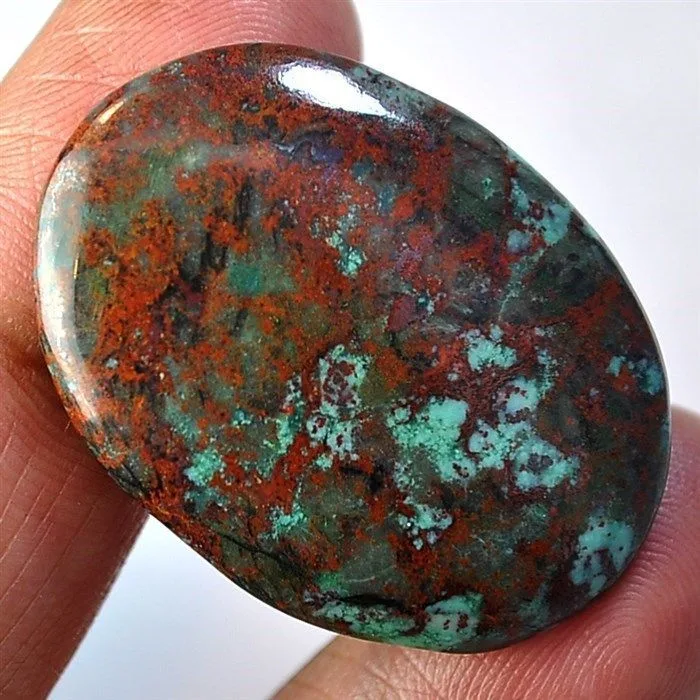
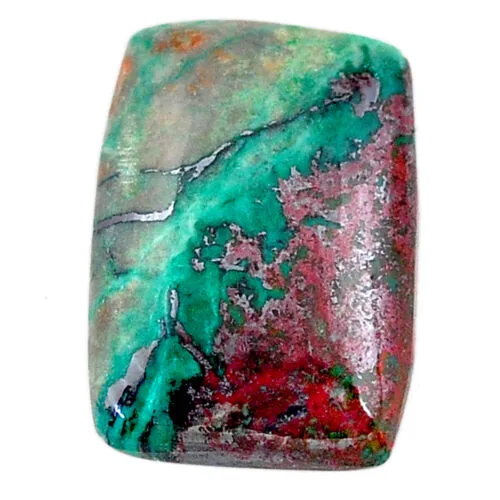
Koroit Opal

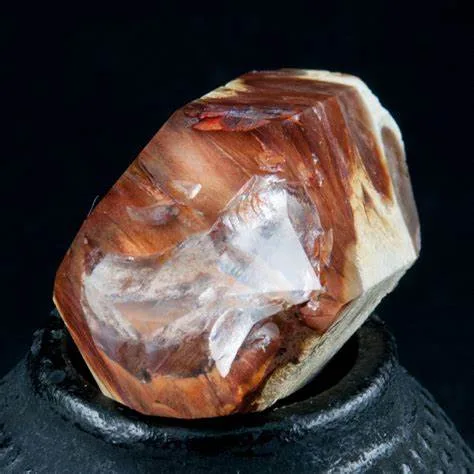
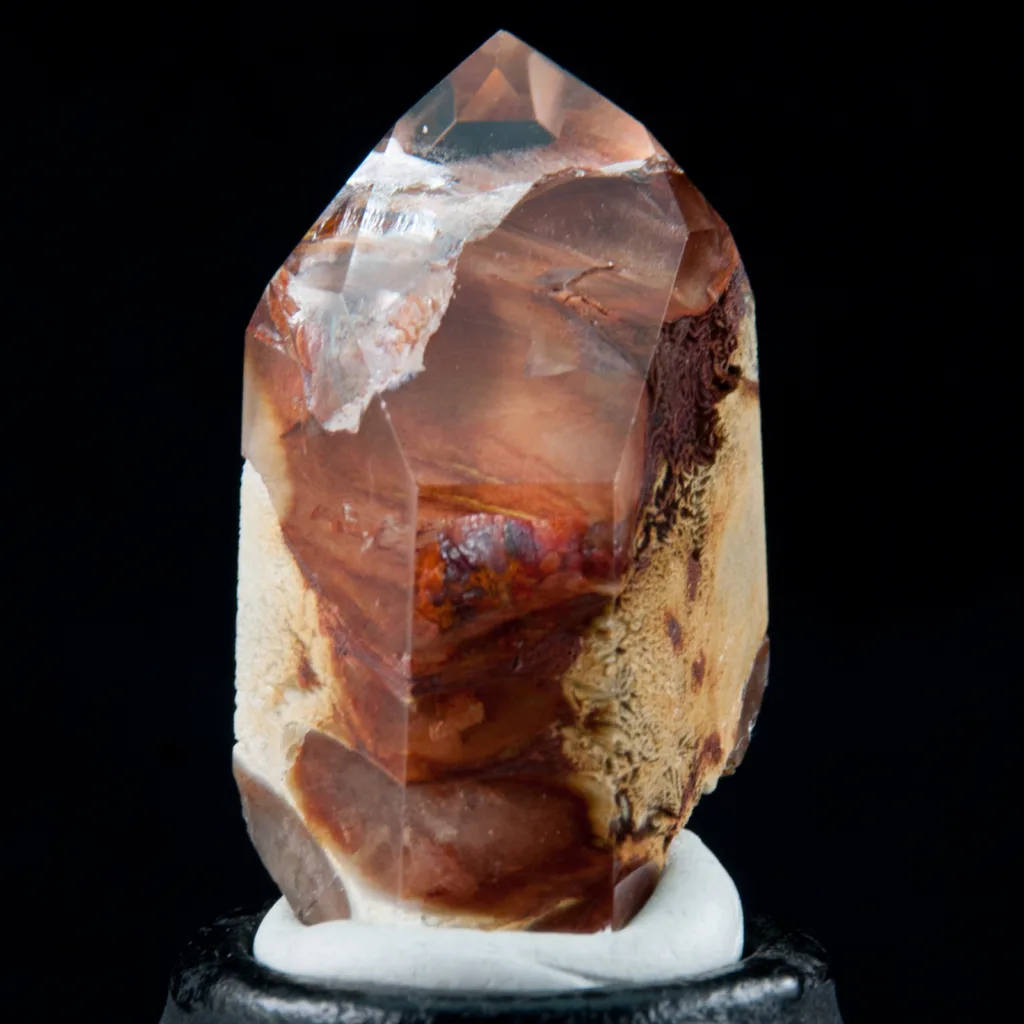
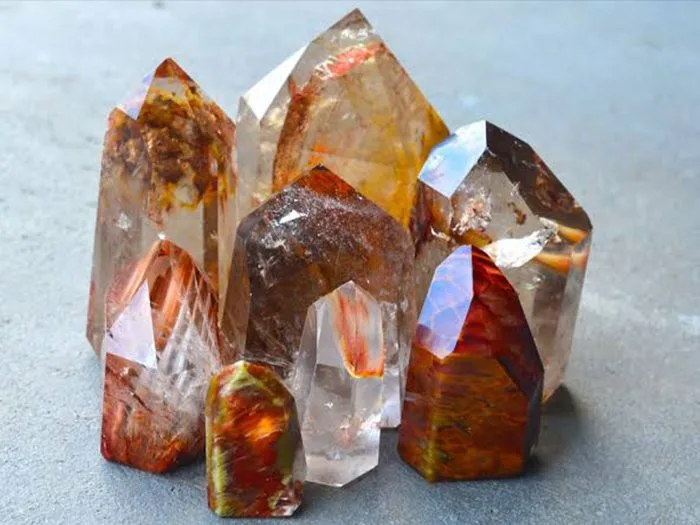
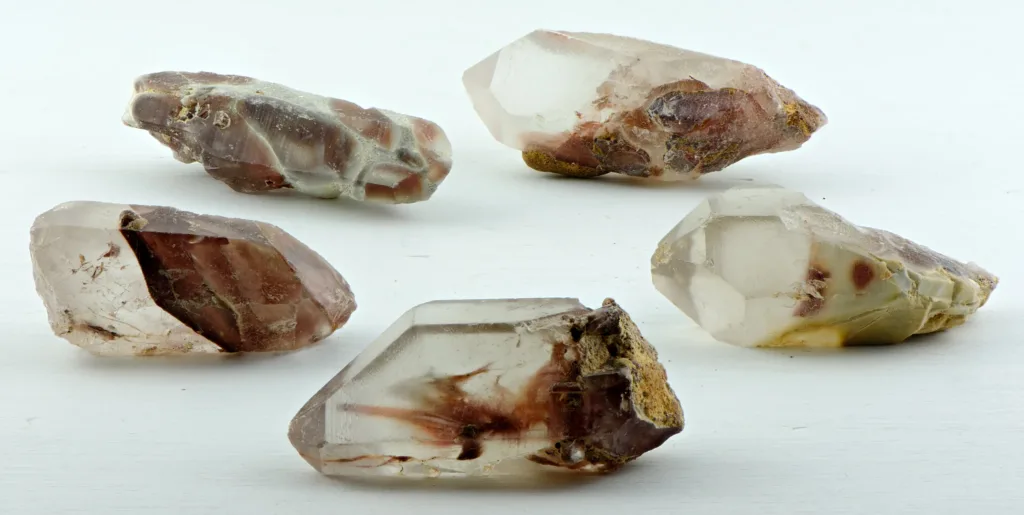
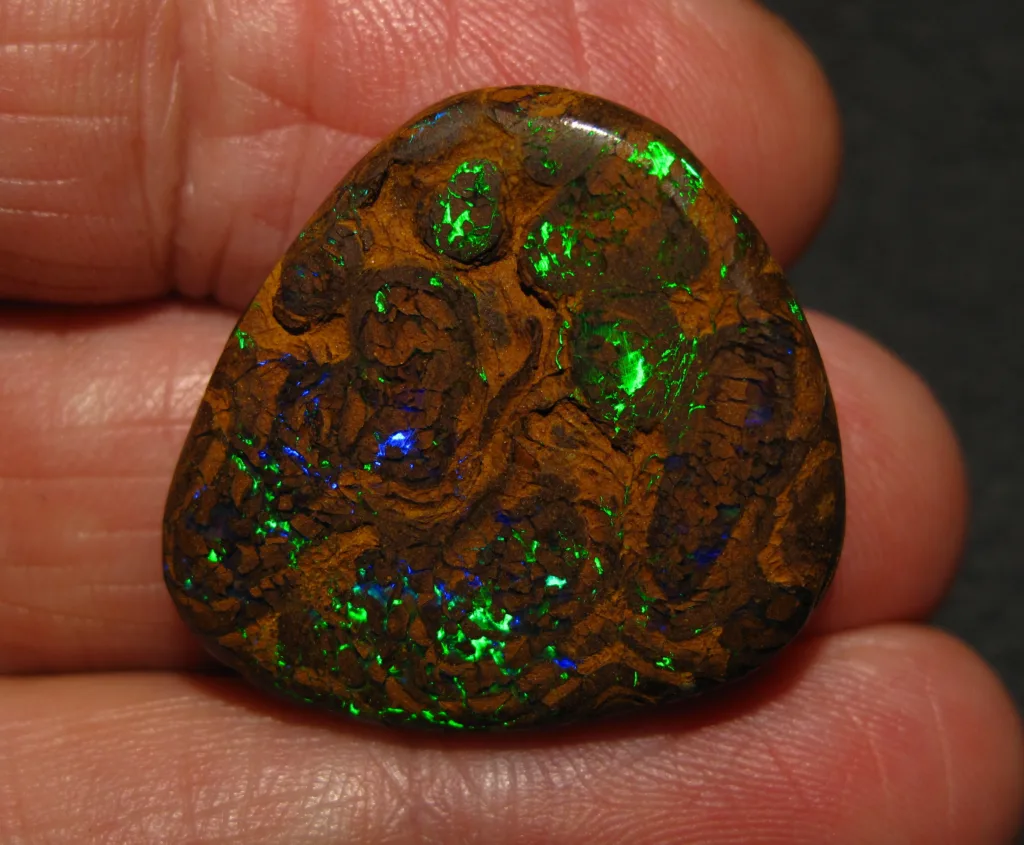
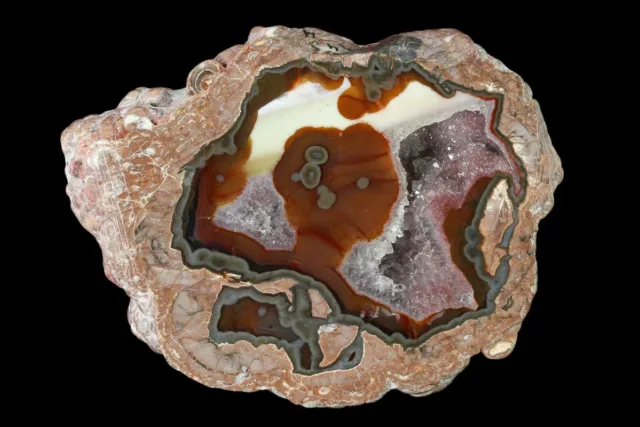
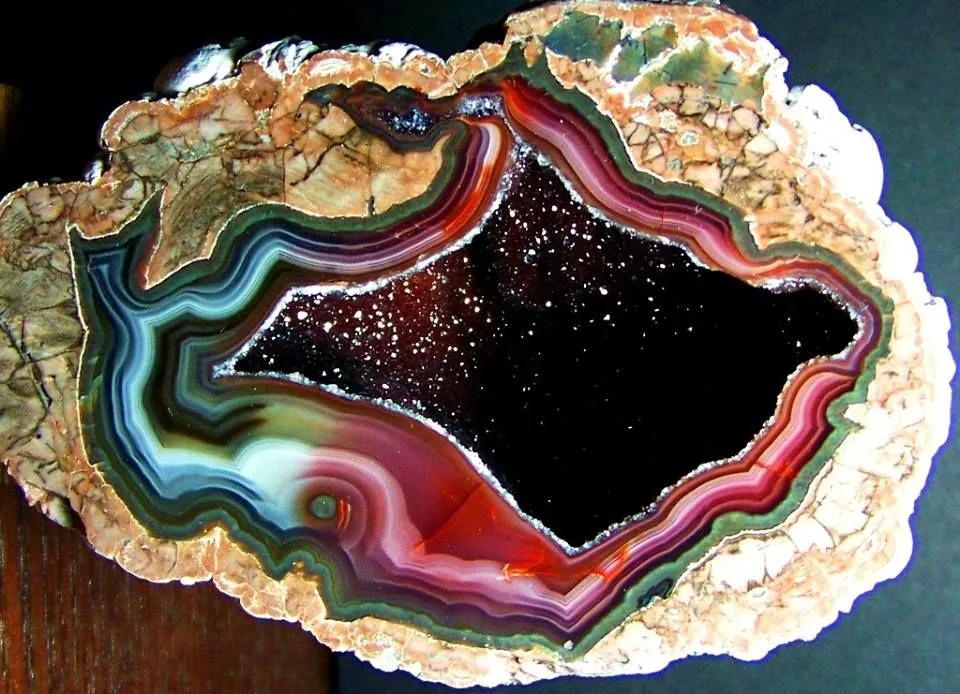
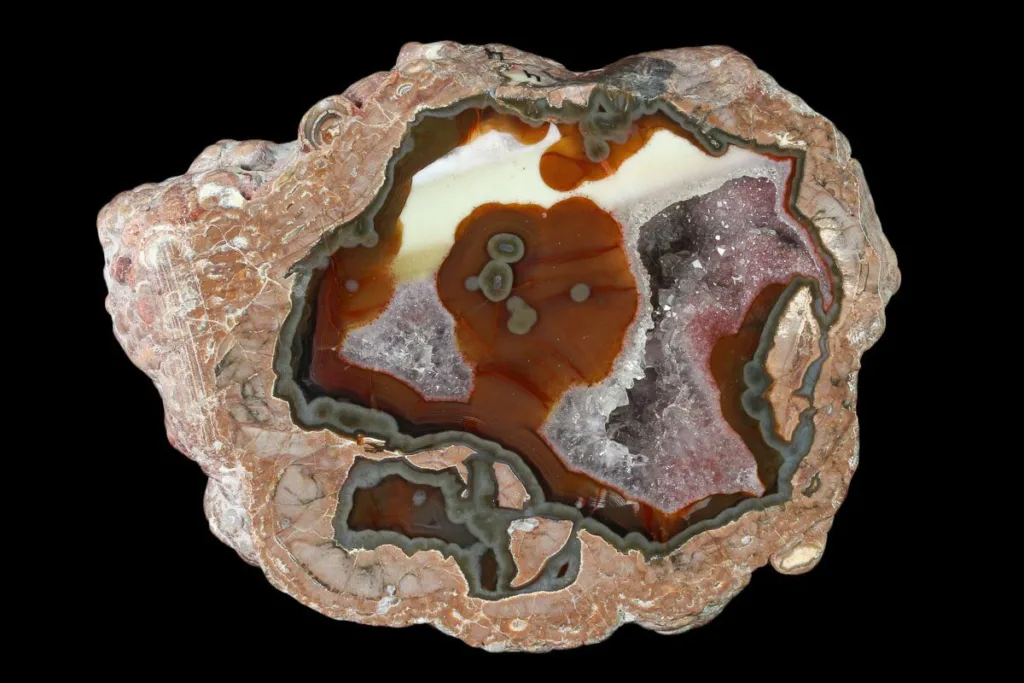
Koroit opal is a unique and highly sought-after variety of opal, renowned for its exceptional beauty and distinctive characteristics. This precious gemstone is named after the small town of Koroit in Queensland, Australia, which is one of the primary sources of this opal.

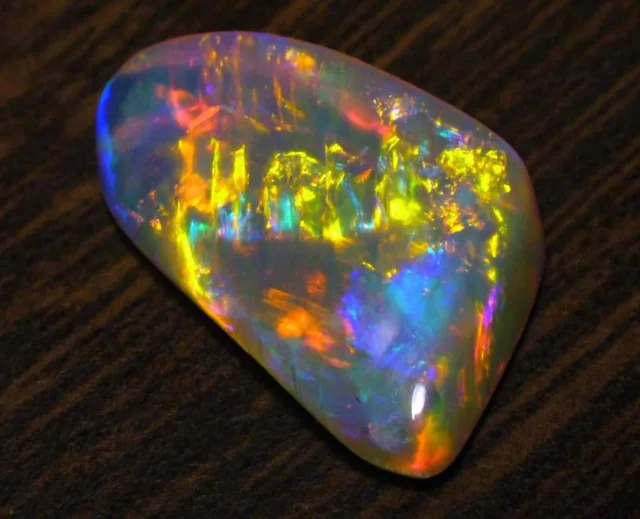
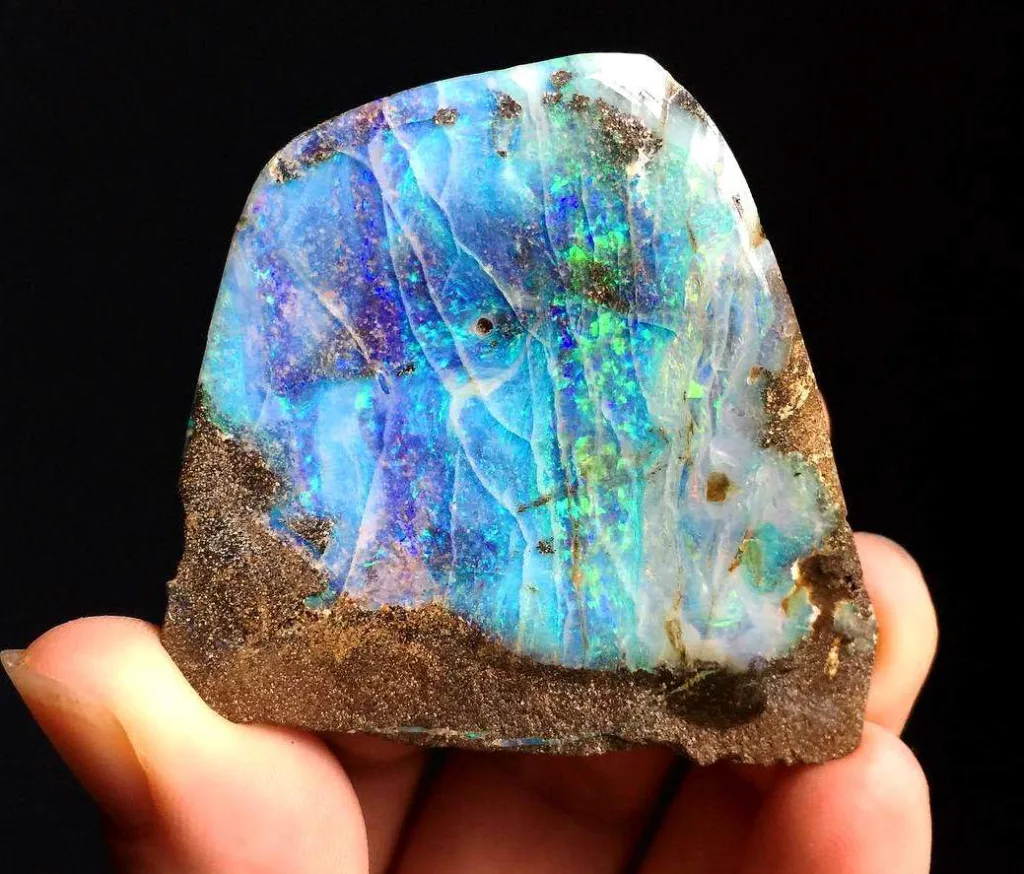
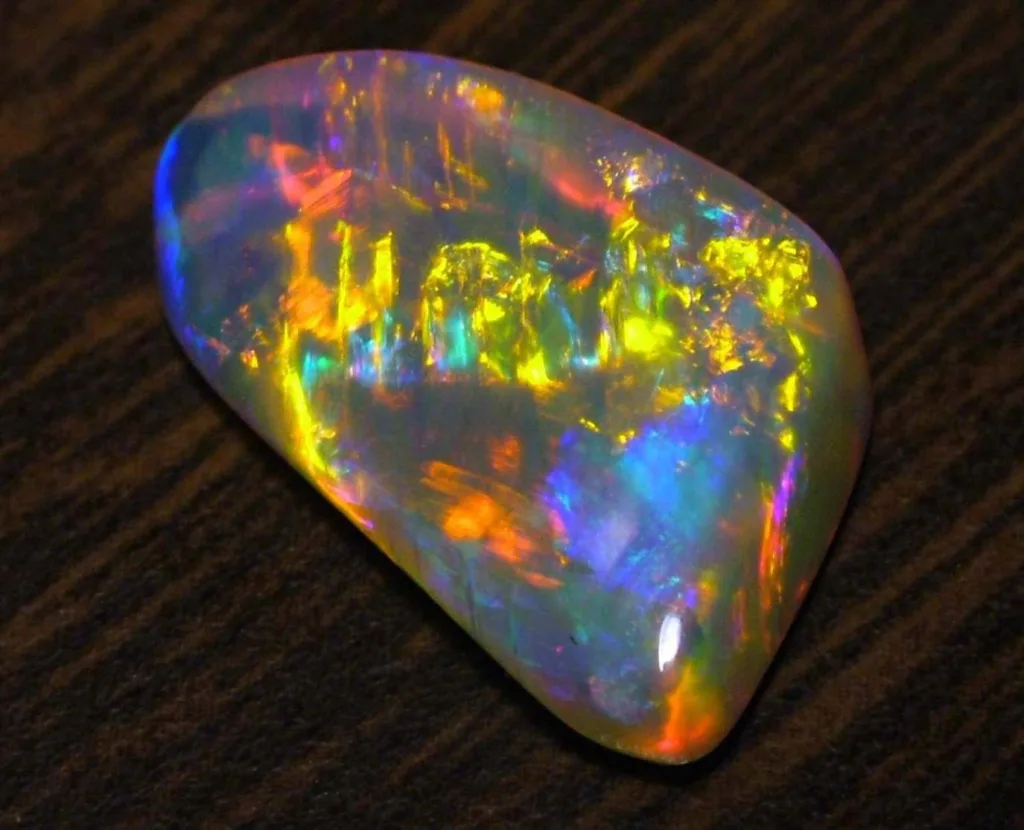
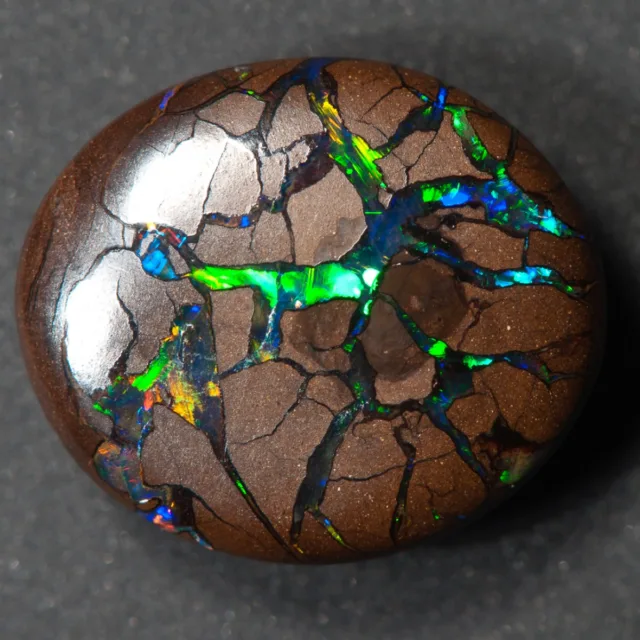
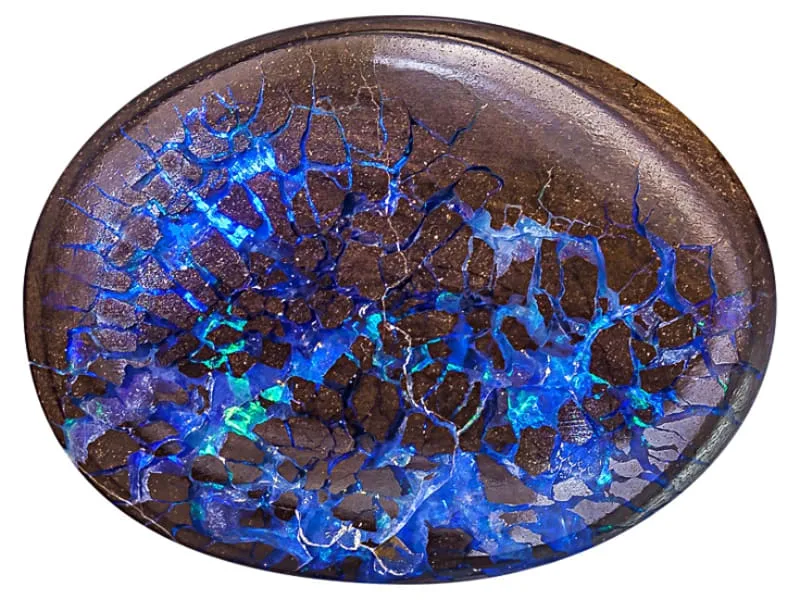
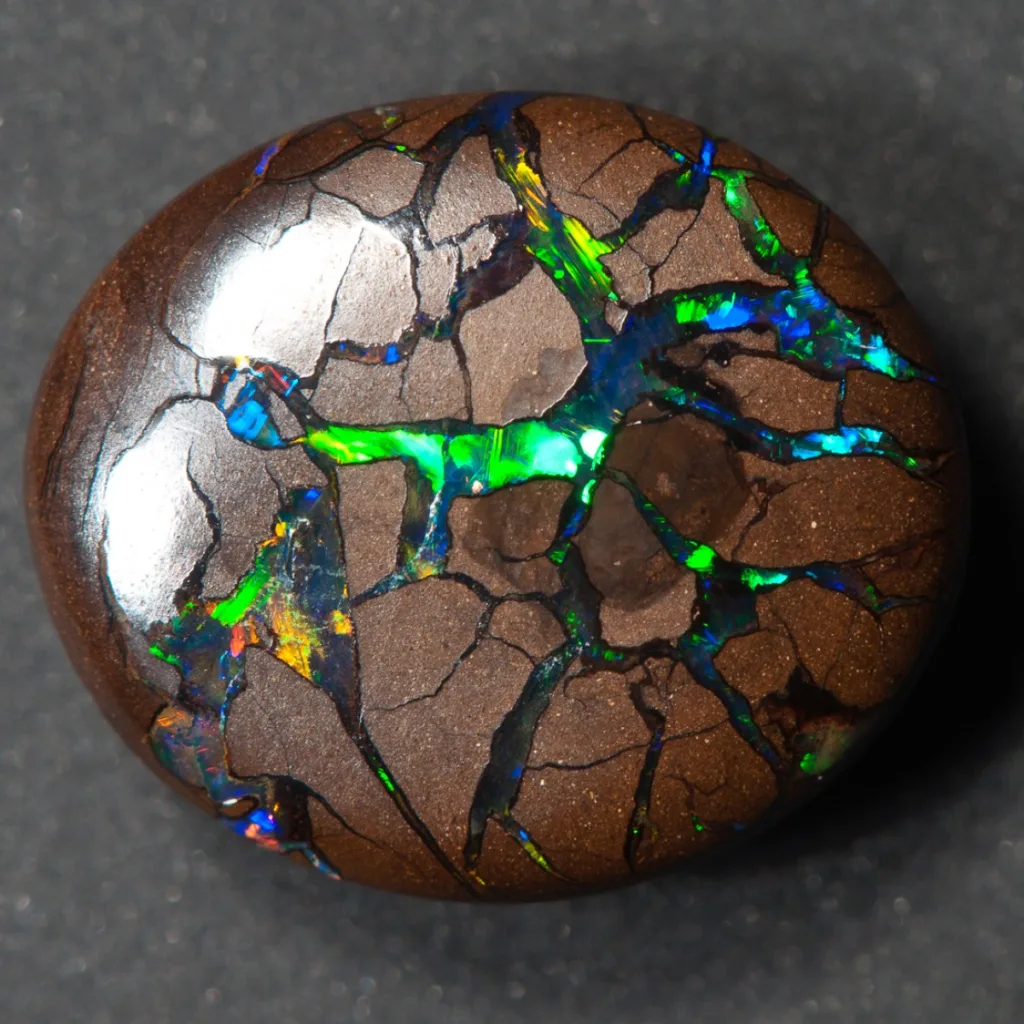
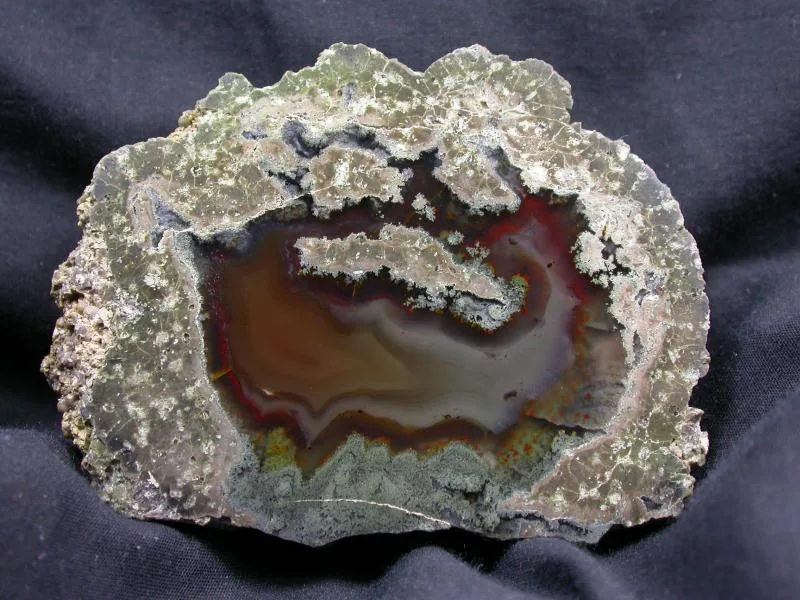
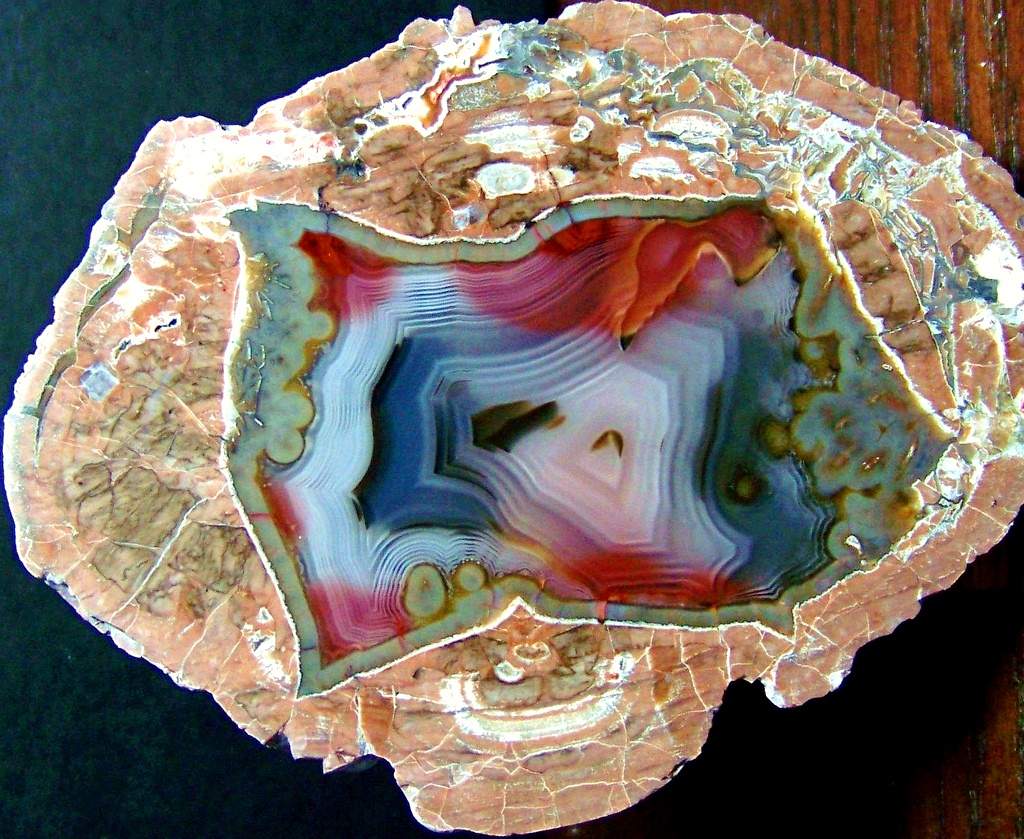
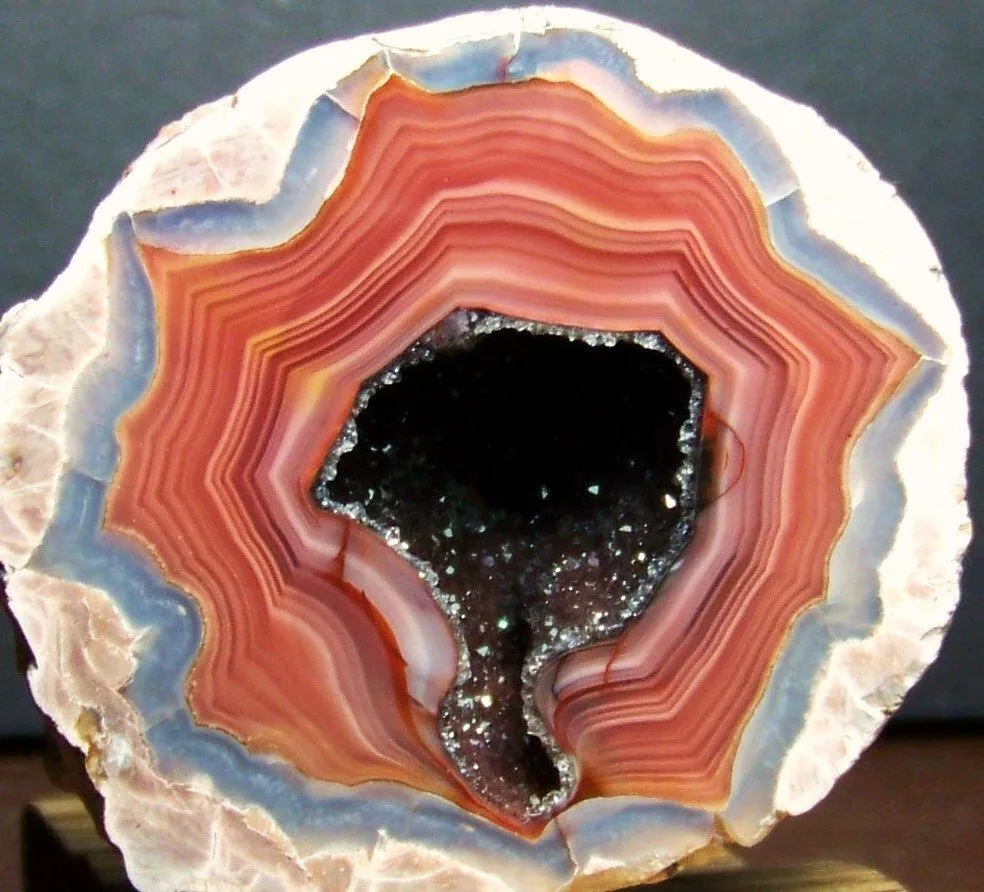
Koroit opal is a type of boulder opal, which means it forms naturally within ironstone host rock. What sets Koroit opal apart is its remarkable play-of-color, which is a dazzling display of vibrant, multicolored flashes and patterns that dance across the gem’s surface when exposed to light. This play-of-color is a result of the microscopic silica spheres that make up the opal refracting light in various colors, creating a mesmerizing visual effect.

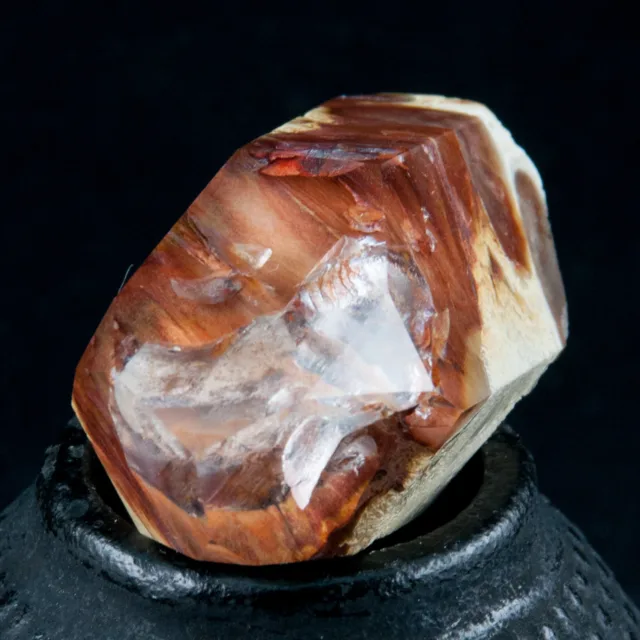
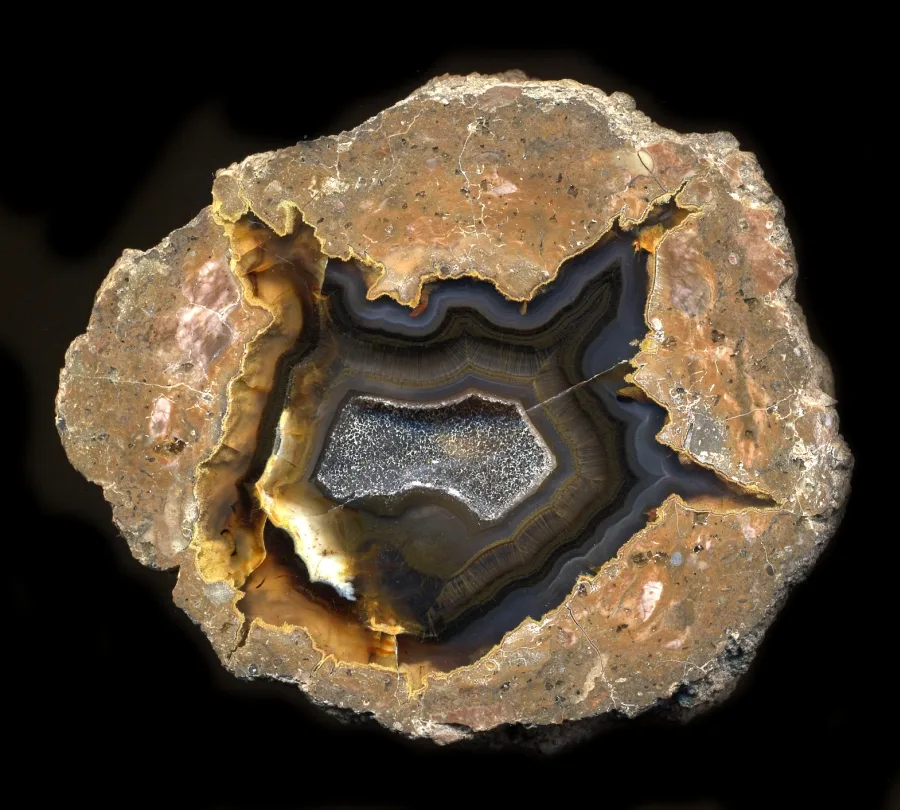
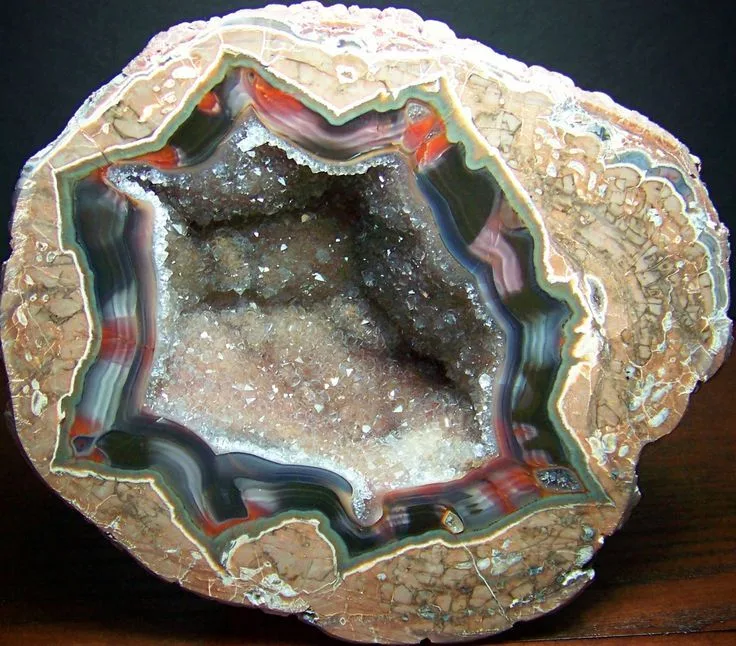
The ironstone matrix that surrounds and supports the opal in Koroit opal specimens adds a distinct character to each gemstone. These matrix patterns can be incredibly intricate and beautiful, with a range of earthy colors, including reds, browns, and greys. The combination of the opal’s play-of-color and the matrix’s natural patterns makes Koroit opal highly desirable among gemstone enthusiasts and collectors.

Koroit opal’s significance in the gemstone world lies in its rarity and exceptional beauty. Its unique blend of colors, patterns, and textures sets it apart from other opals, making it a favorite among those seeking one-of-a-kind gemstones. Collectors value Koroit opal not only for its visual appeal but also for its geological uniqueness and the story it tells of the natural processes that shaped it over millions of years. As with all opals, Koroit opal is believed to possess metaphysical properties, including promoting emotional healing and enhancing one’s creativity and self-expression.

In summary, Koroit opal is a captivating and highly prized gemstone known for its mesmerizing play-of-color and the intriguing ironstone matrix that surrounds it. Its rarity and unique aesthetics make it a significant and cherished gemstone in the world of opals and the broader realm of gemstone enthusiasts.

Physical and Optical Properties of Koroit Opal

Koroit Opal

Koroit opal, like other opals, exhibits specific physical and optical properties that contribute to its unique appearance and desirability. Here are some key physical and optical properties of Koroit opal:

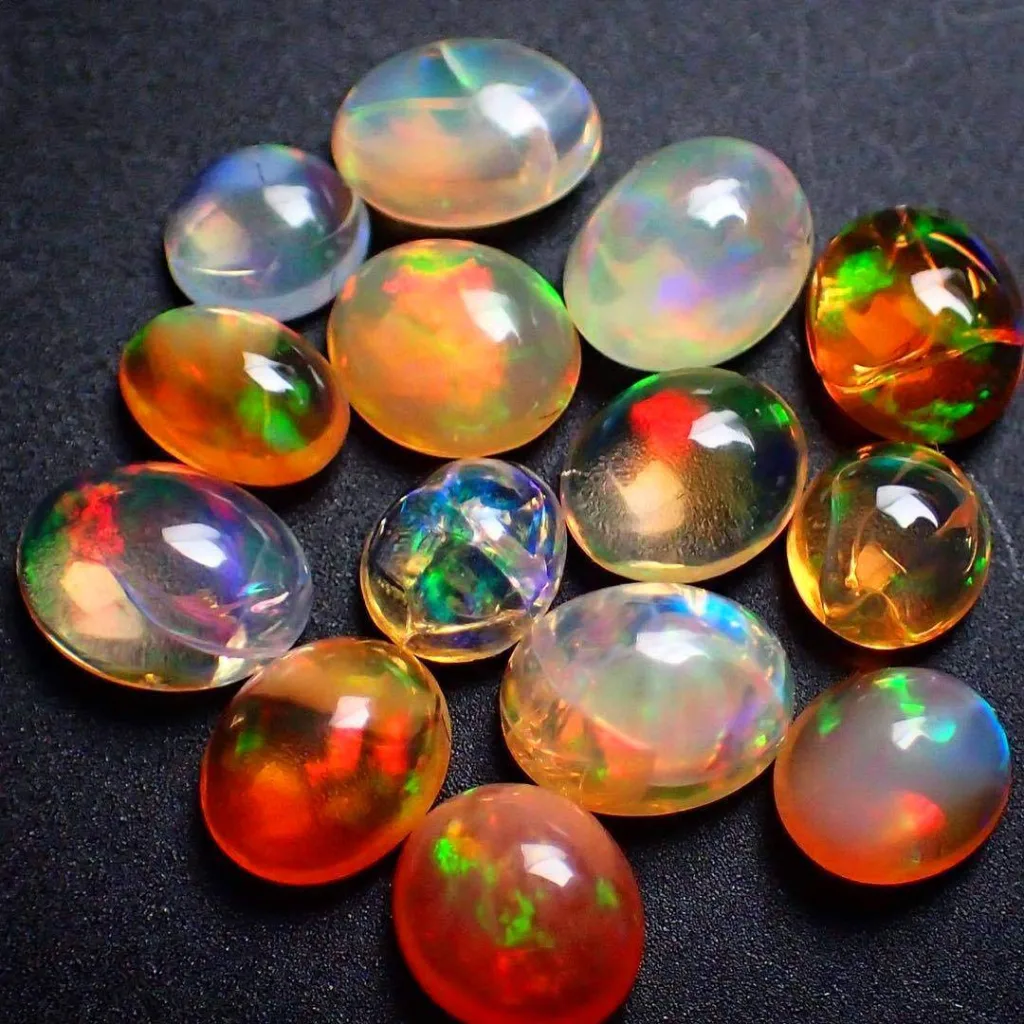
  1. Play-of-Color: The most defining optical property of Koroit opal is its play-of-color. When exposed to light, this opal displays a captivating array of vibrant and shifting colors. This phenomenon is caused by the diffraction of light as it passes through the microscopic silica spheres that make up the opal. The colors can include blues, greens, reds, oranges, and more, and they appear in a variety of patterns across the opal’s surface.
  2. Transparency: Koroit opal can vary in transparency, from translucent to opaque. The degree of transparency can affect how the play-of-color is perceived, with more transparent opals often displaying more vivid and distinct colors.
  3. Body Color: Beyond its play-of-color, Koroit opal also has a body color, which refers to the underlying color of the opal when it is not showing its full play-of-color. This body color can range from white and gray to black and brown, and it can influence the overall appearance of the gemstone.
  4. Hardness: Opals, including Koroit opal, typically have a relatively low hardness on the Mohs scale, which measures a mineral’s resistance to scratching. Koroit opal typically falls in the range of 5.5 to 6.5 on the Mohs scale, making it susceptible to scratches and abrasions.
  5. Specific Gravity: The specific gravity of Koroit opal generally ranges from 1.98 to 2.25, which is relatively low compared to many other gemstones. This low specific gravity contributes to the opal’s lightweight feel.
  6. Refractive Index: The refractive index of Koroit opal typically falls within the range of 1.44 to 1.47. This property affects how light interacts with the opal and contributes to its play-of-color.
  7. Cleavage: Opals, including Koroit opal, do not exhibit cleavage in the traditional sense. Instead, they have a structure that is often described as amorphous or non-crystalline, which means they do not break along specific planes like some other minerals.
  8. Lustre: Koroit opal has a vitreous to resinous lustre, which can vary depending on the quality of the opal and the presence of any surface treatments or coatings.

These physical and optical properties collectively contribute to the unique and mesmerizing appearance of Koroit opal, making it a highly coveted gemstone among collectors and enthusiasts. Its play-of-color, in particular, distinguishes Koroit opal from other gemstones and gives it its exceptional beauty.

Geological Origin and Formation

Koroit Opal

The geological origin and formation of Koroit opal, like other types of opal, are closely tied to the unique geological conditions and processes that occur in specific regions. Here’s an overview of how Koroit opal is believed to form:

  1. Host Rock: Koroit opal is a type of boulder opal, which means it forms within a host rock, typically ironstone. Ironstone is a sedimentary rock rich in iron minerals and is often brown, reddish-brown, or gray in color. This ironstone host rock plays a crucial role in the formation of Koroit opal.
  2. Hydrothermal Processes: The formation of Koroit opal is thought to begin with hydrothermal activity in the Earth’s crust. Hot water carrying dissolved silica (SiO2), often saturated with other minerals and chemicals, percolates through underground rock formations.
  3. Precipitation of Silica: As the hot water moves through fractures and cavities in the host rock, it comes into contact with cooler, more oxygen-rich environments. This causes the dissolved silica to precipitate out of the solution and form tiny spheres or silica gel. These silica spheres are crucial for the play-of-color in opals.
  4. Opalization: Over long periods of time (millions of years), the silica spheres accumulate and create a network or matrix within the host rock. This process is known as opalization. The silica spheres in opal are arranged in a regular pattern, diffracting light and creating the characteristic play-of-color that opals are known for.
  5. Ironstone Matrix: The ironstone host rock surrounding the opalized areas forms a matrix that encases the opal. The ironstone can have various patterns and colors, including reds, browns, and grays. This matrix is a defining feature of Koroit opal and adds to its unique beauty.
  6. Weathering and Erosion: Eventually, geological forces, weathering, and erosion bring opal-bearing rocks closer to the surface. Miners and prospectors then extract the opal by carefully cutting and shaping the ironstone matrix to reveal the opalized sections.

It’s important to note that opal formation is a complex and geological process that requires specific conditions, including the presence of silica-rich water, the right temperatures, and the necessary geological structures. Koroit opal’s distinctive play-of-color and the intricate ironstone matrix are a result of these geological processes occurring in the Koroit region of Queensland, Australia.

The geological uniqueness and rarity of Koroit opal, combined with its stunning visual appeal, make it a highly prized gemstone in the world of opals and gemstone enthusiasts.

Application and Uses Areas

Koroit Opal

Koroit opal, like other opals, is primarily used for its aesthetic and ornamental qualities due to its unique play-of-color and captivating beauty. Its applications and uses are primarily in the realm of jewelry and as collector’s items. Here are some of the main application and use areas for Koroit opal:

  1. Jewelry: Koroit opals are commonly used in various types of jewelry, including rings, necklaces, pendants, earrings, and bracelets. They are often set in precious metals like gold or silver to create stunning and one-of-a-kind jewelry pieces. Due to their vibrant play-of-color and intricate ironstone matrix, Koroit opals are highly prized by jewelry designers and enthusiasts.
  2. Collector’s Items: Koroit opals are sought after by gem and mineral collectors because of their geological uniqueness and exceptional visual appeal. Collectors may acquire Koroit opals as standalone specimens or incorporate them into their mineral and gemstone collections.
  3. Lapidary Art: Skilled lapidary artists can cut and shape Koroit opal into various forms, including cabochons, beads, and inlay pieces. These opals can be used to create custom jewelry or decorative items, adding a touch of opulent color and texture to the designs.
  4. Healing and Metaphysical Uses: Some people believe in the metaphysical properties of gemstones, including opals. Koroit opals, like other opals, are thought to have properties that promote emotional healing, creativity, and self-expression. They may be used in meditation or energy work.
  5. Display and Decoration: Koroit opal specimens, especially those with exceptional play-of-color and matrix patterns, are often displayed in museums, gem and mineral shows, and private collections. Their unique appearance makes them eye-catching decorative pieces and conversation starters.
  6. Investment: Rare and high-quality Koroit opals can appreciate in value over time. Some individuals choose to invest in opals, including Koroit opals, as a way to potentially grow their wealth. However, investing in gemstones should be approached with caution and expert guidance.
  7. Custom and Artistic Projects: Koroit opals are sometimes used in custom artistic projects, such as sculptures, mosaics, and other forms of art where their colors and patterns can enhance the overall aesthetic.

It’s important to note that Koroit opals are relatively rare and can vary greatly in terms of quality and value. The play-of-color, clarity, size, and matrix patterns all contribute to their desirability and market value. Whether used in jewelry, collected, or admired for their beauty, Koroit opals are cherished for their distinctiveness and visual appeal.

Occurrence and Distribution

Koroit Opal

Koroit opal is primarily found in the Koroit region of Queensland, Australia. This region is renowned for producing some of the world’s most exquisite boulder opals, including Koroit opal. Here’s an overview of the occurrence and distribution of Koroit opal:

  1. Koroit Region: The Koroit opal is named after the small town of Koroit, which is located in southwestern Queensland, Australia. This region is part of the larger opal-producing area known as the “Queensland Boulder Opal Fields.” It encompasses various opal mines and claims.
  2. Geological Conditions: Koroit opal, like other boulder opals, forms within ironstone host rock. The geological conditions in the Koroit region are conducive to the formation of opal. The presence of ironstone, combined with the right hydrothermal processes and mineral-rich solutions, contributes to the creation of opalized areas within the host rock.
  3. Variability in Deposits: Opal deposits within the Koroit region can be highly variable. The quality, color, and patterns of Koroit opal can vary from one deposit to another and even within the same deposit. This variability is part of what makes Koroit opal so unique and desirable among gemstone enthusiasts.
  4. Mining: Mining for Koroit opal involves prospectors and miners carefully excavating the opal-bearing rock and extracting opalized sections from the ironstone matrix. Mining operations in the Koroit region can range from small-scale individual efforts to larger commercial mining ventures.
  5. Global Distribution: While Koroit opal is most closely associated with the Koroit region, it is distributed to various parts of the world through the gemstone trade. Gem dealers, lapidaries, and jewelry designers acquire Koroit opal specimens for use in jewelry and collector’s items, and these products can be found in markets and jewelry stores globally.
  6. Online Marketplaces: In the modern era, the internet has made Koroit opal and other gemstones more accessible to a global audience. Many online marketplaces and auction platforms feature Koroit opal for sale, allowing enthusiasts and collectors from around the world to acquire these unique gemstones.

It’s important to note that Koroit opal is prized for its individuality, with each specimen having its own distinct colors, play-of-color patterns, and ironstone matrix characteristics. This uniqueness makes Koroit opal highly sought after by collectors and jewelry designers who appreciate the gem’s captivating beauty and geological rarity.

The Hoba Meteorite, Namibia: Largest Known Meteorite on Earth

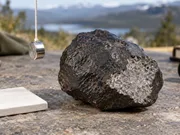
The Hoba Meteorite, located near Grootfontein in Namibia, is the largest known meteorite on Earth, both by mass and volume. Discovered in 1920 by a farmer while plowing his field, the Hoba Meteorite is a rare example of an ataxite, a type of iron meteorite with high nickel content.

The Hoba Meteorite, Namibia: Largest Known Meteorite on Earth

This meteorite, estimated to weigh about 60 tons, is composed mainly of iron (about 84%) and nickel (16%). Its dimensions are approximately 2.7 meters by 2.7 meters, with a height of about 0.9 meters. The Hoba Meteorite is remarkable not only for its size but also because it did not create an impact crater. Scientists believe that its flat shape and perhaps a low angle of descent may have allowed it to skip across the top of the atmosphere like a flat stone across water, which reduced its speed significantly before it hit the ground.

The name “Hoba” comes from the farm where it was found, and it has remained at the same location since its discovery. Due to its size, moving it was impractical. The meteorite is a significant tourist attraction and a source of scientific interest. It provides valuable insights into the composition of celestial bodies and the early solar system.

Over the years, the Hoba Meteorite has undergone various conservation efforts to protect it from vandalism and natural weathering. Its presence on Earth offers a rare and tangible connection to the mysteries of space, making it a unique and valuable object of study for scientists and a point of fascination for visitors from around the world.

Physical Characteristics

The Hoba Meteorite, Namibia: Largest Known Meteorite on Earth

The Hoba Meteorite is notable for its considerable size and unique physical characteristics, making it a subject of great scientific interest and curiosity. Here are some of its key physical attributes:

  1. Composition: The meteorite is classified as an ataxite, a rare type of iron meteorite. It primarily consists of iron (approximately 84%) and nickel (around 16%), with traces of cobalt and other elements. This high nickel content is characteristic of ataxite meteorites.
  2. Dimensions and Weight: The Hoba Meteorite measures about 2.7 meters (8.9 feet) by 2.7 meters, with a thickness of approximately 0.9 meters (3 feet). Its estimated weight is around 60 tons, making it the heaviest known meteorite found on Earth.
  3. Surface Features: The surface of the Hoba Meteorite is marked by regmaglypts, which are thumbprint-like indentations typical of meteorites. These features are believed to have formed due to the intense heat and friction experienced during its passage through Earth’s atmosphere.
  4. Lack of Crater: Uniquely, the Hoba Meteorite does not have an associated impact crater. This absence is attributed to its flat shape and possibly a low-angle trajectory during its descent, which might have slowed its speed and lessened the impact upon landing.
  5. Magnetic Properties: Due to its high iron content, the Hoba Meteorite exhibits strong magnetic properties.
  6. Color and Texture: The meteorite has a metallic appearance, typical of iron meteorites, with a color ranging from grey to black. Its texture varies from smooth areas to parts with a rough, pitted surface.
  7. Age and Origin: While the exact age of the Hoba Meteorite is not precisely determined, it is believed to have fallen to Earth less than 80,000 years ago. Its origin is linked to the remnants of the early solar system, offering insights into the conditions and materials present during that era.

The Hoba Meteorite’s exceptional size and composition, along with its atypical lack of an impact crater, make it a rare and valuable object for scientific study and public interest. Its presence provides a direct link to the mysteries of the cosmos and the early history of our solar system.

Formation and Arrival

The Hoba Meteorite, Namibia: Largest Known Meteorite on Earth

The formation and arrival of the Hoba Meteorite on Earth is a fascinating subject that ties into broader astronomical phenomena and the history of our solar system. Here’s an overview:

Formation of the Meteorite

  1. Origin in the Asteroid Belt: The Hoba Meteorite, like many other meteorites, likely originated from the asteroid belt located between Mars and Jupiter. This region is filled with remnants from the early solar system, including rocky and metallic bodies.
  2. Composition from Proto-planetary Disk: Meteorites like Hoba are believed to be formed from the material in the proto-planetary disk that surrounded the young Sun over 4.5 billion years ago. The material that didn’t coalesce into planets remained in the asteroid belt.
  3. Ataxite Characteristics: Being an ataxite, the Hoba Meteorite is made predominantly of iron and nickel. These elements were present in the early solar system and condensed into solid form as the proto-planetary disk cooled.

Arrival on Earth

  1. Dislodgement from Asteroid Belt: An event, such as a collision or gravitational perturbation, would have dislodged the Hoba Meteorite from its original location in the asteroid belt, setting it on a collision course with Earth.
  2. Entry into Earth’s Atmosphere: Upon entering Earth’s atmosphere, the meteorite would have experienced intense friction and heating. This heat and pressure could account for its unique features, like the regmaglypts on its surface.
  3. Unusual Descent: The Hoba Meteorite’s descent was atypical. It likely entered the atmosphere at a shallow angle and with a relatively flat shape. This trajectory, combined with atmospheric braking, could explain why it didn’t create a crater upon impact.
  4. Impact and Preservation: It is estimated that the Hoba Meteorite landed in its current location in Namibia less than 80,000 years ago. Its preservation is remarkable, considering that most meteorites erode or are buried over such timescales.
  5. No Crater Formation: The combination of its flat shape, possibly a low angle of descent, and reduced speed upon impact are the main reasons why the Hoba Meteorite did not form a crater, unlike most meteorite impacts.

The Hoba Meteorite’s journey from the asteroid belt to its resting place in Namibia is a testament to the dynamic and occasionally chaotic nature of our solar system. Its arrival and preservation provide a unique opportunity for scientists to study and understand the conditions and materials that existed in the early solar system.

Geological and Environmental Impact

The Hoba Meteorite, Namibia: Largest Known Meteorite on Earth

The Hoba Meteorite, despite its massive size, is quite unique in that it did not have a significant geological or environmental impact in the traditional sense associated with meteorite impacts. This lack of typical impact effects is primarily due to the manner in which it arrived on Earth. Here’s an overview of its geological and environmental impact:

Geological Impact

  1. No Crater Formation: Unlike many large meteorites, the Hoba Meteorite did not create an impact crater. This is unusual, as meteorite impacts typically result in craters, often significantly altering the local geology.
  2. Flat Shape and Descent: The meteorite’s flat shape and the low angle of its descent likely contributed to its slow velocity when it reached the Earth’s surface. This reduced the kinetic energy upon impact, preventing the formation of a crater.
  3. Surface Impact: The meteorite’s presence on the surface provides a unique opportunity for direct scientific study, as most large meteorites either disintegrate in the atmosphere or create craters where they become buried or fragmented.

Environmental Impact

  1. Minimal Immediate Impact: Due to the lack of a high-velocity impact and resultant crater, the Hoba Meteorite would have had minimal immediate environmental impact. There was no significant disturbance to the landscape, flora, or fauna that is typically associated with meteorite impacts.
  2. Long-Term Preservation: The meteorite has remained largely intact for potentially tens of thousands of years. Its exposure to the elements has resulted in some weathering, but it remains a well-preserved example of an iron meteorite.
  3. Scientific and Educational Value: The meteorite’s presence on Earth’s surface has provided invaluable scientific and educational opportunities. It serves as a direct link to our solar system’s past and is an accessible natural laboratory for studying the composition and characteristics of extraterrestrial materials.

Cultural and Touristic Impact

  1. Attraction Site: The Hoba Meteorite has become a significant tourist attraction, bringing people from around the world to its location in Namibia.
  2. Cultural Significance: For the local community and visitors, the meteorite holds cultural and historical significance, representing a tangible connection to the cosmos.

In summary, the Hoba Meteorite’s impact is less about physical or environmental alteration and more about its contribution to science, education, and culture. Its unique mode of arrival and preservation on the Earth’s surface has made it a valuable subject for study and a point of interest for people globally.

Scientific Study and Research

The Hoba Meteorite, Namibia: Largest Known Meteorite on Earth

The Hoba Meteorite has been a subject of scientific study and research, providing valuable insights into astrophysics and planetary science.

  1. Composition Analysis: Researchers have extensively studied its composition, confirming its status as an ataxite, a rare class of iron meteorites with a high nickel content. This analysis helps in understanding the conditions in the early solar system.
  2. Isotope Studies: Isotopic studies of the meteorite offer clues about the processes that occurred in the solar nebula from which the solar system formed.
  3. Magnetic Properties: Its magnetic properties have been a point of interest, providing data on the magnetic fields of celestial bodies.
  4. Educational Resource: Beyond research, the meteorite serves as a valuable educational tool, helping to illustrate concepts in geology, astronomy, and physics.

Preservation and Protection

Given its scientific and cultural value, efforts have been made to preserve and protect the Hoba Meteorite:

  1. Designated a National Monument: The meteorite has been designated a national monument, ensuring legal protection.
  2. Structural Support: To prevent stress and cracking, supports have been added to distribute its weight more evenly.
  3. Prevention of Vandalism: Measures have been taken to protect the meteorite from vandalism, including the construction of a visitor center and fencing around the site.
  4. Weathering Protection: Steps have been taken to minimize weathering effects, although its outdoor location makes it susceptible to natural erosion.

Visitor Experience

The Hoba Meteorite is not only a subject of scientific interest but also a popular tourist attraction:

  1. Accessibility: The site is accessible to the public, allowing visitors to get up close to the world’s largest known meteorite.
  2. Educational Displays: The visitor center provides educational information about the meteorite’s history, composition, and its journey from space to Earth.
  3. Guided Tours: Visitors can often take guided tours, providing a more in-depth understanding of the meteorite and its significance.
  4. Photography and Observation: The site offers unique opportunities for photography and observation, appealing to both casual tourists and serious enthusiasts.
  5. Cultural Significance: The site is also a place of cultural interest, providing insights into local history and the broader human fascination with objects from space.

In summary, the Hoba Meteorite is a unique blend of a scientific marvel, a preserved historical artifact, and a fascinating tourist destination. Its presence allows for ongoing scientific study, while efforts to preserve and protect it ensure that it remains an accessible and educative site for visitors from around the world.

Rainbow Hematite

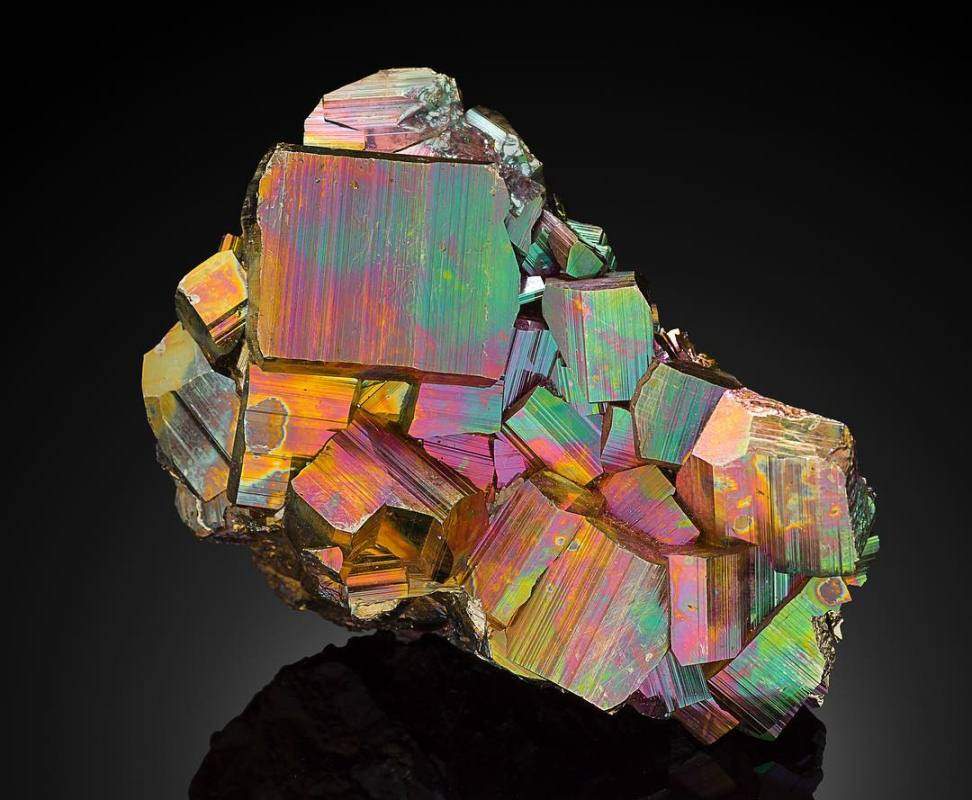
Rainbow hematite is a form of hematite, a common iron oxide mineral with the chemical formula Fe2O3. What sets rainbow hematite apart from typical hematite is its captivating iridescent or rainbow-like sheen. This iridescence is caused by the presence of a thin layer of microscopic platelets or scales on the surface of the mineral. These platelets interact with light, creating a play of colors that can resemble the colors of the rainbow. The colors often seen on rainbow hematite include shades of blue, green, purple, and gold, and they can change when the mineral is viewed from different angles or under varying lighting conditions.

Rainbow hematite is typically found as botryoidal (grape-like) or reniform (kidney-shaped) masses with a metallic luster. Its iridescence can be quite striking and has made it a popular choice for jewelry and decorative pieces.

History and Discovery: The history of rainbow hematite is closely tied to the broader history of hematite itself, as they share a common mineralogical origin. Hematite has been used by humans for thousands of years for various purposes, including as a pigment for cave paintings and as a source of iron for tools and weapons.

The specific discovery and recognition of rainbow hematite as a distinct variety of hematite with its iridescent qualities are not well-documented. It is possible that individuals throughout history noticed the colorful sheen on certain hematite specimens and found them particularly attractive for ornamental and artistic purposes.

In more recent times, rainbow hematite has gained popularity as a decorative mineral and has been used in jewelry, beads, and lapidary work. Its colorful appearance and unique properties make it a sought-after collector’s item and a popular choice for jewelry designers and gem enthusiasts.

In summary, rainbow hematite is a type of hematite that stands out due to its remarkable iridescence, which results from the presence of thin surface platelets interacting with light. While the precise history of its discovery is not well-documented, its colorful and captivating appearance has made it a valued mineral for both collectors and artisans in recent years.

Physical and Chemical Properties of Rainbow Hematite

Rainbow hematite, like other varieties of hematite, possesses specific physical and chemical properties that distinguish it as a unique mineral. Here are some key physical and chemical properties of rainbow hematite:

Physical Properties:

  1. Color: The most distinctive feature of rainbow hematite is its iridescent or rainbow-like sheen. This iridescence can display a range of colors, including blue, green, purple, and gold. The colors can shift as the mineral is viewed from different angles or under varying lighting conditions.
  2. Luster: Rainbow hematite exhibits a metallic luster, giving it a shiny and reflective appearance.
  3. Streak: When scraped against an unglazed porcelain streak plate, rainbow hematite leaves a reddish-brown streak due to the presence of iron oxide.
  4. Hardness: Rainbow hematite has a hardness of about 5.5 to 6.5 on the Mohs scale of mineral hardness. This places it in the same hardness range as common minerals like quartz and feldspar.
  5. Cleavage: Rainbow hematite has no cleavage, meaning it does not break along specific planes. Instead, it exhibits a conchoidal fracture, which results in irregular, shell-like fractures when it is broken.
  6. Crystal System: Hematite, including rainbow hematite, crystallizes in the trigonal crystal system. However, rainbow hematite is often found as botryoidal (grape-like) or reniform (kidney-shaped) masses, rather than as distinct crystals.
  7. Density: The density of rainbow hematite typically ranges from 4.9 to 5.3 grams per cubic centimeter (g/cm³), depending on its specific composition and impurities.

Chemical Properties:

  1. Chemical Formula: The chemical formula of rainbow hematite is Fe2O3, indicating that it is primarily composed of iron (Fe) and oxygen (O). It is an iron oxide mineral.
  2. Composition: Rainbow hematite is composed mainly of iron(III) oxide (Fe2O3). Its iridescent colors are a result of the thin layer of microscopic platelets on its surface, which interact with light to create the colorful sheen.
  3. Magnetism: Hematite, including rainbow hematite, is weakly magnetic. It can be attracted to a strong magnet, but its magnetism is not very pronounced.
  4. Transparency: Rainbow hematite is generally opaque, meaning that light does not pass through it.
  5. Lustre: As mentioned earlier, rainbow hematite exhibits a metallic lustre, which is characteristic of many metallic minerals.
  6. Mohs Hardness: Its Mohs hardness of 5.5 to 6.5 indicates that rainbow hematite is moderately hard and can scratch glass but can also be scratched by harder minerals.

These physical and chemical properties make rainbow hematite a unique and visually appealing variety of hematite, prized for its iridescence and often used in jewelry and decorative objects.

Formation and Occurrence

Rainbow hematite, like other forms of hematite, forms through various geological processes and can be found in different geological settings. Here’s an overview of its formation and occurrence:

Formation:

  1. Hydrothermal Processes: One common mode of formation for rainbow hematite is hydrothermal processes. In these settings, hot fluids rich in iron and other minerals percolate through rocks and deposit hematite as they cool and react with the surrounding rocks. The formation of the iridescent layer on rainbow hematite’s surface may be influenced by specific conditions during hydrothermal deposition.
  2. Weathering and Alteration: Hematite can also form as a result of weathering and alteration of other iron-rich minerals, such as magnetite or pyrite. In some cases, these weathering processes can result in the development of iridescent surface coatings on hematite.

Occurrence: Rainbow hematite can be found in various geological settings around the world. Some common occurrences include:

  1. Sedimentary Rocks: Hematite, including rainbow hematite, is often found in sedimentary rocks such as sandstone, shale, and limestone. These rocks may contain hematite nodules or concretions that can exhibit iridescence.
  2. Hydrothermal Veins: Hydrothermal veins, which form as a result of hot fluids moving through fractures in rocks, can host rainbow hematite deposits. These veins may occur in various types of host rocks, including granite, quartzite, and schist.
  3. Ores: Hematite is a significant ore of iron, and rainbow hematite can sometimes be found within iron ore deposits. It is particularly common in banded iron formations (BIFs), which are sedimentary rocks that contain alternating layers of iron-rich and silica-rich minerals.
  4. Metamorphic Rocks: Hematite can also be present in metamorphic rocks, where high-pressure and temperature conditions have caused the mineral to recrystallize. In some cases, rainbow hematite may be found in these metamorphic settings.
  5. Weathered Environments: In some weathered environments, particularly those with iron-rich soils or sediments, rainbow hematite can be formed or exposed at the surface as a result of weathering and oxidation processes.
  6. Mineral Deposits: Rainbow hematite can occasionally be found in association with other minerals in mineral deposits. These occurrences may vary depending on the specific geological context of the deposit.

It’s important to note that while rainbow hematite is known for its iridescent surface, not all hematite specimens will exhibit this colorful sheen. The presence and intensity of the iridescence can vary depending on factors such as the mineral’s composition, the presence of impurities, and the specific geological conditions during its formation. Collectors and enthusiasts often seek out rainbow hematite for its striking appearance and unique visual appeal.

Rainbow Hematite’s Uses

Rainbow hematite, with its unique iridescent appearance, has several practical and aesthetic uses. Here are some of the primary uses of rainbow hematite:

  1. Jewelry: Rainbow hematite is a popular choice for making jewelry due to its striking appearance. It is often used to create earrings, necklaces, bracelets, and pendants. The iridescent surface adds a vibrant and eye-catching element to jewelry designs.
  2. Ornamental and Decorative Objects: Rainbow hematite is used to craft ornamental and decorative objects such as bookends, paperweights, and figurines. Its iridescence makes it a valuable addition to art and décor, enhancing the visual appeal of these items.
  3. Collectibles: Rainbow hematite is a sought-after mineral specimen among collectors. Mineral collectors appreciate its unique and colorful appearance, often acquiring specimens for their private collections.
  4. Metaphysical and Spiritual Uses: Some individuals believe that rainbow hematite has metaphysical properties and spiritual significance. It is thought to be a stone that promotes balance, grounding, and protection. People may carry or wear rainbow hematite for its alleged healing and energy-balancing properties.
  5. Educational Purposes: Rainbow hematite is used in educational settings to teach students about minerals, geology, and the unique optical properties of iridescent minerals. It can be a valuable tool for demonstrating geological concepts.
  6. Lapidary and Cabochons: Skilled lapidaries can shape and polish rainbow hematite into cabochons or polished gemstones. These cabochons can be used in custom jewelry designs or incorporated into artistic creations.
  7. Meditation and Relaxation: Some individuals use rainbow hematite as a meditation aid, believing that it helps with relaxation and concentration during mindfulness practices.
  8. Feng Shui: In Feng Shui, rainbow hematite may be used for its energy-enhancing and balancing properties. It is sometimes placed in specific areas of the home or workspace to promote positive energy flow.
  9. Art and Craft Projects: Crafters and artists may incorporate rainbow hematite into various creative projects, including mosaics, sculpture, and mixed-media artworks, to add a touch of iridescence and visual interest.
  10. Geological and Mineralogical Research: Scientists and researchers may study rainbow hematite for its optical and structural properties. Understanding how the iridescence is generated can have applications in materials science and optics.

It’s important to note that while rainbow hematite has these various uses, its primary appeal lies in its aesthetic qualities. As with many gemstones and minerals, the perceived metaphysical and healing properties of rainbow hematite are subjective and not scientifically proven. Nevertheless, its stunning appearance makes it a popular choice for jewelry and decorative purposes.

The Willamette Meteorite: Largest Meteorites Ever Found in USA

The Willamette Meteorite is one of the largest meteorites ever found in the United States and is classified as an iron meteorite. It is famous not only for its size but also for the controversy surrounding its discovery and ownership. The meteorite has been a subject of scientific study and public fascination for many years.

Location: The Willamette Meteorite was discovered in what is now the state of Oregon, USA. Specifically, it was found in the West Linn area, which is near the Willamette River. This location gives the meteorite its name.

Discovery: The exact date of the Willamette Meteorite’s discovery is uncertain, as Native American tribes in the area may have known about it for centuries before European settlers arrived. However, it gained wider attention in 1902 when it was discovered by a settler named Ellis Hughes on land owned by the Oregon Iron and Steel Company.

The meteorite’s discovery sparked a legal dispute over ownership, as the Oregon Iron and Steel Company claimed the land where the meteorite was found. This led to a court case that lasted several years, with the meteorite at the center of the controversy.

Today, the Willamette Meteorite is housed in the American Museum of Natural History in New York City, where it continues to be a popular attraction for visitors interested in meteorites and space science. It is estimated to be around 13,000 years old and is composed mainly of iron and nickel. The meteorite weighs over 15.5 tons, making it one of the largest meteorites ever found on Earth.

Description of the Willamette Meteorite

The Willamette Meteorite is a remarkable and iconic meteorite known for its size, composition, and historical significance. Here’s a detailed description of the Willamette Meteorite:

1. Size and Weight: The Willamette Meteorite is one of the largest meteorites ever discovered on Earth. It measures approximately 10.5 feet (3.2 meters) in length, 6.5 feet (2 meters) in width, and 4.25 feet (1.3 meters) in height. Its immense size sets it apart from most other meteorites. The meteorite’s weight is estimated to be over 15.5 tons (14 metric tonnes), making it exceptionally heavy.

2. Composition: The Willamette Meteorite is primarily composed of iron-nickel alloy, which is a common characteristic of iron meteorites. The meteorite consists of approximately 91% iron, 7.62% nickel, and small traces of other elements and minerals, including cobalt and phosphorus. The distinctive Widmanstätten patterns, which are intricate, intersecting crystalline structures, can be observed on its cut surface.

3. Appearance: The meteorite has a distinctive appearance, with a dark, weathered exterior that shows signs of rust and corrosion, giving it a reddish-brown or deep brown color. This outer layer, known as a fusion crust, formed as the meteorite heated up and partially melted during its entry through Earth’s atmosphere. The fusion crust helps protect the meteorite from further weathering.

4. Regmaglypts: One of the notable features of the Willamette Meteorite is the presence of regmaglypts or thumbprint-like depressions on its surface. These regmaglypts were formed during the meteorite’s fiery descent through the atmosphere. They are caused by ablation, where the outer surface melts and evaporates due to friction and heat, leaving behind these distinctive impressions.

5. Origin: The precise origin of the Willamette Meteorite is not known, as it likely comes from the asteroid belt between Mars and Jupiter. It is believed to have traveled through space for millions of years before entering Earth’s atmosphere and landing in what is now Oregon.

6. Cultural and Historical Significance: Beyond its scientific importance, the Willamette Meteorite also holds cultural significance. Native American tribes in the region regarded it with reverence long before its formal discovery by European settlers. The meteorite’s ownership and legal disputes in the early 20th century added to its notoriety and historical context.

Today, the Willamette Meteorite is displayed at the American Museum of Natural History in New York City, where it continues to capture the imagination of visitors and researchers interested in meteorites and the mysteries of the cosmos.

Scientific Significance

The Willamette Meteorite holds significant scientific importance for several reasons:

  1. Composition and Classification: As an iron meteorite, the Willamette Meteorite provides valuable insights into the composition of meteorites. Its high iron and nickel content, along with other trace elements, allows scientists to study the materials that make up these extraterrestrial objects. By analyzing its composition, researchers can better understand the processes that formed both the meteorite and the early solar system.
  2. Age Determination: Radiometric dating techniques have been used to estimate the age of the Willamette Meteorite, which is approximately 13,000 years old. This dating provides a reference point for understanding the timing of meteorite impacts on Earth and helps in studying the history of celestial bodies in our solar system.
  3. Meteoroid Disintegration: The meteorite’s regmaglypts (thumbprint-like depressions) and fusion crust provide insights into how meteoroids disintegrate and ablate during their entry through Earth’s atmosphere. Understanding the processes that occur during atmospheric entry is crucial for studying meteorites and the potential hazards posed by larger asteroid impacts.
  4. Planetary Formation and Differentiation: Iron meteorites like the Willamette Meteorite are thought to originate from the cores of small planetary bodies that differentiated early in the history of the solar system. By studying iron meteorites, scientists can gain insights into the processes of planetary formation, differentiation, and the thermal history of these celestial bodies.
  5. Impact and Geological Effects: The discovery of the Willamette Meteorite and its subsequent impact crater evidence has contributed to our understanding of meteorite impacts on Earth’s surface. It helps scientists study the geological and environmental effects of such impacts, shedding light on the Earth’s history and the potential risks associated with asteroid impacts in the future.
  6. Public Engagement and Education: The Willamette Meteorite serves as an educational tool and a source of inspiration for the public. Its display in museums allows visitors to learn about meteorites, space science, and the history of our solar system. It encourages interest in astronomy and planetary science.

Overall, the Willamette Meteorite is a valuable specimen for scientific research, contributing to our understanding of meteorites, planetary formation, and the Earth’s interaction with celestial objects. Its significance extends beyond the realm of academia, as it continues to captivate the imaginations of people interested in space and the mysteries of the universe.

Acquisition and Ownership History

The acquisition and ownership history of the Willamette Meteorite is a complex and controversial story that spans several decades. Here is an overview of the key events in its acquisition and ownership:

  1. Native American and Pre-European History: Before European settlers arrived in the region, the Willamette Meteorite was known and revered by Native American tribes in the area. It held spiritual and cultural significance for these indigenous peoples.
  2. Discovery: The meteorite gained wider attention in the early 20th century when it was discovered by a settler named Ellis Hughes in 1902 on land owned by the Oregon Iron and Steel Company. The meteorite had likely been resting in the same location for centuries.
  3. Legal Dispute: The discovery of the Willamette Meteorite led to a legal dispute over ownership. The Oregon Iron and Steel Company claimed ownership of the land on which the meteorite was found, and they subsequently asserted ownership of the meteorite itself. This dispute resulted in a court case that lasted for several years.
  4. Ownership Determination: In 1905, a judge ruled that the meteorite belonged to the Oregon Iron and Steel Company, largely based on their ownership of the land where it was found. This decision was met with controversy and public outcry, as many believed the meteorite should be considered a natural treasure and not private property.
  5. Sale to the American Museum of Natural History: In 1906, the Oregon Iron and Steel Company decided to sell the Willamette Meteorite. It was purchased by the American Museum of Natural History (AMNH) in New York City for $20,600, a significant sum at the time. The acquisition of the meteorite by a museum sparked further debate and criticism.
  6. Public Display: The Willamette Meteorite has been on public display at the American Museum of Natural History ever since its acquisition. It remains a popular exhibit, attracting visitors interested in meteorites and space science.
  7. Ongoing Controversy: The ownership and acquisition of the Willamette Meteorite have remained controversial topics throughout its history. Some individuals and organizations have called for its return to Oregon, citing its cultural significance to Native American communities. However, legal ownership of the meteorite was determined through the court case in 1905, and it remains in the possession of the American Museum of Natural History.

The Willamette Meteorite’s ownership history highlights the complex and sometimes contentious issues surrounding the ownership and stewardship of meteorites and other natural objects of scientific and cultural significance. While it remains on display in New York, discussions about its rightful place and significance continue to this day.

Display and Accessibility

The Willamette Meteorite is currently on public display at the American Museum of Natural History (AMNH) in New York City, where it has been showcased for over a century. Here’s some information about its display and accessibility:

Display: The Willamette Meteorite is prominently displayed in the museum’s Rose Center for Earth and Space, a section of the AMNH dedicated to the study of astronomy, astrophysics, and meteorites. Within the Rose Center, the meteorite is housed in a specially designed glass case that allows visitors to view it from various angles. The meteorite is positioned so that its impressive size and distinctive features, including its fusion crust and regmaglypts, can be easily observed.

Accessibility: The American Museum of Natural History is one of the most well-known and visited museums in the United States, and it is easily accessible to the public. Here’s how you can visit and access the Willamette Meteorite:

  1. Location: The AMNH is located at Central Park West and 79th Street in Manhattan, New York City. It’s a well-known landmark and easily accessible by various modes of transportation.
  2. Admission: Access to the museum, including the exhibit where the Willamette Meteorite is displayed, requires purchasing a ticket. Admission fees may vary, and discounts are often available for students, seniors, and children.
  3. Visiting Hours: The museum’s hours of operation can vary, so it’s a good idea to check the official AMNH website or contact the museum directly for up-to-date information on visiting hours, especially if you’re planning a trip.
  4. Accessibility Services: The museum is committed to providing accessibility services for visitors with disabilities. These services may include wheelchair accessibility, assistive listening devices, sign language interpreters, and more. Visitors with specific accessibility needs should contact the museum in advance to make arrangements.
  5. Guided Tours: The AMNH offers guided tours and educational programs, which can enhance your visit and provide more in-depth information about the meteorite and other exhibits.
  6. Educational Resources: The museum often provides educational materials and resources related to its exhibits, including the Willamette Meteorite, which can be helpful for visitors looking to learn more about this unique meteorite and its scientific significance.

Remember that museum operating hours, admission fees, and accessibility services may change, so it’s advisable to check the official AMNH website or contact the museum directly for the most current information before planning your visit to see the Willamette Meteorite.

Summary of the Willamette Meteorite’s significance

  1. Size: It ranks among the largest meteorites ever discovered on Earth, weighing over 15.5 tons and measuring more than 10 feet in length. Its immense size makes it a remarkable object for study.
  2. Composition: Composed mainly of iron and nickel, the Willamette Meteorite provides valuable insights into the materials that make up meteorites and the processes that shaped these celestial bodies.
  3. Scientific Insights: Researchers have used the meteorite to study the age of meteorites, planetary formation, and differentiation processes, helping to unravel the history of our solar system.
  4. Atmospheric Entry: The meteorite’s fusion crust and regmaglypts offer crucial information about the processes that occur when meteoroids enter Earth’s atmosphere, contributing to our understanding of meteorite impacts.
  5. Cultural and Historical Significance: The meteorite was revered by Native American tribes long before its formal discovery. Its acquisition and ownership history have generated debate and controversy, highlighting issues of cultural heritage and stewardship.
  6. Public Engagement: On display at the American Museum of Natural History in New York City, the meteorite serves as an educational tool, inspiring interest in astronomy, space science, and the mysteries of the universe among the public.

Overall, the Willamette Meteorite’s scientific, cultural, and historical importance, combined with its unique characteristics, make it a captivating and significant object of study and public fascination.

El Zacatón Sinkhole, Mexico

The Zacatón Sinkhole, also known as El Zacatón cenote, is a remarkable geological feature located in northeastern Mexico. It is one of the world’s deepest known sinkholes and holds significant scientific and ecological importance. This natural wonder is situated within the Sierra Madre Oriental mountain range, specifically in the state of Tamaulipas, near the town of Aldama.

Location and Geographical Context: The Zacatón Sinkhole is nestled in a remote and rugged region of northeastern Mexico, making it a challenging place to access. It lies approximately 20 kilometers (12 miles) southwest of Aldama, a small town in the Tamaulipas state. The sinkhole’s exact coordinates are approximately 24.9167° N latitude and 98.2065° W longitude. This region is characterized by its karst topography, which is formed by the dissolution of soluble rocks, primarily limestone, creating sinkholes, caves, and underground river systems.

Brief Description of the Sinkhole: The Zacatón Sinkhole is a massive, water-filled depression in the Earth’s surface, formed by the collapse of an underground cave or cavern system. It is often referred to as a cenote, a term used in Mexico and the Yucatan Peninsula to describe natural sinkholes filled with water. The most distinguishing features of Zacatón include:

  1. Enormous Depth: Zacatón is renowned for its astonishing depth, with its bottom reaching approximately 319 meters (1,047 feet) below the surface. This makes it one of the deepest known sinkholes globally, surpassing the depth of most other cenotes and sinkholes.
  2. Crystal-Clear Water: The sinkhole’s water is incredibly clear and transparent, allowing for excellent visibility. This clarity has made Zacatón a popular destination for divers and researchers exploring its depths.
  3. Warm and Mineral-Rich Water: The water in Zacatón is thermally stratified, with different layers having varying temperatures. The upper layer is relatively cool, while the deeper layers are significantly warmer. The mineral-rich water is also slightly acidic, further adding to its unique characteristics.
  4. Unique Ecosystem: The extreme conditions in Zacatón have given rise to a unique ecosystem of microorganisms and endemic species, including specialized bacteria and amphipods adapted to the extreme depths and chemical composition of the water.

Significance and Importance: The Zacatón Sinkhole holds several types of significance:

  1. Geological Importance: As one of the deepest sinkholes known, Zacatón offers valuable insights into the geological processes that shape karst landscapes. It provides a natural laboratory for studying underground cave systems and their collapse, which can aid in understanding similar geological features worldwide.
  2. Scientific Research: Scientists and researchers are drawn to Zacatón for its unique water conditions and specialized ecosystems. Studies in this sinkhole have contributed to our understanding of extremophiles, organisms that thrive in extreme environments, and the potential for life on other planets with harsh conditions.
  3. Biodiversity Conservation: The unique flora and fauna of Zacatón make it an area of interest for conservation efforts. Protecting the sinkhole and its surrounding environment helps preserve the rare species that have adapted to its specific conditions.
  4. Recreational and Adventure Tourism: Despite its remote location and challenging access, Zacatón has attracted divers and adventure enthusiasts who come to explore its underwater caves and caverns. This has the potential to boost local tourism and the economy.

In conclusion, the Zacatón Sinkhole is a remarkable natural feature located in northeastern Mexico, known for its incredible depth, crystal-clear water, unique ecosystem, and scientific importance. It continues to captivate scientists, divers, and adventurers while offering valuable insights into geological processes and extremophiles in extreme environments.

Geological Formation of the Zacatón Sinkhole

The geological formation of the Zacatón Sinkhole is a result of the dissolution of soluble rocks, primarily limestone, which is a common process in karst landscapes. Karst topography is characterized by the presence of sinkholes, caves, and underground river systems formed by the chemical weathering of carbonate rocks. Here’s how the geological formation of the Zacatón Sinkhole likely occurred:

  1. Limestone Formation: The foundation for the Zacatón Sinkhole began millions of years ago when the area was submerged beneath ancient seas. Over time, the remains of marine organisms, such as shells and corals, accumulated on the ocean floor. These organic materials, rich in calcium carbonate, eventually solidified and formed limestone rock layers.
  2. Chemical Weathering: The key process that led to the formation of the sinkhole is chemical weathering. Rainwater, which is naturally slightly acidic due to dissolved carbon dioxide, percolates through the soil and reaches the underlying limestone rock. Over time, this mildly acidic water reacts with the calcium carbonate in the limestone, dissolving it. This chemical reaction is known as “carbonation” or “dissolution.”
  3. Formation of Caves: As the limestone dissolves, it forms underground channels and caverns. These caves can grow over thousands of years as the dissolution process continues. The water can also create intricate underground drainage systems, carving out a network of interconnected tunnels.
  4. Cave Collapse: The formation of underground caverns and tunnels can weaken the stability of the overlying rock layers. Eventually, a collapse or series of collapses can occur, creating a depression on the Earth’s surface. This depression is what we commonly refer to as a sinkhole.
  5. Water Filling the Sinkhole: As the cave collapses, the resulting depression fills with water, either from groundwater or surface water sources, depending on the local hydrology. In the case of Zacatón, the sinkhole is filled with clear, mineral-rich water.
  6. Ongoing Geological Processes: The geological processes in the region are ongoing, with the dissolution of limestone and the potential for further cave collapses continuing to shape the sinkhole and its surrounding area.

It’s important to note that the formation of sinkholes like Zacatón can take millions of years and is influenced by various factors, including the type of rock, the chemistry of the water, and the local geology. Additionally, sinkholes may continue to evolve and change over time as geological processes persist.

Exploration and Scientific Research

Exploration and scientific research in the Zacatón Sinkhole have been of great interest to scientists, divers, and researchers due to its unique geological and ecological characteristics. Here’s an overview of the exploration and scientific research conducted in this extraordinary sinkhole:

  1. Diving Expeditions: Divers have been drawn to the Zacatón Sinkhole to explore its depths and underwater caves. These expeditions are not for the faint of heart, as they require specialized training and equipment due to the extreme depth and challenging conditions. Divers have ventured to various depths within the sinkhole, using techniques such as scuba diving and mixed-gas diving to study the underwater environment.
  2. Mapping and Surveying: Researchers have conducted extensive mapping and surveying of the sinkhole and its underwater cave systems. This involves using sonar technology, underwater mapping equipment, and 3D modeling to create detailed maps of the sinkhole’s shape and the network of caves and tunnels beneath the water’s surface.
  3. Biological Studies: The unique and extreme conditions of Zacatón, including its warm, mineral-rich water and depth, have attracted biologists and microbiologists. They have discovered previously unknown species of microorganisms and adapted life forms within the sinkhole. The study of extremophiles in this environment provides insights into the potential for life in extreme conditions on other planets.
  4. Chemical Analysis: Scientists have conducted chemical analyses of the water in Zacatón to understand its unique composition and the processes that sustain the sinkhole’s thermally stratified layers. This research helps explain the mineral content, temperature variations, and acidity of the water.
  5. Geological Research: Geological studies have focused on the formation and ongoing processes within the sinkhole. Researchers aim to better understand the geological history, cave collapse events, and the role of karst topography in shaping this unique feature.
  6. Environmental Monitoring: Ongoing monitoring of the sinkhole and its surrounding ecosystem helps researchers assess changes over time. This includes measuring water quality, temperature fluctuations, and biological diversity to understand the sinkhole’s ecological dynamics.
  7. Scientific Expeditions: Scientific expeditions to Zacatón often involve interdisciplinary teams of researchers, including geologists, biologists, hydrologists, and geophysicists. These collaborations are essential for gaining a comprehensive understanding of the sinkhole and its significance.
  8. Education and Outreach: Researchers and organizations often engage in educational and outreach efforts to share their findings and raise awareness about the importance of preserving unique geological formations like Zacatón. These efforts help promote conservation and responsible exploration.
  9. Conservation Efforts: Given its significance, efforts have been made to protect the Zacatón Sinkhole and its surrounding environment. Conservation measures help preserve the unique ecosystem and geological features of the sinkhole for future generations.

Exploration and scientific research in the Zacatón Sinkhole continue to contribute valuable knowledge about extreme environments, geological processes, and the potential for life in harsh conditions. This remarkable natural wonder serves as a living laboratory for scientists and a source of fascination for adventurers and explorers.

Color Change Garnet

Color Change Garnet is a fascinating and relatively rare gemstone known for its unique ability to change color under different lighting conditions. It is a variety of garnet, which is a group of silicate minerals. What sets Color Change Garnet apart from other garnet varieties is its remarkable property of exhibiting different colors depending on the type of light it is exposed to.

Color Change Garnet is a type of garnet gemstone that can exhibit distinct colors when viewed under different light sources. This phenomenon is caused by the presence of trace elements within the crystal structure of the garnet, which interact with light to produce varying colors.

Color-Changing Properties: The color-changing properties of Color Change Garnet are its most distinguishing feature. Typically, it appears green or bluish-green under daylight or fluorescent lighting conditions. However, when the gemstone is exposed to incandescent or candlelight, it can undergo a remarkable transformation and shift in color to a reddish or purplish hue. This color change is often described as a transition between daylight and incandescent light.

The underlying science behind this phenomenon lies in the way different light sources affect the absorption and reflection of specific wavelengths of light by the trace elements within the garnet’s crystal lattice. In daylight, the garnet absorbs more of the longer-wavelength green and blue light, making it appear greenish. In incandescent light, it absorbs more of the shorter-wavelength red and yellow light, resulting in a shift towards the reddish spectrum.

The most highly prized Color Change Garnets exhibit a vivid and pronounced change in color, with a clear distinction between their green and red hues. The intensity of the color change, as well as the overall quality of the gem, can significantly influence its value in the gemstone market.

Overall, Color Change Garnet is a captivating gemstone that combines the allure of two distinct colors within a single stone, making it a sought-after choice for collectors and jewelry enthusiasts alike. Its unique ability to adapt to different lighting conditions adds to its desirability, making it a gemstone appreciated for both its aesthetic beauty and intriguing optical properties.

Characteristics of Color Change Garnet

  1. Chemical Composition and Mineral Structure:
    • Color Change Garnet is a variety of the garnet group of minerals, which have the general chemical formula (X3Y2)(Si3O12), where X and Y represent different metallic elements.
    • The most common type of Color Change Garnet is typically composed of calcium (Ca), aluminum (Al), silicon (Si), and oxygen (O). It may also contain traces of other elements such as iron (Fe) and chromium (Cr), which play a crucial role in its color-changing properties.
    • The crystal structure of garnets is isometric (cubic), and they usually form dodecahedron or trapezohedron-shaped crystals.
  2. Colors Exhibited Under Different Lighting Conditions:
    • Color Change Garnet displays a unique phenomenon known as pleochroism, where it exhibits different colors when viewed under various light sources.
    • Under daylight or fluorescent lighting, it typically appears green or bluish-green, often resembling the color of emerald or green tourmaline.
    • When exposed to incandescent light or candlelight, it undergoes a noticeable color shift to shades of red, purplish-red, or even brownish-red.
    • The transition between these colors can be quite striking and is highly valued in Color Change Garnets.
  3. Factors Influencing Color Change:
    • The primary factors influencing the color change in Color Change Garnet include trace elements, crystal structure, and the interaction of light with the gem.
    • Chromium (Cr) and vanadium (V) are the trace elements most commonly associated with the color-changing properties in garnets. These elements can replace some of the aluminum ions in the garnet’s crystal lattice.
    • The absorption and reflection of specific wavelengths of light by the trace elements in the garnet’s crystal structure are responsible for the color change effect. In daylight, these elements absorb longer-wavelength green and blue light, resulting in the greenish color. In incandescent light, they absorb shorter-wavelength red and yellow light, causing the reddish shift.
    • The quality and intensity of the color change in Color Change Garnet can vary depending on the concentration of trace elements, the purity of the crystal, and the cut of the gem.
    • Factors such as the presence of inclusions, the angle of observation, and the type of light source also influence the perceived color change.

In summary, Color Change Garnet is known for its distinct color-changing properties, transitioning from greenish hues in daylight to reddish tones in incandescent light. These characteristics are a result of the garnet’s chemical composition, particularly the presence of trace elements like chromium and vanadium, as well as its crystal structure and the way it interacts with different types of lighting. The quality of the color change is influenced by a combination of factors, making this gemstone highly valued for its unique optical effects.

Types of Garnets

Garnets are a diverse group of minerals, and there are several distinct varieties, each with its own unique characteristics and color variations. Here’s an overview of some of the most well-known garnet varieties and how they differ from Color Change Garnet:

  1. Color Change Garnet:
    • As discussed earlier, Color Change Garnet is known for its remarkable ability to change color under different lighting conditions, typically transitioning from green or bluish-green in daylight to red or purplish-red in incandescent light.
    • The color change is primarily attributed to the presence of trace elements like chromium and vanadium within the garnet’s crystal structure.
  2. Pyrope Garnet:
    • Pyrope garnets are famous for their deep red to purplish-red color. They are often referred to as “Bohemian garnets” and are known for their rich, fiery appearance.
    • Unlike Color Change Garnet, pyrope garnets do not exhibit a color change effect. They are prized for their consistent red hues.
  3. Almandine Garnet:
    • Almandine garnets typically range from deep red to reddish-brown in color. They are among the most common garnet varieties.
    • Almandine garnets, like pyrope garnets, do not display a color change property and are valued for their consistent deep red tones.
  4. Spessartine Garnet:
    • Spessartine garnets are known for their orange to reddish-orange colors. They can also occur in brownish-red and yellowish hues.
    • Unlike Color Change Garnet, spessartine garnets maintain their orange or reddish-orange appearance regardless of the lighting conditions.
  5. Grossular Garnet:
    • Grossular garnets encompass a wide range of colors, including green, yellow, orange, and brown. The green variety, known as Tsavorite, is particularly prized for its vibrant green color.
    • Grossular garnets, including Tsavorite, do not exhibit the color-changing properties found in Color Change Garnet.
  6. Andradite Garnet:
    • Andradite garnets can come in various colors, including green (Demantoid), yellow (Topazolite), and brown to black (Melanite).
    • Demantoid garnets are celebrated for their intense green color but do not possess the color-changing characteristic seen in Color Change Garnet.
  7. Uvarovite Garnet:
    • Uvarovite garnets are typically bright green in color due to their high chromium content.
    • While they share the green coloration with Color Change Garnet under some lighting conditions, Uvarovite garnets are not known for exhibiting a color change effect like Color Change Garnet.

In summary, Color Change Garnet is a distinct variety of garnet known for its unique color-changing properties. While other garnet varieties like pyrope, almandine, spessartine, grossular, and andradite come in various colors and are valued for their individual characteristics, they do not display the same color-changing phenomenon as Color Change Garnet. This makes Color Change Garnet a particularly sought-after and intriguing gemstone in the world of garnets and gemstone jewelry.

Occurrence, Sources and Mining

Color Change Garnet, like other garnet varieties, can be found in various locations around the world. Here’s some information about its occurrence, sources, and the mining process:

Occurrence and Sources:

  1. Tanzania: One of the most famous sources of Color Change Garnet is the Umba Valley in Tanzania. The region is known for producing high-quality Color Change Garnets with a distinct and pronounced color shift from green to red under different lighting conditions. These gems are often referred to as “Umbalite.”
  2. Kenya: Another East African country, Kenya, has also been a source of Color Change Garnets. The Taita-Taveta region in Kenya is known for producing these gemstones, including some beautiful examples with strong color changes.
  3. Sri Lanka: Color Change Garnets have also been found in Sri Lanka, although they are less common compared to other gemstones like sapphires and rubies in this region.
  4. Madagascar: Madagascar has become a notable source of Color Change Garnets in recent years. These garnets are typically found in the Antsiranana (Diego Suarez) region and have gained popularity for their attractive color-changing properties.
  5. Other Localities: Color Change Garnets can also be found in smaller quantities in other locations, such as Russia, Myanmar (Burma), and the United States. However, these sources are not as well-known for this specific garnet variety.

Mining Process: The mining process for Color Change Garnet is similar to that for other gemstones and typically involves the following steps:

  1. Exploration: Miners or mining companies search for areas that may contain garnet deposits. Geological surveys, prospecting, and the study of rock formations can help identify potential sites.
  2. Extraction: Once a suitable location is identified, mining operations commence. Garnets are typically found in alluvial deposits, which means they are often obtained from riverbeds, alluvial plains, or gravel pits. Miners may use shovels, bulldozers, or dredges to extract the material.
  3. Sorting and Washing: The extracted material is transported to a processing facility where it is sorted and washed. Water is used to separate the garnets from other minerals and debris.
  4. Grading and Cutting: After the garnets are separated, they are graded based on their quality and size. High-quality Color Change Garnets are selected for cutting and faceting to maximize their beauty and color-changing properties.
  5. Faceting and Polishing: Skilled gem cutters facet the garnets into various shapes and sizes, aiming to enhance their brilliance and display the color-changing effect to its fullest potential.
  6. Market Distribution: The finished Color Change Garnets are then distributed to gemstone dealers and jewelry manufacturers, where they may be incorporated into jewelry designs or sold as loose gemstones.

It’s essential to note that the mining of gemstones, including Color Change Garnet, can have environmental and ethical considerations. Responsible mining practices and ethical sourcing of gemstones are becoming increasingly important in the industry to ensure sustainable and ethical gemstone production.

Applications and Uses Areas

Color Change Garnet, like other gemstones, has a variety of applications and uses in both the jewelry and collector markets due to its unique and captivating color-changing properties. Here are some common applications and use areas for Color Change Garnet:

  1. Jewelry: Color Change Garnet is often used in jewelry, where its remarkable color-changing effect can be showcased. Some popular jewelry items that feature Color Change Garnet include rings, pendants, earrings, and bracelets. It is especially prized for its use in statement pieces and as a center stone in various designs.
  2. Collectible Gemstones: Gemstone collectors and enthusiasts value Color Change Garnet for its rarity and distinct optical properties. Collectors may acquire loose Color Change Garnets or specimens for their personal collections.
  3. Custom Jewelry: Jewelry designers and artisans often incorporate Color Change Garnet into custom or bespoke jewelry pieces. Its unique color transformation can be used to create one-of-a-kind jewelry creations.
  4. Birthstone Jewelry: While not a traditional birthstone, some people choose Color Change Garnet as an alternative birthstone for January, which is traditionally associated with red garnets. It can provide a unique and personalized touch to birthstone jewelry.
  5. Fashion Accessories: Color Change Garnet can also be used in fashion accessories such as brooches, cufflinks, and tie pins, adding a touch of elegance and sophistication to formal attire.
  6. Investment: Some individuals consider high-quality Color Change Garnets as an investment, hoping that their rarity and desirability will result in appreciation in value over time.
  7. Healing and Metaphysical Uses: In some cultures and belief systems, certain gemstones, including Color Change Garnet, are believed to possess healing or metaphysical properties. They may be used in spiritual practices, meditation, or as personal talismans.
  8. Lapidary Art: Gemstone artisans and lapidaries may use Color Change Garnet for carving, inlay work, or as focal points in sculptures and decorative pieces.
  9. Educational and Museum Displays: Museums and educational institutions may use Color Change Garnet specimens in displays, exhibits, or educational materials to illustrate the optical properties of gemstones and minerals.

It’s important to note that the use of Color Change Garnet, like any gemstone, depends on factors such as its quality, size, and color-changing effect. High-quality specimens with strong and distinct color changes are more likely to be sought after for use in fine jewelry and collector pieces. Additionally, the ethical sourcing of gemstones is increasingly important, and consumers and jewelers alike often seek responsibly mined and sourced Color Change Garnets to ensure sustainability and ethical practices in the industry.

Volcano Anatomy

Volcanoes are fascinating and powerful geological features that play a crucial role in shaping the Earth’s surface. Studying the anatomy of volcanoes is essential for understanding their formation, behavior, and the impact they can have on the environment. This introduction will provide a brief overview of the definition of a volcano and highlight the importance of studying these dynamic natural phenomena.

A volcano is a geological structure that results from the accumulation of magma (molten rock), ash, and gases beneath the Earth’s surface. When pressure builds up within the Earth’s crust, it can lead to the eruption of this material through vents or openings, creating a variety of landforms. Volcanoes can take on different shapes and sizes, ranging from gentle, shield-like structures to steep, cone-shaped mountains.

Volcanic eruptions can be explosive or effusive, with varying levels of intensity. They release not only molten rock but also ash, gases, and other volcanic materials. Volcanic activity is a key component of the Earth’s dynamic processes and has played a crucial role in shaping the planet’s landscape over millions of years.

Importance of Studying Volcanoes:

  1. Understanding Earth’s Processes: Studying volcanoes provides valuable insights into the Earth’s internal processes. It helps scientists understand the movement of tectonic plates, magma dynamics, and the factors influencing volcanic activity. This knowledge contributes to our understanding of the planet’s geological evolution.
  2. Natural Hazard Assessment: Volcanic eruptions can pose significant threats to human populations, infrastructure, and the environment. By studying volcanoes, scientists can assess potential hazards, predict eruptions, and develop strategies for mitigating the impact on nearby communities.
  3. Geothermal Energy Resources: Volcanic regions often host geothermal resources, where heat from the Earth’s interior can be harnessed for energy production. Understanding the geological conditions associated with volcanic activity is crucial for developing sustainable and efficient geothermal energy projects.
  4. Environmental Impact: Volcanic eruptions can have both short-term and long-term effects on the environment. Studying these impacts helps scientists assess changes in climate, air quality, and ecosystems, providing valuable information for environmental management and conservation efforts.
  5. Scientific Research Opportunities: Volcanic environments offer unique opportunities for scientific research. Researchers study the chemistry of volcanic rocks, the behavior of volcanic gases, and the formation of new landforms. This research contributes to broader scientific understanding and can have applications in fields such as geology, chemistry, and physics.

In conclusion, the study of volcano anatomy is a multidisciplinary endeavor with far-reaching implications for scientific understanding, natural hazard assessment, energy exploration, and environmental management. As we delve into the intricate details of volcanic processes, we gain valuable knowledge that helps us navigate and appreciate the dynamic nature of our planet.

Types of Volcanoes

Volcanoes come in various shapes and sizes, and their classification is often based on their eruption style, the type of lava they produce, and their overall structure. The three main types of volcanoes are shield volcanoes, stratovolcanoes (or composite volcanoes), and cinder cone volcanoes. Here’s a brief overview of each type:

  1. Shield Volcanoes:
    • Characteristics:
      • Broad and gently sloping.
      • Formed by the accumulation of low-viscosity basaltic lava flows.
      • Lava flows over large distances, creating a shield-like shape.
      • Eruptions are typically non-explosive, with lava steadily flowing from the vent.
    • Examples:
      • Mauna Loa and Mauna Kea in Hawaii are classic examples of shield volcanoes.
  2. Stratovolcanoes (Composite Volcanoes):
    • Characteristics:
      • Steeper profile compared to shield volcanoes.
      • Constructed by alternating layers of lava flows, volcanic ash, and other volcanic debris.
      • Eruptions can be explosive, with a combination of lava flows, ash clouds, and pyroclastic flows.
      • Conical shape with a central vent.
    • Examples:
  3. Cinder Cone Volcanoes:
    • Characteristics:
      • Steep and conical in shape.
      • Built from ejected volcanic materials, such as ash, cinders, and volcanic rocks.
      • Typically smaller in size compared to shield and stratovolcanoes.
      • Eruptions are often characterized by explosions, with the accumulation of tephra around the vent.
    • Examples:
      • Paricutin in Mexico and Sunset Crater in the United States are examples of cinder cone volcanoes.

These three main types represent the broad categories, but it’s important to note that there are variations and hybrids. Additionally, some volcanic features, such as calderas, are not classified as a specific type of volcano but are significant geological formations associated with volcanic activity. Calderas are large, basin-like depressions that can form after a volcanic eruption, often through the collapse of the volcano’s summit.

Understanding the different types of volcanoes is essential for assessing potential hazards, predicting eruption behavior, and gaining insights into Earth’s dynamic processes.

Volcanic Structure

The volcanic structure encompasses various components, and the magma chamber is a critical feature in this geological formation. Let’s delve into the volcanic structure and explore the role and characteristics of the magma chamber.

Volcanic Structure:

A volcano consists of several key components, including:

  1. Magma Chamber:
    • Location: The magma chamber is typically located beneath the Earth’s surface, often at varying depths within the crust. It serves as a reservoir for molten rock (magma) that feeds the volcano.
    • Formation: Magma chambers form as a result of the accumulation of molten rock from deeper within the Earth. As magma rises due to the heat and pressure generated by geological processes, it can collect in chambers beneath the volcano.
    • Size: Magma chambers vary in size, and their dimensions are influenced by factors such as the volume of magma being supplied and the geological conditions of the surrounding rock.
    • Role: The magma chamber acts as a storage unit for magma before it is expelled during an eruption. The pressure within the chamber builds as more magma is injected, ultimately leading to volcanic activity.
    • Composition: The composition of magma within the chamber can vary, influencing the type of volcanic eruption. Magma is a mixture of molten rock, gases, and minerals.
  2. Vent:
    • Location: The vent is the opening through which volcanic material, including magma, ash, and gases, is expelled to the surface. It is connected to the magma chamber.
    • Role: During an eruption, magma travels through the vent and reaches the Earth’s surface. The type of eruption and the characteristics of volcanic material ejected depend on factors such as the magma’s viscosity and gas content.
  3. Crater:
    • Location: The crater is a bowl-shaped depression at the top of the volcano, often surrounding the vent. It may form during explosive eruptions or result from the collapse of the volcanic cone.
    • Role: The crater provides a visible opening for volcanic activity and can serve as a collection point for volcanic material. Over time, craters may evolve, and larger volcanic structures such as calderas can form.
  4. Flank or Slopes:
    • Location: The flanks or slopes of a volcano refer to the sides of the volcanic structure.
    • Role: The slopes are formed by the accumulation of lava flows, ash, and other volcanic debris. The shape and angle of the slopes depend on the type of volcano and the materials ejected during eruptions.

Understanding the volcanic structure, including the magma chamber, is essential for predicting volcanic behavior, assessing potential hazards, and gaining insights into the Earth’s geological processes. Monitoring changes in magma chamber activity can contribute to early warning systems for volcanic eruptions.

Volcanic Products

Volcanic eruptions can produce a variety of materials that are collectively known as volcanic products. These materials can have significant impacts on the environment, climate, and human settlements. The main volcanic products include:

  1. Lava:
    • Composition: Lava is molten rock that erupts from a volcano and flows across the Earth’s surface. It can vary in composition, with basaltic lava being the most common type. Other types include andesitic and rhyolitic lava.
    • Flow Types: Lava flows can take different forms, such as pahoehoe (smooth, rope-like flows) and aa (rough, blocky flows). The viscosity of the lava plays a key role in determining the flow type.
  2. Pyroclastic Material:
    • Ash: Fine particles of volcanic glass and minerals that are expelled into the atmosphere during an eruption. Ash clouds can travel long distances, affecting air quality and aviation.
    • Lapilli: Larger volcanic particles, ranging from the size of a pea to several centimeters in diameter. Lapilli can fall near the vent or be carried by the wind.
    • Volcanic Bombs: Larger, often rounded or elongated clumps of lava ejected during explosive eruptions. They solidify before reaching the ground.
  3. Gases:
    • Water Vapor: The most abundant volcanic gas, released during the degassing of magma.
    • Carbon Dioxide (CO2): A greenhouse gas that contributes to climate change when released in large quantities.
    • Sulfur Dioxide (SO2): Can contribute to air pollution and acid rain when released into the atmosphere.
    • Hydrogen Sulfide (H2S): Another sulfur-containing gas released during volcanic activity.
  4. Tephra:
    • General Term: Tephra refers to any volcanic material ejected into the air during an eruption, including ash, lapilli, and volcanic bombs.
    • Fallout: Tephra can fall back to the ground near the vent or be carried by wind over long distances.
  5. Lahar:
    • Definition: A type of volcanic mudflow or debris flow, often triggered by the rapid melting of snow or ice on the volcano during an eruption.
    • Composition: Lahars can contain a mixture of water, volcanic ash, and rock debris. They can travel long distances from the source, posing a significant threat to downstream areas.
  6. Volcanic Rock and Minerals:
    • Basalt, Andesite, Rhyolite: Different types of volcanic rocks with varying mineral compositions.
    • Obsidian: A glassy volcanic rock formed from quickly cooled lava.
    • Pumice: A light and porous volcanic rock that floats on water, formed during explosive eruptions.

Understanding the types and characteristics of volcanic products is crucial for assessing the potential hazards associated with volcanic activity and for mitigating their impact on human communities and the environment. Monitoring and studying these materials contribute to our ability to predict and respond to volcanic eruptions.

Eruptions and Volcanic Activity

Volcanic eruptions are dynamic and complex events involving the release of magma, gases, and other volcanic materials from the Earth’s interior to the surface. Volcanic activity can take various forms, ranging from relatively gentle effusive eruptions to explosive, cataclysmic events. Here’s an overview of the key aspects of volcanic eruptions and the broader context of volcanic activity:

  1. Effusive Eruptions:
    • Characteristics: In effusive eruptions, magma reaches the surface and flows relatively gently, often producing lava flows. The viscosity of the magma plays a crucial role, with low-viscosity basaltic magma leading to more fluid lava flows.
    • Examples: Effusive eruptions are commonly associated with shield volcanoes, where basaltic lava can travel long distances, creating broad, low-angle slopes.
  2. Explosive Eruptions:
    • Characteristics: Explosive eruptions involve the rapid release of gases and magma fragments, creating ash clouds, pyroclastic flows, and volcanic bombs. The explosiveness is often linked to higher-viscosity magmas, which trap gases until pressure is released.
    • Examples: Stratovolcanoes are frequently associated with explosive eruptions due to their composition, which includes more viscous magma types like andesite and rhyolite.
  3. Pyroclastic Flows:
    • Definition: Pyroclastic flows are high-speed avalanches of hot ash, rocks, and gases that move downhill from a volcanic vent. They can be extremely destructive and are associated with explosive eruptions.
    • Characteristics: Pyroclastic flows can travel at hurricane speeds, incinerating everything in their path. The hot gases and ash can reach temperatures high enough to cause severe burns.
  4. Lava Flows:
    • Definition: Lava flows occur when magma reaches the surface and flows across the ground. The characteristics of lava flows depend on factors such as the composition and viscosity of the magma.
    • Types: Pahoehoe flows are smooth and rope-like, while aa flows are rough and blocky. The type of flow is influenced by the lava’s viscosity.
  5. Volcanic Gases:
    • Composition: Volcanic gases released during eruptions include water vapor, carbon dioxide, sulfur dioxide, hydrogen sulfide, and other compounds.
    • Impact: These gases can have environmental and atmospheric effects, contributing to air pollution, acid rain, and potentially influencing climate patterns.
  6. Volcanic Tremors and Earthquakes:
    • Activity Indicators: Increased seismic activity, including volcanic tremors and earthquakes, often precedes or accompanies volcanic eruptions.
    • Monitoring: Seismometers and other monitoring tools are used to detect and analyze seismic activity, providing valuable information for volcanic hazard assessment.
  7. Phases of Volcanic Activity:
    • Active, Dormant, Extinct: Volcanoes are categorized based on their activity. Active volcanoes have erupted recently, dormant ones are not currently erupting but could in the future, and extinct volcanoes are considered unlikely to erupt again.

Understanding the different types of volcanic eruptions and associated activity is crucial for assessing and mitigating potential hazards. Monitoring tools and scientific research play essential roles in predicting eruptions, protecting communities, and gaining insights into Earth’s dynamic processes.

Volcanic Hazards

Volcanic eruptions can pose various hazards to both the immediate vicinity of the volcano and regions far beyond. Understanding these hazards is crucial for assessing the risks associated with volcanic activity and implementing effective strategies for mitigation and response. Here are some of the primary volcanic hazards:

  1. Pyroclastic Flows:
    • Definition: High-speed avalanches of hot ash, volcanic gases, and rock fragments that flow down the flanks of a volcano.
    • Impact: Pyroclastic flows are extremely destructive, capable of reaching speeds of hundreds of kilometers per hour. They can incinerate everything in their path and cause widespread devastation.
  2. Lahars:
    • Definition: Volcanic mudflows or debris flows, often triggered by the rapid melting of snow or ice on the volcano during an eruption.
    • Impact: Lahars can travel long distances from the volcano, engulfing and destroying structures, infrastructure, and vegetation. They pose a significant threat to communities located downstream.
  3. Volcanic Ashfall:
    • Definition: The deposition of fine volcanic ash on the ground and surfaces over a wide area.
    • Impact: Ashfall can damage crops, contaminate water supplies, and disrupt transportation systems. The weight of accumulated ash on structures can lead to roof collapses. Inhaling volcanic ash can also pose health risks.
  4. Lava Flows:
    • Definition: The movement of molten lava across the Earth’s surface.
    • Impact: Lava flows can destroy everything in their path, including buildings and vegetation. However, they often move slowly, allowing for evacuation and mitigation efforts.
  5. Volcanic Gas Emissions:
    • Composition: Volcanic gases released during eruptions include sulfur dioxide, carbon dioxide, hydrogen sulfide, and others.
    • Impact: These gases can have adverse effects on air quality, leading to respiratory problems and other health issues. Sulfur dioxide can also contribute to acid rain, affecting water sources and ecosystems.
  6. Tephra Fallout:
    • Definition: The deposition of volcanic particles, such as ash, lapilli, and volcanic bombs, over a wide area.
    • Impact: Tephra can damage crops, contaminate water supplies, and pose risks to infrastructure and human health. The weight of accumulated tephra can also lead to the collapse of roofs.
  7. Volcanic Earthquakes:
    • Activity Indicators: Increased seismic activity, including volcanic tremors and earthquakes, often precedes or accompanies volcanic eruptions.
    • Impact: Earthquakes associated with volcanic activity can cause ground shaking, landslides, and structural damage, further contributing to the overall hazard.
  8. Climate Effects:
    • Ash in the Atmosphere: Volcanic ash injected into the upper atmosphere can influence global climate patterns. It reflects sunlight, leading to temporary cooling effects.

Effective hazard management involves monitoring volcanic activity, issuing timely warnings, developing evacuation plans, and implementing measures to protect communities and infrastructure. Interdisciplinary collaboration among geologists, meteorologists, emergency responders, and policymakers is essential for mitigating the impact of volcanic hazards.

Volcanic Landforms

Volcanic landforms are diverse geological features that result from the activity of volcanoes and volcanic processes. These landforms can be found both on the Earth’s surface and beneath the ocean. Here are some common volcanic landforms:

Volcanic Cones:

Mt.Mayon (wikimedia.org)

Types: Volcanic cones come in various shapes and sizes, including shield volcanoes, stratovolcanoes (or composite volcanoes), and cinder cone volcanoes.

Characteristics:

Shield Volcanoes: Broad, gently sloping cones formed by the accumulation of low-viscosity basaltic lava. Examples include Mauna Loa in Hawaii.

Stratovolcanoes: Steep-sided cones constructed by alternating layers of lava flows, ash, and volcanic rocks. Mount St. Helens and Mount Fuji are examples.

Cinder Cone Volcanoes: Steep, conical mounds built from ejected volcanic materials such as ash, cinders, and volcanic rocks. Paricutin in Mexico is an example.

Calderas:

U.S. Geological Survey from Reston, VA, USA – Wikimedia

Definition: Calderas are large, basin-like depressions that can form after a volcanic eruption, often through the collapse of the volcano’s summit.

Characteristics:

Calderas can be several kilometers in diameter.

They may contain a central pit or vent.

Examples include the Yellowstone Caldera in the United States and the Campi Flegrei in Italy.

Lava Plateaus:

Definition: Lava plateaus are extensive, flat areas formed by the accumulation of multiple lava flows.

Characteristics:

Lava plateaus are often associated with basaltic volcanic activity.

The Deccan Plateau in India and the Columbia Plateau in the United States are examples.

Lava Domes:

Definition: Lava domes, also known as volcanic domes or lava plugs, are steep-sided mounds formed by the slow extrusion of viscous lava.

Characteristics:

Lava domes are often found within volcanic craters.

They can be composed of various types of lava, including dacite and rhyolite.

Volcanic Islands:

Aerial view of White Island, the volcanic island in the Bay of Plenty, North Island, New Zealand.
Gerhard Zwerger-Schoner | Getty Images

Definition: Volcanic islands are landforms created by the eruption of volcanoes beneath the ocean surface, leading to the accumulation of volcanic materials above sea level.

Characteristics:

Islands such as Hawaii, Iceland, and the Galápagos Islands were formed through volcanic activity.

Fissure Vents:

Bárðarbunga Volcano, September 4 2014 – Fissure vent – Wikipedia

Definition: Fissure vents are elongated fractures in the Earth’s crust from which lava erupts.

Characteristics:

Lava can erupt simultaneously along the length of the fissure.

The resulting landforms are often characterized by extensive lava flows.

The Mid-Atlantic Ridge is an example of an underwater fissure vent.

Volcanic Neck or Plug:

Rhumsiki Peak in Cameroon’s Extreme North Province Amcaja, Wikimedia Commons

Definition: A volcanic neck or plug is formed when magma hardens in the vent of an extinct volcano, creating a resistant core.

Characteristics:

Over time, the softer surrounding material erodes, leaving a prominent, often columnar, landform.

Shiprock in New Mexico is an example of a volcanic neck.

Understanding these volcanic landforms is essential for unraveling the geological history of an area, predicting volcanic hazards, and appreciating the dynamic processes that shape the Earth’s surface.

Conclusion

In conclusion, the anatomy of a volcano is a complex and dynamic system that involves various geological features and processes. From the subterranean magma chamber to the surface vent and the resulting landforms, each element plays a crucial role in shaping the Earth’s landscape and influencing the surrounding environment. The study of volcano anatomy provides valuable insights into the planet’s internal processes, natural hazards, and the interactions between Earth’s crustal plates.

Volcanic activity, whether effusive or explosive, gives rise to a diverse range of landforms, including shield volcanoes, stratovolcanoes, cinder cone volcanoes, calderas, and more. Each type of volcano has distinctive characteristics that reflect the type of magma involved, eruption style, and resulting landform morphology.

Understanding volcanic anatomy is essential for several reasons. It allows scientists to monitor and predict volcanic activity, assess associated hazards, and develop strategies for mitigating the impact on human populations and the environment. Furthermore, the exploration of volcanic features contributes to broader scientific knowledge, spanning disciplines such as geology, chemistry, physics, and environmental science.

As we continue to explore and study volcanoes, we gain a deeper appreciation for the forces that have shaped our planet over millions of years. The intricate interplay between molten rock, gases, and geological processes beneath the Earth’s surface has left an indelible mark on the global landscape, reminding us of the dynamic nature of our planet and the ongoing processes that shape it.

Kuang Si Falls, Southeast Asia

Kuang Si Falls, also known as Tat Kuang Si or Kouangxi Waterfall, is a stunning natural wonder located in the northern part of Laos, in Southeast Asia. These falls are renowned for their breathtaking beauty and are a popular destination for both locals and tourists alike.

Kuang Si Falls is situated approximately 29 kilometers (18 miles) south of Luang Prabang, one of Laos’ most charming and historic cities. The falls are nestled within the lush and pristine Tat Kuang Si National Park, making it a serene and picturesque natural attraction.

Significance and Popularity:

  1. Natural Beauty: Kuang Si Falls is celebrated for its remarkable turquoise-blue cascading waters, which flow through a series of multi-tiered limestone formations. The falls create a mesmerizing and photogenic landscape that enthralls visitors.
  2. Swimming and Relaxation: One of the major draws of Kuang Si Falls is the opportunity to swim in its crystalline pools. The pools have become popular swimming spots, offering a refreshing escape from the tropical heat of Laos. The terraced pools offer various depths, making them suitable for visitors of all ages.
  3. Hiking and Nature Trails: In addition to the falls themselves, the surrounding national park provides numerous hiking trails that wind through lush forests, allowing visitors to explore the natural beauty of the area. These trails offer opportunities for birdwatching and wildlife spotting.
  4. Bear Sanctuary: Near the entrance to the falls, there is a rescue center called the Tat Kuang Si Bear Rescue Centre, which is home to Asiatic black bears. The center focuses on the conservation and rehabilitation of these bears and provides educational information to visitors.
  5. Cultural Significance: Kuang Si Falls also holds cultural importance for the local people, as it is considered a sacred site by some Laotians. It is not uncommon to see small shrines and offerings around the falls, highlighting its spiritual significance.
  6. Visitor Facilities: To accommodate the growing number of tourists, there are facilities at Kuang Si Falls, including walking paths, picnic areas, and even food vendors. It’s a well-managed site that provides a comfortable and enjoyable experience for visitors.

Overall, Kuang Si Falls is a must-visit destination in Laos due to its natural beauty, recreational opportunities, and cultural significance. It has gained popularity as a day trip from Luang Prabang and remains a favorite among travelers seeking to immerse themselves in the stunning landscapes and serene ambiance of northern Laos.

Geography and Environment

Location within Laos: Kuang Si Falls is situated in the northern part of Laos, in Southeast Asia. It is located approximately 29 kilometers (18 miles) south of Luang Prabang, a historic city in Laos. The falls are nestled within the Tat Kuang Si National Park, which covers an area of approximately 110 square kilometers (42 square miles). This national park is known for its lush and pristine natural environment.

Surrounding Natural Landscape: The surrounding natural landscape of Kuang Si Falls is characterized by dense tropical forests, limestone formations, and a network of rivers and streams. The falls themselves flow through a series of multi-tiered limestone terraces, creating stunning cascades of crystal-clear water. The forests in the area are home to a variety of plant and animal species, including rare and endangered wildlife.

Geological Formation of the Falls:

Kuang Si Falls owe their unique geological formation to the karst landscape of the region. Karst landscapes are characterized by soluble bedrock, often limestone, which is easily eroded by water. The formation of the falls can be described as follows:

  1. Limestone Deposits: The region surrounding Kuang Si Falls is rich in limestone deposits. Over millions of years, water has continuously flowed over this soluble limestone, slowly dissolving it and creating channels, cracks, and crevices.
  2. Terraced Cascades: The falls consist of a series of terraced limestone formations. Water flows over these terraces, depositing minerals and creating the beautiful turquoise pools and cascades that are a hallmark of Kuang Si Falls.
  3. Mineral Deposits: The high mineral content in the water, particularly calcium carbonate, gives the pools and falls their stunning blue-green color. As the water flows over the limestone and interacts with the minerals, it becomes saturated with calcium carbonate, resulting in the vibrant coloration.
  4. Continuous Erosion and Deposition: The geological processes continue to this day, with water erosion slowly carving and reshaping the limestone terraces, creating the ever-evolving natural spectacle that visitors can enjoy.

In summary, Kuang Si Falls are a product of the intricate interplay between the soluble limestone geology of the region and the continuous flow of water. This geological marvel has resulted in the breathtaking natural wonder that draws visitors from around the world to witness its beauty and serenity.

Features of Kuang Si Falls

Kuang Si Falls, located in Laos, is a remarkable natural attraction known for its stunning features. Here are some of the prominent features of Kuang Si Falls:

  1. Tiered Cascades: Kuang Si Falls is famous for its multi-tiered cascades, with water flowing over numerous limestone terraces. These terraces create a series of beautiful pools and waterfalls, each with its own unique character and charm.
  2. Turquoise-Blue Waters: The most striking feature of Kuang Si Falls is the vibrant turquoise-blue color of the water. This mesmerizing hue is a result of the high mineral content, particularly calcium carbonate, in the water. As the water flows over the limestone terraces, it becomes saturated with minerals, giving it this distinctive color.
  3. Swimming Pools: Visitors have the opportunity to swim in several of the pools created by the cascading water. The pools have varying depths, making them suitable for both wading and swimming. The cool, clear waters offer a refreshing escape from the tropical heat, making swimming one of the main attractions of Kuang Si Falls.
  4. Hiking Trails: Surrounding the falls, there are hiking trails that lead visitors through the lush forests of Tat Kuang Si National Park. These trails allow visitors to explore the natural beauty of the area, providing opportunities for birdwatching and wildlife spotting.
  5. Picnic Areas: Kuang Si Falls offers picnic areas where visitors can relax and enjoy a meal amidst the serene natural surroundings. Picnicking is a popular activity for families and groups visiting the falls.
  6. Tat Kuang Si Bear Rescue Centre: Near the entrance to the falls, there’s a bear rescue center known as the Tat Kuang Si Bear Rescue Centre. It provides a home for rescued Asiatic black bears and educates visitors about conservation efforts to protect these endangered animals.
  7. Shaded Resting Spots: Throughout the park, there are shaded resting spots and bamboo huts where visitors can take a break, relax, and enjoy the scenic beauty.
  8. Bridges and Viewing Platforms: The park has well-maintained bridges and viewing platforms strategically placed to offer stunning vistas of the falls and the surrounding landscape. These vantage points are perfect for taking photographs and soaking in the natural beauty.
  9. Cultural Elements: Some areas around the falls may feature small shrines and offerings, highlighting the cultural significance of the site for local people. Visitors can learn about the spiritual aspects of Kuang Si Falls during their visit.
  10. Natural Flora and Fauna: The lush forested surroundings of Kuang Si Falls are home to various plant and animal species, including butterflies, birds, and other wildlife. Nature enthusiasts can appreciate the biodiversity of the area.

Kuang Si Falls is a popular destination in Laos not only for its physical beauty but also for the recreational opportunities and natural experiences it offers. Visitors can enjoy a mix of outdoor activities, relaxation, and cultural exploration while immersing themselves in this natural wonder.

Visitor Experience

The visitor experience at Kuang Si Falls in Laos is both breathtaking and enjoyable, offering a mix of natural beauty, outdoor activities, and cultural immersion. Here’s what you can expect when visiting Kuang Si Falls:

  1. Scenic Beauty: Upon arrival, you’ll be immediately struck by the stunning natural beauty of Kuang Si Falls. The turquoise-blue cascades, lush greenery, and limestone terraces create a picturesque setting that’s perfect for photography and simply taking in the breathtaking views.
  2. Swimming and Relaxation: One of the main highlights of Kuang Si Falls is the opportunity to swim in the cool, crystal-clear pools. The pools vary in depth, making them suitable for swimmers of all levels, and provide a refreshing escape from the tropical heat. Many visitors spend hours swimming, sunbathing on the rocks, or simply relaxing by the water’s edge.
  3. Hiking and Nature Exploration: Kuang Si Falls offers hiking trails that wind through the surrounding forests and lead to other areas of the falls. These trails are a great way to explore the natural beauty of the Tat Kuang Si National Park, providing opportunities for birdwatching and wildlife spotting. Don’t forget to wear comfortable walking shoes.
  4. Picnicking: There are designated picnic areas within the park where visitors can enjoy a meal amidst the serene natural surroundings. It’s a great opportunity to relax with friends or family and savor the atmosphere.
  5. Tat Kuang Si Bear Rescue Centre: Before or after your visit to the falls, you can explore the Tat Kuang Si Bear Rescue Centre, located near the entrance. This center houses rescued Asiatic black bears and provides educational information about conservation efforts.
  6. Photography: Kuang Si Falls offers numerous picture-perfect spots, including bridges and viewing platforms, which provide excellent vantage points for capturing the falls and the surrounding landscape. Photographers will find ample opportunities to capture the beauty of the area.
  7. Cultural Insights: Keep an eye out for small shrines and offerings around the falls, which highlight the cultural significance of the site to some Laotian people. You can gain insights into the spiritual aspects of Kuang Si Falls and the role it plays in local beliefs.
  8. Relaxation and Meditation: The serene ambiance of Kuang Si Falls makes it an ideal place for meditation and relaxation. You can find quiet spots to unwind, listen to the sounds of nature, and rejuvenate your spirit.
  9. Visitor Facilities: The park is well-maintained and includes walking paths, bridges, and restrooms. Food vendors are also available, allowing you to enjoy snacks and refreshments during your visit.
  10. Respect for the Environment: Visitors are encouraged to respect the natural environment and cultural elements of the site. This includes not littering, staying on designated paths, and refraining from disturbing the wildlife.

Overall, the visitor experience at Kuang Si Falls is a harmonious blend of natural beauty, recreational activities, and cultural elements. It’s a place where you can appreciate the wonders of nature, relax, and immerse yourself in the tranquil surroundings while creating lasting memories of your visit to this remarkable destination in Laos.

Andesine

Andesine is a silicate mineral, a member of the plagioclase feldspar group. Plagioclase feldspars are a series of minerals that form a continuous series ranging from albite, which is sodium-rich, to anorthite, which is calcium-rich. Andesine falls in the middle of this series and is characterized by a roughly equal mix of sodium (Na) and calcium (Ca) in its composition.

Andesine

The chemical formula for andesine is (Na,Ca)(Si,Al)_4O_8, indicating its composition includes sodium, calcium, silicon, aluminum, and oxygen. It is known for its intermediate composition between albite and anorthite.

In terms of its classification in the mineral world, andesine is categorized as a tectosilicate, which is a type of silicate mineral where the silica tetrahedra are interconnected in a three-dimensional network. This classification is part of the broader category of silicate minerals, which are the most abundant mineral group in the Earth’s crust.

Andesine is typically found in intermediate to silica-rich igneous rocks, such as andesite (from which it gets its name), diorite, and granodiorite. It can also occur in some metamorphic rocks. The mineral is valued in the gemstone market for its range of colors, which can include red, green, yellow, and a champagne hue. Its appearance and properties make it an attractive material for jewelry and decorative purposes.

Physical, Chemical and Optical Properties

Andesine

Andesine, as a member of the plagioclase feldspar group, exhibits a range of physical, chemical, and optical properties that are characteristic of this mineral family. Here’s a detailed look at these properties:

Physical Properties

  1. Hardness: Andesine, like other feldspars, falls in the range of about 6 to 6.5 on the Mohs scale of hardness. This indicates a moderate level of hardness, making it suitable for use in jewelry, though it requires care to prevent scratching.
  2. Cleavage: It typically exhibits two directions of perfect cleavage at nearly 90-degree angles, a common feature in feldspar minerals.
  3. Fracture: When broken, andesine shows a conchoidal to uneven fracture.
  4. Luster: The luster of andesine is typically vitreous (glass-like).
  5. Color: Its color can vary widely, including white, gray, green, yellow, red, and occasionally blue or purple.
  6. Streak: The streak of andesine is usually white.
  7. Density: It has a specific gravity ranging approximately from 2.65 to 2.68, which is considered average for silicate minerals.
  8. Transparency: Andesine can range from transparent to translucent.
Andesine

Chemical Properties

  1. Chemical Composition: Andesine’s chemical formula is (Na,Ca)(Si,Al)_4O_8. This indicates a composition that includes sodium (Na), calcium (Ca), silicon (Si), aluminum (Al), and oxygen (O).
  2. Weathering: Like other feldspars, it can weather to form clay minerals and is often a significant component in the formation of soils.
  3. Alteration: It can alter to sericite (fine-grained muscovite) and other clay minerals under certain geological conditions.

Optical Properties

  1. Refractive Index: Andesine has a refractive index in the range of approximately 1.543 – 1.553. This property contributes to its brilliance when cut and polished for gemstone use.
  2. Birefringence: The birefringence, or the difference in refractive indices due to double refraction, is typically low in andesine.
  3. Optical Character: It is optically triclinic, meaning it has three axes of different lengths that are not at right angles to each other.
  4. Pleochroism: Pleochroism (the ability to show different colors when viewed from different angles) is typically weak or absent in andesine.
  5. Dispersion: The dispersion (the degree to which it splits light into its constituent colors) is relatively low compared to other gemstones.

In gemology, andesine is particularly appreciated for its unique color variations and moderate brilliance, making it a popular choice for various types of jewelry. However, its relative softness compared to more durable gemstones like diamonds or sapphires means it requires careful handling and setting.

Formation, Occurrence and Distributions

Andesine

Andesine, as a member of the plagioclase feldspar group, forms through a variety of geological processes and is found in numerous locations worldwide. Here’s an overview of its formation, occurrence, and distribution:

Formation

  1. Igneous Rocks: Andesine primarily forms in igneous rocks. It crystallizes from magma in both intrusive and extrusive environments. In intrusive rocks, it is commonly found in granodiorites and diorites. In extrusive rocks, it is a typical constituent of andesites, from which it gets its name.
  2. Metamorphic Rocks: It can also be found in metamorphic rocks, particularly those formed under medium to high temperature and pressure conditions. In such environments, andesine can form through metamorphic processes involving the alteration of existing feldspar minerals or through the recrystallization of sediments.

Occurrence

  1. In Magmatic Bodies: Andesine is a common mineral in continental crust and is often associated with silica-rich igneous rocks. Its presence is indicative of intermediate to felsic magmatism.
  2. Volcanic Regions: It’s frequently found in volcanic areas, especially in lava flows and pyroclastic deposits associated with intermediate to felsic volcanism.
  3. Metamorphic Terrains: Andesine can also occur in metamorphosed igneous and sedimentary rocks, often as a result of regional metamorphism.
  4. Pegmatites and Hydrothermal Veins: Occasionally, andesine is found in pegmatites and hydrothermal veins, although it is less common in these environments compared to other feldspars.

Distributions

  1. Global Locations: Andesine is distributed globally, with notable occurrences in countries with significant volcanic and plutonic activities. Some of the prominent locations include parts of the Andes mountain range (South America), the Cascade Range (North America), Japan, and various regions in Europe and Africa.
  2. Specific Noteworthy Occurrences:
    • In the United States, andesine has been found in localities like Colorado, Oregon, and California, often associated with volcanic rocks.
    • In Canada, it’s present in the Canadian Shield and the Cordillera.
    • Notable occurrences in Europe are found in Italy, Norway, and Scotland, often associated with granites and metamorphic rocks.
    • In Africa, andesine is found in countries with significant ancient crystalline basement rocks, like Madagascar and Kenya.
  3. Gem-Quality Deposits: Gem-quality andesine, especially those with unique colorations, are found in fewer locations. These deposits are often the source of andesine used in jewelry.

The distribution and occurrence of andesine are closely tied to the geological history of the region, particularly in terms of tectonic activity and the history of magmatism and metamorphism. This wide distribution makes it a significant mineral for understanding geological processes in different environments.

Uses and Applications

Andesine

Andesine, being a member of the plagioclase feldspar group, has a variety of uses and applications in both industrial and gemological contexts. Here’s an overview of its primary uses and applications:

Industrial Uses

  1. Ceramics and Glass Production: Feldspars, including andesine, are important components in the manufacture of ceramics and glass. They act as a flux, lowering the melting point of the mixture during the manufacturing process. This makes the production process more efficient and improves the strength and durability of the final product.
  2. Fillers and Abrasives: Ground feldspar, which may include andesine, is used as a filler and abrasive in various industrial applications. This includes use in paints, plastics, rubber, and adhesive compounds. Its abrasive quality is useful in cleaning and polishing applications.
  3. Geological Studies: Andesine, due to its presence in a variety of rock types, is often studied in the field of geology to understand magmatic and metamorphic processes. It’s valuable in petrology for identifying the conditions under which the host rock formed.

Gemological Uses

  1. Jewelry: Andesine is valued as a gemstone, particularly for its range of colors, which can include red, green, yellow, and a champagne hue. Its moderate hardness and attractive luster make it suitable for various types of jewelry, although it is not as hard as some other gemstones like diamonds or sapphires.
  2. Collector’s Mineral: Due to its diverse colorations and crystal habits, andesine is a popular mineral among collectors. High-quality crystals can be quite attractive and are sought after for display purposes.

Other Applications

  1. Architectural Uses: In some cases, andesine-bearing rocks (such as certain granites) are used in architecture and construction, particularly as decorative stones for countertops, tiles, and other architectural elements.
  2. Educational Tools: Samples of andesine are often used in educational settings, such as earth science and geology courses, to teach students about mineralogy and the classification of minerals.

While andesine is not as widely known or used as some other minerals or gemstones, its unique properties and appearance provide it with a niche in both industrial applications and as a gemstone. Its role in ceramics and glass production is particularly significant, underlining the importance of feldspar minerals in everyday industrial processes.

Causes of Volcanic Eruptions

Volcanic eruptions are awe-inspiring natural phenomena that have fascinated and perplexed humanity throughout history. These explosive events, driven by the Earth’s internal processes, shape landscapes and impact ecosystems in profound ways. Understanding the causes of volcanic eruptions is crucial for both scientific exploration and mitigating potential hazards associated with volcanic activity.

A volcanic eruption refers to the sudden release of magma, ash, and gases from the Earth’s interior through vents or fissures on the surface. This dynamic process can result in the formation of new landforms, such as mountains, craters, and lava plateaus. Volcanic eruptions vary widely in scale, ranging from minor effusive flows to catastrophic explosive events that can alter global climate patterns.

Significance of Studying Volcanic Eruptions:

Studying volcanic eruptions holds immense significance for several reasons. First and foremost, it provides crucial insights into the Earth’s internal dynamics, helping scientists unravel the mysteries of our planet’s composition and evolution. Additionally, understanding volcanic activity is essential for assessing and managing potential risks associated with eruptions, such as lava flows, pyroclastic flows, and ashfall, which can pose threats to human life, infrastructure, and agriculture.

Furthermore, volcanic eruptions play a pivotal role in shaping the Earth’s surface and influencing ecosystems. The deposition of volcanic materials enriches soils, fostering unique biodiversity in volcanic regions. The gases released during eruptions can also contribute to atmospheric processes, influencing climate patterns on both local and global scales.

Types of Volcanic Activity:

Volcanic activity manifests in various forms, each with distinct characteristics and consequences. The two primary types of volcanic eruptions are effusive and explosive.

  1. Effusive Eruptions: These eruptions involve the relatively gentle release of magma, often resulting in the flow of lava. Lava may emerge through fissures or vents, forming shield volcanoes or lava plateaus. Effusive eruptions are typically associated with low-viscosity magma, allowing it to flow more freely.
  2. Explosive Eruptions: Characterized by violent and sudden releases of pressure, explosive eruptions eject ash, gases, and volcanic rocks into the atmosphere. This type of eruption can result in the formation of composite volcanoes, calderas, and pyroclastic flows. Explosive eruptions are often linked to high-viscosity magma, which traps gases and builds up pressure beneath the Earth’s surface.

In summary, understanding the causes and mechanisms behind volcanic eruptions is crucial for scientific inquiry, risk assessment, and environmental management. By delving into the intricacies of volcanic activity, researchers can unravel the mysteries of our planet’s dynamic processes and develop strategies to mitigate the potential impact of volcanic events on human communities and the natural environment.

Earth’s Interior Structure

The Earth’s interior is composed of several distinct layers, each characterized by unique physical and compositional properties. These layers, from the outermost to the innermost, are the crust, mantle, outer core, and inner core. The study of the Earth’s interior structure is known as seismology, and it relies on the analysis of seismic waves generated by earthquakes to infer the properties of these layers.

  1. Crust:
    • The Earth’s outermost layer is called the crust.
    • It is relatively thin compared to the other layers, ranging from about 5 to 70 kilometers in thickness.
    • The crust is divided into two types: continental crust, which forms the continents, and oceanic crust, which underlies the ocean basins.
    • Composed primarily of solid rocks, the crust is rich in silicate minerals.
  2. Mantle:
    • Beneath the crust lies the mantle, extending to a depth of about 2,900 kilometers.
    • The mantle is predominantly composed of solid rock, but it can exhibit semi-fluid behavior over geological timescales, allowing it to flow slowly.
    • This layer experiences convection currents, driven by heat from the Earth’s interior. These currents play a crucial role in the movement of tectonic plates.
  3. Outer Core:
    • Below the mantle is the outer core, extending from a depth of approximately 2,900 to 5,150 kilometers.
    • The outer core is composed mainly of molten iron and nickel. The liquid state of these metals is inferred from the inability of shear waves (a type of seismic wave) to travel through it.
    • The movement of molten iron and nickel in the outer core generates Earth’s magnetic field through a process called the geodynamo.
  4. Inner Core:
    • The innermost layer of the Earth, extending from a depth of about 5,150 kilometers to the center at approximately 6,371 kilometers, is the inner core.
    • Despite high temperatures, the inner core remains solid due to intense pressure.
    • Composed mainly of iron and nickel, the inner core’s solid nature is inferred from the behavior of seismic waves.

The transitions between these layers are not sharp boundaries but rather gradual changes in temperature, pressure, and material properties. The Earth’s interior is a dynamic system with heat flows, convection currents, and other processes that contribute to the planet’s geological activity and surface features, such as earthquakes, volcanic eruptions, and the movement of tectonic plates. Seismological studies, in conjunction with other geological and geophysical methods, continue to enhance our understanding of the complexities of the Earth’s interior structure.

Magma Formation

Magma formation is a process that occurs beneath the Earth’s surface, where rocks melt to create a molten mixture of minerals. This molten material, known as magma, is a key component in the formation of igneous rocks and is often associated with volcanic activity. The process of magma formation involves a combination of heat, pressure, and the composition of the Earth’s mantle.

Here are the primary factors and processes involved in magma formation:

  1. Heat:
    • Heat is a fundamental factor in magma formation. As one descends deeper into the Earth, temperatures increase. The heat needed for magma formation comes from several sources, including the residual heat from the planet’s formation, radioactive decay of certain elements in the Earth’s mantle, and heat generated by the movement of molten material.
  2. Pressure:
    • Pressure also plays a role in magma formation. As rocks descend into the Earth’s interior, they encounter higher pressures. This pressure can suppress the melting of rocks, even at elevated temperatures. However, when rocks move to shallower depths or experience a decrease in pressure through processes like tectonic plate movement or mantle upwelling, they are more likely to melt.
  3. Composition:
    • The composition of rocks is a critical factor in magma formation. Different minerals have different melting points. Rocks are composed of various minerals, and when the temperature exceeds the melting point of certain minerals within a rock, those minerals will begin to melt, contributing to the formation of magma. The composition of the magma depends on the minerals present in the original rocks.
  4. Water Content:
    • The presence of water also influences magma formation. Water can lower the melting point of rocks, making it easier for them to undergo partial melting. Water is often introduced into the mantle through subduction zones, where oceanic plates sink beneath continental plates, carrying water with them.
  5. Mantle Upwelling:
    • Upwelling of magma from the mantle is another process that contributes to magma formation. Mantle plumes, which are hot, buoyant upwellings of material from deep within the Earth, can lead to the melting of rock and the generation of magma. This is thought to be a significant factor in the formation of hotspot volcanoes.

Once magma is formed, it can rise towards the Earth’s surface due to its lower density compared to the surrounding solid rock. The ascent of magma can lead to volcanic activity, where it may erupt onto the surface as lava, ash, and gases.

Understanding the processes of magma formation is crucial for comprehending volcanic activity and the Earth’s dynamic internal processes. Researchers use various methods, including laboratory experiments, field studies, and seismic observations, to investigate and model the conditions under which magma is generated within the Earth.

Tectonic Plate Boundaries

Tectonic plate boundaries play a fundamental role in the causes of volcanic eruptions. The Earth’s lithosphere is divided into several large plates that float on the semi-fluid asthenosphere beneath them. The interactions between these plates at their boundaries create conditions conducive to the formation and eruption of volcanoes. There are three main types of plate boundaries associated with volcanic activity: divergent boundaries, convergent boundaries, and transform boundaries.

  1. Divergent Boundaries:
    • At divergent boundaries, tectonic plates move away from each other. As plates separate, magma from the mantle rises to fill the gap, creating new oceanic crust through a process known as seafloor spreading.
    • The rising magma can breach the ocean floor, leading to the formation of underwater volcanoes and mid-ocean ridges. These volcanic eruptions are typically characterized by effusive lava flows.
  2. Convergent Boundaries:
    • Convergent boundaries involve the collision or subduction of tectonic plates. When an oceanic plate collides with a continental plate, or when two continental plates converge, the denser oceanic plate is usually forced beneath the lighter continental plate in a process called subduction.
    • As the subducting plate sinks into the mantle, it undergoes partial melting due to the increase in temperature and pressure. The melted rock (magma) rises through the overlying plate, leading to the formation of magma chambers beneath the Earth’s surface.
    • The magma can eventually reach the surface, causing explosive volcanic eruptions. These eruptions are often associated with the formation of volcanic arcs and can be particularly violent due to the viscosity of the magma and the release of trapped gases.
  3. Transform Boundaries:
    • At transform boundaries, tectonic plates slide past each other horizontally. While transform boundaries are not typically associated with large volcanic mountain formations, they can contribute to the formation of volcanic activity under certain circumstances.
    • Frictional forces at transform boundaries can generate heat, and localized melting may occur, leading to the formation of magma. Volcanic activity at transform boundaries is usually less intense compared to convergent boundaries.

In summary, the movement and interactions of tectonic plates at plate boundaries are central to the causes of volcanic eruptions. Whether plates are diverging, converging, or sliding past each other, the associated geological processes create conditions conducive to magma formation and the release of volcanic activity. The diverse nature of volcanic eruptions around the world can be attributed to the dynamic interactions at these tectonic plate boundaries.

Volcanic Hotspots

Volcanic hotspots are areas on the Earth’s surface where volcanic activity is unusually high, often resulting in the formation of volcanic features such as magma plumes, basaltic lava flows, and volcanic islands. Unlike volcanic activity at tectonic plate boundaries, hotspots are thought to be stationary relative to the moving tectonic plates. The exact mechanism behind the formation of hotspots is still a subject of scientific investigation, but they are believed to be associated with mantle plumes—hot, buoyant upwellings of molten rock originating from deep within the Earth.

Key characteristics and features of volcanic hotspots include:

  1. Mantle Plumes:
    • The prevailing theory suggests that volcanic hotspots are caused by mantle plumes—long, narrow columns of hot rock that rise from the boundary between the Earth’s core and mantle. As these plumes reach the mantle’s upper boundary, they can induce melting, creating magma chambers.
  2. Fixed Location:
    • Unlike most volcanic activity associated with tectonic plate boundaries, hotspots are often considered to be relatively stationary. This leads to a chain of volcanic activity, with older volcanic structures becoming progressively younger as they move away from the hotspot.
  3. Volcanic Chains:
    • Hotspots can generate volcanic chains or trails of islands, seamounts, and volcanic features as tectonic plates move over them. The Hawaiian Islands are a classic example of a hotspot volcanic chain.
  4. Island Formation:
    • Hotspot activity beneath oceanic crust can result in the formation of volcanic islands. As magma rises to the surface, it can build up layers of solidified lava, forming islands. Over time, as the tectonic plate moves, a chain of islands is created.
  5. Geological Age Gradient:
    • Hotspot volcanic chains often exhibit a gradient of geological ages, with the youngest volcanic structures located above the current position of the hotspot. The older volcanic islands or seamounts in the chain are progressively eroded or subside below sea level.
  6. Examples of Hotspots:
    • The Hawaiian-Emperor seamount chain is a well-known example of a hotspot track. The Yellowstone hotspot, located beneath Yellowstone National Park in the United States, is another example that has resulted in significant volcanic activity.

It’s important to note that the exact nature and origin of mantle plumes and hotspots are still areas of active research, and scientific understanding of these phenomena continues to evolve. Hotspots provide valuable insights into the dynamics of the Earth’s mantle and contribute to the geological diversity observed on the planet’s surface.

Volcanic Triggering Mechanisms

Volcanic eruptions can be triggered by various mechanisms, and while the exact causes can be complex and multifaceted, here are some key triggering mechanisms:

  1. Tectonic Activity:
    • Subduction Zones: In convergent plate boundaries, where one tectonic plate is forced beneath another (subduction), intense heat and pressure can cause the subducting plate to melt, leading to the formation of magma. This magma can then rise to the surface, triggering volcanic eruptions.
    • Rifting: At divergent plate boundaries, where tectonic plates move apart, magma from the mantle can intrude into the gap, leading to the creation of new crust. This process, known as rifting, is associated with volcanic activity, particularly along mid-ocean ridges.
  2. Mantle Plumes and Hotspots:
    • Mantle Plumes: Hot, buoyant upwellings of molten rock from the Earth’s mantle, known as mantle plumes, can lead to the formation of hotspots. As the plume reaches the crust, it can induce melting, creating magma chambers that feed volcanic activity. The movement of tectonic plates over hotspots can create chains of volcanic islands.
  3. Human Activities:
    • Geothermal Energy Extraction: Human activities, such as geothermal energy extraction, can sometimes induce volcanic activity. The extraction of fluids from geothermal reservoirs can alter the pressure conditions in the subsurface and potentially trigger volcanic eruptions.
  4. Collapse of Volcanic Domes:
    • Dome Instability: Volcanic domes are formed by the extrusion of lava with high viscosity. The weight of the lava on the dome can lead to instability, causing partial or complete collapse. The collapse can release trapped gas and magma pressure, leading to explosive eruptions.
  5. Earthquakes:
    • Tectonic Earthquakes: Earthquakes, especially those associated with tectonic activity, can sometimes trigger volcanic eruptions. The seismic activity can cause changes in pressure and create fractures in the Earth’s crust, facilitating the ascent of magma.
  6. Magmatic Processes:
    • Gas Overpressure: The accumulation of gas within a magma chamber can lead to increased pressure. If the gas pressure surpasses the confining strength of the rocks, it can trigger an explosive eruption.
  7. External Triggers:
    • Meteorite Impact: Although rare, a large meteorite impact on the Earth’s surface has the potential to generate enough heat and pressure to melt rocks and initiate volcanic activity.
  8. Climate-Related Triggers:
    • Glacial Retreat: Changes in ice volume due to glacial retreat can influence volcanic activity. The removal of the weight of glacial ice may lead to decompression melting in the underlying mantle, contributing to volcanic eruptions.

Understanding these triggering mechanisms is essential for assessing volcanic hazards and mitigating potential risks associated with eruptions. Volcanic monitoring systems, geological studies, and advances in seismology contribute to ongoing efforts to comprehend and predict volcanic activity.

Historic volcanic eruption

1. Mount Vesuvius, AD 79:

  • Event: The eruption of Mount Vesuvius in AD 79 is one of the most infamous volcanic events in history. It buried the Roman cities of Pompeii and Herculaneum under a thick layer of ash and pumice.
  • Causes: Mount Vesuvius is located near the convergent boundary of the African and Eurasian tectonic plates. The eruption was a result of the subduction of the African plate beneath the Eurasian plate, leading to the accumulation of magma beneath the surface.
  • Lessons Learned: The catastrophic impact of the Vesuvius eruption underscores the importance of understanding the geological setting of volcanic regions. It also emphasizes the need for effective evacuation plans and early warning systems for populations living near active volcanoes.

2. Krakatoa, 1883:

  • Event: The eruption of Krakatoa in 1883, located between the islands of Java and Sumatra, resulted in one of the most powerful volcanic explosions in recorded history. The eruption led to tsunamis, global climate effects, and the collapse of the island.
  • Causes: Krakatoa’s eruption was caused by the collapse of the volcanic island due to a combination of magma chamber overpressure and tectonic activity in the Sunda Strait.
  • Lessons Learned: Krakatoa highlighted the far-reaching consequences of volcanic eruptions, including tsunamis and atmospheric effects. It emphasized the importance of international cooperation in monitoring and mitigating global impacts.

3. Mount St. Helens, 1980:

  • Event: The eruption of Mount St. Helens in 1980 in the state of Washington, USA, was a highly destructive event. The eruption resulted in the lateral collapse of the volcano’s north flank and the release of a massive debris avalanche.
  • Causes: Mount St. Helens is located at a convergent plate boundary where the Juan de Fuca plate subducts beneath the North American plate. The eruption was triggered by the release of pressure from the magma chamber and the collapse of the unstable north flank.
  • Lessons Learned: The eruption highlighted the need for improved monitoring of volcanic precursors, such as ground deformation and gas emissions. It also emphasized the importance of land-use planning to mitigate the impact on surrounding communities.

4. Pinatubo, 1991:

  • Event: The eruption of Mount Pinatubo in the Philippines in 1991 was one of the largest volcanic eruptions of the 20th century. It had significant global climatic impacts.
  • Causes: The eruption was triggered by the injection of magma into the volcano’s chamber, leading to increased pressure. The climactic eruption released a large volume of ash and sulfur dioxide into the stratosphere.
  • Lessons Learned: Pinatubo highlighted the potential for volcanic eruptions to influence global climate. The monitoring and study of volcanic gas emissions gained increased importance in assessing potential impacts on the atmosphere.

5. Eyjafjallajökull, 2010:

  • Event: The eruption of Eyjafjallajökull in Iceland in 2010 disrupted air travel across Europe due to the release of volcanic ash into the atmosphere.
  • Causes: The eruption was caused by the interaction of magma with ice, leading to explosive activity. The ash cloud created aviation hazards and prompted widespread airspace closures.
  • Lessons Learned: The Eyjafjallajökull eruption underscored the vulnerability of air travel to volcanic ash. It highlighted the need for improved communication and coordination between volcanic monitoring agencies and aviation authorities.

Implications for Future Monitoring:

  • Advances in satellite technology, ground-based monitoring systems, and improved understanding of volcanic precursors are crucial for early detection and warning.
  • International collaboration and information-sharing are essential for managing the impact of volcanic events, especially those with global consequences.
  • Public awareness and education about volcanic risks and evacuation plans are key components of preparedness.
  • Ongoing research into volcanic processes, including gas emissions and magma behavior, contributes to better forecasting and risk assessment.

These case studies demonstrate the diverse causes and impacts of volcanic eruptions and highlight the ongoing efforts to learn from past events for more effective monitoring and mitigation in the future.

Conclusion

In conclusion, the causes of volcanic eruptions are multifaceted and often stem from dynamic processes within the Earth’s interior. The interplay of geological forces at tectonic plate boundaries and other volcanic features such as hotspots contributes to the diverse and spectacular volcanic activity observed around the world.

Tectonic plate interactions, including subduction, divergence, and lateral sliding, play a pivotal role in triggering volcanic events. Subduction zones, where one plate descends beneath another, can lead to the melting of rock and the formation of magma. Divergent boundaries, where plates move apart, allow magma to rise from the mantle, creating new crust. Transform boundaries, where plates slide past each other, can generate heat and localized melting.

Mantle plumes and hotspots provide another mechanism for magma generation. These upwellings of hot rock from the Earth’s mantle can create stationary points of intense volcanic activity, forming volcanic island chains and contributing to the geological diversity of the planet.

Human activities, such as geothermal energy extraction, can also influence volcanic activity, albeit on a smaller scale. Additionally, external triggers like meteorite impacts and climate-related factors, such as glacial retreat, may contribute to volcanic events.

Historic volcanic eruptions serve as valuable case studies, offering insights into the complex causes and far-reaching consequences of such events. Lessons learned from events like the eruption of Mount Vesuvius, Krakatoa, Mount St. Helens, Pinatubo, and Eyjafjallajökull underscore the importance of understanding volcanic hazards, implementing effective monitoring systems, and developing strategies for risk mitigation.

Advancements in seismology, satellite technology, and the study of volcanic gas emissions contribute to ongoing efforts to monitor and predict volcanic activity. Public awareness, education, and international collaboration are essential components of preparedness and response to volcanic events.

In navigating the intricate processes that lead to volcanic eruptions, the scientific community continues to deepen its understanding, striving for improved forecasting, risk assessment, and the development of strategies to safeguard communities living in volcanic regions. As we move forward, the pursuit of knowledge about the Earth’s dynamic interior remains crucial for enhancing our ability to coexist with the natural forces that shape our planet.

Niagara Falls, USA

Niagara Falls, located in New York, is one of the most iconic natural wonders in the United States. Straddling the border between the U.S. and Canada, it comprises three separate waterfalls: the American Falls, Bridal Veil Falls, and the Canadian Horseshoe Falls. This majestic cascade is renowned for its breathtaking beauty and immense power, drawing millions of visitors each year.

The city of Niagara Falls, New York, situated adjacent to the falls, plays a significant role in harnessing the hydroelectric power generated by the waterfalls. This has been a key factor in the area’s economic development. Additionally, the city is a hub for tourism, with numerous attractions, parks, and historical sites that cater to visitors looking to experience the falls and explore the surrounding region.

The area around Niagara Falls is rich in history and culture. It has been a site of historical significance for Native American tribes, a focal point during the War of 1812, and a landmark in the development of the United States’ power industry. The falls have also inspired countless artists, writers, and filmmakers, contributing to their status as a symbol of natural beauty and power.

In recent years, Niagara Falls has also become a center for ecological conservation efforts, with initiatives aimed at preserving the natural environment around the falls and ensuring the sustainability of the tourist industry. This includes measures to protect local wildlife, maintain water quality, and promote eco-friendly tourism practices.

Overall, Niagara Falls, New York, offers a unique blend of natural wonder, historical significance, and modern development, making it a fascinating destination for both tourists and scholars alike.

Geological Formation and History

Niagara Falls, Ontario, Canada

Niagara Falls has a fascinating geological formation and history that dates back thousands of years. The formation of the falls is closely linked to the last Ice Age, which ended about 12,000 years ago.

  1. Origin During the Last Ice Age: The creation of Niagara Falls began at the end of the last Ice Age. As the glaciers receded, they left behind a large amount of meltwater, which formed the Great Lakes. These lakes found their outlet into the Atlantic Ocean via the Saint Lawrence River. However, the water from Lake Erie, one of the Great Lakes, carved a path through the Niagara Escarpment, leading to the formation of Niagara Falls.
  2. Role of the Niagara Escarpment: The Niagara Escarpment is a significant geological formation that plays a crucial role in the falls’ existence. This steep slope is composed of layers of sedimentary rock, particularly limestone at the top, with softer layers of shale and sandstone underneath. As the water from Lake Erie pours over the escarpment, it erodes the softer rock layers, gradually pushing the falls further upstream.
  3. Erosion and Movement: The erosion process has caused the falls to retreat significantly over time. Initially, the falls were located near present-day Lewiston, New York, but they have moved about 11 kilometers (7 miles) upstream to their current location. The rate of erosion has varied, depending on the volume of water and the type of rock layers, but on average, the falls erode at a rate of about 1 meter (3 feet) per year.
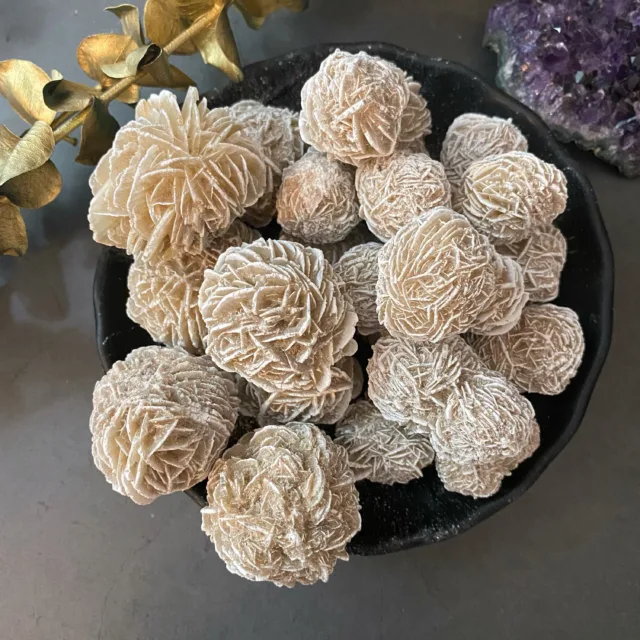
  4. Formation of the Three Waterfalls: Niagara Falls consists of three separate waterfalls: the American Falls and Bridal Veil Falls on the U.S. side, and the Canadian Horseshoe Falls on the Canadian side. The different shapes and flows of these falls are a result of varying rock formations and erosion patterns.
  5. Post-Ice Age Changes: Post-Ice Age climatic changes and subsequent alterations in water flow have influenced the shape and flow of the falls. Human intervention, such as diversion of water for hydroelectric power, has also affected the falls’ appearance and erosion rate.
  6. Geological Significance: Niagara Falls is a classic example of a cuesta waterfall, where hard rock over softer layers creates a steep cascade. It serves as an important geological and hydrological site for understanding erosion processes, sedimentary geology, and the Earth’s glacial history.

In summary, the geological formation and history of Niagara Falls are marked by its creation following the last Ice Age, significant erosion and retreat over thousands of years, and the interplay of natural forces and human intervention in shaping one of the world’s most spectacular natural wonders.

Niagara Falls as a Natural Wonder

Niagara Falls is renowned as a natural wonder due to its impressive scale, beauty, and the remarkable geological and hydrological processes involved in its formation and existence. Here are some key aspects that contribute to its status as a natural wonder:

  1. Immense Scale and Power: Niagara Falls is not the tallest waterfall in the world, but it is incredibly wide and powerful. The volume of water going over the falls is immense, with an average of about 85,000 cubic feet per second. This sheer volume creates a powerful display of nature’s force, with the roar of the falls audible from miles away and the mist rising high into the air.
  2. Unique Geological Features: The falls are a result of the Niagara Escarpment, a significant geological feature that spans a considerable distance in North America. The differential erosion of the hard caprock and the underlying softer rocks creates the dramatic vertical drop of the falls, constantly changing and evolving due to natural erosion processes.
  3. Spectacular Visual Beauty: The falls are visually stunning, with the constant flow of water creating a mesmerizing sight. Rainbows often appear in the mist created by the falls, adding to the natural allure. The interplay of light, water, and mist creates a unique visual spectacle that draws millions of visitors each year.
  4. Ecological Importance: The Niagara Falls area is rich in biodiversity, with numerous species of plants and animals. The falls and the surrounding region are crucial for various ecological processes and serve as a habitat for diverse wildlife.
  5. Cultural and Historical Significance: Beyond its physical beauty and power, Niagara Falls holds significant cultural and historical importance. It has been a site of inspiration for artists, poets, and filmmakers, symbolizing both natural beauty and power. Additionally, it has played a crucial role in the history of the local Indigenous peoples and the development of North America.
  6. Tourist Attraction and Economic Impact: As one of the most visited natural wonders in the world, Niagara Falls has a substantial impact on the local and regional economy. It attracts millions of visitors annually, supporting a large tourism industry that includes hotels, restaurants, and various attractions.
  7. Hydroelectric Power: The falls have been instrumental in the development of hydroelectric power, showcasing how natural wonders can be harnessed for renewable energy. The power generated by the falls plays a significant role in the electricity supply to the surrounding areas.

In summary, Niagara Falls is a natural wonder characterized by its immense scale, unique geological formation, breathtaking beauty, ecological diversity, cultural significance, economic impact, and its role in hydroelectric power generation. These factors collectively contribute to its status as one of the most extraordinary natural phenomena in the world.

Characteristic of Niagara Falls

Niagara Falls is distinguished by several remarkable characteristics that contribute to its fame and appeal as a natural wonder:

  1. Three Distinct Waterfalls: Niagara Falls is comprised of three separate waterfalls: the American Falls and Bridal Veil Falls on the United States side, and the Canadian Horseshoe Falls on the Canadian side. Each falls has its own unique shape and characteristics, adding to the overall allure of the site.
  2. Volume of Water: One of the most striking features of Niagara Falls is the enormous volume of water that flows over it. On average, more than 6 million cubic feet (168,000 cubic meters) of water go over the crest line every minute during peak daytime tourist hours. This immense flow rate is a significant aspect of what makes the falls so powerful and majestic.
  3. Height and Width: The American Falls measure about 180 feet (55 meters) high and 1,100 feet (335 meters) wide, while the Horseshoe Falls are about 188 feet (57 meters) high and 2,600 feet (792 meters) wide. The scale of these falls contributes to their breathtaking appearance.
  4. Geological Formation: The falls are located on the Niagara Escarpment, a geological formation that extends from New York through Ontario, Michigan, Wisconsin, and Illinois. The differential erosion of the hard caprock and the underlying softer rocks has been a key factor in the formation and ongoing change of the falls.
  5. Erosion and Movement: Niagara Falls is a dynamic feature that is continuously changing. Historically, the falls have eroded at an average rate of about 3 feet (1 meter) per year, although this rate has been reduced significantly due to flow control and diversion for hydroelectric power.
  6. Hydroelectric Power: The falls are a major source of hydroelectric power, with large power plants on both the American and Canadian sides of the river. The harnessing of the falls’ energy serves as an early example of renewable energy exploitation.
  7. Rainbows: The mist generated by the falls often results in the formation of rainbows, adding to the visual spectacle. This natural phenomenon is particularly prominent on sunny days and contributes to the falls’ aesthetic appeal.
  8. Ice Bridge and Winter Beauty: In winter, the mist from the falls can freeze, creating an “ice bridge” and stunning ice formations along the banks and on nearby structures. The winter landscape of Niagara Falls offers a completely different but equally mesmerizing experience.
  9. Tourism and Recreation: Niagara Falls is a major tourist destination, attracting millions of visitors annually. It offers a range of recreational activities, including boat tours like the Maid of the Mist, observation decks, hiking trails, and parks.
  10. Ecological Significance: The area around Niagara Falls is rich in biodiversity and has several protected areas that are crucial for wildlife and plant species. The Niagara River corridor is an important bird migration route and a habitat for a variety of fish and other wildlife.

In essence, Niagara Falls’ combination of natural beauty, geological uniqueness, ecological significance, and cultural and historical importance make it one of the most distinguished and revered natural wonders in the world.

Cultural and Artistic Influence

Niagara Falls has had a profound cultural and artistic influence, captivating the imaginations of artists, writers, musicians, and filmmakers over the centuries. Its majestic beauty and sheer power have made it a symbol of nature’s grandeur and a source of inspiration across various forms of art and culture.

  1. Painting and Visual Arts: Niagara Falls has been a favorite subject for painters, photographers, and visual artists. The dramatic contrast between the roaring falls and the serene landscapes surrounding them has been captured in countless artworks. These representations range from realistic depictions to more interpretive and abstract works, highlighting the falls’ beauty and power.
  2. Literature and Poetry: The falls have been a muse for many writers and poets, featuring in numerous literary works. They often symbolize natural beauty, power, and the sublime. Writers like Henry James and Nathaniel Hawthorne have referenced Niagara Falls in their works, exploring themes of awe, romance, and the overwhelming force of nature.
  3. Music and Performance: The imagery and symbolism of Niagara Falls have found their way into music and performance arts. Composers have been inspired by its grandeur, creating pieces that attempt to convey the scale and majesty of the falls through sound. The falls have also been the backdrop for various theatrical performances and live shows, enhancing the dramatic effect.
  4. Film and Photography: The falls have been a popular location for filming, used both as a stunning backdrop and as a central element in storytelling. The visual impact of the cascading water has been captured in numerous films and documentaries, often symbolizing nature’s unbridled power or serving as a dramatic setting for key scenes.
  5. Cultural Symbolism: Beyond its physical presence, Niagara Falls has become a cultural icon, symbolizing natural wonder and beauty. It’s often used in popular culture to represent the awe-inspiring and overwhelming aspects of nature.
  6. Tourism and Popular Culture: As a major tourist attraction, Niagara Falls has entered popular culture as a symbol of honeymoon romance and family vacations. This has been perpetuated through postcards, souvenirs, and travel literature, further embedding it in the collective consciousness as a place of wonder and enjoyment.
  7. Influence on Environmentalism: The falls have also played a role in the environmental movement. The destruction of the surrounding landscape in the early 20th century, due to excessive industrialization and tourism, served as an early example of the need for environmental conservation. This has influenced artistic and cultural works that focus on the themes of nature preservation and ecological awareness.
  8. Indigenous Cultural Significance: For the Indigenous peoples of the region, Niagara Falls holds significant cultural and spiritual importance. It has been a site for ritual and storytelling for centuries, influencing the cultural heritage and artistic expressions of these communities.

In summary, Niagara Falls’ cultural and artistic influence spans a wide range of fields, from visual arts and literature to film, music, and environmentalism. Its status as a natural wonder and a symbol of awe-inspiring beauty continues to inspire artistic creations and cultural expressions around the world.

Green Zircon

Green zircon refers to a variety of the mineral zircon (ZrSiO4) that exhibits a green coloration. Zircon itself is a popular gemstone known for its wide range of colors, including blue, yellow, brown, red, and green. The green color in zircon is typically caused by the presence of certain impurities or radiation-induced defects in the crystal lattice.

Gubelin Macro Photos. Zircon. Dark, moderately strong, slightly yellowish Green, 2.013 ct, triangle cut, from Madagascar.

Definition of Green Zircon: Green zircon is essentially zircon with a green hue. The green color can vary in intensity, ranging from pale to deep green. The specific cause of the green coloration can vary, and it is often attributed to the presence of trace elements such as uranium or thorium. Heat treatment is sometimes applied to enhance or alter the color of green zircon, although the practice is less common compared to treatments applied to other gemstones.

Historical Significance: Zircon itself has a long history as a gemstone, and its name is believed to have originated from the Persian word “zargun,” meaning “gold-colored.” Zircon has been used for centuries as a gemstone and a decorative material. In historical contexts, green zircon, like other colored varieties, might have been valued for its beauty and rarity.

However, it’s essential to note that the term “green zircon” isn’t as widely recognized or distinguished as some other gemstones like emerald or jade, which are well-known for their green varieties. Zircon is more commonly known for its brilliance and dispersion (fire), rather than for specific color varieties.

Gemstone markets and trends can change over time, so the popularity and significance of green zircon may vary in different periods and regions. As with any gemstone, the historical significance often ties back to cultural beliefs, symbolism, and aesthetic preferences of the societies that valued and used these gemstones throughout history.

Physical Properties

Green zircon, like all zircon varieties, possesses certain physical properties that contribute to its identification and classification as a gemstone. Here are some key physical properties of zircon:

  1. Hardness: Zircon is a relatively hard mineral with a hardness ranging from 6.5 to 7.5 on the Mohs scale. This makes it durable and suitable for use in jewelry.
  2. Specific Gravity: The specific gravity of zircon ranges from 4.6 to 4.7, indicating a higher density compared to many other gemstones.
  3. Refractive Index: Zircon has a high refractive index, typically ranging from 1.810 to 2.024. This property contributes to the gem’s brilliance and sparkle.
  4. Luster: Zircon exhibits a vitreous (glassy) to adamantine (diamond-like) luster when properly cut and polished.
  5. Cleavage: Zircon has indistinct or imperfect cleavage, meaning that it may break along certain planes with difficulty. However, it tends to fracture more readily than exhibit cleavage.
  6. Color: Green zircon gets its color from trace impurities or radiation-induced defects. The green hue can vary in intensity, and the specific cause of the coloration may include the presence of elements like uranium or thorium.
  7. Transparency: Zircon is typically transparent, but it can also be translucent. Inclusions and imperfections can affect transparency.
  8. Fluorescence: Some zircons may exhibit fluorescence under ultraviolet light. The color and intensity of fluorescence can vary.
  9. Crystal System: Zircon crystallizes in the tetragonal crystal system, forming prismatic crystals with pyramidal terminations.
  10. Dispersion: Zircon is known for its high dispersion, which refers to the ability of the gem to separate light into its spectral colors. This property contributes to the gem’s fire, creating flashes of color.
  11. Heat Treatment: Zircon is commonly heat-treated to enhance its color. This treatment is stable and widely accepted in the gemstone industry.

It’s important to note that while these physical properties apply to zircon in general, specific characteristics may vary among different color varieties, including green zircon. Additionally, gemstone treatments and enhancements can influence certain properties, so it’s common for gemstones to undergo treatments to improve their appearance.

Chemical Composition

The chemical composition of zircon can be expressed by its mineral formula, which is ZrSiO₄. This composition indicates that zircon is primarily composed of zirconium (Zr), silicon (Si), and oxygen (O). Here’s a breakdown of the chemical composition of zircon:

  1. Zirconium (Zr): Zirconium is the primary metallic element in zircon, and it gives the mineral its name. Zirconium is a transition metal with chemical symbol Zr and atomic number 40.
  2. Silicon (Si): Silicon is a non-metallic element and is part of the tetrahedral structure in the zircon crystal lattice. Silicon is represented by the chemical symbol Si and has atomic number 14.
  3. Oxygen (O): Oxygen is a vital component of the zircon crystal structure, forming bonds with zirconium and silicon atoms. Oxygen is a non-metal with the chemical symbol O and atomic number 8.

The chemical formula ZrSiO₄ reflects the ratio in which these elements combine to form the zircon mineral. It’s important to note that zircon may also contain trace amounts of other elements as impurities, which can contribute to the various colors observed in different varieties of zircon, including green zircon.

In some cases, zircon may contain trace elements like uranium or thorium, which can contribute to the green coloration through radiation-induced defects in the crystal lattice. These trace elements can also impact the gemstone’s radioactivity, and certain precautions may be taken in the handling and processing of radioactive zircon. However, it’s important to mention that not all zircons exhibit radioactivity, and the presence and impact of trace elements can vary among different specimens.

Natural Occurrence

Natural Occurrence: Zircon is a widespread mineral found in various geological settings. It can form in igneous, metamorphic, and sedimentary rocks. Zircon commonly occurs as small crystals in granite, syenite, and other types of igneous rocks. It is also found in metamorphic rocks and detrital deposits, where weathering and erosion release zircon crystals into sedimentary environments. Zircon is resistant to weathering and can persist in sedimentary rocks for long periods.

Mines and Deposits: Zircon is typically obtained from heavy mineral sands, which are placer deposits formed by the concentration of heavy minerals through weathering and erosion processes. These sands are often found in coastal environments and contain minerals such as zircon, rutile, ilmenite, and others. Zircon is extracted from these sands using various separation techniques.

Geographic Distribution: Zircon is found in many parts of the world, and notable deposits are distributed across various continents. Some of the regions known for significant zircon deposits include:

  1. Australia: Australia is a major producer of zircon, with deposits found in Western Australia and Queensland.
  2. South Africa: The country is known for its rich mineral sands deposits, including those containing zircon.
  3. India: Zircon deposits are found in the coastal regions of India, particularly in the states of Kerala and Tamil Nadu.
  4. Brazil: Brazil has zircon deposits, often associated with heavy mineral sands.
  5. United States: Zircon is found in various locations in the United States, including Florida and the southeastern states.
  6. Sri Lanka: Zircon is among the minerals found in the coastal sands of Sri Lanka.
  7. Indonesia: The country has zircon deposits in places like Bangka Island.

Notable Sources: Some specific mines and deposits are known for producing high-quality zircon. Notable sources include:

  1. Kalimantan Mine (Indonesia): This mine in Kalimantan, Indonesia, is known for producing gem-quality zircon, including green zircon.
  2. Cristal Mining (Australia): Cristal Mining, located in New South Wales, Australia, is a significant producer of zircon.
  3. Murray Basin (Australia): The Murray Basin in Australia contains extensive heavy mineral sands deposits, including those with zircon.
  4. Kwale Mineral Sands Project (Kenya): This project in Kenya is known for producing zircon among other heavy minerals.

It’s worth noting that while zircon is widely distributed, not all deposits yield gem-quality material, and the quality of zircon can vary based on factors such as color, clarity, and size. Gem-quality zircon, including green zircon, is sought after in the jewelry industry.

Identification and Authentication

Identification and Authentication: Gemologists use a combination of visual observation, gemological tests, and sometimes advanced analytical techniques to identify and authenticate gemstones, including green zircon. Here are some key methods used for the identification of green zircon:

  1. Visual Inspection: Gemologists examine the color, clarity, transparency, and overall appearance of the green zircon. They also assess the stone’s cut and shape.
  2. Refractive Index (RI): Gemologists measure the refractive index of the gemstone using a refractometer. Zircon has a relatively high refractive index, and this value can help distinguish it from other gemstones.
  3. Specific Gravity: The specific gravity of green zircon is measured to determine its density. Zircon has a specific gravity ranging from 4.6 to 4.7, which can aid in its identification.
  4. Dispersion: Zircon is known for its high dispersion, which refers to the ability of a gemstone to separate light into its spectral colors. This property contributes to the gem’s fire.
  5. Fluorescence: Some zircons may exhibit fluorescence under ultraviolet (UV) light. The color and intensity of fluorescence can provide additional information.
  6. UV Testing: Gemologists use ultraviolet light to observe fluorescence and phosphorescence reactions, which can be characteristic of certain gemstones, including zircon.
  7. Luminescence: Zircon may show luminescence under certain conditions, and this property can be assessed using a gemological microscope.
  8. Microscopic Examination: Gemologists may use a microscope to examine internal features, inclusions, and growth patterns within the green zircon.
  9. X-ray Diffraction (XRD): Advanced analytical techniques such as XRD can be employed to identify the crystal structure of zircon and confirm its identity.

Common Treatments: Gemstones, including zircon, may undergo treatments to enhance their appearance. Common treatments for green zircon include:

  1. Heat Treatment: Heat treatment is commonly applied to zircon to enhance its color. This treatment can lighten or change the color of the gemstone. Heat-treated zircons are stable and widely accepted in the gemstone market.
  2. Radiation Treatment: Some green zircons may be treated with radiation to enhance or alter their color. This treatment can induce color centers in the crystal lattice, contributing to the green hue.
  3. Surface Coating: In some cases, zircons may be coated to improve their color or to provide a protective layer. However, coatings are typically not a permanent enhancement.

It’s important to disclose any treatments a gemstone has undergone, as this information is crucial for consumers and can impact the stone’s value. Gemological laboratories and trained gemologists play a key role in the identification, authentication, and disclosure of gemstone treatments.

Uses and Applications

Green zircon, like other varieties of zircon, has a range of uses and applications due to its properties and characteristics. Here are some common uses:

  1. Gemstone Jewelry:
    • Zircon, including the green variety, is often used as a gemstone in jewelry. Its high refractive index and dispersion give it excellent brilliance and fire, making it an attractive choice for various jewelry pieces, including rings, earrings, necklaces, and bracelets.
  2. Collector’s Items:
    • Gem-quality green zircons with unique colors or exceptional clarity may be sought after by gem collectors. Collectors often value rare and aesthetically pleasing gemstones.
  3. Industrial Applications:
    • Zircon has industrial applications due to its hardness and resistance to abrasion. It is used as a refractory material in the manufacture of ceramics, including high-performance ceramics, and as a component in foundry sands for casting metal.
  4. Radiometric Dating:
    • Zircon is valuable in the field of geology for radiometric dating. Zircon crystals can contain trace amounts of radioactive elements such as uranium, and by measuring the decay of these elements, scientists can determine the age of rocks and geological formations.
  5. Manufacturing and Technology:
    • Zircon compounds are used in various manufacturing processes and technologies. Zirconium oxide (zirconia) is a ceramic material with high thermal stability and is used in the production of refractories, crucibles, and cutting tools.
  6. Zirconium Alloys:
    • Zirconium is an important element for the production of zirconium alloys, which have applications in the nuclear industry, aerospace engineering, and chemical processing. Zirconium alloys are known for their corrosion resistance and high-temperature stability.
  7. Catalysts:
    • Zirconium compounds can serve as catalysts in chemical reactions. Zirconium-based catalysts are used in some industrial processes to facilitate chemical transformations.
  8. Investment:
    • High-quality gemstones, including green zircon, can be considered an investment. Rare and well-cut stones with exceptional color and clarity may appreciate in value over time.

It’s important to note that while green zircon is used in jewelry, it may not be as widely recognized as other green gemstones like emerald. However, its unique properties and colors make it an interesting and distinctive choice for those seeking alternative green gemstones. Additionally, the industrial applications of zircon contribute to its overall importance in various sectors.