























Minerals
A mineral is a naturally occurring chemical compound usually of crystalline form and not produced by life processes. A mineral has one specific chemical composition, whereas a rock can be an aggregate of different minerals or mineraloids. The study of minerals is called mineralogy. To meet the definition of “mineral” used by most geologists, a substance must meet five requirements:
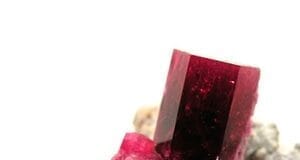
Bixbite / Red Beryl
Bixbite is a trade name used to refer to red beryl, a rare gemstone that is found in only a few locations worldwide. Red...
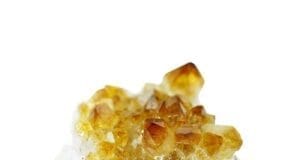
Citrine
Citrine is a yellow to brownish-yellow variety of quartz, which is a mineral composed of silicon and oxygen atoms. It is one of the...
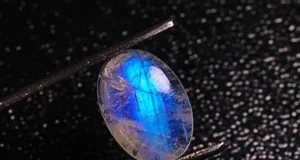
Moonstone
Moonstone is a type of feldspar mineral that has a unique adularescent effect, meaning it displays a shimmering, floating light effect that appears to...
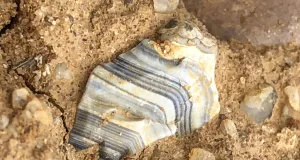
Onyx
Onyx is a parallel-banded variety of chalcedony. Its properties, geological formation, natural and dyed black varieties, and identification methods are explained.
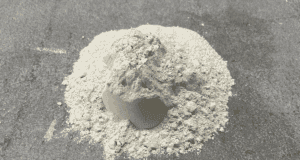
Bentonite
Bentonite is a type of clay that is composed primarily of the mineral montmorillonite. It is a highly absorbent clay that has many uses...
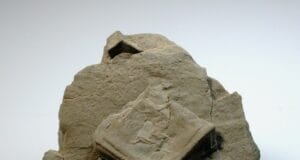
Illite
Illite is a type of clay mineral that belongs to the group of non-expanding or non-swelling phyllosilicate minerals. It is a common constituent of...

Smectite
Smectite minerals are a group of phyllosilicate minerals that are characterized by a layered structure and the ability to swell when exposed to water....

Alexandrite
Among all gemstones studied by mineralogists and gemologists, alexandrite remains one of the most scientifically fascinating. It is a variety of the mineral chrysoberyl...
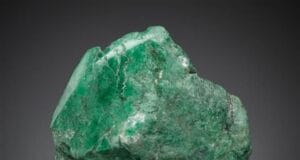
Jadeite
Jadeite is a mineral that belongs to the pyroxene group, which is a group of rock-forming silicate minerals. It is one of two types...
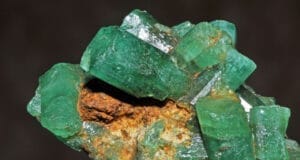
Emerald
Emerald is green beryl (Be₃Al₂Si₆O₁₈), colored mainly by chromium or vanadium. Its physical properties, geological formation, deposits and treatments.

Ruby
Ruby is the red gem variety of corundum (Al₂O₃), colored primarily by chromium. Its hardness, geological formation, occurrence and identification.

Sapphire
Sapphire is a corundum gemstone (Al₂O₃) with Mohs hardness 9, occurring in blue and other colors. Its mineral properties, formation, identification and treatments.