




Sulfate Minerals
Sulfate minerals form when sulfur combines with oxygen and metal ions, creating compounds that often crystallize in evaporite basins, hydrothermal zones or as secondary products in weathered rocks. From soft, translucent gypsum (CaSO₄·2H₂O) to the water-free anhydrite (CaSO₄) and the heavy barite (BaSO₄), each mineral tells a different story about its environment of formation — whether it’s a drying sea, a hot fluid vent or the breakdown of sulfide minerals near Earth’s surface. These minerals not only record past geological conditions but also have real-world applications: gypsum is used for plaster and drywall, barite for drilling muds, and many sulfates act as indicators in mining or environmental investigations. In this category you’ll explore how sulfates form, how their textures and chemistry reflect their origin, and how as a geologist, engineer or field practitioner you can interpret them to understand past conditions, plan materials usage or assess site behaviour.

Selenite
Selenite is a beautiful and versatile mineral that belongs to the gypsum mineral family. It is composed of hydrous calcium sulfate and is known...
Gypsum
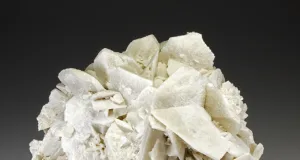
Gypsum (CaSO₄·2H₂O) is one of Earth’s most widespread, versatile, and scientifically important minerals. Though incredibly soft — so soft that it can be scratched...

Anhydrite
Anhydrite is one of the minerals that make up the rocks. Chemical structure similar to Gypsum but does not contain water. Formula is CaSO4.There is a sedimentary basin in large areas where sea water evaporates. It is usually found in salt deposits with gypsum next to it. Anhydrite may form on the coastline or tidal flat deposits caused by the evaporation of seawater.

Barite
The barium sulfate barite takes its name from the Greek word barys, which means “heavy” a reference to its high specific gravity. It has also been called heavy spar. Barite crystals are sometimes tinged yellow, blue, or brown. Golden barite comes from South Dakota. Crystals are well formed, usually either prismatic or tabular.