





Minerals
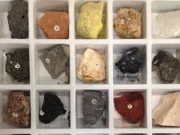
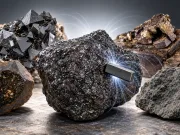
A mineral is a naturally occurring chemical compound usually of crystalline form and not produced by life processes. A mineral has one specific chemical composition, whereas a rock can be an aggregate of different minerals or mineraloids. The study of minerals is called mineralogy. To meet the definition of “mineral” used by most geologists, a substance must meet five requirements:
Moonstone
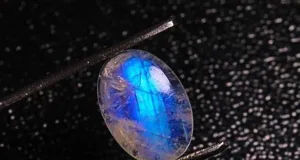
Moonstone is a type of feldspar mineral that has a unique adularescent effect, meaning it displays a shimmering, floating light effect that appears to...

Onyx
The Geological Origin, History, Layered Structure and Why This Dark, Banded Stone Has Been Valued for CenturiesOnyx is a stone that leaves a heavy,...
Bentonite
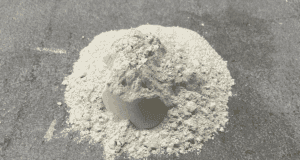
Bentonite is a type of clay that is composed primarily of the mineral montmorillonite. It is a highly absorbent clay that has many uses...
Illite
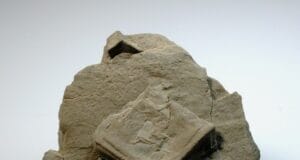
Illite is a type of clay mineral that belongs to the group of non-expanding or non-swelling phyllosilicate minerals. It is a common constituent of...

Smectite
Smectite minerals are a group of phyllosilicate minerals that are characterized by a layered structure and the ability to swell when exposed to water....

Alexandrite
Among all gemstones studied by mineralogists and gemologists, alexandrite remains one of the most scientifically fascinating. It is a variety of the mineral chrysoberyl...
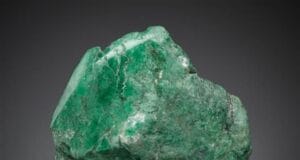
Jadeite
Jadeite is a mineral that belongs to the pyroxene group, which is a group of rock-forming silicate minerals. It is one of two types...
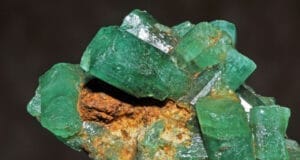
Emerald
Emerald are a type of gemstone that belong to the beryl family, which has the chemical formula Be3Al2(SiO3)6. They are valued for their intense...

Ruby
Ruby is a gemstone and a variety of the mineral corundum (Al2O3) that is distinguished by its red color, which is caused by trace...

Sapphire
Sapphire is a precious gemstone that is a variety of the mineral corundum, which is composed of aluminum oxide. It is typically blue in...

Agate
Agate is a fascinating and versatile mineral that has captivated human interest for thousands of years. Agate is a variety of chalcedony, a mineral...
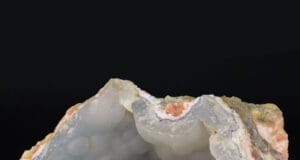
Chalcedony
Chalcedony is a mineral that is composed of microscopic crystals of quartz. It is a cryptocrystalline form of silica, meaning that its crystals are...