















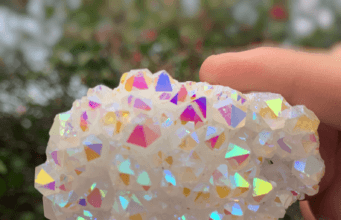


Synthetic & Man-Made Gem Materials
Lab-grown gemstones are real gemstones created using advanced technological processes that replicate the natural conditions under which minerals form. These methods — such as HPHT (High Pressure High Temperature) or CVD (Chemical Vapor Deposition) — allow scientists to grow diamonds and other gems with controlled clarity, color, and composition.
Synthetic gemstones offer an affordable alternative to natural stones, especially for jewelry buyers seeking brilliance without the high cost. They share the same physical and chemical properties as natural gems, but they lack geological rarity, which means they do not hold the same long-term market value.
Alongside fully synthetic gems, there are also “simulants” — materials that only imitate the appearance of gemstones but have different compositions. Understanding the differences between natural, lab-grown, synthetic, and simulant stones is crucial for consumers and collectors alike.
Lab-grown gems are increasingly popular due to sustainability, accessibility, and consistency in quality. They represent a growing part of today’s gemstone market, offering modern alternatives to traditional natural gems.
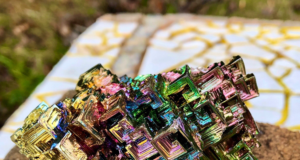
Bismuth
As a native metal, bismuth has been known since the Middle Ages. A German monk named Basil Valentine first described it in 1450. Bismuth is often found uncombined with other elements, forming indistinct crystals, often in parallel groupings. It is hard, brittle, and lustrous. It is also found in grains and as foliated masses. Silver-white, it usually has a reddish tinge that distinguishes it. Specimens may have an iridescent tarnish. Bismuth is found in hydrothermal veins and in pegmatites and is often associated with ores of tin, lead, or copper,