

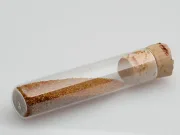

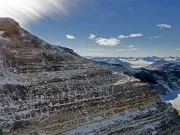

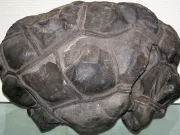
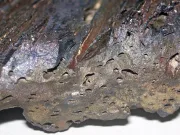
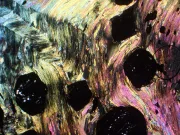
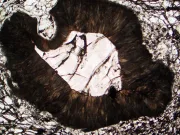
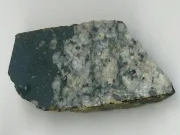
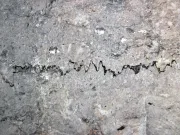
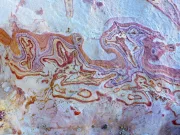
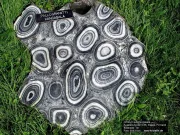
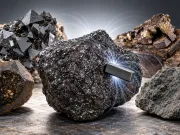







From rusty red sandstone to blue lapis lazuli rock, geological color is controlled by mineral composition, trace elements, structural defects and chemical changes after formation. Weathering rinds can differ dramatically from a rock’s fresh interior. Ten familiar examples demonstrate why color is useful for field identification—but never sufficient on its own.
How These Structures Develop
Observe mineral composition, internal texture, surrounding rock and the environmental process that formed each feature. The outward shape is only one part of a reliable identification.
1. Red Sandstone
Hematite, a ferric iron oxide, often coats sand grains and gives sandstone red, pink or reddish-brown colors. The color may be inherited from source sediments or develop during weathering and diagenesis.
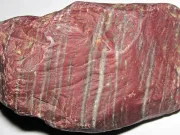
2. Banded Jasper
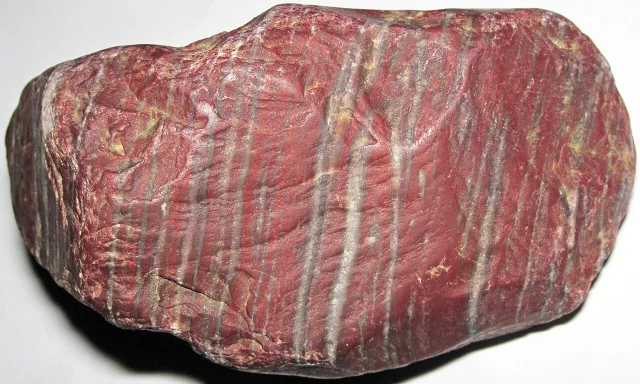
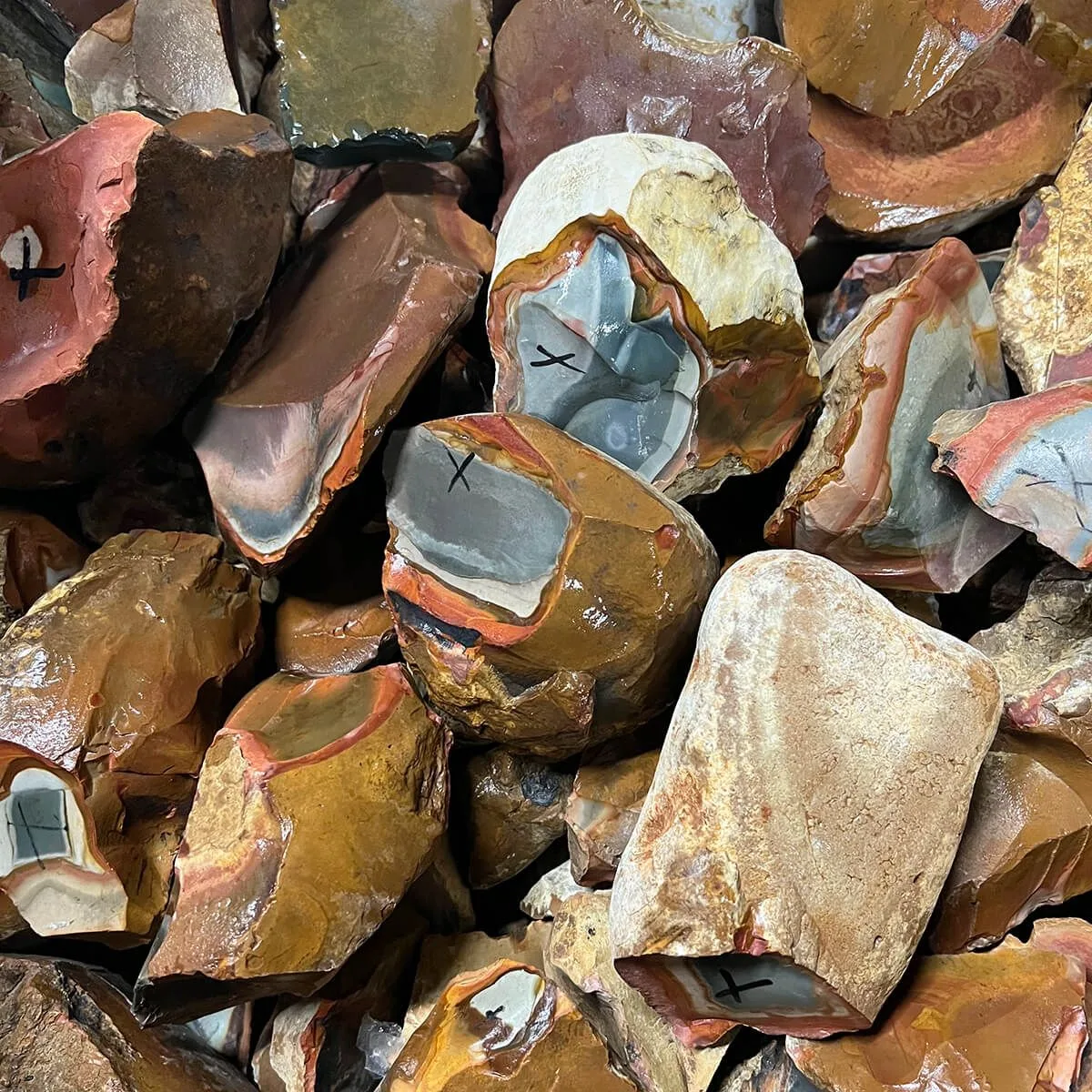
Opaque microcrystalline silica can contain iron oxides and other impurities that create red, yellow and brown bands. Different colors may record changing chemical conditions during precipitation or later alteration.
3. Greenstone
Many metamorphosed basaltic rocks contain chlorite, epidote or actinolite, producing shades of green. Greenstone describes a broad group and should not be confused with jade or a single mineral species.
4. Pink Granite
Potassium-rich feldspar can impart a pink color to granitic rock. A pink granite still contains other minerals, including quartz and usually dark components. Feldspar proportions and alteration influence its overall appearance.
5. Black Basalt
Common dark basalt is composed mainly of fine-grained plagioclase and mafic minerals. A black fresh interior may weather to dark brown or rusty red as iron-bearing minerals oxidize.
6. White Marble
A largely calcite or dolomite marble may be white, but graphite and other impurities can create gray veins, pink areas or green streaks. Recrystallization during metamorphism can redistribute these components.
7. Yellow Sandstone
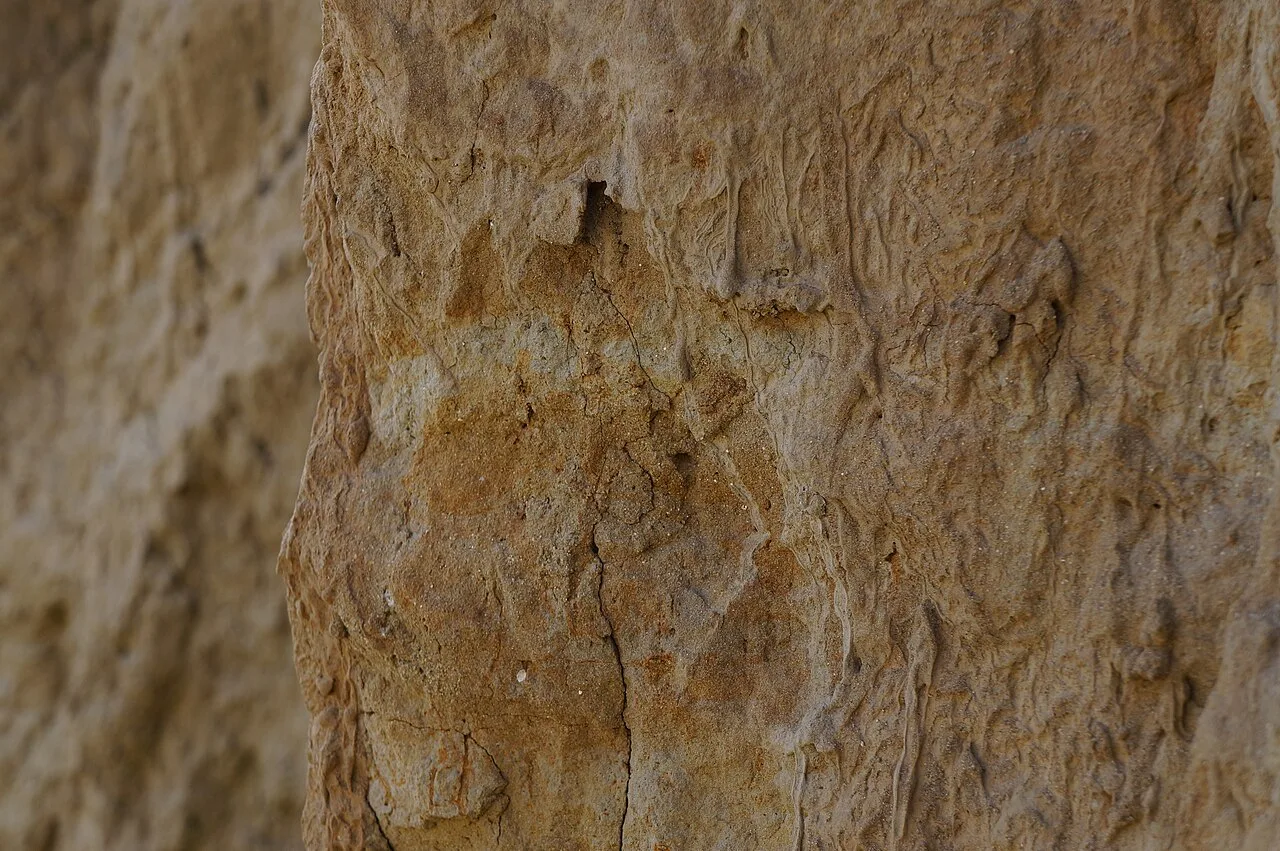
Goethite and related iron hydroxides can give rock yellow, gold or ochre colors. Mineral staining may follow bedding or permeability differences, creating natural bands.
8. Purple Fluorite-bearing Rock
Fluorite in mineralized veins may be violet, purple, blue-green or colorless. Its color may arise from trace elements and defects in the crystal lattice. Purple veins do not make the entire host rock a type of fluorite.
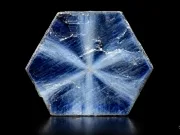
9. Blue Lapis Lazuli Rock
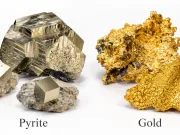
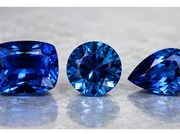
The intense blue derives mainly from lazurite. White calcite and golden pyrite are common associated minerals, creating a recognizable multicolored ornamental rock.
10. Banded Gneiss
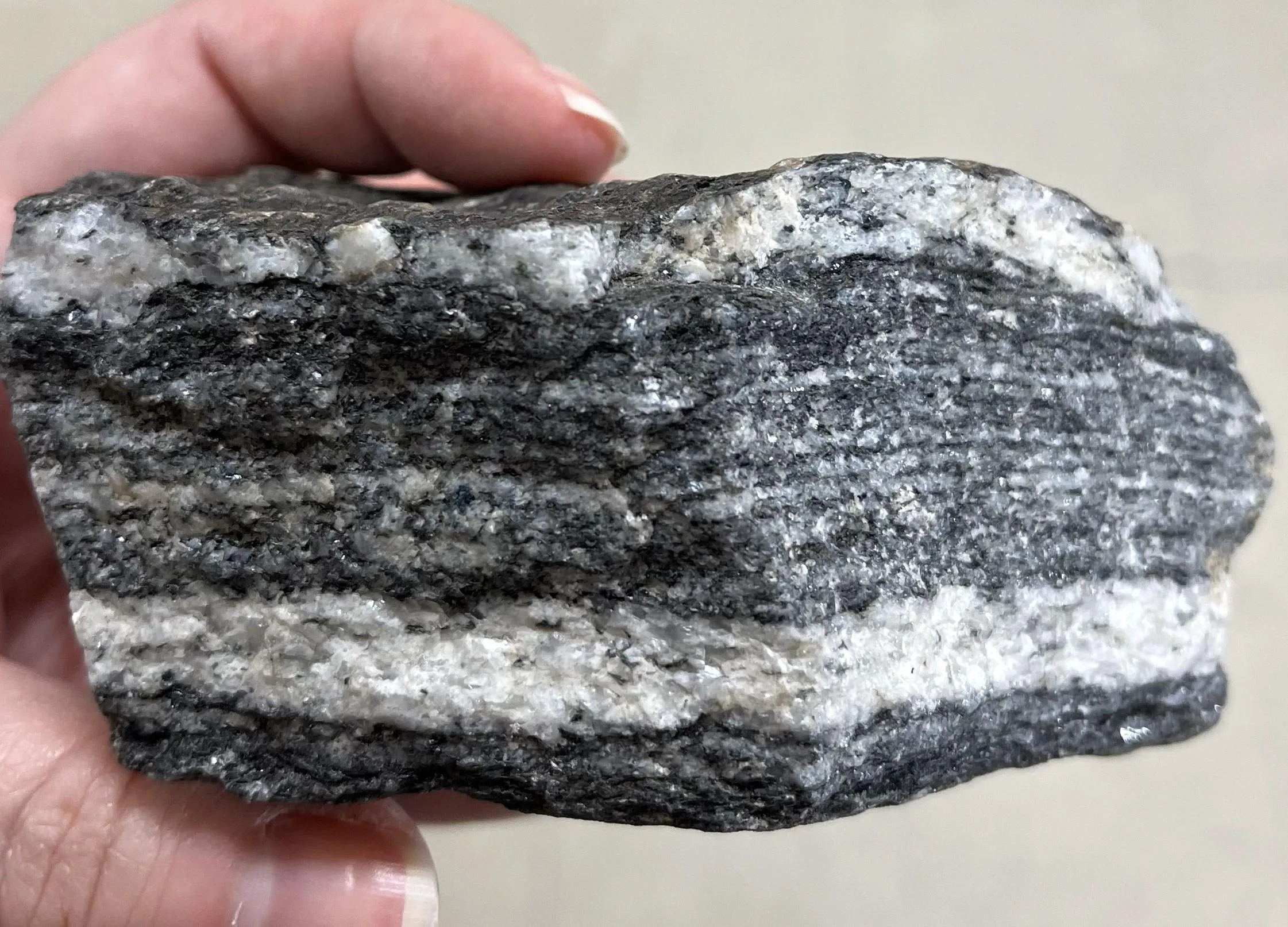
Alternating quartz-feldspar-rich and mafic mineral zones produce conspicuous black, white, gray and sometimes pink bands. This pattern commonly results from high-grade metamorphism, deformation and mineral segregation.
Oxidation, Weathering and Rock Color
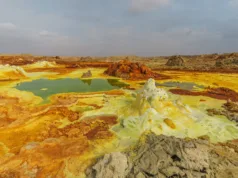
When iron-bearing minerals react with oxygen and water, iron oxides and hydroxides can stain rock surfaces. Thus red or yellow may reflect processes that occurred after the original rock formed. A weathered surface can give a misleading impression of the deeper rock, and colors commonly vary along cracks where fluids have penetrated.
How to Identify a Colorful Rock
Compare the outer weathered surface with a fresh fracture, observe grain size and layering, and test hardness or cleavage when appropriate. Color may narrow the possibilities, but similarly colored rocks can have different minerals. Minerals such as hematite, chlorite and feldspar are better identified through their combination of properties, not simply hue.
Field Identification Tips
Use color together with texture and mineral properties. The site’s Why Minerals Have Color and Agate vs. Jasper explain the chemistry in more detail.
Pigments, Mineral Chemistry and Alteration
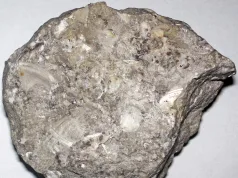
Rock colors may arise from major minerals such as lazurite, minor impurities such as iron oxides, or microscopic inclusions distributed through otherwise pale material. A tiny amount of finely divided hematite can stain a large volume of sediment. Metamorphism may segregate minerals into bands, while weathering can create a colored rind different from the rock core. This is one reason geological maps and freshly exposed surfaces are more informative than a single colorful photograph.
How Lighting and Moisture Affect Apparent Color
Wet rocks often look darker or more saturated because water changes surface reflection and scattering. Shadow, direct sunlight and camera white balance can also alter the color captured in an image. To compare rocks accurately, view them under similar lighting, note whether the surface is fresh or weathered, and examine texture alongside hue. Don’t assume that two blue stones have the same mineral composition or that all red rocks contain the same amount of hematite.
Color Alone Is Not a Mineral Identification Test
Geologists use hardness, cleavage, crystal habit, grain size, luster, streak and geological context together. Black basalt and black shale may share a dark appearance but differ dramatically in origin and texture. Similarly, a greenstone, jade-rich rock and chlorite-bearing schist can all be green for different reasons. Color is most useful when it directs attention to a more discriminating observation.
Frequently Asked Questions
Can unusual rock shapes be identified by a photograph alone?
Sometimes the texture is distinctive, but a confident conclusion may require viewing a fresh surface, field context or microscopic details.
Can geological processes create biological-looking forms?
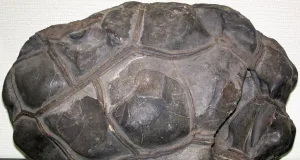
Yes. Mineral growth, erosion, fracture patterns and sediment cementation can produce striking resemblances to living structures.