

Home Blog Page 79

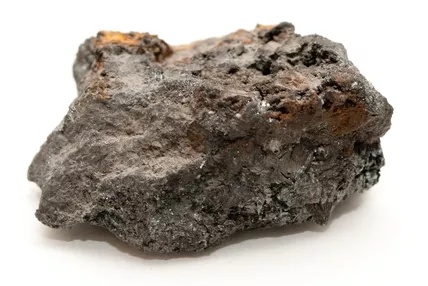
Manganese (Mn) Ore

manganese

Manganese is a chemical element with the symbol Mn and atomic number 25. It is a hard, brittle, silvery-gray metal that is commonly found in the Earth’s crust. Manganese is an essential trace element that plays a crucial role in many biological processes, including metabolism, bone formation, and antioxidant function. It is also used in various industrial applications, such as the production of steel, batteries, and fertilizers.

Manganese was first isolated as a distinct element in 1774 by Swedish chemist Johan Gottlieb Gahn, although its presence in ores and minerals had been known for centuries. The name “manganese” is derived from the Latin word “magnes,” which means magnet, as some manganese compounds exhibit magnetic properties.

In nature, manganese is typically found in the form of manganese oxides, which are abundant in soil, rocks, and minerals. It is also present in trace amounts in plants, animals, and human tissues. Manganese has several different oxidation states, with the most common ones being +2, +3, +4, +6, and +7. These oxidation states give manganese its versatile chemical properties, making it useful in various industrial processes.

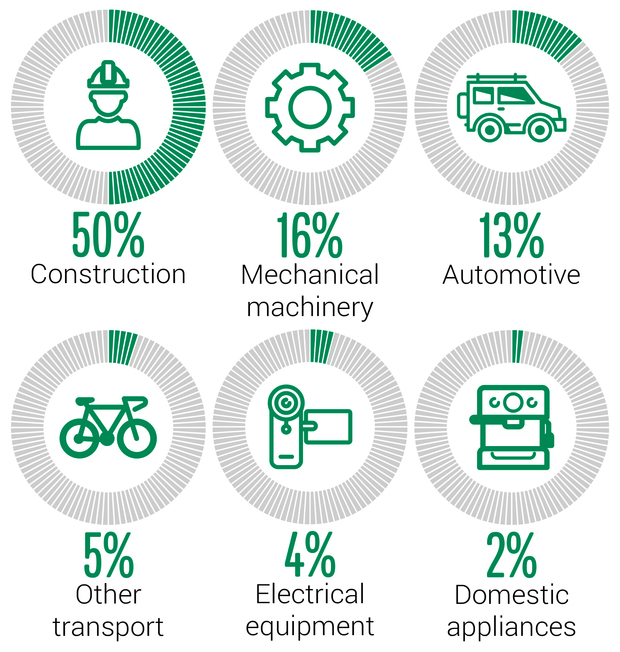
Manganese has many important applications in modern society. One of its primary uses is in the production of steel, where it acts as a deoxidizer and desulfurizer, improving the strength and toughness of the steel. Manganese is also used in the production of batteries, such as alkaline and rechargeable batteries, due to its high electrochemical activity. Additionally, manganese is used as a pigment in paints, as a component in fertilizers to improve plant growth, and as a nutritional supplement in animal feed and human diets.

Despite its numerous industrial applications, manganese can also have detrimental effects on human health and the environment when present in high concentrations. Inhalation of manganese dust or fumes can lead to respiratory issues, and chronic exposure to manganese has been associated with neurological disorders known as manganism. Therefore, proper safety measures and regulations are necessary for handling and using manganese in industrial processes.
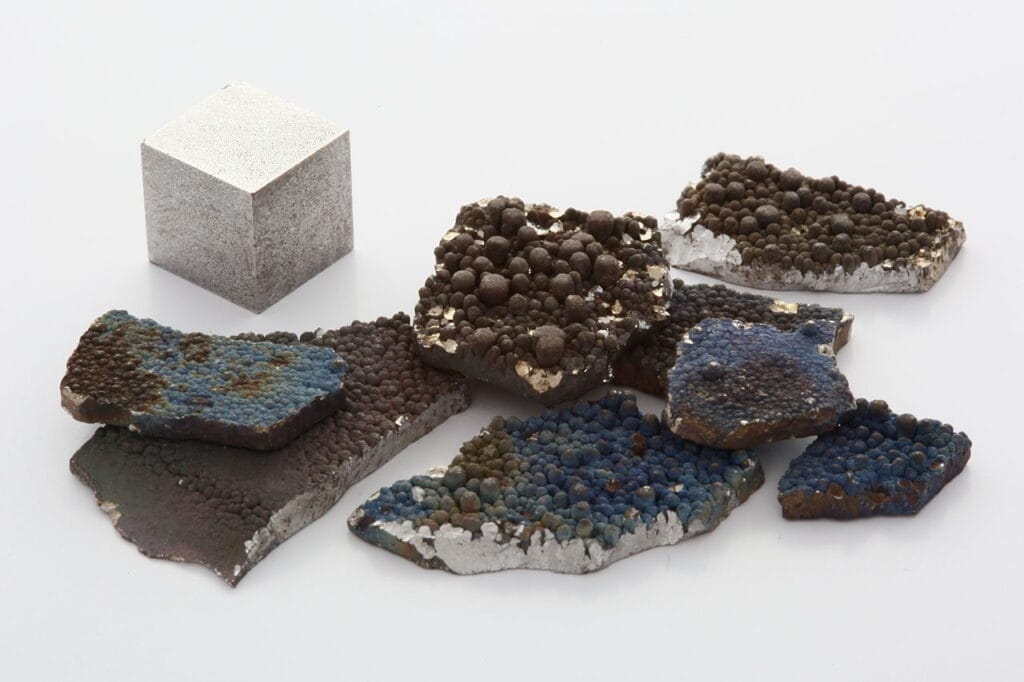
Pure (99.9%) manganese fragments, refined by electrolysis, next to a 1 cm³ cube

Definition and basic properties of manganese

Manganese is a chemical element with the symbol Mn and atomic number 25. It is a transition metal, belonging to Group 7 in the periodic table. Manganese is known for its diverse oxidation states, which range from +2 to +7, and its ability to form numerous compounds with different properties.

Some basic properties of manganese include:

Physical properties:

  • Appearance: Manganese is a hard, brittle, silvery-gray metal.
  • Melting and boiling point: The melting point of manganese is 1,246 degrees Celsius (2,275 degrees Fahrenheit), and its boiling point is 2,061 degrees Celsius (3,742 degrees Fahrenheit).
  • Density: The density of manganese is about 7.43 grams per cubic centimeter.
  • Crystal structure: Manganese has a body-centered cubic crystal structure.

Chemical properties:

  • Oxidation states: Manganese can exist in various oxidation states, with the most common ones being +2, +3, +4, +6, and +7. These oxidation states give manganese its versatile chemical reactivity.
  • Reactivity: Manganese is a relatively reactive metal, readily forming compounds with oxygen, sulfur, and other elements.
  • Magnetism: Some manganese compounds exhibit magnetic properties, and manganese is used in the production of ferromagnetic alloys.
  • Complex formation: Manganese has a strong ability to form complexes with other compounds, which makes it useful in various chemical processes.

Occurrence:

  • Abundance: Manganese is the 12th most abundant element in the Earth’s crust, occurring in numerous minerals, rocks, and soils.
  • Distribution: Manganese is widely distributed around the world, with major deposits found in countries such as South Africa, Australia, Brazil, China, and Gabon.

Uses:

  • Steel production: Manganese is an essential element in the production of steel, where it acts as a deoxidizer and desulfurizer, improving the strength and toughness of the steel.
  • Batteries: Manganese is used in the production of batteries, including alkaline and rechargeable batteries, due to its high electrochemical activity.
  • Pigments: Manganese compounds are used as pigments in paints, ceramics, and glass.
  • Fertilizers: Manganese is used as a component in fertilizers to improve plant growth.
  • Other uses: Manganese has various other industrial applications, including in the production of alloys, chemicals, and as a nutritional supplement in animal feed and human diets.

In conclusion, manganese is a transition metal with diverse oxidation states and versatile chemical properties. It is an essential element in steel production, used in batteries, pigments, fertilizers, and has numerous other industrial applications. Manganese is abundant in nature but requires proper handling and safety measures due to its reactivity and potential health and environmental risks.

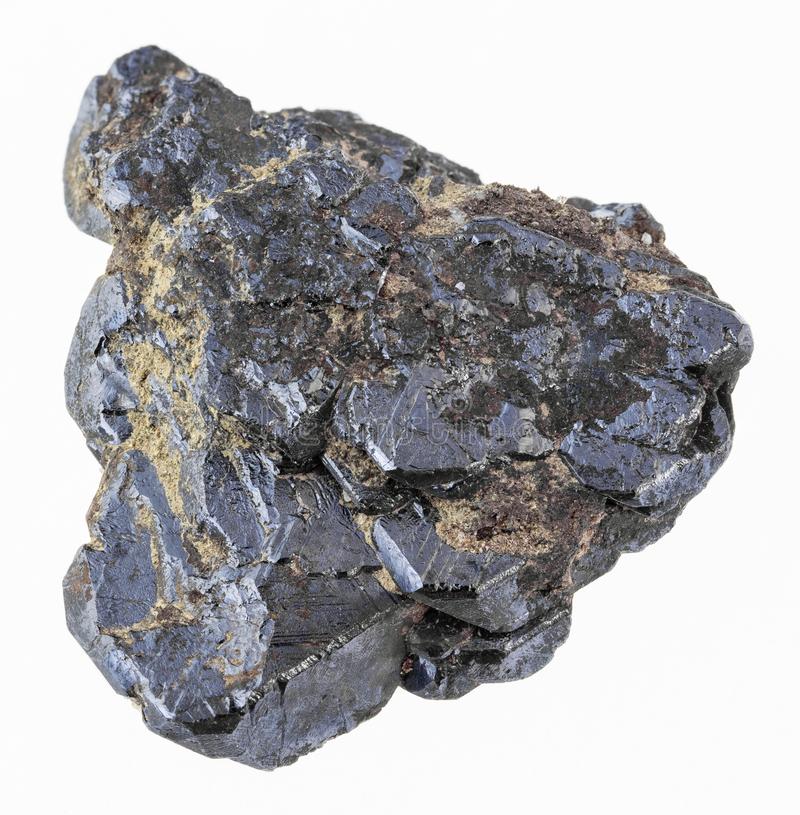
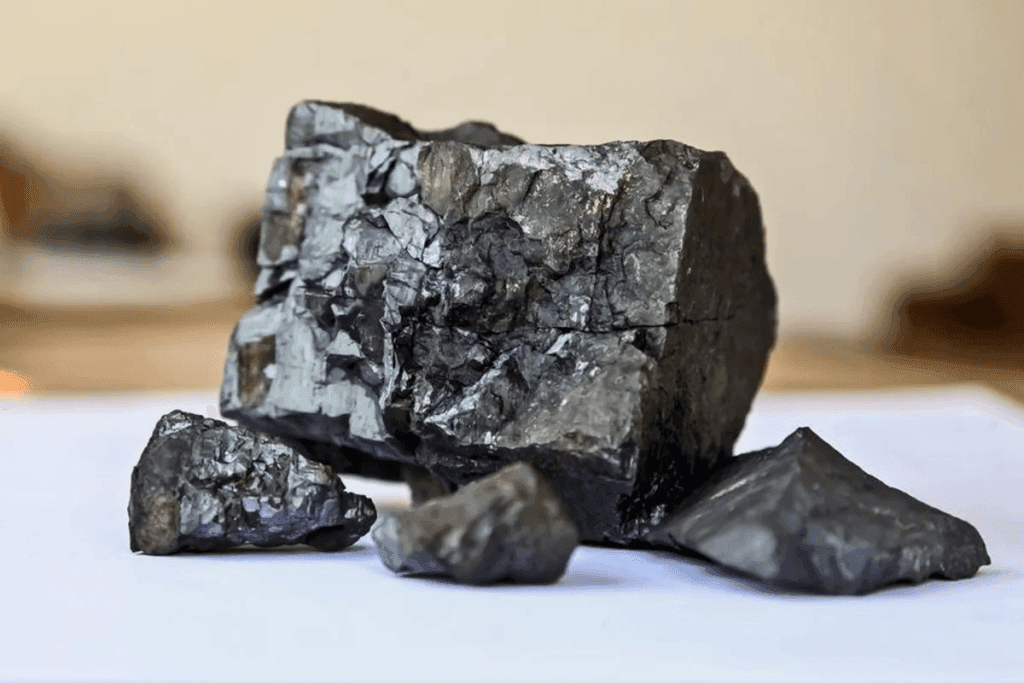
Pyrolusite (manganese dioxide) is one of the most common manganese minerals. (Image credit: Shutterstock)

Occurrence and distribution of manganese in nature

Manganese is a relatively abundant element in the Earth’s crust, ranking as the 12th most abundant element by mass. It occurs naturally in various minerals, rocks, soils, and sediments. The occurrence and distribution of manganese in nature can vary depending on geological and environmental factors.

Major manganese deposits are found in several countries around the world, including South Africa, Australia, Brazil, China, Gabon, India, and Ukraine. These countries are known for their significant manganese reserves and production.

In South Africa, the Kalahari manganese fields are known to contain some of the world’s largest manganese deposits, with extensive mining operations. Australia also has substantial manganese resources, with the Groote Eylandt deposit being one of the largest and highest-grade manganese ore deposits in the world. Other significant manganese deposits are found in the Amazon region of Brazil, the Guangxi province of China, and the Moanda area of Gabon.

Manganese is often found in the form of manganese oxides, which are abundant in soils, rocks, and minerals. Common manganese minerals include pyrolusite (MnO2), psilomelane (BaMn9O16(OH)4), rhodochrosite (MnCO3), and hausmannite (Mn3O4). Manganese can also occur in other minerals and ores, such as manganese nodules found on the ocean floor and manganese-rich crusts found on seamounts.

The distribution of manganese in nature is influenced by various geological and environmental factors, including geologic processes such as weathering, sedimentation, and hydrothermal activity. Manganese deposits can form in a range of geologic settings, including sedimentary, igneous, and metamorphic rocks. Weathering of manganese-rich rocks and minerals can result in the accumulation of manganese in soils, sediments, and water bodies.

Environmental conditions, such as the presence of oxygen, pH, and temperature, can also affect the distribution of manganese in nature. For example, manganese tends to be more soluble and mobile in oxidizing conditions, while it tends to precipitate and accumulate in reducing conditions.

In conclusion, manganese is naturally occurring and widely distributed in the Earth’s crust, with major deposits found in various countries around the world. Manganese occurs in the form of minerals, rocks, soils, and sediments, and its distribution in nature is influenced by geologic processes and environmental conditions.
Historical and industrial significance of manganese

Manganese has a long history of industrial significance, dating back to ancient times. Here are some highlights of the historical and industrial significance of manganese:

Historical Significance:

  • Ancient uses: Manganese was used by ancient civilizations for various purposes, including as a pigment in cave paintings, as a metal in bronze alloys, and in the production of glass.
  • Recognition as an element: Manganese was recognized as an element by the Swedish chemist Carl Wilhelm Scheele in 1774, and it was later named “manganese” after the Latin word “magnes” meaning magnet, due to its magnetic properties.
  • Industrial Revolution: Manganese became more significant during the Industrial Revolution in the 18th and 19th centuries as new industrial processes and technologies emerged. Manganese was used in the production of steel to improve its strength and toughness, which led to the development of manganese steel, also known as Hadfield steel, named after the British metallurgist Robert Hadfield who pioneered its use.

Industrial Significance:

  • Steel production: Manganese is an essential element in the production of steel, where it acts as a deoxidizer and desulfurizer, improving the properties of the steel, such as strength, toughness, and wear resistance. Manganese is used in various steel alloys, including austenitic manganese steel, which is used in applications that require high strength, such as in construction, railroad tracks, and heavy machinery.
  • Batteries: Manganese is used in the production of batteries, including alkaline batteries and rechargeable batteries, due to its high electrochemical activity. Manganese is used as a component in the cathode of lithium-ion batteries, which are widely used in portable electronic devices and electric vehicles.
  • Pigments: Manganese compounds, such as manganese dioxide (MnO2), are used as pigments in paints, ceramics, and glass, due to their ability to produce dark colors and resist fading.
  • Fertilizers: Manganese is used as a component in fertilizers to improve plant growth and enhance photosynthesis. Manganese is an essential micronutrient for plants, playing a role in various metabolic processes, including photosynthesis and nitrogen metabolism.
  • Other industrial applications: Manganese has various other industrial applications, including in the production of alloys, chemicals, and as a catalyst in chemical processes. Manganese is used in the production of stainless steel, aluminum alloys, and other non-ferrous alloys. Manganese compounds are used as catalysts in chemical reactions, such as in the production of petrochemicals, and in the water treatment industry for removing impurities from drinking water.

In conclusion, manganese has a significant historical and industrial significance, being used in various applications ranging from steel production to batteries, pigments, fertilizers, and other industrial processes. Its unique properties and versatile reactivity make it a valuable element in modern industries, contributing to various technological advancements and economic development.

Properties and characteristics of manganese

Manganese (Mn) is a chemical element with the atomic number 25 and an atomic mass of 54.94 g/mol. It is a transition metal, belonging to Group 7 (VIIb) in the periodic table. Here are some key properties and characteristics of manganese:

Physical Properties:

  • Appearance: Manganese is a silvery-gray metal that is relatively hard and brittle in its pure form.
  • Melting and boiling point: Manganese has a melting point of 1,246 degrees Celsius (2,275 degrees Fahrenheit) and a boiling point of 2,061 degrees Celsius (3,742 degrees Fahrenheit).
  • Density: The density of manganese is 7.21 grams per cubic centimeter (g/cm³), making it relatively dense.
  • State of matter: Manganese is a solid at room temperature (25 degrees Celsius or 77 degrees Fahrenheit).

Chemical Properties:

  • Reactivity: Manganese is a moderately reactive metal. It reacts slowly with oxygen in the air to form a thin oxide layer on its surface, which helps protect it from further corrosion. Manganese can also react with halogens, sulfur, and nitrogen to form various compounds.
  • Oxidation states: Manganese can exhibit multiple oxidation states, ranging from -3 to +7, with the most common oxidation states being +2, +3, +4, +6. This makes manganese versatile in forming a wide range of chemical compounds.
  • Magnetic properties: Manganese is paramagnetic, meaning it is attracted to a magnetic field, but its magnetic properties are relatively weak compared to some other transition metals like iron or nickel.
  • Complex formation: Manganese can form complex ions and compounds with other ligands due to its ability to exhibit different oxidation states and its electron configuration.
  • Biological role: Manganese is an essential trace element required by living organisms for various biological functions, including enzyme activation, metabolism, and bone formation.

Applications:

  • Steel production: One of the major uses of manganese is in the production of steel. Manganese is used as an alloying element to improve the properties of steel, such as strength, toughness, and wear resistance.
  • Batteries: Manganese is used in the production of batteries, including alkaline batteries and rechargeable batteries, due to its high electrochemical activity.
  • Pigments: Manganese compounds are used as pigments in paints, ceramics, and glass, due to their ability to produce dark colors and resist fading.
  • Fertilizers: Manganese is used as a component in fertilizers to improve plant growth and enhance photosynthesis.
  • Other industrial applications: Manganese is used in the production of alloys, chemicals, and as a catalyst in chemical processes. It is also used in the water treatment industry for removing impurities from drinking water.

In conclusion, manganese is a versatile element with various properties and characteristics that make it important in a wide range of applications, particularly in steel production, batteries, pigments, and fertilizers. Its chemical reactivity, multiple oxidation states, and biological role make it a valuable element in various industrial processes and technologies.

Physical and chemical properties of manganese

Physical Properties of Manganese:

  • Appearance: Manganese is a silvery-gray metal that is relatively hard and brittle in its pure form. It can have a polished, metallic luster.
  • Melting and boiling point: Manganese has a melting point of 1,246 degrees Celsius (2,275 degrees Fahrenheit) and a boiling point of 2,061 degrees Celsius (3,742 degrees Fahrenheit).
  • Density: The density of manganese is 7.21 grams per cubic centimeter (g/cm³), making it relatively dense.
  • State of matter: Manganese is a solid at room temperature (25 degrees Celsius or 77 degrees Fahrenheit).
  • Crystal structure: Manganese has a body-centered cubic (BCC) crystal structure.

Chemical Properties of Manganese:

  • Reactivity: Manganese is a moderately reactive metal. It reacts slowly with oxygen in the air to form a thin oxide layer on its surface, which helps protect it from further corrosion. Manganese can also react with halogens, sulfur, and nitrogen to form various compounds.
  • Oxidation states: Manganese can exhibit multiple oxidation states, ranging from -3 to +7, with the most common oxidation states being +2, +3, +4, and +7. This makes manganese versatile in forming a wide range of chemical compounds.
  • Magnetic properties: Manganese is paramagnetic, meaning it is attracted to a magnetic field, but its magnetic properties are relatively weak compared to some other transition metals like iron or nickel.
  • Complex formation: Manganese can form complex ions and compounds with other ligands due to its ability to exhibit different oxidation states and its electron configuration.
  • Chemical reactivity: Manganese can react with acids and bases to form salts. It can also undergo redox reactions, where it can either gain or lose electrons depending on the reaction conditions.
  • Biological role: Manganese is an essential trace element required by living organisms for various biological functions, including enzyme activation, metabolism, and bone formation.

Overall, manganese exhibits a range of physical and chemical properties that make it valuable in various industrial processes and applications, including steel production, batteries, pigments, and fertilizers. Its reactivity, multiple oxidation states, and ability to form complexes make it a versatile element in various chemical reactions and technologies.

Atomic structure and electronic configuration of manganese

The atomic structure of manganese (Mn) consists of 25 protons (which determine its atomic number) and 30 neutrons in its nucleus, surrounded by 25 electrons in its electron cloud. The electronic configuration of manganese is 1s² 2s² 2p⁶ 3s² 3p⁶ 4s² 3d⁵.

This means that manganese has two electrons in its 1s orbital, two electrons in its 2s orbital, six electrons in its 2p orbital, two electrons in its 3s orbital, six electrons in its 3p orbital, two electrons in its 4s orbital, and five electrons in its 3d orbital. The electron configuration of manganese can be abbreviated as [Ar] 3d⁵ 4s², where [Ar] represents the electron configuration of the noble gas argon (which precedes manganese in the periodic table) up to the 3p orbital.

The partially filled 3d orbital in manganese gives it its characteristic properties, such as its ability to exhibit multiple oxidation states and form complex ions and compounds. The electronic configuration of manganese contributes to its reactivity, magnetic properties, and ability to form a wide range of chemical compounds with various ligands.

Geological occurrence and extraction of manganese

Geological Occurrence of Manganese:

Manganese is a relatively abundant element in the Earth’s crust, ranking 12th in terms of abundance, with an average concentration of about 0.1%. It is widely distributed in nature and occurs in various minerals, rocks, soils, and sediments.

The primary geological occurrence of manganese is in sedimentary deposits, which account for the majority of manganese production. These deposits are formed through the precipitation of manganese from seawater or groundwater in marine or lacustrine environments over millions of years. As the sediments accumulate and are buried, the manganese minerals are converted into manganese ores through geological processes, such as diagenesis and metamorphism.

Manganese ores are typically found in sedimentary rocks, such as marine shales, mudstones, and carbonate rocks, as well as in nodules and crusts on the seafloor. The largest manganese deposits are found in the Kalahari Manganese Field in South Africa, the Groote Eylandt deposit in Australia, and the manganese-rich nodules in the deep ocean floor.

Extraction of Manganese:

The extraction of manganese from its ores involves several steps, depending on the type of deposit and the quality of the ore. The main methods used for manganese extraction are:

  1. Open-pit mining: In this method, manganese ores near the surface are extracted by removing overlying materials and extracting the manganese ore using heavy machinery, such as bulldozers, excavators, and trucks.
  2. Underground mining: When manganese ores are buried deep below the surface, underground mining methods may be used. This involves drilling shafts and tunnels into the ore deposit and extracting the ore using underground mining equipment.
  3. Beneficiation: Manganese ores are often associated with other minerals, and beneficiation is the process of separating manganese ore from the gangue (unwanted minerals). Common beneficiation techniques include gravity separation, magnetic separation, and froth flotation.
  4. Smelting: After beneficiation, the manganese ore is often smelted to produce ferromanganese or silicomanganese, which are used in the production of steel and other manganese-containing alloys. Smelting involves heating the ore with a reducing agent, such as coke or carbon, in a furnace to remove the oxygen and reduce the manganese to its metallic form.
  5. Electrolytic process: Another method of manganese extraction is through electrolysis, where manganese dioxide is dissolved in sulfuric acid to produce manganese sulfate, which is then electrolyzed to obtain manganese metal.

Overall, the extraction of manganese from its ores requires a combination of mining, beneficiation, and metallurgical processes, depending on the type of deposit and the quality of the ore.

Manganese ore minerls

Manganese ores are typically found in nature as minerals that contain manganese in various forms. Some common manganese ore minerals include:

  1. Pyrolusite (MnO2): Pyrolusite is the most common manganese mineral and the primary ore mineral for manganese. It is typically black to dark gray in color and has a metallic luster. Pyrolusite is often found in sedimentary deposits, including nodules and crusts on the ocean floor.
  2. Psilomelane (BaMn9O18(OH)4): Psilomelane is a group of manganese oxide minerals that are black to dark brown in color. It often occurs as botryoidal or stalactitic aggregates and can be found in various types of manganese deposits, including sedimentary and hydrothermal deposits.
  3. Rhodochrosite (MnCO3): Rhodochrosite is a manganese carbonate mineral that is typically pink to red in color, although it can also be brown, gray, or yellow. It is often found in hydrothermal veins associated with silver and lead ores, as well as in sedimentary deposits.
  4. Braunite (Mn2+Mn3+6(SiO12)): Braunite is a manganese silicate mineral that is typically black to dark brown in color. It is found in metamorphic rocks and is often associated with other manganese minerals, such as pyrolusite and rhodochrosite.
  5. Hausmannite (Mn2+Mn3+2O4): Hausmannite is a manganese oxide mineral that is typically black or brownish-black in color. It is found in hydrothermal veins and is often associated with other manganese minerals, such as pyrolusite and psilomelane.
  6. Manganite (MnOOH): Manganite is a manganese oxide hydroxide mineral that is typically black to dark brown in color. It is often found in hydrothermal veins and can also occur as an alteration product of other manganese minerals.
  7. Cryptomelane (K(Mn4+7Mn3+)O16): Cryptomelane is a potassium manganese oxide mineral that is typically black in color. It is often found in sedimentary deposits, including nodules and crusts on the ocean floor.

These are some of the common manganese ore minerals found in nature. Manganese ores can also contain other minerals and elements, depending on the specific deposit and geological conditions.

Uses and applications of manganese

Manganese has numerous uses and applications due to its diverse properties. Some of the major uses of manganese are:

  1. Steel production: Manganese is a key ingredient in the production of steel, where it is used as a deoxidizer and alloying element. It improves the strength, toughness, and hardenability of steel, making it ideal for use in construction materials, automotive parts, and machinery. Manganese is also used in the production of stainless steel, which is widely used in kitchen appliances, cutlery, and other applications.
  2. Batteries: Manganese is used in the production of batteries, particularly in alkaline batteries and lithium-ion batteries. In alkaline batteries, manganese is used as a cathode material, while in lithium-ion batteries, it is used as a component in the cathode, electrolyte, and separator, contributing to the battery’s performance and stability.
  3. Chemicals and pigments: Manganese is used in the production of various chemicals and pigments. For example, manganese dioxide (MnO2) is used as a catalyst in the production of sulfuric acid and other chemicals. Manganese compounds are also used as pigments in ceramics, paints, and glass, providing color and opacity.
  4. Water treatment: Manganese is used in water treatment processes to remove impurities and improve water quality. Manganese compounds, such as manganese greensand, are used as filtration media in water treatment systems to remove iron, manganese, and other contaminants from drinking water and wastewater.
  5. Agriculture and animal feed: Manganese is an essential trace element for plants and animals, and it is used as a nutrient in agricultural fertilizers and animal feed supplements to promote healthy growth and development. Manganese deficiency in plants can result in reduced crop yields and poor plant health.
  6. Medical applications: Manganese is used in certain medical applications, such as in the production of dietary supplements and medications for the treatment of manganese deficiency and related health conditions, such as osteoporosis and epilepsy. Manganese-based contrast agents are also used in magnetic resonance imaging (MRI) scans.
  7. Metallurgical applications: Manganese is used in various metallurgical applications, such as in the production of non-ferrous alloys, including aluminum alloys, copper alloys, and nickel alloys. Manganese is also used as a reducing agent in the production of other metals, such as titanium and uranium.

These are some of the major uses and applications of manganese. Manganese’s unique properties make it a versatile and important element in various industrial sectors, contributing to a wide range of applications across different industries.

Chemical properties and reactions of manganeseChemical properties of manganese:

  1. Oxidation states: Manganese can exist in multiple oxidation states ranging from -3 to +7, with the most common oxidation states being +2, +3, +4, and +7. This versatility in oxidation states allows manganese to participate in a wide range of chemical reactions.
  2. Reactivity: Manganese is a moderately reactive metal, and its reactivity increases with higher oxidation states. It readily reacts with oxygen in the air to form manganese oxides. Manganese can also react with halogens, sulfur, nitrogen, and other non-metals to form various compounds.
  3. Complex formation: Manganese can form complex compounds due to its ability to form coordination bonds with other molecules. Manganese complexes are important in various chemical and biological processes, such as catalysis, electron transfer, and enzyme reactions.
  4. Acid-base properties: Manganese can act as both an acid and a base, depending on the reaction conditions. It can form salts with both acids and bases, and it can also react with water to form manganese hydroxide, Mn(OH)2.
  5. Redox reactions: Manganese is known for its redox chemistry, as it can easily undergo oxidation and reduction reactions due to its multiple oxidation states. Manganese compounds can act as both oxidizing agents and reducing agents in chemical reactions.

Chemical reactions of manganese:

  1. Reaction with oxygen: Manganese readily reacts with oxygen in the air to form manganese oxides, such as manganese dioxide (MnO2) and manganese trioxide (Mn2O3). These oxides are commonly used in various industrial applications, such as in steel production, batteries, and chemical processes.
  2. Reaction with acids: Manganese can react with acids, such as hydrochloric acid (HCl) or sulfuric acid (H2SO4), to form manganese salts, such as manganese chloride (MnCl2) or manganese sulfate (MnSO4).
  3. Redox reactions: Manganese compounds can undergo redox reactions, where manganese changes its oxidation state. For example, manganese dioxide (MnO2) can act as an oxidizing agent, oxidizing other substances, while being reduced to lower oxidation states, such as manganese(III) oxide (Mn2O3) or manganese(II) oxide (MnO).
  4. Complex formation: Manganese can form complex compounds by forming coordination bonds with other molecules or ions. These complexes can have various colors, stability, and reactivity, and they are widely used in catalysis, biological processes, and other applications.
  5. Precipitation reactions: Manganese can form insoluble precipitates with certain ions, such as hydroxide ions (OH-) or sulfide ions (S2-), resulting in the formation of manganese hydroxide (Mn(OH)2) or manganese sulfide (MnS) precipitates.
  6. Displacement reactions: Manganese can undergo displacement reactions, where it displaces other less reactive metals from their compounds. For example, manganese can displace copper from copper salts in solution through a redox reaction, resulting in the formation of manganese salts and the reduction of copper ions to metallic copper.

These are some of the chemical properties and reactions of manganese. Manganese’s ability to exist in multiple oxidation states and form complex compounds makes it versatile in various chemical processes and reactions.

Summary of key points

  • Manganese is a chemical element with the atomic symbol Mn and atomic number 25.
  • It is a transition metal, belonging to Group 7 (VIIb) of the periodic table.
  • Manganese has a silvery-gray metallic appearance and is hard and brittle in its pure form.
  • It is a relatively abundant element in the Earth’s crust, occurring naturally in various minerals and ores.
  • Manganese has been known and used by humans for thousands of years, with historical and industrial significance in the production of steel, batteries, and other applications.
  • Manganese has diverse properties and characteristics, including its physical properties (such as melting point, boiling point, density, and crystal structure), chemical properties (such as oxidation states, reactivity, complex formation, acid-base properties, and redox reactions), and its atomic structure (electron configuration and oxidation states).
  • Manganese can be extracted from its ores through various methods, including mining, beneficiation, and smelting.
  • Manganese has many uses and applications, such as in steel production, batteries, electronics, chemicals, ceramics, and agriculture.
  • Manganese can undergo various chemical reactions, including reactions with oxygen, acids, redox reactions, complex formation, precipitation reactions, and displacement reactions.
  • Its ability to exist in multiple oxidation states and form complex compounds makes manganese versatile in many chemical processes and reactions.

Overall, manganese is an important element with diverse properties, historical significance, and industrial applications, playing a crucial role in various fields such as metallurgy, energy storage, and chemical manufacturing.

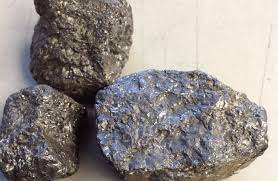
Titanium (Ti) Ore

titanium-mineral-rutile

Titanium is a chemical element with the symbol Ti and atomic number 22. It is a lustrous, silver-grey transition metal known for its high strength, low density, and excellent corrosion resistance. Titanium is widely used in various industrial applications due to its unique properties. Some of the basic properties of titanium include:

  1. Physical Properties:
  • Density: Titanium has a relatively low density of 4.5 g/cm³, which makes it lightweight compared to many other metals.
  • Melting Point: Titanium has a high melting point of 1668°C (3034°F), which allows it to retain its structural integrity at high temperatures.
  • Boiling Point: Titanium has a boiling point of 3287°C (5949°F), which is relatively high compared to many other elements.
  1. Chemical Properties:
  • Corrosion Resistance: Titanium is highly resistant to corrosion in various environments, including seawater, acidic and alkaline solutions, and chlorine, which makes it suitable for applications in marine, aerospace, and chemical industries.
  • Oxidation Resistance: Titanium forms a protective oxide layer on its surface, which gives it excellent resistance to oxidation and prevents further corrosion.
  • Reactivity: Titanium is a relatively reactive metal and readily forms compounds with oxygen, nitrogen, and other elements.
  1. Mechanical Properties:
  • Strength: Titanium has a high strength-to-weight ratio, which makes it stronger than many other metals while being lightweight. It has excellent tensile strength, fatigue strength, and toughness.
  • Ductility: Titanium is moderately ductile, meaning it can be drawn into wires or hammered into thin sheets without breaking.
  • Hardness: Titanium is a relatively hard metal with a Mohs hardness of 6, which makes it resistant to wear and abrasion.
  1. Other Properties:
  • Biocompatibility: Titanium is biocompatible, meaning it is not toxic to living tissues and is widely used in medical and dental implants.
  • Thermal Conductivity: Titanium has a low thermal conductivity, which means it is a poor conductor of heat compared to many other metals.

In summary, titanium is a lightweight, strong, corrosion-resistant, and biocompatible metal with a wide range of industrial applications due to its unique properties.

Occurrence and distribution of titanium ore in nature

Titanium is the 9th most abundant element in the Earth’s crust, occurring primarily in the form of minerals known as titanium ores. The most common titanium minerals are ilmenite (FeTiO3), rutile (TiO2), and leucoxene (a weathered form of ilmenite). These minerals are widely distributed in nature, with varying concentrations in different types of rocks and geological formations.

The occurrence and distribution of titanium ores in nature can vary depending on factors such as geological processes, weathering, and geological history. Here are some general patterns of titanium ore occurrence:

  1. Igneous Rocks: Titanium is commonly found in igneous rocks such as anorthosite, gabbro, and peridotite. Ilmenite and rutile are often associated with magnetite and occur as heavy mineral accumulations in placer deposits, which are concentrations of minerals formed by the natural process of erosion and sedimentation.
  2. Beach Sands: Titanium-bearing minerals like ilmenite and rutile are often found in beach sands, particularly in areas with high-energy coastal environments. These minerals are resistant to weathering and are often concentrated in heavy mineral sands, which can be extracted through dredging or mining.
  3. Metamorphic Rocks: Titanium minerals can also be found in metamorphic rocks such as schist and gneiss. In some cases, ilmenite may be formed as a result of the metamorphism of iron-rich sediments.
  4. Sedimentary Rocks: Although relatively rare, titanium minerals can also occur in sedimentary rocks such as sandstone, shale, and limestone. These occurrences are usually associated with other minerals and are not as economically significant as igneous or beach sand deposits.
  5. Secondary Deposits: Titanium minerals can also be found in secondary deposits, which are formed by weathering and erosion of primary deposits. For example, ilmenite can be weathered into leucoxene, a secondary titanium mineral that is often found in residual soils and sediments.

Titanium ores are mined and processed to extract titanium metal, titanium dioxide (TiO2) pigment, and other titanium compounds, which are used in a wide range of industrial applications, including aerospace, automotive, medical, and consumer products. The distribution of titanium ore deposits around the world is not uniform, with major producing countries including Australia, South Africa, Canada, China, India, and Norway. However, smaller deposits are also found in many other countries, contributing to the global supply of titanium resources.

Ilmenite (titanium Ore) 

Historical and industrial significance of titanium

Titanium has significant historical and industrial significance due to its unique properties and diverse range of applications. Here are some key highlights:

Historical Significance:

  1. Discovery: Titanium was first discovered in 1791 by British clergyman and amateur chemist William Gregor. It was later independently rediscovered and named by German chemist Martin Heinrich Klaproth in 1795.
  2. Rarity and early use: Titanium was initially considered a rare and exotic element, and its use was limited to small-scale applications. It was primarily used as a curiosity in early 19th-century chemistry experiments and was not widely used in industry until the mid-20th century.

Industrial Significance:

  1. Aerospace and Defense: Titanium’s high strength, low density, and excellent corrosion resistance make it ideal for aerospace and defense applications. It is used in aircraft components, such as engines, airframes, landing gear, and missiles, due to its ability to withstand extreme temperatures, resist fatigue and wear, and reduce weight in critical structures.
  2. Chemical and Petrochemical Industry: Titanium is used in the chemical and petrochemical industry due to its outstanding resistance to corrosion, making it suitable for equipment used in harsh environments involving strong acids, alkalis, and chlorides. It is used in heat exchangers, reactors, valves, and piping systems.
  3. Medical and Dental Implants: Titanium’s biocompatibility and ability to fuse with bone (osseointegration) make it widely used in medical and dental implants, such as joint replacements, dental implants, and prosthetic devices. It has revolutionized the field of orthopedic and dental surgery, providing improved quality of life for millions of people.
  4. Consumer Goods: Titanium is used in consumer goods such as sports equipment, eyeglass frames, watches, and jewelry due to its durability, corrosion resistance, and attractive appearance. It is also used in automotive components, marine equipment, and other industrial applications where its unique properties offer advantages.
  5. Energy and Desalination: Titanium is used in energy production and desalination due to its high corrosion resistance and ability to withstand high temperatures. It is used in power plants, offshore oil and gas platforms, and desalination plants for its durability and performance in harsh environments.
  6. Pigments and Paints: Titanium dioxide (TiO2), a common compound derived from titanium, is a widely used white pigment in paints, coatings, plastics, and other applications due to its high opacity, brightness, and UV resistance.

Overall, titanium’s unique properties and versatility have made it a highly valuable and widely used material in various industrial applications, contributing to technological advancements and improving many aspects of modern life.

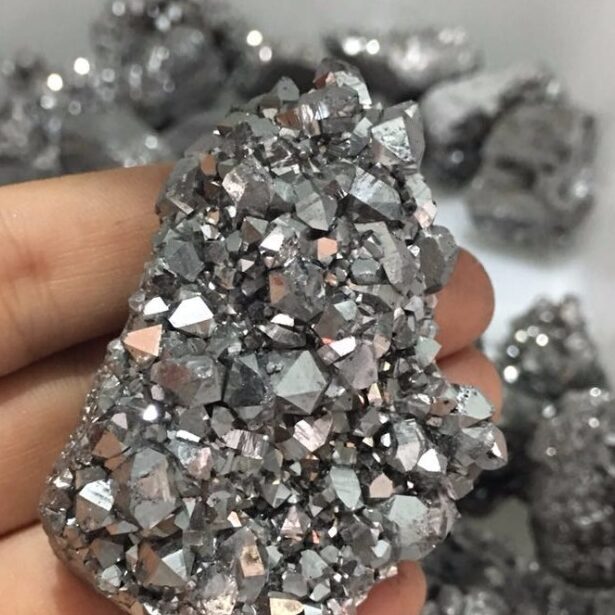
Natural Quartz Titanium

Types of titanium ore minerals

There are several types of titanium ores that are commonly found in nature. The most important and commonly occurring titanium ores are:

  1. Ilmenite (FeTiO3): Ilmenite is the most abundant titanium ore and is often found in igneous rocks and beach sands. It contains varying amounts of iron and titanium, and is typically black or dark brown in color. Ilmenite is the main source of titanium used for industrial purposes, including the production of titanium metal, titanium dioxide pigment, and other titanium compounds.
  2. Rutile (TiO2): Rutile is another important titanium ore that is commonly found in igneous rocks and beach sands. It is a hard, reddish-brown to black mineral with a high titanium content. Rutile is an important source of titanium for the production of titanium metal, titanium dioxide pigment, and other titanium compounds. Rutile is also used as a gemstone in jewelry.
  3. Leucoxene: Leucoxene is a weathered form of ilmenite and is often found as a secondary titanium ore. It is a grayish-white to brown mineral that is typically softer than ilmenite and rutile. Leucoxene is used as a source of titanium for the production of titanium dioxide pigment and other titanium compounds.
  4. Anorthosite: Anorthosite is a type of igneous rock that is rich in calcium and aluminum, and can contain significant amounts of titanium. Anorthosite deposits can be a potential source of titanium, although the titanium content can vary widely depending on the specific geological formation.
  5. Perovskite: Perovskite is a rare titanium ore that is found in some igneous rocks and has the chemical formula CaTiO3. It is typically black or brown in color and can contain significant amounts of titanium. Perovskite is not a major source of titanium compared to ilmenite and rutile, but it has potential as a future source of titanium due to its high titanium content.

These are some of the main types of titanium ores that are commonly found in nature. The specific composition, abundance, and distribution of titanium ores can vary depending on geological factors, and different types of titanium ores may be processed differently to extract titanium and produce various titanium products for industrial applications.

Leucoxene

Geological occurrences and distribution of different types of titanium ores

Titanium ores are typically found in a variety of geological settings around the world. Here are some general occurrences and distribution of different types of titanium ores:

  1. Ilmenite (FeTiO3): Ilmenite is commonly found in igneous rocks such as gabbro, norite, and anorthosite, as well as in beach sands and sedimentary deposits. Major ilmenite deposits are found in countries such as Australia, South Africa, Canada, China, India, Norway, and the United States. Australia and South Africa are among the largest producers of ilmenite.
  2. Rutile (TiO2): Rutile is also commonly found in igneous rocks, particularly in eclogites and granulites. It can also be found in beach sands and sedimentary deposits. Major rutile deposits are found in countries such as Australia, South Africa, India, Ukraine, and Sierra Leone. Australia and South Africa are major producers of rutile.
  3. Leucoxene: Leucoxene is typically found as a secondary titanium mineral formed from the weathering of ilmenite or other titanium minerals. It is often found in beach sands and sedimentary deposits. Leucoxene deposits can be found in countries such as Australia, South Africa, India, and the United States.
  4. Anorthosite: Anorthosite is a type of igneous rock that can contain significant amounts of titanium, typically in the form of ilmenite. Anorthosite deposits can be found in various parts of the world, including countries such as Norway, Canada, Greenland, and the United States.
  5. Perovskite: Perovskite is a relatively rare titanium ore that is typically found in alkaline igneous rocks and carbonatites. Major perovskite deposits are found in countries such as Russia, Canada, and Norway.

It’s important to note that the occurrence and distribution of titanium ores can vary depending on various geological factors such as rock types, mineral associations, and tectonic settings. Additionally, new deposits may be discovered, and the production of titanium ores may change over time due to economic, technological, and environmental factors.

 titanium mineral rutile.

Mineralogical characteristics and identification methods

Mineralogical characteristics and identification methods are important for determining the type and quality of titanium ores. Here are some key mineralogical characteristics and identification methods for titanium ores:

  1. Mineralogical characteristics of titanium ores: Titanium ores, such as ilmenite, rutile, leucoxene, anorthosite, and perovskite, typically exhibit specific mineralogical characteristics that can be used for identification. These can include color, luster, hardness, crystal form, cleavage, and streak. For example, ilmenite is typically black or dark brown in color, has a metallic luster, and exhibits a submetallic to metallic streak. Rutile, on the other hand, is typically reddish-brown to black in color, has a metallic to adamantine luster, and exhibits a reddish-brown streak.
  2. Optical microscopy: Optical microscopy is a common method used for identifying and characterizing titanium ores. Thin sections of rock or mineral samples can be prepared and examined under a petrographic microscope to observe the mineralogical characteristics, such as crystal form, cleavage, and optical properties, of titanium ores. Polarized light microscopy can also be used to determine the birefringence and extinction angles of minerals, which can aid in identification.
  3. X-ray diffraction (XRD): X-ray diffraction is a technique used to determine the crystal structure and mineral composition of titanium ores. By subjecting a powdered sample of a titanium ore to X-ray radiation, the diffraction pattern obtained can be compared to reference patterns of known minerals to identify the presence of specific minerals, such as ilmenite, rutile, and perovskite.
  4. Electron microscopy: Electron microscopy, including scanning electron microscopy (SEM) and transmission electron microscopy (TEM), can provide detailed information about the morphology, mineralogy, and microstructure of titanium ores at the microscopic scale. This can be useful for identifying and characterizing the mineralogical features of titanium ores, such as crystal morphology, grain boundaries, and mineral associations.
  5. Chemical analysis: Chemical analysis methods, such as X-ray fluorescence (XRF) and inductively coupled plasma mass spectrometry (ICP-MS), can be used to determine the elemental composition of titanium ores. This can help identify the presence and relative abundance of specific elements, such as titanium, iron, and other trace elements, which can aid in identifying different types of titanium ores.
  6. Spectroscopic methods: Spectroscopic methods, such as infrared spectroscopy (IR) and Raman spectroscopy, can be used to analyze the molecular and structural characteristics of titanium ores. These methods can provide information about the chemical bonds, functional groups, and mineralogical composition of titanium ores, which can aid in identification.

These are some common mineralogical characteristics and identification methods used for titanium ores. It’s important to note that a combination of different methods is often used to accurately identify and characterize titanium ores, and the expertise of a trained mineralogist or geologist may be required for accurate identification.

Extraction and processing of titanium ore

The extraction and processing of titanium ore involves several steps, which may vary depending on the type of titanium ore being processed, the location of the ore deposit, and the desired end products. Here is a general overview of the extraction and processing of titanium ore:

  1. Mining: Titanium ore is typically mined using open-pit or underground mining methods, depending on the location and characteristics of the ore deposit. The ore is extracted using heavy machinery and transported to the surface for further processing.
  2. Beneficiation: The mined titanium ore may contain impurities and must undergo beneficiation to remove these impurities and upgrade the ore to a higher grade. Beneficiation techniques can include crushing, grinding, screening, magnetic separation, and flotation, depending on the mineralogy and characteristics of the ore. The goal of beneficiation is to increase the titanium content and reduce impurities to achieve a suitable feedstock for further processing.
  3. Roasting and reduction: After beneficiation, the titanium ore may undergo roasting and reduction processes to convert the titanium minerals into a more suitable form for further processing. Roasting involves heating the ore to high temperatures in the presence of oxygen or air to remove volatile impurities, while reduction involves treating the roasted ore with reducing agents, such as coal or natural gas, to convert the titanium minerals into metallic titanium or titanium dioxide (TiO2).
  4. Chlorination or carbochlorination: The titanium minerals can be further processed using chlorination or carbochlorination methods to produce titanium tetrachloride (TiCl4), which is a key intermediate in the production of titanium metal and other titanium compounds. Chlorination involves reacting the titanium ore with chlorine gas, while carbochlorination involves reacting the titanium ore with chlorine gas and carbon or carbon-containing materials.
  5. Purification: Titanium tetrachloride produced from chlorination or carbochlorination methods may undergo additional purification steps to remove impurities, such as iron, magnesium, and other trace elements, to obtain high-purity titanium tetrachloride for further processing.
  6. Reduction to metallic titanium: Titanium tetrachloride can be reduced to metallic titanium using various methods, such as magnesium reduction, sodium reduction, or electrolysis. These methods involve reacting titanium tetrachloride with a reducing agent, such as magnesium or sodium, at high temperatures to produce metallic titanium.
  7. Further processing: Metallic titanium can be further processed into various forms, such as ingots, sheets, powder, or alloys, depending on the desired end applications. Additional processing steps may include melting, casting, forging, rolling, and machining to produce titanium products with specific properties and shapes for various industrial applications.

It’s important to note that the extraction and processing of titanium ore can be complex and may require specialized equipment, technologies, and expertise. The specific processes and techniques used can vary depending on the type of titanium ore being processed, the location of the ore deposit, and the desired end products. Additionally, environmental and sustainability considerations, such as waste management, energy consumption, and emissions, are important factors in modern titanium ore extraction and processing operations.

Chemical composition and properties of titanium ore

The chemical composition and properties of titanium ore can vary depending on the type of titanium ore, as there are different minerals that can contain titanium. However, some common chemical composition and properties of titanium ore are as follows:

  1. Chemical Composition:
  • Titanium (Ti): Titanium is the main element in titanium ore and is typically present as titanium dioxide (TiO2) in various mineral forms, such as ilmenite, rutile, and leucoxene. The titanium content in titanium ore can range from less than 30% to over 60%, depending on the type of ore.
  • Impurities: Titanium ore may contain impurities, such as iron, magnesium, silica, alumina, and other elements, depending on the specific mineralogy and characteristics of the ore deposit.
  1. Physical Properties:
  • Color: Titanium ore minerals can have various colors, ranging from black to brown, red, yellow, or even colorless, depending on the type of mineral.
  • Hardness: The hardness of titanium ore minerals can vary depending on the type of mineral, but generally ranges from 5 to 6.5 on the Mohs scale of mineral hardness.
  • Density: The density of titanium ore minerals can range from about 3.5 to 5 g/cm^3, depending on the type of mineral.
  • Melting Point: The melting point of titanium ore minerals can vary depending on the type of mineral, but generally ranges from about 1,100 to 1,800 degrees Celsius.
  1. Chemical Properties:
  • Reactivity: Titanium ore minerals are generally stable and unreactive under normal atmospheric conditions. However, they can be chemically processed to extract titanium using various methods, such as chlorination, carbochlorination, or reduction, as described in the previous answer.
  • Oxidation: Titanium ore minerals are typically oxide minerals, with titanium existing in the form of TiO2. Titanium dioxide is a stable compound that is resistant to oxidation under normal atmospheric conditions.
  • Chemical Reactivity: Titanium dioxide can react with certain chemicals under specific conditions to produce various titanium compounds, such as titanium tetrachloride (TiCl4), which is an important intermediate in the production of titanium metal and other titanium compounds.

It’s important to note that the specific chemical composition and properties of titanium ore can vary depending on the type of ore deposit, mineralogy, and processing methods used. Additionally, different types of titanium ores may have varying economic value and suitability for different end applications, which can impact their significance in the titanium industry.

Uses and applications of titanium

Titanium has a wide range of uses and applications due to its unique properties, which include its high strength-to-weight ratio, excellent corrosion resistance, and biocompatibility. Some of the main uses and applications of titanium are:

  1. Aerospace and Aviation: Titanium is widely used in aerospace and aviation industries due to its high strength-to-weight ratio. It is used in aircraft components such as airframes, engine components, landing gears, and fasteners. Titanium’s lightweight nature helps to reduce fuel consumption and increase efficiency in aerospace applications.
  2. Industrial: Titanium is used in a variety of industrial applications due to its excellent corrosion resistance. It is used in chemical processing equipment, desalination plants, power generation equipment, and offshore oil and gas platforms. Titanium’s corrosion resistance allows it to withstand harsh environments and corrosive chemicals, making it highly suitable for such applications.
  3. Medical and Dental: Titanium is widely used in medical and dental applications due to its biocompatibility, meaning it is well tolerated by the human body. It is used in surgical implants, such as joint replacements, dental implants, and pacemaker cases, due to its ability to integrate with human bone and tissue without causing adverse reactions.
  4. Sports and Recreation: Titanium is used in sports and recreational equipment due to its high strength-to-weight ratio and durability. It is used in sports equipment such as golf clubs, tennis rackets, bicycle frames, and diving knives, where lightweight and strong materials are desired.
  5. Consumer Goods: Titanium is used in consumer goods such as watches, jewelry, eyeglass frames, and mobile phones due to its attractive appearance, durability, and resistance to corrosion and tarnish.
  6. Military and Defense: Titanium is used in military and defense applications due to its high strength-to-weight ratio, corrosion resistance, and ability to withstand extreme conditions. It is used in armor plating, military aircraft components, naval vessels, and missile parts.
  7. Automotive: Titanium is used in high-performance automotive applications, such as exhaust systems, suspension components, and engine valves, due to its lightweight and high-temperature resistance properties, which can improve fuel efficiency and performance.
  8. Sports Medicine: Titanium is used in sports medicine for implants, prosthetics, and orthopedic devices due to its biocompatibility, strength, and durability.
  9. Electronics: Titanium is used in electronics, particularly in the aerospace and defense industries, due to its high strength, lightweight nature, and resistance to extreme temperatures.
  10. Other Applications: Titanium is also used in various other applications, such as in the production of pigments for paints, coatings, and plastics, as a catalyst in chemical reactions, in the aerospace industry for rocket components, and in the production of high-performance sports equipment.

The unique combination of properties possessed by titanium makes it a valuable material in a wide range of applications across various industries. Its high strength, low density, excellent corrosion resistance, biocompatibility, and other properties make it a preferred choice in many demanding and specialized applications.

Summary of key points

  1. Titanium is a transition metal with the atomic number 22 and chemical symbol Ti.
  2. Titanium occurs naturally in the Earth’s crust as titanium ores, with the most common ores being ilmenite and rutile.
  3. Titanium has a high strength-to-weight ratio, excellent corrosion resistance, and biocompatibility, making it suitable for a wide range of applications.
  4. Titanium has historical and industrial significance, with major advancements in extraction and processing techniques leading to increased availability and use of titanium in various industries.
  5. Titanium ores are typically found in igneous rocks, sediments, and metamorphic rocks, and their distribution varies globally.
  6. Titanium ores are identified and characterized based on their mineralogical characteristics, such as mineral composition, crystal structure, and physical properties, which can be determined using various analytical methods.
  7. Extraction and processing of titanium ore involve several steps, including mining, beneficiation, smelting, and refining, to obtain titanium metal or titanium dioxide.
  8. Titanium finds applications in aerospace and aviation, industrial, medical and dental, sports and recreation, consumer goods, military and defense, automotive, sports medicine, electronics, and other industries.
  9. Titanium is used in a wide range of products, including aircraft components, chemical processing equipment, surgical implants, sports equipment, jewelry, military applications, automotive parts, electronics, and more.
  10. The unique properties of titanium make it a valuable and versatile material with diverse applications across various industries.

References

  1. ASTM International. (2018). Standard Specification for Titanium and Titanium Alloy Strip, Sheet, and Plate. ASTM B265-18.
  2. Heinrichs, J. (2012). Titanium: Industrial Base, Price Trends, and Technology Initiatives. U.S. Geological Survey, Open-File Report 2012-1121.
  3. Khan, M. I., & Hashmi, M. S. J. (Eds.). (2019). Titanium and Titanium Alloys: Fundamentals and Applications. Wiley.
  4. Wang, S., & Li, Z. (2018). Titanium Extraction and Refining: A Review. Mineral Processing and Extractive Metallurgy Review, 39(6), 365-393.
  5. Lutjering, G., & Williams, J. C. (2007). Titanium: A Technical Guide. Springer.

Rhodium (Rh) Ore

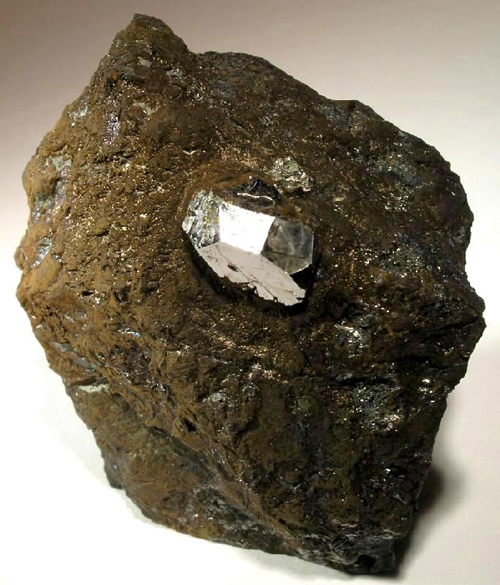
Rhodium-Ore

Rhodium ore refers to a naturally occurring mineral deposit that contains the precious metal rhodium. Rhodium is a rare, silvery-white metal that belongs to the platinum group metals (PGMs), which also includes platinum, palladium, iridium, osmium, and ruthenium. Rhodium is known for its exceptional properties, such as high melting and boiling points, excellent resistance to corrosion, and remarkable catalytic activity.

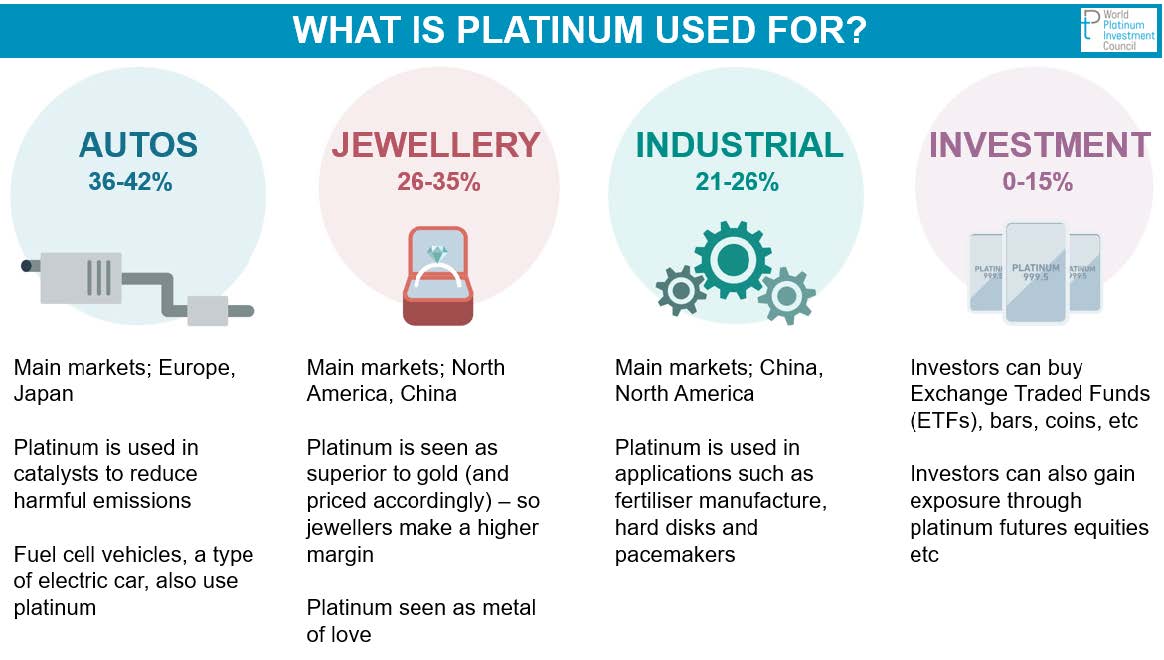
Rhodium is primarily used in various industrial applications, including catalytic converters in automobiles, as well as in the production of chemicals, electrical components, and jewelry. Due to its limited availability and high demand, rhodium is considered one of the most valuable precious metals, with prices that can fluctuate significantly in the global market.

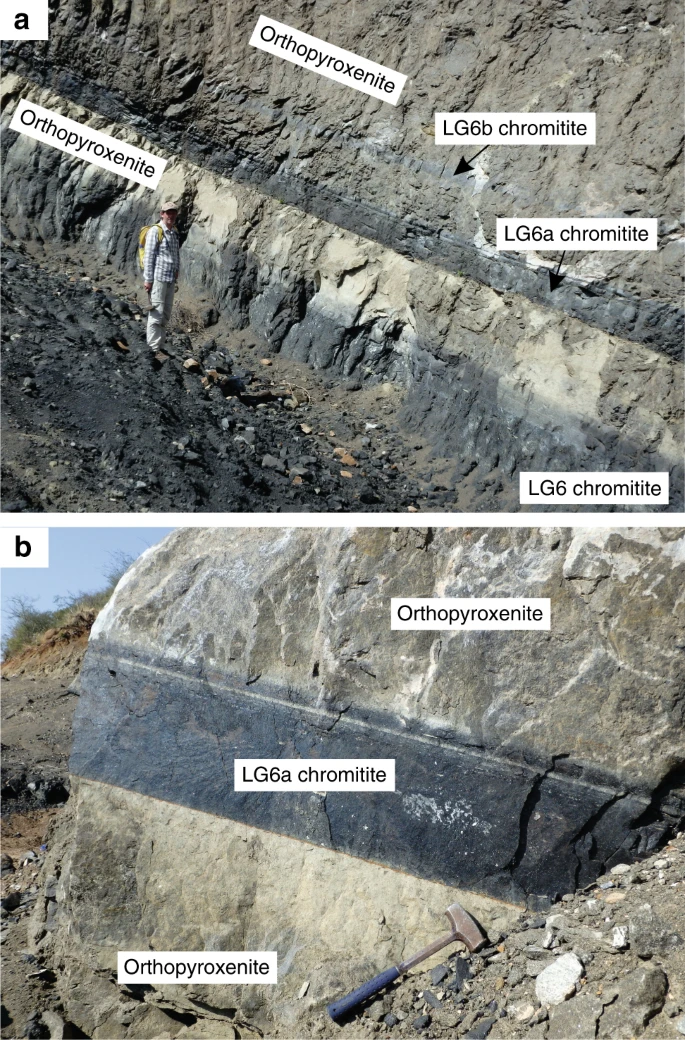
Rhodium ore is typically found in association with other PGMs, often in ore deposits that also contain platinum and palladium. These deposits are relatively rare and are typically found in specific geological formations, such as layered igneous intrusions or alluvial deposits. Rhodium extraction from ore requires complex and specialized processes, including mining, milling, smelting, and refining, due to the metal’s high melting point and its tendency to form compounds that are difficult to process.

The mining of rhodium ore is often done as a byproduct of platinum or palladium mining, as the three metals are commonly found together in ore deposits. South Africa, Russia, and Zimbabwe are the major producers of rhodium ore, with South Africa being the largest producer. The extraction of rhodium ore can have environmental and social impacts, including habitat disruption, water pollution, and community displacement, and it is subject to strict regulations in many countries to ensure responsible mining practices.

In conclusion, rhodium ore is a rare and valuable source of the precious metal rhodium, which has a wide range of industrial applications. Its extraction from ore requires specialized processes and is often done as a byproduct of platinum or palladium mining. Responsible mining practices are important to mitigate potential environmental and social impacts associated with rhodium ore extraction.

Properties and Characteristics of Rhodium Ore

Rhodium ore, also known as rhodium-bearing ore, typically exhibits certain properties and characteristics that are important for its identification and extraction. Here are some key properties and characteristics of rhodium ore:

  1. Occurrence: Rhodium ore is relatively rare and is typically found in association with other platinum group metals (PGMs), such as platinum and palladium. It is often found in specific geological formations, such as layered igneous intrusions or alluvial deposits.
  2. Color and appearance: Rhodium ore is usually dark in color, ranging from dark gray to black. It may exhibit a metallic luster and is often dense and heavy.
  3. Mineralogy: Rhodium ore can occur in various mineral forms, such as sulfides, arsenides, and alloys. Common minerals that may contain rhodium include rhodium sulfide (Rh2S3), rhodium arsenide (RhAs), and rhodium-platinum alloy (Rh-Pt).
  4. Composition: Rhodium ore typically contains a relatively small percentage of rhodium, often ranging from trace amounts to a few percent by weight. The exact composition of rhodium ore can vary depending on the specific deposit and location.
  5. High melting and boiling points: Rhodium has a high melting point of 1,964 degrees Celsius (3,567 degrees Fahrenheit) and a high boiling point of 3,695 degrees Celsius (6,663 degrees Fahrenheit). This high melting and boiling point makes rhodium ore difficult to process and requires specialized techniques for extraction.
  6. Corrosion resistance: Rhodium is known for its excellent resistance to corrosion, which makes it highly suitable for various industrial applications, such as in catalytic converters and electrical components. This property is also reflected in rhodium ore, which is typically resistant to oxidation and other chemical reactions.
  7. Catalytic activity: Rhodium is a highly effective catalyst, and this property is also present in rhodium ore. Rhodium-containing minerals can exhibit catalytic activity, which makes them valuable for certain chemical processes.
  8. Value: Rhodium is one of the most valuable precious metals, and rhodium ore is highly sought after due to its scarcity and high demand in industrial applications. The price of rhodium can fluctuate significantly in the global market, reflecting its high intrinsic value.

In summary, rhodium ore is a rare and valuable source of the precious metal rhodium, with distinctive properties and characteristics such as its occurrence, color and appearance, mineralogy, composition, high melting and boiling points, corrosion resistance, catalytic activity, and value. These properties are important for the identification, extraction, and utilization of rhodium ore in various industrial applications.

Physical properties of rhodium ore

Rhodium ore, also known as rhodium-bearing ore, possesses several physical properties that are characteristic of this rare and precious metal. Some of the main physical properties of rhodium ore include:

  1. Color: Rhodium ore is generally dark in color, ranging from dark gray to black. This dark coloration is often due to the presence of other minerals or compounds in the ore deposit.
  2. Density: Rhodium ore is typically dense and heavy, with a density that can range from 10 to 18 grams per cubic centimeter (g/cm³), depending on the specific mineralogy and composition of the ore.
  3. Hardness: The hardness of rhodium ore can vary depending on the specific minerals present, but it is generally quite hard. The Mohs hardness scale, which ranges from 1 (the softest) to 10 (the hardest), estimates the hardness of rhodium to be between 6 and 7.
  4. Melting and boiling points: Rhodium has a high melting point of 1,964 degrees Celsius (3,567 degrees Fahrenheit) and a high boiling point of 3,695 degrees Celsius (6,663 degrees Fahrenheit). This high melting and boiling points are reflective of the metallic nature of rhodium ore.
  5. Conductivity: Rhodium is a good conductor of electricity and heat, and this property is also present in rhodium ore. Rhodium-containing minerals in the ore can exhibit metallic conductivity, which makes them useful in certain industrial applications.
  6. Magnetic properties: Rhodium is not inherently magnetic, and rhodium ore is typically not magnetic unless it contains other magnetic minerals as impurities.
  7. Crystal structure: Rhodium-containing minerals in the ore can exhibit various crystal structures depending on the specific mineralogy. Rhodium sulfide (Rh2S3), for example, crystallizes in a trigonal structure.

These are some of the main physical properties of rhodium ore. It’s important to note that the physical properties of rhodium ore can vary depending on the specific deposit and location, as well as the minerals and compounds present in the ore. Proper identification and characterization of rhodium ore require specialized techniques and analysis by experts in the field.

Chemical properties of rhodium ore

The chemical properties of rhodium ore, also known as rhodium-bearing ore, are primarily determined by the chemical composition of the minerals and compounds present in the ore. Some of the main chemical properties of rhodium ore include:

  1. Composition: Rhodium ore typically contains rhodium (Rh) as one of the main components, along with other platinum group metals (PGMs) such as platinum (Pt), palladium (Pd), and other elements such as gold (Au), silver (Ag), copper (Cu), nickel (Ni), and sulfur (S). The exact composition of rhodium ore can vary depending on the specific deposit and location.
  2. Oxidation state: Rhodium can exhibit different oxidation states, such as +1, +2, +3, +4, and +5, in various chemical compounds. Rhodium in its native state (elemental form) is typically unreactive and stable, but it can form various chemical compounds with other elements in the ore.
  3. Reactivity: Rhodium ore is generally stable and unreactive under normal atmospheric conditions. However, it can react with certain chemicals, such as acids or strong oxidizing agents, under specific conditions. The reactivity of rhodium ore depends on the specific minerals and compounds present, as well as the conditions of the environment.
  4. Catalytic activity: Rhodium is a highly effective catalyst, and this property can also be present in rhodium ore. Rhodium-containing minerals in the ore can exhibit catalytic activity, which makes them valuable for certain chemical processes. For example, rhodium-containing minerals can be used as catalysts in automotive catalytic converters to reduce emissions from combustion engines.
  5. Solubility: The solubility of rhodium ore depends on the specific minerals and compounds present in the ore. Rhodium can form various chemical compounds that have different solubility properties in different solvents and under different conditions. For example, rhodium sulfide (Rh2S3) is insoluble in water, but it can dissolve in certain acids.
  6. Stability: Rhodium is a relatively stable metal, and rhodium ore is generally stable under normal environmental conditions. However, some rhodium-containing minerals in the ore may be susceptible to chemical weathering or alteration over time, which can affect their chemical properties and stability.

These are some of the main chemical properties of rhodium ore. Proper understanding and characterization of the chemical properties of rhodium ore are important for its extraction, processing, and utilization in various industrial applications. It’s essential to consult with experts and use specialized techniques for accurate analysis of rhodium ore.

Rhodium Ore Minerals

Rhodium, being a rare and precious metal, is typically found in nature as part of various minerals. Some of the main minerals that can contain rhodium as a significant component include:

  1. Rhodite: Rhodite is a rare platinum group mineral that contains rhodium as one of its main components. It is a sulfide mineral with the chemical formula (Rh,Ir,Pt)S.
  2. Cuprorhodsite: Cuprorhodsite is another rare platinum group mineral that contains both copper (Cu) and rhodium. Its chemical formula is CuRh2S4.
  3. Sperrylite: Sperrylite is a platinum arsenide mineral that can contain rhodium as an impurity. Its chemical formula is PtAs2, and it can occur in trace amounts in some platinum group deposits.
  4. Cooperite: Cooperite is a platinum sulfide mineral that can contain rhodium as an impurity. Its chemical formula is (Pt,Pd,Ni)S, and it is typically found in association with other platinum group minerals.
  5. Platarsite: Platarsite is a rare platinum telluride mineral that can contain rhodium as a minor component. Its chemical formula is PtAsS, and it can occur in trace amounts in some platinum group deposits.
  6. Other minerals: Rhodium can also occur as an impurity or in trace amounts in other platinum group minerals, such as braggite, vysotskite, and hollingworthite, which are found in certain platinum group deposits.

It’s important to note that rhodium is typically found in nature in low concentrations, and the minerals that contain rhodium are often rare and occur in specific geological environments. The extraction and processing of rhodium from these minerals can be complex and require specialized techniques. Additionally, the availability of rhodium ore minerals can vary depending on the specific deposit and location, which contributes to the rarity and high value of rhodium as a precious metal.

Cuprorhodsite

Unique characteristics of rhodium ore

Rhodium ore possesses several unique characteristics that make it distinct among other types of ores. Some of the notable unique characteristics of rhodium ore include:

  1. Rarity: Rhodium is one of the rarest elements on Earth, with a very low natural abundance in the Earth’s crust. Rhodium ore deposits are scarce, and rhodium is typically found in low concentrations, making it a highly valuable and precious metal.
  2. High melting point: Rhodium has a very high melting point of around 1,960°C (3,560°F), which is one of the highest melting points among all elements. This high melting point makes rhodium ore resistant to melting or volatilization during high-temperature processing, which can be advantageous in certain industrial applications.
  3. Chemical stability: Rhodium is a relatively stable metal, and rhodium ore is generally unreactive and stable under normal environmental conditions. This chemical stability allows rhodium ore to retain its properties and purity during extraction and processing, which can be beneficial in maintaining the quality of rhodium products.
  4. Excellent catalytic properties: Rhodium is known for its exceptional catalytic properties, making it highly desirable in various chemical processes. Rhodium-containing minerals in the ore can exhibit catalytic activity, which can be harnessed for applications such as automotive catalytic converters, where rhodium helps in reducing harmful emissions from combustion engines.
  5. Unique coloration: Some rhodium minerals, such as rhodite, have unique colors. Rhodite, for example, exhibits a distinctive reddish-brown to bronze color, which can make it visually distinct and identifiable among other minerals.
  6. Complex extraction and refining processes: Extracting and refining rhodium from its ore can be complex and challenging due to the low abundance of rhodium, its high melting point, and the presence of other platinum group metals (PGMs) in the ore. This complexity adds to the unique characteristics of rhodium ore and contributes to the high value and rarity of rhodium as a precious metal.

These are some of the unique characteristics of rhodium ore that make it distinct and highly valued in various industrial applications. Proper understanding and management of these unique characteristics are crucial in the extraction, processing, and utilization of rhodium from its ore.

Extraction and Processing of Rhodium Ore

The extraction and processing of rhodium ore can be a complex and challenging process due to the rarity and unique properties of rhodium. Rhodium is typically found in nature as part of platinum group minerals (PGMs), and the extraction and processing methods can vary depending on the specific ore deposit and the associated minerals.

Here are the general steps involved in the extraction and processing of rhodium ore:

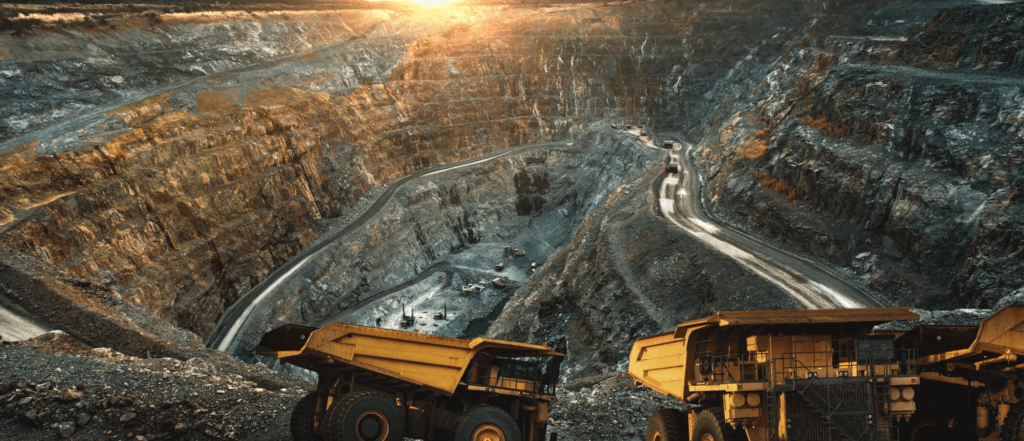
  1. Exploration and mining: The first step in extracting rhodium from its ore is to identify and locate potential rhodium-bearing ore deposits through geological exploration. Once a viable deposit is identified, mining operations may be established to extract the ore. Mining methods can include underground mining or open-pit mining, depending on the characteristics of the deposit.
  2. Ore processing: The mined ore is then processed to extract rhodium along with other valuable metals, such as platinum, palladium, and gold, which are commonly found in association with rhodium. The exact processing methods can vary depending on the characteristics of the ore deposit, but generally involve crushing, grinding, and froth flotation to separate the ore minerals from the gangue minerals.
  3. Refining: After the initial ore processing, the extracted rhodium-containing concentrate is further refined to remove impurities and obtain high-purity rhodium. Refining methods can include various techniques, such as smelting, precipitation, solvent extraction, and electrolysis, depending on the desired purity level and the specific impurities present in the concentrate.
  4. Product fabrication: Once the rhodium has been refined to the desired purity, it can be fabricated into various forms depending on the intended application. Rhodium is often used in the form of alloys, coatings, or catalysts. Product fabrication methods can include melting, casting, and further processing such as rolling, drawing, or plating to produce rhodium products with specific properties and shapes.
  5. Recycling: Rhodium is a precious metal with a high economic value, and recycling of rhodium from various industrial and consumer products, such as catalytic converters, electrical components, and jewelry, is an important source of rhodium supply. Recycling methods for rhodium involve the recovery and refining of rhodium from used or discarded products, and can include techniques such as pyrometallurgy, hydrometallurgy, and electrochemical processes.

It’s important to note that the extraction and processing of rhodium ore can be complex and require specialized knowledge, equipment, and environmental considerations. Proper management of the extraction and processing steps is crucial to ensure the efficient recovery of rhodium and minimize the environmental impact of the mining and processing operations.

Applications of Rhodium Ore

Rhodium, as a precious metal, has a wide range of applications due to its unique properties. Here are some of the key applications of rhodium ore:

  1. Automotive Industry: One of the major applications of rhodium is in the automotive industry, where it is used as a catalyst in catalytic converters to reduce harmful emissions from combustion engines. Rhodium helps convert toxic gases, such as nitrogen oxides (NOx), carbon monoxide (CO), and hydrocarbons (HC), into less harmful substances, thus playing a critical role in reducing air pollution from vehicles.
  2. Chemical Industry: Rhodium is widely used as a catalyst in various chemical processes due to its excellent catalytic properties. It is used in the production of chemicals, such as acetic acid, hydrogenation of organic compounds, and in the manufacturing of fine chemicals, pharmaceuticals, and plastics.
  3. Electrical and Electronics Industry: Rhodium is used in the electrical and electronics industry for various applications, including electrical contacts, electrical connectors, and in the production of high-temperature electrical wires and thermocouples.
  4. Jewelry: Rhodium has a highly reflective and corrosion-resistant surface, which makes it desirable for use in jewelry. Rhodium is used as a plating material to provide a bright, white, and durable finish to silver, gold, and platinum jewelry items.
  5. Aerospace Industry: Rhodium is used in the aerospace industry for applications such as turbine blades, spark plugs, and electrical contacts due to its high melting point, corrosion resistance, and excellent electrical conductivity.
  6. Medical and Dental Industry: Rhodium has applications in the medical and dental industry, such as in the manufacture of dental alloys, surgical instruments, and implants due to its biocompatibility, high melting point, and corrosion resistance.
  7. Glass Industry: Rhodium is used in the production of specialty glasses, such as optical lenses, where its high melting point and refractive properties are advantageous.
  8. Investment and Bullion: Rhodium, like other precious metals, can also be used as an investment or for bullion purposes. Rhodium bullion bars or coins are sometimes purchased by investors as a store of value or a hedge against inflation.

These are some of the key applications of rhodium ore across various industries. Rhodium’s unique properties, including its high melting point, excellent catalytic properties, corrosion resistance, and rarity, make it a highly valuable and sought-after metal in a wide range of applications.

Market and Economics of Rhodium Ore

The market and economics of rhodium ore are influenced by various factors, including its rarity, demand from different industries, global economic conditions, and environmental regulations. Rhodium is one of the rarest and most precious metals, and its market dynamics are unique compared to other commodities.

Here are some key points related to the market and economics of rhodium ore:

  1. Price volatility: Rhodium prices are known for their high volatility, with significant fluctuations over time. Rhodium prices are influenced by supply and demand dynamics, global economic conditions, geopolitical factors, and changes in environmental regulations that impact the automotive industry, which is a major consumer of rhodium in catalytic converters. Price spikes and drops can occur rapidly, leading to challenges for market participants in managing price risk.
  2. Demand from automotive industry: The automotive industry is the largest consumer of rhodium, accounting for a significant portion of the demand for rhodium in the form of catalytic converters used in vehicles to reduce emissions. Stringent emissions regulations in many countries have increased the demand for rhodium in the automotive sector, especially in regions with high vehicle production and emissions standards.
  3. Demand from other industries: Rhodium is also used in other industries, such as the chemical, electrical and electronics, aerospace, medical, dental, and glass industries, as mentioned earlier. The demand from these industries can also impact the overall market dynamics of rhodium.
  4. Supply dynamics: Rhodium is a rare metal, and its primary production is concentrated in a few countries, including South Africa, Russia, and Zimbabwe. The supply of rhodium can be affected by various factors, such as mining production levels, geopolitical risks, labor strikes, and environmental regulations, which can impact the availability and pricing of rhodium in the market.
  5. Recycling as a source of supply: Recycling of rhodium from used or discarded products, such as catalytic converters, is an important source of rhodium supply. As rhodium prices have increased, there has been growing interest in recycling and recovering rhodium from various industrial and consumer products, which can impact the overall supply and demand dynamics of rhodium.
  6. Economic and environmental factors: Economic conditions, including global economic growth, industrial production, and investor sentiment, can also influence the demand and pricing of rhodium. Additionally, environmental regulations related to emissions reduction and air quality can impact the demand for rhodium in the automotive sector and other industries, as well as affect the future outlook for rhodium.
  7. Economic value: Rhodium is one of the most valuable metals, and its high market value has a significant impact on the economics of rhodium ore extraction, processing, and trade. The high value of rhodium can make its extraction and processing economically viable, but it also poses challenges in terms of production costs, pricing, and profitability for market participants.

In summary, the market and economics of rhodium ore are influenced by various factors, including its rarity, demand from different industries, global economic conditions, environmental regulations, and supply dynamics. The high volatility and value of rhodium in the market require careful management of price risks, supply sources, and demand trends for stakeholders involved in the rhodium industry.

Future Outlook for Rhodium Ore

The future outlook for rhodium ore is influenced by a variety of factors, including global demand from different industries, availability of supply sources, technological advancements, environmental regulations, and economic conditions. Here are some potential trends and scenarios that could shape the future outlook for rhodium ore:

  1. Continued demand from the automotive industry: The automotive industry is expected to continue being a major consumer of rhodium due to increasing emissions regulations in many countries. As governments around the world implement stricter emissions standards to reduce air pollution, demand for rhodium in catalytic converters, which help in reducing emissions from vehicles, is expected to remain strong. However, advancements in electric vehicle technology and potential changes in emissions regulations could impact the demand for rhodium in the long term.
  2. Emerging applications in other industries: Rhodium has unique properties that make it suitable for various industrial applications beyond the automotive industry, such as in the chemical, electrical and electronics, aerospace, medical, dental, and glass industries. The development of new technologies and applications that require the use of rhodium could potentially increase the demand for this rare metal in other industries, diversifying its market and expanding its potential uses.
  3. Recycling as a sustainable supply source: With the increasing value and demand for rhodium, recycling and recovery of rhodium from used products, such as catalytic converters, is expected to gain more prominence as a sustainable supply source. Advancements in recycling technologies and processes could make it more economically viable to recover rhodium from discarded products, reducing the dependency on primary mining sources and potentially impacting the supply dynamics of rhodium in the future.
  4. Environmental regulations: Environmental regulations, especially related to emissions reduction and air quality, are expected to continue evolving and becoming more stringent in many countries. These regulations could impact the demand for rhodium in the automotive industry and other sectors, as well as drive innovation in emissions control technologies, potentially influencing the future outlook for rhodium ore.
  5. Supply dynamics: The primary production of rhodium is concentrated in a few countries, and any changes in mining production levels, geopolitical risks, labor strikes, or environmental regulations in these regions could impact the availability and pricing of rhodium in the market. New discoveries of rhodium deposits or changes in mining technologies could also impact the future supply dynamics of rhodium ore.
  6. Economic conditions: Global economic conditions, including economic growth, industrial production, and investor sentiment, could also impact the demand for rhodium ore. Economic downturns or slowdowns could affect demand from industries that use rhodium, such as the automotive and chemical industries, which could in turn influence the pricing and market dynamics of rhodium ore.
  7. Technological advancements: Technological advancements in mining, processing, and recycling technologies could potentially impact the efficiency and economics of rhodium ore extraction and processing. Advancements in emissions control technologies could also impact the demand for rhodium in the automotive industry, potentially influencing the future outlook for rhodium ore.

In conclusion, the future outlook for rhodium ore is subject to various factors, including demand from different industries, availability of supply sources, technological advancements, environmental regulations, economic conditions, and market dynamics. Monitoring these factors and their potential impacts on the rhodium market will be crucial for stakeholders involved in the rhodium industry to make informed decisions and adapt to changing market conditions in the future.

Occurrence and distribution of rhodium ore in nature

Rhodium is a rare and precious metal that occurs naturally in the Earth’s crust. It is typically found in trace amounts in association with other platinum group elements (PGEs), such as platinum, palladium, ruthenium, iridium, osmium, and gold. Rhodium ore is primarily extracted from certain types of geological formations, including:

  1. Platinum Group Element (PGE) Deposits: Rhodium is often found in PGE deposits, which are rare and localized occurrences of ore deposits enriched in PGEs. These deposits are typically associated with ultramafic and mafic igneous rocks, such as layered intrusions, ore veins, and alluvial or placer deposits. PGE deposits are mainly found in specific regions around the world, including the Bushveld Complex in South Africa, the Stillwater Complex in the United States, the Great Dyke in Zimbabwe, the Norilsk-Talnakh deposits in Russia, and other smaller deposits in Canada, Finland, and other countries.
  2. Nickel-Copper Sulfide Deposits: Rhodium can also be found in certain nickel-copper sulfide deposits, which are associated with magmatic sulfide ore deposits. These deposits are typically found in mafic and ultramafic intrusive rocks, such as komatiite, norite, and gabbro, and are known for their high concentrations of nickel, copper, and PGEs, including rhodium. Examples of nickel-copper sulfide deposits with rhodium include the Sudbury Basin in Canada and the Jinchuan nickel-copper deposit in China.
  3. Other Geological Formations: Rhodium can also occur in other geological formations, such as in chromite deposits, as well as in secondary or alluvial deposits where it is transported and concentrated by weathering and erosion processes. However, these occurrences are relatively rare and typically not significant sources of rhodium production.

The distribution of rhodium ore in nature is highly localized, with a few regions around the world accounting for the majority of global rhodium production. South Africa is the largest producer of rhodium, followed by Russia, Zimbabwe, and Canada. Other smaller producers include the United States, Finland, and other countries. Rhodium ore deposits are generally challenging and expensive to extract and process due to their low concentrations and complex geological settings, which contributes to the rarity and high value of rhodium in the market.

Summary of key points related to rhodium ore

  1. Rhodium is a rare and precious metal that is part of the platinum group elements (PGEs) and is typically found in association with other PGEs, such as platinum, palladium, ruthenium, iridium, osmium, and gold.
  2. Rhodium ore is primarily extracted from PGE deposits, which are rare and localized occurrences of ore deposits enriched in PGEs. These deposits are typically associated with ultramafic and mafic igneous rocks, such as layered intrusions, ore veins, and alluvial or placer deposits.
  3. Rhodium can also be found in certain nickel-copper sulfide deposits, which are associated with magmatic sulfide ore deposits. Examples of such deposits include the Sudbury Basin in Canada and the Jinchuan nickel-copper deposit in China.
  4. Rhodium ore is characterized by its high melting point, density, and resistance to corrosion, making it valuable in various industrial applications, particularly in catalytic converters for automotive emissions control.
  5. The extraction and processing of rhodium ore are complex and typically involve mining, beneficiation, smelting, and refining processes. These processes require specialized equipment, technologies, and expertise, and can be challenging and expensive due to the low concentrations and complex geological settings of rhodium ore.
  6. Rhodium has diverse applications, including automotive emissions control, fine jewelry, electrical contacts, and as a catalyst in various chemical reactions. The demand for rhodium is primarily driven by the automotive industry, as regulations for emissions control become increasingly stringent.
  7. The market and economics of rhodium are influenced by various factors, including global supply and demand dynamics, economic conditions, and geopolitical factors. Rhodium prices have been historically volatile, with periods of high demand and price spikes followed by periods of lower demand and price declines.
  8. The future outlook for rhodium ore is uncertain, as it depends on various factors, including technological advancements, changes in regulations and emissions standards, and shifts in market demand for end-use applications. However, rhodium is expected to remain a valuable and important metal in various industrial applications due to its unique properties and scarcity in nature.

Palladium (Pd) Ore

Native-Palladium

Palladium (Pd) is a chemical element with the atomic number 46 and the symbol Pd on the periodic table. It is a rare and lustrous silvery-white transition metal that belongs to the platinum group metals (PGMs), which also includes platinum (Pt), rhodium (Rh), ruthenium (Ru), iridium (Ir), and osmium (Os). Palladium was discovered in 1803 by William Hyde Wollaston, and it is named after the asteroid Pallas, which was named after Pallas Athena, the Greek goddess of wisdom.

Palladium has numerous industrial applications due to its unique properties, including its high melting point, excellent corrosion resistance, and ability to absorb and store hydrogen. It is commonly used in catalytic converters, electronics, dentistry, jewelry, and as a critical component in the production of fuel cells.

Sulfidic serpentintite (platinum-palladium ore)

One of the major uses of palladium is in catalytic converters in automobiles, where it helps to reduce harmful emissions from combustion engines. Palladium also plays a vital role in the electronics industry, where it is used in the production of capacitors, connectors, and soldering materials. Additionally, palladium is used in dentistry for making dental crowns and bridges due to its biocompatibility and resistance to tarnish.

Palladium is a precious metal and is often used in jewelry, particularly in the form of palladium alloys. It is known for its attractive appearance, durability, and hypoallergenic properties, making it a popular choice for wedding rings and other fine jewelry pieces.

In recent years, palladium has gained attention as a key component in fuel cells, which are devices that generate electricity through chemical reactions. Palladium is used in the electrodes of hydrogen fuel cells, where it acts as a catalyst to facilitate the conversion of hydrogen and oxygen into water, producing electricity in the process.

Palladium is also traded as a commodity in financial markets, and its price can be influenced by various factors such as supply and demand dynamics, economic conditions, and geopolitical events.

Overall, palladium is a versatile and important element with a wide range of industrial applications, and its unique properties make it a valuable and sought-after material in various industries.

Geology and Formation of Palladium (Pd)

Palladium (Pd) is a rare element that is typically found in the Earth’s crust in low concentrations. It is classified as a noble metal and belongs to the platinum group metals (PGMs), which also includes platinum (Pt), rhodium (Rh), ruthenium (Ru), iridium (Ir), and osmium (Os). Palladium is typically extracted from ores that are rich in other PGMs, as it is often found in association with these metals.

Geologically, palladium is primarily formed through magmatic processes, which involve the crystallization of molten rocks, known as magmas, deep within the Earth’s mantle and crust. These magmas, which are rich in minerals containing PGMs, can intrude into existing rock formations and cool and solidify over time, forming igneous rocks.

Palladium is commonly found in two types of ore deposits: sulfide deposits and platinum group element (PGE) deposits. Sulfide deposits are the most common type of palladium deposits and are typically associated with mafic and ultramafic igneous

Palladium Ore Minerals

Palladium is a rare and precious metal that belongs to the platinum group of elements (PGEs). It is commonly found in nature as ore minerals, which are naturally occurring compounds or minerals that contain palladium in a concentrated form. Some of the most common palladium ore minerals include:

  1. Palladium arsenide (PdAs2): This is a primary ore mineral of palladium and is commonly found in association with other PGEs such as platinum, nickel, and copper. It is typically found in hydrothermal veins and magmatic deposits.
  2. Palladium sulfide (PdS): This is another primary ore mineral of palladium and is often associated with other PGEs and sulfide minerals like nickel sulfides. It is typically found in magmatic deposits and can also occur in hydrothermal veins.
  3. Palladium telluride (PdTe): This is a rare palladium ore mineral that is found in some magmatic and hydrothermal ore deposits. It is often associated with other telluride minerals like gold tellurides.
  4. Palladium antimonide (PdSb): This is another rare ore mineral of palladium that is found in some hydrothermal deposits. It is typically associated with other antimonide minerals and can occur in small amounts in PGE-rich ore deposits.
  5. Palladium bismuthide (PdBi): This is a rare palladium ore mineral that is typically found in small amounts in hydrothermal deposits. It is usually associated with other bismuthide minerals and can occur along with other PGEs.

It’s worth noting that palladium ore minerals are relatively rare, and palladium is typically obtained as a byproduct of mining for other metals like platinum and nickel, which are more abundant in nature. The extraction of palladium from ore minerals involves complex and costly processes, and palladium is primarily used in industrial applications, including catalytic converters in automobiles, electronics, and jewelry.

Physical and Chemical Properties of Palladium (Pd) Ore

Palladium (Pd) is a rare and precious metal that belongs to the platinum group of elements (PGEs). It has several unique physical and chemical properties that make it valuable and suitable for various industrial applications. Here are some of the key properties of palladium:

Physical Properties of Palladium (Pd):

  1. Appearance: Palladium is a lustrous, silver-white metal with a metallic sheen and a bright finish.
  2. Density: Palladium has a relatively high density, with a density of about 12.02 grams per cubic centimeter (g/cm³) at room temperature.
  3. Melting Point: Palladium has a relatively high melting point of about 1,554 degrees Celsius (2,829 degrees Fahrenheit), making it a solid at room temperature.
  4. Boiling Point: Palladium has a high boiling point of about 2,963 degrees Celsius (5,385 degrees Fahrenheit), which means it has a high resistance to heat.
  5. Hardness: Palladium is a relatively soft metal, with a hardness of 4.75 on the Mohs scale, which measures the hardness of minerals from 1 (the softest) to 10 (the hardest).

Chemical Properties of Palladium (Pd):

  1. Reactivity: Palladium is a relatively unreactive metal and does not readily tarnish or corrode in air or water. It is resistant to most acids, but can dissolve in aqua regia, a mixture of nitric and hydrochloric acids.
  2. Catalytic Activity: Palladium is known for its excellent catalytic properties, which make it widely used in catalytic converters for automotive emissions control. It can facilitate various chemical reactions, such as hydrogenation, dehydrogenation, and oxidation.
  3. Alloy Formation: Palladium readily forms alloys with other metals, such as platinum, gold, silver, and copper, which can modify its properties and expand its range of applications.
  4. Electromagnetic Properties: Palladium exhibits interesting electromagnetic properties, such as high electrical conductivity and magnetic susceptibility, which make it useful in electronics and electrical applications.
  5. Isotopes: Palladium has several stable isotopes, including Pd-106, Pd-108, Pd-110, Pd-105, and Pd-104, with varying abundance in nature.

Overall, palladium’s unique physical and chemical properties make it a valuable metal in various industrial applications, particularly in catalysis, electronics, and jewelry, among others.

Extraction and Processing of Palladium (Pd) Ore

The extraction and processing of palladium ore involves several complex steps that vary depending on the type of ore and the specific extraction method used. Here is a general overview of the typical processes involved in the extraction and processing of palladium ore:

  1. Mining: Palladium ore is typically obtained as a byproduct of mining for other metals, such as platinum, nickel, and copper. Palladium ore deposits are relatively rare, and mining operations are typically carried out in underground mines or open-pit mines, depending on the location and characteristics of the deposit.
  2. Crushing and Grinding: Once palladium ore is extracted from the earth, it is transported to a processing plant where it undergoes crushing and grinding to reduce the size of the ore particles for further processing.
  3. Concentration: Palladium ore is often found in low concentrations and needs to be concentrated before further processing. Several techniques, such as froth flotation, gravity separation, and magnetic separation, can be used to concentrate the palladium ore and separate it from other minerals.
  4. Smelting and Refining: After concentration, the palladium ore is typically subjected to smelting, which involves heating the ore to high temperatures to separate the palladium from other impurities. This can be done using various methods, including pyrometallurgy, hydrometallurgy, or a combination of both. The smelting process is followed by refining, which involves further purification of the palladium to achieve high purity levels.
  5. Precipitation and Chemical Treatment: In some cases, palladium ore may undergo precipitation or chemical treatment to further refine and separate palladium from other impurities. For example, palladium can be precipitated from solution using chemical agents, such as ammonium chloride or sodium nitrate, to produce palladium salts or compounds, which can be further processed to obtain pure palladium metal.
  6. Alloying and Fabrication: Once palladium is obtained in its pure form, it may be alloyed with other metals, such as platinum, gold, or silver, to create palladium alloys with desired properties for specific applications. Palladium alloys can be further processed and fabricated into various forms, such as sheets, wires, foils, and pellets, to be used in industrial applications.
  7. Recycling: Palladium is a precious metal, and recycling of palladium-containing materials, such as spent catalytic converters, electronic waste, and jewelry, is an important source of palladium production. Recycling methods typically involve smelting, refining, and other chemical processes to extract palladium from the recycled materials.

It’s important to note that the extraction and processing of palladium ore can be complex, costly, and environmentally intensive due to the rarity and precious nature of palladium. Proper environmental and safety measures should be followed to minimize the impact of mining and processing activities on the environment and human health.

Uses and Applications of Palladium (Pd) Ore

Palladium (Pd) is a versatile metal with a wide range of uses and applications in various industries due to its unique properties. Here are some common uses and applications of palladium:

  1. Catalysis: Palladium is widely used as a catalyst in various chemical reactions, particularly in automotive catalytic converters, which help reduce emissions of harmful pollutants from vehicles. Palladium catalysts are also used in pharmaceutical, petrochemical, and other industrial processes for facilitating chemical reactions and improving reaction efficiency.
  2. Electronics: Palladium is used in the electronics industry for various applications, such as in the production of multilayer ceramic capacitors, which are used in electronic devices like smartphones, tablets, and computers. Palladium is also used in electrical contacts, connectors, and as a plating material in printed circuit boards.
  3. Jewelry: Palladium is used as a precious metal in jewelry, particularly in the production of engagement rings, wedding bands, and other jewelry items. Palladium is valued for its white color, high purity, and hypoallergenic properties, making it a popular choice for jewelry design.
  4. Dental Applications: Palladium is used in dentistry for producing dental alloys used in dental crowns, bridges, and dentures due to its biocompatibility, corrosion resistance, and aesthetic properties. Palladium alloys are also used in orthopedic implants and other medical applications.
  5. Automotive Industry: Apart from catalytic converters, palladium is used in other automotive applications, such as in fuel cell technology for hydrogen-powered vehicles. Palladium is used as a catalyst in fuel cells to facilitate the electrochemical reactions that generate electricity, making it a key component in the development of clean energy technologies.
  6. Chemical and Pharmaceutical Industry: Palladium is used in the chemical and pharmaceutical industries for various applications, such as in the synthesis of fine chemicals, pharmaceuticals, and specialty chemicals. Palladium-catalyzed reactions are widely used in organic synthesis to create complex molecules with high efficiency and selectivity.
  7. Aerospace Industry: Palladium is used in the aerospace industry for various applications, such as in the production of aerospace alloys, electrical contacts, and sensors. Palladium’s high melting point, corrosion resistance, and electrical properties make it suitable for aerospace applications that require high-performance materials.
  8. Water Treatment: Palladium is used in water treatment processes, such as in the production of membranes for water purification and wastewater treatment. Palladium membranes can selectively separate hydrogen from other gases, making them useful in hydrogen production and purification processes.
  9. Investment and Bullion: Palladium is also used as an investment metal and is traded in bullion form. Palladium bullion is used as a store of value and a hedge against inflation, similar to other precious metals like gold and silver.

These are just some of the many uses and applications of palladium in various industries. Palladium’s unique properties, such as its catalytic activity, high melting point, corrosion resistance, and electrical properties, make it a valuable and versatile metal with a wide range of applications in modern industries.

Market Trends and Economic Importance of Palladium (Pd) Or

Palladium (Pd) has seen significant market trends and economic importance in recent years. Here are some key points:

  1. Price Volatility: Palladium prices have shown significant volatility in the market. The demand for palladium has been driven by its increasing use in automotive catalytic converters, which has led to price spikes in recent years. As stricter emissions regulations are implemented globally, the demand for palladium in catalytic converters is expected to remain high, impacting its price and market dynamics.
  2. Supply and Demand: Palladium is a rare metal, with limited global production. The majority of palladium is mined as a byproduct of platinum and nickel mining, with Russia and South Africa being the largest producers. Palladium supply has been relatively stable, but there are concerns about potential supply disruptions due to geopolitical risks, labor strikes, and environmental regulations in major producing countries, which can impact its availability and price.
  3. Automotive Industry Demand: The automotive industry is the largest consumer of palladium, accounting for more than 80% of global palladium demand. Palladium is used in automotive catalytic converters to reduce emissions of harmful pollutants from vehicles, and increasing emissions regulations worldwide are driving the demand for palladium in the automotive sector. As countries continue to implement stricter emissions standards to curb air pollution, the demand for palladium in catalytic converters is expected to remain robust.
  4. Clean Energy Technologies: Palladium is also used in clean energy technologies, such as fuel cells for hydrogen-powered vehicles. As the demand for clean energy and zero-emission vehicles increases, the use of palladium in fuel cells is expected to grow, further impacting the market dynamics of palladium.
  5. Investment Demand: Palladium has gained popularity as an investment metal, with increasing demand from investors and collectors. Palladium is traded in bullion form and is seen as a store of value and a hedge against inflation. Palladium’s price volatility and potential for price appreciation have made it an attractive option for diversifying investment portfolios.
  6. Recycling and Sustainability: With the increasing demand for palladium and the limited supply, recycling of palladium from end-of-life products, such as catalytic converters and electronic waste, has become an important source of palladium supply. Recycling and sustainability efforts in the palladium supply chain have gained importance, and environmentally responsible mining and recycling practices are becoming key considerations for market players and consumers.

The economic importance of palladium is significant, with its diverse applications in automotive, electronics, jewelry, and other industries, as well as its role in clean energy technologies and investment demand. The market trends of palladium are driven by factors such as supply and demand dynamics, regulatory requirements, technological advancements, and sustainability considerations, which all impact its price, availability, and market outlook.

Future Prospects and Research Directions for Palladium Ore

The future prospects and research directions for palladium (Pd) ore are shaped by various factors, including technological advancements, market demand, environmental considerations, and sustainability concerns. Here are some potential future prospects and research directions for palladium ore:

  1. Alternative Sources of Palladium: As the demand for palladium continues to rise and concerns about supply chain sustainability increase, there is potential for research and development of alternative sources of palladium. This could include exploring new mining deposits or developing technologies for extracting palladium from unconventional sources such as waste materials, recycled products, and urban mining. Research in this area could focus on improving extraction methods, refining processes, and developing innovative technologies to recover palladium from various sources in a more sustainable and economically viable manner.
  2. Catalyst Design and Optimization: Palladium is a critical component in catalytic converters used in automotive emissions control systems. Research efforts could focus on designing and optimizing palladium-based catalysts to improve their efficiency, durability, and performance. This could involve developing novel catalyst formulations, exploring new catalytic materials, and optimizing catalyst preparation methods to enhance the effectiveness of palladium-based catalysts in reducing emissions and meeting stricter emissions regulations.
  3. Palladium in Clean Energy Technologies: Palladium is also used in clean energy technologies such as fuel cells for hydrogen production and storage. Future research could focus on advancing the use of palladium in fuel cells to improve their efficiency, reduce costs, and enhance their performance for a wide range of applications, including transportation, stationary power generation, and energy storage. This could involve developing new palladium-based catalysts, exploring novel fuel cell designs, and optimizing operating conditions to increase the overall efficiency and sustainability of palladium-based fuel cells.
  4. Recycling and Sustainability: With the growing emphasis on sustainability and circular economy principles, research efforts could focus on developing efficient and environmentally responsible recycling methods for recovering palladium from end-of-life products, such as catalytic converters, electronic waste, and other industrial waste streams. This could involve developing innovative technologies for palladium recovery, improving recycling processes, and implementing sustainable practices throughout the palladium supply chain to reduce environmental impact and conserve valuable resources.
  5. Environmental Impacts and Mitigation: Palladium mining and processing can have environmental impacts, including habitat destruction, water pollution, and energy consumption. Future research could focus on mitigating the environmental impacts associated with palladium mining and processing, such as developing and implementing sustainable mining practices, optimizing extraction and processing methods to reduce environmental footprint, and finding alternative and more environmentally friendly processes for palladium production.
  6. Market Dynamics and Pricing Trends: The palladium market is influenced by various factors, including supply and demand dynamics, geopolitical risks, and market speculation. Research could focus on understanding the market dynamics and pricing trends of palladium, including factors that affect its price volatility, market speculation, and the impact of changing regulations and policies on the demand and supply of palladium. This could help stakeholders in the palladium industry to make informed decisions and strategies to navigate the dynamic market landscape.

In conclusion, the future prospects and research directions for palladium ore are likely to be shaped by technological advancements, market demand, sustainability considerations, and environmental impacts. Research efforts could focus on alternative sources of palladium, catalyst design and optimization, clean energy technologies, recycling and sustainability, environmental impacts and mitigation, and market dynamics and pricing trends. Continued research and innovation in these areas could contribute to the sustainable and responsible use of palladium, while meeting the increasing demand for this critical metal in various applications.

Global Distribution

Palladium (Pd) ore is found in various regions around the world, with significant deposits occurring in specific countries. Some of the major global distribution areas of palladium ore include:

  1. Russia: Russia is the largest producer of palladium, accounting for a significant portion of the global palladium supply. Palladium deposits in Russia are primarily located in the Norilsk region of Siberia, which is known for its rich reserves of palladium, platinum, and other precious metals.
  2. South Africa: South Africa is another significant producer of palladium, with deposits located in the Bushveld Complex, one of the world’s largest layered igneous intrusions. The Bushveld Complex is known for its extensive reserves of palladium, platinum, and other platinum group metals (PGMs).
  3. North America: Palladium deposits are also found in North America, with significant reserves in Canada and the United States. In Canada, palladium is primarily mined as a byproduct of nickel and copper mining in regions such as Ontario and Manitoba. In the United States, palladium is mainly produced as a byproduct of platinum mining in Montana, with smaller deposits in other states.
  4. Zimbabwe: Zimbabwe is known to have significant palladium reserves, particularly in the Great Dyke region. The Great Dyke is a geological formation that spans across Zimbabwe and contains rich deposits of platinum, palladium, and other PGMs.
  5. Other Countries: Palladium deposits are also found in other countries, although to a lesser extent compared to the major producers mentioned above. These countries include Australia, Finland, Brazil, China, and others, where palladium is found in various geological formations and deposit types.

It’s important to note that the global distribution of palladium ore can change over time due to factors such as exploration efforts, technological advancements, and market dynamics. New deposits may be discovered, and existing deposits may be depleted or become economically unviable to mine. Therefore, the distribution of palladium ore may evolve in the future as new information becomes available and mining activities evolve.

Summary and key points

Here are the key points about palladium (Pd) ore:

  • Palladium is a precious metal that belongs to the platinum group metals (PGMs) and is known for its high melting point, excellent catalytic properties, and extensive use in various industrial applications.
  • Palladium ore is typically found in deposits associated with other PGMs, such as platinum, nickel, and copper. The ore minerals of palladium include palladium sulfides, palladium arsenides, and palladium tellurides.
  • Extraction and processing of palladium ore involve several stages, including mining, crushing, grinding, flotation, and smelting, followed by refining to obtain pure palladium metal.
  • Palladium has a wide range of uses and applications, including in automotive catalysts, electronics, jewelry, dentistry, and chemical industries.
  • The market for palladium has been driven by increasing demand from the automotive sector for catalytic converters, as well as other industrial applications. Palladium has also been used as an investment and store of value due to its rarity and increasing economic importance.
  • The major global distribution areas of palladium ore include Russia, South Africa, North America (Canada and the United States), Zimbabwe, and other countries such as Australia, Finland, Brazil, and China.
  • Future prospects for palladium ore depend on factors such as technological advancements in extraction and processing techniques, changes in market demand, and the discovery of new deposits. Research directions may focus on improving sustainability and reducing environmental impacts of palladium mining and refining processes, as well as developing new applications for palladium in emerging technologies.
  • Palladium plays a crucial role in various industries and has significant economic importance as a valuable and versatile metal. Its global distribution and market trends are subject to change due to evolving factors in the mining industry and market dynamics.

Platinum (Pt) Ore

A native platinum nugget, Kondyor mine, Khabarovsk Krai

Platinum (Pt) is a rare and valuable metal that is widely used in various industrial applications due to its unique properties. Platinum ore refers to the naturally occurring rocks or minerals that contain significant concentrations of platinum, usually in the form of platinum group minerals (PGMs) and associated minerals. Platinum ore is typically found in specific geological formations and is extracted through mining and extraction methods. The geology, formation, and distribution of platinum ore are complex and varied, and platinum mining and production have significant economic, environmental, and social implications. This introduction will provide an overview of platinum ore, including its properties, uses, and significance in various industries, as well as an overview of the geology and formation of platinum ore deposits, mining and extraction methods, global distribution, and environmental and social impacts associated with platinum mining.

Platinum from Merensky Reef, Bushveld Complex, Limpopo prov., South Africa

Brief overview of platinum’s properties and uses

Platinum (Pt) is a precious and rare metal with unique properties that make it highly valuable and sought after in various industrial applications. Here is a brief overview of platinum’s properties and uses:

Properties of Platinum:

  • Platinum is a dense, malleable, and ductile metal with a silvery-white color.
  • It has a high melting point of 1,768 degrees Celsius (3,214 degrees Fahrenheit), making it resistant to high temperatures.
  • Platinum is highly resistant to corrosion, tarnish, and wear, making it suitable for use in harsh environments.
  • It is an excellent conductor of electricity and has catalytic properties, making it useful in various chemical reactions.

Uses of Platinum:

  • Catalytic converters: Platinum is used as a catalyst in catalytic converters to reduce emissions from vehicles, converting harmful gases into less harmful ones.
  • Electrical and electronic applications: Platinum is used in electrical contacts, spark plugs, and various electronic components due to its excellent electrical conductivity.
  • Jewelry: Platinum is used in jewelry due to its rarity, durability, and lustrous appearance.
  • Chemical and petroleum industry: Platinum is used as a catalyst in various chemical and petroleum refining processes.
  • Medical applications: Platinum is used in medical devices, such as pacemakers, as well as in cancer treatment drugs.

Platinum’s unique properties and diverse range of uses make it a highly valuable and important metal in various industries, contributing to its significance in the global economy.

Sperrylite is a platinum arsenide mineral

Platinum Minerals

Platinum (Pt) minerals refer to the naturally occurring minerals that contain platinum as a major component or as part of the platinum group minerals (PGMs). Platinum is a rare element in the Earth’s crust, and it typically occurs in small concentrations in certain types of rocks and deposits. The primary minerals that are associated with platinum ore are known as the platinum group minerals (PGMs), which include platinum, palladium, rhodium, iridium, osmium, and ruthenium. These minerals often occur together in nature and are collectively referred to as PGMs due to their similar chemical and physical properties.

Some of the common platinum minerals include:

  1. Sperrylite (PtAs2): This is the most common platinum mineral and is composed of platinum and arsenic. It is typically found in nickel-copper sulfide ore deposits.
  2. Cooperite (PtS): This is a platinum sulfide mineral that is often found in association with other platinum minerals in ultramafic rocks.
  3. Braggite ((Pt,Pd,Ni)S): This is a platinum, palladium, and nickel sulfide mineral that is commonly found in layered intrusions and ultramafic rocks.
  4. Platarsite (PtAsS): This is a platinum arsenic sulfide mineral that is found in association with other platinum minerals in some platinum ore deposits.
  5. Michenerite (PdBiTe): This is a palladium bismuth telluride mineral that is often found in association with platinum minerals in some platinum deposits.
  6. Spinel group minerals: Some minerals from the spinel group, such as chromite (FeCr2O4), can also contain trace amounts of platinum.

It’s worth noting that platinum minerals often occur in complex and varied geological settings, and the exact mineralogy of platinum ore deposits can vary depending on the specific geology and formation conditions. Proper identification and characterization of platinum minerals are crucial in the exploration, mining, and processing of platinum ore deposits.

 The platinum mineral sperrylite

Geology and Formation of Platinum Ore

Geology and formation processes of platinum ore are complex and typically involve unique geologic settings and mineralization processes. Here are some key points that can be included in a discussion on the geology and formation of platinum ore:

  1. Geologic settings: Platinum ore deposits are commonly associated with ultramafic rocks, which are high in magnesium and low in silica. These rocks include peridotite, pyroxenite, and dunite, and are typically found in areas of ancient continental crust or in ophiolite complexes.
  2. Tectonic processes: Platinum ore deposits are often formed through tectonic processes, such as subduction and collision of tectonic plates. Subduction zones, where one tectonic plate is being pushed beneath another, can create conditions for the formation of platinum-rich magma chambers and subsequent ore deposits. Collision zones, where two tectonic plates are coming together, can also result in the formation of platinum ore deposits through processes such as crustal melting and magma emplacement.
  3. Magmatic processes: Platinum ore deposits are primarily formed through magmatic processes. Platinum-rich magmas are generated in the Earth’s mantle and are transported to the crust through processes such as magma ascent, emplacement, and crystallization. During these processes, platinum and associated minerals can separate from the magma and accumulate in specific zones, forming platinum ore deposits.
  4. Hydrothermal processes: Hydrothermal processes can also contribute to the formation of platinum ore deposits. Hydrothermal fluids, which are hot, mineral-rich fluids that circulate in the Earth’s crust, can interact with existing rocks and minerals, resulting in the mobilization and concentration of platinum and associated minerals in specific areas.
  5. Secondary processes: Platinum ore deposits can also form through secondary processes, such as weathering, erosion, and sedimentation. In some cases, platinum minerals can be transported by rivers, streams, and other natural processes, and then concentrated in placer deposits, where they can be economically extracted.

Understanding the geology and formation processes of platinum ore is crucial for exploring and exploiting platinum resources effectively. It involves a combination of geologic mapping, geochemical analysis, geophysical surveys, and other exploration techniques to identify and evaluate potential platinum ore deposits.

Platinum-bearing chromite layers. Massive chromitite layers of the Bushveld Complex, South Africa. a LG6, LG6a and LG6b massive chromitites exposed in an open pit mine working from the Cameron section, Eastern Bushveld Complex. Person for scale is ~1.85 m. b A closer view of the LG6a massive chromitite within the same open pit mine working as above (Cameron section, Eastern Bushveld Complex). The hammer for scale has a length of about 50 cm
Latypov, R., Costin, G., Chistyakova, S. et al. Platinum-bearing chromite layers are caused by pressure reduction during magma ascent. Nat Commun 9, 462 (2018). https://doi.org/10.1038/s41467-017-02773-w 

Types of platinum ore deposits

There are several types of platinum ore deposits that can be categorized based on their geologic characteristics and formation processes. Some common types of platinum ore deposits include:

  1. Bushveld Complex-type deposits: These are the most significant type of platinum ore deposits and are located in the Bushveld Complex in South Africa. They are large layered mafic to ultramafic intrusions that contain platinum, palladium, rhodium, and other platinum group elements (PGEs). These deposits formed through multiple stages of magmatic processes, including magma chamber formation, fractional crystallization, and magma mixing.
  2. Norilsk-type deposits: These are located in the Norilsk-Talnakh region of Russia and are associated with mafic to ultramafic intrusive complexes. They are characterized by high grades of platinum, palladium, and other PGEs, and are believed to have formed through a combination of magmatic processes, such as magma chamber formation and fractional crystallization, as well as hydrothermal processes.
  3. Merensky Reef-type deposits: These are located in the Bushveld Complex in South Africa and are characterized by a specific layer or reef of platinum-rich ores within the layered mafic to ultramafic intrusions. The Merensky Reef is a thin layer of platinum-bearing sulfide minerals that formed during the solidification of the magma chamber and subsequent crystallization processes.
  4. Ural-Alaska-type deposits: These are located in the Ural Mountains of Russia and in Alaska, USA, and are associated with mafic to ultramafic intrusions. They are characterized by the occurrence of platinum, palladium, and other PGEs in sulfide minerals, and are believed to have formed through magmatic processes, such as fractional crystallization and magma mixing.
  5. Placer deposits: These are secondary deposits where platinum and associated minerals are transported by rivers, streams, and other natural processes and then concentrated in specific areas, such as river beds or alluvial deposits. Placer deposits can be found in various regions around the world and are typically formed through weathering, erosion, and sedimentation processes.

These are some of the common types of platinum ore deposits. The geologic characteristics and formation processes of platinum ore deposits can vary depending on the specific location and geologic setting, and understanding these differences is important for exploration, mining, and extraction of platinum resources.

Mining and Extraction of Platinum Ore

Mining and extraction of platinum ore typically involve several steps, including exploration, mine development, ore extraction, ore processing, and refining. Here is a general overview of the process:

  1. Exploration: Platinum ore deposits are typically located through geologic mapping, geophysical surveys, and geochemical sampling. This involves identifying areas with the potential for platinum mineralization based on geologic characteristics, such as rock types, structures, and mineral associations.
  2. Mine Development: Once a promising platinum deposit is identified, mine development begins. This involves clearing vegetation, constructing access roads, and developing infrastructure, such as mine shafts, tunnels, and ventilation systems, to access the ore deposit.
  3. Ore Extraction: Platinum ore is typically extracted using underground mining methods, such as mechanized mining, cut-and-fill mining, or room-and-pillar mining, depending on the specific deposit characteristics. Ore is extracted from the deposit using various mining equipment, such as drills, loaders, and haul trucks.
  4. Ore Processing: Once the ore is extracted, it is transported to a processing plant for further processing. Platinum ore is typically processed through a series of crushing, grinding, and flotation steps to separate the valuable platinum minerals from the gangue minerals. Additional processes, such as gravity separation, magnetic separation, or smelting, may also be used depending on the specific ore characteristics and desired platinum concentrate.
  5. Refining: After the platinum concentrate is obtained, it is further processed through refining processes to obtain high-purity platinum. Refining processes typically involve chemical and/or electrochemical methods, such as solvent extraction, precipitation, or electrolysis, to remove impurities and obtain platinum in its pure form.
  6. Product Distribution: Once the platinum is refined, it is typically sold to end-users, such as jewelry manufacturers, automotive industries, electronics industries, and other industrial applications.

It’s important to note that the specific mining and extraction methods, as well as the processing and refining techniques, can vary depending on the type of platinum ore deposit, its grade, and its location. Additionally, environmental and social considerations, as well as regulations and laws related to mining and extraction, need to be taken into account to ensure responsible and sustainable mining practices.

Global Distribution of Platinum Ore

Platinum ore deposits are relatively rare and are found in limited geographic locations around the world. The majority of the world’s platinum production comes from a few countries, with the largest reserves and production occurring in South Africa, Russia, and Zimbabwe. Here is a brief overview of the global distribution of platinum ore:

  1. South Africa: South Africa is the largest producer of platinum in the world, accounting for approximately 70-80% of global platinum production. The platinum deposits in South Africa are primarily located in the Bushveld Complex, a layered mafic to ultramafic igneous complex in the northern part of the country.
  2. Russia: Russia is the second-largest producer of platinum, with significant deposits located in the Norilsk-Talnakh region of Siberia. These deposits are associated with the Norilsk-Talnakh nickel-copper sulfide ore deposits and are among the largest platinum reserves in the world.
  3. Zimbabwe: Zimbabwe is another significant producer of platinum, with deposits located in the Great Dyke, a geological feature that runs north-south through the country. The Great Dyke is a layered mafic to ultramafic complex that contains platinum, palladium, and other valuable minerals.
  4. Other countries: Platinum ore deposits are also found in smaller quantities in other countries, including Canada, the United States, Australia, and Colombia, among others. However, the production from these countries is relatively small compared to the major producers mentioned above.

It’s important to note that platinum deposits are often found in association with other minerals, such as nickel, copper, and palladium, and the geological and mineralogical characteristics of each deposit can vary. The mining and extraction methods, as well as the processing and refining techniques, can also vary depending on the specific deposit characteristics and location.

Platinum Production

Platinum production involves several stages, including mining, extraction, processing, and refining. Here is a brief overview of the typical steps involved in platinum production:

  1. Mining: Platinum ore is typically extracted from underground mines using various mining methods depending on the deposit characteristics. These methods may include conventional underground mining, mechanized trackless mining, or open-pit mining, depending on the depth, shape, and size of the deposit.
  2. Extraction: Once the ore is mined, it is typically processed to extract the platinum group metals (PGMs), which include platinum, palladium, rhodium, ruthenium, iridium, and osmium. This is usually done through a combination of crushing, grinding, and froth flotation, which separates the PGMs from the other minerals and impurities in the ore.
  3. Processing: After extraction, the PGM concentrate is further processed to remove impurities and to obtain a refined product. This may involve additional steps such as smelting, where the PGM concentrate is heated to high temperatures to separate the PGMs from other impurities, and refining, where the PGMs are further purified through chemical and electrolytic processes to achieve high levels of purity.
  4. Refining: Refining is a critical step in platinum production, as it involves the removal of impurities to obtain a final product with high levels of purity. Platinum refining may involve several stages of chemical and electrolytic processes to remove impurities such as base metals, sulfur, and other elements, and to achieve the desired level of purity for the final platinum product.
  5. Recycling: Platinum is a precious metal that is highly valued for its unique properties and applications. In addition to primary production from mining, platinum is also obtained through recycling of spent catalysts, jewelry, and other sources. Recycling of platinum helps to reduce the demand for primary production and conserve natural resources.

It’s important to note that the platinum production process can vary depending on the specific deposit characteristics, location, and technology used. Additionally, environmental and social considerations, such as sustainable mining practices, safety regulations, and community engagement, play an important role in modern platinum production.

Platinum: mine production worldwide 2022

Uses and Applications of Platinum

Platinum is a rare and valuable metal that is widely used in various industrial, automotive, and jewelry applications due to its unique properties. Some of the key uses and applications of platinum include:

  1. Automotive Industry: Platinum is used as a catalyst in automotive catalytic converters, which are essential components in modern vehicles to reduce emissions of harmful pollutants from exhaust gases. Platinum helps to convert toxic gases, such as carbon monoxide, hydrocarbons, and nitrogen oxides, into less harmful substances, contributing to cleaner air and reduced air pollution.
  2. Chemical Industry: Platinum is used as a catalyst in various chemical processes, including the production of fertilizers, pharmaceuticals, and specialty chemicals. Platinum’s high catalytic activity, stability, and resistance to corrosion make it ideal for many chemical reactions, enabling the production of a wide range of important products.
  3. Electrical and Electronics Industry: Platinum is used in various electrical and electronic applications, including electrical contacts, spark plugs, and electrodes. Platinum’s high electrical conductivity and resistance to corrosion make it suitable for use in demanding electrical and electronic environments.
  4. Jewelry and Luxury Goods: Platinum is a popular metal for high-end jewelry and luxury goods due to its rarity, durability, and attractive appearance. Platinum is known for its distinctive silvery-white color, luster, and resistance to tarnish, making it a preferred choice for fine jewelry, watches, and other luxury items.
  5. Medical and Dental Industry: Platinum is used in various medical and dental applications, including surgical instruments, implants, and dental crowns. Platinum’s biocompatibility, inertness, and resistance to corrosion make it suitable for use in medical and dental devices that come into contact with the human body.
  6. Energy Industry: Platinum is used in fuel cells, which are devices that convert hydrogen and oxygen into electricity and heat through electrochemical reactions. Platinum’s high catalytic activity and stability make it an important component in fuel cells, which are being developed as a clean and efficient alternative to traditional energy sources.
  7. Glass and Glassmaking Industry: Platinum is used in glass production, particularly for specialized glasses, due to its high melting point and resistance to corrosion. Platinum is used as a material for glass furnace electrodes and other components that are exposed to high temperatures and corrosive environments.
  8. Investment and Financial Markets: Platinum is also used as an investment metal and traded in financial markets as a precious metal, similar to gold and silver. Platinum is valued for its rarity, stability, and diversification benefits in investment portfolios.

These are just some of the many uses and applications of platinum. Due to its unique properties, platinum finds extensive use in various industrial, technological, medical, and luxury sectors, making it a highly valuable and sought-after metal.

Platinum Industrial Demand – CME Group

Summary of key points about platinum ore

Here is a summary of the key points about platinum ore:

  1. Platinum ore refers to rocks or deposits that contain significant amounts of platinum, a rare and valuable metal with various industrial, automotive, jewelry, and other applications.
  2. Platinum is typically found in association with other minerals, such as sulfides of nickel, copper, and iron, in ore deposits known as platinum group element (PGE) deposits.
  3. Platinum ore deposits can form through various geological processes, including magmatic, hydrothermal, and placer deposits. Magmatic deposits are the most common type and are associated with layered igneous rocks such as the Bushveld Complex in South Africa and the Stillwater Complex in the United States.
  4. Mining and extraction of platinum ore involve complex and specialized processes, including underground mining, flotation, smelting, and refining. Platinum mining is predominantly carried out in a few countries, including South Africa, Russia, Zimbabwe, and Canada.
  5. Platinum ore deposits are relatively rare and are found in limited geographic locations, with the majority of global production coming from South Africa and Russia. Other countries with smaller platinum reserves and production include Zimbabwe, Canada, United States, and Colombia.
  6. Platinum production is primarily driven by demand from the automotive industry for catalytic converters, as well as other industrial, jewelry, medical, and investment markets.
  7. Platinum is used in a wide range of applications, including automotive catalytic converters, chemical processes, electrical and electronics industry, jewelry and luxury goods, medical and dental devices, energy production, glassmaking, and investment markets.
  8. Platinum ore is a valuable and strategic resource, and its mining, extraction, and processing involve significant technical, economic, and environmental considerations. Sustainable and responsible mining practices, including environmental protection and social responsibility, are important in the extraction and processing of platinum ore.
  9. Platinum is a precious metal with unique physical and chemical properties, including high melting and boiling points, excellent catalytic activity, resistance to corrosion and tarnish, biocompatibility, and rarity, which make it highly valuable and sought-after in various applications.

Overall, platinum ore is a valuable and important resource that plays a critical role in various industrial, technological, and economic sectors, and its mining, extraction, and use require specialized knowledge, technology, and environmental considerations.

Silver (Ag) Ore

Natural-gold-and-silver-ore

Silver ore refers to natural deposits of silver-containing minerals that are mined and processed to extract silver metal. Silver is a precious metal known for its lustrous appearance, high thermal and electrical conductivity, and various industrial, technological, and ornamental uses. Silver has a long history of human use, dating back to ancient civilizations, and it continues to be valued for its unique properties and versatile applications.

Natural Gold And Silver Ore

In the introduction to silver ore, key points to cover could include:

  1. Definition of Silver Ore: Define silver ore as a natural deposit or rock that contains silver in economically recoverable quantities.
  2. Properties of Silver: Briefly describe the physical and chemical properties of silver, such as its silver-white color, high reflectivity, malleability, ductility, and thermal and electrical conductivity.
  3. Historical Uses of Silver: Highlight the historical uses of silver, including as a medium of exchange (money), jewelry, tableware, decorative arts, and in various industrial and technological applications.
  4. Importance of Silver: Discuss the significance of silver as a precious metal, its unique properties, and its value in different cultural, historical, and modern contexts.
  5. Occurrence of Silver Ore: Provide an overview of the geological settings where silver ore is found, including associations with other minerals, rocks, and ores.
  6. Significance of Silver Ore: Discuss the economic, social, and environmental significance of silver ore mining and processing, including its contribution to local and global economies, job creation, and potential environmental impacts.
  7. Overview of Silver Ore Deposits: Provide a brief introduction to the types of silver ore deposits, their geological characteristics, and global distribution.
  8. Future Prospects of Silver Ore: Highlight the potential future prospects, challenges, and trends in silver ore mining and processing, including technological advancements, market demand, and sustainability considerations.

This introduction can serve as a foundation for further discussions on specific topics related to silver ore, such as its minerals, geology, mining, extraction, processing, uses, and environmental considerations.

Silver Physical and Chemical Properties

Silver (Ag) is a metallic element with a number of unique physical and chemical properties, including:

  1. Luster: Silver has a brilliant, shiny appearance known as metallic luster. This makes it highly valued in jewelry and silverware.
  2. Ductility and malleability: Silver is highly ductile and malleable, meaning it can be drawn into thin wires and hammered into thin sheets without breaking. This property makes it useful in various applications, such as in electrical wiring and as a component in various alloys.
  3. Conductivity: Silver is an excellent conductor of electricity and heat, making it highly valuable in electrical and thermal applications. It has the highest electrical and thermal conductivity among all elements, making it ideal for use in electrical contacts, switches, and conductive coatings.
  4. Melting and boiling point: Silver has a relatively low melting point of 961.8°C (1763.2°F) and a boiling point of 2162°C (3924°F), which makes it easy to melt and cast into different shapes and forms.
  5. Density: Silver has a relatively high density of 10.5 g/cm³, which gives it a substantial weight and feel. This density makes it useful in various applications, such as in the manufacturing of coins and bullion.
  6. Chemical reactivity: Silver is a noble metal and is relatively unreactive with air and water at normal temperatures. However, it can tarnish or corrode when exposed to sulfur-containing compounds, which is why silver objects may develop a dark patina over time.
  7. Antibacterial properties: Silver has antimicrobial properties and is known for its ability to kill or inhibit the growth of bacteria, fungi, and other microorganisms. This makes it useful in medical and healthcare applications, such as in wound dressings, catheters, and other medical devices.
  8. Alloying ability: Silver can easily form alloys with other metals, which expands its range of applications. For example, sterling silver is a popular alloy of silver that contains copper, making it more durable and suitable for jewelry and silverware.

In summary, silver has a unique combination of physical and chemical properties that make it valuable in various applications, ranging from jewelry and silverware to electrical and industrial applications. Its luster, ductility, malleability, conductivity, melting and boiling point, density, chemical reactivity, antibacterial properties, and alloying ability are all important characteristics that contribute to its wide range of uses and applications in modern society.

Silver Minerals

Silver minerals are naturally occurring compounds or elements that contain silver as a major component. Silver minerals are typically found in silver ore deposits and can be extracted for their silver content. Some of the common silver minerals include:

  1. Native Silver: Native silver is silver in its pure elemental form and is often found in small quantities in silver ore deposits. It is known for its distinct silver-white color and metallic luster.
  2. Silver Sulfides: Silver sulfides are compounds of silver and sulfur. Examples of silver sulfides include argentite (Ag2S), which is one of the most common silver minerals, and acanthite (Ag2S), which is a polymorph of argentite with a different crystal structure.
  3. Silver Halides: Silver halides are compounds of silver and halogens (chlorine, bromine, or iodine). Examples of silver halides include chlorargyrite (AgCl), bromargyrite (AgBr), and iodargyrite (AgI), which are often found in association with other silver minerals.
  4. Silver Carbonates: Silver carbonates are compounds of silver and carbonate ions (CO3^2-). Examples of silver carbonates include cerargyrite (AgClCO3) and embolite (Ag(Cl,Br)CO3), which are typically found in oxidized silver ore deposits.
  5. Silver Sulfosalts: Silver sulfosalts are complex compounds of silver, sulfur, and other elements such as antimony, arsenic, or bismuth. Examples of silver sulfosalts include pyrargyrite (Ag3SbS3) and stephanite (Ag5SbS4), which are often found in hydrothermal veins associated with other sulfide minerals.
  6. Silver Tellurides: Silver tellurides are compounds of silver and tellurium. Examples of silver tellurides include hessite (Ag2Te) and sylvanite ((Ag,Au)2Te4), which are often found in telluride-rich gold and silver deposits.
  7. Silver Alloys: Silver can also occur as an alloy with other metals, such as copper, gold, or mercury. Examples of silver alloys include electrum (a natural alloy of silver and gold) and amalgam (a silver-mercury alloy).

Understanding the different silver minerals is important in the exploration, mining, and processing of silver ore, as they can affect the recovery methods and processing techniques used to extract silver from ore deposits.

Native Silver Ore

Silver ore minerals

Silver ore minerals refer to the naturally occurring compounds or elements that contain silver as a major component and are typically found in silver ore deposits. Some of the common silver ore minerals include:

  1. Argentite (Ag2S): Argentite is one of the most common silver minerals and is a silver sulfide. It is typically found in hydrothermal vein deposits and is characterized by its dark gray to black color and metallic luster.
  2. Acantite (Ag2S): Acanthite is another silver sulfide mineral and is a polymorph of argentite with a different crystal structure. It is often found in association with other silver minerals in silver ore deposits.
  3. Chlorargyrite (AgCl): Chlorargyrite, also known as horn silver, is a silver halide mineral. It is typically found in oxidized silver ore deposits and is characterized by its white to gray color and waxy luster.
  4. Pyrargyrite (Ag3SbS3): Pyrargyrite, also known as ruby silver or dark red silver, is a silver sulfosalt mineral. It is often found in hydrothermal veins associated with other sulfide minerals and is characterized by its deep red color and metallic luster.
  5. Stephanite (Ag5SbS4): Stephanite is another silver sulfosalt mineral and is typically found in hydrothermal veins. It is characterized by its dark gray to black color and metallic luster.
  6. Tetrahedrite (Cu,Fe)12Sb4S13): Tetrahedrite, also known as gray copper or freibergite, is a complex sulfide mineral that can contain significant amounts of silver. It is typically found in polymetallic ore deposits and is characterized by its dark gray to black color and metallic luster.
  7. Electrum: Electrum is a natural alloy of silver and gold and can occur as a silver ore mineral. It is typically found in association with gold in gold-silver deposits and is characterized by its pale yellow to silvery color and metallic luster.

These are some of the common silver ore minerals that are found in various types of silver deposits around the world. Understanding the mineralogy of silver ores is important in the exploration, mining, and processing of silver, as it can impact the recovery methods and processing techniques used to extract silver from ore deposits.

Argentite

Geology and Formation of Silver Ore

The geology and formation of silver ore deposits involve complex geological processes that result in the concentration of silver in specific rock formations or ore bodies. Here are some key aspects of the geology and formation of silver ore:

  1. Hydrothermal Processes: One of the most common processes for the formation of silver ore deposits is hydrothermal activity. Hydrothermal fluids, which are hot, mineral-rich fluids that circulate through cracks and fractures in the Earth’s crust, can deposit silver minerals as they cool and precipitate. Hydrothermal silver deposits are often associated with volcanic or geothermal activity and are found in areas with extensive faulting and fracturing.
  2. Magmatic Processes: Some silver ore deposits are associated with igneous rocks, such as granites or porphyry deposits. During the formation of igneous rocks, molten magma can trap and carry small amounts of silver minerals, which then crystallize as the magma cools and solidifies. Magmatic processes can result in the formation of silver-rich ore bodies, often in combination with other minerals, such as copper, lead, and zinc.
  3. Sedimentary Processes: Silver can also be deposited in sedimentary environments. For example, silver minerals can precipitate from seawater or groundwater and accumulate in sedimentary rocks, such as sandstones, shales, or limestone. Silver-rich sedimentary deposits are relatively rare compared to hydrothermal or magmatic deposits, but they can occur in specific geological settings.
  4. Metamorphic Processes: Silver can also be formed during the metamorphism of pre-existing rocks. Heat and pressure during metamorphism can cause chemical reactions that result in the formation of silver minerals from pre-existing minerals. Metamorphic silver deposits are typically associated with regional metamorphism, which occurs over large areas due to tectonic forces.
  5. Weathering and Secondary Enrichment: Weathering and erosion can also play a role in the formation of silver ore deposits. Primary silver minerals in rocks can be weathered and broken down, releasing silver into groundwater or surface water. The dissolved silver can then be transported and deposited in other locations, forming secondary enrichment zones where silver accumulates in higher concentrations.

The geology and formation of silver ore deposits are complex and can involve a combination of several geological processes. The specific geology and mineralogy of silver deposits vary widely depending on the deposit type, location, and geological history of the area. Understanding the geology and formation of silver ore is crucial for exploration, mining, and processing of silver deposits to optimize extraction methods and maximize recovery.

Acanthite with Polybasite, Freiberg District, Erzgebirge, Saxony, Germany. A neat silver mineral specimen displaying a somewhat arborescent-like form with abundant intergrown crystals of metallic grey Acanthite crystals measuring to 6mm, with some iridescence, associated with rare platy groups of Polybasite. Size 4.3 × 3.5 × 2.5 cm
Acanthite with Polybasite, Freiberg District, Erzgebirge, Saxony, Germany.

Mining and Extraction of Silver Ore

The mining and extraction of silver ore typically involve several stages, including exploration, mining, processing, and refining. Here’s an overview of the main steps involved in the mining and extraction of silver ore:

  1. Exploration: The first step in mining silver ore is the exploration of potential deposits. This involves geological surveys, mapping, and sampling to identify areas with high concentrations of silver minerals. Advanced technologies such as remote sensing, geophysical surveys, and geochemical analysis may also be used to identify potential silver deposits.
  2. Mine Development: Once a potential silver deposit is identified, the next step is mine development. This involves clearing the land, constructing access roads, and creating mine infrastructure, such as tunnels, shafts, and adits, for underground mines, or pits and benches for open-pit mines. Mine development also includes installation of mine safety and environmental protection measures.
  3. Mining Operations: The extraction of silver ore from the deposit can be done through various methods, depending on the type and location of the deposit. Common methods include underground mining, open-pit mining, and heap leaching. Underground mining involves tunneling into the deposit to access the silver-bearing rock, while open-pit mining involves removing the overlying soil and rock to expose the ore body. Heap leaching involves piling the ore on a heap and then applying chemicals to extract the silver through a leaching process.
  4. Ore Processing: Once the ore is extracted, it is typically transported to a processing plant for further treatment. Silver ore is often processed through crushing, grinding, and flotation to separate the silver-bearing minerals from the gangue rock. Additional processes such as gravity separation, cyanidation, or smelting may also be used, depending on the type and quality of the ore and the desired silver product.
  5. Refining: After the silver ore is processed, the extracted silver may need to undergo further refining to remove impurities and obtain high-quality silver. Refining methods may include smelting, electrorefining, or chemical processes, depending on the desired purity and end-use of the silver.
  6. Environmental and Safety Measures: Mining and extraction of silver ore involve environmental and safety considerations. Measures such as waste management, reclamation, and water treatment are often implemented to minimize the impact on the environment. Occupational health and safety measures, including ventilation, mine support, and emergency response plans, are also important to ensure the safety of mine workers.
  7. Marketing and Distribution: Once silver is extracted and refined, it is typically sold to various markets for different applications, such as jewelry, coins, industrial uses, and investment purposes. Marketing and distribution of silver may involve transportation, storage, and trading activities to ensure the silver reaches its intended markets.

The mining and extraction of silver ore require advanced technologies, careful planning, and adherence to environmental and safety regulations. Proper extraction and processing methods are critical to maximize silver recovery while minimizing environmental impacts and ensuring the safety of mine workers.

Mineral Processing

Processing and Beneficiation of Silver Ore

The processing and beneficiation of silver ore involve several steps to separate the silver-bearing minerals from the gangue rock and obtain high-quality silver. Here’s an overview of the main processes involved in the processing and beneficiation of silver ore:

  1. Crushing and Grinding: The silver ore is typically crushed and ground into smaller particles to facilitate further processing. Crushing and grinding may be done using jaw crushers, cone crushers, rod mills, or ball mills, depending on the size of the ore and the desired particle size.
  2. Flotation: Flotation is a common method used to separate silver minerals from the gangue rock. It involves adding chemicals, called collectors, to the slurry of crushed ore and water. The collectors selectively attach to the silver minerals, allowing them to be separated from the gangue rock by froth flotation. The froth containing the silver minerals is skimmed off and further processed.
  3. Gravity Separation: Gravity separation methods, such as jigging, shaking tables, or spiral concentrators, may also be used to separate silver minerals from gangue rock based on their differences in density. Gravity separation is particularly effective for coarser particles of silver ore.
  4. Cyanidation: Cyanidation is a commonly used method for processing silver ores that contain silver in combination with other minerals, such as gold. It involves treating the ore with a dilute solution of sodium cyanide, which reacts with the silver minerals to form a soluble silver cyanide complex. The silver can then be precipitated or recovered from the solution by various methods, such as zinc precipitation or electrowinning.
  5. Smelting: Smelting is a process used to extract silver from silver ore that is rich in silver sulfide minerals, such as argentite or galena. It involves heating the ore in a furnace with a reducing agent, such as coke or charcoal, which reacts with the silver sulfide minerals to form metallic silver. The molten silver is then collected and further processed to obtain high-quality silver.
  6. Refining: After the silver ore is processed and the silver is extracted, it may undergo further refining to remove impurities and obtain high-quality silver. Refining methods may include cupellation, electrolysis, or chemical processes, depending on the desired purity and end-use of the silver.
  7. Tailings Management: Tailings, the leftover materials from the ore processing, may contain residual silver and other minerals, as well as chemicals used in the processing. Proper management of tailings, including storage, containment, and environmental monitoring, is important to minimize the impact on the environment and ensure compliance with environmental regulations.

The processing and beneficiation of silver ore require careful consideration of the ore’s characteristics, desired end-products, and environmental regulations. Proper processing methods, including crushing, grinding, flotation, cyanidation, smelting, and refining, are critical to maximize silver recovery while minimizing environmental impacts and producing high-quality silver for various applications.

Silver Processing

Global Distribution of Silver Ore

Silver ore deposits are found in various regions around the world, with different types of deposits occurring in different geological settings. Here’s a general overview of the global distribution of silver ore:

  1. Mexico: Mexico is one of the largest producers of silver in the world and has a long history of silver mining. The famous “Silver Belt” in Mexico, which includes the states of Zacatecas, Chihuahua, Durango, and San Luis Potosi, is known for its rich silver deposits. Other important silver-producing regions in Mexico include Sonora, Guerrero, and Jalisco.
  2. Peru: Peru is another major producer of silver, with significant silver ore deposits located in the central Andes Mountains. The Cerro de Pasco region in Peru is one of the oldest and largest silver mining districts in the world.
  3. China: China is one of the top producers of silver, with silver deposits occurring in various regions such as Inner Mongolia, Yunnan, and Xinjiang. China has been increasing its silver production in recent years to meet growing demand for industrial and investment purposes.
  4. Canada: Canada is also known for its silver deposits, particularly in the provinces of Ontario, British Columbia, and Yukon. The Cobalt region in Ontario, known as the “Silver Capital of Canada,” has historically been a major silver-producing area.
  5. United States: The United States has significant silver deposits, particularly in states such as Nevada, Idaho, Arizona, and Montana. The Coeur d’Alene district in Idaho is one of the largest silver-producing regions in the U.S.
  6. Bolivia: Bolivia is known for its rich silver deposits, particularly in the Potosi region, which has a long history of silver mining dating back to the colonial era.
  7. Other Regions: Silver ore deposits can also be found in other countries such as Australia, Russia, Argentina, Chile, Kazakhstan, and Poland, among others.

It’s important to note that the distribution of silver ore deposits can vary over time as new deposits are discovered, and mining technologies and economic factors evolve. Additionally, the grade and quality of silver ores can vary widely depending on the deposit, which can impact the economics of mining and processing.

The Amount Of Silver In The World 

Silver Ore Deposits

Silver ore deposits are typically formed through a variety of geological processes that result in the concentration of silver in specific locations. Here are some common types of silver ore deposits:

  1. Epithermal Deposits: Epithermal silver deposits are formed in volcanic regions and are associated with hot, acidic hydrothermal fluids that circulate near the Earth’s surface. These fluids carry silver and other minerals from deeper in the Earth’s crust, and when they come into contact with cooler rocks, they deposit silver and other minerals as veins or disseminations. Epithermal deposits can occur in a variety of host rocks, such as volcanic rocks, sedimentary rocks, or even in shallow marine environments.
  2. Polymetallic Vein Deposits: Polymetallic vein deposits are often associated with regional tectonic processes that result in the formation of faults and fractures in the Earth’s crust. These fractures serve as pathways for mineral-rich fluids, including silver, to flow and accumulate in veins within the rocks. Polymetallic vein deposits may contain a combination of silver, lead, zinc, copper, and other metals.
  3. Porphyry Deposits: Porphyry deposits are large, low-grade deposits that are typically associated with igneous rocks, specifically porphyritic intrusions. These deposits can contain significant amounts of silver as well as other metals such as copper, molybdenum, and gold. Porphyry deposits are typically formed in subduction zones where magma from the Earth’s mantle rises and interacts with overlying crustal rocks.
  4. Carbonate Replacement Deposits: Carbonate replacement deposits are formed through the replacement of carbonate rocks, such as limestone or dolomite, by metal-rich fluids. These deposits can contain significant amounts of silver as well as lead, zinc, and other metals. Carbonate replacement deposits are typically associated with sedimentary basins or areas of carbonate rocks that have been subjected to hydrothermal activity.
  5. Sedimentary Exhalative (SEDEX) Deposits: SEDEX deposits are formed through the precipitation of metal-rich minerals from hydrothermal fluids that are expelled from sedimentary rocks on the ocean floor. These deposits can contain silver along with lead, zinc, and other metals. SEDEX deposits are typically found in sedimentary basins or areas where volcanic activity is associated with sedimentary rocks.
  6. Placer Deposits: Placer deposits are formed by the accumulation of heavy minerals, including silver, in stream or river sediments. These deposits can be found in various geological settings and are typically formed through the erosion and transportation of primary silver deposits or other metal-rich rocks.

It’s important to note that silver ore deposits can have diverse geological characteristics, and the specific type of deposit can impact the mining and extraction methods used, as well as the economics of extracting silver from the ore. Different types of silver deposits may require different processing and beneficiation techniques to extract silver effectively.

Silver Occurrence

Silver occurs naturally in various forms and settings. Here are some common occurrences of silver:

  1. Native Silver: Silver can occur in its pure form as native silver, which is composed solely of silver atoms. Native silver is relatively rare and typically occurs in small quantities in various types of ore deposits, such as epithermal veins, polymetallic veins, and placer deposits.
  2. Silver Sulfides: Silver can also occur in the form of sulfide minerals, where it is combined with sulfur. Common silver sulfide minerals include argentite (Ag2S) and proustite (Ag3AsS3), among others. Silver sulfides are typically found in hydrothermal vein deposits and can also occur in association with other sulfide minerals, such as lead and zinc sulfides.
  3. Silver Halides: Silver can also occur in the form of halide minerals, where it is combined with halogen elements such as chlorine, bromine, or iodine. Common silver halide minerals include chlorargyrite (AgCl) and embolite (Ag(Cl,Br)). Silver halides are typically found in oxidized ore deposits and can also occur in association with other halide minerals.
  4. Silver-Copper Deposits: Silver can occur in copper deposits as a byproduct of copper mining. Copper ores often contain small amounts of silver, and silver can be extracted from copper ores during the copper refining process. Some examples of silver-copper deposits include the Kupferschiefer deposits in Poland and the porphyry copper deposits in Chile.
  5. Silver-Lead-Zinc Deposits: Silver can also occur in lead-zinc deposits as a byproduct of lead and zinc mining. Lead and zinc ores often contain small amounts of silver, and silver can be extracted from these ores during the lead and zinc refining process. Some examples of silver-lead-zinc deposits include the Broken Hill deposit in Australia and the Coeur d’Alene district in Idaho, USA.
  6. Environmental Sources: Silver can also occur in trace amounts in soil, water, and air as a result of natural weathering processes, volcanic emissions, and human activities such as mining, industrial processes, and use of silver-containing products. Silver can also occur in minerals associated with silver-rich mine tailings, waste rocks, and smelter emissions.

It’s important to note that the occurrence of silver can vary greatly depending on the specific geologic setting and deposit type. The occurrence of silver is typically associated with other minerals and elements, and the extraction of silver from ore deposits often involves complex processes to separate and refine the silver from other minerals and impurities.

Uses and Applications of Silver Ore

Silver has been used by humans for thousands of years due to its unique properties, and it continues to have a wide range of uses and applications today. Here are some common uses and applications of silver:

  1. Jewelry and Silverware: Silver has long been used to make jewelry and decorative items due to its lustrous appearance and malleability. Silver is often alloyed with other metals to create sterling silver, which is used to make silverware, flatware, and various types of jewelry.
  2. Coins and Bullion: Silver has been used as a medium of exchange in the form of coins for many centuries. Silver coins have been minted by many countries throughout history and are still produced today as collectible coins or investment-grade bullion. Silver bullion bars are also commonly used as a store of value and investment.
  3. Electrical and Electronics: Silver is an excellent conductor of electricity and is used in a wide range of electrical and electronic applications. It is used in electrical contacts, switches, and connectors, as well as in printed circuit boards and other electronic components. Silver’s high thermal conductivity also makes it useful in thermal management applications, such as in heat sinks for electronic devices.
  4. Photography: Silver has been used in traditional photography as the light-sensitive material in photographic films and papers. While digital photography has largely replaced traditional film-based photography, silver is still used in specialty photographic applications and in some medical imaging technologies.
  5. Medical and Healthcare: Silver has antimicrobial properties and has been used for various medical and healthcare applications. It is used in wound dressings, catheters, and other medical devices to help prevent infection. Silver compounds are also used in some medications for their antimicrobial properties.
  6. Industrial Applications: Silver is used in various industrial applications, such as in the production of mirrors, reflective coatings, and solar panels. It is also used in the production of catalysts for chemical reactions and in the manufacture of specialized alloys and materials.
  7. Other Applications: Silver is used in other applications, such as in the production of silver nanoparticles for use in electronics, sensors, and medical applications. It is also used in some decorative and artistic applications, as well as in the automotive industry for coatings and plating.

It’s important to note that the uses and applications of silver can vary depending on the specific form of silver, such as silver ore, silver compounds, or silver products, as well as the technological advancements and market demand. Silver’s unique properties make it a valuable and versatile metal with a wide range of uses in various industries and applications.

The Uses of Silver

Conclusion

In conclusion, silver ore is a valuable natural resource that is mined, processed, and used for various applications worldwide. Silver minerals, such as native silver, silver sulfides, and silver-bearing ores, are found in different geological formations and deposits around the world. Silver has been used by humans for thousands of years due to its unique properties, including its lustrous appearance, high electrical and thermal conductivity, and antimicrobial properties.

The mining and extraction of silver ore involve various methods, such as underground mining, open-pit mining, and heap leaching, depending on the ore deposit characteristics and economic considerations. Once extracted, silver ore is processed and beneficiated to obtain high-quality silver concentrates, which are then used in a wide range of applications.

Silver has numerous uses and applications, including in jewelry and silverware, coins and bullion, electrical and electronics, photography, medical and healthcare, industrial applications, and others. Its unique properties make it highly sought after in various industries, from technology and healthcare to automotive and decorative applications.

The global distribution of silver ore deposits is widespread, with major producing countries including Mexico, Peru, China, Australia, and Russia, among others. However, the availability and production of silver ore can be influenced by factors such as economic conditions, technological advancements, environmental regulations, and market demand.

In summary, silver ore is a valuable natural resource with diverse applications and global distribution. Its unique properties and versatile uses make it an important metal in various industries and applications, and its extraction, processing, and utilization contribute to economic development and human advancement.

The Fly Geyser, USA

Fly_geyser

The Fly Geyser, located in Nevada, USA, is a breathtaking geologic wonder that has captured the imagination of scientists, nature enthusiasts, and travelers alike. Unlike other natural geysers that formed over millions of years through natural processes, Fly Geyser is an accidental creation that resulted from human activities. What started as a well drilling operation in 1916 turned into a fascinating phenomenon with its unique features, including its vibrant colors, terraces, pools, and ever-changing landscape.

Fly Geyser is known for its stunning display of red, green, and white hues, which are caused by thermophilic algae thriving in the hot, mineral-rich water that continuously flows from the geothermal reservoir. The resulting cone-shaped mound, covered in mineral deposits and adorned with vibrant colors, makes Fly Geyser a visually captivating sight.

Beyond its visual appeal, Fly Geyser also holds scientific significance. The geothermal processes, mineral deposition, and microbial life associated with Fly Geyser have been the subject of scientific study, providing insights into the unique geological and ecological processes at play. Furthermore, Fly Geyser’s remote location and protected status have spurred conservation efforts to preserve this delicate natural wonder for future generations.

Although Fly Geyser is located on private land and not open to direct public access, guided tours are available for visitors to appreciate its beauty from a distance and learn about its geologic significance and conservation efforts. As we delve deeper into the geologic wonder that is Fly Geyser, we will explore its formation, unique features, environmental significance, scientific study, and accessibility, revealing the marvels of this accidental gem in the Nevada desert.

Fly Geyser

Fly Geyser’s location and significance

Fly Geyser is located in the remote Black Rock Desert of northwestern Nevada, USA, approximately 20 miles north of the town of Gerlach. The Black Rock Desert is known for its arid, desert-like conditions with sparse vegetation and a harsh climate. The geyser is situated on private land owned by the Fly Ranch, which is not open to direct public access.

The significance of Fly Geyser lies in its unique formation, accidental creation, and distinctive features. Unlike natural geysers that form over millions of years through natural geothermal processes, Fly Geyser was accidentally created during a well drilling operation in 1916. The drilling was done to explore sources of geothermal energy, but the well was not properly capped, leading to the continuous flow of hot water and minerals that eventually formed the geyser.

Fly Geyser is renowned for its stunning and vibrant colors, which are a result of thermophilic algae thriving in the hot, mineral-rich water. The algae create a mosaic of red, green, and white hues that cover the geyser’s cone-shaped mound, terraces, and pools, making it a visually striking natural wonder.

Additionally, Fly Geyser’s ever-changing landscape, shaped by ongoing mineral deposition and geothermal activity, adds to its uniqueness. The constantly evolving features, combined with the geyser’s accidental formation and remote location, have drawn the attention of scientists, researchers, and nature enthusiasts alike.

Furthermore, Fly Geyser’s ecological significance is noteworthy. Despite its harsh environment, the geyser supports a diverse range of plant and animal species that have adapted to its unique geothermal conditions. As a result, the geyser has become a subject of scientific study, providing insights into geothermal processes, mineral deposition, microbial life, and ecosystem dynamics.

Finally, Fly Geyser’s protected status and conservation efforts highlight its significance as a fragile natural wonder that requires careful preservation. The Fly Ranch, which owns the land where the geyser is located, has implemented measures to protect and conserve the site, limiting public access to guided tours to minimize human impact.

In summary, Fly Geyser’s location in the remote Black Rock Desert of Nevada, its accidental creation, distinctive features, ecological significance, and conservation efforts collectively contribute to its significance as a captivating geologic wonder that has attracted attention from various perspectives, including scientific, ecological, and conservation.

Formation of Fly Geyser

The formation of Fly Geyser is a unique and accidental process that began with a well drilling operation in 1916. The geyser is located in the Black Rock Desert of Nevada, USA, and its formation is closely tied to the underlying geology and hydrogeology of the region.

The Black Rock Desert is characterized by a thick layer of sedimentary rocks, including layers of volcanic ash, lava flows, and tuff deposits. These sedimentary rocks contain layers of geothermal water that is heated by the underlying volcanic activity and geothermal heat sources.

The formation of Fly Geyser started when a well was drilled in 1916 to explore sources of geothermal energy. However, the well was not properly capped, and the hot water and minerals beneath the surface started to rise and escape through the uncapped well, creating a small hot spring. Over time, the continuous flow of hot water and minerals built up layers of travertine, a type of limestone, around the wellhead, forming a mound that eventually grew into a cone-shaped structure.

The mineral-rich hot water, with temperatures reaching up to 200°F (93°C), also provided ideal conditions for thermophilic algae to thrive. These algae create a vibrant display of red, green, and white hues on the travertine deposits, adding to the unique appearance of Fly Geyser.

As the hot water continues to flow and deposit minerals on the surface, the mound of travertine continues to grow, shaping the terraces and pools that adorn the geyser. The ongoing geothermal activity and mineral deposition, coupled with the growth of thermophilic algae, contribute to the ever-changing landscape of Fly Geyser, making it a dynamic and fascinating geologic phenomenon.

It’s worth noting that the accidental formation of Fly Geyser is different from natural geysers, which form through natural geothermal processes over millions of years. Nevertheless, Fly Geyser’s unique formation process and resulting features have made it a captivating geologic wonder that continues to intrigue scientists, researchers, and visitors alike.

Unique Geologic Features of Fly Geyser

Fly Geyser is renowned for its unique geologic features that set it apart from other geothermal features in the world. These features include:

  1. Cone-Shaped Mound: The main feature of Fly Geyser is its distinctive cone-shaped mound that rises above the surrounding desert landscape. The mound is composed of layered deposits of travertine, a type of limestone that forms from the precipitation of minerals dissolved in the hot water that emerges from the geyser. Over time, the continuous flow of hot water and mineral deposition has built up the mound into its distinctive shape, which is constantly evolving due to ongoing geothermal activity.
  2. Terraces and Pools: The travertine deposits from the hot water at Fly Geyser also form terraces and pools on the mound. These terraces are created as the hot water flows down the sides of the mound, depositing minerals along the way and building up layers of travertine. The pools, often filled with vibrant turquoise-colored water, form at different levels of the terraces, creating a visually stunning and dynamic landscape.
  3. Vibrant Colors: One of the most striking features of Fly Geyser is its vibrant colors. The travertine deposits on the mound and terraces are covered with thermophilic algae, which thrive in the hot, mineral-rich water. These algae create a mosaic of red, green, and white hues that cover the surface of the geyser, adding to its unique and otherworldly appearance.
  4. Ongoing Mineral Deposition: The continuous flow of hot water from the geyser results in ongoing mineral deposition on the surface of the mound and terraces. The minerals, including calcium carbonate and other dissolved minerals, precipitate from the hot water as it cools, forming layers of travertine over time. This ongoing mineral deposition is responsible for the ever-changing landscape of Fly Geyser, with new layers constantly being added and shaping the geyser’s unique features.
  5. Geothermal Activity: Fly Geyser is a geothermal feature, with hot water continuously flowing from its vent and creating a steamy atmosphere around the geyser. The geothermal activity is responsible for the heat and energy that drives the geyser’s formation and ongoing mineral deposition. It also supports the thriving thermophilic algae that add to the geyser’s vibrant colors and unique appearance.
  6. Remote Location: Another unique aspect of Fly Geyser is its remote location in the Black Rock Desert of Nevada. The geyser is situated on private land owned by the Fly Ranch and is not open to direct public access, adding to its exclusivity and intrigue. The remote location also means that the geyser has been relatively untouched by human activity, allowing it to maintain its natural and pristine state.

In conclusion, Fly Geyser’s unique geologic features, including its cone-shaped mound, terraces and pools, vibrant colors, ongoing mineral deposition, geothermal activity, and remote location, collectively make it a captivating and one-of-a-kind natural wonder that has drawn attention from scientists, researchers, and nature enthusiasts alike.

Description of the terraces, pools, and ever-changing landscape created by mineral deposition

The terraces, pools, and ever-changing landscape of Fly Geyser are a result of ongoing mineral deposition from the hot water that flows from the geyser. Here’s a closer look at each of these features:

Terraces: The travertine deposits from the hot water at Fly Geyser form terraces that cascade down the sides of the cone-shaped mound. These terraces are created as the hot water carries dissolved minerals, such as calcium carbonate, to the surface. As the water flows down the mound, it cools and the minerals precipitate, forming layers of travertine. Over time, these layers build up to create terraces with a stepped appearance. The terraces are often coated with thermophilic algae, which thrive in the hot, mineral-rich environment, creating a mosaic of vibrant colors, including red, green, and white.

Pools: The travertine deposits on the terraces at Fly Geyser also create pools of water. As the hot water flows down the terraces and cools, it collects in depressions and cavities, forming pools of water that are often filled with turquoise-colored water. These pools can vary in size and shape, and they add to the dynamic and visually stunning landscape of the geyser.

Ever-Changing Landscape: The ongoing mineral deposition at Fly Geyser results in an ever-changing landscape. The continuous flow of hot water from the geyser deposits minerals on the surface of the mound and terraces, adding new layers of travertine over time. As the mineral deposition continues, the shape and appearance of the mound and terraces evolve, creating a constantly changing landscape. The colors and patterns on the travertine deposits also change as thermophilic algae thrive in different areas, adding to the unique and dynamic nature of Fly Geyser’s landscape.

It’s worth noting that the rate of mineral deposition and the shape of the terraces and pools at Fly Geyser can vary depending on various factors, such as the flow rate and temperature of the hot water, the availability of minerals, and environmental conditions. This ongoing geologic process gives Fly Geyser its distinct appearance and makes it a fascinating and ever-changing natural wonder to behold.

Explanation of the hot water, gases, and minerals that continuously flow from the geothermal reservoir

Fly Geyser is located in an area of geothermal activity, where hot water, gases, and minerals continuously flow from a geothermal reservoir beneath the surface. Here’s a closer look at each of these elements:

  1. Hot water: The geothermal activity at Fly Geyser is fueled by the heat from the Earth’s interior. Underground, there is a reservoir of hot water that is heated by the geothermal gradient, which is the increase in temperature with depth in the Earth’s crust. This hot water rises towards the surface due to the pressure created by the overlying rocks. As the hot water reaches the surface, it erupts in the form of a geyser, shooting water and steam into the air. The temperature of the water can exceed 200°F (93°C), making it scalding hot.
  2. Gases: Along with hot water, gases are also released from the geothermal reservoir at Fly Geyser. These gases include steam, carbon dioxide (CO2), and other gases that are dissolved in the hot water. As the water reaches the surface and pressure decreases, the gases come out of solution and form bubbles, which contribute to the explosive eruptions of the geyser. The gases are released into the air along with the hot water, creating a visually stunning display of steam and water shooting into the sky.
  3. Minerals: The hot water that flows from Fly Geyser also carries dissolved minerals from the geothermal reservoir. These minerals, such as calcium carbonate and other dissolved solids, are brought to the surface by the hot water. As the water cools upon reaching the surface, the minerals precipitate out of the water and form solid deposits. Over time, these mineral deposits build up, creating the distinctive travertine terraces, pools, and other geologic features at Fly Geyser. The minerals also contribute to the vibrant colors seen in the travertine, as they interact with the thermophilic algae that thrive in the hot, mineral-rich environment.

The continuous flow of hot water, gases, and minerals from the geothermal reservoir beneath Fly Geyser is what sustains its unique and ever-changing geologic features. It’s a fascinating natural phenomenon that provides a glimpse into the geothermal processes that shape our planet’s landscapes.

Scientific Study of Fly Geyser

The unique geology and geothermal activity of Fly Geyser have attracted the attention of scientists and researchers who are interested in studying its formation, composition, and ongoing changes. Here’s an overview of the scientific studies conducted on Fly Geyser:

  1. Geology and Geothermal Processes: Researchers have conducted extensive geological studies of Fly Geyser to understand its formation and the underlying geothermal processes. This includes analyzing the composition and structure of the rocks and minerals at the site, investigating the geothermal gradient and subsurface hydrogeology, and studying the heat and fluid flow dynamics within the geothermal reservoir. These studies help scientists better understand the geological and geothermal mechanisms that drive the geyser’s eruption cycles, mineral deposition, and landscape formation.
  2. Geochemistry and Mineralogy: The chemical composition of the hot water, gases, and mineral deposits at Fly Geyser has also been a subject of scientific investigation. Researchers have collected and analyzed water and gas samples to determine their chemical makeup, including the presence of dissolved minerals, gases, and other chemical constituents. Mineralogical studies have been conducted on the travertine deposits to identify the types of minerals present and their crystalline structures. These studies shed light on the geochemical processes that occur at the geyser, including mineral precipitation, gas dissolution, and water-rock interactions.
  3. Microbial Ecology: Fly Geyser’s unique geothermal environment provides a habitat for thermophilic (heat-loving) microorganisms, such as bacteria and algae. Researchers have conducted studies on the microbial ecology of Fly Geyser, including the identification and characterization of thermophilic species that thrive in the hot, mineral-rich waters. These studies help scientists understand the adaptations of these extremophilic organisms to the extreme conditions at the geyser, and their role in the formation of the colorful biofilms and mats that coat the travertine deposits.
  4. Environmental Impact Studies: The popularity of Fly Geyser as a natural attraction has also led to studies assessing its environmental impact. Researchers have conducted studies on the potential effects of human visitation, including trampling, pollution, and disturbance of the geothermal features and the surrounding ecosystem. These studies help guide management and conservation efforts to protect the fragile geothermal ecosystem and preserve the unique geological features of Fly Geyser for future generations.

Overall, the scientific study of Fly Geyser provides valuable insights into the geology, geothermal processes, geochemistry, microbial ecology, and environmental impact of this unique natural phenomenon. The findings from these studies contribute to our understanding of geothermal systems, extreme environments, and their geological and ecological dynamics, and help inform conservation and management efforts to protect and preserve this natural wonder.

Visiting Fly Geyser

Visiting Fly Geyser can be an exciting and unique experience for those interested in geology, geothermal features, and natural wonders. Here are some important points to keep in mind if you plan to visit Fly Geyser:

  1. Access and Permission: Fly Geyser is located on private land in Nevada, USA, and access to the site is restricted. It is not open to the general public, and visitors are not allowed to approach or touch the geyser or its formations. Permission from the landowner is required for any visitation or research purposes, and it is important to respect the rules and regulations set by the landowner and any applicable laws and permits.
  2. Safety Considerations: Fly Geyser is a geothermal feature that releases hot water, gases, and minerals, and it can be dangerous to approach or touch the geyser or its formations. The hot water and steam can cause burns, and the mineral deposits may be sharp and unstable. It is important to stay within designated areas, follow any posted signs or warnings, and exercise caution at all times. Be sure to wear appropriate footwear and clothing, and avoid touching or disturbing the geyser or its formations.
  3. Environmental Protection: Fly Geyser is a unique natural feature that is sensitive to environmental changes. It is important to minimize your impact on the site and practice Leave No Trace principles, such as not leaving any trash, staying on designated paths or areas, and not disturbing the geothermal features or the surrounding environment. Avoid picking up or removing any rocks, minerals, or other natural materials from the site, as it is protected by law and important for scientific research and preservation efforts.
  4. Guided Tours and Education: While direct access to Fly Geyser may be limited, there are guided tours and educational programs available that provide valuable insights into the geology, geothermal processes, and ecological dynamics of the site. These guided tours are typically led by knowledgeable guides who can provide information about the history, geology, and ecological significance of Fly Geyser, and can enhance your understanding and appreciation of this natural wonder.
  5. Planning and Preparation: Before visiting Fly Geyser, make sure to plan and prepare accordingly. Check the latest information on access, permits, and regulations, and follow any guidelines or recommendations provided by the landowner or local authorities. Be prepared for the weather conditions, as the area can be hot and arid, and bring adequate water, sunscreen, and appropriate clothing. It is also a good idea to bring a camera or binoculars to capture the unique geological features and natural beauty of Fly Geyser.

In conclusion, visiting Fly Geyser can be an awe-inspiring experience, but it is important to prioritize safety, environmental protection, and responsible visitation practices. By following the rules, regulations, and guidelines, and respecting the natural environment and the landowner’s wishes, you can enjoy and appreciate the geological wonders of Fly Geyser while helping to preserve this unique site for future generations.

Visiting Fly Geyser

Conclusion

Fly Geyser, located in Nevada, USA, is a fascinating geothermal feature known for its unique terraces, pools, and ever-changing landscape created by mineral deposition. Its formation, with the combination of hot water, gases, and minerals flowing from the geothermal reservoir, has resulted in a stunning and otherworldly sight. While access to Fly Geyser is restricted and requires permission from the landowner, guided tours and educational programs can provide valuable insights into the geology, geothermal processes, and ecological dynamics of the site.

When visiting Fly Geyser or any other natural wonder, it is crucial to prioritize safety, environmental protection, and responsible visitation practices. Adhering to access restrictions, following posted signs and guidelines, and practicing Leave No Trace principles are essential to preserve the integrity of the site and protect the fragile geothermal features and surrounding environment. By planning and preparing ahead, being mindful of safety, and respecting the rules and regulations, visitors can have an enriching experience while contributing to the preservation of Fly Geyser for future generations to appreciate and enjoy.

Copper (Cu) Ore

Native Copper Minerals

Copper (Cu) ore is a naturally occurring mineral deposit that contains copper in varying concentrations. It is an important industrial metal that has been used by human civilizations for thousands of years due to its excellent electrical and thermal conductivity, high ductility, and resistance to corrosion. Copper is widely used in various applications, including electrical wiring, plumbing, construction, transportation, and electronics, making it a critical component of modern society.

Copper ore is typically found in the Earth’s crust in the form of copper minerals, such as chalcopyrite, bornite, malachite, and chalcocite, among others. The formation of copper ore deposits involves complex geological processes, including hydrothermal activity, magmatic intrusions, and weathering of rocks. Copper ore deposits are found in various types of geologic environments, including porphyry deposits, skarn deposits, sedimentary deposits, and volcanogenic massive sulfide deposits, among others.

Mining and extraction of copper ore involve various methods, such as open-pit mining, underground mining, and in-situ leaching, depending on the type and location of the deposit. After extraction, copper ore is processed and beneficiated to obtain copper concentrates, which are then further refined to produce high-quality copper products.

The global distribution of copper ore deposits is widespread, with major producing countries including Chile, Peru, China, the United States, and Australia, among others. Copper mining and processing have significant economic importance, contributing to global trade, employment, and economic development. However, copper mining also has environmental and social impacts, including land degradation, water and air pollution, biodiversity loss, and social and cultural impacts on local communities.

Copper (Cu) Ore Minerals

Copper (Cu) ore minerals are naturally occurring compounds that contain copper in various chemical compositions. Copper ore minerals are typically found in rocks and mineral deposits and serve as the primary source of copper for industrial use. Some common copper ore minerals include:

  1. Chalcopyrite: Chalcopyrite (CuFeS2) is the most common and widespread copper ore mineral. It typically appears as brassy yellow or golden-colored crystals or grains and is often found in porphyry copper deposits. Chalcopyrite is an important source of copper and accounts for a significant portion of global copper production.
  2. Bornite: Bornite (Cu5FeS4), also known as peacock ore, is another important copper ore mineral. It has a characteristic iridescent purple to brown coloration and is often found in hydrothermal and sedimentary copper deposits. Bornite is less common than chalcopyrite but is still a significant source of copper.
  3. Malachite: Malachite (Cu2CO3(OH)2) is a green-colored mineral that forms as a secondary copper mineral through the weathering and oxidation of primary copper sulfide minerals. It is often found in oxidized copper ore deposits and is known for its distinctive green color and attractive appearance. Malachite has been used as a copper ore mineral in jewelry and ornamental objects.
  4. Chalcocite: Chalcocite (Cu2S) is a dark-colored copper ore mineral that is often found in the oxidized zones of copper deposits. It is a secondary copper mineral that forms through the weathering and alteration of primary copper sulfide minerals. Chalcocite is an important source of copper in some deposits, particularly those with high-grade ores.
  5. Covellite: Covellite (CuS) is a copper sulfide mineral that is usually found in the oxidized zones of copper deposits. It has a characteristic indigo-blue color and is often associated with other secondary copper minerals.
  6. Tetrahedrite: Tetrahedrite ((Cu,Fe)12Sb4S13) is a complex copper ore mineral that contains antimony as well. It is commonly found in hydrothermal veins and is often associated with other sulfide minerals. Tetrahedrite is known for its dark color and metallic luster, and it can be an important source of copper in some ore deposits.
  7. Cuprite: Cuprite (Cu2O) is a rare oxide mineral that forms as a secondary copper mineral in oxidized copper deposits. It has a deep red color and often occurs as crystals or fine-grained masses. Cuprite is not a major source of copper due to its relatively low copper content, but it is sometimes used as a decorative stone.
  8. Azurite: Azurite (Cu3(CO3)2(OH)2) is a blue-colored carbonate mineral that is often found in oxidized copper ore deposits. It forms as a secondary mineral through the weathering and alteration of primary copper minerals. Azurite is known for its striking blue color and is used as a gemstone and in jewelry.
  9. Digenite: Digenite (Cu9S5) is a copper sulfide mineral that is often found in hydrothermal veins and can occur as a primary or secondary copper ore mineral. It has a dark color and metallic luster and is less common than other copper ore minerals, but it can be an important source of copper in some deposits.
  10. Enargite: Enargite (Cu3AsS4) is a copper-arsenic sulfide mineral that is found in some copper ore deposits. It has a dark gray to black color and is often associated with other copper and sulfide minerals. Enargite is less common than other copper ore minerals but can be an important source of copper, as well as arsenic.

These are some of the common copper ore minerals that are found in nature. Understanding the different types of copper ore minerals and their properties is important in the exploration, mining, and processing of copper ores for industrial use.

Geology and Formation of Copper (Cu) Ore

The geology and formation of copper (Cu) ore are complex processes that involve various geological and geochemical factors. Copper ores are typically formed through several stages of mineralization, which occur over millions of years. Here’s an overview of the geology and formation of copper ore:

  1. Igneous Processes: Copper can be found in igneous rocks such as granites, porphyries, and volcanic rocks. When magma, molten rock beneath the Earth’s surface, intrudes into the crust, it can carry copper-rich fluids that crystallize and form copper ore minerals. This process, known as magmatic-hydrothermal mineralization, occurs in areas with active tectonic processes, such as subduction zones or rift zones.
  2. Hydrothermal Processes: Hydrothermal processes play a significant role in the formation of copper ore deposits. Hot fluids, rich in copper and other minerals, can migrate through cracks and fractures in the Earth’s crust and deposit copper minerals as they cool and react with the host rocks. These hydrothermal fluids can originate from various sources, such as magmas, groundwater, or even seawater. Hydrothermal copper ore deposits are commonly found in association with volcanic or sedimentary rocks.
  3. Sedimentary Processes: Copper ore can also form through sedimentary processes. In certain environments, such as sedimentary basins or evaporite deposits, copper can accumulate in sediments through chemical precipitation or organic processes. Over time, these copper-rich sediments can become buried, compacted, and lithified to form sedimentary copper ore deposits.
  4. Oxidation and Weathering Processes: Copper ore deposits can also form through oxidation and weathering processes. Primary copper sulfide minerals, such as chalcopyrite or bornite, can weather and oxidize near the Earth’s surface, forming secondary copper minerals such as malachite, azurite, and cuprite. These secondary copper minerals are often found in oxidized zones above primary copper deposits.
  5. Secondary Enrichment: Secondary enrichment is a process that can occur in certain geological environments, where copper minerals are transported and concentrated by weathering and erosion processes. In areas with high rainfall and abundant vegetation, copper can be leached from the original ore deposits and carried by groundwater to lower regions where it can re-precipitate and accumulate, forming enriched copper ore deposits.

The geology and formation of copper ore are influenced by a combination of geological, geochemical, and hydrothermal processes that occur over millions of years. Understanding these processes is critical in the exploration and mining of copper ore deposits to identify potential resources and optimize extraction methods.

Porphyry copper deposit formation by sub-volcanic sulphur dioxide flux and chemisorption

Copper (Cu) Ore Deposits

Copper ore deposits are natural accumulations of copper-containing minerals that can be economically extracted and processed to obtain copper metal. There are several types of copper ore deposits, each with its unique geological characteristics. Some of the common types of copper ore deposits are:

  1. Porphyry Copper Deposits: These are the most common type of copper ore deposits and account for the majority of global copper production. Porphyry copper deposits are large, low-grade deposits typically associated with intrusive igneous rocks. They form when copper-rich fluids are released from a cooling magma body and deposit copper minerals in the surrounding rocks.
  2. Sediment-Hosted Copper Deposits: These deposits are formed through the accumulation of copper minerals in sedimentary rocks, usually in the form of copper-rich shales, sandstones, or carbonates. They are typically associated with basins or rifts where sedimentary rocks have been subjected to tectonic processes, leading to the formation of copper mineralization.
  3. Volcanogenic Massive Sulfide (VMS) Deposits: These are copper ore deposits associated with submarine volcanic activity. VMS deposits form when hot, metal-rich fluids are released from volcanic vents on the seafloor and mix with seawater, leading to the precipitation of copper minerals along with other metal sulfides.
  4. Skarn Deposits: Skarn deposits are formed at the contact between intrusive igneous rocks and carbonate-rich sedimentary or metamorphic rocks. They occur when copper-rich fluids interact with carbonate rocks, leading to the replacement of carbonate minerals by copper minerals.
  5. Replacement Deposits: These deposits form when copper minerals replace existing minerals in rocks, such as limestone, dolomite, or other rocks. Replacement deposits are often associated with hydrothermal fluids that interact with the host rocks, leading to the deposition of copper minerals.
  6. Oxide Copper Deposits: Oxide copper deposits are formed when copper minerals are oxidized near the Earth’s surface, typically through weathering processes. They are usually found in arid or semi-arid regions and are characterized by the presence of copper oxides, such as malachite and azurite.
  7. Copper-Nickel Sulfide Deposits: These deposits are rich in both copper and nickel, and are typically associated with ultramafic rocks, such as peridotite. Copper-nickel sulfide deposits are primarily mined for their nickel content, but also contain significant amounts of copper.

These are some of the main types of copper ore deposits found around the world. The geology, mineralogy, and characteristics of copper ore deposits can vary greatly, influencing the methods of exploration, mining, and extraction used to obtain copper from these deposits. Understanding the different types of copper ore deposits is crucial in identifying and evaluating potential copper resources for mining and production.

Mining and Extraction of Copper (Cu) Ore

Mining and extraction of copper (Cu) ore involve several steps, including exploration, mining, and processing. Here’s an overview of the typical process:

  1. Exploration: The first step in mining copper ore is exploration, which involves identifying potential copper deposits through various methods such as geological mapping, geochemical sampling, geophysical surveys, and drilling. This helps to determine the size, grade, and location of the copper deposits.
  2. Mine Planning and Development: Once a copper deposit is identified, mine planning and development begin. This involves determining the optimal mining method, mine design, and infrastructure requirements based on the characteristics of the deposit, such as its size, shape, depth, and grade. Environmental and social considerations are also taken into account during this stage.
  3. Mining: Mining of copper ore can be done through various methods, depending on the deposit’s characteristics and location. Common mining methods include open-pit mining, underground mining, and in-situ leaching. Open-pit mining involves removing overburden (the soil, rock, and vegetation overlying the ore body) to expose and extract the copper ore. Underground mining involves digging tunnels or shafts to access the ore body, and in-situ leaching involves injecting a leaching solution into the ore body to dissolve the copper and then recovering the copper-rich solution.
  4. Ore Processing: Once the copper ore is extracted, it is transported to a processing plant for further treatment. The ore is typically crushed, ground, and then subjected to physical and chemical processes to separate the copper minerals from the gangue (waste rock) and other impurities. Common processing methods include froth flotation, smelting, and electro-refining. Froth flotation is a commonly used method that involves adding chemicals to the ore slurry to selectively separate copper minerals from other minerals. Smelting involves melting the concentrate to remove impurities and produce copper matte, which is then further refined through electro-refining to produce high-grade copper cathodes.
  5. Environmental and Social Considerations: Mining and extraction of copper ore also involve environmental and social considerations. Proper waste management, water and air pollution control, and land reclamation are important aspects of responsible mining practices. Additionally, engagement with local communities, indigenous peoples, and other stakeholders is crucial to ensure that the social and economic impacts of mining are properly managed and mitigated.
  6. Product Transportation and Sale: Once copper is extracted and processed, it is typically transported to customers or sold on the global market. Copper is used in a wide range of applications, including in electrical wiring, plumbing, construction, and transportation, among others.

Mining and extraction of copper ore require careful planning, technical expertise, and adherence to environmental and social regulations to ensure sustainable and responsible mining practices.

Copper Mining & Extraction Process Flow Chart

Processing and Beneficiation of Copper (Cu) Ore

Processing and beneficiation of copper (Cu) ore involves several stages to extract and refine copper from the raw ore. Here’s an overview of the typical process:

  1. Crushing and Grinding: Copper ore is typically mined as large rocks or ores, which need to be crushed and ground into smaller particles for further processing. Crushing and grinding are carried out to break down the ore into smaller pieces, which increases the surface area and exposes the copper minerals for subsequent processing.
  2. Froth Flotation: Froth flotation is a common method used to separate copper minerals from the gangue (waste rock) and other minerals in the ore. In this process, the crushed and ground ore is mixed with water and chemicals, including collectors, frothers, and modifiers, which selectively attach to the copper minerals and make them hydrophobic (repel water). Air is then blown through the mixture to create bubbles, which carry the hydrophobic copper minerals to the surface, where they form a froth that can be collected and further processed to produce copper concentrate.
  3. Concentrate Thickening and Filtration: The froth flotation process produces a copper concentrate, which is a high-grade product containing copper minerals. The concentrate is then thickened and filtered to remove excess water and impurities, such as gangue minerals and chemicals used in the flotation process.
  4. Smelting: Copper concentrate is usually further processed through smelting, which involves melting the concentrate at high temperatures to remove impurities and produce copper matte, a mixture of copper and iron sulfide minerals. Smelting is typically carried out in a furnace or a converter, and the resulting copper matte is then further refined through other processes.
  5. Electro-Refining: Copper matte produced from smelting is further refined through electro-refining, which involves dissolving the copper matte in an electrolyte solution and passing an electric current through it. This causes the copper ions to migrate from the anode to the cathode, where they are deposited as high-purity copper metal. Electro-refining is used to produce high-grade copper cathodes, which are the final product of the copper refining process.
  6. Tailings Management: The processing of copper ore also generates waste materials, known as tailings, which are typically stored in tailings ponds or tailings impoundments. Proper management of tailings is crucial to prevent environmental contamination and ensure responsible mining practices. Tailings can be managed through various methods, such as thickening, filtration, and dry stacking, to reduce the environmental impact and promote sustainable waste management practices.
  7. Water and Environmental Management: Water is an important resource used in the processing of copper ore, and proper water management is essential to ensure sustainable mining practices. Water is used for various purposes in copper processing, including ore grinding, flotation, and dust suppression. Proper water management involves minimizing water consumption, treating and recycling process water, and complying with environmental regulations to prevent water pollution.
  8. Environmental and Social Considerations: Similar to mining and extraction, processing and beneficiation of copper ore also involve environmental and social considerations. Proper waste management, emissions control, and compliance with environmental regulations are important aspects of responsible processing practices. Additionally, engagement with local communities, indigenous peoples, and other stakeholders is crucial to ensure that the social and economic impacts of processing are properly managed and mitigated.

Processing and beneficiation of copper ore require advanced technical expertise, careful management of resources and waste materials, and compliance with environmental and social regulations to ensure sustainable and responsible mining practices.

Global Distribution of Copper (Cu) Ore

Copper ore is found in various locations around the world, with significant deposits occurring in many countries. Here are some of the major global distribution areas of copper ore:

  1. Chile: Chile is the world’s largest producer of copper, with vast copper deposits located in the Andean region of the country, particularly in the northern regions such as the Atacama Desert. Chile’s copper production is concentrated in large-scale open-pit mines, such as Chuquicamata, Escondida, and Collahuasi.
  2. Peru: Peru is another major copper producer, with significant copper deposits located in the Andean region, particularly in the southern regions such as the regions of Arequipa, Cusco, and Moquegua. The Cerro Verde mine is one of the largest copper mines in Peru.
  3. United States: The United States has substantial copper deposits, particularly in the western states such as Arizona, Utah, New Mexico, and Montana. The Bingham Canyon Mine in Utah is one of the largest open-pit copper mines in the world.
  4. Australia: Australia is a significant copper producer, with copper deposits found in various regions such as Queensland, New South Wales, and South Australia. The Olympic Dam mine in South Australia is one of the largest copper mines in the world, known for its production of copper, uranium, and gold.
  5. Indonesia: Indonesia has notable copper deposits, particularly in the Grasberg mine located in Papua province, which is one of the largest copper mines in the world. The mine also produces significant amounts of gold and other minerals.
  6. Zambia: Zambia is a major copper producer in Africa, with the Copperbelt region known for its copper deposits. The mines in Zambia are typically underground operations, with the Konkola Copper Mines being one of the largest copper producers in the country.
  7. Democratic Republic of Congo (DRC): The DRC has significant copper deposits, particularly in the Katanga province, known for its copper-cobalt resources. The Tenke Fungurume mine in the DRC is one of the largest copper-cobalt mines in the world.
  8. Other countries: Copper ore deposits are also found in other countries such as Canada, Russia, Kazakhstan, Mexico, China, and Brazil, among others, though the production levels may vary.

It’s important to note that the distribution of copper ore deposits is subject to change over time due to new discoveries, mining activities, and evolving economic and geopolitical factors.

Copper mine production global distribution by country

Uses and Applications of Copper (Cu) Ore

Copper ore, once extracted and processed, has a wide range of uses and applications in various industries. Some of the major uses and applications of copper ore include:

  1. Electrical and Electronics: Copper is an excellent conductor of electricity, making it a crucial material in electrical and electronic applications. It is used in electrical wiring, power transmission and distribution systems, motors, generators, transformers, printed circuit boards, and other electronic components.
  2. Construction and Architecture: Copper is used in various construction and architectural applications due to its durability, corrosion resistance, and aesthetic appeal. It is used in roofing, gutters, downspouts, plumbing systems, heating and cooling systems, and decorative elements.
  3. Transportation: Copper is used in various transportation applications, including in the manufacturing of automobiles, aircraft, trains, and ships. It is used in wiring, connectors, radiators, brakes, bearings, and other components.
  4. Industrial Machinery and Equipment: Copper is used in the manufacturing of various industrial machinery and equipment, such as pumps, valves, heat exchangers, and hydraulic systems, due to its excellent thermal and electrical conductivity, corrosion resistance, and machinability.
  5. Renewable Energy: Copper is used in renewable energy applications, such as in solar panels, wind turbines, and energy storage systems, due to its high thermal and electrical conductivity and durability.
  6. Consumer Goods: Copper is used in the manufacturing of consumer goods such as kitchenware, cookware, home appliances, and decorative items due to its antimicrobial properties, durability, and aesthetic appeal.
  7. Agriculture: Copper-based pesticides and fungicides are used in agriculture to protect crops from pests and diseases.
  8. Health and Medicine: Copper is an essential trace element required for the proper functioning of the human body. It is used in dietary supplements and medical equipment, such as in surgical instruments, due to its antimicrobial properties and biocompatibility.
  9. Coins and Currency: Copper is used in the manufacturing of coins and currency in some countries due to its durability, malleability, and unique appearance.
  10. Art and Decoration: Copper is used in art and decoration, including sculptures, jewelry, and decorative items, due to its malleability, corrosion resistance, and distinctive color.

These are just some of the many uses and applications of copper ore, showcasing its versatility and importance in various industries and sectors of the global economy.

Summary of the key points

Here is a summary of the key points regarding copper (Cu) ore:

  • Copper ore is a mineral deposit that contains copper in concentrations high enough to be economically extracted and processed.
  • Copper ore minerals include chalcopyrite, bornite, chalcocite, and malachite, among others.
  • Copper ore is formed through geological processes such as hydrothermal deposition, porphyry copper deposits, and sedimentary copper deposits.
  • Copper ore is primarily mined through open-pit or underground mining methods.
  • The extraction of copper from copper ore involves crushing, grinding, flotation, smelting, and refining processes.
  • Copper ore has numerous uses and applications, including electrical and electronics, construction and architecture, transportation, renewable energy, consumer goods, agriculture, health and medicine, coins and currency, and art and decoration.

It’s important to note that the global distribution, geology, mining, extraction, processing, and uses of copper ore are complex and multifaceted, with various factors influencing the overall picture. The information provided serves as a general outline of the key topics related to copper ore and is not exhaustive. Further research and consultation with reliable sources are recommended for a comprehensive understanding of the subject.

Iron (Fe) Ore

Iron Ore Lumps

Iron ore is a type of rock or mineral from which metallic iron can be extracted economically. It typically contains iron compounds in the form of oxides, carbonates, or sulfides, along with various impurities. The characteristics of iron ore can vary depending on the type of ore, but generally include:

  1. Composition: Iron ore is primarily composed of iron, usually in the form of iron oxides such as hematite (Fe2O3), magnetite (Fe3O4), or goethite (FeO(OH)). It may also contain other elements or minerals as impurities, such as silica, alumina, phosphorus, sulfur, and trace elements.
  2. Physical properties: Iron ore is usually hard, dense, and heavy. The color can vary depending on the type of iron oxide present, with hematite typically being red or reddish-brown, magnetite being black or dark gray, and goethite being brown or yellowish-brown. Iron ore can have various textures, including crystalline, granular, or massive.
  3. Ore grade: The iron content, or iron grade, of iron ore is an important characteristic. High-grade iron ore typically contains a higher percentage of iron, which makes it more valuable and desirable for iron and steel production.
  4. Mineralogy: Different types of iron ore minerals have distinct mineralogical characteristics, such as crystal structure, mineral associations, and mineral liberation. These mineralogical properties can affect the processing and beneficiation of iron ore.
  5. Occurrence: Iron ore can occur in various geological settings, including sedimentary, metamorphic, and igneous rocks. It can also be found in different forms, such as vein deposits, bedded deposits, and disseminated deposits, which can impact the mining and extraction methods used.
  6. Accessibility and location: The accessibility and geographic location of iron ore deposits can impact their economic viability and transportation costs. Iron ore deposits that are close to transportation routes or infrastructure, such as ports or railways, are generally more desirable for mining and processing.
  7. Impurities: Iron ore may contain various impurities, such as silica, alumina, phosphorus, sulfur, and trace elements, which can affect the quality and suitability of the ore for iron and steel production. The presence of impurities may require additional processing or beneficiation steps to remove or reduce them.

Overall, iron ore is a valuable raw material for the production of iron and steel, and its characteristics can vary depending on the type of ore, mineralogy, grade, occurrence, and impurities present. Understanding the definition and characteristics of iron ore is important for its exploration, mining, processing, and utilization in various industries.

Historical and modern uses of iron and iron products

Iron has been used by humans for thousands of years and has played a critical role in the development of human civilization. The historical and modern uses of iron and iron products include:

Historical uses of iron:

  1. Tools and weapons: Iron was first used by early humans to create tools and weapons, such as knives, spears, and arrowheads, which revolutionized hunting, farming, and warfare.
  2. Construction: Iron was used in ancient times to construct buildings, bridges, and other structures, providing increased strength and durability compared to other materials.
  3. Transportation: Iron was used in the construction of carts, wagons, and ships, enabling the transportation of goods and people over longer distances.
  4. Art and ornamentation: Iron was used in ancient metalworking to create decorative and artistic objects, such as sculptures, jewelry, and coins.

Modern uses of iron:

  1. Steel production: Iron is a key ingredient in the production of steel, which is used in a wide range of modern applications, including construction, transportation, machinery, appliances, and packaging. Steel is a versatile and widely used material due to its strength, durability, and versatility.
  2. Automotive industry: Iron and steel are used extensively in the manufacturing of automobiles and other vehicles, including body frames, engines, transmissions, suspension systems, and wheels.
  3. Infrastructure and construction: Iron and steel are used in the construction of buildings, bridges, roads, railways, and other infrastructure projects due to their strength, durability, and load-bearing capacity.
  4. Machinery and equipment: Iron and steel are used in the manufacturing of machinery and equipment for various industries, including manufacturing, agriculture, mining, and energy production.
  5. Packaging and containers: Iron and steel are used in the manufacturing of cans, containers, and packaging materials, providing a durable and protective solution for storing and transporting goods.
  6. Household appliances: Iron and steel are used in the manufacturing of household appliances, such as refrigerators, stoves, washing machines, and dishwashers, due to their strength, heat resistance, and durability.
  7. Energy production: Iron and steel are used in the manufacturing of equipment for energy production, including wind turbines, solar panels, and power transmission lines.
  8. Medical and pharmaceutical applications: Iron and iron-based compounds are used in various medical and pharmaceutical applications, such as in the production of medicines, dietary supplements, and medical devices.

The uses of iron and iron products have evolved over time and continue to play a crucial role in modern society across a wide range of industries and applications.

iron ore mineral

Description and properties of common iron ore minerals

Iron ore minerals are rocks or minerals that contain iron in concentrations high enough to be economically extracted. Common iron ore minerals include:

  1. Hematite (Fe2O3): Hematite is the most abundant and important iron ore mineral. It is typically steel-gray to black in color and has a metallic luster. Hematite is often found as massive, botryoidal, or reniform (kidney-shaped) formations. It has a high iron content of around 70%, making it an important source of iron for steel production. Hematite is hard and relatively dense, with a specific gravity ranging from 4.9 to 5.3.
  2. Magnetite (Fe3O4): Magnetite is another important iron ore mineral, known for its magnetic properties. It is usually black or dark brown in color and has a metallic luster. Magnetite is often found in octahedral or dodecahedral crystals, as well as in granular, massive, or crystalline forms. It has a high iron content, typically ranging from 60% to 70%. Magnetite is magnetic, and its presence can be detected using a magnet. It has a specific gravity ranging from 4.9 to 5.3.
  3. Limonite (FeO(OH)·nH2O): Limonite is a yellowish-brown iron ore mineral that forms as a result of weathering and hydration of other iron-bearing minerals, such as hematite and magnetite. Limonite is typically amorphous or earthy in texture, and it often contains goethite (FeO(OH)) as an impurity. Limonite has a lower iron content compared to hematite and magnetite, usually ranging from 40% to 60%. It has a relatively low specific gravity, typically ranging from 2.7 to 4.3.
  4. Siderite (FeCO3): Siderite is a carbonate iron ore mineral that is typically brownish-yellow to grayish-white in color. It often forms as a result of hydrothermal processes or weathering of other iron-bearing minerals. Siderite has a lower iron content, usually ranging from 30% to 48%. It has a relatively low specific gravity, typically ranging from 3.7 to 4.0.
  5. Goethite (FeO(OH)): Goethite is a common iron ore mineral that is often found in association with hematite and other iron-bearing minerals. It is typically yellow, brown, or reddish-brown in color and has a fibrous or earthy texture. Goethite is an important source of iron, but its iron content is lower compared to hematite and magnetite.
  6. Chamosite (Fe2+5Al)(AlSi3O10)(OH)8: Chamosite is a greenish-gray iron-bearing mineral that is a member of the chlorite group. It is often found in iron ore deposits associated with other iron minerals such as hematite and magnetite. Chamosite has a relatively low iron content and is not a major source of iron for steel production, but it may contribute to the overall iron content of an ore deposit.
  7. Taconite: Taconite is a type of iron formation that is found primarily in the United States, particularly in the Lake Superior region. It is a sedimentary rock that contains a mixture of iron-bearing minerals, including hematite, magnetite, goethite, and others. Taconite is a lower-grade iron ore compared to hematite and magnetite, and it requires extensive processing to extract iron for steel production.
  8. Martite (hematite pseudomorph after magnetite): Martite is a pseudomorph mineral that forms when magnetite is replaced by hematite through a process known as pseudomorphism. It retains the shape and structure of magnetite but has a composition of hematite. Martite is often found in iron ore deposits where magnetite has been partially or completely replaced by hematite, and it may be an important source of iron in such deposits.
  9. Maghemite (γ-Fe2O3): Maghemite is a rare iron oxide mineral that is often found in association with other iron minerals in iron ore deposits. It is similar in composition to hematite but has a different crystal structure. Maghemite is typically found in weathered or altered iron ore deposits and may have a reddish-brown or black color. It is not a major source of iron for steel production but may contribute to the overall iron content of an ore deposit.

These are some of the common iron ore minerals that are mined and processed for the production of iron and steel. The properties of these minerals, such as their color, luster, texture, and iron content, are important factors in their identification, extraction, and utilization in various industrial processes.

Iron ores Magnetite

Examples of iron-bearing minerals and their occurrences

Iron-bearing minerals occur in various geological settings around the world. Some examples of iron-bearing minerals and their occurrences include:

  1. Hematite (Fe2O3): Hematite is a common iron oxide mineral and is the most important iron ore mineral. It occurs in many different geological environments, including sedimentary, metamorphic, and igneous rocks. Hematite is found in large quantities in iron ore deposits such as the Pilbara region of Western Australia, the Mesabi Range in Minnesota, USA, and the Carajás mine in Brazil.
  2. Magnetite (Fe3O4): Magnetite is a magnetic iron oxide mineral that is commonly found in igneous and metamorphic rocks, as well as in some sedimentary rocks. It occurs in various iron ore deposits around the world, including the Kiruna mine in Sweden, the Labrador Trough in Canada, and the Kursk Magnetic Anomaly in Russia.
  3. Goethite (FeO(OH)): Goethite is an iron oxide hydroxide mineral that often occurs as a weathering product of other iron-bearing minerals, such as hematite and magnetite. It is typically found in soil and sedimentary environments, as well as in some ore deposits. Goethite is widespread and can be found in many countries, including Australia, Brazil, India, and the United States.
  4. Pyrite (FeS2): Pyrite is a common iron sulfide mineral that occurs in a wide range of geological settings, including sedimentary, metamorphic, and igneous rocks. While not a major source of iron for industrial purposes, pyrite can sometimes be found in iron ore deposits as an associated mineral. Pyrite is found in many countries, including the United States, Spain, Russia, and China.
  5. Chamosite (Fe2(Mg,Fe)5Al)(AlSi3O10)(OH)8: Chamosite is a greenish iron-magnesium silicate mineral that is often associated with iron ore deposits, particularly in sedimentary rocks. It occurs in various countries, including France, the United States, and Brazil.

These are just a few examples of iron-bearing minerals and their occurrences. Iron-bearing minerals can be found in a wide range of geological settings, and their distribution depends on factors such as geological history, mineralization processes, and local geology. The identification and understanding of these minerals are important in the exploration, extraction, and utilization of iron ore resources.

Iron ore

Differences between hematite, magnetite, and other iron ore minerals

Hematite, magnetite, and other iron ore minerals differ in several key aspects, including their chemical composition, crystal structure, physical properties, and occurrences. Here are some of the main differences:

  1. Chemical composition: Hematite is an iron oxide mineral with the chemical formula Fe2O3, while magnetite is an iron oxide mineral with the chemical formula Fe3O4. Other iron ore minerals, such as goethite, pyrite, and chamosite, have different chemical compositions and may contain additional elements, such as aluminum, magnesium, and sulfur.
  2. Crystal structure: Hematite has a rhombohedral crystal structure, while magnetite has a cubic crystal structure. This difference in crystal structure affects their physical properties, such as their magnetic and electrical properties.
  3. Magnetic properties: Hematite is typically not magnetic, while magnetite is strongly magnetic. This difference in magnetic properties is one of the key distinguishing features between hematite and magnetite, and it has important implications for their separation and beneficiation in iron ore processing.
  4. Physical properties: Hematite is typically dark red or brownish in color, with a reddish streak, and has a hardness of 5.5-6.5 on the Mohs scale. Magnetite is usually black or dark brown in color, with a black streak, and has a hardness of 5.5-6.5. Other iron ore minerals, such as goethite, pyrite, and chamosite, may have different colors, streaks, and hardness values.
  5. Occurrences: Hematite and magnetite are the two most important iron ore minerals and are commonly found in iron ore deposits worldwide. Hematite is often associated with sedimentary rocks, while magnetite can occur in a wider range of geological settings, including igneous, metamorphic, and sedimentary rocks. Other iron ore minerals, such as goethite, pyrite, and chamosite, may also occur in various geological environments, but their occurrences are typically more localized and associated with specific geological processes.
  6. Economic importance: Hematite and magnetite are the most important iron ore minerals due to their high iron content and widespread occurrences, and they are extensively mined and processed for the production of iron and steel. Other iron ore minerals, such as goethite, pyrite, and chamosite, may also have economic value, but their contributions to the global iron ore production are relatively small.

These are some of the main differences between hematite, magnetite, and other iron ore minerals. Understanding the characteristics and properties of these minerals is important in the exploration, extraction, and processing of iron ore resources for various industrial applications.

Occurrence and Distribution of Iron Ore Worldwide

Iron ore is a widely distributed mineral resource that occurs in various geological settings worldwide. Here are some key points about the occurrence and distribution of iron ore:

  1. Major iron ore-producing countries: The leading iron ore-producing countries in the world are Australia, Brazil, China, India, Russia, and South Africa, which collectively account for the majority of global iron ore production. Other significant iron ore-producing countries include Canada, Ukraine, United States, Sweden, Iran, and Kazakhstan, among others.
  2. Geological settings: Iron ore deposits can occur in a variety of geological settings, including sedimentary, igneous, and metamorphic rocks. The most common type of iron ore deposit is the banded iron formation (BIF), which is a sedimentary rock that consists of alternating layers of iron-rich minerals (such as hematite or magnetite) and chert or other silica-rich minerals. Iron ore can also occur in igneous rocks as titanomagnetite and vanadiferous magnetite deposits, as well as in metamorphic rocks as metamorphosed iron formations or skarn deposits.
  3. Occurrence in sedimentary rocks: Banded iron formations (BIFs) are the most significant sedimentary rocks hosting iron ore deposits. BIFs are found in a variety of geological settings, including lake, marine, and fluvial environments. Some of the largest iron ore deposits in the world, such as those in the Pilbara region of Western Australia, are hosted in BIFs.
  4. Occurrence in igneous rocks: Iron ore deposits can also occur in igneous rocks, particularly in association with mafic and ultramafic intrusions. These deposits are commonly referred to as titanomagnetite deposits due to the presence of titanium and magnetite minerals. Examples of titanomagnetite deposits include the Kiruna deposit in Sweden and the Bushveld Complex in South Africa.
  5. Occurrence in metamorphic rocks: Iron ore can also be found in metamorphic rocks that have undergone high-pressure and high-temperature conditions. These iron ore deposits are typically associated with skarns, which are contact metamorphic rocks that form at the contact between intrusions and carbonate-rich rocks. Skarn deposits are relatively small compared to BIFs and titanomagnetite deposits, but they can be economically important sources of iron ore.
  6. Distribution patterns: The distribution of iron ore deposits around the world is not uniform and varies depending on geological, economic, and geopolitical factors. For example, Australia and Brazil are major iron ore producers due to their large BIF-hosted deposits, while China and India are significant producers due to their vast reserves of hematite and magnetite ores. Other countries may have smaller deposits or limited resources of iron ore, but still contribute to global production.

Understanding the occurrence and distribution of iron ore worldwide is crucial for the exploration, evaluation, and exploitation of iron ore resources for various industrial applications, particularly for the production of iron and steel, which are essential materials for modern society.

Global iron ore industry

Types of iron ore deposits and their characteristics

There are several types of iron ore deposits, each with its own characteristics. Some of the major types of iron ore deposits include:

  1. Banded Iron Formation (BIF): BIFs are sedimentary rocks that consist of alternating bands of iron-rich minerals, such as hematite or magnetite, and chert or other silica-rich minerals. BIFs are the most significant type of iron ore deposit and are typically found in Precambrian-age rocks. They can be extensive in size and are known for their high-grade iron ore content.
  2. Magnetite Deposits: Magnetite is an iron oxide mineral that can occur in igneous, metamorphic, and sedimentary rocks. Magnetite deposits are often associated with mafic and ultramafic intrusions, and can also form as skarn deposits at the contact between intrusions and carbonate-rich rocks. Magnetite deposits are known for their high iron content and can be economically important sources of iron ore.
  3. Hematite Deposits: Hematite is an iron oxide mineral that is widely distributed and occurs in a variety of geological settings. Hematite deposits can be found in sedimentary, igneous, and metamorphic rocks. They are typically associated with BIFs, but can also occur as residual or enriched deposits formed by weathering and erosion of iron-rich rocks. Hematite deposits are often lower in iron content compared to magnetite deposits, but can still be economically viable sources of iron ore.
  4. Goethite and Limonite Deposits: Goethite and limonite are iron oxide minerals that are commonly associated with weathering of iron-rich rocks and can form deposits known as laterites. Laterite deposits are typically found in tropical and subtropical regions where intense weathering has occurred. They are characterized by their high moisture content and low iron content, and are typically considered lower-grade iron ore deposits.
  5. Carbonate-Hosted Iron Deposits: Carbonate-hosted iron deposits, also known as sedimentary-exhalative (SEDEX) iron deposits, are formed by precipitation of iron minerals from hydrothermal fluids in sedimentary basins. These deposits are characterized by their association with carbonate rocks and can contain significant iron ore resources.
  6. Skarn Deposits: Skarn deposits are formed at the contact between intrusions and carbonate-rich rocks, and can contain iron ore minerals as well as other valuable minerals. Skarn deposits are typically smaller in size compared to other types of iron ore deposits, but can still be economically viable sources of iron ore.

Each type of iron ore deposit has its own unique characteristics in terms of geology, mineralogy, and economic potential. Understanding the different types of iron ore deposits is important for exploration, evaluation, and mining of iron ore resources, as it helps determine the appropriate mining and processing methods, and the quality and quantity of iron ore that can be extracted from a particular deposit.

Iron ore deposits

Mining and Processing

Mining and processing of iron ore involve several stages, including exploration, development, extraction, beneficiation, and transportation. The overall process can vary depending on the type of iron ore deposit, its location, and the economics of extraction.

  1. Exploration: The first stage in mining iron ore is exploration, which involves identifying and evaluating potential iron ore deposits. This typically involves geological mapping, sampling, and geophysical surveys to locate areas with high iron content.
  2. Development: Once a potential iron ore deposit is identified, the next stage is development. This involves conducting detailed studies and assessments to determine the economic viability of the deposit. This includes conducting feasibility studies, environmental impact assessments, and obtaining necessary permits and approvals.
  3. Extraction: The extraction of iron ore typically involves open-pit or underground mining methods, depending on the depth and accessibility of the deposit. Open-pit mining involves removing overburden (rock, soil, and vegetation) to expose the iron ore deposit, and then extracting the ore using heavy machinery, such as bulldozers, drills, and trucks. Underground mining involves creating tunnels to access the ore deposit and extracting the ore using underground mining equipment.
  4. Beneficiation: Once the iron ore is extracted, it needs to be processed to remove impurities and increase its iron content. This process, known as beneficiation, involves crushing, screening, washing, and magnetic separation or flotation to separate the iron ore from other minerals and impurities. Beneficiation processes can vary depending on the characteristics of the ore and the desired iron ore concentrate quality.
  5. Transportation: After beneficiation, the iron ore concentrate is typically transported to a processing plant or to a port for export. Transportation methods can include trucks, trains, or ships, depending on the location of the mine and the destination of the iron ore.
  6. Processing: At the processing plant, the iron ore concentrate may undergo further processing, such as pelletization or sintering, to create iron ore pellets or sinter, which are used in blast furnaces to produce iron and steel.
  7. Waste Management: Iron ore mining and processing can generate waste materials, such as overburden, tailings, and waste rock. Proper waste management practices, including storage, treatment, and disposal, are important to mitigate potential environmental impacts.

Mining and processing of iron ore can be complex and require careful planning, technical expertise, and adherence to environmental regulations and safety standards. The specific methods and processes used can vary depending on the type of iron ore deposit, the economics of extraction, and environmental considerations.

Uses of Iron Ore and Iron Products

Iron ore and iron products are used in a wide range of applications due to their versatility, strength, and abundance. Some of the major uses of iron ore and iron products include:

  1. Steel production: Iron ore is a key ingredient in the production of steel, which is one of the most widely used materials in the world. Steel is used in a variety of applications, including construction, automotive manufacturing, appliances, machinery, and transportation infrastructure.
  2. Construction: Iron and steel are used in various construction applications, such as in the construction of buildings, bridges, roads, and other infrastructure. Iron products, such as reinforcing bars (rebars) and structural steel, provide strength and durability to structures, making them essential materials in the construction industry.
  3. Manufacturing: Iron and steel are used in the manufacturing of a wide range of products, including machinery, equipment, vehicles, appliances, tools, and consumer goods. Iron products are used in various manufacturing processes, such as casting, forging, and machining, due to their high strength and machinability.
  4. Transportation: Iron and steel are used in the transportation industry for the production of vehicles, such as cars, trucks, trains, and ships. Iron and steel provide the necessary strength and structural integrity required for the transportation of goods and people.
  5. Energy production: Iron products are used in the production of energy, particularly in the form of wind turbines and electrical transformers. Wind turbines require large quantities of steel in their construction, while electrical transformers use iron cores for power transmission and distribution.
  6. Household appliances: Iron and steel are used in the manufacturing of various household appliances, such as refrigerators, washing machines, ovens, and stoves. Iron and steel provide strength and durability to these appliances, making them essential for daily household use.
  7. Packaging and containers: Iron and steel are used in the manufacturing of packaging materials, such as cans and containers for food and beverages. Iron and steel provide a durable and protective barrier, preserving the quality and safety of the packaged products.
  8. Tools and equipment: Iron and steel are used in the production of tools and equipment, such as hand tools, power tools, and heavy machinery. Iron and steel provide the necessary strength and durability required for these applications.
  9. Defense and military applications: Iron and steel are used in various defense and military applications, such as the production of armored vehicles, aircraft, ships, and weapons. Iron and steel provide the required strength, durability, and protection for these applications.
  10. Art and decorative applications: Iron and steel are used in art and decorative applications, such as sculptures, decorative elements in buildings, and furniture. Iron and steel provide a unique aesthetic appeal and versatility in artistic and decorative designs.

These are just some of the many uses of iron ore and iron products in various industries and applications. Iron and steel are essential materials that play a critical role in modern society and are used in a wide range of products and infrastructure that we rely on every day.

Market Trends and Challenges in the Iron Ore Industry

The iron ore industry is influenced by various market trends and faces several challenges that impact its operations and growth prospects. Some of the key market trends and challenges in the iron ore industry include:

  1. Global demand and supply dynamics: The demand for iron ore is closely linked to the global steel production, which in turn is influenced by economic growth, infrastructure development, and industrial activities. Demand for iron ore is typically cyclical, and fluctuations in demand can impact prices and production levels. Additionally, the supply of iron ore is influenced by factors such as mining output, production capacities, and transportation infrastructure, which can impact the availability and pricing of iron ore in the global market.
  2. Price volatility: Iron ore prices are subject to significant volatility due to various factors, including changes in demand and supply dynamics, geopolitical tensions, changes in government policies, and global economic conditions. Price volatility can impact the profitability of iron ore producers, investment decisions, and overall market sentiment.
  3. Environmental and sustainability concerns: The iron ore industry, like other extractive industries, faces increasing scrutiny and regulatory requirements related to environmental and sustainability concerns. This includes issues such as water management, air pollution, land rehabilitation, and greenhouse gas emissions. Compliance with environmental regulations can add costs and operational challenges for iron ore producers, and failure to meet these requirements can result in fines, penalties, and reputational risks.
  4. Technological advancements: Technological advancements in mining, processing, and transportation of iron ore can impact the efficiency, productivity, and cost-effectiveness of operations. Adoption of new technologies, such as automation, digitalization, and remote sensing, can improve safety, reduce costs, and increase production levels. However, technological advancements also require significant investments and may pose challenges related to workforce skills, regulatory compliance, and infrastructure requirements.
  5. Infrastructure challenges: The transportation of iron ore from mining sites to processing plants and export markets requires extensive transportation infrastructure, including railways, ports, and shipping vessels. Inadequate or outdated infrastructure can pose challenges to the efficient and cost-effective movement of iron ore, resulting in delays, increased transportation costs, and reduced competitiveness in the global market. Additionally, changing geopolitical dynamics and trade policies can impact transportation routes and logistics, affecting the flow of iron ore in the global market.
  6. Geopolitical and trade uncertainties: The iron ore industry is influenced by geopolitical and trade uncertainties, including changes in trade policies, tariffs, and export/import restrictions imposed by countries. These uncertainties can impact the demand, supply, and pricing of iron ore in the global market, affecting the profitability and growth prospects of iron ore producers.
  7. Safety and social responsibility: Safety and social responsibility are critical concerns in the iron ore industry. Ensuring the safety and well-being of workers, local communities, and other stakeholders is essential for sustainable operations. Additionally, the industry is increasingly expected to contribute to social and economic development in mining regions, including local employment, community engagement, and infrastructure development.
  8. Changing consumer preferences and substitution risks: Changes in consumer preferences and substitution risks can impact the demand for steel and, consequently, iron ore. For example, increased focus on sustainability and environmental concerns may lead to the adoption of alternative materials or technologies that could substitute steel in certain applications. This could potentially impact the demand for iron ore in the long term.

In summary, the iron ore industry faces various market trends and challenges that can impact its operations, profitability, and growth prospects. These challenges include global demand and supply dynamics, price volatility, environmental and sustainability concerns, technological advancements, infrastructure challenges, geopolitical and trade uncertainties, safety and social responsibility, and changing consumer preferences. Iron ore producers need to adapt to these market trends and challenges and develop strategies to ensure sustainable and profitable operations in a dynamic and competitive market environment.

Middle East and Africa Iron Ore Market

Summary of Key Points about

Here is a summary of key points about iron ore:

  1. Definition and characteristics: Iron ore is a type of rock that contains iron minerals, which can be extracted and processed to produce iron and steel. It is typically found in the form of hematite, magnetite, and other iron-bearing minerals.
  2. Historical and modern uses: Iron has been used by humans for thousands of years, and it plays a critical role in modern society as a key ingredient in steel production. Iron and iron products are used in various industries, including construction, automotive, aerospace, energy, and manufacturing.
  3. Common iron ore minerals: Hematite and magnetite are the most common iron-bearing minerals in iron ore deposits. Hematite is typically red or reddish-brown in color and has a high iron content, while magnetite is black or dark gray and has a magnetic property.
  4. Occurrence and distribution: Iron ore deposits are found in various regions around the world, with major producers including Australia, Brazil, China, India, Russia, and the United States. Iron ore can occur in different geological formations, including banded iron formations, sedimentary iron ore deposits, and magmatic-hydrothermal iron ore deposits.
  5. Types of iron ore deposits: Iron ore deposits can be classified into several types based on their geological characteristics, including sedimentary iron ore deposits, magmatic-hydrothermal iron ore deposits, and metamorphic iron ore deposits. Each type has its unique characteristics in terms of mineralogy, ore texture, and formation processes.
  6. Mining and processing: Iron ore is typically mined through open-pit or underground mining methods, depending on the depth and location of the deposit. After extraction, iron ore is processed to remove impurities and obtain the desired iron content through crushing, grinding, magnetic separation, and other beneficiation techniques.
  7. Uses of iron ore and iron products: Iron ore is primarily used as a raw material in the production of iron and steel, which are used in various applications, including construction, transportation, machinery, appliances, and packaging. Iron and steel are essential materials for modern society and are widely used in infrastructure, manufacturing, and other industries.
  8. Market trends and challenges: The iron ore industry is influenced by global demand and supply dynamics, price volatility, environmental and sustainability concerns, technological advancements, infrastructure challenges, geopolitical and trade uncertainties, safety and social responsibility, and changing consumer preferences. Iron ore producers need to adapt to these market trends and challenges to ensure sustainable and profitable operations.

In summary, iron ore is a crucial raw material for the production of iron and steel, with significant global demand and supply dynamics, and faces various challenges and opportunities in the modern market environment. Understanding the characteristics, occurrence, mining, processing, and uses of iron ore, as well as the market trends and challenges, is essential for stakeholders in the iron ore industry.

Aluminum (Al) Ore

Bauxite

Aluminum ore, also known as bauxite, is a naturally occurring mineral rock that contains aluminum in the form of aluminum oxide (Al2O3) mixed with various impurities. Bauxite is the primary source of aluminum, which is one of the most abundant elements in the Earth’s crust, comprising about 8% by weight.

Bauxite

Characteristics of aluminum ore (bauxite) include:

  1. Composition: Bauxite is primarily composed of aluminum oxide (Al2O3), but also contains other minerals, such as iron oxide, silica, titanium dioxide, and other impurities.
  2. Appearance: Bauxite is usually reddish-brown to white in color, with a dull to earthy luster. It often forms as a mixture of clay-like materials, small rock fragments, and minerals.
  3. Hardness: Bauxite has a hardness ranging from 1 to 3 on the Mohs scale, which means it is relatively soft compared to many other minerals.
  4. Occurrence: Bauxite is typically found in tropical and subtropical regions, usually in shallow, horizontal layers near the surface of the Earth. It is often associated with laterite soils, which are rich in iron and aluminum.
  5. Formation: Bauxite is formed through the weathering of aluminum-rich rocks, such as granite and basalt, over millions of years. The process involves the leaching of aluminum from the parent rock and its subsequent deposition in low-lying areas.
  6. Abundance: Bauxite is abundant globally, with large deposits found in countries such as Australia, Guinea, Brazil, Jamaica, and China, among others.
  7. Extraction: Bauxite is extracted through open-pit mining, and the ore is then processed through various methods to extract aluminum, such as the Bayer process and the Hall-Héroult process.
  8. Uses: Aluminum extracted from bauxite is used in a wide range of applications, including in the production of aluminum metal, as well as in the manufacturing of automotive parts, aircraft components, packaging materials, electrical wires, construction materials, and many other products.

Overall, aluminum ore (bauxite) is a widely available and economically important mineral that serves as the primary source of aluminum, a versatile metal used in various industries and applications.

Importance of aluminum as a metal

Aluminum is an important metal due to its unique combination of properties, making it a valuable material in various industries and applications. Some of the key reasons for the importance of aluminum as a metal are:

  1. Lightweight: Aluminum is a lightweight metal, about one-third the weight of steel, which makes it ideal for applications where weight reduction is important, such as in the aerospace, automotive, and transportation industries. Its low density also makes it easier to handle and transport.
  2. High Strength-to-Weight Ratio: Despite being lightweight, aluminum has high strength-to-weight ratio, making it strong and durable. This makes it suitable for applications where strength and durability are required, such as in the construction of buildings, bridges, and other structures.
  3. Corrosion Resistance: Aluminum has excellent corrosion resistance, as it forms a natural oxide layer on its surface that protects it from corrosion in many environments. This makes it ideal for applications in corrosive environments, such as in marine, automotive, and chemical industries.
  4. Electrical Conductivity: Aluminum is an excellent conductor of electricity, making it widely used in electrical transmission lines, power distribution networks, electrical wiring, and other electrical applications.
  5. Thermal Conductivity: Aluminum has good thermal conductivity, which makes it suitable for applications in heat exchange and heat dissipation, such as in radiators, heat exchangers, and other cooling systems.
  6. Recyclability: Aluminum is highly recyclable, and recycling aluminum requires only a fraction of the energy needed to produce aluminum from raw materials. This makes aluminum a sustainable and environmentally friendly material, with a high recycling rate.
  7. Versatility: Aluminum is a versatile metal that can be easily alloyed with other elements to obtain specific properties, making it suitable for a wide range of applications, from packaging materials to aerospace components to consumer goods.
  8. Abundance: Aluminum is the third most abundant element in the Earth’s crust, making up about 8% by weight, which means it is widely available and economically viable for various applications.

Overall, the unique properties of aluminum, such as its lightweight, high strength-to-weight ratio, corrosion resistance, electrical and thermal conductivity, recyclability, versatility, and abundance, make it a highly important metal in modern industries and applications.

Bauxite

Aluminum Ore Minerals

Aluminum ore minerals, also known as aluminum-bearing minerals or aluminum-containing minerals, are naturally occurring compounds that contain aluminum as a primary constituent. Aluminum is not found in its pure form in nature, but rather occurs in various minerals that are mined and processed to extract aluminum metal. Some common aluminum ore minerals include:

  1. Bauxite: Bauxite is the primary ore for aluminum and is the most abundant aluminum ore. It is a mixture of various aluminum hydroxide minerals, such as gibbsite (Al(OH)3), boehmite (γ-AlO(OH)), and diaspore (α-AlO(OH)), along with other minerals, such as hematite, goethite, and quartz.
  2. Feldspar: Certain types of feldspar, such as albite and anorthite, can contain significant amounts of aluminum and are considered as aluminum ore minerals. Feldspar is a group of rock-forming minerals that are important in the production of ceramics, glass, and other industrial products.
  3. Cryolite: Cryolite (Na3AlF6) is a rare aluminum-containing mineral that was historically used as a flux in the production of aluminum. However, it is now mostly produced synthetically as it is scarce in natural deposits.
  4. Kaolinite: Kaolinite (Al2Si2O5(OH)4) is a clay mineral that can contain aluminum and is used in the production of ceramics, paper, paint, and other applications.
  5. Alunite: Alunite (KAl3(SO4)2(OH)6) is a potassium aluminum sulfate mineral that can be used as a source of aluminum.

These are some of the common minerals that contain aluminum and are considered as aluminum ore minerals. These minerals are typically mined and processed to extract aluminum metal through various extraction methods, such as Bayer process, Hall-Héroult process, and other electrolytic and chemical processes.

Examples of aluminum-bearing minerals and their occurrences

Here are some examples of aluminum-bearing minerals and their occurrences:

  1. Bauxite: Bauxite is the main ore of aluminum and is typically found in tropical and subtropical regions, such as Guinea, Australia, Brazil, Jamaica, and India. Bauxite is a sedimentary rock composed mainly of aluminum hydroxide minerals, including gibbsite, boehmite, and diaspore, along with other minerals like hematite, goethite, and quartz.
  2. Feldspar: Feldspar is a group of rock-forming minerals that are important sources of aluminum. Albite and anorthite are two common types of feldspar that contain aluminum. Feldspar minerals are widely distributed and can be found in various igneous and metamorphic rocks, as well as in sedimentary rocks.
  3. Cryolite: Cryolite is a rare mineral that contains aluminum and is typically found in granite pegmatites and greisens. It has been found in a few locations around the world, including Greenland, Norway, and the United States.
  4. Kaolinite: Kaolinite is a clay mineral that contains aluminum and is commonly found in weathered rocks and soils. It is widespread and can be found in many countries, including the United States, Brazil, China, and the United Kingdom.
  5. Alunite: Alunite is a potassium aluminum sulfate mineral that is typically found in hydrothermal deposits. It has been found in various locations around the world, including the United States, Italy, Russia, and China.
  6. Corundum: Corundum is a crystalline form of aluminum oxide and is one of the hardest minerals known. It is typically found in metamorphic and igneous rocks, and can be found in various colors, including blue, red, pink, yellow, and colorless. Corundum is mined as a gemstone, but its industrial varieties, such as ruby and sapphire, are also used in various applications, including abrasives, cutting tools, and watch components.

These are just a few examples of aluminum-bearing minerals and their occurrences. Aluminum can also be found in other minerals and mineral deposits around the world, and the specific occurrences and distribution of these minerals can vary depending on local geological conditions.

Bauxite Aluminum Ore

Geology and Formation of Aluminum Ore Deposits

Aluminum ore deposits form through a complex interplay of geological processes. The most important type of aluminum ore deposit is bauxite, which is a sedimentary rock composed mainly of aluminum hydroxide minerals. The formation of bauxite deposits involves several key geological processes, including weathering, erosion, transportation, and deposition.

  1. Weathering: Bauxite deposits typically form in tropical and subtropical regions with high rainfall and warm temperatures, where intense weathering of rocks occurs. Chemical weathering of rocks rich in aluminum minerals, such as feldspars, leads to the release of aluminum ions into the soil solution.
  2. Erosion and Transportation: The aluminum ions released during weathering are transported by water through streams and rivers, and can be carried over long distances. The aluminum ions are often complexed with organic and inorganic ligands, which help to transport them in solution.
  3. Deposition: When the aluminum-bearing water reaches a region with a low water velocity, such as a floodplain or a delta, the aluminum ions can precipitate and accumulate as bauxite deposits. Bauxite deposits typically form in low-lying areas where water accumulates and can lead to the formation of extensive deposits.
  4. Diagenesis and Lithification: Over time, the accumulated bauxite deposits undergo diagenesis and lithification, which involves the compaction and cementation of the bauxite sediments to form a solid rock. This process may also involve the incorporation of other minerals, such as hematite, goethite, and quartz, which can affect the composition and properties of the bauxite deposit.

The specific geology and formation of aluminum ore deposits can vary depending on local geological conditions, including the type of rocks, climate, and geomorphology of the region. Bauxite deposits are typically found in tropical and subtropical regions with high rainfall and warm temperatures, but they can also occur in other environments, such as in temperate and even arctic regions, depending on the geological conditions. Understanding the geology and formation of aluminum ore deposits is important for the exploration and mining of aluminum resources.

Alunite Mineral 

Types of aluminum ore deposits and their characteristics

Aluminum ore deposits can be broadly classified into three main types based on their geological characteristics: bauxite deposits, lateritic deposits, and primary deposits.

  1. Bauxite deposits: Bauxite is the most important type of aluminum ore, and bauxite deposits are the primary source of aluminum worldwide. Bauxite deposits are typically formed by weathering and erosion of aluminum-rich rocks, such as feldspars and mica, in tropical and subtropical regions with high rainfall and warm temperatures. Bauxite deposits are usually found as shallow, flat-lying deposits, often occurring in extensive plateaus or hills. Bauxite deposits are typically composed of a mixture of aluminum hydroxide minerals, such as gibbsite, boehmite, and diaspore, along with other minerals, such as hematite, goethite, and quartz.
  2. Lateritic deposits: Lateritic deposits are another type of aluminum ore deposit that forms through weathering and leaching of aluminum-rich rocks, but they occur in regions with lower rainfall and less intense weathering compared to bauxite deposits. Lateritic deposits are typically found in tropical and subtropical regions, but they can also occur in other environments, such as arid and semi-arid regions. Lateritic deposits are characterized by a thick weathering profile, consisting of a layer of bauxitic or ferruginous (iron-rich) clay, called laterite, overlying a layer of unaltered rock. Lateritic deposits can contain aluminum hydroxide minerals, such as gibbsite and boehmite, along with other minerals, such as hematite, goethite, and kaolinite.
  3. Primary deposits: Primary aluminum ore deposits are those that contain aluminum minerals in their original form, without significant weathering or alteration. Primary deposits are typically associated with igneous and metamorphic rocks, and they can occur in various geological settings, such as volcanic rocks, pegmatites, and metamorphic rocks. Primary deposits are relatively rare and less economically important as a source of aluminum compared to bauxite and lateritic deposits.

The characteristics of aluminum ore deposits can vary depending on their type and geological setting. Bauxite deposits are typically shallow, flat-lying, and extensive, with a mixture of aluminum hydroxide minerals and other minerals. Lateritic deposits are characterized by a thick weathering profile and contain laterite, a clay-rich layer, overlying unaltered rock. Primary deposits can occur in various geological settings and may contain different types of aluminum minerals. Understanding the characteristics of different types of aluminum ore deposits is important for the exploration and mining of aluminum resources.

Cryolite

Exploration and Evaluation of Aluminum Ore Deposits

Exploration and evaluation of aluminum ore deposits typically involve several steps, which can vary depending on the type of deposit being targeted (e.g., bauxite, lateritic, or primary deposit) and the specific geological setting. Here are some general steps involved in the exploration and evaluation process:

  1. Desk-based studies: The initial stage of exploration involves reviewing existing geological maps, reports, and data to identify areas with potential for aluminum ore deposits. This can include studying regional geology, climate, and other relevant factors to identify favorable geological settings for aluminum ore formation, such as areas with known occurrences of aluminum-bearing minerals or rocks.
  2. Field surveys: Field surveys are conducted to collect geological data, including rock samples, soil samples, and stream sediment samples, to assess the presence of aluminum minerals or rocks in the target area. Geologists may also map the distribution and characteristics of rock units, structures, and alteration zones in the field to gain insights into the geological history of the area and identify potential aluminum ore prospects.
  3. Geophysical surveys: Geophysical methods, such as magnetic, electromagnetic, and radiometric surveys, can be used to identify subsurface features associated with aluminum ore deposits. For example, some aluminum ore deposits can exhibit distinctive geophysical signatures, such as anomalies in magnetic or radiometric data, which can be used as indicators of potential mineralization.
  4. Geochemical analyses: Geochemical analyses of rock, soil, and stream sediment samples can provide valuable information on the presence and distribution of aluminum minerals. This may involve laboratory analyses to determine the elemental composition of samples, including aluminum and other relevant elements, as well as the use of geochemical techniques, such as geochemical mapping or stream sediment surveys, to identify anomalies or trends that may indicate the presence of aluminum mineralization.
  5. Drilling: If the results of the initial surveys are promising, drilling may be conducted to collect core samples from the subsurface for detailed analysis. Core samples can provide important information on the composition, structure, and mineralogy of the rocks, as well as the extent and grade of the aluminum ore deposit.
  6. Resource estimation: Based on the data collected from field surveys, geophysical surveys, and geochemical analyses, resource estimation can be performed to estimate the size, grade, and economic viability of the aluminum ore deposit. This involves using geological models, statistical methods, and other relevant data to estimate the tonnage, grade, and mineral content of the deposit.
  7. Economic evaluation: Once the resource estimation is complete, economic evaluation is conducted to assess the economic feasibility of mining and processing the aluminum ore deposit. This may involve considerations such as the estimated production costs, market demand, infrastructure availability, environmental and regulatory requirements, and other economic factors.
  8. Feasibility studies: If the economic evaluation is positive, further detailed studies, including metallurgical testing, environmental impact assessments, and engineering studies, may be conducted to assess the technical and economic viability of the project. Feasibility studies are typically comprehensive assessments that provide detailed information on the technical and economic aspects of mining and processing the aluminum ore deposit.
  9. Permitting and licensing: Obtaining the necessary permits and licenses from regulatory authorities is a crucial step in the exploration and evaluation process. This may involve obtaining permits for exploration, mining, and environmental compliance, as well as complying with other regulatory requirements, such as land use, water usage, and waste management.

Exploration and evaluation of aluminum ore deposits require a multidisciplinary approach, involving geology, geochemistry, geophysics, engineering, economics, and environmental considerations. It is important to follow best practices, regulations, and environmental standards throughout the exploration and evaluation process to ensure responsible and sustainable mining practices.

Alumina production in major regions of the world in 2017

Mining and Processing of Aluminum Ores

Mining and processing of aluminum ores typically involve several stages, which can vary depending on the type of aluminum ore being mined (e.g., bauxite, laterite, or primary aluminum ores) and the specific mining and processing methods used. Here are some general steps involved in the mining and processing of aluminum ores:

  1. Clearing and preparation of the mining site: The first step in mining aluminum ores is to clear and prepare the mining site. This may involve clearing vegetation, removing topsoil and overburden, and constructing access roads and infrastructure.
  2. Extraction of aluminum ore: Depending on the type of aluminum ore, different extraction methods may be used. For bauxite, which is the most common aluminum ore, open-pit mining is typically employed. This involves using heavy machinery, such as bulldozers, excavators, and haul trucks, to remove the overlying soil and rock, exposing the bauxite ore underneath. Lateritic and primary aluminum ores may require different extraction methods, such as underground mining or quarrying.
  3. Crushing and grinding: Once the aluminum ore is extracted, it is typically crushed and ground into smaller particles to facilitate further processing. Crushing and grinding may be done using crushers, mills, or other size reduction equipment, depending on the ore type and desired particle size.
  4. Bayer process for bauxite: Bauxite ore is processed using the Bayer process, which involves dissolving the aluminum-bearing minerals in caustic soda (sodium hydroxide) solution, and then precipitating aluminum hydroxide through a series of chemical reactions. The aluminum hydroxide is then calcined to produce alumina (aluminum oxide), which is the primary raw material for producing aluminum metal.
  5. Electrolytic reduction for alumina: Alumina obtained from the Bayer process is then converted into aluminum metal through an electrolytic reduction process called the Hall-Héroult process. In this process, alumina is dissolved in a molten cryolite (sodium aluminum fluoride) electrolyte, and an electric current is passed through the electrolyte, causing aluminum ions to migrate to the cathode, where they are reduced to form molten aluminum metal.
  6. Smelting for other aluminum ores: For some primary aluminum ores, such as cryolite, aluminum fluoride, or aluminum chloride, smelting may be used as a processing method. Smelting involves heating the ore with a reducing agent, such as carbon or another metal, to extract the aluminum metal from the ore.
  7. Refining and casting: The molten aluminum metal obtained from the electrolytic reduction or smelting process is then refined to remove impurities, such as iron, silicon, and titanium, to produce high-purity aluminum metal. The refined aluminum metal is then cast into various shapes, such as ingots, billets, or slabs, depending on the desired final product.
  8. Recycling: Aluminum is a highly recyclable metal, and recycling of aluminum scrap is an important part of the aluminum production process. Recycling involves collecting, sorting, melting, and refining aluminum scrap to produce secondary aluminum, which can be used as a raw material for producing new aluminum products.
  9. Environmental considerations: Mining and processing of aluminum ores can have environmental impacts, such as land disturbance, water usage, energy consumption, and emissions of greenhouse gases and other air pollutants. Therefore, environmental considerations, including reclamation and rehabilitation of mined lands, water management, energy efficiency, and emissions control, are important aspects of responsible and sustainable aluminum production.

Mining and processing of aluminum ores require careful planning, engineering, and environmental management to ensure responsible and sustainable practices. Compliance with relevant regulations, best practices, and environmental standards is essential to mitigate the potential impacts on the environment and local communities

Aluminum processing

Occurrence and Distribution of Aluminum Ore Worldwide

Aluminum ore, primarily in the form of bauxite, is found in various regions around the world. Bauxite is the main source of aluminum and is typically found in tropical or subtropical regions with abundant rainfall and warm climates, which promote the weathering and formation of bauxite deposits. Here are some key points about the occurrence and distribution of aluminum ore worldwide:

  1. Bauxite deposits: Bauxite, which is the primary aluminum ore, is typically found in laterite-type deposits. Laterite is a type of soil that forms in tropical and subtropical regions with high rainfall and warm temperatures, which promote the weathering of rocks rich in aluminum minerals. Bauxite deposits are commonly found in areas with high precipitation and well-drained soils, such as in parts of South America, West Africa, Australia, and Southeast Asia.
  2. Major producing countries: The largest producers of bauxite, and therefore aluminum ore, are Australia, China, Guinea, Brazil, and India. These countries account for the majority of the world’s bauxite production, with other significant producers including Indonesia, Malaysia, Jamaica, and Russia.
  3. Reserves and resources: Bauxite reserves are estimated to be plentiful, with large deposits known to exist in various countries around the world. According to the United States Geological Survey (USGS), as of 2021, global bauxite reserves were estimated at about 30 billion metric tons, with the largest reserves located in Guinea, Australia, and Brazil. Bauxite resources, which refer to known deposits that may become economically viable in the future with advancing technology and market conditions, are estimated to be even larger.
  4. Distribution challenges: While bauxite deposits are found in various regions, the availability of economically viable deposits can be influenced by factors such as the quality and quantity of the ore, infrastructure, transportation, and environmental considerations. Some regions with large bauxite deposits may face challenges in terms of accessibility, infrastructure, and environmental regulations, which can affect the feasibility of mining and processing bauxite ore.
  5. Exploration and evaluation: The exploration and evaluation of bauxite deposits typically involve geological surveys, remote sensing, drilling, and sampling to determine the quality and quantity of the ore, as well as the feasibility of mining and processing. Economic, social, and environmental factors are also considered in the evaluation of bauxite deposits.
  6. Sustainable mining practices: Responsible and sustainable mining practices, including environmental management, reclamation, and rehabilitation of mined lands, are important aspects of aluminum ore mining. Environmental regulations, best practices, and social considerations play a crucial role in the sustainable extraction of aluminum ore, minimizing impacts on local communities and the environment.

The occurrence and distribution of aluminum ore worldwide are influenced by geological, environmental, economic, and social factors. Bauxite deposits are found in various regions with abundant rainfall and warm climates, and responsible mining practices are essential to ensure sustainable aluminum production.

World alumina production

Uses of Aluminum and Aluminum Products

Aluminum is a versatile metal with a wide range of uses and applications due to its desirable properties, such as its lightweight, corrosion resistance, high electrical and thermal conductivity, and recyclability. Here are some key points about the uses of aluminum and aluminum products:

  1. Transportation: Aluminum is widely used in the transportation industry due to its lightweight nature, which helps reduce fuel consumption and emissions in vehicles. It is used in the production of automobiles, aircraft, trains, boats, and bicycles, as well as in components such as engines, transmissions, wheels, and body parts.
  2. Packaging: Aluminum is used extensively in packaging materials due to its high strength, durability, and ability to be easily formed into various shapes. It is used in beverage cans, food containers, foil, and other packaging applications.
  3. Construction: Aluminum is used in the construction industry due to its lightweight, corrosion resistance, and ease of fabrication. It is used in a wide range of applications, including windows, doors, roofing, siding, curtain walls, structural components, and electrical wiring.
  4. Electrical and electronics: Aluminum is used in electrical and electronics applications due to its high electrical conductivity and good thermal conductivity. It is used in power transmission lines, electrical cables, electrical conductors, heat sinks, and other electronic components.
  5. Machinery and equipment: Aluminum is used in machinery and equipment due to its lightweight, high strength, and good machinability. It is used in manufacturing equipment, machine parts, tools, and various industrial applications.
  6. Consumer goods: Aluminum is used in various consumer goods, such as household appliances, cookware, sports equipment, furniture, and lighting fixtures, due to its lightweight, corrosion resistance, and attractive appearance.
  7. Renewable energy: Aluminum is used in renewable energy applications, such as solar panels, wind turbines, and electric vehicle components, due to its lightweight, corrosion resistance, and recyclability.
  8. Packaging: Aluminum is used extensively in packaging materials due to its high strength, durability, and ability to be easily formed into various shapes. It is used in beverage cans, food containers, foil, and other packaging applications.
  9. Other applications: Aluminum is used in many other applications, including aerospace, defense, medical, and consumer electronics, due to its unique combination of properties.

The uses of aluminum and aluminum products are diverse and widespread, with aluminum being a critical material in many industries and applications due to its desirable properties and sustainability aspects.

Rolls of processed aluminum.

Recap of key points about aluminum ore

Here’s a recap of key points about aluminum ore:

  • Aluminum ore is a type of rock or mineral that contains aluminum in the form of compounds, typically aluminum oxide (Al2O3) or aluminum hydroxide (Al(OH)3).
  • Aluminum is an important metal due to its desirable properties, such as its lightweight, corrosion resistance, high electrical and thermal conductivity, and recyclability.
  • Common aluminum ore minerals include bauxite, which is the primary source of aluminum, as well as gibbsite, diaspore, and boehmite.
  • Aluminum ore minerals typically occur in sedimentary, lateritic, and residual deposits, and their occurrence and distribution worldwide are influenced by various geological and environmental factors.
  • Aluminum ore deposits are often explored and evaluated through geological surveys, geophysical and geochemical techniques, and drilling and sampling methods.
  • Mining and processing of aluminum ores involve extraction of the ore, followed by refining to obtain aluminum metal, which can be done through various methods, including open-pit mining, underground mining, and refining processes such as Bayer process and Hall-Héroult process.
  • Aluminum and aluminum products are used in a wide range of industries and applications, including transportation, packaging, construction, electrical and electronics, machinery and equipment, consumer goods, renewable energy, and others.
  • The aluminum industry faces challenges such as fluctuating aluminum prices, environmental and social concerns related to mining and processing, energy consumption, and recycling and sustainability issues.
  • Aluminum is a critical material in many industries and applications due to its desirable properties and sustainability aspects, and its use continues to play a significant role in modern society.

Overall, aluminum ore is an important source of aluminum, which is a versatile metal with a wide range of uses and applications in various industries, and its mining, processing, and use are influenced by geological, environmental, economic, and societal factors.

The Danakil Depression, Ethiopia

The-Danakil-Depression

The Danakil Depression is a unique and extreme geological wonder located in northeastern Ethiopia, near the border with Eritrea and Djibouti. It is part of the larger Afar Triangle, where three tectonic plates are pulling apart, creating a rift valley system. The Danakil Depression is known for its otherworldly landscapes, including active volcanoes, salt flats, geothermal features, and hot springs. It is also one of the hottest and lowest places on Earth, with temperatures that can exceed 50°C (122°F) and an elevation that goes below sea level. The region is of great scientific interest, providing insights into the geologic processes that shape our planet, and is also a popular destination for adventure tourism and scientific research. However, the extreme environmental conditions and harsh terrain of the Danakil Depression make it a challenging and inhospitable place to explore, adding to its allure and mystique. In this article, we will delve deeper into the geology, features, and significance of the Danakil Depression, providing a comprehensive overview of this unique natural wonder.

Overview of the Danakil Depression, including its location, size, and significance

  • Location: The Danakil Depression is located in the northeastern part of Ethiopia, near the border with Eritrea and Djibouti. It is part of the larger Afar Triangle, which is a region where three tectonic plates – the African, Arabian, and Somali plates – are pulling apart, creating a rift valley system.
  • Size: The Danakil Depression is a large area, spanning approximately 200 kilometers (124 miles) from north to south and 50 kilometers (31 miles) from east to west, with a total area of about 10,000 square kilometers (3,861 square miles).
  • Significance: The Danakil Depression is known for its unique geological features and extreme environmental conditions, making it one of the most inhospitable places on Earth. It is home to a diverse array of geologic formations, including active volcanoes, salt flats, hot springs, and geothermal features. The region is also rich in minerals, including salt, sulfur, and other valuable resources, which have been exploited by local communities for centuries. The Danakil Depression is of great scientific interest, as it provides insights into the geologic processes and tectonic forces that shape our planet, and it is also a popular destination for adventure tourism and scientific research.
  • Geologic significance: The Danakil Depression is located at the intersection of three tectonic plates – the African, Arabian, and Somali plates – which are moving apart, creating a rift valley system. The region is characterized by active volcanism, with several active volcanoes, including Erta Ale, one of the most active lava lakes in the world. The geology of the Danakil Depression also includes extensive salt flats, such as the Dallol Salt Flat, which is one of the lowest and hottest places on Earth, and colorful hot springs and geothermal features, resulting from hydrothermal activity. The unique geologic features and extreme environmental conditions of the Danakil Depression make it a fascinating area for geological research and study.

This overview provides a brief introduction to the location, size, and significance of the Danakil Depression in Ethiopia. It sets the stage for a more detailed exploration of the geology of the region, as outlined in the previous response.

Geological Formation and Tectonic Setting

The geological formation of the Danakil Depression is closely tied to its tectonic setting. The region is located at the intersection of three tectonic plates – the African, Arabian, and Somali plates – which are moving apart, creating a rift valley system. This process is known as rifting, and it results in the stretching and thinning of the Earth’s crust, leading to the formation of a depression or basin.
The Danakil Depression is part of the larger Afar Triangle, which is a region of active rifting and extension. The rifting in the Afar Triangle is caused by the movement of the African and Arabian plates away from each other, with the Somali plate being pulled apart in the process. The African and Arabian plates are part of the larger African plate, while the Somali plate is a smaller plate that is being slowly pulled away from the African plate. The rifting in the Afar Triangle has been ongoing for millions of years, and it continues to this day, making it one of the most active rift systems on Earth.

As the tectonic plates move apart, the crust in the Danakil Depression is stretched and thinned, leading to the formation of a depression or basin. The depression is further influenced by the presence of several active volcanic centers, such as Erta Ale, Dallol, and the Alayta Volcanic Complex, which are located within or near the Danakil Depression. These volcanoes are a result of the molten rock or magma from the mantle rising to the surface and erupting, adding to the unique geology of the region.

The tectonic setting of the Danakil Depression has also resulted in the formation of salt flats or salt pans, such as the Dallol Salt Flat, which is one of the most prominent features of the region. The movement of the tectonic plates has led to the uplifting of salt-rich sediments from the Red Sea and the surrounding areas, which has resulted in the deposition of large salt deposits in the Danakil Depression. Over time, these salt deposits have been exposed to weathering and erosion, leading to the formation of extensive salt flats and unique landforms.

In summary, the Danakil Depression’s geological formation is closely tied to its tectonic setting, with the region being located at the intersection of three tectonic plates undergoing active rifting. The stretching and thinning of the Earth’s crust, combined with the presence of active volcanoes and extensive salt deposits, have resulted in the unique geological features and landscapes that characterize the Danakil Depression.

Ethiopia: Danakil Depression

Rock Types and Stratigraphy

The Danakil Depression is characterized by a diverse range of rock types and stratigraphy, reflecting its complex geological history. Here are some of the main rock types and stratigraphic units found in the region:

  1. Sedimentary Rocks: The Danakil Depression contains a variety of sedimentary rocks, including sandstones, mudstones, and evaporites. These rocks are typically deposited in basins and depressions, and they can provide important clues about the past environmental conditions and the history of the region. The sedimentary rocks in the Danakil Depression are often rich in minerals such as gypsum, halite, and potash, which are important economic resources.
  2. Volcanic Rocks: The region is also characterized by extensive volcanic activity, with several active volcanoes present in the area, such as Erta Ale, Dallol, and the Alayta Volcanic Complex. These volcanoes erupt basaltic lava flows and pyroclastic materials, which contribute to the overall geology of the Danakil Depression. Volcanic rocks are typically dark-colored and composed of minerals such as basalt, andesite, and rhyolite, depending on the type of eruption and the composition of the magma.
  3. Salt Deposits: The Danakil Depression is famous for its extensive salt flats or salt pans, such as the Dallol Salt Flat. These salt deposits are primarily composed of halite, which is a mineral form of rock salt. The salt deposits are believed to have originated from the uplift of salt-rich sediments from the Red Sea and the surrounding areas, which were subsequently exposed to weathering and erosion.
  4. Alluvial Deposits: The region also contains alluvial deposits, which are sediments that are transported and deposited by rivers or other water bodies. These deposits can include sand, gravel, and mud, and they can provide insights into the past hydrological conditions and the evolution of the landscape in the Danakil Depression.
  5. Stratigraphy: The stratigraphy of the Danakil Depression is complex and includes a succession of sedimentary, volcanic, and salt-bearing units that have been deposited and/or erupted over millions of years. The stratigraphy of the region is still being actively studied and researched, and it provides important information about the geological history and evolution of the area.

In summary, the rock types and stratigraphy of the Danakil Depression are diverse and complex, reflecting the region’s complex geological history, including sedimentary rocks, volcanic rocks, salt deposits, alluvial deposits, and a complex stratigraphic succession. These rock types and stratigraphic units provide valuable insights into the geological processes that have shaped the Danakil Depression over millions of years.

Geographic location and schematic geological map of the Danakil

Mineralogy and Hydrothermal Activity

Mineralogy and hydrothermal activity are important aspects of the geology of the Danakil Depression. Here are some key topics related to mineralogy and hydrothermal activity in the region:

  1. Mineralogy: The Danakil Depression is known for its rich mineral deposits, including economically valuable minerals such as potash, sulfur, and magnesium. The region’s unique geology and hydrothermal activity have contributed to the formation of these mineral deposits. The mineralogy of the Danakil Depression is complex and includes a wide range of minerals, including halite, gypsum, anhydrite, kainite, carnallite, and polyhalite, among others.
  2. Hydrothermal Activity: The Danakil Depression is a geologically active area with ongoing hydrothermal activity. Hydrothermal activity refers to the circulation of hot water or other fluids in the subsurface, which can result in the alteration and precipitation of minerals. In the Danakil Depression, hydrothermal activity is responsible for the formation of various mineral deposits, as well as the unique and colorful landscapes seen in areas such as Dallol, which is known for its hydrothermal springs and colorful mineral formations.
  3. Hot Springs and Fumaroles: The Danakil Depression is home to numerous hot springs and fumaroles, which are openings on the Earth’s surface that emit hot gases and steam. These hot springs and fumaroles are a result of the geothermal activity in the region, which is associated with the underlying tectonic processes and volcanic activity. The hot springs and fumaroles in the Danakil Depression often contain unique mineral formations, such as colorful salt formations, sulfur deposits, and other hydrothermal minerals.
  4. Mineral Extraction: The Danakil Depression is an important area for mineral extraction, with significant mining operations for potash and other minerals. Potash, in particular, is a key mineral extracted from the region, with Ethiopia being one of the world’s largest producers of potash. The mineral extraction activities in the Danakil Depression are driven by the unique geological characteristics of the area, including the presence of extensive salt deposits and hydrothermal activity.
  5. Mineralogical Research: The unique mineralogy of the Danakil Depression has also attracted considerable scientific research and study. Mineralogists and geologists from around the world visit the region to study the unique mineral formations, hydrothermal processes, and the geological history of the area. Research on the mineralogy of the Danakil Depression helps to advance our understanding of mineral formation processes, hydrothermal systems, and the geological evolution of the region.

In summary, the Danakil Depression is known for its rich mineralogy and hydrothermal activity, including the presence of economically valuable minerals, hot springs, fumaroles, and mineral extraction operations. The unique geology and hydrothermal processes in the region provide opportunities for mineralogical research and contribute to the geological significance of the Danakil Depression.

Volcanic Features

Volcanic features are important geological aspects of the Danakil Depression. The region has a history of volcanic activity, which has resulted in the formation of various volcanic features. Here are some key topics related to volcanic features in the Danakil Depression:

  1. Shield Volcanoes: The Danakil Depression is characterized by the presence of shield volcanoes, which are large, broad, and gently sloping volcanoes typically formed by the eruption of low-viscosity lava flows. These shield volcanoes in the Danakil Depression are associated with the underlying tectonic processes and the presence of extensive volcanic rocks, such as basalt. Shield volcanoes in the region include the Erta Ale volcano, which is known for its persistent lava lake, and the Dabbahu volcano, which erupted in 2005.
  2. Calderas: Calderas are large, circular depressions that form when a volcano collapses after a massive eruption. The Danakil Depression has several calderas, including the Asale Caldera, which is a large depression filled with salt and water, and the Dallol Caldera, which is known for its colorful hydrothermal springs and mineral formations.
  3. Tephra Deposits: Volcanic eruptions in the Danakil Depression have resulted in the deposition of tephra, which is the collective term for all the solid materials ejected during a volcanic eruption, including ash, lapilli, and volcanic bombs. Tephra deposits in the region provide important information about the past volcanic activity, eruption styles, and volcanic history of the area.
  4. Lava Flows: The eruption of lava from shield volcanoes in the Danakil Depression has resulted in the formation of extensive lava flows. These lava flows are composed of basaltic lava, which is low in viscosity and can travel long distances before solidifying. The lava flows in the region can create unique and rugged landscapes, with features such as lava tubes, lava channels, and lava deltas.
  5. Volcanic Cones: The Danakil Depression also contains several volcanic cones, which are small, steep-sided volcanoes formed by the eruption of viscous lava. These volcanic cones are typically characterized by their conical shape and often have craters at their summit. Volcanic cones in the region can provide insights into the types of eruptions that have occurred in the past and the nature of the volcanic activity in the area.

In summary, the Danakil Depression exhibits various volcanic features, including shield volcanoes, calderas, tephra deposits, lava flows, and volcanic cones. These volcanic features provide valuable information about the past and present volcanic activity in the region and contribute to the overall geologic significance of the Danakil Depression.

Human Interactions and Utilization of Resources

Human interactions and utilization of resources in the Danakil Depression are important topics related to the geology of the region. The unique geological features of the Danakil Depression have shaped human interactions and resource utilization in the area. Here are some potential outline topics related to this aspect:

  1. Salt Mining: The Danakil Depression is known for its vast salt deposits, which are believed to be among the largest in the world. Salt mining has been a significant human activity in the region for centuries, with local communities relying on salt extraction as a major source of income and livelihood. Topics related to salt mining in the Danakil Depression could include the methods and techniques used for salt extraction, the socio-economic impact of salt mining on local communities, and the environmental challenges associated with large-scale salt extraction.
  2. Geothermal Energy: The Danakil Depression is also characterized by extensive hydrothermal activity, including hot springs, fumaroles, and geysers. These geothermal resources have the potential for utilization as a source of renewable energy. Topics related to geothermal energy in the region could include the exploration and development of geothermal resources, the challenges and opportunities associated with geothermal energy production, and the potential environmental impacts of geothermal energy utilization in the Danakil Depression.
  3. Tourism and Cultural Interactions: The unique geological features of the Danakil Depression, such as the colorful hydrothermal springs, the salt flats, and the active volcanoes, have made the region a popular tourist destination. Topics related to tourism in the Danakil Depression could include the economic and social impact of tourism on local communities, the challenges and opportunities associated with tourism development, and the cultural interactions between tourists and local communities in the region.
  4. Environmental Challenges and Conservation Efforts: The Danakil Depression is known for its extreme environmental conditions, including high temperatures, aridity, and hypersaline environments. These environmental challenges pose unique conservation concerns for the region’s geological features, as well as its flora and fauna. Topics related to environmental challenges and conservation efforts in the Danakil Depression could include the impacts of human activities on the natural environment, conservation measures to protect the unique geological features and ecosystems of the region, and the role of local communities, governments, and NGOs in conservation efforts.
  5. Geological Research and Studies: The Danakil Depression offers a unique geological laboratory for scientific research and studies. Topics related to geological research and studies in the region could include the investigation of the region’s geologic history, tectonic processes, volcanic activity, mineralogy, and hydrothermal systems. Such research could contribute to our understanding of the geological processes and evolution of the Danakil Depression, as well as its significance in the broader context of geology and Earth sciences.

In summary, human interactions and utilization of resources in the Danakil Depression are important topics related to the geology of the region. Salt mining, geothermal energy, tourism, environmental challenges and conservation efforts, and geological research and studies are some potential outline topics that could be explored in more detail.

Summary of the key geological features and processes in the Danakil Depression

The Danakil Depression, located in Ethiopia, is a unique and extreme geological region that is characterized by a variety of key features and processes. Here is a summary of some of the main geological features and processes in the Danakil Depression:

  1. Rift Valley: The Danakil Depression is part of the larger East African Rift System, which is a divergent tectonic boundary where the African continent is splitting apart. This process has resulted in the formation of a rift valley, including the Danakil Depression, where the Earth’s crust is stretching and thinning, leading to the formation of faults, fractures, and grabens.
  2. Volcanic Activity: The Danakil Depression is known for its active volcanic features, including the Erta Ale volcano, which is one of the few continuously active lava lakes in the world. The region also has numerous other volcanic structures such as cinder cones, lava flows, and volcanic ash deposits, which are indicative of past and ongoing volcanic activity in the area.
  3. Hydrothermal Activity: The Danakil Depression is characterized by extensive hydrothermal activity, including hot springs, fumaroles, and geysers. These features are a result of the region’s geothermal energy and volcanic activity, with hot water and steam rising to the surface, creating unique and colorful hydrothermal features.
  4. Salt Deposits: The Danakil Depression is known for its vast salt deposits, which are believed to be among the largest in the world. The region has extensive salt flats, salt pans, and salt domes, resulting from the evaporation of ancient seas and the accumulation of salt over millions of years. Salt mining has been a significant human activity in the region for centuries, with local communities relying on salt extraction as a major source of income and livelihood.
  5. Extreme Environmental Conditions: The Danakil Depression is known for its extreme environmental conditions, including high temperatures, aridity, and hypersaline environments. The region experiences some of the highest average temperatures on Earth, with temperatures reaching over 50 degrees Celsius (122 degrees Fahrenheit) in some areas. The hypersaline environments, such as the salt pans and salt domes, also create unique ecological conditions, with specialized flora and fauna adapted to the extreme salinity.
  6. Geological Research and Studies: The Danakil Depression offers a unique geological laboratory for scientific research and studies. Researchers from various disciplines, including geology, volcanology, geochemistry, and geophysics, conduct studies in the region to better understand its geological history, tectonic processes, volcanic activity, mineralogy, and hydrothermal systems. Such research contributes to our understanding of the geological processes and evolution of the Danakil Depression, as well as its significance in the broader context of geology and Earth sciences.

In summary, the Danakil Depression is a unique geological region with key features and processes such as the rift valley, volcanic activity, hydrothermal activity, salt deposits, extreme environmental conditions, and opportunities for geological research and studies. These geological features and processes make the Danakil Depression a fascinating area for scientific inquiry and exploration.

Final thoughts on the geological significance and unique characteristics of this region

The Danakil Depression in Ethiopia is a remarkable geological region that holds great significance due to its unique characteristics and geological processes. From its location within the East African Rift System to its active volcanic features, extensive salt deposits, hydrothermal activity, extreme environmental conditions, and opportunities for scientific research, the Danakil Depression offers a wealth of geological significance.

One of the key aspects of the Danakil Depression’s geological significance is its role as a natural laboratory for studying tectonic processes and rift valley formation. The region provides an exceptional opportunity for researchers to study the processes of continental rifting and the associated geophysical, geochemical, and geological phenomena that occur as a result of the Earth’s crust pulling apart.

The active volcanic features of the Danakil Depression, including the continuously active lava lake at Erta Ale, offer a unique opportunity for studying ongoing volcanic processes and their impacts on the local geology, geomorphology, and environment. The region’s hydrothermal activity, characterized by hot springs, fumaroles, and geysers, provides insights into geothermal energy potential and the interactions between volcanic activity and hydrothermal systems.

The extensive salt deposits in the Danakil Depression are among the largest in the world and hold significance in terms of economic resources, as salt extraction has been a major human activity in the region for centuries. The hypersaline environments of the salt flats and salt domes also offer opportunities for studying unique ecological adaptations to extreme salinity and understanding the evolution of such environments.

The extreme environmental conditions of the Danakil Depression, including high temperatures, aridity, and hypersaline environments, make it a challenging yet fascinating area for studying extremophile organisms and their adaptations to extreme environments, as well as understanding the broader implications of such conditions for the Earth’s climate and ecosystems.

In conclusion, the Danakil Depression is a region of significant geological importance and unique characteristics. Its geological features, including the rift valley, volcanic activity, hydrothermal systems, salt deposits, extreme environmental conditions, and opportunities for scientific research, make it a remarkable area for studying various geological processes, understanding Earth’s history, and exploring the interactions between geology, environment, and human activities.

The Badlands National Park, USA

The Badlands National Park, located in South Dakota, USA, is a breathtaking landscape of rugged terrain, towering spires, deep canyons, and unique rock formations. Covering over 244,000 acres of stunning badlands, the park is renowned for its striking geology, which provides a window into the region’s ancient past. The Badlands National Park is not only a geological wonder, but it is also home to an array of fascinating fossils, including remains of ancient mammals and dinosaurs, making it a paleontological treasure trove.

The Badlands National Park, USA

The geology of the Badlands is a result of millions of years of geological processes, including deposition of sediments, erosion, and weathering. The layered rock formations and fossil-rich strata found in the park reveal clues about the ancient environments and climates that once existed in the region. Erosion and weathering continue to shape the landscape of the Badlands today, creating a dynamic and ever-changing natural spectacle.

In addition to its geological significance, the Badlands National Park has cultural and historical importance, as it has been a significant site for Native American tribes, early explorers, and pioneers. The park also offers opportunities for outdoor recreation, including hiking, camping, and wildlife viewing, making it a popular destination for visitors from around the world.

Formation and Geologic History:

The Badlands National Park has a complex geologic history that spans millions of years. The story of the park’s formation begins around 75 million years ago during the Late Cretaceous period, when the region was covered by an inland sea called the Western Interior Seaway. Over time, sediments, including sand, silt, and clay, were deposited in this sea, accumulating in layers over millions of years.

As the Western Interior Seaway retreated, the area that is now the Badlands was exposed to weathering and erosion. The sediments that had been deposited in the sea were gradually uplifted and tilted, creating a sloping landscape. Erosion, primarily by water and wind, began to shape the landscape, carving out deep canyons, ravines, and gullies, and exposing the layered rock formations that we see today.

The rocks in the Badlands are predominantly sedimentary rocks, such as sandstone, mudstone, and limestone, which were formed from the accumulation of sediment over time. These rock formations are characterized by their distinct layers, or strata, which reveal information about the changing environments and climates that existed in the region during different geologic time periods.

The Badlands National Park also has a rich fossil record, with numerous discoveries of ancient plants and animals. The sediments that were deposited in the sea during the Late Cretaceous period preserved a diverse array of life forms, including dinosaurs, mammals, reptiles, and plants. The fossils found in the park provide important insights into the prehistoric ecosystems and climates that once existed in the region, and contribute to our understanding of the ancient history of the area.

Over time, the erosion and weathering processes in the Badlands have continued to shape the landscape, creating the unique and dramatic geological features that make the park a renowned natural wonder. Water, in the form of rainfall and runoff, has carved deep canyons and gullies into the soft sedimentary rocks, revealing intricate patterns of layered strata. Wind, with its abrasive action, has sculpted towering spires and pinnacles, creating a striking and otherworldly landscape.

The geologic history of the Badlands National Park is a fascinating story of sedimentation, uplift, erosion, and weathering that has unfolded over millions of years. By studying the rock formations, fossils, and erosional features found in the park, geologists and scientists continue to uncover clues about the ancient history and geologic processes that have shaped this unique landscape.

Rock Formations and Strata

The Badlands National Park is known for its unique and striking rock formations, which provide a window into the region’s geologic history. The park is characterized by its layered rock formations, or strata, that exhibit a diverse range of colors, textures, and patterns. These rock formations reveal important information about the types of sediments that were deposited in the area, as well as the environmental conditions that prevailed during different geologic time periods.

One of the prominent rock formations in the Badlands is the Pierre Shale, which is a dark-colored sedimentary rock that dates back to the Late Cretaceous period, around 75 million years ago. The Pierre Shale is composed of fine-grained clay and silt that was deposited in the Western Interior Seaway, and it contains numerous fossils of marine organisms, such as ammonites, clams, and fish.

Above the Pierre Shale, there are layers of sandstone formations, such as the Chadron Formation, Brule Formation, and Sharps Formation, which were deposited during the Eocene epoch, approximately 37 to 54 million years ago. These sandstone formations exhibit a variety of colors, ranging from white to red to purple, and they often display cross-bedding, which is a characteristic sedimentary structure that indicates the direction of ancient currents.

The White River Group is another important rock formation in the Badlands, consisting of a series of sedimentary rocks, including sandstone, mudstone, and conglomerate, that were deposited during the Oligocene and Miocene epochs, about 23 to 37 million years ago. The White River Group contains abundant fossil remains of ancient mammals, such as rhinoceroses, horses, and camels, which provide valuable insights into the prehistoric fauna that once roamed the region.

The rock formations in the Badlands also exhibit unique erosional features, such as spires, pinnacles, and buttes, which are the result of differential weathering and erosion of the soft sedimentary rocks. Over time, water and wind have sculpted the rock formations into their distinctive shapes, creating a dramatic and picturesque landscape.

The layered rock formations and strata found in the Badlands National Park are not only visually stunning, but they also hold important scientific value. They provide geologists and scientists with a record of the changing environments and climates that existed in the region over millions of years, as well as clues about the types of sediments that were deposited and the ancient life forms that once inhabited the area. The rock formations of the Badlands are a testament to the dynamic geologic processes that have shaped the landscape and continue to do so today.

Fossil Discoveries

The Badlands National Park is renowned for its rich fossil record, with numerous discoveries of ancient plants and animals that provide valuable insights into the prehistoric ecosystems and climates that once existed in the region. Fossil discoveries in the park have shed light on the diverse array of life forms that lived in the area during different geologic time periods, and have contributed to our understanding of the ancient history of the region.

One of the most famous fossil discoveries in the Badlands is that of dinosaurs. Fossilized remains of various dinosaur species, including theropods, ornithopods, and ankylosaurs, have been found in the park. These dinosaur fossils provide evidence of the existence of dinosaurs in the region during the Late Cretaceous period, around 75 million years ago. The fossils also offer insights into the anatomy, behavior, and evolution of these ancient reptiles.

In addition to dinosaurs, the Badlands National Park has yielded numerous fossil discoveries of mammals that lived during the Oligocene and Miocene epochs, approximately 23 to 37 million years ago. Fossils of ancient mammals, such as rhinoceroses, horses, camels, and rodents, have been found in the park, providing valuable information about the diversity and distribution of mammal species in the region during prehistoric times. These mammal fossils have also contributed to our understanding of the evolution and ecological dynamics of mammals in North America.

Fossilized remains of marine organisms, such as ammonites, clams, fish, and marine reptiles, have also been found in the Badlands, indicating that the area was once covered by an inland sea, the Western Interior Seaway, during the Late Cretaceous period. These marine fossils provide clues about the marine life that thrived in the region millions of years ago, and offer insights into the ancient marine ecosystems that existed in the area.

The preservation of fossils in the Badlands National Park is due to the unique geologic and environmental conditions of the region, including the deposition of sediments in the sea, subsequent uplift and tilting of the sedimentary rocks, and the erosion and weathering processes that have exposed the fossils. The fossils found in the park have been carefully documented, collected, and studied by paleontologists, geologists, and scientists, contributing to our understanding of the ancient history and biodiversity of the area.

Visitors to the Badlands National Park can learn about the fascinating fossil discoveries through interpretive exhibits, displays, and educational programs offered by the park. However, it’s important to note that collecting fossils or disturbing the park’s natural resources, including fossils, is strictly prohibited and against park regulations. Fossil discoveries in the Badlands are protected and preserved for scientific research and future generations to enjoy.

These dinosaur fossil

Erosion and Weathering

The unique landscape of the Badlands National Park is shaped by the processes of erosion and weathering, which have played a significant role in creating its striking rock formations and rugged terrain. Erosion is the process of removing rock and soil from a landscape, while weathering is the breakdown of rocks into smaller pieces. Over millions of years, these processes have shaped the Badlands into its distinct topography and have contributed to its geologic history.

Water is a major agent of erosion in the Badlands. The park experiences periodic heavy rainfall events, which result in the erosion of the soft sedimentary rocks that make up the park’s unique formations. The rainfall washes away loose sediments and exposes the underlying rock layers, revealing the diverse colors, textures, and patterns of the sedimentary rocks. The runoff from the rainwater carves channels, gullies, and valleys, creating a network of drainage patterns that contribute to the park’s rugged terrain.

Wind is another significant agent of erosion in the Badlands. The park is located in an area with a semi-arid climate, where strong winds are common. Over time, wind carries fine sediment particles, such as sand and dust, and abrades the exposed rock surfaces, gradually wearing them down. This process, known as abrasion, contributes to the unique shapes and forms of the rock formations in the Badlands, including the spires, pinnacles, and buttes that characterize the landscape.

Freeze-thaw cycles also play a role in weathering in the Badlands. During winter, water seeps into cracks and crevices in the rocks. When the temperature drops, the water freezes and expands, exerting pressure on the rocks and causing them to crack and break apart. This process, known as freeze-thaw weathering, contributes to the breakdown of the sedimentary rocks in the Badlands, creating smaller rock fragments that are further susceptible to erosion by water and wind.

Both erosion and weathering are ongoing processes in the Badlands National Park, constantly shaping and changing the landscape. The unique combination of sedimentary rock formations, periodic heavy rainfall events, strong winds, and freeze-thaw cycles have resulted in the distinctive landforms and striking rock formations that characterize the park’s geology. These processes continue to shape the landscape of the Badlands and contribute to its ever-evolving geologic history.

Geomorphology

The Badlands National Park exhibits a diverse array of geomorphic features, which are the result of various geologic processes that have shaped the landscape over millions of years. Geomorphology is the study of the physical features of the Earth’s surface and the processes that create and modify them. In the Badlands, the unique combination of sedimentary rock formations, erosion, weathering, and other geologic forces have resulted in a fascinating array of geomorphic features.

  1. Badlands Wall: The most iconic and prominent geomorphic feature of the Badlands is the “Badlands Wall,” which is a rugged escarpment that runs along the eastern edge of the park. The Badlands Wall is characterized by its steep, eroded cliffs made up of layered sedimentary rocks that showcase a wide range of colors, textures, and patterns. The Badlands Wall is the result of millions of years of erosion and weathering, with water and wind carving through the soft sedimentary rocks and exposing the harder rock layers, creating the distinct cliffs and buttes that make up the Badlands Wall.
  2. Buttes, Spires, and Pinnacles: The Badlands is also known for its unique rock formations, including buttes, spires, and pinnacles that rise abruptly from the surrounding landscape. These features are the result of differential erosion, where harder rock layers are more resistant to erosion and weathering compared to the softer rock layers. Over time, the softer rock layers erode away, leaving behind the more resistant rock layers that form the distinctive shapes of buttes, spires, and pinnacles that dot the landscape of the Badlands.
  3. Canyons and Gullies: The erosion of the soft sedimentary rocks in the Badlands has also resulted in the formation of numerous canyons and gullies throughout the park. These features are created by water runoff from heavy rainfall events, which carves channels and gullies into the landscape, exposing the intricate layers of sedimentary rocks and creating a maze-like network of canyons and gullies that add to the unique geomorphology of the Badlands.
  4. Valleys and Drainage Patterns: The Badlands is crisscrossed by a network of valleys and drainage patterns that have been shaped by the erosion and weathering processes over time. The valleys, such as the White River Valley, are characterized by wide, flat-bottomed floors and steep, eroded walls made up of sedimentary rock layers. These valleys and drainage patterns contribute to the overall geomorphology of the Badlands, creating a diverse and dynamic landscape.
  5. Playas and Alluvial Fans: Playas, which are dry lake beds, and alluvial fans, which are cone-shaped deposits of sediment, are also prominent geomorphic features in the Badlands. These features are created by the deposition of sediment carried by water during heavy rainfall events. Playas and alluvial fans are found in the lower elevations of the park and provide additional evidence of the erosion and weathering processes that have shaped the landscape of the Badlands.

Overall, the geomorphology of the Badlands National Park is complex and fascinating, with a diverse array of landforms created by a combination of sedimentary rock formations, erosion, weathering, and other geologic forces. The unique and striking features of the Badlands make it a remarkable destination for those interested in the geological history and geomorphology of the region.

Gray Moonstone