



Silicate Minerals
Silicate minerals are by far the most abundant minerals on our planet, forming in effect the vast bulk of Earth’s crust and mantle thanks to their fundamental silicon-oxygen tetrahedral unit (SiO₄) and its countless ways of linking, sharing oxygens and accommodating various metal cations—whether magnesium, iron, aluminium, sodium or potassium. In simpler terms: you have tiny SiO₄ tetrahedra that may float alone (as in olivine), link into chains (pyroxenes), double-chains (amphiboles), sheets (micas and clays) or full 3-D frameworks (feldspars and quartz), and every structural variation changes how the mineral behaves, where it forms and how it breaks apart or weathers. Because silicates are so versatile, they show up in igneous, metamorphic and sedimentary rocks, drive engineering and geotechnical issues (think: clay swelling, feldspar weathering), and carry stories of tectonics, temperature, pressure and fluid flows. In this category you'll explore not just the chemistry and crystal architectures of silicates, but also how recognizing groups like olivine, pyroxene, mica or feldspar in the field or core can tell you about geological history, site behaviour or material performance—and why as a geologist, engineer or site-practitioner this matters deeply.
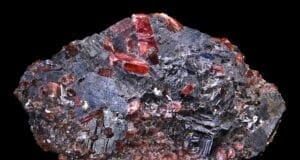
Rhodonite
Rhodonite is a beautiful gemstone known for its distinctive pink to red color and attractive patterns. It belongs to the silicate mineral group and...
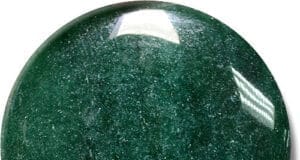
Aventurine
Aventurine is a type of quartz characterized by its unique sparkling or shimmering effect, known as aventurescence. It is a popular gemstone and is...
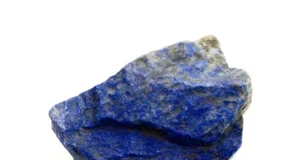
Lapis Lazuli
Lapis Lazuli is a captivating gemstone renowned for its mesmerizing deep blue color and rich historical background. It has been treasured and sought after...
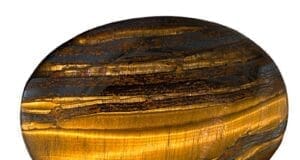
Tiger’s Eye
Tiger's Eye is a mineral gemstone that belongs to the quartz family. It is composed primarily of silicon dioxide (SiO2), the same chemical composition...
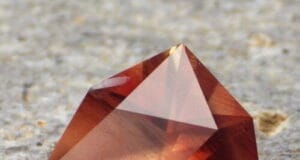
Sunstone
Sunstone is a beautiful gemstone that belongs to the feldspar mineral group. It is known for its captivating play of colors and shimmering appearance....
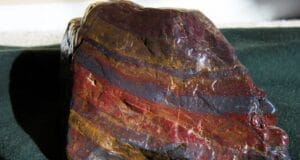
Jasper
Jasper is a type of mineral that is primarily composed of silica, with other trace elements and impurities giving it its unique colors and...
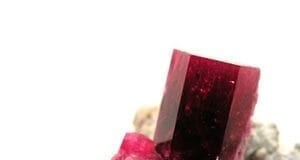
Bixbite / Red Beryl
Bixbite is a trade name used to refer to red beryl, a rare gemstone that is found in only a few locations worldwide. Red...
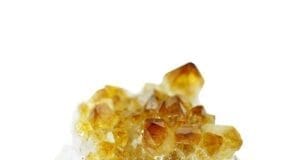
Citrine
Citrine is a yellow to brownish-yellow variety of quartz, which is a mineral composed of silicon and oxygen atoms. It is one of the...
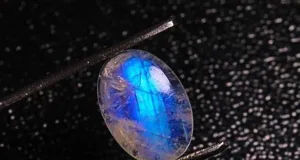
Moonstone
Moonstone is a type of feldspar mineral that has a unique adularescent effect, meaning it displays a shimmering, floating light effect that appears to...
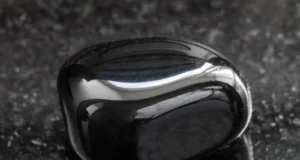
Onyx
The Geological Origin, History, Layered Structure and Why This Dark, Banded Stone Has Been Valued for CenturiesOnyx is a stone that leaves a heavy,...
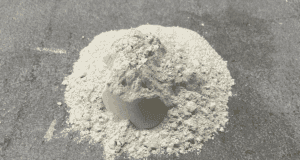
Bentonite
Bentonite is a type of clay that is composed primarily of the mineral montmorillonite. It is a highly absorbent clay that has many uses...
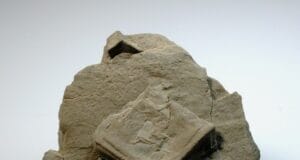
Illite
Illite is a type of clay mineral that belongs to the group of non-expanding or non-swelling phyllosilicate minerals. It is a common constituent of...