




Mineralogy
Mineralogy explores the composition, structure, formation, and classification of minerals. This category covers physical properties, identification methods, and geological environments.
Mineralogical Diversity of Meteorites
Meteorites are fragments of extraterrestrial bodies that survive the journey through Earth's atmosphere and reach the surface. They provide valuable insight into the formation...
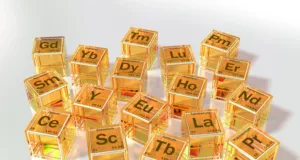
Rare Earth Elements: Minerals of the Future
Rare Earth Elements (REEs) have emerged as crucial components in modern technology, playing a pivotal role in various industries due to their unique properties....
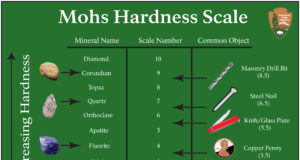
Mineral Hardness and the Mohs Scale
Every rock and gemstone tells a story not only through its color or shape but also through its hardness — the resistance of a...
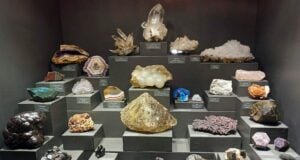
Mineral Identification Chart for Beginners
Understanding how to identify minerals is one of the most essential skills in geology. Minerals form the building blocks of rocks, and learning to...

Why Minerals Have Color
When geologists talk about the color of minerals, they are not just describing an aesthetic detail. Mineral color is one of the most fascinating...

Gemstones vs Minerals vs Crystals – The Real Differences
People who are new to geology, gemology, or even crystal collecting often run into the same confusion: What exactly is the difference between a...
Rare Earth Minerals: The Geology Behind Them
Geology, Uses & the Global Supply Crisis Shaping Our Technological FutureRare earth minerals are one of the strangest contradictions in modern geology: visually unimpressive,...
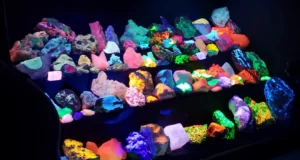
Fluorescent Minerals: Why Do Some Minerals Glow Under UV Light?
You pick up a stone. You look at it in daylight.It looks ordinary. Gray, white, maybe slightly colored.For most people, the story ends here.Then...
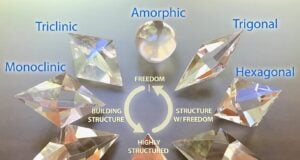
Crystal Systems: The 7 Fundamental Structures That Shape All Crystals
When you look at a crystal, the first thing you usually notice is its shape.Flat faces, sharp edges, repeating geometries.It looks like someone sat...
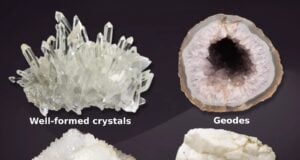
Why Do Some Crystals Grow Perfectly and Others Don’t?
You look at a crystal.Flat faces. Sharp edges. Symmetry that is almost uncomfortable.Then you look at another crystal.The same mineral. The same color. But...