



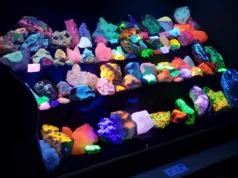


Mineralogy
Mineralogy explores the composition, structure, formation, and classification of minerals. This category covers physical properties, identification methods, and geological environments.

Why Minerals Have Color
When geologists talk about the color of minerals, they are not just describing an aesthetic detail. Mineral color is one of the most fascinating...
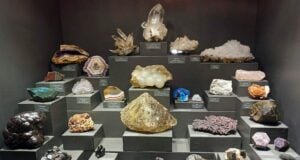
Mineral Identification Chart for Beginners
Understanding how to identify minerals is one of the most essential skills in geology. Minerals form the building blocks of rocks, and learning to...
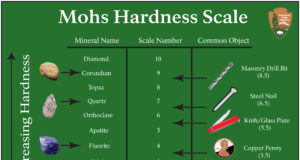
Mineral Hardness and the Mohs Scale
Every rock and gemstone tells a story not only through its color or shape but also through its hardness — the resistance of a...
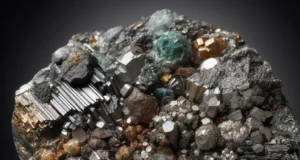
Mineralogical Diversity of Meteorites
Meteorites are fragments of extraterrestrial bodies that survive the journey through Earth's atmosphere and reach the surface. They provide valuable insight into the formation...
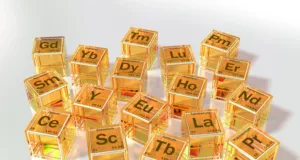
Rare Earth Elements: Minerals of the Future
Rare Earth Elements (REEs) have emerged as crucial components in modern technology, playing a pivotal role in various industries due to their unique properties....

The Role of Quartz in Earth’s Crust
Quartz, a mineral abundantly found in the Earth's crust, plays a crucial role in various geological processes and human activities. Its unique properties and...
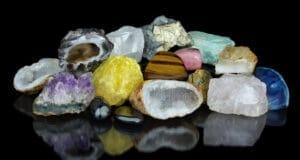
Rock Forming Minerals
Understanding the Foundation of Our Planet’s CrustEvery rock on Earth tells a story, and at the heart of that story lie minerals — the...
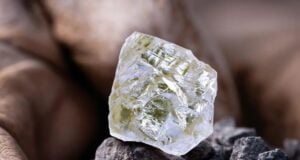
The Top 10 Most Valuable Minerals Found on Earth
From dazzling gemstones to industrial powerhouses, minerals shape nearly every aspect of human civilization. While some are admired for their beauty, others are prized...

Physical Properties of Minerals
(How Geologists Identify and Classify Minerals in the Field)Understanding the physical properties of minerals is one of the most fundamental skills in geology. Every...

Optical Properties of Minerals
Study of how light passes through thin sections – rock cut and polished to about 0.3 mm thickness
Use properties of light absorption and propogation through a mineral à affected by atomic arrangement and composition
Learn the properties of light associated with techniques governing the use of a petrographic microscope