






From dazzling gemstones to industrial powerhouses, minerals shape nearly every aspect of human civilization. While some are admired for their beauty, others are prized for their rarity, usefulness, or role in emerging technologies. The value of a mineral is not just measured by its price per ounce, but by its impact on science, technology, and culture. Here’s an updated look at the ten most valuable minerals on Earth as of 2025 — where geology meets economics.
1. Rhodium – The Rarest and Most Expensive Precious Metal
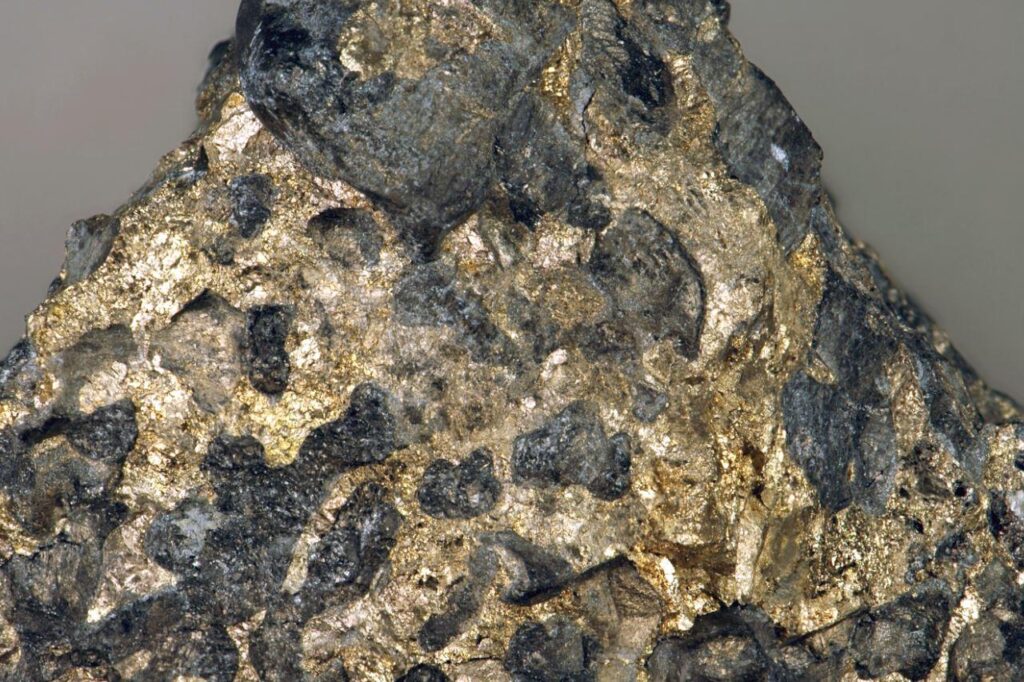
Rhodium remains at the top of the list, and for good reason. This silvery-white metal, part of the platinum group, is incredibly rare — roughly 0.0002 parts per million in Earth’s crust. Used primarily in catalytic converters for cars, rhodium helps reduce toxic emissions.
In 2025, rhodium prices still fluctuate dramatically, averaging around $14,000–$17,000 per ounce, depending on industrial demand. Its scarcity, durability, and reflective properties make it not only valuable but nearly irreplaceable in certain industries.
2. Gold – The Eternal Symbol of Wealth

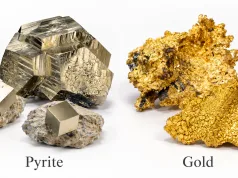
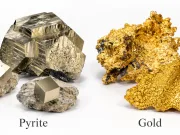
Gold’s status as a timeless store of value is undisputed. Found in quartz veins and alluvial deposits, it’s one of the first metals ever mined by humans.
Beyond jewelry, gold is essential in electronics, medicine, and even aerospace technology. The 2025 price hovers around $2,400 per ounce, driven by inflation concerns and investment demand. Its combination of beauty, workability, and chemical stability continues to secure its legendary status.
3. Platinum – The Industrial Noble Metal
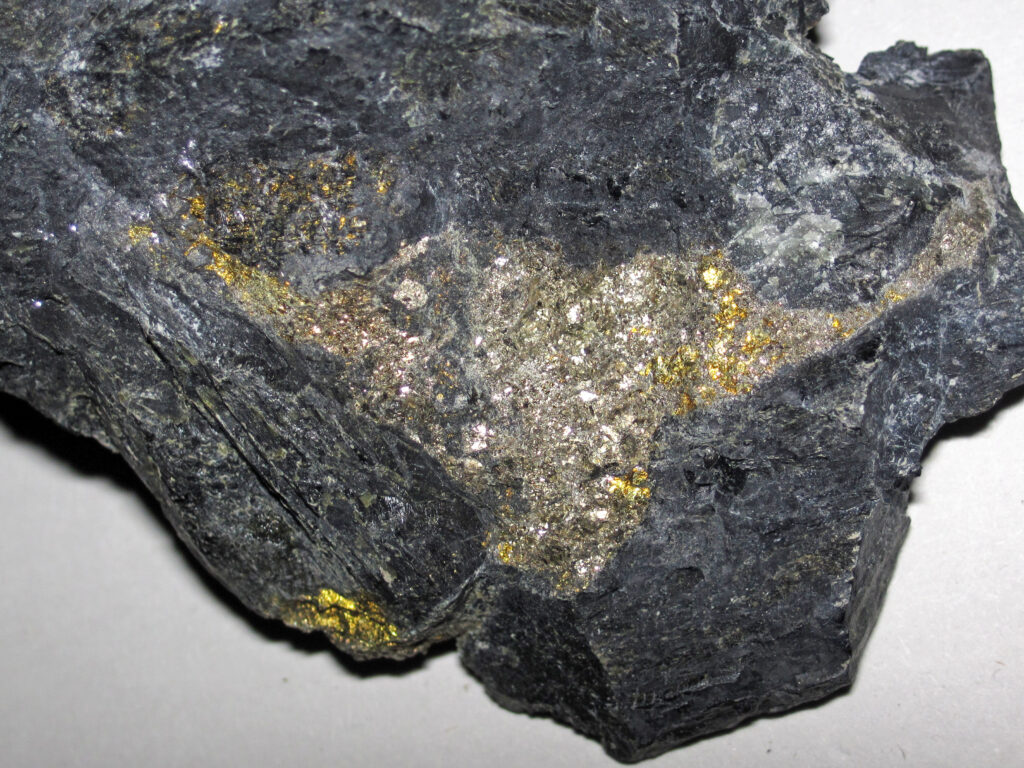
Platinum has always been a close competitor to gold. This dense, corrosion-resistant metal is used in catalytic converters, laboratory equipment, and fine jewelry.
What makes platinum special is its dual role — both as a luxury metal and an industrial necessity. As hydrogen fuel cell technology advances, platinum demand is expected to rise further. Current prices range between $900–$1,100 per ounce, and many analysts predict a significant increase in the coming years.
4. Diamond – Nature’s Most Brilliant Carbon

Diamonds are far more than sparkling gemstones. Formed deep within the Earth’s mantle under extreme pressure and heat, they are the hardest naturally occurring material known to science.
High-quality gem diamonds can reach astronomical prices — over $10,000 per carat for rare stones. Industrial diamonds, on the other hand, are used for cutting, drilling, and precision manufacturing. Whether in jewelry or engineering, diamonds remain symbols of perfection.
5. Lithium – The Metal Powering the Future
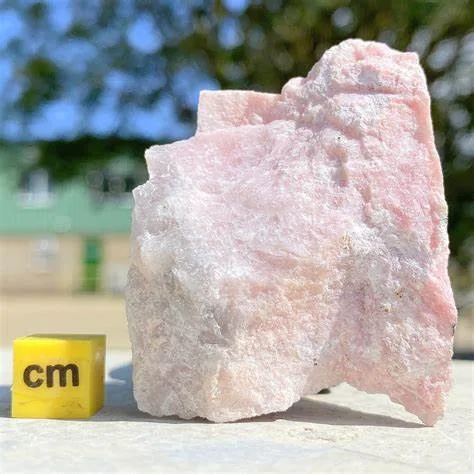
Once a minor element, lithium is now a modern gold rush mineral. Essential for rechargeable batteries used in electric vehicles, smartphones, and renewable energy storage, lithium’s demand has skyrocketed.
In 2025, lithium carbonate prices fluctuate around $15,000 per ton, a huge increase from a decade ago. Most production comes from Australia, Chile, and Argentina, with growing exploration across Africa. Its importance to the clean energy revolution makes lithium one of the most strategic minerals of our era.
6. Palladium – The Unsung Hero of Catalysts

Palladium, another member of the platinum group, is indispensable for emission control systems in gasoline engines. It’s also used in jewelry and electronics due to its bright luster and resistance to tarnish.
Its value has surged in recent years, often exceeding that of gold. In 2025, prices hover near $1,900 per ounce. Supply constraints — mainly from Russia and South Africa — keep this metal both valuable and politically sensitive.
7. Jadeite – The Imperial Gemstone
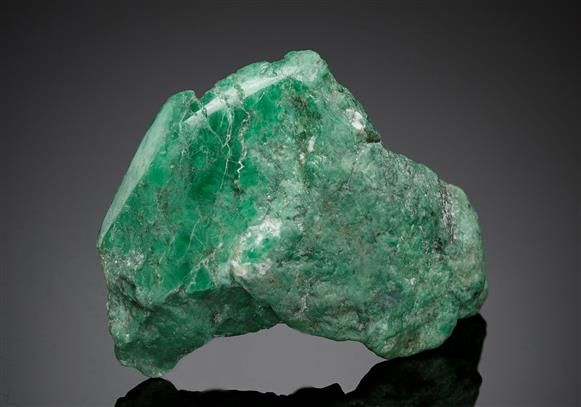
Among gemstones, few rival jadeite in cultural and historical value. Known for its vivid green color and translucence, high-quality jadeite from Myanmar (Burma) can sell for over $3 million per kilogram in top-grade jewelry markets.
Revered in ancient China as a stone of immortality and virtue, jadeite remains a symbol of power and spiritual purity. Its rarity and deep symbolism make it one of the world’s most valuable decorative minerals.
8. Ruby – The King of Precious Stones
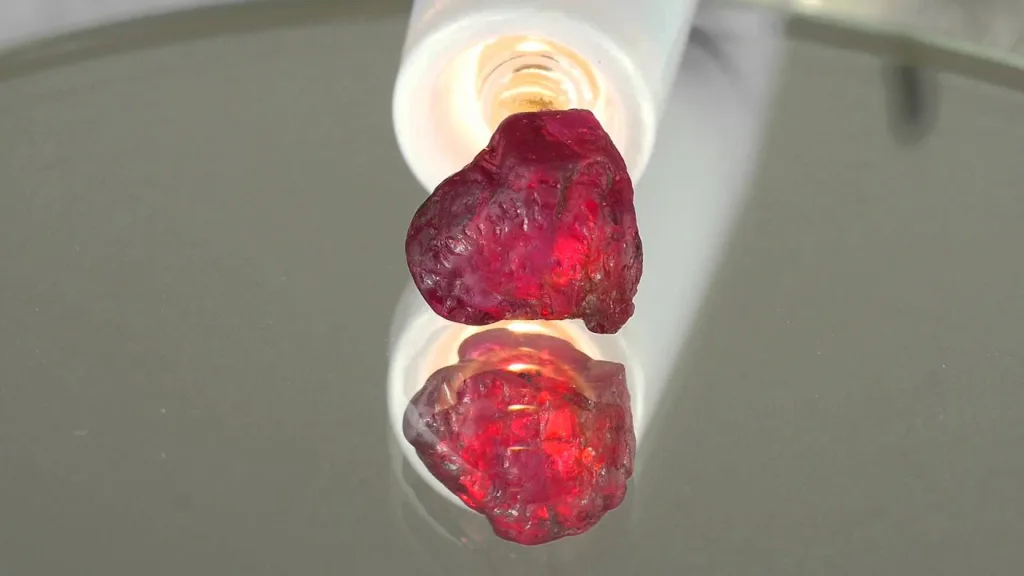
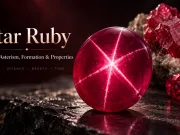
Rubies, the red variety of corundum, owe their fiery color to traces of chromium. Large, flawless rubies are rarer than diamonds, and some can sell for over $1 million per carat.
Their geological formation requires precise conditions — high heat and aluminum-rich rocks, often in marble-hosted deposits. Myanmar, Mozambique, and Madagascar produce some of the finest stones. Beyond beauty, rubies represent passion, strength, and protection across cultures.
9. Cobalt – The Blue Core of Modern Technology
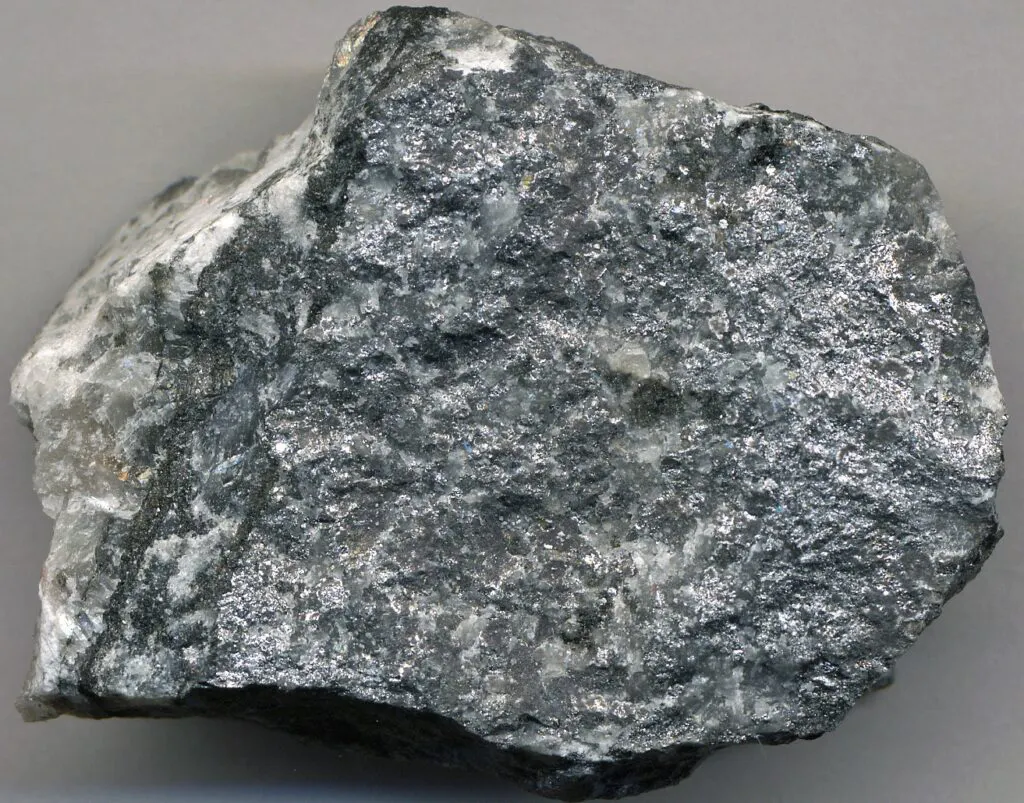
Cobalt has become one of the world’s most strategic resources. It’s a vital component in lithium-ion batteries, aerospace alloys, and magnetic materials.
Most cobalt comes from the Democratic Republic of Congo, often raising ethical and environmental challenges. In 2025, cobalt trades around $30,000 per ton, reflecting both its industrial demand and geopolitical risk. It’s a mineral that literally keeps modern society charged.
10. Painite – Once the Rarest Mineral on Earth
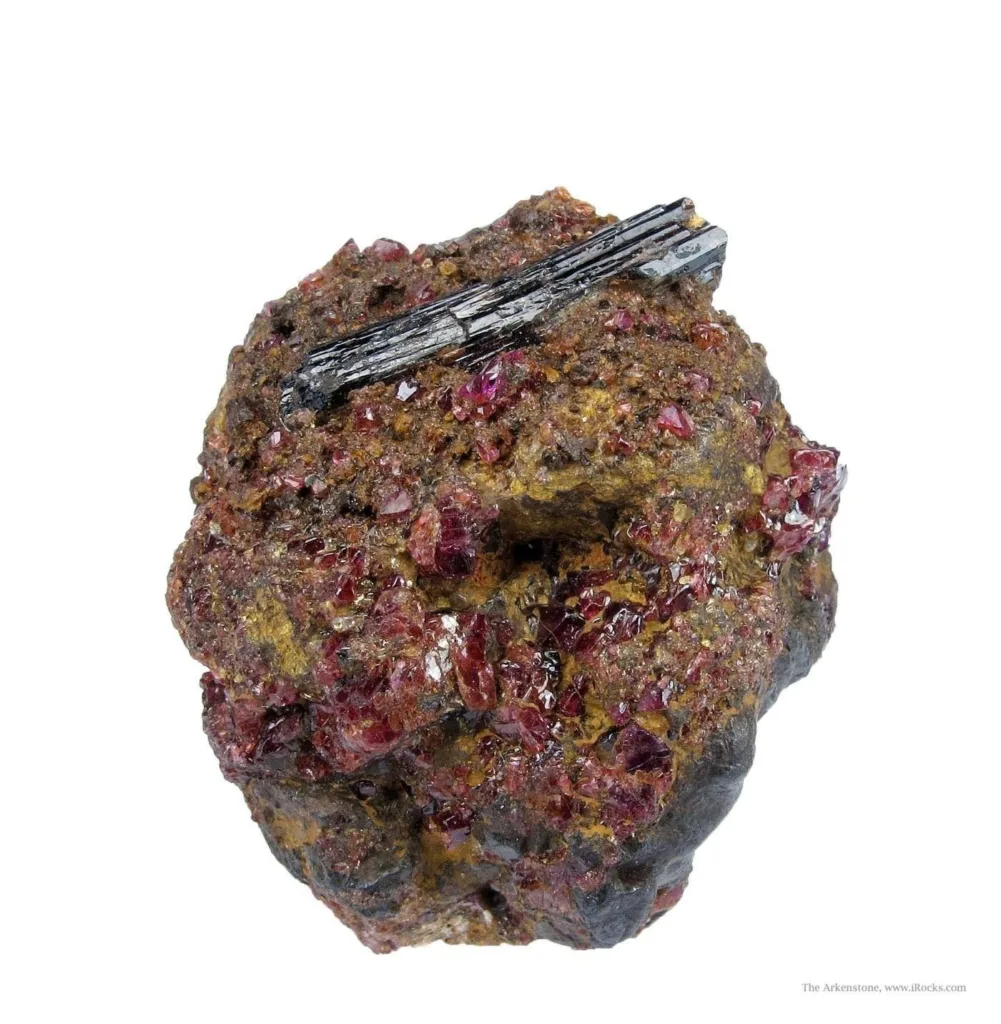
Discovered in Myanmar in the 1950s, Painite was once so rare that only two specimens existed. It’s a borate mineral containing zirconium, calcium, and rare earth elements — and exhibits a warm reddish-brown hue.
Though new sources have since been found, it remains highly collectible, valued at $60,000–$100,000 per carat for gem-quality stones. Painite is a perfect example of how rarity, more than size or shine, defines a mineral’s worth.
Conclusion
From ancient treasures like gold and jade to the high-tech metals driving the clean energy revolution, the value of minerals constantly evolves. Some, like rhodium and palladium, owe their worth to modern industry; others, like diamonds and rubies, to timeless beauty.
In every case, these minerals remind us that Earth’s deep layers hold both history and future potential — a dazzling record of geology, chemistry, and human ambition.