








Geology Branches
Geology is divided into several fields that can be grouped under the main headings of physical and historical geology.
Applied Geology
Applied Geology is geologic knowledge to solving geologic problem. In other words, application of various fields of geology to economic, engineering, water-supply, or environmental problems; geology related to the human activity.
METHODS OF GEOLOGY
Geologists use primary data associated with petrology (the study of rocks), stratigraphy (the observe of sedimentary layers), and structural geology (the have a look at of positions of rock devices and their deformation). In many cases, geologists additionally take a look at contemporary soils, rivers, landscapes, and glaciers; inspect past and contemporary life and biogeochemical pathways, and use geophysical techniques to investigate the subsurface.
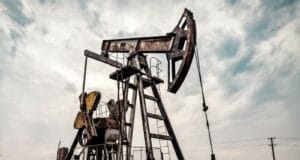
Key takeaways about the importance of petroleum geology
Petroleum geology is a crucial field that plays a vital role in the energy industry, providing a major source of the world's fuel. Its...

9 Famous Fossil Discoveries and What They Tell Us About Earth’s...
Fossils are the preserved remains of ancient life forms that provide important clues about the history of life on Earth. The study of fossils,...

The Top 10 Most Valuable Minerals Found on Earth
From dazzling gemstones to industrial powerhouses, minerals shape nearly every aspect of human civilization. While some are admired for their beauty, others are prized...
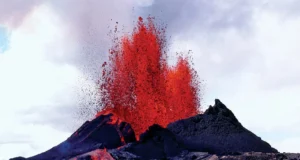
Kilauea Volcano, Hawaii, USA
Kilauea Volcano is one of the most active and well-known volcanoes in the world, located on the southeastern side of the Big Island of...

Geological Maps
Geological maps are important tools used by geologists to represent the distribution and characteristics of rocks and geological features on the Earth's surface. These...
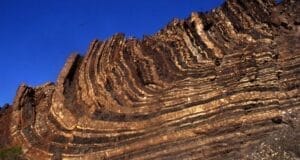
Folds
Folds are wavelike deformation patterns in rock layers or other geological materials that result from the application of stress over a period of time....

Stress and Strain
Stress and strain are fundamental concepts in structural geology that describe how rocks respond to tectonic forces and other forms of deformation. Stress refers...
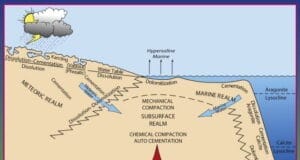
Diagenesis of Sedimentary Rocks
Diagenesis is the process by which sedimentary rocks are altered after they are deposited, but before they are buried and lithified (turned into rock)....
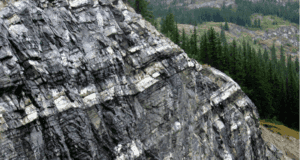
Sedimentary Structures and Textures
Sedimentary structures and textures refer to the physical features and arrangements of sedimentary rocks that provide information about the conditions in which they were deposited. These structures and textures can provide important clues about the nature of the depositional environment, the nature of the sediment transport process, and the history of the sedimentary basin. They are used by geologists to interpret the history and evolution of sedimentary deposits. Sedimentary structures can range in scale from millimeters to meters or more, and include features such as bedding planes, cross bedding, ripple marks, mud cracks, and fossils, among others. Sedimentary textures refer to the size, shape, sorting, and arrangement of sediment grains, and can include features such as grain size, shape, and orientation, as well as sorting and packing of the grains within the sedimentary rock.
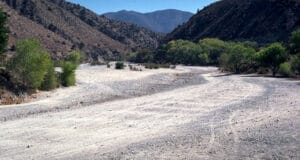
Sediment Transport and Deposition
Sediment transport and deposition are key processes in sedimentology that govern the formation of sedimentary rocks. The movement of sediment can occur through a...
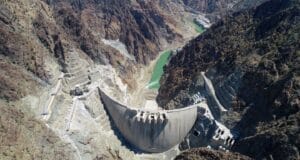
Dam Construction
Dam construction involves the planning, design, and construction of structures that are built across rivers or other bodies of water for the purpose of...
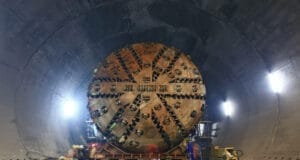
Tunnel Construction
Introduction to tunnel construction involves understanding the purpose, history, and basics of tunnel construction.A tunnel is an underground passageway that is excavated through soil,...