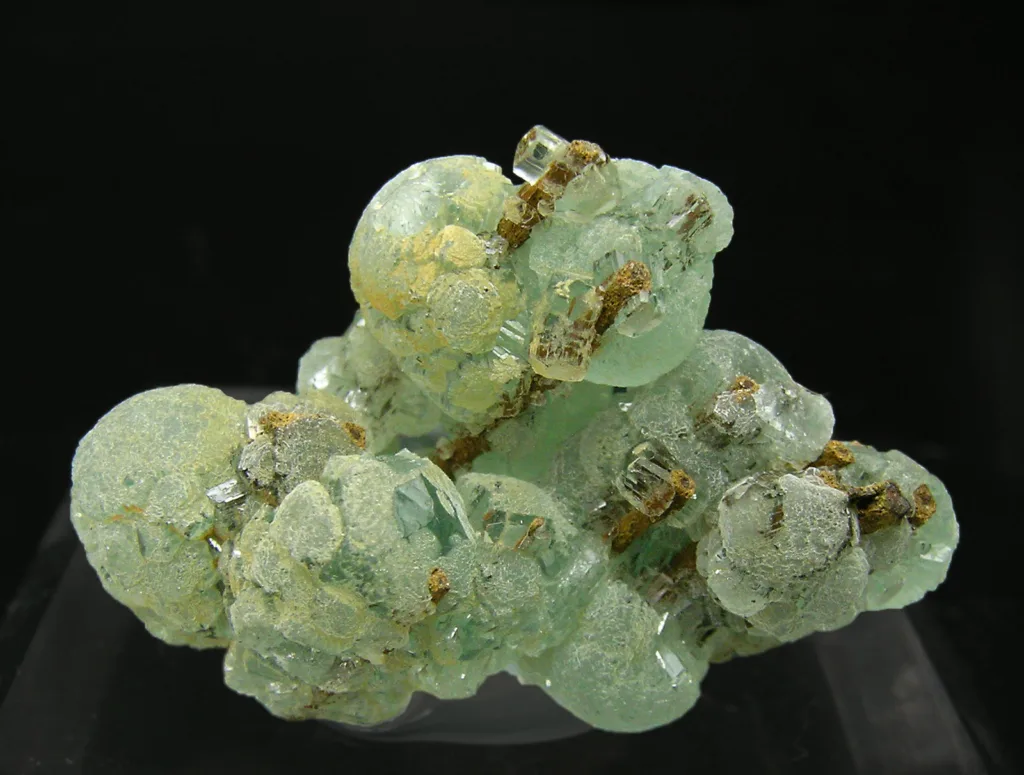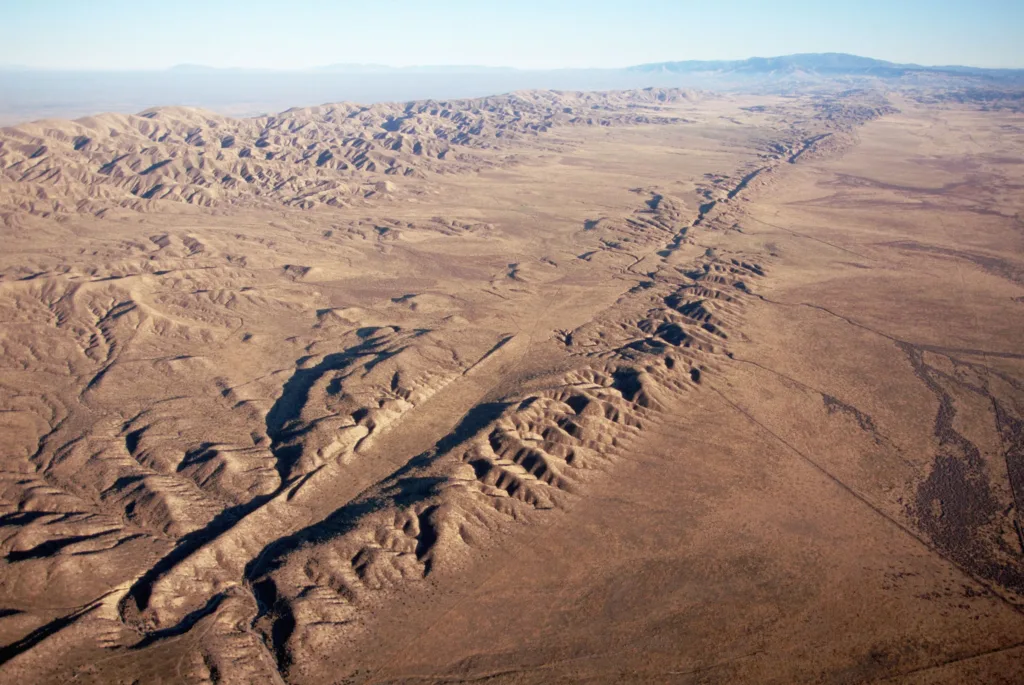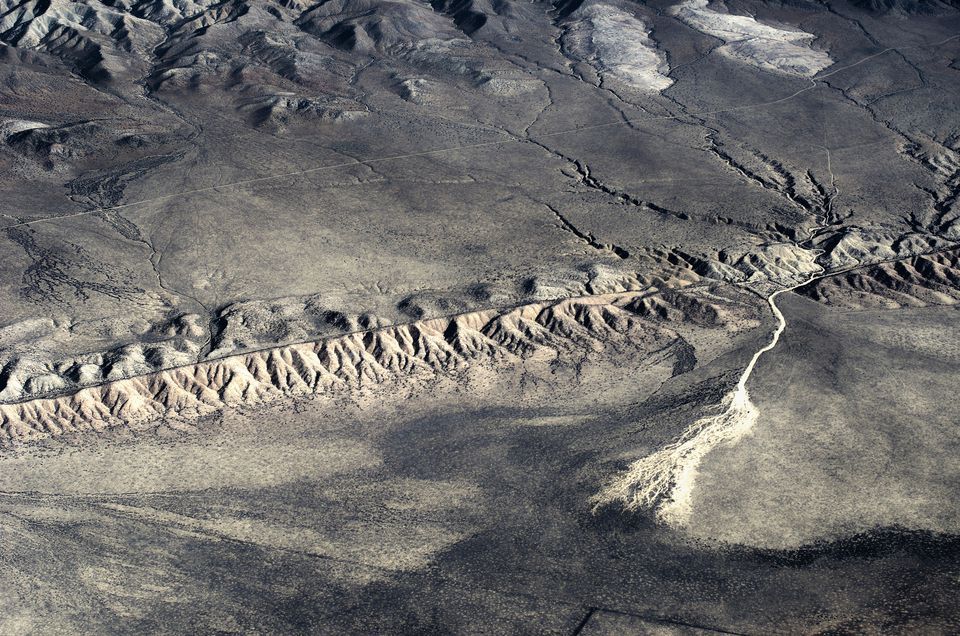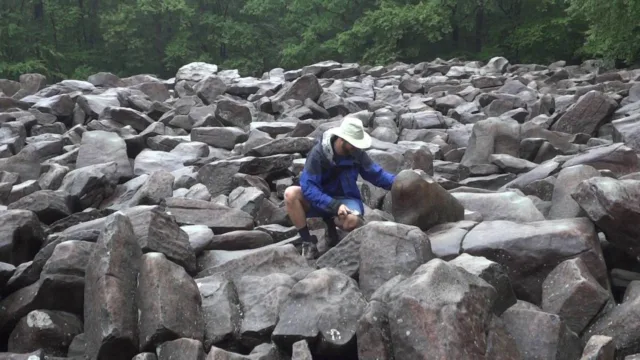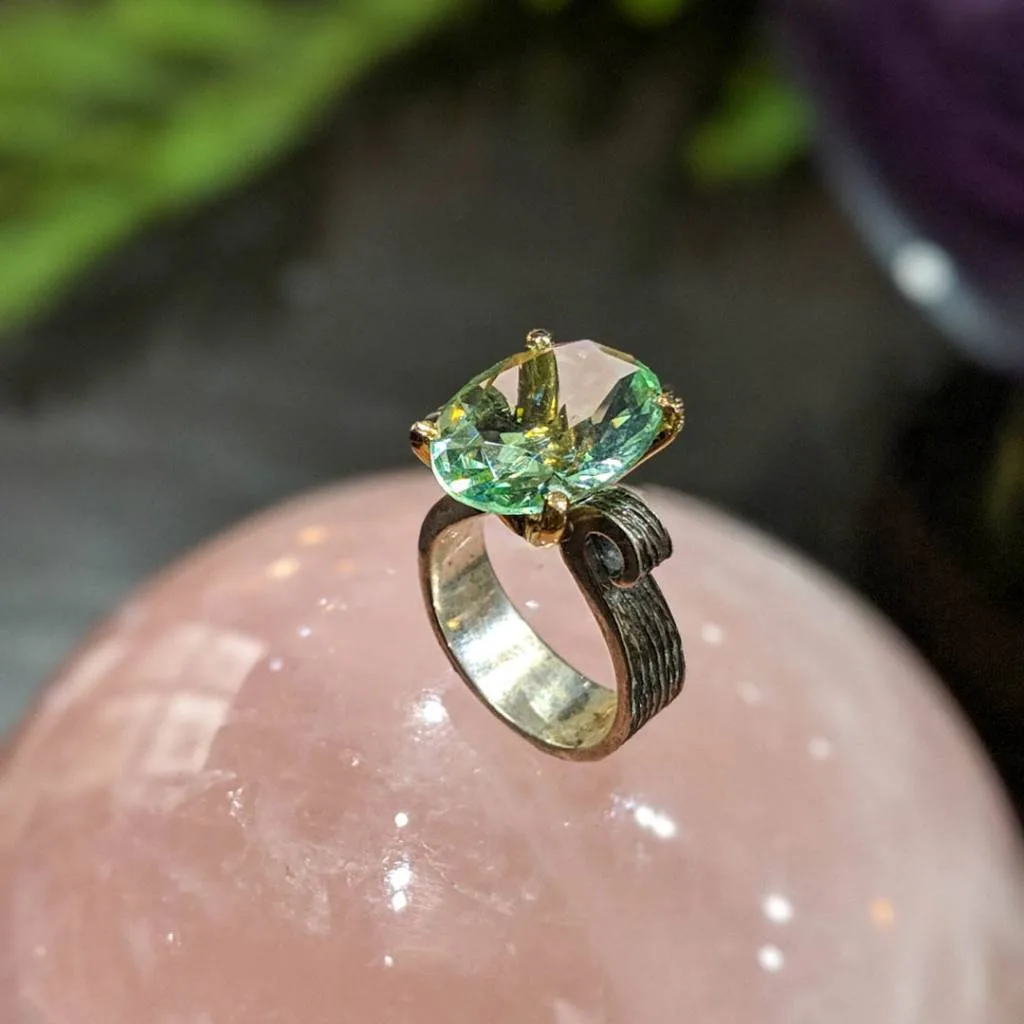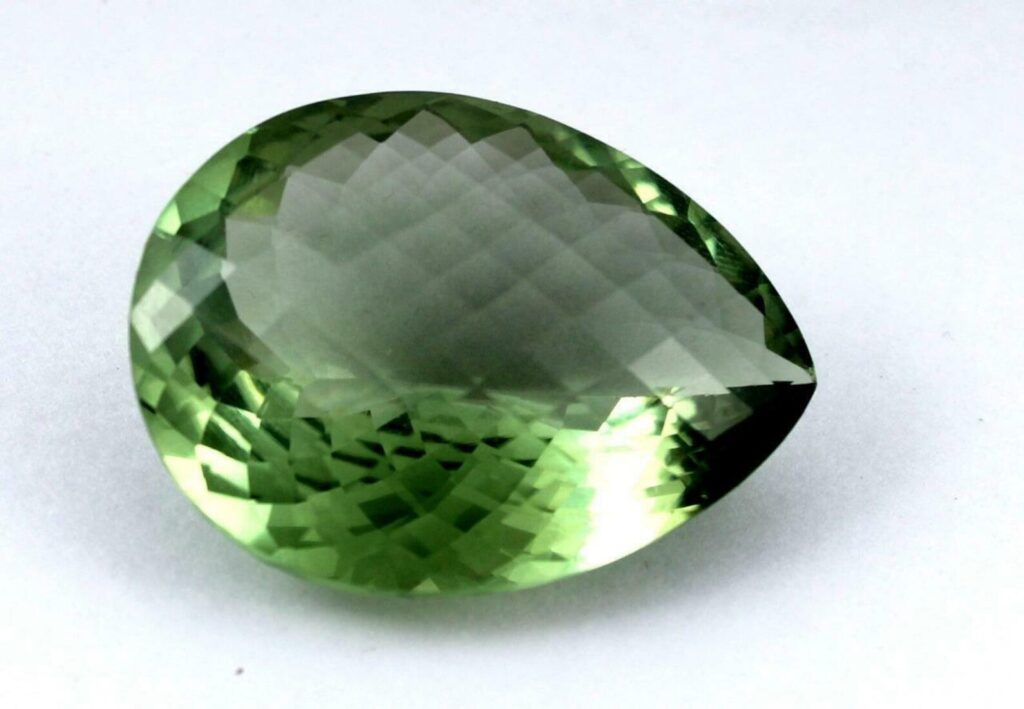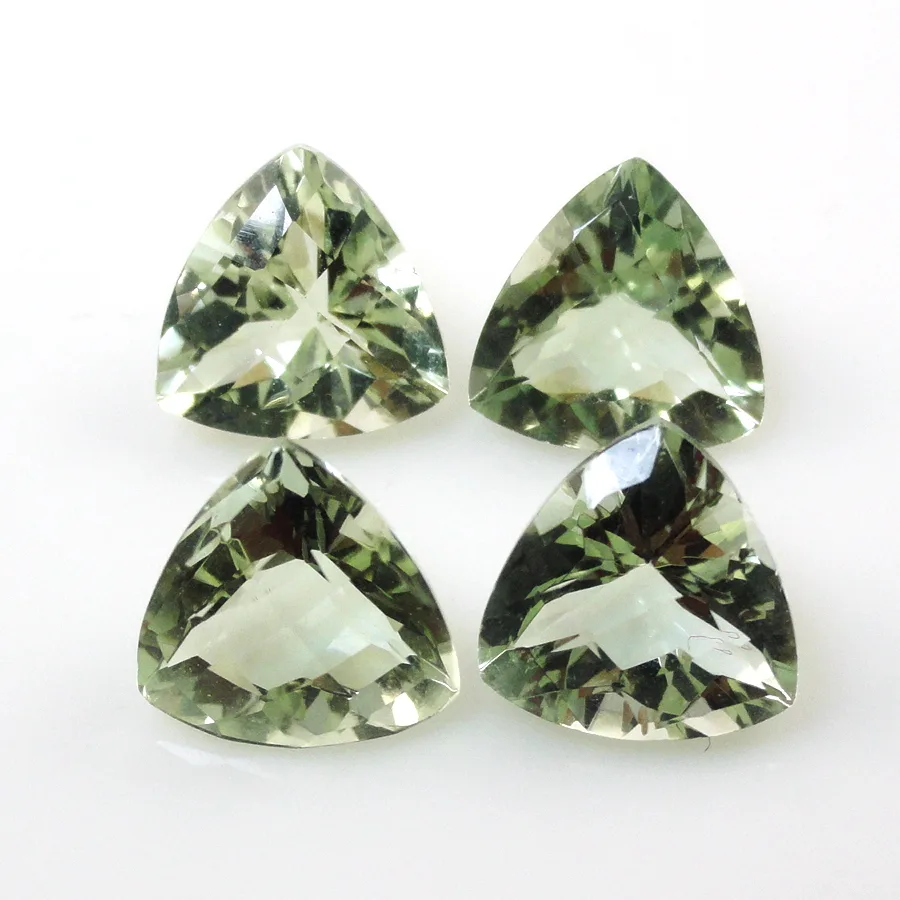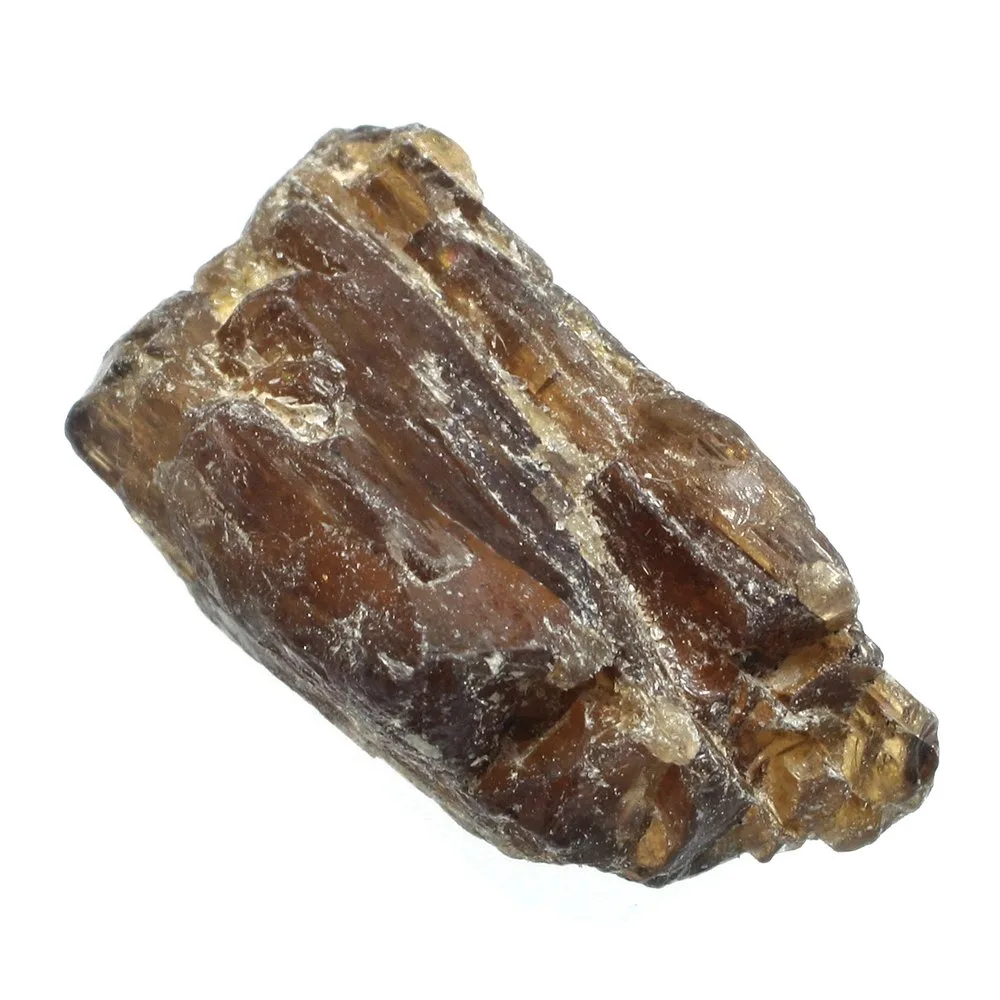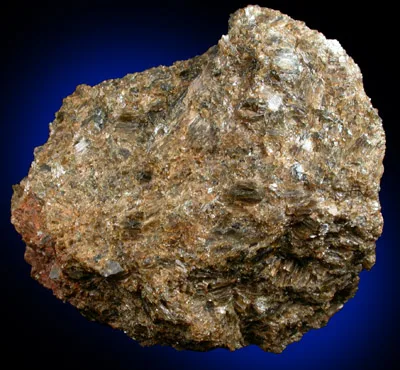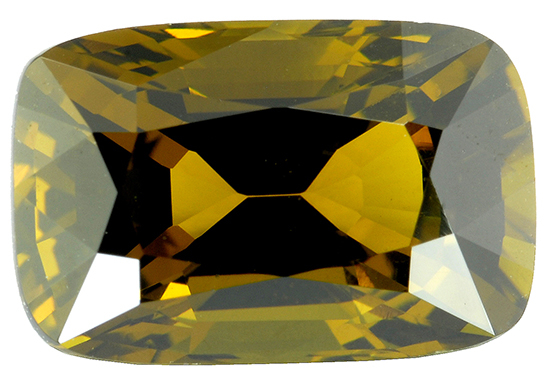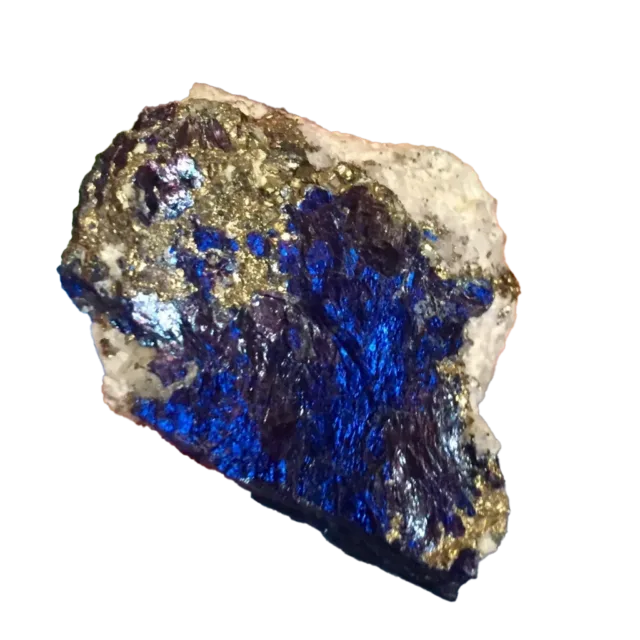

Peridot, a captivating gemstone that has been cherished for centuries, is often referred to as the “gem of the sun” due to its vibrant green hue. This exquisite gemstone holds a rich history, fascinating mythology, and possesses a myriad of physical and chemical properties that make it truly unique. In this comprehensive guide, we will delve into the enchanting world of peridot, exploring its origins, mining techniques, various colors and varieties, as well as its value and quality factors. Whether you are a gemstone enthusiast or simply appreciate the allure of precious stones, this ultimate guide will unveil the beauty of peridot in all its glory.
The History and Mythology of Peridot
Peridot’s history can be traced back over 3,500 years when it was first discovered on the volcanic island of Zabargad in the Red Sea. Ancient Egyptians were particularly fond of peridot, believing it to be the gemstone of the sun god Ra. They often referred to peridot as the “evening emerald” due to its captivating green color, which appeared even more vibrant at dusk. In ancient Rome, peridot became a symbol of wealth and prosperity, adorning the jewelry of noblewomen and high-ranking officials.
According to mythology, peridot was believed to have the power to ward off evil spirits and nightmares. It was also thought to possess healing properties, promoting good health and vitality. Throughout history, peridot has been associated with love, protection, and abundance, making it a highly sought-after gemstone for both its beauty and metaphysical properties.
Physical and Chemical Properties of Peridot
Physical Properties:
Chemistry: Peridot is a magnesium iron silicate with the chemical formula (Mg,Fe)2SiO4
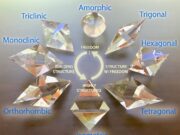
Crystal System: Peridot crystallizes in the orthorhombic crystal system
Hardness: Peridot has a hardness of 6.5-7 on the Mohs scale
Lustre: Peridot has a vitreous lustre, meaning it has a glass-like appearance when polished
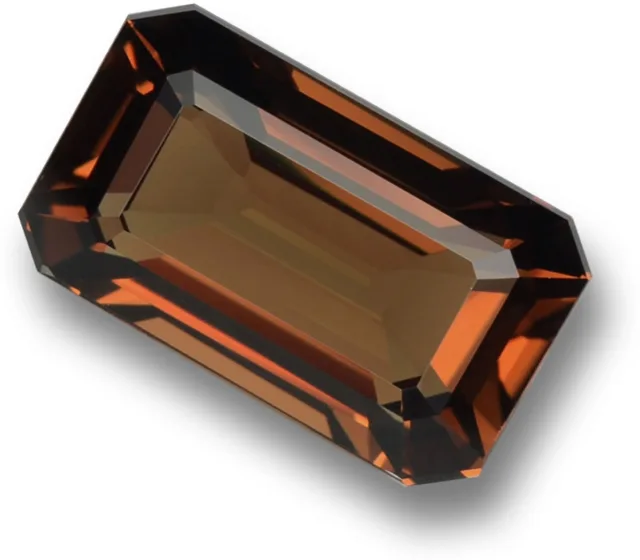
Color: Peridot can range in color from yellow to yellow-green, olive-green, brownish, and sometimes a lime-green or emerald-ish hue
Cleavage: Peridot has poor cleavage on {010} and {110}, and the {010} cleavage improves with increasing iron content.
Fracture: Peridot has a conchoidal fracture, meaning it breaks with smooth, curved surfaces.
Specific Gravity: The specific gravity of peridot ranges from 3.2 to 4.3.
Refractive Index: The refractive index of peridot ranges from 1.64 to 1.70.
Diaphaneity: Peridot is translucent to transparent.
Chemical Properties:
Composition: Peridot is composed of magnesium, iron, and silicon, with the chemical formula (Mg,Fe)2SiO4.
Solubility: Peridot is slow to dissolve in hydrochloric acid (HCl) to form gelatinous silica.
In conclusion, peridot is a magnesium iron silicate gemstone with a vitreous lustre. It has a hardness of 6.5-7 and ranges in color from yellow to green. Peridot crystallizes in the orthorhombic crystal system and has poor cleavage. Its specific gravity ranges from 3.2 to 4.3, and it is translucent to transparent. Peridot is composed of magnesium, iron, and silicon and is slow to dissolve in hydrochloric acid.
The Origins and Mining of Peridot
Peridot is primarily found in volcanic rocks, formed deep within the Earth’s mantle. It is commonly sourced from regions such as Egypt, Myanmar, Pakistan, and the United States. The most renowned source of peridot is the San Carlos Apache Indian Reservation in Arizona, where vast deposits of this mesmerizing gemstone can be found.
Mining peridot is a meticulous process that involves carefully extracting the gemstone from the volcanic rock. Miners must navigate treacherous terrains and use specialized tools to extract peridot crystals without damaging them. Once extracted, the gemstones undergo a thorough cleaning and sorting process before they are ready to be transformed into exquisite jewelry pieces.
Different Varieties and Colors of Peridot
While peridot is most commonly associated with its vibrant green color, it can actually occur in a range of hues, from yellowish-green to olive green. The intensity of the color can vary depending on the presence of iron within the crystal structure. Some peridot gemstones may exhibit a slight golden or brownish hue, adding a unique touch to their overall beauty.
In addition to its various colors, peridot is available in different varieties, which can be distinguished by their origin or unique characteristics. For example, Peridot from Arizona is often referred to as “Arizona peridot” and is highly valued for its intense green color. Other notable varieties include Burmese peridot, which is known for its exceptional clarity, and Pakistani peridot, which often displays a distinctive olive-green hue.
The Value and Quality Factors of Peridot
When evaluating the value and quality of peridot, several factors come into play. The most important consideration is the gemstone’s color, with intense green hues being the most desirable. Stones with a pure green color, without any hints of yellow or brown, are highly sought after and command a higher price.
Clarity is another crucial factor in determining a peridot gemstone’s value. Ideally, the gemstone should be free from any visible inclusions or blemishes that may affect its overall appearance. However, it is important to note that peridot is typically more included compared to other gemstones, and minor inclusions are often accepted as part of its natural character.
Carat weight also plays a role in a peridot gemstone’s value. Larger stones are generally rarer and more valuable, especially if they exhibit exceptional color and clarity. However, it is important to find a balance between size and quality, as smaller peridot gemstones with superior color and clarity can still be highly prized.
Popular Uses and Jewelry Designs with Peridot
Peridot’s vibrant green color and unique properties have made it a popular choice for jewelry throughout history. From ancient civilizations to modern-day designers, peridot has adorned a wide range of jewelry pieces, including rings, necklaces, earrings, and bracelets. Its versatility allows it to be paired with various metals, such as gold, silver, and platinum, creating stunning jewelry designs that cater to different tastes and preferences.
Peridot is often featured in contemporary jewelry designs, adding a touch of elegance and sophistication to any ensemble. Its vibrant green color complements both casual and formal attire, making it a versatile gemstone for everyday wear or special occasions. Whether set as a solitaire in a sleek pendant or surrounded by diamonds in an exquisite ring, peridot jewelry never fails to captivate and enchant.
Caring for and Cleaning Peridot Jewelry
To ensure the longevity and brilliance of your peridot jewelry, proper care and cleaning are essential. It is recommended to remove your peridot jewelry before engaging in activities that may expose it to harsh chemicals or extreme temperatures. Avoid wearing it while cleaning, swimming in chlorinated pools, or applying beauty products such as hairspray or perfume.
To clean peridot jewelry, gently wipe it with a soft, lint-free cloth to remove any dirt or residue. If necessary, you can use a mild soap or jewelry cleaner specifically formulated for gemstones. Avoid using harsh chemicals or abrasive materials that may scratch or damage the gemstone. After cleaning, rinse the jewelry thoroughly with lukewarm water and pat it dry with a clean cloth.
Famous Peridot Gemstones and Jewelry Pieces
Peridot has graced the world with several famous gemstones and jewelry pieces throughout history. One notable example is the 192.75-carat “Evening Star” peridot, which is housed in the Smithsonian Institution in Washington, D.C. This exceptional gemstone showcases the mesmerizing green color and exceptional clarity that peridot is renowned for.
Another renowned peridot jewelry piece is the tiara worn by Queen Elizabeth II. Known as the “Peridot Parure Tiara,” it features peridot gemstones surrounded by diamonds, creating a dazzling and regal appearance fit for a queen. The tiara has become a symbol of elegance and grace, epitomizing the timeless beauty of peridot.
Buying Guide for Peridot Gemstones
When purchasing peridot gemstones, it is important to consider several factors to ensure you are getting a high-quality and authentic piece. First and foremost, make sure to buy from reputable and trustworthy sources, such as renowned jewelers or gemstone dealers with a solid reputation. This ensures that you are getting genuine peridot gemstones that have been ethically sourced and accurately represented.
Examine the gemstone for its color, clarity, and overall appearance. Look for stones with a vibrant green color and minimal inclusions. Consider the size and carat weight based on your personal preferences and budget. It is also advisable to request a gemstone certificate or grading report from a reputable gemological laboratory, which provides additional information about the gemstone’s quality and authenticity.
Interesting Facts and Trivia about Peridot
Peridot is one of the few gemstones that only occurs in one color: green.
The largest peridot ever found weighed approximately 319 carats and was discovered in Egypt.
Peridot has been used in various religious artifacts, including the Three Holy Kings Shrine in the Cologne Cathedral, Germany.
The name “peridot” is derived from the Arabic word “faridat,” meaning gem.
Peridot is the birthstone for the month of August and is associated with the zodiac sign Leo.
Conclusion: Why Peridot is a Gemstone Worth Exploring
With its mesmerizing green color, fascinating history, and unique properties, peridot is truly a gemstone worth exploring. From ancient civilizations to modern-day jewelry enthusiasts, peridot has captivated hearts and minds throughout the ages. Whether you are drawn to its metaphysical properties, its vibrant beauty, or its rich symbolism, peridot is a gemstone that holds a special place in the world of precious stones. Embrace the allure of peridot and uncover the hidden treasures it has to offer.
The Fagradalsfjall volcano is situated on the Reykjanes Peninsula in Iceland, a region known for its remarkable geological and geothermal features. The Reykjanes Peninsula is located in the southwestern part of Iceland and is known for its proximity to the Mid-Atlantic Ridge, a tectonic boundary where the North American and Eurasian tectonic plates meet. This geological setting makes the Reykjanes Peninsula a hub of dynamic volcanic and geothermal activity.
Geological Significance and Activity
Fagradalsfjall is a relatively young and active volcano within the Reykjanes Peninsula. Its emergence into the global spotlight occurred in March 2021 when it erupted after a period of seismic activity. The eruption marked the first time in over 800 years that a volcanic event had occurred in this particular area. The eruption is characterized by its effusive style, where molten lava flows out relatively calmly compared to more explosive volcanic eruptions.
The volcanic activity at Fagradalsfjall holds significant geological importance for scientists and researchers. It provides a unique opportunity to study the initial stages of volcanic formation, lava flow dynamics, and the interaction between molten rock and the surrounding landscape. Such insights contribute to a deeper understanding of volcanic processes and can help improve predictive models for volcanic activity in similar geological settings worldwide.
Tourism and Local Impact
The eruption at Fagradalsfjall has also had a considerable impact on tourism and local economies. While volcanic eruptions can pose risks to nearby communities, the relatively mild and predictable nature of the Fagradalsfjall eruption has allowed for safe observation from a distance. This has attracted tourists, geologists, and nature enthusiasts to witness the spectacle of flowing lava and the raw power of nature.
Tourism related to volcanic activity can provide economic opportunities for local businesses, tour operators, and accommodation providers. However, it also requires responsible management to ensure the safety of visitors and the preservation of the fragile volcanic environment. Government agencies and local authorities have been tasked with managing the influx of visitors and setting up safe viewing areas to minimize risks.
Geological Context of Iceland’s Tectonic Activity
Iceland is situated on the Mid-Atlantic Ridge, a vast underwater mountain range that runs down the center of the Atlantic Ocean. This ridge marks the boundary between the North American and Eurasian tectonic plates. The movement of these plates is responsible for the unique and highly active geology of Iceland.
The Mid-Atlantic Ridge is a divergent boundary, where the two tectonic plates are moving away from each other. As they pull apart, magma from the Earth’s mantle rises to fill the gap, creating new crust and contributing to the formation of new land. This process is responsible for the volcanic activity that characterizes Iceland.
Reykjanes Peninsula’s Geologic Significance and Relation to Fagradalsfjall
The Reykjanes Peninsula is located in the southwestern part of Iceland and sits directly on the Mid-Atlantic Ridge. This region is known for its intense tectonic and geothermal activity, making it a hotspot for geological research and exploration.
The Reykjanes Peninsula is notable for being part of the broader Reykjanes Volcanic Belt, which extends across the peninsula and into the surrounding seafloor. This belt is characterized by a complex system of fissures, faults, and volcanic features. It is an area of high volcanic and seismic activity, shaped by the interaction of the North American and Eurasian plates.
Fagradalsfjall’s significance lies in its role as a manifestation of this ongoing tectonic activity. The eruption at Fagradalsfjall is a direct result of the movement of the plates along the Mid-Atlantic Ridge. As the plates pull apart, magma rises from the mantle through fractures and weaknesses in the crust, eventually reaching the surface as a volcanic eruption. Fagradalsfjall’s eruption is one of the ways in which Iceland’s landscape is continually being shaped and renewed.
Furthermore, the Reykjanes Peninsula is home to a variety of geothermal features, including hot springs, mud pots, and geysers. These features are a result of the heat generated by the interaction of magma with water and the Earth’s crust. The Blue Lagoon, a famous geothermal spa, is also located on the Reykjanes Peninsula.
In summary, the Reykjanes Peninsula’s significance in terms of geology is closely tied to its location on the Mid-Atlantic Ridge. The ongoing tectonic activity in this region, including the eruption at Fagradalsfjall, is a direct result of the movement of the North American and Eurasian plates. This dynamic geological environment has shaped the landscape, contributed to the formation of new land, and created unique geothermal features that draw both scientific interest and tourism.
Monitoring and Research of Volcanic Activity at Fagradalsfjall
Monitoring volcanic activity is crucial for understanding the behavior of an eruption, assessing potential hazards, and providing timely information to local communities and authorities. The eruption at Fagradalsfjall was closely monitored using a combination of methods and technologies:
Seismic Monitoring: Seismic sensors detect ground vibrations caused by magma movement and other geological processes associated with volcanic activity. By analyzing seismic data, scientists can determine the depth, location, and intensity of magma movements, helping to predict the progression of the eruption.
GPS and Satellite Imagery: Global Positioning System (GPS) receivers and satellite imagery are used to monitor ground deformation. These methods help researchers track changes in the landscape’s shape and elevation, providing insights into magma migration and potential surface rupture.
Gas Monitoring: Volcanic gases released during an eruption can provide valuable information about the magma’s composition, temperature, and potential hazards. Instruments such as gas spectrometers measure gas concentrations in the air and help predict changes in volcanic activity.
Webcams and Visual Observations: Real-time webcams and direct visual observations from safe vantage points allow scientists and the public to monitor the eruption’s behavior, including the intensity of lava flows, the occurrence of lava fountains, and changes in the eruption’s dynamics.
Drones and Aerial Surveys: Drones equipped with cameras and sensors provide detailed aerial imagery of the eruption site, allowing researchers to assess lava flow patterns, growth of new landforms, and changes in the landscape.
Lava Sampling and Analysis: Researchers collect samples of lava for laboratory analysis to understand its chemical composition, mineralogy, and other characteristics. This information helps in deciphering the magmatic processes occurring beneath the surface.
Involvement of Research Institutions
The eruption at Fagradalsfjall attracted both local and international research institutions eager to study the eruption’s behavior and gain insights into volcanic processes. Some of the key areas of research and study include:
Eruption Dynamics: Scientists studied the eruption’s progression, the frequency of lava fountaining, and the factors influencing lava flow rates. This information helps improve our understanding of how lava eruptions evolve over time.
Lava Composition and Origin: Analysis of lava samples provided insights into the chemical composition and source of the magma. Researchers could infer the depth and characteristics of the magma chamber beneath the volcano.
Volcanic Hazards and Mitigation: Research focused on assessing potential hazards to nearby communities and infrastructure. Understanding the eruption’s behavior helped authorities make informed decisions about evacuations and safety measures.
Volcanic Processes: The Fagradalsfjall eruption offered a unique opportunity to study the initial stages of volcanic activity, shedding light on the processes that lead to the formation of new land, the interaction between lava and the landscape, and the ways in which volcanoes shape the Earth’s surface.
Local universities, geological agencies, and international research organizations collaborated to gather data, share findings, and enhance our understanding of the eruption’s significance within the context of Iceland’s geology and global volcanic processes. The eruption served as a living laboratory for studying volcanic phenomena and advancing our knowledge of the Earth’s dynamic processes.
Geological Background of the Reykjanes Peninsula
March 21, 2021: Iceland: The Land of Fire and Ice is truly living up to its nickname these days. On Friday night, a volcano erupted on Reykjanes Peninsula, where Iceland s main airport, Keflavik International Airport, is located. With more than 50,000 earthquakes taking place in the weeks prior, Iceland had been predicting a natural event like this, according to BBC. The Icelandic peninsula hadn t seen an eruption in 781 years. Iceland – ZUMAa156 20210321_zia_a156_011 Copyright: xAmazingxAerialx
Iceland’s Tectonic Setting:
Iceland is situated in the North Atlantic Ocean and is part of the larger tectonic framework known as the Mid-Atlantic Ridge. The Mid-Atlantic Ridge is a divergent boundary where the North American and Eurasian tectonic plates are moving away from each other. This movement creates a gap where molten material from the Earth’s mantle rises to fill the void, leading to volcanic activity and the formation of new crust.
Location on the Mid-Atlantic Ridge:
Iceland’s location on the Mid-Atlantic Ridge makes it an area of intense geological activity. The ridge runs down the center of the Atlantic Ocean, separating the North American plate to the west from the Eurasian plate to the east. Iceland itself straddles the boundary between these two plates, making it a hotspot for volcanic and tectonic processes.
Unique Geological Features of the Reykjanes Peninsula:
The Reykjanes Peninsula, located in the southwestern part of Iceland, is particularly notable for its unique geological features, many of which result from the interaction of the North American and Eurasian plates:
1. Rift Zones and Fissures: The Reykjanes Peninsula is characterized by numerous rift zones and fissures, which are fractures in the Earth’s crust. These features are evidence of the ongoing tectonic activity and the gradual separation of the two tectonic plates. The peninsula’s landscape is shaped by these fissures, with lava flows and volcanic activity often concentrated along them.
2. Volcanic Activity: The Reykjanes Peninsula is part of the broader Reykjanes Volcanic Belt, which extends across the peninsula and into the surrounding seafloor. This region experiences frequent volcanic eruptions, both on land and under the ocean. The Fagradalsfjall eruption in 2021 is one of the recent examples of volcanic activity on the peninsula.
3. Geothermal Features: The interaction between magma and water creates an abundance of geothermal activity on the Reykjanes Peninsula. Hot springs, mud pots, and geysers are common features, offering a glimpse into the Earth’s geothermal energy potential.
4. Mid-Atlantic Ridge Surface Expression: The Reykjanes Peninsula provides a surface expression of the Mid-Atlantic Ridge’s tectonic processes. It’s a place where visitors can witness the ongoing separation of tectonic plates, leading to the formation of new land and the exposure of the Earth’s interior through volcanic and geothermal activity.
5. The Blue Lagoon: Perhaps one of the most famous geothermal attractions in the world, the Blue Lagoon is located on the Reykjanes Peninsula. It is a unique spa and wellness center set in a volcanic landscape, with mineral-rich waters heated by the Earth’s geothermal energy.
In summary, the Reykjanes Peninsula’s geological features are a direct result of its location on the Mid-Atlantic Ridge and the ongoing tectonic processes between the North American and Eurasian plates. Its rift zones, volcanic activity, geothermal features, and the famous Blue Lagoon all contribute to its unique geological identity and make it a prime destination for those interested in the Earth’s dynamic processes.
Eruption History and Activity on the Reykjanes Peninsula
The Reykjanes Peninsula has a history of both historical and geological volcanic activity. While some of its eruptions might not be well-documented due to their remoteness and historical context, notable eruptions include:
1. Historical Eruptions: In the recorded history of Iceland, eruptions have occurred in the Reykjanes Peninsula region, with some dating back to the settlement era. The most recent significant eruption prior to the Fagradalsfjall eruption occurred around 1240, leading to the formation of the Eldvörp lava fields.
2. Geological Activity: The Reykjanes Peninsula is situated along the Mid-Atlantic Ridge, which means that it experiences ongoing geological activity such as earthquakes and ground deformation. These signals of tectonic movement and magma migration are indicators of the region’s dynamic nature.
Ongoing Fagradalsfjall Eruption:
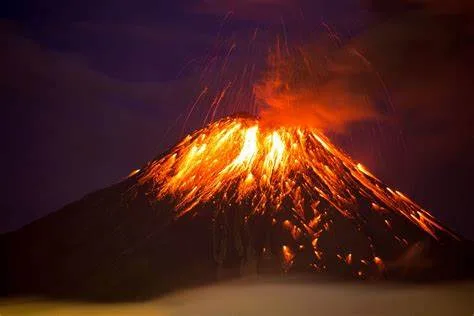
Start and Progression: The Fagradalsfjall eruption began on March 19, 2021, after a period of increased seismic activity in the region. The eruption started with the opening of a fissure on the southwestern slopes of Fagradalsfjall, allowing molten magma to reach the surface. The eruption has been characterized by its relatively calm and effusive nature, with lava flows steadily advancing across the landscape.
Eruption Characteristics:
1. Fissure Eruption: The eruption is a classic example of a fissure eruption, where magma emerges through a linear crack in the Earth’s crust. This type of eruption often leads to the creation of extensive lava fields.
2. Effusive Lava Flows: The Fagradalsfjall eruption is primarily characterized by the effusive flow of lava. Rather than explosive eruptions with ash and pyroclastic material, the lava gently flows across the terrain, creating new landforms in the process.
3. Lava Fountains: While the eruption is mainly effusive, lava fountains have been observed intermittently. These fountains occur when gas bubbles in the magma reach the surface, propelling the lava into the air. These events add dynamic visual elements to the eruption.
4. Volcanic Gases: The eruption releases various volcanic gases, including water vapor, carbon dioxide, and sulfur dioxide. Monitoring these gases is crucial for assessing potential hazards and their impact on air quality.
5. Accessibility and Tourism: The relatively predictable and safe nature of the eruption has allowed for controlled tourism and observation. Visitors have been able to witness the eruption from designated viewing areas, providing a unique opportunity to experience an active volcanic event.
As of my last knowledge update in September 2021, the Fagradalsfjall eruption was ongoing, and developments beyond that time are not included. For the most current and detailed information, I recommend consulting official geological and volcanic monitoring sources or recent news updates.
Volcanic Processes Causing the Fagradalsfjall Eruption
The Fagradalsfjall eruption is the result of several interconnected volcanic processes that occur beneath the Earth’s surface. Here’s an explanation of these processes:
1. Fissure Eruption: The Fagradalsfjall eruption is a type of fissure eruption. It occurs when magma from within the Earth’s mantle rises through fractures or fissures in the Earth’s crust. In the case of Fagradalsfjall, a linear crack or fissure opened up on the slopes of the volcano, allowing molten magma to reach the surface.
2. Magma Migration: Magma is molten rock that forms beneath the Earth’s surface. It is generated by the partial melting of the Earth’s mantle. As magma forms, it is less dense than the surrounding solid rock, causing it to rise due to buoyancy. The magma migrates through conduits and fractures, often following paths of least resistance.
3. Effusive Lava Flows: The magma that reaches the surface during a fissure eruption is often relatively fluid. This type of magma is called basaltic magma. When basaltic magma erupts, it can flow out of the fissure and form lava flows. These lava flows can be relatively slow-moving and travel across the landscape, covering areas with new volcanic rock.
4. Lava Fountains: Lava fountains occur when gas-rich magma reaches the surface. As the magma rises, dissolved gases, primarily water vapor and carbon dioxide, come out of solution due to decreasing pressure. This rapid expansion of gases propels the magma into the air, creating fiery fountains of lava that can reach impressive heights.
Phenomena Associated with the Eruption:
1. Volcanic Gases: Volcanic gases are released during volcanic eruptions. These gases include water vapor, carbon dioxide, sulfur dioxide, hydrogen sulfide, and others. Volcanic gases can have a significant impact on local air quality, weather patterns, and the Earth’s atmosphere. Monitoring these gases provides insights into the eruption’s behavior and its potential hazards.
2. Ash Emissions: While the Fagradalsfjall eruption is characterized by effusive lava flows, some explosive activity can lead to the release of volcanic ash. Volcanic ash consists of fine rock particles and glass fragments that can be carried by winds over long distances. Ash emissions can disrupt air travel, impact respiratory health, and influence regional weather patterns.
3. Pyroclastic Material: Although the Fagradalsfjall eruption is relatively effusive, some explosive events can generate pyroclastic material. This term refers to a mixture of hot gases, ash, and volcanic fragments that move rapidly down the flanks of a volcano. Pyroclastic flows can be extremely hazardous and destructive.
In the context of the Fagradalsfjall eruption, the volcanic processes involve the ascent of magma through a fissure, the effusion of lava flows, occasional lava fountains, and the release of volcanic gases. These processes collectively shape the eruption’s behavior and contribute to the dynamic and ever-changing nature of volcanic events.
Future Outlook of the Eruption
Predicting the exact duration of a volcanic eruption is challenging, as it depends on various factors, including the available magma, the plumbing system beneath the volcano, and the ongoing tectonic processes. The Fagradalsfjall eruption’s longevity could range from months to years. Similar fissure eruptions in Iceland’s history have lasted for various durations.
As the eruption progresses, there might be changes in the location of the fissure activity, variations in lava flow rates, and potential shifts in the style of eruption. Scientists will continue to monitor the eruption’s behavior using various methods to gather data and improve their understanding of the processes driving the volcanic activity.
Impact on Future Geological Activity:
The eruption at Fagradalsfjall is just one example of the ongoing geological activity on the Reykjanes Peninsula, which is situated on the dynamic Mid-Atlantic Ridge. While this eruption might not directly trigger larger volcanic events in the region, it contributes to the geological processes that shape the landscape and build new land over time. The knowledge gained from studying this eruption can help improve our understanding of the broader tectonic and volcanic activity in the region.
Implications for Understanding Volcanic Activity and Climate:
Studying volcanic eruptions like the one at Fagradalsfjall provides valuable insights into the processes that drive volcanic activity. This eruption offers an opportunity to observe the behavior of magma as it moves from the Earth’s mantle to the surface, shedding light on the factors that influence eruption style, magma composition, and lava flow dynamics.
Volcanic eruptions can also have implications for climate, depending on the amount of volcanic gases and particles released into the atmosphere. While the Fagradalsfjall eruption is relatively small in scale compared to some historical eruptions, it contributes to our understanding of how volcanic emissions can impact the atmosphere and potentially influence short-term climate patterns.
In summary, the future of the Fagradalsfjall eruption remains uncertain, and its duration could vary. The eruption’s impact on future geological activity is more about contributing to our understanding of the broader geological processes in the region. Additionally, studying this eruption can improve our knowledge of volcanic activity and its potential interactions with climate, adding to the wealth of information scientists use to understand Earth’s dynamic systems.
Touristic and Economic Impact of the Eruption
The eruption at Fagradalsfjall has had a significant impact on tourism and the local economy, drawing both tourists and researchers to the area:
1. Tourist Attraction: The eruption’s spectacular visual displays of flowing lava, occasional lava fountains, and the raw power of nature have attracted tourists, nature enthusiasts, and photographers from around the world. Witnessing an active volcanic eruption is a rare and awe-inspiring experience, making it a major draw for those seeking unique travel opportunities.
2. Research Interest: The eruption also attracted researchers and scientists from various disciplines. Geologists, volcanologists, and earth scientists are eager to study the eruption’s behavior, lava composition, and its broader implications for understanding volcanic processes. The site offers a real-time opportunity to gather valuable data and insights.
Economic Benefits for Local Communities:
1. Increased Tourism Revenue: The influx of tourists has led to a boost in the local economy. Tourists spend money on accommodations, meals, transportation, guided tours, and other services, generating revenue for local businesses.
2. Job Opportunities: The rise in tourism activity has created job opportunities in sectors like hospitality, tourism services, transportation, and guiding. This can contribute to lowering unemployment rates and improving the overall economic well-being of the region.
3. Infrastructure Development: To accommodate the influx of tourists, there may be investments in infrastructure development, including improved roads, visitor centers, and safety facilities. These developments can have long-term benefits for the community’s infrastructure and amenities.
Balancing Tourism with Environmental and Safety Considerations:
While the eruption’s tourism potential and economic benefits are significant, there are also important considerations to ensure the sustainability and safety of the experience:
1. Environmental Preservation: The volcanic landscape is fragile, and the influx of tourists can have negative impacts on the environment if not managed carefully. Measures to control foot traffic, designate viewing areas, and minimize disturbance to local flora and fauna are crucial.
2. Safety Measures: Ensuring the safety of both tourists and researchers is of paramount importance. Local authorities and tour operators need to establish safe viewing zones, provide clear guidelines, and inform visitors about potential hazards associated with volcanic activity.
3. Environmental Impact Assessments: As tourism increases, it’s important to conduct thorough environmental impact assessments to understand the potential effects on the surrounding ecosystem. This can guide decision-making to minimize negative impacts and protect the natural environment.
4. Sustainable Tourism Practices: Promoting sustainable tourism practices, such as limiting the number of visitors, educating tourists about responsible behavior, and supporting local businesses, can help balance economic benefits with environmental protection.
5. Community Involvement: Involving local communities in the planning and decision-making processes can help ensure that the benefits of tourism are distributed equitably and that the concerns of residents are taken into account.
In conclusion, the eruption at Fagradalsfjall has not only attracted tourists and researchers but also brought economic opportunities to the local communities. Balancing tourism with environmental and safety considerations is essential to ensure that the benefits of this unique natural spectacle are harnessed responsibly and sustainably.
Iolite, also known as cordierite, is a mineral that belongs to the silicate mineral group. Its name is derived from the Greek word “ios,” which means violet, due to its characteristic violet-blue color when properly oriented and cut. Iolite has a unique property known as pleochroism, which means it displays different colors when viewed from different angles. This property makes it a popular gemstone, often used in jewelry.
Iolite is a complex silicate mineral with the chemical formula (Mg,Fe)_2Al_3(AlSi_5O_18), where magnesium and iron ions can substitute for each other. It crystallizes in the orthorhombic crystal system and has a relatively moderate hardness of 7 to 7.5 on the Mohs scale. This makes it suitable for various jewelry applications, although it requires careful handling and setting due to its cleavage and sensitivity to heat and sudden temperature changes.
Historical Significance:
Iolite has a historical significance that dates back to ancient times. Vikings are known to have used iolite as a navigational aid, as it has a unique property called “pleochroism.” This means that iolite exhibits different colors when viewed from different angles. Vikings used thin slices of iolite as a polarizing filter to determine the exact position of the sun on overcast days or when the sun was hidden by the horizon. This allowed them to navigate more accurately and safely across the open seas.
Iolite’s role as a Viking compass stone earned it the nickname “Viking’s Compass” or “Viking’s Stone.” This historical use of iolite showcases its importance in navigation and exploration during a time when traditional navigation tools were limited.
Today, iolite continues to be appreciated for its unique beauty and historical significance. It is often used in jewelry pieces, including rings, necklaces, and earrings. The distinctive pleochroic quality that once aided the Vikings’ navigation now adds to the gemstone’s allure, as it can display shades of blue, violet, and sometimes even grayish or yellowish tones when viewed from different angles.
In addition to its use in jewelry, iolite also holds value for mineral collectors and enthusiasts due to its geological and mineralogical properties. Its occurrence in various geological settings contributes to its desirability among collectors who appreciate its diversity and unique characteristics.
Mineralogy and Properties
Composition and Chemical Structure:
Iolite is a complex silicate mineral with the chemical formula (Mg,Fe)_2Al_3(AlSi_5O_18). This formula reflects its composition, which includes aluminum (Al), silicon (Si), magnesium (Mg), and iron (Fe) ions. The presence of magnesium and iron ions in the mineral’s structure gives rise to its distinctive coloration and pleochroism. The relative amounts of these ions determine the intensity of the violet-blue color observed in iolite.
Crystal System and Habit:
Iolite crystallizes in the orthorhombic crystal system. This means that its crystal lattice has three mutually perpendicular axes of different lengths. The crystal habit of iolite can vary, but it typically forms as prismatic crystals with a rectangular cross-section. The crystals can be elongated and exhibit well-defined faces and edges. Iolite’s crystal structure can sometimes display a strong trichroic pleochroism, showing distinct blue, violet, and pale yellow or gray colors when viewed from different angles.
Color: Iolite’s most famous characteristic is its pleochroism, which causes it to exhibit varying colors depending on the angle of observation. These colors typically include violet-blue, blue, and sometimes even yellow or gray. The exact color observed depends on the orientation of the crystal and the direction from which light enters.
Hardness: Iolite has a hardness of 7 to 7.5 on the Mohs scale, making it moderately hard. This makes it suitable for various jewelry applications but also means it can be scratched by harder materials.
Luster: Iolite exhibits a vitreous to subvitreous (glassy) luster when polished.
Transparency: The mineral can range from transparent to translucent, allowing light to pass through its crystal structure.
Cleavage: Iolite has distinct cleavage in two directions, which means it can be easily split along certain planes to form smooth surfaces.
Density: The density of iolite ranges from about 2.53 to 2.66 g/cm³, with variations based on the specific composition of the mineral.
Refractive Index: The refractive index of iolite varies depending on the angle of observation due to its pleochroism. Typically, the refractive index ranges between approximately 1.522 and 1.578.
Birefringence: Iolite exhibits strong birefringence due to its orthorhombic crystal structure. This means that light passing through the crystal is split into two rays, resulting in a doubling of images when viewed through a polarizing microscope.
Optical Character: Iolite is biaxial negative, meaning it has two optic axes and the acute angle between them is greater than 90 degrees.
Overall, iolite’s unique optical properties, including its pleochroism, make it a visually captivating gemstone and a fascinating mineral for both collectors and researchers in the field of mineralogy.
Gemstone Uses and Varieties
Iolite as a Gemstone:
Iolite is a popular gemstone choice for jewelry due to its intriguing pleochroism, which gives it a unique and captivating appearance. When properly cut and oriented, iolite can exhibit shades of violet-blue, blue, and sometimes even gray or yellow. This property makes each iolite gemstone somewhat individual in appearance, adding to its appeal.
Color Variations and Factors:
Iolite’s color variations are primarily influenced by its pleochroism and the angle at which it is observed. The stone can show different colors depending on whether it is viewed along its crystallographic axes. Factors that influence the color of iolite include:
Angle of Observation: The most significant factor affecting iolite’s color is the angle at which it is viewed. Depending on the angle of light entering the stone and the direction from which it is observed, iolite can display a range of colors, including violet-blue, blue, gray, and sometimes even yellow.
Iron and Magnesium Content: The presence of iron and magnesium ions in the mineral’s crystal structure contributes to the intensity and saturation of its color. Higher iron content tends to enhance the violet-blue hues.
Common Cuts and Settings:
Iolite is often cut in a variety of shapes to maximize its pleochroic color display and to showcase its natural beauty. Some common cuts and settings for iolite gemstones include:
Faceted Cuts: Iolite is frequently cut in traditional faceted shapes, such as rounds, ovals, cushions, and emerald cuts. Faceted cuts help to highlight the stone’s brilliance and its varying colors when viewed from different angles.
Cabochons: Iolite can also be cut into smooth, rounded, and polished cabochons. Cabochon cuts emphasize the stone’s surface and can display its unique color play effectively.
Mixed Cuts: Some gem cutters create mixed cuts that combine facets and curved surfaces, allowing for a balance between brilliance and the display of pleochroism.
Beads: Iolite beads are popular for use in necklaces, bracelets, and earrings. The beads showcase the stone’s unique colors and can be incorporated into various jewelry designs.
Settings: Iolite is often set in jewelry designs that complement its colors and pleochroism. It can be used as the focal point in rings, necklaces, earrings, and pendants. Iolite is often set in sterling silver, white gold, or platinum settings to enhance its cool blue and violet tones.
When designing jewelry with iolite, jewelers take into account the stone’s pleochroism and unique colors to create pieces that highlight its visual appeal. As with any gemstone, the choice of cut and setting depends on the desired aesthetic and the overall design concept of the jewelry piece.
Iolite can be found in various locations around the world, although significant deposits are relatively limited compared to more common gemstones. Some of the notable sources of iolite include:
India: India is a prominent source of iolite. The state of Orissa (now Odisha) is known for producing high-quality iolite gemstones.
Sri Lanka: Sri Lanka, known for its rich gemstone deposits, also produces iolite. The gem is often found alongside other valuable gems like sapphires and spinels.
Madagascar: Madagascar is another important source of iolite. The country’s gem mining areas, such as the Ilakaka region, yield a variety of gemstones, including iolite.
Myanmar (Burma): Myanmar has been known to produce iolite, though the quantity and quality can vary.
Tanzania: Some iolite is found in Tanzania, particularly in areas known for gemstone mining like the Umba Valley.
Brazil: Brazil has also produced iolite, with some deposits found in Minas Gerais and Bahia.
United States: Iolite can be found in the United States as well, including states like Connecticut, Wyoming, and Montana.
Mining and Extraction Processes:
The extraction of iolite involves mining and subsequent processing to extract gem-quality material. The process can vary depending on the specific geological conditions of the deposit:
Exploration and Mining: Geologists and prospectors identify potential iolite-bearing areas based on geological indicators. Once a suitable deposit is located, mining operations can begin. This can involve open-pit mining, underground mining, or alluvial mining, depending on the deposit’s characteristics.
Extraction: After the ore is extracted from the ground, it is typically transported to a processing facility. The ore is then sorted, and the iolite-bearing material is separated from the waste rock.
Sorting and Grading: The extracted material is sorted based on quality and size. Gem-quality iolite pieces are selected for further processing, while lower-grade material might be used for industrial purposes.
Cutting and Polishing: Gem-quality iolite is then cut and shaped into various gemstone cuts, as mentioned earlier. Skilled gem cutters work to maximize the stone’s beauty and pleochroic properties while minimizing wastage.
Quality Control: After cutting, the iolite gemstones are subjected to quality control to ensure they meet the desired standards of color, clarity, and cut.
Market Distribution: Once cut and polished, iolite gemstones are distributed to jewelry manufacturers, wholesalers, and retailers who incorporate them into jewelry pieces for the consumer market.
It’s important to note that the mining and extraction process can vary from one location to another, and adherence to ethical and environmentally responsible mining practices is becoming increasingly important in the gemstone industry. Sustainable mining practices aim to minimize the environmental impact and ensure fair labor practices throughout the supply chain.
Iolite and similar minerals have found application in various industrial fields, particularly due to their unique optical properties. One notable application is in thin-film coatings and optical devices. Thin films of iolite can be used as coatings on glass or other transparent materials to enhance their optical properties. The pleochroism of iolite can be exploited to create optical filters and devices that manipulate light in specific ways. These coatings can be used in industries such as optics, telecommunications, and electronics.
Iolite’s birefringence and pleochroism make it valuable for applications where light needs to be manipulated or filtered based on its polarization and wavelength. By controlling the orientation and thickness of iolite thin films, manufacturers can tailor the optical properties of devices like polarizing filters, waveplates, and beamsplitters.
Scientific Use in Mineralogical Studies:
Iolite, as a mineral, holds significance beyond its gemstone and industrial applications. It is used in mineralogical studies and research to understand the behavior of minerals under varying geological conditions. Researchers study iolite’s crystal structure, physical properties, and chemical composition to gain insights into the processes that lead to its formation.
In addition, iolite is sometimes used as an indicator mineral in geology and petrology studies. Its presence and characteristics in rock formations can provide clues about the pressure, temperature, and chemical conditions under which those rocks formed or underwent metamorphism. This information aids geologists in reconstructing the Earth’s geological history and understanding the evolution of various rock formations.
Iolite’s pleochroic properties can also be used in polarized light microscopy, allowing geologists and mineralogists to identify and differentiate minerals based on their optical characteristics. This aids in the identification and classification of rock and mineral specimens.
Furthermore, iolite’s use in geochronology and isotopic studies is emerging. Certain isotopic ratios within iolite can provide insights into the timing of geological events, such as the cooling of rocks after metamorphism. This can contribute to a better understanding of geological processes and the tectonic history of regions.
Overall, iolite’s scientific applications extend its significance beyond its visual allure and contribute to the advancement of various fields of study, including geology, mineralogy, and materials science.
Iolite Imitations and Treatments
Common Treatments and Enhancements:
Iolite, like many gemstones, can undergo treatments and enhancements to improve its appearance or marketability. Some common treatments and enhancements for iolite include:
Heat Treatment: Heat treatment is commonly applied to iolite to improve its color and remove or reduce brownish or yellowish tones. Heating the gemstone can enhance its pleochroic properties and shift its color towards a more desirable violet-blue hue.
Surface Coating: Surface coatings may be applied to iolite to enhance its color or optical properties temporarily. However, these coatings can wear off over time and may affect the stone’s appearance and durability.
Dyeing: Dyeing involves introducing color-enhancing agents into fractures or pores in the stone to improve its color. This treatment is generally considered unstable and can result in the color fading or changing over time.
Lattice Diffusion: Lattice diffusion involves introducing elements into the gem’s crystal structure to alter its color. This treatment is not commonly applied to iolite but has been used with other gemstones.
Oil or Resin Infusion: Oil or resin may be used to improve the clarity of iolite by filling surface-reaching fractures. This treatment can enhance transparency but may not be permanent.
How to Identify Natural vs. Treated Iolite:
Identifying natural iolite from treated iolite requires a trained eye and sometimes specialized equipment. Here are some methods that can help distinguish between the two:
Color: Natural iolite’s pleochroism can be a helpful indicator. Examine the stone from different angles to observe any color variations. Treated iolite may exhibit a more consistent color.
Microscope Examination: A gemologist can examine the stone under a microscope to identify signs of treatments, such as surface coatings, dye residues, or fractures filled with substances.
Loupe Examination: Examine the gemstone under a jeweler’s loupe to look for any visible surface coatings, residues, or irregularities that might suggest treatment.
UV Fluorescence: Some treatments may cause iolite to exhibit unusual fluorescence under ultraviolet (UV) light. Comparing the stone’s fluorescence to known natural samples can help identify treatments.
Inclusion Patterns: Natural gemstones often have unique inclusion patterns that can serve as “fingerprints” for their origin. Experienced gemologists may recognize these patterns to determine if a stone has undergone treatments.
Certification: When purchasing iolite, especially high-value pieces, consider obtaining a certificate of authenticity from reputable gemological laboratories. These certificates can provide information about the gemstone’s origin, treatments, and authenticity.
Expert Opinion: If you’re unsure about the authenticity or treatment status of an iolite, seek the opinion of a qualified gemologist or jewelry appraiser. Their expertise can help you make an informed decision.
It’s important to note that treated gemstones are not necessarily of lower quality, but transparency about treatments and their potential impact on a gemstone’s appearance and durability is essential for both consumers and the gemstone trade.
Conclusion
In conclusion, iolite is a captivating and unique mineral with a rich history, distinct properties, and various applications across different fields. Its name, derived from the Greek word for violet, aptly describes its characteristic violet-blue color when properly oriented and cut. Iolite’s pleochroism, displaying different colors from different angles, has not only made it a sought-after gemstone for jewelry but also played a crucial role in Viking navigation centuries ago.
From a mineralogical standpoint, iolite’s composition, crystal structure, and physical properties make it a subject of interest for researchers studying geological processes, crystallography, and mineral identification. Its use as an indicator mineral in petrological studies provides insights into the Earth’s history and geological evolution.
In the world of industry and technology, iolite’s optical properties have led to its application in thin-film coatings and optical devices, contributing to advancements in telecommunications, electronics, and optics. The mineral’s natural birefringence and pleochroism also aid in the identification and classification of minerals using polarized light microscopy.
While iolite is valued for its natural beauty, it’s important for consumers to be aware of potential treatments and enhancements that can alter its appearance. The distinction between natural and treated iolite can be made through careful examination, expert assessment, and certification from reputable gemological laboratories.
Whether admired for its role in history, its scientific significance, or its allure as a gemstone, iolite continues to captivate and intrigue those who appreciate the wonders of the natural world and the many ways it enriches our lives.
Nephrite is a type of mineral that belongs to the jade family, which also includes jadeite. It is a metamorphic rock primarily composed of tremolite or actinolite minerals, and it is known for its unique and desirable qualities that have made it valuable for various purposes throughout history. Nephrite is often referred to as “soft jade” due to its slightly lower hardness compared to jadeite.
Nephrite is characterized by its distinct qualities:
Color: Nephrite comes in a range of colors, including shades of green, white, brown, and even black. The green variety is the most well-known and sought after, with colors ranging from pale to deep green.
Texture: Nephrite is usually more fibrous and granular compared to jadeite, which gives it a unique texture. It is denser and more tightly interlocked, making it tougher and less prone to fractures.
Hardness: While still quite durable, nephrite is slightly softer than jadeite. It has a hardness of about 6.0-6.5 on the Mohs scale, making it suitable for carving intricate designs.
Luster: Nephrite has a waxy to greasy luster when polished, contributing to its attractiveness as a gemstone.
Translucency: Nephrite is often more translucent than transparent, allowing light to pass through it but not as readily as some other gemstones.
Historical Significance and Cultural Uses:
Nephrite has held significant cultural and historical importance across various civilizations:
Ancient China: Nephrite was highly valued in ancient China and was associated with virtues like purity, wisdom, and immortality. It was used to create intricate carvings, jewelry, and artifacts, often reserved for the elite and imperial families.
Māori Culture: Nephrite, known as “pounamu” or “greenstone” in New Zealand, has deep spiritual and cultural significance to the Māori people. It was used to create weapons, tools, and ornaments, symbolizing strength, prestige, and connection to the land.
Central America: Pre-Columbian civilizations, such as the Olmecs and the Maya, utilized nephrite for carvings and ornaments. It held religious and ceremonial significance.
Distinction from Other Jade Varieties:
Nephrite and jadeite are the two recognized types of jade, and they have some key differences:
Mineral Composition: Nephrite is primarily composed of tremolite or actinolite minerals, while jadeite is composed of jadeite minerals.
Hardness: Nephrite is slightly softer than jadeite, making it more suitable for carving intricate designs.
Color: While both nephrite and jadeite come in various colors, jadeite exhibits a broader range of hues, including lavender, red, and blue, which are generally absent or rare in nephrite.
Translucency: Nephrite tends to be more translucent, whereas jadeite can exhibit higher levels of transparency.
Market Perception: Historically, jadeite has been considered the more precious and valuable variety, often commanding higher prices in the market.
In conclusion, nephrite is a unique and culturally significant mineral with a long history of use in various civilizations. Its distinctive characteristics, historical value, and cultural symbolism make it a cherished material for art, jewelry, and artifacts.
Geological Formation and Occurrence
Nephrite is a metamorphic rock that forms under specific geological conditions. It is primarily composed of minerals from the tremolite-actinolite series, which are amphibole minerals belonging to the silicate mineral group. Nephrite is often associated with regions of high metamorphic activity and tectonic processes. It develops from pre-existing rocks under intense pressure and heat, resulting in the characteristic fibrous and granular texture that distinguishes it.
Mineral Composition and Structure:
Nephrite’s mineral composition is primarily composed of tremolite or actinolite, both of which are calcium and magnesium-rich amphibole minerals. These minerals are silicates, meaning they consist of silicon, oxygen, and other elements. Nephrite’s fibrous structure contributes to its toughness and durability. The fibers are densely interwoven, giving the rock its characteristic strength.
Formation Process and Geological Context:
The formation of nephrite involves a metamorphic process that occurs in specific geological settings:
Parent Rock: Nephrite typically originates from rocks rich in calcium and magnesium, such as limestone or dolomite, which contain minerals like tremolite and actinolite.
Metamorphism: When these parent rocks are subjected to high pressures and temperatures in the Earth’s crust due to tectonic forces, they undergo metamorphism. This process leads to the recrystallization of the minerals, forming the fibrous texture characteristic of nephrite.
Hydration and Dehydration: The metamorphic process often involves the addition of water-rich fluids, which can aid in the transformation of minerals. These fluids play a role in the formation of the fibrous structure and the mineral composition of nephrite.
Tectonic Settings: Nephrite is commonly associated with regions of active tectonic processes, such as subduction zones and mountain-building events. These geological environments provide the necessary conditions for the high pressures and temperatures required for nephrite’s formation.
Nephrite deposits are found in various parts of the world, often concentrated in regions with specific geological characteristics:
China: China has been historically renowned for its nephrite deposits, particularly in the Xinjiang province. Nephrite artifacts and carvings from ancient China are highly valued.
New Zealand: Nephrite, known as pounamu or greenstone, is found in New Zealand. The mineral holds significant cultural and spiritual importance to the Māori people.
Russia: Nephrite deposits are also present in Siberia, Russia. Russian nephrite is known for its dark green color and has been used for artistic carvings.
Canada: British Columbia, Canada, is another notable source of nephrite, where deposits are found in association with serpentinite rocks.
United States: Nephrite deposits can be found in various states, including Wyoming, California, and Alaska.
Other Locations: Nephrite has been identified in smaller quantities in places like Taiwan, Australia, Guatemala, and Poland.
These deposits are the result of localized geological processes that have created the conditions necessary for the formation of nephrite. The mineral’s unique characteristics and cultural significance have contributed to its desirability and historical value.
Physical and Optical Properties of Nephrite
Nephrite, a type of jade, possesses distinctive physical and optical properties that contribute to its uniqueness and desirability for various applications, including carving, jewelry, and cultural artifacts. Here are some of its notable properties:
Hardness: Nephrite has a hardness of about 6.0 to 6.5 on the Mohs scale. While it is not as hard as some other gemstones, its toughness and resistance to breaking make it suitable for carving intricate designs without the risk of excessive fragility.
Density: Nephrite has a relatively high density, which adds to its weight and tactile appeal. The denser the material, the more substantial it feels in the hand, contributing to its perceived quality.
Color: Nephrite exhibits a range of colors, including shades of green, white, brown, and black. Green is the most well-known and sought-after color, often associated with the term “jade green.”
Transparency and Luster: Nephrite is generally more translucent than transparent. When polished, it displays a waxy to greasy luster. This luster enhances its visual appeal and contributes to its ornamental and decorative uses.
Texture: The fibrous and granular texture of nephrite is one of its most distinctive features. This texture is the result of its mineral composition and the way it forms during metamorphism. The fibers give it strength and contribute to its suitability for carving.
Toughness and Durability: Nephrite’s fibrous structure contributes to its exceptional toughness and resistance to fracturing. This durability makes it ideal for carving into intricate shapes and designs without the risk of shattering.
Refractive Index: The refractive index of nephrite varies depending on the mineral composition and the specific color of the stone. However, in general, it falls within a range that contributes to its characteristic luster.
Pleochroism: Nephrite can exhibit pleochroism, which means it may display different colors when viewed from different angles. This property can add depth and complexity to the appearance of the stone.
Chatoyancy: In some rare cases, nephrite can display a chatoyant effect, commonly referred to as a “cat’s eye.” This effect is caused by fibrous inclusions that reflect light in a way that creates a bright, moving line resembling a cat’s eye.
Fluorescence: Nephrite can exhibit fluorescence under ultraviolet (UV) light. The fluorescence colors can vary, including white, green, or a combination of both.
Cleavage: Nephrite has poor cleavage, meaning it doesn’t split easily along specific planes. This property contributes to its toughness and resistance to breaking.
Overall, nephrite’s unique combination of properties, including its hardness, toughness, color variety, and distinctive texture, makes it a highly valued and culturally significant material in various parts of the world.
Nephrite Uses and Applications
Nephrite, with its unique properties and cultural significance, has been used for a wide range of applications throughout history and continues to be valued in modern times. Its durability, color variety, and symbolic meaning have contributed to its popularity in different forms of art and artifacts.
Traditional and Modern Jewelry:
Necklaces and Pendants: Nephrite is often carved into beads, cabochons, or intricate pendant designs, making it a popular choice for necklaces and pendants.
Bracelets and Bangles: Nephrite bangles and bracelets are cherished for their beauty and symbolic significance. In various cultures, these pieces are believed to bring good luck and protection.
Rings and Earrings: Nephrite can be fashioned into rings and earrings, both for casual wear and more elaborate jewelry pieces.
Amulets and Talismans: Due to its historical association with protective qualities, nephrite has been used as amulets and talismans in many cultures, believed to guard against negative energies and promote well-being.
Sculptures and Carvings:
Figurines and Animals: Nephrite’s toughness and fine-grained texture make it ideal for intricate carvings. Traditional carvings include animals, figurines, and mythological creatures.
Landscape Carvings: Some artisans create intricate landscape scenes within nephrite, showcasing their skill in capturing the beauty of nature.
Religious and Spiritual Carvings: Nephrite has been carved into various religious and spiritual symbols, serving as both decorative art and sacred objects.
Ritual and Ceremonial Objects:
Ceremonial Blades and Tools: In cultures like the Māori in New Zealand, nephrite is used to craft ceremonial blades and tools, symbolizing strength, status, and tradition.
Offerings and Ritual Objects: Nephrite artifacts have been used as offerings in religious ceremonies and rituals, symbolizing reverence and devotion.
Status and Wealth Symbols: Nephrite objects, particularly those intricately carved, have historically been associated with wealth, status, and power. They have been used as gifts to convey respect and honor.
Cultural and Symbolic Significance:
Māori Culture: In Māori culture, nephrite (pounamu or greenstone) holds immense spiritual and cultural significance. It’s considered a taonga (treasure) and often passed down through generations. It symbolizes connections to ancestors, the land, and spirituality.
Chinese Culture: In ancient China, nephrite represented purity, wisdom, and immortality. It was used in rituals, burial objects, and ornamental carvings.
Symbol of Love and Virtue: Nephrite has been associated with love, compassion, and virtues. It’s believed to strengthen relationships and promote harmony.
Healing and Well-being: Some cultures believe in the healing properties of nephrite, attributing it with powers to bring physical and emotional balance.
Nephrite’s uses and applications have evolved over time, but its enduring significance as a material with both artistic and spiritual value remains a constant. Whether as an adornment, an art piece, or a sacred object, nephrite continues to captivate and inspire.
Conclusion – Summary of Nephrite
Nephrite, a member of the jade family, is a metamorphic rock that has played a significant role in human history due to its distinctive qualities, cultural significance, and diverse applications. With a composition primarily based on tremolite and actinolite minerals, nephrite stands out with its unique characteristics:
Physical Attributes: Nephrite exhibits a range of colors, including green, white, brown, and black. Its fibrous and granular texture, along with a waxy to greasy luster, contributes to its visual appeal. Despite a slightly lower hardness (6.0-6.5 on the Mohs scale), its exceptional toughness and durability make it suitable for intricate carving.
Cultural and Historical Significance: Across various cultures, nephrite has been cherished as a symbol of virtues, protection, and tradition. In China, it was associated with nobility and immortality, while in Māori culture, it holds deep spiritual connections to the land and ancestors.
Applications: Nephrite’s versatility is evident in its applications. It is used in traditional and modern jewelry, including necklaces, bracelets, and rings. The rock’s toughness lends itself to sculpting intricate figurines, animals, and religious symbols. Additionally, it has a role in crafting ceremonial tools, status symbols, and offerings for rituals.
Global Occurrence: Nephrite is found in various regions worldwide, such as China, New Zealand, Russia, Canada, and the United States. These deposits are typically associated with areas of high tectonic activity and metamorphic processes.
In summary, nephrite’s enduring appeal lies in its unique combination of physical attributes, cultural symbolism, and historical significance. Its use in diverse forms of art, adornment, and rituals demonstrates its lasting impact on humanity’s artistic expression and connection to spirituality. Whether as a gemstone, carving, or sacred object, nephrite continues to inspire and hold its place as a valued and cherished material.
Diabase, also known as dolerite, is a type of igneous rock that holds significance in the field of geology due to its unique characteristics and formation process. It is an intrusive rock, which means it forms from molten magma that cools and solidifies beneath the Earth’s surface. Diabase is often confused with basalt due to their similar appearances, but they have distinct mineral compositions and cooling histories.
Composition of Diabase
Diabase, also known as dolerite, has a specific mineral composition that gives it its distinctive characteristics. The primary minerals present in diabase include:
Plagioclase Feldspar:Plagioclase feldspar is a common silicate mineral that appears in diabase. It typically consists of a mixture of sodium and calcium aluminum silicates. In diabase, plagioclase feldspar often appears as white to light gray crystals.
Pyroxene Minerals (Primarily Augite): Pyroxenes are another group of silicate minerals found in diabase. Augite is the most common pyroxene in diabase. Augite is a dark green to black mineral that contributes to diabase’s overall dark color. It has a monoclinic crystal structure and is rich in iron, magnesium, and calcium.
Under the microscope of Diabase
In addition to these primary minerals, diabase may also contain minor amounts of other minerals, including:
Olivine: Olivine is a green mineral commonly found in mafic rocks. It has a distinctive color and a relatively high magnesium content.
Magnetite: Magnetite is a magnetic iron oxide mineral that appears as small black grains in diabase. It contributes to the rock’s magnetic properties.
Apatite: Apatite is a phosphate mineral that can be found in small amounts in diabase. It often appears as tiny crystals or grains.
The specific proportions of these minerals can vary from one diabase formation to another. The presence of these minerals contributes to diabase’s characteristic dark color, medium- to coarse-grained texture, and durability. The interplay between these minerals during the cooling and solidification of magma gives diabase its unique appearance and properties.
Formation Process
Diabase is formed through a process known as intrusive igneous rock formation. This process begins deep within the Earth’s crust or mantle, where molten magma accumulates in pockets or chambers. Over time, this magma slowly cools and solidifies. As diabase cools beneath the Earth’s surface, it undergoes a process of slow crystallization, which results in the growth of mineral crystals. The rate of cooling affects the size of the mineral crystals; slower cooling generally leads to larger crystals.
Magma Generation: The formation of diabase begins deep within the Earth’s crust or upper mantle. Under high temperatures and pressures, rocks in the Earth’s interior can partially melt, creating molten material called magma. This magma is a mixture of molten rock, dissolved gases, and various mineral components.
Magma Ascent: As magma is less dense than the surrounding rock, it has a tendency to rise towards the Earth’s surface. The upward movement of magma can be triggered by various geological processes, including the tectonic forces associated with plate movements.
Magma Intrusion: In the case of diabase, the magma does not reach the surface and erupt as lava. Instead, it intrudes into existing rock formations, often along fractures, faults, or weaknesses in the Earth’s crust. These intrusions can take different forms, such as dikes, sills, and plutons.
Cooling and Solidification: Once the magma is emplaced within the Earth’s crust, it begins to cool and solidify. Diabase is known for its relatively slow cooling process compared to volcanic rocks like basalt. The slower cooling rate allows larger mineral crystals to form.
Crystallization: As the magma cools, the minerals within it begin to crystallize. Plagioclase feldspar and pyroxenes, primarily augite, are the main minerals that crystallize in diabase. The crystallization process involves the arrangement of atoms into mineral structures.
Mineral Growth: The size of the mineral crystals that form in diabase depends on the rate of cooling. Slower cooling results in larger crystals, while faster cooling leads to smaller crystals. In diabase, the minerals have enough time to grow to a size visible to the naked eye, giving the rock its characteristic medium- to coarse-grained texture.
Solid Rock Formation: As the minerals continue to crystallize and the magma cools further, it solidifies into a rock mass. The mineral crystals interlock with one another, creating a coherent and durable rock structure.
Exposure and Erosion: Over geological time, the overlying rocks may erode due to natural processes like weathering, erosion, and uplift. As a result, diabase formations that were once deep within the Earth’s crust can become exposed at the surface.
Geological Processes: Diabase formations may undergo further geological processes such as faulting, folding, and deformation. These processes can shape the appearance and distribution of diabase formations in the Earth’s crust.
In summary, diabase forms through the slow cooling and solidification of magma beneath the Earth’s surface. This intrusive process leads to the development of characteristic mineral composition, texture, and physical properties that distinguish diabase from other rock types.
Occurrence and Common Locations
Diabase is widely distributed around the world and can be found in various geological settings. It often occurs as intrusive formations, dikes, sills, and other structures that cut across existing rock formations. Here are some common locations and occurrences of diabase:
North America:
Eastern United States: Diabase dikes and sills are common in the Eastern Seaboard region, stretching from New England down to the Carolinas. Notable occurrences include the Palisades along the Hudson River and the Watchung Mountains in New Jersey.
Appalachian Mountains: Diabase intrusions can be found in the Appalachian Mountains, including areas of Maryland, Pennsylvania, and Virginia.
Europe:
British Isles: Diabase formations are present in various parts of the United Kingdom and Ireland. The Giant’s Causeway in Northern Ireland features iconic hexagonal columns, including diabase.
Scandinavia: Diabase can be found in regions such as Sweden, Norway, and Finland.
Africa:
South Africa: The Karoo Supergroup in South Africa contains extensive diabase formations, often associated with the breakup of Gondwana.
Zimbabwe: The Great Dyke in Zimbabwe is a prominent geological feature with significant diabase intrusions.
Asia:
India: Diabase can be found in the Deccan Traps volcanic province in western India.
China: Certain regions of China, like the Inner Mongolia Autonomous Region, have diabase formations.
Australia:
Various States: Diabase intrusions occur in different states of Australia, including New South Wales, Victoria, and Western Australia.
South America:
Brazil: Diabase formations are present in various parts of Brazil, including areas in the Serra dos Órgãos National Park.
Antarctica:
Diabase intrusions have been identified in parts of Antarctica, contributing to the understanding of the continent’s geological history.
It’s important to note that diabase’s distribution is influenced by the geological history of each region, including tectonic events, volcanic activity, and plate movements. Diabase formations often provide valuable insights into the Earth’s past geological processes and can contribute to a better understanding of the planet’s evolution over time.
Geological Characteristics of Diabase
1. Texture and Grain Size: Diabase typically exhibits a medium- to coarse-grained texture, meaning that its mineral crystals are visible to the naked eye. The size of the crystals can vary depending on the rate of cooling during the rock’s formation. Slower cooling leads to larger crystals, while faster cooling results in smaller crystals. The texture is often described as “phaneritic,” which refers to visible mineral grains.
2. Mineral Composition: Diabase is primarily composed of the following minerals:
Plagioclase Feldspar: Plagioclase feldspar is a common mineral in diabase and is usually white to light gray in color. It forms the majority of the light-colored mineral grains in the rock.
Pyroxenes (Mainly Augite): Pyroxene minerals, primarily augite, give diabase its characteristic dark color. Augite is a dark green to black mineral that contributes to the overall dark appearance of the rock.
Other Minerals: In addition to plagioclase feldspar and pyroxenes, diabase can contain minor amounts of other minerals such as olivine, magnetite, and apatite. These minerals might not be as abundant as plagioclase and pyroxene.
3. Relationship to Other Rock Types: Diabase is closely related to other rock types like gabbro and basalt. These rocks are collectively referred to as the “diabase suite” or “dolerite suite” and are part of the larger family of rocks known as mafic or basaltic rocks. Here’s how diabase compares to these other rock types:
Gabbro: Gabbro is an intrusive igneous rock that shares a similar mineral composition with diabase. The main difference between diabase and gabbro is their cooling environment. Gabbro cools slowly beneath the Earth’s surface, allowing larger mineral crystals to form. Diabase, on the other hand, is often associated with dikes and cools relatively quickly, resulting in smaller mineral crystals.
Basalt: Basalt is an extrusive igneous rock that is related to diabase through its mineral composition, but it forms from lava that erupts onto the Earth’s surface and cools rapidly. Basalt has a fine-grained texture due to its rapid cooling, and its mineral composition is similar to that of diabase, with plagioclase feldspar and pyroxenes as the main minerals.
Overall, diabase, gabbro, and basalt are all part of the same mafic rock suite, with variations in texture and cooling history distinguishing them from each other. The presence of plagioclase feldspar and pyroxenes is a common thread among these rock types, and they play a crucial role in defining their mineralogical characteristics.
Physical Properties of Diabase
Diabase, also known as dolerite, possesses a range of physical properties that make it distinctive and useful for various applications. Here are some key physical properties:
Color: Diabase typically exhibits a dark gray to black color due to the abundance of dark-colored minerals like pyroxenes. Light-colored plagioclase feldspar crystals may also be visible, contributing to the overall appearance.
Texture: Diabase has a medium- to coarse-grained texture. The individual mineral crystals are generally visible to the naked eye. The texture can appear somewhat uniform, but variations in crystal sizes and shapes might be observed.
Hardness: Diabase is relatively hard and durable. Its hardness is typically around 6 to 7 on the Mohs scale, which means it’s harder than most common minerals but softer than minerals like quartz.
Density: The density of diabase varies depending on its mineral composition and porosity, but it generally falls within the range of 2.8 to 3.0 g/cm³. This density is similar to that of other mafic rocks.
Porosity: Diabase is generally low in porosity, meaning that it has relatively few open spaces or pores within its structure. This low porosity contributes to its durability and resistance to weathering.
Weathering Resistance: Diabase is known for its excellent resistance to weathering, making it suitable for outdoor applications and construction. Its dense composition and resistance to chemical and physical breakdown help it withstand the effects of weather and erosion.
Luster: The mineral crystals in diabase can exhibit a range of lusters, from glassy to sub-metallic, depending on factors like crystal size and mineral composition.
Cleavage and Fracture: Diabase does not usually exhibit distinct cleavage planes. Instead, it tends to fracture irregularly, creating uneven surfaces. The fractures can appear conchoidal (shell-like) or blocky.
Uses: Diabase’s durability and strength make it suitable for various construction purposes, including as a building stone, crushed stone for road construction, and railroad ballast. It’s also used as an aggregate in concrete and as a material for sculptures and monuments.
Thermal Properties: Diabase has good heat retention properties, which has led to its historical use in thermal baths and saunas. It can absorb and radiate heat effectively.
Magnetic Properties: Diabase often contains magnetite, a naturally magnetic mineral. As a result, some diabase formations can exhibit magnetic properties, and they can be detected using magnetic field measurements.
The physical properties of diabase make it a versatile rock that has been utilized for both functional and aesthetic purposes throughout history. Its resistance to weathering and durability make it a valuable resource in various industries, especially those that require durable construction materials.
Uses and Applications
Diabase’s durability, hardness, and weathering resistance make it suitable for a variety of practical and decorative applications. Here are some of the prominent uses and applications of diabase:
Construction Aggregates: Crushed diabase is used as an aggregate in construction materials like concrete and asphalt. Its hard and durable nature enhances the strength and longevity of these materials, making them suitable for roads, highways, and other infrastructure projects.
Road Construction: Diabase aggregates are commonly used as base materials for road construction and pavement. They provide stability, drainage, and resistance to wear and tear.
Railroad Ballast: Diabase’s durability makes it an excellent choice for railroad ballast, the crushed stone foundation that supports railway tracks. It provides stability, drainage, and helps distribute the load of the trains.
Building Stone: Due to its attractive appearance, durability, and resistance to weathering, diabase has been used as a building material for centuries. It has been employed in construction projects ranging from historic architecture to modern buildings.
Monuments and Sculptures: Diabase’s ability to hold fine detail and its resistance to weathering make it suitable for creating sculptures, monuments, and gravestones. Notable examples of diabase sculptures can be found in various cultural and historical sites.
Landscaping: Diabase’s dark color and durability make it a popular choice for landscaping projects. It can be used in pathways, garden features, retaining walls, and decorative stone elements in outdoor spaces.
Dimensional Stone: Diabase is often cut into various shapes and sizes for use in countertops, flooring tiles, and other interior and exterior architectural elements.
Heat Retention: Diabase’s ability to retain heat has led to its use in thermal baths, saunas, and even countertops in kitchens where heat resistance is desirable.
Riprap and Erosion Control: Diabase can be used in erosion control measures along shorelines, riverbanks, and slopes to prevent soil erosion and stabilize landscapes.
Magnetic Applications: Some diabase formations contain magnetite, a naturally magnetic mineral. This magnetic property can be utilized in certain applications, such as in magnetic separators and in the study of Earth’s magnetic field.
Crushed Stone: Diabase can be crushed into various sizes and used as a decorative landscaping material or as a component in manufacturing concrete products.
Historical and Cultural Sites: Diabase formations can have cultural or historical significance, serving as landmarks, natural formations of interest, or even sites of spiritual importance.
Geological Study: Diabase and its variations provide insights into the geological history and processes of the Earth’s crust. They can be studied to understand ancient magma chambers, intrusive rock formation, and tectonic activities.
Overall, diabase’s physical properties make it a versatile material that has been used for both utilitarian and artistic purposes throughout history. Its combination of strength, durability, and aesthetic appeal makes it an enduring choice in various industries.
Engineering and Industrial Uses
Diabase’s physical properties and durability make it valuable for engineering and industrial applications. Here are some specific uses within these fields:
Construction Aggregates: Diabase is crushed and used as aggregates in construction materials such as concrete and asphalt. Its durability enhances the structural integrity of these materials, making them suitable for building foundations, roads, bridges, and other infrastructure projects.
Roads and Highways: Diabase aggregates are commonly used in road construction for base and subbase layers. They provide stability, drainage, and resistance to wear and tear, ensuring the longevity of roadways.
Railway Ballast: Diabase’s toughness and ability to distribute loads effectively make it an ideal material for railroad ballast, providing a stable foundation for railway tracks and ensuring smooth train operations.
Building Materials: Diabase’s weathering resistance and attractive appearance make it suitable for building facades, cladding, and interior flooring. Its use in building materials adds a touch of elegance and enhances structural integrity.
Crushed Stone: Crushed diabase is used as a base material for various construction projects. It’s commonly used for driveways, walkways, patios, and other hardscape applications.
Industrial Flooring: Diabase’s durability and resistance to abrasion make it suitable for industrial flooring, especially in environments with high foot traffic or heavy machinery.
Coastal and Marine Structures: Diabase can be used in seawalls, breakwaters, and other coastal protection structures due to its durability against the corrosive effects of saltwater.
Erosion Control: Diabase can be employed in erosion control measures to prevent soil erosion on slopes, embankments, and riverbanks.
Industrial Equipment: Diabase’s resistance to wear and its magnetic properties, if present, can make it useful for manufacturing components of industrial equipment, machinery, and tools.
Geotechnical Engineering: Diabase’s stability and load-bearing capacity make it suitable for stabilizing soil, retaining walls, and providing support in geotechnical engineering projects.
Landscaping and Urban Design: Diabase can be used for urban landscaping, including decorative elements, pathways, and plazas, due to its aesthetic appeal and resilience.
Foundation Stones: Its toughness and stability also make diabase a choice material for foundation stones, contributing to the stability and longevity of buildings.
Water and Wastewater Infrastructure: Diabase’s resistance to chemical degradation and wear makes it suitable for water and wastewater infrastructure components like pipes, manhole covers, and drainage systems.
Cemetery Monuments: The durability of diabase makes it an excellent choice for cemetery monuments and gravestones that need to withstand exposure to the elements.
Heat-Resistant Applications: In industrial settings, diabase’s heat retention and resistance to thermal stress can make it suitable for lining furnaces, kilns, and other high-temperature environments.
Diabase’s combination of strength, durability, and resistance to weathering makes it a valuable material in various engineering and industrial contexts, contributing to the reliability and longevity of structures and components.
Geological Significance
Diabase holds geological significance due to its role in Earth’s history, its formation processes, and its implications for understanding tectonic activities and rock evolution. Here are some aspects of diabase’s geological significance:
Magma Intrusion: Diabase forms through the intrusion of magma into the Earth’s crust. This process provides insights into the movement of molten material within the Earth, helping researchers understand the dynamics of magma chambers and the mechanisms that drive volcanic and plutonic activity.
Tectonic Environments: The presence of diabase in specific regions can indicate past tectonic activities. For example, the formation of diabase dikes can be linked to the tectonic forces that caused fractures in the Earth’s crust, allowing magma to intrude and solidify.
Geological History: Diabase formations are a record of past geological events and conditions. The study of diabase and its associated rocks helps geologists piece together the history of a particular region, including aspects such as the timing of magma emplacement and the cooling rates of rocks.
Magmatic Differentiation: Diabase’s mineral composition and relationship to other rocks like gabbro and basalt provide insights into the process of magmatic differentiation. As magma cools, certain minerals crystallize at different rates, leading to variations in mineral content and resulting in rocks with different compositions.
Paleomagnetism: Some diabase formations contain minerals like magnetite, which can preserve the Earth’s magnetic field at the time of their formation. These rocks can be studied to understand past variations in Earth’s magnetic field, aiding in paleomagnetic research.
Volcanic and Plutonic Links: Diabase’s similarity to basaltic rocks provides a link between volcanic and plutonic environments. The study of diabase can help bridge the understanding of how similar magmas behave when they cool at different depths, whether on the Earth’s surface as basalt or within the crust as diabase.
Geological Mapping: Diabase formations help geologists create geological maps, which are crucial for resource exploration, land management, and hazard assessment. Mapping diabase formations can provide insights into the distribution of various rock types and structures.
Environmental Considerations: Understanding the distribution and properties of diabase formations can help in assessing potential environmental impacts. For example, diabase’s durability might affect groundwater flow patterns and influence land use planning.
Mineral Resources: Some diabase formations contain valuable minerals like magnetite or apatite, which have industrial applications. Identifying and studying these mineral occurrences is important for resource assessment and extraction.
Educational Value: Diabase formations serve as natural laboratories for geologists and students to learn about igneous rock formation, mineralogy, and geological processes. They provide real-world examples that help illustrate concepts discussed in the classroom.
Overall, diabase’s geological significance lies in its ability to provide clues about Earth’s history, tectonic processes, and the evolution of rocks. Its study contributes to our understanding of the Earth’s dynamic geology and helps shape various scientific and practical endeavors.
Weathering and Alteration of Diabase
Diabase, like all rocks, undergoes weathering and alteration over time due to the interactions with the atmosphere, water, and other environmental factors. Weathering can be both physical and chemical in nature and leads to the breakdown and transformation of diabase into different materials. Here’s how weathering processes affect diabase:
Physical Weathering:
Frost Action: Water can seep into cracks and pores within diabase. When this water freezes, it expands and exerts pressure on the rock, causing cracks to widen and pieces of rock to break off.
Temperature Changes: Diurnal and seasonal temperature fluctuations can lead to thermal stress within diabase, causing it to expand during heat and contract during cold. Over time, this can lead to the development of fractures and exfoliation.
Mechanical Abrasion: Wind, water, and ice can carry particles that abrade the surface of diabase, smoothing and shaping it over time.
Chemical Weathering:
Hydration: Water molecules can be absorbed into the crystal structure of minerals in diabase, leading to expansion and weakening of the rock.
Oxidation: Iron-bearing minerals in diabase, such as the iron-rich pyroxenes, can react with oxygen in the air to form iron oxide minerals (rust). This can change the color of the rock and weaken its structure.
Hydrolysis: Water can chemically react with minerals in diabase, particularly feldspar, leading to the breakdown of these minerals and the formation of clay minerals as byproducts.
Carbonation: Carbon dioxide from the atmosphere and soil can dissolve in water, forming carbonic acid. This acid can react with minerals in diabase, particularly calcium-rich minerals, leading to their dissolution and the formation of secondary minerals like calcite.
Formation of Secondary Minerals and Soil:
As diabase undergoes weathering, primary minerals are broken down and new minerals are formed. The breakdown of minerals can lead to the formation of clay minerals, such as kaolinite, montmorillonite, and illite. These clay minerals are a common product of chemical weathering and contribute to the development of soil.
In areas where diabase has weathered extensively, the breakdown of minerals and the accumulation of clay particles can lead to the formation of clay-rich soils. These soils might be suitable for agriculture, depending on their fertility and drainage characteristics.
Additionally, the weathering of diabase can release elements and ions into the environment, impacting local ecosystems and water quality. For instance, the dissolution of minerals can release trace elements and nutrients into nearby streams and groundwater, affecting aquatic life and overall ecosystem health.
In summary, diabase undergoes a combination of physical and chemical weathering processes, leading to the breakdown of primary minerals, the formation of secondary minerals like clays, and the creation of soils with varying characteristics. Weathering alters the rock’s appearance, composition, and physical properties over time.
Comparisons of Diabase with Other Igneous Rocks
Diabase is an intrusive igneous rock with distinct characteristics that set it apart from other common igneous rocks like granite and basalt. Here’s a comparison of diabase with these rocks in terms of composition and properties:
Diabase vs. Granite:
Composition:
Diabase: Diabase is composed mainly of plagioclase feldspar and pyroxene minerals (primarily augite), along with minor amounts of other minerals like olivine and magnetite. The presence of dark-colored minerals gives diabase its characteristic dark color.
Granite: Granite is composed of three main minerals: quartz (a light-colored mineral), feldspar (orthoclase or plagioclase), and mica. The abundance of quartz and light-colored feldspar gives granite its light color and distinctive appearance.
Texture:
Diabase: Diabase has a medium- to coarse-grained texture due to its slower cooling within the Earth’s crust. Individual mineral crystals are visible to the naked eye.
Granite: Granite also has a coarse-grained texture, with visible crystals. However, the appearance of large quartz crystals often distinguishes granite’s texture.
Color:
Diabase: Diabase is typically dark gray to black due to the presence of dark-colored minerals.
Granite: Granite can vary widely in color, depending on the specific types and proportions of minerals present. It can be pink, gray, white, black, or even multicolored.
Formation:
Diabase: Diabase forms from molten magma that cools and solidifies beneath the Earth’s surface, resulting in an intrusive rock.
Granite: Granite also forms from magma, but it cools slowly at greater depths, allowing for the growth of larger mineral crystals.
Diabase vs. Basalt:
Composition:
Diabase: Diabase shares some similarities with basalt in terms of mineral composition, with both containing plagioclase feldspar and pyroxene minerals. However, diabase typically has larger crystals due to slower cooling.
Basalt: Basalt is composed mainly of plagioclase feldspar and pyroxene minerals (mainly pyroxene and sometimes olivine). It has a fine-grained texture due to rapid cooling on the Earth’s surface.
Texture:
Diabase: Diabase has a medium- to coarse-grained texture.
Basalt: Basalt has a fine-grained or aphanitic texture, where individual mineral crystals are not easily visible without magnification.
Cooling Environment:
Diabase: Diabase cools relatively slowly within the Earth’s crust, often in dike formations.
Basalt: Basalt cools rapidly on the Earth’s surface during volcanic eruptions.
Overall, diabase stands out due to its medium- to coarse-grained texture, dark color, and characteristic mineral composition of plagioclase feldspar and pyroxene. While it shares some similarities with other igneous rocks, these differences in composition, texture, and cooling environments lead to distinct appearances and properties. Understanding these differences helps geologists classify and interpret various rock types and their geological significance.
Indicolite is a term primarily used in the world of gemology to refer to a specific variety of the mineral tourmaline. Tourmaline is a complex boron silicate mineral with a wide range of colors and compositions, and indicolite represents one of its variations in color.
The term “indicolite” is derived from the Latin words “indicum,” meaning “indigo” or “blue,” and “lithos,” meaning “stone.” As the name suggests, indicolite is characterized by its varying shades of blue, ranging from pale blue to deep blue-green. This coloration is due to trace amounts of iron within the tourmaline’s crystal structure.
Indicolite tourmalines are popular and prized gemstones, valued for their vivid and appealing blue colors. Their color intensity and saturation can vary widely, impacting their desirability and value. The clarity, cut, and size of an indicolite gemstone also contribute to its overall worth.
Indicolite, like other tourmaline varieties, is often used in jewelry such as rings, necklaces, earrings, and bracelets. Its unique blue hues make it a favorite among collectors and consumers who appreciate the diversity of gemstone options beyond the more commonly recognized gemstones like sapphires or aquamarines.
Gemologists and jewelry enthusiasts appreciate indicolite not only for its aesthetic qualities but also for its connection to the mineral kingdom’s diversity and the geological processes that give rise to such beautiful and unique creations.
Geological formation and sources
Indicolite tourmaline, like other tourmaline varieties, is formed through complex geological processes involving heat, pressure, and the interaction of various elements within the Earth’s crust. Tourmaline is a borosilicate mineral, and its formation is influenced by the presence of elements such as boron, aluminum, silicon, and others.
Indicolite tourmaline typically forms in pegmatite veins, which are coarse-grained igneous rocks that are often enriched with rare minerals due to the slow cooling and crystallization of magma. These pegmatite veins can be found in a variety of geological settings, such as mountain ranges, granitic intrusions, and metamorphic terrains.
The process of indicolite formation can be summarized as follows:
Magma Intrusion: Molten magma from the Earth’s mantle rises towards the surface. As it cools and solidifies, it forms granitic intrusions, including pegmatite veins.
Enrichment of Elements: Pegmatites are known for their slow cooling, which allows for the formation of large mineral crystals. During this process, elements like boron, which is a key component of tourmaline, become concentrated within the pegmatite.
Mineral Precipitation: As the pegmatite cools further, the elements necessary for tourmaline formation begin to combine and crystallize. The presence of iron impurities gives rise to the blue coloration in indicolite.
Crystal Growth: Over time, tourmaline crystals grow within the pegmatite. These crystals can vary in size, and the conditions during their growth influence the color and clarity of the resulting gemstones.
Erosion and Exposure: Geological processes such as erosion and tectonic movements can expose these pegmatite veins at the Earth’s surface. This can lead to the discovery of indicolite-bearing rocks.
Indicolite tourmaline is found in various parts of the world, including but not limited to:
Brazil: Brazil is a significant source of indicolite tourmaline, especially from mines in Minas Gerais.
Madagascar: Madagascar is known for producing high-quality indicolite tourmaline.
Nigeria: Nigeria is another African country that yields indicolite tourmaline.
Mozambique: This African nation is also a notable source of blue tourmaline, including indicolite.
Afghanistan: Indicolite tourmaline has been found in the Panjshir Valley.
It’s important to note that the availability and sources of gemstones can change over time due to factors such as mining activities, new discoveries, and geopolitical situations. Gemstone mining and trade are influenced by various economic, social, and environmental factors.
Physical and Chemical Properties
Tourmaline Mineral Group: Tourmaline is a complex borosilicate mineral group with a wide range of chemical compositions and colors. It’s known for its remarkable diversity in color, which can include not only blue (indicolite) but also green, pink, red, brown, and even colorless varieties. The tourmaline group encompasses a family of closely related minerals with similar crystal structures but varying chemical compositions that lead to different colors.
Crystal Structure and Composition: The crystal structure of tourmaline is quite intricate. It is a cyclosilicate, meaning it has rings of interconnected silicate (SiO4) tetrahedra. The general chemical formula for tourmaline is complex due to the presence of various elements that can substitute for one another. The basic formula can be written as XY3Z6(T6O18)(BO3)3V3W. Here’s what each variable represents:
X, Y, Z: These are cation sites where different elements can substitute. X and Y can be elements such as sodium, calcium, lithium, and more. Z can include elements like aluminum, iron, chromium, and others.
T: This represents a tetrahedral site that can be occupied by silicon or aluminum.
BO3: This is the borate group.
V, W: These are anion sites that can also be occupied by various elements.
The combination of different elements in these sites results in the wide array of colors and variations seen in tourmaline, including indicolite.
Factors Influencing Color Variation: The color of tourmaline, including indicolite, is influenced by several factors:
Trace Elements: The presence of trace elements, particularly transition metals like iron, manganese, and chromium, can significantly impact the color of tourmaline. In the case of indicolite, the blue color is primarily attributed to the presence of iron in the crystal structure.
Oxidation State: The oxidation state of the trace elements affects the color. For example, iron in different oxidation states can produce blue, green, or brown hues.
Crystal Chemistry: The arrangement of elements within the crystal lattice and the specific cation sites they occupy play a role in color variation.
Light Absorption: The interaction of light with the trace elements within the crystal lattice leads to the absorption of certain wavelengths of light and the reflection of others. This absorbed-reflected light determines the perceived color.
Color Centers: Structural defects in the crystal lattice, often related to radiation or heat, can create color centers that contribute to the gemstone’s color.
It’s important to note that minor variations in chemical composition and crystal growth conditions can result in a range of colors within a single tourmaline variety, such as indicolite. This diversity is part of what makes tourmaline a fascinating and prized gemstone group.
Gemological Characteristics
Gemological characteristics are essential aspects used to evaluate and identify gemstones, including indicolite tourmaline. These characteristics help gemologists and jewelers determine a gemstone’s identity, quality, and value. Here are some key gemological characteristics specific to indicolite tourmaline:
Color: The primary identifying feature of indicolite is its blue color, which can range from pale blue to deep blue-green. The color’s intensity, saturation, and uniformity are crucial factors in evaluating the gem’s quality.
Clarity: Clarity refers to the presence of internal inclusions and external blemishes within the gemstone. Indicolite tourmalines, like many gemstones, can have various types of inclusions, such as needles, fractures, or other minerals. Higher clarity grades are more desirable.
Cut: The cut of a gemstone affects its brilliance, sparkle, and overall appearance. Indicolite tourmalines are often cut into various shapes, including emerald cuts, oval cuts, cushion cuts, and more. The cut should be well-proportioned to maximize the gem’s beauty.
Carat Weight: Carat weight measures the size of the gemstone. Indicolite tourmalines, like other gemstones, can vary in size, and larger, well-cut stones are often more valuable. However, smaller stones with exceptional color and clarity can also be valuable.
Transparency: Transparency refers to how much light passes through the gemstone. Indicolite tourmalines are usually transparent to translucent, allowing light to enter and interact with the gem’s internal structure.
Pleochroism: Many tourmalines, including indicolite, exhibit pleochroism, which means they can display different colors when viewed from different angles. Gemologists often examine indicolite tourmalines under different lighting conditions to observe this property.
Luster: Luster describes the way light interacts with the surface of the gemstone. Indicolite tourmalines typically have a vitreous (glassy) to resinous luster.
Specific Gravity: Specific gravity is the ratio of a gemstone’s weight to the weight of an equal volume of water. Indicolite tourmalines have a specific gravity that falls within a certain range, helping to distinguish them from other gemstones.
Refractive Index: Refractive index measures how much light bends as it enters the gemstone. Indicolite tourmalines have a refractive index within a specific range, aiding in their identification.
Durability: Indicolite tourmalines are relatively durable with a hardness of 7 to 7.5 on the Mohs scale. While not as hard as sapphires or diamonds, they are suitable for most types of jewelry.
Fluorescence: Some tourmalines, including indicolite, can exhibit fluorescence when exposed to ultraviolet (UV) light. This property can vary, and it’s an interesting aspect to consider in gemological examinations.
Overall, gemological characteristics help professionals determine the authenticity, quality, and value of indicolite tourmaline, enabling informed decisions for jewelry creation and investment.
Indicolite in Jewelry
Indicolite tourmaline is a popular and captivating gemstone choice for various types of jewelry due to its unique blue hues and gemological properties. Here’s how indicolite tourmaline is used in jewelry:
Rings: Indicolite tourmaline rings are a popular choice for those seeking a distinctive and colorful gemstone for their engagement rings, wedding bands, or fashion rings. The blue color of indicolite can vary from subtle pastels to deep, rich shades, offering a wide range of options for personal preferences.
Necklaces and Pendants: Indicolite tourmaline pendants and necklaces showcase the gem’s color beautifully when worn close to the neckline. They can be set in various styles, such as solitaire pendants, halo settings, or even as part of more intricate designs.
Earrings: Indicolite tourmaline earrings, whether studs, dangles, or hoops, add a touch of elegance and color to any outfit. They can be matched with other indicolite jewelry or complemented with contrasting gemstones.
Bracelets: Indicolite tourmaline bracelets can be crafted with a single strand of stones or incorporated into multi-stone designs. Tennis bracelets, bangles, and cuffs can all feature the striking blue hues of indicolite.
Jewelry Sets: Some individuals opt for indicolite tourmaline jewelry sets, which include matching pieces like earrings, necklaces, and rings. These sets offer a cohesive look and allow for easy coordination of accessories.
Custom Designs: Many jewelers offer custom design services, allowing individuals to create one-of-a-kind pieces that incorporate indicolite tourmaline along with other gemstones and precious metals.
Birthstone Jewelry: Indicolite tourmaline is considered one of the modern birthstones for October, making it a meaningful choice for those born in that month. Birthstone jewelry featuring indicolite can have personal significance.
Collector’s Pieces: Collectors often seek out high-quality indicolite tourmalines due to their rarity and unique color. Some indicolite gemstones might not be cut into traditional shapes, as the goal might be to showcase the stone’s natural beauty rather than conform to standard jewelry designs.
When choosing indicolite tourmaline for jewelry, factors such as color intensity, clarity, cut, size, and overall design should be considered. Indicolite’s blue shades can complement various metals, including white gold, yellow gold, rose gold, and platinum, allowing for versatile jewelry creations.
As with any gemstone, it’s recommended to work with reputable jewelers who provide accurate information about the gem’s quality, origin, and any treatments that might have been applied. This ensures that you’re making an informed decision and investing in a piece of jewelry that you’ll cherish for years to come.
Famous Indicolite Gemstones
While there are no globally renowned indicolite gemstones that hold the same level of recognition as, say, the Hope Diamond or the Star of India, there are still notable indicolite tourmalines that have gained recognition in the gemstone and jewelry world. Their historical and cultural significance may not be as extensive, but they contribute to the appreciation of these beautiful blue gemstones.
The “Subway Token” Indicolite: This famous indicolite tourmaline gained its nickname due to its remarkable similarity in color to the old New York City subway tokens. It’s a 191.87-carat indicolite that was discovered in the mid-1990s in Brazil. This gemstone showcases the rich blue-green hues typical of indicolite, making it a sought-after collector’s piece.
The “Blue Giant of the Orient”: While not exclusively an indicolite, this gemstone is a large and valuable blue tourmaline from Madagascar. It exhibits a deep blue color that is often associated with indicolite, although it might fall into the category of blue tourmalines more broadly. Its significance lies in its impressive size, color, and the rarity of such large and fine-quality blue tourmalines.
Private Collections and High Jewelry: Many famous indicolite gemstones are likely held in private collections or have been incorporated into high-end jewelry pieces. These gemstones might not have historical or cultural narratives as publicly known as some other gemstones, but their exceptional beauty and rarity contribute to the appreciation of indicolite as a unique and valuable gemstone.
It’s important to note that gemstone fame often comes from factors beyond just the gem’s quality, size, or color. Historical narratives, cultural symbolism, and famous owners play a significant role in elevating the status of a gemstone. While indicolite tourmalines might not have extensive historical stories or cultural significance like some other gemstones, their individual beauty and appeal continue to captivate gem enthusiasts, collectors, and jewelry designers.
Rose quartz is a pink-colored variety of the mineral quartz (SiO2), often considered one of the most popular and recognizable gemstones. It derives its name from its delicate rose-pink hue, which can range from pale to more intense shades. Rose quartz has been revered for centuries for its aesthetic appeal and its associations with love, compassion, and emotional healing.
Rose quartz is a macrocrystalline form of quartz, meaning it consists of larger visible crystals. Its coloration is attributed to trace amounts of titanium, iron, or manganese within the crystal structure. The color can vary due to different concentrations of these impurities.
Formation: Rose quartz typically forms within igneous rocks, pegmatites, and hydrothermal veins. Over geological timescales, the cooling and crystallization of these materials allow rose quartz to develop. As these rocks erode, rose quartz can be found in alluvial deposits, often in riverbeds or areas where water has carried and sorted the minerals.
Jewelry and Decor: Rose quartz’s appealing color and symbolism have made it a popular choice for jewelry and decorative items. It is often used in various forms, including beads, cabochons, and carved figurines. Necklaces, bracelets, earrings, and rings featuring rose quartz are commonly worn to harness its positive energy and aesthetic beauty.
Care and Maintenance: Rose quartz is relatively durable and suitable for daily wear in jewelry pieces. However, it’s important to avoid exposing it to excessive heat or prolonged sunlight, as this can cause the color to fade. To clean rose quartz, use mild soapy water and a soft brush, and avoid exposing it to harsh chemicals or ultrasonic cleaners.
In summary, rose quartz is a cherished gemstone with a gentle pink hue, valued not only for its aesthetic appeal but also for its associations with love, emotional healing, and compassion. Its presence in jewelry, decor, and holistic practices makes it a beloved and meaningful stone to many individuals seeking to enhance their well-being and connection to the heart’s emotions.
Physical Characteristics of Rose Quartz
Rose quartz is a variety of quartz with distinct physical characteristics that set it apart from other types of quartz. Here are the key physical characteristics of rose quartz:
Color: The most defining feature of rose quartz is its delicate pink to rosy-red color. This coloration can vary from very pale and almost translucent shades of pink to deeper, more intense pinks. The color is usually attributed to trace amounts of titanium, iron, or manganese within the quartz crystal lattice.
Transparency: Rose quartz is typically translucent to transparent. This means that light can pass through the crystal, but it may not be completely clear like glass. The transparency of rose quartz can vary, with some specimens being more opaque than others.
Crystal Structure: Rose quartz is part of the macrocrystalline variety of quartz, which means it forms larger visible crystals as opposed to the microcrystalline variety like chalcedony, which forms fine-grained aggregates. The crystals in rose quartz can be quite large and well-formed.
Luster: Rose quartz has a vitreous (glass-like) to waxy luster. This is the way the surface of the crystal interacts with light, giving it a characteristic sheen.
Hardness: Rose quartz has a hardness of 7 on the Mohs scale, which means it is relatively durable and resistant to scratching. However, it can still be scratched by harder materials like corundum (ruby and sapphire) and diamond.
Cleavage: Rose quartz, like all quartz varieties, has no true cleavage. Instead, it exhibits conchoidal fracture, meaning it breaks with curved, shell-like surfaces.
Density and Specific Gravity: The density of rose quartz varies depending on its composition and crystal structure, but it generally has a density of around 2.65 grams per cubic centimeter. Its specific gravity falls in the same range due to its quartz composition.
Streak: The streak of rose quartz is usually white, meaning that when the mineral is scratched against a porcelain plate, it leaves a white mark.
Fluorescence: Some rose quartz specimens can exhibit a weak fluorescence under ultraviolet (UV) light. This can vary depending on the mineral’s impurities and the specific conditions.
Variations: While the standard color of rose quartz is pink, there can be variations and combinations with other minerals. For instance, rose quartz with asterism (a star-like pattern) can occur due to microscopic inclusions of other minerals.
Overall, the physical characteristics of rose quartz, particularly its distinct pink color, make it a sought-after gemstone for jewelry and decorative items. Its natural beauty and associations with love and compassion contribute to its popularity and desirability in both the mineral and metaphysical realms.
Mining and Sources of Rose Quartz
Rose quartz is found in various locations around the world, and it’s actively mined for both its mineralogical significance and its use in jewelry and decorative items. Here are some of the global sources of rose quartz:
1. Brazil: Brazil is one of the major producers of high-quality rose quartz. It’s found in several Brazilian states, including Minas Gerais, Bahia, and Rio Grande do Sul.
2. Madagascar: Madagascar is another significant source of rose quartz. The deposits in Madagascar are known for their intense pink color and transparency.
3. United States: Rose quartz is mined in various states in the U.S., including South Dakota, California, and Maine. The variety found in South Dakota is known for its beautiful pink color.
4. South Africa: South Africa also produces rose quartz, with deposits located in various regions, including the Northern Cape and Mpumalanga.
5. India: India is known for its diverse mineral resources, and rose quartz can be found in certain regions like Tamil Nadu.
6. Namibia: Namibia has notable deposits of rose quartz, often occurring in association with other minerals.
Mining Methods:
The mining methods for rose quartz vary depending on the location and geological conditions. Some common methods include:
1. Open-Pit Mining: In areas where rose quartz deposits are close to the surface, open-pit mining can be employed. This involves the removal of overburden (the soil and rock covering the deposit) to access the gem-bearing quartz veins.
2. Underground Mining: In cases where rose quartz deposits are deeper underground, underground mining methods might be used. This involves creating tunnels or shafts to access and extract the mineral.
3. Alluvial Mining: In some regions, rose quartz is eroded from its primary source and transported by rivers and streams. Miners can collect these alluvial deposits from riverbeds and sedimentary layers.
4. Pegmatite Mining: Pegmatites are igneous rocks known for producing larger crystals, including rose quartz. Miners may focus on pegmatite veins that contain high-quality rose quartz.
Notable Deposits:
Some notable rose quartz deposits around the world include:
Rose Quartz Hill, South Dakota, USA: This location is renowned for its vibrant pink rose quartz specimens. It’s a famous destination for mineral collectors.
Sapucaia Mine, Minas Gerais, Brazil: This mine produces high-quality rose quartz with excellent color and transparency.
Anjanabonoina, Madagascar: Madagascar is known for producing translucent rose quartz with intense pink hues.
Namibia: Various deposits in Namibia, such as in the Karibib region, yield rose quartz often found in association with other minerals.
Alaska, USA: The state of Alaska has some rose quartz deposits that have been mined for both lapidary purposes and mineral specimens.
These are just a few examples of the many sources and deposits of rose quartz worldwide. The popularity of rose quartz in jewelry, ornamental carvings, and metaphysical practices has led to ongoing mining activities in these and other locations.
Chemical Properties and Composition
The chemical composition of rose quartz is based on the general chemical formula of quartz, which is silicon dioxide (SiO2). However, the pink color of rose quartz is a result of trace amounts of certain elements present within the crystal lattice. Here are the key chemical properties and composition of rose quartz:
Chemical Formula: SiO2 (silicon dioxide)
Color: The pink color of rose quartz is primarily due to the presence of trace amounts of titanium, iron, or manganese within the quartz crystal lattice. These elements substitute for silicon in the crystal structure and give rise to the delicate pink to rosy-red hues.
Impurities: The specific impurities responsible for the pink color can vary from one rose quartz specimen to another. Titanium impurities can create a more purplish hue, while iron impurities tend to produce a more reddish-pink color.
Crystal Structure: Rose quartz has the same crystal structure as all quartz varieties, which is a trigonal crystal system. Its crystal structure is made up of silicon and oxygen atoms arranged in a repeating pattern.
Hardness: Rose quartz has a hardness of 7 on the Mohs scale, making it relatively resistant to scratching and suitable for use in jewelry.
Density: The density of rose quartz is approximately 2.65 grams per cubic centimeter, consistent with the density of other quartz varieties.
Transparency: Rose quartz is typically translucent to transparent, allowing light to pass through the crystal to varying degrees.
Optical Properties: Rose quartz, like other quartz varieties, is birefringent, meaning that it can split a ray of light into two rays, each with a different velocity. This property is a result of its crystal structure.
Fluorescence: Some rose quartz specimens may exhibit weak fluorescence under ultraviolet (UV) light. The specific response to UV light can vary based on the impurities present.
Trace Elements: The presence and concentration of trace elements like titanium, iron, and manganese determine the intensity and shade of pink in rose quartz. These elements can be present due to the geological conditions during the crystal’s formation.
Overall, rose quartz’s chemical properties are primarily defined by its composition as silicon dioxide with minor impurities that infuse the crystal lattice with its characteristic pink color. The variety in coloration and intensity is a testament to the intricate interplay of geological processes and mineral chemistry during the crystal’s growth.
Rose Quartz in Jewelry and Decor
Rose quartz’s captivating pink color and its associations with love and emotional healing make it a popular choice for both jewelry and decorative items. Here’s how rose quartz is used in various ways:
1. Use in Jewelry Design: Rose quartz is widely used in jewelry design due to its aesthetic appeal and its metaphysical properties. It’s often crafted into various jewelry pieces, including necklaces, bracelets, earrings, rings, and pendants. The gemstone can be cut into faceted shapes to maximize its brilliance, or it can be carved into smooth cabochons to showcase its translucent beauty.
2. Carvings and Sculptures: Rose quartz’s relatively large crystal size makes it suitable for carving intricate designs and sculptures. Artisans create detailed figurines, animals, hearts, and other shapes out of rose quartz. These carvings can range from small decorative items to larger sculptures that serve as art pieces and spiritual symbols.
3. Ornamental and Decorative Items: Beyond jewelry and sculptures, rose quartz is used to create a wide range of ornamental and decorative items. These can include vases, bowls, coasters, bookends, and even furniture accents. These items add a touch of natural beauty and a calming energy to interior spaces.
4. Beads and Rosaries: Rose quartz beads are used in the creation of rosaries, mala necklaces, and prayer beads. These beads are not only visually appealing but also carry the gemstone’s symbolic meanings, enhancing the spiritual significance of the item.
5. Engagement Rings and Bridal Jewelry: Given its association with love and emotional healing, some people choose rose quartz for engagement rings and bridal jewelry as an alternative to traditional gemstones. While it’s not as hard as diamonds, it can still make a meaningful and beautiful choice for those who value its symbolism.
6. Gift Items: Rose quartz items are often given as gifts for special occasions. Whether it’s a small polished stone, a delicate pendant, or a carved figurine, these items carry a message of love, compassion, and positive energy.
Metaphysical and Spiritual Uses: In addition to its aesthetic value, rose quartz is believed by some to have metaphysical properties. It’s considered a stone of love and emotional healing, thought to promote self-love, open the heart chakra, and attract positive energy. Many individuals wear rose quartz jewelry or keep rose quartz items in their living spaces to enhance emotional well-being and foster a sense of calmness.
Caring for Rose Quartz Items: To maintain the beauty and energy of rose quartz jewelry and decor, it’s recommended to avoid exposure to excessive heat and sunlight, as prolonged exposure can cause the color to fade. Clean rose quartz with mild soapy water and a soft brush, and avoid exposing it to harsh chemicals or ultrasonic cleaners.
In conclusion, rose quartz’s alluring pink color, combined with its symbolic significance, has established it as a sought-after gemstone for both jewelry and decorative items. Its presence not only adds visual beauty but also carries a sense of emotional resonance and positive energy to those who wear or display it.
Summary of Key Points
Rose quartz is a variety of quartz with a distinct pink to rosy-red color, ranging from pale shades to deeper hues. It’s known for its associations with love, compassion, and emotional healing.
Rose quartz has a macrocrystalline structure, forming larger visible crystals.
Its color comes from trace amounts of titanium, iron, or manganese within the crystal lattice.
The stone is often translucent to transparent with a vitreous or waxy luster.
It ranks 7 on the Mohs scale of hardness, making it suitable for jewelry.
Rose quartz lacks cleavage and exhibits conchoidal fracture.
It’s associated with the heart chakra in spiritual and energy healing systems.
Rose quartz is found worldwide, with significant deposits in Brazil, Madagascar, the United States, South Africa, India, and Namibia.
Mining methods include open-pit mining, underground mining, alluvial mining, and focusing on pegmatite veins.
Notable deposits include Rose Quartz Hill in South Dakota, Sapucaia Mine in Brazil, Anjanabonoina in Madagascar, and various locations in Namibia.
Rose quartz’s chemical formula is SiO2 (silicon dioxide).
Its pink color comes from trace elements like titanium, iron, or manganese.
Rose quartz has the same crystal structure as other quartz varieties, with a trigonal crystal system.
It has a hardness of 7 on the Mohs scale and a density of around 2.65 g/cm³.
Some rose quartz specimens may exhibit weak fluorescence under UV light.
Rose quartz is commonly used in jewelry design, including necklaces, bracelets, earrings, rings, and pendants.
Artisans create carvings, sculptures, and figurines from rose quartz due to its large crystal size.
The stone is used in ornamental and decorative items, such as vases, coasters, and furniture accents.
Rose quartz beads are used in rosaries and prayer beads.
It’s believed to have metaphysical properties related to love, compassion, and emotional healing.
Rose quartz symbolizes love, emotional healing, and compassion.
Many believe it promotes self-love, healing, and positive energy.
To maintain its beauty and energy, avoid excessive heat, sunlight, and exposure to harsh chemicals.
Overall, rose quartz’s unique color, symbolism, and use in jewelry and decor have made it a cherished gemstone with both aesthetic and emotional significance
The Cheltenham Badlands, located in Ontario, Canada, is a striking and unique geographical feature that has captured the attention of locals, tourists, geologists, and nature enthusiasts alike. This distinct landscape stands as a testament to the powerful forces of erosion and the beauty they can create. Situated within the Caledon Hills near the town of Cheltenham, the Badlands offer a captivating blend of colors and textures that set them apart from the surrounding natural environment.
Location: Cheltenham Badlands is situated in the southern part of Ontario, Canada. Specifically, it lies within the Caledon Hills in the town of Caledon, near the community of Cheltenham. The area is easily accessible from major cities like Toronto, making it a popular destination for day trips and nature exploration.
Distinct Landscape Features: The Cheltenham Badlands are characterized by their unique and otherworldly appearance. The landscape features a series of rolling hills and valleys marked by striking bands of red, orange, and greenish-gray sedimentary rock. These bands are the result of millions of years of geological history and the erosion of the underlying Queenston Shale formation.
The distinct coloration of the Badlands is due to the presence of iron oxide (rust) within the rock layers, which oxidizes and gives the hills their vibrant hues. The eroded landscape reveals intricate patterns, ridges, and gullies that create a visually captivating scene, resembling a desert-like terrain in the midst of Ontario’s greenery.
Over time, the elements have sculpted the soft shale rock into a delicate and fragile landscape, making it a prime example of how natural forces shape the Earth’s surface. However, the fragility of the landscape also means that it is sensitive to the impacts of human activity and weathering.
In recent years, the Cheltenham Badlands have gained attention not only for their geological significance but also for their ecological importance and cultural value. As a result, efforts have been made to balance the preservation of this unique landscape with sustainable tourism and educational opportunities.
In conclusion, the Cheltenham Badlands in Ontario, Canada, offer a fascinating glimpse into the power of erosion and the beauty it can create. This unique landscape’s vibrant colors, distinct patterns, and geological history make it a noteworthy destination for those interested in the Earth’s natural processes and the delicate balance between preservation and human interaction.
Formation and Geological History of Cheltenham Badlands
The Cheltenham Badlands were formed through a complex process of erosion, spanning millions of years, that has gradually shaped the landscape into the distinct and visually captivating terrain we see today. The following explanation outlines the key stages of the Badlands’ formation:
Deposition of Sediments: The geological history of the Badlands begins with the deposition of sediments in an ancient sea or lake environment. Over millions of years, layers of fine-grained sediment, primarily composed of clay and silt, accumulated at the bottom of this water body.
Compaction and Lithification: Over time, the weight of the accumulating sediments led to compaction and the gradual transformation of the sediments into sedimentary rock. This process, known as lithification, resulted in the formation of rock layers called strata.
Tectonic Uplift and Erosion: The Cheltenham Badlands were uplifted due to tectonic forces, exposing the once-buried sedimentary rocks to the elements. This uplift exposed the Queenston Shale formation, which is the underlying rock layer responsible for the unique landscape.
Erosion by Water and Wind: The Badlands’ distinct appearance is primarily a result of water and wind erosion. The Queenston Shale, composed of fine-grained and easily erodible rock, was susceptible to the forces of weathering and erosion. Rainwater and runoff gradually wore away the shale, forming intricate patterns of ridges and valleys.
Underlying Geology (Queenston Shale) and its Characteristics:
The Queenston Shale is the geological formation underlying the Cheltenham Badlands. It is part of the Ordovician-aged Queenston Formation, which is primarily composed of shale with some interbedded sandstone and limestone layers. The shale itself is characterized by its fine-grained nature, making it prone to erosion. Some key characteristics of Queenston Shale include:
Composition: Queenston Shale is composed of fine particles, including clay, silt, and organic matter, which were deposited in an ancient marine or lake environment.
Coloration: The shale’s gray-green color is a result of its mineral composition. Additionally, the presence of iron compounds contributes to the reddish hues observed in the eroded landscape.
Fissility: Queenston Shale displays fissility, which means it tends to split along flat, parallel planes. This characteristic enhances the development of ridges and valleys during erosion.
Natural Processes that Shaped the Landscape:
The Cheltenham Badlands owe their unique appearance to a combination of natural processes, including:
Water Erosion: Rainwater infiltrates the ground and carries away loose particles, slowly carving out gullies and valleys in the soft shale.
Wind Erosion: Wind transports small particles, leading to abrasion and further sculpting of the landscape.
Freeze-Thaw Cycles: The expansion of ice during freezing contributes to the breaking apart of rock layers, especially in areas with alternating freezing and thawing conditions.
Gravity: Gravity-driven processes cause the transportation of eroded material down slopes, aiding in the formation of distinctive ridges and valleys.
Over countless years, these processes have collectively created the intricate landscape of the Cheltenham Badlands, showcasing the delicate balance between geological forces and the environment. The landscape’s fragility highlights the ongoing impact of erosion and underscores the importance of responsible management and conservation to preserve this unique geological marvel.
Erosion and Conservation of Cheltenham Badlands
Explanation of Erosion Factors:
The unique appearance of the Cheltenham Badlands is primarily a result of several erosion factors that have sculpted the landscape over millions of years:
Soft Shale Composition: The Queenston Shale that forms the Badlands is inherently soft and susceptible to erosion. Its fine-grained nature and fissility make it prone to weathering and breakdown.
Rainfall and Runoff: Rainwater infiltrates the shale, causing it to become saturated and easily eroded. The water carries away loose particles, creating gullies and valleys along the landscape.
Wind Abrasion: Wind carries small particles of sediment, which act as abrasive agents that wear away the shale’s surface over time, contributing to the unique textures.
Freeze-Thaw Cycles: The expansion of water as it freezes within rock cracks leads to physical stress that breaks apart the rock layers, accelerating erosion.
Discussion of Human Impact and Increased Erosion due to Tourism:
While natural erosion processes have been shaping the Badlands for millennia, human activity, especially tourism, has exacerbated the erosion rate in recent years:
Foot Traffic: The steady stream of visitors walking on the fragile shale accelerates erosion. The compaction of soil and vegetation destruction disrupts the delicate balance that helps protect the landscape.
Trail Erosion: Unauthorized trails formed by visitors looking for viewpoints or shortcuts can create new paths for water runoff, leading to concentrated erosion in specific areas.
Soil Disturbance: Picnicking, climbing, or off-trail exploration can lead to soil disturbance, making it easier for rainwater to carry away loose particles.
Tourist Activities: The presence of large numbers of tourists and their vehicles can compact the soil, disrupt vegetation, and disturb the natural drainage patterns.
Overview of Conservation Efforts to Protect and Restore the Badlands:
Recognizing the ecological and geological significance of the Cheltenham Badlands, conservation efforts have been initiated to balance tourism with the preservation of this fragile landscape:
Trail Management: Managed trails and boardwalks guide visitors along designated paths, minimizing the impact of foot traffic on sensitive areas.
Visitor Education: Interpretive signs and guided tours educate visitors about the fragile nature of the landscape, encouraging responsible behavior.
Access Control: Limiting visitor access during vulnerable periods, such as wet seasons, helps prevent further damage.
Vegetation Restoration: Planting native vegetation helps stabilize the soil, reduce erosion, and restore the natural habitat.
Erosion Control Structures: Strategically placed erosion control measures, such as barriers and retaining structures, help redirect water flow and protect sensitive areas.
Tourism Management Plans: Implementing sustainable tourism management plans ensures that visitor numbers and activities are regulated to minimize negative impacts.
Research and Monitoring: Continuous scientific research and monitoring provide insights into the changing landscape, guiding effective conservation strategies.
Collaboration: Collaborative efforts involving government agencies, local communities, conservation organizations, and researchers work together to ensure the long-term protection of the Badlands.
By combining these conservation efforts with public awareness and responsible tourism practices, it is possible to strike a balance between sharing the wonder of the Cheltenham Badlands with visitors and preserving the fragile geological masterpiece for future generations to appreciate.
Cultural and Historical Significance of Cheltenham Badlands:
Overview of Indigenous History and Use of the Land:
The Cheltenham Badlands area has a rich Indigenous history that predates European settlement. Indigenous peoples, including the Mississauga of the Credit First Nation, have longstanding connections to the land. For these communities, the Badlands area likely held cultural, spiritual, and practical significance. Specific historical details about Indigenous use of the land may vary, but it’s important to acknowledge the deep connections they had and continue to have with the territory.
Discussion of European Settlement History:
The arrival of European settlers in the Cheltenham Badlands area marked a significant shift in land use and cultural dynamics:
Agricultural Expansion: European settlers, particularly in the 19th century, transformed the landscape through agricultural activities. They cleared land for farming, leading to changes in the ecosystem and altering the natural environment.
Impact on Indigenous Communities: European settlement often brought about displacement and disruption for Indigenous communities, affecting their traditional ways of life and cultural practices.
Examination of Cultural Significance for Local Communities:
The Cheltenham Badlands hold cultural significance for various local communities:
Tourism and Recreation: The Badlands have become a popular tourist destination, attracting people from nearby cities and beyond. Local communities benefit from tourism-related activities, such as guided tours, educational programs, and local businesses catering to visitors.
Educational Opportunities: The Badlands offer educational value for schools, universities, and nature enthusiasts. Learning about the geological processes that shaped the landscape and the fragile ecosystem can foster an understanding of the environment’s complexity.
Cultural Identity: The Badlands contribute to the cultural identity of the region, often becoming emblematic of the area’s natural wonders. This unique landscape serves as a point of pride for local communities.
Artistic and Creative Inspiration: The striking colors, patterns, and textures of the Badlands can inspire artists, photographers, and writers, contributing to the cultural creativity of the region.
Connection to Nature: For many, the Badlands offer a space for reflection, connection with nature, and a sense of tranquility away from urban life.
Challenges and Balance: While the cultural significance is undeniable, the challenge lies in preserving the Badlands’ integrity while accommodating the interests of both local communities and visitors. Striking this balance is crucial for ensuring the long-term cultural value of the area.
In conclusion, the Cheltenham Badlands carry cultural and historical significance that spans Indigenous history, European settlement, and the modern cultural landscape. Understanding the interplay between these historical layers and the contemporary uses of the land provides a comprehensive picture of the area’s importance to various communities and the broader cultural identity of the region.
Similar Geological Formations
While Cheltenham Badlands in Canada is a unique geological wonder, there are several other similar landscapes around the world that share certain features related to erosion, coloration, and distinctive formations. Here are a few examples:
Red Rock Formations of the American Southwest (e.g., Arizona and Utah, USA):
Unique Features: Iconic red rock formations sculpted by erosion, such as the Grand Canyon, Bryce Canyon, and Monument Valley.
Geological Characteristics: These landscapes are primarily formed from sedimentary rock layers that have been eroded by the Colorado River and other natural forces.
Uniqueness: The vibrant red and orange hues of these formations, combined with their intricate shapes and canyons, create an otherworldly and visually stunning landscape.
Unique Features: Fairy chimneys, rock-cut churches, and surreal landscapes created by volcanic activity and erosion.
Geological Characteristics: The area’s soft volcanic rock, known as tuff, was shaped by volcanic eruptions and later sculpted by wind and water.
Uniqueness: Cappadocia’s distinctive rock formations have been hollowed out over centuries to create cave dwellings, underground cities, and uniquely shaped natural formations.
Bryce Canyon National Park, USA:
Unique Features: A series of amphitheaters filled with spire-like formations called hoodoos.
Geological Characteristics: The hoodoos are primarily formed from the erosion of the Claron Formation’s limestone, creating colorful and intricate columns.
Uniqueness: The combination of vibrant red, orange, and white rock layers, along with the tall, slender hoodoos, creates a visually captivating and otherworldly landscape.
Quebrada de Humahuaca, Argentina:
Unique Features: A UNESCO World Heritage site known for its colorful rock formations and cultural significance.
Geological Characteristics: The area showcases sedimentary rock layers of various colors that have been shaped by wind and water erosion.
Uniqueness: The vibrant colors of the rock layers, combined with the cultural history of the indigenous communities, contribute to the site’s unique character.
Unique Features: Razor-sharp limestone formations resembling a stone forest.
Geological Characteristics: The “Tsingy” formations are the result of water erosion and the dissolution of limestone over millions of years.
Uniqueness: The spiky and jagged limestone pinnacles create an otherworldly landscape that is both breathtaking and challenging to navigate.
Each of these geological formations showcases the power of natural forces, such as erosion, water, wind, and volcanic activity, in shaping the Earth’s surface. While they share some similarities, their unique characteristics, including coloration, rock types, and specific formations, make each location a distinct marvel of geology and a testament to the diverse processes that have shaped our planet’s landscapes.
Conclusion
In conclusion, the Cheltenham Badlands in Ontario, Canada, stand as a remarkable testament to the dynamic forces that have shaped our planet over countless years. This unique geological wonder has captivated the interest of scientists, tourists, and local communities alike. Its distinct landscape features, vibrant hues, and intricate patterns tell a story of erosion’s creative power and the delicate balance between natural processes and human interaction.
From its formation through the gradual erosion of the underlying Queenston Shale to the challenges posed by increasing tourism and environmental sensitivity, the Badlands exemplify the interplay between geological history and modern conservation efforts. Through careful management, education, and collaboration, steps are being taken to ensure that this fragile landscape remains accessible for generations while preserving its ecological and cultural significance.
The Badlands also serve as a reminder that similar geological wonders can be found across the globe, from the red rock formations of the American Southwest to the fairy chimneys of Cappadocia and the razor-sharp limestone pinnacles of Madagascar. Each of these landscapes tells a unique story of Earth’s geological evolution, showcasing the diverse ways in which natural processes have shaped the world we inhabit.
In the end, the Cheltenham Badlands and their counterparts around the world inspire awe, curiosity, and a deep appreciation for the forces that have shaped our planet’s surface. They remind us of the intricate connections between geology, culture, history, and conservation, urging us to responsibly enjoy, protect, and learn from these remarkable natural wonders.
FAQ
What are the Cheltenham Badlands? The Cheltenham Badlands are a unique geological formation in Ontario, Canada, characterized by their distinct red and orange rock layers and intricate patterns. They are the result of erosion on the underlying Queenston Shale formation.
How were the Cheltenham Badlands formed? The Badlands were formed through a combination of natural processes including sedimentation, compaction, uplift, and erosion. Erosion by rain, wind, and freeze-thaw cycles has gradually sculpted the landscape’s striking features.
Where are the Cheltenham Badlands located? The Cheltenham Badlands are located in the Caledon Hills near the town of Cheltenham, Ontario, Canada. The area is easily accessible from major cities like Toronto.
What gives the Badlands their unique coloration? The red and orange hues in the Badlands’ rock layers are due to the presence of iron oxide, commonly known as rust. This iron compound oxidizes over time, giving the rock its distinctive colors.
Can visitors explore the Cheltenham Badlands? Yes, visitors can explore the Badlands through designated trails and viewing areas. It’s important to follow posted guidelines to minimize erosion and protect the delicate landscape.
Are the Cheltenham Badlands fragile? Yes, the Badlands are fragile due to the soft nature of the Queenston Shale. Visitors should stay on designated trails and avoid climbing or disturbing the rock formations to prevent further erosion.
How has tourism impacted the Badlands? Increased tourism has led to additional erosion due to foot traffic and other human activities. Efforts are being made to balance tourism with conservation to protect the landscape.
Are there conservation efforts in place for the Badlands? Yes, conservation efforts include managed trails, education programs, access restrictions during sensitive periods, erosion control measures, and collaborative efforts among various stakeholders.
Can the Cheltenham Badlands be visited year-round? Yes, the Badlands can be visited year-round, but it’s important to check for any seasonal closures or restrictions. Different seasons offer varying views of the landscape.
What is the cultural significance of the Cheltenham Badlands? The Badlands hold cultural significance for both Indigenous communities and local residents. They contribute to local identity, tourism, education, and artistic inspiration, while also prompting discussions about responsible land use and conservation.
Gahnospinel is a mineral belonging to the spinel group, which is a class of minerals with the general formula AB₂O₄. In gahnospinel, A represents a divalent metal cation, typically zinc (Zn²⁺), and B represents a trivalent metal cation, often aluminum (Al³⁺). The mineral has a cubic crystal structure and is characterized by its distinct colors and optical properties.
Discovery and Naming: Gahnospinel was first discovered and described by the Swedish chemist and mineralogist Johan Gottlieb Gahn in the late 18th century. Gahn is known for his contributions to the understanding of various minerals and elements. He named the mineral “gahnospinel” in recognition of his own name and its classification as a spinel mineral.
Johan Gottlieb Gahn: Johan Gottlieb Gahn (1745–1818) was a prominent Swedish chemist and mineralogist. He is most famous for his work on discovering manganese in the mineral pyrolusite and for isolating manganese metal. His contributions to mineralogy and chemistry laid the foundation for our understanding of various elements and compounds.
The Naming Process: The naming of minerals often involves a combination of the discoverer’s name, the mineral’s physical characteristics, its chemical composition, or its geographical location. In the case of gahnospinel, the name reflects both the mineral’s composition as a spinel and its connection to Johan Gottlieb Gahn, who made significant contributions to the field of chemistry and mineralogy.
Characteristics of Gahnospinel: Gahnospinel is known for its cubic crystal structure and often occurs in various colors, including black, brown, red, and green. It can exhibit a vitreous to resinous luster and may be transparent to opaque. The mineral’s distinctive colors and optical properties make it of interest to mineral collectors, researchers, and those in the jewelry industry.
Physical Characteristics
Color: Gahnospinel can exhibit a range of colors, including black, brown, red, and green. The color variation is due to the presence of different transition metal ions in its crystal structure.
Luster: The mineral’s luster is typically vitreous to resinous, giving it a somewhat shiny appearance.
Transparency: Gahnospinel can be transparent, translucent, or opaque, depending on the specific composition and impurities present.
Crystal Structure and Symmetry:
Gahnospinel crystallizes in the cubic crystal system, meaning its crystal structure is characterized by equal sides and 90-degree angles between them.
Its crystal symmetry is generally referred to as isometric or cubic, which indicates that it has rotational symmetry of 4-fold or higher around each axis.
Hardness, Cleavage, and Fracture:
Hardness: Gahnospinel has a relatively high hardness on the Mohs scale, typically ranging from 7.5 to 8. This makes it quite resistant to scratching, and it can scratch minerals of lower hardness.
Cleavage: Gahnospinel does not exhibit distinct cleavage planes due to its cubic crystal structure. Instead, it tends to fracture along irregular, conchoidal surfaces.
Fracture: The mineral’s fracture is usually conchoidal, meaning it breaks with curved, smooth surfaces resembling the shape of a shell. This type of fracture is common in materials with brittle characteristics.
Optical and Magnetic Properties:
Optical Properties: Gahnospinel’s optical properties can vary depending on factors such as color and composition. It may display isotropic behavior, meaning that its properties remain constant regardless of the direction of observation under a polarizing microscope.
Magnetic Properties: Gahnospinel is not typically strongly magnetic. Its magnetic behavior, if present, would be influenced by the specific transition metal ions present in its composition.
It’s important to note that the specific properties of gahnospinel can vary based on its exact chemical composition, impurities, and crystal growth conditions. To obtain accurate and detailed information about these properties, referring to scientific literature, mineral databases, or expert analyses is recommended.
Geological Occurrence
Types of Geological Environments: Gahnospinel can be found in a variety of geological settings, often associated with metamorphic and igneous environments. Some common types of geological environments where gahnospinel is found include:
Metamorphic Rocks: Gahnospinel can form during high-temperature and high-pressure metamorphic processes, especially in regions where rocks undergo significant changes due to tectonic forces.
SkarnDeposits: Skarns are contact metamorphic zones where hydrothermal fluids interact with carbonate rocks. Gahnospinel can be a product of such interactions.
Associations with Other Minerals or Rock Formations: Gahnospinel is often found in association with other minerals that are indicative of specific geological conditions. Depending on the geological context, it may be associated with minerals such as:
Garnet: Gahnospinel can occur alongside garnet in metamorphic rocks and skarn deposits.
Pyroxenes: In igneous rocks or certain metamorphic environments, gahnospinel might be found with pyroxene minerals.
Spinel Group Minerals: Gahnospinel belongs to the spinel mineral group, so it can be found alongside other spinel minerals in various geological settings.
Locations Around the World with Significant Deposits: Gahnospinel deposits have been identified in various regions worldwide, and their significance can vary based on factors such as mineral quality and accessibility. Some notable locations include:
Sweden: Given that gahnospinel was first described by Johan Gottlieb Gahn, Swedish deposits could be significant historically.
Russia: Gahnospinel deposits have been reported in parts of Russia, often associated with metamorphic rocks.
Italy: Some Italian localities have yielded gahnospinel-bearing rocks, particularly in metamorphic terrains.
It’s important to note that the availability of detailed information on gahnospinel’s geological occurrence can be limited, as it might not be a well-studied mineral compared to more common minerals. For the most accurate and up-to-date information on specific deposits and occurrences, consulting geological literature, mineral databases, and reports from geological surveys is recommended.
Formation and Genesis
Processes Involved in Formation: The formation of gahnospinel involves complex geological processes that occur over long periods of time. While the exact details may vary based on the specific geological setting, gahnospinel is generally formed through the following processes:
Metamorphism: Gahnospinel can form during regional metamorphism, which involves high temperatures and pressures deep within the Earth’s crust. Under these conditions, minerals in pre-existing rocks undergo changes in their composition and crystal structure. Gahnospinel can crystallize from mineral precursors assemblages that are subjected to specific temperature and pressure conditions.
Hydrothermal Alteration: In some cases, gahnospinel can form through hydrothermal alteration, where hot, mineral-rich fluids interact with existing rock. This process can occur in contact zones between different rock types or along fault lines, allowing the introduction of elements necessary for gahnospinel formation.
Geological Conditions Necessary for Formation: The formation of gahnospinel is influenced by specific geological conditions, including:
Temperature and Pressure: Gahnospinel formation typically occurs at high-temperature, high-pressure conditions. These conditions are often found in regions undergoing regional metamorphism or in contact metamorphic zones.
Mineral Assemblages: The presence of certain minerals, such as garnet and pyroxene, can be indicative of the geological conditions that favor gahnospinel formation.
Fluid Interaction: Hydrothermal fluids, often associated with magma intrusions or fluid migration, can introduce the necessary elements for gahnospinel formation in certain environments.
Metamorphic, Igneous, or Other Origins: Gahnospinel can originate in both metamorphic and igneous environments, though its formation is more commonly associated with metamorphism. The specific origin depends on the prevailing geological conditions:
Metamorphic Origin: Gahnospinel is commonly formed during regional metamorphism, where rocks are subjected to intense heat and pressure over large areas. This can occur in the deep crust or during tectonic processes.
Igneous Origin: In some cases, gahnospinel can be associated with igneous activity, particularly in situations where hydrothermal fluids interact with magma. However, this origin is less common compared to metamorphic formation.
Hydrothermal Origin: As mentioned earlier, gahnospinel can also form through hydrothermal alteration processes, often in skarn deposits where hydrothermal fluids interact with carbonate rocks.
It’s important to emphasize that the formation of gahnospinel is influenced by a combination of factors, including the mineral’s composition, the availability of necessary elements, temperature-pressure conditions, and the geological history of the region. As research continues, a more detailed understanding of the precise formation processes and origins of gahnospinel in different geological contexts may emerge.
Industrial and Practical Uses
Applications in Various Industries: Gahnospinel possesses several properties that make it valuable for various industrial applications, including:
Ceramics and Refractories: Gahnospinel’s high hardness, resistance to high temperatures, and chemical stability make it suitable for use in ceramics, refractories, and kiln linings. It can withstand the extreme conditions of heat and abrasion.
Electronics: Due to its electrical insulating properties and resistance to thermal shock, gahnospinel can be used in the electronics industry, particularly for insulating components in high-temperature environments.
Abrasives: Gahnospinel’s hardness and durability make it suitable for use as an abrasive material in grinding and polishing applications.
Unique Properties: Several unique properties of gahnospinel contribute to its value in industrial applications:
High Hardness: Gahnospinel’s hardness, often comparable to that of natural spinel or sapphire, makes it suitable for use in abrasive applications and as a component in wear-resistant materials.
Thermal Stability: Gahnospinel can withstand high temperatures without significant deformation or deterioration, making it useful in high-temperature environments.
Chemical Inertness: Its resistance to chemical reactions makes it suitable for use in chemically aggressive environments, such as in the manufacturing of chemical-resistant ceramics.
Comparison with Other Minerals: Gahnospinel’s properties and applications can be compared with other minerals with similar uses:
Alumina (Al₂O₃): Like gahnospinel, alumina is used in ceramics and refractories due to its high melting point and chemical stability. However, gahnospinel’s high hardness can provide certain advantages in specific applications.
Zirconia (ZrO₂): Zirconia is another material used in ceramics, refractories, and electronics due to its high temperature resistance and electrical insulating properties. Gahnospinel’s properties could make it an alternative in certain situations.
Corundum (Al₂O₃): Corundum is used as an abrasive due to its hardness. Gahnospinel’s hardness and resistance to high temperatures might position it as a viable alternative in abrasive applications.
While gahnospinel offers unique properties, the choice of material for specific applications depends on factors such as availability, cost, performance requirements, and the specific conditions the material will be subjected to. Advances in material science may lead to further exploration of gahnospinel’s potential in various industries.
Gahnospinel in Jewelry and Gemology
Gemstone Quality Gahnospinel and Its Characteristics: Gahnospinel can be cut and polished to create gemstones, particularly for use in jewelry. Gem-quality gahnospinel exhibits certain characteristics that make it appealing to both gem enthusiasts and jewelry designers:
Color Variety: Gahnospinel can display a range of attractive colors, including black, brown, red, and green. The variety in color provides options for creating unique and visually appealing jewelry pieces.
Luster: Polished gahnospinel gemstones exhibit a vitreous to resinous luster, contributing to their overall visual appeal.
Transparency: Gem-quality gahnospinel can be transparent to translucent, allowing light to pass through and enhancing the stone’s sparkle.
Hardness: With a hardness of 7.5 to 8 on the Mohs scale, gahnospinel is durable and resistant to scratching, making it suitable for everyday wear.
Use in Jewelry and Ornamental Objects: Gem-quality gahnospinel can be used in various types of jewelry and ornamental objects:
Rings: Gahnospinel’s hardness makes it suitable for rings that are subject to everyday wear. It can be used as a center stone or accent gem.
Earrings: Gahnospinel can be used as stud earrings, drops, or dangles, adding color and elegance to earring designs.
Pendants and Necklaces: Gemstone quality gahnospinel can be set in pendants, necklaces, and other hanging ornaments to create eye-catching jewelry pieces.
Bracelets: Its durability makes gahnospinel suitable for use in bracelets that may come in contact with surfaces.
Market Trends and Consumer Interest:
Unique Appeal: Gahnospinel’s varied colors and high hardness make it an attractive option for those seeking unique and durable gemstones.
Interest in Alternative Gems: As consumers look beyond traditional gemstones, interest in less common gems like gahnospinel is growing. People are seeking stones that stand out and have a distinctive character.
Custom Jewelry: Jewelry designers are increasingly using gahnospinel to create custom pieces, catering to clients who want personalized, one-of-a-kind jewelry.
Aesthetic Value: Gahnospinel’s color range allows for creative designs and combinations with other gems, enhancing its appeal for both modern and classic jewelry styles.
However, it’s important to note that the availability of gem-quality gahnospinel may be limited compared to more widely known gemstones. As with any gemstone, purchasing from reputable sources and obtaining a certification from gemological laboratories can ensure the quality and authenticity of the stone.
Boracite is a mineral that belongs to the borate group and is known for its unique crystal structure and a variety of interesting properties. It is a naturally occurring mineral that is composed of boron, magnesium, and other elements. Boracite is valued for its industrial applications, as well as its significance in scientific research due to its intriguing magnetic and electrical properties.
Definition: Boracite is a complex borate mineral with the chemical formula X3B6O12. It is classified as a ternary borate because it contains three distinct cations: boron (B), magnesium (Mg), and a metal cation (X), which can be zinc (Zn), iron (Fe), or other metals. The specific composition of the metal cation gives rise to different varieties of boracite.
Overview:
Crystal Structure: One of the defining features of boracite is its crystal structure, which belongs to the cubic crystal system. Its crystal lattice arrangement is unique, characterized by large, cage-like structures formed by interconnected boron-oxygen polyhedra. These cages can encapsulate metal cations, giving boracite its distinctive properties.
Physical Properties: Boracite exhibits a range of physical properties, including various colors such as white, gray, blue, green, or yellow, depending on the metal cation present. Its hardness falls in the range of 7 to 7.5 on the Mohs scale, making it relatively hard. It has a density ranging from 2.9 to 3.1 g/cm³.
Occurrence: Boracite is primarily found in sedimentary and evaporitic environments, often associated with salt deposits. It forms through the precipitation of boron-rich solutions in the presence of magnesium and other metal cations. The mineral can occur as individual crystals, granular aggregates, or nodules within host rocks.
Industrial Applications: Boracite’s unique properties make it valuable in various industrial applications. It is used in the production of refractory materials, which are resistant to high temperatures and harsh conditions. Boracite is also used in ceramics and as an abrasive or polishing agent.
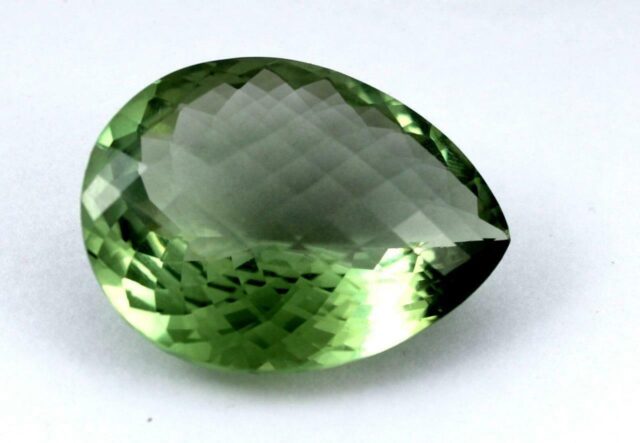
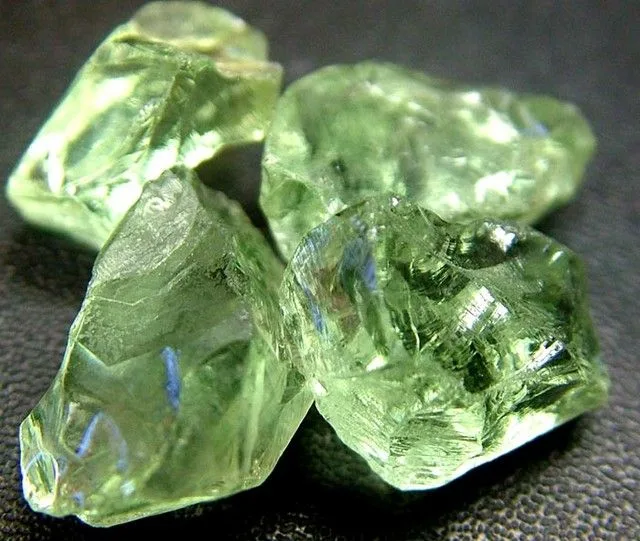
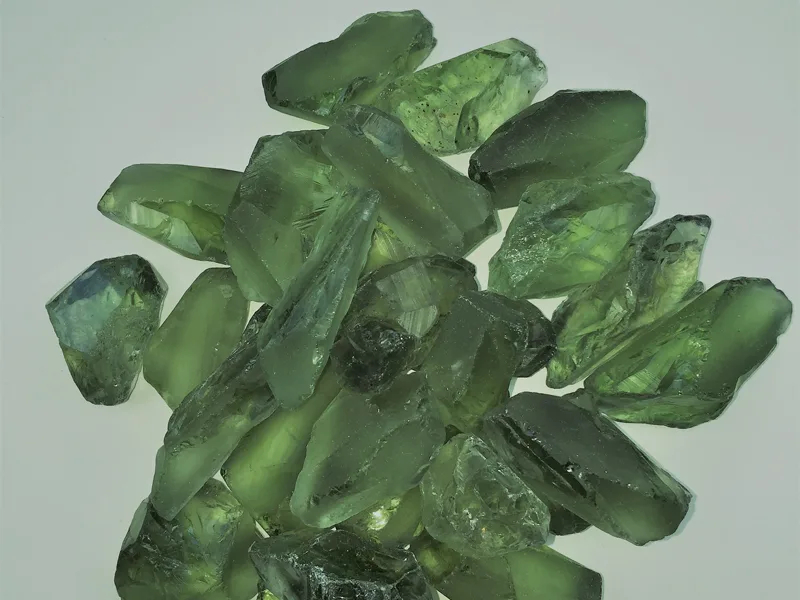
Scientific Significance: Boracite has captured the interest of researchers due to its remarkable magnetic and electrical properties. Depending on the metal cation present, boracite can exhibit ferromagnetic or antiferromagnetic behavior. This makes it a subject of study in the field of condensed matter physics and materials science.
Varieties: Boracite occurs in different varieties based on the metal cation present in its structure. For example, magnesium boracite, zinc boracite, and iron boracite are some of the common varieties. These varieties can exhibit slightly different physical and magnetic properties.
In summary, boracite is a fascinating mineral with a distinctive crystal structure and a range of physical, magnetic, and electrical properties. Its applications in industry and scientific research highlight its importance in various fields, making it a subject of ongoing study and exploration.
Physical Properties of Boracite
Boracite is a mineral with unique physical properties that contribute to its distinct appearance and utility in various applications. Here are some of the key physical properties of boracite:
Color and Appearance:
Boracite occurs in a variety of colors, including white, gray, blue, green, and yellow. The color is influenced by impurities and the specific metal cation present in its composition.
The color variations often make boracite specimens visually appealing, and some varieties are even used as semi-precious gemstones.
Crystal Habit:
Boracite typically forms as well-developed cubic or octahedral crystals. These crystals have a characteristic geometric shape with smooth faces and sharp edges.
It can also occur as granular aggregates, nodules, or massive forms within host rocks.
Hardness and Cleavage:
Boracite has a hardness of around 7 to 7.5 on the Mohs scale. This moderate hardness contributes to its use as an abrasive material.
The mineral exhibits perfect octahedral cleavage, which means it can be easily cleaved along certain crystallographic planes to produce smooth surfaces.
Density:
The density of boracite ranges from approximately 2.9 to 3.1 g/cm³. The variations in density are influenced by the specific composition and impurities within the crystal lattice.
Luster:
The luster of boracite is vitreous to greasy. When light strikes its surfaces, it reflects with a characteristic glassy or slightly oily appearance.
Transparency:
Boracite is typically translucent to opaque, depending on the specific variety and the presence of impurities.
Refractive Index:
The refractive index of boracite varies depending on its composition and color. It ranges from approximately 1.6 to 1.7.
The refractive index is a crucial factor in determining the gemological properties of boracite when it is used in jewelry.
Streak:
The streak of boracite is white. This refers to the color of the powdered mineral when it is scraped across a streak plate.
Fluorescence:
Some varieties of boracite can exhibit fluorescence under ultraviolet (UV) light. This fluorescence can range from weak to strong, and the color of fluorescence may vary.
Magnetism:
Boracite can exhibit magnetic properties, with variations based on the metal cation present. Some forms of boracite are ferromagnetic, meaning they become strongly magnetized in the presence of an external magnetic field.
These physical properties collectively contribute to the mineral’s identification, uses in industry and research, and its potential as a decorative gemstone. The combination of its hardness, color variety, and unique crystal habit makes boracite a fascinating material to study and work with.
Occurrence and Formation of Boracite
Boracite is primarily found in sedimentary and evaporitic environments, often associated with salt deposits. Its formation involves the precipitation of boron-rich solutions in the presence of magnesium and other metal cations. Here’s a detailed look at the occurrence and formation of boracite:
Occurrence:
Boracite is commonly found in sedimentary rock formations, salt deposits, and evaporite beds. It often occurs in conjunction with other minerals such as halite (rock salt), gypsum, and anhydrite.
Notable boracite deposits are found in regions with evaporitic basins, where the evaporation of water leads to the concentration of dissolved minerals and the subsequent formation of minerals like boracite.
Some specific locations where boracite deposits have been found include Germany, Austria, Russia, Turkey, China, and the United States.
Formation:
Evaporitic Conditions: The formation of boracite is closely linked to the conditions of evaporation in saline environments. These environments are characterized by the presence of saline or brine solutions with high concentrations of dissolved minerals.
Boron-Rich Solutions: Boracite forms from solutions rich in boron compounds, often derived from the leaching of boron-containing minerals present in the surrounding rocks. Borate minerals can be present in adjacent sedimentary layers or may result from hydrothermal processes.
Metal Cation Incorporation: The crystal structure of boracite includes boron, magnesium, and a metal cation (such as zinc, iron, or others). These cations are incorporated into the crystal lattice as the mineral forms. The specific metal cation present influences the mineral’s physical and magnetic properties.
Precipitation and Crystallization: As the saline solutions evaporate due to environmental conditions (such as arid climates or changes in water levels), the dissolved minerals become increasingly concentrated. This high concentration leads to the precipitation and crystallization of boracite and other minerals.
Temperature and Pressure: Temperature and pressure conditions during the evaporation process also play a role in determining the composition and characteristics of the resulting boracite crystals. Variations in temperature and pressure can affect crystal growth and the inclusion of impurities.
Aggregation and Deposition: Over time, the crystals of boracite may aggregate, forming nodules or clusters within the host rock. These nodules can be discovered as isolated formations or as part of larger sedimentary structures.
The formation of boracite is a complex interplay of geological, chemical, and climatic factors. The unique combination of boron, magnesium, and metal cations in its crystal structure gives rise to its distinct properties. Studying the conditions under which boracite forms provides insights into the geological history of the regions where it is found and contributes to our understanding of mineral formation processes in evaporitic environments.
Boracite is a relatively rare mineral that is primarily found in specific geological settings. Its occurrence is linked to evaporitic environments and is often associated with salt deposits. Here’s a look at the distribution of boracite deposits around the world:
1. Germany:
Germany is known for some of the most well-known and significant boracite deposits. Notable occurrences include deposits in the Stassfurt Potash Deposit located in Saxony-Anhalt. These deposits are part of a rich geological formation that contains various minerals, including boracite.
2. Austria:
Austria has also been a significant source of boracite. The region of Styria, specifically the St. Stefan ob Leoben area, is known for its boracite deposits. These deposits have been studied for their mineralogical and geological significance.
3. Russia:
Russia hosts boracite deposits in various regions. Notable locations include the Ural Mountains and Siberia. These deposits are often associated with evaporitic sequences in sedimentary rocks.
4. Turkey:
Boracite deposits are found in Turkey, particularly in the Bigadiç Borate District. Turkey is one of the largest producers of borates in the world, and boracite is among the minerals extracted from these deposits.
5. China:
China is another country with boracite occurrences. Deposits have been identified in regions like the Xinjiang Uygur Autonomous Region. China’s extensive mineral resources include borates like boracite.
6. United States:
In the United States, boracite has been found in areas such as California. While not as prominent as other sources, the U.S. has contributed to the global distribution of this mineral.
7. Other Countries:
Boracite occurrences have also been documented in countries like Italy, Pakistan, Greece, and Hungary, among others. These occurrences might be less well-documented or less extensive compared to the major sources.
It’s important to note that boracite deposits are relatively localized and not widespread. They are often associated with specific geological conditions that favor the formation of evaporite minerals. The mineral’s formation within evaporitic environments, where brine solutions evaporate and concentrate minerals, contributes to its limited distribution.
Given the diverse countries where boracite has been identified, its distribution provides insights into the global distribution of evaporitic basins and the geological processes that lead to the formation of minerals in such environments.
Types and Varieties of Boracite
Boracite comes in several varieties based on the specific metal cation present in its crystal structure. The metal cation influences the mineral’s color, physical properties, and sometimes its magnetic behavior. Here are some of the common types and varieties of boracite:
Magnesium Boracite (Mg3B7O13Cl):
Magnesium boracite is one of the most common varieties of boracite.
It typically appears as colorless, white, or pale yellow crystals.
Magnesium boracite is used as a source of boron in various industries and research applications due to its relatively simple composition.
Zinc Boracite (Zn3B7O13Cl):
Zinc boracite is characterized by its green to blue-green coloration.
Its distinct color is attributed to the presence of zinc in the crystal structure.
Zinc boracite is known for its weak ferromagnetic properties and has been studied for its potential applications in magnetic and electronic devices.
Iron Boracite (Fe3B7O13Cl):
Iron boracite appears in various shades of brown, from light to dark.
Its color is a result of iron incorporation into the crystal lattice.
Iron boracite can exhibit both ferromagnetic and antiferromagnetic behavior, making it interesting for magnetic studies.
Manganese boracite is less common and occurs in shades of pink to purplish-red.
Its distinctive color is due to the presence of manganese.
Manganese boracite’s magnetic behavior can vary based on the presence of different manganese oxidation states.
Calcium Boracite (Ca3B6O12):
Calcium boracite is a rare variety that lacks the chloride component found in other boracite types.
It appears as colorless to white crystals.
This variety is less studied compared to the chloride-containing boracites.
Other Varieties:
Boracite can potentially incorporate other metal cations, leading to additional varieties with unique properties.
These can include varieties with strontium, barium, or other metals.
The presence of different metal cations in boracite’s crystal structure results in variations in color, magnetism, and other physical properties. These varieties are of interest not only for their mineralogical significance but also for their potential applications in various fields, including materials science, electronics, and condensed matter physics. The range of boracite varieties demonstrates the versatility and complexity of mineral formations driven by the interplay of different elements in geological settings.
Uses and Applications of Boracite
Boracite’s unique physical and magnetic properties make it valuable in a range of industrial applications, as well as in scientific research. Here are some of the main uses and applications of boracite:
Refractory Materials:
Boracite’s high melting point and resistance to thermal shock make it suitable for use in refractory materials. These materials are used in lining furnaces, kilns, and other high-temperature industrial processes.
Ceramic Production:
Boracite is added to ceramics to enhance their properties. It can improve the strength, thermal stability, and resistance to chemical attack of ceramic materials.
Abrasives and Polishing:
Boracite’s hardness makes it useful as an abrasive material. It is added to abrasive products like grinding wheels, sandpaper, and polishing compounds to aid in material removal and surface finishing.
Magnetic and Electrical Applications:
Boracite’s magnetic behavior, especially in zinc and iron varieties, makes it interesting for applications in magnetism and electronics.
It has been studied for its potential use in spintronics, a field that explores the manipulation of electron spin for advanced electronic devices.
Scientific Research:
Boracite’s complex magnetic properties have attracted researchers in condensed matter physics and materials science. It provides insights into magnetic interactions and can serve as a model system for studying magnetic behavior.
Gemology and Jewelry:
Some varieties of boracite, particularly those with appealing colors and transparency, are cut and polished for use in jewelry. However, due to its relative rarity, boracite is not a widely recognized or extensively used gemstone.
Historical and Cultural Significance:
In the past, certain boracite varieties were used for ornamental purposes, such as in jewelry or decorative objects.
Potential Electronic Devices:
Boracite’s unique magnetic and electronic properties have led to investigations into its potential use in magneto-optical devices, sensors, and other electronic applications.
Catalysis:
Boracite has been explored for potential catalytic applications due to its unique crystal structure and surface properties.
It’s important to note that while boracite has diverse applications and potential uses, its availability is limited by its relatively rare occurrence. Additionally, its utilization in certain industries may be influenced by economic and market factors. Nonetheless, ongoing research into boracite’s properties and potential applications continues to expand its relevance in various technological and scientific fields.
Use of Boracite in Jewelry and Ornaments
Boracite, with its range of colors and unique crystal structure, has been used in the past for ornamental purposes such as jewelry and decorative objects. However, it’s worth noting that boracite’s use in jewelry is relatively limited compared to more traditional gemstones due to its rarity and lesser-known status. Here’s how boracite has been used in jewelry and ornaments:
Gemstone Cutting: Certain varieties of boracite, particularly those with appealing colors like blue, green, and yellow, have been cut and polished into gemstones. These gemstones are typically used in jewelry, such as rings, pendants, earrings, and necklaces.
Cabochons: Boracite can be shaped into cabochons, which are polished, rounded, and domed stones without facets. Cabochons highlight the color and patterns within the stone, making them suitable for settings like rings and pendants.
Collectible Items: Unique and well-formed boracite crystals are sometimes collected as mineral specimens by enthusiasts and collectors. These specimens can be displayed as decorative items and can hold both aesthetic and scientific value.
Carvings and Sculptures: Boracite’s relative hardness makes it suitable for carving and sculpting. While not a commonly used material for carving, skilled artisans may use boracite to create intricate sculptures or decorative pieces.
Limited Availability: Boracite’s scarcity limits its widespread use in jewelry and ornaments. Its relatively unknown status compared to more popular gemstones also contributes to its limited presence in the jewelry market.
Historical Use: In the past, boracite may have been used in historical jewelry and ornaments, especially in regions where deposits were accessible. However, such historical uses are not extensively documented.
It’s important to consider that while boracite has potential as a gemstone, its use in jewelry is not as common as traditional gemstones like diamonds, rubies, sapphires, and emeralds. Factors such as availability, awareness among consumers, and market demand influence the utilization of boracite in the jewelry industry. Additionally, its use is more prevalent in specialized markets and among collectors who appreciate its unique qualities.
Conclusion
Boracite is a mineral that captivates both scientific researchers and industrial applications due to its distinct properties and versatile uses. Its unique crystal structure, variations in color based on metal cations, and magnetic behavior make it a fascinating subject of study. From its origins in evaporitic environments to its applications in various fields, boracite’s significance is multi-faceted.
While its rarity limits its widespread use, boracite finds its place in industries requiring materials that withstand high temperatures, resist wear and tear, and possess intriguing magnetic qualities. Its role in refractory materials, ceramics, and potential electronic devices underscores its value in technological advancements.
Boracite’s presence in the jewelry and ornamentation market, although limited, showcases its aesthetic potential, particularly in gemstone cutting and cabochon crafting. Despite its unique qualities, boracite remains less known compared to more conventional gemstones.
The study of boracite extends beyond its applications, providing insights into mineral formation, crystallography, and magnetic phenomena. As research continues, this mineral’s role in pushing the boundaries of science and technology is expected to grow, possibly uncovering new applications and uses that could shape industries and fields of study.
In conclusion, boracite stands as a testament to the diverse interplay of geology, chemistry, physics, and industry, offering a glimpse into the intricate world of minerals and their potential to influence our technological and creative pursuits.
Mount Etna is one of the most iconic and active volcanoes in the world. It is located on the east coast of the island of Sicily in Italy. With its towering presence, unique landscape, and frequent eruptions, Mount Etna has captured the attention and imagination of people for centuries. It is not only a natural wonder but also holds geological, historical, and cultural significance.
Location and Geographic Context:
Mount Etna is situated in the northeastern part of Sicily, which is the largest island in the Mediterranean Sea. It covers an area of approximately 1,190 square kilometers (459 square miles). The volcano itself rises to an impressive height of around 3,329 meters (10,922 feet), although this height can vary due to its frequent eruptions and subsequent changes in shape.
The surrounding landscape is diverse, ranging from fertile plains to rugged terrain. The volcano’s proximity to the coast adds to its unique beauty and the potential impact of its eruptions on nearby towns and villages.
Historical Significance:
Mount Etna holds immense historical significance due to its long history of eruptions and its impact on the surrounding communities. It has been erupting for thousands of years, with documented eruptions dating back to ancient times. Throughout history, these eruptions have both threatened and nurtured the people living in the region.
The ancient Greeks and Romans considered Mount Etna the realm of Vulcan, the god of fire and blacksmithing. Many myths and legends were woven around the volcano. The eruptions were often interpreted as the actions of the gods, leading to a rich cultural and religious significance.
The volcanic soils around Mount Etna are incredibly fertile, making the region well-suited for agriculture. The volcanic ash and minerals from eruptions have enriched the soil, contributing to the growth of vineyards, orchards, and other crops. As a result, the volcano has also played a role in shaping the local economy and cuisine.
Geological Background:
Mount Etna is a stratovolcano, also known as a composite volcano, characterized by its steep slopes and layered structure built up by successive eruptions of lava, ash, and other volcanic materials. It is part of the larger complex of volcanoes that dot the Mediterranean region due to the tectonic interactions between the African Plate and the Eurasian Plate.
Etna’s activity is primarily driven by the subduction of the African Plate beneath the Eurasian Plate. Magma from the Earth’s mantle rises through the subduction zone, eventually reaching the surface through the volcano’s vents and fissures. The composition of the magma, along with the interaction of groundwater, contributes to the explosive nature of some eruptions.
Due to its frequent eruptions, Mount Etna has been closely studied by volcanologists and geologists. It serves as an important natural laboratory for understanding volcanic processes, monitoring volcanic activity, and developing strategies for managing volcanic hazards in densely populated areas.
In conclusion, Mount Etna is not only a magnificent geological feature but also a symbol of the dynamic forces shaping our planet. Its eruptions and impact on the surrounding environment have left a lasting imprint on the region’s history, culture, and scientific understanding.
Geological and Geographical Features
Mount Etna’s geological and geographical features make it a remarkable and complex volcano. Some of its prominent characteristics include:
Stratovolcano: Mount Etna is a classic stratovolcano, characterized by its steep slopes and alternating layers of lava flows, ash, and volcanic debris. These layers are the result of various eruptions over time.
Summit Craters: The volcano’s summit region contains several craters, each formed by different eruptions. These craters often emit smoke, gases, and occasional eruptions, contributing to the volcano’s iconic appearance.
Lava Flows: Mount Etna is known for its frequent lava flows, which can vary in composition and behavior. Some flows are slow-moving and relatively predictable, while others can be fast-moving and more destructive.
Calderas: The volcano’s activity has led to the formation of calderas, large depressions created after the collapse of the volcanic edifice following particularly massive eruptions.
Caves and Tunnels: Etna has a network of caves and tunnels formed by lava flows, which have been explored by researchers and adventurers alike.
Formation and Tectonic Setting:
Mount Etna’s formation is closely tied to the tectonic setting of the region. It is located at the convergence of the African Plate and the Eurasian Plate. The African Plate is subducting beneath the Eurasian Plate, creating a subduction zone. Magma from the mantle rises through the subduction zone, eventually leading to the formation of volcanoes like Etna.
The magma generated in this subduction process is relatively rich in volatile gases and minerals. As the magma rises, it interacts with the surrounding rocks and gases, contributing to the explosive nature of some eruptions.
Volcanic Activity and Eruptions:
Mount Etna is one of the most active volcanoes in the world, with a history of nearly continuous eruptions. Its activity is characterized by a range of eruption styles, including effusive (lava flows) and explosive (ash and gas emissions) eruptions. The type of eruption can vary based on factors such as the composition of the magma, the presence of water, and the structure of the volcano itself.
Etna’s eruptions can pose hazards to nearby communities, including the towns and villages on its slopes. Lava flows, ash clouds, and volcanic gases are some of the primary hazards associated with its eruptions. However, due to its frequent activity, there are well-established monitoring systems in place to track changes in volcanic activity and provide early warnings to mitigate potential risks.
Summit Craters and Lava Flows:
Mount Etna’s summit region is marked by a cluster of craters that have formed over time. The craters are a result of various eruption events, and they can change in size and shape during and after eruptions. Some of the prominent craters include Bocca Nuova, Voragine, and Southeast Crater.
Lava flows are a significant feature of Etna’s activity. The lava emitted during eruptions can create streams that flow down the volcano’s flanks. These flows can be relatively slow-moving or more rapid, depending on factors such as the lava’s viscosity and slope angle. Lava flows have shaped the volcano’s landscape and have also been a source of both destruction and fertility for the surrounding areas.
In recent years, eruptions have often occurred at or near the summit craters, producing spectacular displays of lava fountains, ash plumes, and lava flows. These eruptions attract both scientific interest and public attention due to their visible and dynamic nature.
Modern Volcanology and Research
Modern volcanology is the scientific study of volcanoes and volcanic phenomena. It involves a multidisciplinary approach that combines geology, geophysics, geochemistry, remote sensing, and other scientific disciplines to understand volcanic processes, monitor volcanic activity, and mitigate associated hazards. Advances in technology have significantly enhanced our ability to monitor and study volcanoes, leading to a deeper understanding of their behavior and potential impacts.
Monitoring and Research Efforts:
Seismic Monitoring: Seismic sensors are used to detect and analyze ground vibrations caused by magma movement and volcanic activity. Changes in seismic activity can provide insights into the movement of magma within a volcano.
GPS and Deformation Monitoring: Global Positioning System (GPS) instruments measure ground deformation, which can indicate the buildup of pressure from rising magma beneath the surface.
Gas Monitoring: Volcanic gases, such as sulfur dioxide, carbon dioxide, and others, are released from magma. Monitoring gas emissions can help predict eruptions and understand the chemistry of magma.
Remote Sensing: Satellite-based instruments and drones are used to capture data on volcanic activity, including changes in temperature, gas emissions, and topography.
Geological Fieldwork: Researchers conduct field studies to analyze rock formations, study past eruptions, and assess the geological history of a volcano.
Scientific Importance for Volcanic Studies:
Understanding Earth’s Interior: Studying volcanoes provides insights into Earth’s interior processes, including the movement of molten material and the structure of the Earth’s crust and mantle.
Risk Assessment: Volcanic research helps assess the potential hazards posed by different volcanoes. Understanding eruption patterns and behavior aids in predicting potential outcomes.
Eruption Prediction: By monitoring volcanic activity and identifying precursors to eruptions, scientists can predict volcanic events, allowing for timely warnings and evacuations.
Magma Evolution: Analyzing magma composition helps scientists understand how different types of magma form and evolve beneath the Earth’s surface.
Climate Impact: Volcanic eruptions release significant amounts of ash and gases into the atmosphere, which can impact climate patterns by reflecting sunlight and influencing weather.
Hazards and Risk Mitigation:
Lava Flows: Monitoring and predicting the paths of lava flows can help authorities plan evacuations and protect infrastructure.
Ash Clouds: Volcanic ash can disrupt air travel, damage engines, and impact respiratory health. Monitoring ash cloud movements helps aviation authorities make informed decisions.
Pyroclastic Flows: These fast-moving currents of hot gas, ash, and debris are among the deadliest volcanic hazards. Early warnings are crucial to minimize casualties.
Lahars: Volcanic mudflows can be triggered by heavy rainfall or melting snow, carrying debris downslope and posing a threat to communities in valleys below.
Community Preparedness: Public education and awareness campaigns are essential for communities living near volcanoes. Residents need to understand the risks and know how to respond during an eruption.
In conclusion, modern volcanology plays a vital role in understanding volcanic processes, predicting eruptions, and mitigating the hazards associated with volcanic activity. This knowledge is critical for protecting lives, property, and the environment in volcanic regions around the world.
Notable Eruptions and Impact
Mount Etna has a long history of notable eruptions, each leaving its mark on the region and shaping our understanding of volcanic processes. Some of the most impactful eruptions include:
Historical Eruptions and Their Effects:
1669 Eruption: This eruption was particularly significant as it destroyed the town of Catania and its harbor. The lava flows from this eruption reached the sea, creating new land and altering the coastline.
1928 Eruption: This eruption resulted in the deaths of several people and caused extensive damage to property and infrastructure.
1979 Eruption: This event marked a period of increased activity, and lava flows threatened nearby towns and villages. Prompt action and controlled explosions were used to divert the lava flows away from populated areas.
Eruptions in Recent Decades:
1991-1993 Eruption: This eruption was one of the most studied in modern times. It produced spectacular lava fountains and flows, and scientists were able to closely monitor and analyze the volcanic activity.
2002-2003 Eruption: This eruption included both effusive and explosive activity. Lava flows threatened the town of Nicolosi, and the explosive activity produced ash plumes that disrupted air travel.
2015 Eruption: This eruption produced lava flows that approached the town of Linguaglossa. Authorities took measures to protect the town and divert the flows.
Impact on Surrounding Areas and Infrastructure:
Mount Etna’s eruptions have had a significant impact on the surrounding areas and infrastructure:
Agriculture: While the volcanic soils are fertile and beneficial for agriculture, eruptions can also damage crops and farmland. Lava flows and ash deposits can impact the productivity of the land.
Infrastructure: Eruptions have damaged buildings, roads, and other infrastructure. Lava flows and ash can cover roads and disrupt transportation networks.
Air Travel: Ash clouds from eruptions can pose a threat to air travel. Airports in Sicily and nearby regions have been temporarily closed due to ash hazards.
Tourism: Mount Etna’s eruptions can attract tourists interested in witnessing the spectacle. However, eruptions can also disrupt tourism and pose risks to visitors.
Local Economy: Etna’s eruptions have a complex relationship with the local economy. While volcanic activity can attract tourists and researchers, it can also disrupt daily life and economic activities during more intense eruptive periods.
Residential Areas: Towns and villages on the slopes of the volcano are at risk from lava flows, ashfall, and other hazards. Authorities often implement evacuation plans and take measures to protect these communities.
In recent years, the combination of scientific research, advanced monitoring technology, and effective risk management strategies has helped mitigate the impact of Etna’s eruptions on surrounding areas. However, the ever-present risk posed by this active volcano remains a challenge for local communities and authorities.
Adamite is a mineral that belongs to the arsenate class of minerals. Its chemical formula is usually written as Zn<sub>2</sub>(AsO<sub>4</sub>)(OH), indicating its composition of zinc, arsenic, oxygen, and hydroxide ions. It is a secondary mineral, meaning it typically forms as a result of the weathering and oxidation of primary ore minerals containing zinc and arsenic. Adamite is known for its vibrant colors, including shades of green, yellow, and rarely, blue.
Historical Significance and Discovery
Adamite was first discovered in 1866 in the Ojuela Mine in Mapimí, Durango, Mexico. It was named after Gilbert-Joseph Adam (1795–1881), a French mineralogist and mining engineer who contributed significantly to the understanding of the mineralogy of France and its colonies. The mineral gained attention due to its striking color and unique crystal formations.
The Ojuela Mine, where adamite was initially found, is famous for producing a wide variety of colorful secondary minerals in addition to adamite, such as limonite, hemimorphite, and smithsonite. The mine has been a rich source of specimens for mineral collectors and researchers over the years.
Physical Characteristics of Adamite
Adamite is a visually captivating mineral known for its vibrant colors and distinct crystal formations. Here are the key physical characteristics of adamite:
Color: Adamite comes in a range of colors, including shades of green, yellow, white, and sometimes blue. The color variation is due to the presence of trace elements, such as copper, cobalt, or manganese, that substitute for zinc in the crystal lattice.
Crystal Habit: Adamite typically forms prismatic or acicular (needle-like) crystals. These crystals can be short or elongated, and they often occur in clusters or aggregates. Botryoidal (grape-like) and reniform (kidney-like) forms are also common, creating unique and attractive mineral specimens.
Transparency and Luster: Adamite is usually translucent to transparent, allowing light to pass through its crystals. It has a vitreous (glassy) to resinous luster, giving it a shiny appearance.
Crystal System: Adamite crystallizes in the orthorhombic crystal system. This system is characterized by three unequal axes at right angles to each other. The crystal symmetry influences the mineral’s geometric properties and crystal faces.
Hardness: On the Mohs scale of mineral hardness, adamite has a hardness of around 3.5 to 4. This means it is relatively soft and can be scratched by harder minerals. Care should be taken when handling adamite specimens to avoid damaging their surfaces.
Cleavage: Adamite exhibits poor to indistinct cleavage. Cleavage refers to the tendency of a mineral to break along specific planes of weakness. The lack of well-defined cleavage planes in adamite contributes to its fracture pattern.
Density: The density of adamite varies depending on its composition and impurities. On average, it has a specific gravity of around 3.99 to 4.35 g/cm³.
Streak: The streak of adamite is usually white, which is the color of the powdered mineral when scraped across a porcelain streak plate.
Fluorescence: Some varieties of adamite are fluorescent under ultraviolet (UV) light. They can emit a bright green or yellow glow, enhancing their visual appeal.
Associations: Adamite is often found associated with other secondary minerals in oxidation zones of zinc and copper oredeposits. These minerals can include limonite, hemimorphite, smithsonite, and various other arsenates.
Occurrence: Adamite typically forms in the oxidized zones of hydrothermal ore deposits, where minerals are altered by the action of water and air. It can be found in various geological environments, including mines and mineral deposits.
In summary, adamite’s physical characteristics, such as its vibrant colors, distinctive crystal habits, and fluorescence, contribute to its popularity among mineral collectors and researchers. Its unique properties make it an attractive addition to mineral collections and a subject of study in the field of mineralogy.
Occurrence and Formation of Adamite
Adamite is a secondary mineral that forms as a result of the weathering and oxidation of primary ore minerals containing zinc and arsenic. It is commonly found in the oxidized zones of hydrothermal ore deposits, where minerals are altered through chemical reactions involving water, oxygen, and other elements. Here’s a closer look at the occurrence and formation of adamite:
1. Geological Environments: Adamite is often found in association with other secondary minerals in various geological settings, including:
Hydrothermal Ore Deposits: These are mineral deposits that formed from hot, mineral-rich fluids that migrated through the Earth’s crust. In these deposits, primary ore minerals containing zinc and arsenic are exposed to groundwater and atmospheric oxygen, leading to their alteration and the formation of secondary minerals like adamite.
Oxidation Zones: The oxidized zones of ore deposits are near-surface areas where minerals react with oxygen-rich water. Here, minerals that were initially stable under high-temperature and high-pressure conditions break down and transform into new minerals like adamite.
2. Formation Process: The formation of adamite involves several chemical and mineralogical processes:
Primary Ore Minerals: Zinc-bearing minerals like sphalerite (ZnS) and arsenic-bearing minerals are typically present in hydrothermal ore deposits.
Weathering and Oxidation: As primary ore minerals are exposed to surface conditions, they react with atmospheric oxygen and water. This leads to the breakdown of these minerals into secondary minerals, including various zinc and arsenic compounds.
Leaching: Water percolates through the ore deposit, carrying dissolved elements with it. Zinc and arsenic are leached from the primary minerals and transported by water.
Reaction with Gangue Minerals: The dissolved zinc and arsenic ions react with other minerals present in the deposit, forming new minerals like adamite.
Crystal Growth: Under the right conditions of temperature, pressure, and mineral availability, adamite crystals begin to grow. The specific colors and crystal habits of adamite are influenced by the presence of trace elements like copper, cobalt, and manganese.
Aggregation and Precipitation: Adamite crystals can aggregate to form clusters, botryoidal masses, or crusts on the surfaces of rocks or other minerals.
In conclusion, adamite forms in the oxidized zones of hydrothermal ore deposits through a series of complex chemical reactions involving zinc, arsenic, water, and oxygen. Its occurrence in various geological environments has led to the creation of beautiful and diverse mineral specimens that are prized by collectors and mineral enthusiasts.
Geographic Distribution of Adamite
Adamite is found in various parts of the world, with notable occurrences in regions rich in zinc and arsenic minerals. Here are some major deposits and notable localities where adamite has been discovered:
1. Mexico:
Ojuela Mine, Mapimí, Durango: The Ojuela Mine is one of the most famous localities for adamite. It is known for producing a wide variety of adamite specimens in vibrant colors, often associated with other secondary minerals like hemimorphite and smithsonite.
Tsumeb Mine, Tsumeb: The Tsumeb Mine is renowned for its diverse mineral specimens, and it has also yielded high-quality adamite crystals. The mine is famous for producing a wide range of minerals due to its complex mineralogical history.
3. Greece:
Lavrion Mining District: This historic mining area in Greece has produced adamite specimens in association with other secondary minerals. Lavrion is known for its wide variety of mineral species and is a significant locality for mineral collectors.
4. Chile:
Candelaria Mine, Atacama: The Candelaria Mine has been a source of adamite specimens. Chile has several mining regions that host various minerals, including those rich in copper and other metals.
5. United States:
Gold Hill Mine, Tooele County, Utah: The Gold Hill Mine has yielded adamite specimens, although they might be less common compared to some other localities. The U.S. has several mineral-rich regions, and adamite can be found in various states.
6. Germany:
Kobell Quarry, Bavaria: Germany has also produced adamite specimens, and the Kobell Quarry is one of the localities where it has been found.
7. Spain:
Mina Ojuela, Mapimí, Durango (Spain Section): The Spanish section of Mina Ojuela, located in Durango, Mexico, has also been a source of adamite specimens.
8. Australia:
Browns Deposit, Rum Jungle, Northern Territory: Australia has occurrences of adamite, with the Browns Deposit being one of the localities where it has been identified.
9. Morocco:
Bou Azzer District, Tazenakht, Ouarzazate Province: Morocco is known for its diverse mineral deposits, and the Bou Azzer District has been associated with various minerals, including adamite.
These are just a few examples of the many localities around the world where adamite has been discovered. The mineral’s occurrence is closely linked to regions with hydrothermal ore deposits containing zinc and arsenic minerals, where it forms as a secondary mineral due to weathering and oxidation processes. Mineral collectors and researchers often seek specimens from these localities due to their unique colors, crystal habits, and overall aesthetic appeal.
Uses and Applications
Adamite is primarily valued for its aesthetic qualities and is highly sought after by mineral collectors and enthusiasts. Unlike some other minerals, adamite doesn’t have significant industrial applications due to its scarcity and relatively small crystal sizes. However, its unique properties and visual appeal make it important in the world of mineralogy and as decorative items. Here are its main uses and applications:
Mineral Collecting and Display: Adamite’s vibrant colors, distinct crystal formations, and fluorescence under UV light make it a prized addition to mineral collections. Many collectors appreciate its aesthetic qualities and often seek out well-formed and colorful specimens.
Educational Purposes: Adamite, like many minerals, serves as an educational tool for geology and mineralogy. It helps students and enthusiasts understand concepts such as crystal structures, mineral formation, and the impact of trace elements on mineral coloration.
Scientific Research: Mineralogists and researchers study adamite to better understand its crystallography, crystal growth, and the influence of trace elements on its color. By studying minerals like adamite, scientists can gain insights into geological processes and the conditions under which minerals form.
Lapidary and Jewelry: While not a common practice due to its softness, some lapidaries and jewelry makers might use adamite in cabochon cutting or incorporate small adamite crystals into unique jewelry pieces for their aesthetic appeal.
Decorative Purposes: Some mineral enthusiasts use adamite specimens as decorative items in homes, offices, and galleries. Their unique colors and crystal formations can add a touch of natural beauty to interior spaces.
Art and Craft Projects: Creative individuals might incorporate small adamite specimens into art projects, crafts, or DIY home decor due to their interesting appearance.
Research on Trace Elements: Adamite’s trace element composition can provide insights into the mineral’s formation conditions and the geochemistry of the deposits it’s found in. This information can contribute to broader studies of ore formation and mineralization.
It’s important to note that adamite is a relatively rare mineral, and its occurrence can be limited to specific mineral deposits. Additionally, due to its softness and sensitivity to environmental factors, proper care is needed when handling and displaying adamite specimens to prevent damage or alteration over time.
In summary, while adamite doesn’t have extensive industrial applications, its role in mineral collecting, scientific research, education, and aesthetic appreciation makes it an important and cherished mineral in the world of geology and mineralogy.
Varieties and Classification
Manganoan AdamiteCobalt AdamiteCuprian Adamite
Adamite is a mineral that belongs to the arsenate class of minerals and is part of the larger apatite supergroup. It forms a series with a mineral called “zincian adamite,” where some of the arsenic is replaced by phosphorus. Here are the main varieties and classifications of adamite:
1. Adamite Varieties:
Cuprian Adamite: This variety of adamite contains trace amounts of copper, which impart a greenish-blue color to the crystals. The presence of copper alters the mineral’s coloration, and specimens with a strong blue or green hue are highly prized by collectors.
Cobalt Adamite: Cobalt can also substitute for some of the zinc in the crystal structure of adamite. This variation can result in different shades of blue or violet in the crystals.
Manganoan Adamite: Manganese is another element that can replace zinc in the crystal lattice. This can lead to shades of pink or purplish-pink in the mineral.
2. Classification:
Chemical Classification: Adamite is classified as a zinc arsenate hydroxide mineral. Its chemical formula is usually written as Zn<sub>2</sub>(AsO<sub>4</sub>)(OH), indicating its composition of zinc, arsenic, oxygen, and hydroxide ions.
Crystal System: Adamite crystallizes in the orthorhombic crystal system. This system is characterized by three unequal axes at right angles to each other, which influences the geometric properties of its crystal forms.
Series with Other Minerals: Adamite forms a series with a mineral called “zincian adamite,” where some of the arsenic is replaced by phosphorus. This series reflects a continuous substitution of arsenic and phosphorus in the mineral’s crystal structure.
Supergroup Classification: Adamite belongs to the apatite supergroup, a group of phosphate and arsenate minerals that share similar crystal structures. The apatite supergroup includes minerals like apatite, pyromorphite, mimetite, and vanadinite, among others.
It’s worth noting that the variety and coloration of adamite are influenced by the presence of trace elements such as copper, cobalt, and manganese. These trace elements can replace some of the zinc or arsenic in the crystal structure, leading to a wide range of colors and shades within the mineral species.
In summary, adamite exhibits various color varieties based on the presence of trace elements, and it is classified as a zinc arsenate hydroxide mineral within the apatite supergroup. Its unique crystal structure and chemical composition make it a fascinating subject of study for mineralogists and a sought-after specimen for collectors.
Optical Properties of Adamite
Adamite exhibits several optical properties that are important for its identification and characterization:
Color: Adamite comes in a range of colors, including shades of green, yellow, white, and occasionally blue. The color variations are due to the presence of trace elements like copper, cobalt, and manganese, which can substitute for zinc in the crystal lattice.
Luster: Adamite has a vitreous (glassy) to resinous luster, which gives its surfaces a shiny appearance when light reflects off them.
Transparency: Adamite is typically translucent to transparent. This means that light can pass through the mineral, but some specimens might be more translucent than others.
Birefringence: Adamite exhibits birefringence, which is the difference in refractive indices between the mineral’s two perpendicular crystallographic directions. This property can be observed under a polarizing microscope.
Pleochroism: Pleochroism is the phenomenon where a mineral displays different colors when viewed from different crystallographic directions. Adamite might exhibit weak pleochroism, with different shades of color observed from different angles.
Chemical Properties of Adamite
The chemical properties of adamite provide insights into its composition, structure, and behavior in various environments:
Chemical Formula: The chemical formula of adamite is usually written as Zn<sub>2</sub>(AsO<sub>4</sub>)(OH), indicating the presence of zinc, arsenic, oxygen, and hydroxide ions in its crystal structure.
Composition: Adamite is a zinc arsenate hydroxide mineral, meaning it contains zinc (Zn), arsenic (As), oxygen (O), and hydroxide (OH) ions. Trace elements like copper (Cu), cobalt (Co), and manganese (Mn) can also be present and contribute to its color variations.
Crystal Structure: Adamite crystallizes in the orthorhombic crystal system. The arrangement of atoms in its crystal lattice gives rise to its unique physical and optical properties.
Formation and Stability: Adamite is a secondary mineral that forms as a result of the weathering and alteration of primary ore minerals containing zinc and arsenic. Its formation is influenced by the availability of these elements, as well as the presence of other minerals and environmental conditions.
Solubility: Adamite is soluble in acids, which is a common property of many minerals containing zinc. This solubility allows for the chemical identification of the mineral.
Fluorescence: Certain varieties of adamite, particularly those containing trace elements like copper, can exhibit strong fluorescence under ultraviolet (UV) light. This property enhances their visual appeal and can aid in their identification.
In conclusion, the optical and chemical properties of adamite are integral to its identification, classification, and appreciation within the field of mineralogy. These properties help researchers, collectors, and enthusiasts understand its structure, formation, and unique characteristics.
Summary of Key Points
Adamite is a mineral belonging to the arsenate class and the apatite supergroup.
Its chemical formula is Zn<sub>2</sub>(AsO<sub>4</sub>)(OH), indicating zinc, arsenic, oxygen, and hydroxide ions.
Known for its vibrant colors, including green, yellow, and occasionally blue.
Exhibits prismatic or acicular crystals, often forming aggregates, botryoidal masses, or crusts.
Displays a vitreous to resinous luster, and is typically translucent to transparent.
Crystallizes in the orthorhombic crystal system.
Forms as a secondary mineral in the oxidized zones of hydrothermal ore deposits.
Occurs in regions rich in zinc and arsenic minerals.
Formed through weathering, oxidation, leaching, and reaction with other minerals.
Found in associations with other secondary minerals like hemimorphite and smithsonite.
Notable localities include the Ojuela Mine in Mexico, Tsumeb Mine in Namibia, Lavrion Mining District in Greece, and others.
Occurs in regions with hydrothermal ore deposits containing zinc and arsenic minerals.
Valued by mineral collectors for its unique colors and crystal habits.
Used for educational purposes in geology and mineralogy.
Studied by researchers to understand crystallography and mineral formation.
Occasionally used for lapidary and decorative purposes.
Serves as a decorative item and artistic material.
Comes in color varieties like cuprian adamite, cobalt adamite, and manganoan adamite.
Belongs to the apatite supergroup and forms a series with zincian adamite.
Exhibits trace element substitutions that influence its coloration.
Displays various colors due to trace element presence.
Shows vitreous to resinous luster and is often translucent to transparent.
Exhibits birefringence and, in some cases, pleochroism.
Classified as a zinc arsenate hydroxide mineral.
Forms orthorhombic crystals and is soluble in acids.
Overall, adamite is a visually captivating mineral with a rich history of discovery and a wide range of colors and crystal formations. Its significance lies in its beauty, its role in the study of mineralogy, and its appeal to collectors and enthusiasts around the world.