























GEOLOGYSCIENCE · MINERALOGY & PETROLOGY · COMPARATIVE REFERENCE
Rock & Mineral Comparison Tool
Compare specimens side by side using mineral composition, texture and diagnostic physical properties.
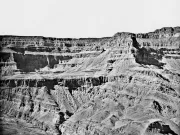
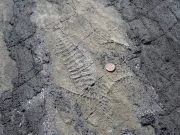
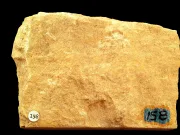
Examine rocks and minerals side by side using specimen photographs, composition, texture and diagnostic physical properties.
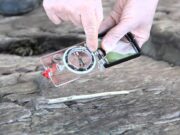
Compare up to four references. Examine field observations and crystal geometry.Quick comparisons
Browse libraryLoading interactive comparison…
Filter by material or group
Filter by material or group
| Property | Quartz | Calcite |
|---|---|---|
| Formula | SiO₂ | CaCO₃ |
| Mohs hardness | 7 | 3 |
| Cleavage | None | Rhombohedral |
Use non-destructive observations first. Do not taste unknown specimens or create dust. Acid and scratch properties are reference information, not instructions to test unknown material.
Schematic unit-cell geometry, not measured lattice parameters or actual crystal habit.
Saved comparisons
Similar references
Matches use recorded properties, not identification probabilities.


Browse all 60 scientific comparisons
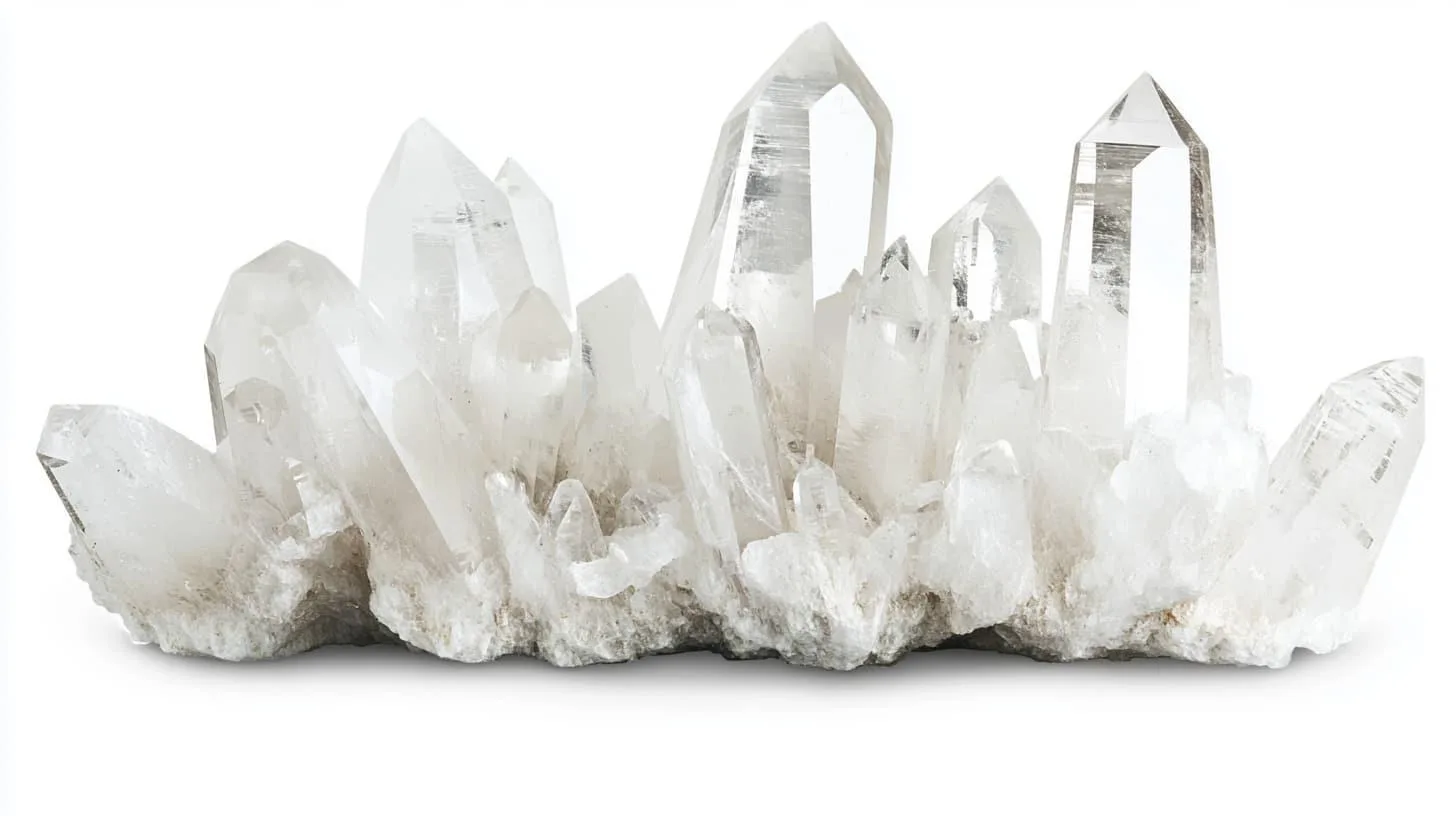
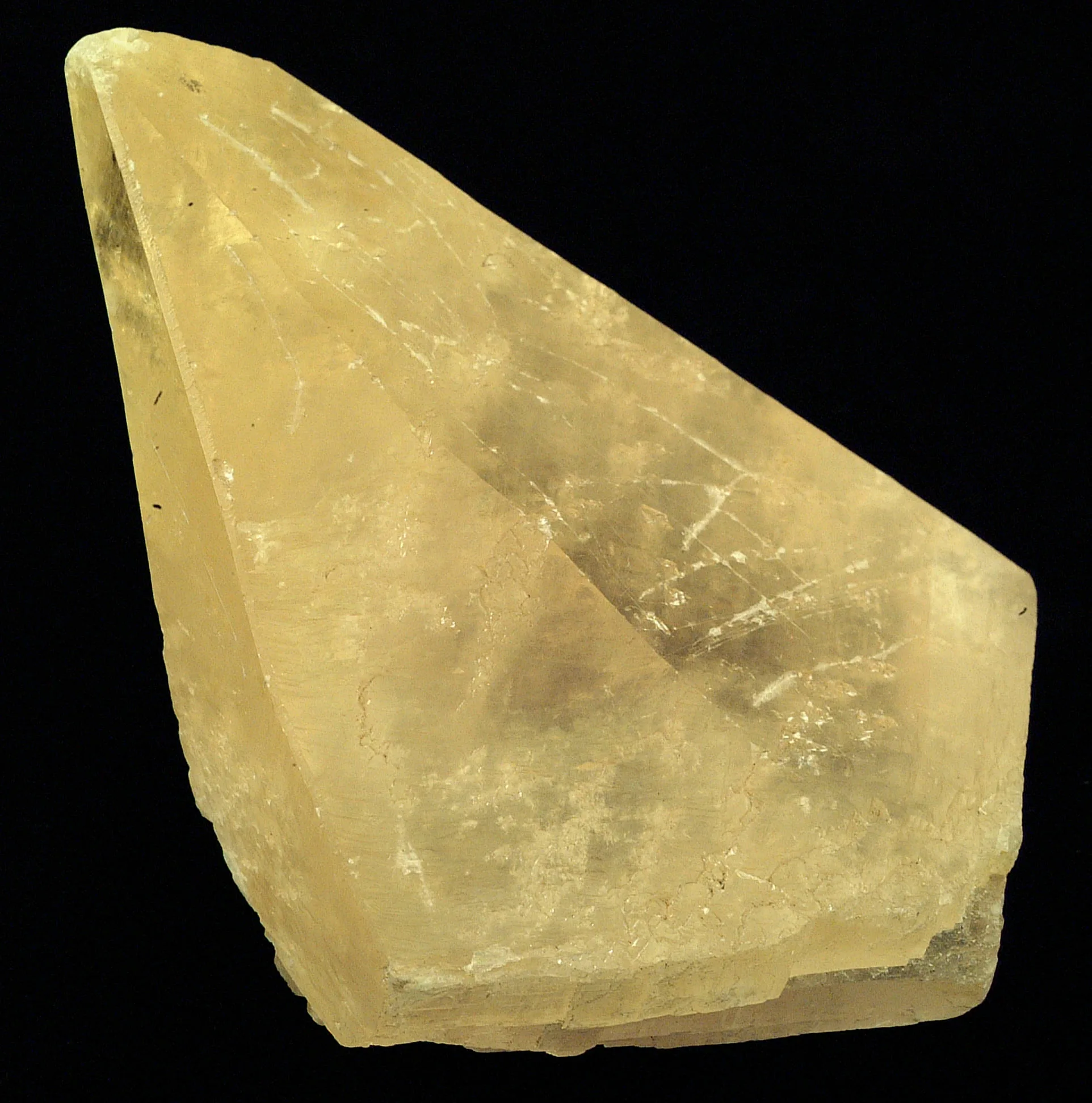
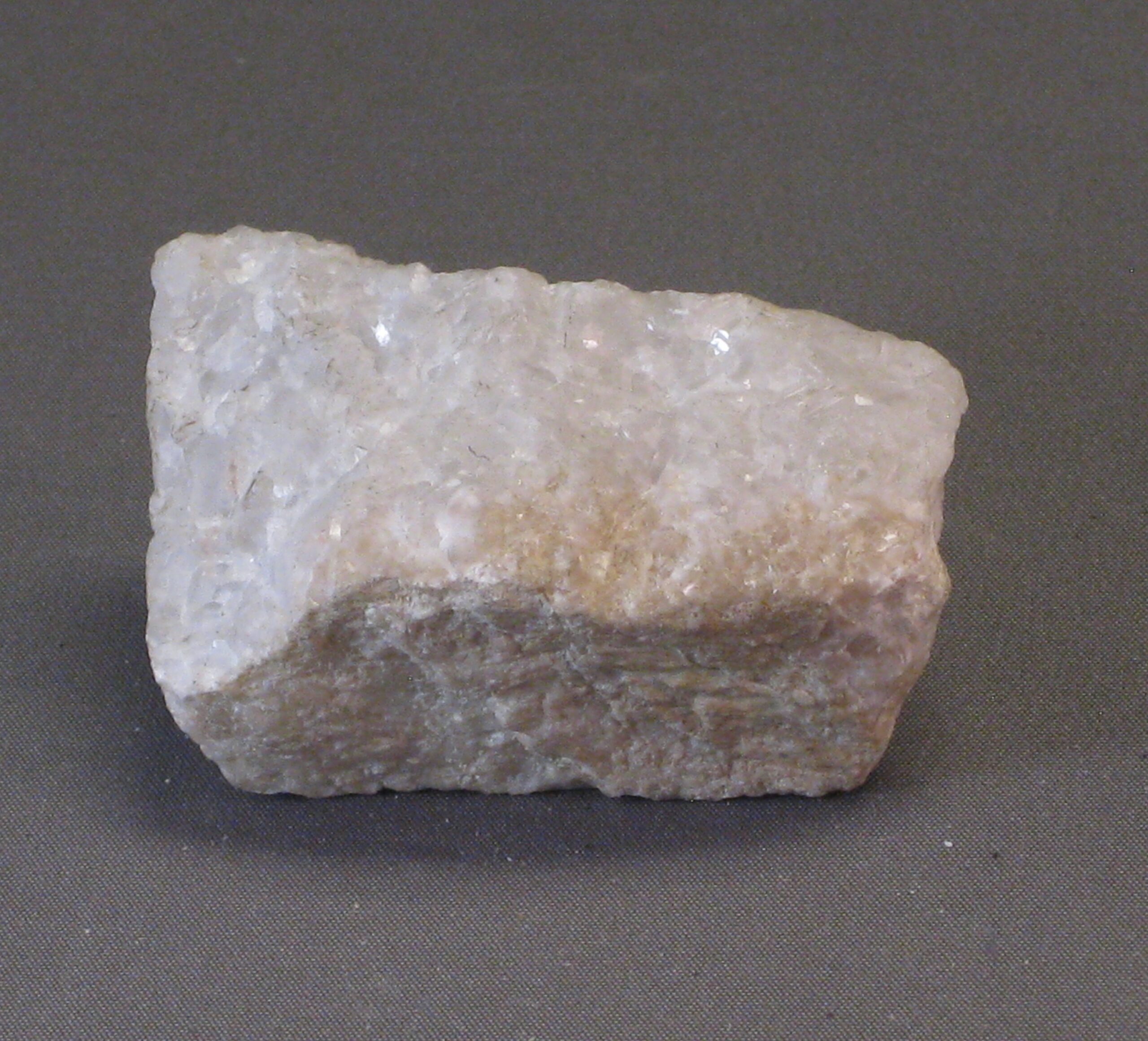
Quartz vs Calcite
Quartz is harder (Mohs 7 versus 3). Calcite has rhombohedral cleavage; quartz typically shows conchoidal fracture.
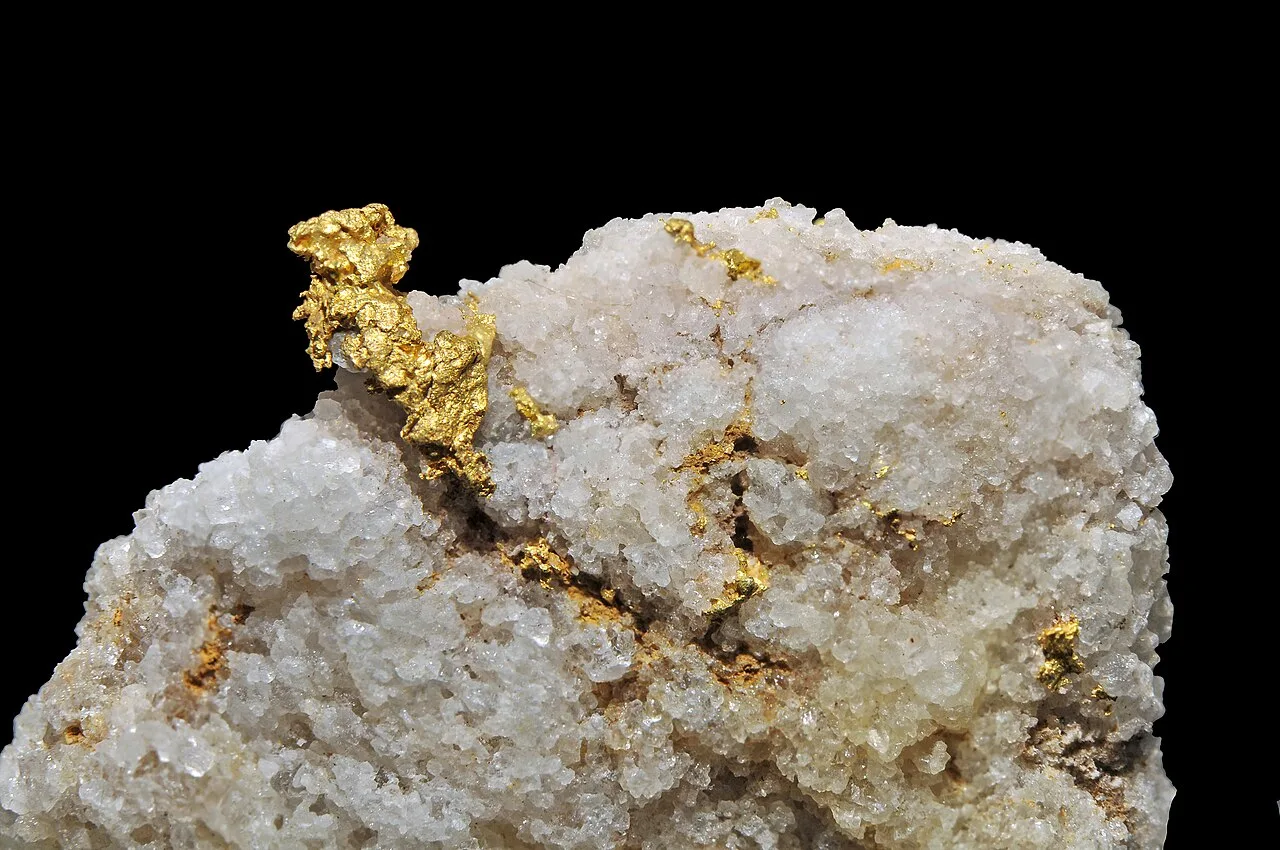
Gold vs Pyrite
Gold is malleable and leaves a yellow streak. Pyrite is brittle, harder and commonly leaves a dark streak. Color alone is insufficient.
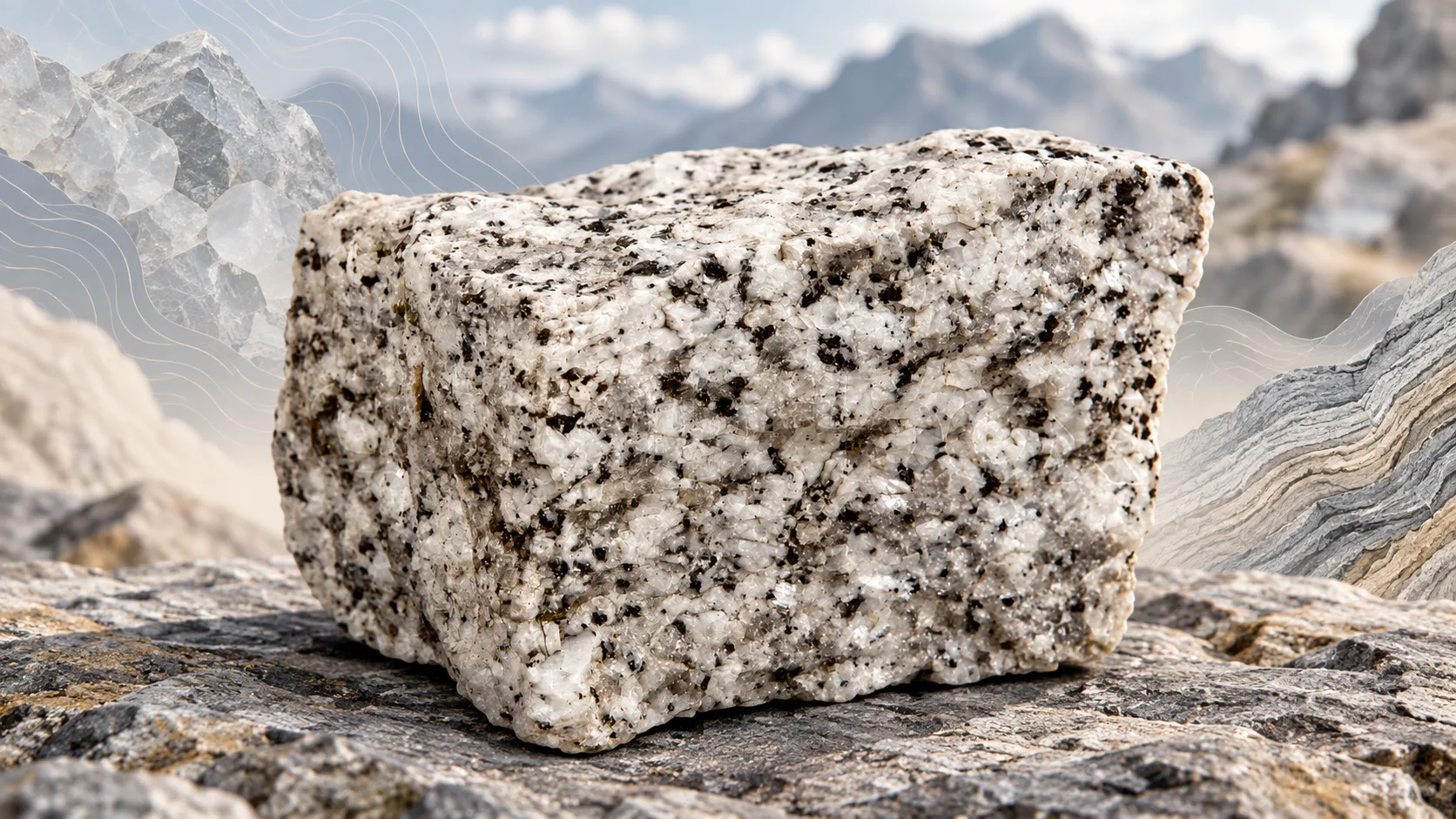
Granite vs Basalt
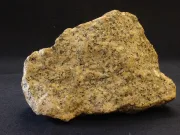
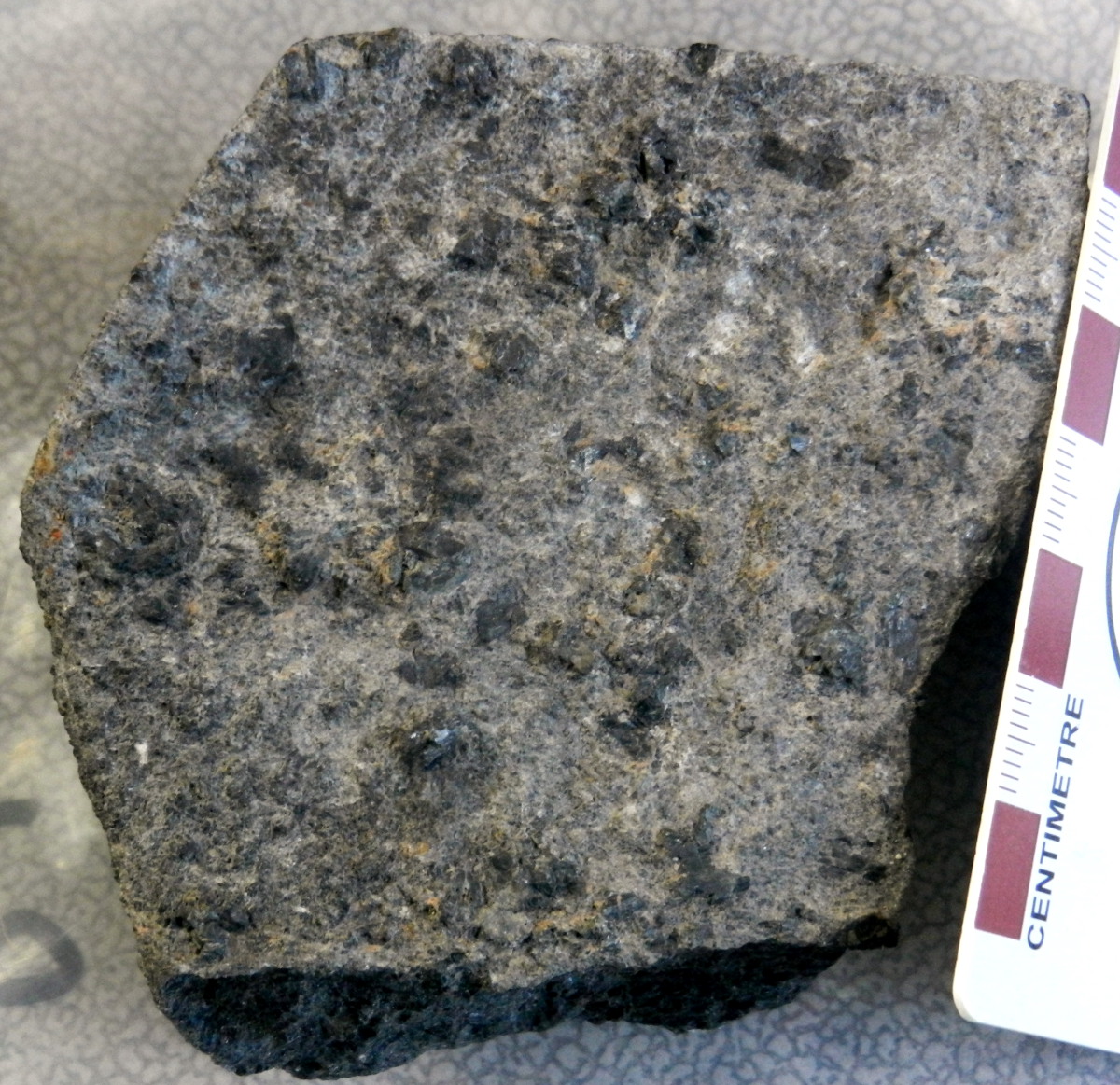
Granite is typically coarse-grained and felsic; basalt is usually fine-grained and mafic.
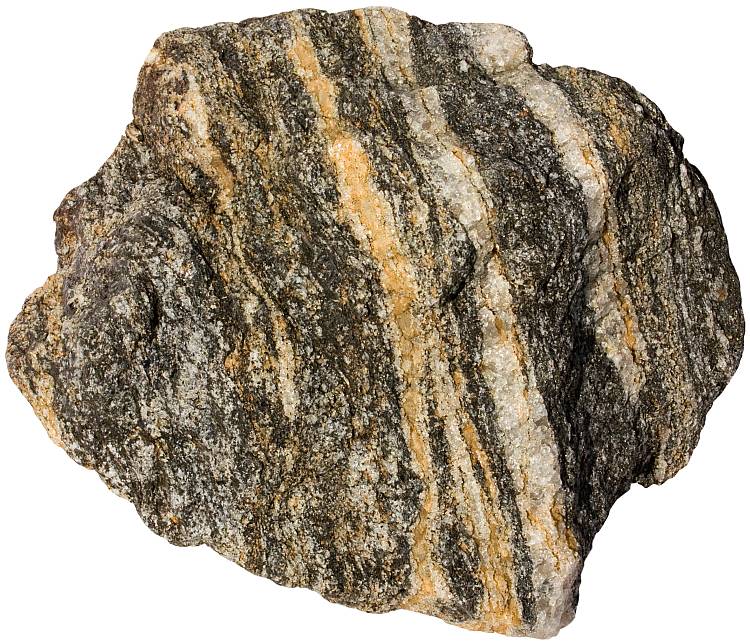
Gneiss vs Schist
Gneiss commonly displays compositional banding; schist typically has prominent schistosity with visible platy minerals. Textures may grade into one another.
Marble vs Limestone
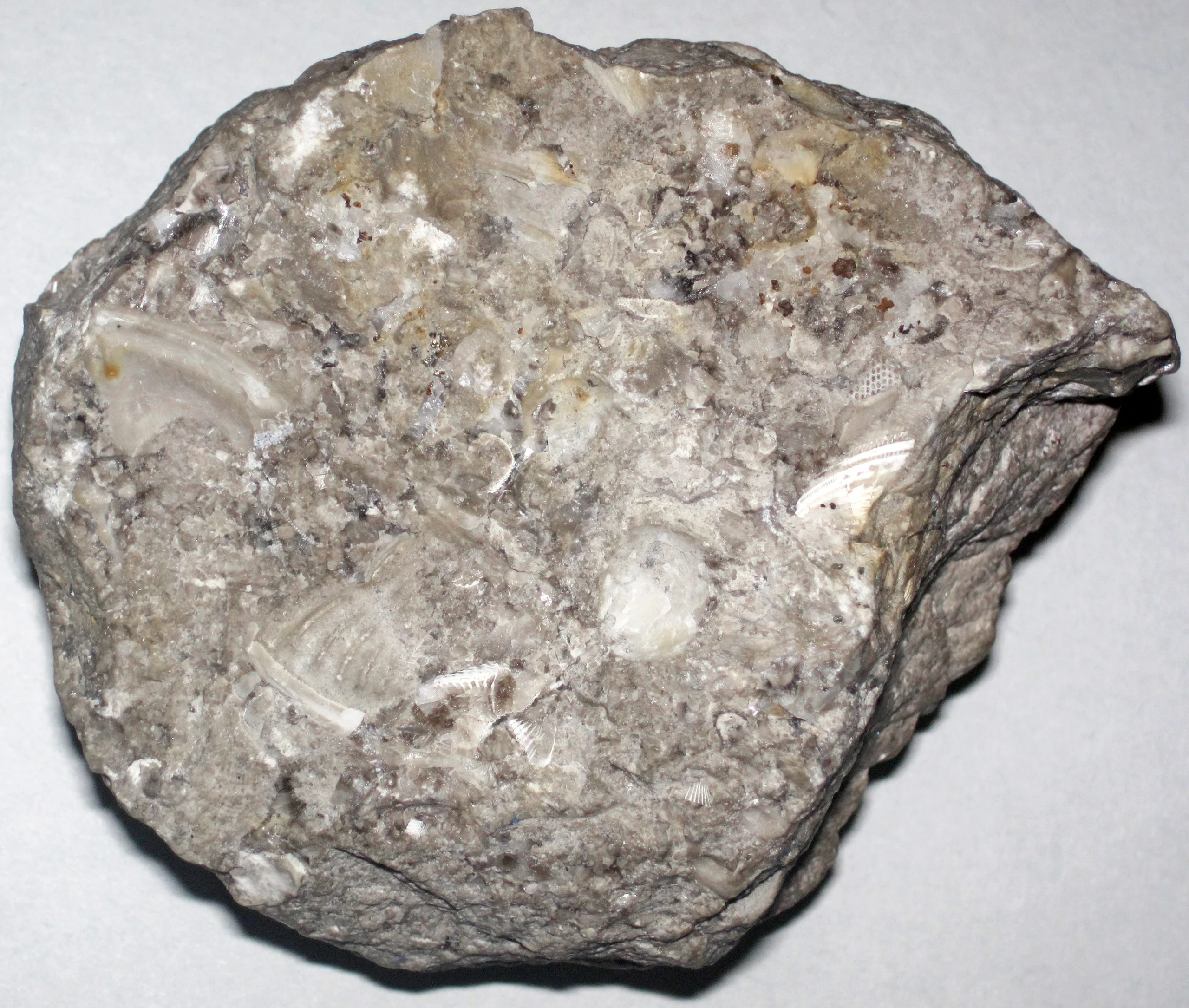
Marble commonly displays recrystallized carbonate grains; limestone may retain sedimentary grains, fossils or bedding. Both can contain calcite.
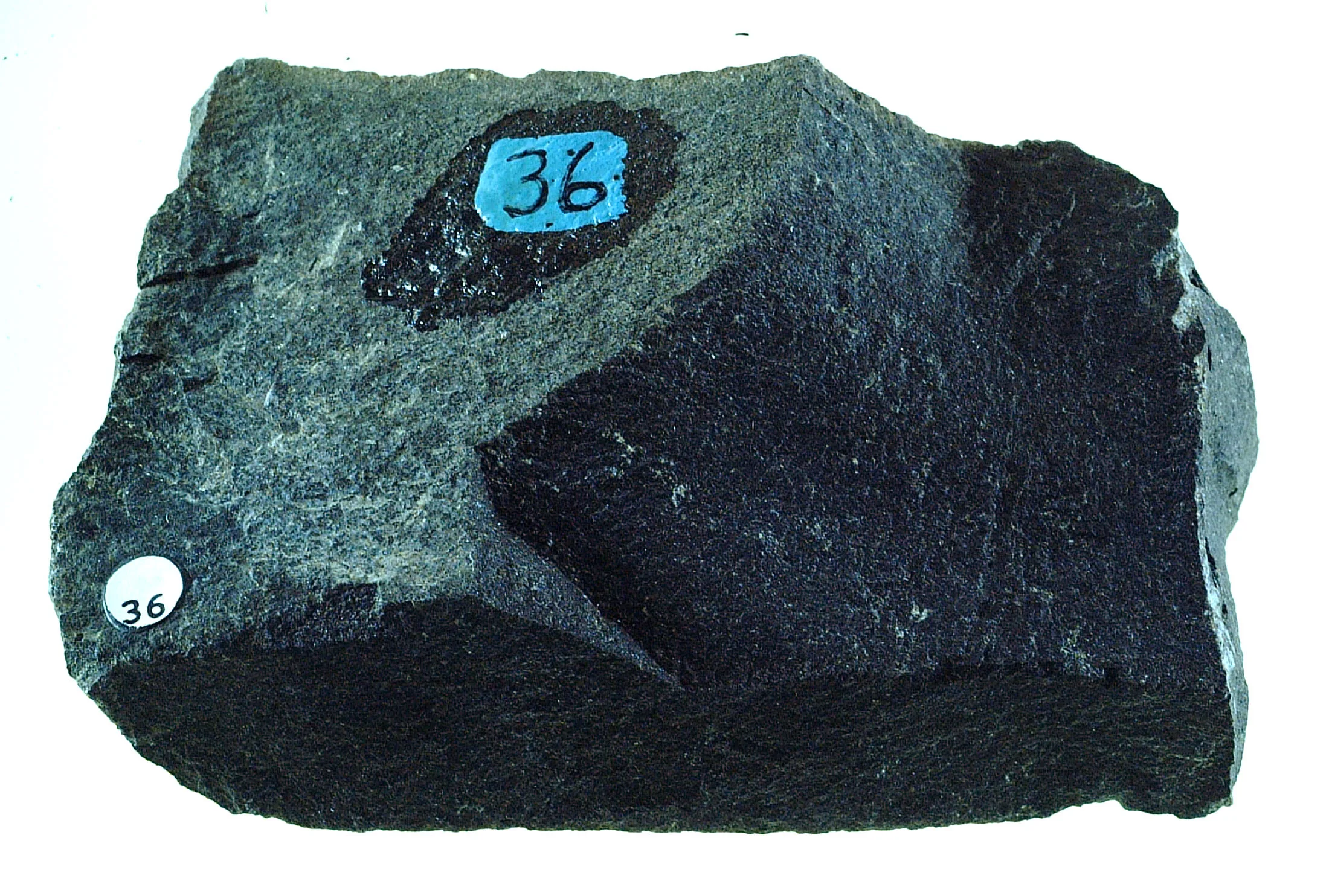
Basalt vs Gabbro
Both are mafic igneous rocks. Basalt is typically fine-grained and gabbro coarse-grained.

Granite vs Granodiorite
Both are coarse-grained intrusive rocks. Reliable separation depends on quartz and feldspar proportions, not just color.
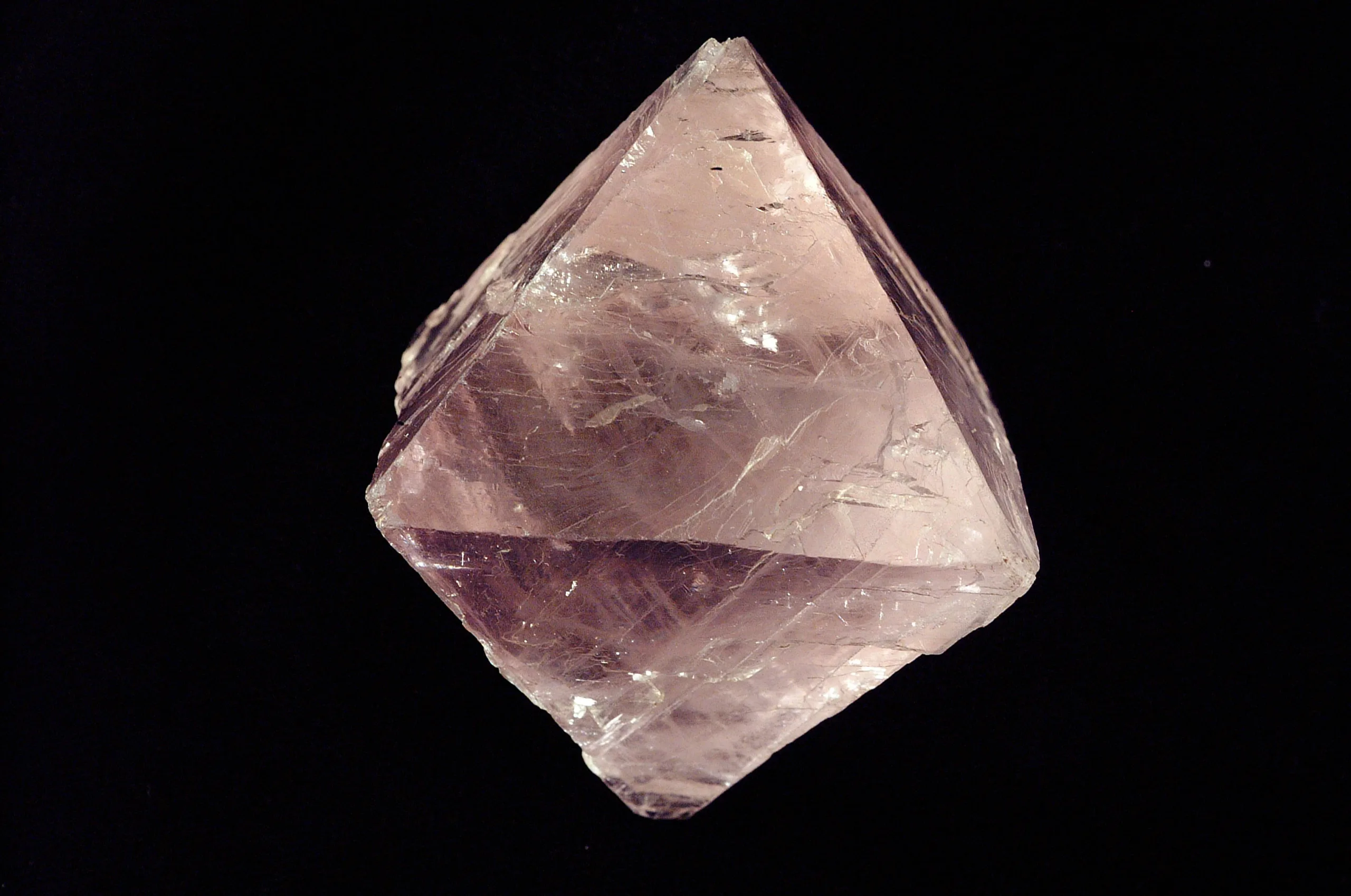
Quartz vs Fluorite
Fluorite is softer than quartz and typically has four cleavage directions. Quartz lacks cleavage.
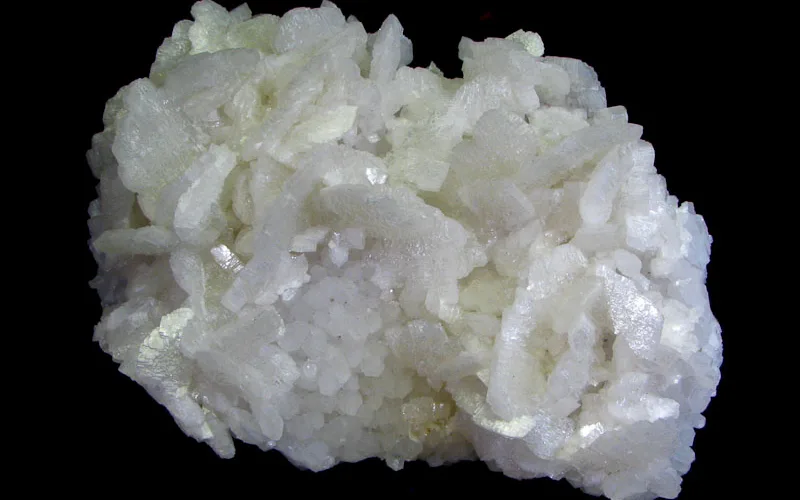
Calcite vs Dolomite
Both have rhombohedral cleavage. Acid response and hardness can help; weathering and mixed mineralogy complicate field identification.
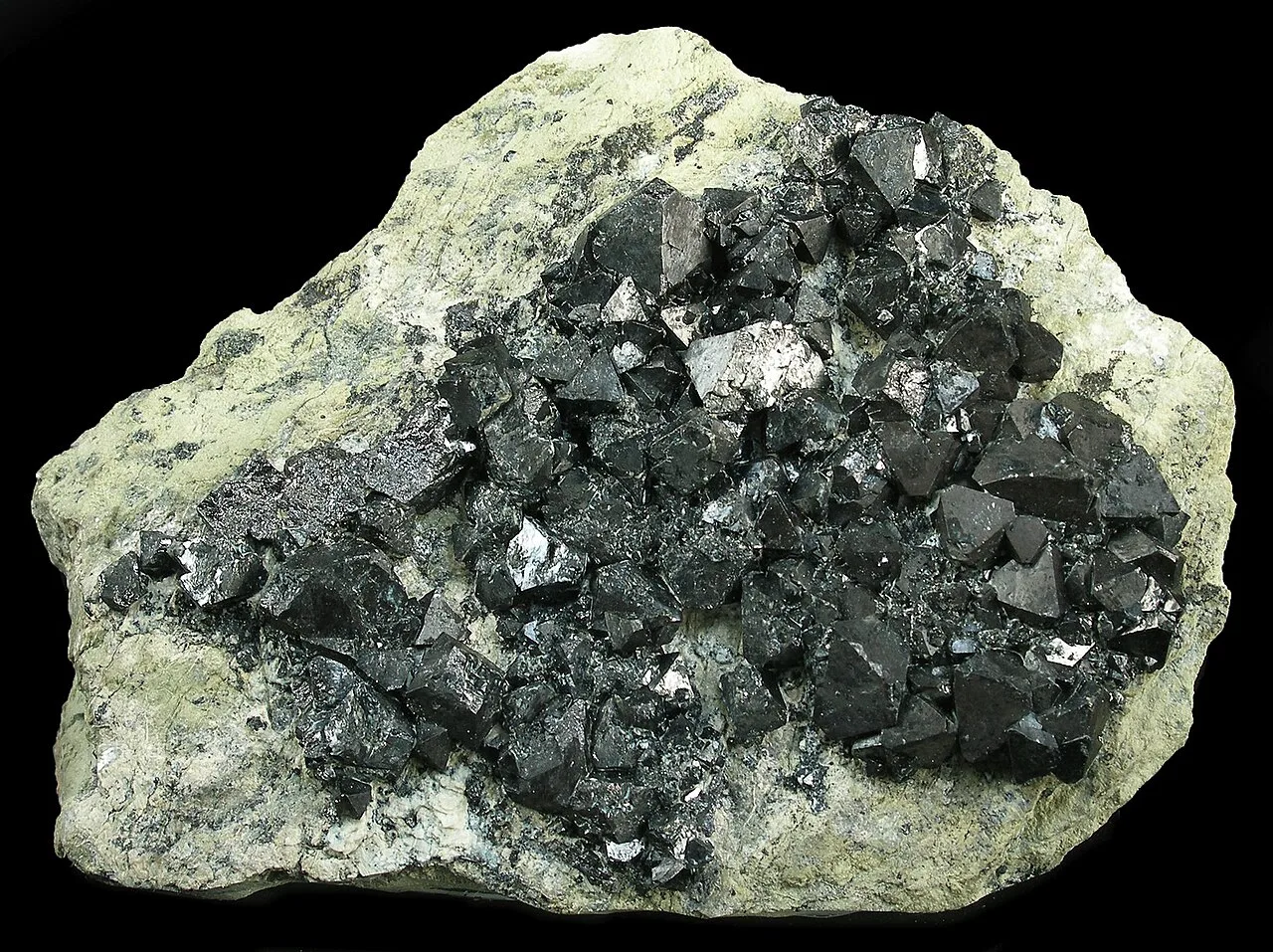
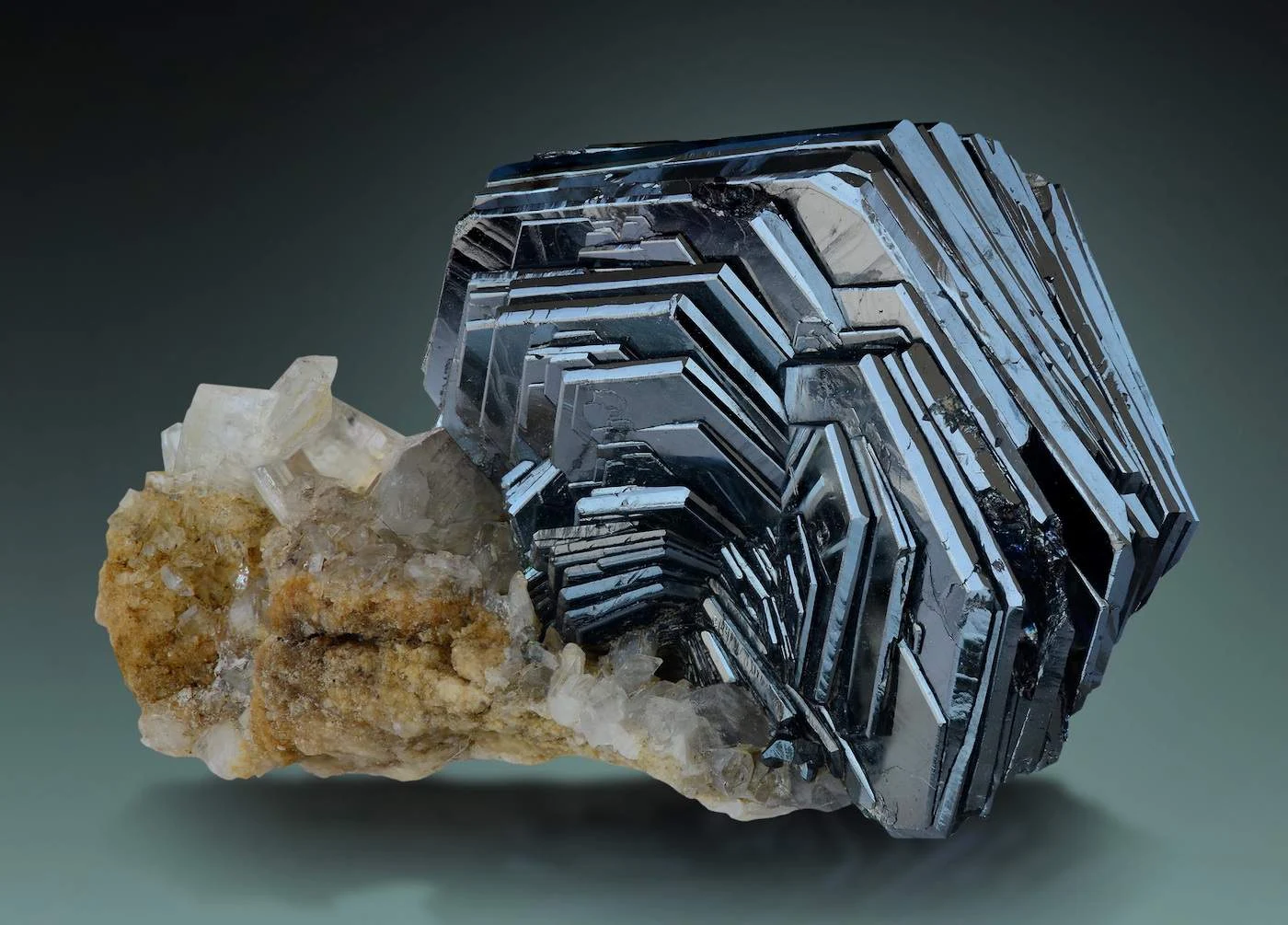
Magnetite vs Hematite
Magnetite typically shows strong magnetic attraction and a dark streak; hematite typically has a reddish-brown streak.
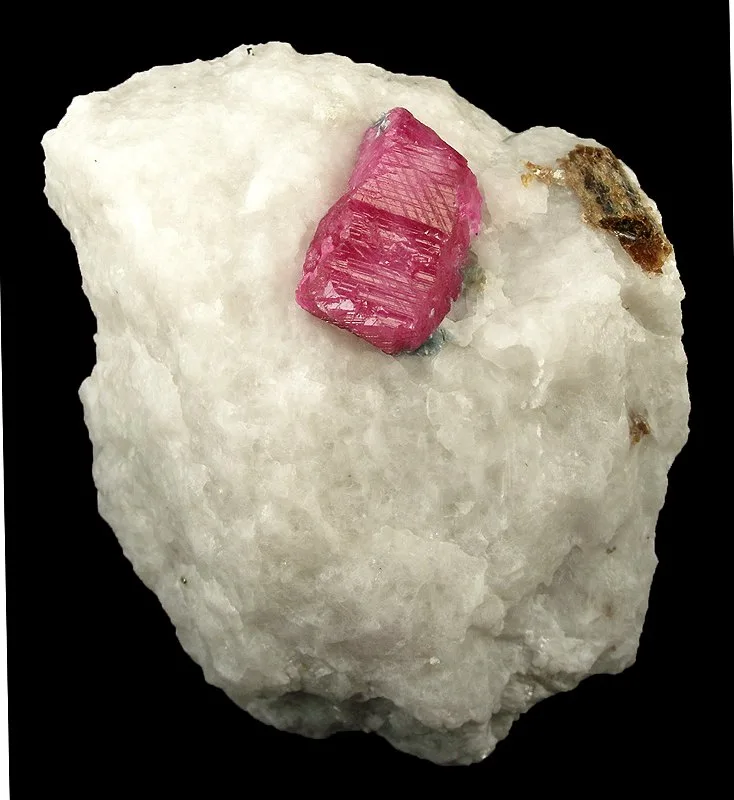
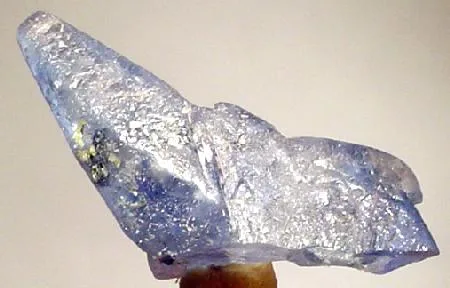
Ruby vs Sapphire
Both are gem varieties of corundum with Mohs hardness 9. Red gem corundum is ruby; other gem colors are sapphire.
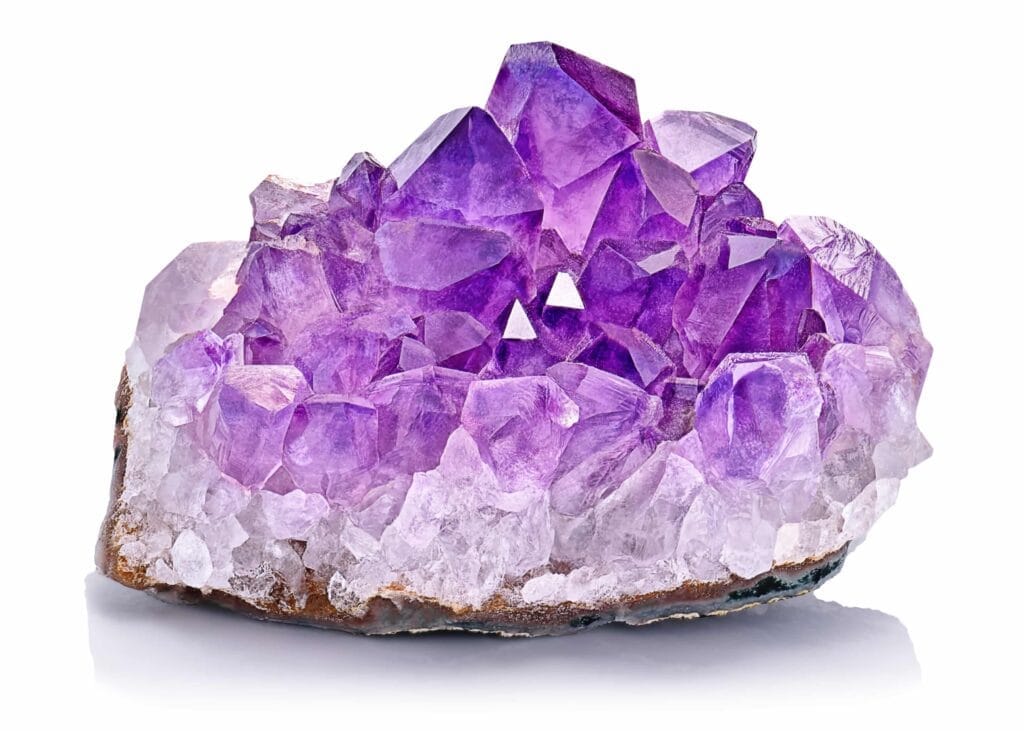

Amethyst vs Citrine
Both are quartz varieties. Color differs, but treatment history cannot be established by this comparison.
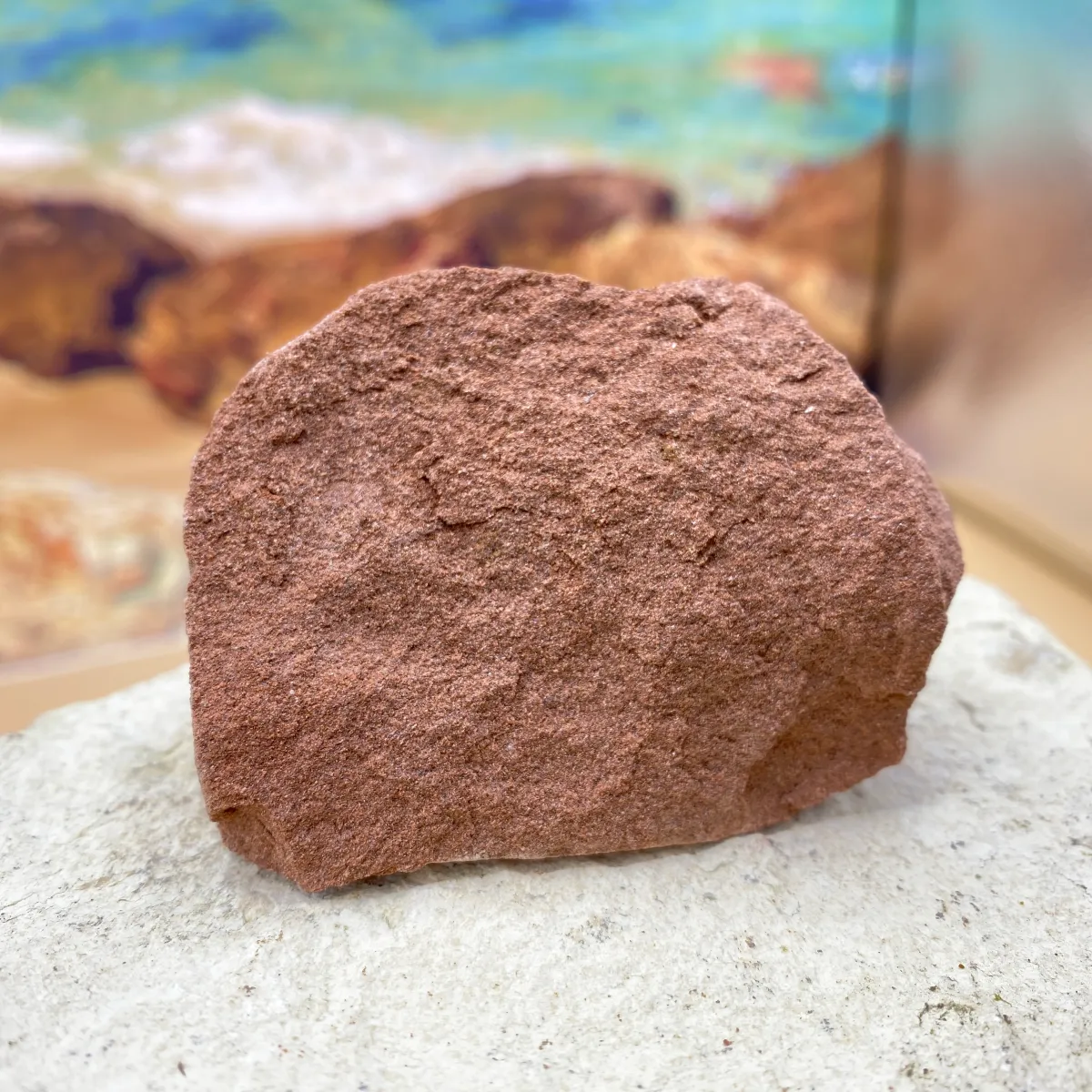
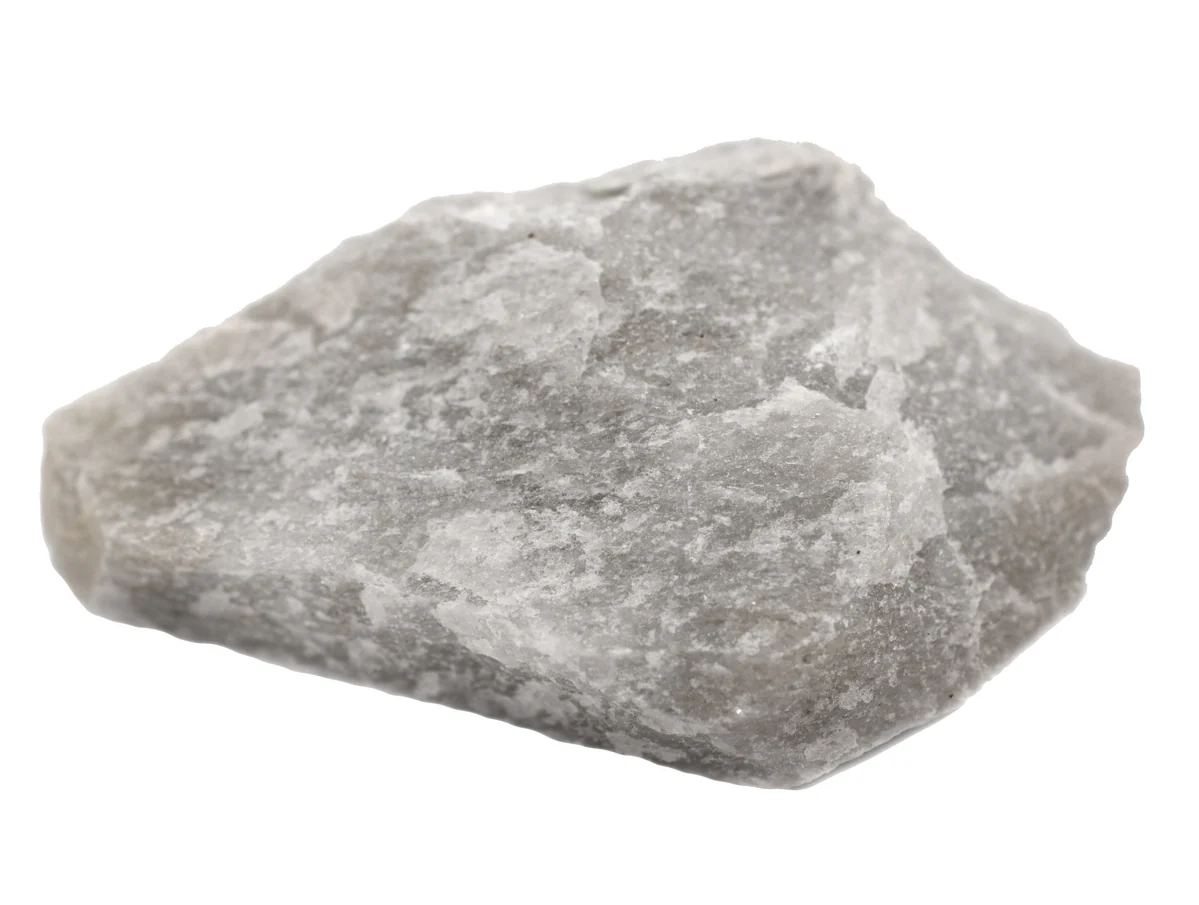
Sandstone vs Quartzite
Sandstone often preserves sedimentary grains and cement; quartzite commonly displays recrystallized interlocking quartz.
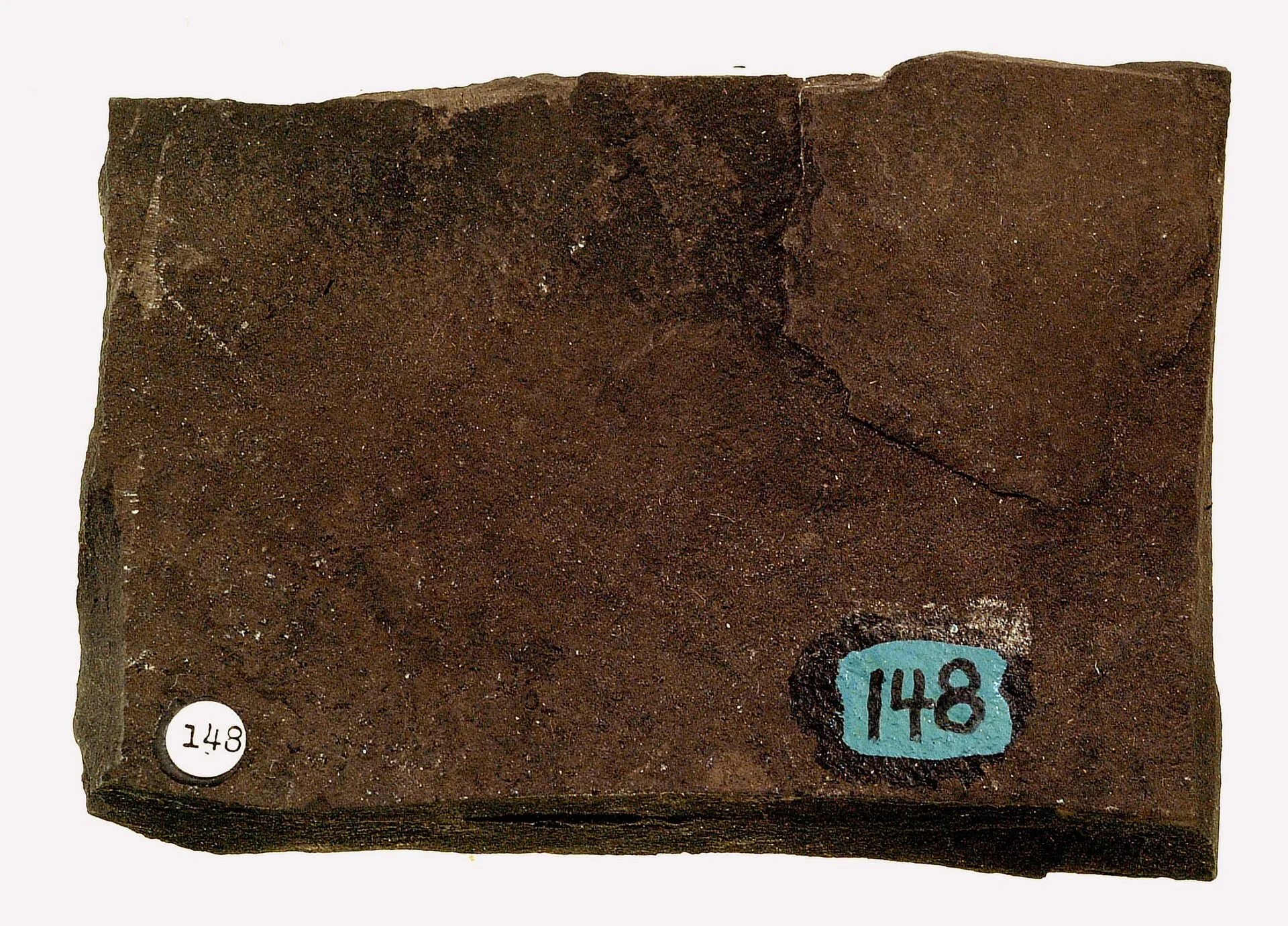
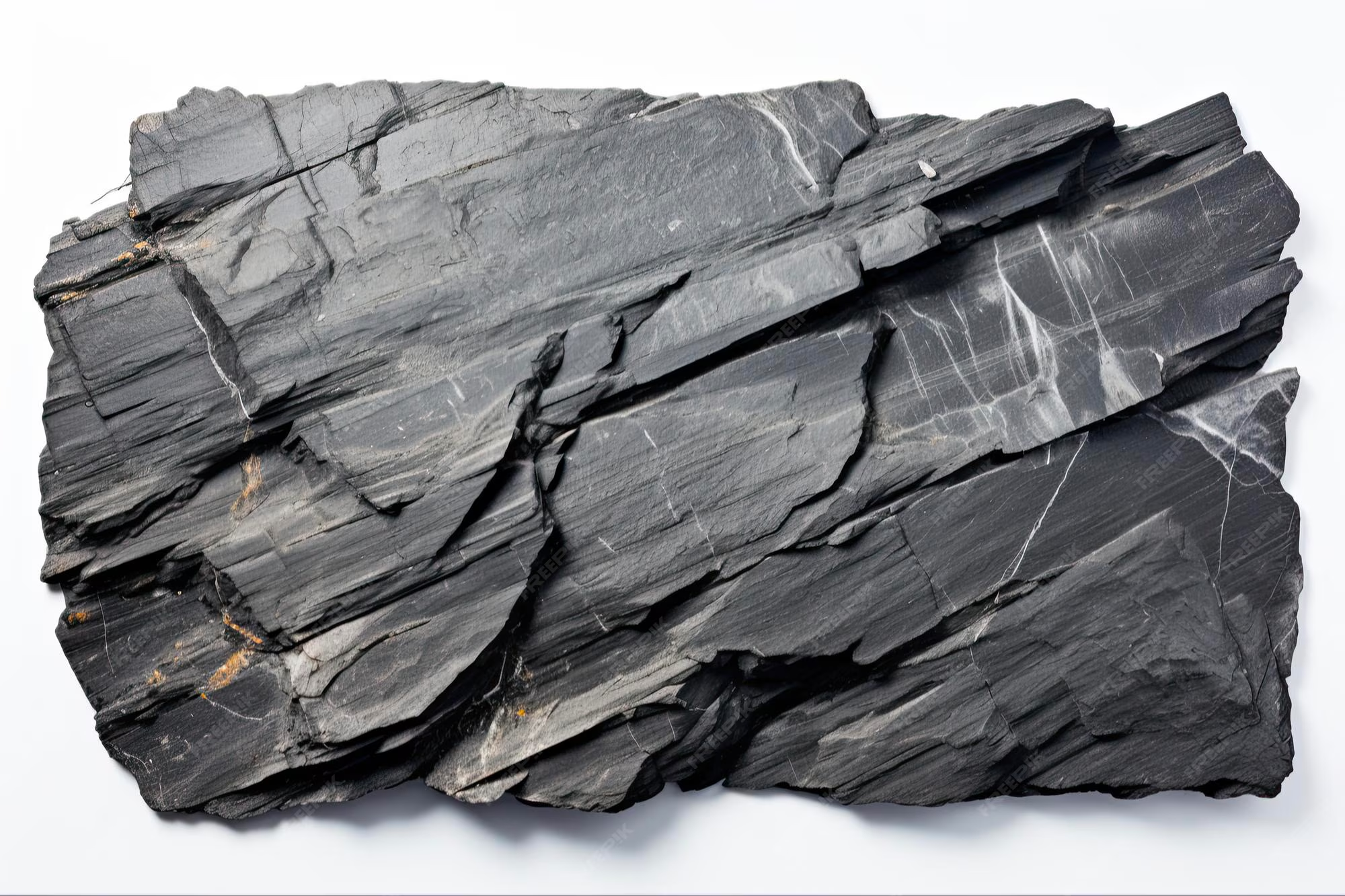
Shale vs Slate
Shale may split along bedding; slate has metamorphic slaty cleavage that may cut bedding.
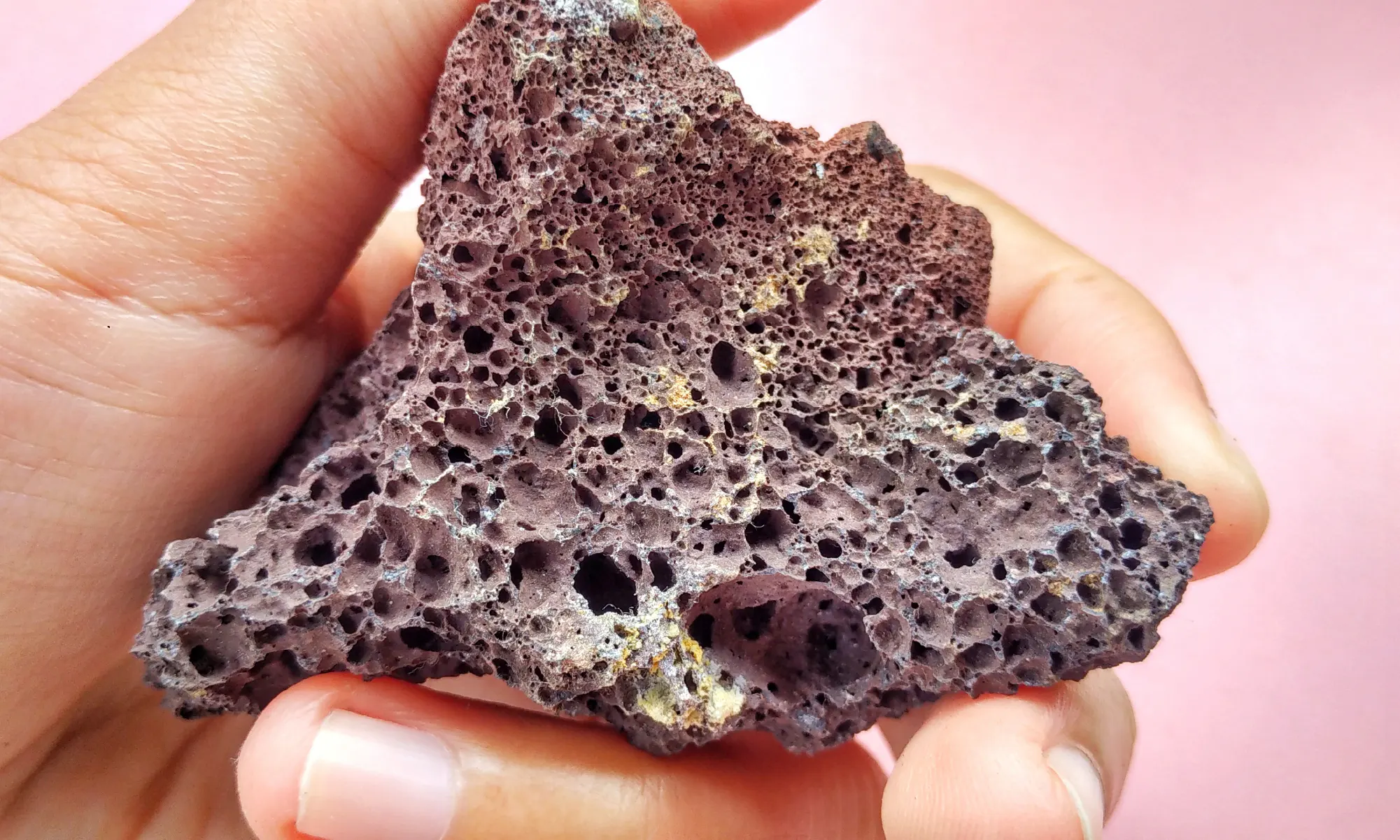

Pumice vs Scoria
Both can be vesicular. Pumice commonly has lower bulk density and a frothy texture; color and flotation alone are not definitive.

Diorite vs Gabbro
Both are intrusive rocks; diorite is generally intermediate and gabbro mafic.

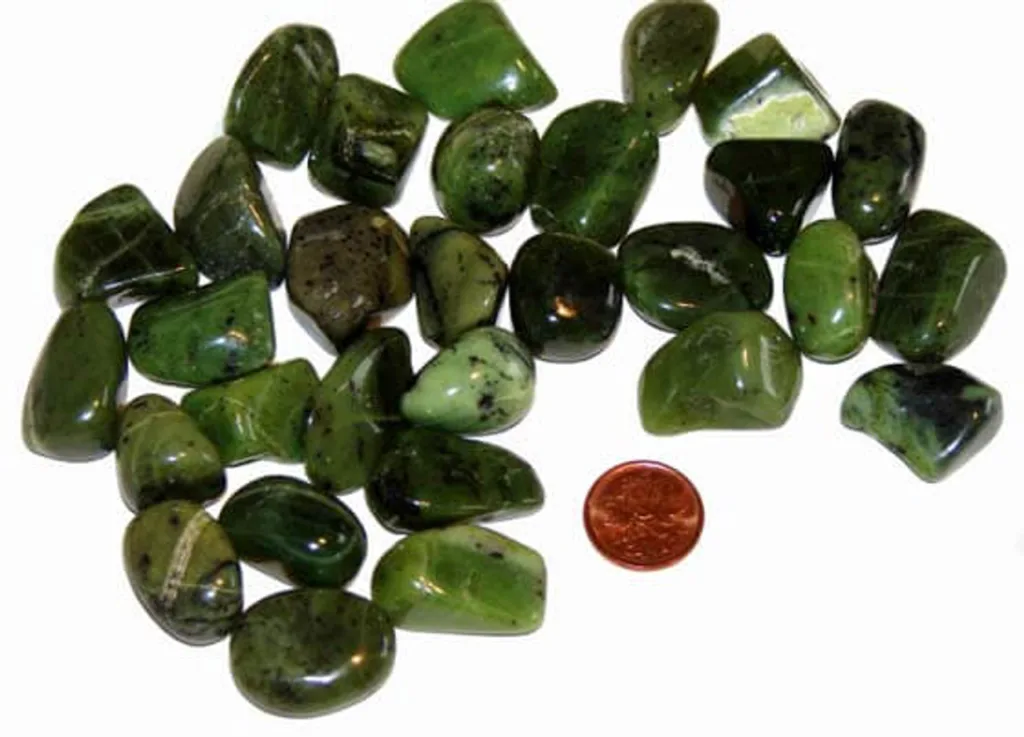
Jadeite vs Nephrite
Jadeite is a pyroxene mineral; nephrite is an interlocking amphibole aggregate.
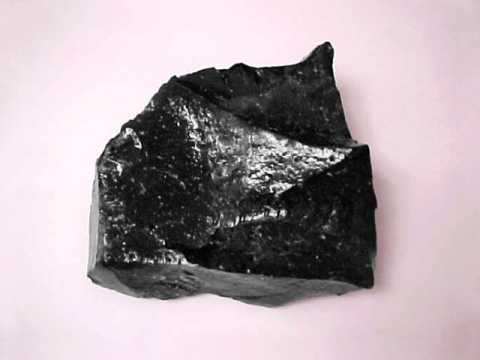
Obsidian vs Basalt
Obsidian is volcanic glass; basalt commonly contains fine crystals and may include glass.
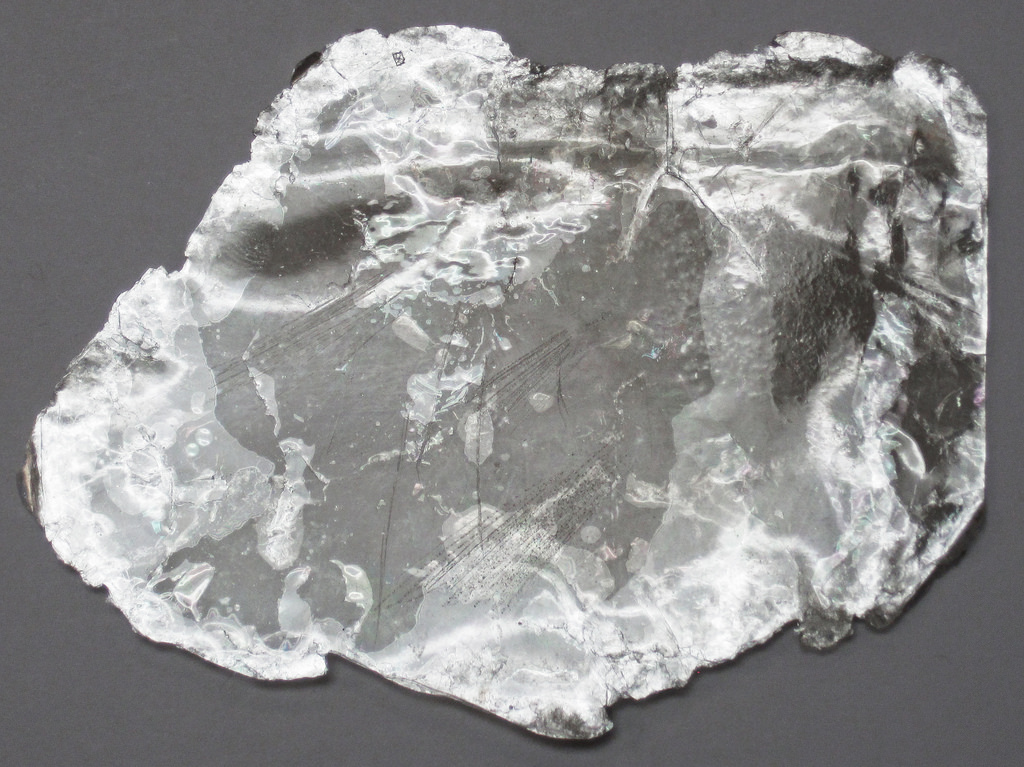

Muscovite vs Biotite
Both are micas with prominent basal cleavage. Muscovite is commonly pale and biotite dark, but composition and alteration affect color.
Granite vs Diorite
Both are intrusive igneous rocks. Granite contains substantial quartz and alkali feldspar; diorite is commonly plagioclase-rich with more mafic minerals. Mineral proportions, not color alone, determine classification.
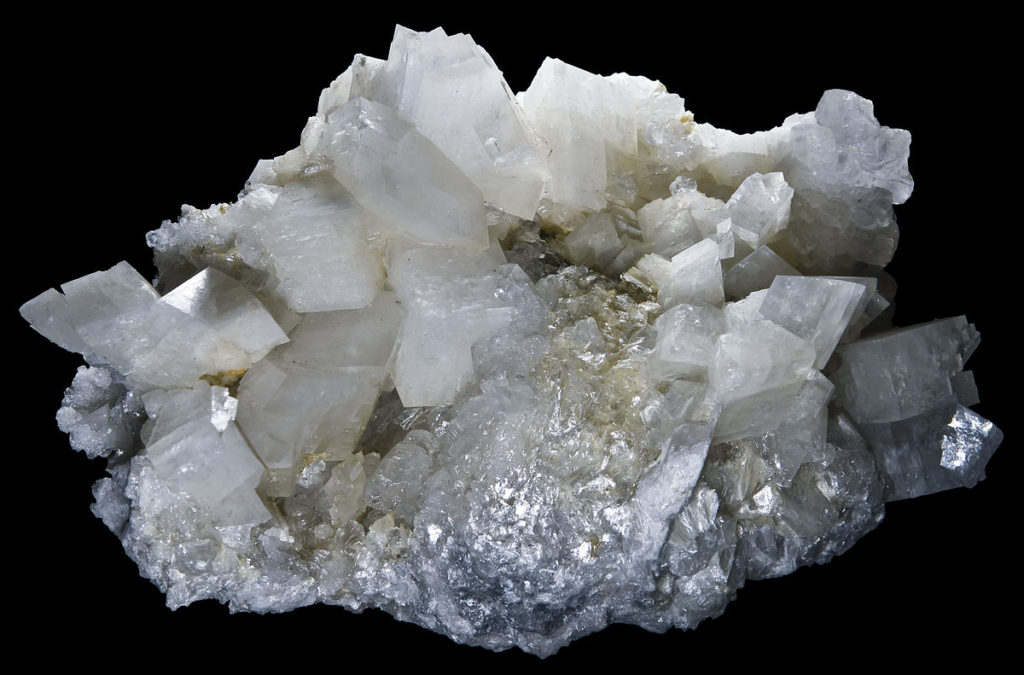
Limestone vs Dolostone
Limestone is predominantly calcite and dolostone predominantly dolomite. Mineral composition and acid response can help distinguish them, but mixed carbonate rocks are common.
Marble vs Quartzite
Both can have interlocking recrystallized grains. Marble commonly consists of carbonate minerals; quartzite is quartz-rich. Mineral hardness and composition are useful distinctions.
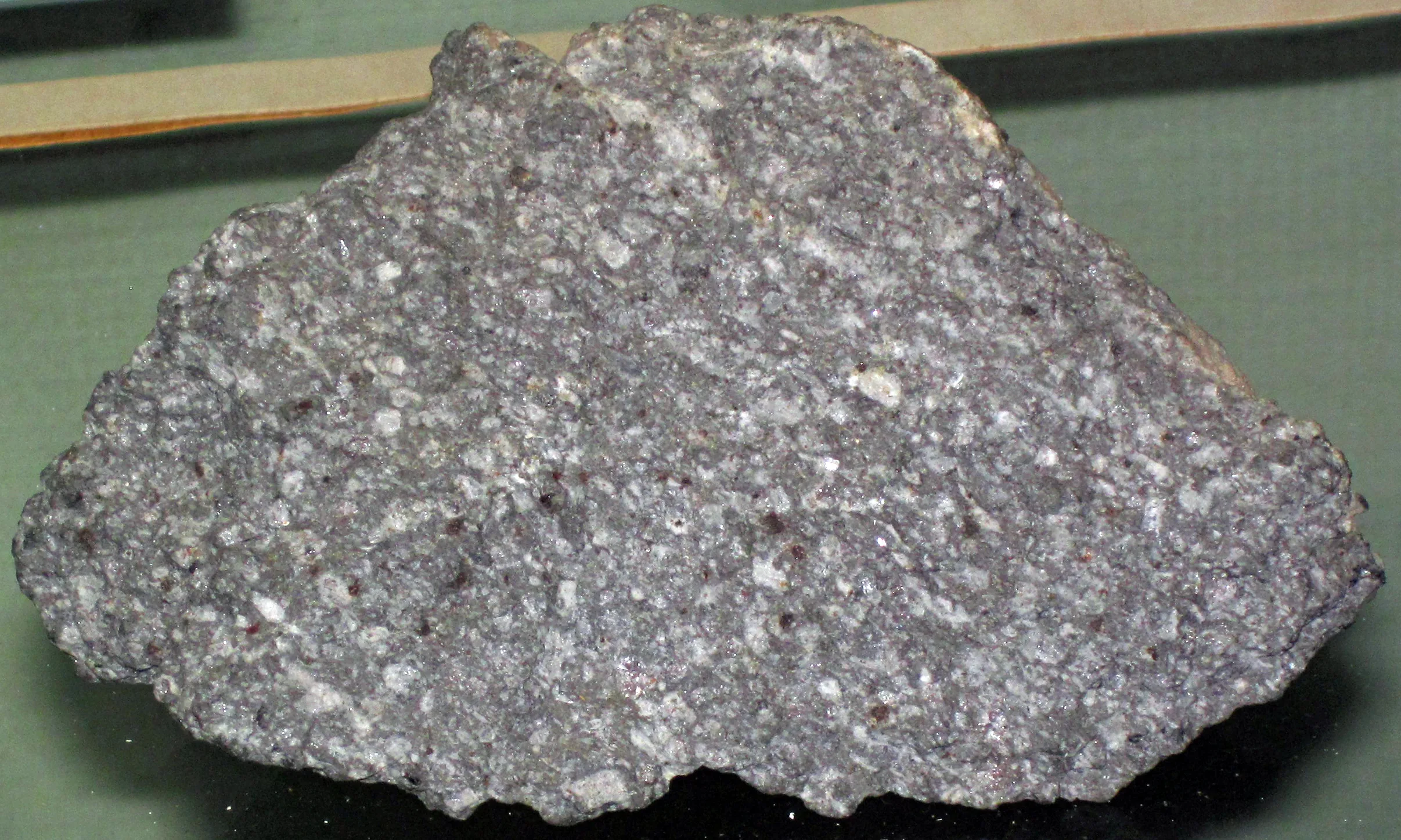
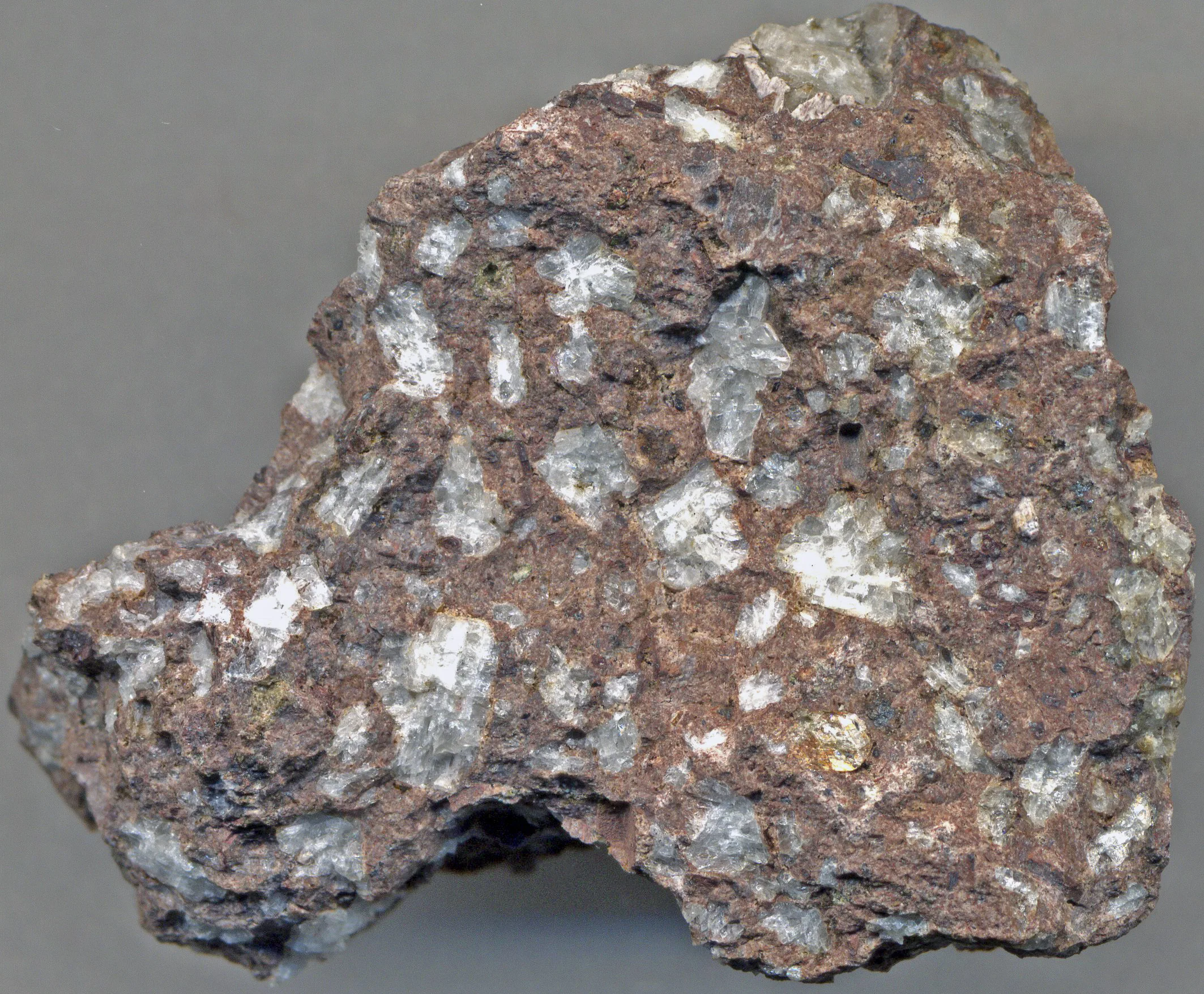
Rhyolite vs Andesite
Both are volcanic rocks. Rhyolite is generally more silica-rich than andesite. Fine-grained specimens may require chemical or petrographic analysis.
Obsidian vs Pumice
Both can be volcanic glass-rich. Obsidian is usually compact; pumice contains abundant vesicles. Their formation and bulk densities differ.
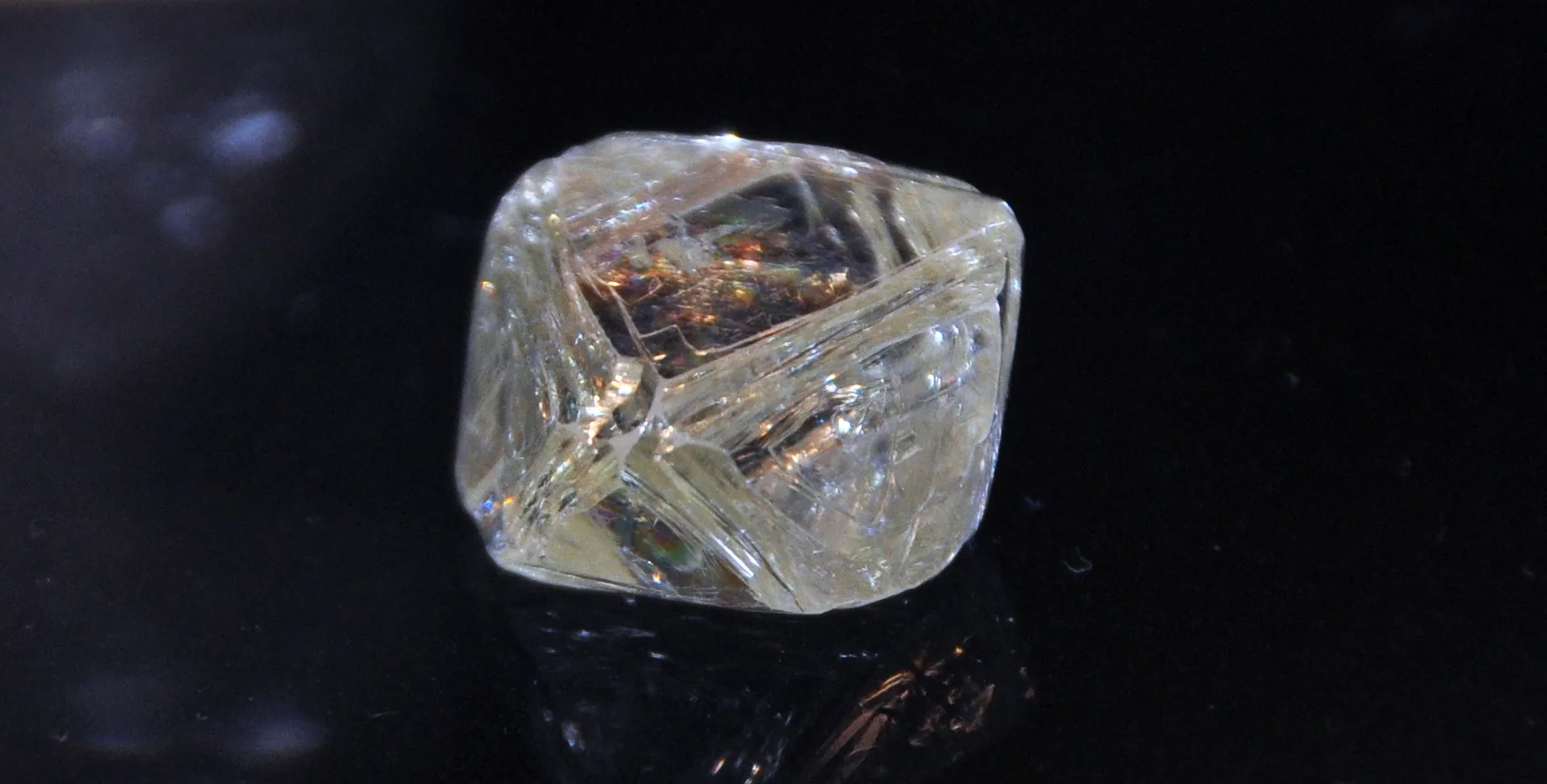
Diamond vs Quartz
Diamond is harder than quartz and commonly has octahedral cleavage; quartz lacks cleavage. Hardness is a relative scale, not a linear measure.
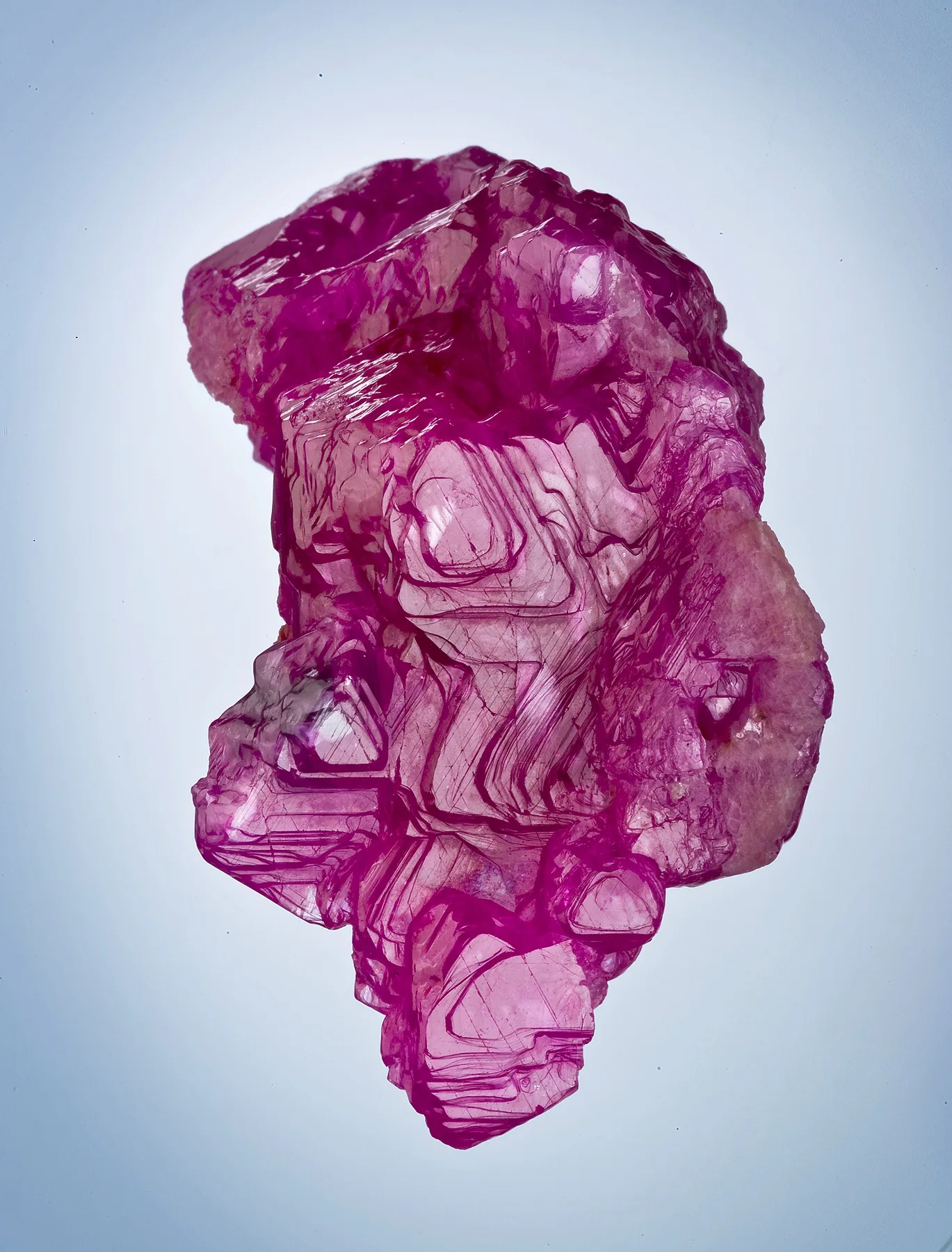
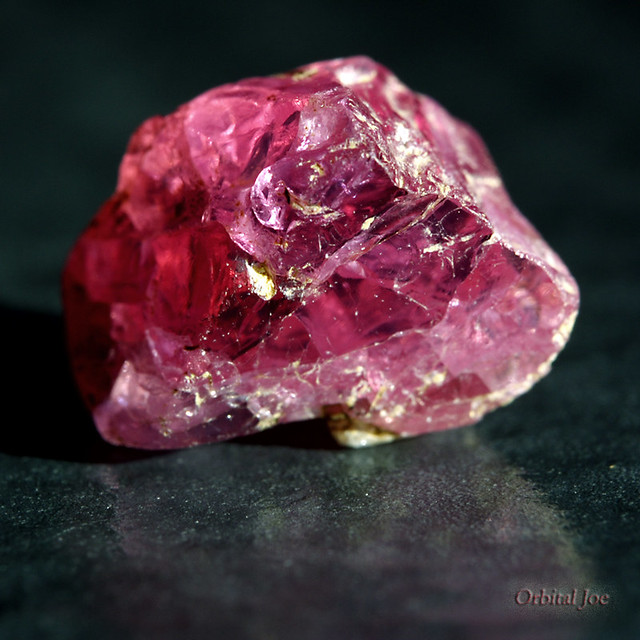
Corundum vs Spinel
Corundum is trigonal aluminium oxide; spinel is cubic magnesium aluminium oxide. Gem varieties may look similar; optical and laboratory measurements can distinguish them.
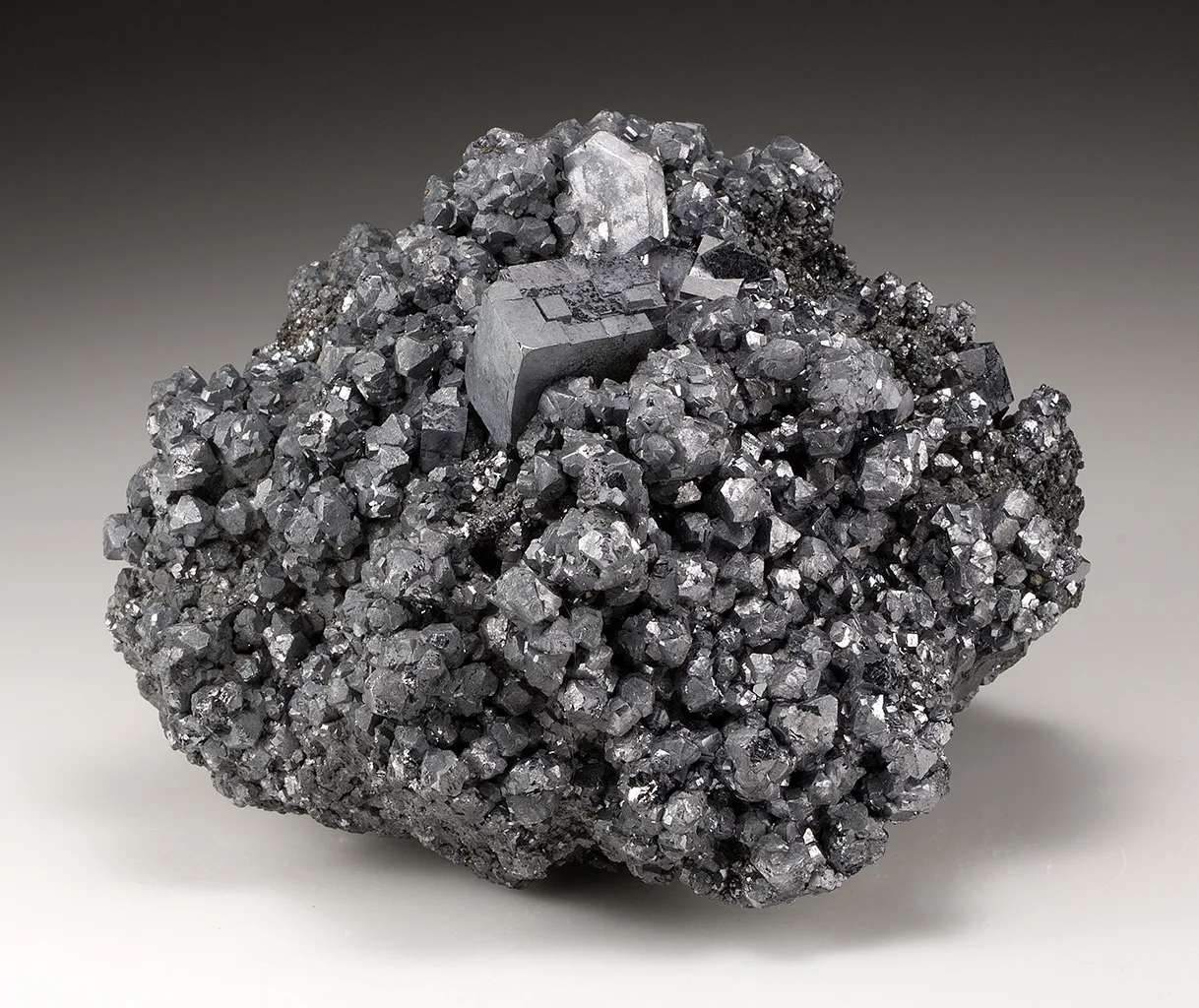
Galena vs Magnetite
Galena is a lead sulfide with characteristic cubic cleavage. Magnetite is an iron oxide, commonly strongly magnetic. Avoid creating dust from unknown specimens.
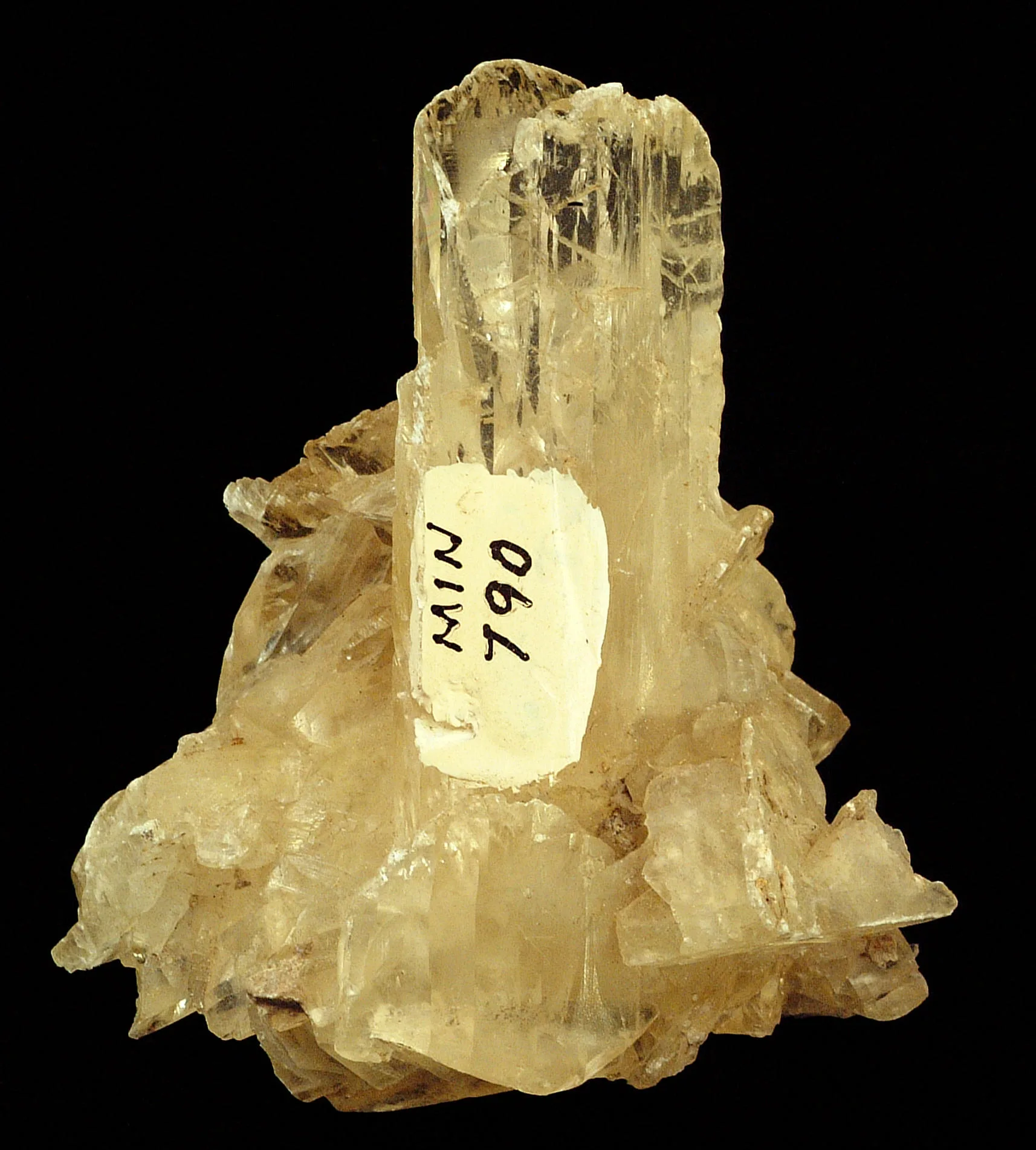
Gypsum vs Calcite
Gypsum is softer than calcite. Their cleavage and mineral composition differ; gypsum is a hydrated sulfate and calcite a carbonate.

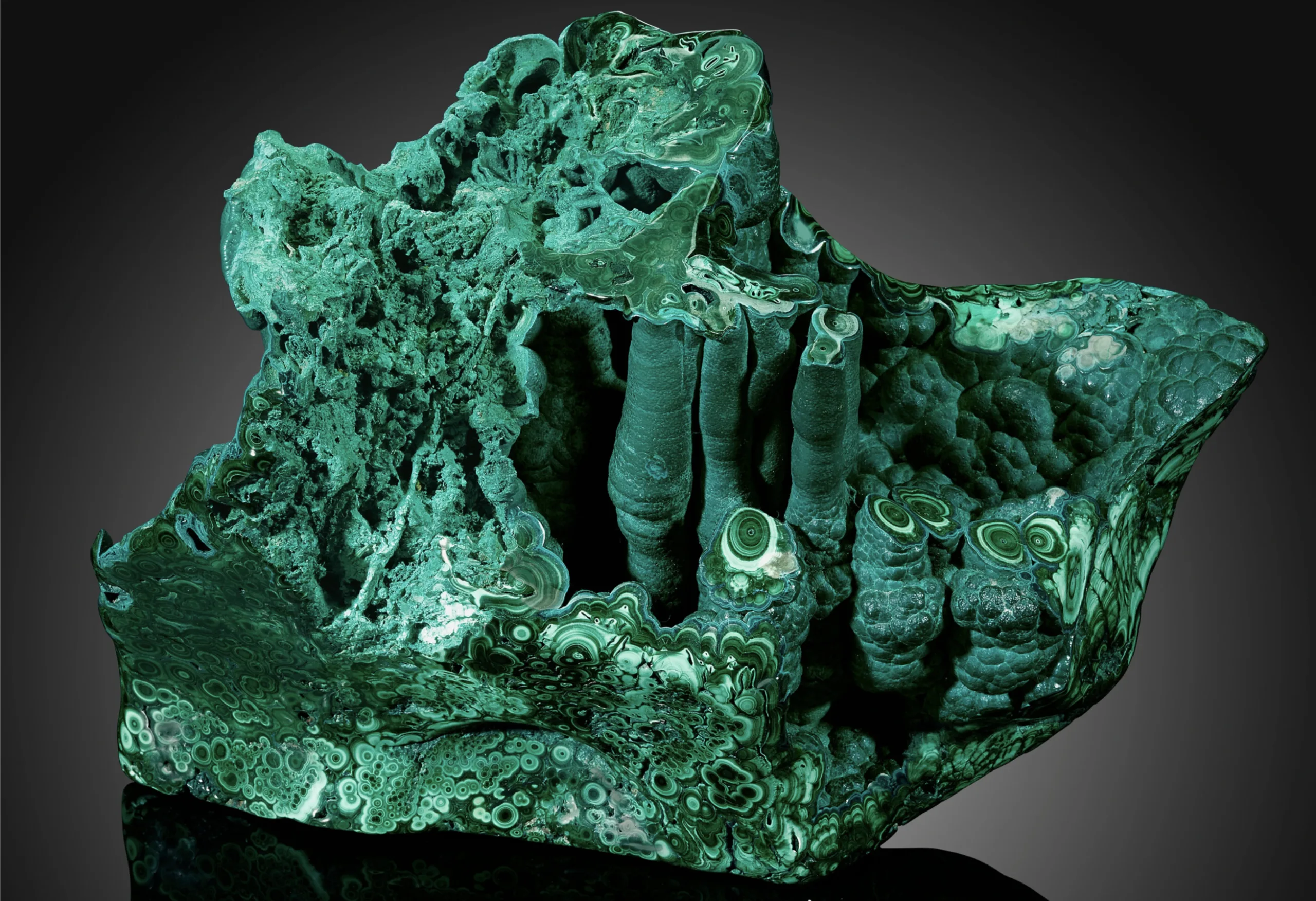
Azurite vs Malachite
Both are secondary copper carbonates. Azurite is commonly blue and malachite green; they often occur together.
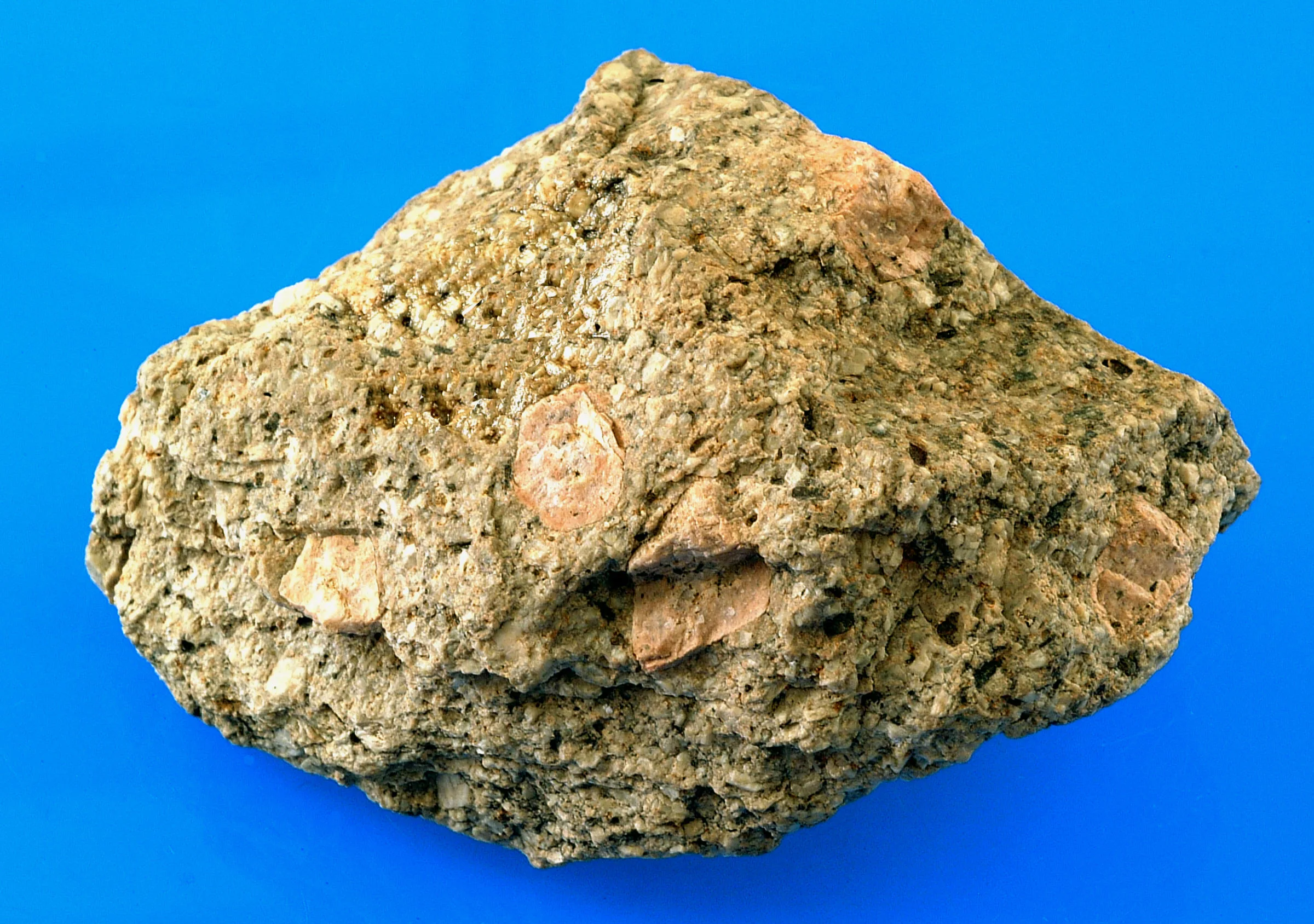

Orthoclase vs Microcline
Both are potassium feldspars with similar composition and hardness. Orthoclase is monoclinic and microcline triclinic; diagnostic twinning may require microscopy.


Tourmaline vs Hornblende
Tourmaline commonly has prismatic crystals and poor cleavage; amphibole commonly displays two cleavage directions at approximately 56° and 124°. Dark specimens can look similar.
Calcite vs Limestone
Calcite is a mineral with formula CaCO₃. Limestone is a sedimentary rock consisting predominantly of carbonate minerals, commonly calcite. Limestone may also contain fossils, pores and additional minerals.
Quartz vs Sandstone
Quartz is a mineral; sandstone is a rock made of sand-sized grains. Quartz is a common sandstone constituent, but other grains and cement may occur.
Quartz vs Quartzite
Quartz is a mineral. Quartzite is a metamorphic rock rich in quartz, commonly with recrystallized interlocking grains.
Gypsum vs Anhydrite
Gypsum contains structural water (CaSO₄·2H₂O); anhydrite does not (CaSO₄). Gypsum is softer and generally less dense.

Pyrite vs Chalcopyrite
Both are metallic sulfides. Pyrite is generally harder and paler brass-yellow; chalcopyrite is softer and often develops tarnish.
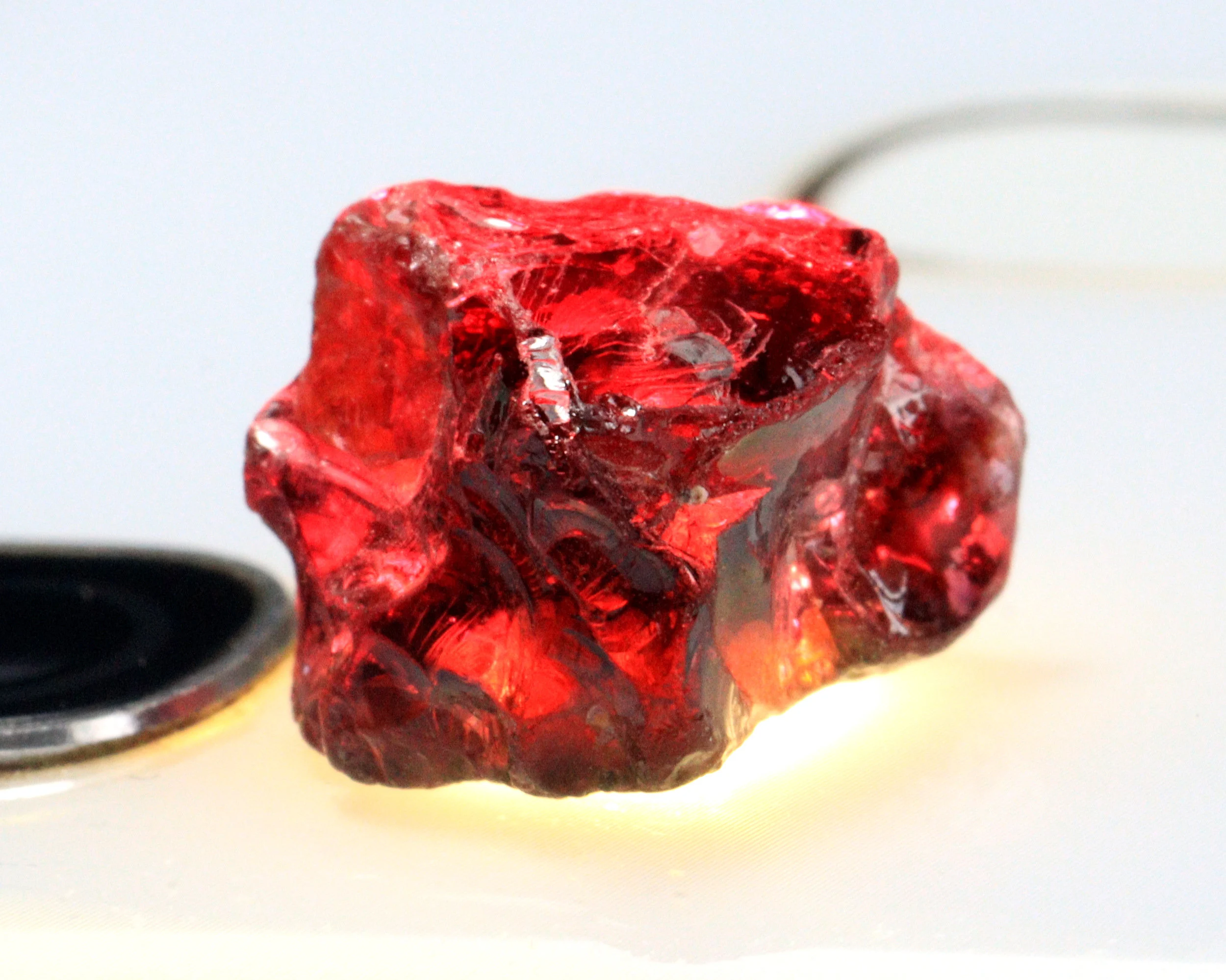
Garnet vs Tourmaline
Garnet-group minerals are generally cubic, whereas tourmaline-group minerals are trigonal and commonly prismatic. Color and hardness overlap.
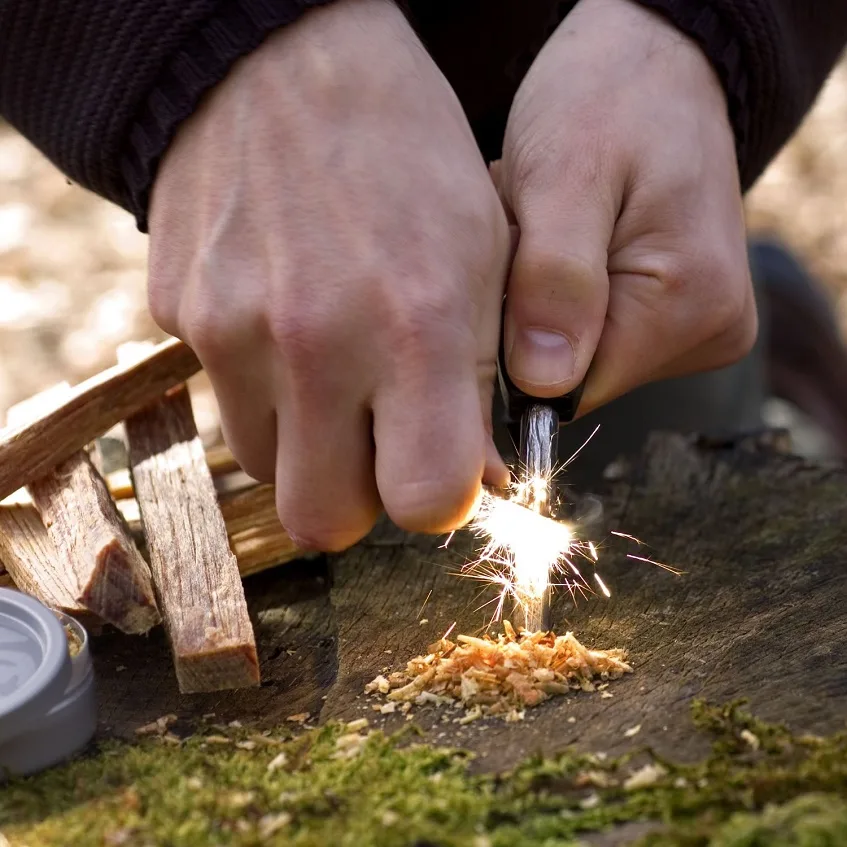
Obsidian vs Flint
Obsidian is volcanic glass; flint is a microcrystalline silica-rich sedimentary material. Both can show conchoidal fracture.
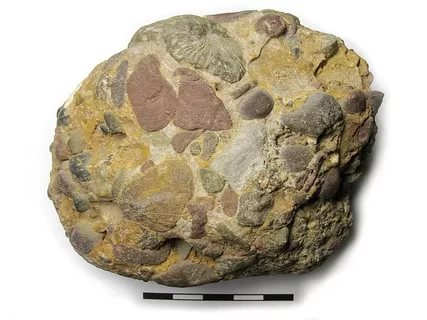

Conglomerate vs Breccia
Both are coarse clastic rocks. Conglomerate is dominated by rounded clasts and breccia by angular clasts.
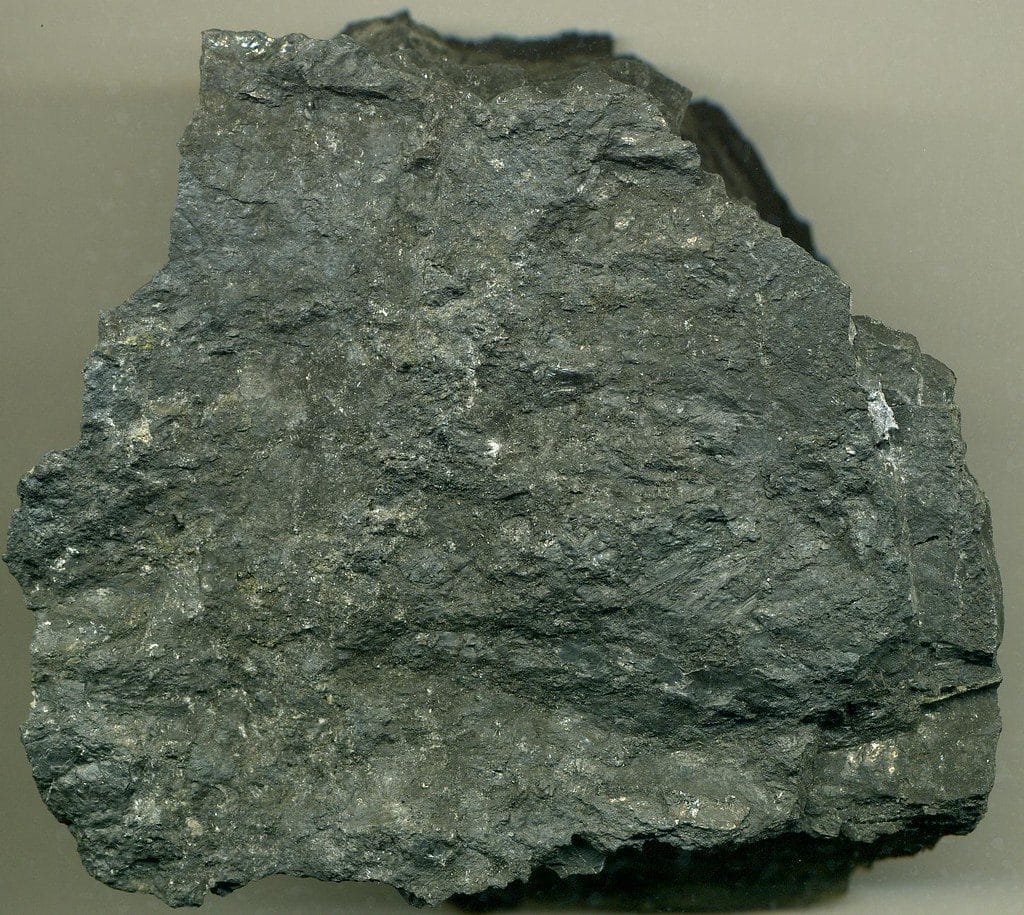
Sandstone vs Siltstone
Both are clastic sedimentary rocks; sandstone is dominated by sand-sized grains, siltstone by silt-sized grains.
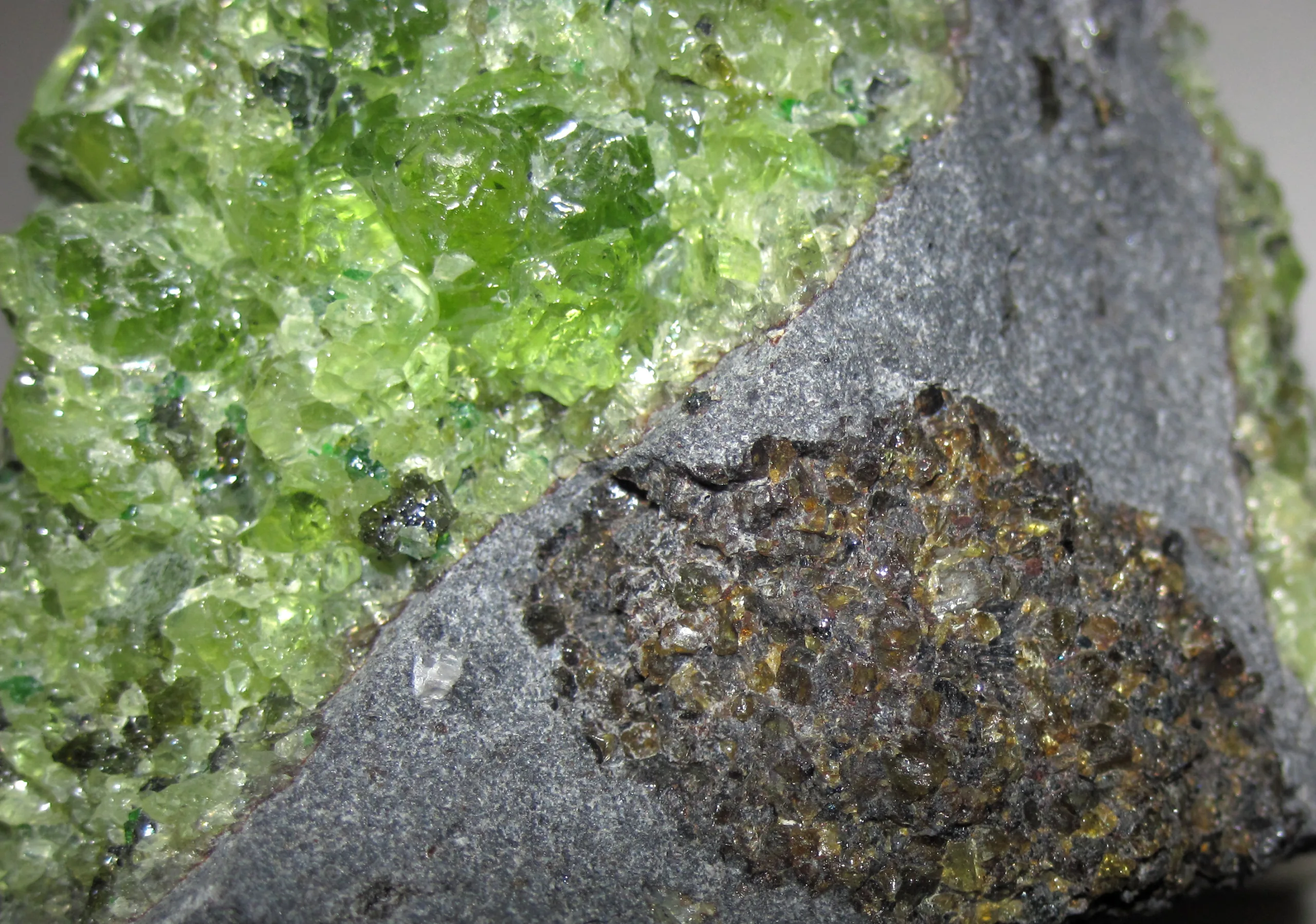
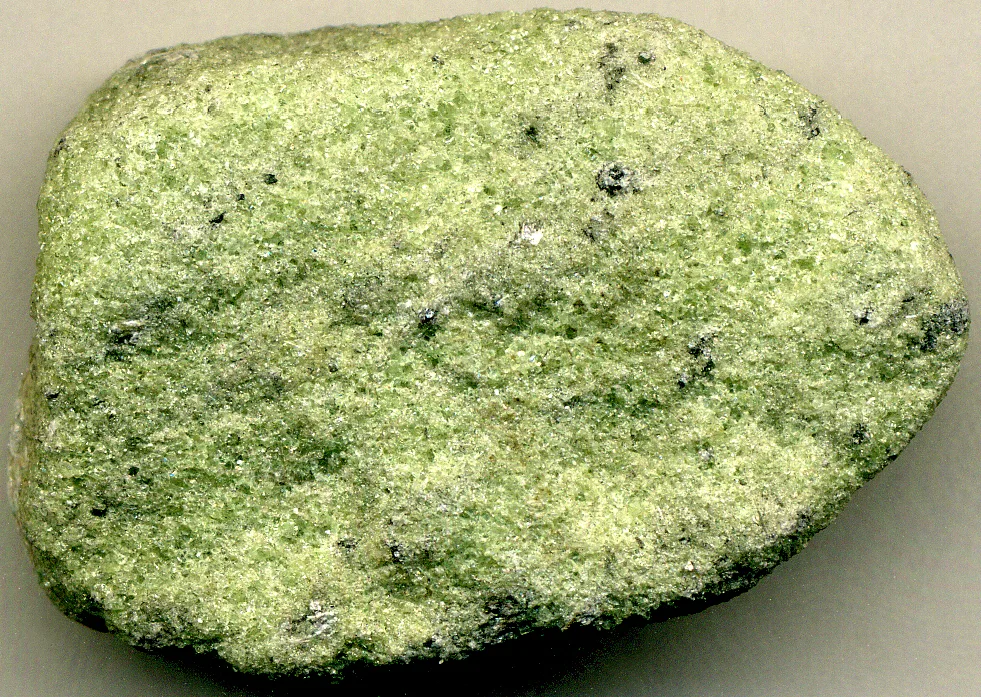
Peridotite vs Dunite
Dunite is an olivine-rich ultramafic rock within the peridotite family. Modal mineral proportions distinguish these rock types.

Olivine vs Peridotite
Olivine is a mineral group or compositional series, while peridotite is an ultramafic rock containing abundant olivine and usually pyroxene.
Biotite vs Schist
Biotite is a mica mineral; schist is a foliated metamorphic rock that can contain biotite, muscovite and other minerals.
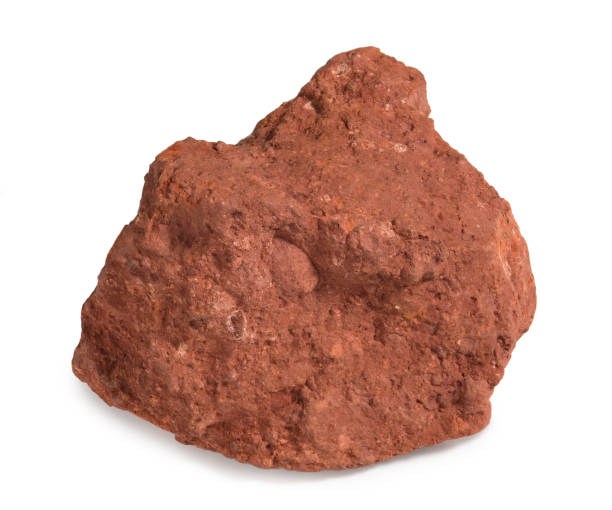
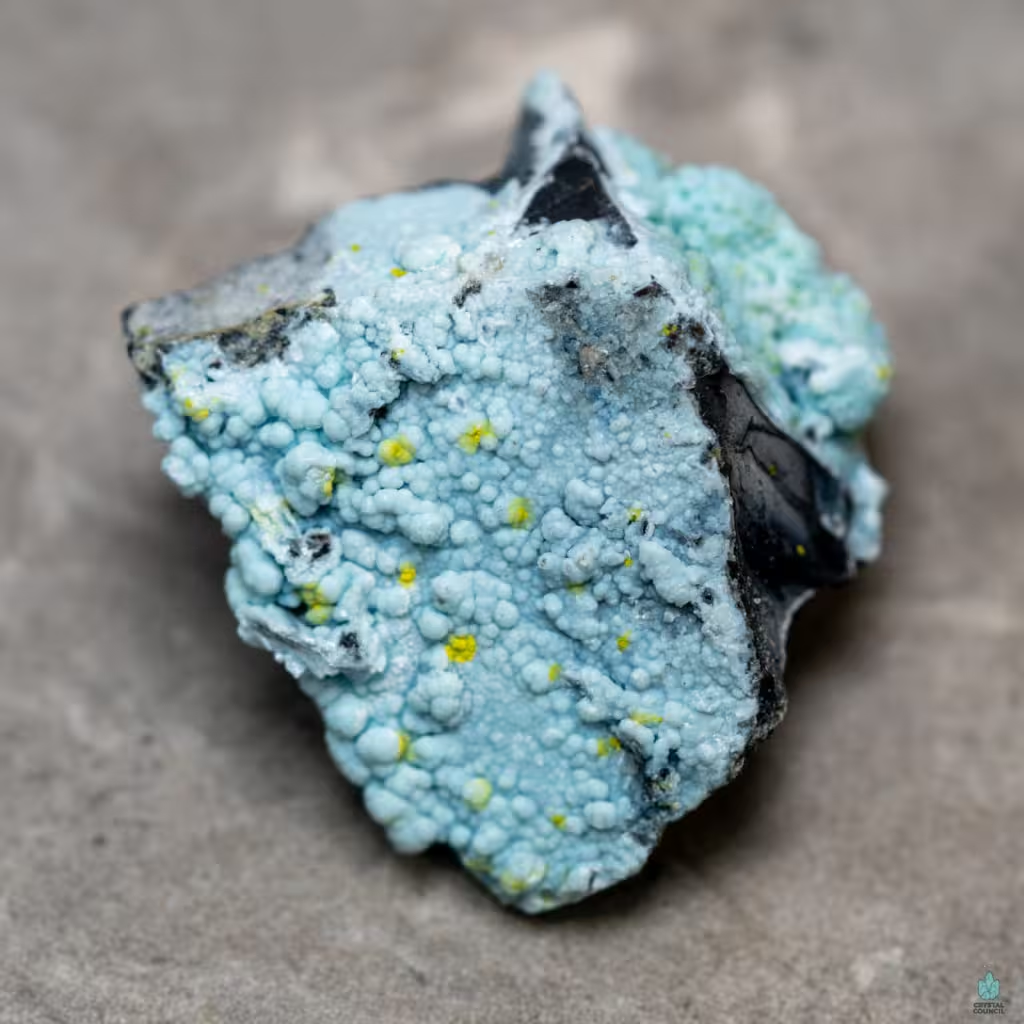
Bauxite vs Gibbsite
Bauxite is an aluminium-rich rock or ore, while gibbsite is an aluminium hydroxide mineral that can be a major constituent of bauxite.
Quartz vs Orthoclase
Quartz lacks cleavage and has Mohs hardness 7; orthoclase has two prominent cleavage directions and hardness about 6. Examine fresh surfaces.
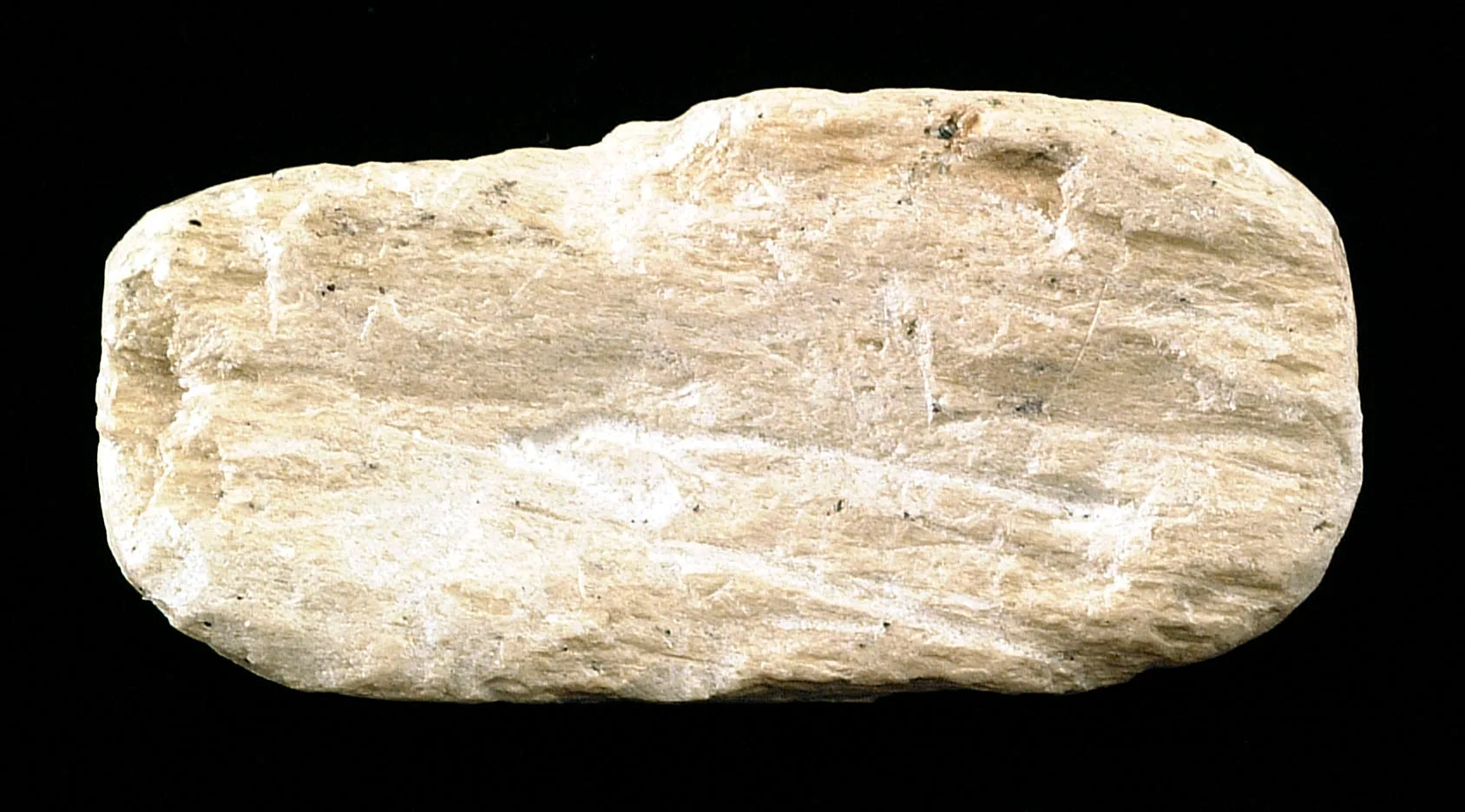
Talc vs Gypsum
Talc is typically softer than gypsum and often feels greasy or soapy. Both are soft; use known safe specimens rather than creating dust.
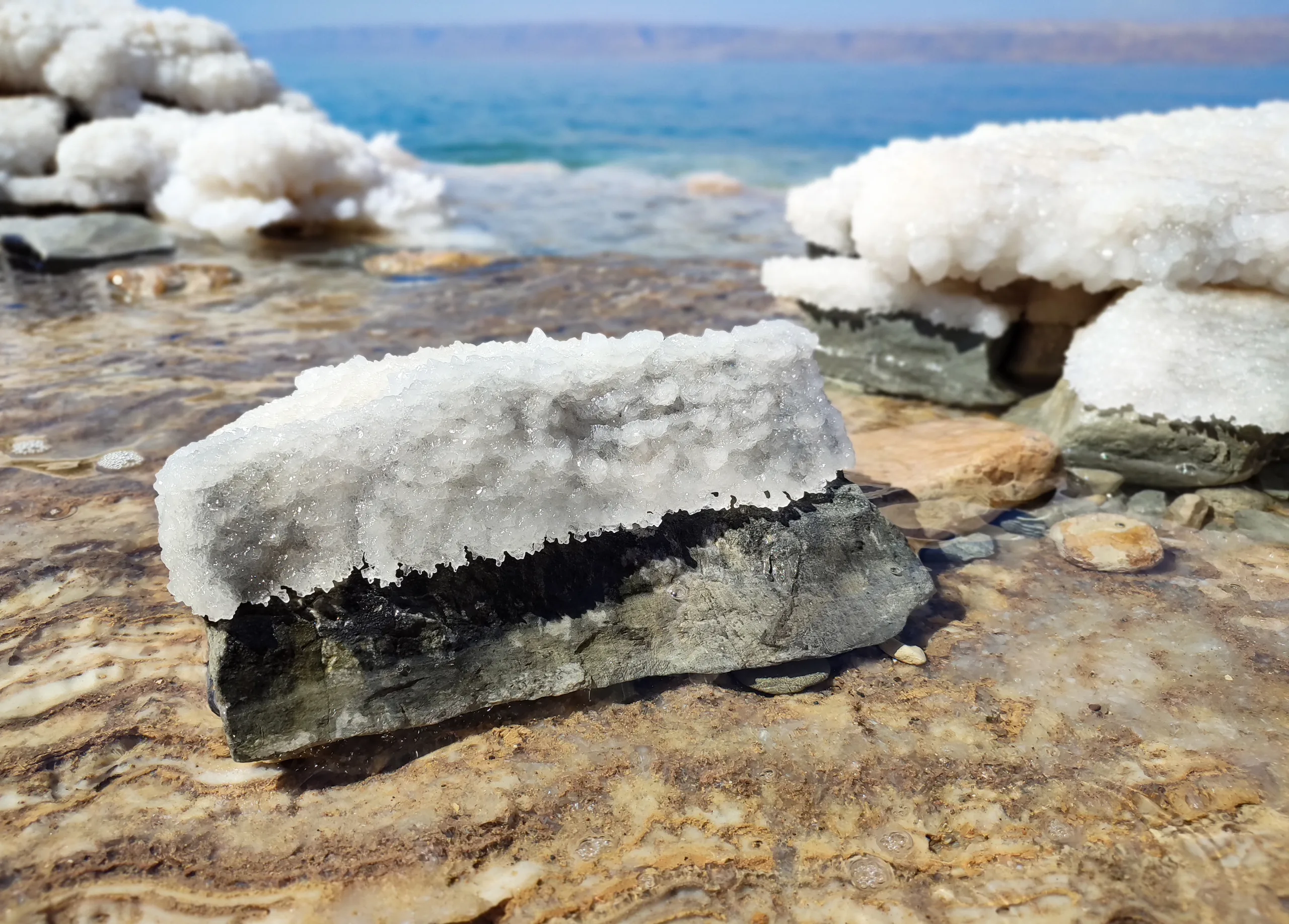
Halite vs Calcite
Halite typically exhibits cubic cleavage, while calcite shows rhombohedral cleavage. Do not taste unknown specimens.
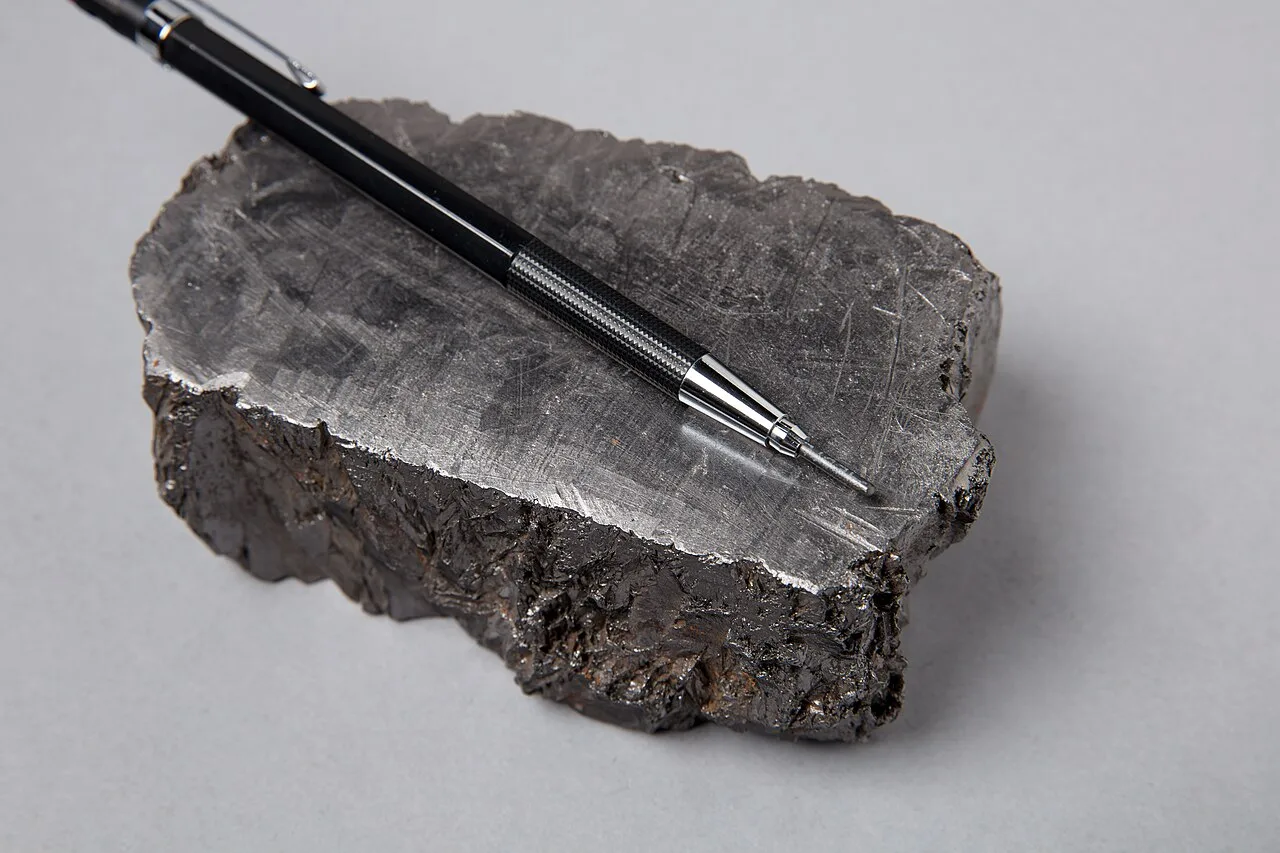
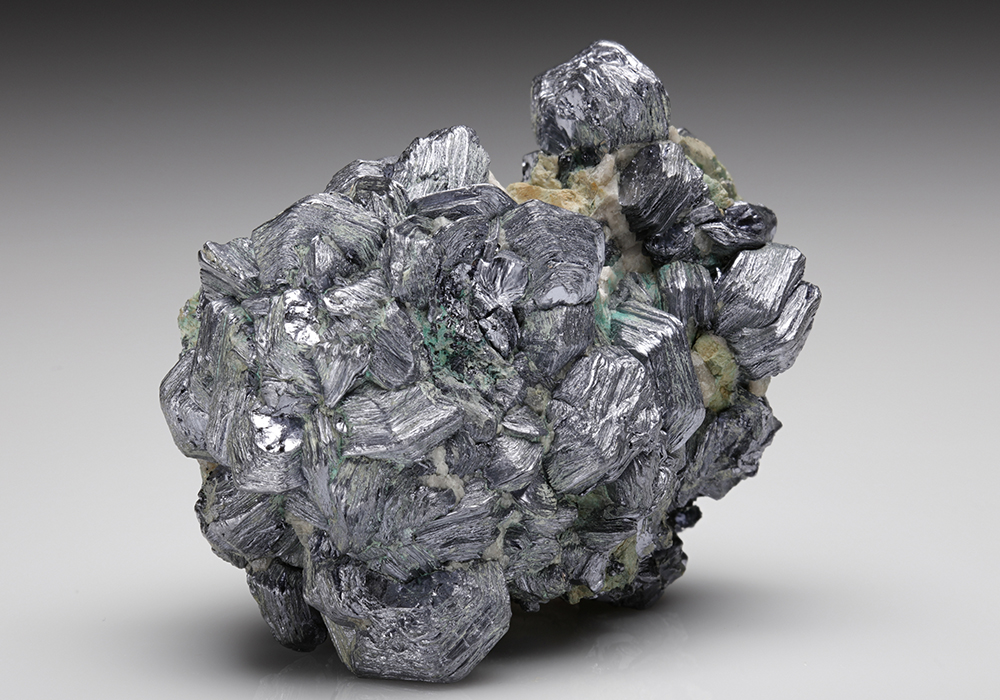
Graphite vs Molybdenite
Both may be gray, soft and platy. Molybdenite is generally denser; appearance alone can be misleading.
Galena vs Pyrite
Galena typically has cubic cleavage, lead-gray color and greater density; pyrite is brass-yellow and harder. Avoid dust from lead-bearing material.
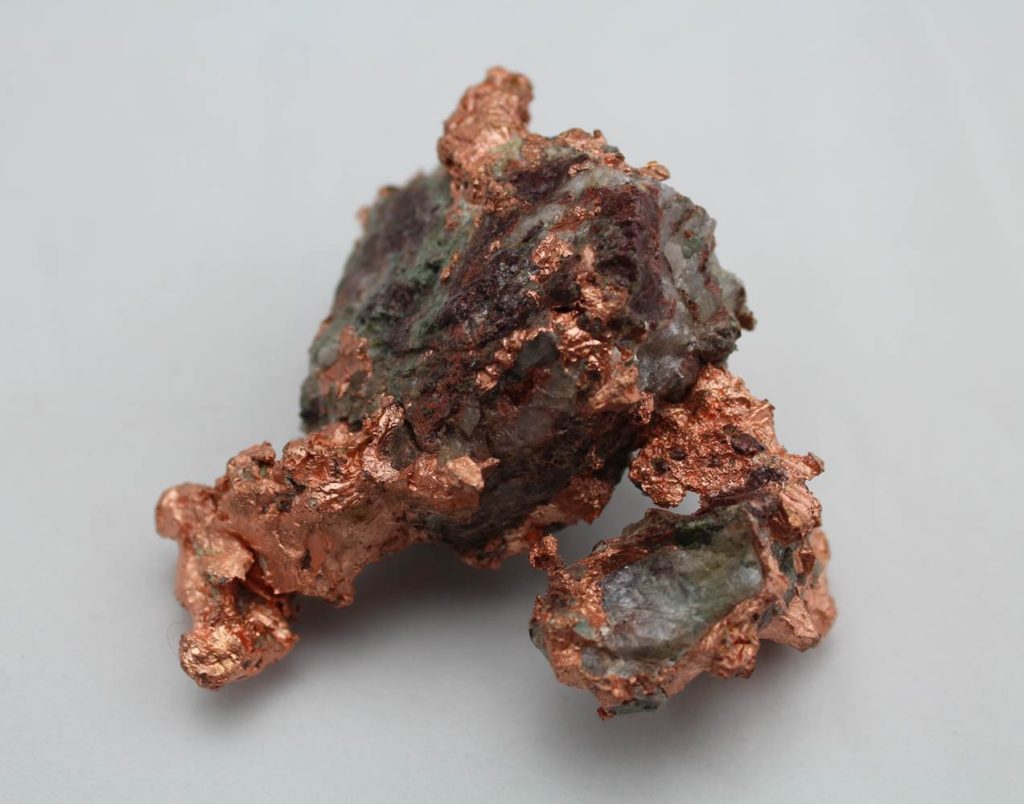
Copper vs Gold
Native copper is commonly reddish and may develop green alteration; native gold is yellow and substantially denser. Surface alteration can obscure color.

Beryl vs Quartz
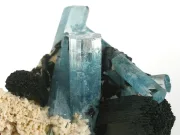
Beryl commonly has hexagonal prismatic crystals and a hardness of 7.5–8; quartz commonly has hardness 7. Optical or laboratory confirmation may be necessary.

Aragonite vs Calcite
Both have formula CaCO₃ but different crystal structures: aragonite is orthorhombic and calcite trigonal. Crystal habit can help, but is not conclusive.
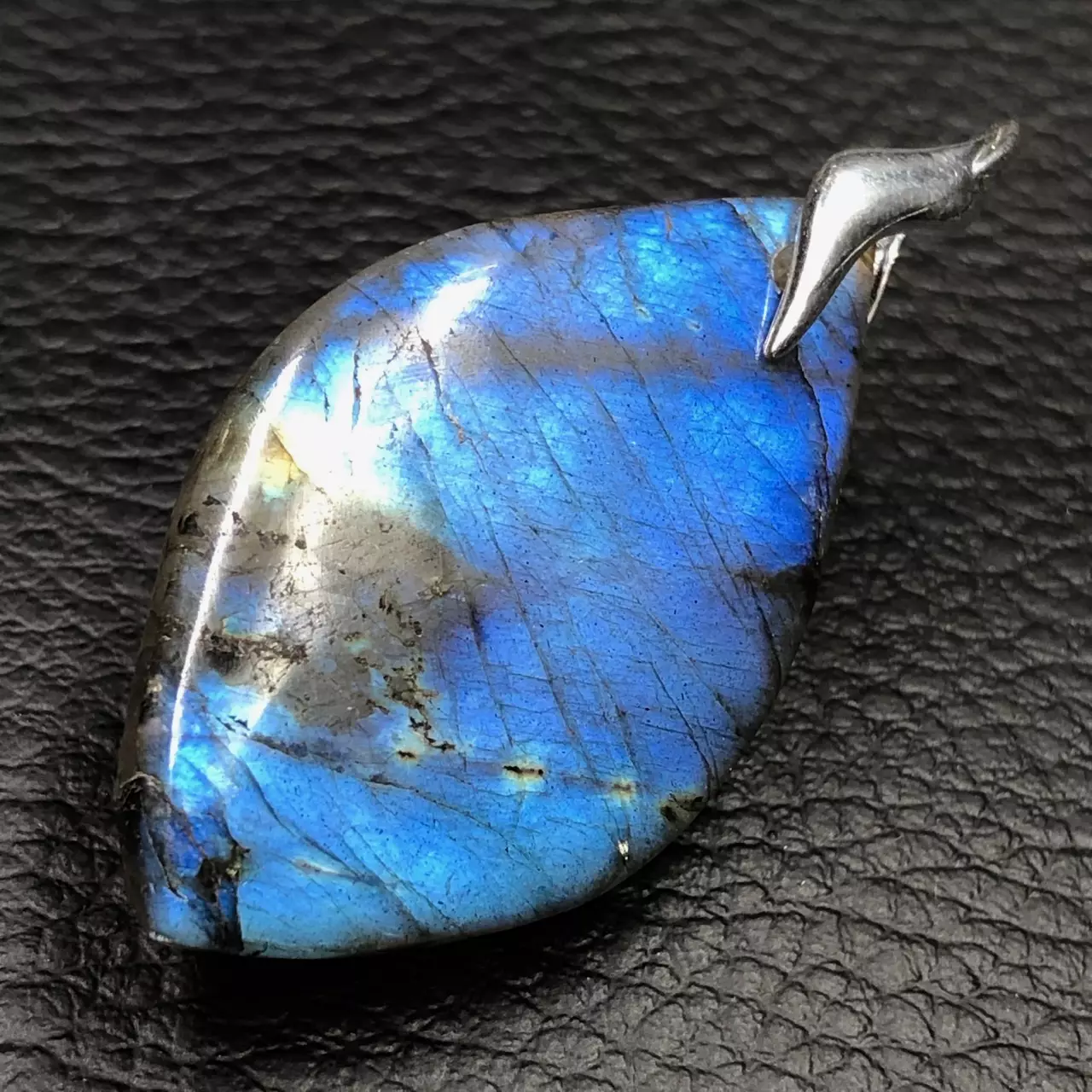

Labradorite vs Moonstone
Labradorite is a plagioclase feldspar that may show labradorescence; moonstone is a gem name for feldspar exhibiting adularescence. Optical effects alone do not establish composition.
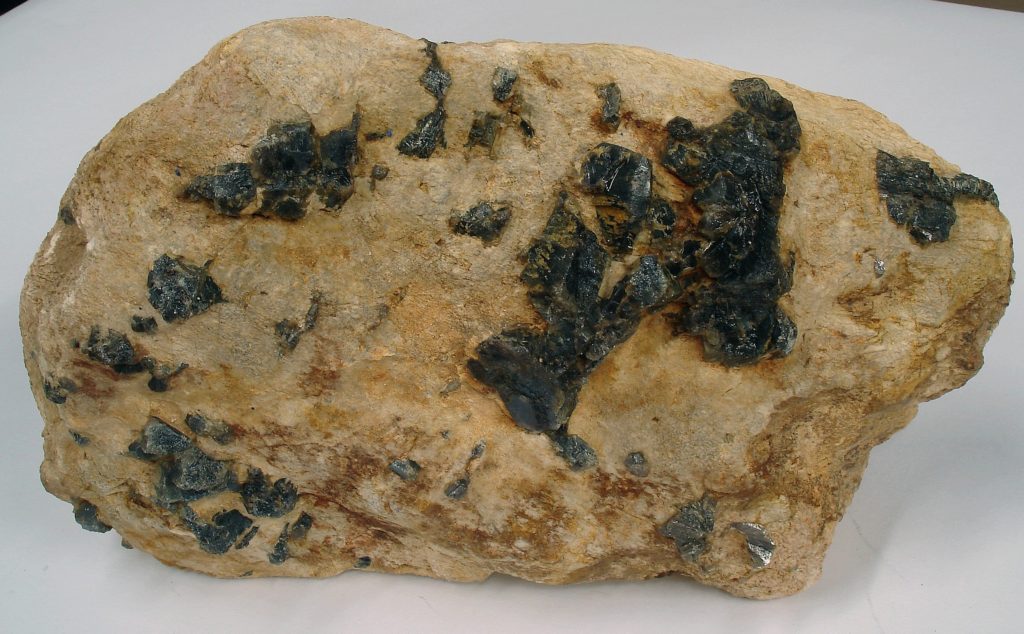
Granite vs Pegmatite
Granitic pegmatite can share granite-like mineralogy, but pegmatitic texture features exceptionally coarse crystals. Pegmatites can have other compositions.
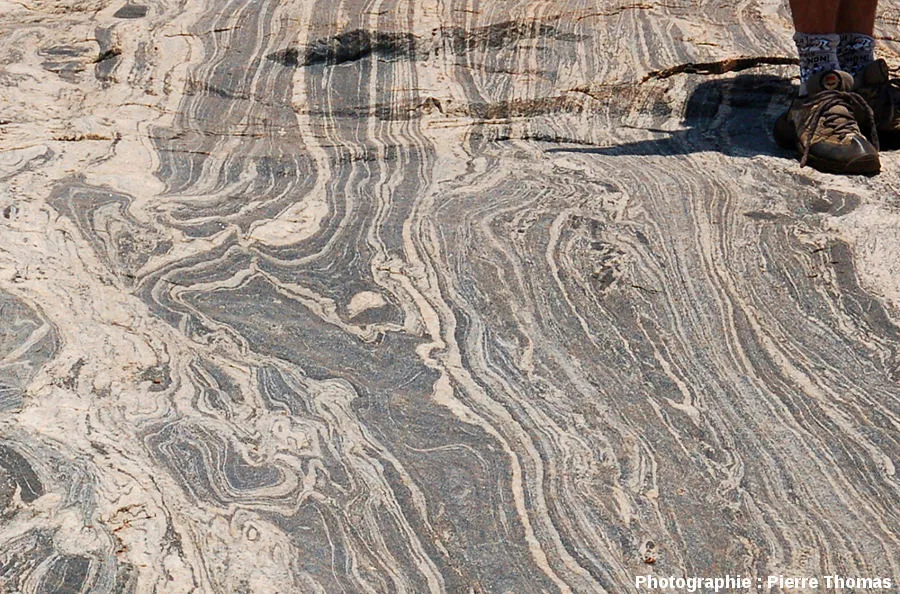
Gneiss vs Migmatite
Gneiss typically displays compositional banding. Migmatite commonly preserves structures related to partial melting, including leucosome and darker residual domains.
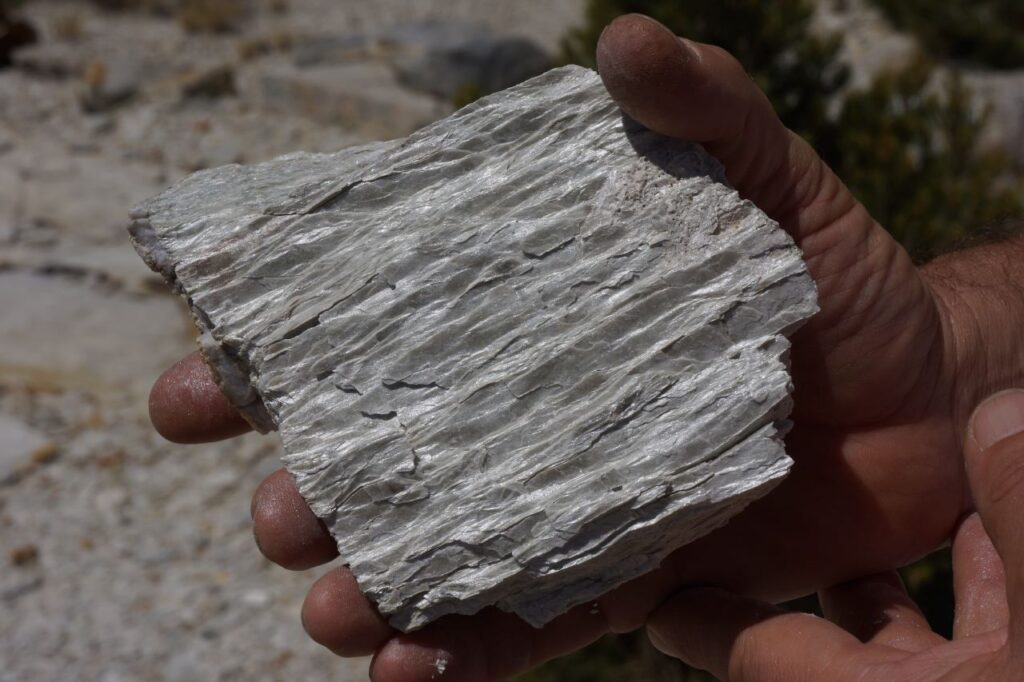
Slate vs Phyllite
Slate generally has fine slaty cleavage and a dull surface; phyllite commonly shows a silky sheen from fine aligned mica. Metamorphic grade and texture form a continuum.

Chalk vs Limestone
Chalk is a soft, fine-grained, commonly porous form of limestone composed predominantly of microscopic carbonate remains.

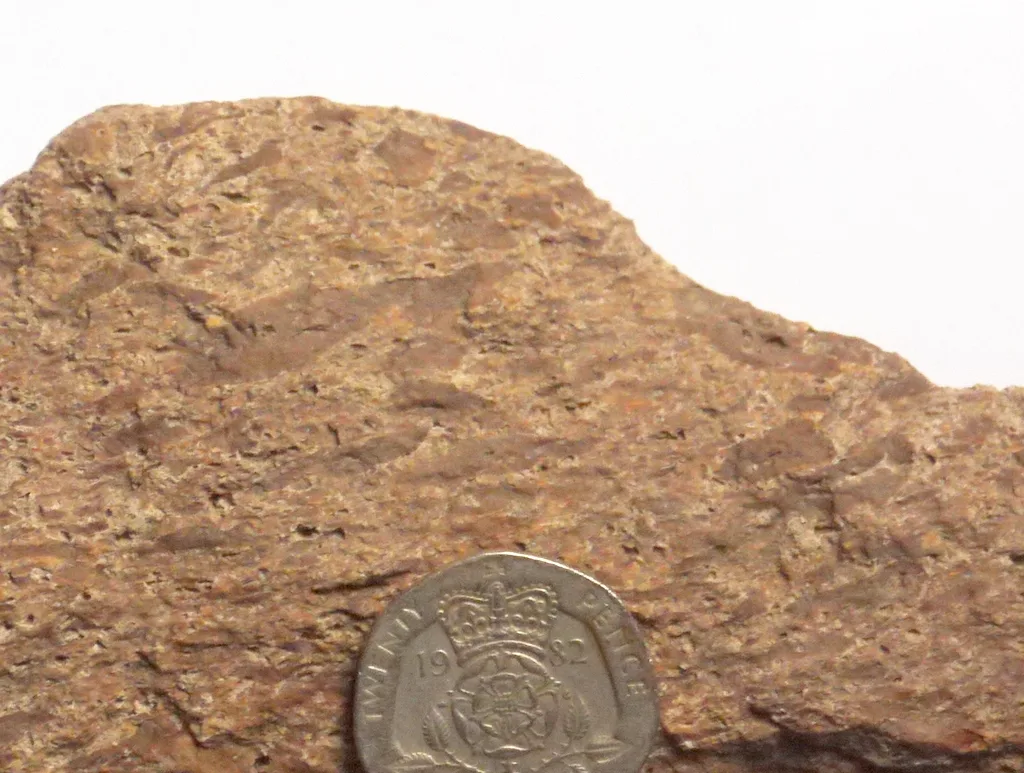
Tuff vs Ignimbrite
Tuff is a lithified ash-rich pyroclastic rock. Ignimbrite is a deposit of pyroclastic density currents, commonly ash- and pumice-rich; it may be welded or unwelded.
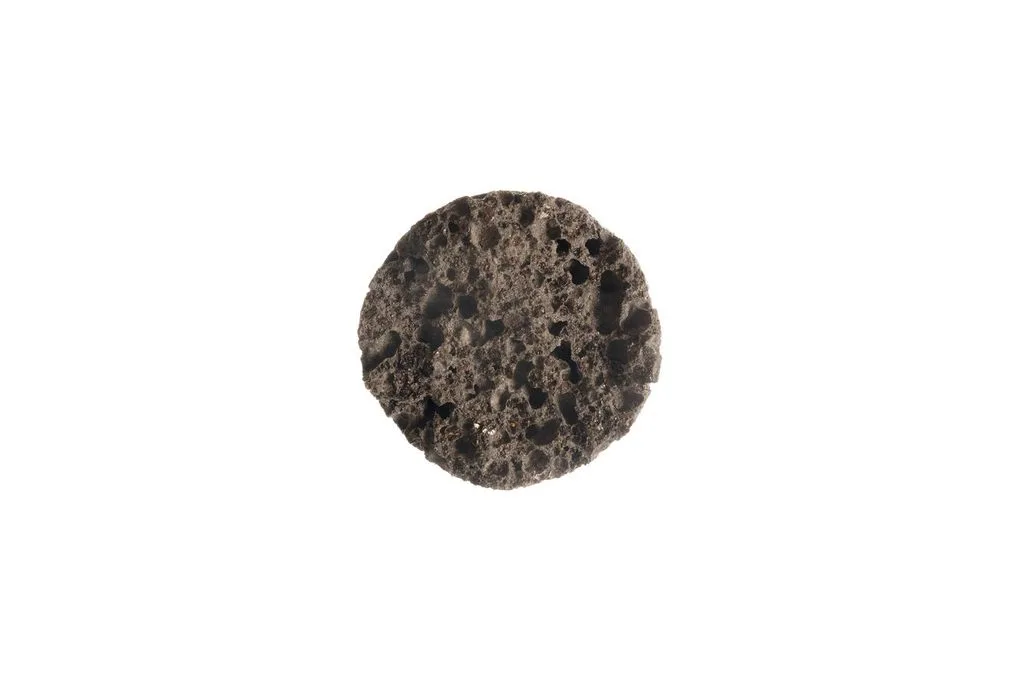
Basalt vs Vesicular basalt
Vesicular basalt is basalt containing cavities formed by gas bubbles. Vesicle abundance describes texture, not a separate bulk chemical composition.

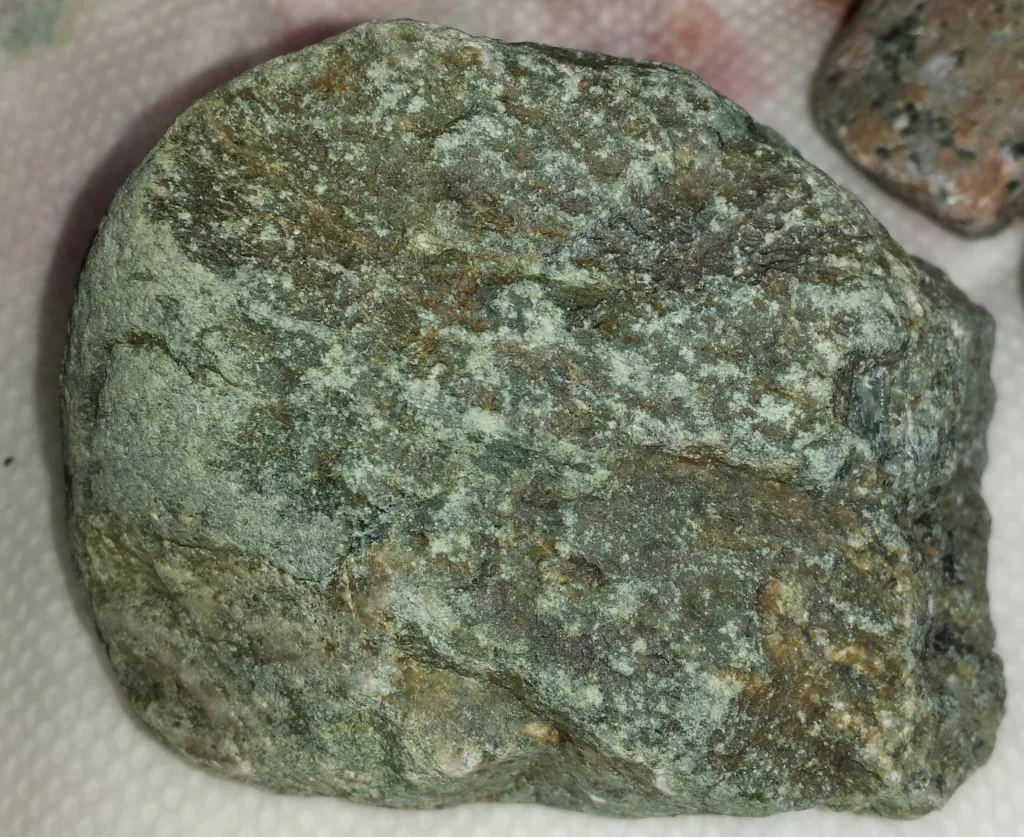
Amphibolite vs Greenschist
Amphibolite commonly contains amphibole and plagioclase; greenschist commonly contains chlorite, actinolite and epidote. Mineral assemblages depend on bulk composition and metamorphic conditions.
How to compare rocks and minerals
Mineral identification relies on composition, crystal structure, hardness, cleavage, streak and luster. Rock identification emphasizes mineral assemblage, grain size, texture and geological setting. Color alone is rarely diagnostic. Reference density and hardness ranges are not measurements of the photographs.
Related geology tools
Scientific reference sources
Individual GeologyScience articles and available external sources are linked from specimen cards. Further reading: Handbook of Mineralogy and Geology.com mineral references. Missing or inapplicable data are not inferred; inherited values have not all been independently verified.
Rock & Mineral Comparison Tool: interpretation guide
Choosing reliable comparison criteria
Compare minerals using hardness, cleavage, streak and crystal properties. For rocks, prioritize texture, grain size, fabric and mineral assemblage. A mineral is a constituent of many rocks, so the two categories require different identification criteria.
Interpreting photographs and physical properties
Images illustrate selected examples, not every possible appearance. Weathering, alteration, lighting and specimen preparation may change visual characteristics. Confirm uncertain matches through independent tests.
Frequently asked questions
Can two rocks have the same mineral composition?
Yes. They may differ in texture, grain size, fabric or geological origin.
Does a visual match confirm mineral identity?
No. Physical tests or laboratory analysis may be needed.
Can I compare rock density and mineral density directly?
Only with attention to whether the values describe bulk material or solid mineral grains.