





















GEOLOGYSCIENCE · PETROLOGY · PHYSICAL PROPERTIES
Rock Density Chart & Database
Compare rock density references and interpret mass, volume and measured sample properties.
Rock density reference & laboratory
Compare measured reference values, estimate rock mass and calculate sample density.
Rock density database
No matching rocks. Change the filters or show all references.
| Rock | Range | Reported mean | Source | Actions |
|---|---|---|---|---|
 Amphibolitemetamorphic | 2.9–3.04 | 2.96 | USGS table 1 | |
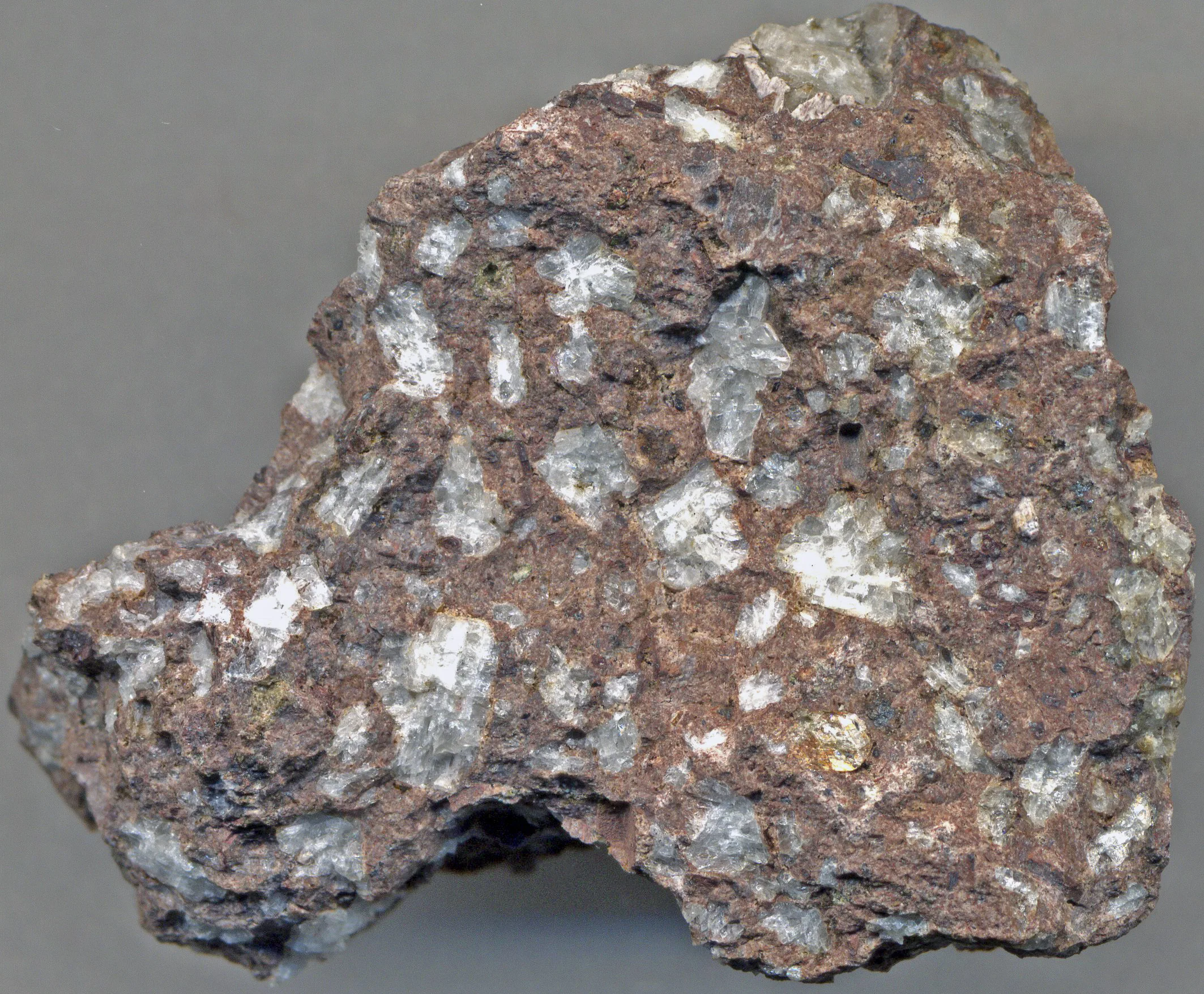 Andesiteigneous | 1.56–2.99 | 2.565 | PETLAB NZ (Tenzer et al., 2011) | |
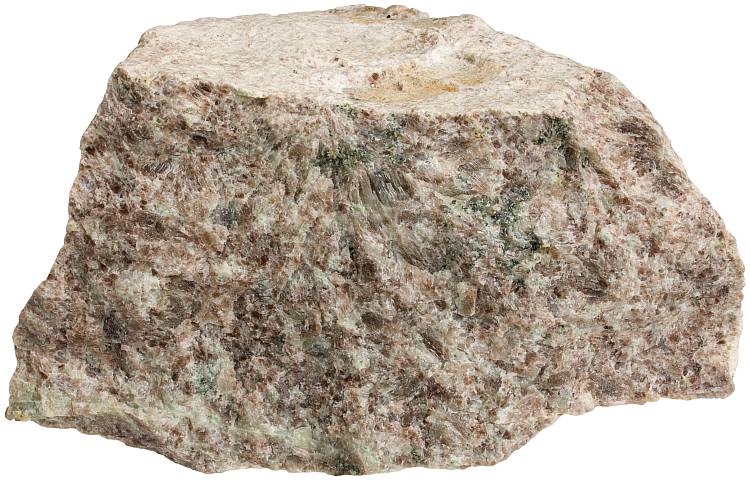 Anorthositeigneous | 2.65–2.9 | — | Site reference range (not independently verified) | |
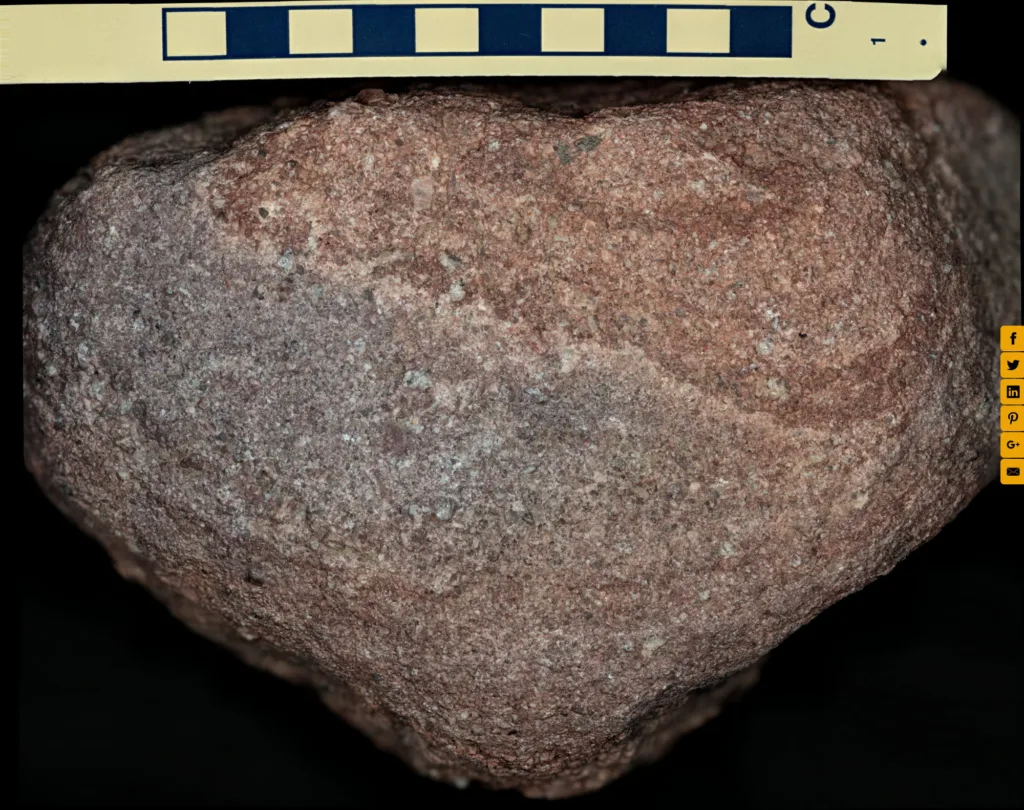 Arkosesedimentary | — | — | Not recorded | |
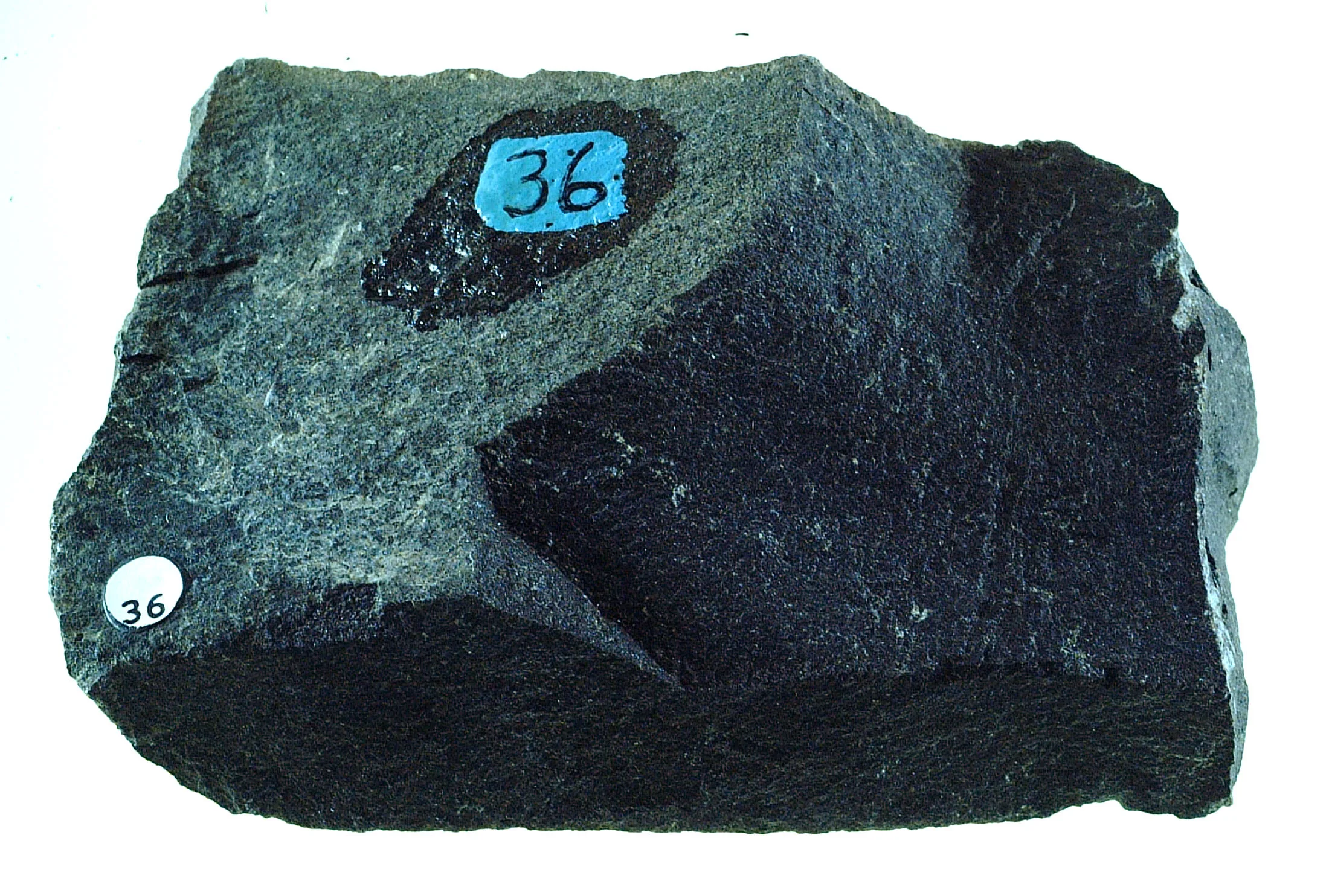 Basaltigneous | 2.7–3.3 | 2.99 | USGS table 1 | |
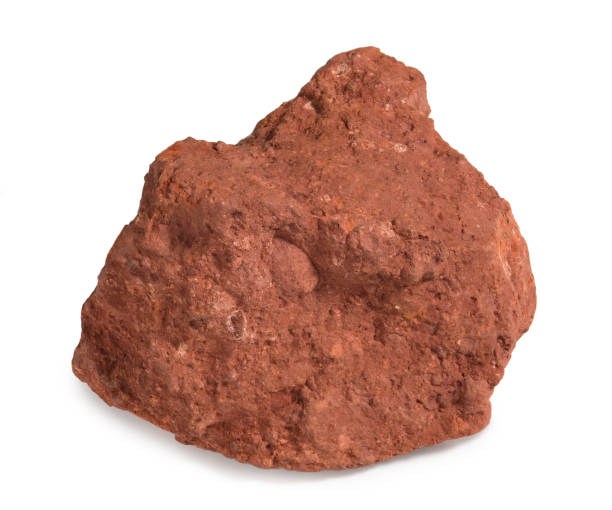 Bauxitesedimentary | — | — | Not recorded | |
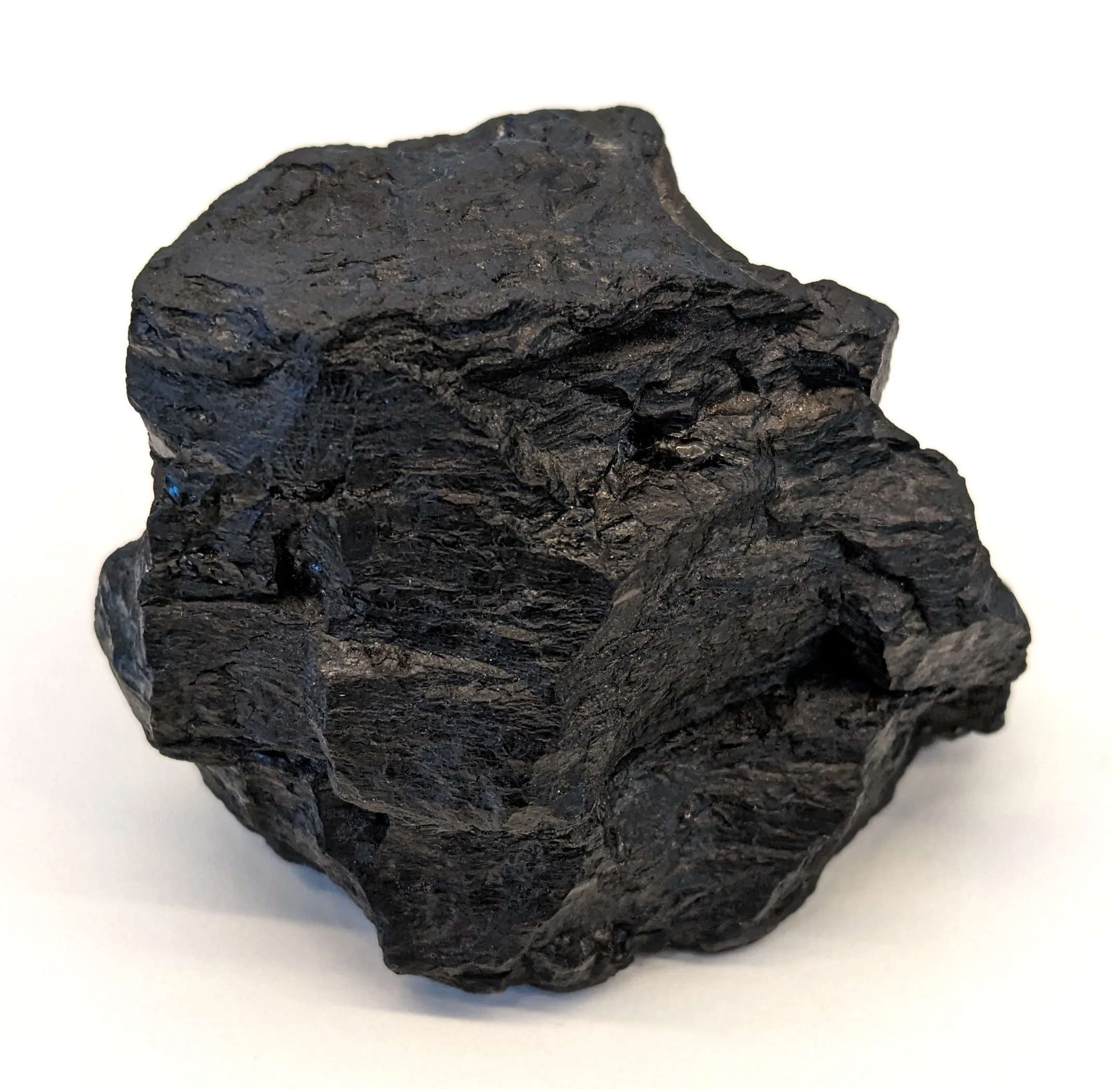 Bituminous coalsedimentary | — | — | Not recorded | |
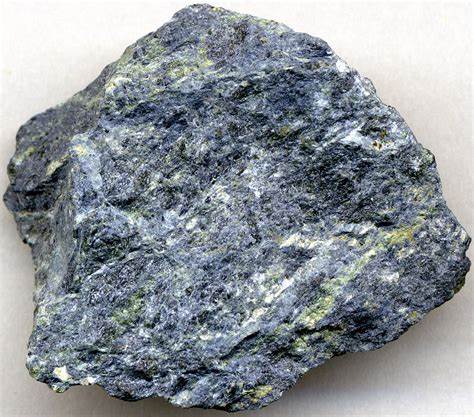 Blueschistmetamorphic | — | — | Not recorded | |
 Boundstonesedimentary | — | — | Not recorded | |
 Brecciasedimentary, igneous, metamorphic | 1.54–3 | 2.291 | PETLAB NZ (Tenzer et al., 2011) | |
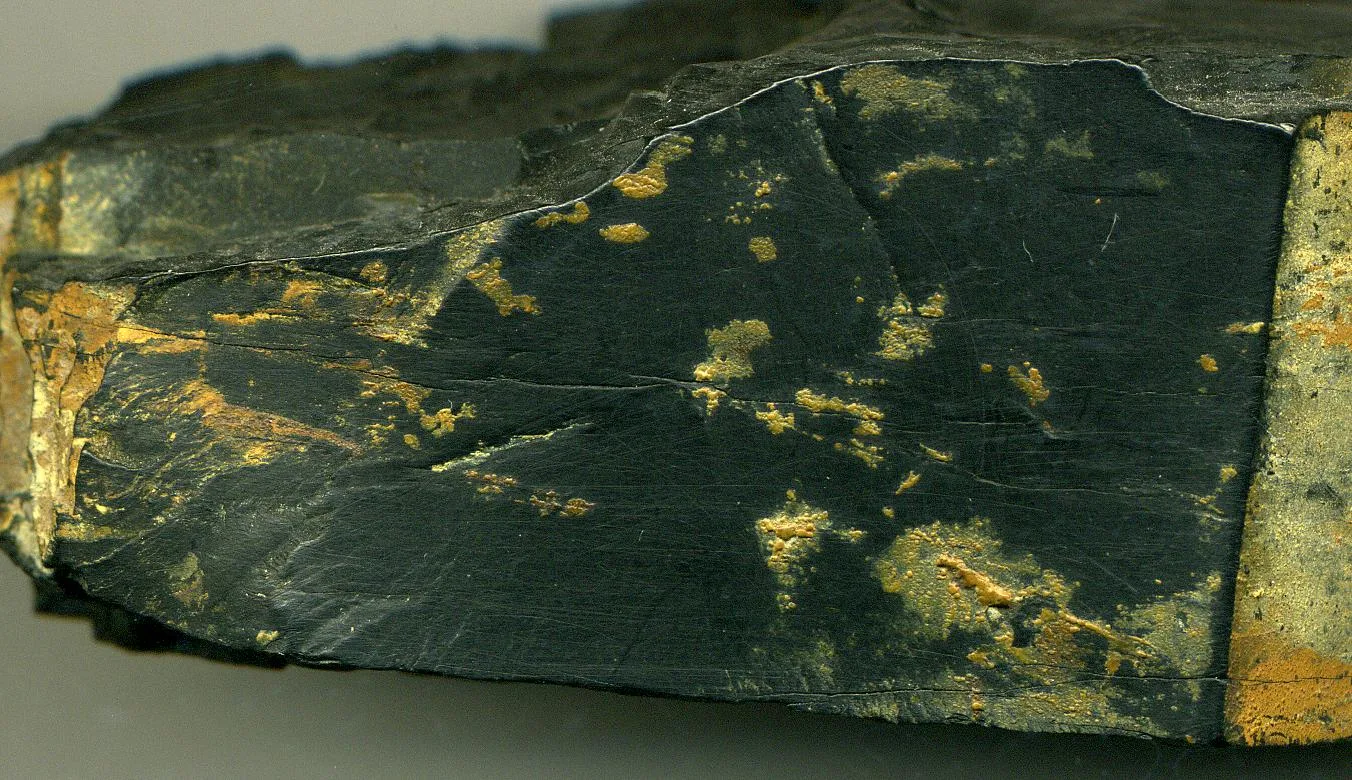 Cannel coalsedimentary | — | — | Not recorded | |
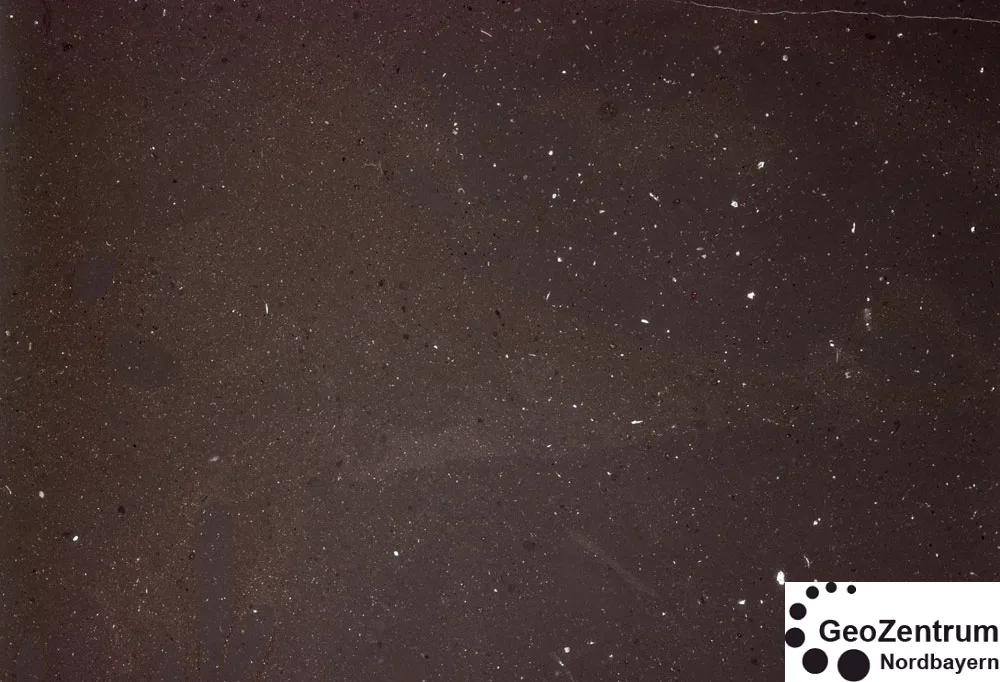 Carbonate mudstonesedimentary | — | — | Not recorded | |
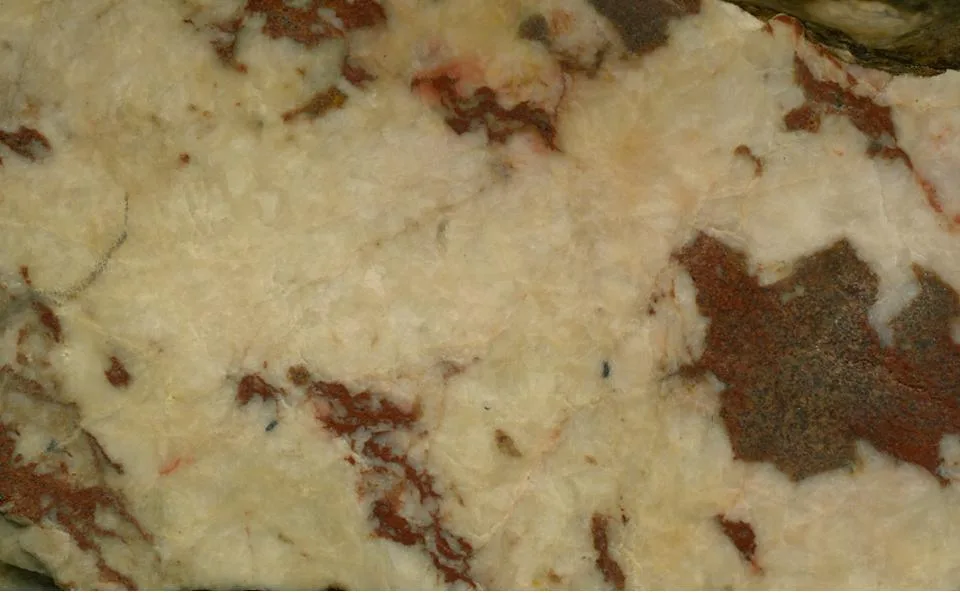 Carbonatiteigneous | — | — | Not recorded | |
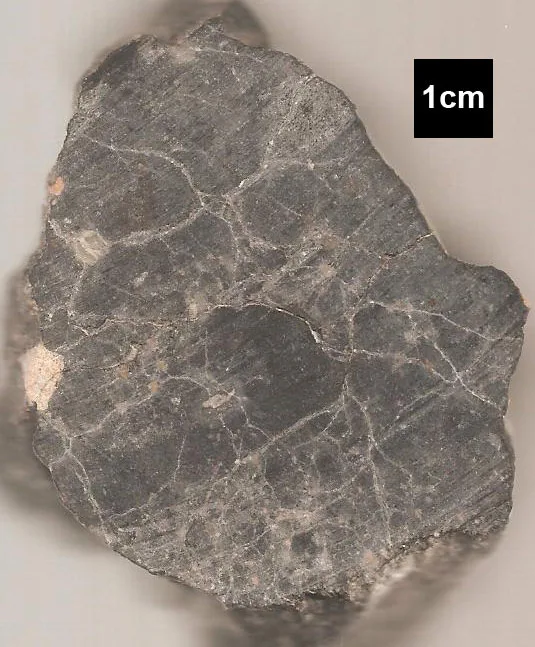 Cataclasitemetamorphic | — | — | Not recorded | |
 Catlinitesedimentary | — | — | Not recorded | |
 Chalksedimentary | 1.4–2.4 | — | Site reference range (not independently verified) | |
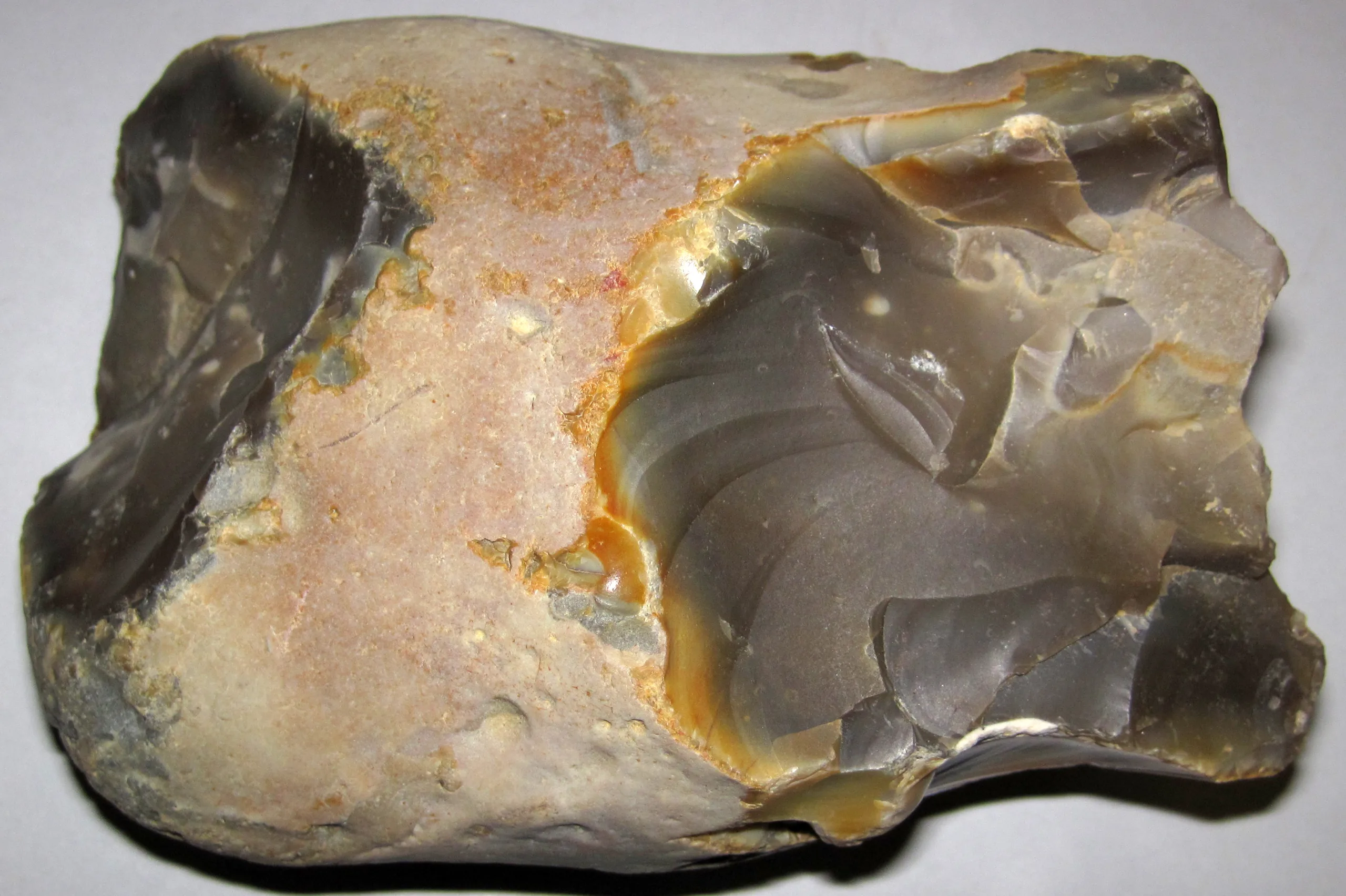 Chertsedimentary | 2.24–2.74 | 2.564 | PETLAB NZ (Tenzer et al., 2011) | |
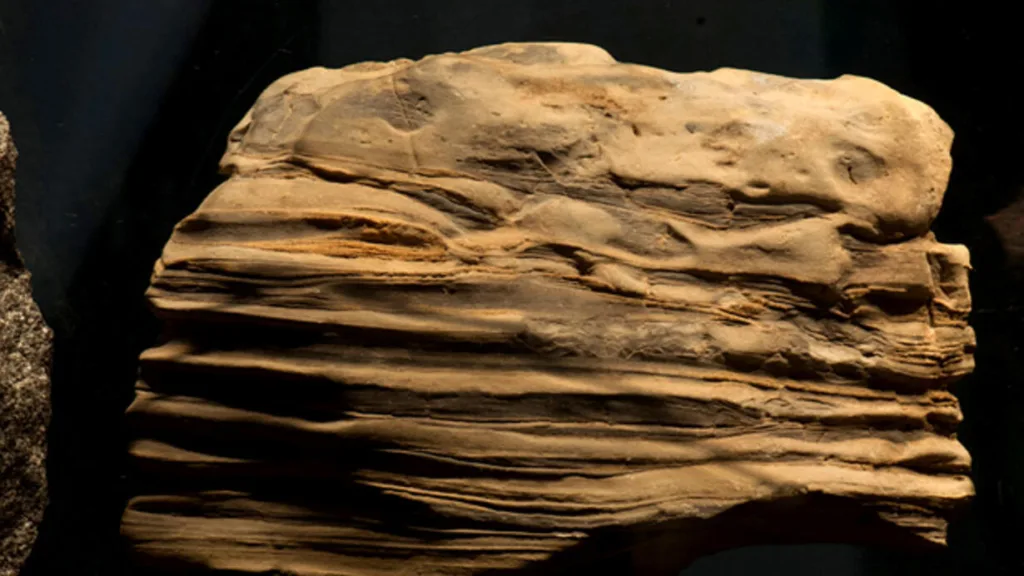 Claystonesedimentary | 1.52–2.42 | 2.067 | PETLAB NZ (Tenzer et al., 2011) | |
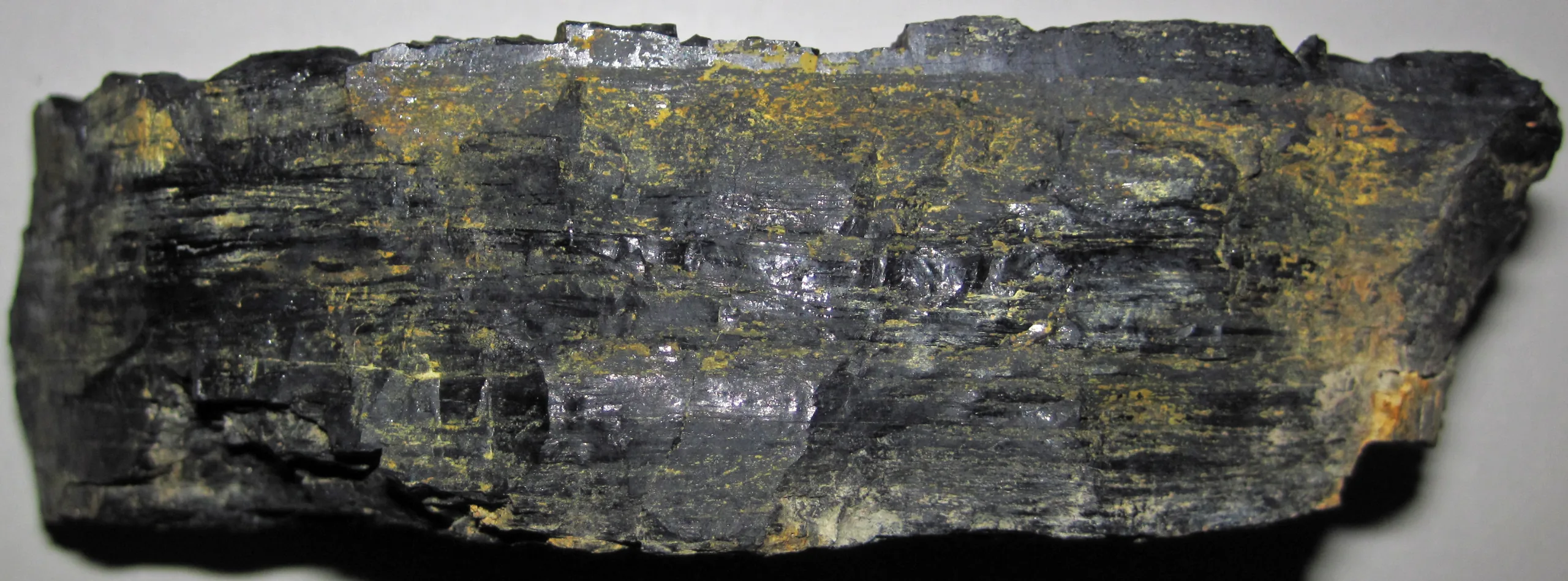 Coalsedimentary | 1.13–2.1 | 1.712 | PETLAB NZ (Tenzer et al., 2011) | |
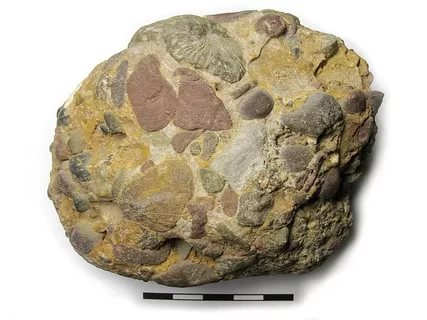 Conglomeratesedimentary | 2.11–3 | 2.57 | PETLAB NZ (Tenzer et al., 2011) | |
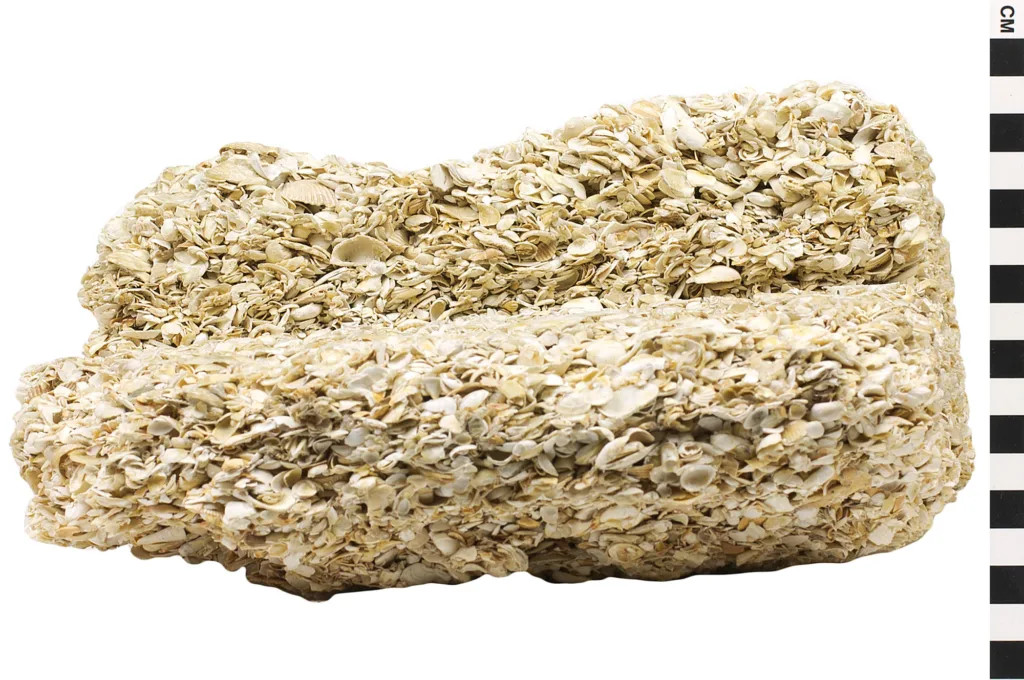 Coquinasedimentary | — | — | Not recorded | |
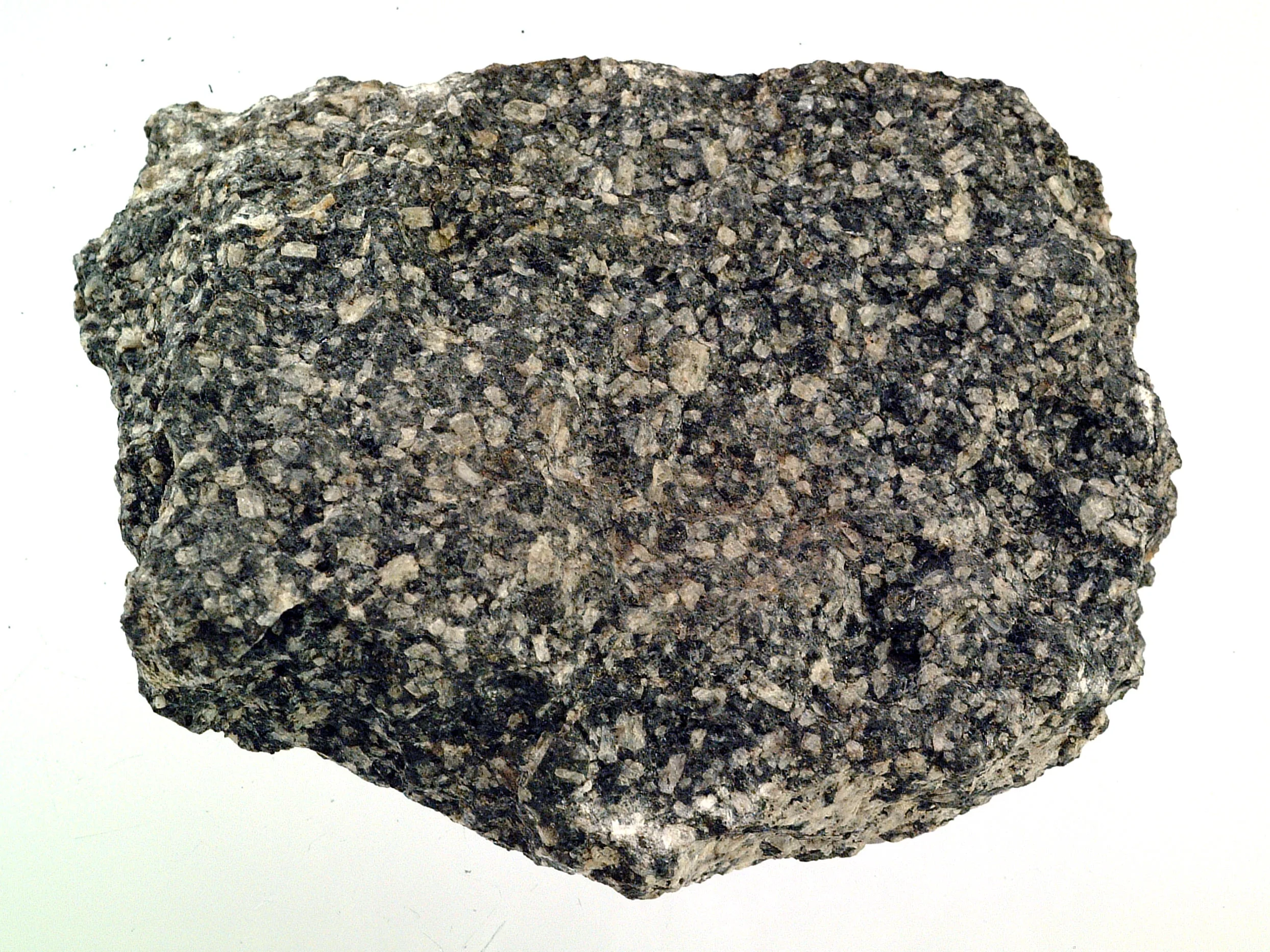 Daciteigneous | 1.94–2.7 | 2.402 | PETLAB NZ (Tenzer et al., 2011) | |
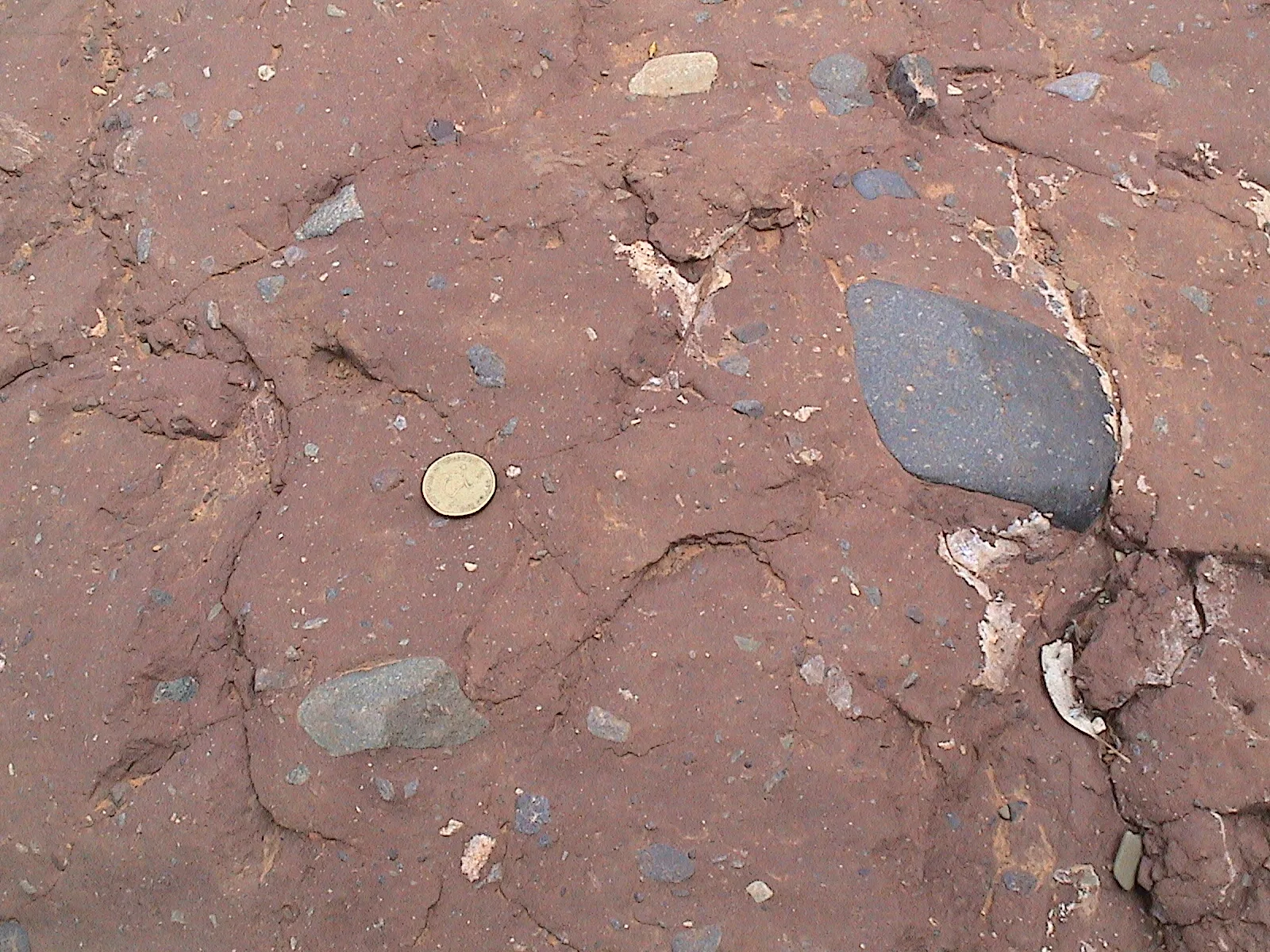 Diamictitesedimentary | — | — | Not recorded | |
 Diatomitesedimentary | 1.39–1.72 | 1.528 | PETLAB NZ (Tenzer et al., 2011) | |
 Dioriteigneous | 2.72–2.99 | 2.85 | USGS table 1 | |
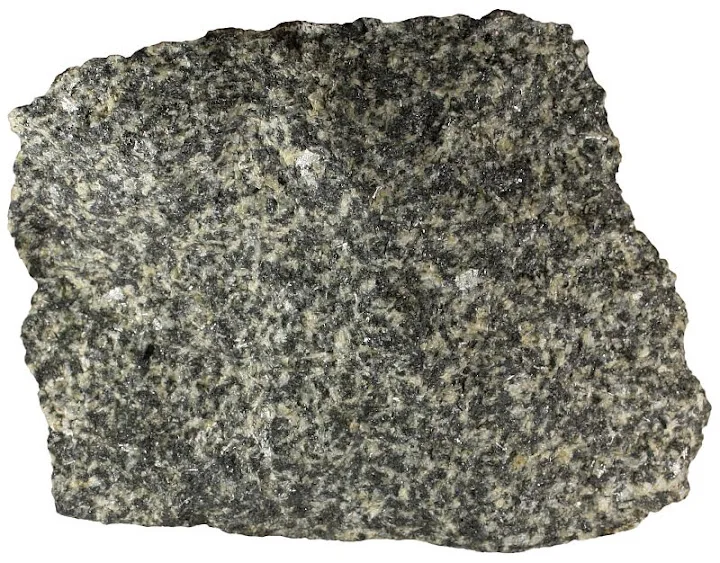 Dolerite (Diabase)igneous | 2.36–3.04 | 2.749 | PETLAB NZ (Tenzer et al., 2011) | |
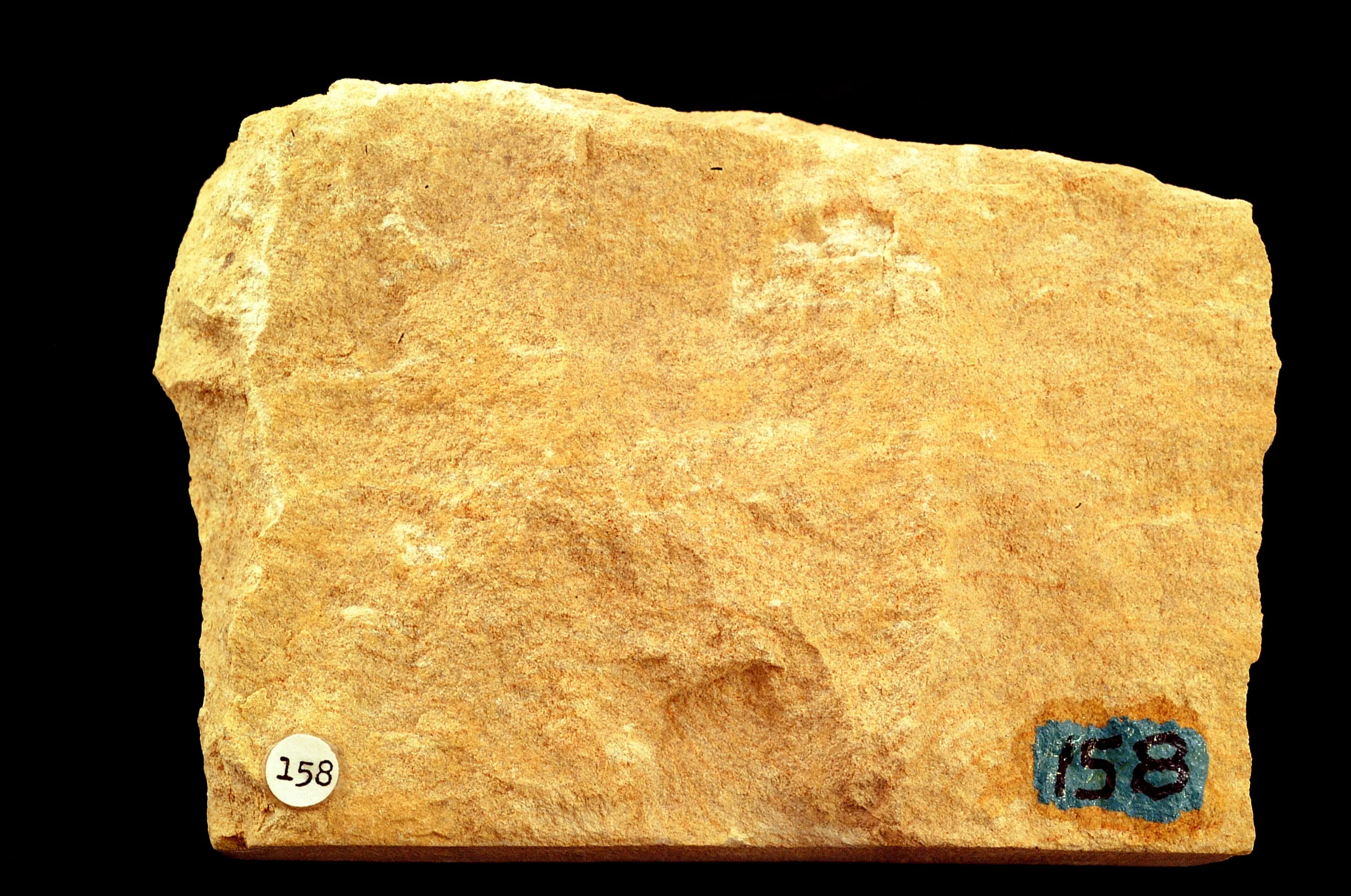 Dolomitic limestonesedimentary | — | — | Not recorded | |
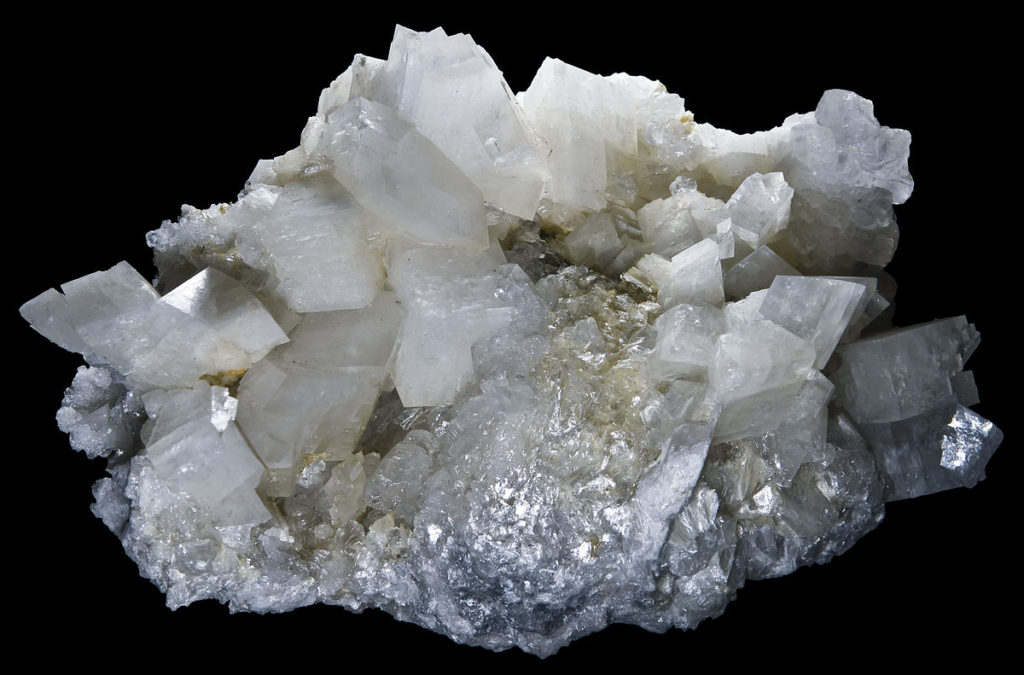 Dolostonesedimentary | 2.3–2.9 | 2.7 | USGS table 1 | |
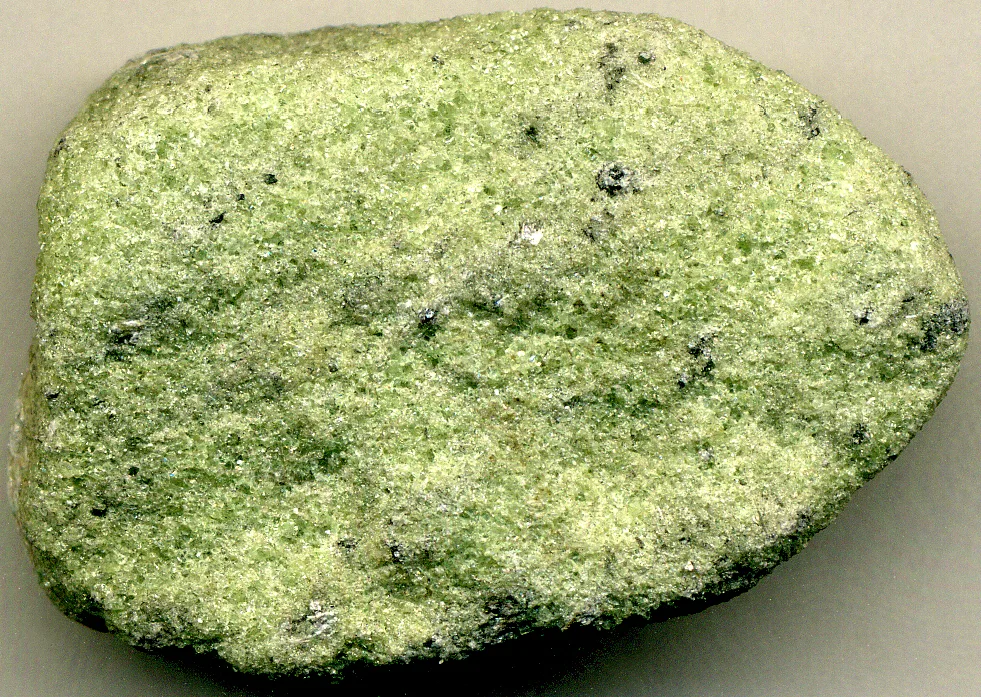 Duniteigneous | — | 3.25 | USGS table 1 | |
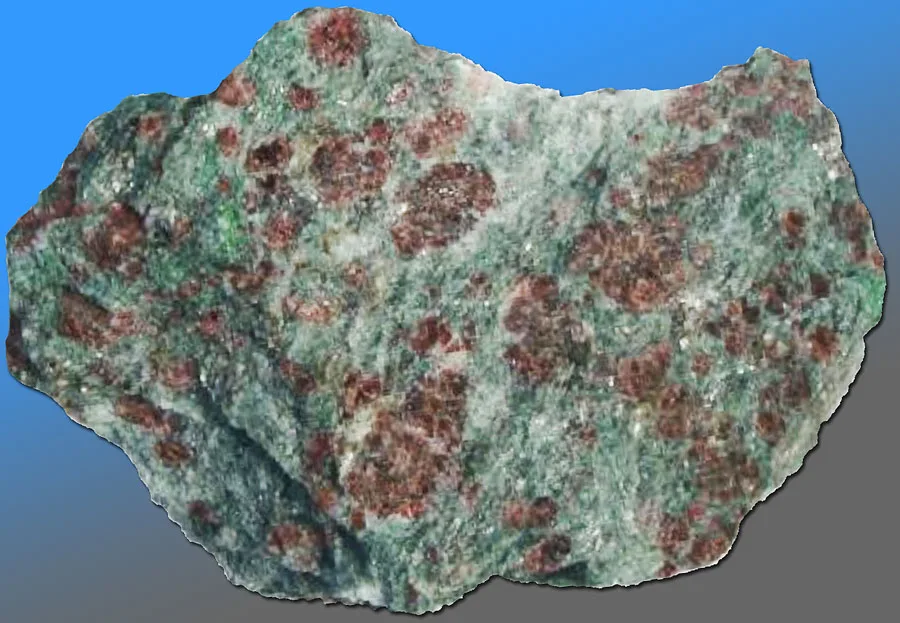 Eclogitemetamorphic | 3.2–3.54 | 3.37 | USGS table 1 | |
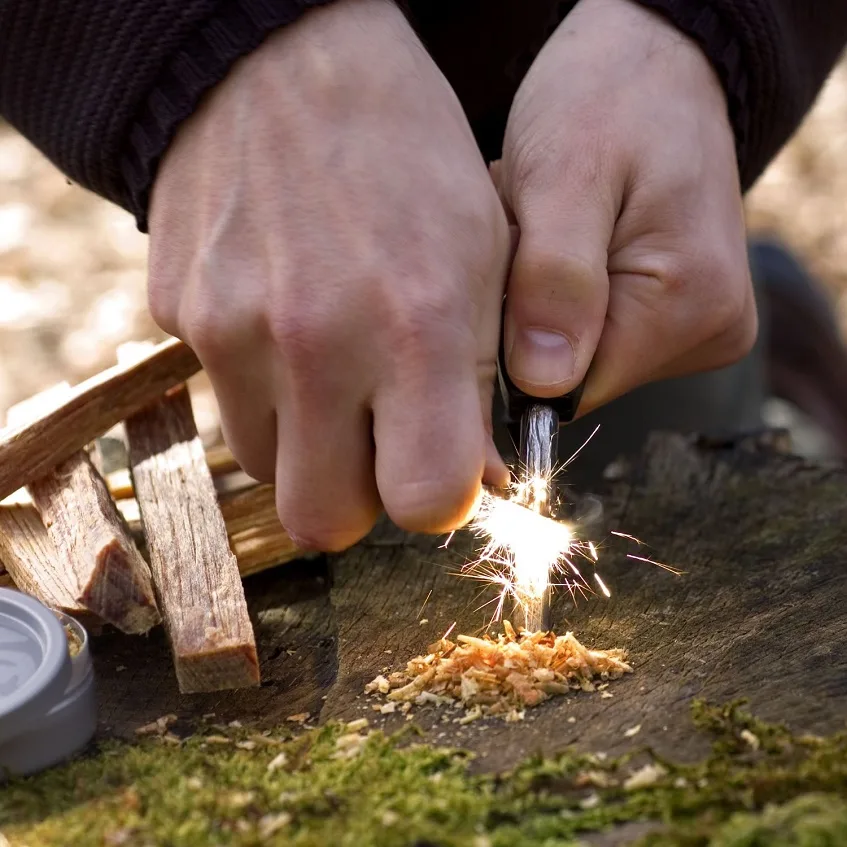 Flintsedimentary | — | — | Not recorded | |
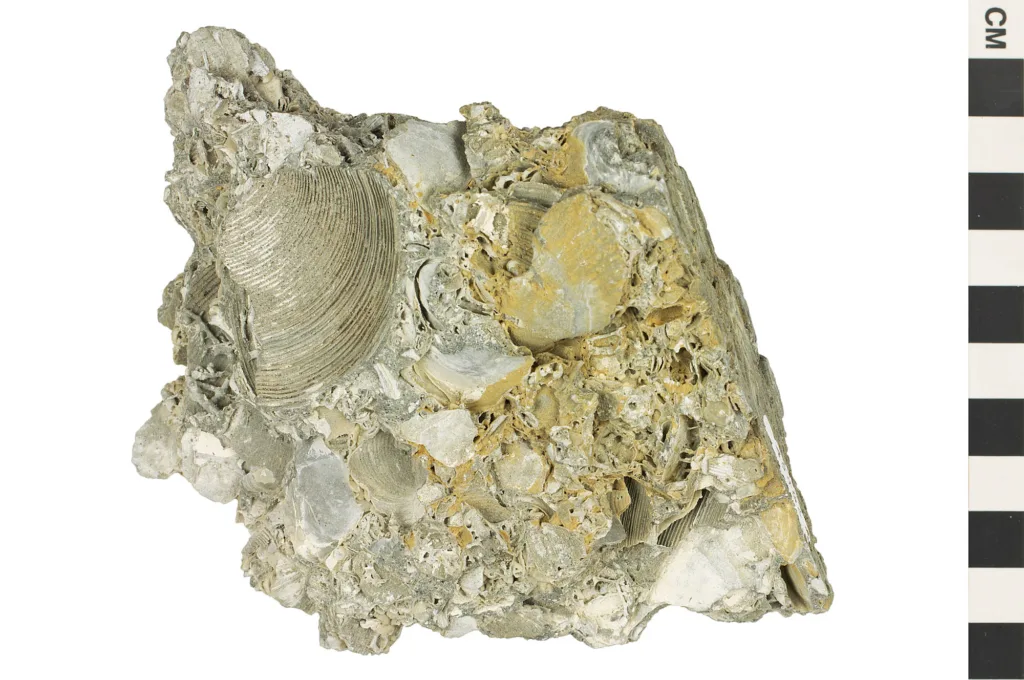 Fossiliferous limestonesedimentary | — | — | Not recorded | |
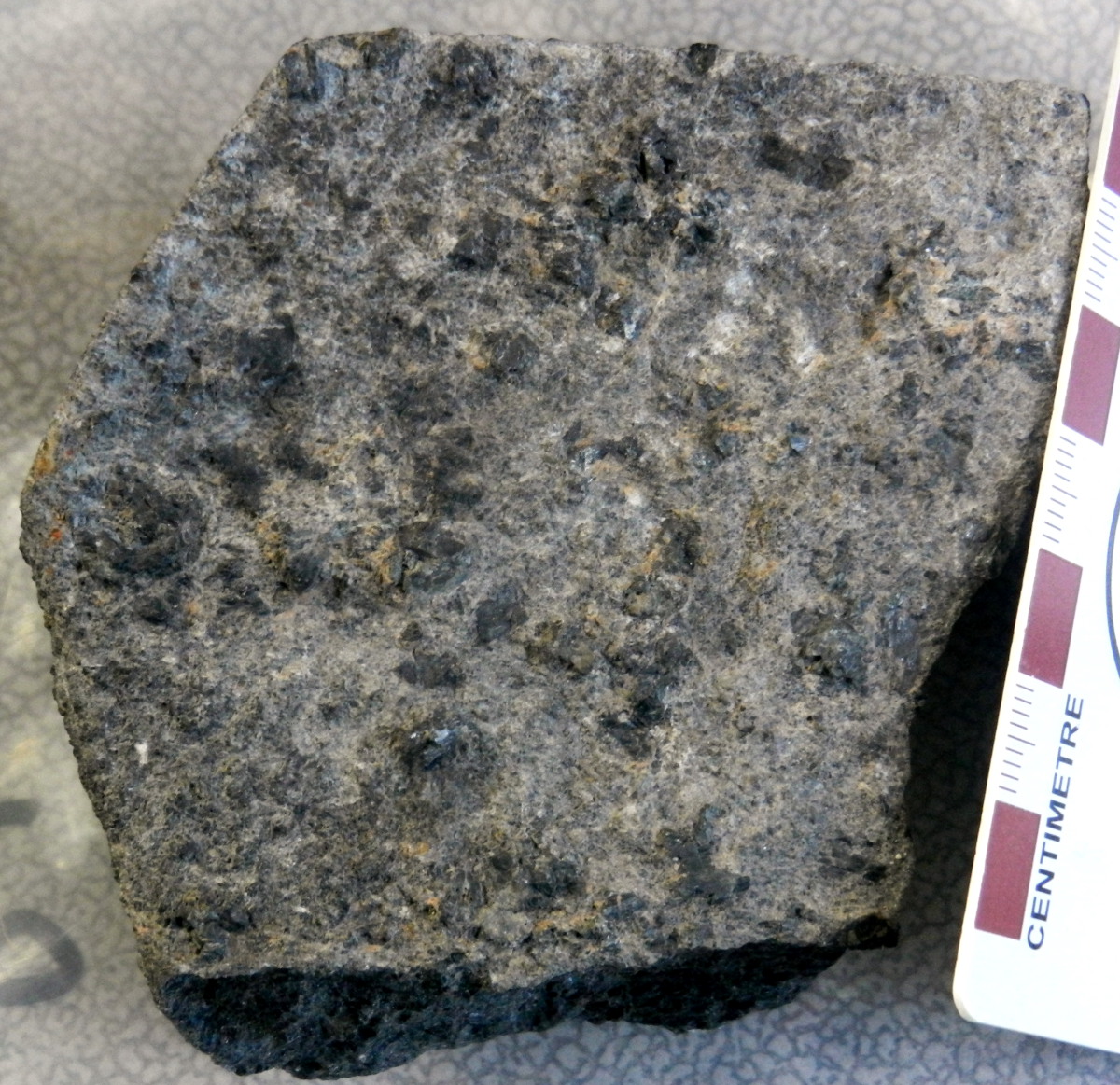 Gabbroigneous | 2.7–3.5 | 3.03 | USGS table 1 | |
 Gneissmetamorphic | 2.59–3 | 2.8 | USGS table 1 | |
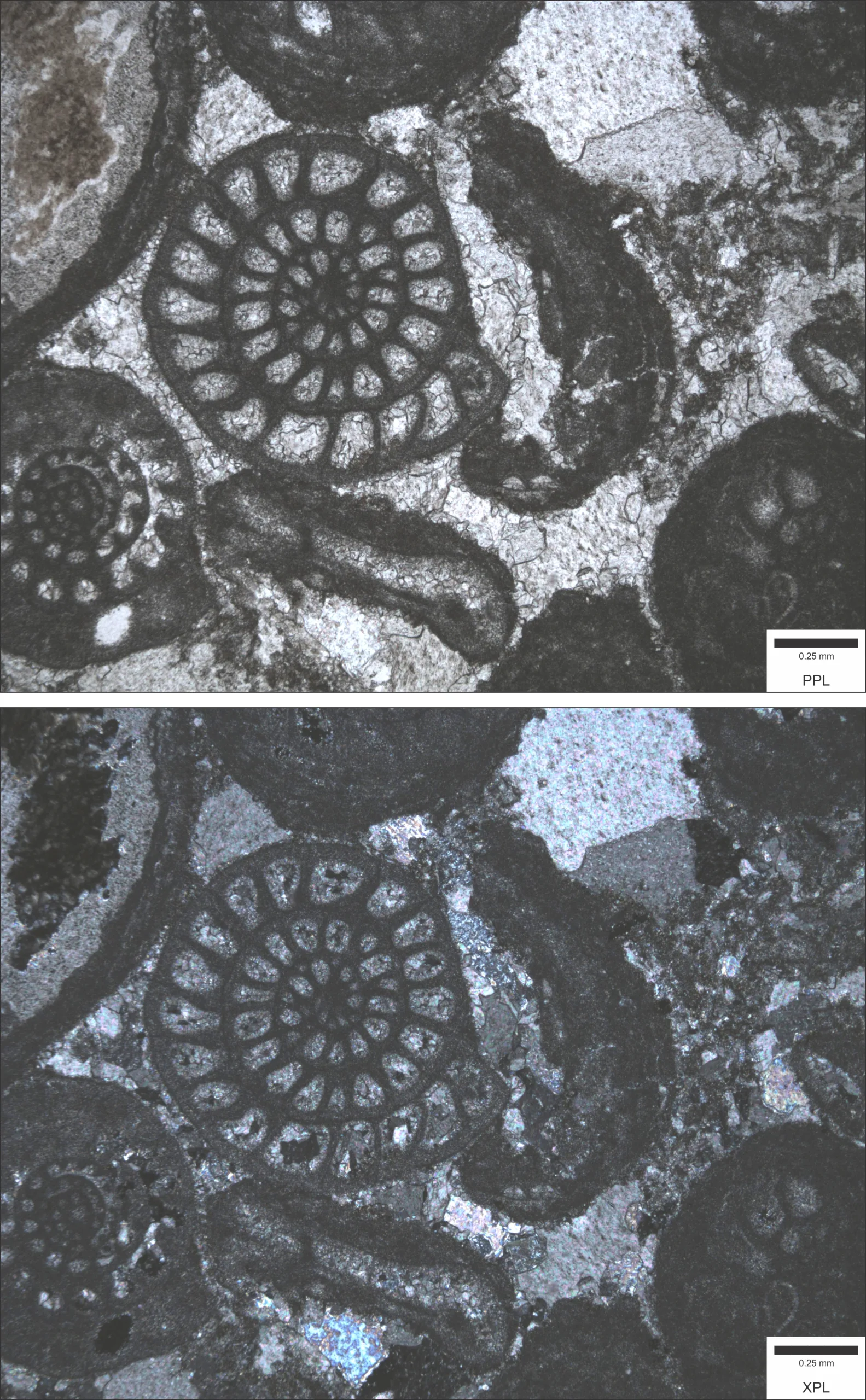 Grainstonesedimentary | — | — | Not recorded | |
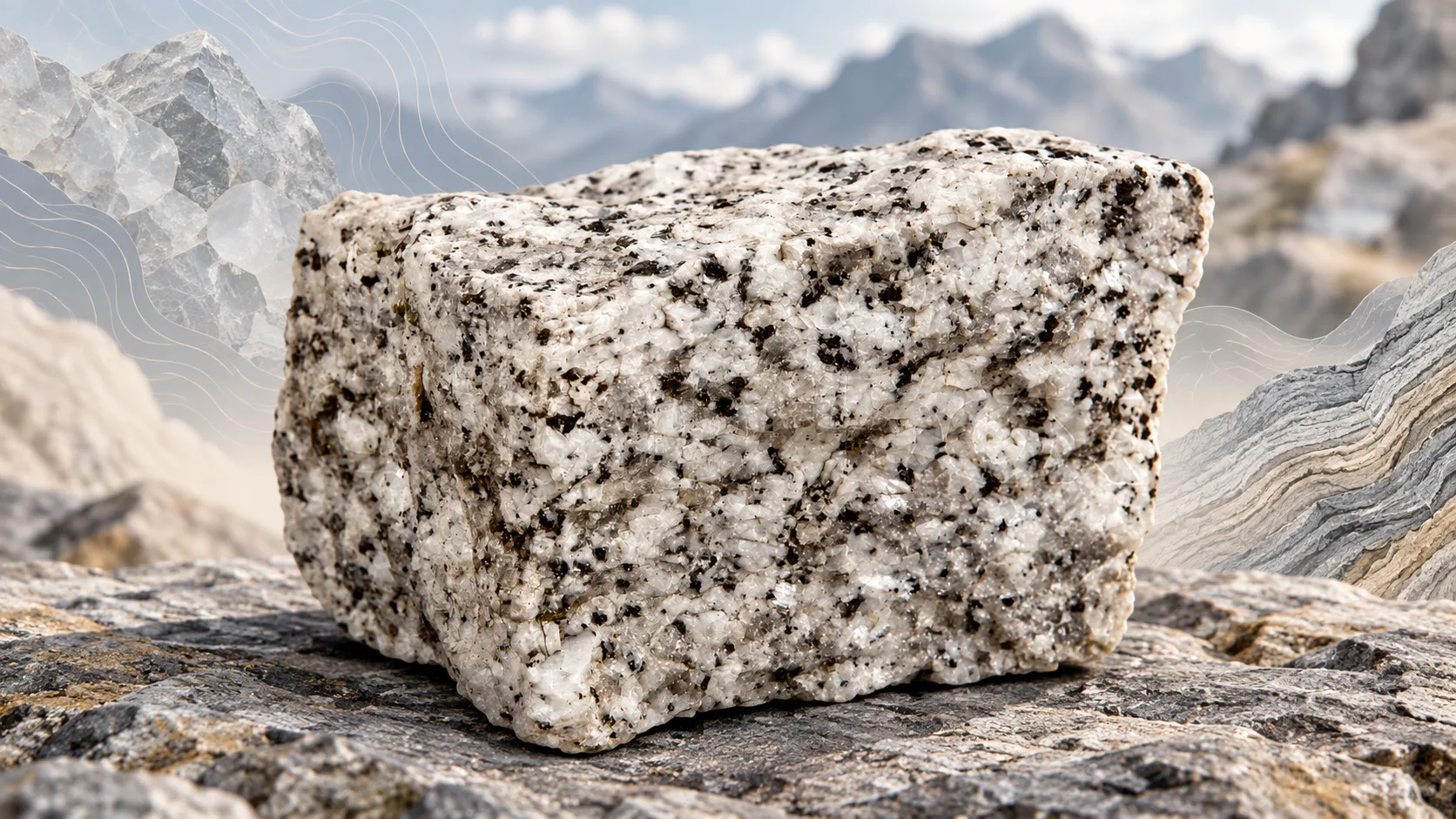 Graniteigneous | 2.5–2.81 | 2.64 | USGS table 1 | |
 Granodioriteigneous | 2.67–2.79 | 2.73 | USGS table 1 | |
 Granulitemetamorphic | 2.52–2.73 | 2.65 | USGS table 1 | |
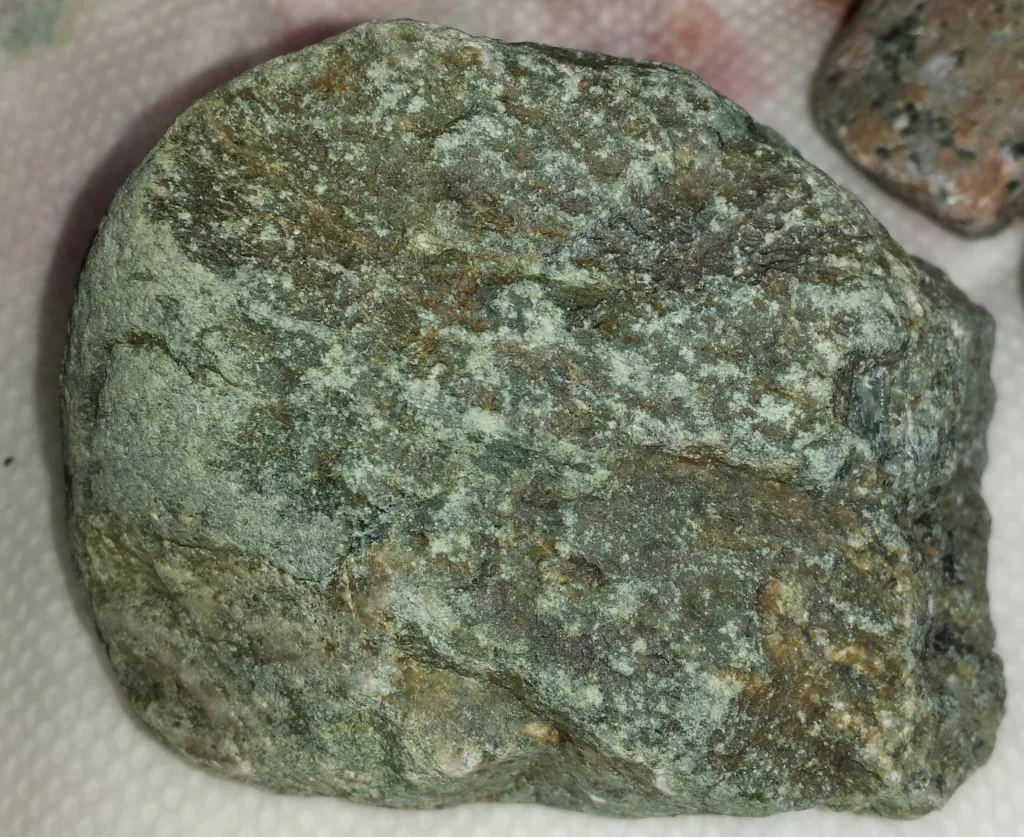 Greenschistmetamorphic | 2.62–3.13 | 2.923 | PETLAB NZ (Tenzer et al., 2011) | |
 Greywackesedimentary | 2.09–2.94 | 2.639 | PETLAB NZ (Tenzer et al., 2011) | |
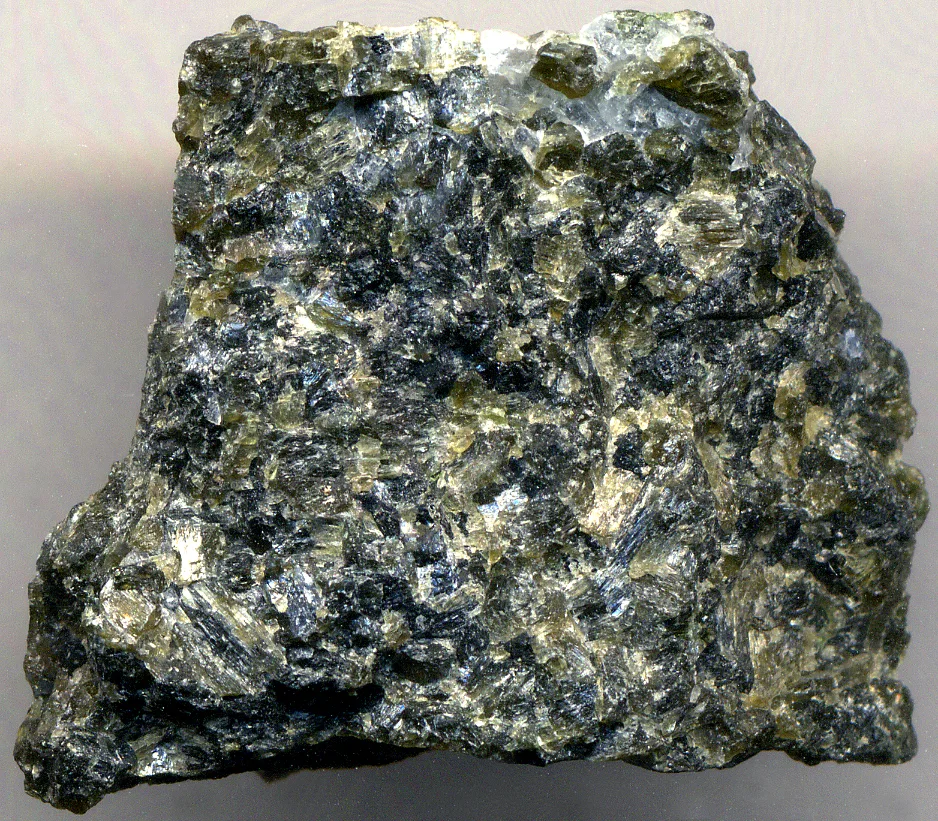 Harzburgiteigneous | — | — | Not recorded | |
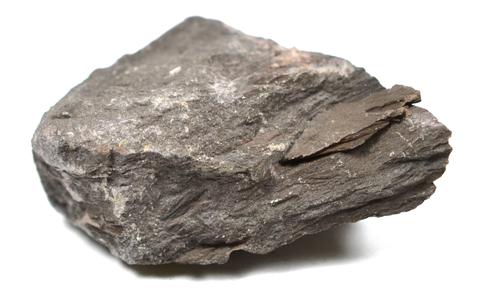 Hornfelsmetamorphic | 2.688–2.709 | — | USGS 92-557, Table 2 (dry bulk samples) | |
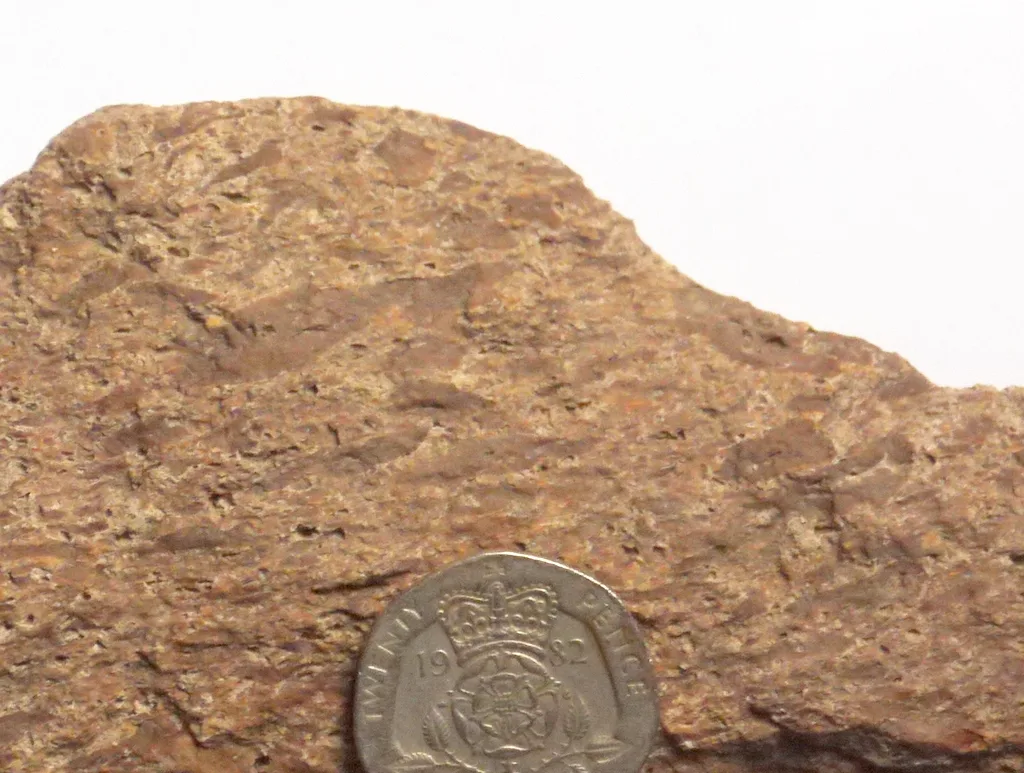 Ignimbriteigneous | 1.24–2.62 | 2.125 | PETLAB NZ (Tenzer et al., 2011) | |
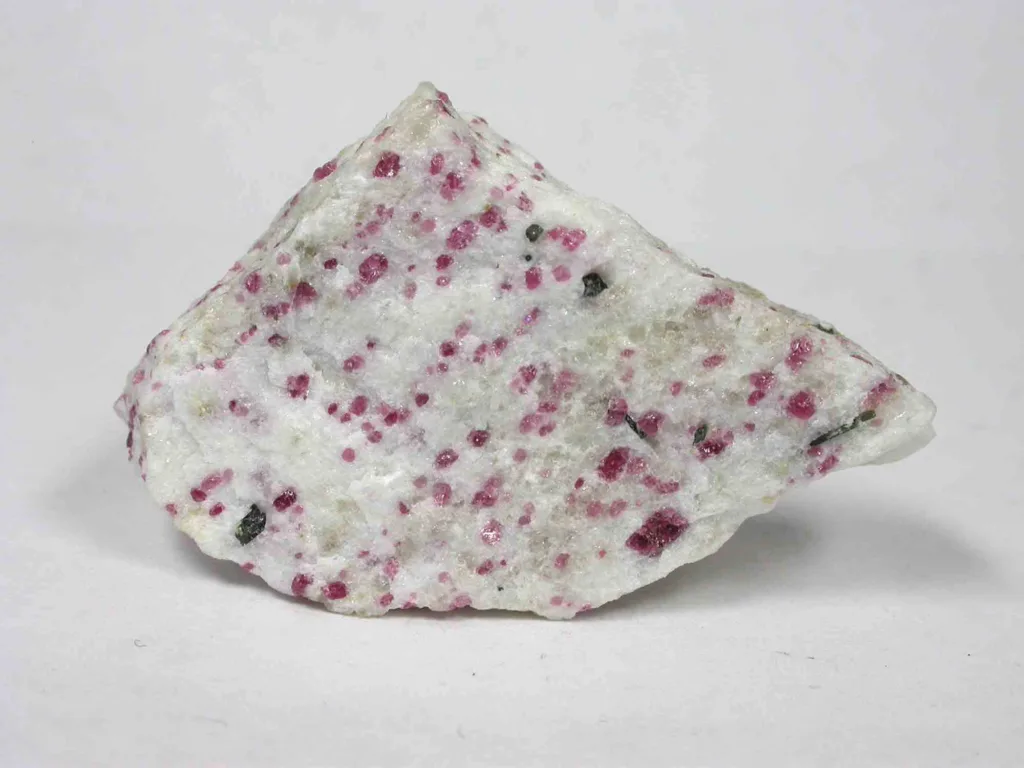 Kakortokiteigneous | — | — | Not recorded | |
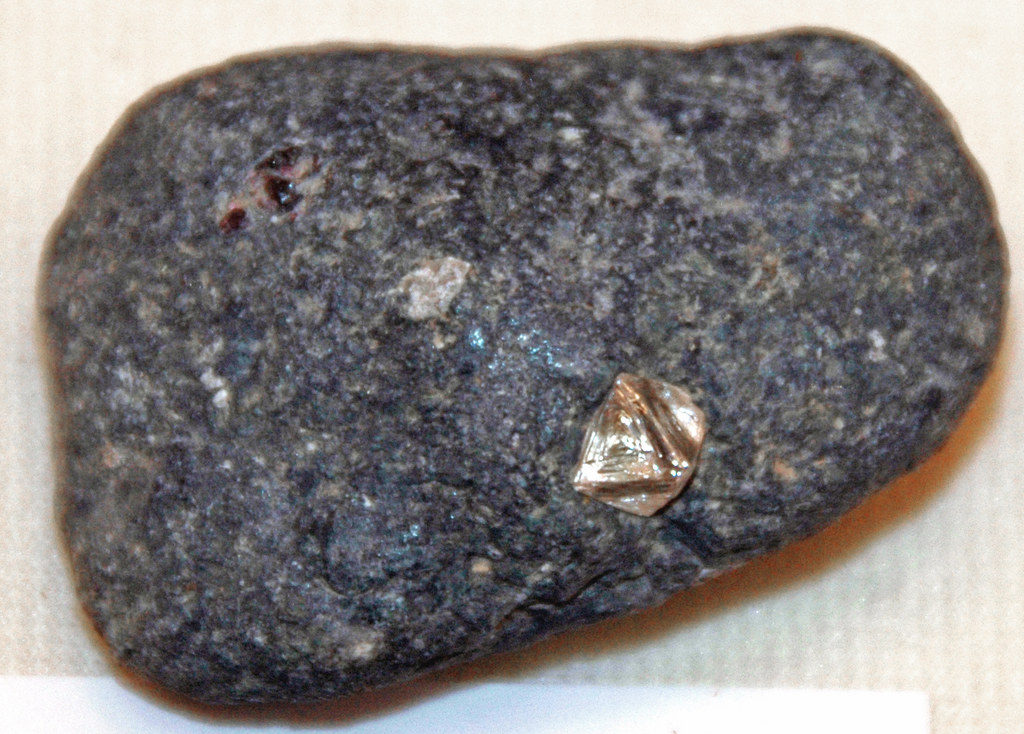 Kimberliteigneous | — | — | Not recorded | |
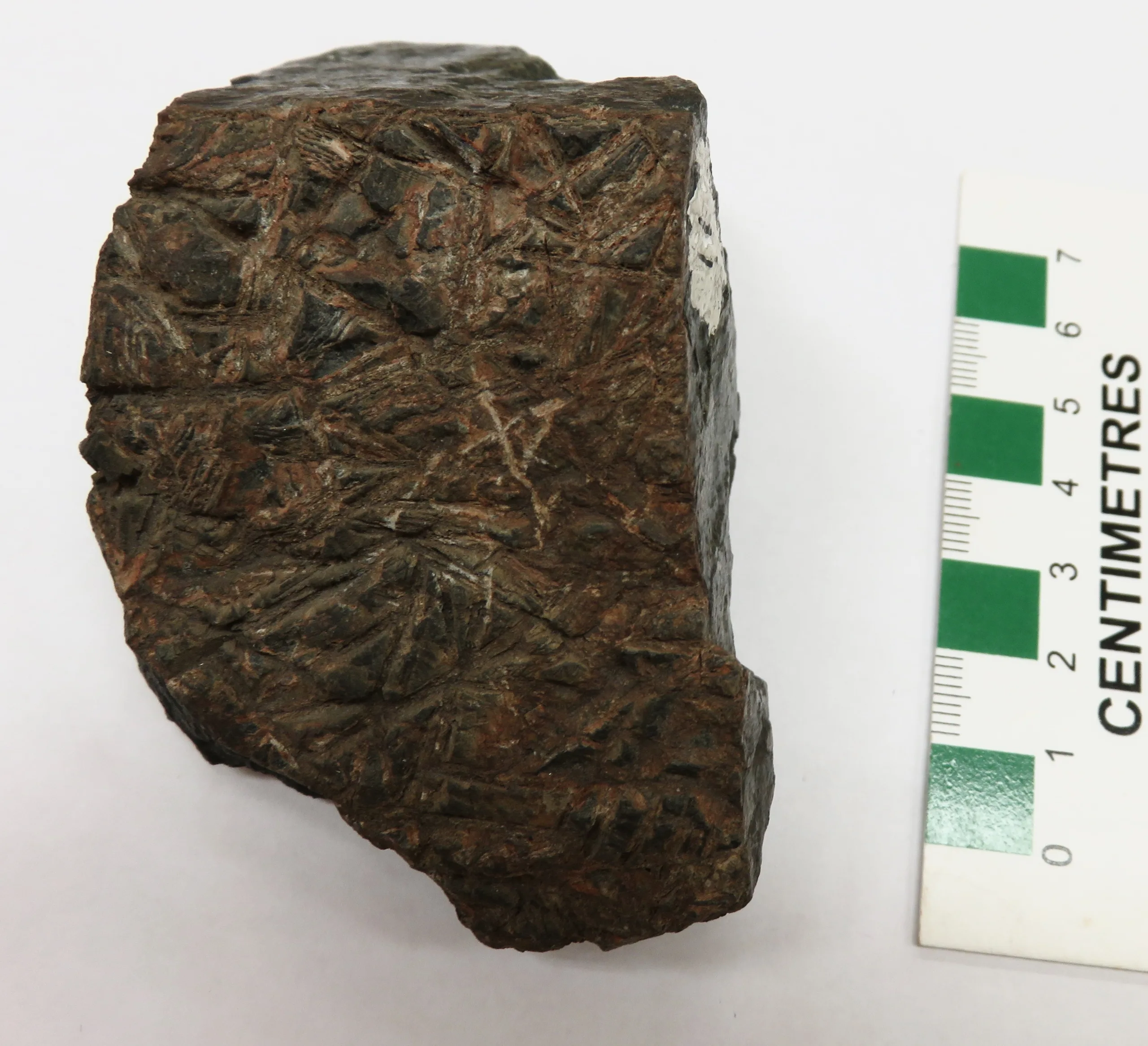 Komatiiteigneous | — | — | Not recorded | |
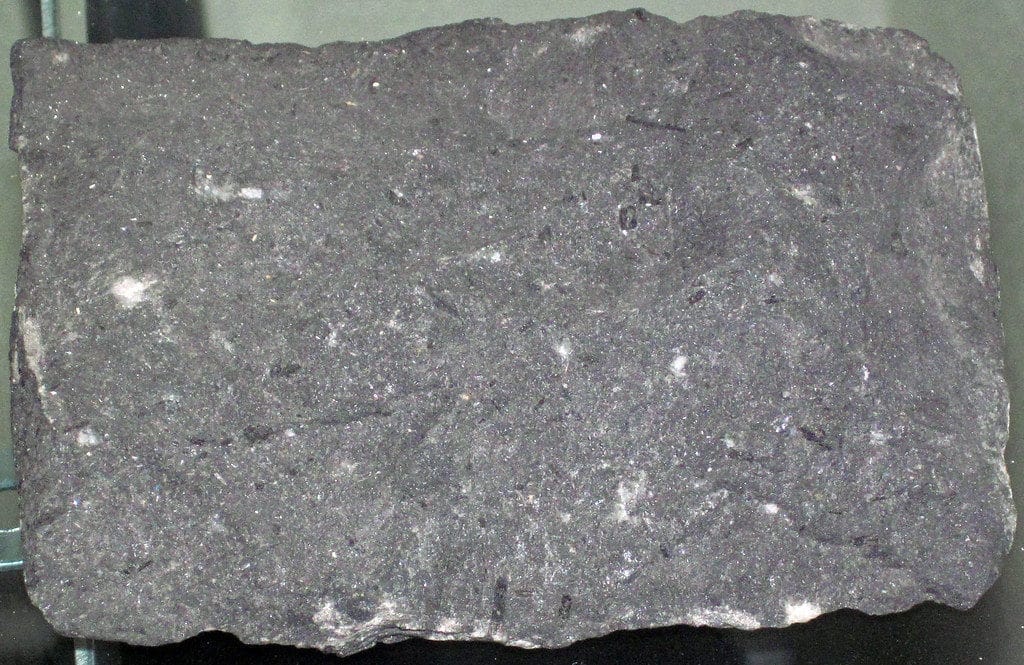 Lamprophyreigneous | 2.65–3.39 | 2.91 | PETLAB NZ (Tenzer et al., 2011) | |
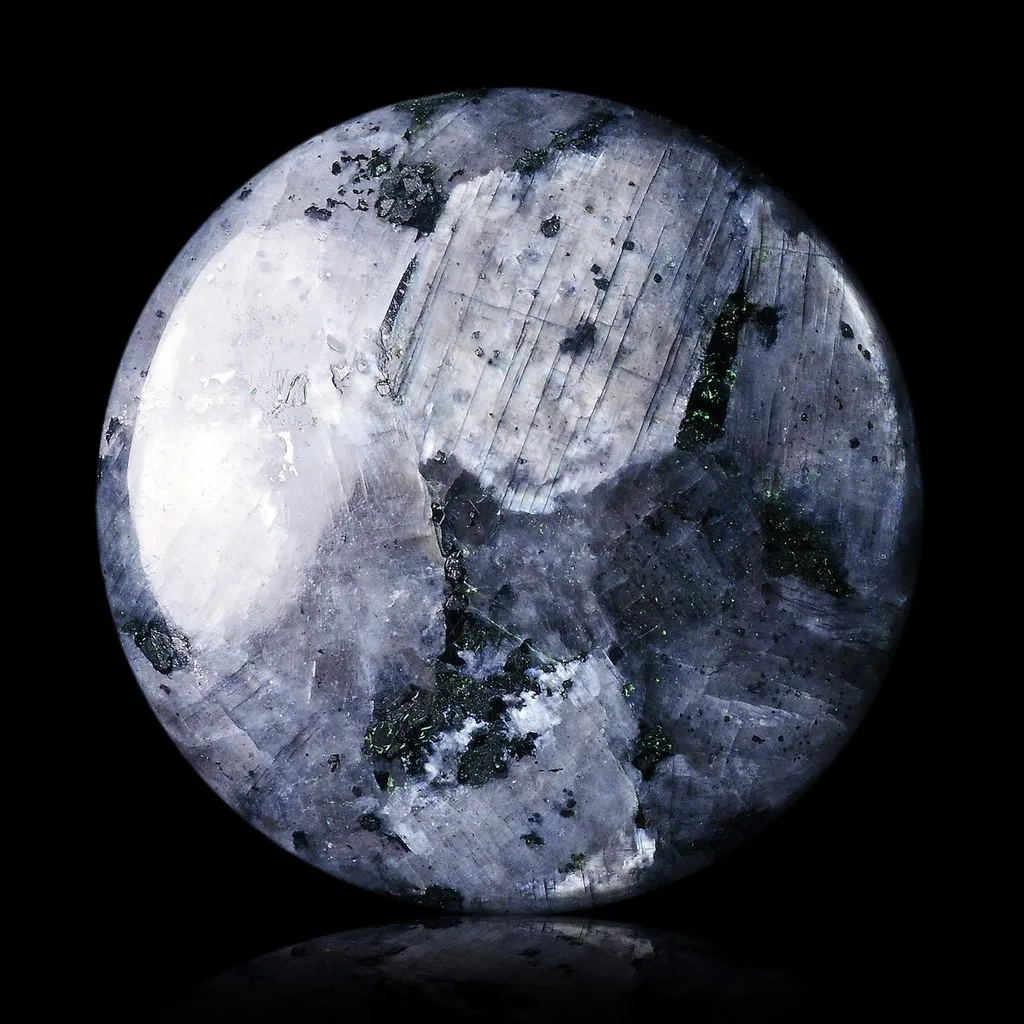 Larvikiteigneous | — | — | Not recorded | |
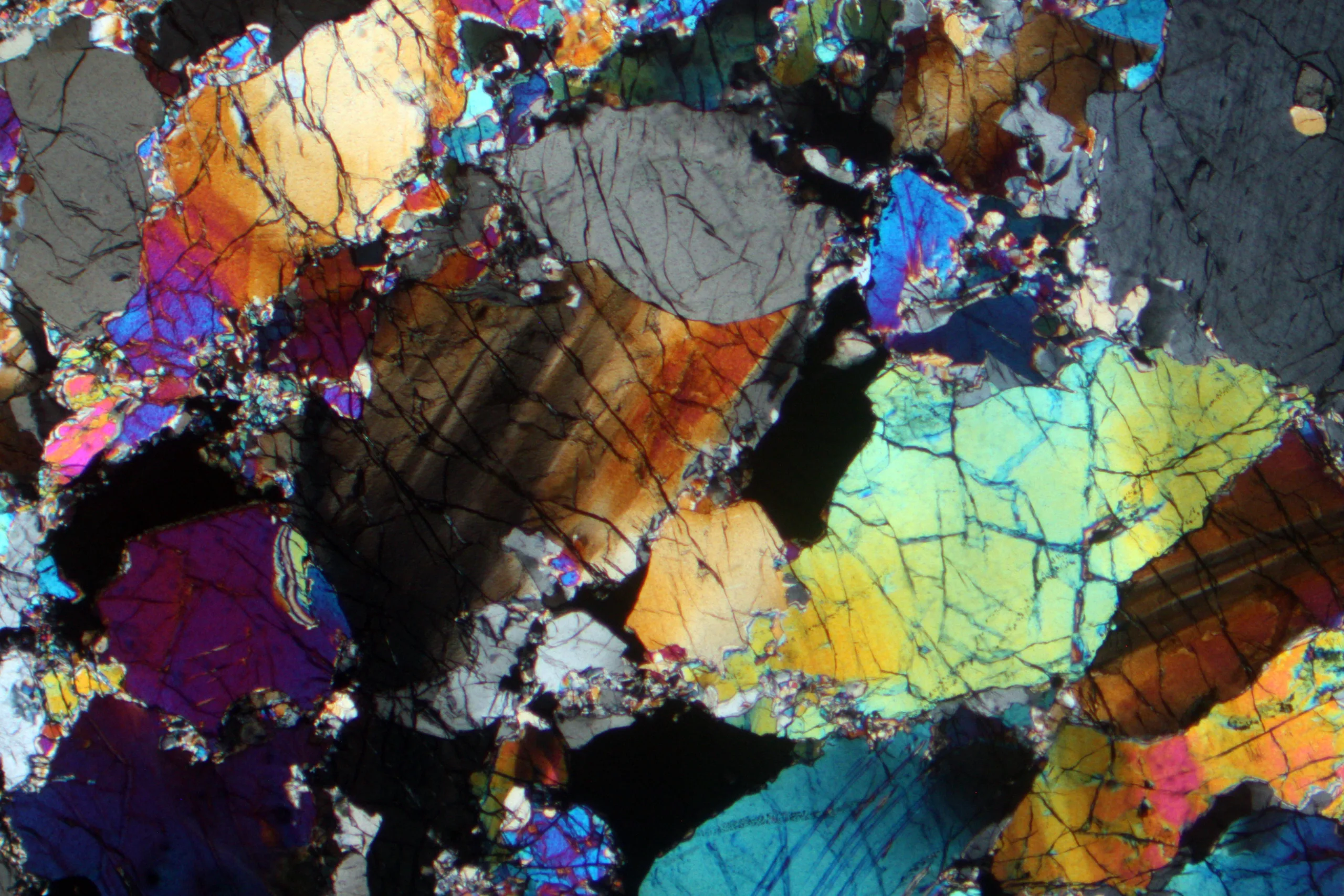 Lherzoliteigneous | — | — | Not recorded | |
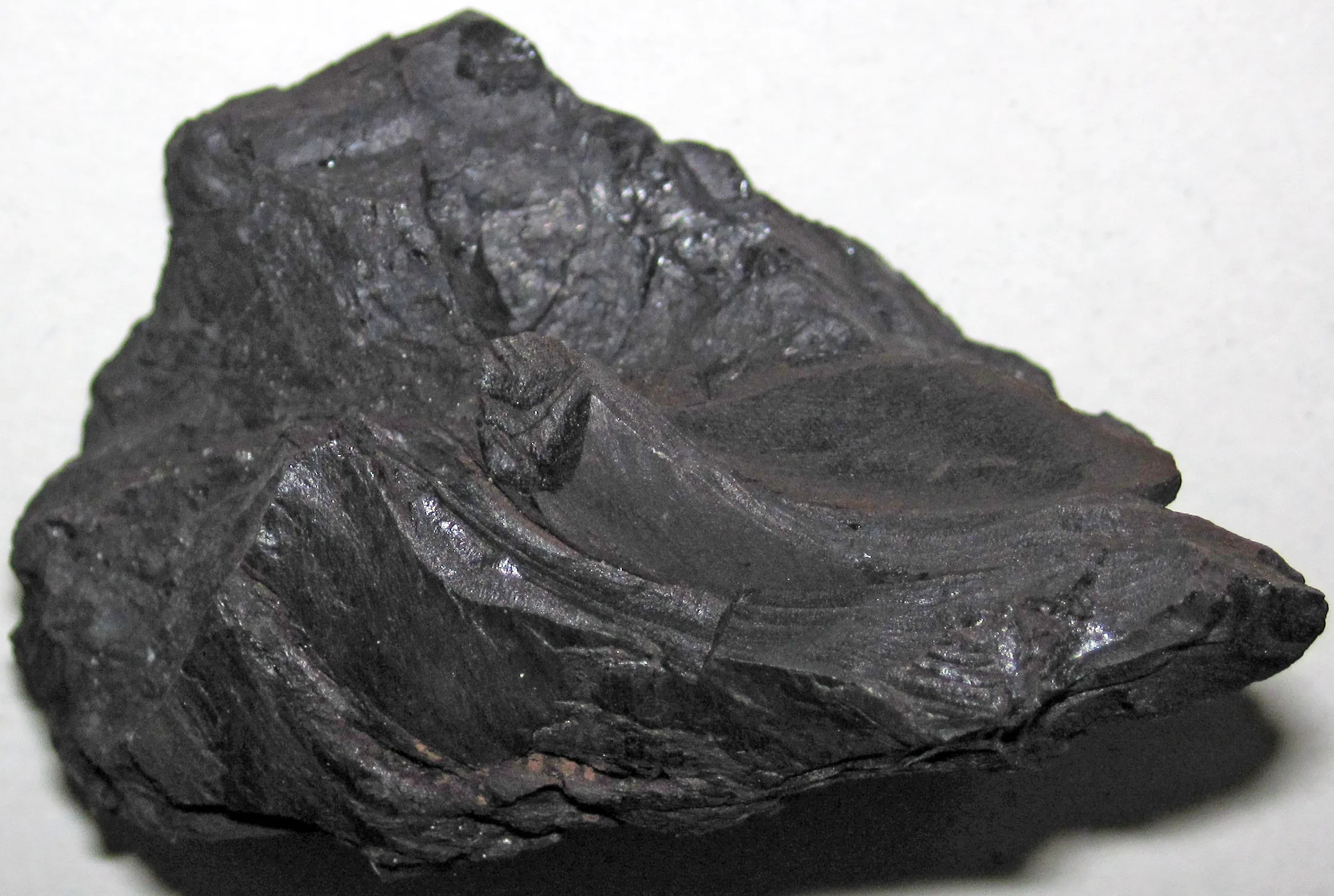 Lignitesedimentary | 1.21–1.67 | 1.39 | PETLAB NZ (Tenzer et al., 2011) | |
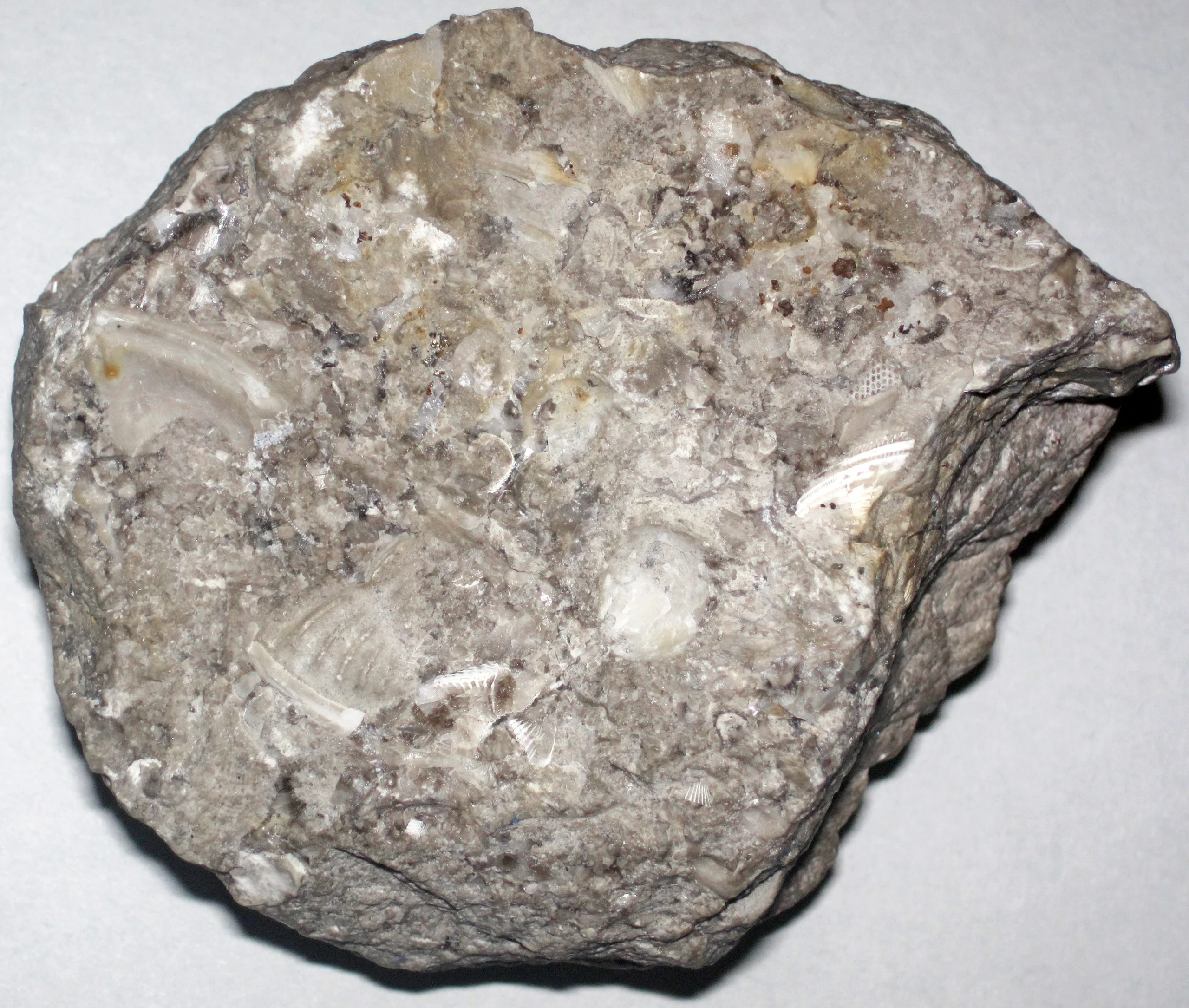 Limestonesedimentary | 2.2–2.8 | 2.55 | USGS table 1 | |
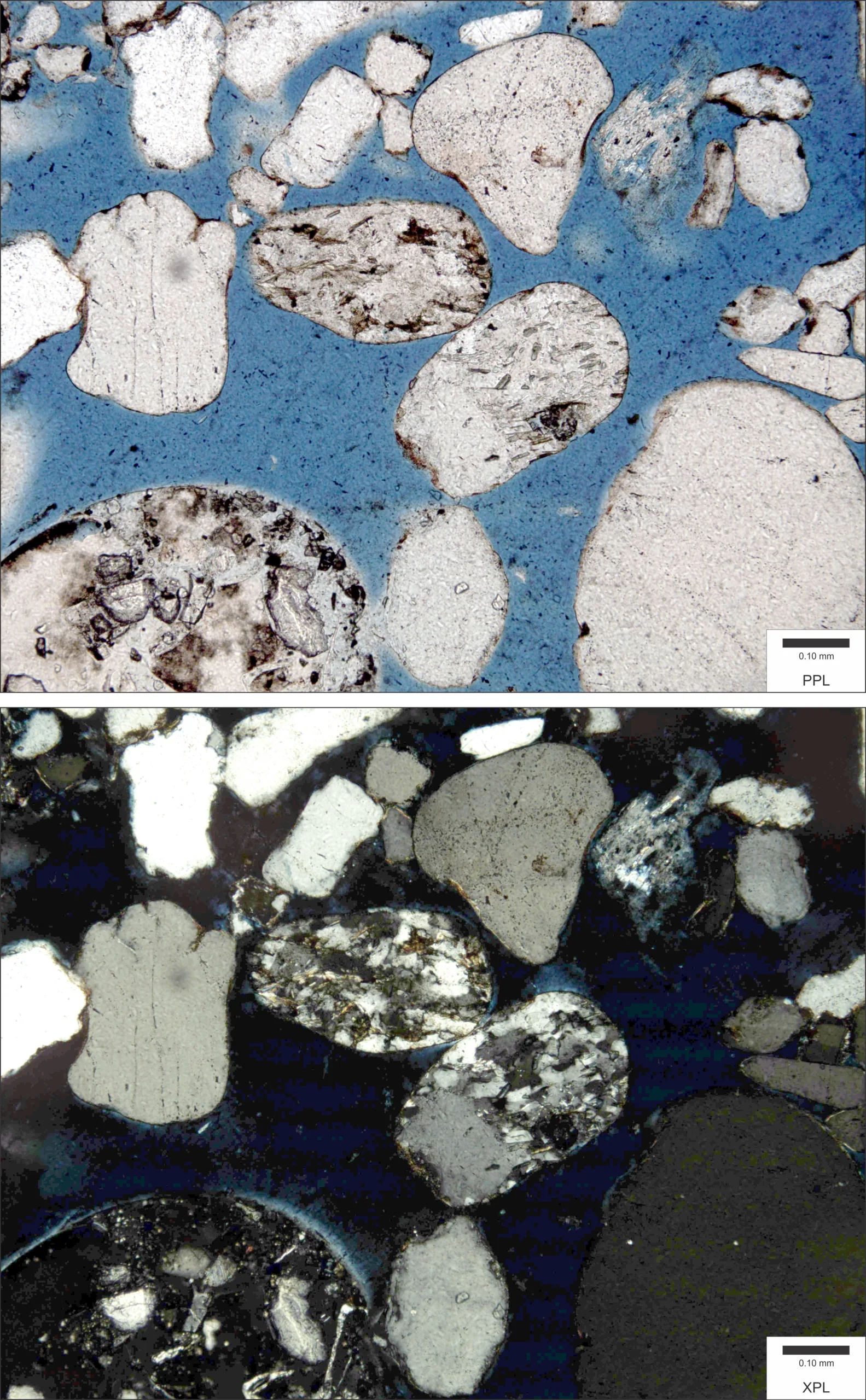 Lithic arenitesedimentary | — | — | Not recorded | |
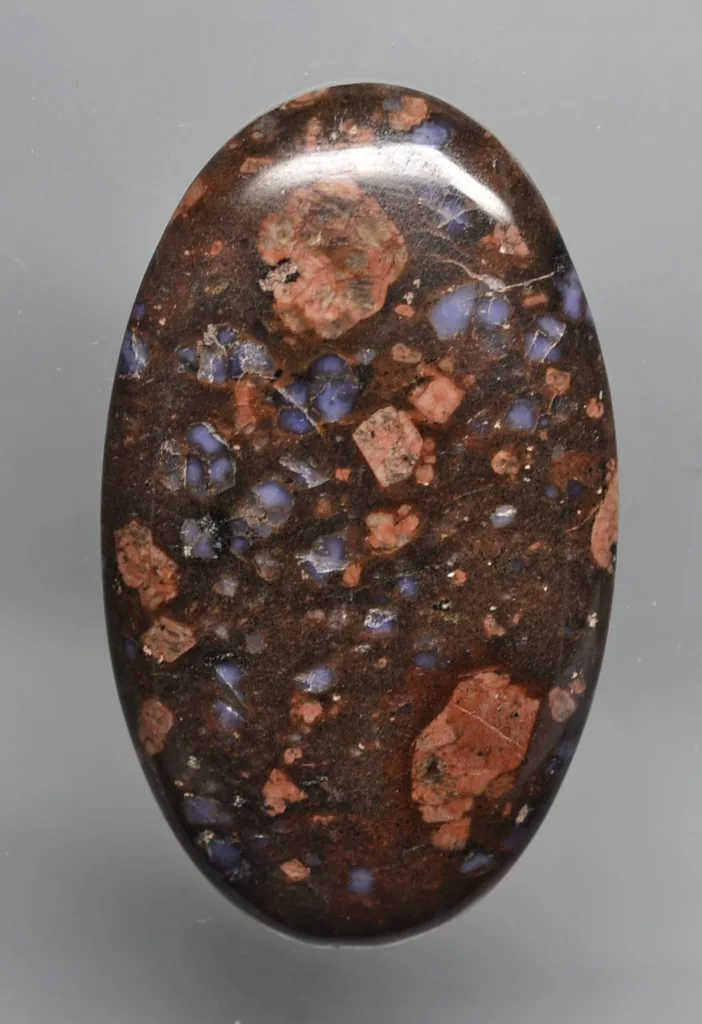 Llaniteigneous | — | — | Not recorded | |
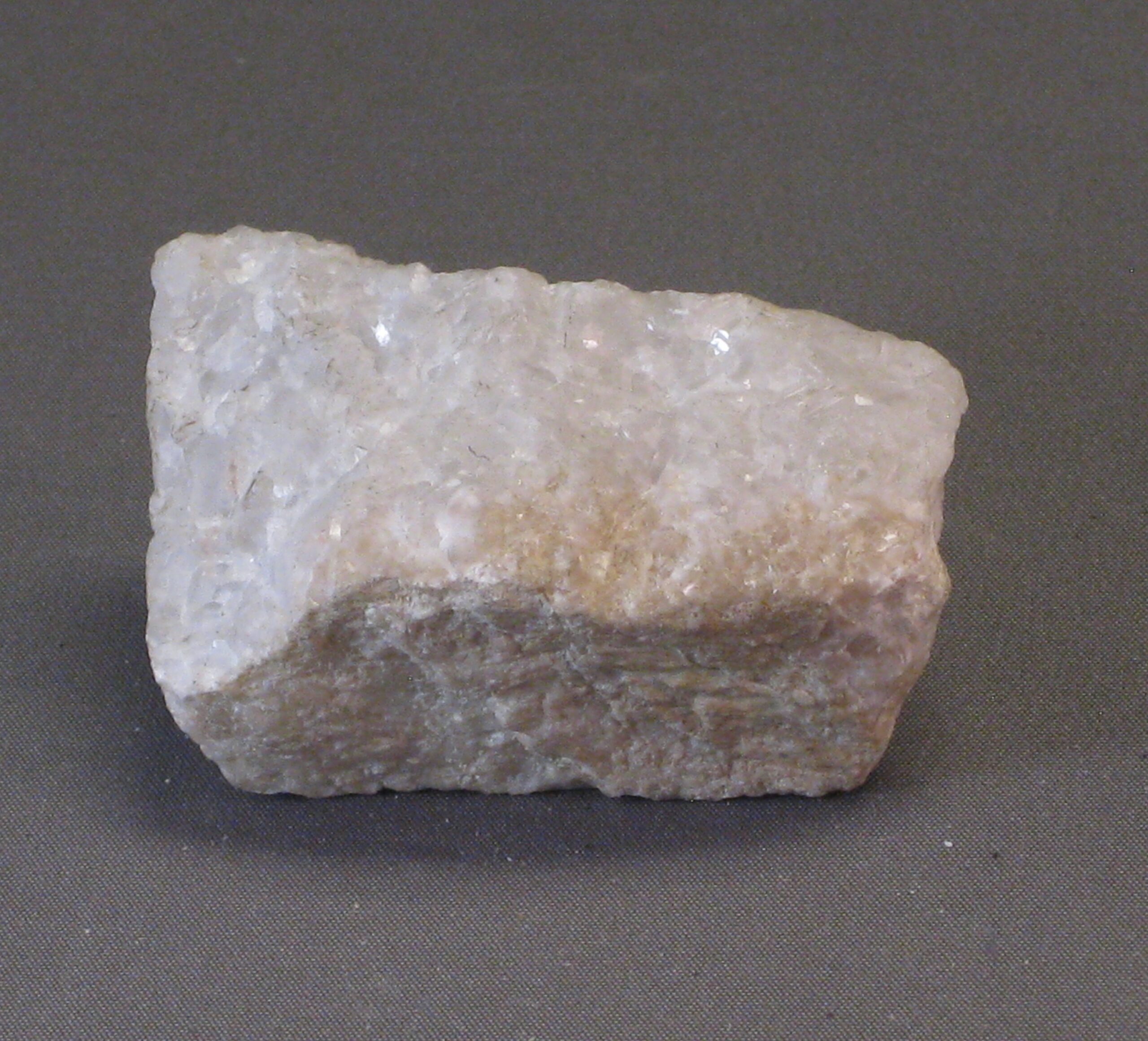 Marblemetamorphic | 2.648–2.991 | — | USGS 92-557, Table 2 (dry bulk samples) | |
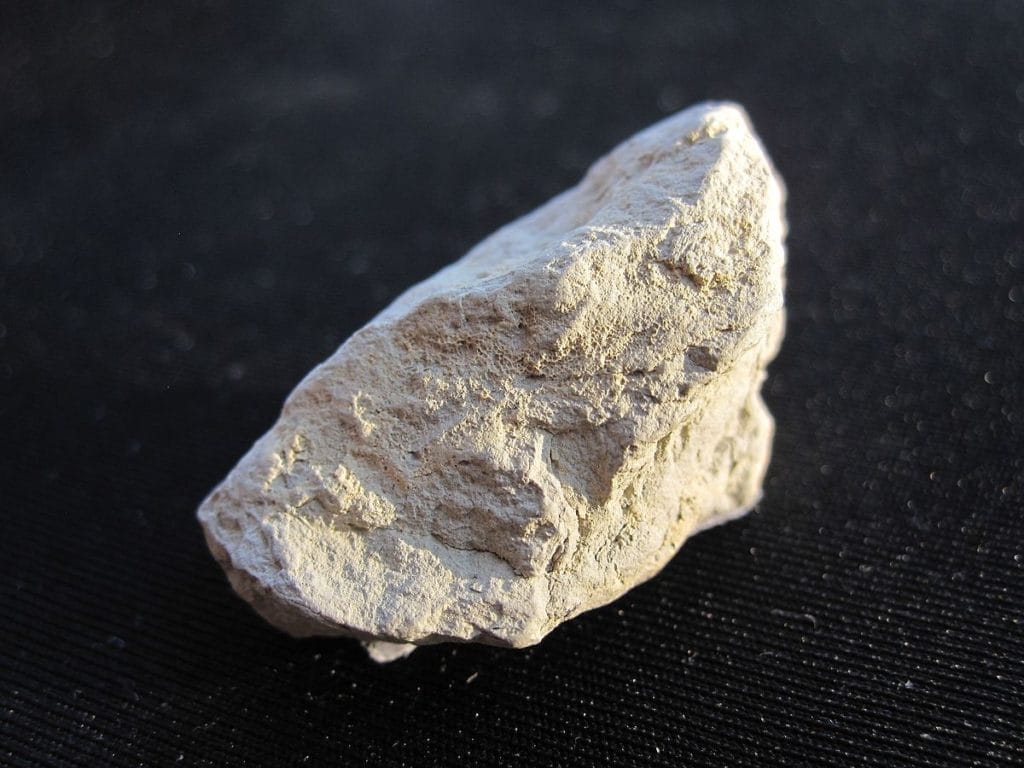 Marlsedimentary | — | — | Not recorded | |
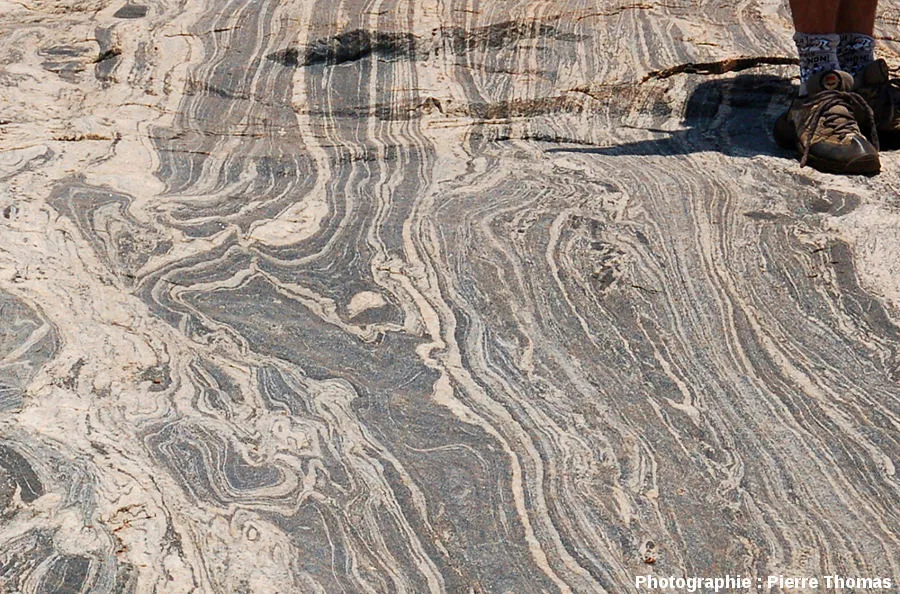 Migmatitemetamorphic | — | — | Not recorded | |
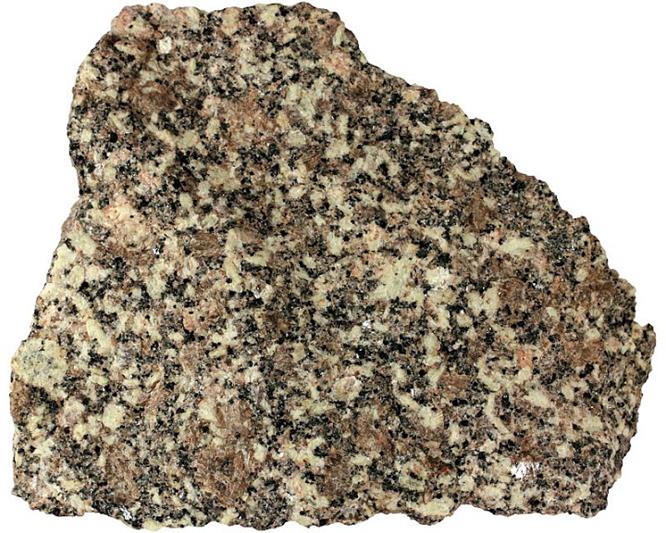 Monzoniteigneous | — | — | Not recorded | |
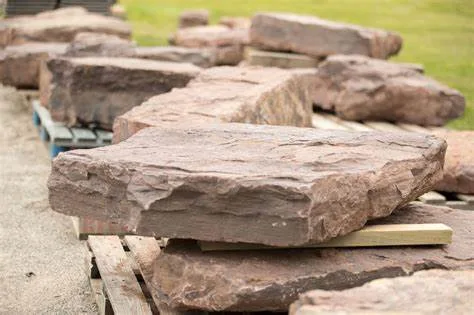 Mudstonesedimentary | 1.32–2.87 | 2.204 | PETLAB NZ (Tenzer et al., 2011) | |
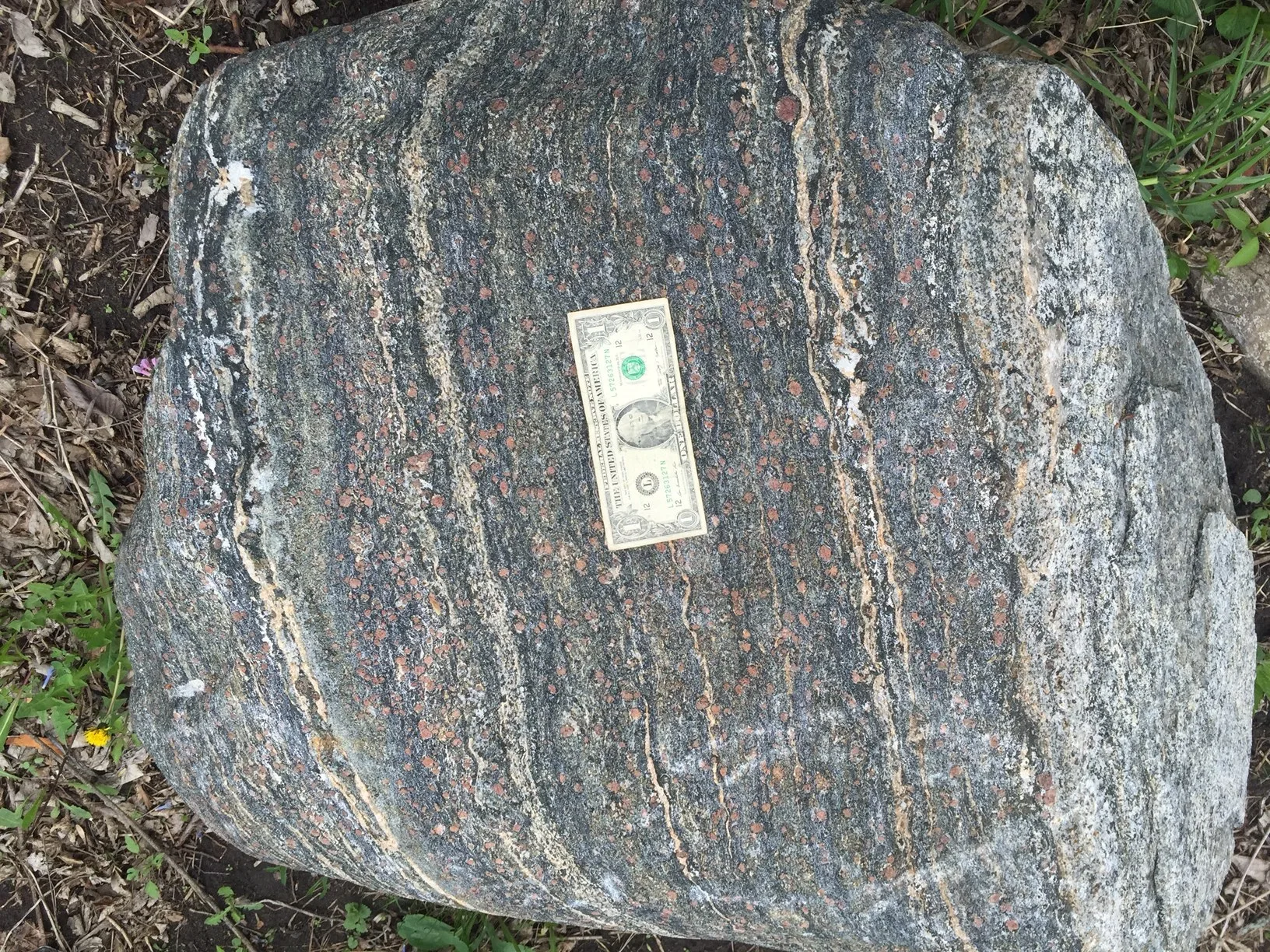 Mylonitemetamorphic | 2.62–2.93 | 2.757 | PETLAB NZ (Tenzer et al., 2011) | |
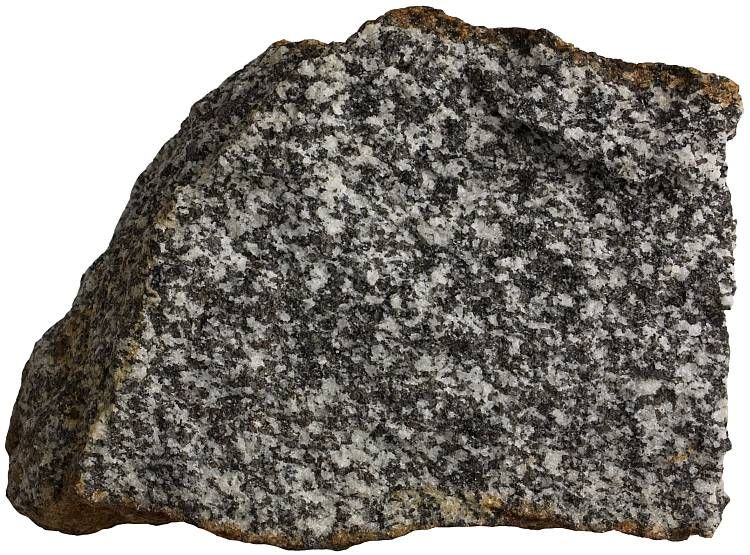 Noriteigneous | 2.8–3.2 | — | Site reference range (not independently verified) | |
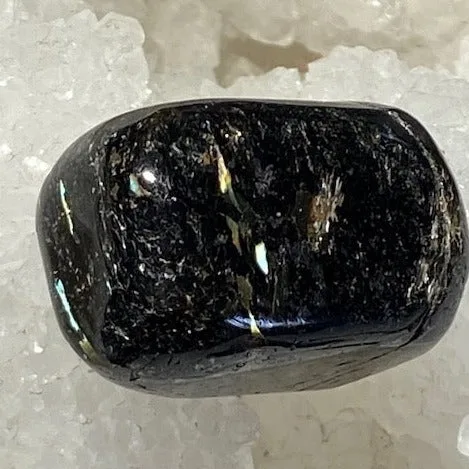 Nuummitemetamorphic | — | — | Not recorded | |
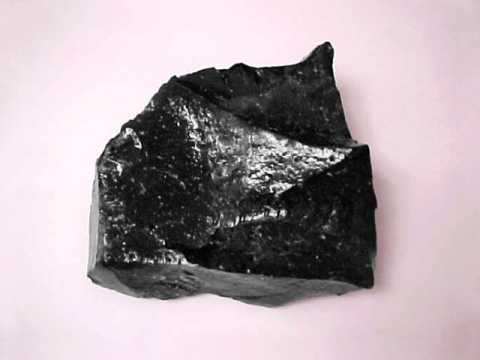 Obsidianigneous | 2.3–2.6 | — | Site reference range (not independently verified) | |
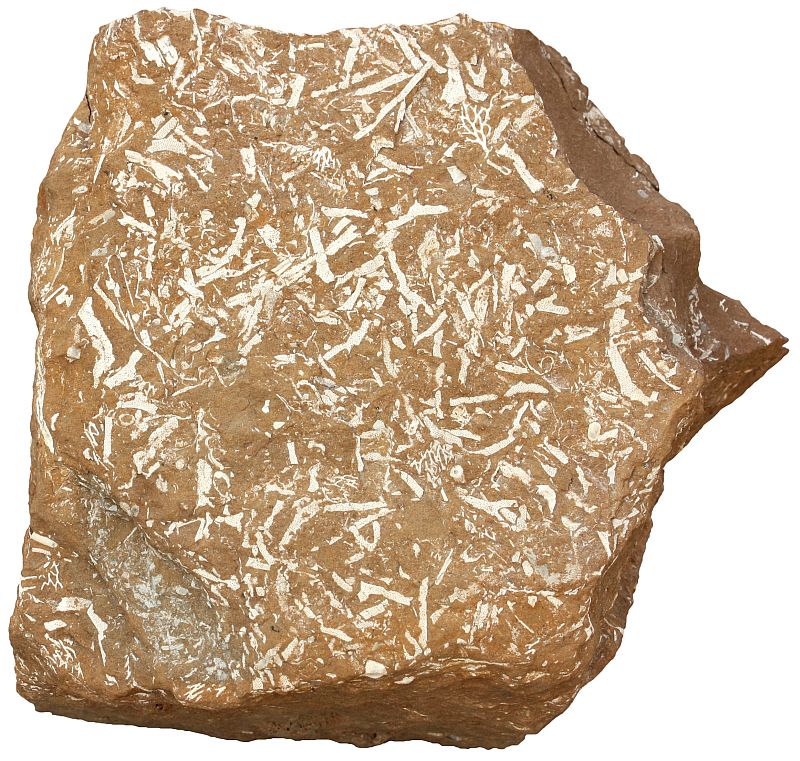 Oil shalesedimentary | — | — | Not recorded | |
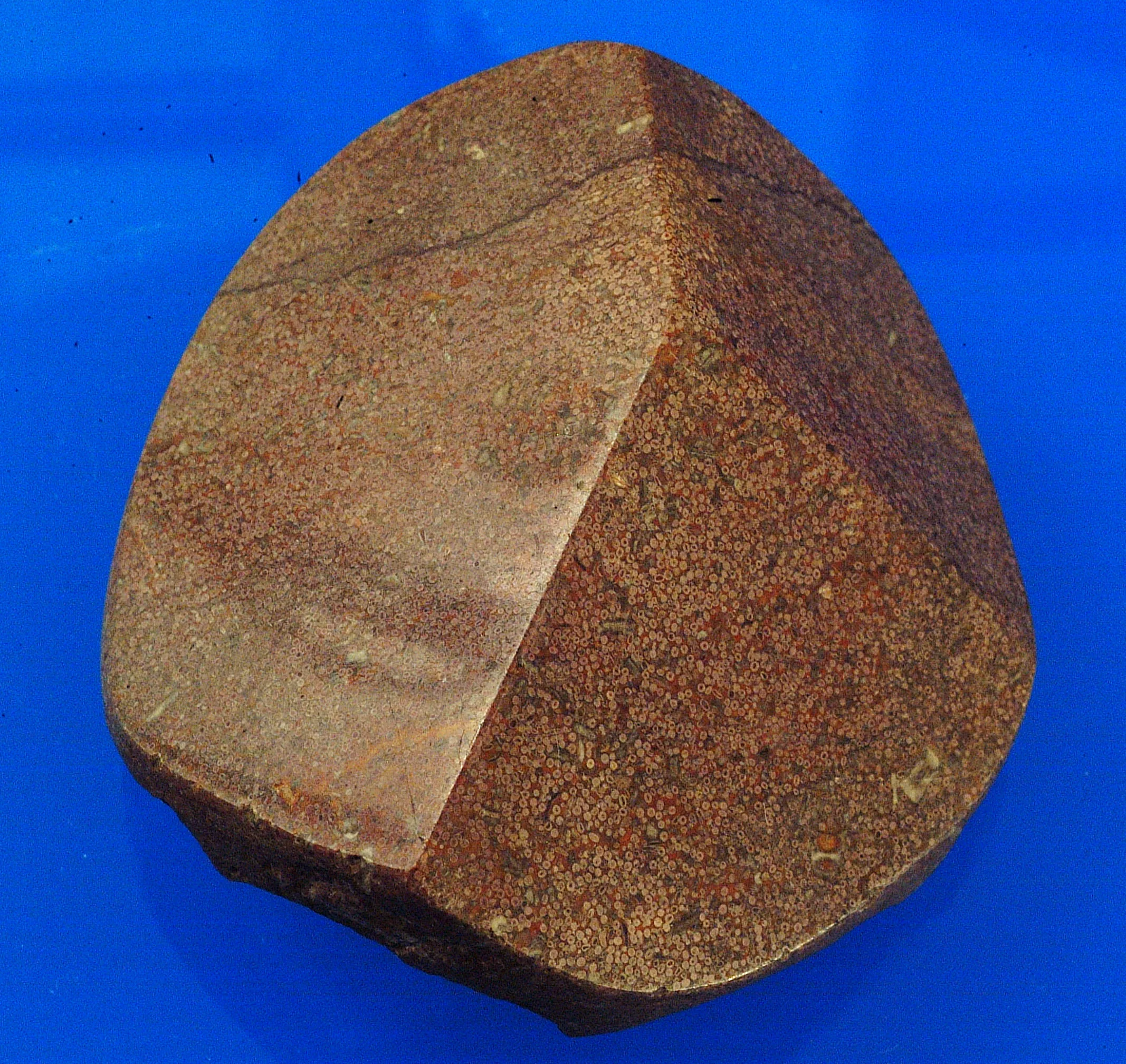 Oolitic limestonesedimentary | — | — | Not recorded | |
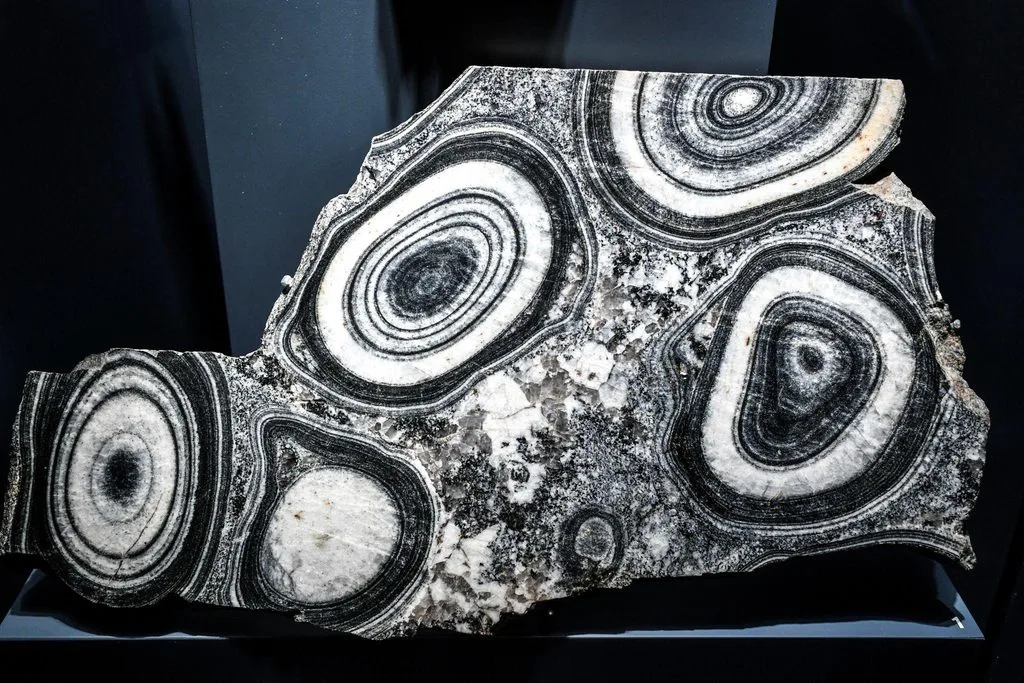 Orbicular graniteigneous | — | — | Not recorded | |
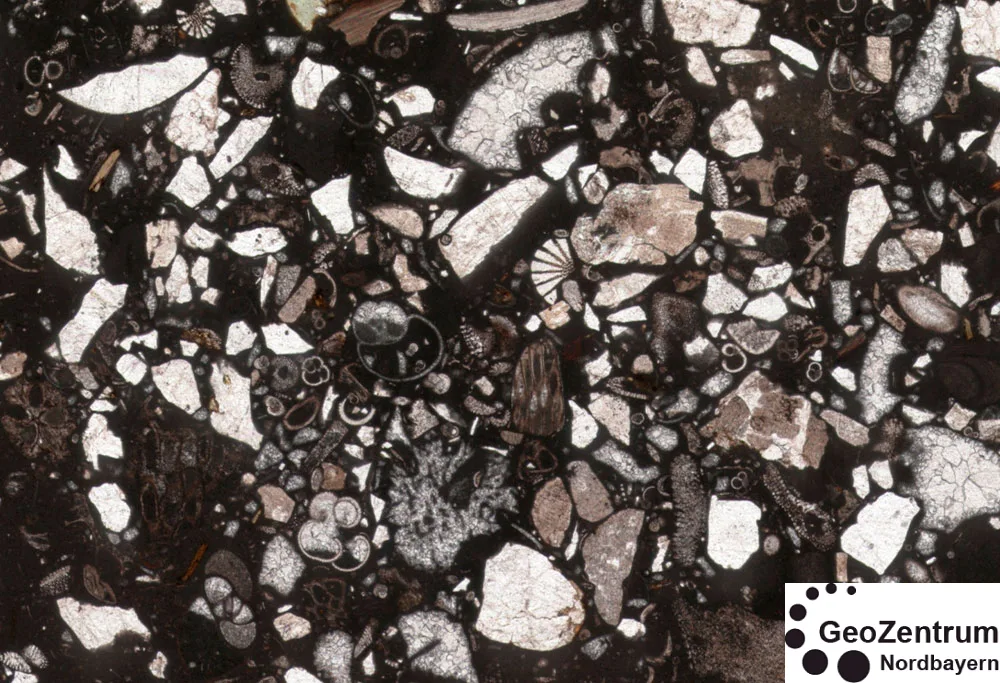 Packstonesedimentary | — | — | Not recorded | |
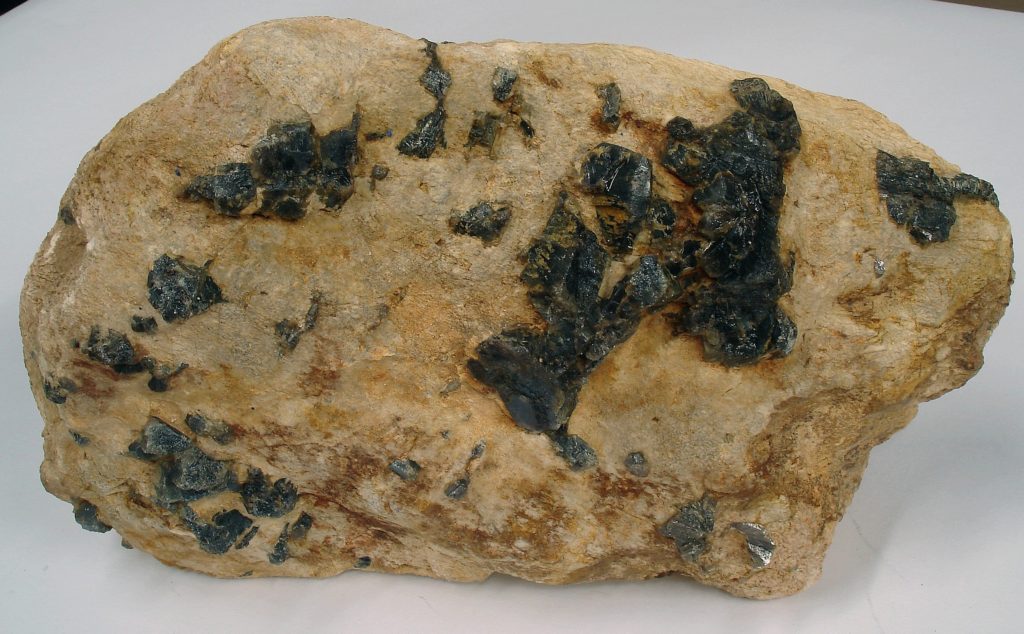 Pegmatiteigneous | — | — | Not recorded | |
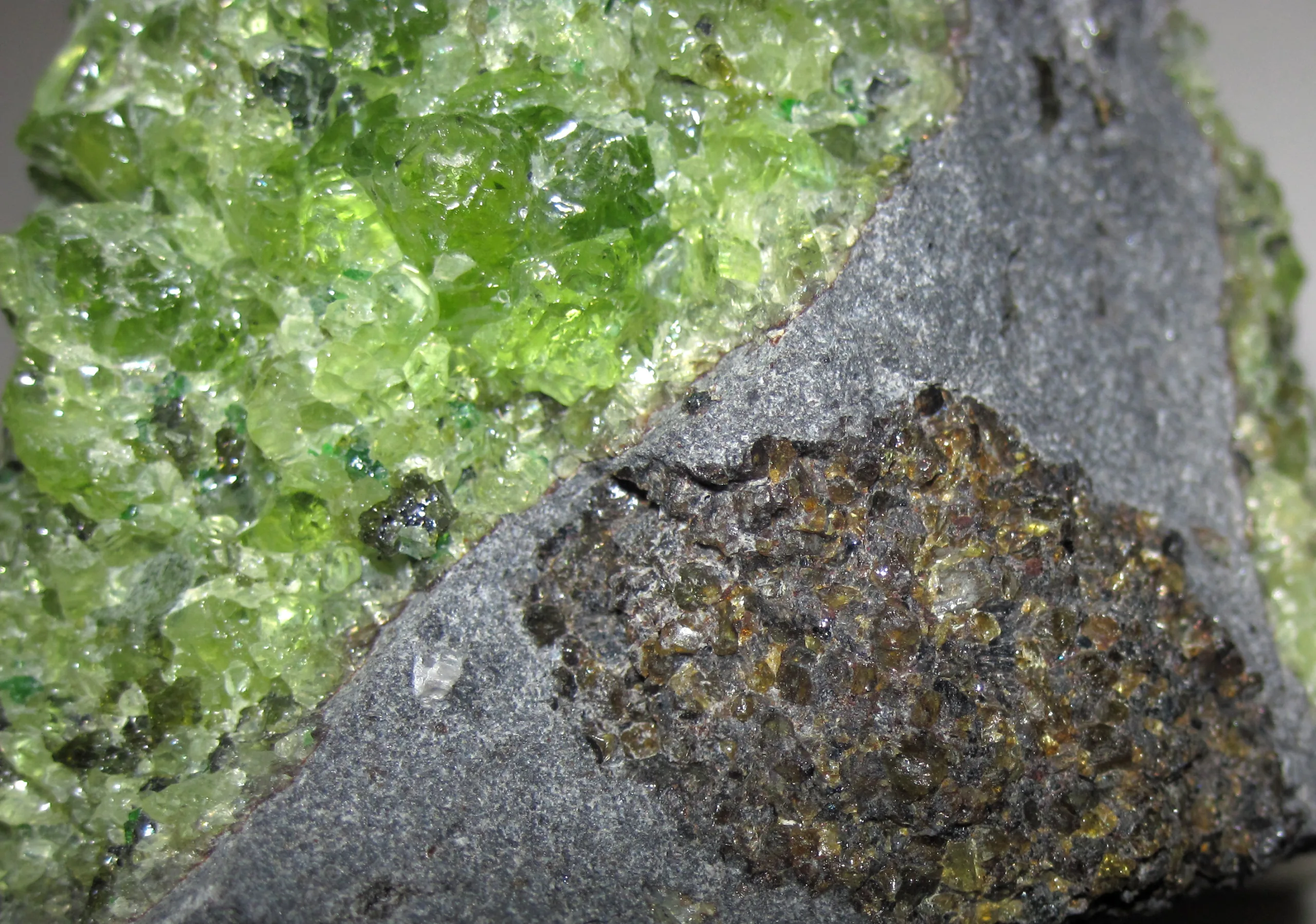 Peridotiteigneous | 2.78–3.37 | 3.15 | USGS table 1 | |
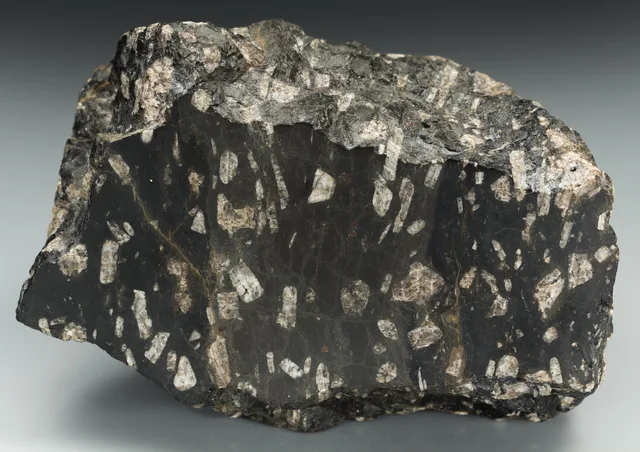 Phonoliteigneous | 2.47–2.63 | 2.536 | PETLAB NZ (Tenzer et al., 2011) | |
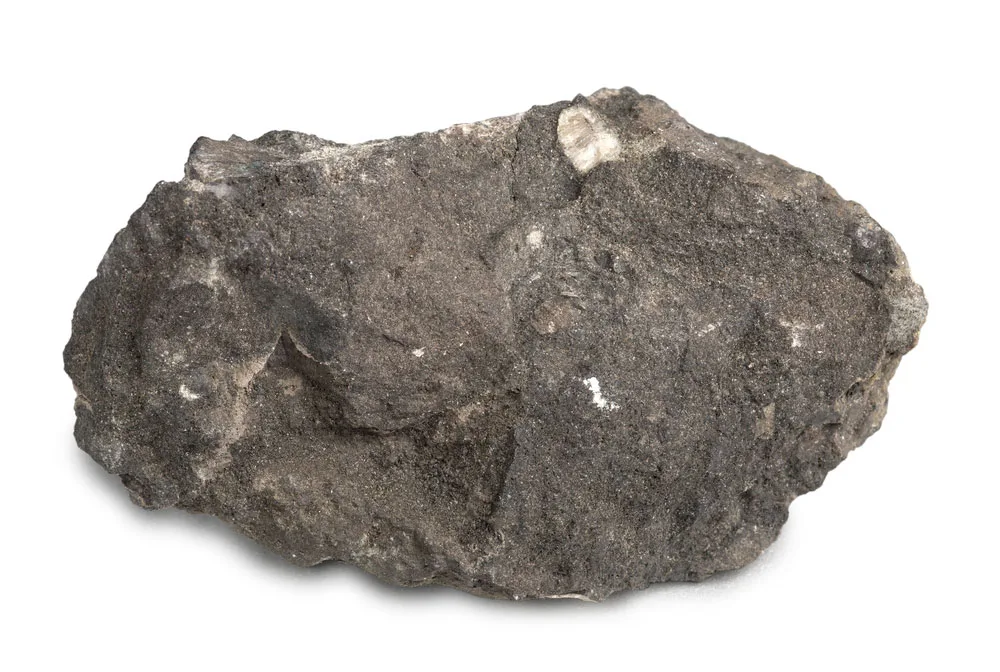 Phosphoritesedimentary | — | — | Not recorded | |
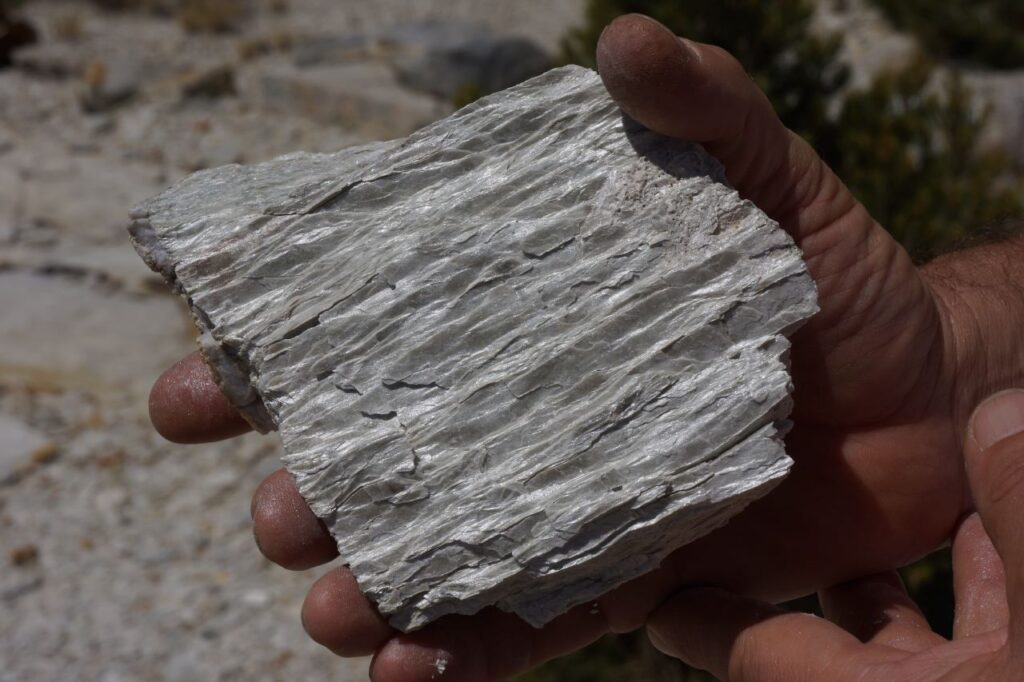 Phyllitemetamorphic | 2.5–2.9 | — | Site reference range (not independently verified) | |
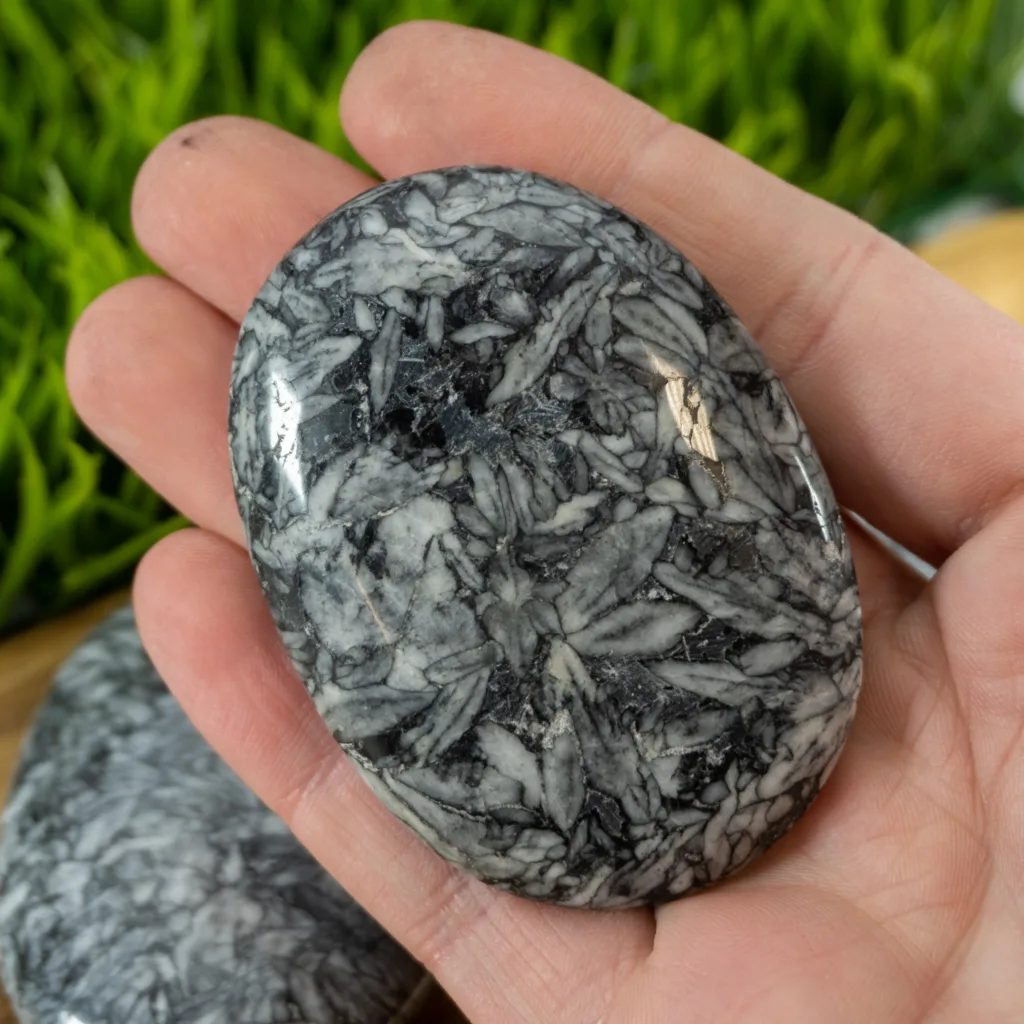 Pinolithmetamorphic, sedimentary | — | — | Not recorded | |
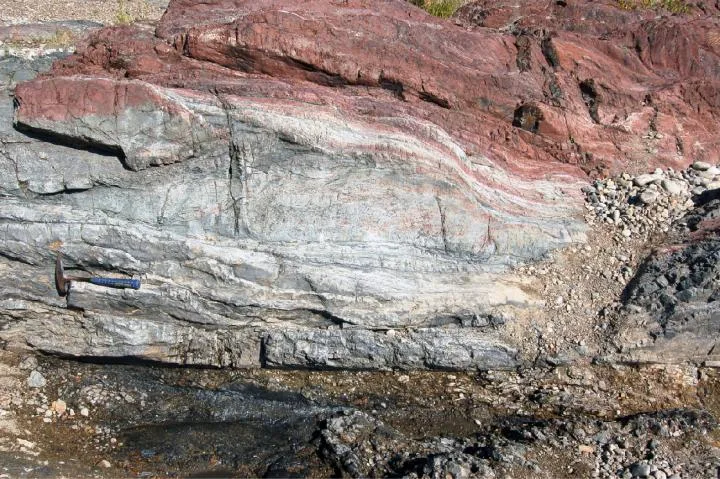 Pseudotachylytemetamorphic | — | — | Not recorded | |
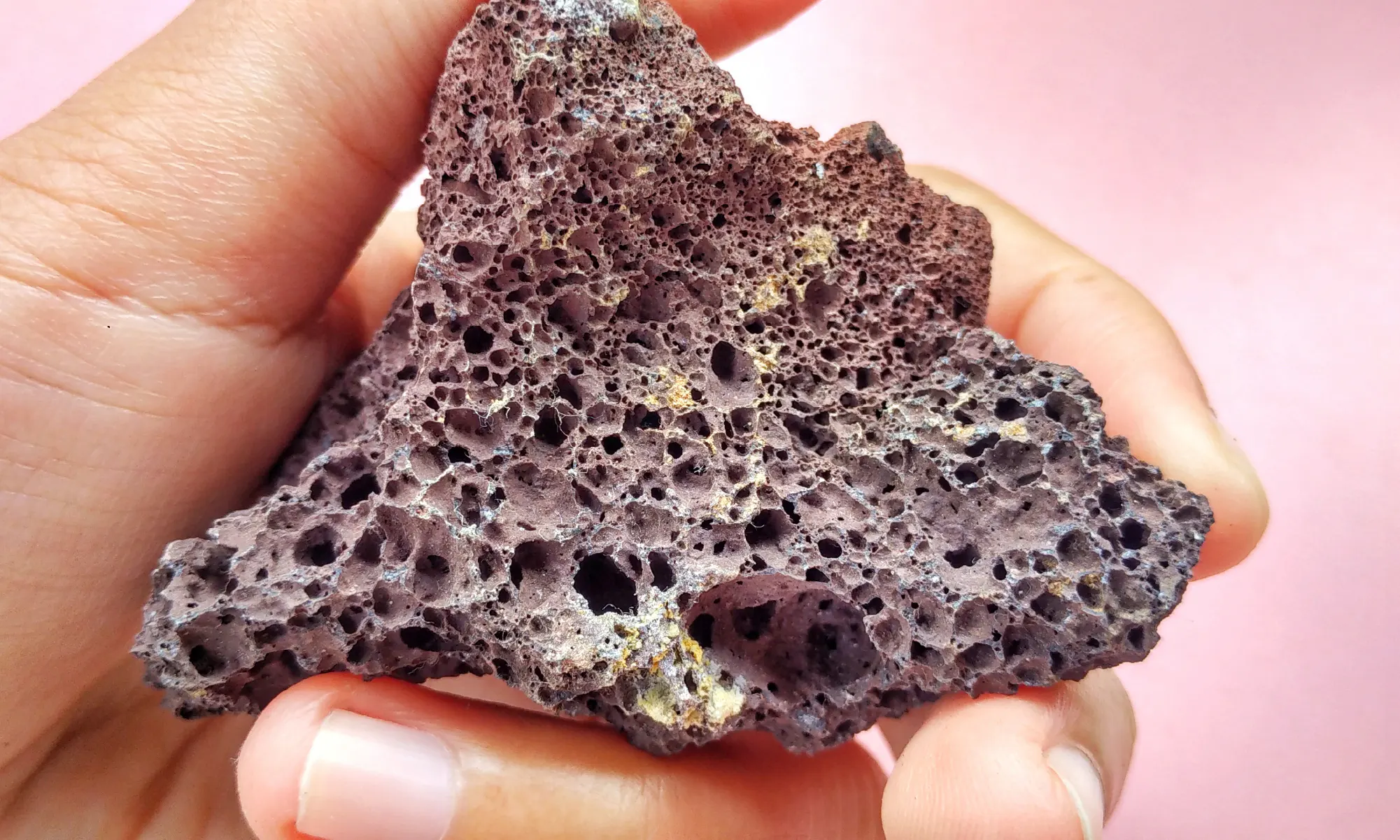 Pumiceigneous | 1.15–2.23 | 1.719 | PETLAB NZ (Tenzer et al., 2011) | |
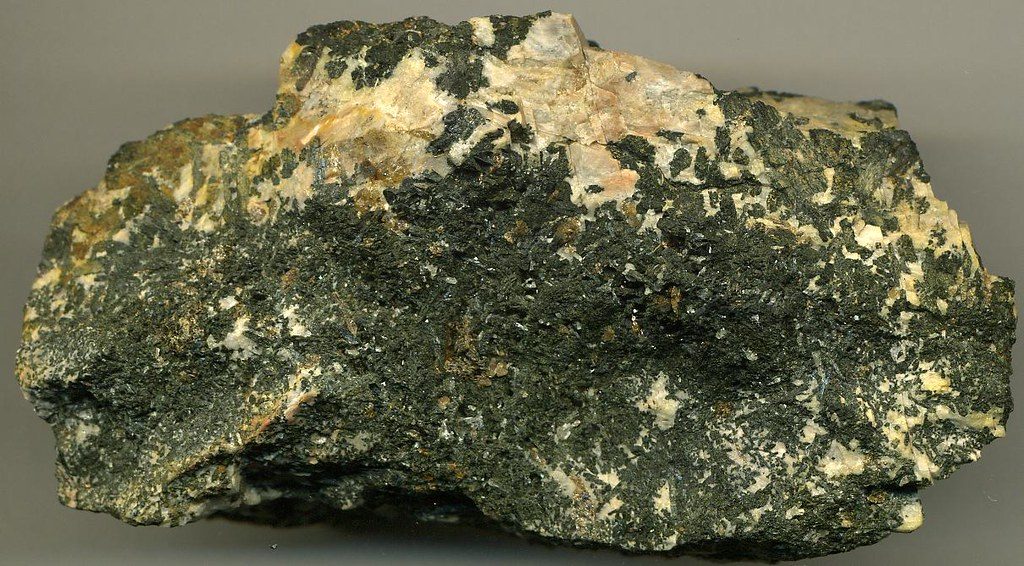 Pyroxeniteigneous | 2.93–3.34 | 3.17 | USGS table 1 | |
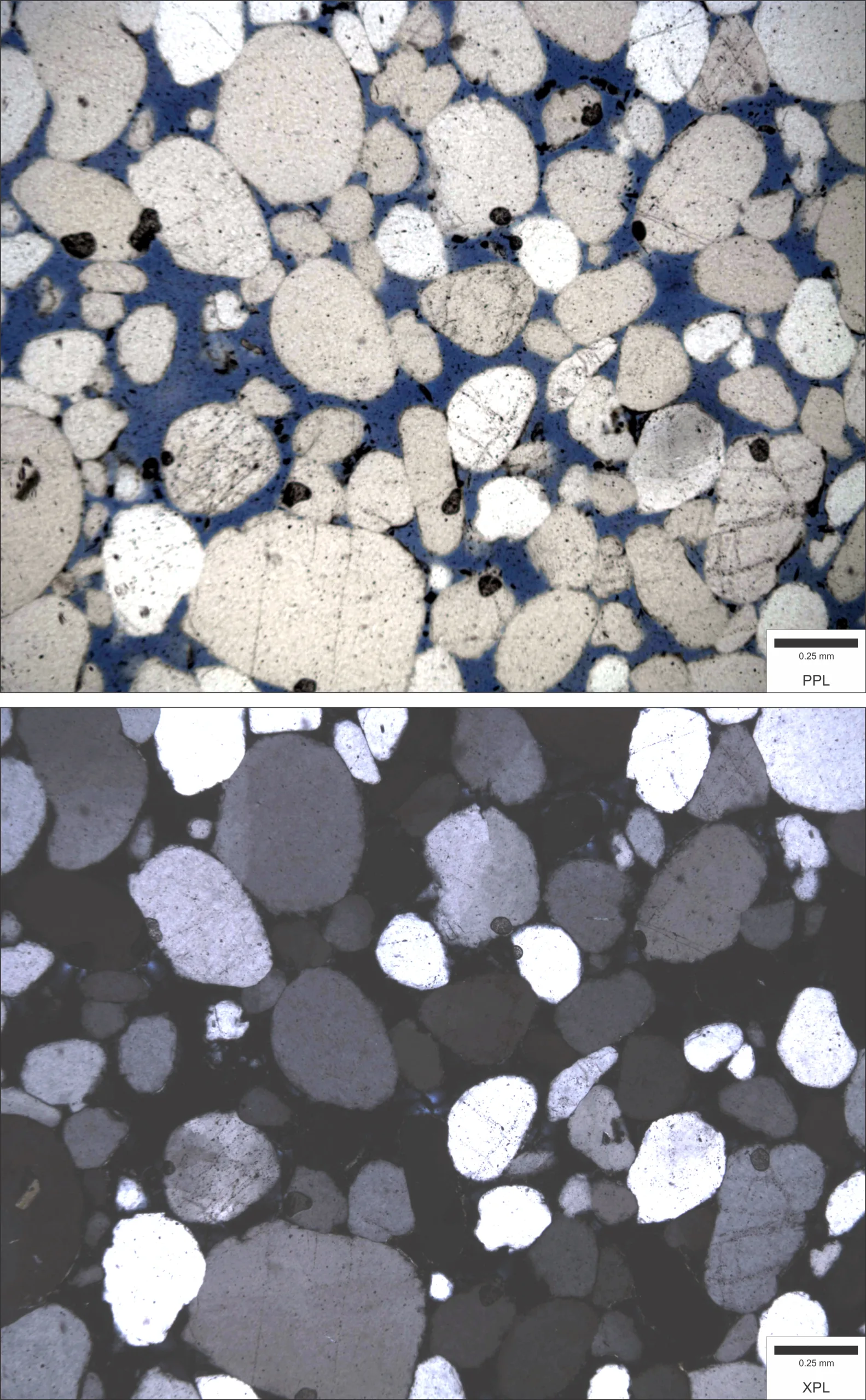 Quartz arenitesedimentary | — | — | Not recorded | |
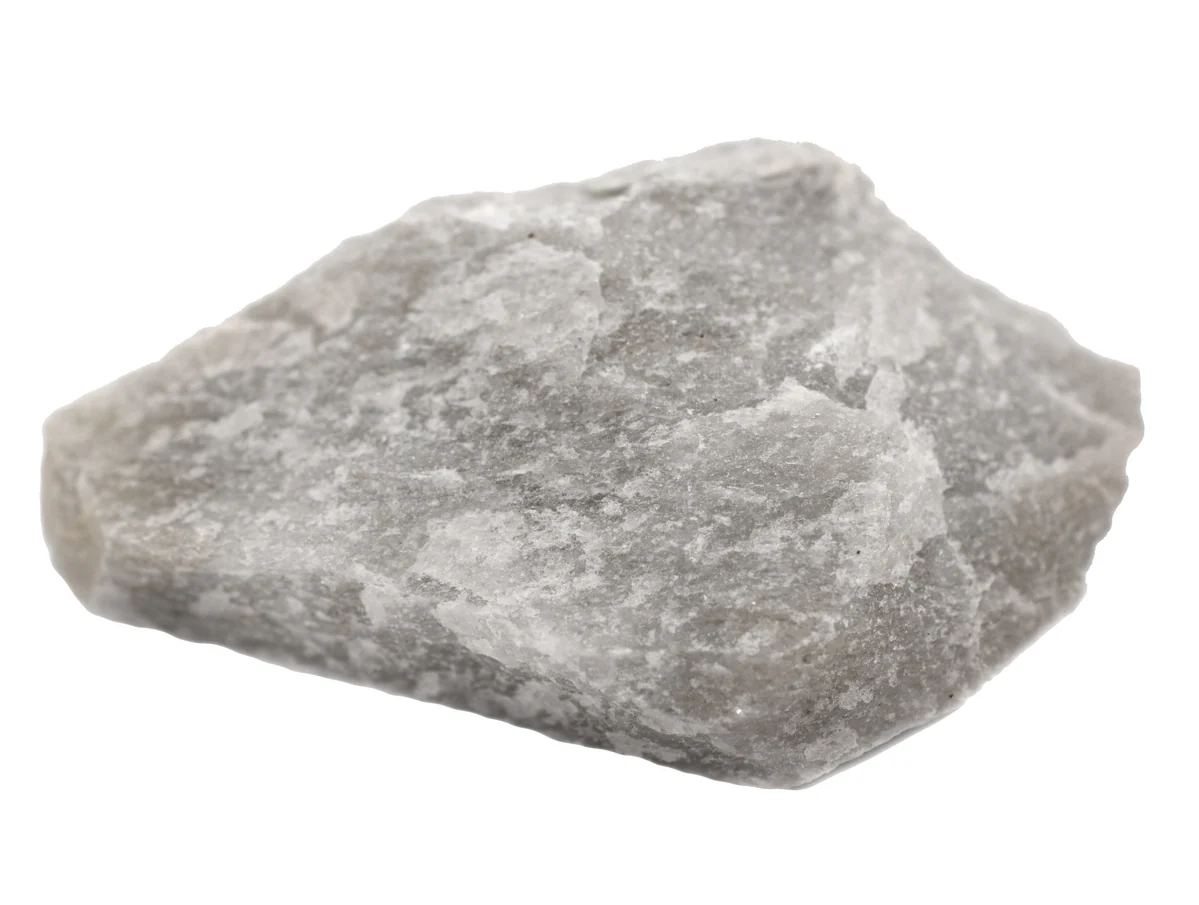 Quartzitemetamorphic | 2.5–2.7 | 2.6 | USGS table 1 | |
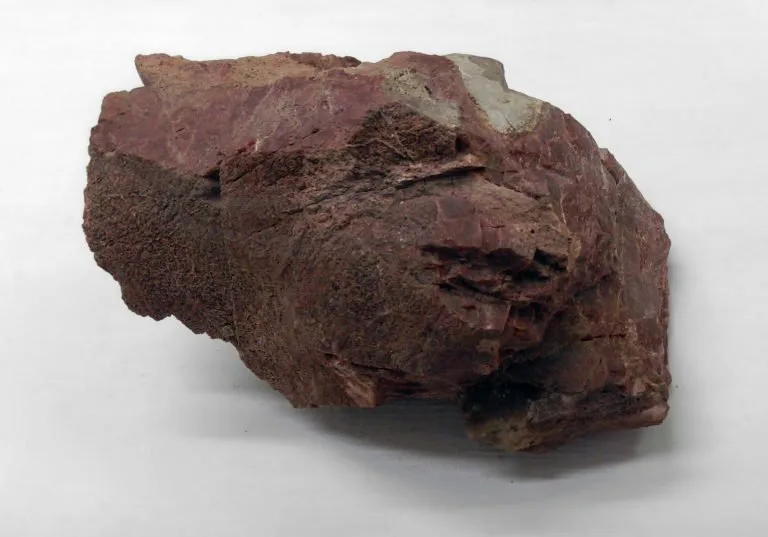 Radiolaritesedimentary | — | — | Not recorded | |
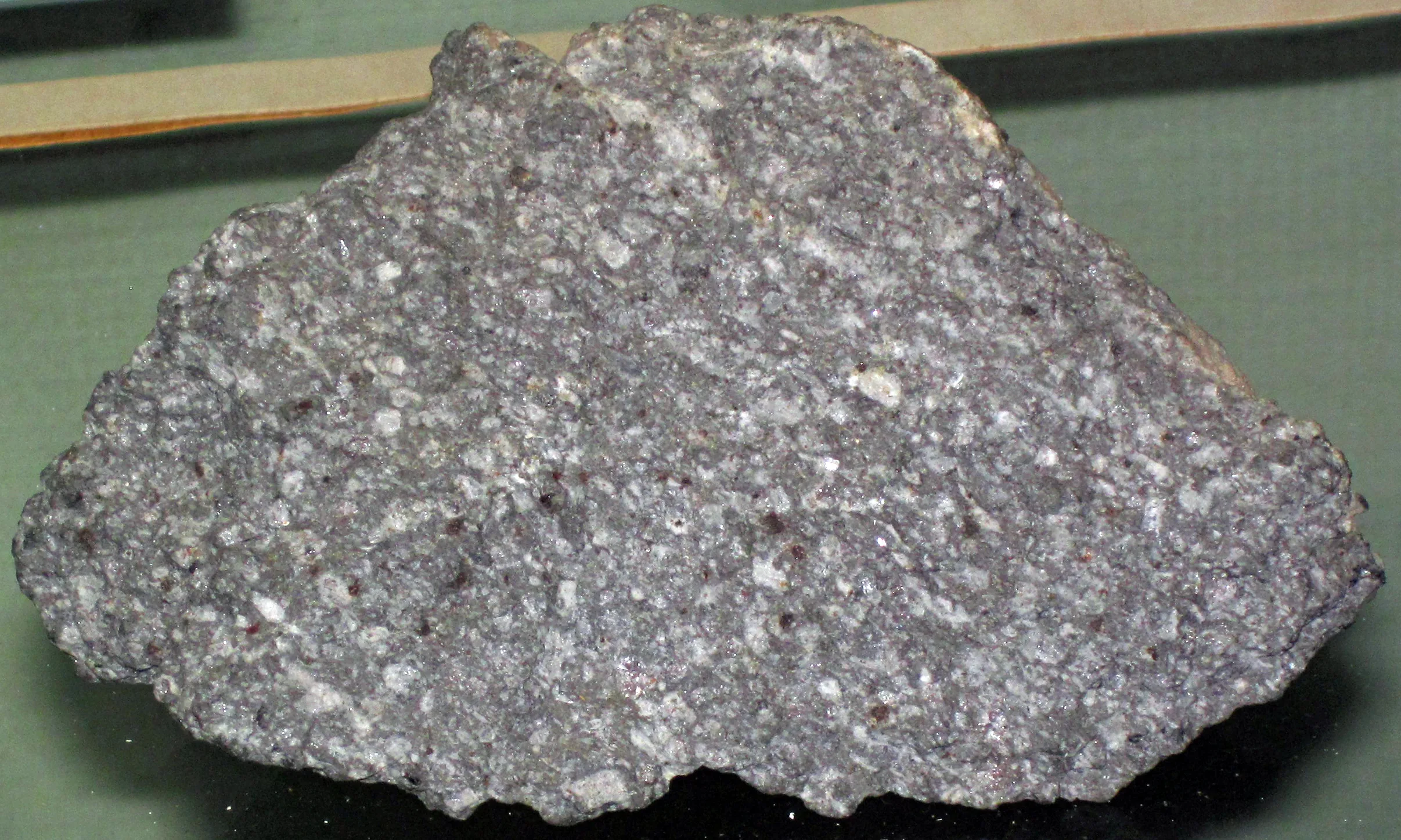 Rhyoliteigneous | 1.36–2.74 | 2.207 | PETLAB NZ (Tenzer et al., 2011) | |
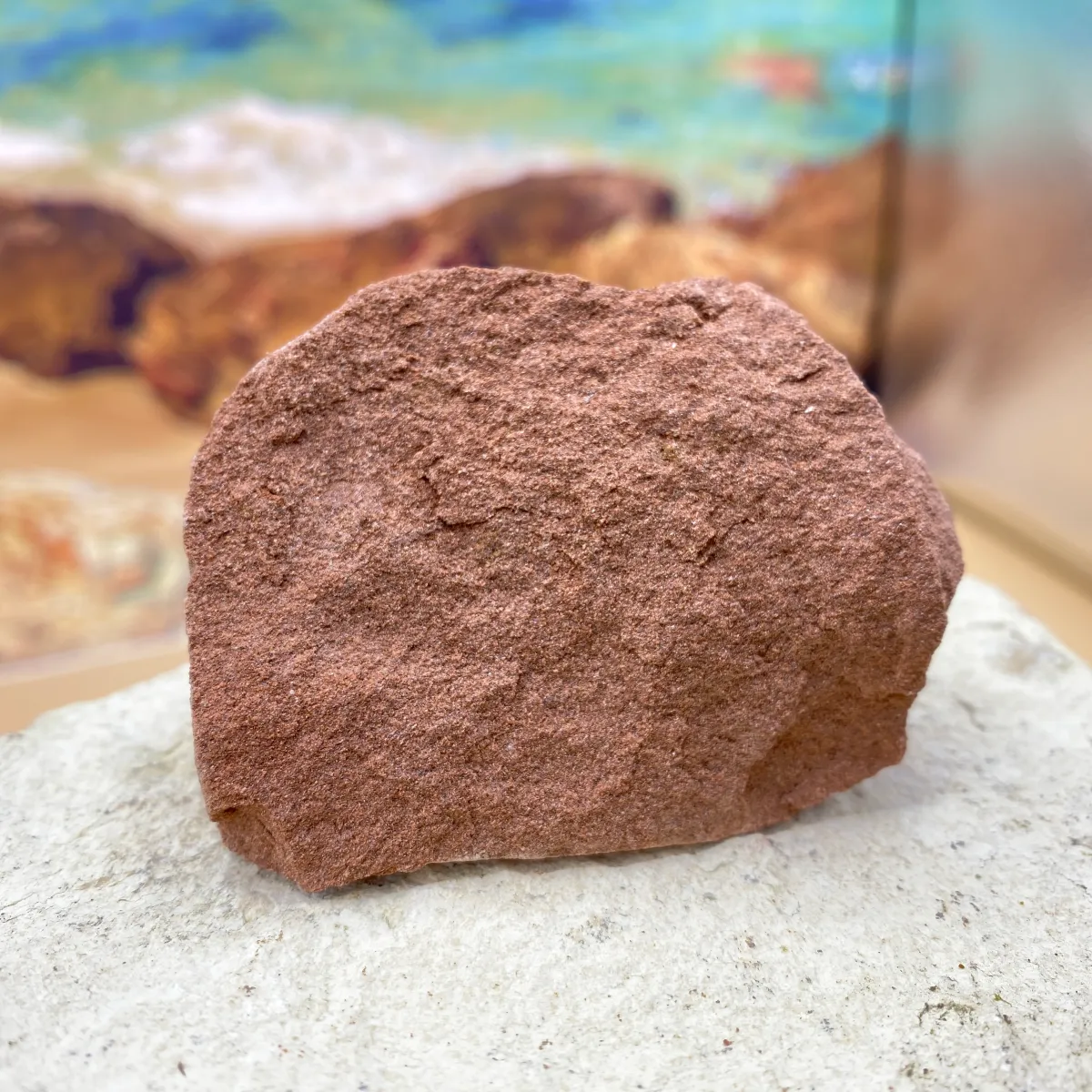 Sandstonesedimentary | 1.6–2.7 | 2.35 | USGS table 1 | |
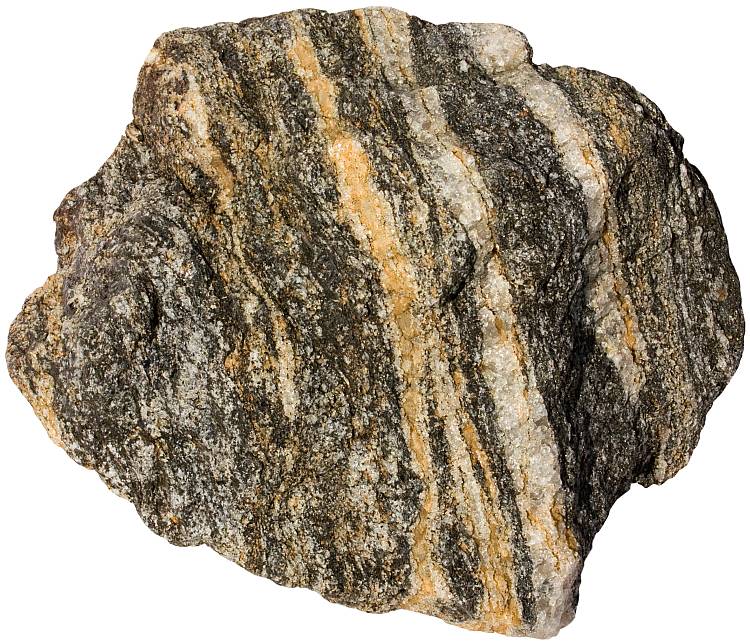 Schistmetamorphic | 2.634–3.018 | — | USGS 92-557, Table 2 (dry bulk samples) | |
 Scoriaigneous | 0.7–2.5 | — | Site reference range (not independently verified) | |
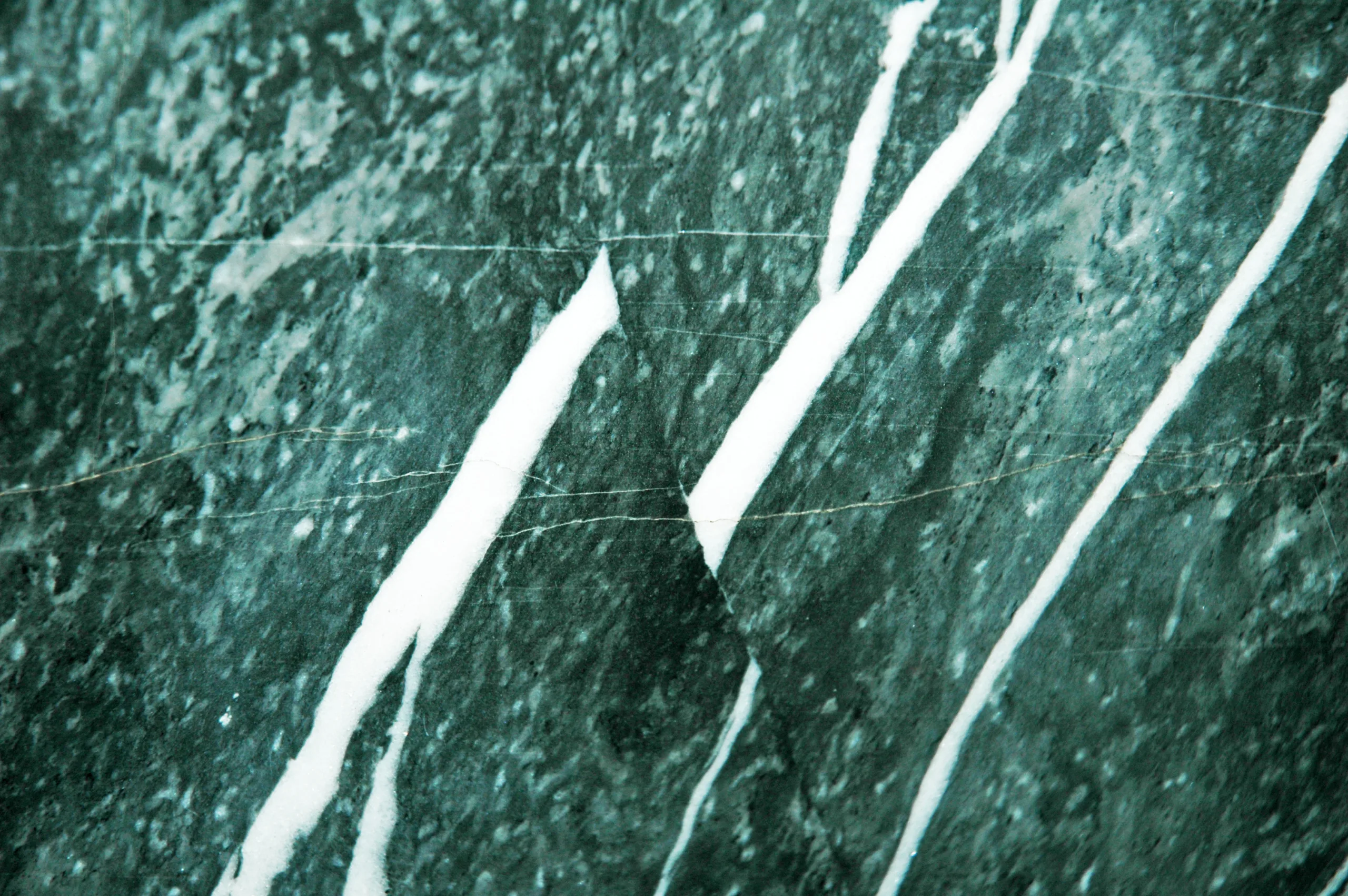 Serpentinitemetamorphic | 2.24–3.27 | 2.634 | PETLAB NZ (Tenzer et al., 2011) | |
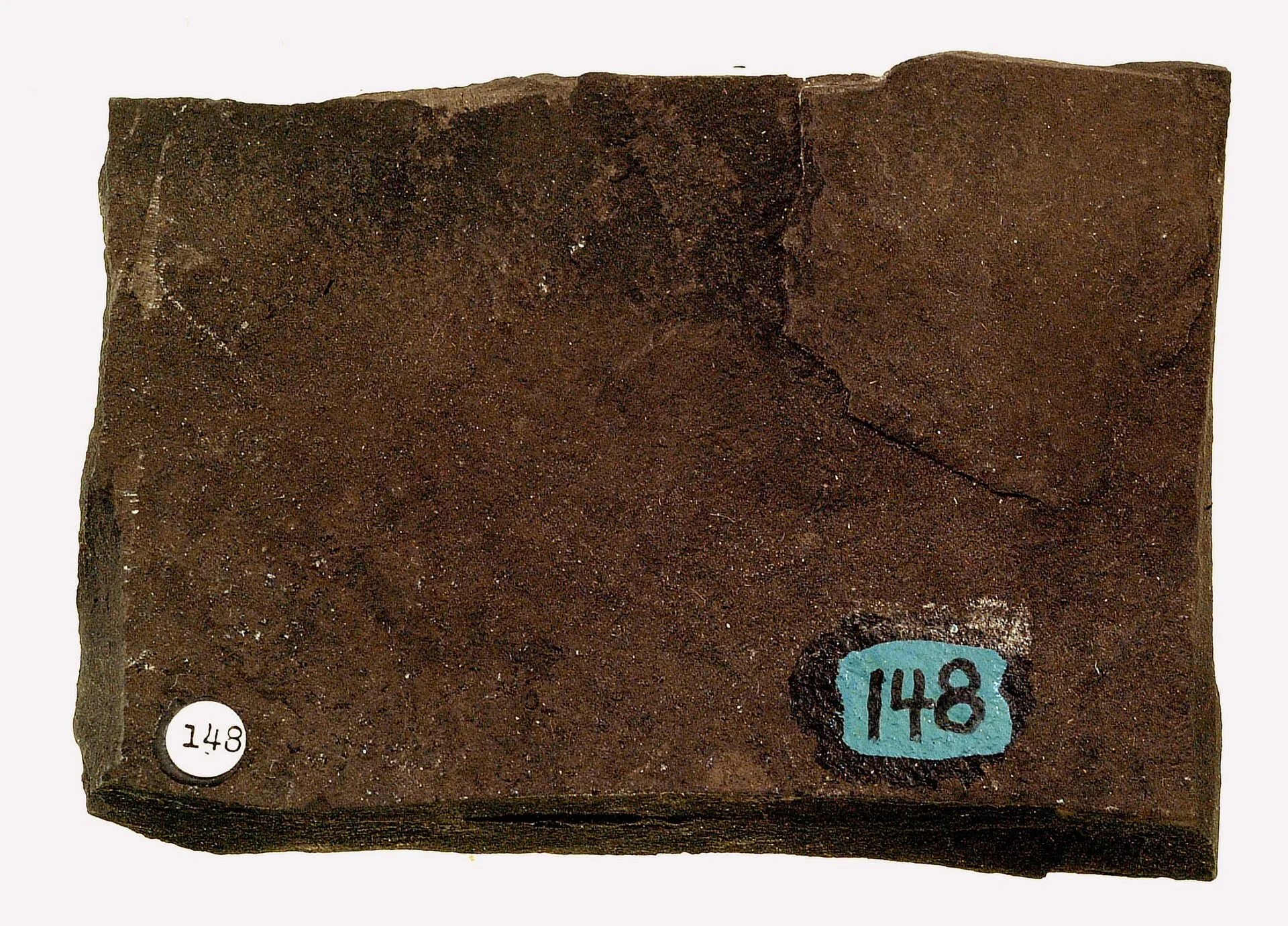 Shalesedimentary | 1.8–3.2 | 2.4 | USGS table 1 | |
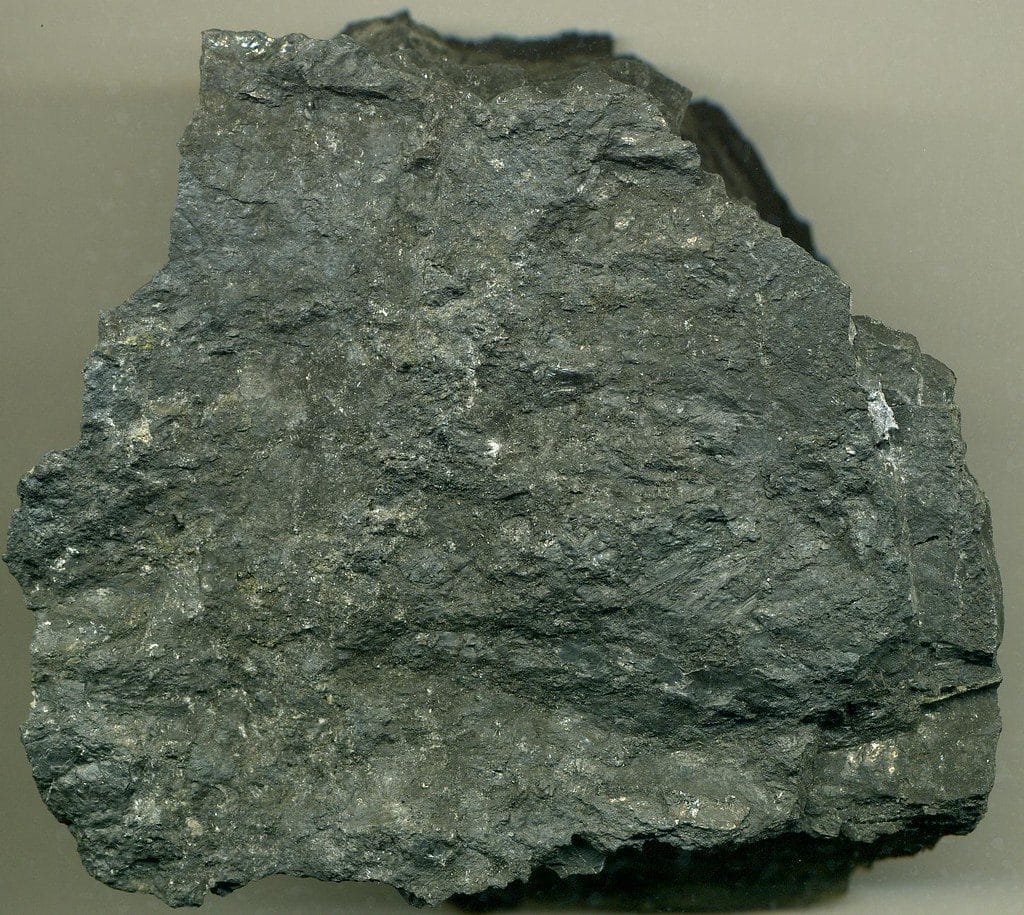 Siltstonesedimentary | 1.36–2.88 | 2.347 | PETLAB NZ (Tenzer et al., 2011) | |
 Skarnmetamorphic | — | — | Not recorded | |
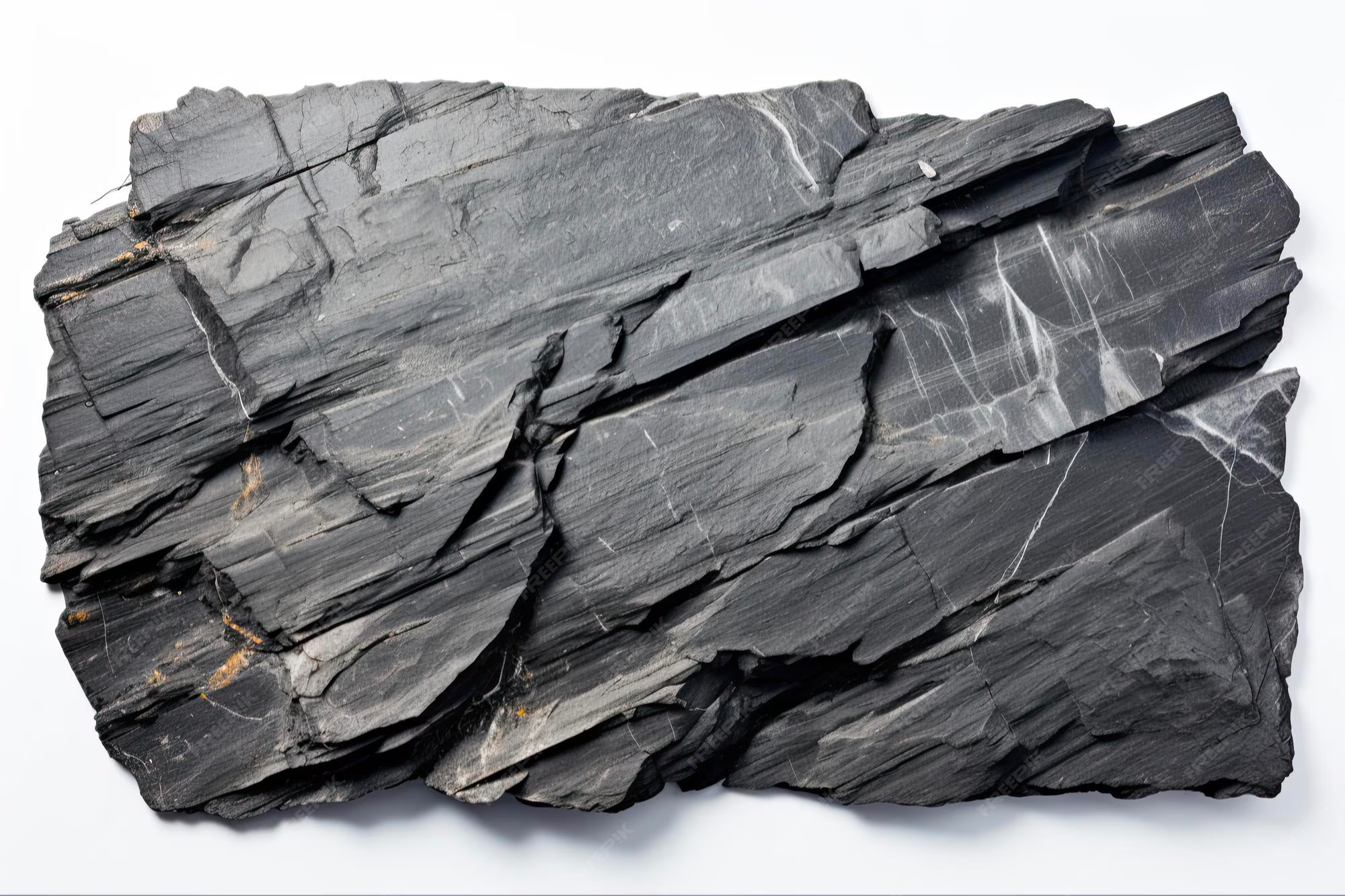 Slatemetamorphic | 2.762–2.79 | — | USGS 92-557, Table 2 (dry bulk samples) | |
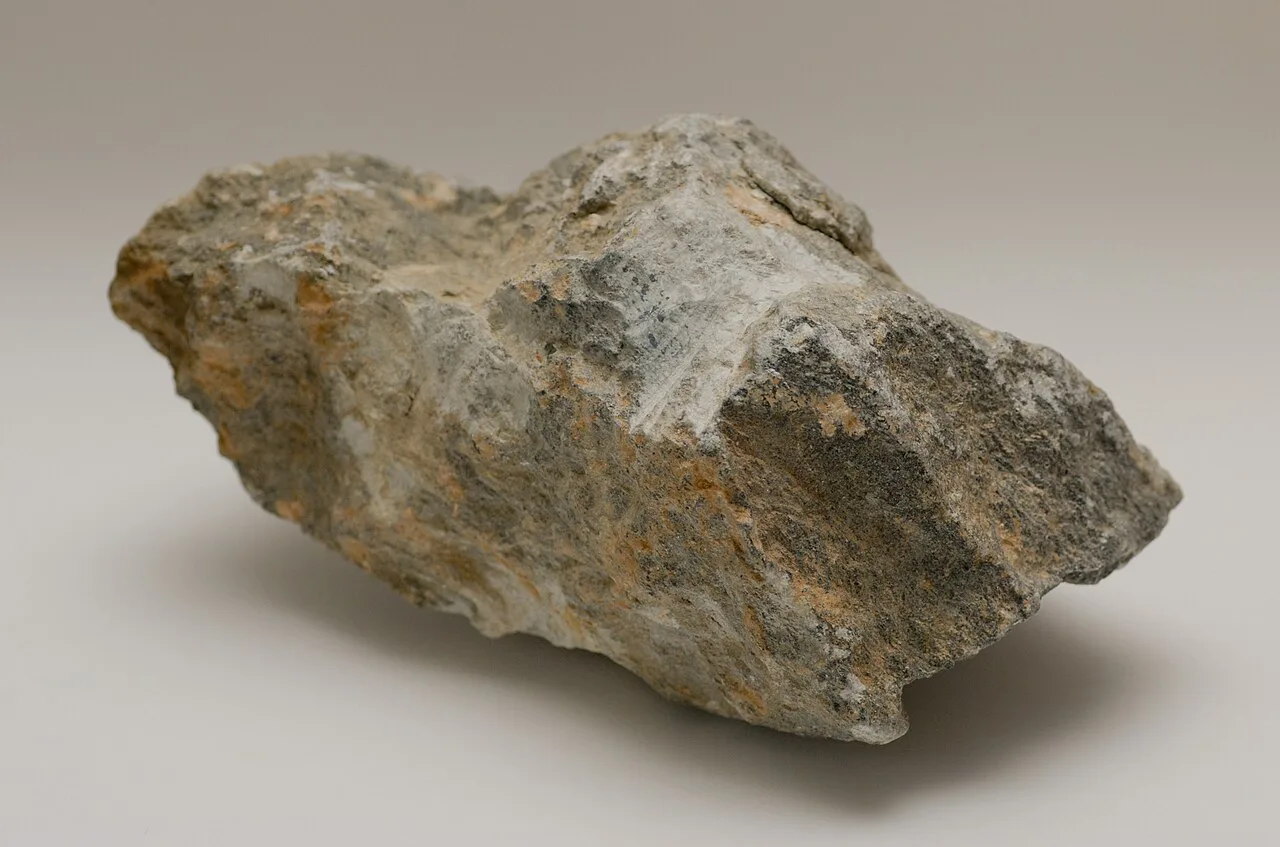 Soapstonemetamorphic | — | — | Not recorded | |
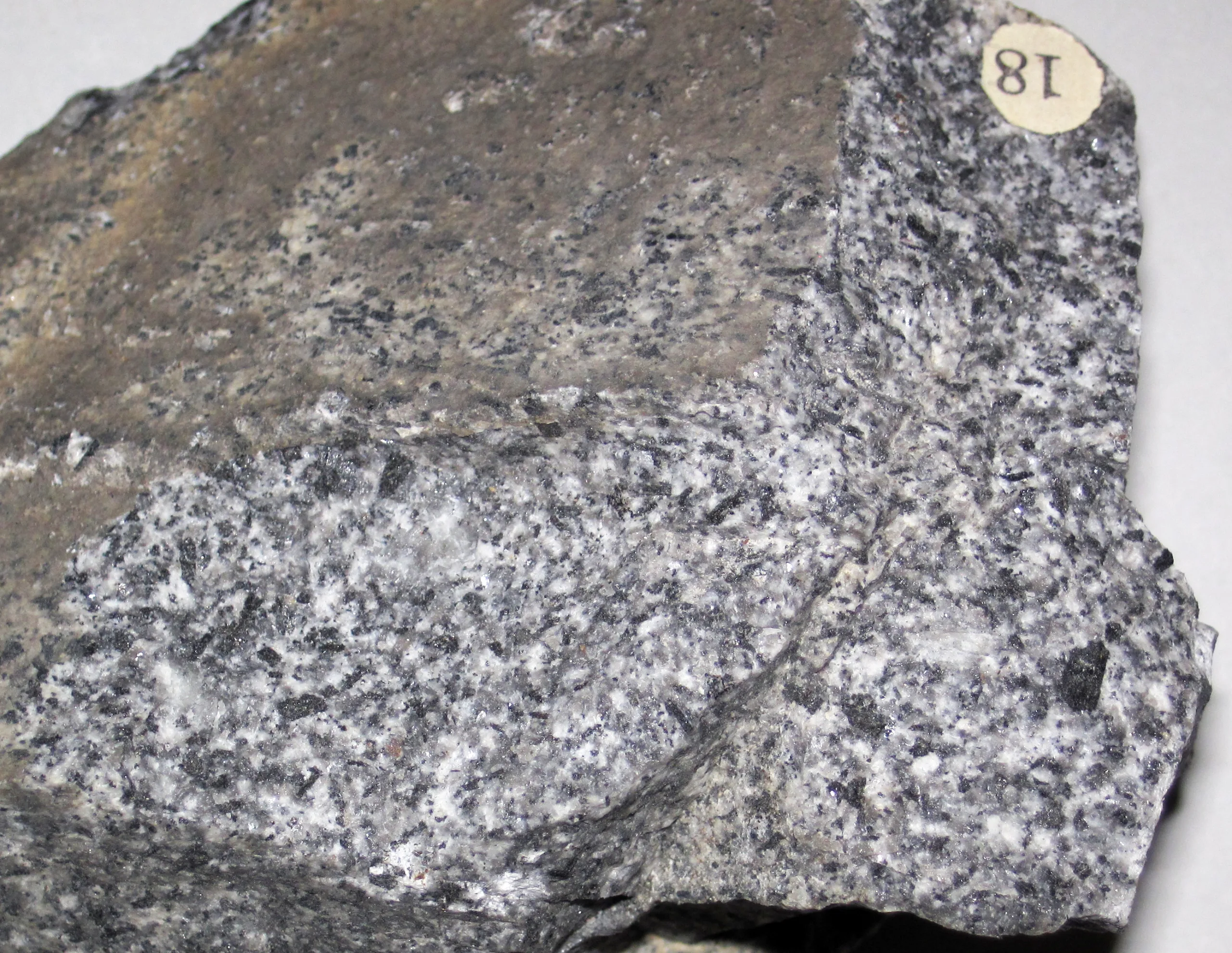 Syeniteigneous | 2.44–2.86 | 2.719 | PETLAB NZ (Tenzer et al., 2011) | |
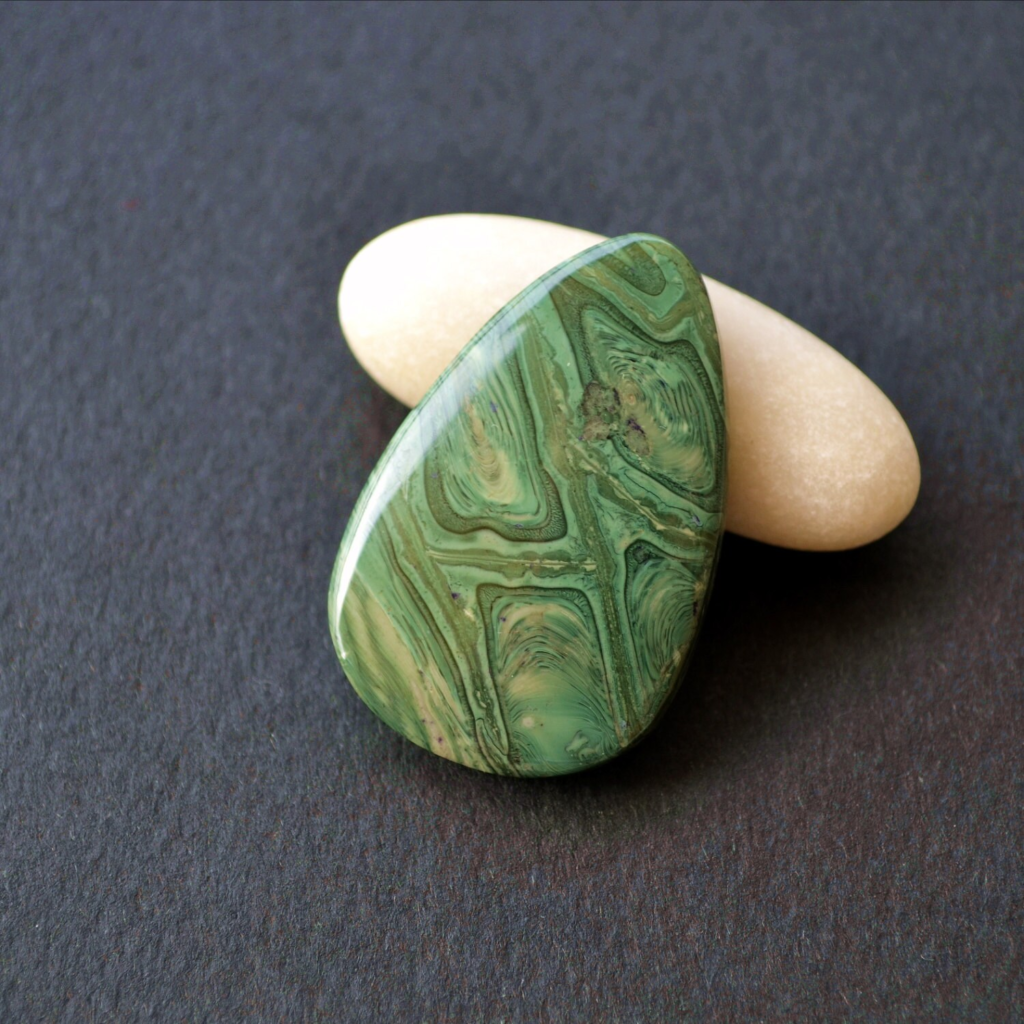 Tinguaiteigneous | — | — | Not recorded | |
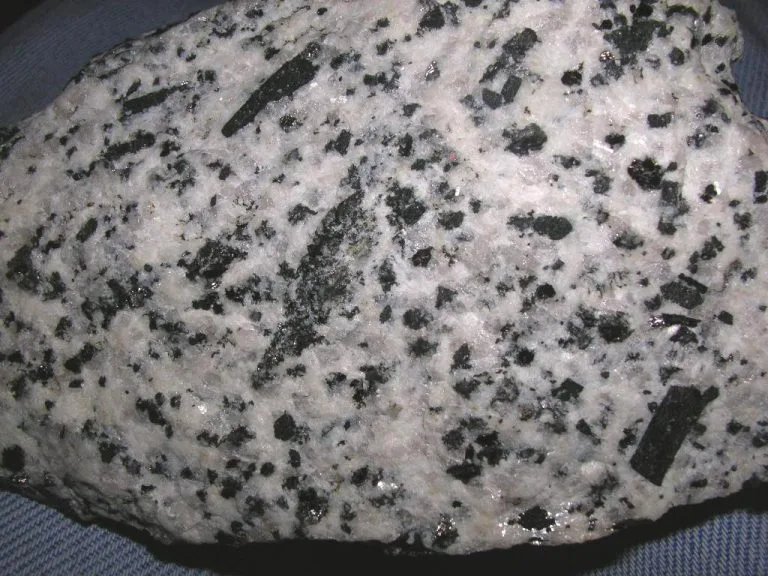 Tonaliteigneous | — | — | Not recorded | |
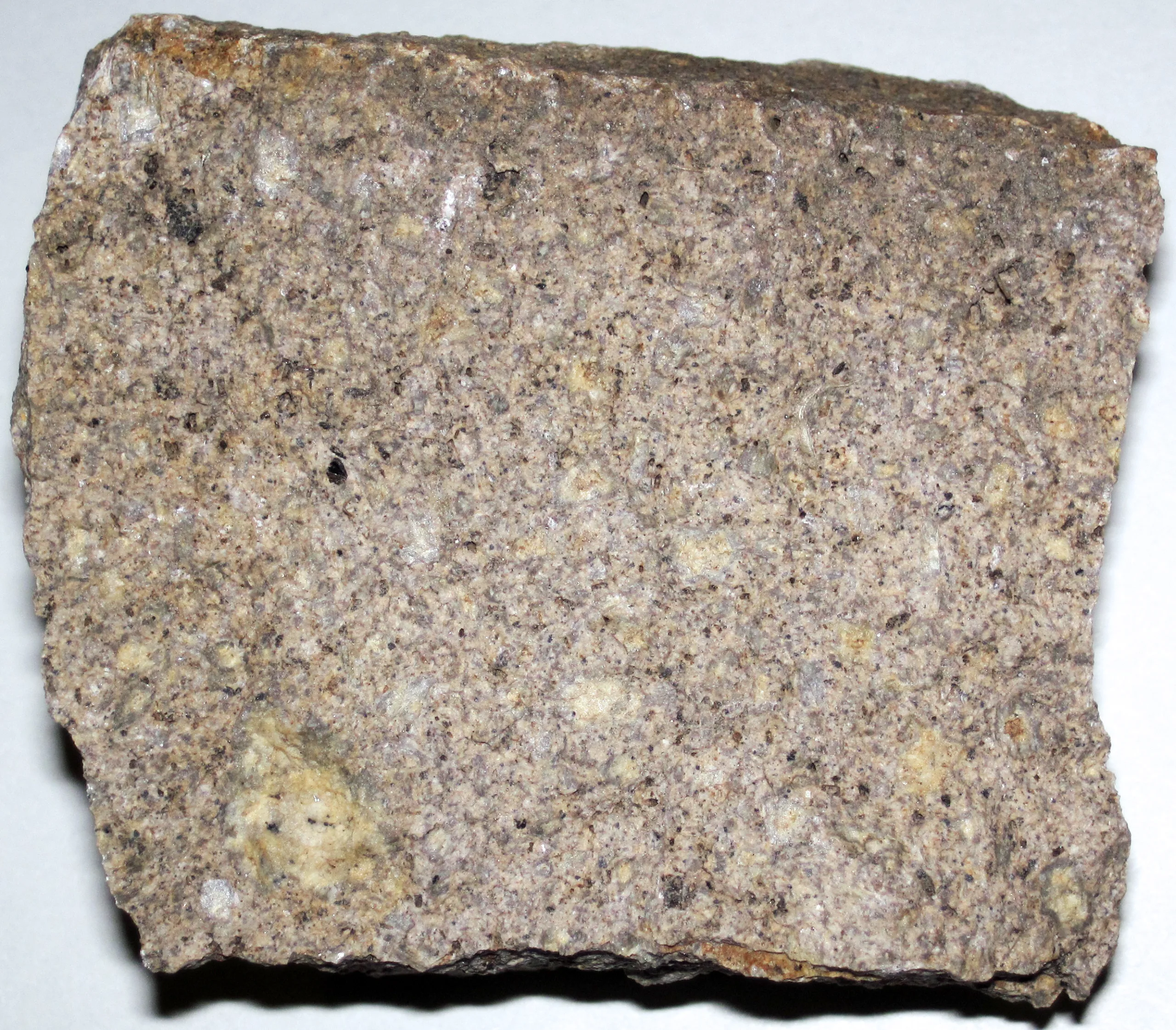 Trachyteigneous | 2.17–2.95 | 2.591 | PETLAB NZ (Tenzer et al., 2011) | |
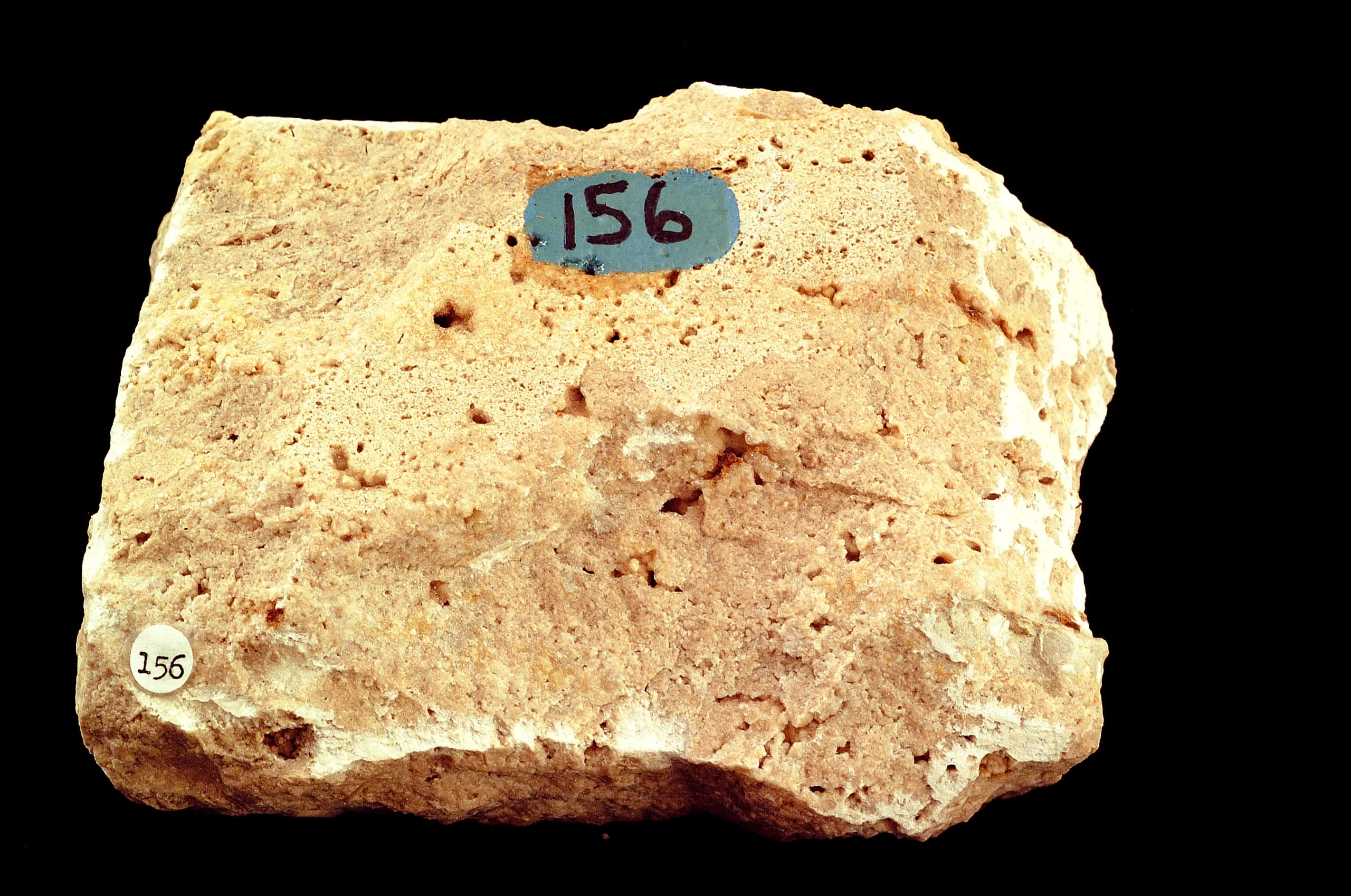 Travertinesedimentary | 1.8–2.7 | — | Site reference range (not independently verified) | |
 Tufasedimentary | 0.7–2.4 | — | Site reference range (not independently verified) | |
 Tuffigneous | 1.41–2.94 | 2.113 | PETLAB NZ (Tenzer et al., 2011) | |
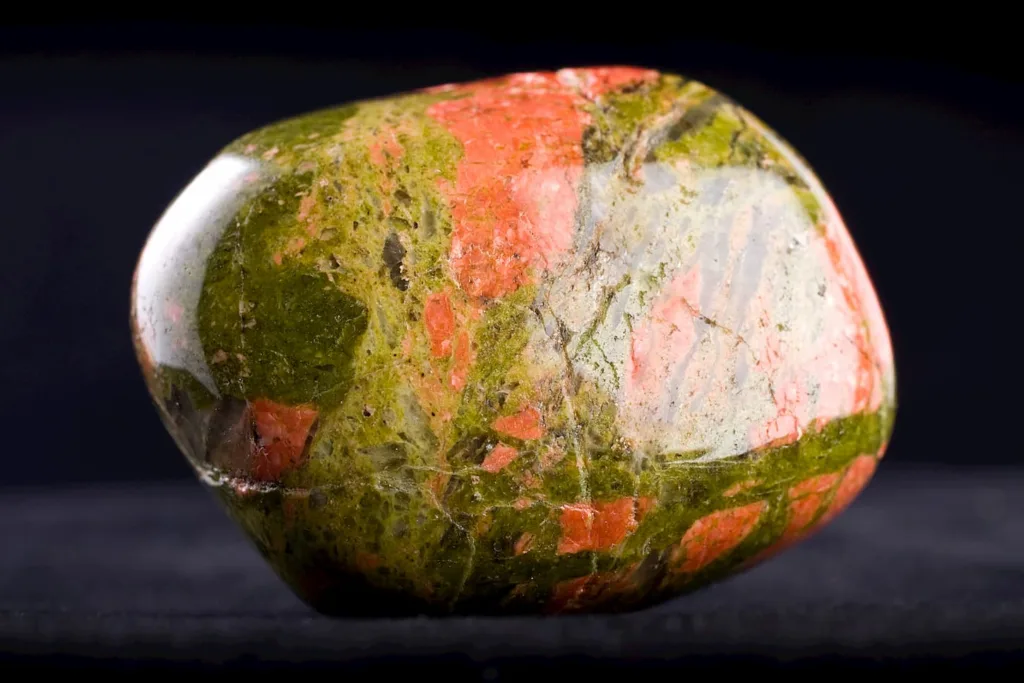 Unakiteigneous, metamorphic | — | — | Not recorded | |
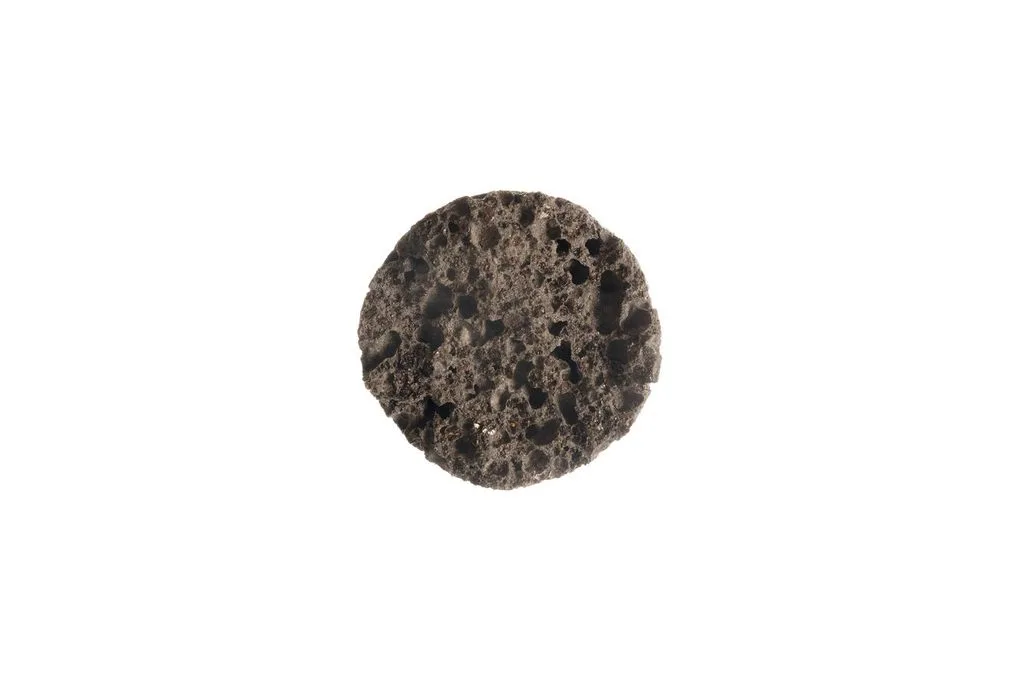 Vesicular basaltigneous | — | — | Not recorded | |
 Volcanic agglomerateigneous | — | — | Not recorded | |
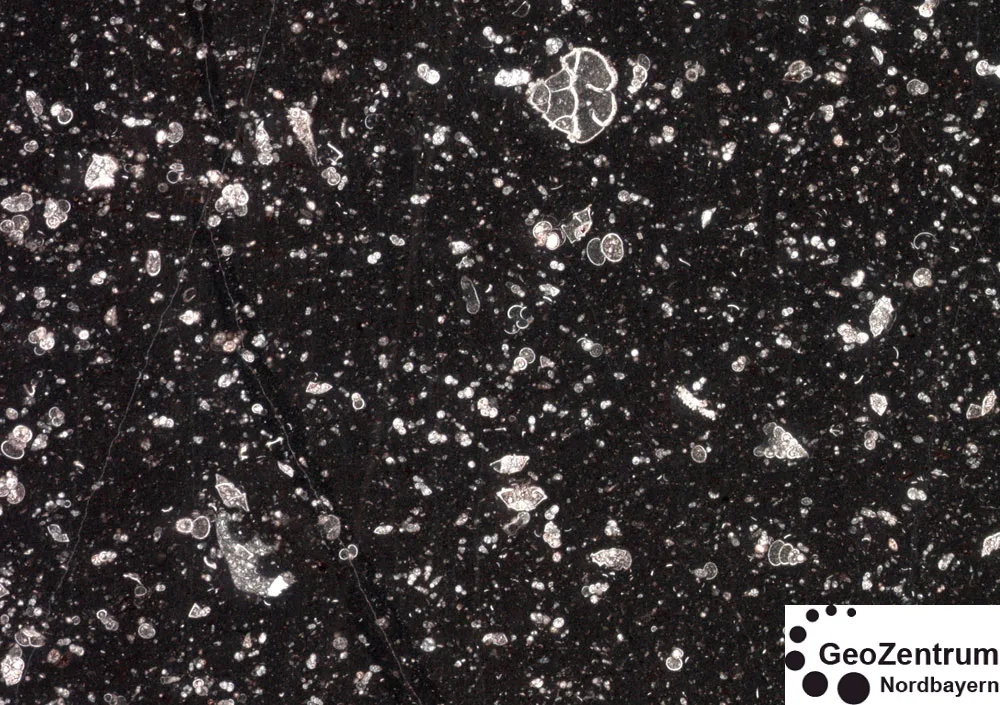 Wackestonesedimentary | — | — | Not recorded | |
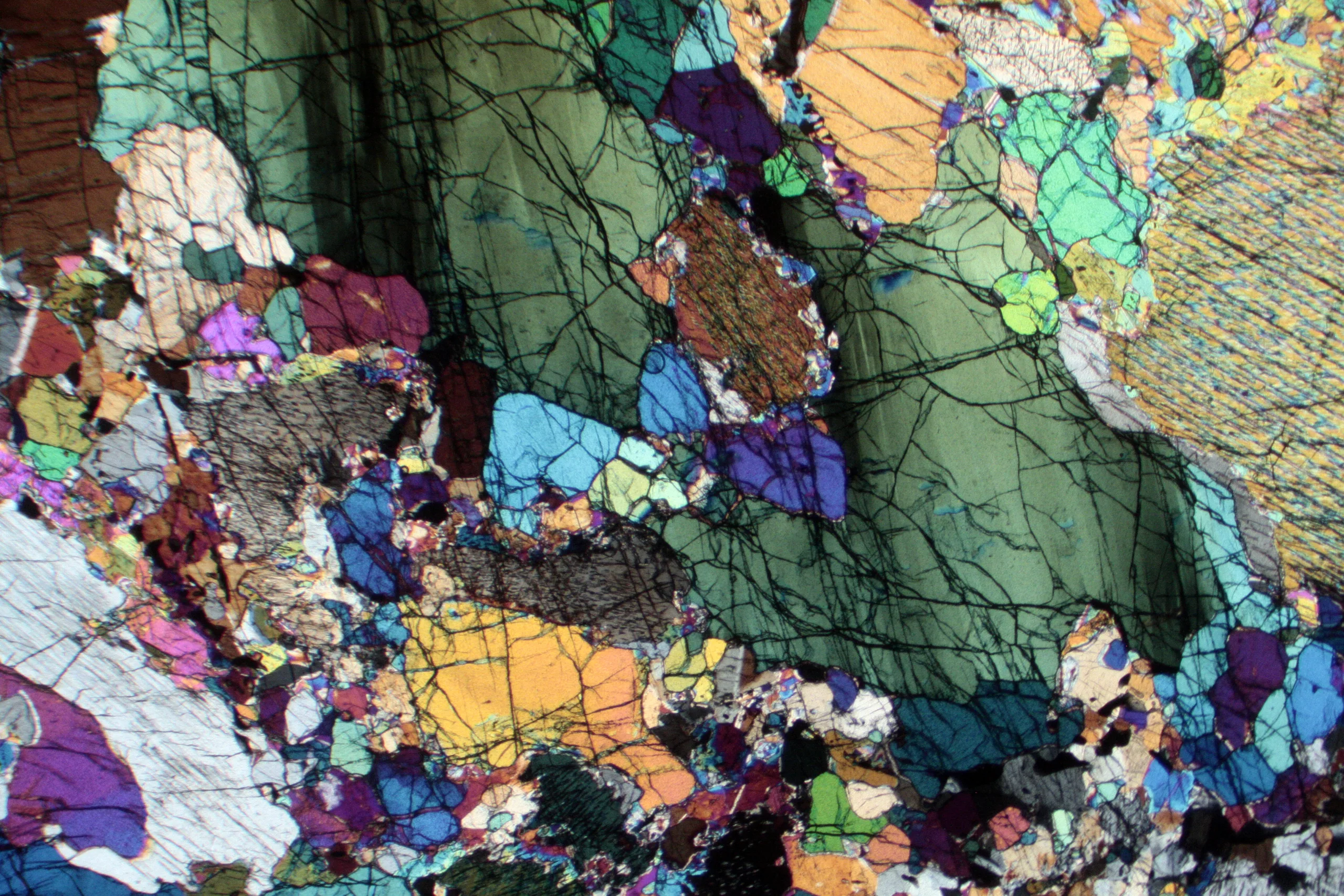 Wehrliteigneous | — | — | Not recorded |
Compare selected rocks
Select up to four rocks from the table. Reported means and range midpoints are clearly distinguished.
0 of 4 selected
Density range comparison
Ranges for selected rocks, or the first 15 filtered records. A dot marks a reported mean; ranges are not confidence intervals.
Rock density calculator
ρ = m / VExample: granite, USGS reported average. Verify actual sample density before engineering use.
Measure a rock specimen
Water displacementFor a nonporous, water-stable specimen, measure mass and displaced water volume. Porous or soluble specimens require appropriate laboratory methods.
Laboratory buoyancy measurements
Dry / saturated / grain densityEnter dry mass in air, saturated surface-dry mass in air and saturated apparent mass immersed in water. The method estimates connected water-filled pore volume; use a suitable saturation method and correct buoyancy for laboratory conditions.
Measured density types
USGS Nevada sample studyIndependent measurements, not replacements for the broader reference ranges above. All values in kg/m³; the sample count indicates the size of each measured population.
| Rock | Samples | Grain density | Saturated bulk | Dry bulk | Dry bulk range |
|---|---|---|---|---|---|
| Granite | 6 | 2658 | 2627 | 2608 | 2501–2653 |
| Granodiorite | 83 | 2670 | 2629 | 2604 | 2475–2745 |
| Diorite | 82 | 2814 | 2777 | 2756 | 2495–2905 |
| Gabbro | 3 | 2871 | 2860 | 2854 | 2850–2858 |
| Basalt | 2 | 2496 | 2420 | 2369 | 2336–2402 |
| Tuff | 5 | 2608 | 2512 | 2452 | 2351–2565 |
| Argillite | 4 | 2705 | 2668 | 2647 | 2610–2676 |
| Mudstone | 7 | 2645 | 2610 | 2588 | 2409–2708 |
| Metasediment | 13 | 2721 | 2688 | 2668 | 2537–2897 |
| Slate | 5 | 2708 | 2647 | 2611 | 2499–2694 |
Source: Ponce, 2012, USGS Open-File Report 2012-1207, Table 4.
What is rock density?
Density is mass divided by volume: ρ = m/V. Bulk density includes pore space, while grain density excludes it. Water content, porosity, mineral composition and weathering influence measurements. 1 g/cm³ = 1,000 kg/m³ = 1 t/m³. Unit weight γ = ρg (use g = 9.80665 m/s²). A range midpoint used in this calculator is not a measured average.
Scientific sources and limitations
Saltus and Blakely, USGS Open-File Report 93-287, Table 1. Dolostone corresponds to the rock described as dolomite in this table. Additional dry bulk density sample ranges for hornfels, schist, marble and slate are from USGS Open-File Report 92-557, Table 2; they are sample ranges, not universal limits. New Zealand sample statistics are from Tenzer et al. (2011), PETLAB density table reproduced in Rocscience documentation. Sample populations and measurement methods differ; these are not universal rock constants. Other ranges are inherited from the Rock and Mineral Comparison Tool and are explicitly unverified reference estimates. Missing values are not fabricated.
Rock Density Chart & Database: interpretation guide
Bulk density versus grain density
Bulk density uses total specimen volume including pore spaces, while grain density relates solid mass to solid volume. Dry and saturated bulk density differ because pore water contributes mass. Always identify which quantity a reference value represents.
Worked density example
A dry specimen with a mass of 270 g and a bulk volume of 100 cm³ has a bulk density of 2.70 g/cm³, or 2700 kg/m³. This result alone cannot uniquely identify a rock because density ranges often overlap.
Factors affecting measured rock density
Mineral composition, weathering, fractures, porosity and moisture influence bulk density. Report sample condition and measurement method alongside the value.
Frequently asked questions
Can density alone identify a rock?
No. Compare texture, composition and other diagnostic properties.
How do I convert g/cm³ to kg/m³?
Multiply the numerical value by 1000.
Why do rock density ranges overlap?
Different mineral mixtures and pore volumes can yield similar bulk densities.