




















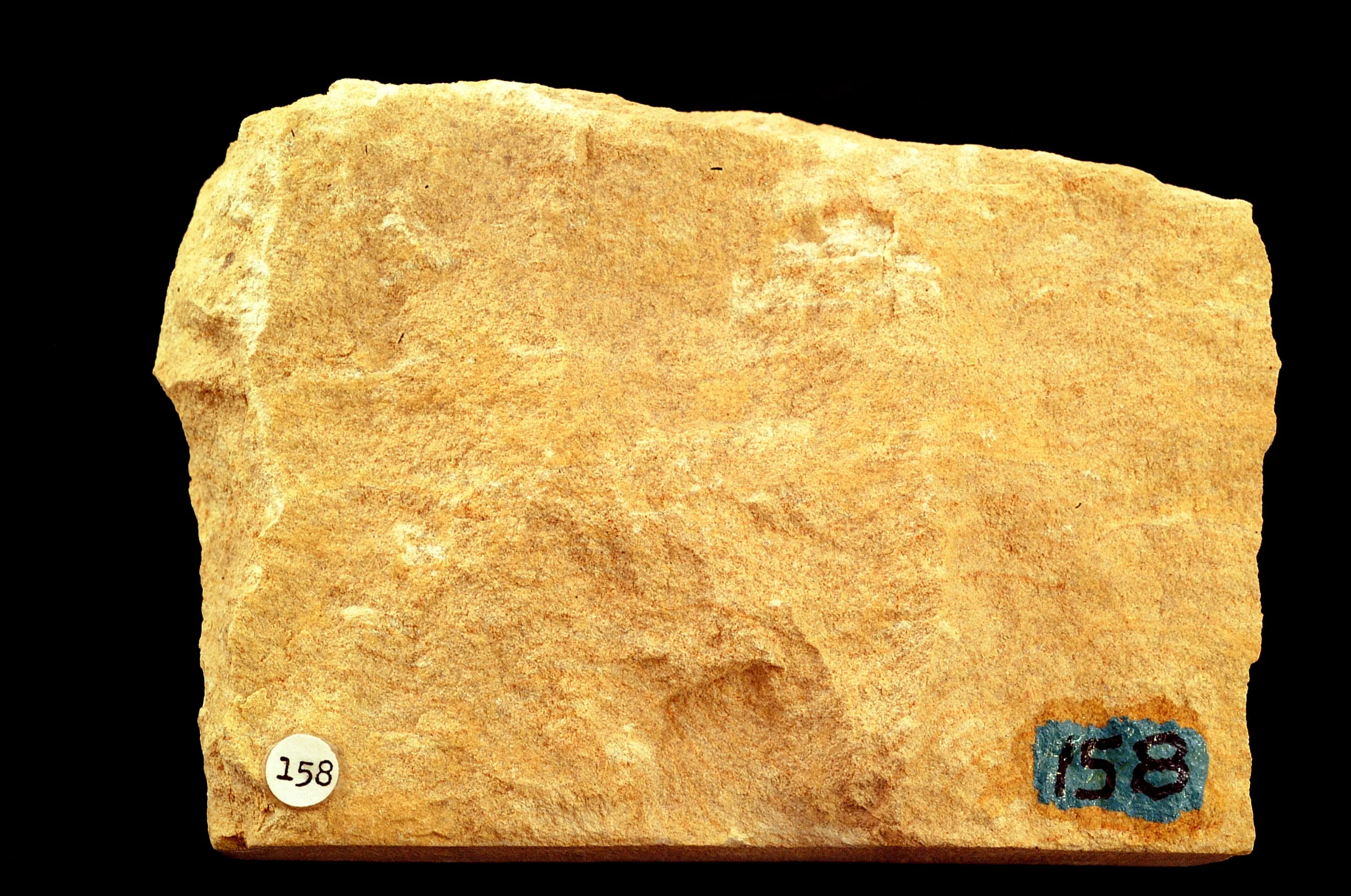
Limestone and Dolostone: The Main Difference
Limestone is a sedimentary carbonate rock dominated by calcite (CaCO3), whereas dolostone is dominated by the mineral dolomite, CaMg(CO3)2. Both can be gray, white, brown or pink, and both may preserve bedding and fossils. Their appearance overlaps, so color and hardness alone rarely provide reliable identification. Mineral composition, reaction with dilute hydrochloric acid, crystal texture and geological context offer better evidence.
The name dolomite is used for the mineral and historically also for the rock. Dolostone is useful when the distinction matters. The terms dolomitic limestone and calcitic dolostone describe mixed compositions rather than two sharply separated natural categories.
Comparison Table
| Property | Limestone | Dolostone |
|---|---|---|
| Dominant mineral | Calcite | Dolomite |
| Formula | CaCO3 | CaMg(CO3)2 |
| Typical acid response | Vigorous fizz on a fresh surface | Weak or no visible fizz; more noticeable when powdered |
| Common textures | Micrite, fossils, ooids, sparry calcite | Crystalline mosaics, rhombic crystals, relict fossils, vugs |
| Formation | Biological, biochemical or chemical carbonate accumulation | Often magnesium-rich fluid alteration of precursor carbonate; direct precipitation also possible |
| Fossils | Often preserved clearly | May be preserved, partly replaced or obscured |
| Porosity | Highly variable | Highly variable; replacement can create or destroy pores |
| Color | Not diagnostic | Not diagnostic |
What Limestone Looks Like
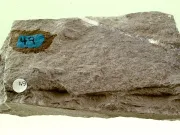
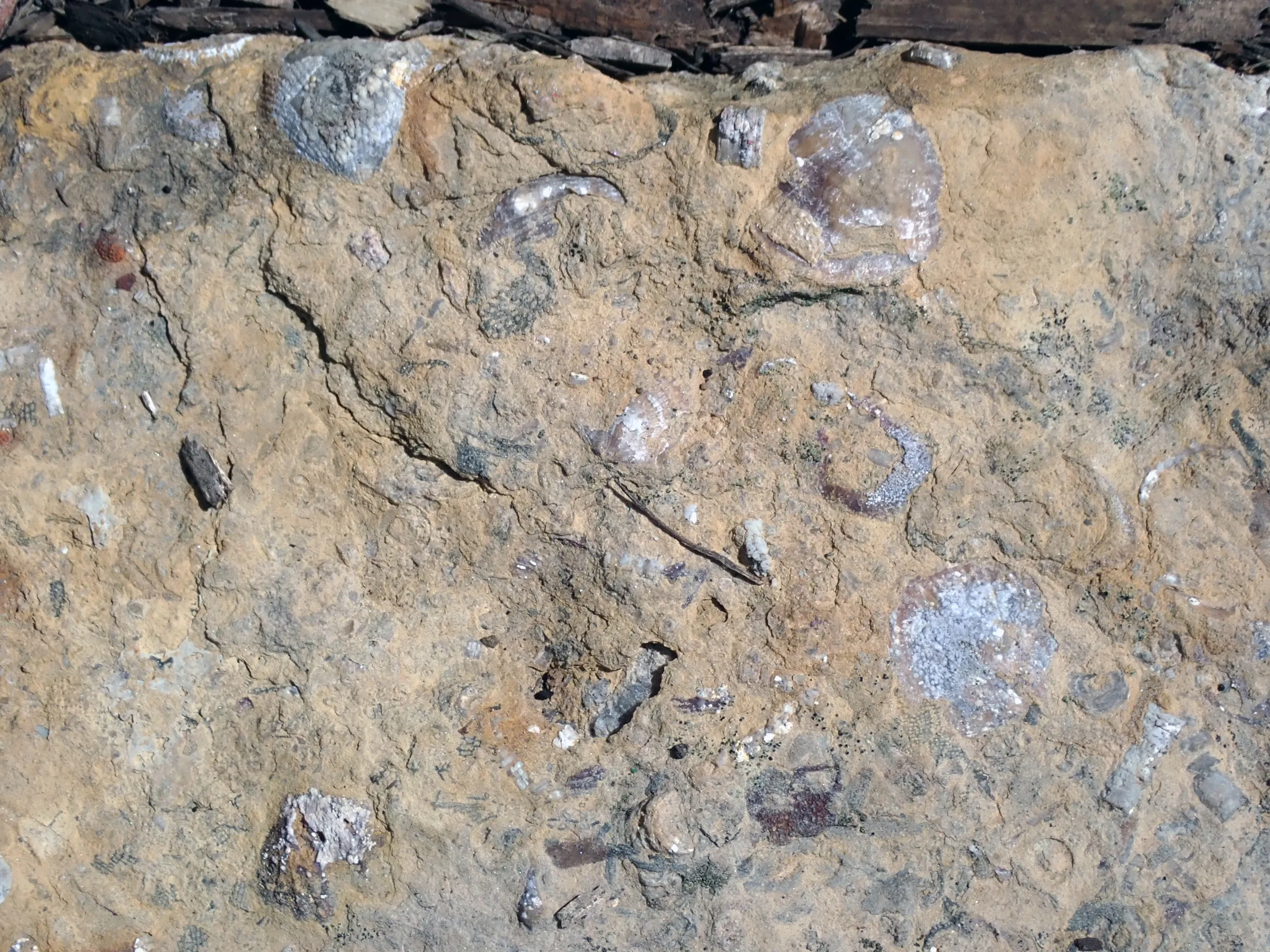
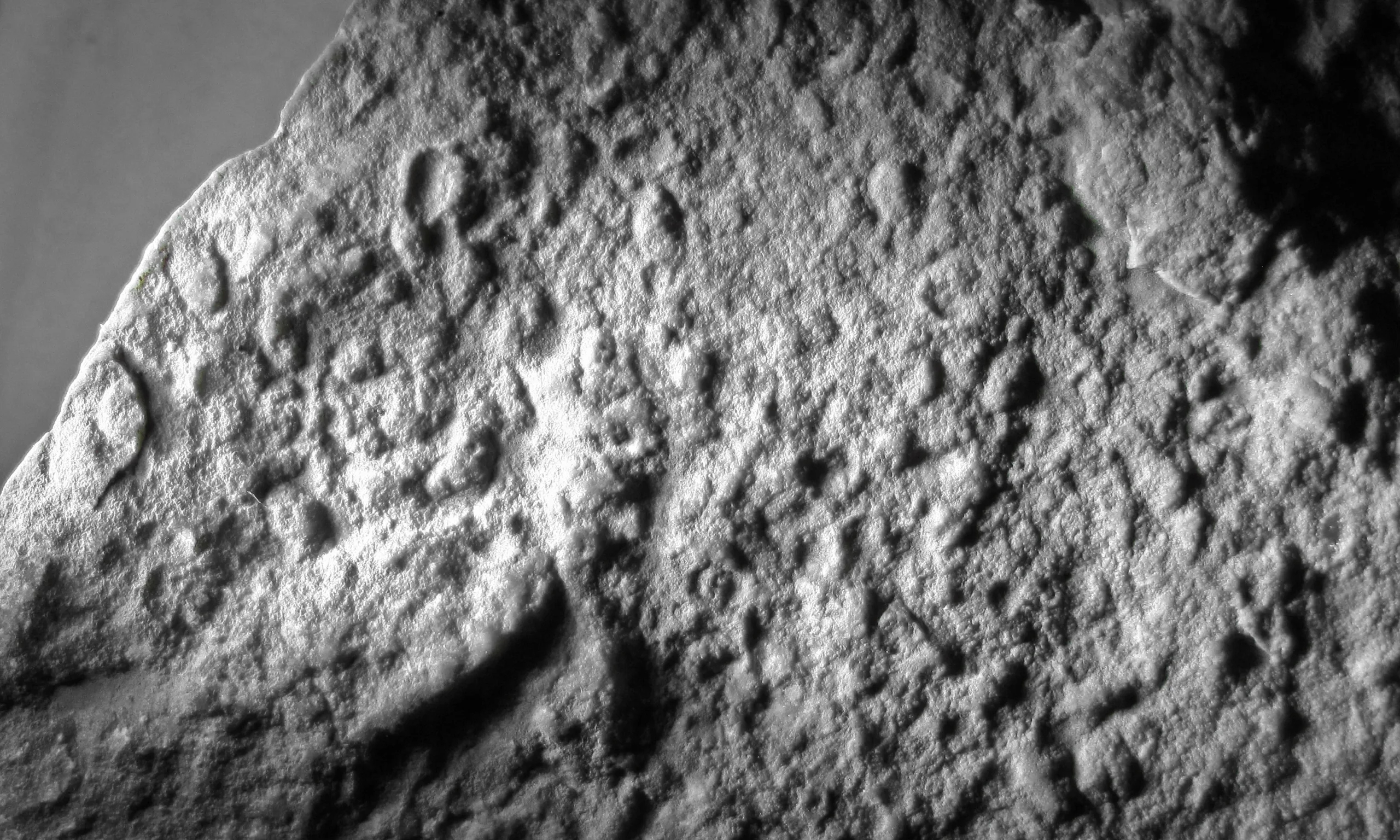
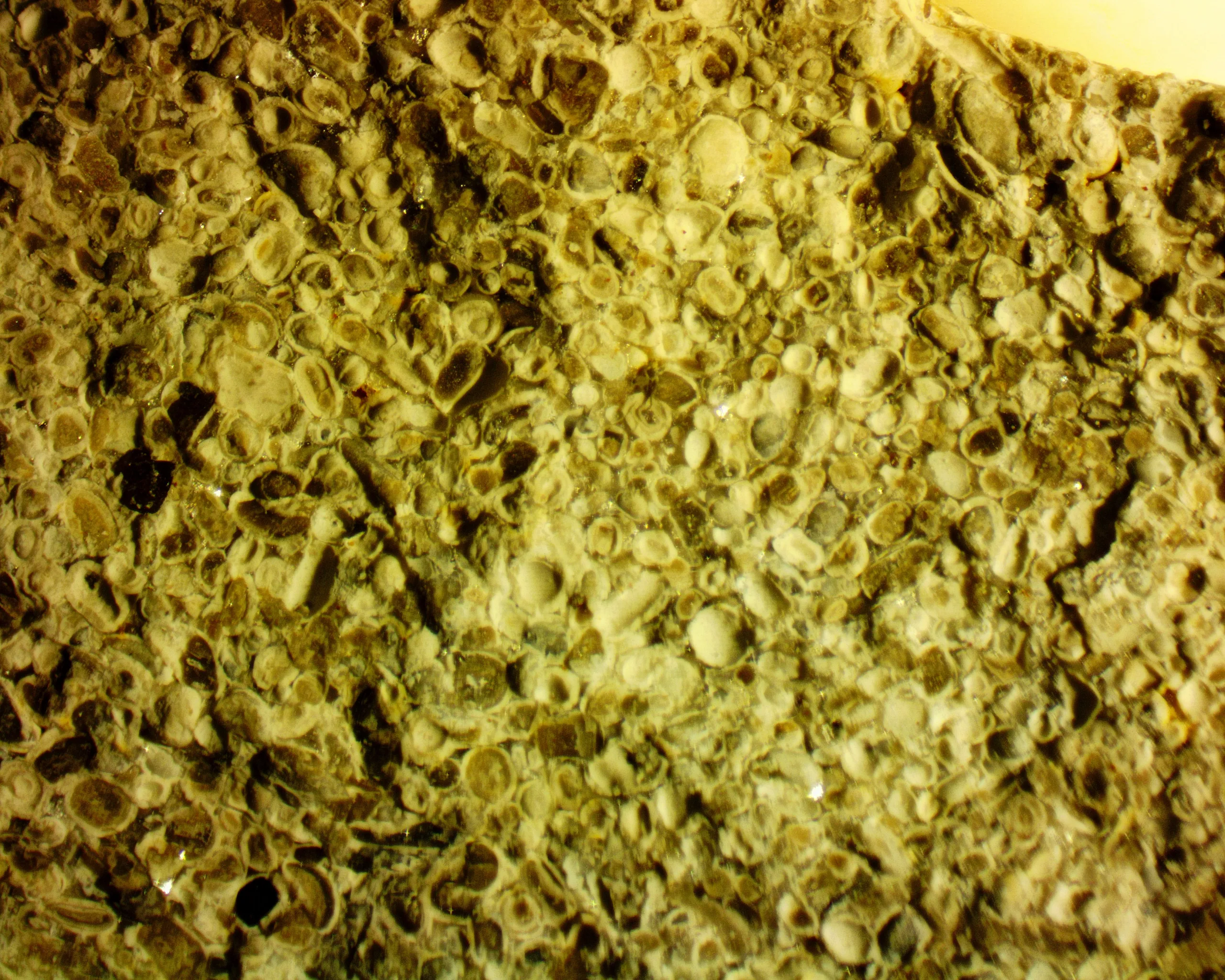
Fine-grained limestone may have a dense, smooth surface made largely of carbonate mud (micrite). Fossiliferous limestone contains shells, crinoid fragments, corals or other skeletal debris. Oolitic limestone contains rounded, concentrically layered grains called ooids. Some limestones have sparry calcite cement or recrystallized textures that obscure their original components.
What Dolostone Looks Like
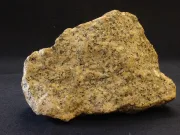
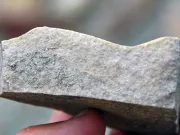
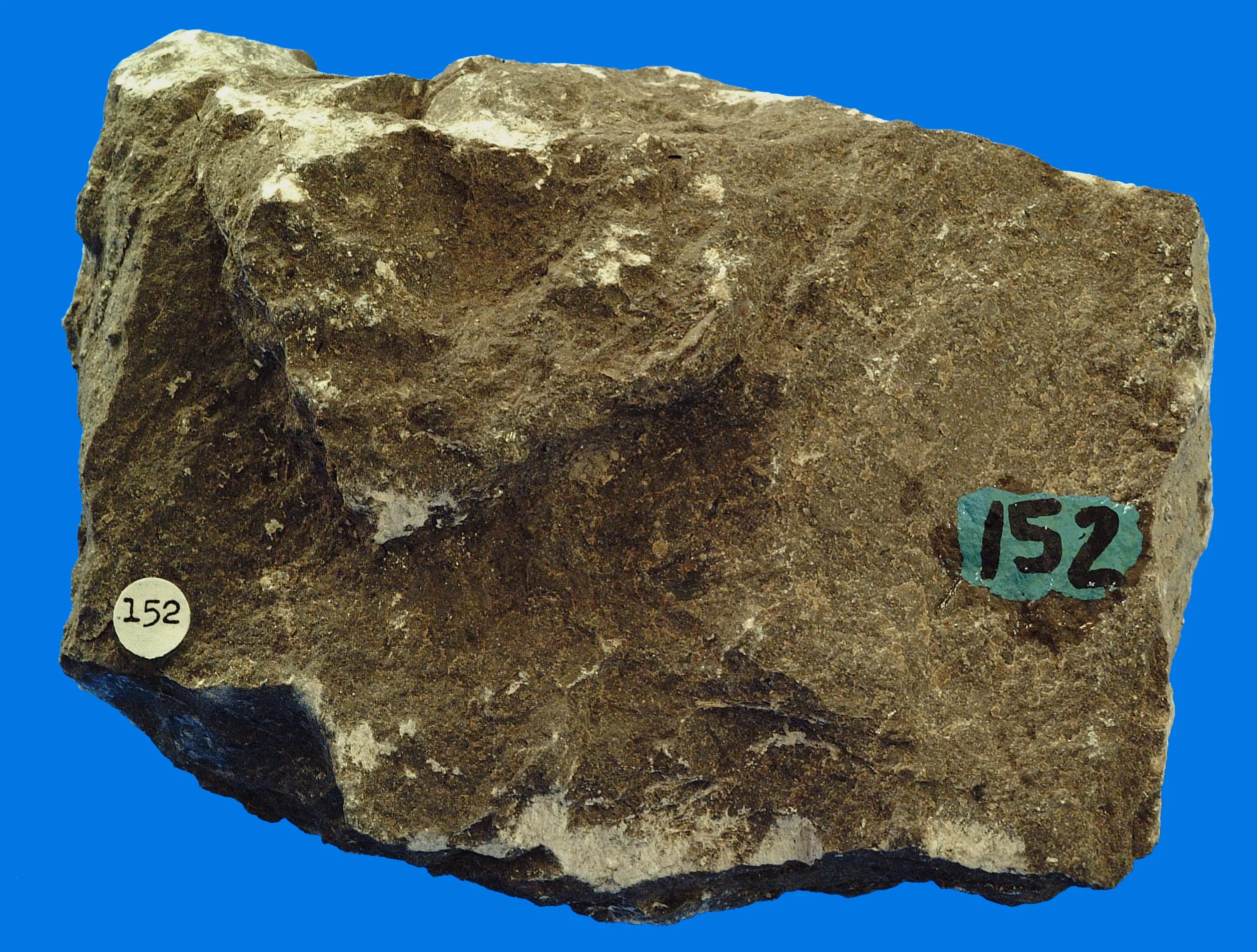
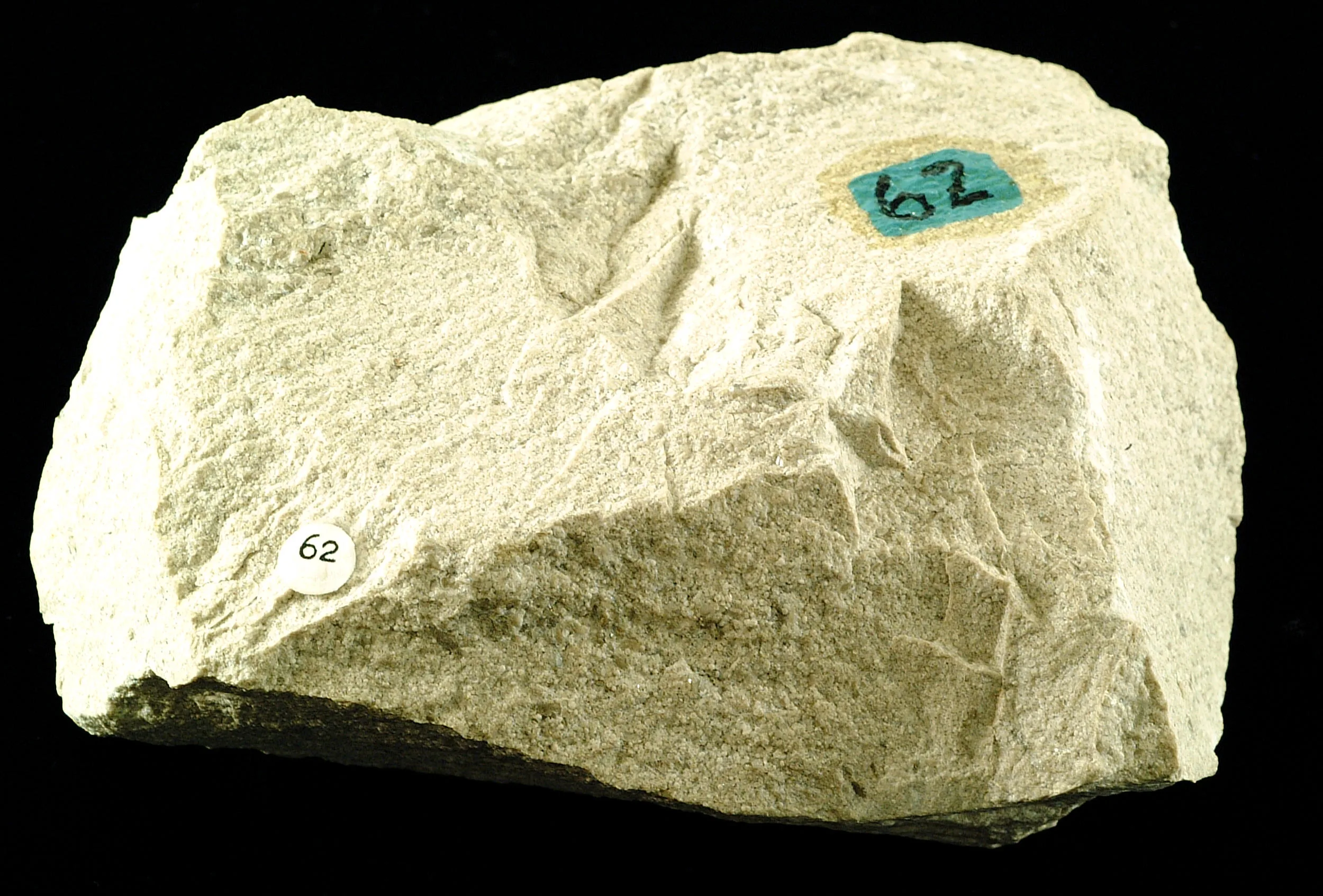
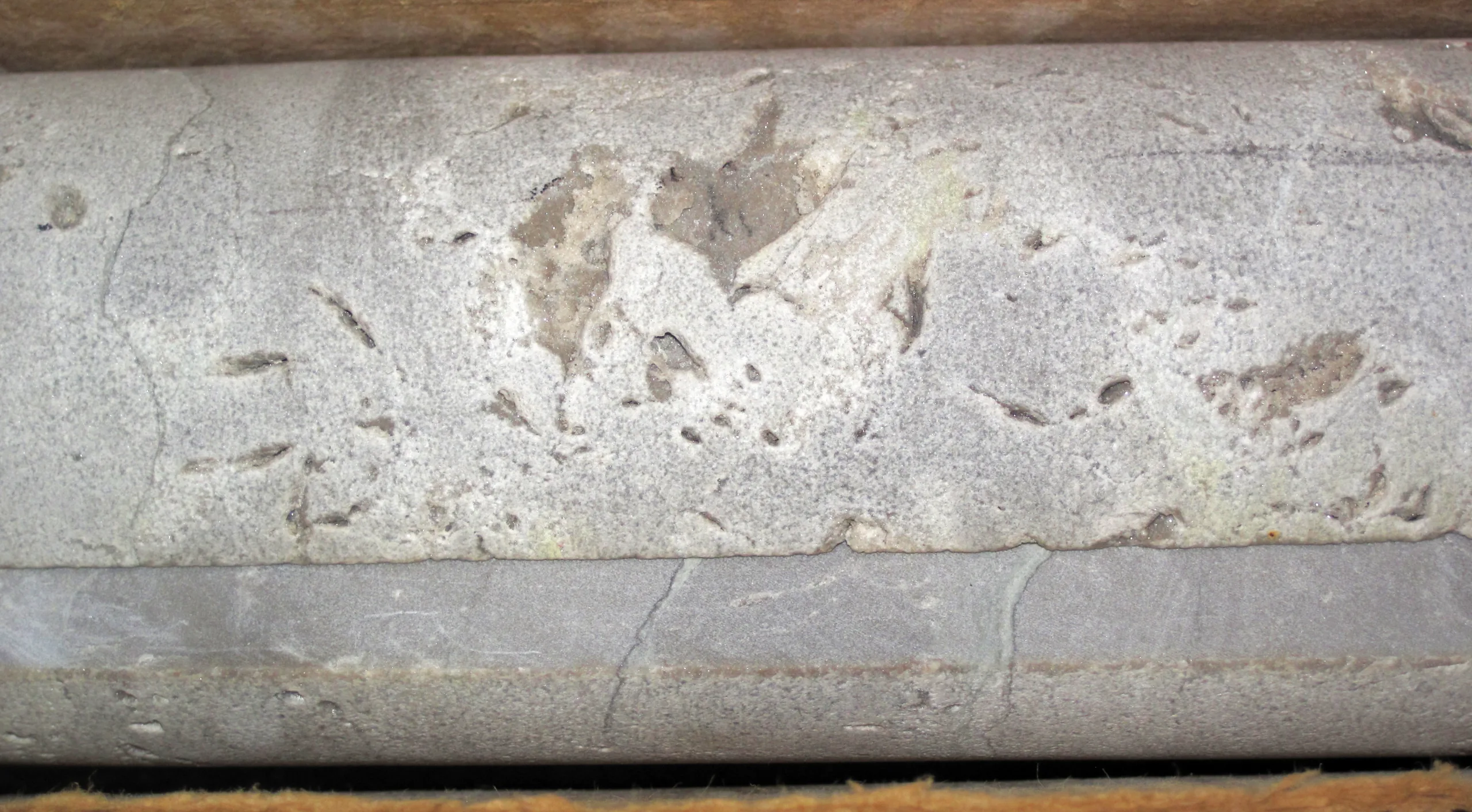
Dolostone commonly displays a granular or sucrosic (“sugary”) texture made of interlocking dolomite crystals. Rhombic crystal outlines may be visible with a hand lens or microscope. However, some dolostones are very fine grained, and others preserve original sedimentary structures and fossils. Crystalline texture is therefore a clue, not a stand-alone test.
Dolomitization can generate molds where fossils dissolved, create vugs, or cement and occlude existing pore spaces. A strongly porous sample is not automatically dolostone, just as a dense sample is not automatically limestone.

The Acid Test: A Practical Field Method
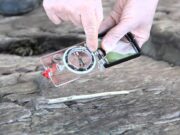
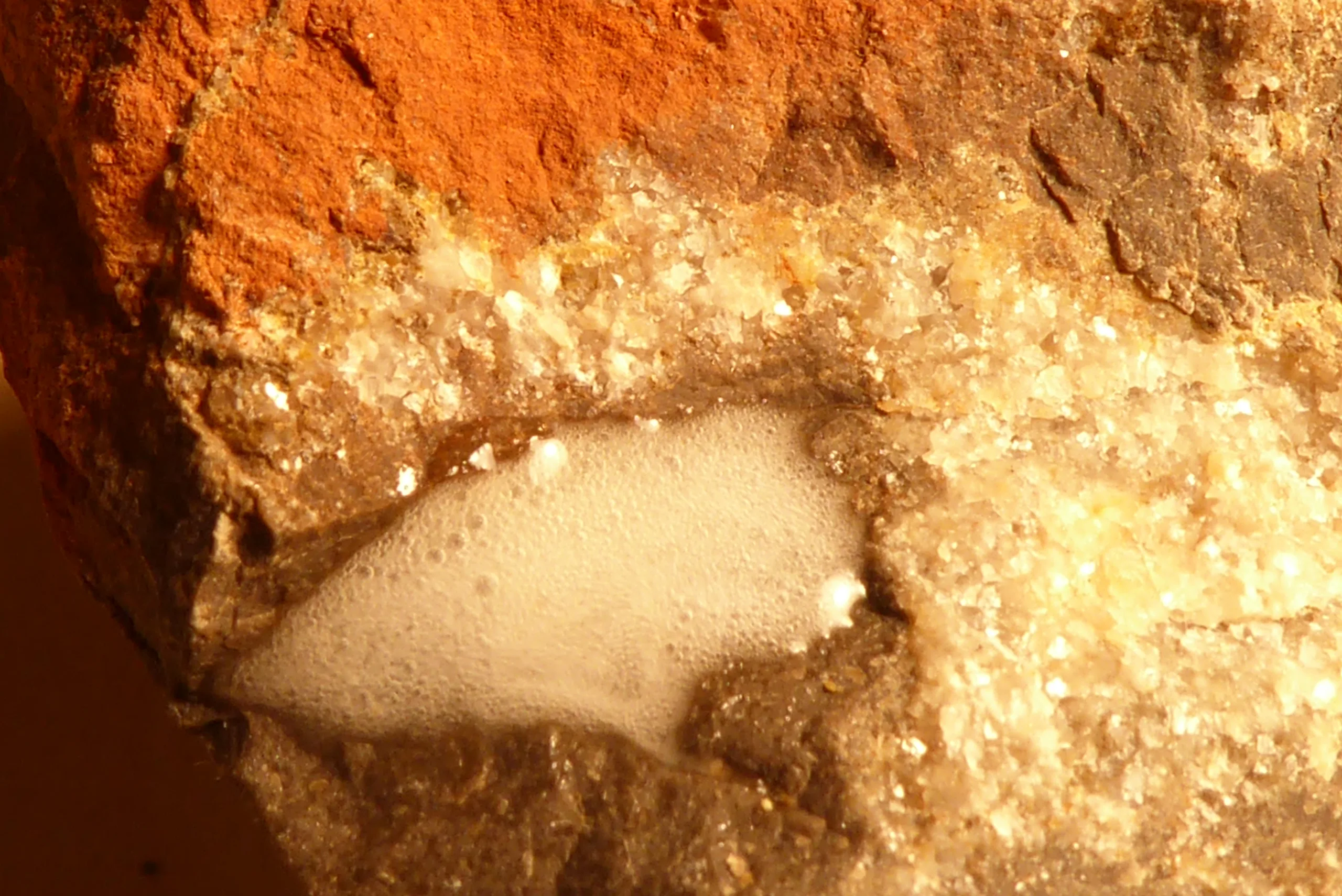
A drop of approximately 5–10% dilute hydrochloric acid (HCl) on a fresh limestone surface typically releases conspicuous carbon dioxide bubbles. Pure dolomite usually reacts slowly at room temperature, so an unpowdered dolostone may show little visible fizz. Scratching or powdering a small part of the sample increases surface area and makes a dolomite reaction easier to observe. This is a screening test, not a precise mineral-percentage measurement.
- Choose an unweathered part of the rock and inspect it with a hand lens.
- With suitable eye protection and gloves, apply a small drop of dilute HCl using a dropper.
- Record the speed and strength of effervescence, not simply “yes” or “no.”
- If the reaction is weak, test a little fresh powder from the same specimen.
- Compare the response with known calcite-rich and dolomite-rich reference samples.
- For ambiguous mixtures, use staining, petrography or X-ray diffraction.
Safety: HCl is corrosive. Use appropriate protective equipment, avoid inhaling vapors, and follow laboratory or field safety procedures. Do not apply acid to valuable polished or museum specimens.
Important limitation: calcite cement or veins within dolostone can fizz strongly. Weathered surfaces, grain size, acid concentration and temperature also influence the response. A positive reaction identifies reactive carbonate material, not necessarily the dominant mineral of the entire rock.
How Limestone Forms
Much limestone originates in marine environments where carbonate-producing organisms generate shells and skeletons. Fragments accumulate as carbonate sand or mud and are buried, compacted and cemented. Other limestones precipitate chemically from carbonate-rich waters, including some lake deposits, travertine and speleothems. Wave energy, biological productivity, water chemistry and sediment supply control the resulting textures.
The Dunham classification describes depositional fabrics using grain support and carbonate mud content: mudstone, wackestone, packstone and grainstone are common terms, with boundstone for organically bound deposits. These terms describe fabric rather than the proportion of dolomite and calcite, so a rock can be described in both textural and mineralogical terms.
How Dolostone Forms: Dolomitization
The simplified replacement reaction can be represented as 2CaCO3 + Mg2+ ⇌ CaMg(CO3)2 + Ca2+. This expression summarizes mass balance; it does not describe the full kinetics or fluid chemistry of natural dolomitization. Partial replacement can produce dolomitic limestone, so field specimens may lie between the two end members.
Many dolostones form when magnesium-bearing fluids react with an existing carbonate sediment or limestone. During dolomitization, dolomite crystals grow while earlier calcite or aragonite is dissolved or replaced. The process can occur during early diagenesis, burial, fluid circulation along fractures or hydrothermal alteration. The precise timing and mechanism vary among sedimentary basins.
Proposed settings include reflux of dense evaporatively concentrated brines, mixing or circulation of marine-derived fluids, burial diagenesis and hydrothermal fluid flow. The presence of dolostone alone does not prove one particular model. Petrography, fluid inclusions, isotopes, stratigraphy and regional structure are needed to evaluate competing explanations.
Although dolomite can precipitate directly under certain conditions, widespread ancient dolostone commonly reflects complex diagenetic histories. Low-temperature dolomite formation remains an important subject of carbonate sedimentology and geochemistry.
Fossils, Crystal Textures and Thin Sections
Limestone often preserves recognizable skeletal grains, ooids and micritic matrix. Dolostone may show rhombic dolomite crystals that cut across original grains or selectively replace particular components. Some replacement is fabric-preserving, retaining fossil outlines; other replacement produces a pervasive crystalline mosaic that makes original depositional texture difficult to reconstruct.
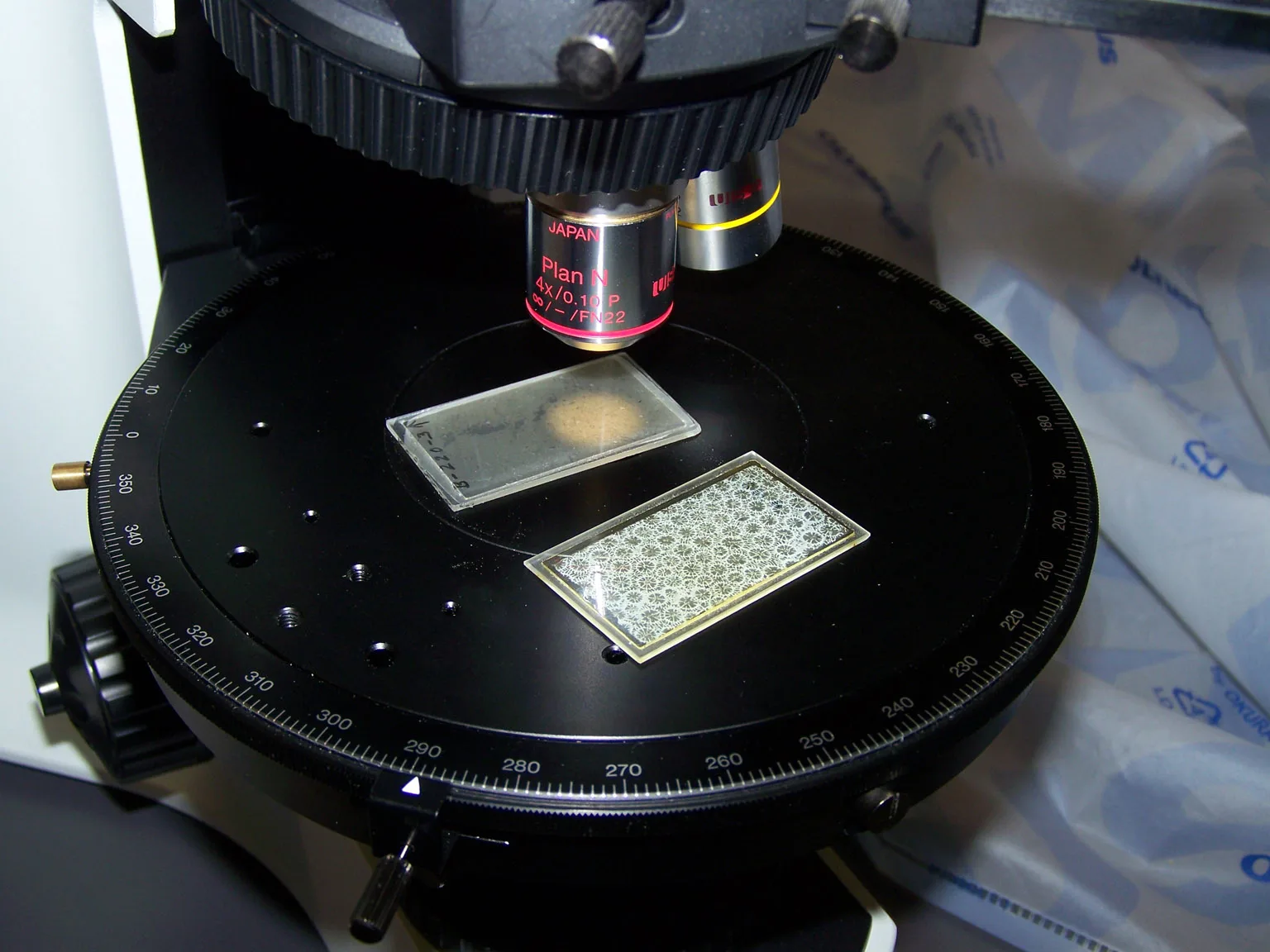
In thin section, carbonate staining can distinguish calcite from dolomite: for example, Alizarin Red S commonly stains calcite red while dolomite remains unstained under suitable conditions. Petrographers also evaluate crystal size, zoning, pore-filling cement, fractures and relic grains. X-ray diffraction provides more definitive mineral identification where hand-sample tests are ambiguous.
Weathering, Karst and Groundwater
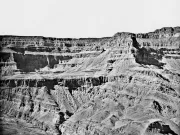
Both rocks dissolve in naturally acidic groundwater, potentially developing joints, solution channels, caves and sinkholes. Dissolution rates depend on water chemistry, flow paths, fractures, mineral composition and surface area. Limestone and dolostone can therefore both host karst landscapes, but local geological conditions matter more than a simple rock-name rule.
Dolomitization may change pore geometry and permeability in complicated ways. It can increase intercrystalline porosity, create vugs, or reduce porosity by cementation. This matters in aquifers, geotechnical site investigations and subsurface reservoirs, where permeability must be measured rather than inferred from mineral name alone.
Identification Workflow for Field Geologists
- Observe bedding, fossils, ooids, crystal texture, fractures and any vugs.
- Test a fresh surface with dilute HCl, recording the reaction strength.
- Repeat on fresh powder if the initial reaction is weak or uncertain.
- Check for localized calcite veins or cement that could bias the result.
- Use a hand lens to look for dolomite rhombs and replacement textures.
- Describe mixed or uncertain rocks conservatively, such as “dolomitic carbonate rock,” pending analysis.
- For engineering, reservoir or resource decisions, confirm mineralogy with XRD, staining or laboratory geochemistry.
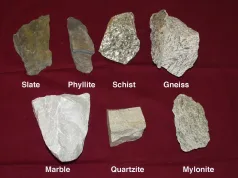
Common misidentifications: marble may resemble limestone or dolostone but is metamorphic; calcite-cemented sandstone can fizz despite a siliciclastic framework; and a crystalline limestone can resemble dolostone in hand specimen.
Uses and Engineering Significance
Limestone and dolostone are quarried for construction aggregate, dimension stone and industrial feedstocks. Limestone is widely used in cement manufacture and lime production; dolostone may supply magnesium-bearing materials and aggregate. Suitability depends on chemical purity, strength, abrasion resistance, durability and local specifications, not just the rock name.
In civil engineering, both carbonate rock types require investigation of discontinuities, weathering profiles, groundwater, dissolution cavities and rock mass quality. A strong intact core can coexist with a fractured or karstified rock mass. Site-specific boreholes, geophysical surveys and laboratory tests are essential where subsidence or foundation performance is at issue.
Frequently Asked Questions
Can limestone and dolostone look identical?
Yes. Fine-grained, gray or crystalline specimens may look very similar. Acid testing and mineralogical analysis are often needed.
Does dolostone always contain fossils?
No. Some dolostones preserve fossils clearly; others have lost most original structures through recrystallization or replacement.
Is dolostone harder than limestone?
Dolomite mineral is slightly harder than calcite, but bulk rock strength depends on porosity, fractures, grain bonding and weathering. The difference cannot reliably identify a rock by itself.
Does vinegar distinguish limestone from dolostone?
Household vinegar is much weaker than standard field HCl and may react slowly even with calcite. It is less reliable for distinguishing the two rocks.
Can a limestone turn into dolostone?
Yes. Magnesium-bearing fluids can replace calcite or aragonite with dolomite during diagenesis.
Does weak acid fizz prove a rock is dolostone?
No. Weathering, acid concentration, calcite impurities and grain size affect reaction intensity. Additional testing may be necessary.
Related Articles and References
Read more about limestone, dolostone and oolitic limestone.
Arkansas Geological Survey: Dolostone; Missouri Department of Natural Resources: Limestone; Earth History Laboratory Manual: Carbonate Rocks; Encyclopaedia Britannica: Dolomite.