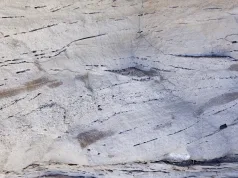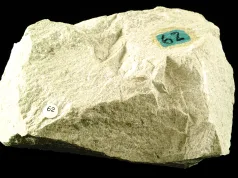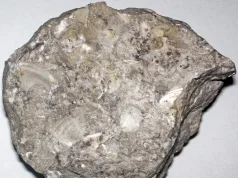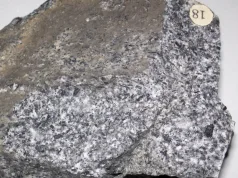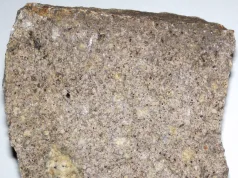




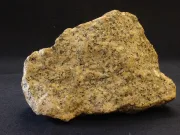
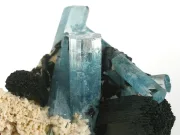
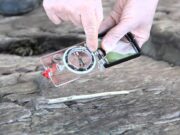
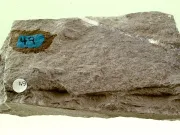
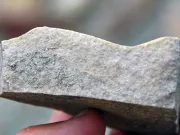
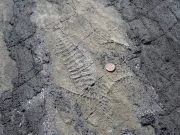




















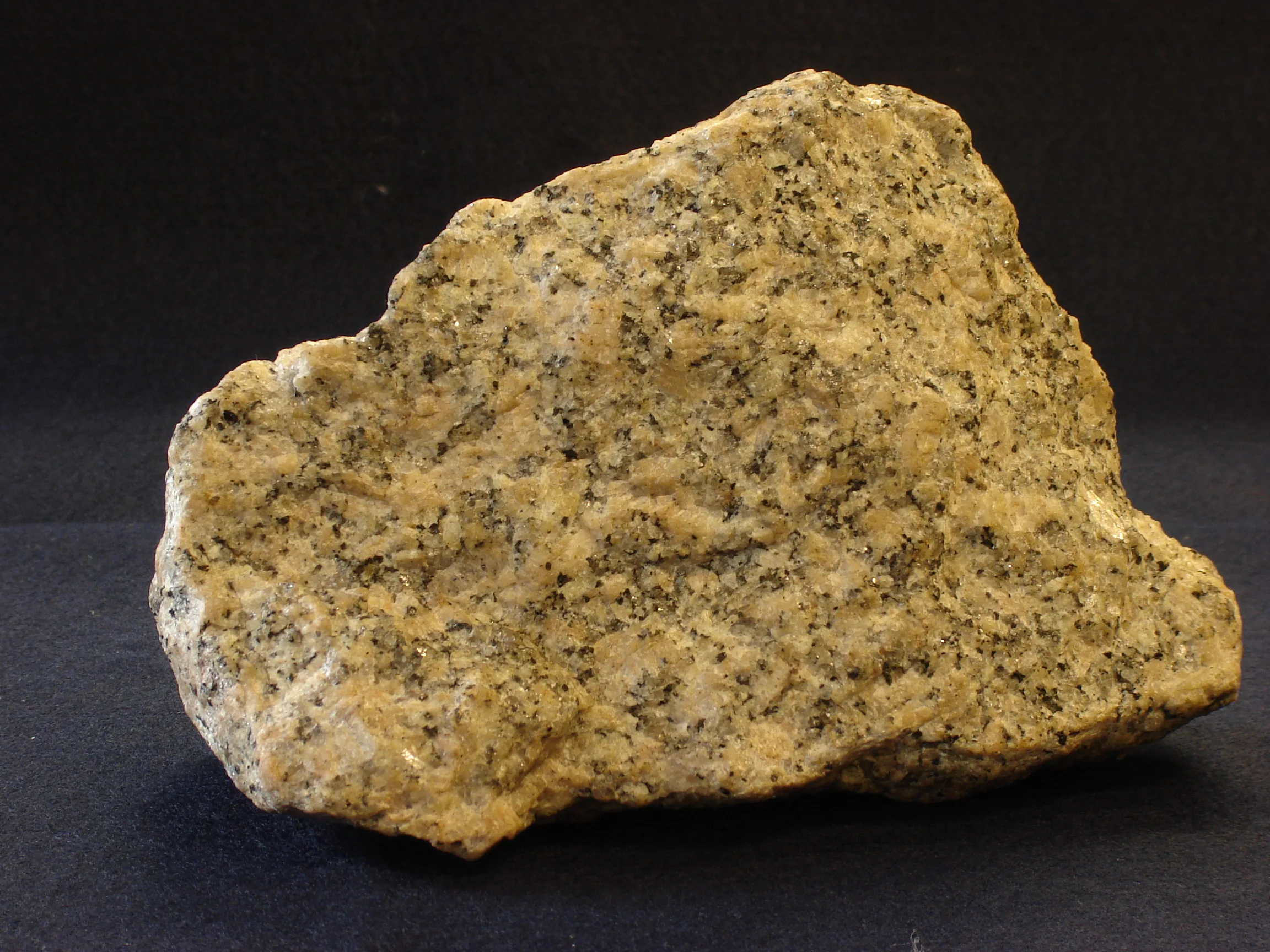
Rock identification begins with observable texture, grain size, mineral composition and structure. This interactive rock finder compares selected characteristics against 100 rock reference entries, including selected subtypes and petrographic classes and displays reference images, practical clues and links to individual descriptions. The results are candidates, not a laboratory diagnosis.
Interactive Rock Identification Tool
100 reference rocks · Texture → Composition → Compare
Use the visual texture guide first. Add only the features you can confidently identify in a fresh specimen.
These are approximate observations, not laboratory measurements. Mixed rocks may give different results on different grains. Acid results refer to a suitable supervised test; do not grind, taste or heat unknown specimens.
Optional modal composition — intrusive igneous rocks
Enter estimated volume percentages of quartz (Q), alkali feldspar (A), plagioclase (P), and other minerals (M). Only use for a suitable quartz-bearing plutonic rock with identified minerals; not for volcanic, feldspathoid-bearing or ultramafic rocks. Normalization is not a full IUGS classification.
Enter percentages totaling 100.
Advanced petrographic observations
Use observations from an existing hand specimen, field description or thin section. Dunham suggestions assume a sedimentary carbonate with preserved original depositional fabric; use the dedicated carbonate classification tool for coarse bioclasts or recrystallized carbonates. These properties are not available for every rock; unknown values remain neutral.
Select carbonate observations for a Dunham texture suggestion.
References: SEPM carbonate classification and IODP igneous classification methods.
Bulk density measurement
Use the measured bulk volume of an appropriate intact specimen. Pore space, moisture and weathering affect results; this is not mineral grain density. Never immerse unknown, friable, fibrous or soluble specimens.
Density = mass ÷ volume
Reports contain observations and up to 30 ranked reference entries. Rankings are heuristic, not identification probabilities.
Browse the full reference library by name
Reference rock names and photos. This lookup is separate from the identification results.
Reference entries include formal rock names, subtypes, textural classes and named materials. Results are educational candidates, not definitive names. Bulk density ranges are approximate and not available for all records. Mineral presence is supportive evidence; absence from the short reference composition is not proof of absence from a real specimen. Color and scratch observations may vary. Igneous classifications may require modal mineralogy or chemical analysis. Photographs are examples, not image recognition. Texture and composition guidance: USGS educational rock resources.
How to Examine a Rock
Look at a fresh, unweathered surface if one is already exposed. Observe whether the rock consists of interlocking crystals, cemented fragments, glass, or aligned minerals. Check if it has pores, rounded clasts, fossils, foliation, or bands. A magnifier is useful for fine grains. Record the approximate grain size and location; the geological setting often distinguishes visually similar rocks.
Three Major Rock Groups
Igneous rocks form as magma or lava solidifies. Granite has visible interlocking crystals, whereas basalt is typically fine-grained. Pumice is exceptionally porous, and obsidian is volcanic glass.
Sedimentary rocks form by accumulation and lithification of sediment, chemical precipitation or biological processes. Sandstone is usually gritty; conglomerate contains rounded coarse fragments. Carbonate rocks may contain recognizable fossils.
Metamorphic rocks form when pre-existing rocks recrystallize or deform without complete melting. Schist and gneiss commonly show aligned minerals or bands, whereas marble and quartzite are often massive and crystalline.
Interpreting the Results
A few distinctive characteristics are usually more helpful than many uncertain observations. Rounded gravel fragments suggest conglomerate; alternating light and dark crystalline bands suggest gneiss. A porous light volcanic rock may be pumice, but other porous materials exist. Rock color is affected by mineralogy, weathering and staining, and should not be used alone.
Limitations
Texture categories in this educational database are simplified; natural rocks span continuous ranges of grain size and mineral proportions. Breccias have several possible origins. Color and texture alone cannot always distinguish sandstone from quartzite or marble from crystalline limestone. Avoid destructive testing of unknown, fibrous or valuable specimens and seek professional petrography where necessary.
References
GeologyScience rock encyclopedia; USGS — Collecting Rocks; British Geological Survey — Rock Classification Scheme. Featured photograph: Eurico Zimbres FGEL/UERJ, CC BY-SA 2.0 BR.