





Minerals
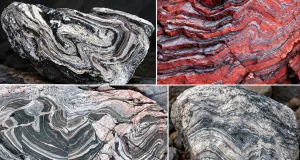
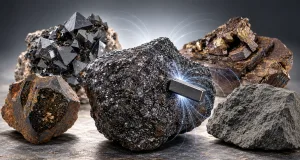
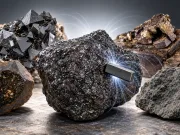
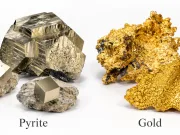
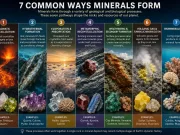
A mineral is a naturally occurring chemical compound usually of crystalline form and not produced by life processes. A mineral has one specific chemical composition, whereas a rock can be an aggregate of different minerals or mineraloids. The study of minerals is called mineralogy. To meet the definition of “mineral” used by most geologists, a substance must meet five requirements:
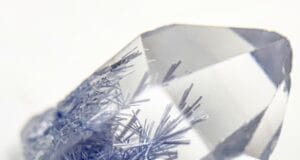
Dumortierite
Dumortierite is a mineral renowned for its striking blue to violet-blue coloration and its significant presence in various geological formations worldwide. Named after the...
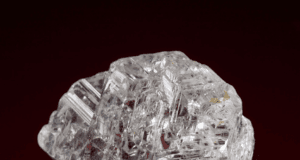
Phenakite
Phenakite is a rare and valuable gemstone known for its exceptional clarity and brilliance. It belongs to the beryllium aluminum silicate mineral group and...

Sard
Sard is a semi-precious gemstone known for its deep, rich red color, which ranges from reddish-brown to nearly black. It's a variety of chalcedony,...
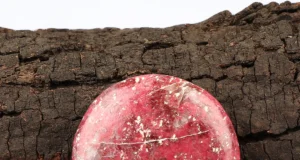
Thulite
Thulite is a variety of the mineral zoisite known for its striking pink color. The pink hue is primarily due to manganese ions replacing...
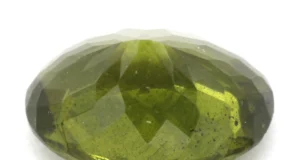
Ekanite
Ekanite is a silicate mineral with a chemical composition typically expressed as Ca2ThSi8O20Ca2ThSi8O20. It is often found as a tetragonal crystal system but is...
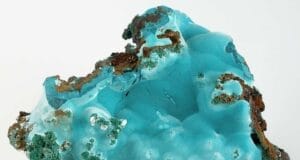
Rosasite
Rosasite is a secondary mineral that typically forms in oxidized zones of copper-zinc ore deposits. It is chemically composed of copper zinc carbonate hydroxide,...
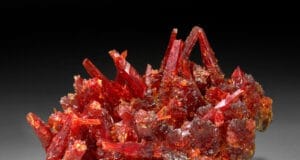
Zincite
Zincite is a mineral composed primarily of zinc oxide (ZnO), often with trace amounts of manganese and other elements. It typically occurs in bright...
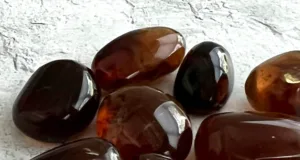
Black Amber (Jet)
Black amber, also known as jet, is a type of organic gemstone formed from fossilized wood. Unlike traditional amber, which is formed from tree...

Dianite
Dianite is a relatively rare mineral belonging to the silicate group. It is a type of vesuvianite, which is a group of calcium aluminum...

Mtorolite
Mtorolite is a gemstone that belongs to the variety of chalcedony, a type of microcrystalline quartz. It is characterized by its vibrant green color,...
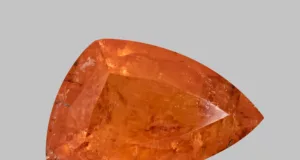
Eosphorite
Eosphorite is a mineral belonging to the group of phosphates. It typically forms in pegmatite veins, which are coarse-grained igneous rocks found in association...

Fuchsite
Fuchsite, also known as chrome mica or green muscovite, is a variety of muscovite, which is a common form of mica. It gets its...