







Structural Geology
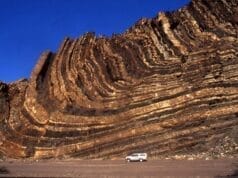
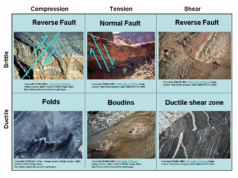
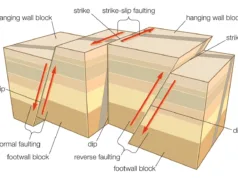
Structural geology is the branch of geology that investigates how rocks and structures within the Earth’s crust deform over time — how they bend, break, fold, fault and flow under stress and pressure. Whether forming mountain ranges, controlling ore deposit locations, or influencing earthquake behavior, structural geology reveals the hidden architecture of the planet. In this section you’ll find practical guides on faults, folds, joints, structural mapping, and tectonic processes that shape the Earth’s surface and interior.
Types of Maps
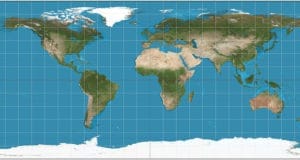
ProjectionsBecause the shape of the world is spherical, it is difficult to represent it on a plain paper. Cartographers use projections to make...
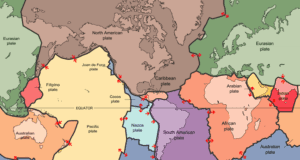
Plate Tectonics: How Earth’s Moving Plates Shape Continents, Mountains, and Oceans
The theory of plate tectonics is the unifying framework of modern geology.It explains how the Earth’s rigid outer shell — the lithosphere — is...
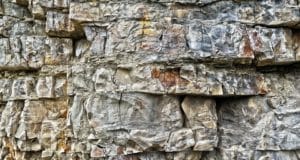
Structural Geology: Deformation, Faults, Folds & Earth’s Crust
Structural geology is the study of the internal structure and deformation of the Earth's crust. Structural geologists use a variety of techniques, including field...