

Home Blog Page 65

Eisriesenwelt, Austria

Eisriesenwelt is an extraordinary natural wonder located in the Tennengebirge mountain range near Werfen, Salzburg, Austria. Known as the “World of the Ice Giants,” it is the largest ice cave on the planet and offers a truly enchanting experience for visitors.

The cave was formed over millions of years through a combination of geological processes. It began with the gradual dissolution of limestone by water, followed by the freezing and thawing of the ice inside the cave. This unique combination of factors has resulted in the creation of stunning ice formations, including icicles, stalactites, and stalagmites, that adorn the cave’s interior.

Eisriesenwelt stretches over a vast distance of approximately 42 kilometers (about 26 miles). However, only the first kilometer (approximately 0.6 miles) of the cave is accessible to tourists through guided tours. These tours typically last about an hour and offer a mesmerizing journey through narrow passages and grand chambers filled with glittering ice formations.

Visiting Eisriesenwelt is a thrilling adventure, but it requires some preparation. Due to the perpetually cold temperatures inside the cave, even during the summer months, visitors are advised to dress warmly and wear sturdy footwear to ensure a comfortable and safe exploration.

The cave is open to the public from May to October, as the winter months bring hazardous conditions and ice buildup, making it unsafe for visitors. Access to Eisriesenwelt is made easier by taking a cable car from the nearby town of Werfen, followed by a short hike to reach the cave’s entrance.

Eisriesenwelt’s discovery dates back to 1879 when a natural scientist named Anton von Posselt-Czorich first explored its frozen wonders. Since then, it has become a popular tourist destination, drawing nature enthusiasts, photographers, and adventure seekers from all corners of the globe.

For those seeking to immerse themselves in the magic of nature’s icy masterpiece, Eisriesenwelt in Austria offers an unparalleled experience that will leave you in awe of the power and beauty of our planet’s geological wonders.

Formation of Eisriesenwelt

The formation of Eisriesenwelt, the largest ice cave in the world, is a fascinating geological process that occurred over millions of years. It involves a combination of factors, including the presence of limestone, water, and the unique climate of the region.

  1. Limestone Formation: The first step in the creation of Eisriesenwelt began millions of years ago when the region was covered by a shallow sea. Over time, the remains of marine organisms, such as shells and coral, accumulated and compressed to form limestone deposits. The Tennengebirge mountains, where Eisriesenwelt is located, are primarily composed of limestone.
  2. Erosion and Caves Formation: The limestone is soluble in slightly acidic water, and as rainwater and melted snow percolated through the cracks and fissures in the limestone rocks, it slowly dissolved the rock over millennia. This process, known as chemical weathering or erosion, carved out a network of underground passages and chambers, forming caves.
  3. Freezing and Thawing: The unique climatic conditions in the region play a crucial role in the formation of Eisriesenwelt’s icy features. The cave’s entrance is at a relatively low elevation where warm air can easily enter during the day. As the warm air rises into the cave, it melts some of the ice formations inside.
  4. Ice Accumulation: However, during the night, the temperatures drop significantly, causing the melted water to freeze once again. Over time, this cycle of melting and refreezing contributes to the accumulation of ice within the cave.
  5. Wind Patterns: Additionally, the flow of air inside the cave, caused by temperature differences between the outside and the interior, contributes to the shaping of the ice formations. Wind can polish and sculpt the ice, leading to the stunning and unique shapes found within Eisriesenwelt.

The combination of these geological and climatic factors over millions of years has resulted in the creation of Eisriesenwelt’s breathtaking ice formations, including stalactites, stalagmites, ice columns, and other ice sculptures. The process is ongoing, with the cave’s features continually evolving as a result of the interplay between water, ice, and wind.

Caves and Karst Landscapes

Caves and karst landscapes are closely related geological features that result from the dissolution of soluble rocks, such as limestone, gypsum, or dolomite, by water over long periods of time. Let’s explore each of them in more detail:

  1. Caves: Caves are natural underground voids or cavities formed by the chemical weathering or dissolution of soluble rocks. The most common type of cave is limestone cave, which forms in regions where limestone is prevalent. Other types of caves can also form in different types of soluble rocks.

The process of cave formation begins with rainwater or groundwater absorbing carbon dioxide from the atmosphere or from decaying organic matter. This turns the water slightly acidic. As this acidic water percolates through the fractures, joints, and bedding planes of the soluble rock, it dissolves the rock, enlarging the cavities over time.

Caves can vary significantly in size, ranging from small, narrow passages to massive underground chambers. They often feature unique formations such as stalactites (icicle-shaped formations hanging from the cave ceiling), stalagmites (icicle-shaped formations growing from the cave floor), and other speleothems (mineral deposits) that form as the dissolved minerals in the water are deposited inside the cave.

Caves can also contain valuable scientific and archaeological information, as they sometimes preserve fossils, ancient artifacts, and evidence of past climates.

  1. Karst Landscapes: Karst landscapes are distinctive geological formations that result from the dissolution of soluble rocks on the Earth’s surface. These landscapes are characterized by sinkholes, sinking streams, disappearing rivers, underground drainage systems, and, of course, caves.

The term “karst” originates from the Karst Plateau in Slovenia, which is a region well-known for its extensive limestone formations and karst features. However, karst landscapes can be found in many regions around the world.

The dissolution of soluble rocks creates a unique topography with sinkholes, where the ground collapses into underground voids, and sinking streams or disappearing rivers, where surface water flows into underground channels. As a result, karst landscapes often have complex underground drainage systems.

In addition to caves, karst landscapes can also feature other surface features like dolines (shallow depressions), poljes (large flat valleys or plains), and karst towers (steep limestone pillars).

Karst landscapes are not only fascinating geological formations but also valuable ecosystems. They often provide important habitats for specialized plants and animals, as well as sources of freshwater for human populations.

Both caves and karst landscapes are exceptional natural wonders that continue to intrigue scientists, explorers, and nature enthusiasts alike. They remind us of the profound forces of water and time that shape the Earth’s surface and create some of the most beautiful and enigmatic landscapes on our planet.

Ice Formation and Glacier Dynamics

Ice Formation:

The process of ice formation in Eisriesenwelt begins with the accumulation of snowfall in the surrounding mountains during winter. Over time, this snow accumulates and is compressed by the weight of additional snowfall, transforming it into firn, a dense, granular type of snow. As more snow accumulates and compresses, the firn undergoes further changes and slowly transforms into glacial ice.

During the summer months, warm air enters the cave during the day, causing some of the ice formations inside to melt. However, during the colder nights, the temperatures drop significantly, and the melted water refreezes, contributing to the gradual growth and maintenance of the ice formations within the cave. This cycle of melting and refreezing, along with the unique geological features of the cave, plays a crucial role in the formation and preservation of Eisriesenwelt’s stunning ice sculptures.

Glacier Dynamics:

While Eisriesenwelt is not a glacier itself, the concept of glacier dynamics is essential to understanding the formation and behavior of glaciers in general. Glaciers are large masses of ice that move under their own weight and are formed by the accumulation and compaction of snow over long periods.

Glacier dynamics are influenced by several factors:

  1. Accumulation and Ablation: The growth of a glacier depends on the balance between snowfall (accumulation) and ice loss due to melting, sublimation, and calving (ablation). In areas where snowfall exceeds ice loss, glaciers advance, whereas in regions where ice loss is greater, glaciers retreat.
  2. Basal Sliding: Glaciers can slide over their underlying bedrock or sediment due to the pressure of the ice and the presence of meltwater at the glacier’s base. This sliding contributes to the glacier’s overall movement.
  3. Internal Deformation: Glacial ice behaves like a very viscous fluid, and under the immense pressure of its own weight, it can deform and flow like a slow-moving river. This internal deformation is another significant factor in glacier dynamics.
  4. Glacier Terminology: Glaciers have specific zones, including the accumulation zone (where snow accumulates and turns into ice) and the ablation zone (where ice is lost due to melting and calving).

Understanding glacier dynamics is crucial for studying the behavior of glaciers and their response to changes in climate and environmental conditions. Glacier retreat, which has been observed in many parts of the world, is a significant concern as it affects freshwater resources, sea-level rise, and various ecosystems.

Geological History and Dating

Eisriesenwelt, being a cave, has a geological history that is intricately tied to the geological processes that formed the cave system and the surrounding landscape. However, it’s important to note that the geological history of Eisriesenwelt is different from the geological history of the entire region in which it is located.

Geological History of Eisriesenwelt:

The geological history of Eisriesenwelt begins millions of years ago during the formation of the Tennengebirge mountain range. The mountains are primarily composed of limestone, a type of sedimentary rock that is susceptible to dissolution by slightly acidic water.

The process of cave formation, known as karstification, involves the chemical weathering and erosion of limestone by water over extended periods. As rainwater and melted snow percolated through the fractures and joints of the limestone rocks, they gradually dissolved the rock, creating underground voids and passages that eventually formed the cave system of Eisriesenwelt.

The caves would have initially started as small passages and chambers, and over time, through continuous dissolution and enlargement, they grew to the impressive size seen today. The formation of stalactites, stalagmites, and other ice formations inside the cave is a result of the freezing and thawing of water that seeps into the cave from the surrounding ice and snow.

Geological Dating of Eisriesenwelt:

In terms of geological dating, it’s important to clarify that the age of the cave itself is not precisely determined. Absolute dating methods, such as radiometric dating, are typically used to determine the age of rocks or minerals, but they are not directly applicable to dating the formation of caves like Eisriesenwelt.

However, the surrounding geological formations and layers can be dated using various methods, such as radiometric dating of volcanic rocks or the study of the fossils found in sedimentary layers. These techniques allow geologists to establish a broader geological history of the region in which Eisriesenwelt is situated.

In the case of Eisriesenwelt, the cave is likely to be relatively young in geological terms, probably formed over tens of thousands to hundreds of thousands of years. The cave’s formations and the age of the surrounding geological features provide valuable information about the dynamic geological processes that have shaped the region over geological time.

Overall, while precise dating of Eisriesenwelt itself may not be possible, its geological history is an integral part of the larger geological story of the Tennengebirge region and the fascinating karst landscape that has evolved over millions of years.

Cadmium (Cd) Ore

Cadmium is a chemical element with the symbol “Cd” and atomic number 48. It is a soft, bluish-white metal that belongs to the transition metals group in the periodic table. Discovered in 1817 by German chemist Friedrich Stromeyer, cadmium has since found various industrial applications despite its known toxicity.

In its pure form, cadmium is relatively rare in the Earth’s crust, occurring at low concentrations. However, it is often found as a minor component in zinc, lead, and copper ores, from which it is extracted as a byproduct during the refining process. Due to its ability to form alloys with other metals and its resistance to corrosion, cadmium has historically been used in various industries.

One of the significant historical uses of cadmium was in pigments, particularly for creating bright yellow, orange, and red colors in paints and ceramics. However, due to its high toxicity and potential health risks, its use in this regard has decreased significantly in recent times.

In modern industries, cadmium is primarily employed in the production of nickel-cadmium (NiCd) batteries. These batteries were widely used in portable electronics and other applications due to their high energy density and long life. However, in response to environmental concerns and the hazardous nature of cadmium, other battery technologies, such as lithium-ion batteries, have become more prevalent.
Aside from batteries, cadmium has applications in electroplating, where it is used to provide a protective coating on various metals. It is also used in some types of semiconductors and photovoltaic cells for solar energy conversion.

One of the most critical aspects of cadmium is its toxicity. Cadmium and its compounds are highly toxic to humans and many other living organisms. Prolonged exposure to cadmium can lead to severe health problems, particularly affecting the kidneys and bones. Inhalation of cadmium fumes or ingestion of cadmium-contaminated food or water are common routes of exposure for humans.

Due to its hazardous nature, many countries have implemented strict regulations on the use and disposal of cadmium and cadmium-containing products to protect human health and the environment.

In conclusion, cadmium is a unique element with both beneficial industrial properties and significant health and environmental risks. Understanding its properties, sources, and potential impacts is essential for ensuring responsible usage and handling to safeguard human health and preserve the environment.

Chemical Properties of Cadmium

Cadmium (Cd) is a transition metal with several distinct chemical properties. Here are some key characteristics of cadmium from a chemical standpoint:

  1. Atomic Number and Mass: Cadmium has an atomic number of 48 and an atomic mass of approximately 112.41 g/mol.
  2. Electronic Configuration: The electron configuration of cadmium is [Kr] 4d^10 5s^2, meaning it has two electrons in its outermost shell.
  3. Valence Electrons: Cadmium has two valence electrons in its outermost shell, located in the 5s orbital.
  4. Oxidation States: The most common oxidation state of cadmium is +2, where it loses its two valence electrons to form Cd^2+ ions. Cadmium can also exist in other oxidation states, such as +1 and +3, but they are less common.
  5. Reactivity: Cadmium is a relatively reactive metal, but it is not as reactive as alkali metals or some other transition metals. It readily forms compounds with other elements.
  6. Corrosion Resistance: One of the notable properties of cadmium is its excellent resistance to corrosion. This property makes it valuable in various industrial applications, particularly for plating metals to protect them from corrosion.
  7. Formation of Complexes: Cadmium can form stable complexes with various ligands due to its ability to donate its two valence electrons. These complexes have applications in analytical chemistry and industrial processes.
  8. Reaction with Oxygen: Cadmium readily reacts with oxygen in the air, forming a thin oxide layer on its surface. This oxide layer provides some protection against further corrosion.
  9. Solubility: Some cadmium compounds, particularly salts, are soluble in water. The solubility depends on the specific compound and conditions.
  10. Toxicity: Cadmium and its compounds are highly toxic to humans and other living organisms. The toxicity is primarily attributed to its ability to interfere with various biological processes and its tendency to accumulate in the body over time.

Due to its toxicity, cadmium usage and exposure are heavily regulated to protect human health and the environment. Industries that work with cadmium or cadmium-containing materials must follow strict safety guidelines to minimize the risk of exposure to this hazardous metal.

Occurrence and Sources of Cadmium

Greenockite

Cadmium is relatively rare in the Earth’s crust, occurring at low concentrations. It is not found as a native metal but is commonly found as a minor component in various minerals and ores. Here are the main occurrences and sources of cadmium:

  1. Zinc, Lead, and Copper Ores: The primary source of cadmium is as a byproduct during the extraction and refining of zinc, lead, and copper ores. Cadmium is often present in these ores as impurities. When these metals are extracted, cadmium is also extracted and separated during the process.
  2. Sphalerite (Zinc Blende): The most significant mineral source of cadmium is sphalerite, which is a zinc sulfide mineral (ZnS). Sphalerite can contain varying amounts of cadmium as an impurity, and when zinc is extracted from sphalerite, cadmium is also obtained.
  3. Greenockite: Greenockite is a rare mineral that is a direct source of cadmium. It is a cadmium sulfide mineral (CdS) and forms as a secondary mineral in certain hydrothermal ore deposits.
  4. Cadmium-Bearing Minerals: Cadmium can also be found in trace amounts in other minerals, including wurtzite (another zinc sulfide), as well as in certain phosphate minerals and iron-nickel-cobalt ores.
  5. Phosphate Fertilizers: In some cases, cadmium can be present in phosphate fertilizers. The presence of cadmium in fertilizers can lead to its accumulation in soil, potentially impacting crops and food.
  6. Industrial Emissions: Cadmium is released into the environment through industrial processes such as mining, smelting, and the burning of fossil fuels. These activities can release cadmium-containing dust and fumes, leading to potential environmental contamination.
  7. Waste and Landfills: Improper disposal of cadmium-containing products, such as batteries and electronic waste, can contribute to cadmium pollution in soil and water bodies.
  8. Natural Weathering: Cadmium can also be released into the environment through natural processes, including the weathering of rocks and minerals that contain cadmium.

Once released into the environment, cadmium can persist for long periods and can be transported through air and water. It can contaminate soil, water bodies, and the food chain, posing significant risks to human health and the ecosystem. Due to its toxic nature, the management and control of cadmium sources and its safe disposal are crucial to prevent adverse effects on both human health and the environment.

Cadmium Minerals

Cadmium is commonly found as an impurity in various minerals rather than occurring as a primary mineral itself. The most important cadmium minerals are typically associated with zinc, lead, and copper ores. Here are some of the main cadmium minerals:

  1. Sphalerite (Zinc Blende) – Chemical Formula: (Zn,Fe)S Sphalerite is the most significant mineral source of cadmium. It is a zinc sulfide mineral and commonly contains small amounts of cadmium as an impurity. When zinc is extracted from sphalerite during the refining process, cadmium is also obtained as a byproduct.
  2. Greenockite – Chemical Formula: CdS Greenockite is a rare mineral and is the only direct mineral source of cadmium. It is a cadmium sulfide mineral and forms as a secondary mineral in certain hydrothermal ore deposits. Due to its bright yellow color, greenockite is sometimes used as a minor ore of cadmium and as a collector’s mineral.
  3. Wurtzite – Chemical Formula: (Zn,Fe)S Wurtzite is another zinc sulfide mineral that can contain cadmium as an impurity, similar to sphalerite. It is less common than sphalerite but can still be a source of cadmium during zinc extraction.
  4. Hawleyite – Chemical Formula: CdS Hawleyite is a rare cadmium sulfide mineral that can form as a secondary mineral in low-temperature hydrothermal environments. It is usually found in association with other cadmium minerals and zinc ores.
  5. Cadmite – Chemical Formula: CdCO3 Cadmite is a cadmium carbonate mineral, but it is relatively rare. It can be found as a secondary mineral in the oxidation zones of some cadmium-rich ore deposits.
  6. Monteponite – Chemical Formula: CdO Monteponite is a rare cadmium oxide mineral, and its occurrence is closely associated with other cadmium minerals and zinc ores.

It’s important to note that cadmium minerals are not typically mined specifically for their cadmium content. Instead, cadmium is mainly obtained as a byproduct during the extraction and refining of zinc, lead, and copper ores. The concentration of cadmium in these minerals can vary, and the specific minerals containing cadmium depend on the geological conditions of the ore deposit.

Mining and Extraction of Cadmium Ore

Mining and extraction of cadmium ore involve several steps and processes to obtain cadmium as a valuable byproduct. The primary source of cadmium is as an impurity in zinc, lead, and copper ores. Here is an overview of the typical mining and extraction process for cadmium:

  1. Exploration and Site Selection: The first step is to identify potential ore deposits that may contain cadmium. Geologists and mining companies use various exploration techniques, such as geophysical surveys, drilling, and geological mapping, to assess the presence and extent of cadmium-bearing minerals in the ore deposits.
  2. Mine Development: Once a suitable ore deposit is identified, the site goes through the mine development phase. This involves constructing access roads, developing underground tunnels or open-pit mines, and establishing infrastructure for mining operations.
  3. Ore Extraction: Cadmium ore is typically extracted alongside zinc, lead, or copper ores. Depending on the specific ore deposit, different mining methods may be used, such as underground mining for deep ore deposits or open-pit mining for shallow ore bodies.
  4. Ore Crushing and Grinding: The extracted ore is then crushed and ground into a fine powder to increase its surface area for subsequent processing. This step allows for the efficient release of the valuable minerals, including cadmium.
  5. Flotation: The crushed and ground ore undergoes a process called flotation. In this process, chemicals and reagents are added to the ore slurry to create conditions where valuable minerals (such as zinc, lead, and copper sulfides) are selectively separated from other non-valuable minerals.
  6. Concentration: The flotation process results in a concentrate that contains various metals, including cadmium. The concentrate is further processed to increase the cadmium content and remove impurities.
  7. Roasting: The concentrate may undergo roasting, a high-temperature process where it is heated in the presence of air or oxygen. Roasting converts cadmium sulfide minerals (like greenockite) into cadmium oxide (CdO).
  8. Reduction and Smelting: The roasted concentrate is mixed with carbon and heated in a furnace to reduce the cadmium oxide to metallic cadmium. The cadmium vaporizes and is then condensed to form cadmium metal.
  9. Refining: The obtained cadmium metal may undergo further refining to remove any remaining impurities and ensure its purity.
  10. Byproduct Recovery: The primary objective of mining cadmium ore is to obtain other valuable metals like zinc, lead, or copper. Cadmium is considered a valuable byproduct of this process, and its extraction is economically viable because of its industrial applications.
  11. Environmental Considerations: Throughout the entire mining and extraction process, measures are taken to mitigate environmental impacts, such as dust and water pollution. Responsible mining practices include reclamation and rehabilitation of the mining site to minimize long-term environmental effects.

Due to the toxic nature of cadmium and its potential impact on human health and the environment, proper safety protocols and regulations must be followed during the entire mining and extraction process to protect workers and the surrounding ecosystem.

Processing and Refining of Cadmium Ore

Processing and refining of cadmium ore involve several steps to extract cadmium in its pure form. As mentioned earlier, cadmium is typically obtained as a byproduct during the extraction of zinc, lead, or copper ores. Here’s an overview of the typical processing and refining process for cadmium:

  1. Ore Preparation: Cadmium ore is first crushed and ground into a fine powder to increase its surface area for subsequent processing. This step allows for the efficient release of the valuable minerals, including cadmium.
  2. Flotation: The crushed and ground ore undergoes a process called flotation. In this process, chemicals and reagents are added to the ore slurry to create conditions where valuable minerals (such as zinc, lead, and copper sulfides) are selectively separated from other non-valuable minerals.
  3. Concentration: The flotation process results in a concentrate that contains various metals, including cadmium. The concentrate is further processed to increase the cadmium content and remove impurities.
  4. Roasting: The concentrate may undergo roasting, a high-temperature process where it is heated in the presence of air or oxygen. Roasting converts cadmium sulfide minerals (like greenockite) into cadmium oxide (CdO).
  5. Reduction: The roasted concentrate, containing cadmium oxide, is mixed with carbon (usually in the form of coke) and heated in a furnace. The carbon acts as a reducing agent, reacting with the cadmium oxide to produce metallic cadmium vapor.
  6. Condensation and Collection: The cadmium vapor produced during the reduction process is then cooled and condensed into a solid form. This condensed cadmium is collected and further processed.
  7. Refining: The obtained cadmium metal may undergo further refining to remove any remaining impurities and ensure its purity. Several refining techniques may be used, such as:
    • Electrolytic Refining: Electrolysis is employed to purify the cadmium metal further. The cadmium is dissolved in a suitable electrolyte, and an electric current is passed through the solution, causing the cadmium ions to migrate to the cathode and deposit pure cadmium.
    • Zone Refining: Zone refining is another method used to refine cadmium. In this technique, a heated zone moves through the cadmium, causing impurities to migrate towards the end of the sample, where they are removed, leaving behind a purified cadmium sample.
  8. Final Product: The end result of the processing and refining of cadmium ore is high-purity cadmium metal, ready for use in various industrial applications.

Throughout the entire processing and refining process, strict safety protocols and environmental regulations must be followed to ensure the safety of workers, protect the environment, and manage potential hazards associated with cadmium and its compounds.

Cadmium Ore Reserves and Production

Cadmium is not typically mined as a primary metal but is obtained as a byproduct during the extraction and processing of zinc, lead, and copper ores. As a result, cadmium ore reserves are often associated with the reserves of these base metals.

Cadmium ore reserves and production are influenced by various factors, including demand for zinc, lead, and copper, technological advancements, mining economics, and environmental regulations. The availability of cadmium can vary from year to year based on these factors and global market conditions.

China, Australia, Canada, Peru, and the United States have historically been some of the significant producers of zinc, lead, and copper ores, and thus, they also contribute to the global cadmium production. Additionally, some other countries may have smaller cadmium production as a byproduct of their metal mining activities.

It’s important to note that cadmium production is subject to strict regulations due to its toxic nature, and measures are taken to ensure safe handling, disposal, and environmental protection.

Industrial Uses of Cadmium

Cadmium, despite its toxic nature, has found various industrial applications due to its unique properties. However, it’s important to note that many of these applications have decreased or shifted to alternatives over time due to the health and environmental concerns associated with cadmium. Here are some of the historical and current industrial uses of cadmium:

  1. Batteries: Historically, cadmium was widely used in rechargeable nickel-cadmium (NiCd) batteries. NiCd batteries were commonly used in portable electronic devices, such as cameras, cell phones, and laptops, due to their high energy density and ability to be recharged. However, in recent years, the use of NiCd batteries has declined due to environmental concerns, and they have been largely replaced by other battery technologies like lithium-ion batteries.
  2. Electroplating: Cadmium has excellent corrosion resistance, making it suitable for electroplating applications. It is used as a protective coating for various metals, such as steel, to prevent corrosion and improve the appearance of the surface. However, cadmium electroplating is now less common due to environmental and health concerns.
  3. Pigments: In the past, cadmium compounds were used as pigments in paints, coatings, and plastics to produce bright yellow, orange, and red colors. However, the use of cadmium-based pigments has decreased significantly due to their toxicity, and they have been largely replaced by alternative, non-toxic pigments.
  4. Alloys: Cadmium can be alloyed with other metals to improve their properties. For example, cadmium is used as a component in some low-melting-point alloys, such as solder and fusible alloys.
  5. Semiconductors: Cadmium sulfide (CdS) is a semiconductor material that has been used in certain optoelectronic devices, such as photovoltaic cells (solar cells), light sensors, and photocells. However, alternative semiconductor materials are now more commonly used for these applications.
  6. Stabilizers and Additives: Cadmium compounds have been used as stabilizers and additives in plastics and certain industrial processes. However, their use has declined due to health and environmental concerns.

It’s important to reiterate that many of these applications have faced increasing scrutiny due to the toxic nature of cadmium. In response, there have been efforts to reduce or eliminate cadmium usage in various industries and replace it with safer alternatives. These efforts aim to protect human health, prevent environmental contamination, and promote sustainable practices.

Summary of key points

  1. Cadmium: Cadmium is a soft, bluish-white metal with the chemical symbol “Cd” and atomic number 48. It is a transition metal and is relatively rare in the Earth’s crust.
  2. Occurrence: Cadmium is commonly found as an impurity in zinc, lead, and copper ores, rather than occurring as a primary mineral. The main sources of cadmium are as a byproduct during the extraction and refining of these base metals.
  3. Industrial Uses: Cadmium has historically been used in various industrial applications, including batteries (nickel-cadmium batteries), electroplating, and pigments for paints. However, many of these uses have declined due to environmental and health concerns.
  4. Toxicity: Cadmium and its compounds are highly toxic to humans and other living organisms. Prolonged exposure to cadmium can cause serious health issues, particularly affecting the kidneys and bones. Proper handling and disposal of cadmium-containing materials are crucial to prevent its release into the environment.
  5. Environmental Impact: Improper disposal of cadmium-containing waste and industrial emissions can lead to cadmium pollution in soil, water bodies, and the food chain, impacting ecosystems and human health.
  6. Regulations: Many countries have implemented strict regulations on the use and disposal of cadmium and cadmium-containing products to protect human health and the environment.
  7. Byproduct: Cadmium is mainly obtained as a valuable byproduct during the extraction and processing of zinc, lead, and copper ores.
  8. Shift to Alternatives: Due to its toxicity, many industries have sought alternatives to cadmium-based products, such as replacing nickel-cadmium batteries with lithium-ion batteries and using non-toxic pigments in paints.
  9. Mining and Refining: Cadmium ore is typically extracted alongside zinc, lead, or copper ores. The process involves ore preparation, flotation, concentration, roasting, reduction, condensation, and refining to obtain high-purity cadmium metal.
  10. Safety and Sustainability: Responsible mining, processing, and handling of cadmium are essential to ensure the safety of workers, protect the environment, and manage potential hazards associated with cadmium and its compounds.

Overall, understanding the properties, sources, uses, and risks associated with cadmium is crucial for adopting responsible practices and protecting human health and the environment from its harmful effects.

Twyfelfontein Organ Pipes, Namibia

Twyfelfontein Organ Pipes is a unique geological formation and a popular tourist attraction located in the Kunene Region of northwestern Namibia. Twyfelfontein is renowned for its ancient rock engravings and paintings, which have been recognized as a UNESCO World Heritage Site since 2007. However, the “Organ Pipes” refer to a specific rock formation within the Twyfelfontein area.

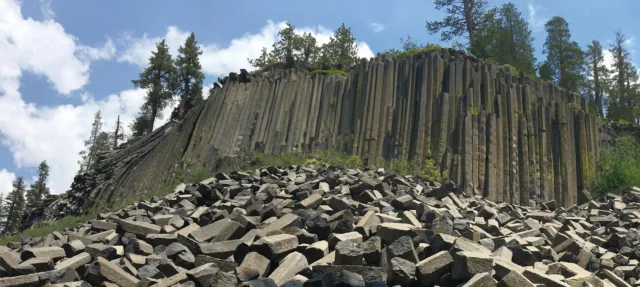
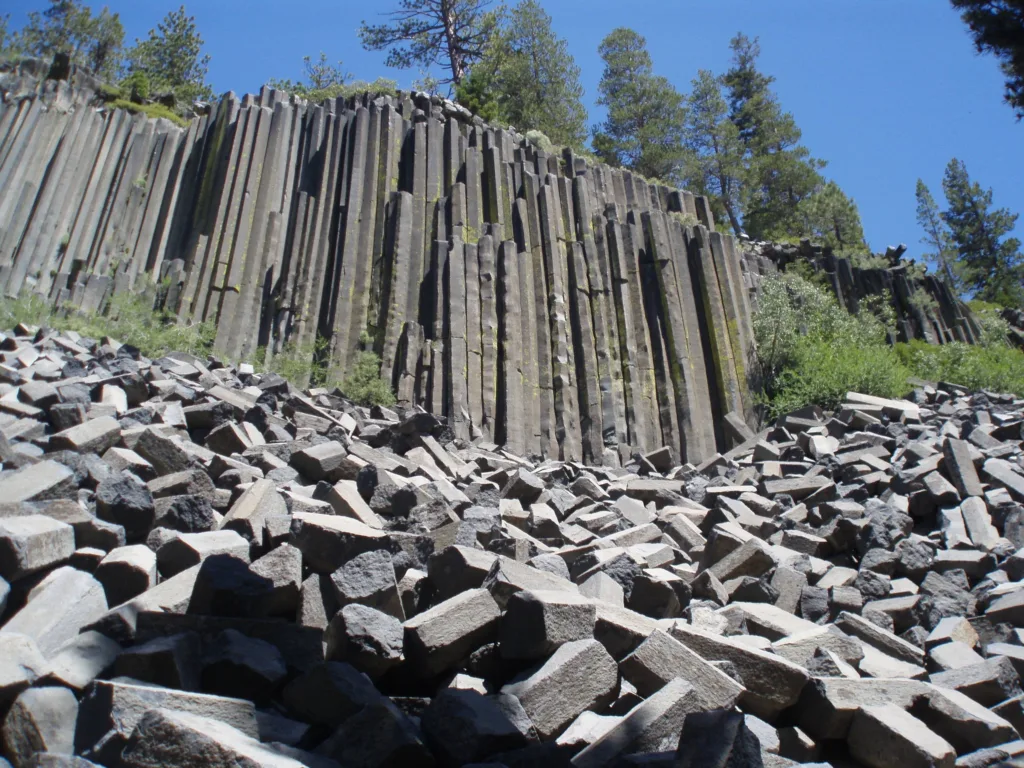
The Organ Pipes are a striking example of columnar jointing, a natural geological phenomenon that occurs when certain types of lava or magma cool and contract in a specific pattern, creating long, vertical, and polygonal columns. These columns are usually straight and have a hexagonal or pentagonal shape, similar to organ pipes in appearance, hence the name.

The formation of the Organ Pipes dates back millions of years when volcanic activity was prevalent in the region. Over time, the lava flow cooled and solidified, resulting in the development of these distinct, geometrically shaped columns. The overall effect is visually stunning and attracts visitors interested in geology and natural formations.

If you plan to visit Twyfelfontein and see the Organ Pipes, it is recommended to check the latest travel information and guidelines, as conditions and access to the site may vary based on the local regulations and tourism practices.

Geological Formation of the Organ Pipes

The geological formation of the Twyfelfontein Organ Pipes is a fascinating example of columnar jointing, a natural process that occurs during the cooling and solidification of certain types of lava or magma. Here’s an explanation of the formation process:

  1. Volcanic Activity: Millions of years ago, the region around Twyfelfontein was geologically active, with volcanic eruptions and lava flows being a common occurrence. During one of these volcanic events, basaltic lava, which is a type of lava with a low viscosity, flowed across the landscape.
  2. Cooling and Solidification: As the basaltic lava flowed, it came into contact with the cooler air or water present on the surface. The lava began to lose its heat rapidly and started to cool down. This cooling process is essential for the formation of columnar jointing.
  3. Contraction and Stress: As the lava cooled, it underwent a significant decrease in volume. This contraction caused the lava to crack and form a series of vertical fractures in the cooling rock. These fractures generally have hexagonal or pentagonal shapes, but occasionally other shapes like heptagonal or octagonal can also occur. The columns tend to be quite straight, running perpendicular to the cooling surface.
  4. Columnar Jointing: The cooling and contraction continued until the entire lava flow solidified into a massive basalt formation. Within this solidified mass, the vertical fractures developed into the distinct columnar joints we now see as the Organ Pipes. These columns are often several meters in height and can be closely packed together, resembling the pipes of an organ, hence the name.

It’s important to note that the precise size and shape of the columns depend on several factors, including the cooling rate of the lava, the mineral composition of the lava, and the presence of any external influences like nearby water sources.

The Organ Pipes at Twyfelfontein are a remarkable natural wonder, attracting visitors from around the world to witness this stunning geological formation and learn about the Earth’s processes that shaped it over millions of years.

Twyfelfontein Organ Pipes Rock Type

The rock type that forms the Twyfelfontein Organ Pipes is basalt. Basalt is an igneous rock that is formed from the rapid cooling and solidification of lava. It is a common volcanic rock and is characterized by its fine-grained texture, typically composed of minerals like pyroxene, feldspar, and olivine.

When basaltic lava flows across the landscape during a volcanic eruption, it cools relatively quickly when exposed to the cooler air or water on the surface. This rapid cooling causes the lava to solidify and contract, leading to the formation of columnar jointing. The columns in the Organ Pipes have a hexagonal or pentagonal shape due to the specific patterns of contraction and cracking that occur during the cooling process.

The columnar jointing in basaltic formations, such as the Organ Pipes at Twyfelfontein, is a striking example of the natural beauty and geological wonders that can be found in different parts of the world. It attracts visitors and geologists alike, offering a glimpse into the Earth’s processes that shaped these unique rock formations over millions of years.

Location and Access

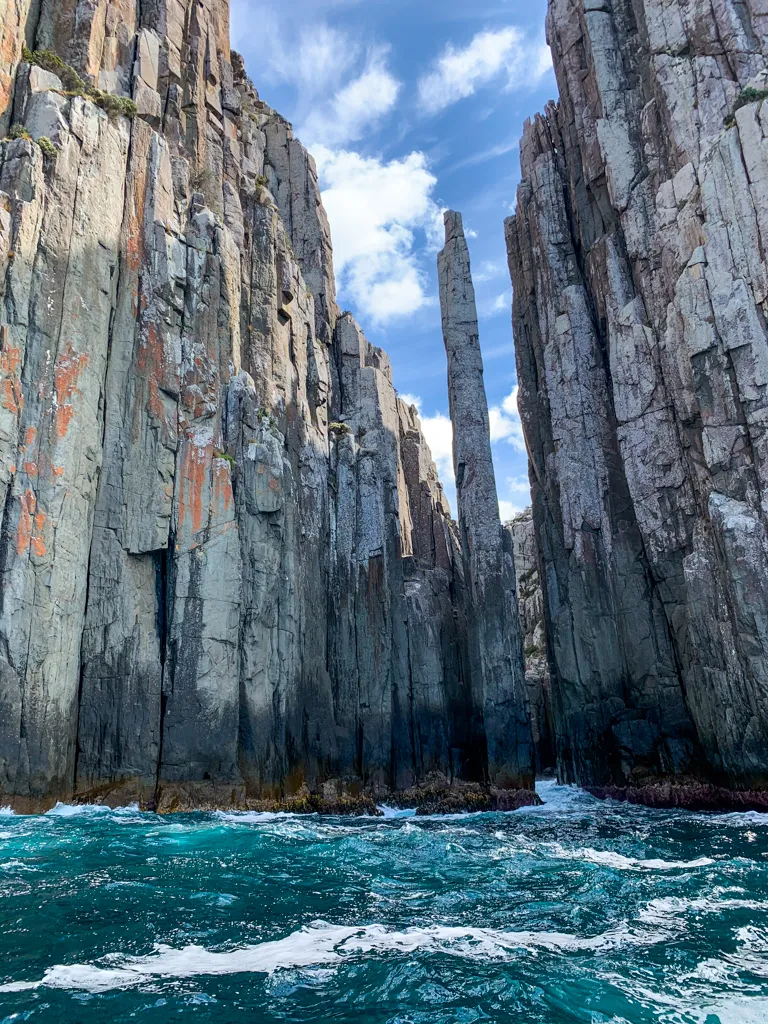
Unusual Organ Pipes monument, Twyfelfontein, Namibia, Africa

Twyfelfontein Organ Pipes is located in the Kunene Region of northwestern Namibia. Here’s information on the location and how to access the site:

Location: Twyfelfontein Organ Pipes is situated within the Twyfelfontein UNESCO World Heritage Site. The entire Twyfelfontein area is renowned for its rich cultural heritage and impressive geological formations, including the ancient rock engravings and paintings, as well as the Organ Pipes geological feature.

Access:

  1. By Road: The most common way to access Twyfelfontein Organ Pipes is by road. The site is approximately 72 kilometers (about 45 miles) west of the town of Khorixas, which is the capital of the Kunene Region. Khorixas serves as the gateway to Twyfelfontein, and from there, visitors can travel along well-marked gravel roads to reach the Organ Pipes.
  2. Guided Tours: Many visitors prefer to join guided tours that depart from Khorixas or other nearby towns. These tours are usually led by experienced guides who provide valuable insights into the geological and cultural significance of the area. Guided tours can also be organized from other popular tourist destinations in Namibia, such as Swakopmund or Windhoek.
  3. Self-Drive: Some adventurous travelers opt for self-drive trips to Twyfelfontein. If you choose to self-drive, it’s essential to have a suitable vehicle, preferably a 4×4, as the roads may be rough and challenging, especially during the rainy season. Additionally, ensure you have a map or GPS navigation, as parts of the area may have limited cell phone coverage.
  4. Entrance Fee: To visit Twyfelfontein and the Organ Pipes, there is usually an entrance fee that contributes to the conservation and maintenance of the site. The fee is payable at the entrance or visitor center.
  5. Accommodation: While Twyfelfontein is not a major town, there are lodging options available nearby. Some visitors choose to stay in Khorixas, where various accommodations, including lodges and guesthouses, are available.

It’s essential to check the latest travel information and regulations before visiting, as conditions and access may change due to weather, conservation efforts, or other factors. Additionally, respecting the site’s cultural and natural heritage by following guidelines and not causing any harm to the environment is vital to preserving this unique destination for future generations.

Tourism and Visitor Experience

Tourism at Twyfelfontein Organ Pipes offers visitors a unique and enriching experience, combining geological wonders with cultural heritage. Here’s an overview of the tourism and visitor experience at the site:

  1. Geological Marvel: The main attraction at Twyfelfontein Organ Pipes is, of course, the remarkable geological formation of the Organ Pipes themselves. Tourists can marvel at the striking hexagonal and pentagonal columns, which stand like giant organ pipes formed through the cooling and solidification of lava millions of years ago. Guided tours and informational displays at the site explain the geological processes that created this natural wonder.
  2. Rock Engravings and Paintings: Twyfelfontein is famous for its extensive collection of ancient rock engravings and paintings, believed to be some of the most significant in Africa. Tourists can explore the surrounding areas to witness these incredible depictions of wildlife, human figures, and other symbols, offering insights into the lives and beliefs of ancient peoples who once inhabited the region.
  3. Guided Tours: Professional guided tours are available for tourists who want a deeper understanding of the geological, cultural, and historical aspects of Twyfelfontein. Knowledgeable guides provide valuable information about the Organ Pipes, the rock art, the local flora and fauna, and the customs of the indigenous communities.
  4. Interpretation Centers: Visitors can access interpretation centers or visitor centers at Twyfelfontein, where they can learn about the site’s significance and conservation efforts. These centers often have informative exhibits, maps, and displays that enhance the overall visitor experience.
  5. Hiking and Nature Walks: The area around Twyfelfontein is stunning, offering opportunities for hiking and nature walks. Tourists can explore the breathtaking landscapes, unique rock formations, and diverse plant and animal life while enjoying the tranquility of the Namibian wilderness.
  6. Sunset and Sunrise Views: Twyfelfontein Organ Pipes provides a picturesque setting for sunset and sunrise views. Tourists can capture beautiful photographs as the sun casts its golden light on the columns and the surrounding landscape, creating a memorable and ethereal atmosphere.
  7. Conservation and Sustainability: Tourism at Twyfelfontein places a strong emphasis on conservation and sustainability. Responsible tourism practices aim to minimize the impact on the delicate environment and cultural heritage, ensuring that future generations can also enjoy this exceptional site.
  8. Local Community Interaction: Tourists may have opportunities to interact with local communities and gain insights into their traditional way of life, customs, and cultural practices. This interaction can offer a deeper appreciation of the area’s cultural significance and foster a connection with the local people.
  9. Accommodation and Facilities: While Twyfelfontein itself is not a large town, there are accommodation options nearby, including lodges and campsites, where visitors can relax after a day of exploration. Facilities like restaurants and souvenir shops are available to cater to tourists’ needs.

Overall, tourism at Twyfelfontein Organ Pipes provides a well-rounded experience, offering a blend of natural wonders, ancient history, and cultural appreciation that leaves a lasting impression on visitors.

Svartifoss, Iceland

Svartifoss is a captivating waterfall located in Vatnajökull National Park, in the southern region of Iceland. It is one of the country’s most iconic and picturesque waterfalls, renowned for its unique and striking appearance. The name “Svartifoss” translates to “Black Falls” in Icelandic, derived from the dark basalt columns that surround and accentuate the waterfall.

The main attraction of Svartifoss lies in its distinct geological features. The waterfall cascades over a stunning cliff face composed of black basalt columns, which were formed by the cooling of lava that once flowed in the area. These hexagonal basalt columns create a mesmerizing visual spectacle, resembling a wall of organ pipes or stacked crystals, adding to the allure of the waterfall.

The contrast between the dark basalt formations and the white water plunging down the cliff makes Svartifoss a captivating sight to behold. The surrounding scenery is equally impressive, with dramatic landscapes, lush vegetation, and imposing glaciers, adding to the beauty of the site.

To reach Svartifoss, visitors typically embark on a hiking trail within Vatnajökull National Park. The hike takes you through picturesque Icelandic nature and unveils stunning views of the waterfall as you approach it. The journey allows you to appreciate the natural beauty of the region and immerse yourself in the tranquility of the landscape.

Svartifoss is not only a popular destination for tourists seeking natural wonders but also a significant site for geologists and nature enthusiasts who appreciate the geological history and formation of these unique basalt columns.

As with any outdoor adventure, it is essential to follow safety guidelines and respect the environment when visiting Svartifoss and its surroundings. Proper preparation and adherence to park regulations will ensure that visitors can enjoy the splendor of this Icelandic gem while preserving its beauty for generations to come.

Formation of Svartifoss

The formation of Svartifoss can be attributed to a fascinating geological process that took place over thousands of years. The key factor in the waterfall’s unique appearance lies in the type of rock it flows over and the specific way in which that rock was formed.

Svartifoss is situated in an area of Iceland known for its volcanic activity, which has contributed to the diverse landscapes found throughout the country. The waterfall is located within Vatnajökull National Park, an area that was shaped by both glacial and volcanic forces.

The rock formation that gives Svartifoss its distinctive appearance is basalt. Basalt is a type of volcanic rock that is commonly formed when lava cools and solidifies. What makes this particular basalt formation so extraordinary are the columnar joints that developed as the lava cooled.

When molten lava flows from a volcano, it undergoes a process of cooling, causing it to contract and crack. As the lava cools, it contracts unevenly, forming cracks that progress vertically and result in the formation of these hexagonal basalt columns. The columns are essentially a result of the lava’s cooling pattern, which fractures the rock into these geometric shapes.

Over time, erosion played a significant role in shaping the landscape around Svartifoss. The force of water flowing from the glacier above and from rainfall gradually eroded the surrounding softer rock layers, leaving the more resistant basalt columns exposed. This process led to the creation of the dramatic cliff face over which the waterfall plunges.

The combination of the volcanic activity that produced the basalt rock and the erosional forces shaping the landscape ultimately led to the formation of Svartifoss as we see it today—a captivating waterfall cascading over a wall of striking hexagonal basalt columns.

The uniqueness of Svartifoss’ appearance has made it one of Iceland’s most iconic landmarks and a must-visit destination for nature enthusiasts and travelers from around the world.

Natural Surroundings and Landscape

The natural surroundings and landscape surrounding Svartifoss are truly awe-inspiring, offering visitors a glimpse into the raw beauty of Iceland’s diverse and captivating wilderness. Situated in Vatnajökull National Park, the area boasts a harmonious blend of glacial features, volcanic formations, lush vegetation, and breathtaking vistas. Here are some of the prominent aspects of the natural surroundings and landscape of Svartifoss:

  1. Glaciers: Vatnajökull National Park is home to Vatnajökull, Iceland’s largest and most voluminous glacier. The glacier covers a vast area, and its ice cap feeds numerous glacial outlets and rivers, creating a striking contrast with the surrounding black basalt columns and lush vegetation.
  2. Basalt Columns: As mentioned earlier, the black basalt columns are the defining geological feature of Svartifoss. These hexagonal columns stand tall and proud, creating a unique backdrop for the waterfall. They form a wall-like cliff face that adds to the drama and allure of the landscape.
  3. Vegetation: The area around Svartifoss is relatively green and lush, especially during the summer months. Moss-covered rocks, grassy fields, and pockets of vegetation thrive in the moist and fertile environment, adding color and vibrancy to the otherwise dark and rugged landscape.
  4. Hiking Trails: To reach Svartifoss, visitors typically embark on hiking trails within Vatnajökull National Park. These trails wind through picturesque landscapes, providing hikers with breathtaking views of glaciers, mountains, and other unique geological formations.
  5. Wildlife: The national park is home to various wildlife species, including birds, reindeer, and Arctic foxes. Observing these animals in their natural habitat is a thrilling experience for wildlife enthusiasts.
  6. Rivers and Streams: The glacier’s meltwater feeds numerous rivers and streams that wind through the park. The flowing water adds an element of serenity to the surroundings and contributes to the formation of the waterfalls like Svartifoss.
  7. Mountain Scenery: The landscape is dotted with rugged mountains, adding a sense of grandeur and scale to the surroundings. These mountains, combined with the glaciers, create a striking contrast against the dark basalt formations and lush valleys.

Overall, the natural surroundings and landscape of Svartifoss are a testament to the geological forces that have shaped Iceland over millennia. The combination of glaciers, volcanic features, basalt columns, and diverse flora and fauna makes this area a must-visit destination for anyone seeking to immerse themselves in the unspoiled beauty of Iceland’s wilderness.

Tourism and Visitor Information

Tourism around Svartifoss and the Vatnajökull National Park has grown significantly in recent years due to the area’s natural beauty and unique geological features. Here is some essential visitor information for those planning to explore Svartifoss and its surroundings:

  1. Location: Svartifoss is located in Vatnajökull National Park, in the southern part of Iceland. The park is vast and covers a significant portion of the southeastern region of the country.
  2. Access: To reach Svartifoss, visitors typically start their journey from the Skaftafell Visitor Center, which serves as the primary entrance to Vatnajökull National Park. From the visitor center, there are well-marked hiking trails that lead to Svartifoss. The hike is moderate in difficulty and takes about 1.5 to 2 hours round-trip, depending on the chosen trail and walking pace.
  3. Weather: Iceland’s weather can be unpredictable, and conditions around Svartifoss can change rapidly. It is essential to be prepared for various weather conditions, including rain, wind, and even snow, especially during the shoulder seasons and winter months. Dress in layers and bring waterproof clothing and sturdy hiking boots.
  4. Best Time to Visit: The best time to visit Svartifoss and Vatnajökull National Park is during the summer months (June to August) when the weather is milder and the hiking trails are more accessible. However, this period is also the peak tourist season, so expect more crowds. If you prefer a quieter experience, consider visiting during the shoulder seasons of spring (April to May) or autumn (September to October).
  5. Facilities: The Skaftafell Visitor Center provides essential amenities, including restrooms, information about the area, and sometimes exhibits. However, the facilities are limited along the hiking trails, so make sure to bring enough water and snacks for your hike.
  6. Guided Tours: For those who prefer a guided experience or want to learn more about the geological and natural history of the area, guided tours are available. Local tour operators offer various guided hikes and glacier tours, allowing visitors to explore the region with the expertise of knowledgeable guides.
  7. Safety: While Svartifoss and its surroundings are incredibly beautiful, it’s crucial to prioritize safety during your visit. Stick to marked trails, follow park regulations, and pay attention to weather warnings. The terrain can be uneven and slippery, so watch your step and stay away from the edges of cliffs or steep drops.
  8. Environmental Respect: Vatnajökull National Park is a protected area, and it is essential to respect the environment and leave no trace of your visit. Avoid leaving any trash behind and be mindful of wildlife and fragile vegetation.

By being well-prepared and respectful of the natural environment, visitors can fully appreciate the breathtaking beauty of Svartifoss and the surrounding landscapes while ensuring the preservation of this stunning Icelandic treasure for future generations to enjoy.

Hiddenite

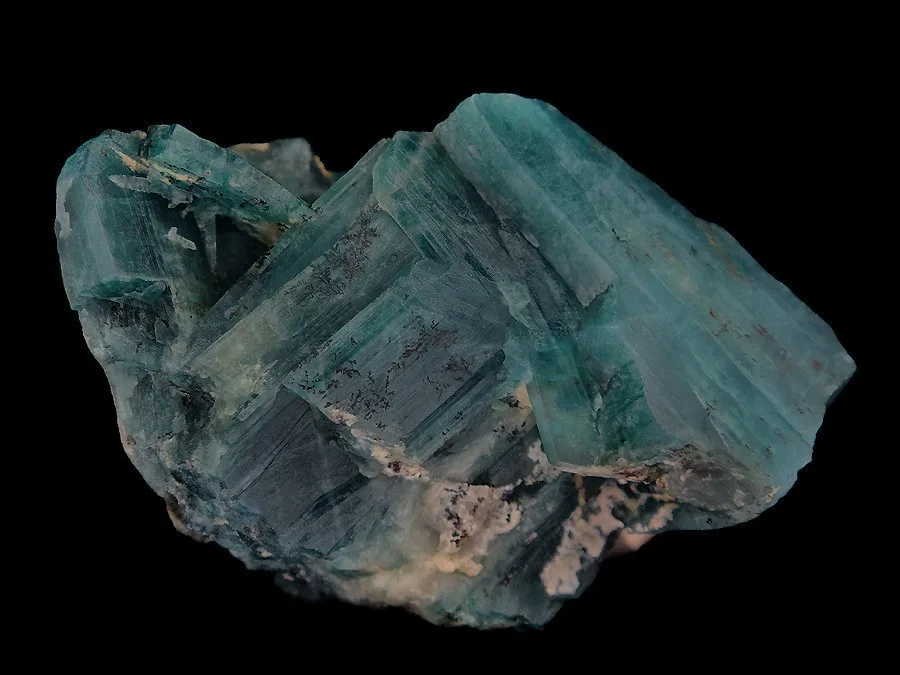
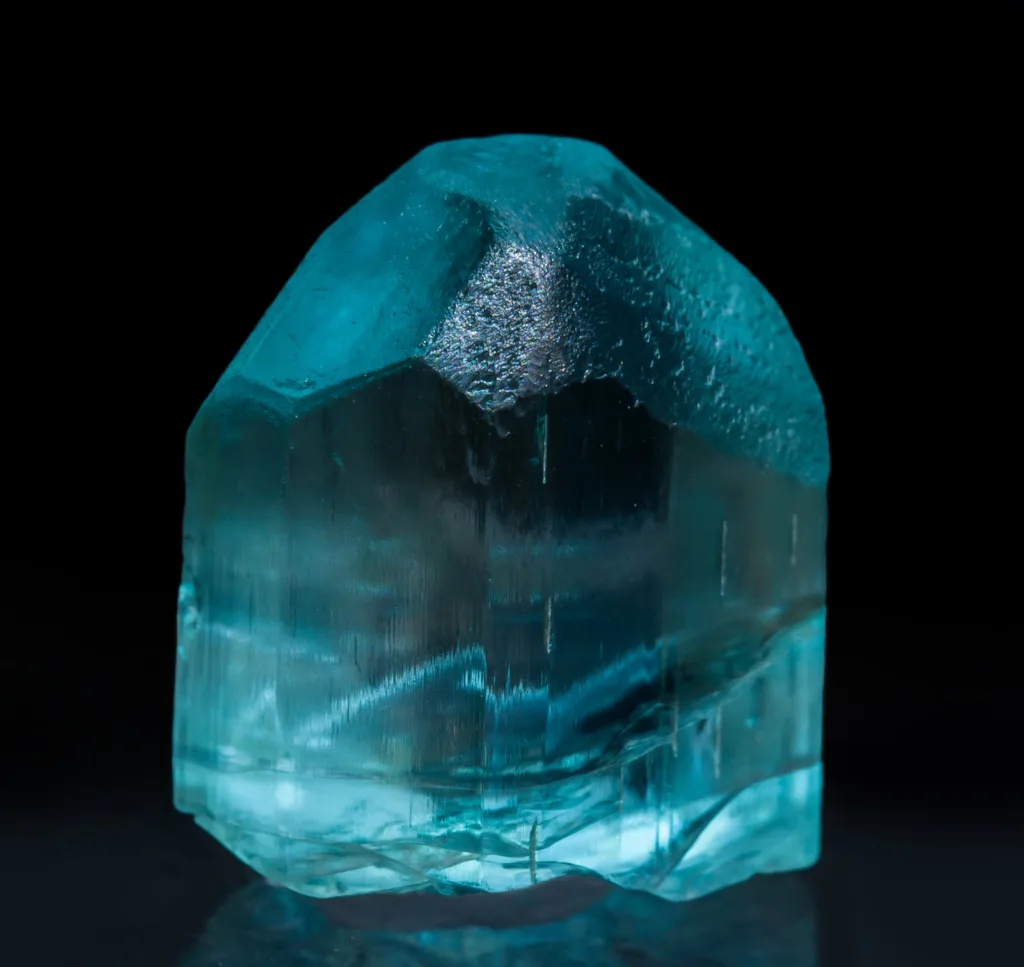
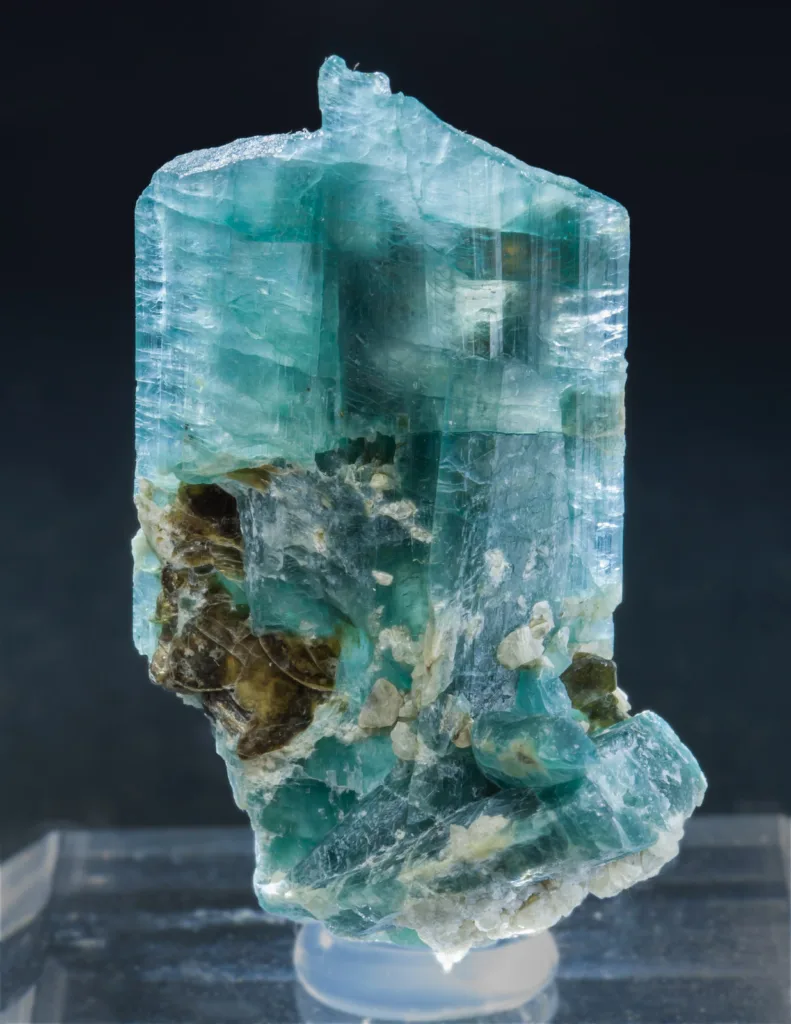
Hiddenite is a fascinating gemstone that belongs to the mineral family of spodumene. It is a green variety of spodumene and is named after its discoverer, William Earl Hidden, an American mineralogist. Hiddenite was first identified in North Carolina, United States, in 1879.

Key characteristics of Hiddenite:

  1. Color: The most prominent feature of Hiddenite is its distinctive green color, which can range from a pale, minty green to a deeper emerald hue. The intensity of the green color is influenced by factors such as the presence of trace elements like chromium and vanadium.
  2. Crystal Structure: Hiddenite crystallizes in the monoclinic crystal system, forming prismatic crystals with distinct vertical striations. It typically occurs in long, slender crystals, but can also be found in massive or granular forms.
  3. Hardness: On the Mohs scale of mineral hardness, Hiddenite ranks between 6.5 to 7. This places it among moderately hard gemstones, making it suitable for use in various jewelry applications.
  4. Transparency: Hiddenite is usually transparent to translucent, which means light can pass through it to varying degrees, depending on the specific gemstone.
  5. Origins: While Hiddenite was initially found in North Carolina, it has also been discovered in other parts of the world, including Brazil, Afghanistan, and Madagascar. However, gem-quality Hiddenite from North Carolina remains highly prized by collectors and enthusiasts.
  6. Uses: Due to its vivid green color and relative rarity, Hiddenite is a sought-after gemstone in the jewelry market. It is often cut into faceted gemstones for use in rings, pendants, earrings, and other pieces of jewelry.

It’s important to note that the value and desirability of Hiddenite can vary depending on factors such as its color, clarity, and size. As with any gemstone, it is essential to purchase from reputable sources to ensure authenticity and quality. Whether used for its aesthetic appeal or its believed metaphysical properties, Hiddenite continues to captivate gemstone enthusiasts and collectors worldwide.

Geographical distribution and mining locations

Hiddenite is primarily found in a few select locations worldwide. Historically, the most significant deposits were discovered in North Carolina, United States, which is the namesake of the gemstone. However, there are other notable sources as well:

  1. North Carolina, USA: The first documented discovery of Hiddenite occurred in Alexander County, North Carolina, in 1879. This region remains one of the most famous and productive sources of Hiddenite in the world. It is also renowned for other gem minerals such as emeralds and various colored varieties of spodumene.
  2. Brazil: Brazil is another major producer of Hiddenite. The gemstone was first identified in Brazil in the 1950s. The Brazilian deposits have contributed significantly to the world’s supply of Hiddenite.
  3. Madagascar: Madagascar has also become an essential source of Hiddenite since the gemstone was discovered there in the 1990s. Some of the finest quality and most beautiful specimens of Hiddenite come from Madagascar.
  4. Afghanistan: Hiddenite deposits have been found in Afghanistan as well. Though not as prolific as the other sources mentioned above, it has contributed to the gemstone market.

Mining of Hiddenite typically involves extracting the gemstone from pegmatite deposits. Pegmatites are coarse-grained igneous rocks that often contain large crystals of valuable minerals. These deposits are formed in the final stages of magma cooling, allowing elements and minerals to crystallize and grow to significant sizes.

Mining operations involve identifying pegmatite veins and carefully extracting the Hiddenite crystals. Miners may use traditional mining techniques such as hand tools or modern machinery depending on the scale of the operation and the accessibility of the deposit.

It’s worth mentioning that Hiddenite’s rarity and its association with the mineral spodumene contribute to its desirability and value. As with any gemstone, ethical mining practices are essential to preserve the environment and ensure the sustainability of these precious resources.

Geology and Formation of Hiddenite

Hiddenite in gneiss

Hiddenite is a green variety of the mineral spodumene, which is a member of the pyroxene group of minerals. It forms as a result of geological processes involving pegmatites, which are specialized igneous rocks.

Here’s how Hiddenite is geologically formed:

  1. Pegmatite Formation: Pegmatites are igneous rocks that form from the last stages of the crystallization of magma. They are characterized by their exceptional coarseness, with mineral crystals often growing to considerable sizes. Pegmatites form under specific geological conditions that allow for the slow cooling and differentiation of the magma.
  2. Source of Lithium: Spodumene, the mineral that gives rise to Hiddenite, is rich in lithium. Lithium is an essential element that is widely used in various industries, including batteries for electronic devices and electric vehicles. Pegmatites are one of the primary sources of lithium, and spodumene is a valuable lithium ore.
  3. Chemical Composition: The formation of spodumene, including Hiddenite, is linked to the availability of specific chemical elements during the crystallization process. It primarily consists of lithium aluminum inosilicate, with the chemical formula LiAl(SiO3)2.
  4. Coloration: The green color of Hiddenite is attributed to trace amounts of chromium in the spodumene structure. Chromium is a color-causing element, and its presence in the crystal lattice imparts the characteristic green hue to Hiddenite. The intensity of the green color can vary based on the concentration of chromium and other factors.
  5. Hydrothermal Processes: After the initial formation of pegmatites and the crystallization of spodumene, hydrothermal processes may contribute to further mineral growth and alteration. Hydrothermal fluids, which are hot, mineral-rich waters circulating through the Earth’s crust, can interact with the pegmatite and cause changes in the mineral composition over time.
  6. Metamorphism: In some cases, the pegmatite containing spodumene can undergo regional metamorphism due to geological tectonic processes. This metamorphism can result in the transformation of the minerals, but Hiddenite’s green color remains unchanged.

It’s important to note that Hiddenite’s distinctive green color and gem-quality clarity are relatively rare, making it a prized gemstone among collectors and jewelry enthusiasts. The geological processes that lead to the formation of Hiddenite require specific conditions and a combination of factors, contributing to its scarcity and desirability in the market.

Physical and Chemical Properties

Hiddenite, as a green variety of spodumene, possesses a unique set of physical and chemical properties that make it a distinct and valuable gemstone. Here are its key physical and chemical properties:

Physical Properties:

  1. Color: Hiddenite is known for its striking green color, ranging from a pale minty green to a deeper emerald green. The intensity of the green hue can vary depending on the concentration of chromium and other trace elements present in the crystal structure.
  2. Crystal System: Hiddenite crystallizes in the monoclinic crystal system. Its crystals are typically prismatic, elongated, and can display vertical striations.
  3. Transparency: Hiddenite is usually transparent to translucent, allowing light to pass through it to varying degrees.
  4. Hardness: On the Mohs scale of mineral hardness, Hiddenite ranks between 6.5 and 7. This makes it moderately hard, making it suitable for use in various types of jewelry.
  5. Cleavage: Hiddenite exhibits good cleavage in two directions, which means it can be easily split along certain planes, resulting in smooth, flat surfaces.
  6. Luster: The luster of Hiddenite is vitreous (glass-like) on its crystal surfaces.
  7. Specific Gravity: The specific gravity of Hiddenite typically ranges from 3.14 to 3.20, indicating that it is heavier than an equal volume of water.

Chemical Properties:

  1. Chemical Formula: Hiddenite is a lithium aluminum inosilicate with the chemical formula LiAl(SiO3)2. It belongs to the pyroxene group of minerals.
  2. Chemical Composition: Hiddenite is mainly composed of lithium, aluminum, silicon, and oxygen. The green color is attributed to the presence of trace amounts of chromium in the crystal lattice.
  3. Crystal Structure: The crystal structure of Hiddenite is monoclinic, which means its atoms are arranged in a specific geometric pattern within the crystal lattice.
  4. Mohs Hardness: As mentioned earlier, Hiddenite has a hardness of 6.5 to 7 on the Mohs scale, which indicates its resistance to scratching and abrasion.
  5. Stability: Hiddenite is stable under normal environmental conditions, but it can be affected by heat, acids, and other chemical agents.
  6. Specific Heat: The specific heat capacity of Hiddenite is the amount of heat required to raise its temperature by a certain amount, and it is specific to the material.

These physical and chemical properties make Hiddenite a sought-after gemstone in the jewelry industry. Its beauty, rarity, and unique green color contribute to its appeal among gem enthusiasts and collectors. Additionally, the presence of lithium in Hiddenite has industrial significance, as lithium is widely used in batteries, ceramics, and other technological applications.

Importance and Uses of Hiddenite

Hiddenite holds both aesthetic and industrial importance due to its unique properties and composition. Here are some of the key importance and uses of Hiddenite:

  1. Gemstone and Jewelry: One of the primary uses of Hiddenite is as a gemstone in the jewelry industry. Its beautiful green color, ranging from light mint to deep emerald, makes it an attractive choice for rings, necklaces, earrings, and other pieces of jewelry. Hiddenite’s rarity and limited availability add to its value and desirability among gem collectors and jewelry enthusiasts.
  2. Metaphysical and Healing Properties: Like many gemstones, Hiddenite is believed to possess metaphysical and healing properties in various spiritual and holistic practices. It is associated with emotional healing, forgiveness, stress reduction, and promoting a sense of inner peace. Some people believe that Hiddenite can help improve emotional well-being and foster a stronger connection with nature.
  3. Mineral Specimens and Collectibles: High-quality and well-formed Hiddenite crystals are sought after by mineral collectors and enthusiasts. Hiddenite’s association with specific localities, such as North Carolina and Madagascar, adds to the appeal of acquiring specimens from these renowned sources.
  4. Industrial Use – Lithium Extraction: Spodumene, including Hiddenite, is an essential source of lithium, a valuable element used in various industrial applications. Lithium is a key component in rechargeable batteries for electronic devices, electric vehicles, and energy storage systems. As the demand for lithium increases, the significance of spodumene deposits, including Hiddenite, as a lithium ore becomes more pronounced.
  5. Industrial Use – Ceramics and Glass: Spodumene, including Hiddenite, is used in the production of ceramics and glass. It can act as a fluxing agent, which reduces the melting temperature of materials and helps in the production of high-temperature ceramics and heat-resistant glass.
  6. Ornamental Carvings: Due to its favorable hardness and attractive color, Hiddenite is sometimes used for ornamental carvings and figurines.

It’s worth mentioning that while Hiddenite has industrial applications, its use as a gemstone and its metaphysical significance have contributed significantly to its popularity and value. As with any gemstone, the value of Hiddenite is influenced by factors such as its color, clarity, size, and the demand for the gem in the market. For those interested in the spiritual or healing properties of Hiddenite, it is essential to approach such beliefs with an open mind and an understanding of the cultural and historical context behind these beliefs.

Value and Market Trends

The value of Hiddenite, like many gemstones, can be influenced by various factors, including:

  1. Gem Quality: The quality of the Hiddenite, including factors like color, clarity, cut, and carat weight, significantly affects its value. Deeper and more intense green hues, high transparency, and minimal inclusions are desirable traits in gem-quality Hiddenite.
  2. Rarity and Origin: Hiddenite from specific well-known sources, such as the original North Carolina deposit, may have a premium due to its historical significance and limited supply. Rare and unique colors or large gemstone sizes can also increase its value.
  3. Demand: Market demand plays a crucial role in determining the value of any gemstone, including Hiddenite. Changes in consumer preferences, trends, and global economic conditions can impact demand and, consequently, the gemstone’s price.
  4. Gemstone Treatments: Natural Hiddenite is more valuable than treated or synthetic varieties. Treatments like heat treatment are sometimes used to enhance the color or clarity of gemstones, but they can impact their value.
  5. Ethical and Sustainable Sourcing: Increasing awareness and demand for ethically and sustainably sourced gemstones can influence consumer preferences and impact the market trends for Hiddenite.

To get the most current information on the value and market trends of Hiddenite, I recommend consulting gemstone pricing guides, reputable jewelry retailers, auction houses, or industry-specific reports. These sources can provide up-to-date information on the gemstone’s current market value and insights into any changes in trends or demand.

Recap of hiddenite’s significance

  1. Gemstone and Jewelry: Hiddenite is a beautiful green variety of spodumene, prized for its unique green color, which ranges from pale mint to deep emerald. It is used as a gemstone in various jewelry pieces, such as rings, pendants, earrings, and more.
  2. Rarity and Value: Hiddenite’s scarcity and limited availability contribute to its desirability and higher value among gem collectors and enthusiasts.
  3. Historical Importance: Hiddenite was first discovered in North Carolina, United States, and is named after its discoverer, William Earl Hidden, a renowned mineralogist. The gemstone has historical significance in the world of gemology.

Overall, Hiddenite’s exquisite color, metaphysical significance, and association with lithium-rich deposits make it an exceptional gemstone with both aesthetic and industrial importance.

Havasu Falls, Arizona, United States

Havasu Falls is a breathtaking and iconic natural wonder located within the Havasupai Indian Reservation in the Grand Canyon region of Arizona, United States. Known for its stunning turquoise-blue waters and striking cascading waterfalls, Havasu Falls is a popular destination for hikers, nature enthusiasts, and adventure seekers.

The Havasupai Tribe, which has inhabited the area for hundreds of years, is responsible for managing the reservation and preserving its natural beauty. The name “Havasu” is derived from the Havasupai language and means “blue-green water.”

The main attraction, Havasu Falls, is a 100-foot (30-meter) tall waterfall that flows year-round, creating a picturesque scene as it plunges into a series of vivid blue-green pools below. The vibrant color of the water comes from the high concentration of calcium carbonate and magnesium in the water, giving it its unique and mesmerizing appearance.

To reach Havasu Falls, visitors typically embark on a challenging 10-mile (16-kilometer) hike from Hualapai Hilltop, the trailhead located near the town of Supai, Arizona. The hike involves navigating steep switchbacks and rocky terrain, but the stunning views and the allure of the falls make the journey well worth it.

Upon reaching the Havasu Falls area, visitors can camp in designated campgrounds near the falls and other nearby attractions such as Mooney Falls, Beaver Falls, and the Havasu Creek. Camping permits are required and can be obtained through the Havasupai Tribe’s official website.

Due to its popularity and fragile ecosystem, it’s essential for visitors to practice responsible and sustainable tourism when visiting Havasu Falls. Respecting the natural surroundings and adhering to the guidelines set by the Havasupai Tribe will help preserve this pristine paradise for generations to come.

Havasu Falls offers a truly magical and unforgettable experience, with its stunning beauty, vibrant colors, and the sense of seclusion within the heart of the Grand Canyon. It continues to be a must-visit destination for those seeking a one-of-a-kind adventure in the American Southwest.

Geological Formation of Havasu Falls

The geological formation of Havasu Falls is closely tied to the unique geology and hydrology of the Grand Canyon region in Arizona, United States. It is the result of a combination of natural processes that have occurred over millions of years. The key factors contributing to the formation of Havasu Falls are the geologic history of the Grand Canyon, the presence of limestone, and the activity of Havasu Creek.

  1. Geological History of the Grand Canyon: The Grand Canyon is a massive geological feature that has been shaped by the Colorado River’s erosion over millions of years. The canyon exposes nearly two billion years of Earth’s geological history, showcasing various rock layers formed through different geological periods.
  2. Limestone Formation: Havasu Falls owes its unique turquoise-blue color to the high concentration of minerals in the water. The water of Havasu Creek originates from springs within the limestone layers of the Grand Canyon. Limestone is a sedimentary rock formed from the accumulation of calcium carbonate-rich materials from ancient marine life. Over time, the limestone has dissolved and released minerals into the water, giving it its characteristic vivid color.
  3. Activity of Havasu Creek: Havasu Creek, a tributary of the Colorado River, plays a crucial role in the formation of the waterfalls, including Havasu Falls. As the creek flows through the Grand Canyon, it continuously erodes the soft limestone layers, creating the steep and narrow canyon through which it flows. The erosive action of the water over time has carved out the unique rock formations and ledges that make up the Havasu Falls area.
  4. Travertine Deposition: Another critical factor in the formation of Havasu Falls is the deposition of travertine, a type of limestone. As the calcium carbonate-rich water flows over the edge of the falls, it comes into contact with the air and loses carbon dioxide. This process causes the calcium carbonate to precipitate out of the water, forming travertine deposits. Over time, these deposits build up and contribute to the terraces and pools seen around Havasu Falls.

The combination of the geological history, limestone presence, Havasu Creek’s erosive action, and the deposition of travertine has led to the creation of the stunning Havasu Falls and its surrounding turquoise-blue pools. This geological wonder continues to attract visitors from around the world, captivated by the natural beauty and unique features shaped by millions of years of Earth’s processes.

Havasu Falls Natural Beauty and Features

Havasu Falls is renowned for its exceptional natural beauty and unique features, making it a mesmerizing destination that captivates visitors from all over the world. Here are some of the key natural beauty and features that make Havasu Falls truly extraordinary:

  1. Vivid Blue-Green Water: The most striking feature of Havasu Falls is undoubtedly its stunning turquoise-blue water. The high concentration of calcium carbonate and magnesium in the water gives it a vibrant blue-green hue, making it a sight to behold and a photographer’s dream. The contrast of the colorful water against the red rock canyon walls creates an otherworldly and enchanting landscape.
  2. Havasu Creek: The main water source for the falls, Havasu Creek, is a vital part of the region’s hydrology. This perennial stream flows through the Havasu Canyon, creating a series of waterfalls, cascades, and pools along the way. The creek’s gentle flow contrasts with the powerful plunging of Havasu Falls, making it a peaceful and serene waterway for visitors to explore.
  3. Havasu Falls: The centerpiece of the area, Havasu Falls is a 100-foot (30-meter) tall waterfall that gracefully cascades down into a series of azure pools. Its ethereal beauty, set against the backdrop of red sandstone cliffs, has earned it a spot as one of the most iconic waterfalls in the United States.
  4. Mooney Falls: Just downstream from Havasu Falls, Mooney Falls is another impressive waterfall. Plunging approximately 200 feet (61 meters) down a cliffside, it is a thrilling and challenging sight to reach. Adventurous visitors can descend a series of ladders and chains to access the base of Mooney Falls, where they are rewarded with a magnificent view.
  5. Travertine Terraces and Pools: The deposition of travertine, a form of limestone, has resulted in the formation of beautiful terraces and natural pools around Havasu Falls. The cascading water has built up these terraces over time, creating perfect spots for swimming, wading, and relaxing in the crystal-clear water.
  6. Secluded Location: The remoteness of Havasu Falls adds to its allure. Located within the Havasupai Indian Reservation and deep within the Grand Canyon, getting to the falls requires a challenging hike, horseback ride, or helicopter trip. This seclusion preserves the natural beauty of the area and adds to the sense of adventure for visitors.
  7. Stunning Canyon Scenery: The surrounding landscape of Havasu Canyon is awe-inspiring. Towering red rock cliffs, lush green vegetation, and the meandering Havasu Creek create a picture-perfect setting that feels like a hidden oasis in the desert.
  8. Unique Cultural Experience: In addition to its natural beauty, Havasu Falls offers a unique cultural experience. Visitors have the opportunity to interact with the Havasupai Tribe, the indigenous people who have lived in the area for generations, and learn about their rich cultural heritage and deep connection to the land.

Overall, Havasu Falls is a place of unparalleled natural beauty, offering a serene and magical experience that leaves a lasting impression on all who have the privilege of visiting.

Havasu Falls Accessibility and Travel Information

As of my last update in September 2021, accessing Havasu Falls requires some planning and preparation due to its remote location within the Grand Canyon and the Havasupai Indian Reservation. Here’s some essential travel information and tips to help you plan your visit:

  1. Permits and Reservations: All visitors to Havasu Falls, including day hikers, require permits issued by the Havasupai Tribe. Permits are limited and often sell out quickly, so it’s crucial to plan well in advance. Reservations can be made online through the official Havasupai Tribe website.
  2. Season and Weather: The best time to visit Havasu Falls is during the spring (March to May) and fall (September to November) when the weather is milder and more pleasant for hiking and camping. Summers can be scorching, with temperatures exceeding 100°F (38°C), making hiking challenging and potentially dangerous. Winter visits are also possible, but be prepared for colder temperatures.
  3. Getting to the Trailhead: The trailhead to Havasu Falls is located at Hualapai Hilltop, which is approximately 200 miles (320 kilometers) from the South Rim of the Grand Canyon. The nearest major airports are in Las Vegas, Nevada, and Flagstaff, Arizona. From there, you will need to drive or arrange for transportation to Hualapai Hilltop.
  4. Hiking: The hike to Havasu Falls is approximately 10 miles (16 kilometers) one way from Hualapai Hilltop. The trail descends steeply into the canyon, so it’s essential to be in good physical condition and have appropriate hiking gear. Consider the weight of your backpack, as you’ll need to carry all your camping and personal supplies with you.
  5. Helicopter Option: If you prefer to avoid the long hike, you can opt for a helicopter ride operated by the Havasupai Tribe. Helicopter service is available from Hualapai Hilltop to Supai, the main village within the reservation. From Supai, it’s still a few miles to Havasu Falls, which can be hiked or reached by mule.
  6. Camping and Lodging: Camping is the most popular accommodation option near Havasu Falls. There are designated campgrounds close to the falls and along Havasu Creek. Alternatively, you can stay at the Havasupai Lodge in Supai, but keep in mind that lodge availability is limited.
  7. Pack Appropriately: Given the remote location, there are no stores or facilities to purchase supplies near Havasu Falls. Pack all necessary camping gear, food, water, and any other essentials before starting your journey.
  8. Leave No Trace: Respect the environment and the Havasupai Tribe’s land by practicing Leave No Trace principles. Properly dispose of trash, minimize campfire impact, and be respectful of the local culture and regulations.

Please note that travel information can change, so it’s essential to verify current details and availability with the Havasupai Tribe’s official website or relevant authorities before planning your trip. Enjoy your adventure to Havasu Falls and immerse yourself in the natural beauty of this captivating destination!

FAQs

How do I obtain permits to visit Havasu Falls?

Answer: Permits to visit Havasu Falls can be obtained through the official website of the Havasupai Tribe. Reservations for permits typically open several months in advance, and it’s essential to book early as permits often sell out quickly.

What is the best time of year to visit Havasu Falls?

Answer: The best times to visit Havasu Falls are during the spring (March to May) and fall (September to November) when the weather is milder and more pleasant for hiking and camping. Summers can be extremely hot, and winter visits may be subject to colder temperatures.

How long is the hike to Havasu Falls?

Answer: The hike to Havasu Falls is approximately 10 miles (16 kilometers) one way from Hualapai Hilltop, the trailhead. The hike can take anywhere from 4 to 8 hours, depending on your pace and physical fitness.

Is the hike to Havasu Falls difficult?

Answer: Yes, the hike to Havasu Falls can be challenging, especially for those who are not accustomed to hiking or are not in good physical condition. The trail involves steep switchbacks and rocky terrain, requiring proper preparation and hiking gear.

Can I visit Havasu Falls in one day?

Answer: Technically, it is possible to visit Havasu Falls in one day, but it would be an arduous and rushed experience. Most visitors choose to camp overnight to fully enjoy the falls and surrounding attractions.

Are there facilities for camping at Havasu Falls?

Answer: Yes, there are designated campgrounds near Havasu Falls and along Havasu Creek. Visitors must obtain camping permits in advance, and camping amenities are basic, including pit toilets and picnic tables.

Are there any other waterfalls or attractions near Havasu Falls?

Answer: Yes, there are other waterfalls and attractions to explore in the area, including Mooney Falls, Beaver Falls, and the Havasu Creek itself, with its terraced pools and cascades.

Can I swim in the pools at Havasu Falls?

Answer: Yes, swimming in the pools beneath Havasu Falls is a popular activity. The crystal-clear, turquoise water is inviting and provides a refreshing experience, especially during the hot months.

Can I bring my dog to Havasu Falls?

Answer: No, pets are not allowed within the Havasupai Indian Reservation, including the trail to Havasu Falls. The area is environmentally sensitive, and the tribe aims to protect its natural beauty and ecosystem.

Is there cell phone reception or internet access at Havasu Falls?

Answer: Generally, there is little to no cell phone reception or internet access within the Havasu Falls area. Visitors should be prepared for limited communication and plan accordingly for safety and convenience.

Opalized Wood

Opalized wood is a fascinating and rare form of fossilized wood that has undergone a unique process of mineralization. It is a type of petrified wood where the organic material has been replaced by opal, a stunning gemstone known for its iridescent play of colors. This natural transformation creates a stunning combination of the wood’s structural patterns and opal’s mesmerizing hues, making opalized wood highly valued among collectors and jewelry enthusiasts.

The Formation Process: Opalized wood forms through a gradual process that takes place over millions of years. It starts with the burial of fallen or dead trees in mineral-rich environments, such as volcanic ash beds or sedimentary deposits with high silica content. The wood becomes buried under layers of sediments, which protect it from decay and exposure to oxygen.

As the organic wood material slowly decomposes, groundwater carrying dissolved silica permeates through the wood’s cellular structure. Over time, this silica-rich solution replaces the decaying wood’s organic matter, leaving behind a fossil that retains the original wood’s structure but is now composed primarily of opal.

The iridescence in opalized wood comes from the way the opal refracts light. The silica spheres in the opal create interference patterns that give rise to a play of colors known as “opalescence.” This characteristic sets opalized wood apart from other types of petrified wood, which typically lack the opal’s captivating display of colors.

Locations and Rarity: Opalized wood is relatively rare and only found in a few specific locations around the world. Some of the most famous deposits are located in:

  1. Australia: The Australian outback is particularly renowned for its opalized wood, with Lightning Ridge, South Australia, and Queensland being significant sources.
  2. United States: There are deposits of opalized wood in various states, including Oregon, Nevada, and Idaho. The famous Virgin Valley in Nevada is known for its black opalized wood.

Uses and Value: Opalized wood is prized for its exceptional beauty and rarity. Its use primarily falls into two categories:

  1. Collectibles and Display: Opalized wood is highly sought after by collectors and nature enthusiasts. Polished and cut specimens are often used in displays, decorative pieces, and lapidary arts, showcasing the stunning combination of wood and opal.
  2. Jewelry: Gem-quality opalized wood can be crafted into stunning and unique jewelry pieces, such as rings, pendants, and earrings. These pieces are cherished for their natural beauty and one-of-a-kind patterns.

Caring for Opalized Wood: Opalized wood, like other opals, can be relatively delicate and sensitive to changes in temperature, humidity, and direct sunlight. When used in jewelry, it’s essential to handle it with care to avoid accidental damage. Cleaning should be done gently with a soft cloth and mild soapy water, avoiding any harsh chemicals.

In conclusion, opalized wood is a captivating natural wonder that combines the beauty of fossilized wood with the mesmerizing play of colors of opal. Its rarity and unique appearance make it a cherished and valuable addition to the world of gemstones and collectible specimens.

Geological Background

The geological background of opalized wood involves a combination of geological processes that result in the formation of this unique gemstone. Let’s explore the key elements of this process:

  1. Deposition and Burial: Opalized wood forms in environments where fallen or dead trees are buried rapidly and effectively to prevent complete decay and decomposition. This often occurs in sedimentary environments, such as river floodplains, lake beds, or volcanic ash deposits.
  2. Silica-Rich Waters: The preservation of the wood is facilitated by the presence of silica-rich waters that seep into the buried wood over time. Silica (SiO2) is a common mineral in the Earth’s crust and is often dissolved in groundwater.
  3. Silicification: The process of silicification, also known as silicification or opalization, is what gives rise to opalized wood. As the silica-rich water infiltrates the wood’s cellular structure, it gradually replaces the original organic material, atom by atom, with silica. This happens slowly over millions of years.
  4. Formation of Opal: The silica deposits within the wood eventually crystallize into opal. Opal is a mineraloid, meaning it lacks a specific crystal structure, and it forms from the solidification of amorphous silica gel.
  5. Opalization and Play of Colors: The unique play of colors in opalized wood, known as opalescence, is a result of the way light interacts with the opal’s microscopic silica spheres. The arrangement of these spheres creates interference patterns that diffract light, producing a mesmerizing spectrum of colors.
  6. Geological Timeframe: The entire process of opalization, from the burial of the wood to the formation of opal, typically takes millions of years. The exact conditions and timeframes can vary depending on the specific geological setting and the size of the wood.
  7. Tectonic and Geological Changes: Over geological time, tectonic movements and other geological changes may uplift the opalized wood deposits to the Earth’s surface. Erosion and weathering then expose the opalized wood, allowing it to be discovered and appreciated by humans.

As a result of this complex interplay of geological processes, opalized wood stands as a testament to the natural beauty and wonder that the Earth’s dynamic environment can produce over vast periods of time. It is a reminder of the fascinating interconnections between geology, biology, and the evolution of our planet.

Opalized Wood as Gemstones and Artifacts

Opalized wood, with its captivating beauty and unique properties, holds great value as both gemstones and artifacts. Let’s explore how opalized wood is used in these contexts:

  1. Gemstones:
    • Jewelry: Opalized wood is often used in jewelry making to create stunning and one-of-a-kind pieces. Craftsmen and jewelers cut and polish opalized wood specimens to reveal their mesmerizing opalescence and intricate wood patterns. These gemstones can be set into rings, pendants, earrings, and other jewelry items, adding a touch of natural elegance to the wearer’s style.
    • Collectible Specimens: High-quality opalized wood with exceptional color play and well-preserved wood patterns is highly sought after by collectors and gem enthusiasts. These specimens are often displayed and admired for their unique beauty and rarity. The scarcity of opalized wood and the intricate natural designs make them valuable and treasured collectibles.
    • Healing and Metaphysical Properties: In some alternative healing practices and New Age beliefs, opal, including opalized wood, is associated with various metaphysical properties. It is thought to enhance creativity, intuition, and emotional healing. As with all gemstone-related beliefs, these claims should be taken with a grain of personal interpretation.
  2. Artifacts and Decorative Pieces:
    • Sculptures and Artwork: Opalized wood’s fascinating combination of colors and patterns makes it an excellent material for sculptures and decorative art pieces. Artists and sculptors may use the opalized wood’s natural shapes and colors to create unique and evocative artwork that showcases the beauty of nature.
    • Decorative Objects: Opalized wood specimens can be fashioned into decorative objects, such as bookends, paperweights, and display pieces. These artifacts serve as elegant additions to interior decor and are appreciated for their beauty and geological significance.
  3. Geological and Paleontological Studies:
    • Scientific Research: Opalized wood is of significant interest to geologists and paleontologists for studying ancient environments and climate history. By analyzing the structure and composition of the wood and opal, scientists can gain insights into past ecosystems and geological processes.
    • Understanding Fossilization: Opalized wood provides a valuable example of the fossilization process, where organic material is replaced by minerals over time. This understanding aids in the interpretation of other fossilized remains found in geological deposits.

In conclusion, opalized wood holds a special place in the world of gemstones and artifacts. Its iridescent beauty and the fascinating geological process behind its formation make it a prized gemstone for jewelry and collectibles. Additionally, its use in art and decorative pieces adds a touch of nature’s wonder to various creations. Beyond aesthetics, opalized wood also contributes to scientific research, helping us unravel the mysteries of our planet’s ancient past.

Padparadscha Sapphire

Padparadscha sapphire is a rare and highly sought-after variety of the mineral corundum, which is composed of aluminum oxide with trace elements that give it its distinctive colors. The term “padparadscha” is derived from the Sinhalese word “padma radschen,” meaning “lotus flower,” due to its delicate pink-orange hue reminiscent of the flower’s colors. This gemstone is primarily mined in Sri Lanka (formerly known as Ceylon), but it can also be found in certain regions of East Africa and Madagascar.

Characteristics of Padparadscha Sapphire:

  1. Color: Padparadscha sapphires are treasured for their unique color, which is a harmonious blend of pink and orange. The ideal padparadscha hue is often described as a delicate salmon pink with a hint of orange, and it should display a balance between these two colors.
  2. Rarity: True padparadscha sapphires are exceedingly rare and command a premium in the gemstone market due to their scarcity and beauty. The scarcity is primarily attributed to the precise combination of trace elements and growth conditions required to produce the distinctive color.
  3. Origin: The finest and most valuable padparadscha sapphires are traditionally associated with Sri Lanka. Sri Lankan stones are esteemed for their vivid color and exceptional clarity. However, similar sapphires with the padparadscha color have also been found in limited quantities in other locations, as mentioned earlier.
  4. Clarity: High-quality padparadscha sapphires should have excellent clarity, meaning they are relatively free of visible inclusions or flaws. Stones with good transparency and minimal imperfections are highly prized.
  5. Cut and Carat Weight: Like all gemstones, the cut of a padparadscha sapphire plays a significant role in its overall beauty. Skilled cutting is necessary to maximize the stone’s brilliance and color display. As for carat weight, larger padparadscha sapphires are incredibly rare, and thus, the value increases significantly with size.
  6. Durability: Sapphire, including padparadscha sapphire, is one of the hardest gemstones, ranking 9 on the Mohs scale of mineral hardness. This hardness makes it suitable for everyday jewelry, as it can withstand wear and tear.

It’s crucial to be cautious when purchasing padparadscha sapphires, as the term is sometimes misused to describe pink or orange sapphires that don’t truly exhibit the unique combination of colors. The value of a padparadscha sapphire is determined by its color, clarity, size, origin, and overall beauty. As with any gemstone, certification from reputable gemological laboratories can help verify the authenticity and quality of a padparadscha sapphire.

Padparadscha sapphire Chemical composition and crystal structure

The chemical composition and crystal structure of padparadscha sapphire are the same as any other sapphire because padparadscha sapphire is simply a unique color variety of the mineral corundum.

Chemical Composition:

  • Main Component: Padparadscha sapphire, like all sapphires, is primarily composed of aluminum oxide (Al2O3). Corundum is an aluminum oxide mineral, and sapphire is the gem-quality version of corundum.
  • Trace Elements: The characteristic color of padparadscha sapphire is influenced by the presence of specific trace elements, typically chromium and iron. The combination and concentration of these trace elements determine the delicate pink-orange color that makes padparadscha sapphires unique.

Crystal Structure: Padparadscha sapphire, like all sapphires and rubies (red corundum), has a hexagonal crystal structure. The crystal lattice of corundum belongs to the hexagonal crystal system, characterized by a repeating pattern of aluminum and oxygen atoms.

Some key features of corundum’s crystal structure include:

  • Hexagonal Symmetry: The crystal lattice of corundum has six-fold rotational symmetry around its vertical axis. This hexagonal symmetry is evident in the growth and cleavage planes of the gemstone.
  • Trigonal Prismatic Unit Cell: The unit cell of corundum is trigonal prismatic, meaning it has three axes of equal length at 120-degree angles to each other.
  • Hardness: Corundum, including padparadscha sapphire, ranks 9 on the Mohs scale of mineral hardness, making it one of the hardest natural minerals.
  • Anisotropic Properties: Corundum exhibits anisotropy, which means its physical properties, such as hardness and refractive index, can vary depending on the direction within the crystal lattice.

In summary, padparadscha sapphire is chemically identical to other sapphires, with its unique color attributed to the presence of specific trace elements during its formation. The crystal structure of padparadscha sapphire is that of corundum, belonging to the hexagonal crystal system with characteristic six-fold rotational symmetry.

Padparadscha sapphire Geological Formation and Sources

The geological formation of padparadscha sapphire is closely tied to the formation of other sapphires, as they all belong to the same mineral species, corundum. The process begins with the presence of aluminum-rich rocks in the Earth’s crust. These rocks, known as aluminum silicates, undergo metamorphism under specific geological conditions, such as high temperature and pressure, which lead to the formation of corundum crystals.

Geological Formation Process:

  1. Metamorphism: The parent rocks, usually aluminum-rich minerals like clay or shale, undergo metamorphism due to tectonic forces and high-pressure conditions. During this process, the rocks are subjected to heat and pressure, causing chemical and mineralogical changes.
  2. Corundum Formation: As the aluminum-rich rocks undergo metamorphism, the aluminum and oxygen atoms within these minerals rearrange to form corundum crystals, which is aluminum oxide (Al2O3). The presence of specific trace elements, such as chromium and iron, during this process determines the color of the resulting corundum crystals. When the right combination of trace elements is present, padparadscha sapphires with their unique pink-orange color are formed.
  3. Migration and Crystallization: Over millions of years, geological processes such as magma intrusion, volcanic activity, or the movement of fluids within the Earth’s crust help in the migration of the corundum-bearing minerals. As these minerals move through fractures and cavities in the rocks, they eventually crystallize and form gem-quality sapphires, including padparadscha sapphires.

Sources:

Historically, padparadscha sapphires have been primarily associated with Sri Lanka (formerly known as Ceylon). Sri Lanka has been a renowned source of high-quality padparadscha sapphires, and it is often considered the traditional origin of this gemstone. The region’s geological conditions and the presence of the right trace elements have resulted in the formation of some of the world’s finest padparadscha sapphires.

In addition to Sri Lanka, padparadscha sapphires have also been found in limited quantities in certain areas of East Africa, particularly in Tanzania and Madagascar. These regions have also produced some noteworthy padparadscha sapphires, though they are generally less common compared to Sri Lanka.

Due to their rarity and increasing popularity, synthetic or lab-grown padparadscha sapphires are also available in the market. These lab-created gemstones have the same chemical composition and physical properties as natural padparadscha sapphires but are produced in controlled environments using advanced techniques.

Identifying Genuine Padparadscha Sapphire

Identifying genuine padparadscha sapphire requires a combination of factors, including its color, clarity, origin, and other gemological properties. Since padparadscha sapphires are rare and valuable, it’s essential to be cautious when purchasing one. Here are some key points to consider when identifying a genuine padparadscha sapphire:

  1. Color: The most critical characteristic of a padparadscha sapphire is its color. A genuine padparadscha should exhibit a delicate blend of pink and orange, akin to the hues of a lotus flower. The ideal padparadscha color is described as a soft, salmon-pink color with a hint of orange. The color should not be too intense or too pastel but should strike a harmonious balance between the two tones.
  2. Clarity: High-quality padparadscha sapphires should have excellent clarity, meaning they should be relatively free from visible inclusions or flaws. However, it’s important to note that inclusions are common in natural gemstones, and not all padparadscha sapphires will be entirely flawless. Minor inclusions may not significantly affect the gem’s beauty but can impact its value. Look for stones with good transparency and minimal eye-visible inclusions.
  3. Origin: Traditionally, the finest and most valuable padparadscha sapphires are associated with Sri Lanka. Sri Lankan padparadschas are highly sought after for their vivid color and exceptional clarity. However, it’s worth noting that padparadscha sapphires with similar colors have been found in East Africa and Madagascar as well. When possible, obtain a gemological certificate from a reputable laboratory that indicates the origin of the stone.
  4. Transparency: Padparadscha sapphires should exhibit good transparency, allowing light to pass through the stone and enhancing its brilliance. Look for stones that are not overly cloudy or hazy.
  5. Cut: The cut of the gem can greatly influence its appearance and beauty. A well-cut padparadscha sapphire will exhibit excellent brilliance and color display. The cut should be symmetrical, with well-proportioned facets that maximize the gem’s light performance.
  6. Size: Large padparadscha sapphires are extremely rare, and their value increases significantly with size. While smaller stones may be more readily available, larger padparadscha sapphires are considered highly prized and command a higher price.
  7. Authentication: To ensure you are purchasing an authentic padparadscha sapphire, buy from reputable and trustworthy gemstone dealers or jewelers. Request a gemological certificate from a recognized laboratory that includes details about the gem’s authenticity, origin, and other essential characteristics.

Remember that the term “padparadscha” is sometimes misused to describe pink or orange sapphires that don’t genuinely exhibit the unique color blend of a true padparadscha sapphire. So, it’s essential to rely on reputable sources and expert gemologists when purchasing this rare and valuable gemstone.

Famous Padparadscha Sapphires

Several famous padparadscha sapphires have gained recognition over the years due to their exceptional beauty and historical significance. Some of the most renowned padparadscha sapphires include:

  1. The Padparadscha Sapphire Tiara: This stunning tiara is a part of the Swedish Royal Family’s collection. It features a central padparadscha sapphire surrounded by diamonds, all set in an intricate design. The tiara is often worn by Princess Sofia of Sweden on special occasions.
  2. The Queen Marie of Romania Padparadscha: This impressive padparadscha sapphire, weighing approximately 478 carats, is one of the largest and most famous in the world. Queen Marie of Romania was known for her extensive jewelry collection, and the padparadscha sapphire was one of her treasured pieces.
  3. The Royal Thai Padparadscha: This extraordinary padparadscha sapphire, weighing around 126 carats, is a part of the Thai Crown Jewels. It is an integral part of the Grand Diamond Order, a royal decoration worn by members of the Thai royal family.
  4. The Morgan Padparadscha: This exquisite padparadscha sapphire is named after the famous financier J.P. Morgan. The gem, weighing approximately 47.39 carats, is known for its intense pinkish-orange hue and exceptional clarity. It was later donated to the American Museum of Natural History in New York City.
  5. The Royal Wedding Padparadscha: This padparadscha sapphire gained international attention when it became the center stone in the engagement ring of Catherine, Duchess of Cambridge (formerly Kate Middleton). The ring once belonged to Princess Diana, making it even more iconic.
  6. The Star of Lanka: This padparadscha sapphire, weighing around 336 carats, was once part of the Sri Lankan crown jewels. It is a spectacular gem known for its beautiful star effect (asterism) when viewed under a light source.
  7. The Great Star of Africa: This exceptional gem, also known as the Star of Adam, is not exclusively a padparadscha sapphire but is worth mentioning due to its size and significance. It is the largest cut and faceted gem-quality blue star sapphire in the world, weighing 536 carats. It is currently housed in the American Museum of Natural History.

These famous padparadscha sapphires have captured the imagination of people worldwide, showcasing the beauty and rarity of this unique gemstone. They remain as testaments to the allure and allure of padparadscha sapphires in the world of precious gemstones.

Basaltic Prisms of Santa Maria Regla, Mexico

The Basaltic Prisms of Santa Maria Regla are a natural geological formation located in the state of Hidalgo, Mexico. These prisms are columnar basalt formations that were created by volcanic activity millions of years ago.

The prisms were formed when lava flows cooled and solidified, causing the basaltic rock to contract and crack in a hexagonal pattern. Over time, erosion and weathering shaped these columns into the impressive structures that can be seen today.

The Basaltic Prisms of Santa Maria Regla are particularly notable for their height, reaching up to 30 meters (98 feet) in some areas. Waterfalls cascade down the prisms, adding to their beauty and creating a stunning natural spectacle. Visitors can explore the area via pathways and bridges that allow them to observe the prisms from various angles.

The site is a popular tourist destination, attracting visitors who appreciate the unique geological formations and the picturesque surroundings. It offers opportunities for hiking, photography, and enjoying the natural beauty of the region. The Basaltic Prisms of Santa Maria Regla are often considered one of Mexico’s hidden gems and are definitely worth a visit for nature lovers and those interested in geology.

Formation

The formation of the Basaltic Prisms of Santa Maria Regla can be attributed to volcanic activity and subsequent geological processes. Here’s a step-by-step explanation of how these prisms were formed:

  1. Volcanic Activity: Millions of years ago, volcanic eruptions occurred in the region where the Basaltic Prisms are located. During these eruptions, molten lava flowed out onto the surface.
  2. Lava Flows: The lava from the volcanic eruptions spread across the area, forming extensive lava flows. These lava flows consisted primarily of basaltic rock, which is a type of volcanic rock rich in iron and magnesium.
  3. Cooling and Solidification: As the lava flows spread, they came into contact with the cooler air and the surrounding environment. This rapid cooling caused the lava to solidify and harden.
  4. Contraction and Cracking: As the basaltic lava cooled, it underwent a process known as contraction. The outer surface of the lava cooled and solidified faster than the inner portions, leading to the formation of cracks.
  5. Columnar Jointing: The cracks in the solidified lava formed in a hexagonal pattern. This phenomenon is known as columnar jointing. The hexagonal columns are typically perpendicular to the cooling surface and can extend vertically for significant heights.
  6. Erosion and Weathering: Over time, erosion and weathering processes shaped the columnar basalt formations. Water, wind, and other natural forces gradually wore away the softer rock layers, revealing the impressive prismatic structures.
  7. Waterfalls and Landscape Formation: The Basaltic Prisms of Santa Maria Regla are enhanced by the presence of waterfalls that cascade down the columns. The erosive action of water has contributed to the formation of narrow channels and pools, further accentuating the beauty of the site.

Today, the Basaltic Prisms of Santa Maria Regla stand as a remarkable testament to the geological history of the region and offer visitors a glimpse into the natural processes that shape our planet.

Geological Timeframe

The geological timeframe for the formation of the Basaltic Prisms of Santa Maria Regla spans millions of years. The exact timeframe can be challenging to determine precisely, as it involves multiple stages of geological processes. However, we can provide a general estimate based on the geological history of the region.

The basaltic rock formations in the Santa Maria Regla area were likely formed during volcanic activity in the region millions of years ago. The volcanic eruptions would have occurred during a period when magma rose to the surface and erupted as lava flows. This volcanic activity may have been associated with the tectonic processes and the formation of the Trans-Mexican Volcanic Belt, which spans several million years.

After the lava flows cooled and solidified, the process of contraction and cracking would have taken place over an extended period. This process involves the gradual cooling and contraction of the basaltic rock, leading to the formation of columnar jointing.

The subsequent erosion and weathering that shaped the basaltic prisms would have occurred over a longer timeframe, involving the continuous action of natural forces such as water, wind, and thermal expansion and contraction.

Considering these processes, it is reasonable to estimate that the formation of the Basaltic Prisms of Santa Maria Regla took place over a span of tens of thousands to hundreds of thousands of years or possibly even longer. However, it is important to note that these are rough estimates, and more detailed geological studies would be required to provide a more precise timeframe.

Geological Significance

The Basaltic Prisms of Santa Maria Regla hold significant geological significance for several reasons:

  1. Columnar Jointing: The prisms showcase a stunning example of columnar jointing, a geological phenomenon that occurs when basaltic lava cools and contracts, leading to the formation of hexagonal columns. The prisms provide valuable insights into the cooling and solidification processes of lava flows and offer a visual representation of the unique patterns that can arise from these processes.
  2. Volcanic Activity: The formation of the basaltic prisms is a testament to past volcanic activity in the region. They provide evidence of volcanic eruptions and lava flows that occurred millions of years ago, contributing to our understanding of the geological history and volcanic processes of the area.
  3. Erosion and Weathering: The erosive action of water, wind, and other natural forces that shaped the basaltic prisms over time demonstrates the power of these processes in shaping the Earth’s surface. The prisms exemplify the effects of long-term erosion and weathering, offering insights into how landscapes evolve and change over geological timescales.
  4. Geological Education and Research: The Basaltic Prisms of Santa Maria Regla serve as an important site for geological education and research. Geologists and researchers can study the prisms to gain a deeper understanding of volcanic activity, columnar jointing, erosion processes, and other geological phenomena. The site provides a hands-on opportunity to examine and analyze the features and processes associated with basaltic rock formations.
  5. Cultural and Touristic Value: The basaltic prisms have gained recognition as a natural wonder and tourist attraction. They contribute to the cultural and touristic identity of the region, attracting visitors from around the world. The site offers opportunities for outdoor activities, photography, and appreciation of natural beauty, fostering a connection between people and the geological wonders of the Earth.

Overall, the Basaltic Prisms of Santa Maria Regla hold geological significance both in terms of their scientific value and their cultural and touristic importance. They provide a window into the Earth’s past and offer a visually captivating display of geological processes, making them a valuable site for geological exploration and appreciation.

Pietersite

Pietersite is a unique and striking gemstone known for its captivating chatoyancy and vibrant color variations. It is a type of chalcedony, which is a variety of quartz, and is primarily composed of hawk’s eye and tiger’s eye, both of which are well-known gemstones in their own right. Pietersite was discovered relatively recently, in 1962, and is named after Sid Pieters, who first encountered the stone in Namibia.

Pietersite

One of the most distinguishing features of pietersite is its remarkable chatoyancy, also known as the “tiger’s eye effect.” This optical phenomenon gives the gemstone a shimmering or wavy appearance when viewed from different angles, creating a captivating play of light. The chatoyancy is caused by fibrous inclusions within the stone, which reflect and scatter light in a particular way.

Pietersite displays a range of captivating colors, including deep blues, vibrant golds, rusty reds, and earthy browns. These colors are often intermingled in swirling patterns, creating a beautiful and dynamic effect. The coloration of pietersite is a result of various mineral impurities, such as iron oxide and amphibole, present during its formation.

The gemstone is primarily sourced from Namibia, although some deposits have also been found in China and other parts of Africa. Due to its relative rarity and unique appearance, pietersite is highly sought after by gemstone enthusiasts and collectors. It is often used in jewelry, particularly in the creation of eye-catching pendants, rings, and beads.

Pietersite is believed to possess metaphysical properties and is associated with various healing and spiritual benefits. It is said to enhance intuition, promote clarity of thought, and stimulate personal power and confidence. The stone is also thought to have a calming effect on the mind and emotions, aiding in stress reduction and relaxation.

In conclusion, pietersite is a fascinating gemstone renowned for its chatoyancy, vibrant colors, and unique patterns. Its beauty and metaphysical properties make it a popular choice for jewelry and a captivating addition to any gem collection.

Origin of the Name: Pietersite was named after Sid Pieters, who discovered it in 1962 in Namibia. The stone was initially found while Pieters was exploring farm land in the area. Recognition of its distinctiveness led to its naming after its discoverer. The mineral is also sometimes known as “tempest stone” because of its stormy appearance. Today, Pietersite can also be found in China, adding to its allure and variety.

Geological Formation of Pietersite

Pietersite

Type of Rock and Mineral Composition: Pietersite is classified as a brecciated aggregate of hawk’s eye and tiger’s eye, with the minerals being silica primarily composed of quartz. The swirling patterns and vibrant colors in Pietersite result from the transformation of crocidolite (blue asbestos), a fibrous mineral belonging to the riebeckite family of amphiboles. Over time, the crocidolite fibers are replaced by silica while maintaining the fibrous structure, which gives Pietersite its characteristic chatoyancy or “cat’s eye” effect.

How and Where It Forms: Pietersite is formed through a process similar to that of tiger’s eye but involves more complex distortions due to the folding, faulting, and deformation of the rock. This geological activity mixes the crocidolite fibers within the quartz, creating the brecciated (broken and cemented together) structure distinctive to Pietersite. This metamorphism and transformation under high pressure but relatively low temperatures lead to the unique textural appearance of the stone.

Notable Locations:

  • Namibia: The first and one of the most significant sources of Pietersite is Namibia, where it was discovered by Sid Pieters in 1962. The deposits in Namibia are located primarily in the areas around the town of Outjo in the Kunene region. These specimens are often characterized by deep blue and gold swirls.
  • China: The other notable location for Pietersite is China, specifically the region of Hunan Province. Discovered much later than the Namibian deposits, Chinese Pietersite often exhibits more red and yellow hues, attributing a different visual appeal compared to its African counterpart.

These regions are renowned for their quality and unique variations of Pietersite, making them significant in the gem and mineral markets globally. The environmental conditions in these areas are particularly conducive to the formation of Pietersite, making it rare and found only in these specific geological settings.

Physical Properties of Pietersite

Color Variations and Patterns: Pietersite displays a broad array of colors, including shades of blue, gold, red, brown, black, and grey. The colors are often mingled together in swirling patterns, creating a striking visual effect that makes each piece unique. The color variation is largely due to differences in mineral impurities and the degree of oxidation of the iron within the crocidolite fibers. These vibrant hues appear in irregular, flowing bands and patches, contributing to the dynamic, almost fluid appearance of the stone.

Chatoyancy Effect: The chatoyancy, or cat’s eye effect, in Pietersite occurs due to the fibrous structure of the crocidolite inclusions within the quartz. As light hits these fibrous inclusions, it is reflected in a way that creates a shimmering light band that moves across the stone, similar to the slit eye of a cat. This effect is most pronounced when the stone is cut into cabochon (a smooth, rounded, and polished gem shape) enhancing the visibility of the silky luster and the mesmerizing light play across its surface.

  1. Hardness: Pietersite has a hardness ranging from 6.5 to 7 on the Mohs scale. This places it in the range of harder gemstones, making it relatively durable and suitable for use in jewelry.
  2. Composition: Pietersite is a type of chalcedony, which is a variety of quartz. It is primarily composed of silica (SiO2), the same mineral that constitutes most types of quartz. Additionally, pietersite contains fibrous mineral inclusions, such as crocidolite, amphibole, and quartz, which contribute to its unique appearance and optical effects.
  3. Chatoyancy: One of the most notable features of pietersite is its chatoyancy, also known as the “tiger’s eye effect.” This optical phenomenon is caused by the fibrous inclusions within the stone, which reflect and scatter light in a way that creates a shimmering or wavy appearance. The chatoyancy in pietersite is often likened to the appearance of a cat’s eye.
  4. Color: Pietersite displays a range of vibrant colors, including deep blues, golden yellows, reddish browns, and earthy tones. These colors often appear in swirling or streaked patterns, creating a visually dynamic effect. The specific coloration of pietersite is a result of mineral impurities, such as iron oxide and amphibole, present during its formation.
  5. Transparency: Pietersite is generally opaque, meaning that light does not pass through it easily. However, when cut and polished, the surface of pietersite can exhibit a subtle translucency that allows some light to penetrate the stone.
  6. Specific Gravity: The specific gravity of pietersite ranges from approximately 2.60 to 2.90. Specific gravity is a measure of density and can help distinguish pietersite from other gemstones with similar appearances.

These physical properties contribute to the allure of pietersite, making it an intriguing gemstone with its captivating chatoyancy, vibrant colors, and unique patterns.

Varieties and Locations

Pietersite

Pietersite is primarily recognized as a single gemstone variety, and its unique characteristics make it easily distinguishable from other gemstones. However, there are a few variations or trade names associated with pietersite that are worth mentioning:

  1. Blue Pietersite: This variety of pietersite primarily exhibits shades of blue, ranging from light to deep blue. The presence of crocidolite fibers gives it its distinct blue coloration.
  2. Golden Pietersite: Golden pietersite showcases vibrant golden hues, often with streaks of brown or red. These colors are typically attributed to the presence of iron oxide and other mineral impurities.
  3. Tempest Stone: Tempest stone is a trade name sometimes used to describe pietersite with a combination of blue and golden colors. The stone displays a dynamic play of contrasting colors, resembling a stormy sky, hence the name “tempest stone.”

As for locations, the primary source of pietersite is Namibia, specifically the region surrounding the Namib Desert. Some of the notable deposits in Namibia include those near the localities of Outjo, Kuruman, and Nambija. Namibian pietersite is renowned for its high quality and vibrant colors, making it highly sought after in the gemstone market.

In addition to Namibia, pietersite deposits have also been discovered in other countries, including China, South Africa, and the United States. However, Namibia remains the most significant and prominent producer of pietersite gemstones.

It is worth noting that pietersite is relatively rare and finding large, high-quality specimens can be challenging. Therefore, pietersite is highly valued by gemstone enthusiasts and collectors due to its scarcity and distinctive appearance.

Uses of Pietersite

Pietersite is primarily used in the creation of jewelry due to its captivating appearance and unique optical effects. Here are some common uses of pietersite:

  1. Gemstone Jewelry: Pietersite is often cut and polished into cabochons or faceted gemstones, which are then set into various types of jewelry. It is commonly used in the creation of rings, pendants, earrings, bracelets, and necklaces. The vibrant colors, chatoyancy, and swirling patterns of pietersite make it an eye-catching gemstone choice.
  2. Statement Pieces: The distinctive and dramatic appearance of pietersite makes it popular for creating bold and striking jewelry pieces. Large pietersite cabochons or focal gemstones are often used to make statement rings, pendants, and bracelets that serve as attention-grabbing fashion accessories.
  3. Beads and Carvings: Pietersite is also utilized in beadwork and carvings. Small pietersite beads can be strung together to create necklaces, bracelets, and other beaded jewelry. It is also carved into decorative shapes, figurines, or ornamental objects.
  4. Collectibles: Due to its relative rarity and unique characteristics, pietersite is sought after by gemstone collectors. Collectors appreciate the gemstone for its beauty, scarcity, and the challenge of finding high-quality specimens.
  5. Metaphysical and Spiritual Purposes: Pietersite is believed to possess metaphysical properties and is associated with various healing and spiritual benefits. It is thought to enhance intuition, stimulate personal power and confidence, and promote mental clarity. As a result, pietersite is sometimes used as a crystal for meditation, energy work, and spiritual practices.

It’s important to note that while some individuals believe in the metaphysical properties of gemstones, such beliefs are subjective and not supported by scientific evidence.

Overall, pietersite’s unique appearance and metaphysical associations make it a favored choice for jewelry, statement pieces, and collectibles among those who appreciate its beauty and symbolism.

Rarity, Value, and Market

Pietersite

Pietersite is considered a relatively rare gemstone, which contributes to its value and desirability in the market. However, the rarity and value of individual pietersite gemstones can vary based on factors such as quality, color, size, and overall appearance. Here are some key points regarding the rarity, value, and market of pietersite:

  1. Rarity: Pietersite is not as widely available as more common gemstones, which adds to its allure. The limited number of known deposits, particularly those in Namibia, contribute to its relative rarity. High-quality pietersite gemstones with intense colors and well-defined chatoyancy are especially sought after.
  2. Value Factors: Several factors influence the value of pietersite gemstones. These include color saturation, clarity, chatoyancy, pattern intensity, size, and overall quality of the cut and polish. Pietersite gemstones with vibrant colors, strong chatoyancy, and visually appealing patterns command higher prices. Larger, well-cut specimens are also typically more valuable.
  3. Market Demand: Pietersite has gained popularity among gemstone enthusiasts and collectors who appreciate its unique appearance and rarity. The gemstone’s intriguing chatoyancy, vivid colors, and distinctive patterns make it sought after for jewelry and collector pieces. The demand for pietersite in the market has grown over time, though it remains relatively niche compared to more widely recognized gemstones.
  4. Pricing: Pietersite is priced based on its individual characteristics and quality. Fine pietersite gemstones with excellent color, intense chatoyancy, and well-defined patterns can command higher prices. Prices can also vary depending on the jewelry setting, craftsmanship, and the reputation of the seller.
  5. Authenticity and Grading: As with any gemstone, it is important to ensure the authenticity and quality of pietersite when purchasing. Reputable gemstone dealers and jewelers provide certification or documentation to verify the authenticity and origin of the gemstone. Gemstone grading organizations may also assign grades based on various factors, which can further impact the value and marketability of pietersite.

It’s worth noting that gemstone prices and market trends can fluctuate based on supply and demand dynamics, fashion trends, and overall economic conditions. Therefore, it’s advisable to research current market values and consult with gemstone experts or reputable dealers to make informed purchasing decisions.

Mining and Production of Pietersite

Major Mining Areas: Pietersite has only a few known sources globally, primarily located in Namibia and China, which are the major contributors to its global availability.

  • Namibia: The discovery of Pietersite in Namibia near the town of Outjo in the Kunene region was the first known source. This area remains a primary source for the high-quality stones that exhibit deep blue and gold colors.
  • China: After its discovery in Namibia, Pietersite was also found in the Hunan Province of China. The Chinese Pietersite typically shows more variety in color, including reds and yellows, and adds significantly to the diversity of Pietersite available on the market.

Extraction and Processing Techniques:

  • Extraction: Pietersite mining involves both open-pit and small-scale artisanal methods. In Namibia, the extraction is predominantly artisanal, where miners dig pits or use shallow underground mining to reach the stone-bearing layers.
  • Processing: Once extracted, the rough stones are washed and sorted based on quality and size. The stones are then cut into slabs or preforms, and skilled artisans shape them into cabochons or other decorative items, taking care not to disturb the chatoyant fibers that give Pietersite its unique appeal.
  • Polishing: The final step involves polishing the shaped stones to enhance their natural chatoyancy and vibrant colors.

Economic Impact on Local Communities:

  • Job Creation: The mining and production of Pietersite provide vital employment opportunities in the local communities, especially in rural areas where other job opportunities may be limited.
  • Skills Development: The need for skilled labor in cutting and polishing the gemstones also fosters local skills development, contributing to the community’s economic resilience.
  • Revenue Generation: The sale of Pietersite can be a significant source of income for local workers and businesses, contributing to the local economy. The unique and sought-after nature of the stone can draw international buyers, further boosting the economic benefits.
  • Tourism Attraction: Additionally, the uniqueness of Pietersite and its specific regional origins can attract tourists and gem enthusiasts, providing an additional economic boost through tourism.

However, it’s essential to consider that the benefits are balanced by the sustainability of mining practices and the overall impact on the environment. Responsible mining practices and fair labor conditions are crucial in ensuring that the exploitation of natural resources like Pietersite positively affects local communities.

Reference Lists

Books:

  1. “Gemstones of the World” by Walter Schumann
  2. “The Gemstone File” by Peter Bancroft
  3. “Gemstones: Quality and Value, Volume 2” by Yasukazu Suwa and Kazuko Saruwatari
  4. “Gemstones: Properties, Identification, and Use” by Arthur Thomas
  5. “The Curious Lore of Precious Stones” by George Frederick Kunz

Online Resources:

  1. Gemological Institute of America (GIA) – https://www.gia.edu/
  2. International Gem Society (IGS) – https://www.gemsociety.org/
  3. Mindat.org – https://www.mindat.org/
  4. GemSelect – https://www.gemselect.com/
  5. Gemological Institute of America (GIA) Gem Encyclopedia – https://www.gia.edu/gem-encyclopedia

Hingol National Park, Pakistan

Hingol National Park is a remarkable natural treasure located in the southwestern province of Balochistan, Pakistan. It is the largest national park in the country, covering an area of approximately 6,100 square kilometers (2,400 square miles). The park is renowned for its stunning landscapes, diverse ecosystems, and rich biodiversity, making it a popular destination for nature lovers, adventure enthusiasts, and researchers alike.

The park is named after the Hingol River, which flows through its territory. It is characterized by a diverse range of topographical features, including rugged mountains, arid plateaus, sand dunes, rocky cliffs, and the serene coastline along the Arabian Sea. The varied terrain of the park contributes to its remarkable beauty and ecological significance.

Hingol National Park is home to a wide array of flora and fauna, making it a biodiversity hotspot in the region. The park is a haven for numerous species, including the endangered Balochistan bear, the Indian wolf, the Sindh leopard, the marsh crocodile, and several species of reptiles and birds. It also boasts a rich plant life with various species of shrubs, grasses, and trees adapted to the arid environment.

Apart from its natural wonders, Hingol National Park holds cultural and historical significance. The park is dotted with ancient rock art sites, which provide a glimpse into the region’s prehistoric human settlements. It is believed that these rock carvings date back thousands of years and serve as a testament to the region’s ancient civilizations.

Hingol National Park offers visitors a range of recreational activities and attractions. Trekking, camping, and wildlife safaris are popular activities for those seeking adventure. The mesmerizing Princess of Hope rock formation, located within the park, is a major tourist attraction. Additionally, the mystical Mud Volcanoes of Hingol, where natural gas seeps through the ground, create a fascinating phenomenon worth exploring.

Preservation and conservation efforts play a crucial role in protecting the park’s fragile ecosystems and its unique biodiversity. The government, along with various organizations, is actively involved in safeguarding Hingol National Park and promoting sustainable tourism practices.

In conclusion, Hingol National Park stands as a jewel of natural beauty and ecological significance in Pakistan. With its breathtaking landscapes, diverse wildlife, ancient rock art, and recreational opportunities, it offers a remarkable experience for visitors seeking to explore the wonders of nature.

Landscapes and physical features

Hingol National Park encompasses a diverse range of landscapes and physical features, creating a unique and captivating environment. Here are some of the notable features within the park:

  1. Mountains: The park is surrounded by rugged mountain ranges, including the Makran Coastal Range and the Hingol Range. These majestic mountains provide a stunning backdrop to the park and offer opportunities for hiking and exploration.
  2. Coastal Area: Hingol National Park is situated along the Arabian Sea coastline, which adds to its natural beauty. The park features sandy beaches, rocky cliffs, and tidal creeks. The coastal region is home to various marine life and offers picturesque views of the sea.
  3. Plateaus and Basins: The park consists of vast plateaus and basins that stretch across its landscape. These arid and semi-arid regions are characterized by sparse vegetation and provide a habitat for diverse wildlife species. The Dasht-e-Hingol and Dasht-e-Khashkai are two prominent basins within the park.
  4. Sand Dunes: Hingol National Park showcases mesmerizing sand dunes that can reach considerable heights. These shifting dunes create a dynamic landscape and add an element of adventure to the park. The Nani Mandir and Sphinx are famous sand dune formations in the park.
  5. Rock Formations: The park is known for its fascinating rock formations, which have been shaped by natural erosion over time. The most famous of these is the Princess of Hope, a naturally formed rock structure resembling a princess standing on a hill. There are also other intriguing rock formations throughout the park that attract visitors.
  6. Mud Volcanoes: Hingol National Park is home to the intriguing Mud Volcanoes. These natural phenomena occur when natural gas seeps through the ground and mixes with the mud, causing mud cones to form. The Mud Volcanoes are a unique sight to behold and are a popular attraction in the park.
  7. Hingol River: The park takes its name from the Hingol River, which flows through its territory. The river adds life to the arid landscape and provides a water source for the park’s flora and fauna. The Hingol River also forms picturesque canyons and gorges along its course.

These diverse landscapes and physical features contribute to the breathtaking beauty and ecological significance of Hingol National Park. Visitors to the park can immerse themselves in its awe-inspiring vistas and explore the wonders of nature in this remarkable natural haven.

Rock Formations

Hingol National Park in Pakistan boasts several captivating rock formations that are renowned for their natural beauty and geological significance. Here are some notable rock formations found within the park:

Princess of Hope
  • Princess of Hope: The Princess of Hope is perhaps the most famous rock formation in Hingol National Park. It is a natural rock structure that resembles the figure of a princess standing on a hill. This unique formation has become an iconic symbol of the park and a major attraction for visitors.
Sphinx
  • Sphinx: The Sphinx is another remarkable rock formation in the park. It resembles the head of a sphinx, a mythical creature with the body of a lion and the head of a human. The Sphinx rock formation stands majestically amidst the rugged landscape, captivating the imagination of those who see it.
Mud Volcanoes
  • Mud Volcanoes: While not technically rock formations, the Mud Volcanoes in Hingol National Park are fascinating geological features. These formations occur when natural gases and mud mix underground, causing mud cones to rise to the surface. The Mud Volcanoes create otherworldly landscapes, with bubbling mud and occasional eruptions, offering a unique and surreal sight.
Shinghar
  • Shinghar: Shinghar is a massive rock formation that resembles a giant horn or pinnacle. Rising dramatically from the surrounding terrain, it stands as a testament to the power of natural erosion and geological forces that have shaped the park’s landscape over thousands of years.

These rock formations, among others, contribute to the unique charm and geological significance of Hingol National Park. Visitors can explore these formations, marvel at their beauty, and appreciate the forces of nature that have sculpted the park’s captivating landscapes over time.

Practical Information for Visitors

If you’re planning a visit to Hingol National Park, it’s essential to have some practical information to ensure a smooth and enjoyable experience. Here are some practical details to consider:

  1. Location: Hingol National Park is located in the southwestern province of Balochistan, Pakistan. It is situated approximately 190 kilometers west of Karachi, the largest city in Pakistan. The park’s main entrance is accessible via the Makran Coastal Highway.
  2. Best Time to Visit: The ideal time to visit Hingol National Park is during the winter months, from November to February when the weather is relatively cooler. Summers can be extremely hot, with temperatures soaring well above 40 degrees Celsius (104 degrees Fahrenheit). It’s advisable to check the weather forecast before planning your visit.
  3. Permits and Entry Fees: Visitors are required to obtain permits before entering the park. These permits can be obtained from the District Forest Office in Lasbela or the Hingol National Park Office in Kund Malir. Entry fees are also charged, and it is advisable to carry sufficient cash for these payments.
  4. Accommodation: Accommodation options within the park are limited, and camping is a popular choice for visitors. There are designated camping areas available, but you must bring your camping gear and supplies. If you prefer more comfortable accommodations, the nearby town of Kund Malir offers a few guesthouses and beach huts.
  5. Safety and Precautions: Hingol National Park is a remote area, so it’s important to take necessary safety precautions. Inform someone about your visit and expected return time. Carry ample drinking water, sunscreen, hats, and appropriate clothing to protect yourself from the sun. It’s advisable to travel in a group and have a reliable vehicle as the park’s terrain can be challenging.
  6. Wildlife and Nature Conservation: Respect the park’s wildlife and natural environment by refraining from littering, picking plants, or disturbing wildlife. Follow designated trails and avoid venturing into restricted or sensitive areas. Take care not to disturb or damage any rock formations or archaeological sites.
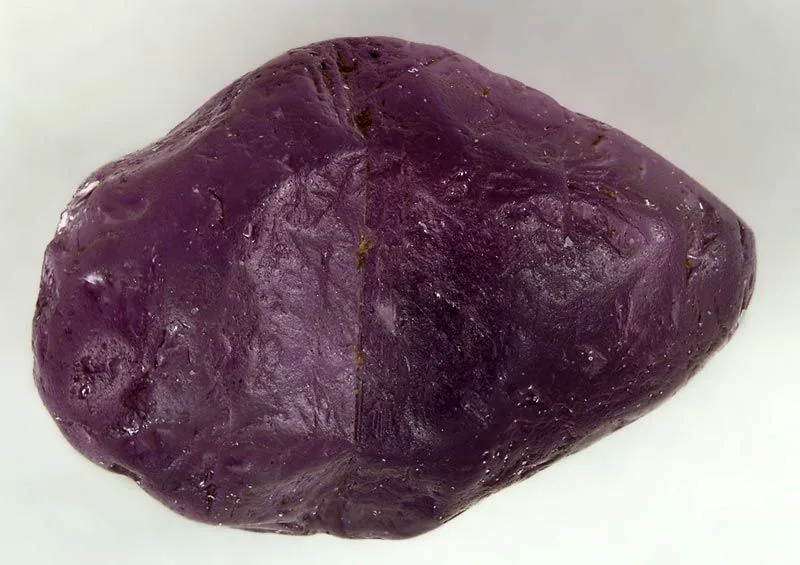
  7. Hiring a Guide: Considering the vastness and ruggedness of the park, hiring a local guide is highly recommended. A knowledgeable guide can enhance your experience by providing insights into the park’s flora, fauna, and cultural significance. They can also assist in navigating the park’s trails and ensuring your safety.
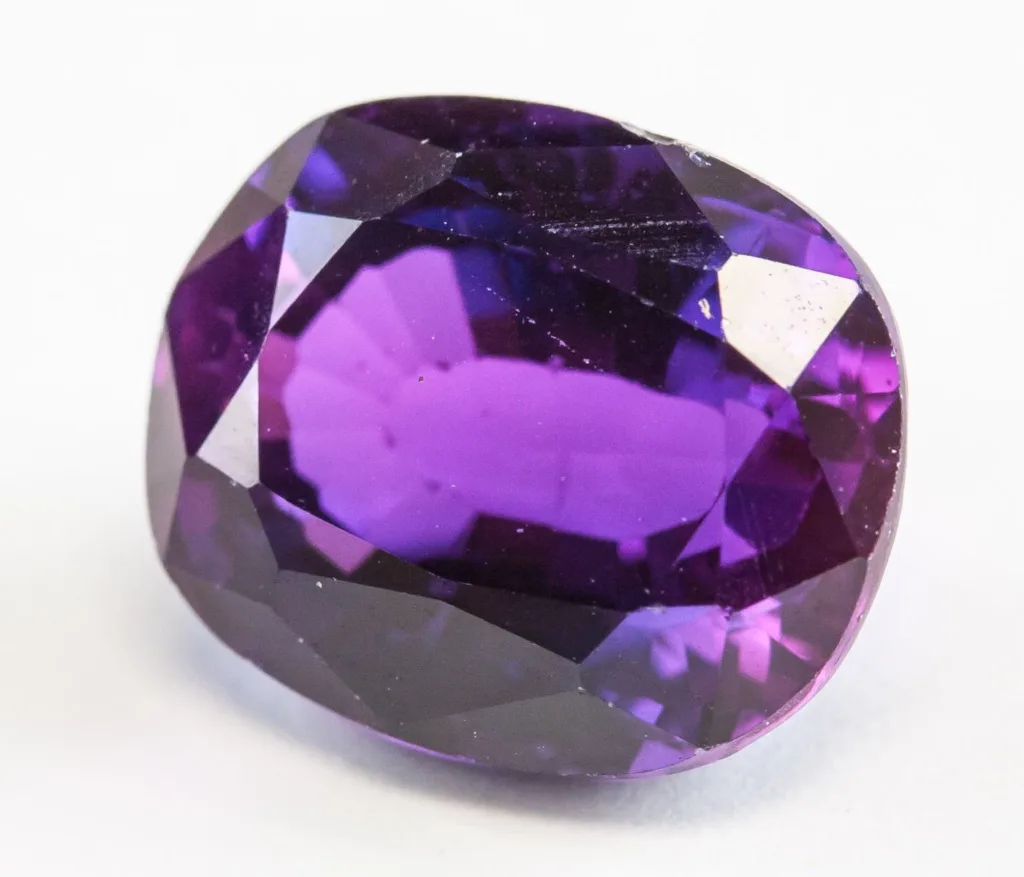
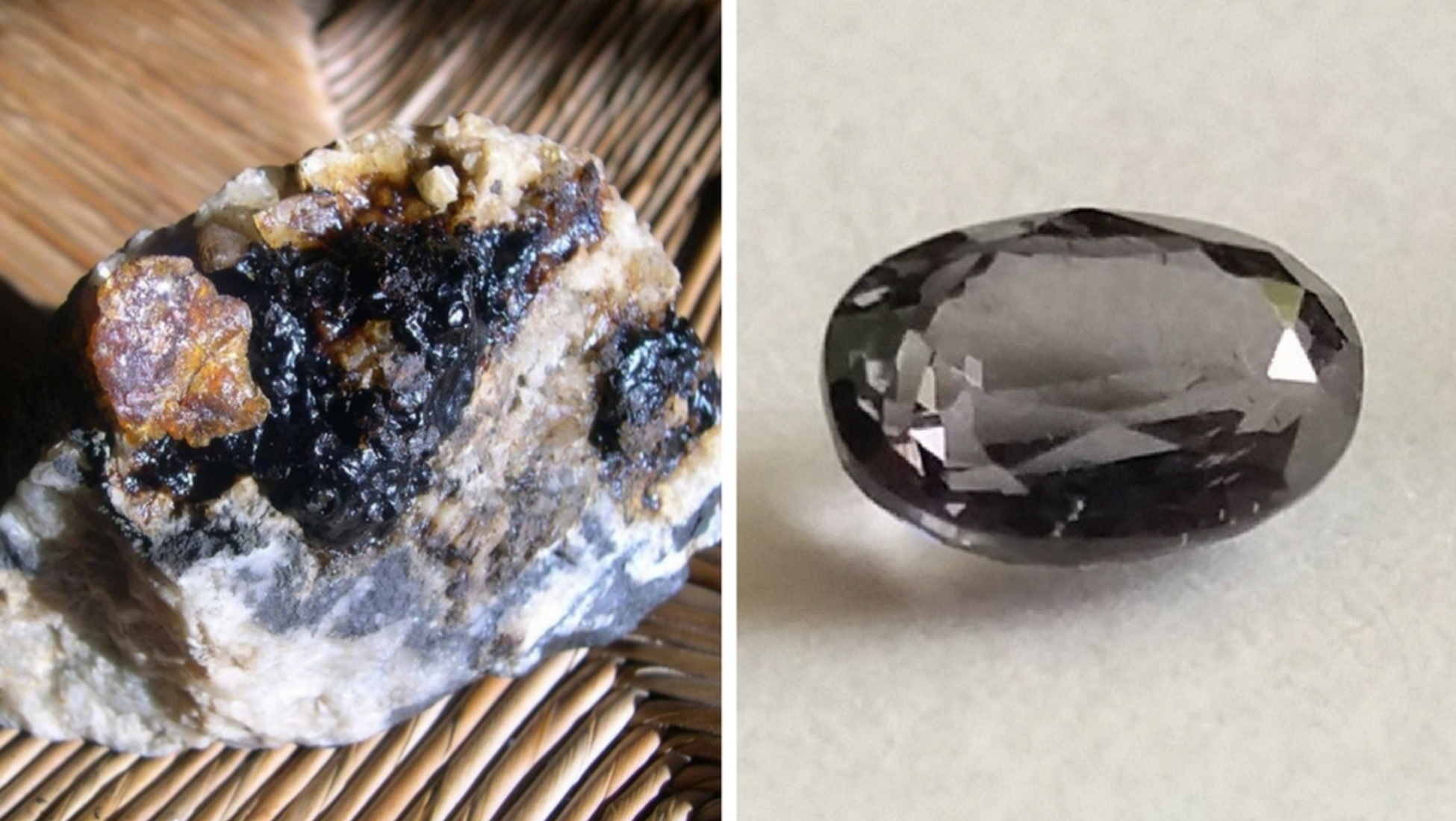
  8. Photography: Hingol National Park offers incredible opportunities for photography. Capture the stunning landscapes, unique rock formations, wildlife, and the vibrant colors of the park. However, be mindful not to disturb wildlife or damage any natural or cultural heritage while taking photographs.

Remember to check with local authorities or tourism offices for any updated regulations or requirements before your visit. By respecting the park’s rules and practicing responsible tourism, you can contribute to the conservation and preservation of Hingol National Park for future generations to enjoy.

Spectrolite

Spectrolite is a unique and captivating gemstone that belongs to the feldspar mineral group. It is renowned for its striking play of colors, which are often compared to the famous gemstone, labradorite. Spectrolite, however, possesses a distinct and vibrant spectral range that sets it apart.

Spectrolite is primarily found in Finland, specifically in the region of Ylämaa. It is often referred to as Finnish labradorite due to its similarity to the more common variety. The stone derives its name from the remarkable display of spectral colors it exhibits when viewed from different angles.

What distinguishes spectrolite from other labradorite varieties is its intense range of colors. It features a stunning iridescence that can showcase vibrant hues of blue, green, yellow, orange, and even purple. This phenomenon is known as labradorescence, which is caused by light interference within the mineral structure of the stone.

The color play of spectrolite is a result of the presence of lamellar intergrowths, thin layers of different feldspar minerals that create the stunning visual effect. The stone’s dark base color provides a dramatic contrast to the vibrant flashes of color, making it highly desirable among gemstone enthusiasts and jewelry designers.

Spectrolite is known for its exceptional hardness, measuring around 6 to 6.5 on the Mohs scale. This makes it a suitable gemstone for various jewelry applications, including rings, pendants, earrings, and bracelets. It is worth noting that while spectrolite is relatively durable, it is still important to handle it with care to prevent any damage.

In addition to its aesthetic appeal, spectrolite is also believed to possess metaphysical properties. It is considered a stone of transformation and is said to enhance one’s self-awareness, intuition, and spiritual growth. Some individuals also associate spectrolite with protection, balance, and positive energy.

When purchasing spectrolite, it is essential to buy from reputable sources to ensure the authenticity and quality of the gemstone. Due to its limited availability and unique characteristics, spectrolite is often valued higher than regular labradorite.

Overall, spectrolite is a captivating gemstone that combines mesmerizing play of colors with exceptional hardness. Its rarity and distinctive qualities make it a highly sought-after gem among collectors and jewelry enthusiasts, allowing them to embrace the enchanting beauty of nature’s artistry.

Spectrolite Origin and formation

Origin: Spectrolite is predominantly found in the region of Ylämaa, located in southeastern Finland. This area is renowned for its abundant deposits of spectrolite, making it the primary source of this gemstone. The geological conditions and specific mineral composition in this region contribute to the formation of spectrolite.

Formation: Spectrolite is a variety of labradorite, which is a type of feldspar mineral. The formation of spectrolite involves complex geological processes that occur over millions of years. Here is a simplified explanation of its formation:

  1. Magma Intrusion: The first step in spectrolite formation begins with the intrusion of hot magma into the Earth’s crust. This molten rock contains various minerals, including feldspar.
  2. Cooling and Crystallization: As the magma cools down, the minerals within it start to crystallize and solidify. Feldspar, the primary component of spectrolite, forms during this cooling process.
  3. Structural Alignment: During the solidification phase, the feldspar crystals align themselves in a specific structure known as a twinning lamella. This alignment contributes to the characteristic play of colors seen in spectrolite.
  4. Pressure and Time: Over time, the feldspar undergoes immense pressure from the surrounding rocks and geological forces. This pressure, combined with the slow cooling process, allows the feldspar to develop the desired lamellar intergrowths that create the labradorescence effect in spectrolite.
  5. Uplift and Erosion: Geological forces, such as tectonic activity and erosion, gradually bring the spectrolite-bearing rocks closer to the Earth’s surface. These processes expose the gemstone to the elements and make it accessible for mining.

It’s important to note that the geological conditions in the Ylämaa region of Finland play a significant role in the formation of spectrolite. The specific combination of minerals, pressure, cooling rate, and other geological factors contribute to the gemstone’s distinct spectral range and intense colors.

The formation of spectrolite is a natural and gradual process that requires specific conditions and a long period of time. The result is a stunning gemstone with a captivating display of colors, making it a highly sought-after and cherished gem in the world of jewelry.

Characteristics of Spectrolite

Spectrolite possesses several distinct characteristics that make it a highly prized and captivating gemstone. Here are some key features and characteristics of spectrolite:

  1. Play of Colors: The most prominent characteristic of spectrolite is its mesmerizing play of colors. It exhibits a vibrant and wide range of hues, including blues, greens, yellows, oranges, and purples. This optical phenomenon, known as labradorescence, is caused by the interference and diffraction of light within the stone’s lamellar intergrowths. The colors can shift and change as the stone is viewed from different angles, creating a captivating visual display.
  2. Dark Base Color: Spectrolite typically has a dark base color, often black or dark gray. This dark background provides a stark contrast to the vibrant flashes of color, enhancing their intensity and making them more visually striking.
  3. Hardness and Durability: Spectrolite is relatively durable and has a hardness of approximately 6 to 6.5 on the Mohs scale. While it is not as hard as gemstones like sapphires or diamonds, it is still suitable for most jewelry applications, including rings and pendants. However, care should be taken to avoid rough handling or exposing the stone to extreme temperatures or sudden impacts.
  4. Feldspar Composition: Spectrolite belongs to the feldspar mineral group and is specifically a variety of labradorite. It is composed of a complex arrangement of silicate minerals, primarily including plagioclase feldspar. The unique structure of feldspar crystals within spectrolite contributes to its optical properties and play of colors.
  5. Source and Rarity: Spectrolite is primarily sourced from the Ylämaa region in Finland. Its availability is limited to this specific area, which adds to its desirability and rarity. Genuine spectrolite from Finland is highly sought-after by collectors and gemstone enthusiasts.
  6. Metaphysical Properties: Like many gemstones, spectrolite is believed to possess metaphysical properties. It is often associated with transformation, intuition, self-discovery, and spiritual growth. Some individuals use spectrolite for meditation, as it is thought to stimulate the Third Eye chakra and enhance one’s psychic abilities.
  7. Jewelry Applications: Spectrolite’s captivating colors and unique aesthetics make it a popular choice for jewelry. It is commonly used in various jewelry pieces, including rings, pendants, earrings, and bracelets. Jewelry designers often incorporate spectrolite to create eye-catching and one-of-a-kind pieces.

Overall, spectrolite’s play of colors, hardness, and unique composition make it a highly prized gemstone. Its rarity and distinctive optical properties contribute to its allure and desirability among collectors and individuals seeking unique and vibrant gemstones.

Spectrolite Uses and Applications

Spectrolite, with its striking play of colors and durability, finds applications in various fields. Here are some common uses and applications of spectrolite:

  1. Jewelry: Spectrolite is widely used in jewelry design due to its captivating colors and unique optical properties. It is often cut into cabochons, beads, and faceted stones to create stunning pieces such as rings, pendants, earrings, and bracelets. The vibrant flashes of color in spectrolite jewelry make it an attractive choice for those seeking distinctive and eye-catching gemstone jewelry.
  2. Collectibles and Gemstone Specimens: Spectrolite’s rarity and exceptional color display make it highly sought-after among gemstone collectors. Specimens of high-quality spectrolite are prized for their beauty and unique optical effects. Some collectors acquire spectrolite for its aesthetic value, while others appreciate it as a geological specimen representing a specific locality.
  3. Healing and Metaphysical Purposes: Spectrolite is believed by some to possess metaphysical properties and is used in alternative healing practices. It is associated with transformation, intuition, spiritual growth, and balance. Some individuals use spectrolite for meditation and energy work, as it is thought to stimulate the Third Eye chakra and enhance psychic abilities.
  4. Decorative Objects and Art: Spectrolite’s vibrant colors and captivating appearance make it an appealing material for decorative objects and art pieces. It can be incorporated into sculptures, carvings, and inlays to add a unique touch. Spectrolite pieces are valued for their visual impact and the way they interact with light.
  5. Lapidary and Ornamental Stone: Spectrolite’s hardness and durability make it suitable for lapidary purposes. It can be shaped, polished, and used as a decorative stone in various applications such as countertops, tabletops, tiles, and decorative accents. Its distinctive play of colors adds a touch of elegance and uniqueness to these ornamental uses.
  6. Crystal and Gemstone Healing: Some individuals use spectrolite for its perceived healing properties. It is believed to aid in spiritual development, intuition, and personal growth. Spectrolite may be used in crystal healing practices, energy work, and chakra balancing to promote balance, protection, and positive energy.

It’s important to note that while spectrolite is appreciated for its visual appeal and potential metaphysical properties, its primary commercial use is in the jewelry industry. When purchasing spectrolite or any gemstone, it’s advisable to buy from reputable sources to ensure quality and authenticity.

Overall, spectrolite finds applications in jewelry, collectibles, decorative objects, and metaphysical practices. Its exceptional play of colors and durability make it a sought-after gemstone for those seeking unique and captivating gemstones.

Distribution

Spectrolite is predominantly found in a specific region, making its distribution relatively limited. Here are the key details regarding the distribution of spectrolite:

Primary Source: The primary source of spectrolite is the Ylämaa region in southeastern Finland. This area is renowned for its abundant deposits of spectrolite and is often referred to as the “home of spectrolite.” The geological conditions and specific mineral composition in this region contribute to the formation of high-quality spectrolite.

Limited Distribution: Spectrolite is mainly found in Finland and is not widely distributed across the world. The Ylämaa region remains the primary source of this gemstone, and the mining operations there are responsible for the majority of spectrolite production.

Export and Trade: Finland exports spectrolite to various countries to meet the demand for this unique gemstone. Finnish spectrolite is highly valued for its exceptional play of colors and quality. The gemstone is often exported to gemstone dealers, lapidaries, and jewelry manufacturers around the world, allowing it to reach international markets.

Availability: Due to its limited distribution, spectrolite is considered a relatively rare gemstone. The availability of high-quality spectrolite is often dependent on mining activities in the Ylämaa region and the supply of rough stones to the market. As with any gemstone, the availability of spectrolite can vary over time and is subject to fluctuations in demand and supply.

It’s worth noting that while spectrolite is primarily associated with Finland, there are other labradorite varieties found in different parts of the world, such as Madagascar, Russia, Canada, and Australia. However, the specific optical properties and intense color range that make spectrolite unique are primarily associated with the Finnish variety.

When seeking spectrolite, it’s essential to buy from reputable sources to ensure the authenticity and quality of the gemstone. Authentic Finnish spectrolite is highly valued for its captivating play of colors, making it a prized gem among collectors and gemstone enthusiasts.

Reference Lists

  1. Riihinen, M. (2015). Spectrolite and other labradorites from Ylämaa: their gemological and mineralogical properties. Bulletin of the Geological Society of Finland, 87(1), 9-26.
  2. Sinkankas, J. (1994). Spectrolite. In Gemstones of North America (pp. 226-227). Geoscience Press.
  3. GIA (Gemological Institute of America). (n.d.). Spectrolite. Retrieved from https://www.gia.edu/gems-gemology/winter-2014-gemnews-spectrolite
  4. Gem Society. (n.d.). Spectrolite Value, Price, and Jewelry Information. Retrieved from https://www.gemsociety.org/article/spectrolite-value-price-jewelry/
  5. Mindat.org. (n.d.). Spectrolite. Retrieved from https://www.mindat.org/min-1884.html
  6. GemSelect. (n.d.). Spectrolite Gemstone Information. Retrieved from https://www.gemselect.com/gem-info/spectrolite/spectrolite-info.php