







Volcanology
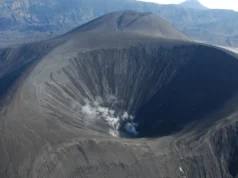
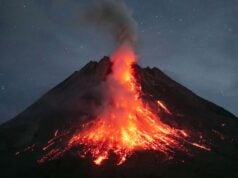
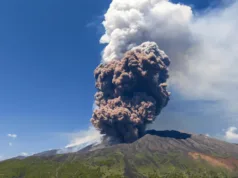
Volcanology is the science of volcanoes — it studies the fiery processes deep inside the Earth that create mountains, send out lava flows, ash clouds and massive explosions. This field helps us understand how volcanoes form, what triggers eruptions, and how they can impact landscapes, climate and human life. In this category you’ll find accessible guides on eruption types, volcanic hazards, iconic volcanic regions and the geological stories behind them.
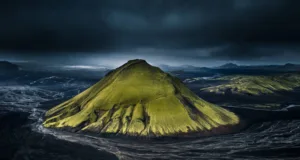
Maelifell Volcano, Iceland
Maelifell Volcano is a prominent volcanic feature located in southern Iceland. It is situated in the Mýrdalsjökull glacier, which covers the central part of...
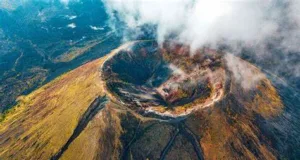
The Parícutin Volcano, Mexico
The Parícutin Volcano is a remarkable natural wonder located in Mexico. It is considered one of the youngest volcanoes on Earth, as it suddenly...
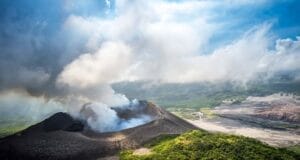
Mount Yasur, Vanuatu
Mount Yasur, a majestic and active volcano, stands tall on the remote archipelago of Vanuatu in the South Pacific Ocean. With its consistent eruptions...
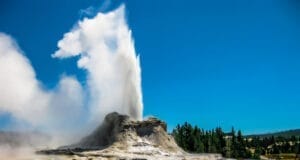
Geysers
A geyser is a natural phenomenon that consists of a hot spring that periodically erupts, sending a column of hot water and steam into...
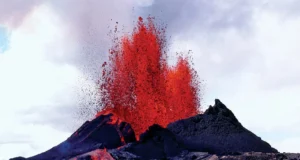
Kilauea Volcano, Hawaii, USA
Kilauea Volcano is one of the most active and well-known volcanoes in the world, located on the southeastern side of the Big Island of...
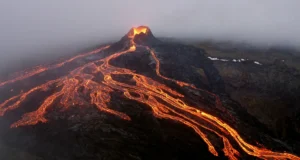
World’s Most Active Volcanoes
The World's Most Active Volcanoes: Places Where Earth Never Truly Falls SilentEarth isn't a static planet. We know this, but most of the time...
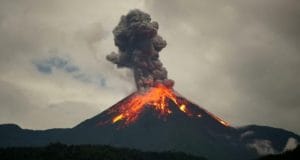
Volcanoes: Types, Formation and Eruption Styles
Volcanology is the scientific discipline that focuses on the study of volcanoes, volcanic processes, and the related phenomena that occur within the Earth's crust....