





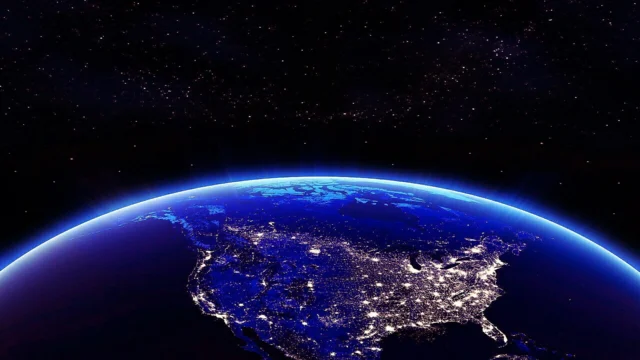
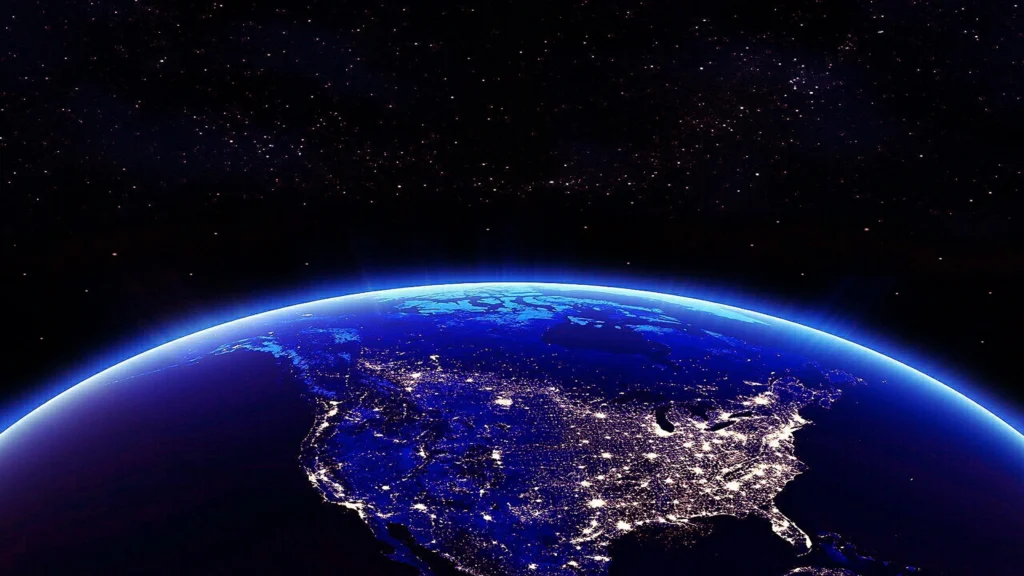
When you look from space Earth doesn’t really mean much actually. A blue ball among dozens of planets rotating around the Sun. Neither as big as Jupiter nor as eye-catching as Saturn, nor does it have a mysterious red appearance like Mars. Seems ordinary at first glance. But when you look closely at its surface, its atmosphere, its four-billion-year past you notice something: this planet is not ordinary at all. As far as we know this is the only place for life in the universe. No single explanation for this.
What makes Earth special is not just having suitable conditions. It’s these conditions staying together for billions of years, interacting with each other, changing together. Those who say luck are mistaken. This is a balanced system.
Distance to the Sun: Only the Beginning of the Story
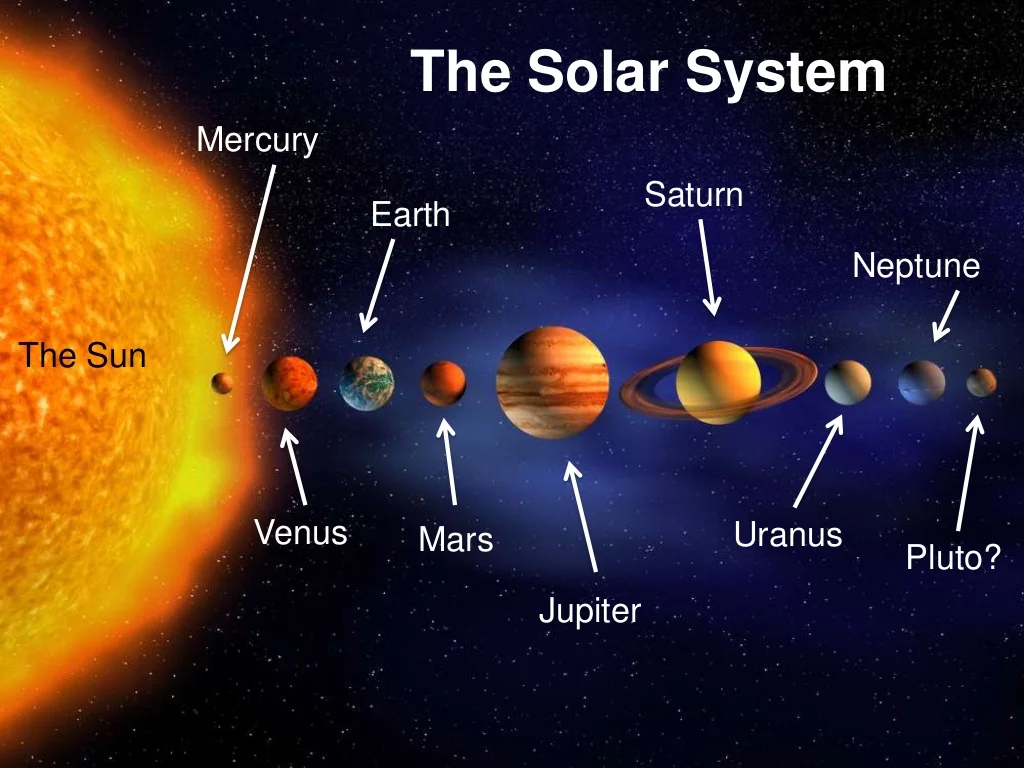
When Earth’s distance to the Sun is the subject, people always mention the phrase “habitable zone”. Logical starting point. At this distance water can remain liquid on the surface, neither freezing permanently nor evaporating away. But job doesn’t end here. Venus is also considered close to this zone. Mars not very far either. Venus is like hell, Mars is frozen desert and its atmosphere is almost non-existent.
Distance is important yes. But it has no guarantee by itself. What really matters is how Earth’s mass, internal structure, atmosphere manage the energy coming from the Sun. If these didn’t exist Earth would either have gotten caught in an out-of-control greenhouse effect like Venus or lost its atmosphere like Mars.
Water: Not Just an Ocean Matter
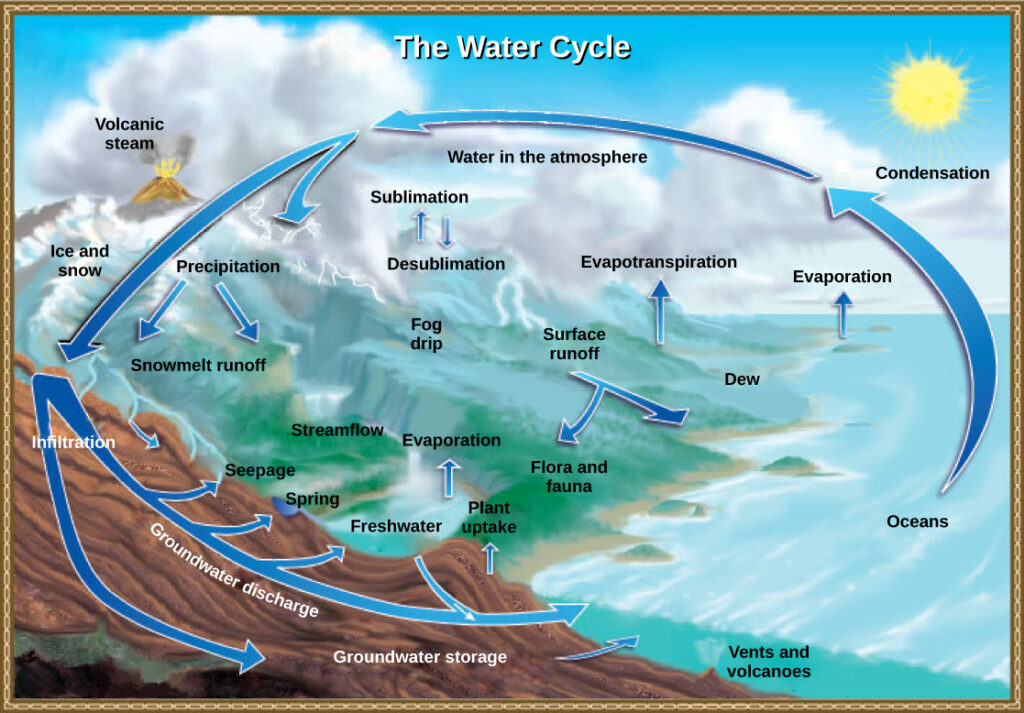
If you think of Earth’s water only as ocean you miss the big part of the picture. Water here doesn’t stay motionless. In constant circulation—between atmosphere, underground, rocks, living things. Rain falling. Water seeping into soil. Reacting with minerals. Coming back to surface. Been like this for four billion years.
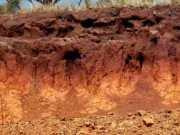
This movement keeps the planet chemically active. Water is breaking rocks, transporting elements, creating environments where complex molecules can form. There were flowing waters on Mars once—we know this for certain now. But because it was small it cooled rapidly. Lost its atmosphere. Water couldn’t hold on. There was probably water on Venus in the early period too but for very short time. Extreme heat destroyed everything. Earth obtained water and—this is the critical point—didn’t lose it.
Atmosphere: Developed Together with Life
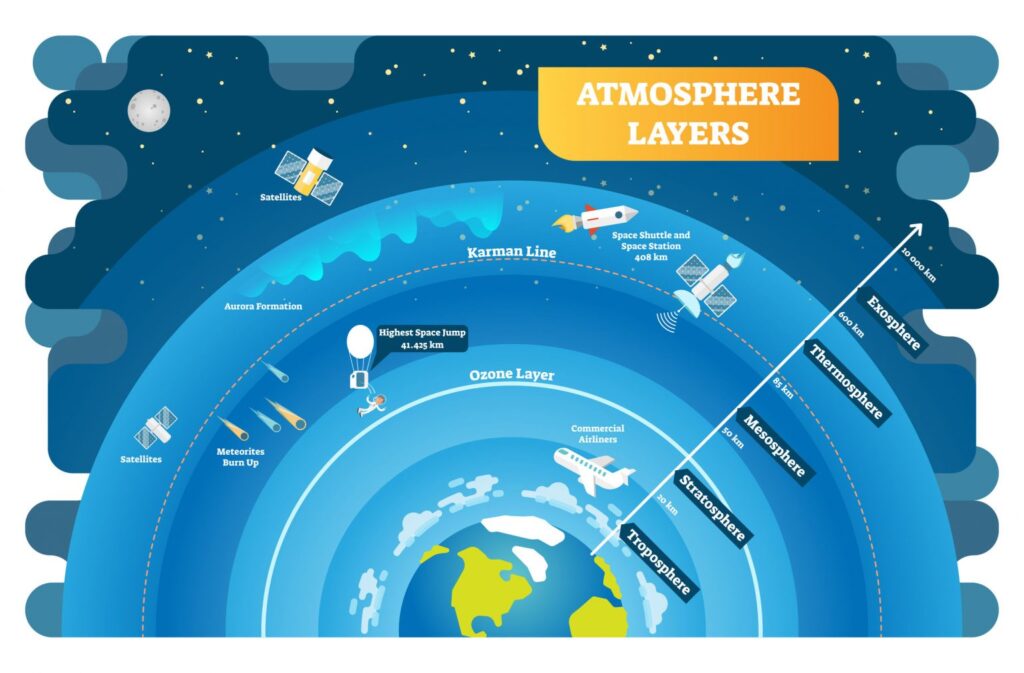
There was never any staticness in Earth’s atmosphere. Been changing from the beginning. In the early periods free oxygen was almost non-existent. Most organisms living today would die in those conditions. Over time photosynthetic microbes emerged, started releasing oxygen. It was a slow process, irregular, sometimes destructive. But it rewrote the planet’s chemistry from scratch.
Today’s atmosphere developed together with life. Filtering Sun’s dangerous radiation. By holding enough heat it prevents the surface from freezing. Neither like Venus’s suffocating atmosphere nor like Mars’s thin and fragile remnant. This balance is one of Earth’s defining characteristics.
Magnetic Field: The Invisible Shield
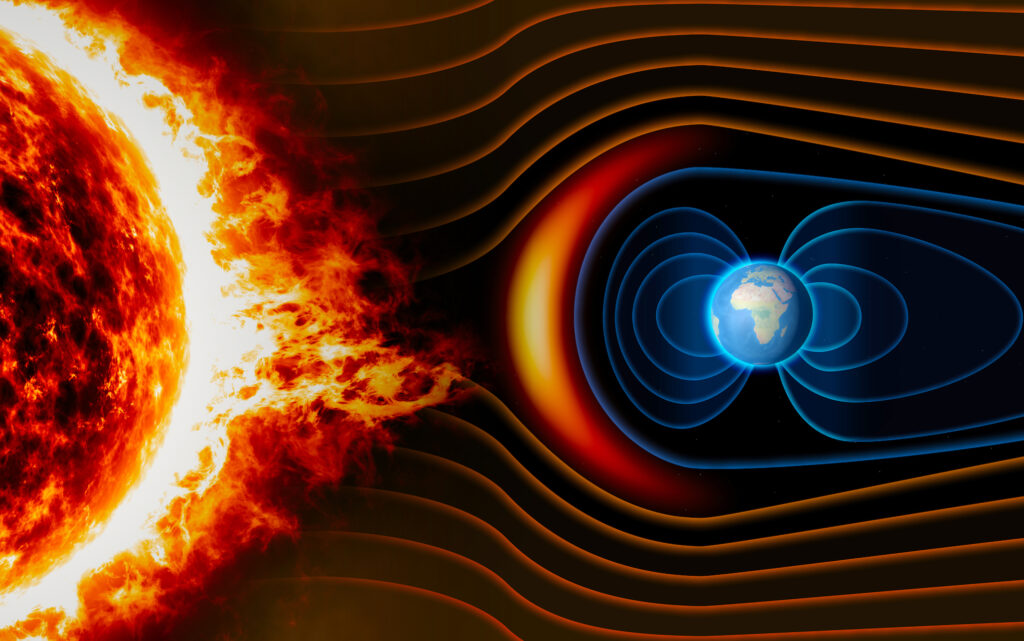
Most people don’t think much about Earth’s magnetic field. Try to imagine habitable planet without it though. The molten core constantly moving, producing powerful magnetic field. This field pushes away charged particles coming from Sun. If it didn’t exist atmosphere would slowly leak into space.
Mars shows this clearly. After its magnetic field died in the planet’s early history its atmosphere thinned over time, most of it disappeared. Venus followed a different path without a global magnetic field. Earth’s magnetic field is a silent protector, protecting the atmospheric and surface conditions that life needs.
Moon: The Underestimated Balancer
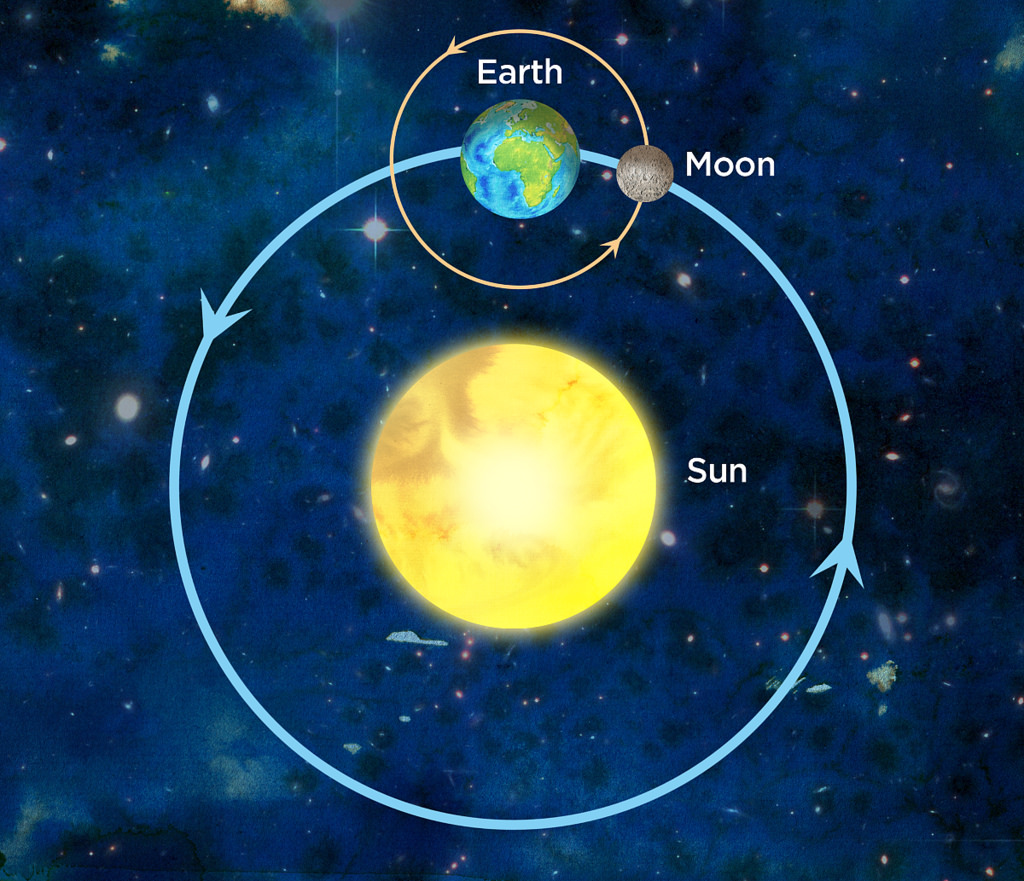
People see the Moon as a romantic or cultural symbol. But its geological and climatic role? Tremendous. The Moon keeps Earth’s axis tilt in balance. If it didn’t exist the planet’s climate would swing wildly—extreme changes that would make continuous environmental stability almost impossible.
Tides are also the Moon’s effect. Keeping the oceans in constant motion. This movement probably increased chemical mixing when Earth was young, created suitable environments for the beginning of life. Moon is not decoration. It’s one of the pieces that makes Earth’s system work.
Plate Tectonics: Geological Restlessness
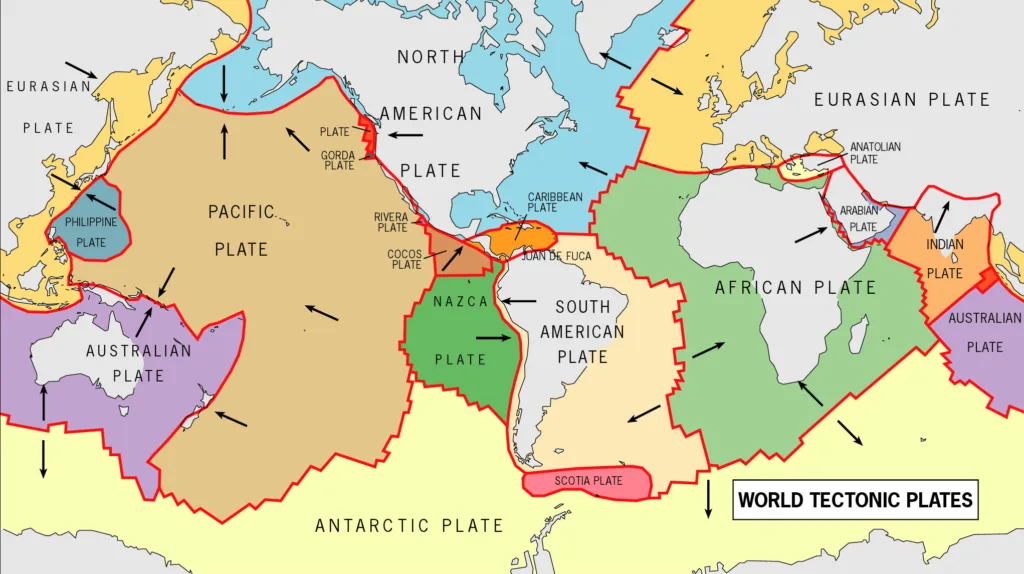
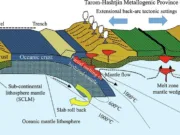
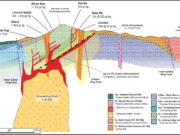
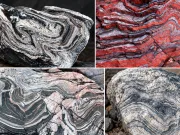
Earth’s surface is moving. Continents are changing place. Ocean crust is constantly recycling. Mountains are rising then eroding. Internal heat is going out with this process. The carbon cycle is being regulated on geological time scale. Carbon is getting buried in rocks then released back to the atmosphere through volcanism. Prevents climate from swinging to extreme points.
There’s no plate tectonics in Venus at all. Heat is accumulating inside then released with disaster-scale planet surface reshaping. Mars cooled early because of its size, became tectonically passive. Earth is in the middle—there’s constant movement but controlled.
Chemical Accessibility
Life needs certain elements. Carbon, nitrogen, phosphorus, others. These exist on Earth but that’s not the real matter. They’re accessible. Circulating in a continuous cycle between atmosphere, oceans, crust. Plate tectonics, water circulation, erosion—these processes are working together keeping elements mobile.
Elements aren’t locking themselves somewhere. Biological systems are using them. Transforming. Releasing back. The exchange between planet and life never ends.
Time: The Overlooked Variable
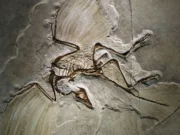
Time is perhaps Earth’s biggest advantage. Roughly four and a half billion years old. Most of this time passed with trial, error, collapse, recovery. Life didn’t emerge instantly. Complex life came much later. Mass extinctions happened. Climate systems collapsed. Asteroids hit. But each time something survived. Diversity rebuilt itself each time.
This long timeline made Earth not just habitable but ready for evolution.
Miracle or System?
Calling Earth a miracle is easy. But this word hides the actual mechanisms. More correctly: Earth is a rare case where multiple favorable conditions existed together and continued throughout geological time. Luck had a role of course. Consistency, balance, duration too.
Other Earth-like planets might exist. Or might not. What’s certain is this: Earth has the most complex, finely-tuned planet story discovered so far. We are the small thinking pieces of that story.