





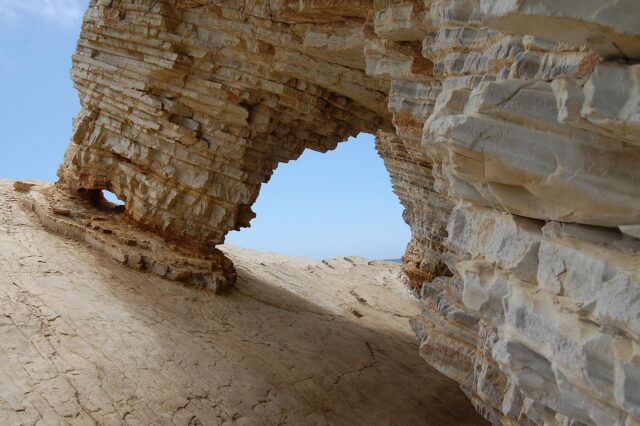
Chalk and limestone are two of the most common carbonate rocks on Earth, yet they represent very different geological histories, textures, and engineering behaviors. Both are composed primarily of calcium carbonate (CaCO₃), both form in marine environments, and both play major roles in construction, industry, and environmental geology. Because of these similarities, people often assume that chalk and limestone are essentially the same rock. In reality, chalk is a very specific, fine-grained variety of limestone, formed in a unique deep-marine environment and composed almost entirely of microscopic fossils.
This comprehensive guide explains the key differences between chalk and limestone, how each rock forms, their mineral composition, physical properties, fossils, engineering behavior, industrial uses, and how to identify them in the field. It is written in clear, natural English with geologic accuracy and SEO-optimized content suitable for an educational site.
1. What Is Chalk?
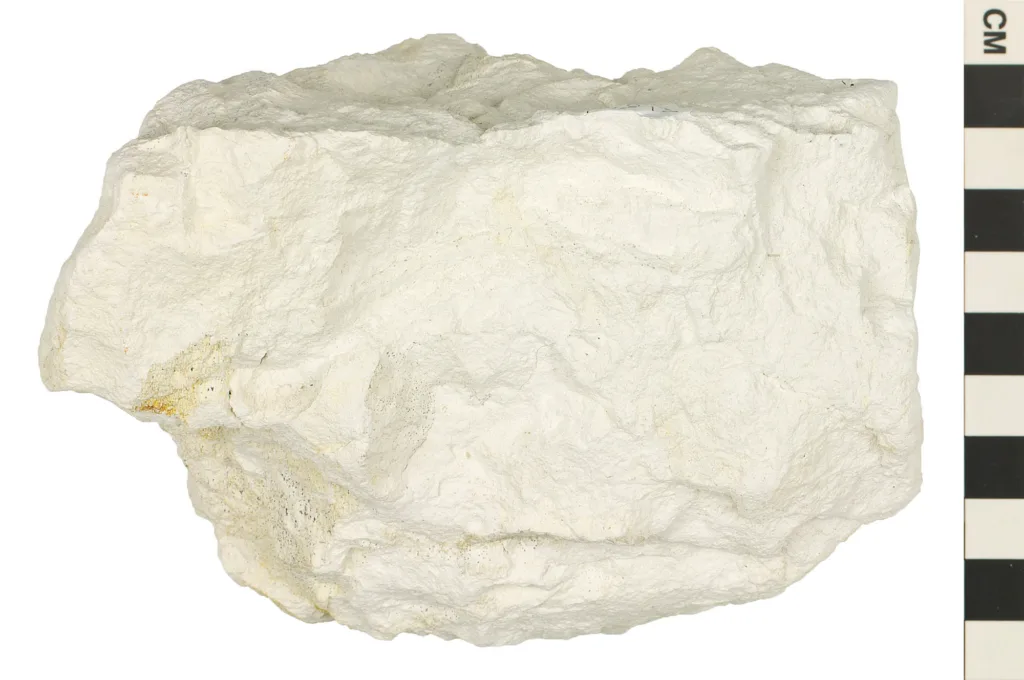
Chalk is a soft, porous, fine-grained type of limestone composed almost entirely of coccoliths—the calcite plates produced by coccolithophores, a group of planktonic algae. These microscopic organisms lived in vast numbers in ancient oceans. When they died, their tiny calcareous disks settled gently on the seafloor, accumulating over millions of years into thick, pure calcium carbonate deposits.
Key characteristics of chalk
- Very fine-grained and powdery
- Soft (easily scratched with a fingernail)
- High porosity and low density
- Bright white to pale gray color
- Forms in deep, calm marine basins
- Reacts vigorously with dilute hydrochloric acid
- Composed mostly of calcite microfossils
Well-known chalk formations include the White Cliffs of Dover in England, the Paris Basin in France, and the Niobrara Chalk in the central United States.
2. What Is Limestone?
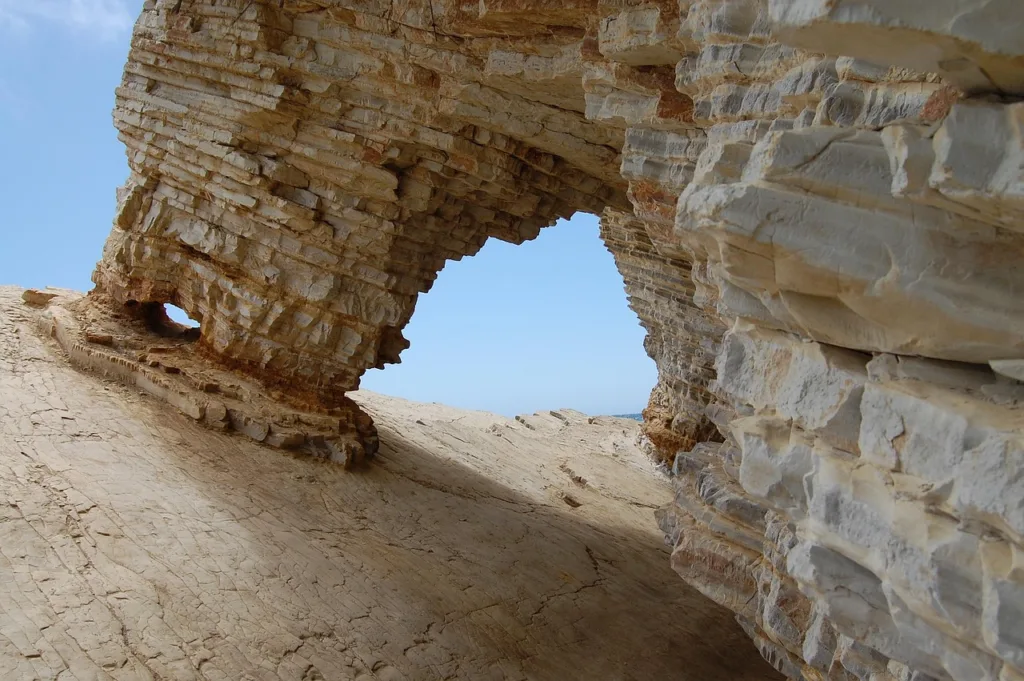
Limestone is a broad category of carbonate sedimentary rock consisting mainly of calcite and formed in a wide range of shallow-marine environments. Unlike chalk, limestone has a much more diverse appearance and mineral composition. It can contain fossils of corals, mollusks, crinoids, foraminifera, and various shell fragments. Limestone may also contain clay, silica, sand, dolomite, and organic matter, which affect its color and hardness.
Typical limestone characteristics
- Medium to coarse texture
- Harder and denser than chalk
- Variable porosity
- Gray, cream, tan, or even black in color
- Forms in shallow, warm marine environments
- Often contains visible fossils
- Widely used in construction and industry
Examples include the limestone platforms of the Bahamas, the karst landscapes of Slovenia and China, and extensive carbonate beds in the Mediterranean region.
3. Chalk vs Limestone: Quick Comparison Table
| Feature | Chalk | Limestone |
|---|---|---|
| Type | A specific variety of limestone | Broad carbonate rock category |
| Main Composition | Almost pure calcite from coccolith microfossils | Calcite ± dolomite, clay, silica, sand |
| Texture | Very fine-grained, powdery | Fine to coarse-grained |
| Hardness | Very soft (Mohs ~1–2) | Harder (Mohs ~3–4) |
| Color | Bright white | White, gray, cream, tan, black |
| Porosity | Extremely high micro-porosity | Variable porosity |
| Fossils | Microscopic coccoliths | Larger marine fossils |
| Formation Environment | Deep marine, low-energy basins | Shallow, warm seas, reefs, lagoons |
| Engineering Strength | Weak | Strong |
| Uses | Chalk sticks, fillers, agriculture | Cement, building stone, aggregate |
| HCl Reaction | Very rapid | Rapid |
4. How Chalk Forms
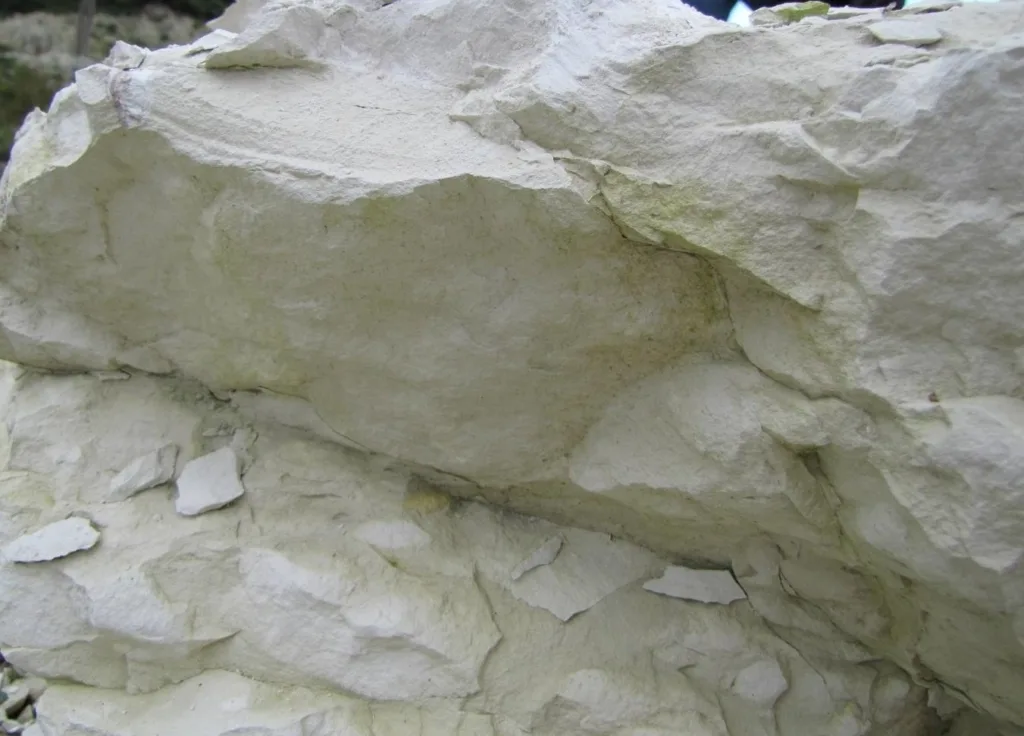
Chalk forms almost exclusively in deep-marine settings where microscopic plankton thrive. High biological productivity, stable warm climates, and calm ocean conditions allow coccoliths to accumulate without being disturbed by strong currents. Over time, these loose sediments undergo compaction and lithification.
Steps in chalk formation
- Massive blooms of coccolithophores in surface waters
- Death and sinking of coccolith plates
- Accumulation of fine calcareous mud on the deep seafloor
- Burial under additional sediment
- Compaction and cementation into solid chalk
The purity of chalk comes from the fact that very little terrigenous sediment reaches deep-ocean basins, allowing nearly pure calcite layers to form.
5. How Limestone Forms
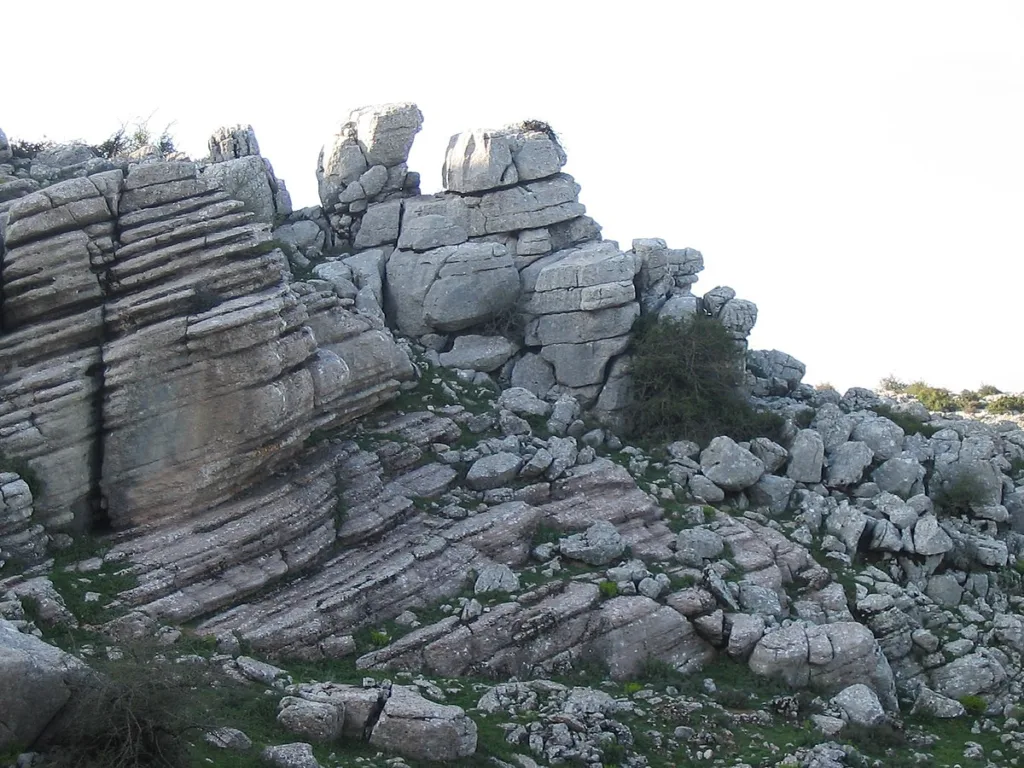
Limestone forms in a much greater variety of settings. Most limestone is created in shallow, sunlit, warm marine environments, where organisms with calcite shells thrive. Coral reefs, lagoons, continental shelves, and carbonate platforms are classic limestone environments.
Main processes of limestone formation
- Biogenic accumulation of shells, corals, algae, and skeletal fragments
- Chemical precipitation (e.g., travertine near hot springs)
- Bio-chemical sedimentation from microbial mats or algal activity
- Dolomitization where some calcite is replaced by dolomite
Limestone’s variable composition leads to a wide range of appearances, grain sizes, and mechanical properties.
6. Composition and Mineralogy Differences
Chalk
- 95% calcite
- Minimal clay or impurities
- Dominated by coccolith microfossils
- Extremely fine grain size
Limestone
- 50–100% calcite
- May include dolomite, sand, silt, clay, chert, or organic matter
- Often contains visible fossils
- Grain size may be mud-sized or coarse-crystalline
These differences influence everything from color to engineering strength.
7. Physical Properties Comparison
Hardness and Strength
Chalk is one of the softest carbonate rocks—it crumbles and powders easily. Limestone, by contrast, is strong enough to be used as a building stone.
Porosity
Chalk has very high micro-porosity, making it an excellent aquifer. Limestone porosity varies depending on whether it contains fractures, vugs, or karst features.
Color
Chalk is almost always pure white because impurities are minimal. Limestone shows a broader palette based on clay content and organic matter.
Density
Chalk’s low density reflects its loosely packed micro-structure. Limestone is denser and heavier.
8. Fossils in Chalk and Limestone
Chalk Fossils
- Coccolith plates (microscopic)
- Rare foraminifera
- Occasionally micro-crustaceans
Visible fossils are uncommon without a microscope.
Limestone Fossils
- Corals
- Brachiopods
- Crinoids
- Bivalves and gastropods
- Foraminifera
- Algae
These large fossils often form identifiable textures such as “fossiliferous limestone.”
9. Engineering and Geotechnical Behavior
Chalk
- Weak and easily collapsible
- Loses strength when saturated
- Erodes quickly
- Difficult for tunneling and foundation stability
- Good aquifer but may cause instability
Limestone
- Strong and competent rock
- Ideal for foundations
- Can host karst cavities → sinkhole risk
- Frequently used in roadbeds, concrete, and building stones
For geotechnical projects, limestone is usually preferred.
10. Industrial and Practical Uses
Chalk Uses
- Writing chalk (historically)
- Agricultural lime to reduce soil acidity
- Fillers in paper, plastics, and paints
- Absorbent material due to high porosity
- Low-density calcium carbonate in industry
Limestone Uses
- Cement manufacturing (primary raw material)
- Building stone and architectural blocks
- Crushed stone for aggregate
- Steel industry flux
- Chemical grade CaCO₃
- Soil conditioning
- Decorative stone (limestone → marble with metamorphism)
Limestone has far broader industrial applications.
11. How to Identify Chalk vs Limestone in the Field
1. Hardness Test
- Chalk: scratches with a fingernail and produces powder
- Limestone: requires a knife or steel point to scratch
2. Texture
- Chalk: soft, powdery, extremely fine
- Limestone: compact, crystalline or fossiliferous
3. Fossils
- Chalk: microscopic
- Limestone: visible fossils likely
4. Acid Reaction
Both react strongly with HCl—but chalk reacts even faster due to its large reactive surface area.
5. Color and Luster
- Chalk: matte white
- Limestone: more varied and subtly glossy
12. Global Examples of Chalk and Limestone Formations
Famous Chalk Regions
- White Cliffs of Dover (UK)
- Champagne and Paris Basin (France)
- Niobrara Formation (USA)
Major Limestone Regions
- Karst landscapes of Guilin (China)
- Dinaric Alps karst (Slovenia)
- Florida and Yucatán Peninsula (USA and Mexico)
- Mediterranean carbonate platforms
- Bahama Banks
These locations illustrate the environmental diversity of carbonate deposition.
13. Which Rock Is Better for What?
| Application | Best Choice | Reason |
|---|---|---|
| Building stone | Limestone | Strong, durable |
| Cement production | Limestone | High CaCO₃ content |
| Agricultural lime | Both | Similar neutralizing ability |
| Water aquifers | Chalk | High micro-porosity |
| Filler material | Chalk | Very fine grain size |
| Decorative stone | Limestone / marble | Aesthetic properties |
14. Frequently Asked Questions (FAQ)
Is chalk a type of limestone?
Yes. Chalk is a specific, fine-grained variety of limestone composed mostly of coccolith microfossils.
Why is chalk softer than limestone?
Because it is made of tiny calcite plates that are loosely packed, with little cement between grains.
Does limestone form in deep ocean environments?
Rarely. Most limestone forms in warm, shallow seas. Chalk is the type of limestone that forms in the deep ocean.
Which rock reacts more strongly with acid?
Both react strongly, but chalk reacts more rapidly due to its high surface area.
Is limestone stronger than chalk?
Yes. Limestone is far more durable and widely used in engineering.