





Throughout human history, minerals have been far more than just stones beneath our feet — they’ve been the very foundation of progress. Each era of civilization has been defined by the discovery, mastery, and use of certain minerals. From the first spark of fire to the silicon chips powering our digital age, minerals have shaped the destiny of nations, economies, and cultures.
Let’s journey through time and explore ten minerals that changed the course of human history, forever altering the way we live, work, and think.
1. Flint – The Spark of Civilization

Era: Prehistoric Age
Main Uses: Fire-starting, tools, weapons
Flint marks the dawn of human ingenuity. Long before metal, long before written language, there was flint — the first toolmaker’s choice. Early humans used flint to fashion hand axes, knives, and spearheads. When struck against iron pyrite, flint created sparks that allowed our ancestors to harness fire, the single most transformative element of early civilization.
The control of fire meant warmth in winter, protection from predators, and the ability to cook food — which improved nutrition and brain development. Archaeological discoveries in Africa and Europe show flint artifacts dating back over 2.5 million years, proving it was one of humanity’s earliest technological breakthroughs.
Flint’s value was so high that it became one of the first traded commodities, linking tribes across vast prehistoric landscapes.
2. Obsidian – The Prehistoric Glass Blade
Era: Neolithic to Bronze Age
Main Uses: Cutting tools, ceremonial objects, trade material
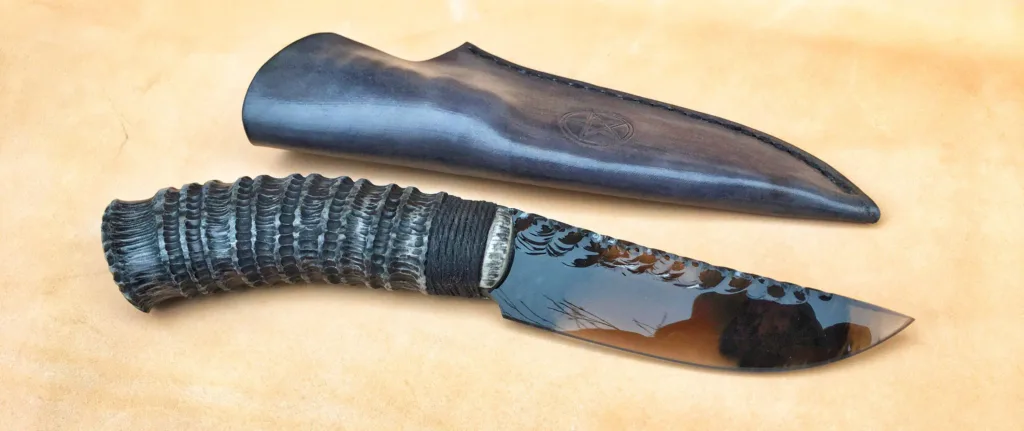
Obsidian, born from rapidly cooled volcanic lava, is one of nature’s sharpest materials. Its edges can reach molecular thinness, even sharper than surgical steel. This volcanic glass captivated ancient peoples across the globe — from the Aztecs and Mayans of Central America to the early settlers of Anatolia and Mesopotamia.
Because obsidian deposits were rare, they became the center of early trade networks. Archaeologists have traced obsidian tools across thousands of kilometers, showing that Neolithic societies had complex trade systems long before writing or currency.
Beyond its practical use, obsidian held spiritual value. Many cultures believed it had protective or magical properties. Today, obsidian remains a symbol of strength and clarity, used in jewelry and healing practices.
3. Copper – The First Metal Revolution
Era: Chalcolithic (Copper Age)
Main Uses: Tools, ornaments, currency
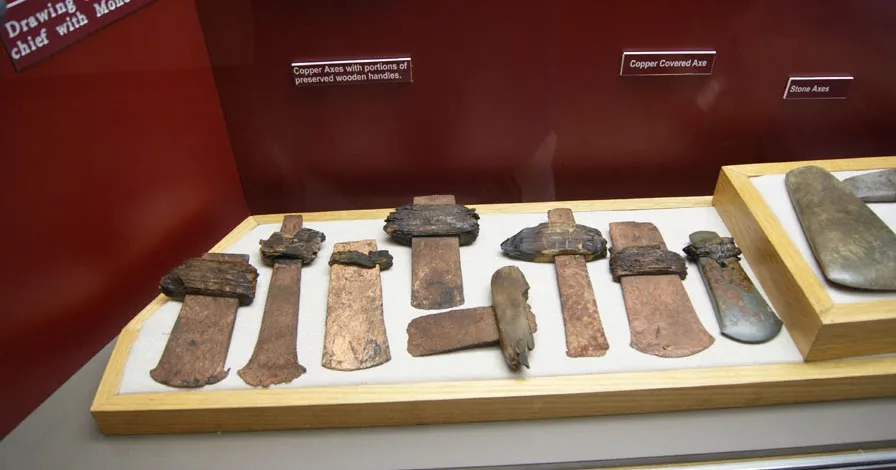
Around 8,000 years ago, humanity entered a new age — the Age of Metal. Copper was the first mineral to be smelted from ore, marking the beginning of metallurgy. Early blacksmiths discovered that heating copper ore created a soft, workable metal that could be molded into tools, ornaments, and eventually, primitive weapons.
Copper revolutionized agriculture and craftsmanship. With stronger and more durable tools, humans could cultivate larger areas, build permanent settlements, and expand their societies.
Later, the combination of copper and tin gave rise to bronze, ushering in the Bronze Age — the first era defined by a man-made alloy. Even today, copper remains essential in electrical systems, renewable energy, and construction.
4. Iron – Forging Empires
Era: Iron Age
Main Uses: Weapons, tools, infrastructure
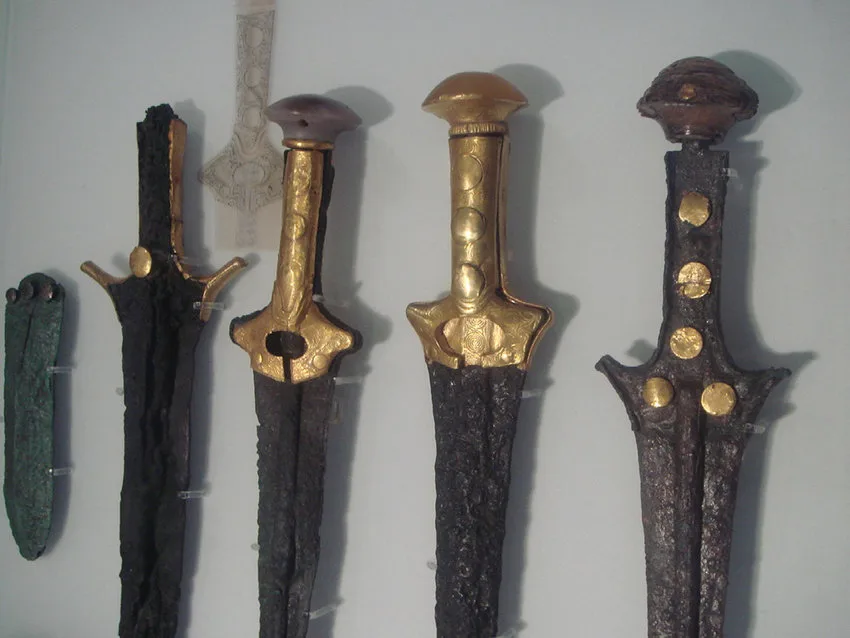
The discovery of iron smelting around 1200 BCE changed the balance of power forever. Iron was more abundant than copper or tin, yet harder and more durable. Empires that mastered it — such as the Hittites, Assyrians, and Romans — gained unmatched military and economic strength.
Iron tools allowed for extensive farming, building, and weapon-making, giving birth to cities and empires. The Roman legions’ iron swords and plows reshaped Europe and the Mediterranean world.
Iron became the backbone of industry, and it continues to be indispensable today — forming the steel that builds our skyscrapers, bridges, and cars.
5. Salt – The Mineral of Life
Era: All ages
Main Uses: Food preservation, trade, rituals
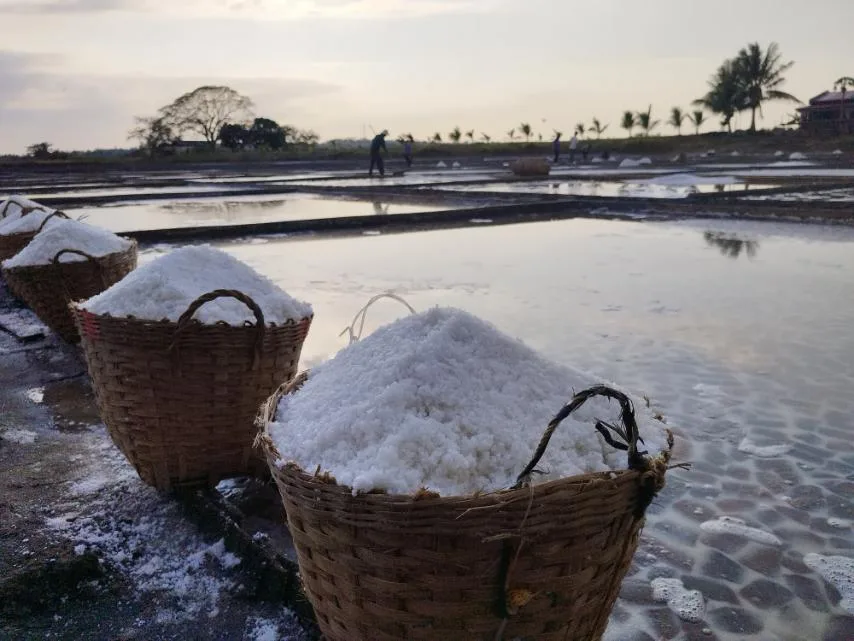
Salt is the only mineral humans eat daily. Before refrigeration, it was essential for preserving meat and fish — making it a cornerstone of survival and trade. Entire economies were built around salt mines and trade routes, such as the famous Trans-Saharan salt caravans and the Via Salaria in ancient Rome.
The term “salary” even originates from salarium, referring to salt rations given to Roman soldiers. In China, salt taxes funded entire dynasties; in medieval Europe, it determined the rise and fall of cities.
More than a seasoning, salt was a measure of wealth, a symbol of purity, and even an offering to gods.
6. Gold – The Eternal Symbol of Wealth
Era: Ancient Egypt to Modern Times
Main Uses: Jewelry, currency, investment, technology
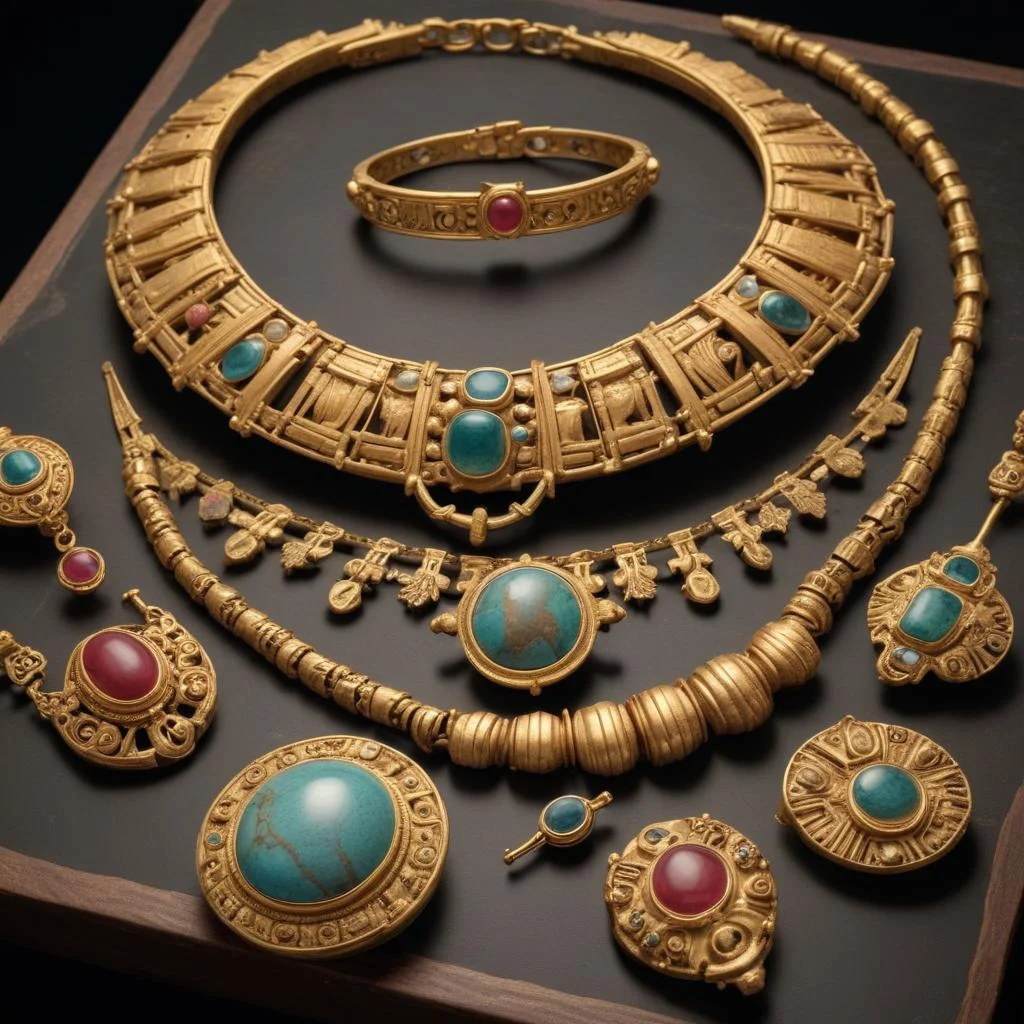
Gold’s allure has never faded. Its rarity, resistance to corrosion, and radiant luster made it the ultimate status symbol across every culture. Ancient Egyptians considered gold the “flesh of the gods.” The Inca viewed it as the “tears of the Sun.”
From royal crowns to sacred idols, gold represented immortality and divine power. It also fueled exploration and conquest — from the pharaohs to the Spanish in the New World.
Today, gold remains a cornerstone of global finance and a key material in electronics due to its conductivity and stability. Its story spans from ancient tombs to modern circuits.
7. Silver – The Shining Standard of Trade
Era: Classical to Industrial Age
Main Uses: Currency, decoration, medicine
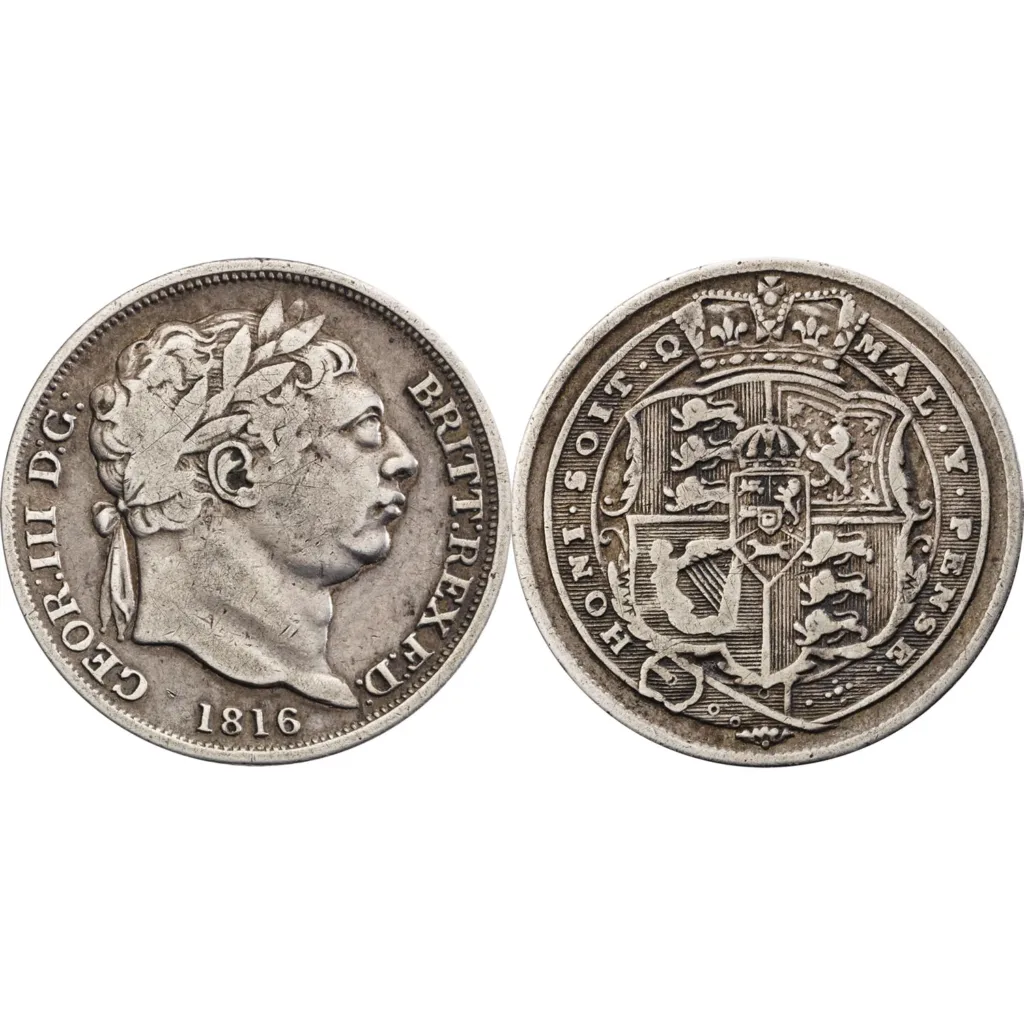
While gold symbolized kings, silver powered commerce. Civilizations from Greece to China used silver as a standard for trade. The Spanish “pieces of eight” became the first global currency, linking Europe, Asia, and the Americas.
Silver also had practical applications. Its antibacterial properties made it valuable for food preservation and medicine — ancient civilizations used silver vessels to keep water pure.
In the modern world, silver’s role extends to electronics, photography, and solar panels, showing how ancient materials continue to shape modern technology.
8. Graphite – Writing the Modern World
Era: Renaissance to Modern Age
Main Uses: Writing, lubrication, batteries
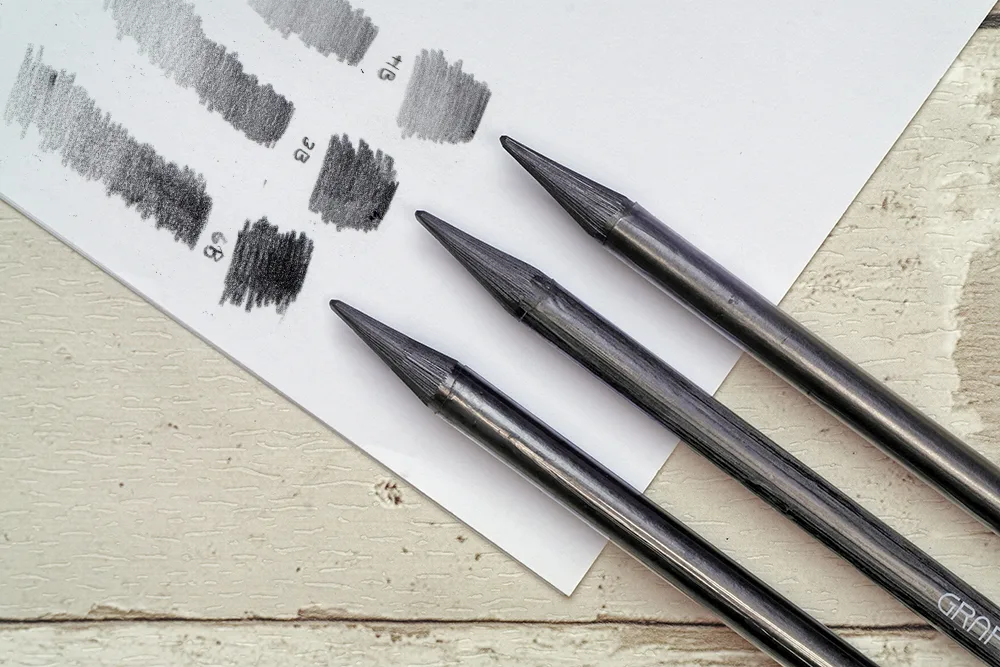
When a massive deposit of pure graphite was discovered in Borrowdale, England, in the 1500s, it changed communication forever. For the first time, people could write easily and erase mistakes — a quiet but revolutionary leap in literacy and education.
Graphite pencils became the tools of artists, engineers, and inventors — used by visionaries from Leonardo da Vinci to NASA engineers sketching rocket designs.
Today, graphite is vital for modern technology. It forms the anodes in lithium-ion batteries, which power smartphones, laptops, and electric vehicles. The same mineral that once recorded ideas now drives the digital world.
9. Coal – Fueling the Industrial Revolution
Era: 18th–20th century
Main Uses: Energy, steel production, transportation
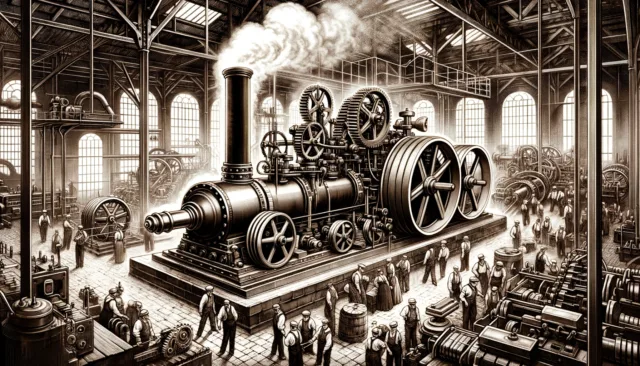
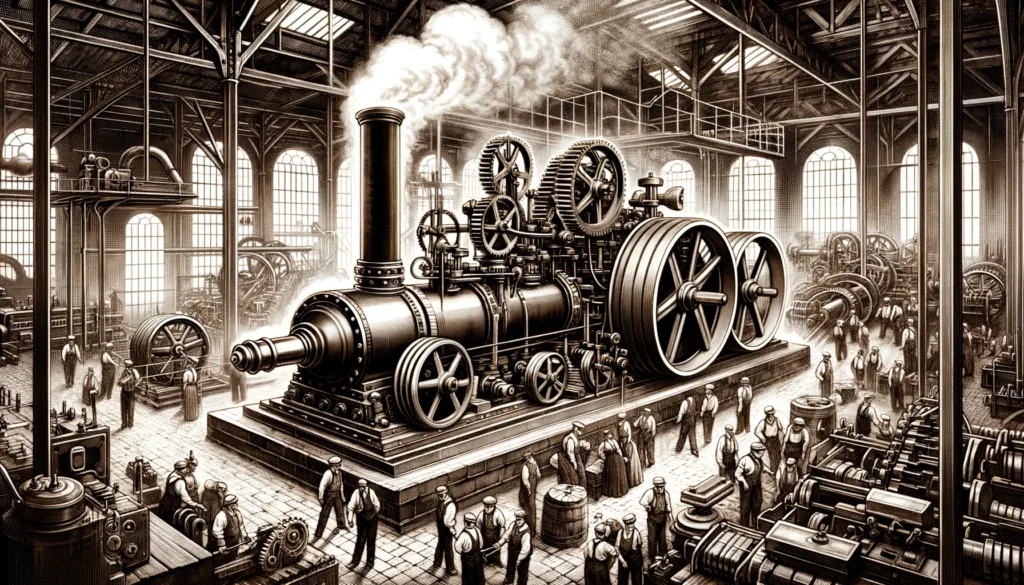
Coal ignited the Industrial Revolution, transforming human society from agrarian to industrial. It powered steam engines, railways, and factories — the engines of progress that reshaped cities and economies.
From Britain’s coal mines to America’s steel foundries, this black mineral fueled human ambition and technological growth. However, it also left an environmental legacy that still challenges us today.
Despite its decline in favor of renewable energy, coal’s historical importance cannot be overstated — it powered modernity itself.
10. Silicon – The Mineral Behind the Digital Age
Era: 20th–21st century
Main Uses: Semiconductors, solar panels, electronics
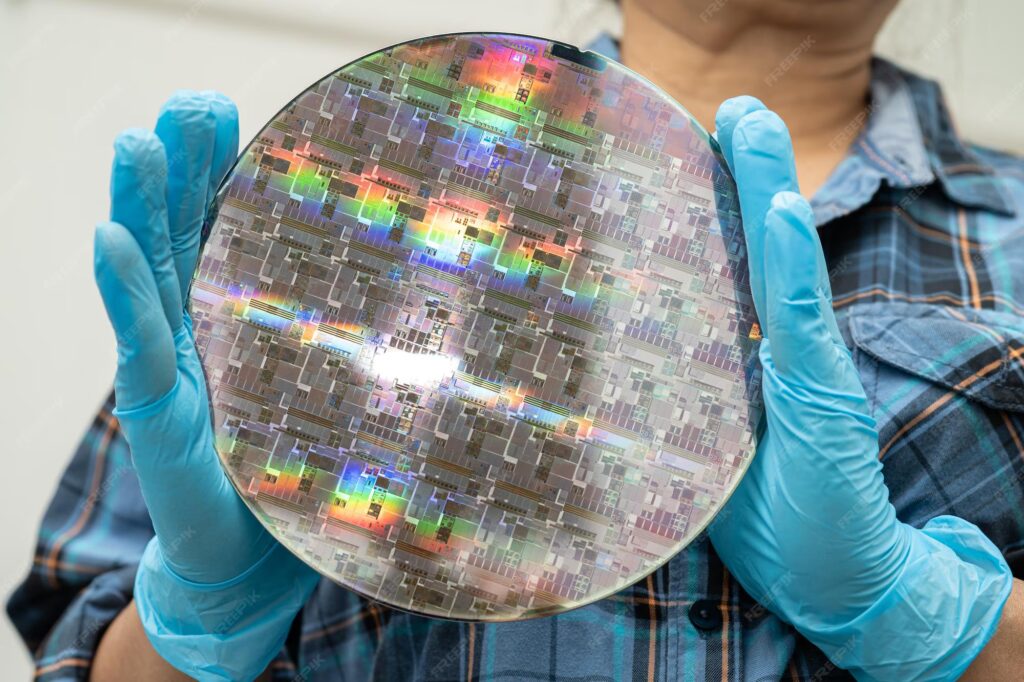
Extracted from quartz sand, silicon became the heart of the information age. When purified and doped with trace elements, it conducts electricity precisely — perfect for computer chips and solar cells.
The rise of Silicon Valley in California symbolized the birth of a new era — where knowledge, not metal or fire, became the ultimate tool. Silicon made possible the microprocessor, smartphones, and the global internet.
Today, the same element found in ordinary sand drives artificial intelligence, renewable energy, and space technology. It’s not an exaggeration to say silicon is the new flint — sparking the next human revolution.
Conclusion
From the Stone Age to the Digital Age, minerals have been silent architects of civilization. They shaped economies, built empires, inspired art, and even determined the fate of nations.
Each era was born from the mastery of a new mineral — flint gave us fire, copper and iron built our cities, coal powered our machines, and silicon connects our world today.
As we look to the future, minerals such as lithium, cobalt, and rare earth elements will define the next chapter of human progress — powering a cleaner, smarter, and more connected world.
FAQ Section (Schema-ready)
Q1: What was the first mineral used by humans?
A: Flint is considered the first mineral used systematically by humans for tools and fire making.
Q2: Which mineral started the Industrial Revolution?
A: Coal was the primary driver of the Industrial Revolution, powering machinery and transportation.
Q3: Why is silicon important today?
A: Silicon is essential for semiconductors, which power modern computers, phones, and renewable energy systems.
Q4: What minerals are still shaping the future?
A: Lithium, cobalt, and rare earth elements are driving the next wave of innovation — from electric vehicles to green energy.