



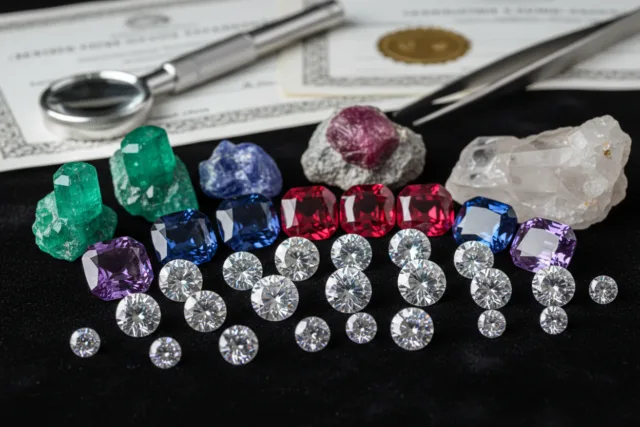
Gemstones tell stories in color.
From the glowing red of a ruby to the calm blue of a sapphire and the rich green of an emerald, each stone captures a moment in Earth’s geological artistry. These colors are not random — they’re written by chemistry, pressure, and time.
In gemology, color isn’t just beauty. It’s a diagnostic clue, helping experts recognize what minerals they’re holding and where they might have formed. Yet beyond the science, colors also carry centuries of human meaning — from passion and power to peace and purity.
In this guide, we’ll explore both worlds: the science behind gemstone colors and a comprehensive color chart that links hue, chemistry, and example gemstones.
2. Gemstone Colors and Their Meanings
Every culture has found symbolism in colors. Red gems are often linked to love or vitality, blue stones to calm and wisdom, and green gems to renewal and prosperity. These interpretations are fascinating but belong to culture and history, not gemology.
⚠️ Note:
The meanings mentioned in this article are not scientific facts — they reflect human tradition and emotional association, not mineralogical classification.
3. Gemstones by Color Chart
| Color | Common Gemstones | Symbolism / Meaning (Cultural) |
|---|---|---|
| Red | Ruby, Garnet, Spinel, Red Beryl | Passion, vitality, courage |
| Blue | Sapphire, Aquamarine, Lapis Lazuli, Tanzanite | Peace, wisdom, loyalty |
| Green | Emerald, Peridot, Jade, Malachite | Growth, balance, prosperity |
| Yellow | Citrine, Topaz, Yellow Sapphire, Amber | Joy, energy, clarity |
| Pink | Morganite, Rose Quartz, Pink Tourmaline | Love, tenderness, compassion |
| Purple | Amethyst, Kunzite, Sugilite | Spirituality, imagination, intuition |
| Black | Onyx, Obsidian, Black Diamond | Strength, mystery, protection |
| White / Clear | Diamond, Quartz, Moonstone | Purity, truth, clarity |
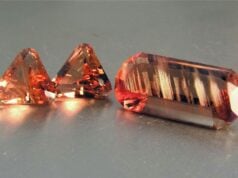
| Orange | Fire Opal, Sunstone, Spessartine Garnet | Creativity, enthusiasm, confidence |
| Brown | Smoky Quartz, Tiger’s Eye, Andalusite | Stability, grounding, endurance |
4. The Science Behind Gemstone Color
At a microscopic level, a gemstone’s color is shaped by trace elements, crystal structure, and the way it interacts with light.
When light enters a crystal, some wavelengths are absorbed while others are reflected — the reflected light becomes the color we see.
| Element | Typical Colors Produced | Examples |
|---|---|---|
| Chromium (Cr) | Red / Green | Ruby, Emerald |
| Iron (Fe) | Yellow / Brown / Blue | Citrine, Sapphire |
| Titanium (Ti) | Blue | Sapphire |
| Copper (Cu) | Blue / Green | Turquoise, Paraíba Tourmaline |
| Manganese (Mn) | Pink | Morganite, Rhodochrosite |
Even a trace amount — sometimes just one atom in a thousand — can completely transform a stone’s color.
It’s almost poetic: a tiny imperfection in the crystal lattice creates the gem’s greatest beauty.
5. Red Gemstones

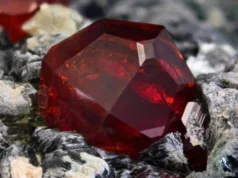
The warmth of red gems often comes from chromium or iron impurities. These atoms absorb parts of the blue-green spectrum, leaving a fiery red hue to reach our eyes.
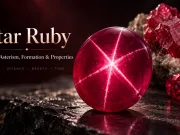
- Ruby – Corundum colored by chromium; among the rarest and most valuable red stones.
- Garnet – Found in a variety of deep reds and oranges, depending on iron and manganese content.
- Spinel – Long confused with ruby, yet prized today for its clean, pure red tone.
- Red Beryl – A geological miracle, found only in a few places in Utah, USA.
6. Blue Gemstones
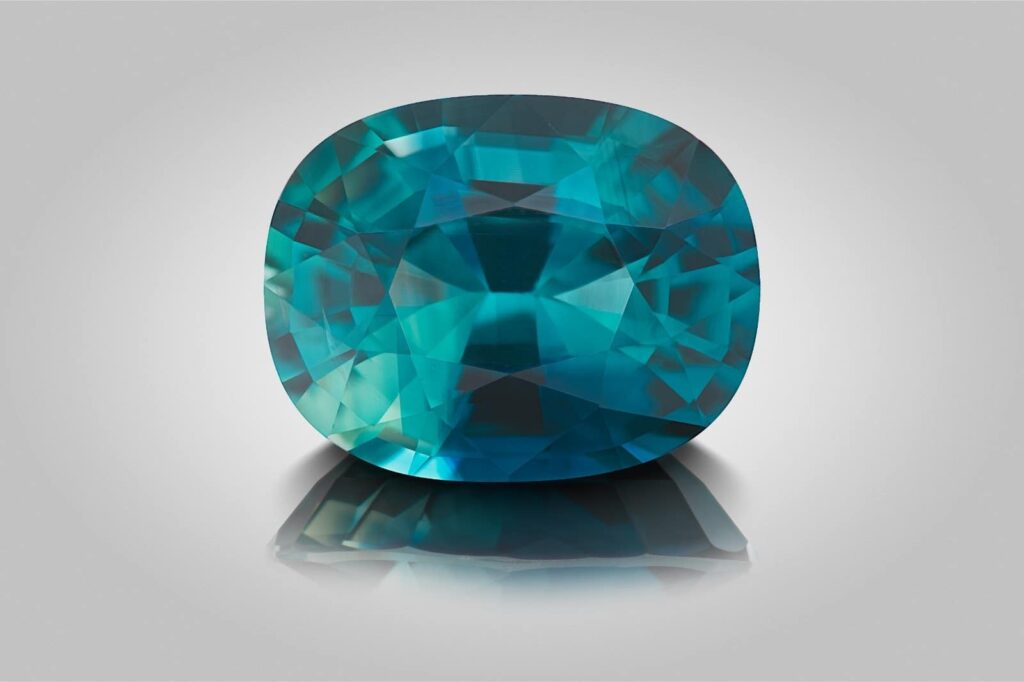
BFew colors feel as calm and endless as blue. These gemstones owe their shades to iron, titanium, or vanadium within their crystal lattice.
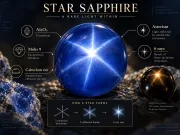
- Sapphire – The classic blue corundum, often containing both iron and titanium.
- Aquamarine – Gentle ocean-blue beryl; its clarity and tone depend on iron content.
- Tanzanite – Rare and pleochroic, shifting from violet to blue depending on the light.
- Lapis Lazuli – An ancient rock admired for its ultramarine blue and golden pyrite sparkles.
Blue stones have long symbolized peace and introspection — perhaps because their color mirrors the sky and sea.
7. Green Gemstones
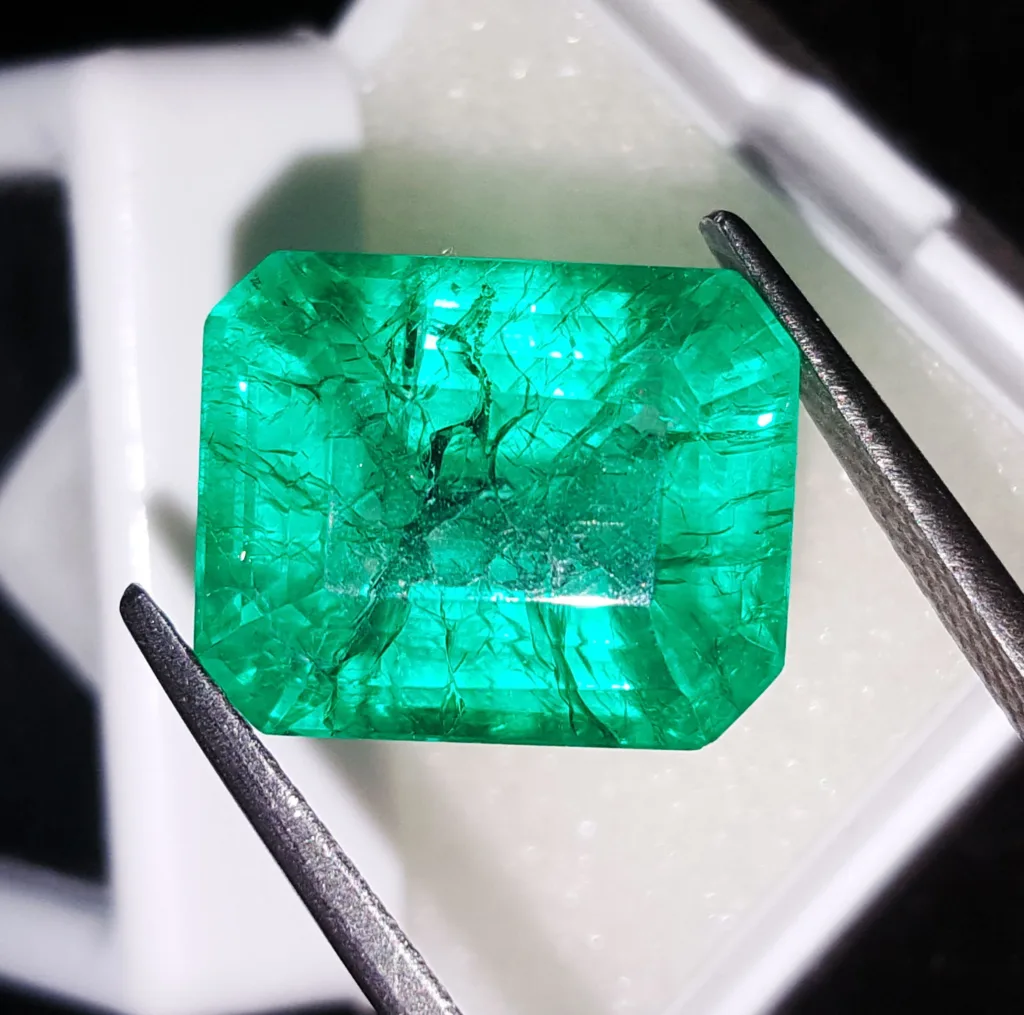
The greens of gemstones connect geology with life itself. These colors typically come from chromium, vanadium, or iron, often within a silicate structure.
- Emerald – Beryl infused with chromium and vanadium; known for its inclusions and deep, velvety green.
- Peridot – A transparent olive-green gem from volcanic sources, rich in magnesium and iron.
- Jade (Jadeite & Nephrite) – Valued for strength and translucence, deeply tied to Asian culture.
- Malachite – A copper carbonate mineral with striking concentric green patterns.
8. Yellow, Orange, and Brown Gemstones
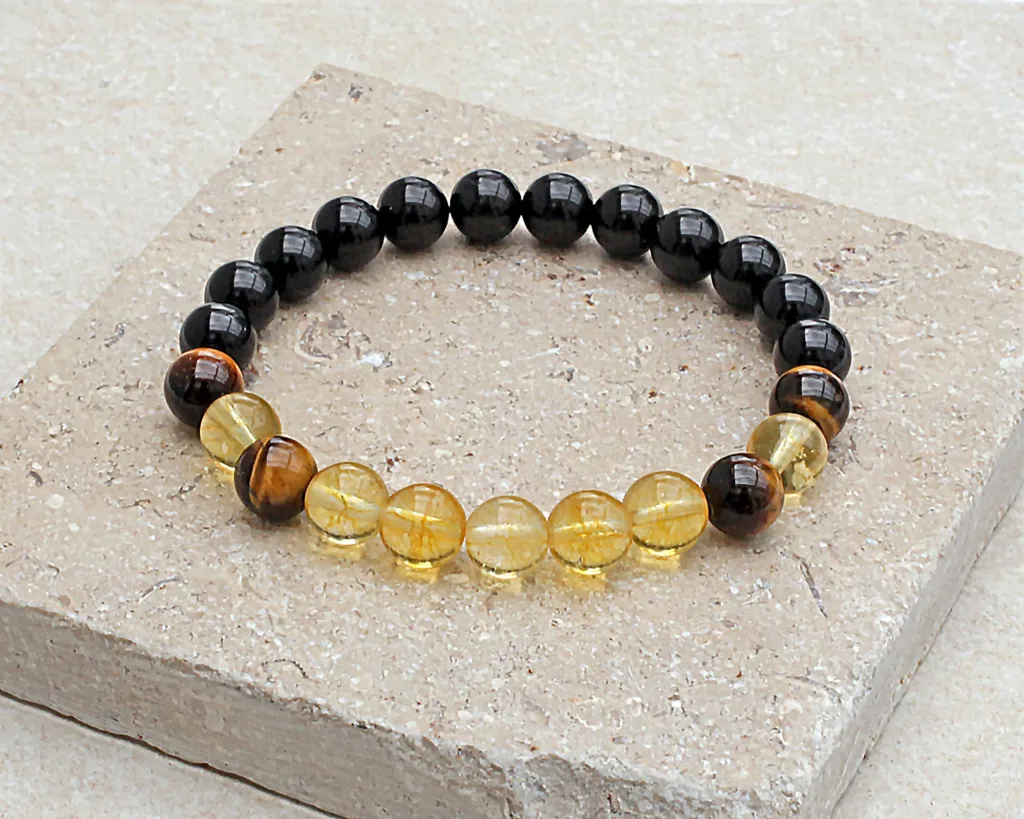
Warm tones — from golden yellow to amber orange — are typically caused by iron oxidation or manganese.
- Citrine – Sunny quartz, known for bright golden hues.
- Topaz – Naturally colorless but often heated to achieve warm orange or amber tones.
- Fire Opal – Displays glowing orange transparency with subtle flashes of red.
- Tiger’s Eye – A brown quartz variety with silky luster caused by fibrous inclusions.
These colors remind us of sunlight, earth, and warmth — reflecting nature’s vibrant energy.
9. Pink and Purple Gemstones
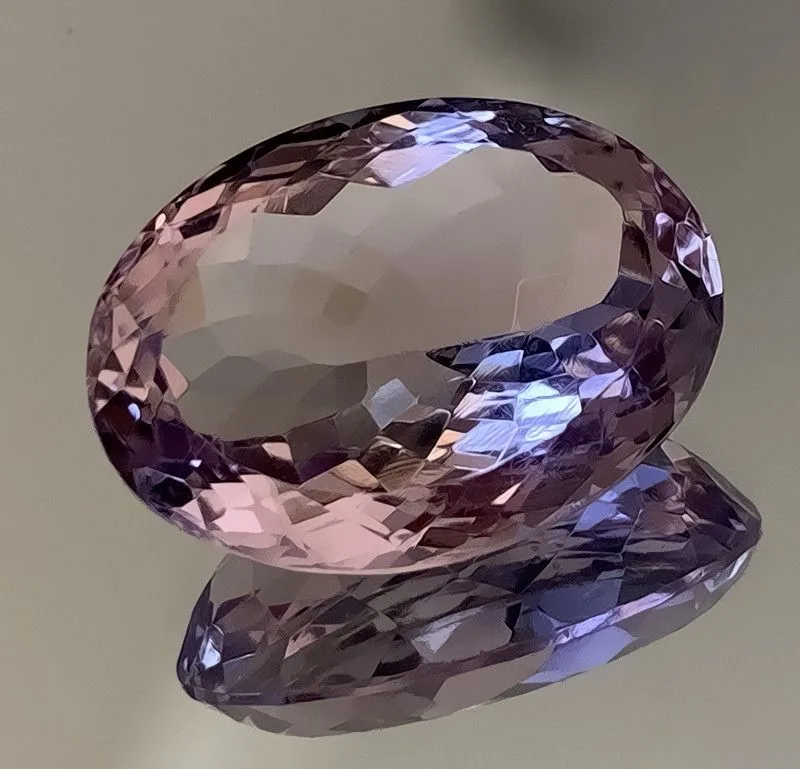
Soft pink and deep violet gemstones often carry a romantic or mystical appeal. Their color arises mainly from manganese and iron.
- Morganite – A peach-pink beryl colored by manganese, known for elegance and gentle hue.
- Rose Quartz – Cloudy pink quartz symbolizing calm affection.
- Amethyst – Purple quartz colored by iron and natural irradiation.
- Kunzite – Lilac-pink spodumene showing delicate color zoning.
10. Black, White, and Clear Gemstones
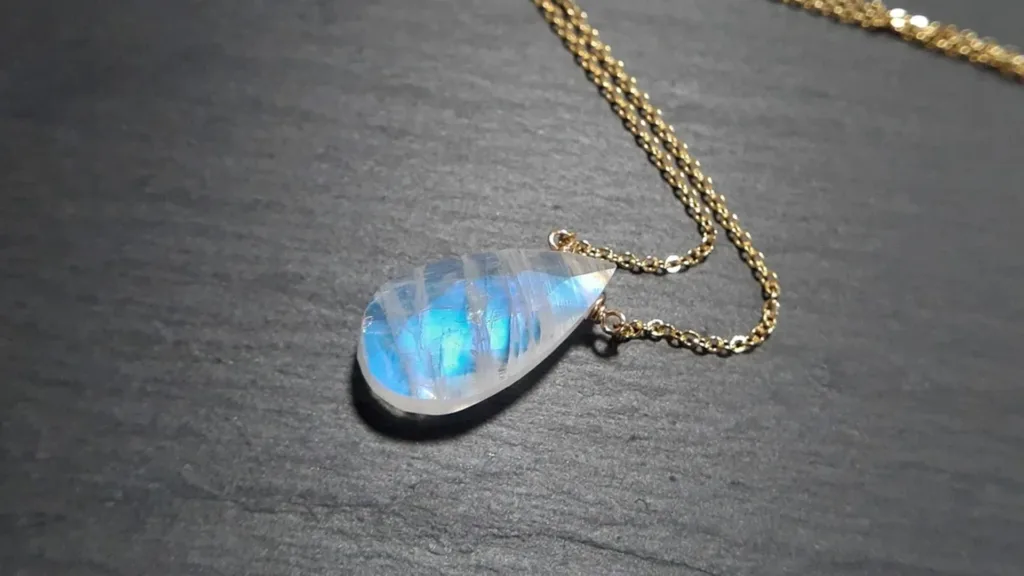
These stones show that even the absence of color can be powerful.
- Onyx – Uniform black chalcedony, often used for carving.
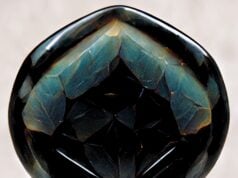
- Obsidian – Volcanic glass, glossy and jet-black.
- Diamond – Pure carbon crystal; perfect transparency and brilliance.
- Quartz (Clear or Milky) – Common but timeless in clarity and symmetry.
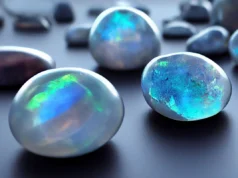
- Moonstone – Exhibits adularescence — a soft internal blue-white glow.
Together, they represent contrast, simplicity, and purity in mineral form.
11. Rare and Multicolored Gemstones
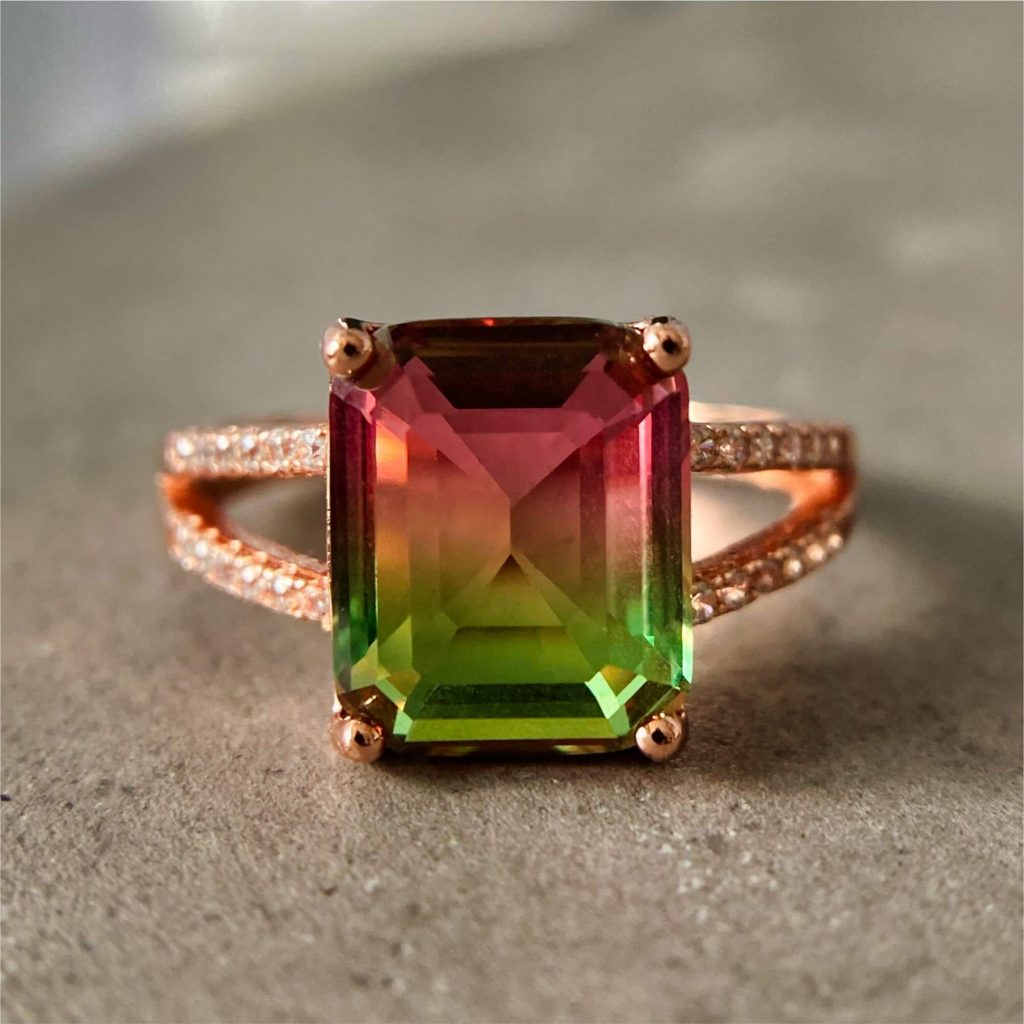
Some gemstones defy classification. They shift colors or display multiple hues at once.
- Alexandrite – Green in daylight, red under warm light — one of nature’s rarest optical tricks.
- Opal – Displays rainbow-like “play of color” due to microscopic silica spheres.
- Tourmaline – Found in nearly every color; Watermelon Tourmaline shows concentric pink and green bands.
- Paraíba Tourmaline – Electric blue gem colored by copper; among the most sought-after modern stones.
12. Birthstones by Color
| Month | Birthstone | Dominant Color |
|---|---|---|
| January | Garnet | Red |
| February | Amethyst | Purple |
| March | Aquamarine | Blue |
| April | Diamond | Clear / White |
| May | Emerald | Green |
| June | Pearl, Moonstone | White |
| July | Ruby | Red |
| August | Peridot | Green |
| September | Sapphire | Blue |
| October | Opal, Tourmaline | Multicolor |
| November | Citrine, Topaz | Yellow / Orange |
| December | Turquoise, Tanzanite | Blue |
13. Gemstone Identification Tips
While color is the first thing we notice, professional gemologists never rely on color alone.
Accurate identification involves measuring physical and optical properties:
- Hardness: Resistance to scratching (Mohs scale).
- Refractive Index (RI): How much light bends inside the stone.
- Luster: How the surface reflects light (vitreous, pearly, metallic).
- Specific Gravity: Density compared to water.
- Transparency: From transparent diamond to opaque turquoise.
Example comparisons:
- Ruby vs Spinel → same red color, different refractive index.
- Emerald vs Peridot → both green, but distinct pleochroism and inclusions.
14. Quick Review Table
| Color Range | Representative Gemstones | Main Element | Typical Origin |
|---|---|---|---|
| Red | Ruby, Garnet, Spinel | Chromium, Iron | Myanmar, Mozambique |
| Blue | Sapphire, Aquamarine, Tanzanite | Iron, Titanium | Sri Lanka, Tanzania |
| Green | Emerald, Jade, Peridot | Chromium, Iron | Colombia, Burma |
| Yellow | Citrine, Topaz | Iron | Brazil, Russia |
| Pink | Morganite, Rose Quartz | Manganese | Madagascar, Afghanistan |
| Multicolor | Tourmaline, Opal | Various | Brazil, Ethiopia |
15. Seeing Color Beyond Beauty
Behind every gemstone’s color lies a story of chemistry, pressure, and light.
Each crystal is a record of Earth’s internal artistry — a mixture of order and chance. Whether it’s the neon flash of Paraíba tourmaline or the gentle glow of moonstone, these colors remind us how nature paints with elements instead of pigments.
16. FAQs – Gemstones by Color
1. What determines a gemstone’s color?
Trace elements such as chromium, iron, and titanium absorb certain wavelengths of light, producing visible color.
2. Are color meanings scientific?
No. Symbolic meanings are based on culture, history, and belief systems, not gemological science.
3. Which gemstone colors are rarest?
Pure red (red beryl) and neon blue (Paraíba tourmaline) are among the rarest natural colors.
4. Can two gems share the same color?
Yes. Ruby and spinel can appear identical but differ in crystal structure.
5. Do gemstone colors ever change?
Some, like alexandrite, show color change under different light sources due to selective absorption.