















Sulfate Minerals
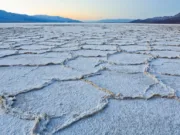
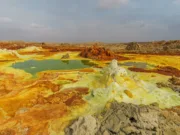
Sulfate minerals form when sulfur combines with oxygen and metal ions, creating compounds that often crystallize in evaporite basins, hydrothermal zones or as secondary products in weathered rocks. From soft, translucent gypsum (CaSO₄·2H₂O) to the water-free anhydrite (CaSO₄) and the heavy barite (BaSO₄), each mineral tells a different story about its environment of formation — whether it’s a drying sea, a hot fluid vent or the breakdown of sulfide minerals near Earth’s surface. These minerals not only record past geological conditions but also have real-world applications: gypsum is used for plaster and drywall, barite for drilling muds, and many sulfates act as indicators in mining or environmental investigations. In this category you’ll explore how sulfates form, how their textures and chemistry reflect their origin, and how as a geologist, engineer or field practitioner you can interpret them to understand past conditions, plan materials usage or assess site behaviour.

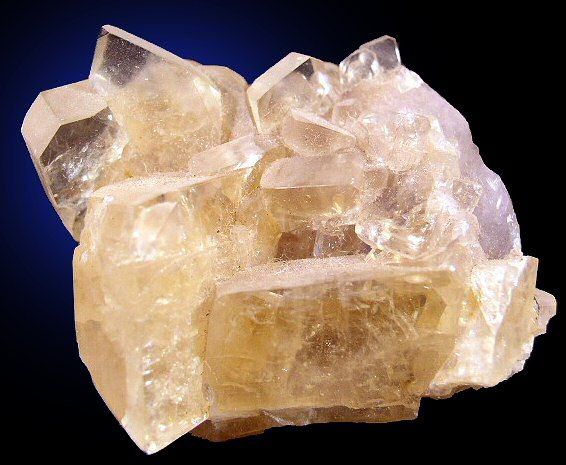
Celestine
Celestine, also known as celestite, is a mineral that belongs to the sulfate mineral group. It is named after the Latin word "caelestis," which...

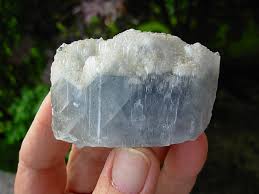
Angelite
Angelite, also known as "blue anhydrite" or "angel stone," is a mineral that belongs to the sulfate mineral group. It is a type of...

Chalcanthite
Chalcanthite is a mineral with the chemical formula CuSO₄·5H₂O. It belongs to the sulfate mineral group and is a hydrated copper sulfate. The name...

Linarite
Linarite is a mineral that belongs to the sulfate class and is characterized by its striking deep blue to azure color. It is named...