








Native Elements
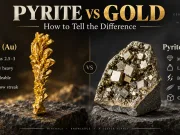
Native element minerals are among the most fascinating because they consist of a single chemical element (or a natural alloy) rather than a compound of elements. Think of pure gold (Au), silver (Ag), copper (Cu), sulfur (S), carbon as diamond or graphite — each stands alone, uncombined with other elements, yet forms a crystalline mineral with its own story. Because they don’t require the bonding of multiple elements, they often appear in unique settings: gold and silver in hydrothermal veins or placer deposits, native copper in mafic volcanic flows, sulfur around volcanic fumaroles, diamond from deep mantle pipes and graphite in metamorphosed sediments. These minerals carry not only geological significance — they record conditions like temperature, fluid flow, redox state and deposition environment — but also strong engineering, economic and material-science importance: native copper for conductivity, gold and silver for value and technology, carbon in its diamond form for hardness, graphite for lubrication and electrodes. In this category you’ll explore how single-element minerals form, where they’re found, how to recognise them in the field or core, and why they still matter in exploration, geotechnics and industry.