




Gypsum (CaSO₄·2H₂O) is one of Earth’s most widespread, versatile, and scientifically important minerals. Though incredibly soft — so soft that it can be scratched with a fingernail — gypsum plays an enormous role in geology, construction, climate history, agriculture, industry and even planetary science. From desert evaporite basins to deep marine environments and volcanic regions, gypsum forms under a broad range of conditions that make it an important indicator of environmental change.
Beyond geology, gypsum is a mineral that shows up everywhere: in the walls of most buildings, in fertilizers and soil conditioners, in sculptures carved thousands of years ago, and even on Mars, where its presence provides evidence of past liquid water. Its various forms — including selenite, alabaster, and satin-spar — display eye-catching optical properties such as transparency, silky chatoyancy and internal fiber reflections, making gypsum a favorite among mineral collectors and artists.
This article presents a complete overview of gypsum, including its formation environments, mineralogical and optical properties, varieties, global distribution, industrial significance, environmental implications and identification characteristics.
1. What Is Gypsum?
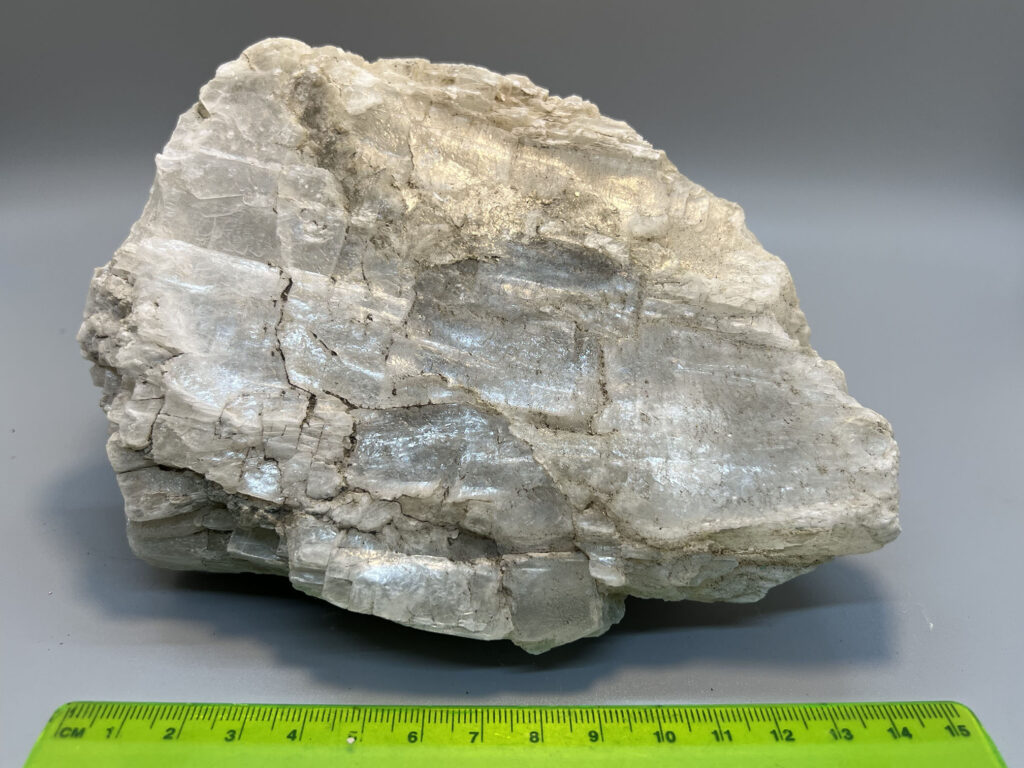
Gypsum is a hydrated calcium sulfate mineral with the chemical formula:
CaSO₄·2H₂O — Calcium Sulfate Dihydrate
It forms as an evaporite mineral when sulfate-rich waters evaporate, leaving behind layers of calcium sulfate. Because it contains two molecules of water in its crystal structure, gypsum is relatively soft and easily dehydrated.
Basic Characteristics
- Mineral Class: Sulfates
- Chemical Composition: 23% calcium, 18% sulfur, 59% water & oxygen
- Crystal System: Monoclinic
- Hardness: 2 Mohs
- Specific Gravity: ~2.3 g/cm³
- Cleavage: Perfect in one direction
- Luster: Vitreous to silky
- Transparency: Transparent to translucent
- Color: Colorless, white, grey, sometimes pink or honey-colored
Gypsum is the most abundant sulfate mineral on Earth and occurs in sedimentary, volcanic, hydrothermal and even extraterrestrial environments.
2. How Gypsum Forms (Geological Processes)
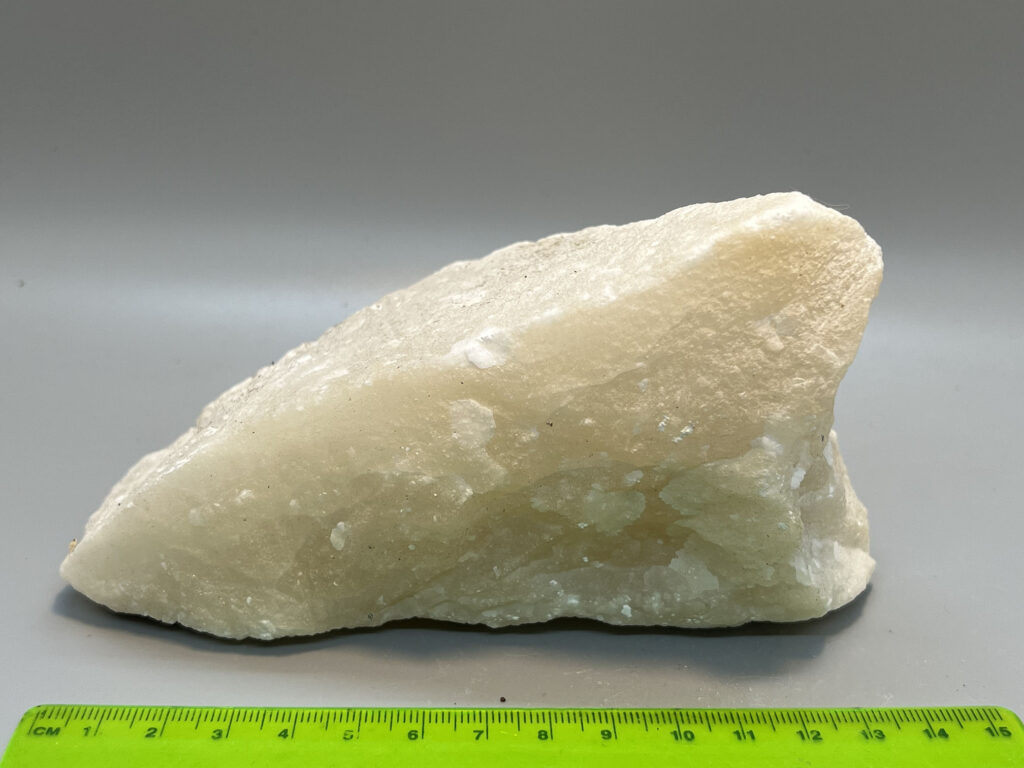
Gypsum forms primarily from evaporation, but its geological pathways are diverse.
2.1. Evaporite Basin Formation
This is the most common formation pathway. When seawater or saline lake water becomes trapped in a restricted basin and begins to evaporate, dissolved ions become concentrated.
Evaporation sequence typically follows:
- Calcite (CaCO₃)
- Gypsum (CaSO₄·2H₂O)
- Halite (NaCl)
Large gypsum deposits develop in:
- Desert sabkhas
- Inland saline lakes
- Coastal lagoons
- Continental rift basins
- Marine back-barrier basins
Such environments create thick, laterally extensive gypsum layers hundreds of meters thick.
2.2. Marine Gypsum
In restricted marine settings, seawater circulation is limited and evaporation rates are high. When sulfate levels increase and salinity rises, gypsum precipitates directly from seawater. These deposits are often interlayered with shale and marl, forming distinct evaporite cycles used in basin analysis.
2.3. Hydrothermal and Volcanic Gypsum
Sulfate-rich fluids near volcanic vents or hydrothermal systems can precipitate gypsum. When volcanic gases such as SO₂ interact with seawater or groundwater, they form sulfuric acid, which reacts with calcium-bearing rocks, producing gypsum.
Hydrothermal gypsum often forms:
- needle-like crystals
- white crusts on cave walls
- fibrous secondary layers
2.4. Weathering and Alteration
Gypsum may also form from:
- oxidation of sulfide minerals
- hydration of anhydrite (CaSO₄)
- weathering of volcanic ash
Many near-surface gypsum deposits represent altered anhydrite where groundwater or meteoric water reintroduced hydration.
2.5. Gypsum in Extraterrestrial Environments
Gypsum identified on Mars provides strong evidence of past water activity. NASA’s Curiosity Rover has observed veins of selenite in Martian sedimentary rocks. This discovery indicates ancient groundwater systems capable of transporting and precipitating calcium sulfate.
3. Varieties of Gypsum
Gypsum appears in several unique forms, each with distinct textures and optical behaviors.
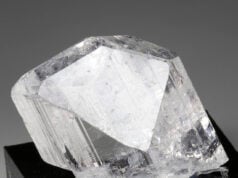
3.1. Selenite
- Transparent to translucent
- Large tabular or prismatic crystals
- Optical clarity allows text to be seen through crystals
- Found in evaporite caves, desert playas, and marine basins
The famous “Cave of the Crystals” in Naica, Mexico contains the largest selenite crystals on Earth, some larger than a school bus.
3.2. Satin-Spar
- Fibrous, silky gypsum
- Displays chatoyancy (cat’s-eye effect)
- Curved fibers create luminous internal bands
Used in carvings, decorative objects, and metaphysical items.
3.3. Alabaster
- Fine-grained, massive, white gypsum
- Easily carved and polished
- Used historically in sculptures, relief panels, burial objects and architectural features
Alabaster has been an important artistic material for Egyptians, Mesopotamians, Greeks and medieval European artisans.
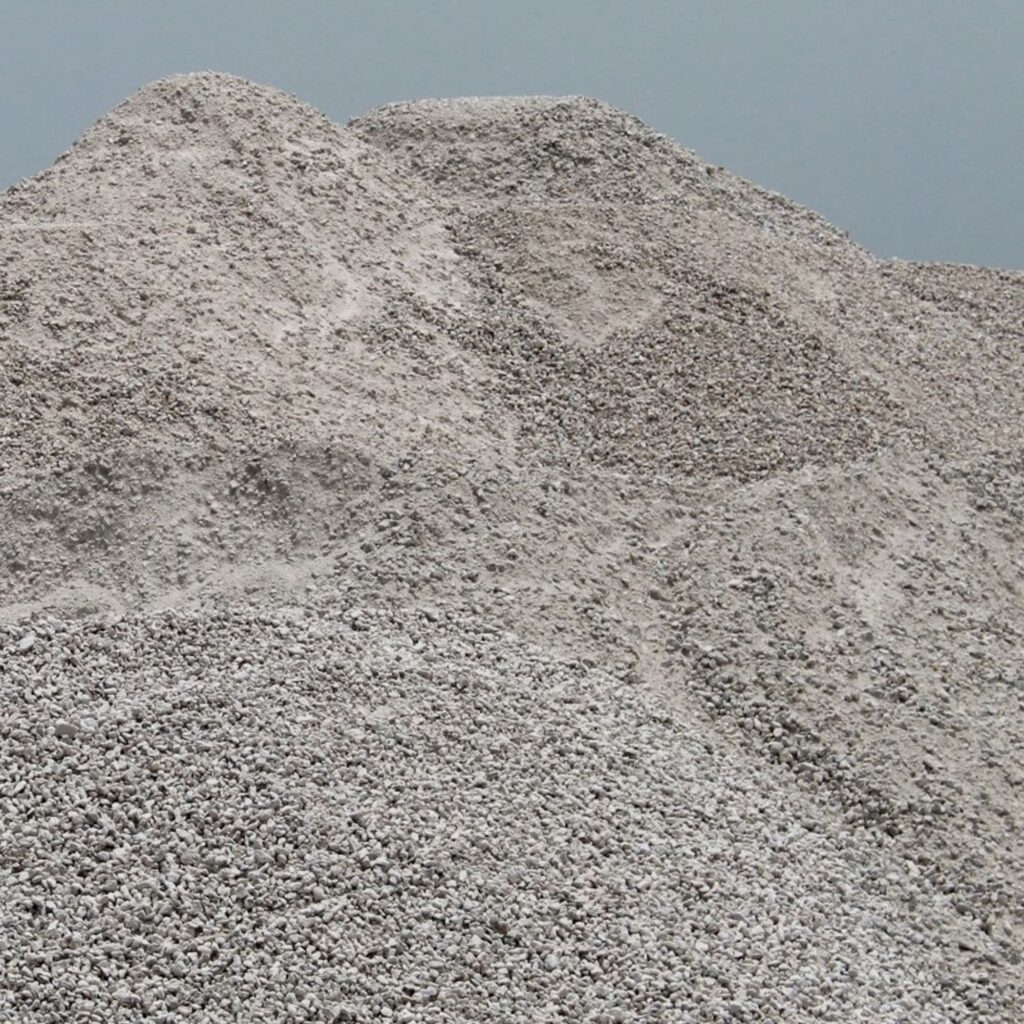
3.4. Rock Gypsum
- Massive, granular, or microcrystalline
- Found in large bedded deposits
- Commonly used for industrial processes
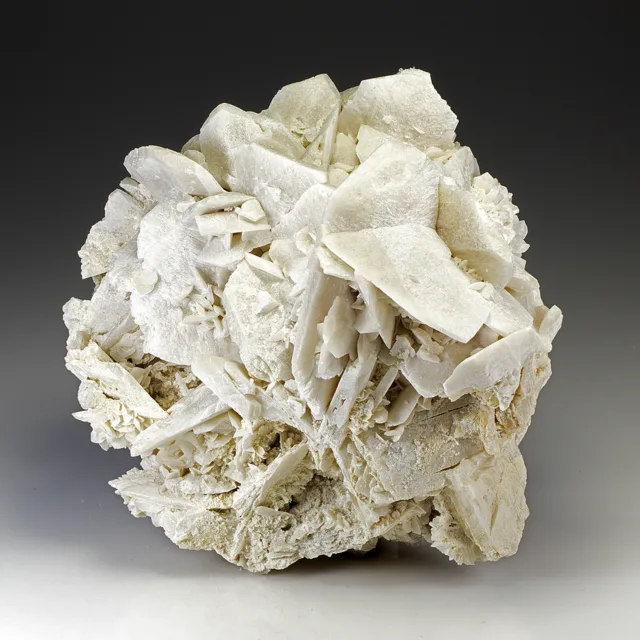
3.5. Desert Roses (Gypsum Rosettes)
- Radiating clusters of tabular crystals
- Formed in arid sand-rich environments
- Often appear as rose-petal shapes
Gypsum rosettes are iconic specimens of desert mineralogy.
4. Mineralogical, Physical & Optical Properties
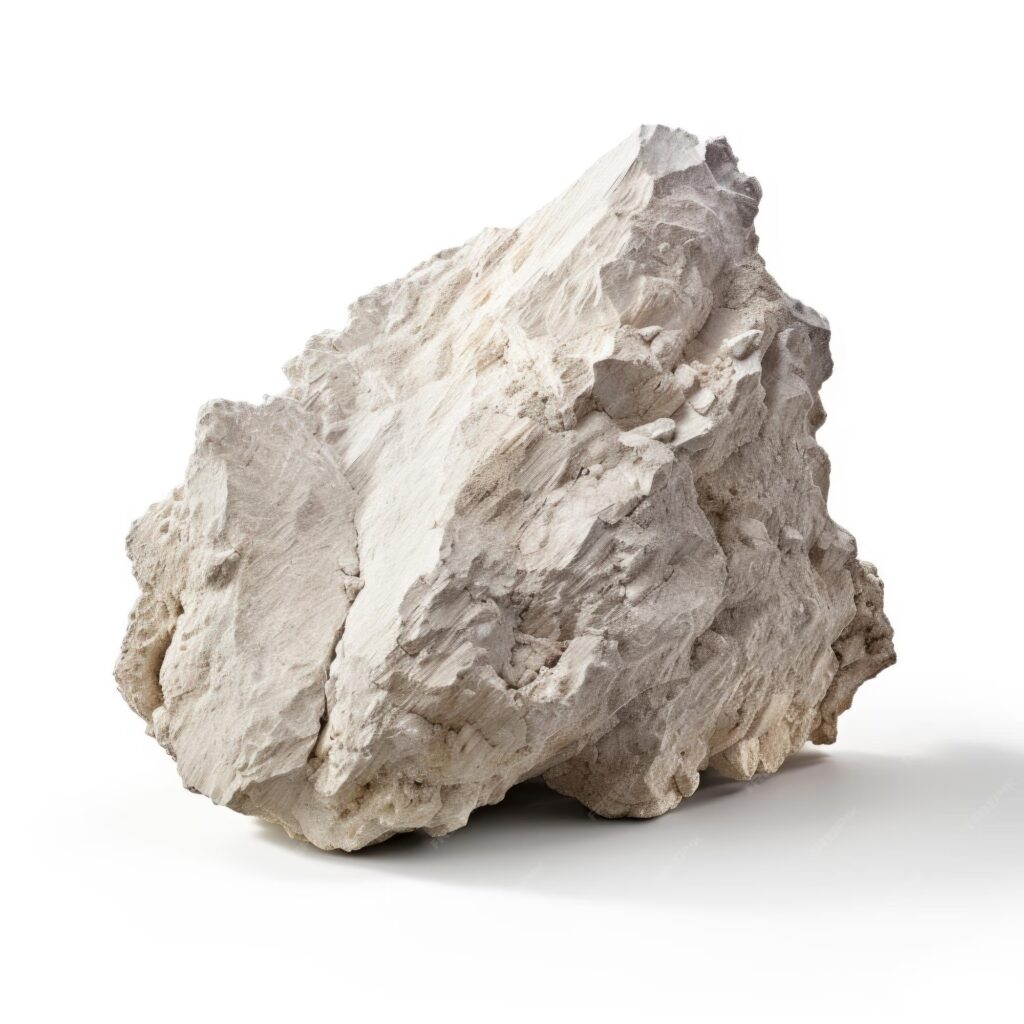
Gypsum possesses a combination of physical and optical features that reflect its hydrated sulfate chemistry.
4.1. Hardness and Cleavage
Gypsum ranks 2 on Mohs hardness scale, making it one of the softest common minerals. It has perfect cleavage, splitting into thin plates or flexible sheets.
4.2. Transparency and Color
Colorless selenite can be exceptionally clear. Massive gypsum may appear white, grey, beige or reddish due to iron oxides.
4.3. Optical Characteristics
Gypsum shows distinctive optical behavior:
- low refractive index (n ≈ 1.52–1.53)
- silky chatoyancy in satin-spar
- internal fiber reflections
- transparency in selenite
- pearly or vitreous luster
Fibrous satin-spar’s chatoyancy results from parallel alignment of fibers that reflect and scatter light.
4.4. Physical Properties Table
| Property | Value / Description |
|---|---|
| Chemical Formula | CaSO₄·2H₂O |
| Mineral Class | Sulfate |
| Crystal System | Monoclinic |
| Color | Colorless, white, grey, pink, brown |
| Luster | Vitreous, silky, pearly |
| Transparency | Transparent to translucent |
| Hardness | 2 Mohs |
| Specific Gravity | ~2.3 |
| Cleavage | Perfect in one direction |
| Fracture | Uneven, conchoidal |
| Optical Features | Chatoyancy (satin-spar), clarity (selenite) |
| Refractive Index | 1.52–1.53 |
| Water Content | 20.9% H₂O |
| Dehydration Product | Anhydrite (CaSO₄) |
| Typical Habits | Tabular, prismatic, fibrous, massive |
| Solubility | Slightly soluble in water |
5. Global Gypsum Deposits
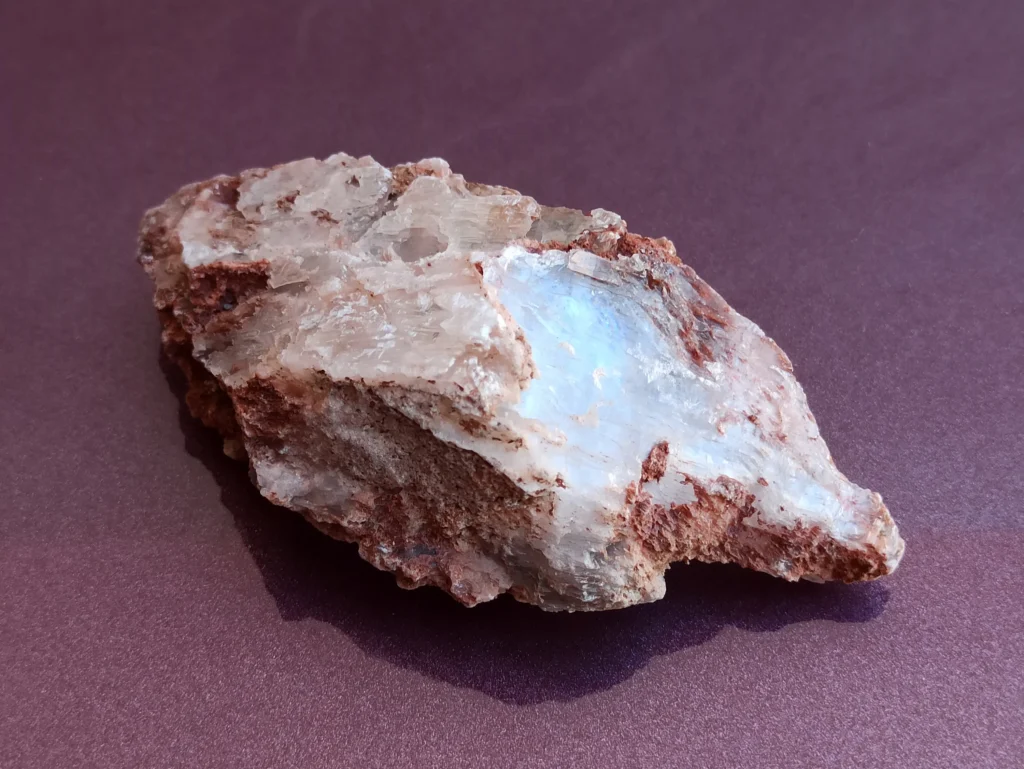
Gypsum is globally abundant, appearing on every continent.
Major global gypsum-producing regions:
- United States
- Canada
- Mexico
- Spain
- Italy
- Iran
- China
- Australia
- India
- Pakistan
- Saudi Arabia
Massive bedded gypsum forms important economic deposits, often more than 100 meters thick.
6. Industrial, Agricultural & Cultural Uses
Gypsum’s unique chemistry and physical properties make it indispensable in multiple industries.
6.1. Construction Industry
- Drywall (gypsum board)
- Plaster and stucco
- Cement retarders
- Interior finishing
- Fire-resistant wall materials
Approximately 90% of world gypsum output goes into construction.
6.2. Agriculture
Gypsum is used to:
- improve soil structure
- reduce compaction
- supply calcium and sulfur nutrients
- reclaim saline and sodic soils
- increase root penetration
Its solubility makes nutrients readily available.
6.3. Art, Sculpture and Cultural History
Alabaster has been used for:
- ancient Egyptian sarcophagi
- Greek and Roman carvings
- Medieval European cathedral sculptures
- Islamic ornamental architecture
Gypsum’s softness allows fine detail work.
6.4. Environmental and Geological Significance
Gypsum records:
- evaporation cycles
- paleoclimate
- salinity changes
- groundwater chemistry
- basin hydrology
Evaporite sequences containing gypsum help reconstruct sea-level variations and ancient climates.
6.5. Space Science
Detection of gypsum on Mars proved that water once interacted with the planet’s surface rocks. Gypsum veins found by Mars rovers indicate long-lasting groundwater systems.
7. Identification Guide (Field Recognition)
Gypsum can be identified quickly using the following characteristics:
- Scratches easily with fingernail
- Transparent to translucent crystals (selenite)
- Perfect cleavage producing thin flexible sheets
- Silky fiber structures (satin-spar)
- Low density compared to most minerals
- Slight solubility in water
Its perfect cleavage and 2 Mohs hardness are definitive.
Conclusion
Gypsum is a mineral that quietly shapes the world. It forms immense desert landscapes, records evaporating seas, fills caves with crystalline structures, and provides the raw material for modern construction. Its softness belies its significance: gypsum is essential to geology, paleoclimate research, agriculture, art history, industrial manufacturing and even the study of other planets.
From transparent selenite crystals to massive alabaster sculptures and desert rose clusters, gypsum is a mineral with a story that reaches from ancient seas to everyday human life — and far beyond Earth itself.