




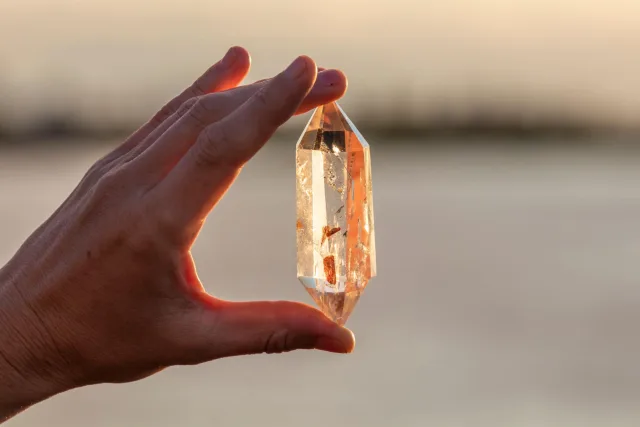
Quartz is one of the most common and important minerals on Earth. It exists inside mountains, beaches, granite cliffs, sand, gemstones, electronic devices, and even microscopic industrial components used in modern technology.
Its exceptional hardness, chemical stability, crystal beauty, and resistance to weathering allowed quartz to survive geological processes that destroy many other minerals. Because of this, quartz became one of the dominant minerals found in Earth’s crust and sediments.
Some quartz varieties form famous gemstones such as amethyst, citrine, rose quartz, and smoky quartz, while extremely pure quartz is essential in glass manufacturing, electronics, watches, optics, and solar technology.
From giant underground crystal formations to tiny grains of sand along coastlines, quartz is almost everywhere around us.
WHAT IS QUARTZ?
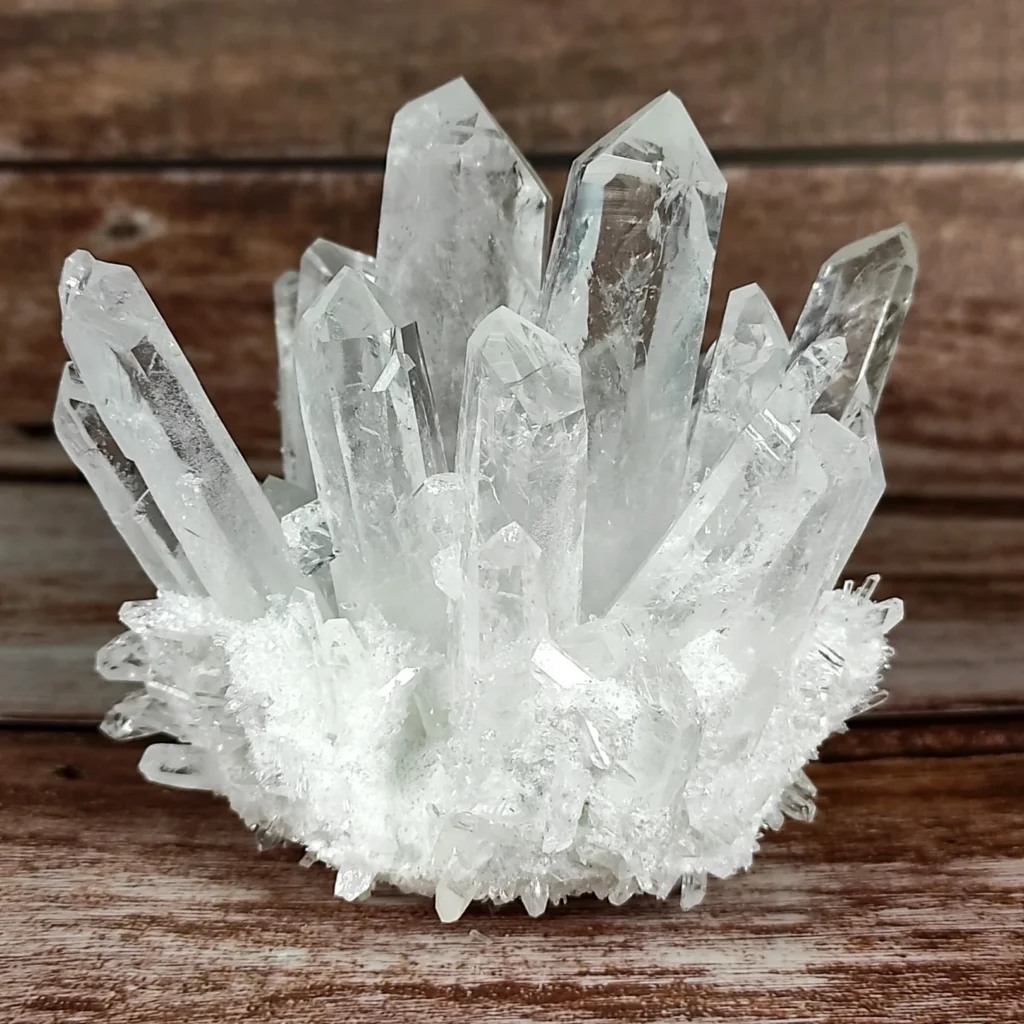
Quartz is a hard crystalline mineral composed of silicon and oxygen atoms. Its chemical formula is SiO₂ (silicon dioxide), making it one of the simplest and most stable mineral compositions found in nature.
Quartz belongs to the silicate mineral group and forms in a wide variety of geological environments. It can develop in igneous, metamorphic, and sedimentary rocks, making it one of the most widespread minerals on Earth.
Pure quartz is usually transparent or white, but trace elements and structural variations can produce many different colors and crystal varieties.
HOW QUARTZ FORMS
Quartz forms through several geological processes depending on temperature, pressure, and the surrounding chemical environment.
One of the most common formation methods occurs when silica-rich magma cools slowly underground. As the magma crystallizes, quartz begins forming during the later stages of cooling because silica remains concentrated in the remaining melt.
Quartz also forms from hydrothermal fluids. Hot water rich in dissolved silica moves through cracks and cavities inside rocks. As temperatures decrease, quartz crystals gradually grow within these open spaces.
Large quartz crystals may develop inside:
- hydrothermal veins
- geodes
- pegmatites
- volcanic cavities
Some crystals grow for thousands of years underground before becoming exposed through erosion.
WHY QUARTZ IS FOUND ALMOST EVERYWHERE
Quartz is extremely abundant because silicon and oxygen are two of the most common elements in Earth’s crust.
Another major reason is durability.
Many minerals break down relatively quickly during weathering, but quartz is highly resistant to physical and chemical destruction. Rivers, glaciers, wind, and ocean waves may transport quartz grains for enormous distances without completely destroying them.
This is why quartz commonly accumulates in:
- beaches
- deserts
- river sediments
- sandstone formations
Much of the sand found around the world contains quartz grains.
QUARTZ IN IGNEOUS, METAMORPHIC, AND SEDIMENTARY ROCKS
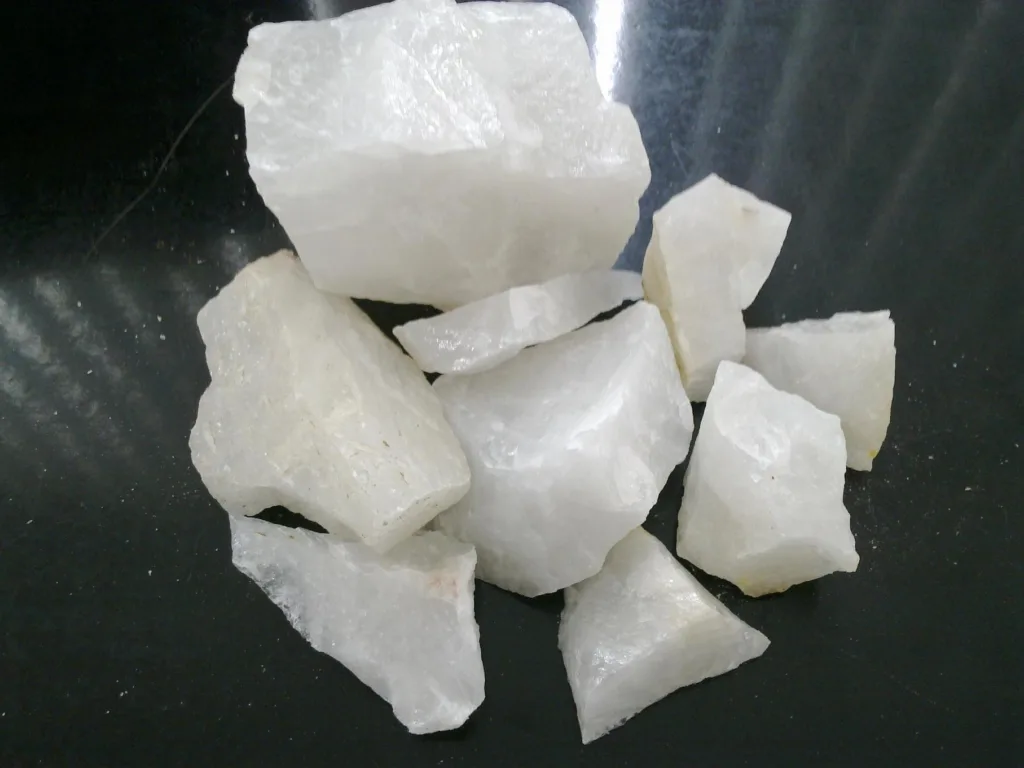
Quartz occurs in all major rock groups.
Igneous Rocks
Quartz commonly forms in silica-rich igneous rocks such as:
- granite
- rhyolite
- pegmatite
Metamorphic Rocks
Quartz may recrystallize during metamorphism and form rocks such as:
- quartzite
- schist
- gneiss
Sedimentary Rocks
Weathered quartz grains accumulate to create:
- sandstone
- quartz arenite
- sedimentary sands
Quartz often survives multiple geological cycles because of its resistance to weathering.
PHYSICAL, CHEMICAL, AND OPTICAL PROPERTIES OF QUARTZ
Quartz is one of the most studied minerals in geology because of its stability, abundance, crystal structure, and wide range of physical and optical properties. These characteristics make quartz important not only in mineralogy, but also in electronics, optics, industrial manufacturing, and gemstone identification.
Its combination of hardness, transparency, chemical resistance, and piezoelectric behavior helped quartz become one of the most useful natural minerals ever discovered.
Physical Properties of Quartz
Quartz is a hard and durable mineral that can survive weathering processes which destroy many other minerals. Its tightly bonded crystal structure gives it excellent resistance to scratching, pressure, and chemical alteration.
| Property | Value |
|---|---|
| Chemical Formula | SiO₂ |
| Mineral Group | Silicate |
| Crystal System | Hexagonal |
| Hardness | 7 on Mohs Scale |
| Specific Gravity | 2.65 |
| Cleavage | None |
| Fracture | Conchoidal |
| Luster | Vitreous |
| Transparency | Transparent to Opaque |
| Streak | White |
| Tenacity | Brittle |
Hardness
Quartz has a Mohs hardness of 7, making it significantly harder than common materials such as steel and glass. Because of this hardness, quartz grains can survive transport in rivers, deserts, beaches, and glaciers for extremely long periods of time.
This resistance to abrasion is one reason quartz becomes concentrated in sedimentary environments.
Fracture and Cleavage
Quartz has no cleavage, meaning it does not break along smooth crystal planes like minerals such as mica or calcite.
Instead, quartz breaks with a conchoidal fracture, producing curved glass-like surfaces. This fracture pattern is very similar to broken glass and is commonly seen in quartz-rich rocks and crystal specimens.
Luster
Fresh quartz usually displays a vitreous or glassy luster. Polished quartz crystals may strongly reflect light, especially transparent varieties such as rock crystal.
Massive quartz varieties can appear more waxy or dull depending on grain size and impurities.
Transparency
Quartz ranges from completely transparent to fully opaque.
Transparency depends on:
- inclusions
- microscopic fractures
- impurities
- crystal defects
Clear quartz, also called rock crystal, can become highly transparent, while milky quartz appears cloudy because of microscopic fluid inclusions trapped inside the crystal.
Chemical Properties of Quartz
Quartz is composed entirely of silicon and oxygen atoms arranged in a continuous three-dimensional framework.
Its chemical formula is:
SiO₂ (Silicon Dioxide)
The strong silicon-oxygen bonds make quartz chemically stable under many environmental conditions.
Chemical Stability
Quartz is highly resistant to chemical weathering compared to many other minerals.
Minerals such as feldspar may alter into clay relatively quickly, but quartz often survives multiple geological cycles with little change.
Because of this stability, quartz becomes extremely common in:
- sand
- sandstone
- river sediments
- beach deposits
Resistance to Weathering
Quartz remains stable under:
- normal atmospheric conditions
- moderate acids
- surface weathering environments
However, quartz may dissolve slowly under high-temperature hydrothermal conditions or highly alkaline fluids.
This durability is one reason quartz is one of the most abundant minerals in Earth’s crust.
Optical Properties of Quartz
Quartz has important optical characteristics that make it valuable in mineralogy, gemology, and industrial optics.
Its interaction with light contributes to the beauty of quartz crystals and their usefulness in scientific equipment.
| Optical Property | Value |
|---|---|
| Optical Character | Uniaxial Positive |
| Refractive Index | 1.544 – 1.553 |
| Birefringence | 0.009 |
| Pleochroism | Usually absent |
| Dispersion | Weak |
| Transparency | Transparent to Opaque |
Refractive Index
Quartz bends light as it passes through the crystal. Its refractive index ranges from approximately 1.544 to 1.553.
This moderate refractive index contributes to the bright appearance of polished quartz gemstones and transparent crystal specimens.
Birefringence
Quartz is birefringent, meaning light entering the crystal splits into two rays traveling at different speeds.
This optical behavior is caused by the internal crystal structure and can be observed under polarized light in petrographic microscopes.
Birefringence is extremely important in geology because quartz is one of the main minerals used in thin-section microscopy for rock identification.
Optical Character
Quartz is classified as a uniaxial positive mineral.
Under polarized light, quartz displays characteristic interference colors and optical behaviors that help geologists identify it in microscopic rock samples.
Transparency and Light Effects
Transparent quartz crystals can transmit light extremely well, especially high-purity varieties.
Some quartz specimens produce beautiful optical effects such as:
- chatoyancy
- asterism
- color zoning
- phantom crystal structures
Impurities and inclusions often influence these visual effects.
Piezoelectric Properties of Quartz
One of the most remarkable properties of quartz is piezoelectricity.
When mechanical pressure is applied to quartz crystals, they generate electrical charges. Quartz can also vibrate at highly stable frequencies when electricity passes through it.
Because of this property, quartz became essential in:
- watches
- clocks
- radios
- computers
- smartphones
- oscillators
- scientific instruments
Quartz crystals help regulate highly accurate timing systems used in modern electronics.
Thermal Properties
Quartz expands and contracts with temperature changes.
At approximately 573°C, quartz undergoes a structural transition called the alpha-beta quartz transition.
This transformation slightly changes the crystal structure and physical behavior of the mineral.
Thermal stability is important in industrial applications involving ceramics, glass, and high-temperature materials.
Why Quartz Properties Matter in Geology
The physical, chemical, and optical properties of quartz explain why the mineral is so widespread and scientifically important.
Its durability allows quartz to survive erosion and sediment transport, while its optical behavior makes it essential in microscopic rock analysis.
At the same time, its piezoelectric properties transformed quartz into one of the most technologically important minerals in modern civilization.
QUARTZ CRYSTAL VARIETIES
Quartz exists in many different forms and colors. Some varieties became highly valued gemstones and decorative stones.
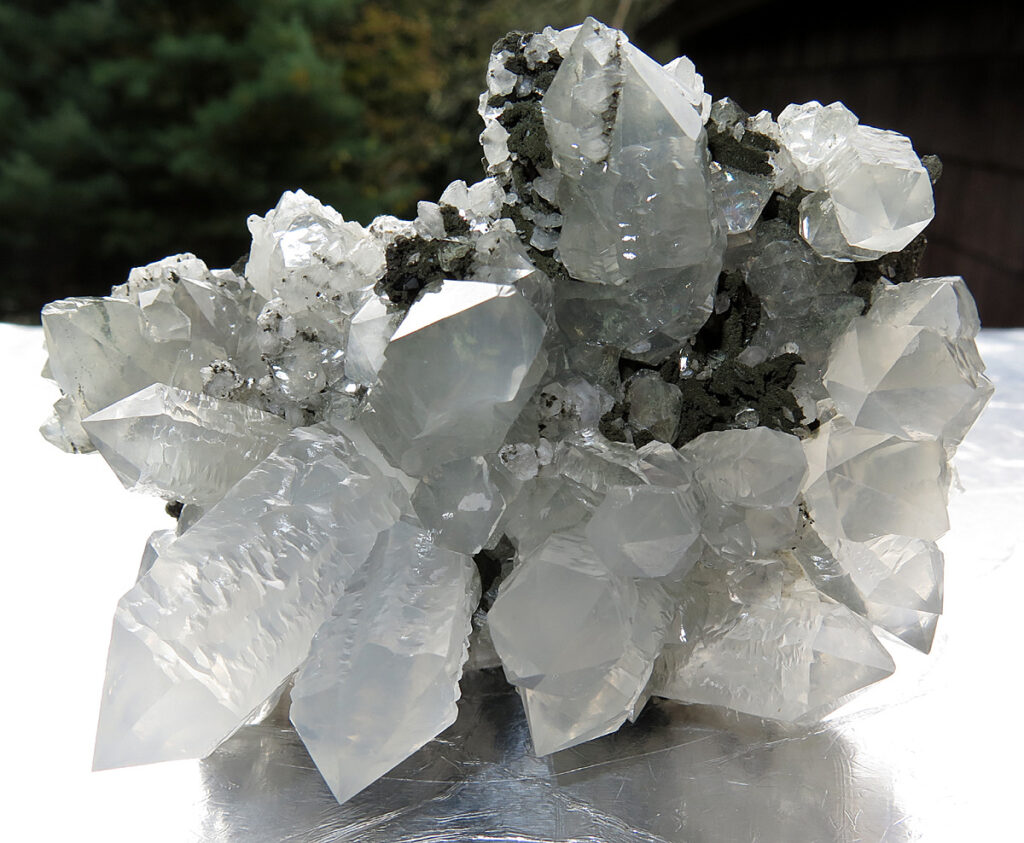
Common Quartz Varieties
- Amethyst – purple quartz
- Citrine – yellow to orange quartz
- Rose Quartz – pink quartz
- Smoky Quartz – brown to black quartz
- Milky Quartz – cloudy white quartz
- Rock Crystal – transparent quartz
Microcrystalline quartz varieties include:
- Agate
- Chalcedony
- Jasper
- Onyx
Trace elements, inclusions, radiation exposure, and crystal defects influence the final colors of quartz.
QUARTZ VS QUARTZITE
Quartz and quartzite are often confused, but they are not the same thing.
- Quartz is a mineral.
- Quartzite is a metamorphic rock composed mainly of quartz grains.
Quartzite forms when sandstone experiences heat and pressure during metamorphism.
GEOLOGICAL IMPORTANCE OF QUARTZ
Quartz plays a major role in understanding geological processes.
Geologists study quartz to analyze:
- magma evolution
- hydrothermal systems
- metamorphism
- sediment transport
- tectonic activity
Quartz crystals may preserve fluid inclusions and chemical signatures that reveal ancient geological environments.
Because quartz survives weathering so effectively, it also records long-term sedimentary and tectonic history.
Industrial and Technological Uses
Quartz is far more than a decorative mineral — it is a critical raw material in countless industries. Its unique properties — hardness, transparency, piezoelectricity, and chemical purity — make it indispensable.
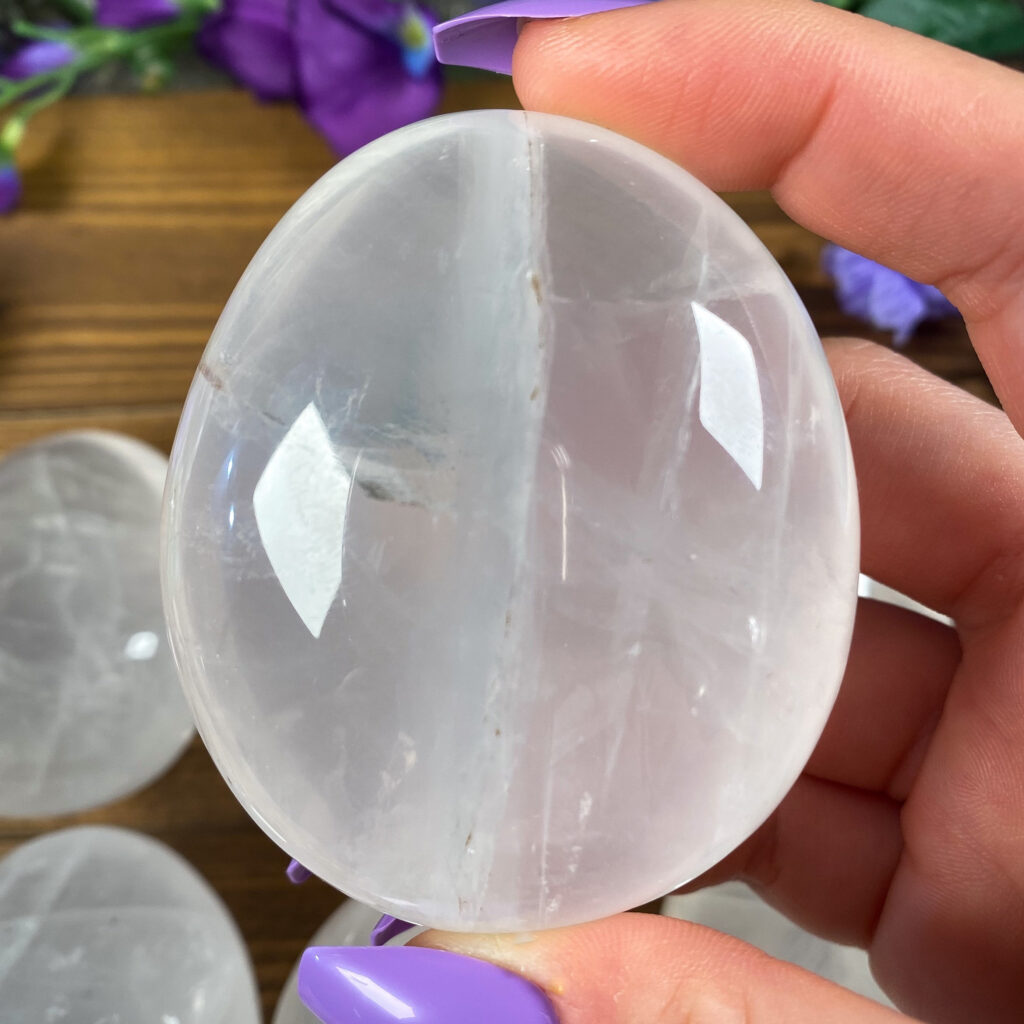
1. Industrial Applications
- Glass Production: Silica sand (quartz) is the primary ingredient in glass manufacturing.
- Ceramics & Refractories: Quartz is used in porcelain, brick, and cement.
- Metallurgy: Acts as a flux to lower melting temperatures in metal production.
- Abrasives: Quartz sand and crushed quartz are used in sandpaper and cutting tools.
- Construction: Essential in concrete, mortar, and engineered stone surfaces.
2. Electronics and Optics
Quartz has the remarkable ability to vibrate at precise frequencies when subjected to an electric field — a property known as piezoelectricity.
- Used in clocks, radios, and smartphones for accurate timekeeping.
- Synthetic quartz crystals grown in laboratories ensure purity and consistent performance.
- Optical-grade quartz transmits ultraviolet and infrared light, making it ideal for scientific instruments and fiber optics.
3. Jewelry and Decorative Use
Amethyst, citrine, rose quartz, and smoky quartz are widely used as gemstones. Their relative affordability and beauty make them favorites in both fine and costume jewelry. Large crystals and geodes are popular as interior décor pieces.
4. Scientific and Medical Instruments
High-purity quartz glass is used in laboratory ware, UV lamps, and laser optics.
Its transparency to ultraviolet light allows applications in semiconductor production and sterilization technologies.
Weathering Resistance and Geological Significance
Quartz is often called the “ultimate survivor” of the rock cycle. Its resistance to both mechanical and chemical weathering ensures it remains intact even when other minerals decay.
As rocks break down, quartz grains accumulate in riverbeds, beaches, and deserts, forming iconic landscapes such as the Sahara’s golden dunes or Florida’s white sands.
Because quartz is stable over wide pressure-temperature ranges, it serves as an indicator mineral in sedimentary provenance studies, helping geologists trace the origin of detrital materials.
Environmental and Health Aspects
Quartz is chemically inert and safe in its solid form. However, respirable silica dust — created during mining, grinding, or sandblasting — can pose serious health risks. Long-term inhalation may cause silicosis, a lung disease that can lead to chronic respiratory issues.
Modern safety regulations require dust suppression, protective masks, and ventilation in workplaces handling quartz powders.
On the environmental side, quartz extraction from sand quarries and riverbeds should be carefully managed to avoid habitat destruction and erosion.
Global Distribution and Famous Deposits
Quartz is found virtually everywhere on Earth, but some localities are renowned for exceptional specimens:
- Brazil: World’s leading source of amethyst, clear quartz, and rutilated quartz.
- Madagascar: Known for rose quartz and large crystal clusters.
- United States (Arkansas): Produces some of the clearest rock crystals.
- Alps (Switzerland and France): Alpine quartz veins with perfect prismatic crystals.
- India and Sri Lanka: Citrine, cat’s eye, and smoky quartz.
- Namibia and Zambia: Deep purple amethyst geodes of gem quality.
These regions not only supply the gem trade but also industrial quartz for electronics and optics.
Quartz and Human Culture
Quartz has fascinated humans for thousands of years. Ancient civilizations used quartz for tools, talismans, and ornaments, believing it held mystical energy.
The word “crystal” comes from the Greek krystallos, meaning “frozen ice,” reflecting the ancient belief that quartz was eternal ice sent from the heavens.
Today, quartz continues to bridge science and spirituality — a mineral that symbolizes clarity, energy, and endurance.
Conclusion
Quartz stands as one of nature’s most versatile and enduring creations. With its simple chemical formula yet endless structural variations, it embodies both the beauty and complexity of Earth’s geology.
From mountain peaks to microchips, quartz connects deep time with modern innovation. Its presence in rocks, rivers, jewelry, and technology is a constant reminder that even the most common minerals can shape the extraordinary story of our planet.
In every grain of sand and every crystal prism, quartz preserves a fragment of Earth’s memory — a record of transformation, resilience, and the endless cycle of creation.