









A fossil sometimes looks just like bone turned into stone. But there are some fossils that, on day they’re found, change direction of science.
Acceptance of evolution theory, understanding of human’s place in animal kingdom, emergence of life onto land, origin of birds, reality of mass extinctions… None of these are assumptions. All became clear thanks to certain fossils.
This article focuses on discoveries that changed most things, rather than “most famous” fossils.
1. Archaeopteryx – Quietest Evidence of Evolution
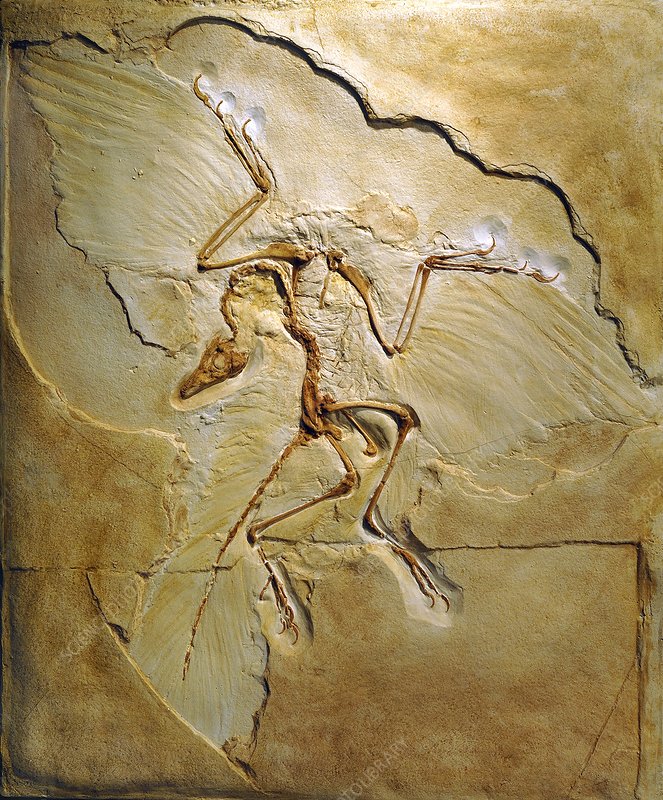
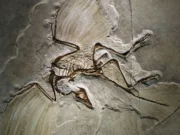
Before Archaeopteryx was discovered, birds were seen as completely separate group in scientific world. Dinosaurs were reptiles, birds were something completely different. Idea that there was connection between them was baseless guess.
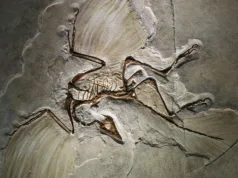
Archaeopteryx fossil found in Solnhofen limestones of Germany in 1861 shattered this picture.
This creature:
- Carried feathers but had teeth
- Had wings but had bony tail
- Could fly but not like modern birds
This became one of first examples where concept of “intermediate form” came out of books and found correspondence in real world. Especially in post-Darwin period, this fossil was big problem for evolution opponents because carried features of two separate groups in same body.
If today we can comfortably say birds are descendants of dinosaurs, one of foundation stones of this is Archaeopteryx.
2. Lucy – Correcting Wrong Question in Human Evolution
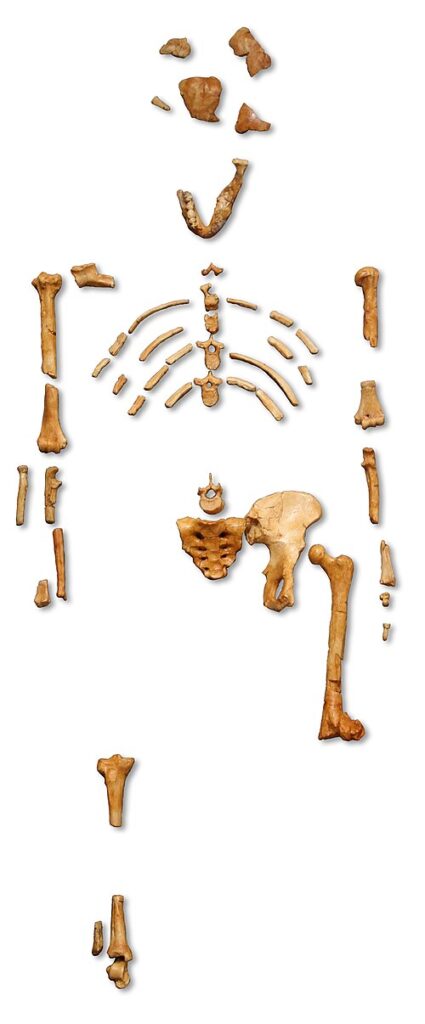
Before Lucy was found, common thought about human evolution was this: First big brain developed, then human started walking.
Lucy completely reversed this idea.
This 3.2 million year old fossil showed that creature with small brain but walking upright was possible. Hip bone, knee joint and foot structure were clearly adapted to bipedal walking.
This meant this: First step of being human was not thinking, it was walking.
Also environment where Lucy lived was forest–savanna transition. This also helped us understand how environmental changes triggered human evolution.
3. Tiktaalik – Going onto Land Was Not Jump
For long time “first land vertebrates” remained mystery. There were fish, there were amphibians but transition between two was not clear.
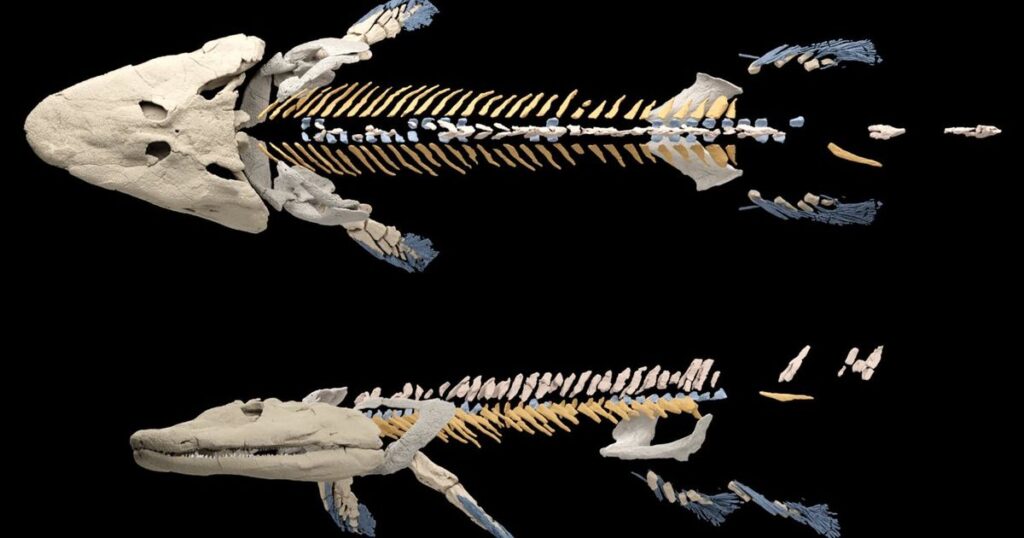
Tiktaalik filled this gap.
This fossil:
- Had gills but also had lung-like structures
- Its fins had bones that could carry weight
- Had neck (normally doesn’t exist in fish)
So Tiktaalik was creature that could lift its head in shallow waters and look around, could push itself from bottom.
This discovery clearly revealed that going onto land was not “one day a fish walked”; it was gradual adaptation lasting millions of years.
4. Burgess Shale – Place Showing How Many Different Paths Evolution Tried
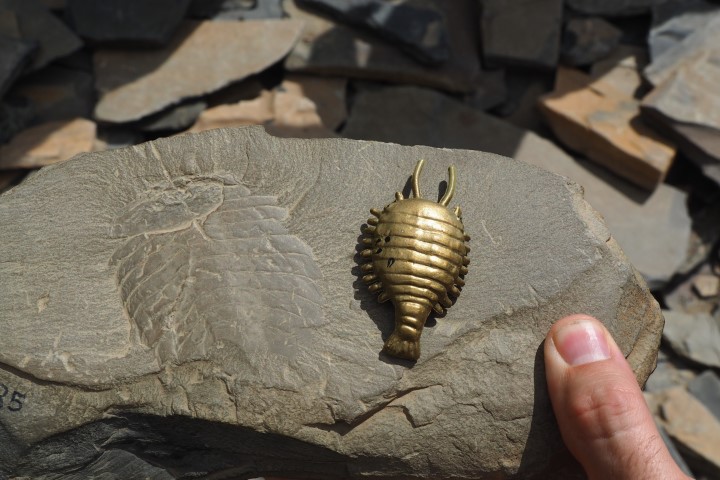
Until Burgess Shale fossils were found, there was big deficiency in fossil records: Soft-bodied creatures were almost never preserved.
Here however even brains, digestive systems, even muscle structures were fossilized.
What did this show?
During Cambrian Explosion:
- Animal body plans were much more than today’s
- Evolution made countless attempts before reaching today’s forms
- Most lineages went completely extinct
This discovery made us think of evolution not as “progressing ladder” but as branching and pruning tree.
5. Tyrannosaurus rex – Anatomy of Monster
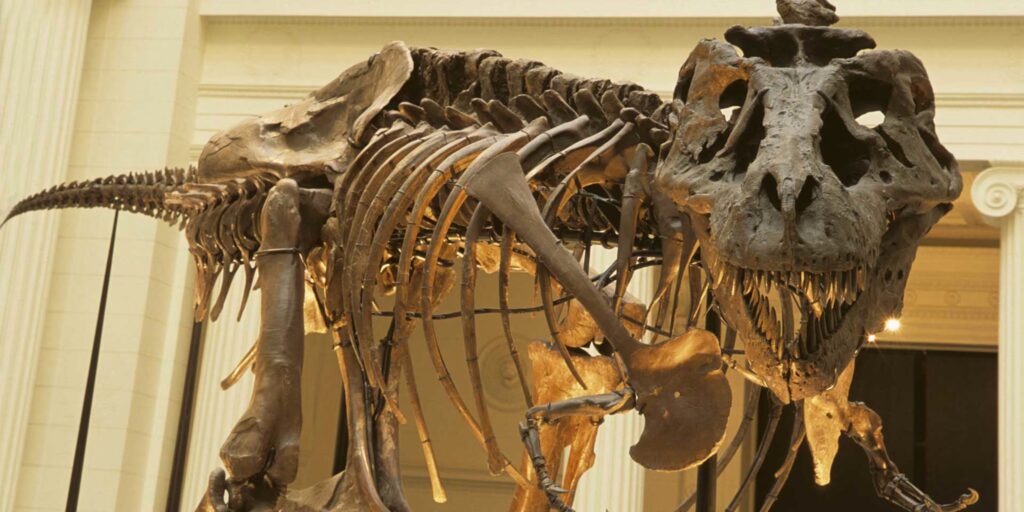
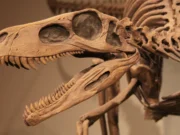
T. rex for long time was exaggerated creature of cartoons, movies. But well-preserved fossils revealed real biology of this animal.
Bone density, muscle attachments and tooth structure showed that:
- Was active predator
- Had very powerful bite force
- Had fast-growing metabolism
Also healed fractures seen in some fossils revealed that these animals gave serious struggles throughout their lives.
6. Laetoli Footprints – Petrification of Moment
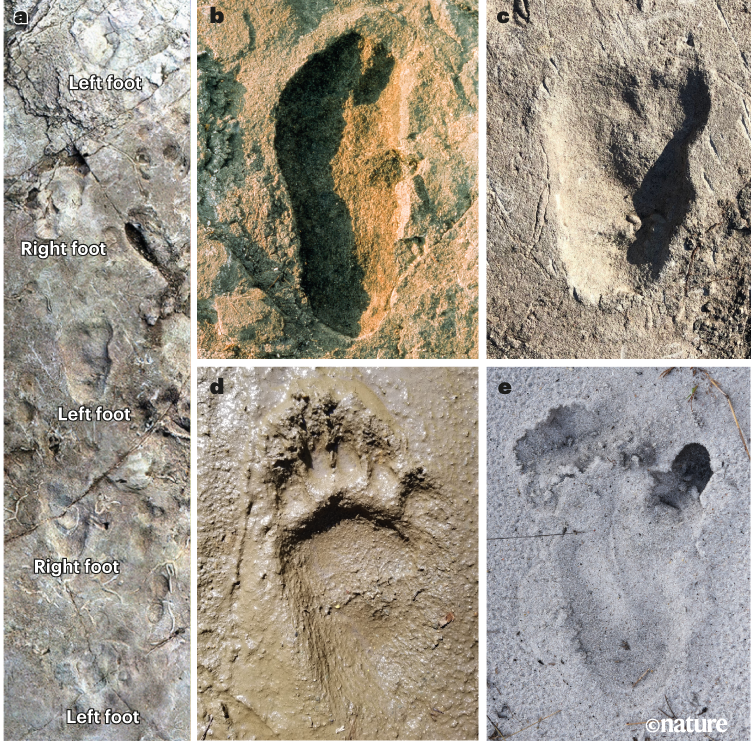
Laetoli footprints are something beyond being fossil. This is moment.
Three individuals pressed on volcanic ash were walking together. Step intervals and foot arch were surprisingly close to modern human walking.
This discovery proved that:
- Upright walking developed very early
- Social behaviors were very ancient
- Creatures like Lucy not “theoretical” but really walked
7. Feathered Dinosaurs – Birds Are Not Exception
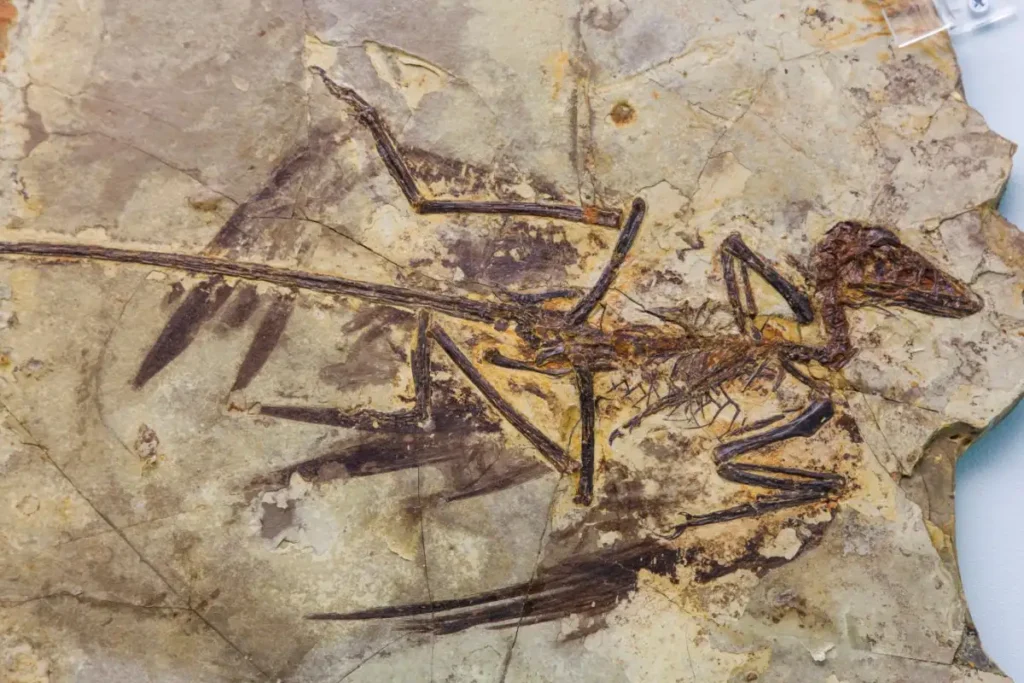
Feathered dinosaurs found in China ended bird–dinosaur debate.
Feathers were used:
- First for heat insulation
- Then for display
- Last for flight
Some species were four-winged, some glided. Flight didn’t emerge in single moment; developed gradually.
8. Trilobites – Watching Evolution Frame by Frame
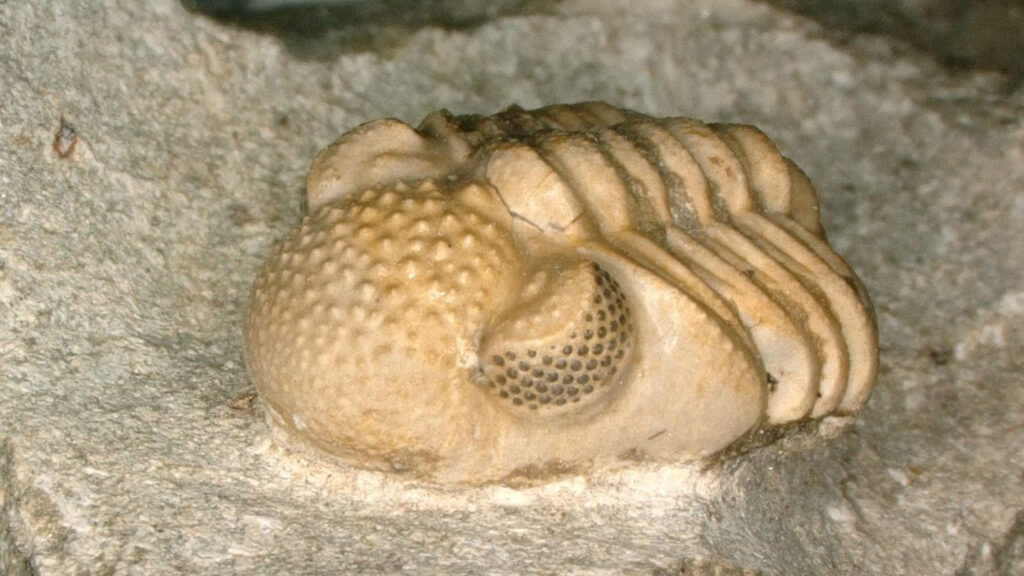
Trilobites are one of richest groups in fossil records. We can follow change of same species within hundreds of thousands of years step by step.
This shows that evolution is:
- Real
- Measurable
- Irreversible
This shows that it is a process.
9. Dinosaur Eggs – End of Cold-Blooded Monster Legend
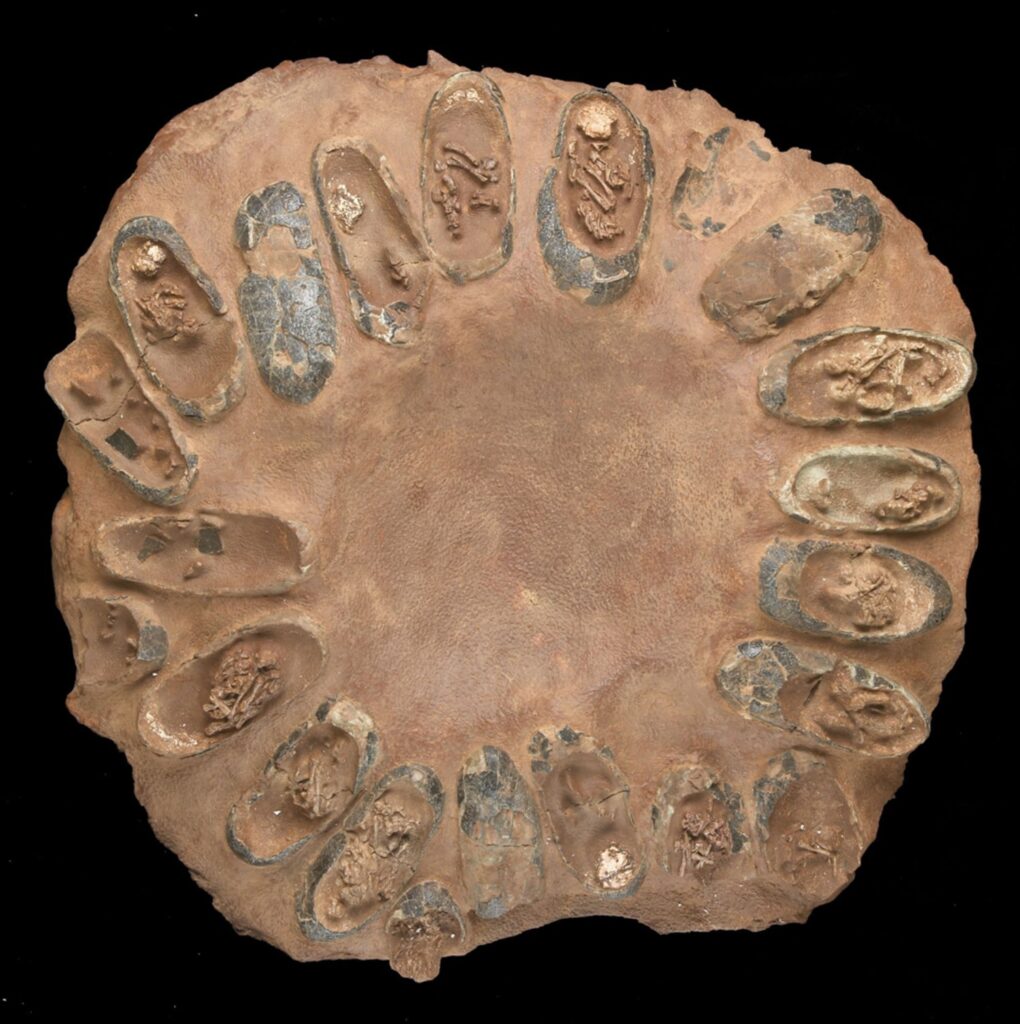
Idea of dinosaurs building nests, feeding their young emerged with fossils.
These discoveries showed that dinosaurs were creatures that were:
- Social
- Caring
- Had complex behaviors
It showed that there were living things.
10. Precambrian Microfossils – Invisible But Most Important Ones
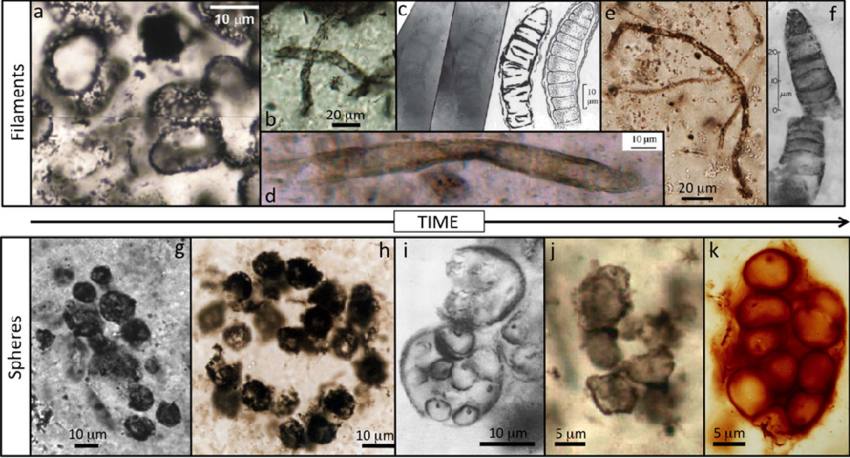
These fossils are so small that cannot be seen with naked eye. But their importance is enormous.
Precambrian microfossils showed us that life on Earth started much earlier than we thought. While complex animals emerged only 500-600 million years ago, these microscopic organisms were living billions of years before that.
What makes these fossils critical:
They revealed origin of oxygen atmosphere. Cyanobacteria fossils showed that oxygen didn’t exist naturally on Earth; was produced by living things over billions of years.
They explained why complex life emerged so late. For billions of years Earth was dominated only by single-celled organisms. Multicellular life had to wait for right conditions.
They showed Earth’s transformation from lifeless planet to living world was slow process, not sudden event.
Without these tiny fossils we could never understand why our planet is habitable today. Because story of oxygen, story of complex life, story of everything we see around us starts with these invisible beings.
Closing
Fossils don’t belong to past. They are only concrete evidence enabling us to understand today.
Each new fossil clarifies human’s place in universe bit more.