




The Wildest, Weirdest, “How Is This Even Real?” Minerals on Earth
Let’s be honest: geology at school feels clean and organized. Crystals have systems, hardness has rules, chemistry is predictable. But once you step into the field or dive into the world of rare mineral collectors, the real Earth shows up and laughs in your face.
Because nature… sometimes loses its mind.
There are minerals out there that break every expectation you have. Some glow like burning lava under UV. Some come from meteor impacts. Some are made of deadly elements. Some behave like optical fibers. A few are so rare that for decades humanity didn’t even know they existed.
This list is exactly about those “what the hell is this thing?” minerals
— the top 10 strangest minerals ever discovered.
1. Painite – The mineral that held the title “rarest on Earth” for decades
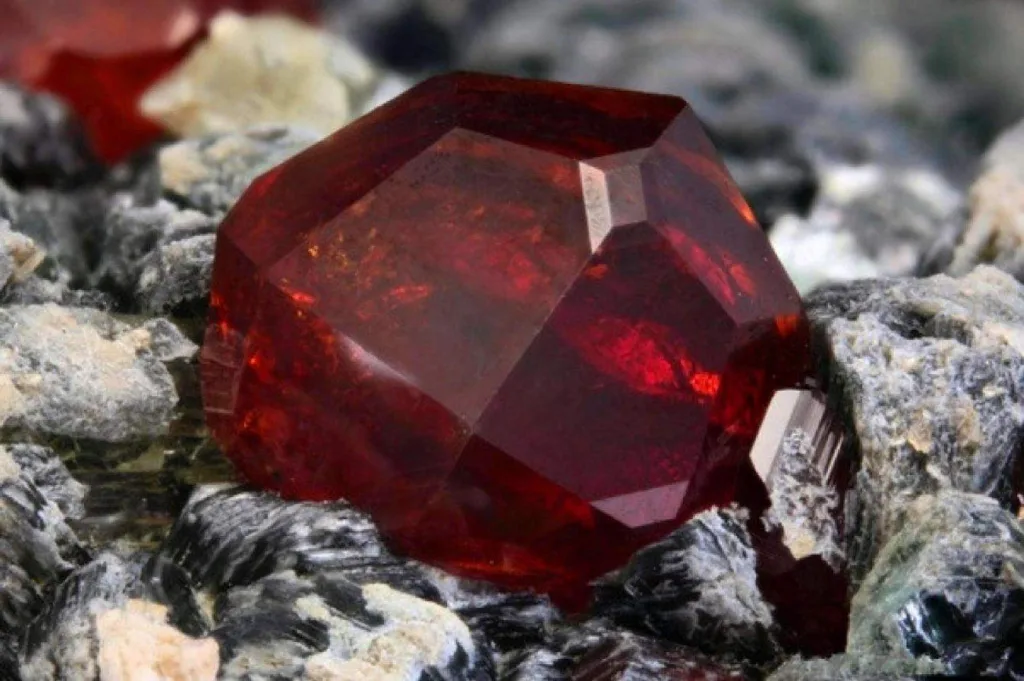
Painite was basically a legend.
For years the Earth had only one known crystal. Then two. Then three.
That’s it. Three crystals representing the whole planet.
A reddish-brown tone with ruby-like depth inside, containing a bizarre mix of boron, zirconium, calcium.
Painite wasn’t just rare; it felt mythical.
Even today, with a few new finds in Myanmar, it’s still insanely rare.
A mineral that looks like it belongs in the pocket of a wizard, not in a normal rock collection.
2. Yooperlite – Looks like a normal pebble but burns like lava under UV
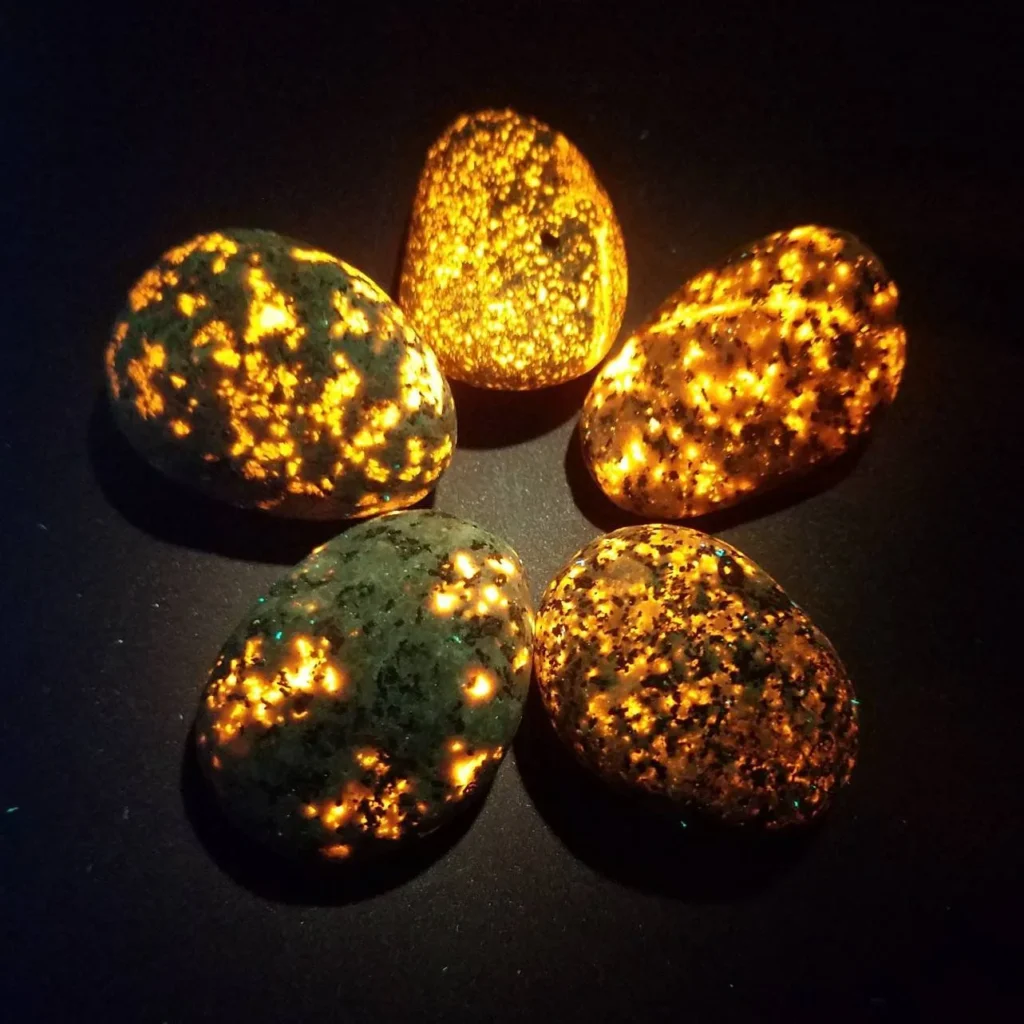
In daylight: boring grey stone.
Under UV: it explodes with neon orange flames thanks to glowing sodalite veins.
People walk along the shores of Lake Superior at night with UV flashlights just to hunt these stones. TikTok made it even crazier.
Geologically strange because this level of uniform fluorescence is extremely rare in nature.
3. Poudretteite – A cotton-candy colored crystal so rare it literally disappeared for years
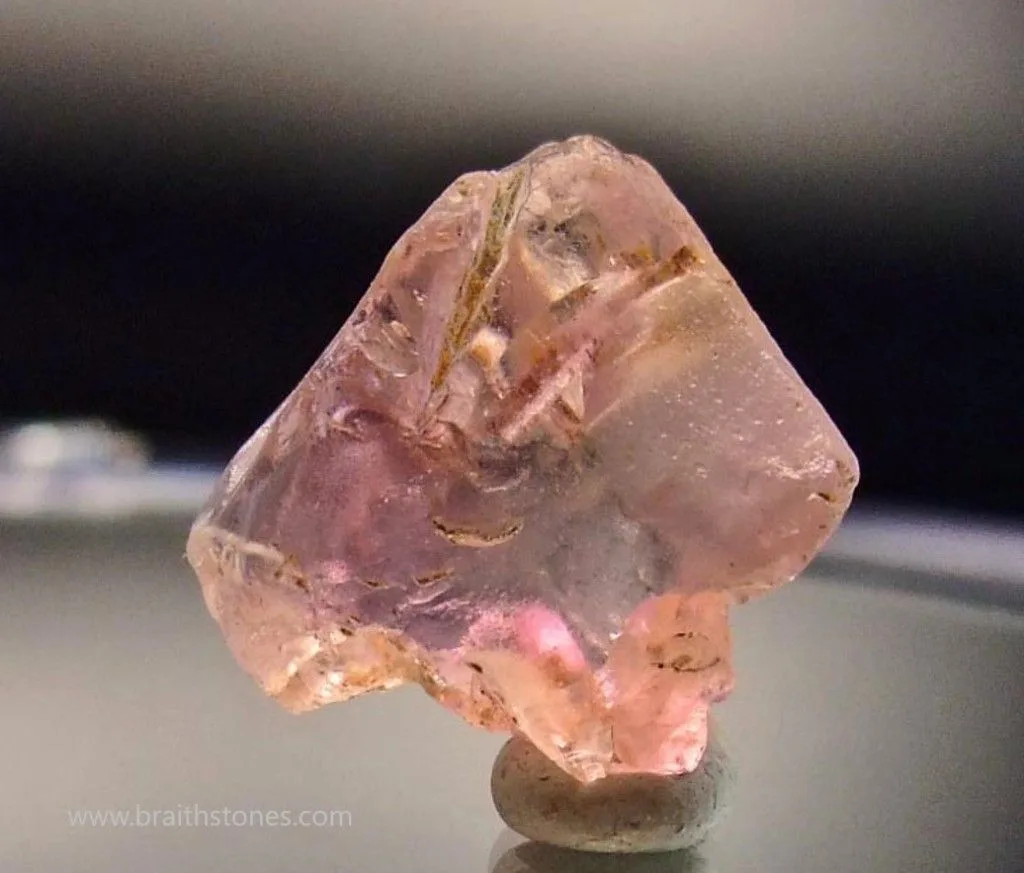
Light pink-purple, glass-clear, dreamy.
First discovered in a Canadian quarry owned by the Poudrette family. Then vanished from science for decades.
Only a few tiny crystals existed on Earth.
Then Myanmar produced a small amount, but it’s still barely accessible. A “see once in a lifetime” kind of mineral.
It looks more like crystallized air than a real solid.
4. Hutchinsonite – A toxic nightmare made of arsenic, thallium, and lead
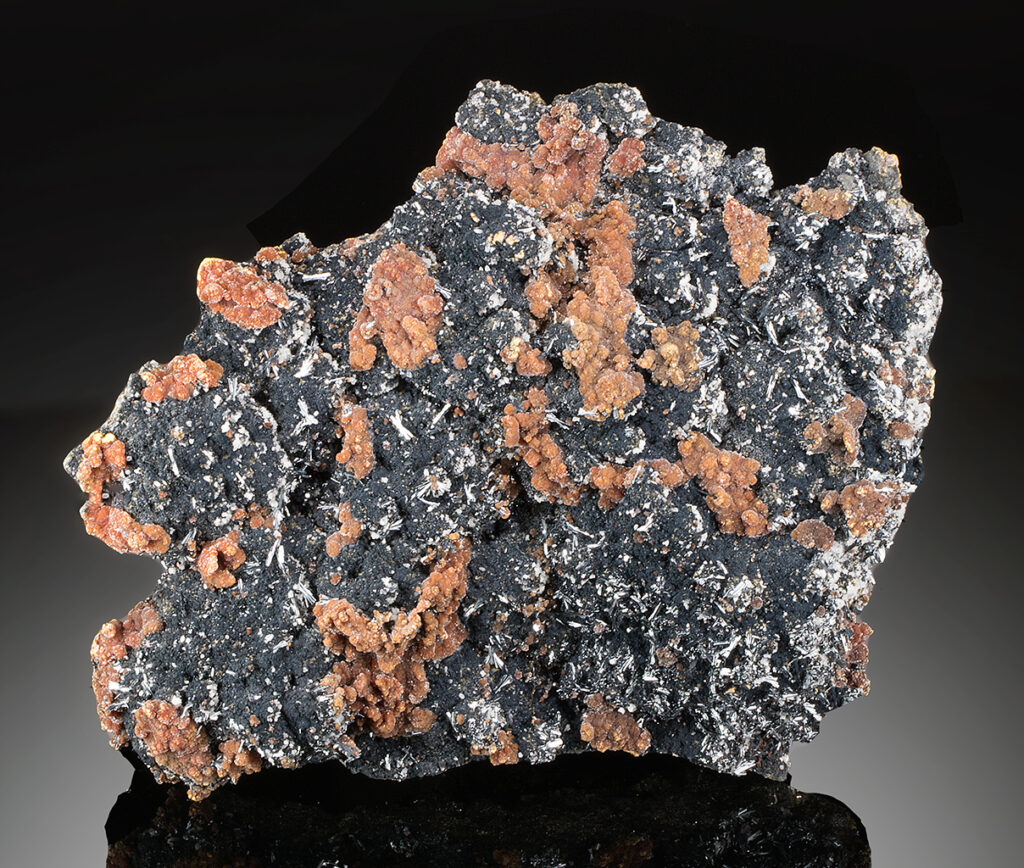
Metallic reddish needles that grow like evil hair.
Beautiful at first glance, deadly at the chemical level.
Touching it with bare hands? Not a great idea.
It’s basically a natural weapon disguised as a shiny mineral.
One of the most dangerous minerals known.
5. Ulexite (TV Stone) – A mineral that projects images to its own surface
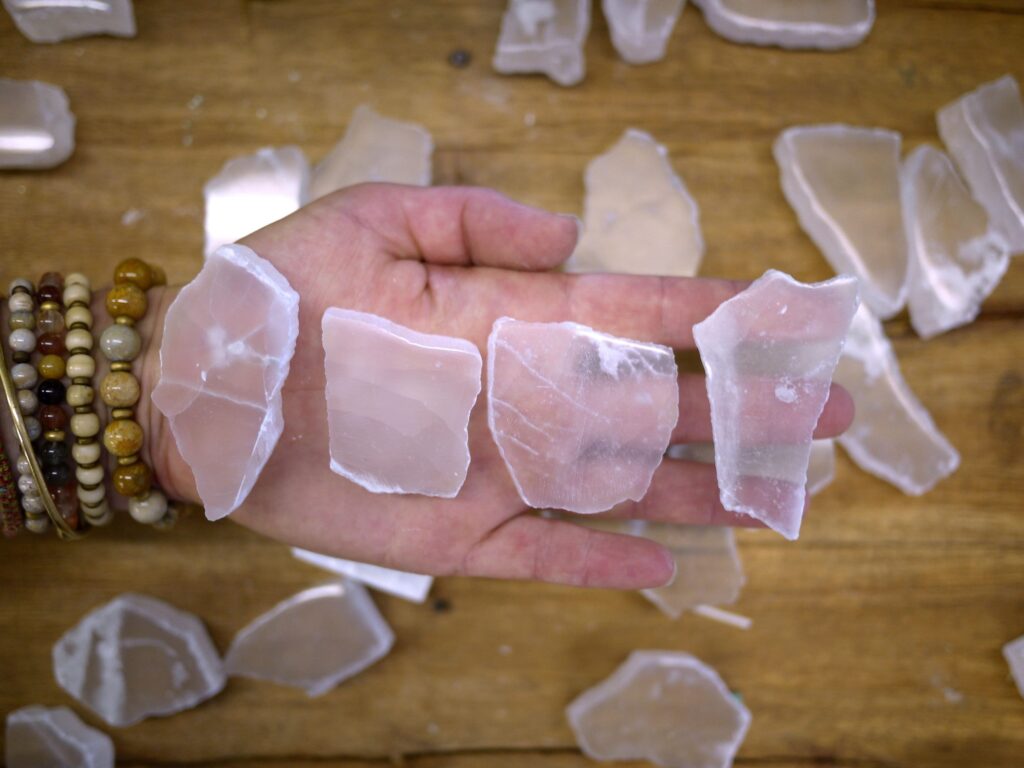
Ulexite behaves like a natural fiber-optic cable.
Its fibrous internal structure transports light from bottom to top.
Put a text under it and you see the text appearing on its surface.
That’s why it’s called TV Stone.
Even knowing the physics, your brain still says: “No way this is natural.”
6. Moldavite – Glass forged from a meteor impact
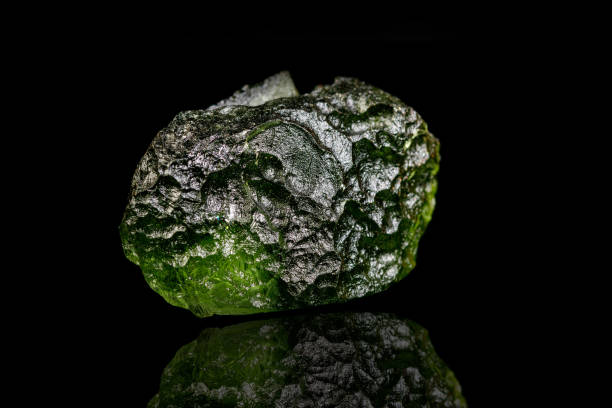
15 million years ago, a giant meteor slammed into Europe.
The heat melted local rocks into liquid glass, which flew into the sky and cooled into weird green pieces.
That’s moldavite: half Earth, half space.
Deep olive-green color, bubbles inside, surreal texture.
Found mainly in the Czech Republic, heavily faked worldwide.
7. Crocoite – Liquid-lava-colored crystal rods
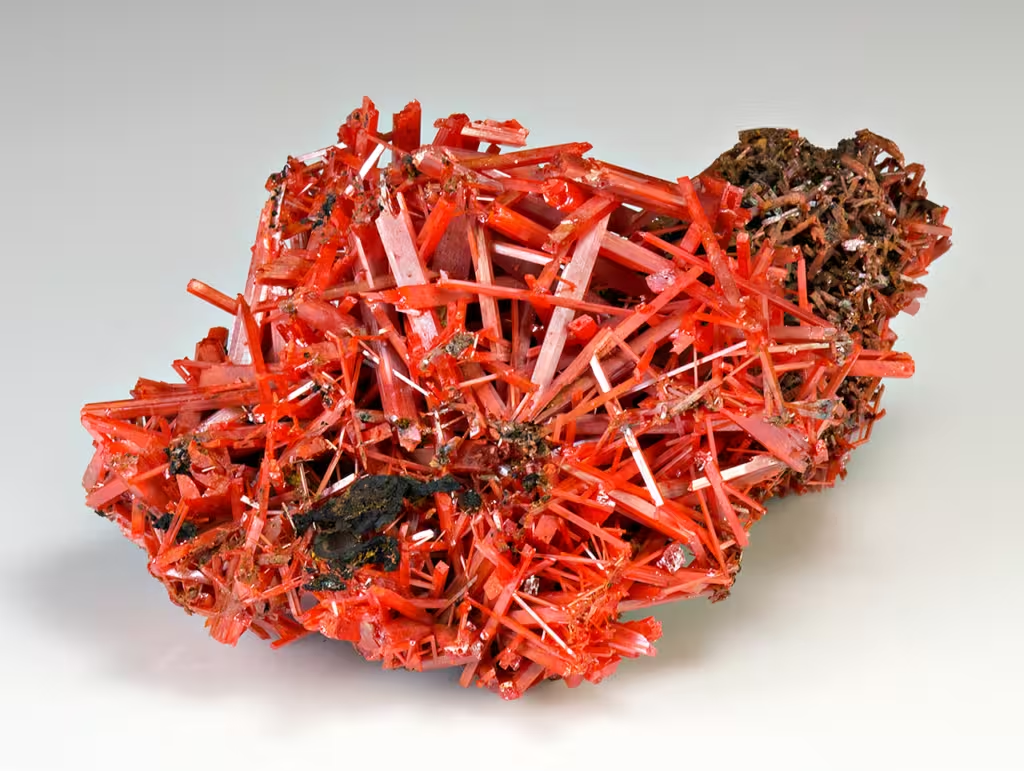
Bright red-orange, almost glowing.
Lead chromate composition + fragile needle-like crystals.
Looks like a crystal flower from another planet.
Touch it wrong and it snaps instantly.
Spectacular but delicate.
Tasmania’s Dundas area is its home turf.
8. Fluocerite – A weird combination of rare-earth elements in a pale yellow crystal
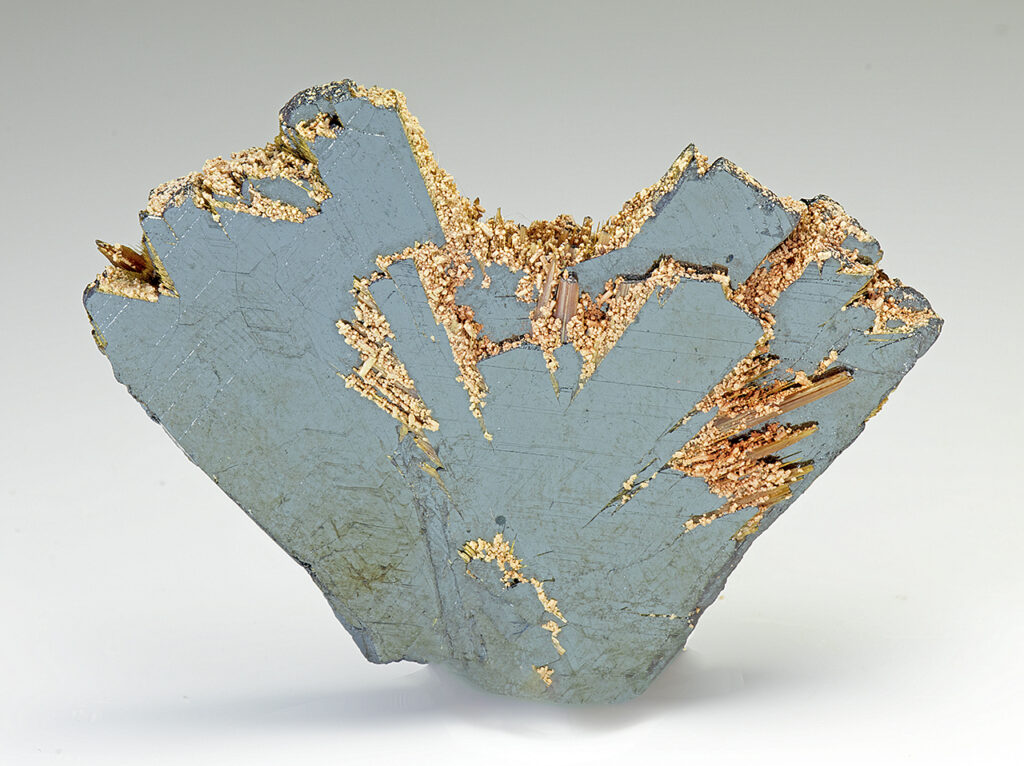
Lanthanum + Cerium + Fluorine — not a combo you see every day.
The mineral itself looks simple, but chemically it’s bizarre.
Rare-earth minerals are already a strange world, and Fluocerite is like the quiet genius in the room.
9. Mirabilite – The mineral that grows at night and melts during the day
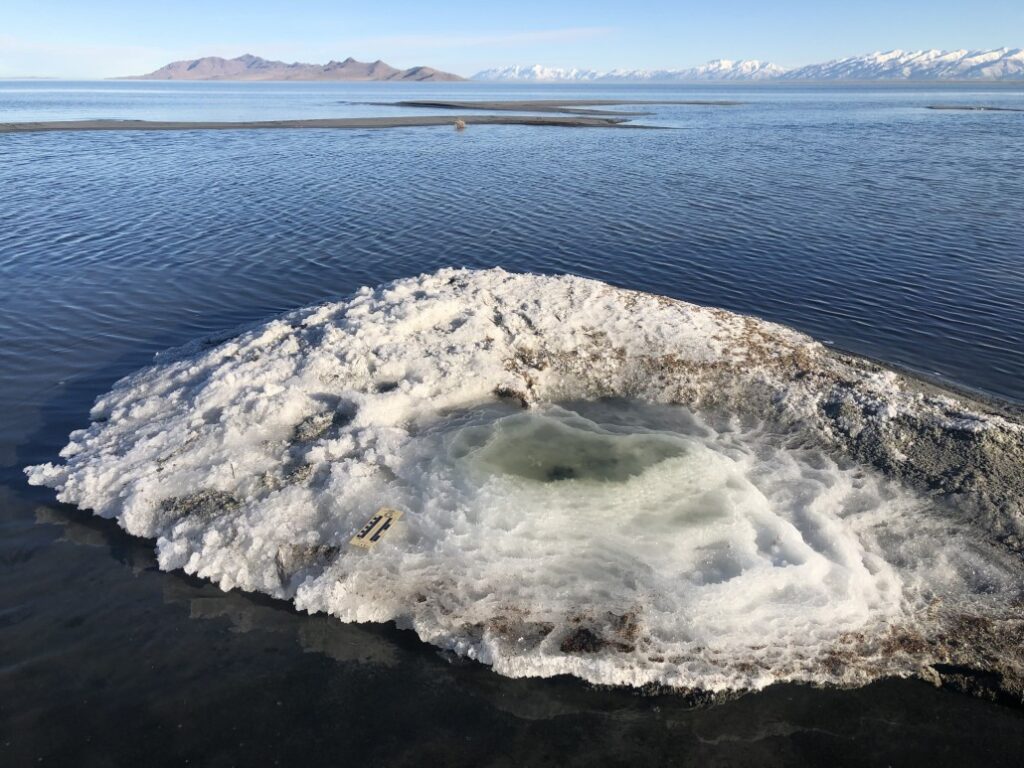
This might be the strangest behavior on the list.
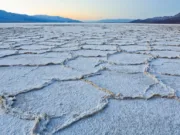
At salty lake shores, when temperatures drop at night, giant white crystals grow everywhere.
In the morning, the sun comes out and they dissolve back into liquid.
A real-time mineral.
A one-night-life crystal.
People take photos of mirabilite formations like they’re capturing a short-lived ghost.
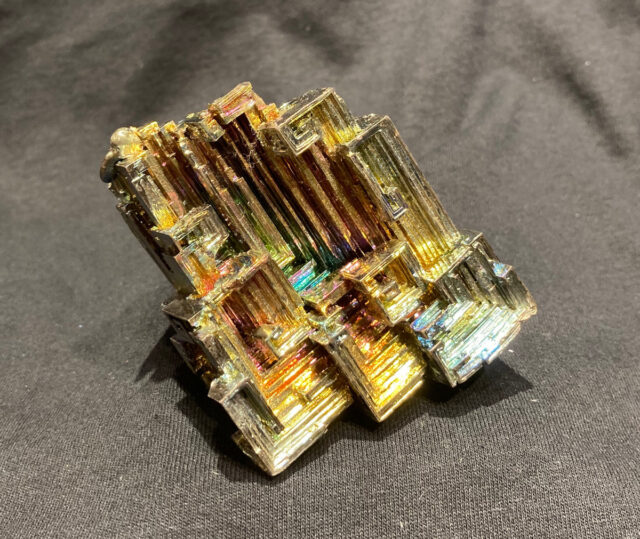
10. Bismuth Crystals – Rainbow metallic staircases that look like a computer glitch
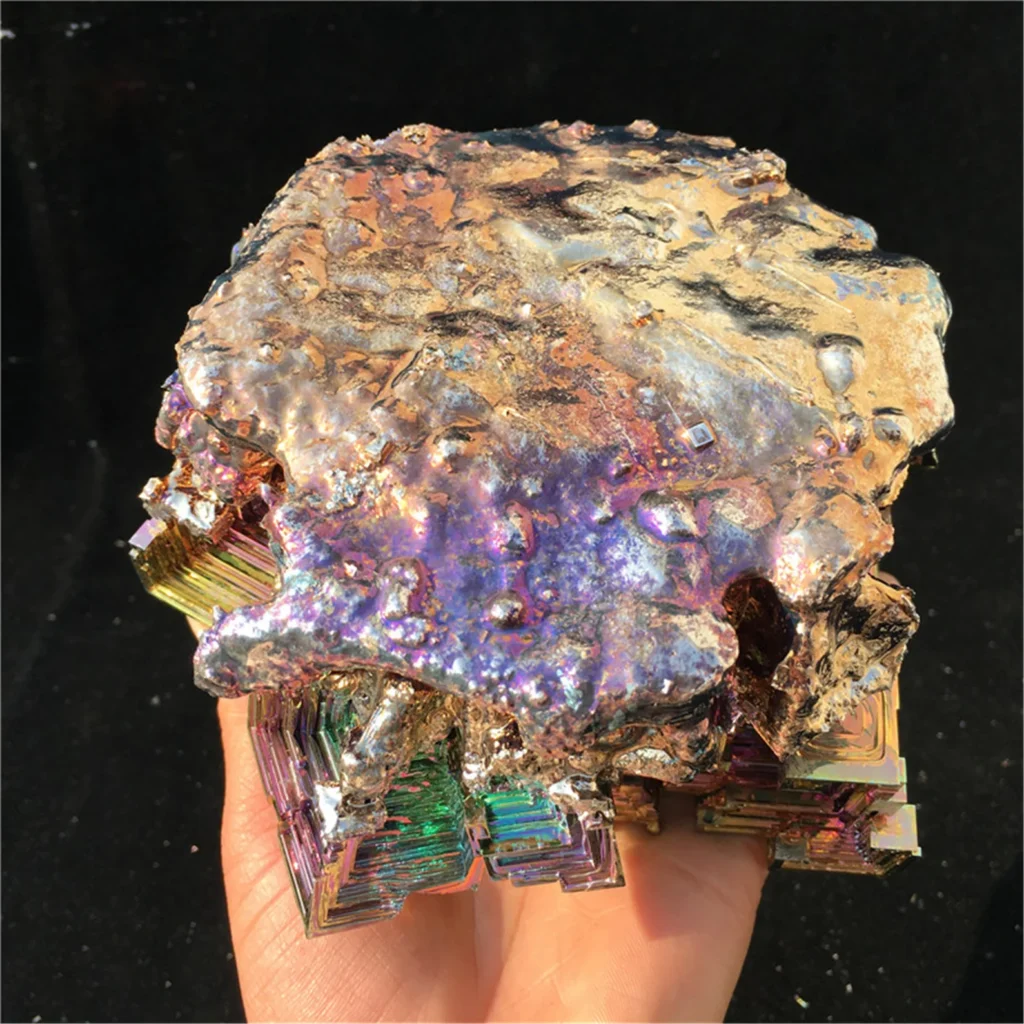
Man-made bismuth crystals are famous, but natural ones exist too, and they’re even stranger.
Stair-step geometry, rainbow iridescence, metallic shine.
Looks artificially designed, but nature occasionally produces them in hydrothermal cracks.
Holding one feels like holding a piece of geometry from a video game.
Why Are These Minerals So Weird?
Because nature thrives on extremes.
Extreme heat, extreme pressure, extreme chemistry, space impacts, sudden cooling, rare elements…
Each one breaks the “normal crystal rules” and creates something extraordinary.
These minerals are science + art + chaos mixed together.
Proof that geology is never boring and the Earth still has surprises hidden everywhere.