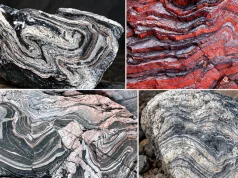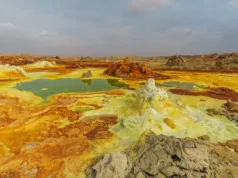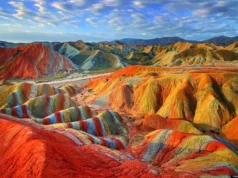




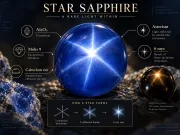


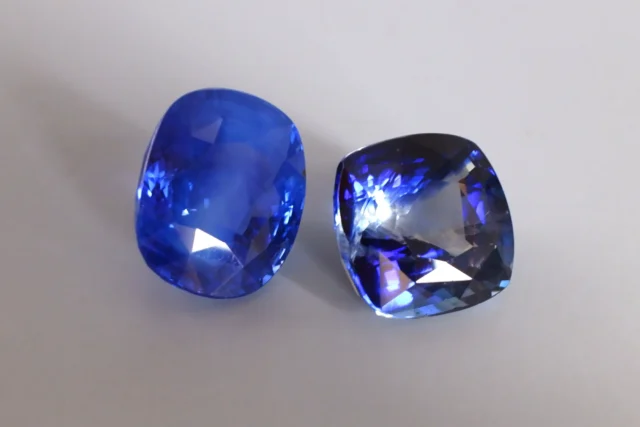
At first glance, the sapphire world looks like a simple collection of “blue stones,” but in reality it’s a far more complex and fascinating universe. Every sapphire’s color, brightness, clarity, and even its microscopic inclusions are the result of geological forces working under immense pressure for millions of years. Some sapphires glow with electric blue intensity, some burn with violet undertones, some shift color under different light, and others trap a perfect star-shaped ray inside their structure. A few even display a silky haze created by delicate networks of rutile needles.
This guide breaks down the rarest, most valuable, and most sought-after sapphire types on Earth. It explains—clearly and without unnecessary jargon—why certain colors, formations, optical effects, inclusions, and geographic origins make these stones dramatically more special than ordinary sapphires. If you have even the slightest interest in natural gemstones, this list will help you understand exactly what makes a true sapphire so captivating and so expensive.
What Makes a Sapphire Precious?
Before diving into the individual types, it’s worth understanding what elevates one sapphire above another.
Gem experts consider five main factors when defining “precious” quality:
- Color:
The most critical element — the ideal sapphire displays vivid saturation with perfect tone balance. The pure “velvety blue” hues command the highest prices. - Origin:
Sapphires from legendary sources like Kashmir, Burma (Myanmar), and Ceylon (Sri Lanka) hold historic prestige and are far rarer than modern deposits. - Treatment:
Natural, unheated sapphires are significantly more valuable than heat-treated or diffused stones. - Clarity and Cut:
High transparency and skillful cutting enhance brilliance and depth of color. - Size and Rarity:
Large, vividly colored sapphires over 5 carats from old mines are considered collector-grade treasures.
1. Kashmir Sapphires – The Benchmark of Blue
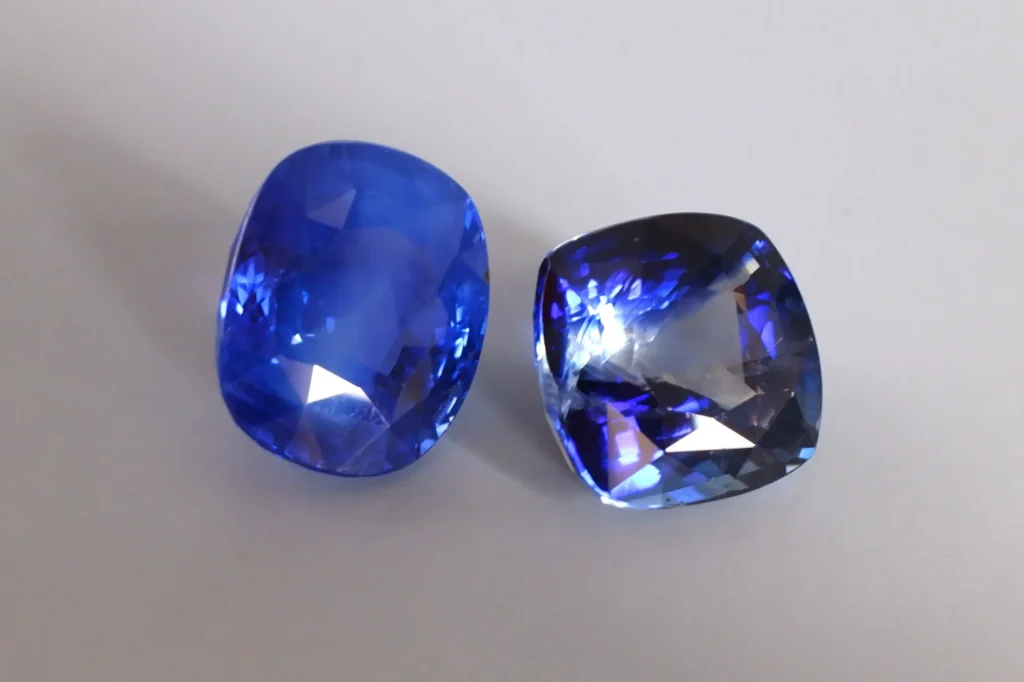
Among all sapphires, none are more legendary than those from the Kashmir region of the Himalayas.
Discovered in the late 19th century, these sapphires were mined for only a few decades before the deposits were depleted.
Characteristics
- Famous for their “velvety cornflower blue” color — a soft, rich tone with a slight milky sheen.
- Extremely fine texture caused by tiny rutile inclusions that scatter light evenly.
- Typically untreated, as the natural hue is already perfect.
Rarity & Value
Because the mines closed over a century ago, genuine Kashmir sapphires are now among the most expensive gemstones in the world.
At auction, they regularly exceed $100,000 per carat for exceptional pieces.
? The 62.02-carat “Blue Belle of Asia,” a Sri Lankan sapphire often compared to Kashmir quality, sold for $17.3 million — the highest price ever for a sapphire. (Christie’s, 2014)
2. Ceylon (Sri Lanka) Sapphires – Bright and Luminous
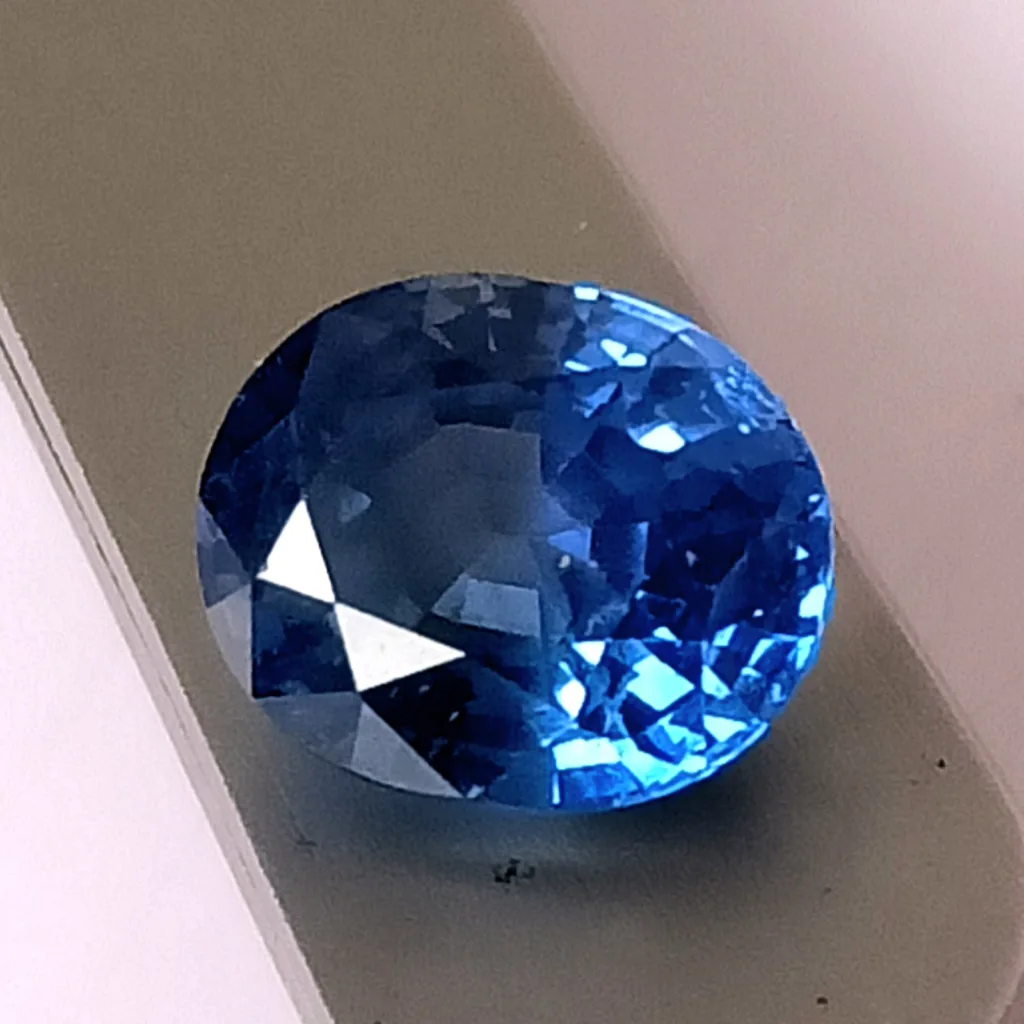
Sri Lanka, formerly known as Ceylon, has been a source of sapphires for over 2,000 years.
These stones are celebrated for their radiant “cornflower blue” tones — lighter and more brilliant than Kashmir gems, yet equally captivating.
Characteristics
- Medium to light blue hues with exceptional transparency.
- Often larger in size and available in a wide range of fancy colors (pink, yellow, purple, white).
- Most stones are heat-treated to enhance clarity and color, though unheated specimens exist.
Rarity & Value
Ceylon sapphires are more common than Kashmir stones but remain highly prized for their sparkle and clarity.
Fine stones above 10 carats with pure color can sell for tens of thousands per carat.
3. Burmese (Myanmar) Sapphires – The Royal Blue Legacy
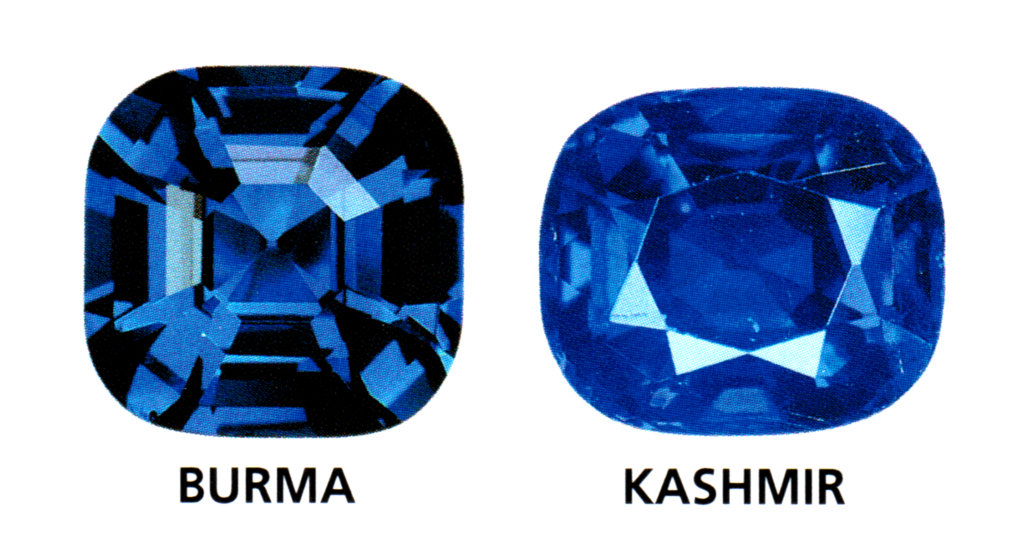
From the famous Mogok valley in Myanmar (Burma) come sapphires with a rich royal-blue tone that rivals even the best Kashmir gems.
These stones are renowned for their depth of color and silky texture, making them some of the most desirable gems ever mined.
Characteristics
- Saturated royal blue with subtle violet undertones.
- Often high clarity, fine luster, and natural fluorescence that enhances visual depth.
- Many are untreated or lightly heated — an important factor in value.
Rarity & Value
Because political and environmental conditions have limited new mining, Burmese sapphires are increasingly rare.
Collectors view them as “investment stones,” often fetching $30,000–$80,000 per carat for top-grade gems.
4. Padparadscha Sapphires – The Sunset Gem
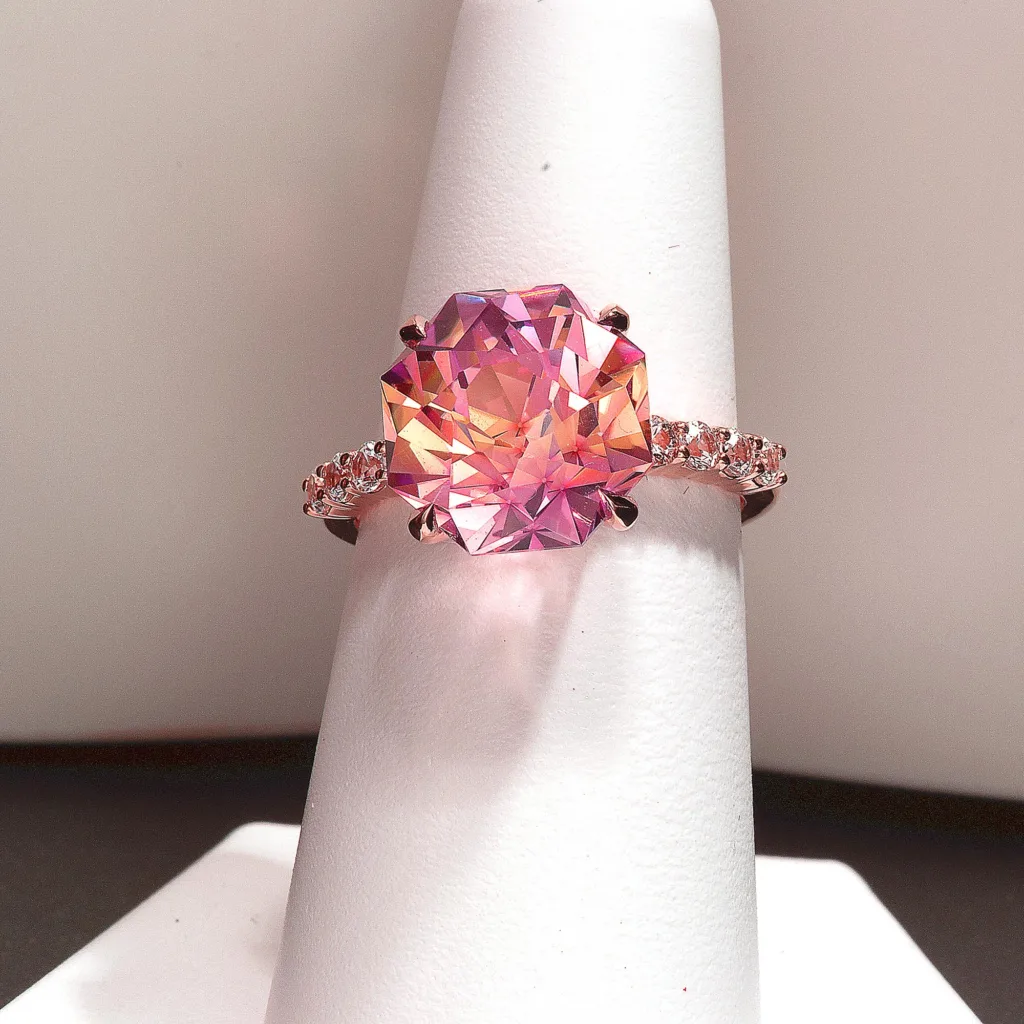
The word Padparadscha means “lotus blossom” in Sinhalese — a fitting name for this sapphire’s delicate blend of pink and orange hues.
These stones seem to capture a tropical sunrise within their facets.
Characteristics
- A perfect balance of pink and orange — neither too pink nor too orange.
- Typically found in Sri Lanka, with rare finds in Madagascar and Tanzania.
- Light tone and warm glow reminiscent of sunset.
Rarity & Value
Padparadscha sapphires are among the rarest of all colored gemstones.
Fine untreated examples can exceed $20,000 per carat, with the best auction pieces reaching seven figures.
? A 28.04 ct Padparadscha sold at Bonhams in 2018 for $2.5 million — a record for this color variety.
5. Color-Changing Sapphires – Nature’s Chameleons
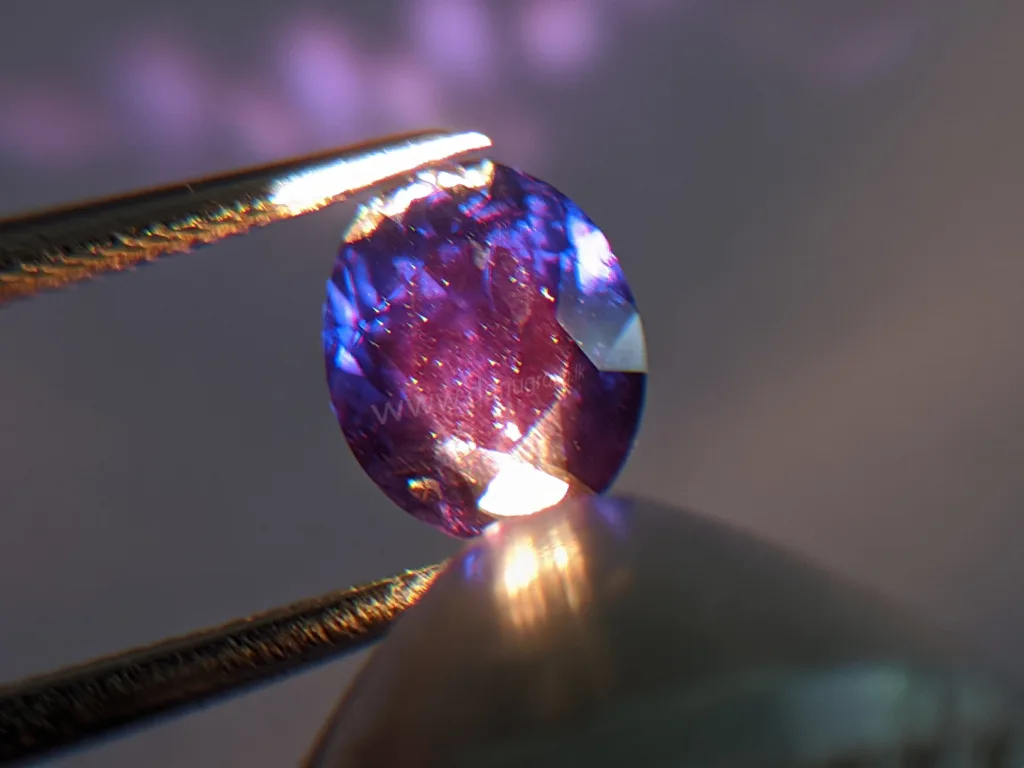
Few gemstones demonstrate optical magic like color-changing sapphires.
These rare stones shift color under different lighting — from blue in daylight to violet or purple in incandescent light.
Characteristics
- The effect is caused by trace elements like vanadium.
- Found mainly in Sri Lanka, Tanzania, and Madagascar.
- Each stone is unique; the more dramatic the color shift, the higher the value.
Rarity & Value
Color-change sapphires remain niche collectibles.
Fine specimens with vivid, clean transitions can reach $10,000–$25,000 per carat, depending on size and clarity.
6. Fancy-Color Sapphires – The Rainbow Within Corundum
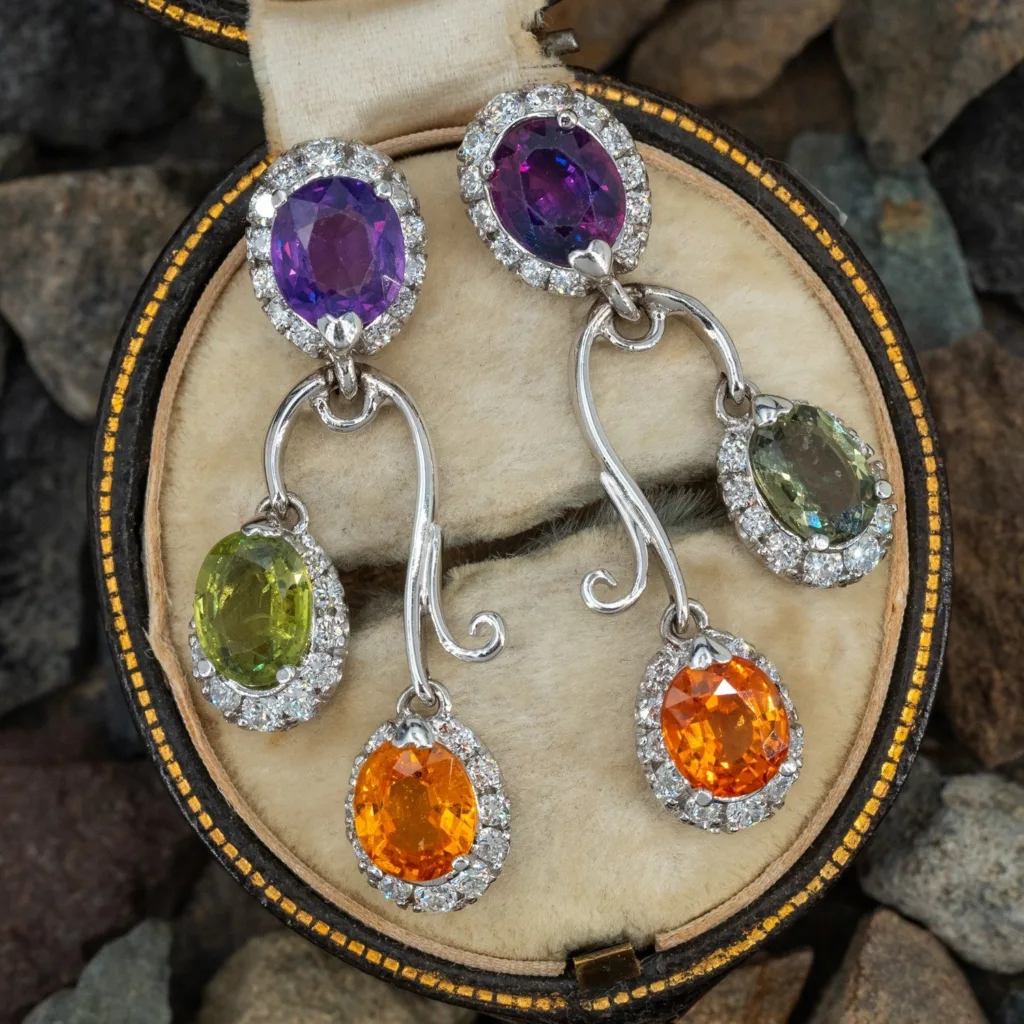
Beyond blue and padparadscha, sapphires exist in nearly every color of the rainbow — collectively known as fancy-color sapphires.
Popular Colors
- Pink: Romantic and vibrant, rivaling rubies in beauty.
- Yellow: Cheerful and bright; Madagascar and Sri Lanka produce stunning examples.
- Green and Teal: Rare and modern; highly popular in contemporary jewelry.
- Parti-color: Displaying two or more colors in the same crystal — a natural artwork.
While they may not command Kashmir-level prices, these sapphires are becoming increasingly precious as collectors seek individuality and natural color diversity.
7. Untreated and Provenance Stones – The Collector’s Dream
Regardless of color, the ultimate sapphire treasure is one that remains completely untreated — its natural beauty untouched by heat or enhancement.
Gemological reports from laboratories like GIA or SSEF verifying “No indications of heating” can multiply a sapphire’s value several times over.
Combine that with a famous provenance (Kashmir, Burma, Ceylon), and you have a true collector’s gem.
Famous Sapphires and Record Sales
| Gem Name | Origin | Carat | Sale Price | Source |
|---|---|---|---|---|
| Blue Belle of Asia | Sri Lanka | 392.52 ct | $17.3 million | Christie’s, 2014 |
| Rockefeller Sapphire | Myanmar | 62.02 ct | $3 million | Christie’s, 2011 |
| Graff Royal Blue | Burma | 43.10 ct | $6.7 million | Sotheby’s, 2020 |
| Padparadscha (Bonhams) | Sri Lanka | 28.04 ct | $2.5 million | Bonhams, 2018 |
| Unnamed Kashmir Sapphire | Kashmir | 27.68 ct | $3.9 million | Christie’s, 2015 |
These record-breaking gems demonstrate how origin, treatment, and rarity define value — and why collectors view fine sapphires as long-term assets as well as works of art.
How to Identify and Choose a Precious Sapphire
When evaluating sapphires, gemologists and collectors look for the following:
- Vivid, even color across the entire stone.
- High clarity — minimal inclusions visible to the naked eye.
- Excellent cut that maximizes brilliance without dark zones.
- Verified origin and lab certification.
- Unheated stones are always more valuable than treated ones.
Tip for collectors: Always request a gem report specifying both origin and treatment status — it’s your gemstone’s passport.
Conclusion
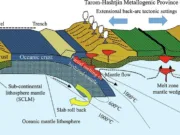
A sapphire is far more than a beautiful gemstone; it is a remarkable geological artifact. Its value is shaped by tiny variations in chromium, iron, or titanium; by the way it bends and scatters light; by the inclusions hidden inside; and even by the specific tectonic belt where it formed. That’s why the “most precious sapphire” isn’t just a bright stone—it’s the rare outcome of an extraordinary natural process that unfolded deep within the Earth.
The sapphire types featured in this list occupy a special place in the world of fine gems due to their rarity, optical behavior, and geological origin. Whether you’re a collector, a gemology enthusiast, or someone exploring gemstones for investment, you should now have a clear sense of why these particular sapphires stand apart. The world of sapphires is mesmerizing, complex, and endlessly deep—and each of these stones represents a silent, enduring record of Earth’s ancient geological history.